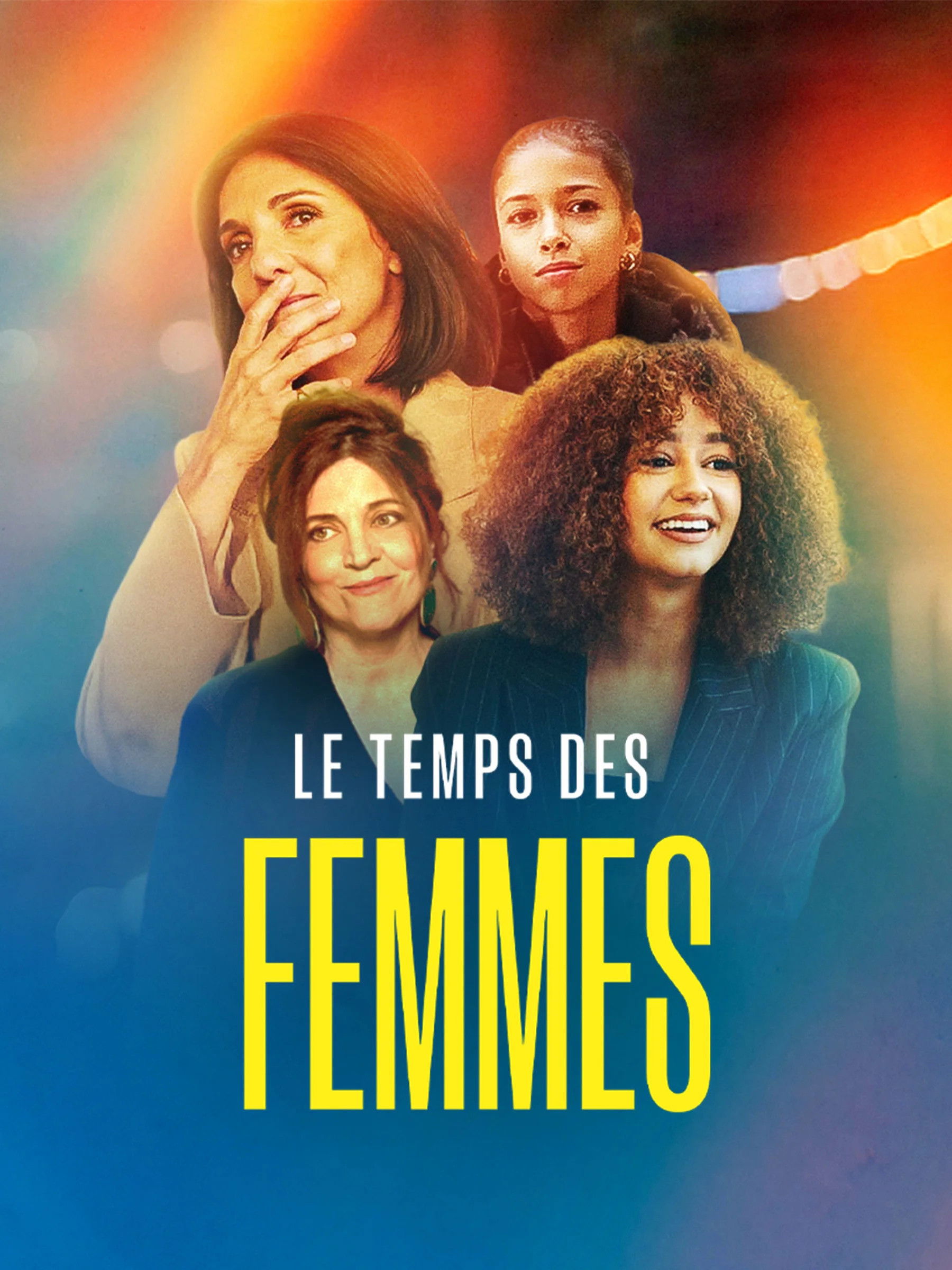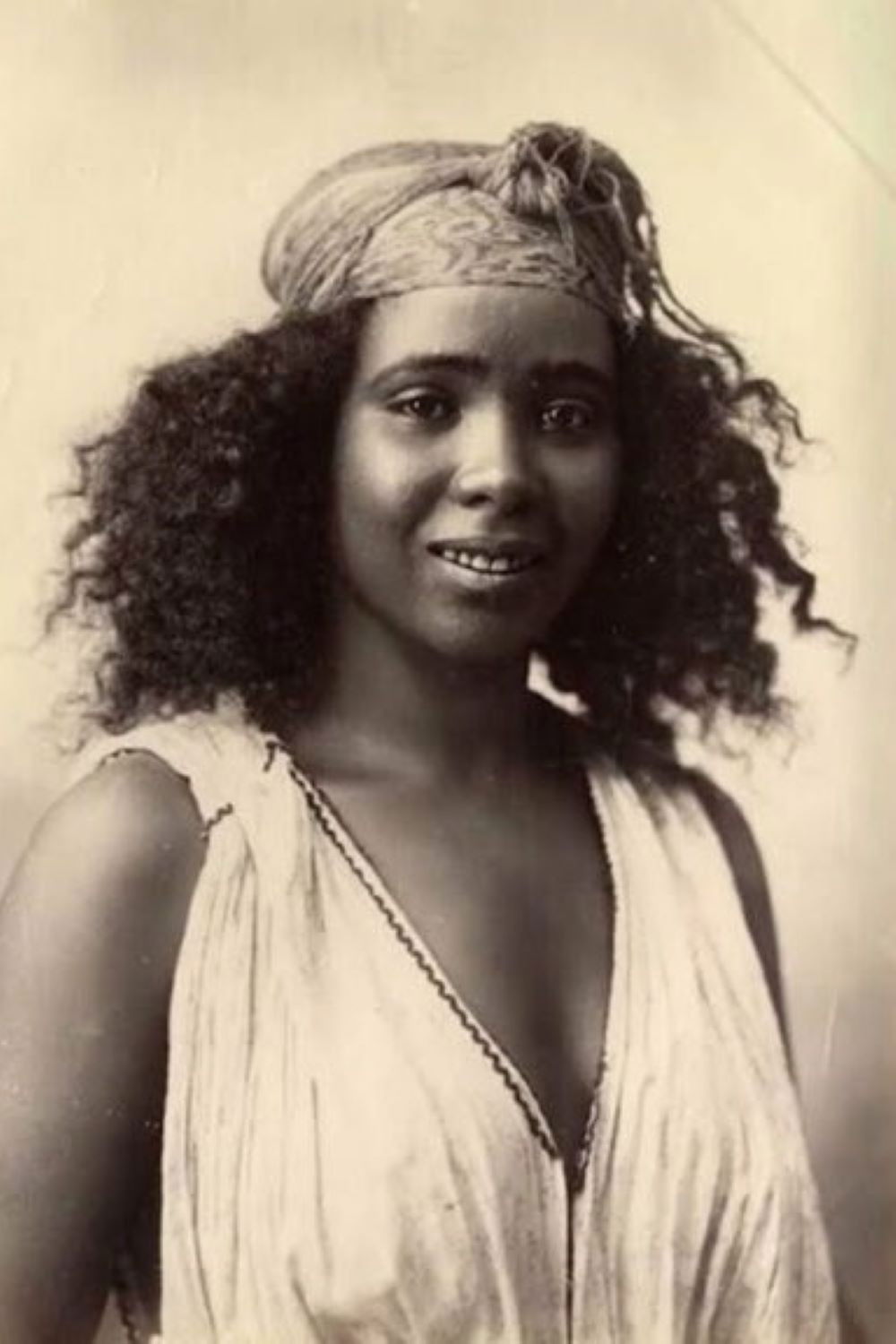
Inès, of North African origin, has frizzy, unruly curls. But why should she bother straightening it? Where does this obsession with straight, neatly styled hair come from?
Social & External

Self
Christine attends her first and last prom accompanied by Martin Fredericksen
In this layered short film, filmmaker Janine Windolph takes her young sons fishing with their kokum (grandmother), a residential school survivor who retains a deep knowledge and memory of the land. The act of reconnecting with their homeland is a cultural and familial healing journey for the boys, who are growing up in the city. It’s also a powerful form of resistance for the women.
A discovery of the pictorial art that Ndebele women traditionally practice in South Africa: painting the walls of their houses.
The story of my hair can be told in two lines. My hair was long and black. It has turned white. It hasn't been cut since 1982, almost thirty years ago. Story of my Hair is a journey, both in space and in time. Anyone looking for truths, whether geographical, scientific or historical, will be disappointed. After looking at real events and real places the film very soon distances itself from them, preferring poetry and fiction. In his own fashion the auteur has combined the story of Samson and Delilah, the journey of those condemned to the death camps, the science of hair and a few thoughts about the meaning and fragility of life.
Made on the occasion of March 8, it presents a series of brief portraits of women, from various professional fields, of different ages and even of different ethnicities, pointing out the benefits that the communist organization had brought to their daily lives. A special emphasis is placed on their status as mothers and on the role of nurseries and socialist kindergartens not only in making their lives easier, but also in giving them the time they need to build a career. Another concern of the filmmaker, starting from the concrete case of one of the protagonists, is to highlight the differences between the happy present and the not-too-distant past in which someone with her social status should have dedicated herself exclusively to raising children, in hygienic and extremely difficult lives.
Departing from peripheral details of some paintings of the Bilbao Fine Arts Museum, a female narrator unravels several stories related to the economic, social and psychological conditions of past and current artists.
After four years away, Huiju returns home to South Korea. Exchanges with her loved ones are awkward and clumsy. Huiju turns once again to her familiar rituals: pruning the trees, preparing a sauce, tying a braid.
In this feature-length documentary, six teenage girls, aged 14 to 16, agree to open up and have their private worlds invaded by the camera. They have to face problems that they intend to take on "to the end": early experience of sexuality, belonging to a gang, relationships with parents, social tolerance, friendship... They live tender and pure lives in their own way.
A raw and uncensored look at what really goes down in urban barbershops.
This feature-length film tells the story of the passion between Marie de l’Incarnation, a mid-seventeenth-century nun and God, her "divine spouse." Fusing documentary and acting by Marie Tifo, whom we follow as she rehearses for this demanding role, the film paints an astonishing portrait of this mystic who abandoned her son and left France to build a convent in Canada, where she became the first female writer in New France.
Nose and Tina are a couple in love. The film captures the domestic details of their life together and documents their hassles with work, money and the law. The unusual bit: He is employed as a brakeman, and she as a sex worker.
The end of World War II brings Europe a new political system, reshapes national and personal identities. Three women from Milan, Paris and Berlin report on the days of liberation in their diaries. Their personal stories expand the historical picture and make LIBERATION DIARIES a chronicle of female self-empowerment, resistance and resilience.
From the shadows of a Guatemalan neighbourhood scared into silence, two sisters lead a luminous rebellion—unleashing joy, art, and radical truth in a fight for survival.
Dadi manages an extended family in Haryana, Northern India, where daughters-in-law face loneliness and unrealistic expectations. The film delves into family dynamics, highlighting Dadi's firm control amidst tensions. Social and economic shifts challenge traditional values, exemplified by Dadi's son marrying outside the village. Despite clinging to tradition, Dadi adapts to her children's modern aspirations. This narrative reflects the clash between generations and gender roles in 1980s rural India, offering insight into the evolving concept of family.
A tender exploration of friendship, identity, and transformation, this film follows Brahel and Andoeni, who met as children and grew up together in Guadalajara. Though their romantic relationship eventually ended, their deep friendship endured. Years later, after Brahel’s gender transition, the two reconnect and rediscover their bond. Through a rich tapestry of archival footage, music, intimate moments, and unspoken emotions, the narrative unfolds as a heartfelt journey of reconnection, vulnerability, and lasting affection.
Actresses' hairstyle in movies always carries a strong aesthetic statement associated with erotic, social, and historical meanings. In a bold and unexpected way, the film revisits this ultimate symbol of femininity in international cinema.
Picturesque scenes of land girls gathering hay on an Essex farm during WWI.
The history of nuns mirrors the history of all women -- in what we are taught about the past, women are almost invisible. Although today's one million nuns outnumber priests two to one, they must struggle to be heard by the all-male Roman Catholic hierarchy from which they are excluded. Behind the Veil: Nuns is the first film ever to record from a global perspective the turbulent history and remarkable achievements of women in religion, from pre-Christian Celtic communities to the radical sisters of the 1980s. Contemporary nuns of strength, dignity and commitment speak of their lives and of their predecessors.