"How much inequality is too much?"
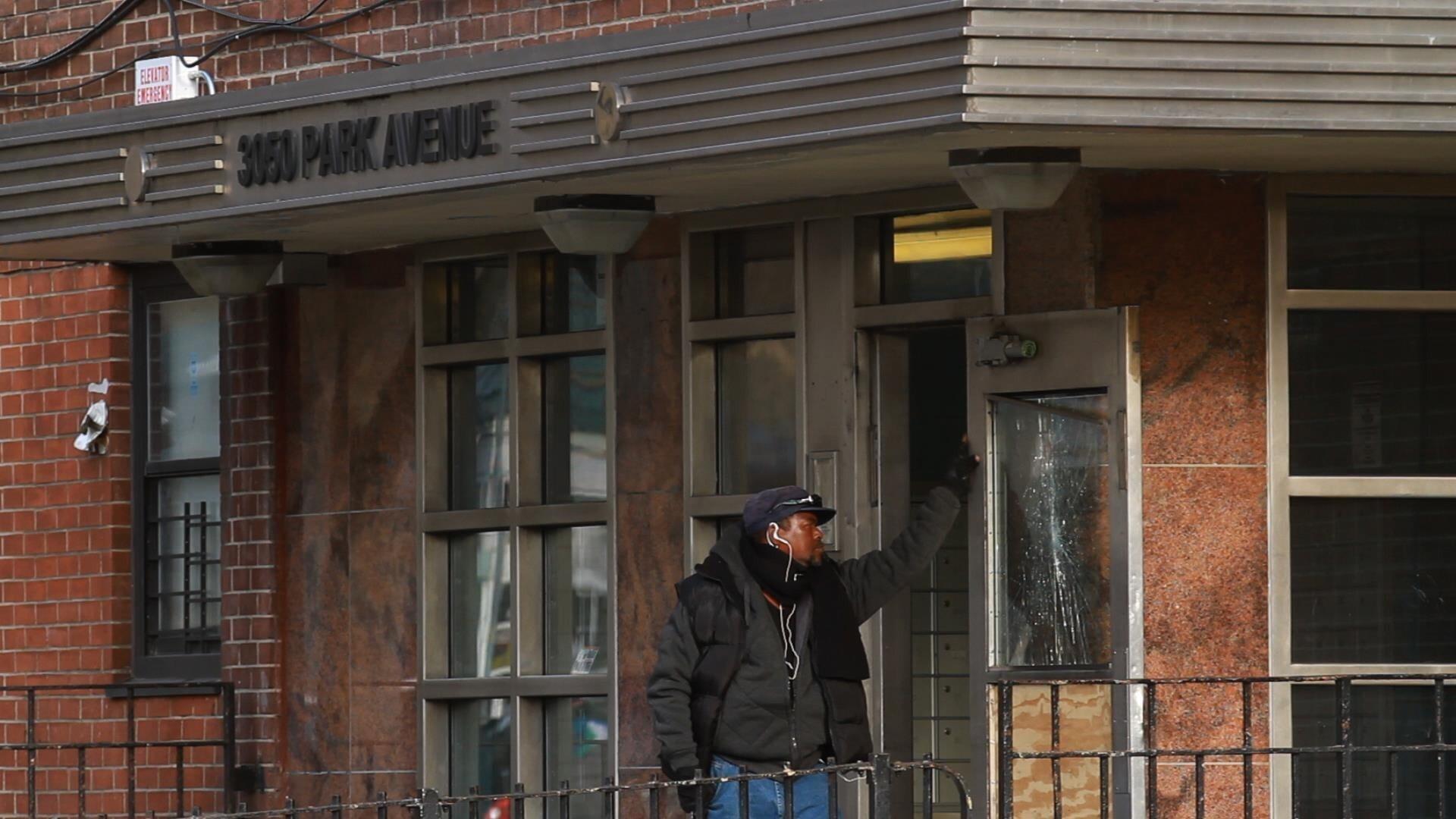
If income inequality were a sport, the residents of 740 Park Avenue in Manhattan would all be medalists. This address boasts the highest number of billionaires in the United States.

Social & External
The remarkable true story of Donald Trump's family history - one of the most extraordinary immigration success stories ever told - and what it reveals about the United States' 45th President
A documentary about the closure of General Motors' plant at Flint, Michigan, which resulted in the loss of 30,000 jobs. Details the attempts of filmmaker Michael Moore to get an interview with GM CEO Roger Smith.
Since the late 18th century American legal decision that the business corporation organizational model is legally a person, it has become a dominant economic, political and social force around the globe. This film takes an in-depth psychological examination of the organization model through various case studies. What the study illustrates is that in the its behaviour, this type of "person" typically acts like a dangerously destructive psychopath without conscience. Furthermore, we see the profound threat this psychopath has for our world and our future, but also how the people with courage, intelligence and determination can do to stop it.
A top executive who can't bear to regard himself as a loser, even after nearly dying in the New York marathon; a woman unable to cope with the loss of her wealthy status after her divorce; and an ambitious financial couple confronted with their unresolved family matters. Every Sunday, in their upper class Bloemendaal church, the cutting sermons of reverend Ad van Nieuwpoort shake their faith and existence to the core. What drives people to be crushed by the weight of their ambitions?
This documentary profiles economist and writer Marilyn Waring. In extensive interviews, Waring details her feminist approach to finances and challenges commonly accepted truths about the global economy. The filmmakers detail Waring's early rise to political prominence and her successful protests against nuclear arms. Waring also speaks candidly about wartime economies, suggesting that government policies tend to marginalize the fiscal contributions of women.
In suburban Buenos Aires, thirty unemployed ceramics workers walk into their idle factory, roll out sleeping mats and refuse to leave. All they want is to re-start the silent machines. But this simple act - the take - has the power to turn the globalization debate on its head. Armed only with slingshots and an abiding faith in shop-floor democracy, the workers face off against the bosses, bankers and a whole system that sees their beloved factories as nothing more than scrap metal for sale.
With the country's debt growing out of control, Americans by and large are unaware of the looming financial crisis. This documentary examines several of the ways America can get its economy back on the right track. In addition to looking at the federal deficit and trade deficit, the film also closely explores the challenges of funding national entitlement programs such as Social Security, Medicare and Medicaid.
Horse slaughter is more than inhumane. It's big business.
FINDING THE MONEY follows economist Stephanie Kelton on a journey through Modern Money Theory or “MMT”. Kelton provocatively asserts the National Debt Clock that ticks ominously upwards in New York City is not actually a debt for us taxpayers at all, nor a burden for our grandchildren to pay back. Instead, Kelton describes the national debt as simply a historical record of the number of dollars created by the US federal government currently being held in pockets, as assets, by the rest of us. MMT bursts into the media with journalists asking, “Have we been thinking about how the government spends money, all wrong?” But top economists from across the political spectrum condemn the theory as “voodoo economics”, “crazy” and “a crackpot theory”. FINDING THE MONEY traces the conflict all the way back to the story we tell about money, injecting new hope and empowering countries around the world to tackle the biggest challenges of the 21st century: from climate change to inequality.
Let’s Make Money is an Austrian documentary by Erwin Wagenhofer released in the year 2008. It is about aspects of the development of the world wide financial system.
RUIN is a feature documentary about Sam Bankman-Fried and the stunning collapse of his cryptocurrency exchange, FTX, as narrated by Bloomberg journalists and some of the central players in the rise of digital assets.
DEBT is the story of a frantic pursuit: the search for the responsible for the televised cry of hunger of Barbara Flores, an eight-year-old Argentinean girl. Buenos Aires, Washington, the IMF, the World Bank and Davos; corruption and the international bureaucratic lack of interest.
A documentary juxtaposing the events of the 20th century with the commentary of stand-up comedians.
The story of Shaista, a young man who—newly married to Benazir and living in a camp for displaced persons in Kabul—struggles to balance his dreams of being the first from his tribe to join the Afghan National Army with the responsibilities of starting a family. Even as Shaista’s love for Benazir is palpable, the choices he must make to build a life with her have profound consequences.
This is not a film about gun control. It is a film about the fearful heart and soul of the United States, and the 280 million Americans lucky enough to have the right to a constitutionally protected Uzi. From a look at the Columbine High School security camera tapes to the home of Oscar-winning NRA President Charlton Heston, from a young man who makes homemade napalm with The Anarchist's Cookbook to the murder of a six-year-old girl by another six-year-old. Bowling for Columbine is a journey through the US, through our past, hoping to discover why our pursuit of happiness is so riddled with violence.
Filmmaker Jonathan Caouette's documentary on growing up with his schizophrenic mother -- a mixture of snapshots, Super-8, answering machine messages, video diaries, early short films, and more -- culled from 19 years of his life.
A devoted group of entrepreneurs and activists believe they see the writing on the wall, and they're determined to add a new chapter.
The hallmarks of popular music - artist independence and diversity of voices - are threatened by a contracting marketplace of record companies, radio ownership and playlists, as well as increased use in advertising. Big-name artists, historians and economists explain how popular music is produced and marketed and critique its current state.
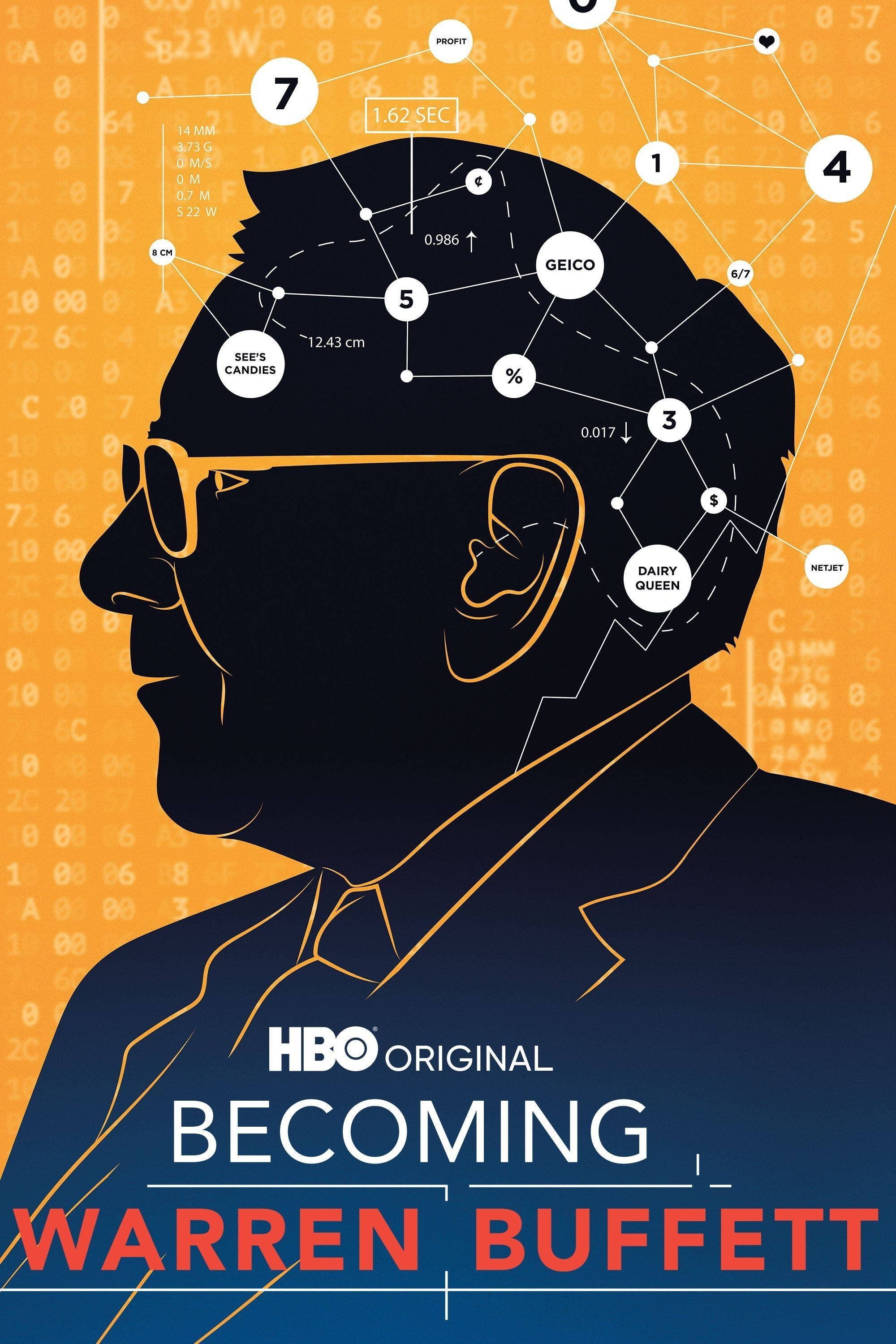
The story of the evolution of a boy from Nebraska who became one of the most respected men in the world, and the heroes who helped guide him along the way. By allowing access to his life and never-before-released home videos, Buffett offers a glimpse into his unique mind to help us understand what is truly important when money no longer has meaning.
Rosa is a Mexican woman who, at the age of 17, migrated illegally to Austin, Texas. Some years later, she was jailed under suspicion of murder and then taken to trial. This film demonstrates how the judicial process, the verdict, the separation from her family, and the helplessness of being imprisoned in a foreign country make Rosa’s story an example of the hard life of Mexican migrants in the United States.
Based on Reich's 2010 book Aftershock: The Next Economy and America's Future, the film examines widening income inequality in the United States. U.S. Labor Secretary Robert Reich tries to raise awareness of the country's widening economic gap. He publicly argued about the issue for decades, and producing a film of his viewpoints was a "final frontier" for him. In addition to being a social issue documentary, Inequality for All is also partially a biopic regarding Reich's early life and his time as Secretary of Labor under Bill Clinton's presidency. Warren Buffett and Nick Hanauer, two entrepreneurs and investors in the top 1%, are interviewed in the film, supporting Reich's belief in an economy that benefits all citizens, including those of the middle and lower classes.

Through interviews filmed over four years, Noam Chomsky unpacks the principles that have brought us to the crossroads of historically unprecedented inequality – tracing a half-century of policies designed to favor the most wealthy at the expense of the majority – while also looking back on his own life of activism and political participation. He provides penetrating insight into what may well be the lasting legacy of our time – the death of the middle class, and swan song of functioning democracy.
Former Secretary of Labor Robert Reich meets with Americans from all walks of life as he chronicles a seismic shift in the nation's economy.
Michael Moore comes home to the issue he's been examining throughout his career: the disastrous impact of corporate dominance on the everyday lives of Americans (and by default, the rest of the world).
Over the past 25 years, Lauren Greenfield's documentary photography and film projects have explored youth culture, gender, body image, and affluence. Underscoring the ever-increasing gap between the haves and the have-nots, portraits reveal a focus on cultivating image over substance, where subjects unable to attain actual wealth instead settle for its trappings, no matter their ability to pay for it.
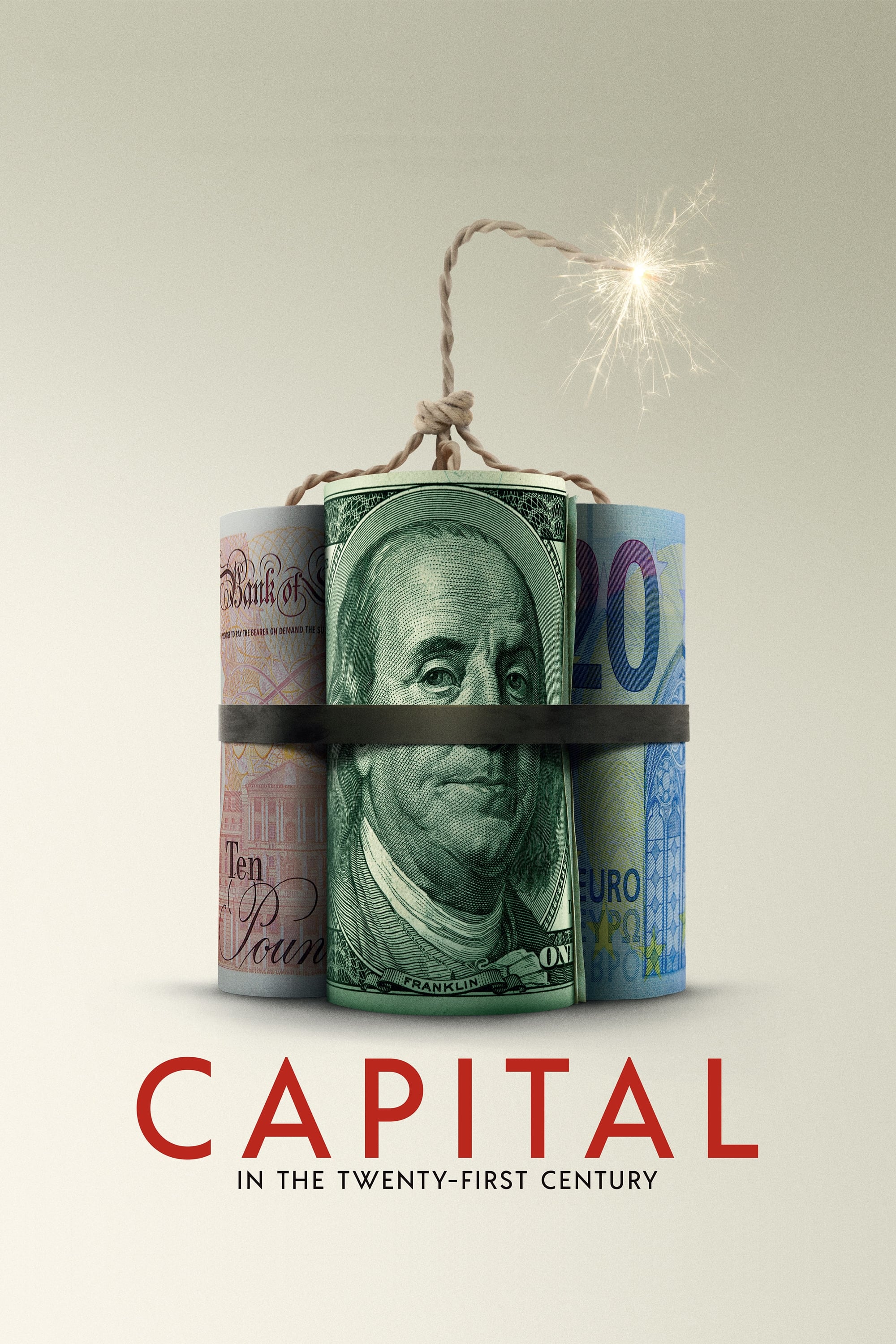
Film adaptation of French economist Thomas Piketty's ground-breaking global bestseller of the same name: an eye-opening journey through wealth and power.
Studio 54 was the epicenter of 70s hedonism - a place that not only redefined the nightclub, but also came to symbolize an entire era. Its co-owners, Ian Schrager and Steve Rubell, two friends from Brooklyn, seemed to come out of nowhere to suddenly preside over a new kind of New York society. Now, 39 years after the velvet rope was first slung across the club's hallowed threshold, a feature documentary tells the real story behind the greatest club of all time.
Not since the invention of the Internet has there been such a disruptive technology as Bitcoin. Bitcoin's early pioneers sought to blur the lines of sovereignty and the financial status quo. After years of underground development Bitcoin grabbed the attention of a curious public, and the ire of the regulators the technology had subverted. After landmark arrests of prominent cyber criminals Bitcoin faces its most severe adversary yet, the very banks it was built to destroy.
Oliver Stone spends three days filming with Fidel Castro in Cuba, discussing an array of subjects with the president such as his rise to power, fellow revolutionary Che Guevara, the Cuban Missile crisis, and the present state of the country.
NUDE explores perceptions of nudity in art by chronicling the creative process of photographer David Bellemere as he's commissioned by NU Muses founder Steve Shaw to shoot a fine art calendar of nude photographs.
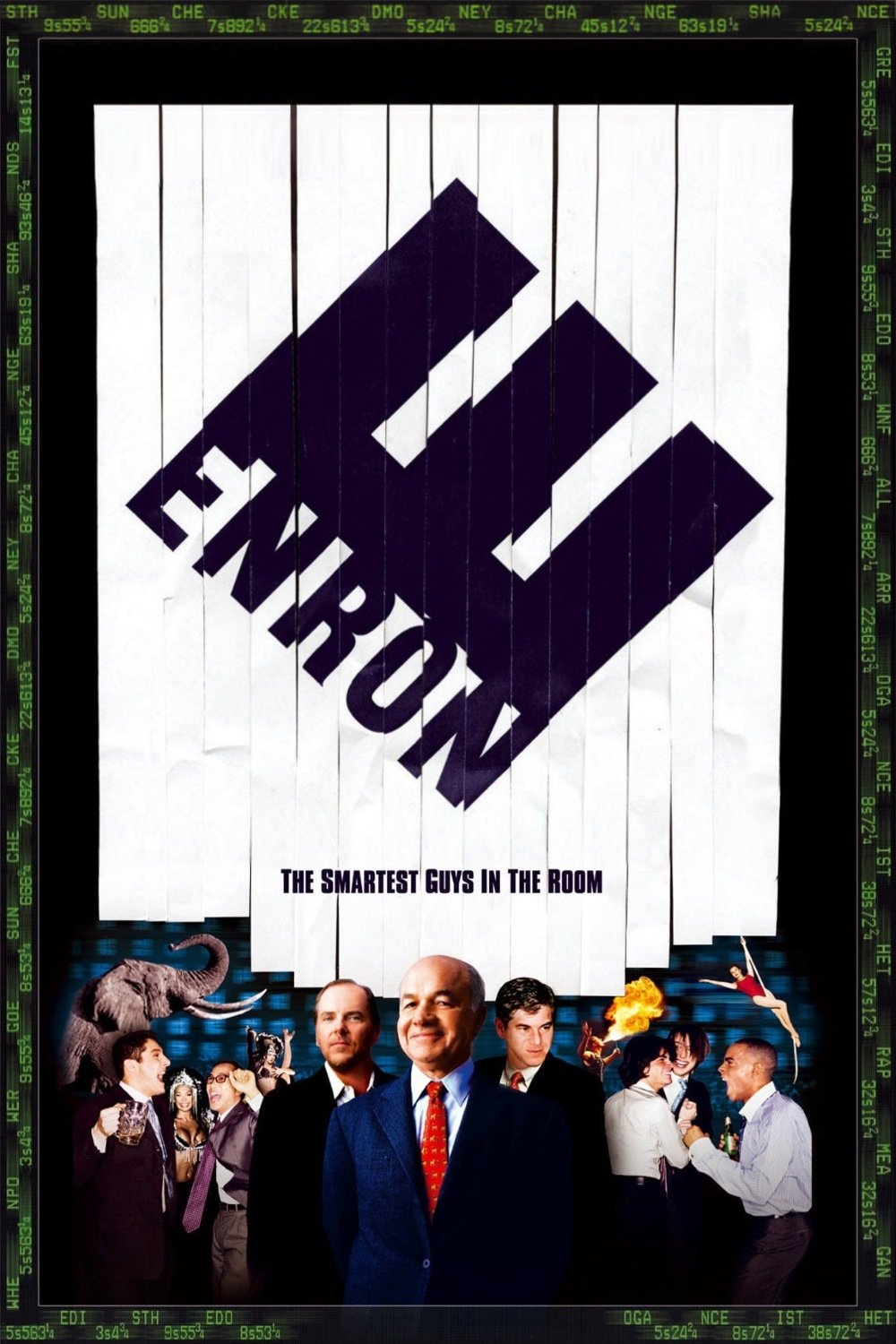
A documentary about the Enron corporation, its faulty and corrupt business practices, and how they led to its fall.
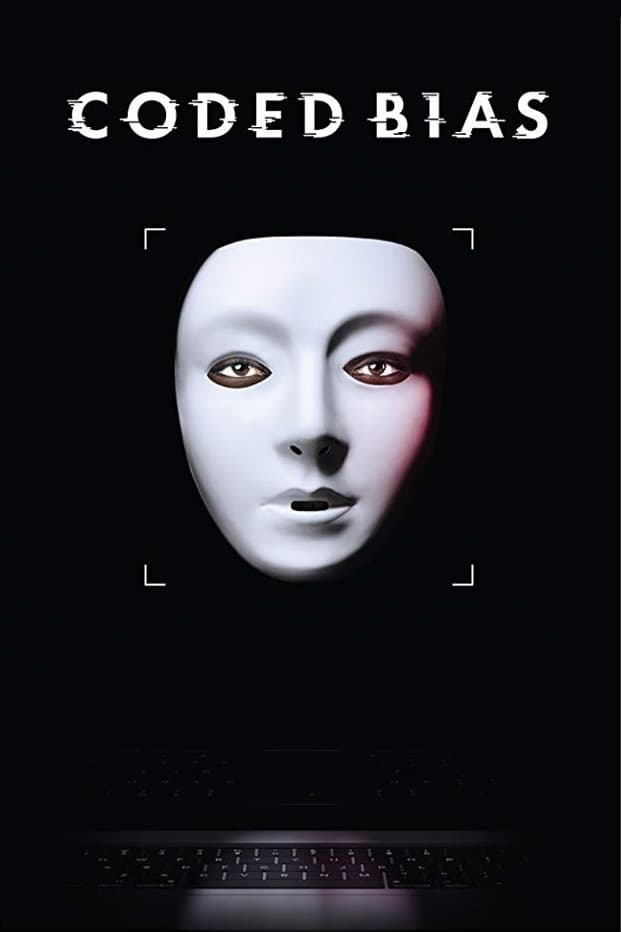
Exploring the fallout of MIT Media Lab researcher Joy Buolamwini's startling discovery that facial recognition does not see dark-skinned faces accurately, and her journey to push for the first-ever legislation in the U.S. to govern against bias in the algorithms that impact us all.
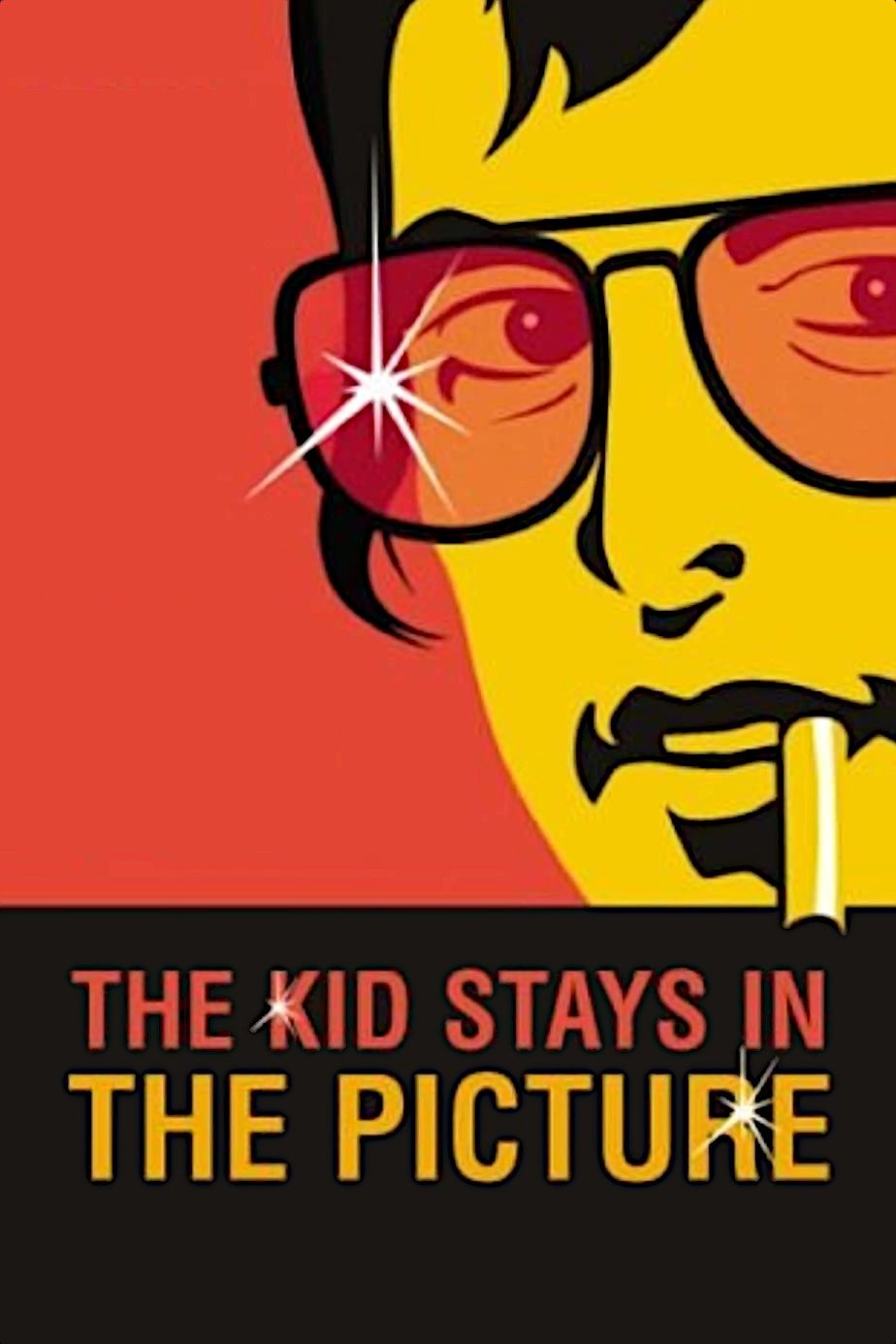
Documentary about legendary Paramount producer Robert Evans, based on his famous 1994 autobiography.
The film explores the pursuit of the “Chinese Dream.” Driven by mesmerizing—and sometimes humorous—imagery, this observational documentary presents a contemporary vision of China that prioritizes productivity and innovation above all.
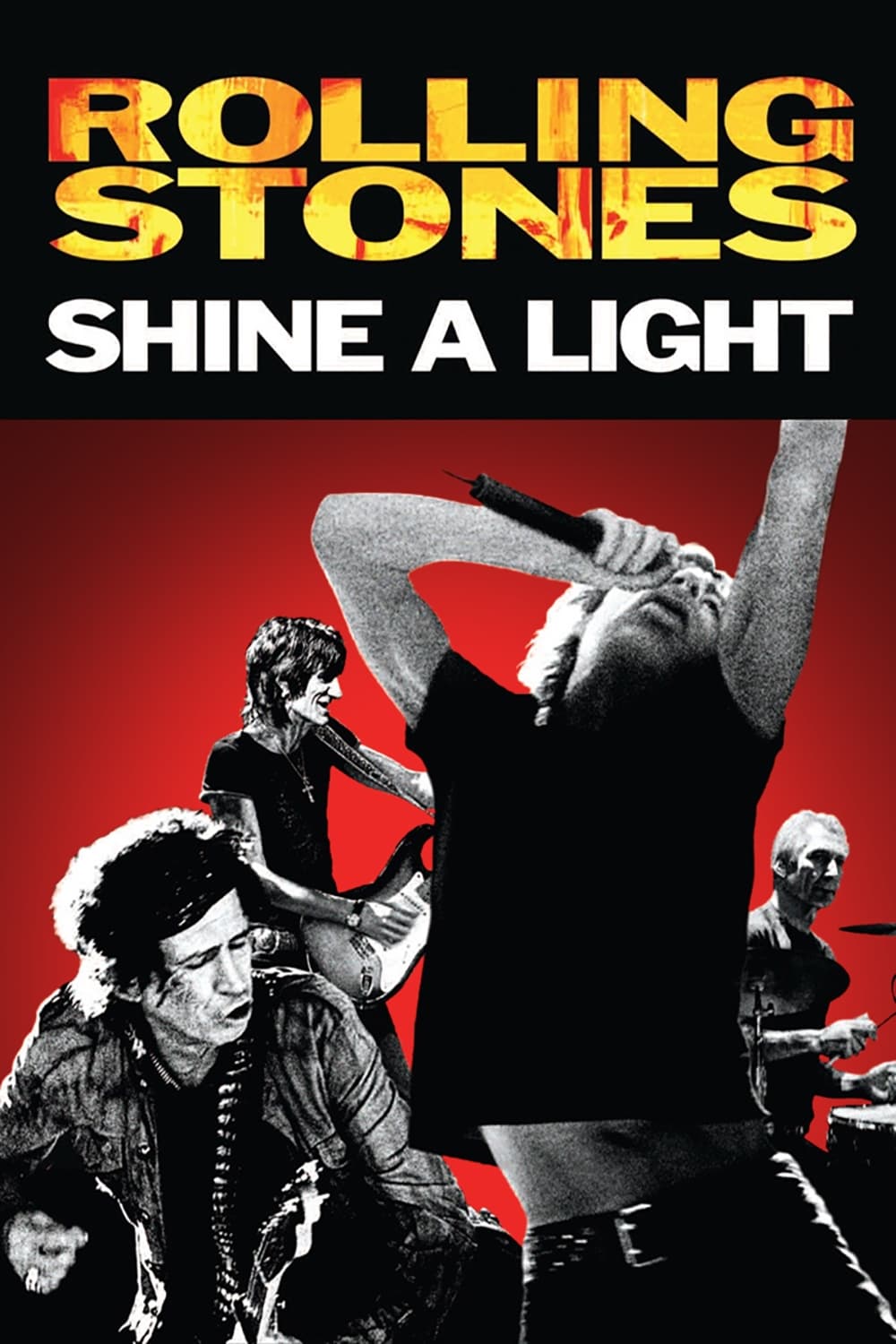
Martin Scorsese’s electrifying concert documentary captures The Rolling Stones live at New York’s Beacon Theatre during their A Bigger Bang tour. Filmed over two nights in 2006 with an all-star team of cinematographers, the film combines dynamic performances with archival footage and rare glimpses behind the scenes, offering a vibrant portrait of the band’s enduring energy and legacy.
This revealing portrait of Cuba follows the lives of Fidel Castro and three Cuban families affected by his policies over the last four decades.
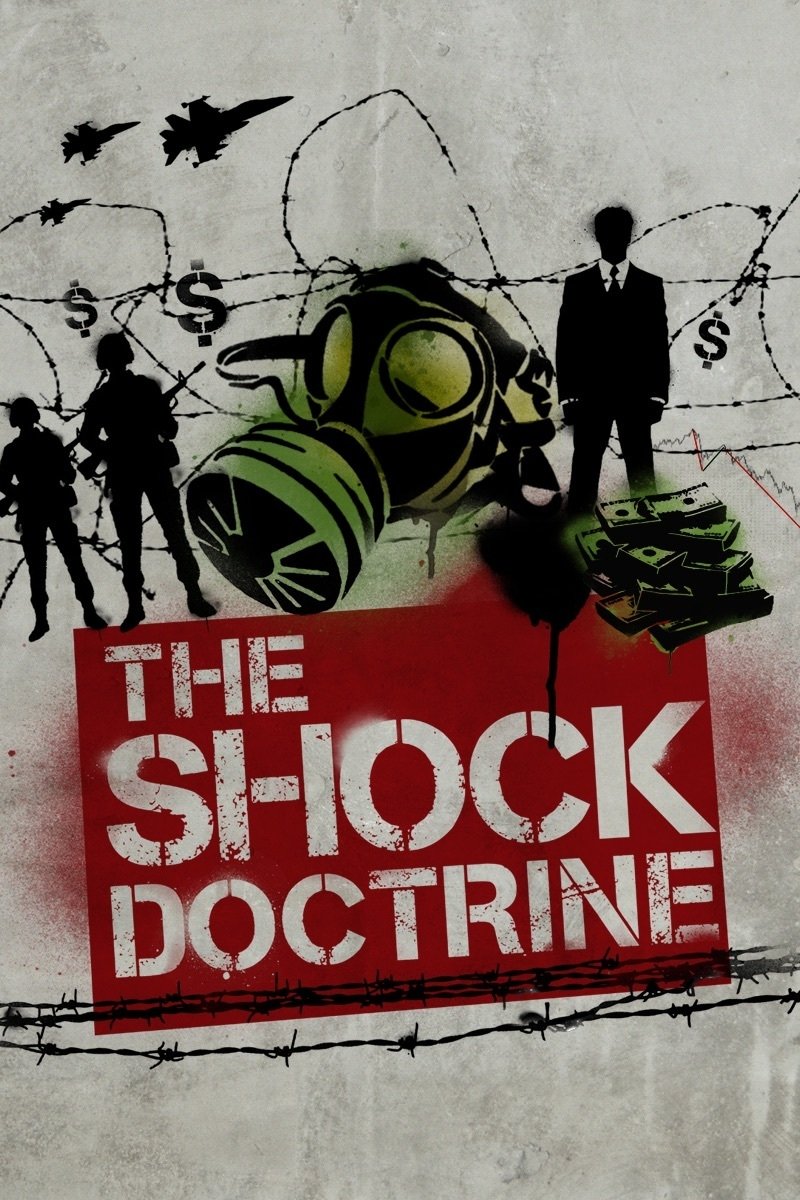
An investigation of "disaster capitalism", based on Naomi Klein's proposition that neo-liberal capitalism feeds on natural disasters, war and terror to establish its dominance.
In the Realms of the Unreal is a documentary about the reclusive Chicago-based artist Henry Darger. Henry Darger was so reclusive that when he died his neighbors were surprised to find a 15,145-page manuscript along with hundreds of paintings depicting The Story of the Vivian Girls, in What is Known as the Realms of the Unreal, of the Glodeco-Angelinnian War Storm, Cased by the Child Slave Rebellion.
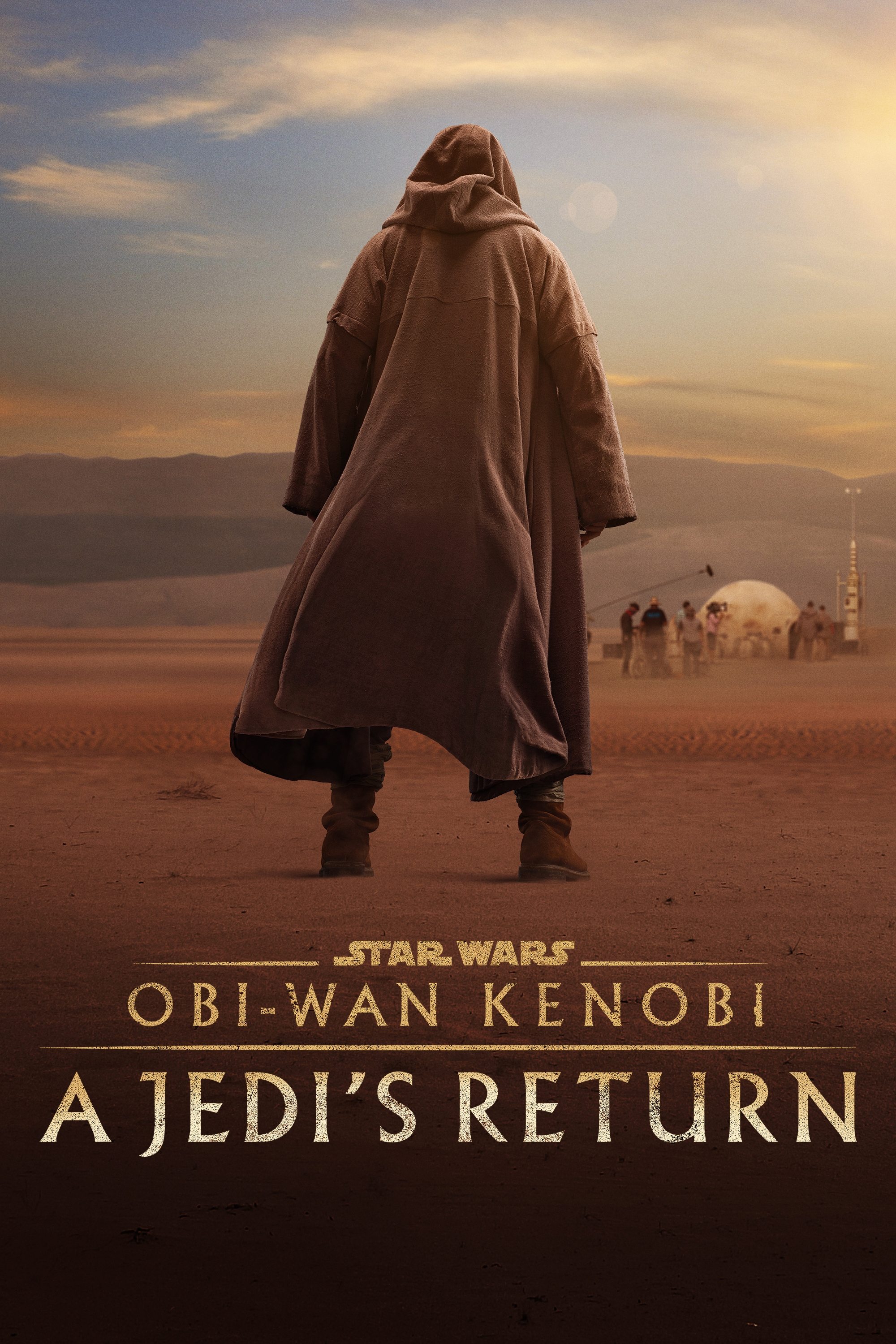
This special explores the return of Obi-Wan Kenobi and Anakin Skywalker to the screen, as well as Ewan McGregor and Hayden Christensen to their classic roles. Director Deborah Chow leads the cast and crew as they create new heroes and villains that live alongside new incarnations of beloved Star Wars characters, and an epic story that dramatically bridges the saga films.