A training film for public shelter managers explaining when people should be allowed to leave the shelter after a disaster.
Social & External

Dramatizes the plight of a young adventure seeker whose canoe is capsized by a wall of water during a flood. Shows community flood preparations, pointing out that a flood's predictability usually allows ample warning time to save lives. Designed to stimulate discussion on civil preparedness for floods
Intercuts scenes from Jack London's To build a fire with modern urban and rural winter scenes to point out the dangers of winter storms and low temperatures. Designed to stimulate discussion on civil preparedness for winter storms.
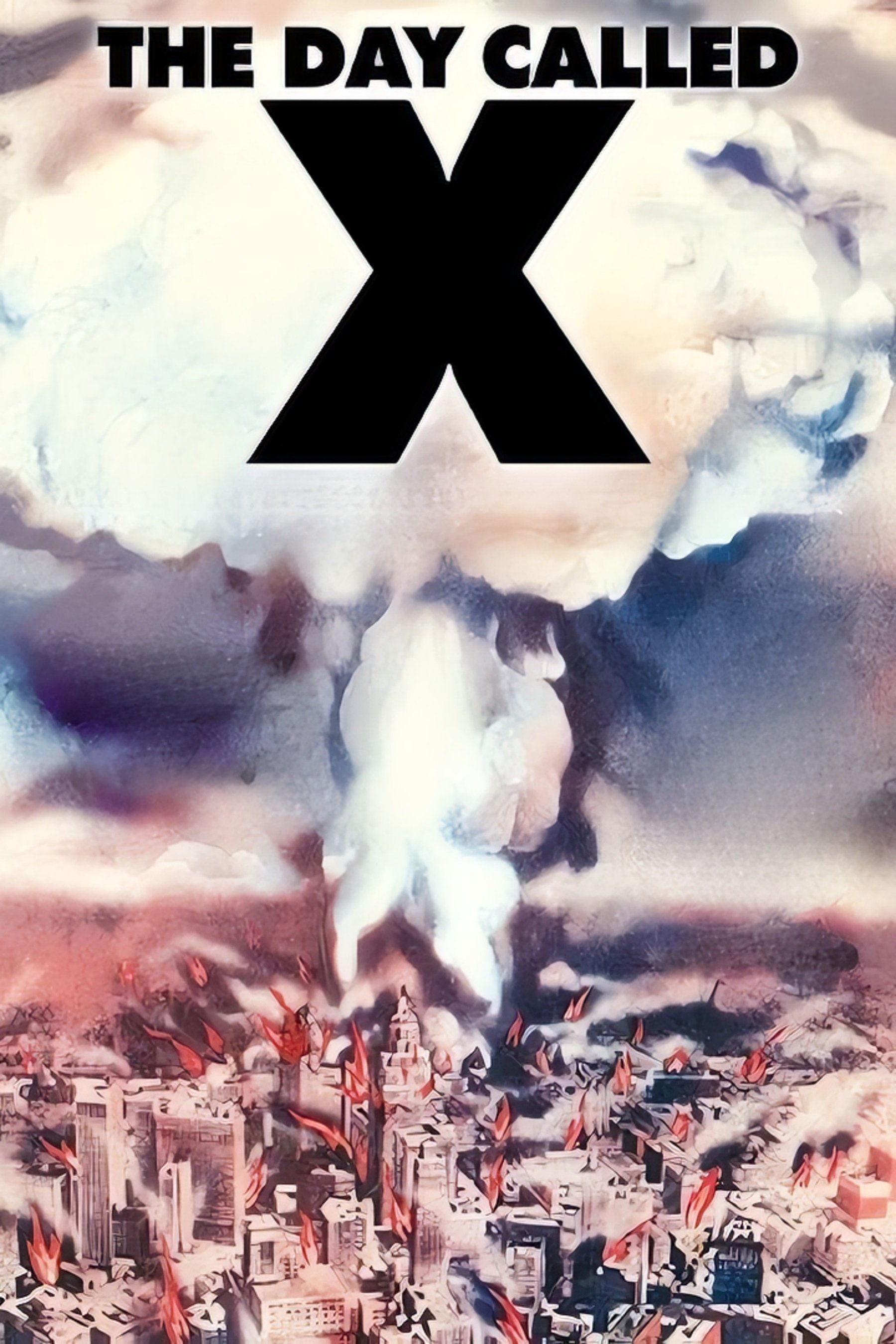
Portrays the challenges of creating a film about nuclear disaster amid public apathy. It captures behind-the-scenes moments as the crew discusses the gravity of nuclear threats, the importance of preparation, and the emotional impact of a nuclear attack. The narrative emphasizes the need for individuals to take responsibility for their safety and community in the event of an attack, blending factual information with a call to action.
A surrealistic look at the future if man does not learn to control pollution.
Released by the Defense Civil Preparedness Agency in 1972, Your Chance to Live is a series of films which cover threatening events, from forest fires, to floods, tornadoes and nuclear disasters. Hurricane tells the story of two parents who revisit the beach town where their children were killed in a violent storm the previous summer.
The film highlights the dangers of extreme heat and the importance of staying hydrated and cool. It portrays a conversation between two friends, one of whom insists on playing basketball despite the oppressive heat. The narrative emphasizes that heat-related illnesses can be avoided by recognizing the body's signals and taking necessary precautions, such as drinking water and staying indoors. The film concludes with a report of record-breaking temperatures, underscoring the seriousness of heat exposure.
The Defense Civil Preparedness Agency began an informational campaign in 1972 called Your Chance to Live. As part of the campaign, a series of films was released along with a companion book. Each installment covers a different disaster scenario, including tornadoes, blizzards, earthquakes, forest fires, blackouts and a nuclear disaster. The California Department of Education helped produce the films and hosted a workshop of educational professionals to discuss the best ways to present the desired emergency preparedness information to school age audiences. The process was filmed and assembled, along with clips from each production, and distributed as an Instructor's Guide in 1975.
This 1974 film is dedicated by the Chlorine Institute to the public interest. It is specifically intended to assist firefighters and other emergency services. The techniques demonstrated are appropriate for emergency use; different circumstances might require modified or additional procedure. The information is drawn from sources believed to be reliable. The Institute, its members any organizations cooperating in the development of this film, jointly or severally, cannot be responsible for how the information is used and must make this legal disclaimer. This is a 1960s era, color movie about Chlorine and emergency workers… specifically, firefighters. The film is intended to show firefighters what chlorine is, what a chlorine emergency might involve, how a company can plan ahead and how an emergency can be handled safely.
13 August 1961: the GDR closes the sector borders in Berlin. The city is divided overnight. Escape to the West becomes more dangerous every day. But on September 14, 1962, exactly one year, one month and one day after the Wall was built, a group of 29 people from the GDR managed to escape spectacularly through a 135-meter tunnel to the West. For more than 4 months, students from West Berlin, including 2 Italians, dug this tunnel. When the tunnel builders ran out of money after only a few meters of digging, they came up with the idea of marketing the escape tunnel. They sell the film rights to the story exclusively to NBC, an American television station.
With the Doomsday Clock the closest it's ever been to midnight, Jane Corbin investigates the proliferation of nuclear weapons across the globe. She visits Los Alamos, home to the United States’ nuclear weapons development facility and the historic home of Oppenheimer’s Manhattan Project. In Scotland, she reveals the strategy behind Britain’s nuclear deterrent, and speaks to campaigners in Suffolk fighting against US weapons they fear will be based on UK soil. Jane also discovers how many of the global agreements and safeguards that have constrained the spread of nuclear weapons since the 1970s are breaking down. This is a story told by the scientists, investigators and diplomats who set the clock and have fought to ensure that the ultimate deterrent has not been used in over 70 years.
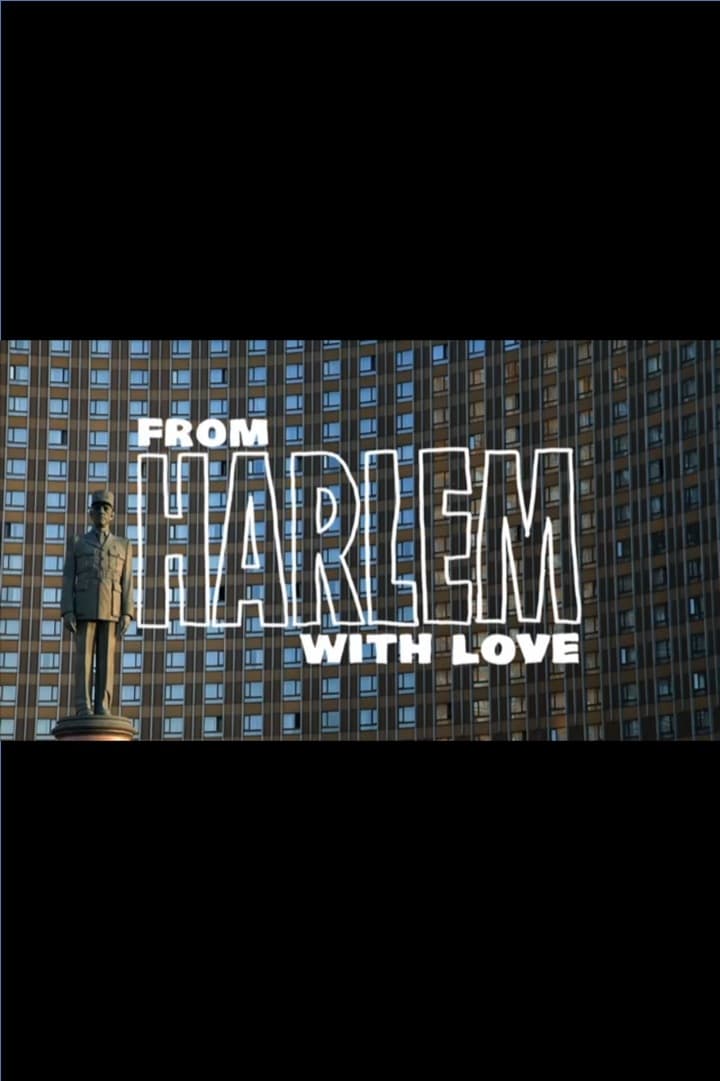
Tensions between the USSR and the United States were high in 1959, with the seemingly constant threat of nuclear war. Then some unlikely ambassadors stepped forward to clear all that away: the Harlem Globetrotters. From Harlem With Love is the story of how a group of barnstorming basketball players traveled to the heart of the Soviet Union at the height of the Cold War and bridged a cultural gap many thought would stand forever.
2019 marks the 30th year since the fall of the Berlin Wall and the end of the Cold War. Rich Hall examines the relationship between the West and the USSR in his inimitable fashion.
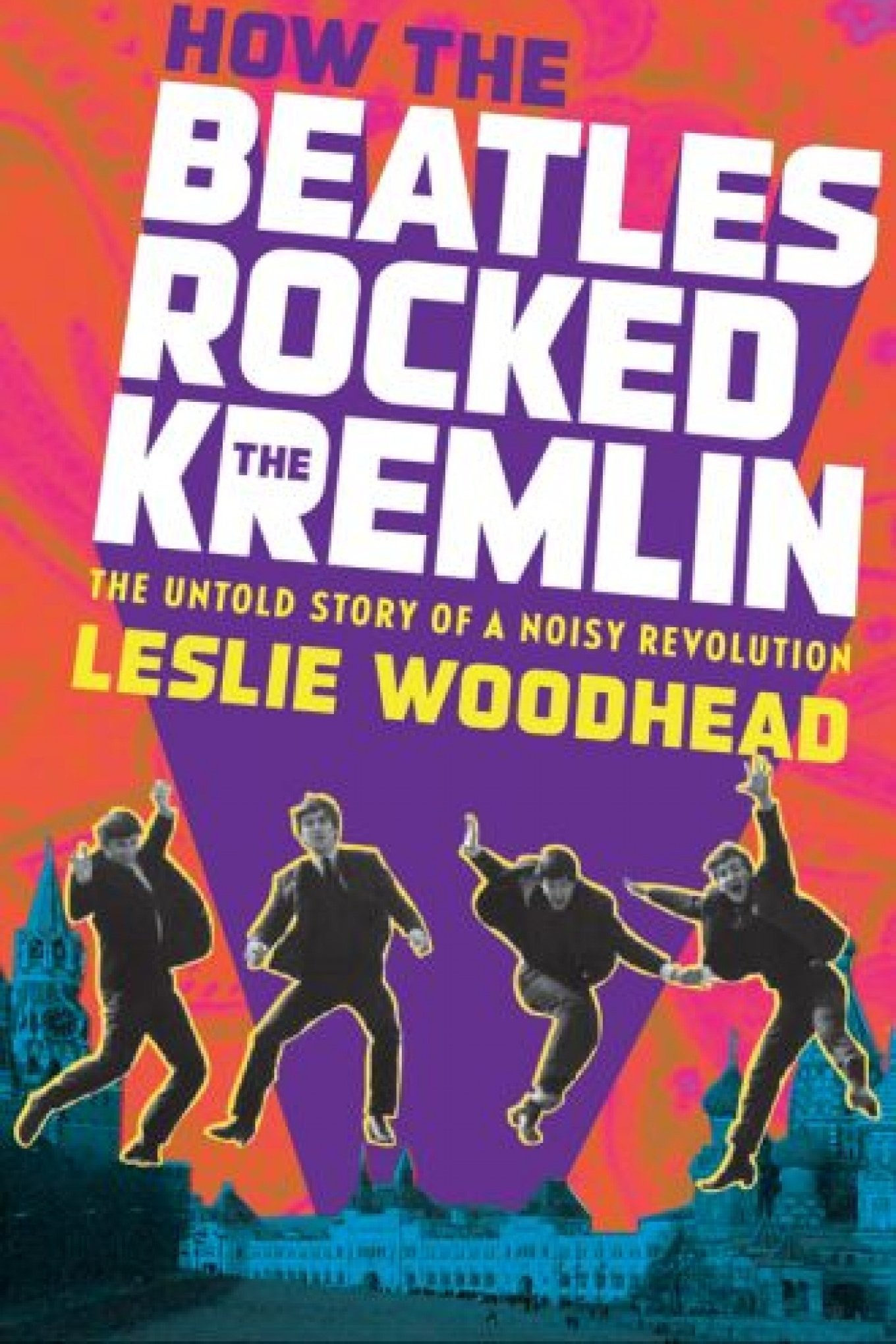
In August 1962, director Leslie Woodhead made a two-minute film in Liverpool's Cavern Club with a raw and unrecorded group of rockers called the Beatles. He arranged their first live TV appearances on a local show in Manchester and watched as the Fab Four phenomenon swept the world. Twenty-five years later while making films in Russia, Woodhead became aware of how, even though they were never able to play in the Soviet Union, the Beatles' legend had soaked into the lives of a generation of kids. This film meets the Soviet Beatles generation and hears their stories about how the Fab Four changed their lives, including Putin's deputy premier Sergei Ivanov, who explains how the Beatles helped him learn English and showed him another life. (Storyville)
How the Soviet Union was able to copy the Boeing B-29 Superfortress bomber, and the influence of the resulting Tupolev TU-4 on the Cold War.
A disturbing collection of 1940s and 1950s United States government-issued propaganda films designed to reassure Americans that the atomic bomb was not a threat to their safety.
A live-action short, using many avant-garde film techniques, that looks at American car culture in the late 1960s. The main section deals with the many trials and obstacles a teenager must face on the path to being able to drive. Surviving the driver's education class is only the first step, as the teenager must then pass his driving test, and then finally get permission to borrow the family car.
The Rosie Kay Dance Company present a piece about the strange history and pop-cultural aftermath of CIA mind control experiments during the Cold War, with documentary segments by Adam Curtis.
Since 1950, there have been 32 nuclear weapon accidents, known as "Broken Arrows." A Broken Arrow is defined as an unexpected event involving nuclear weapons that result in the accidental launching, firing, detonating, theft or loss of the weapon. To date, six nuclear weapons have been lost and never recovered.Now, recently declassified documents reveal the history and secrecy surrounding the events known as "Broken Arrows". There have been 32 nuclear weapon accidents since 1950. Six of these nuclear weapons have been lost and never recovered. What does this say about our defense system? What does this mean to our threatened environment? What do we do to rectify these monumental "mistakes"? Using spectacular special effects, newly uncovered and recently declassified footage, filmmaker Peter Kuran explores the accidents, incidents and exercises in the secret world of nuclear weapons.
The "Great Communicator" -- the 40th U.S. president -- is the subject of this in-depth documentary that draws on the insights of Ronald Reagan's political allies and adversaries alike (Mikhail Gorbachev, George Bush Sr. and Caspar Weinberger). Members of Reagan's family, including Nancy Reagan, Ron Reagan Jr. and Patti Davis, are also present to discuss his achievements and influence on the American political landscape.
A shocking political exposé, and an intimate ethnographic portrait of Pacific Islanders struggling for survival, dignity, and justice after decades of top-secret human radiation experiments conducted on them by the U.S. government.