Social & External
The people behind it
The culture of Japan is incredible, from bloom festivals to ultra-modern cities. But there are also more than 130 mammals and 600 bird species dwelling in Japan’s 6852 islands. This island chain is long enough to span climate zones, providing a huge range of habitat.
A 49 minutes documentary on the footsteps of 87 years old "Grandma" Kuniko Shiiba, perpetuating a 4000 years traditional and sustainable form of agriculture. Shohei SHIBATA followed her a whole year through the forest and its medicinal plants, fire spirits and mountains.
On September 19, 2017, at 1:14 p.m., an earthquake devastated Mexico City and its environs. Immediately, citizens mobilized to help, including the actor and youtuber Juanpa Zurita who quickly organized a group of friends that included singers, actors, content creators and other celebrities from the world of entertainment who helped him raise funds for the reconstruction of the city.
A promotional film for the Ford Company detailing the introduction of the Cosworth engine into Formula 1 in conjunction with Lotus.
ONE OK ROCK with Orchestra Japan Tour 2018 features the final performance of the special concert held at Osaka-jo Hall in October 2018, where the band performed with a 53-member orchestra, alongside footage from the Saitama Super Arena show. The release also includes a 100-page booklet packed with newly shot member photos, commentary, live reports, and interviews with the production team, offering a deeply engaging read.
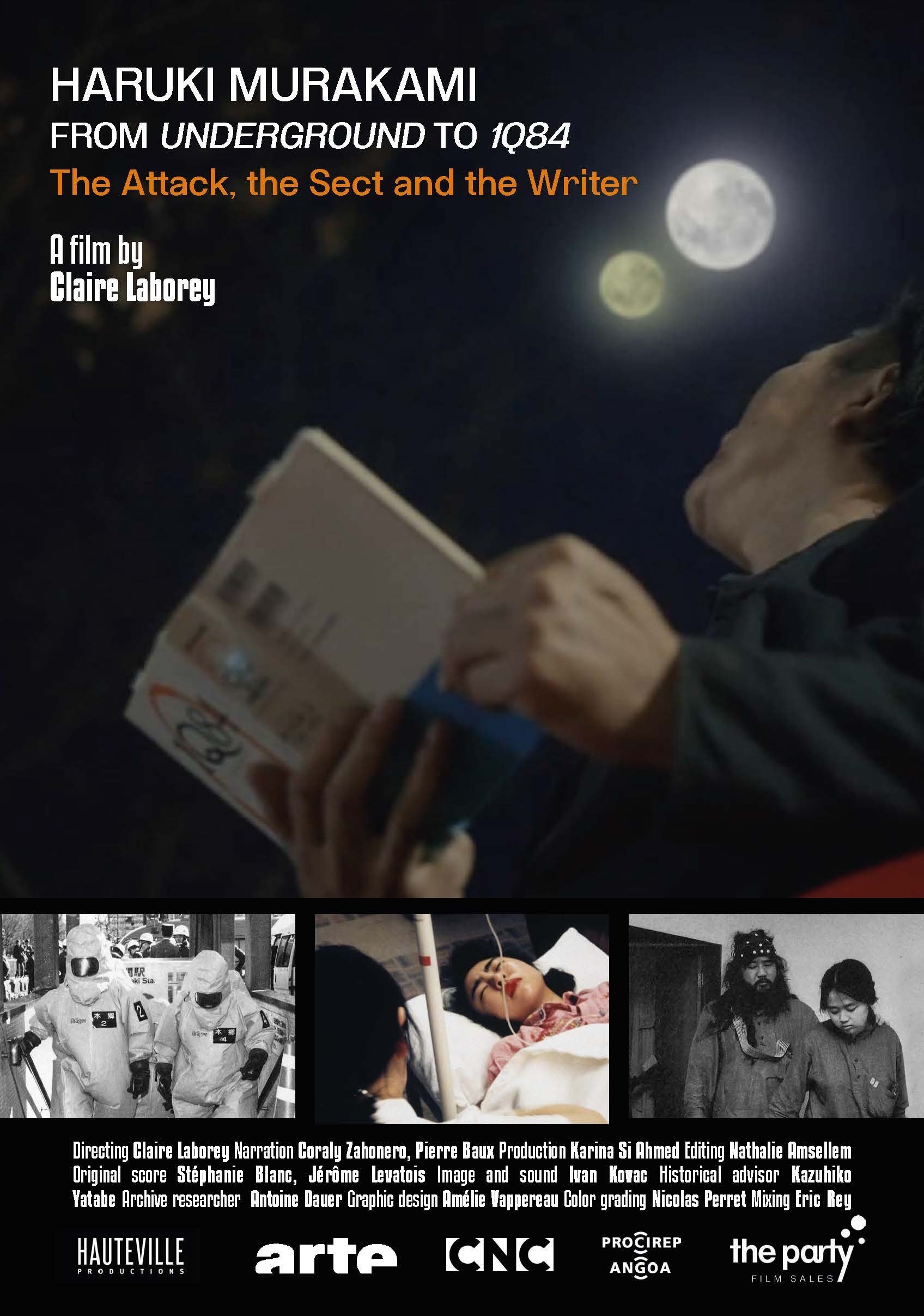
Revealing the flaws of Japanese society, the 1995 sarin gas attack in the Tokyo subway prompted Murakami to return to his homeland, whose conformism he rejected, to examine it closely. This led to the creation of two works: Underground and 1Q84.
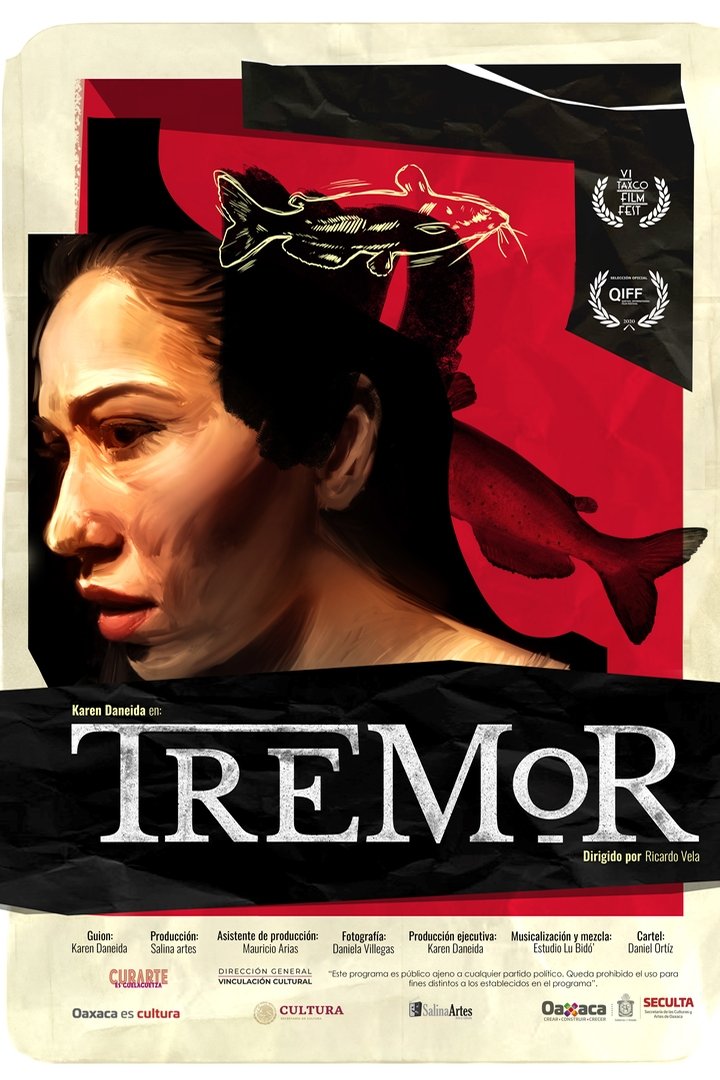
The anguish a woman experienced on the night of September 7, 2017, caused by the 8.2 magnitude earthquake that struck southern Mexico and the danger of another impending disaster.
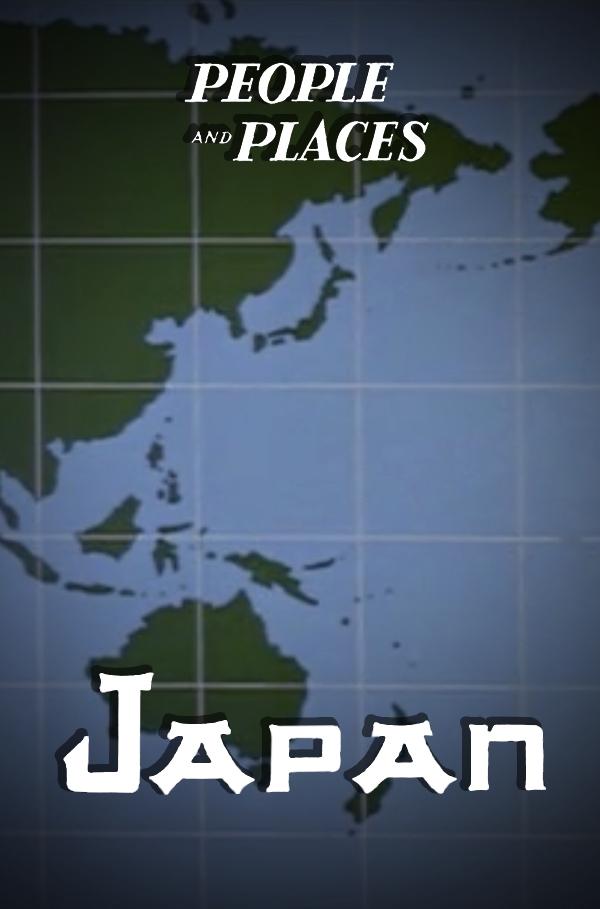
This is the story of colorful Japanese customs and manners of the past, and their contrast with present-day Japan. We see ancient farming customs, agricultural ceremonies, ancestor worship, schoolteaching, marriage customs, sports, all against the background of beautiful Japan.
A son films his elderly mother as she cares for his ailing father on his deathbed.
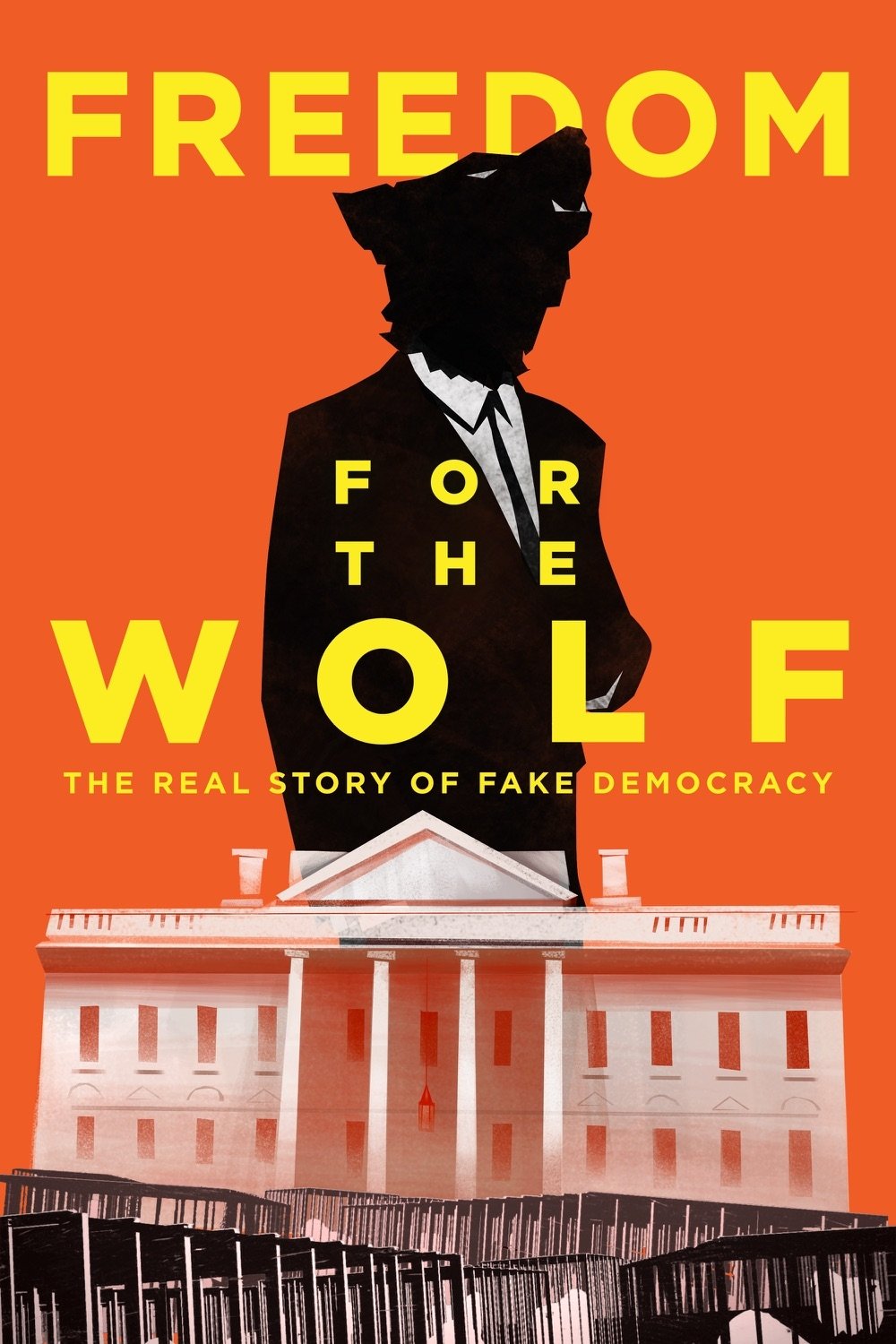
The Real Story of Fake Democracy. Filmed over three years in five countries, FREEDOM FOR THE WOLF is an epic investigation into the new regime of illiberal democracy. From the young students of Hong Kong, to a rapper in post-Arab Spring Tunisia and the viral comedians of Bollywood, we discover how people from every corner of the globe are fighting the same struggle. They are fighting against elected leaders who trample on human rights, minorities, and their political opponents.
Japan's Imperial system is said to have over 2,000 years of history. A closer look at the history reveals how the Imperial institution has shifted with the times, and with the people. At a time when there are only three heirs to the throne, a look is taken at what this could mean for the people of Japan and their Imperial system.
A journey into the intricacies of mixed-race Japanese and their multicultural experiences in modern day Japan. For some hafus, Japan is the only home they know, for some living in Japan is an entirely new experience, and the others are caught somewhere between two different worlds.
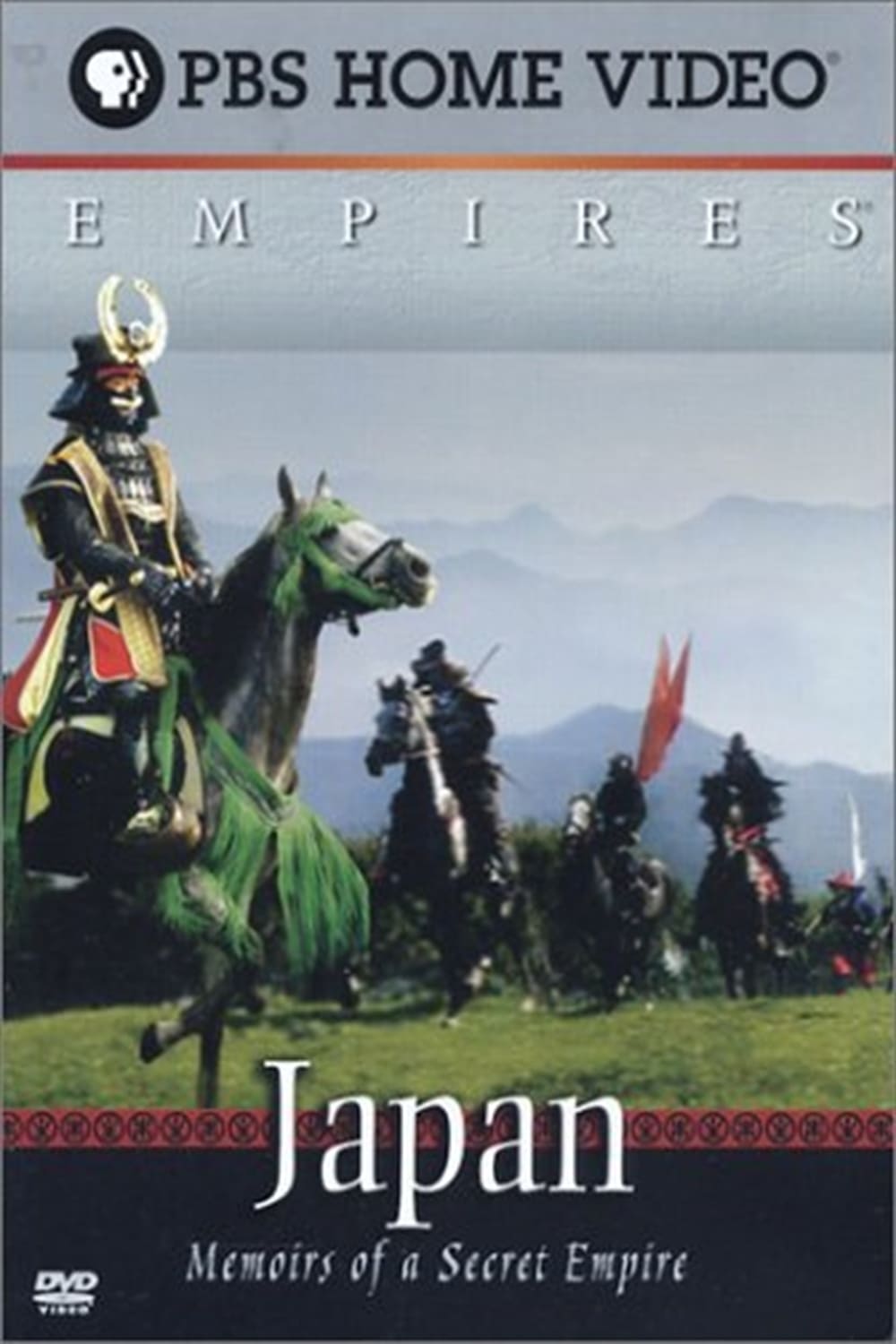
Japan blossomed into its Renaissance at approximately the same time as Europe. Unlike the West, it flourished not through conquest and exploration, but by fierce and defiant isolation. And the man at the heart of this empire was Tokugawa Ieyasu, a warlord who ruled with absolute control. This period is explored through myriad voices-- the Shogun, the Samurai, the Geisha, the poet, the peasant and the Westerner who glimpsed into this secret world.
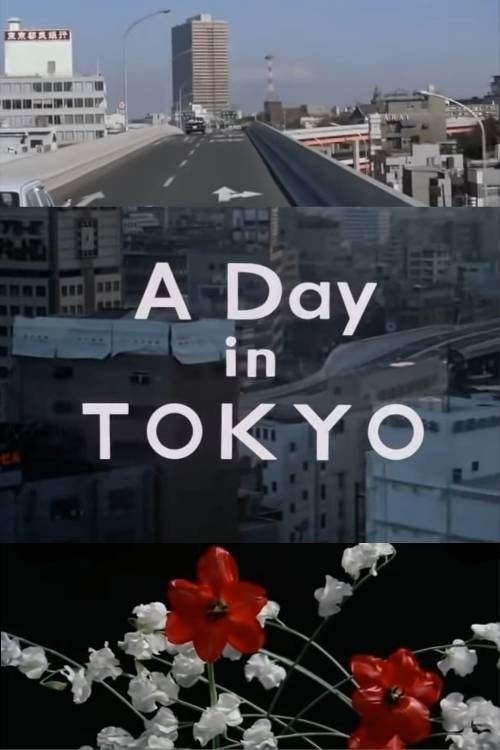
A Day in TOKYO in 1968, Nostalgic bygone era. Planned by Japan National Tourism Organization. Produced by Koga Production. This film was produced to explain Tokyo for foreign tourists.
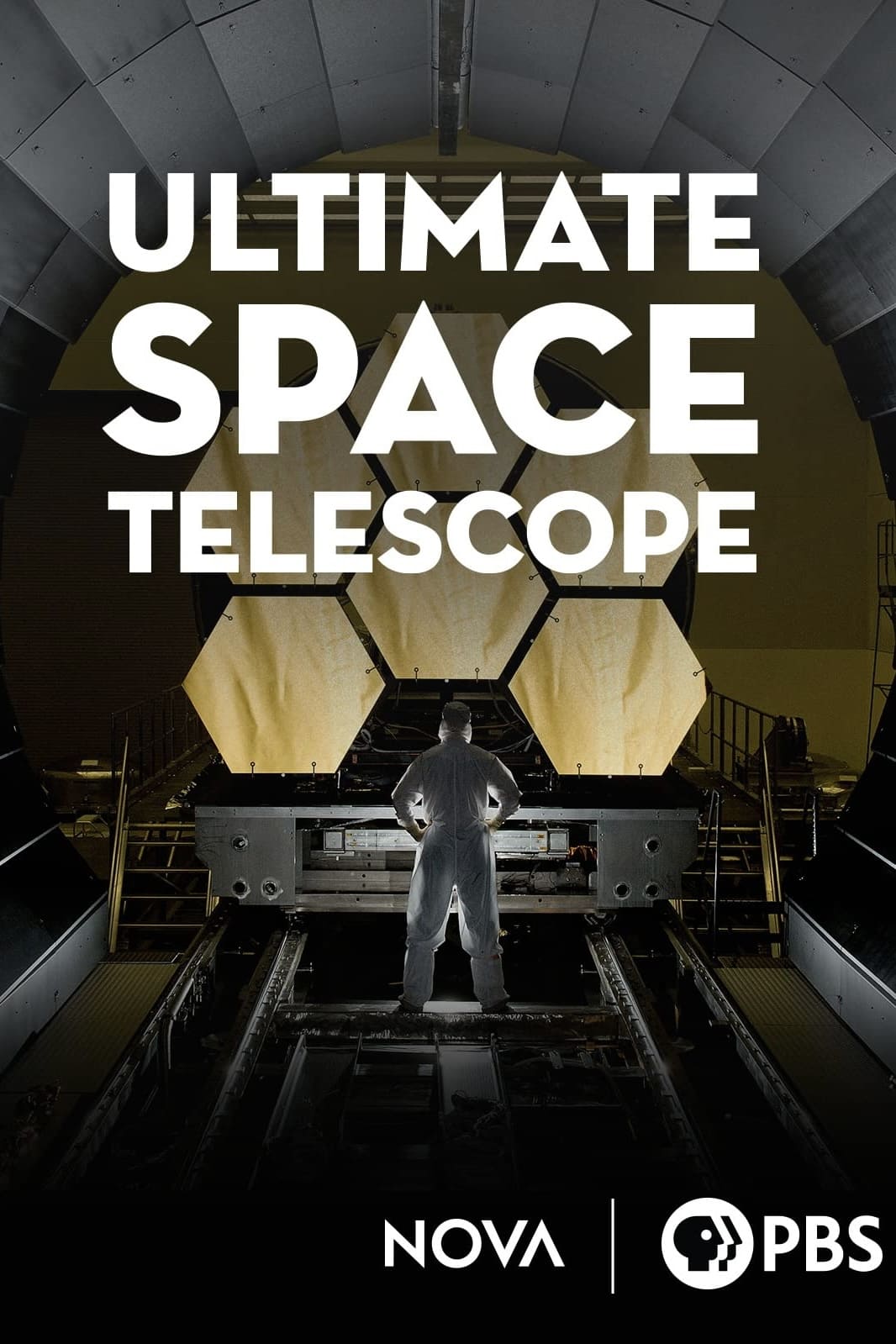
NASA's James Webb Space Telescope, from its conception to completion.
Amateur footage of the devastation caused by one of South Asia's worst earthquakes.
After 10 years of tests and 12 billion Euros invested, the state-of-the-art Airbus jet completed its first commercial flight in January 2015. We will discover how it was conceived and built, and explore its technological innovations every step of the way.
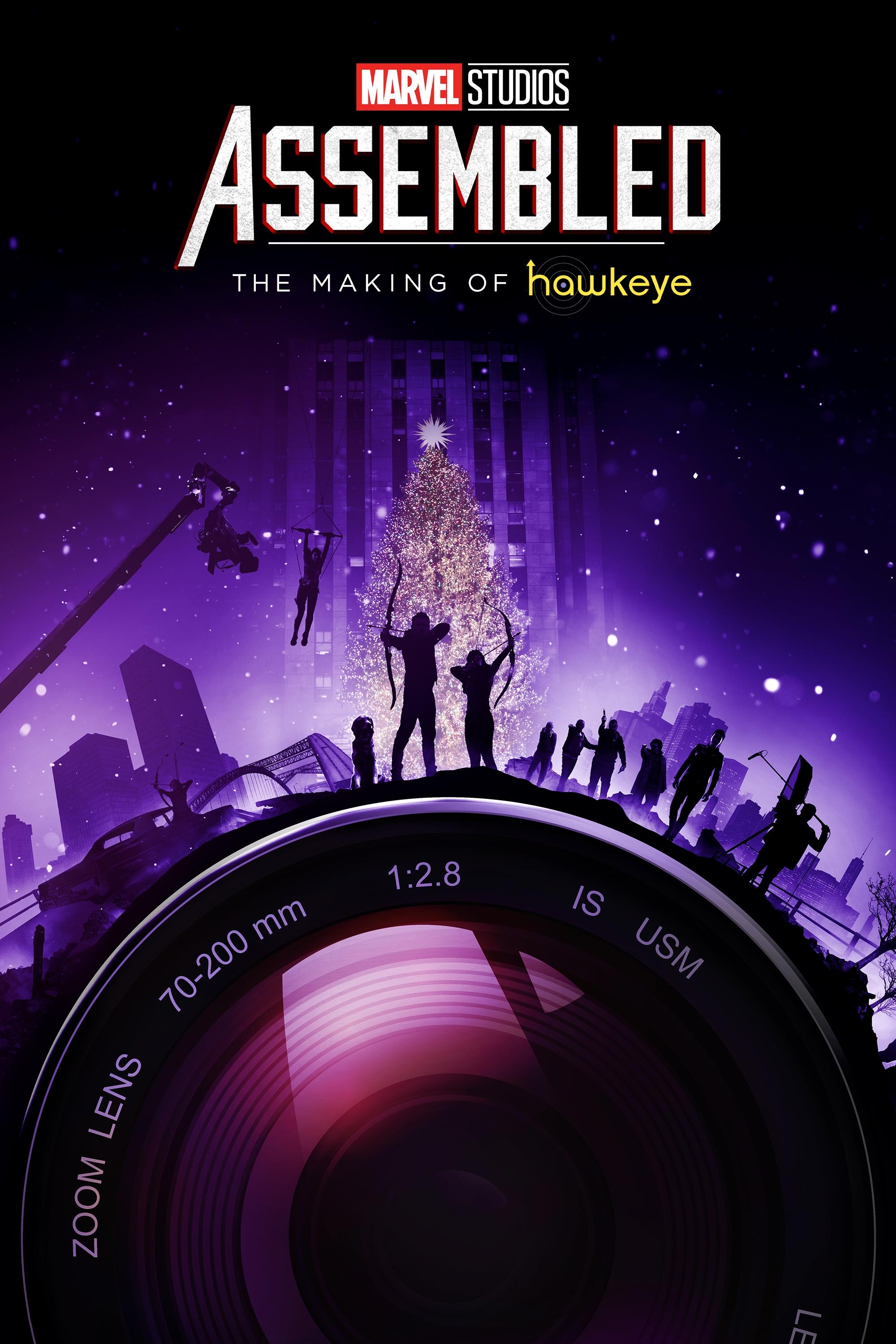
Join the likes of Jeremy Renner, Hailee Steinfeld, Florence Pugh, and Vincent D’Onofrio as they reveal how Marvel Studios’ “Hawkeye” was conceived and created. Witness firsthand what it took to pull off the show’s pulse-pounding action set pieces, and discover how iconic characters from the pages of Marvel Comics such as Kate Bishop were adapted and brought to life for the six-episode series.
“Showrunners” is the first ever feature length documentary film to explore the fascinating world of US television showrunners and the creative forces aligned around them. These are the people responsible for creating, writing and overseeing every element of production on one of the United State’s biggest exports – television drama and comedy series. Often described as the most complex job in the entertainment business, a showrunner is the chief writer / producer on a TV series and, in most instances, the show’s creator. Battling daily between art and commerce, showrunners manage every aspect of a TV show’s development and production: creative, financial and logistical.
Al Pacino's deeply-felt rumination on Shakespeare's significance and relevance to the modern world through interviews and an in-depth analysis of "Richard III."
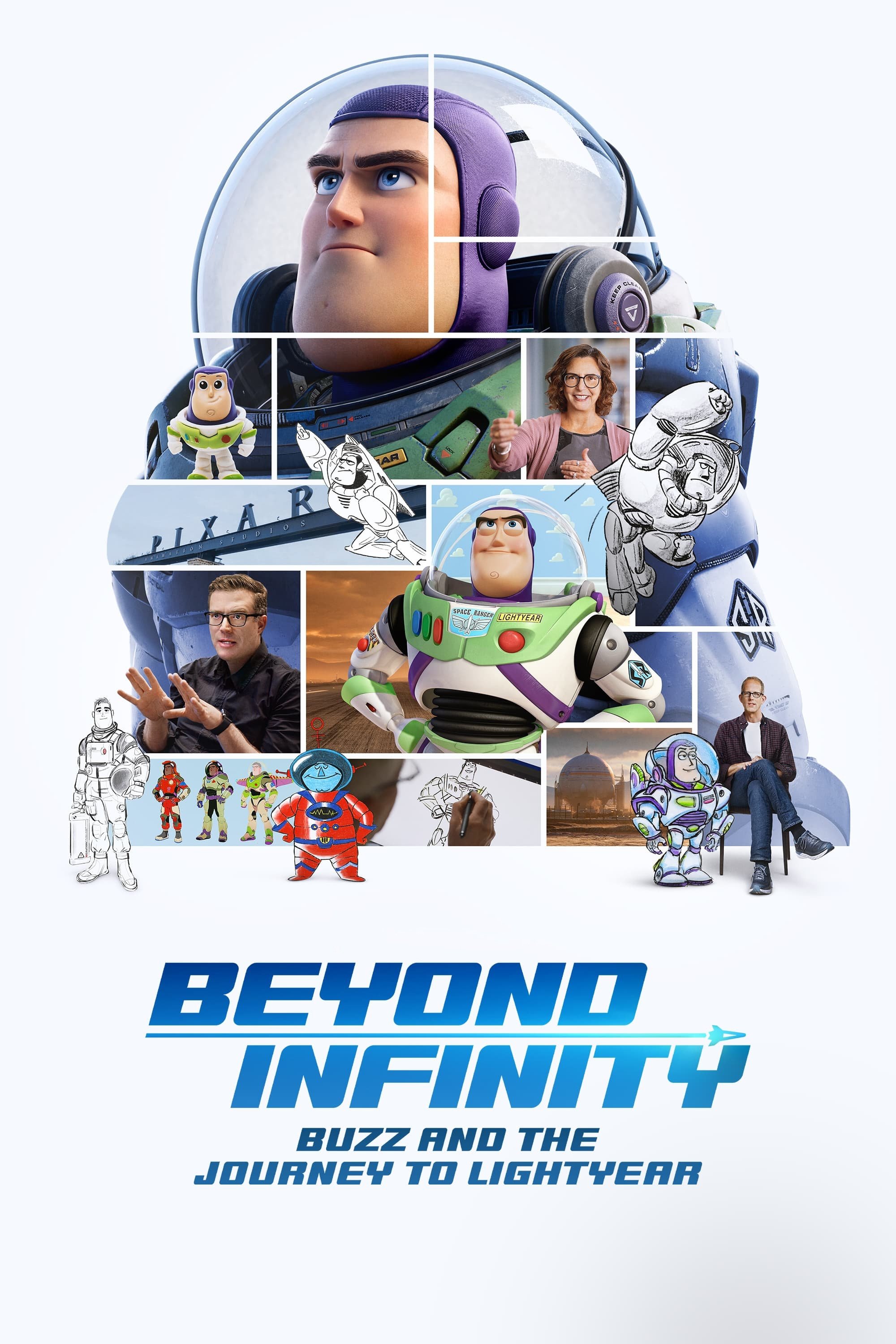
Explore the evolution of Buzz Lightyear from toy to human in the making of Pixar’s Lightyear. Dive into the origin and cultural impact of everyone’s favorite Space Ranger, the art of designing a new “human Buzz,” and the challenges faced by the Lightyear crew along the way.
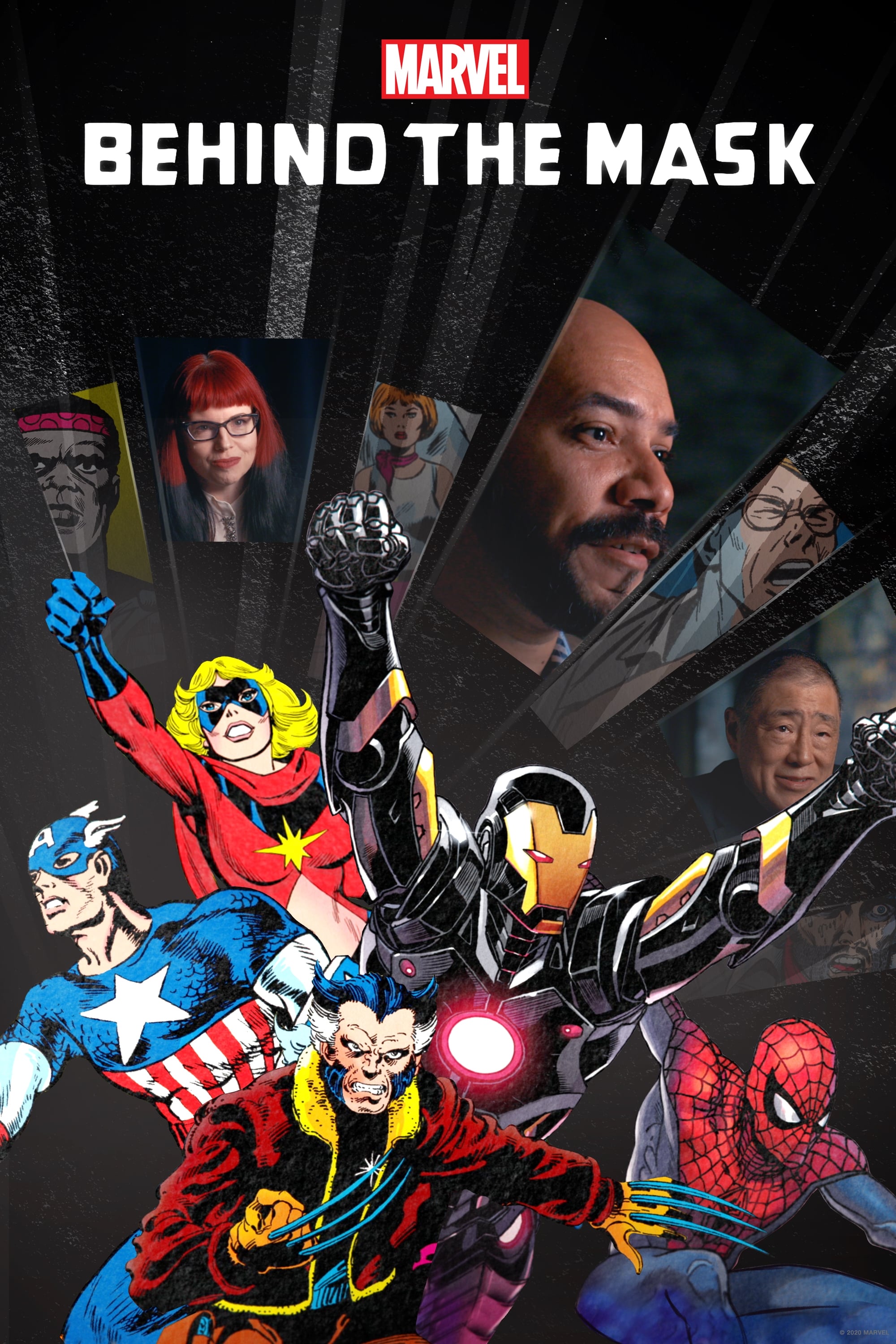
A documentary special that explores the power of identity behind the iconic superheroes we know and love today. These legendary Marvel creations and stories have not only reflected the world outside our window – they have become a reflection of our own identities and who we truly are.
This revealing documentary honors the legendary Sidney Poitier—iconic actor, filmmaker, and civil rights activist. Featuring interviews with Denzel Washington, Spike Lee, Halle Berry, and more.
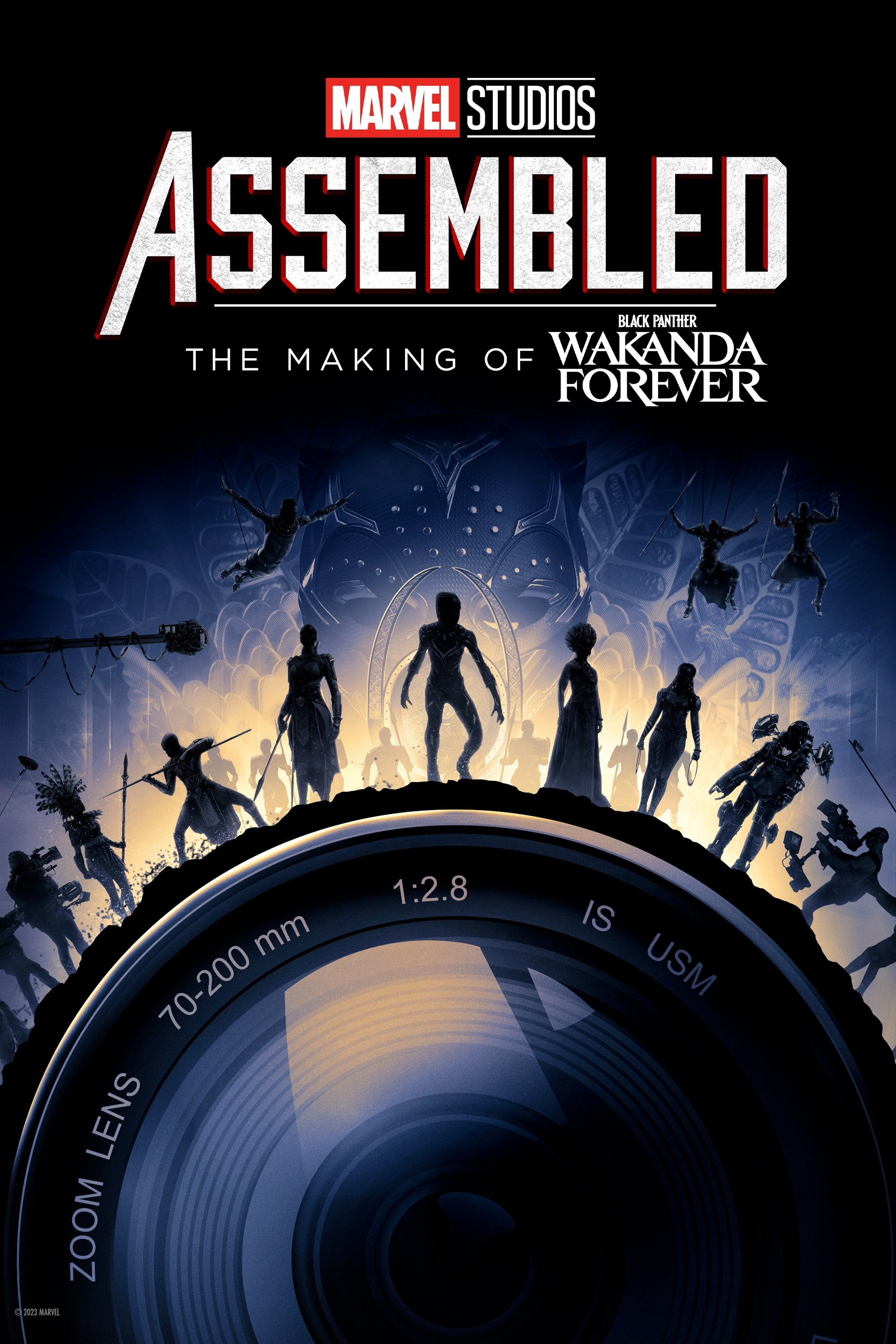
Follow the production of “Black Panther: Wakanda Forever” as the cast and crew take on the incredible challenge of remembering T’Challa with a chapter befitting the late king. Through intimate behind-the-scenes footage and interviews, watch Shuri take on the mantel of Wakanda’s hero and face a new foe from the ocean’s depths in Namor.
An inside look at one of the most anticipated movie sequels ever with James Cameron and cast.
Lupita Nyong'o narrates a documentary about Peanuts and its creator, Charles M. Schulz. Famous fans—including Drew Barrymore, Kevin Smith, and Al Roker—share its influence on them, and a new animated story finds Charlie Brown on a quest.
A feature length documentary about the all-women team at the helm of Pixar's original feature, Turning Red. With unprecedented behind-the-scenes access to Director Domee Shi and her core leadership crew, this story shines a light on the powerful professional and personal journeys that brought this incredibly comical, utterly relatable, and deeply heartfelt story to the screen.
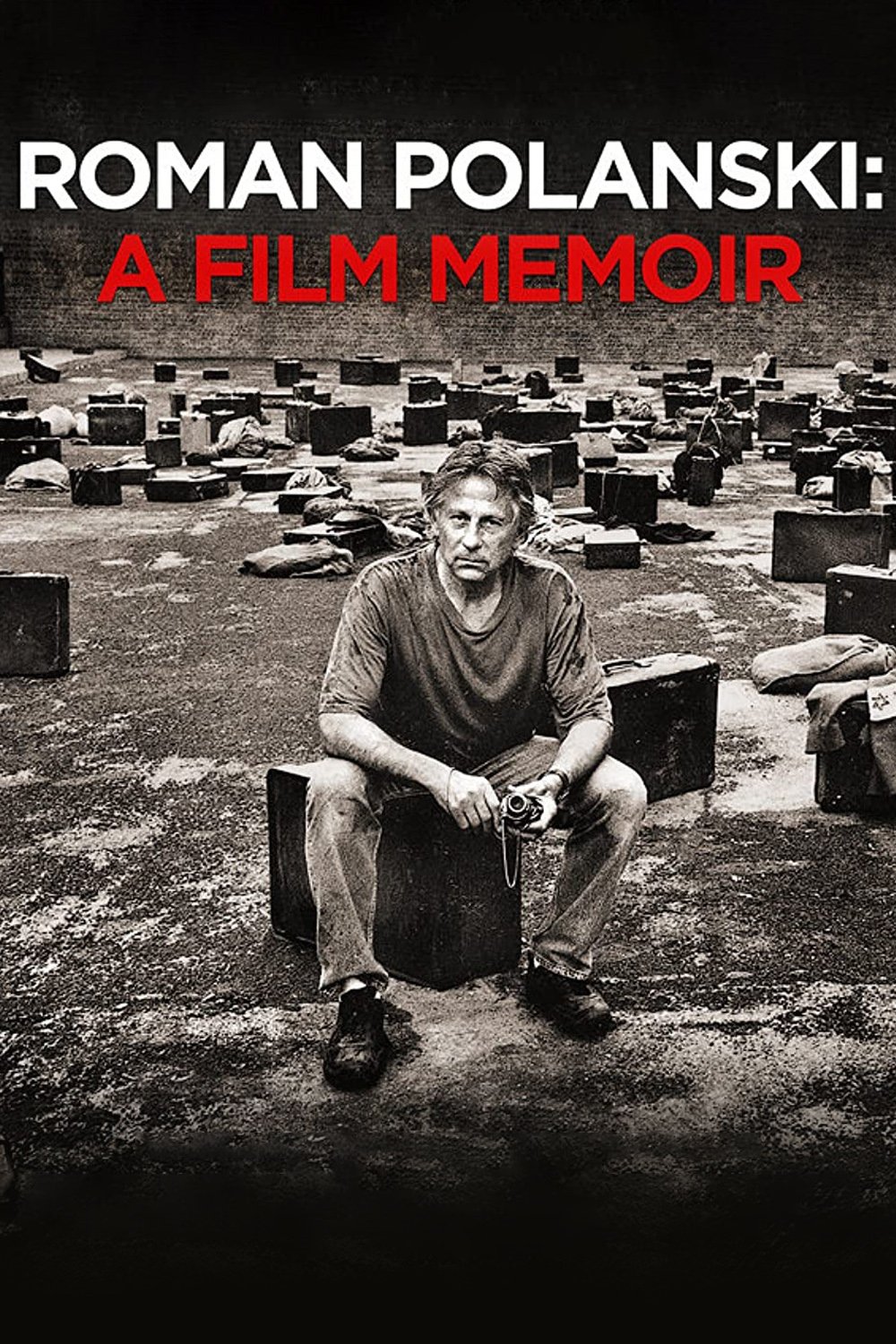
An interview with film director Roman Polanski conducted during his period of house arrest, discussing his life and work.
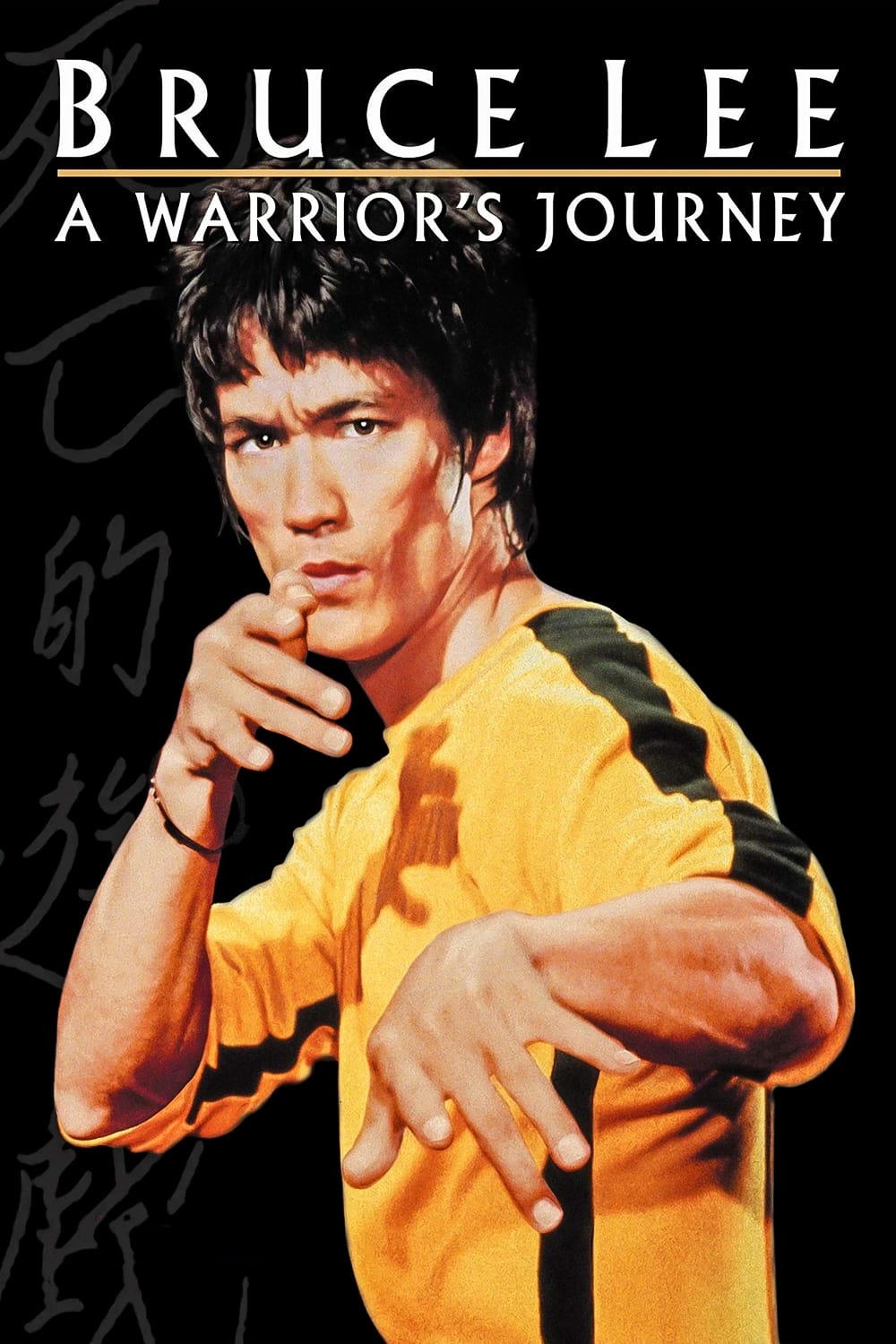
Documentary on the legendary martial artist Bruce Lee, with a focus on the production of his unfinished film Game of Death. Using interviews and behind-the-scenes footage, Lee aficionado John Little paints a portrait of the world's most famous action hero, concluding with a new cut of Game of Death's action finale, reconstructed from Lee's notes and recently-recovered footage.
A visual montage portrait of our contemporary world dominated by globalized technology and violence.
The film follows adventurer Jeff Johnson as he retraces the epic 1968 journey of his heroes Yvon Chouinard and Doug Tompkins to Patagonia.
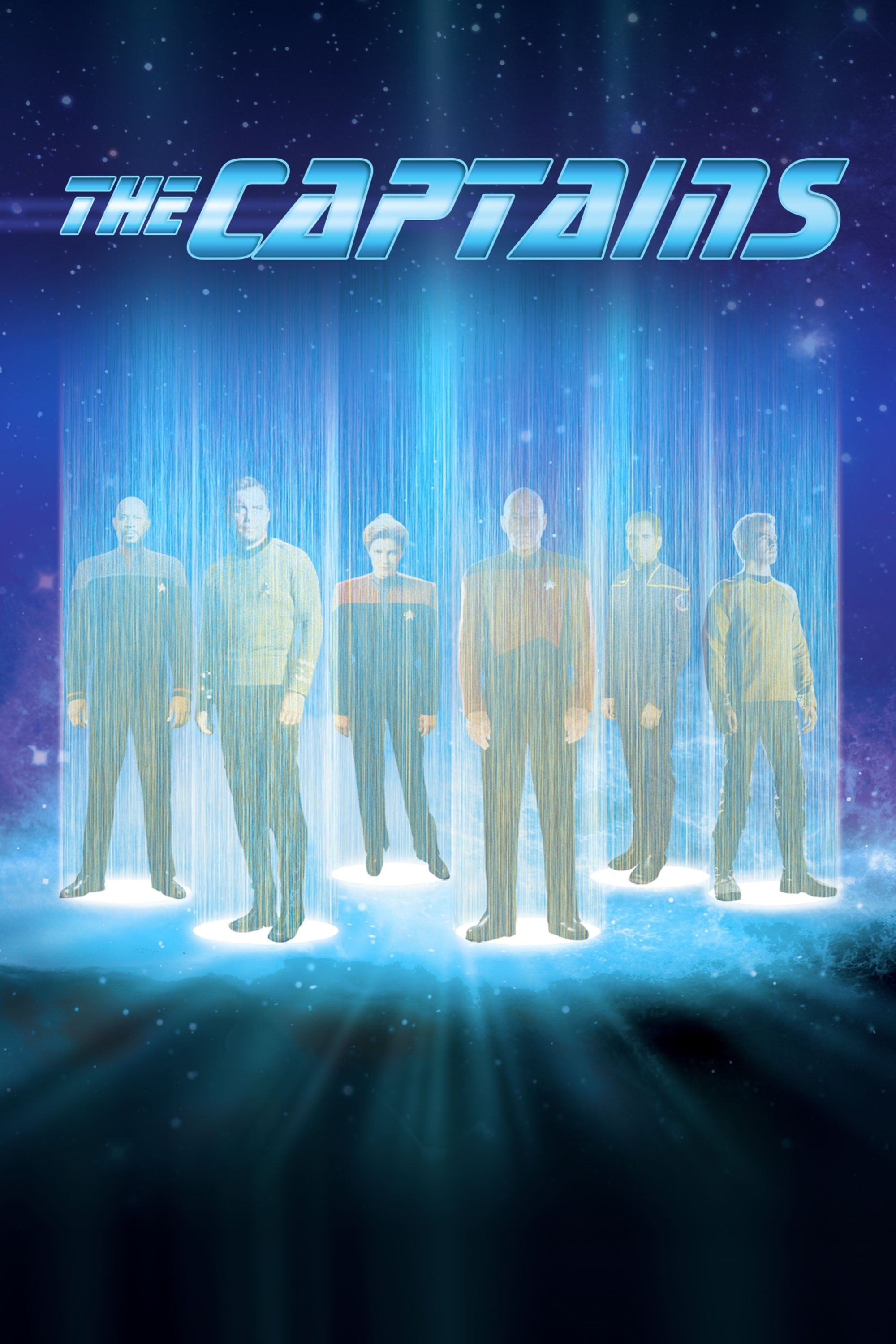
The Captains is a feature-length documentary film written and directed by William Shatner. The film follows Shatner as he interviews the other actors who have portrayed starship captains in the Star Trek franchise.
A documentary about how a dominant cultural and demographic institution both sustains their traditional activities and adapts to the digital revolution.
Captured during Billie Eilish's sold-out world tour, a concert experience from one of the most celebrated and successful artists of her generation, presented in immersive 3D.
In celebration of the publisher's 75th anniversary, the hour-long special will take a detailed look at the company's journey from fledgling comics publisher to multi-media juggernaut. Hosted by Emily VanCamp (S.H.I.E.L.D. Agent Sharon Carter), the documentary-style feature will include interviews with comic book icons, pop culture authorities, and Hollywood stars. The special also promises an "extraordinary peek into Marvel's future!" Might Marvel release the first official footage from next year's Avengers: Age of Ultron or Ant-Man? If they do, you'll know about it here.
A purely observational non-fiction film that takes viewers into the ethically murky world of end-of-life decision making in a public hospital.
An exploration of technologically developing nations and the effect the transition to Western-style modernization has had on them.