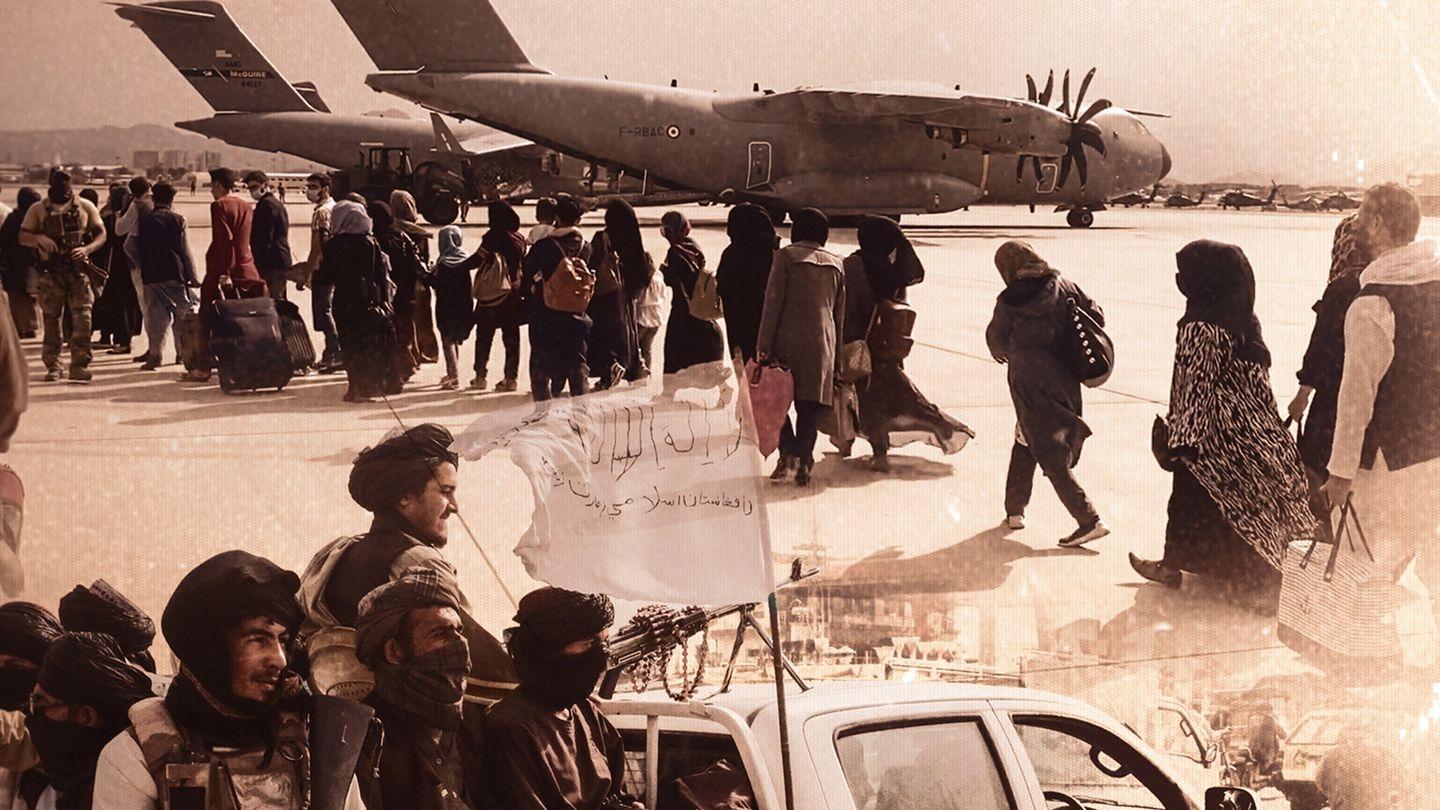
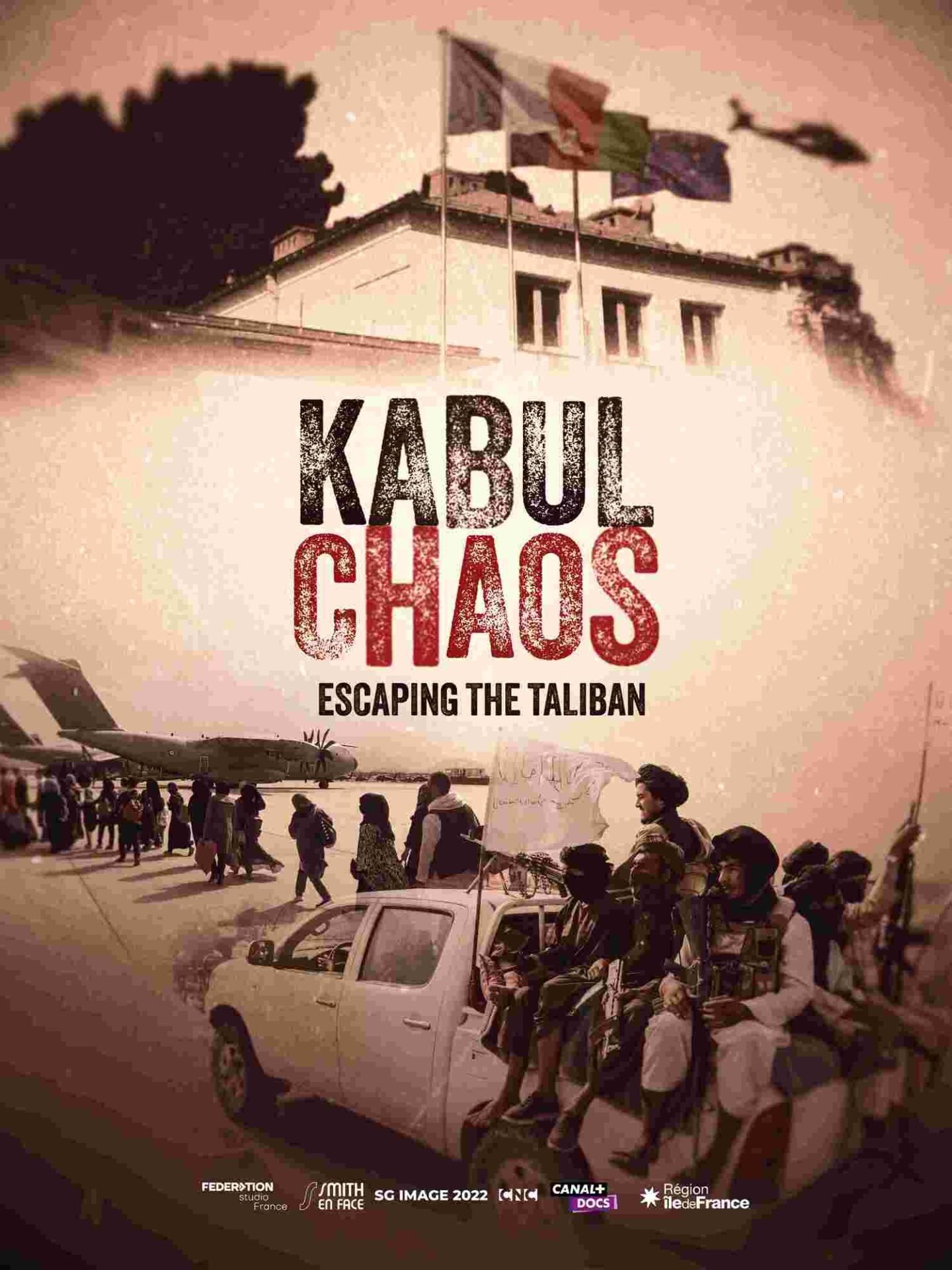
A look back at the years leading up to the fall of Kabul and the perilous evacuation of civilians trapped inside the embassy in the hours following the Taliban's takeover of the country.
Social & External
The people behind it
David Martinon
Self
Thomas Guibert
Sonia Ghezali
Ahmad Massoud
Fawzia Koofi
Rada Akbar
Wali Mohammadi
Hamid Karzai
Documentary about the renowned Estonian pedagogue and educational reformer Johannes Käis. Made on commission for Estonian Ministry of Education.
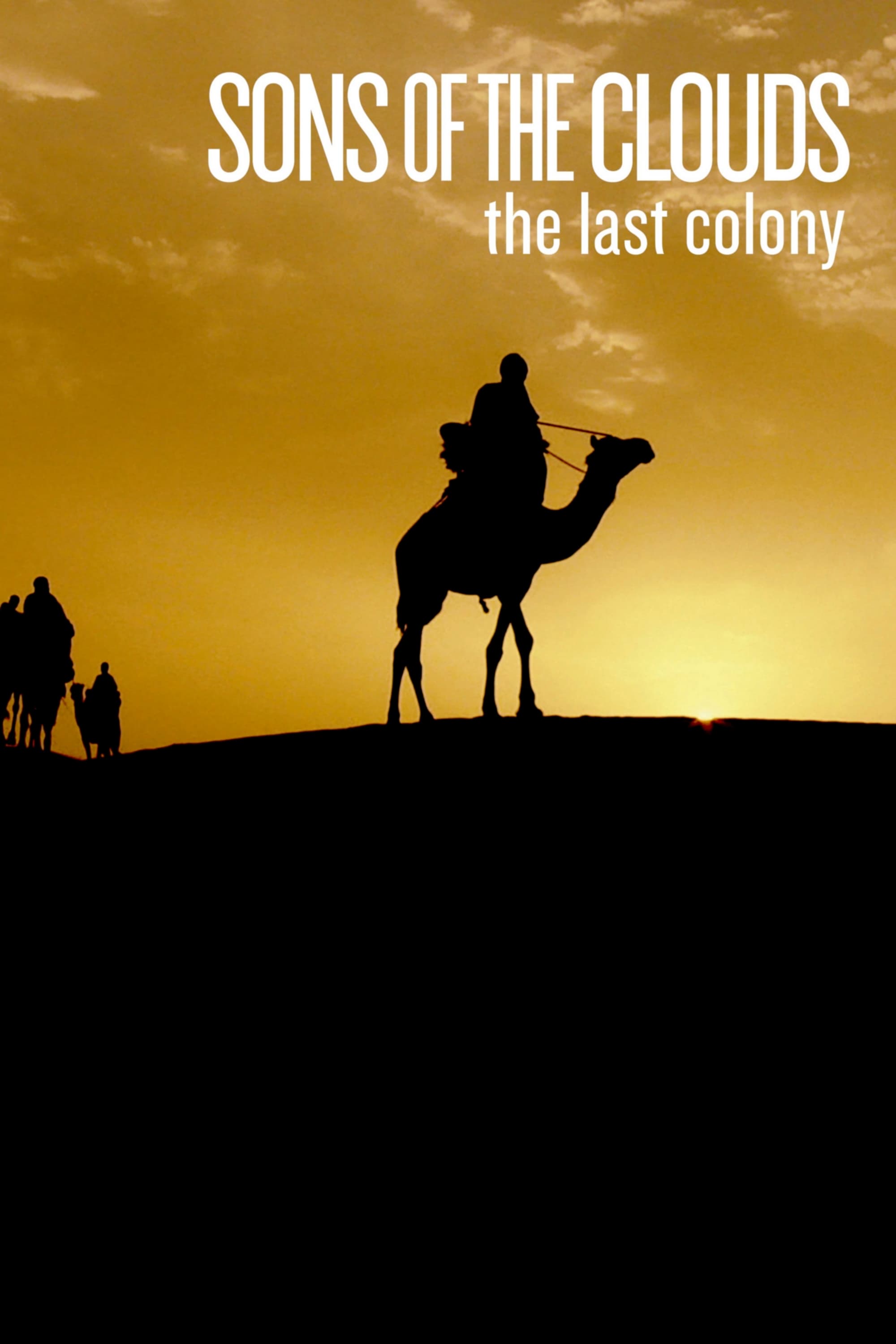
The political upheaval in North Africa is responsibility of the Western powers —especially of the United States and France— due to the exercise of a foreign policy based on practical and economic interests instead of ethical and theoretical principles, essential for their international politic strategies, which have generated a great instability that causes chaos and violence, as occurs in Western Sahara, the last African colony according to the UN, a region on the brink of war.
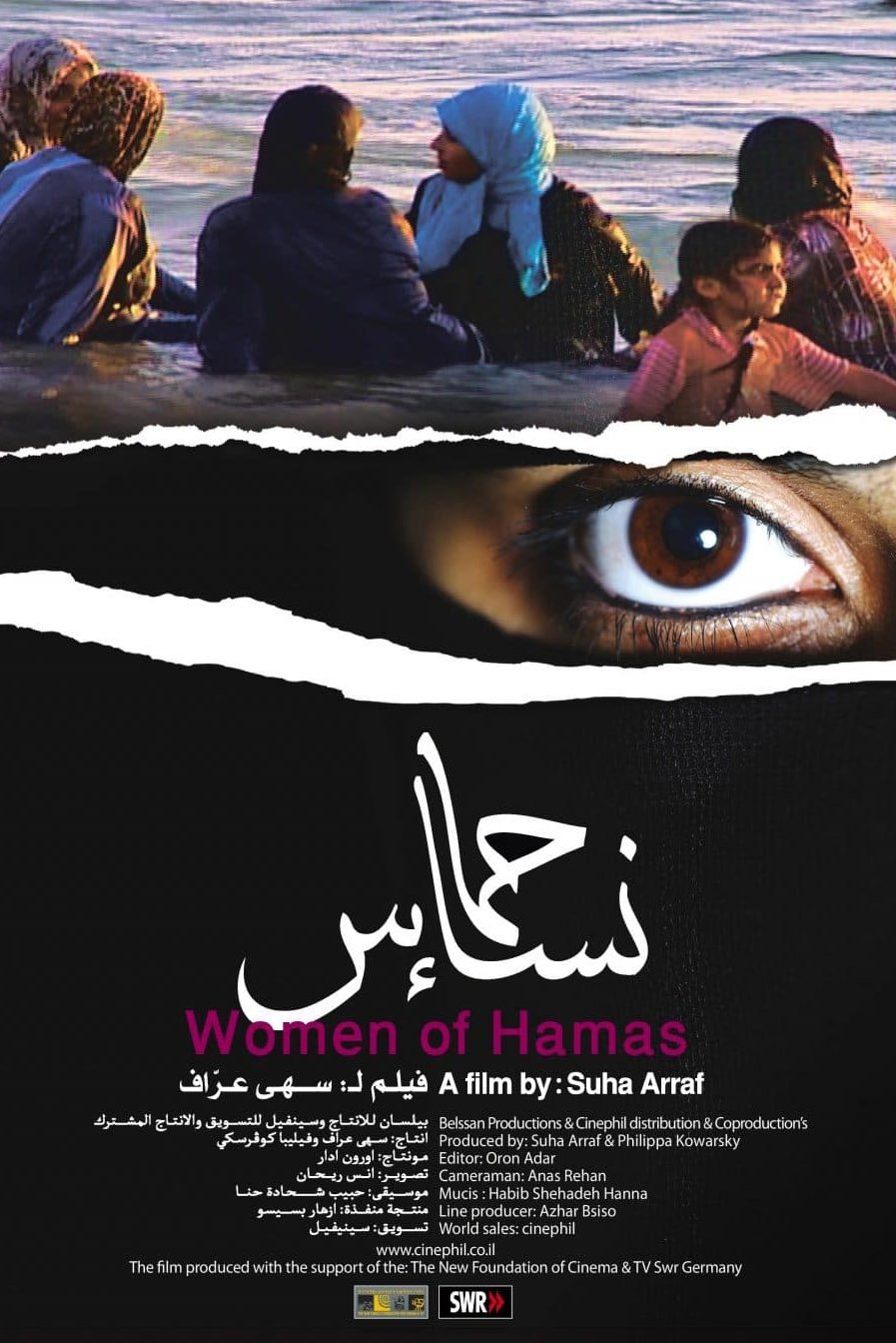
Everyone was surprised at the triumph of Hamas in the last Palestinian elelctions, but the bigger surprise was that the women were behind that victory. We follow three Hamas women to try and understand why an Islamist political party, operating in a very conservative society, allows its women to become political, social and even military leaders.
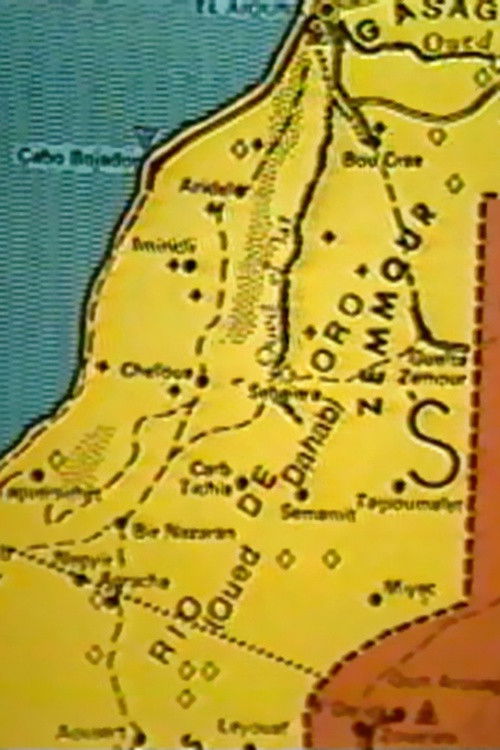
Mohamed lives in Nouadhibou, in Mauritania. But he can always see the ghost of his former town in front of his eyes. Aalien, the postman, fled to refugee camps in Tindouf, Algeria. But he's still thinking about the houses and the streets where he used to deliver letters. Zeinabu, in Tenerife, looks at the Ocean from her terrace. She looks in the direction of La Güera, her town that no longer exists. The stories of the inhabitants of a "ghost town", located on the border between Mauritania and the Sahrawi Arab Democratic Republic (Sadr). The destiny of a forgotten land hidden under the sand. "La Güera, my forgotten land" is a 29 minutes documentary, which tells the story of this city and, through it, the story of a whole people.
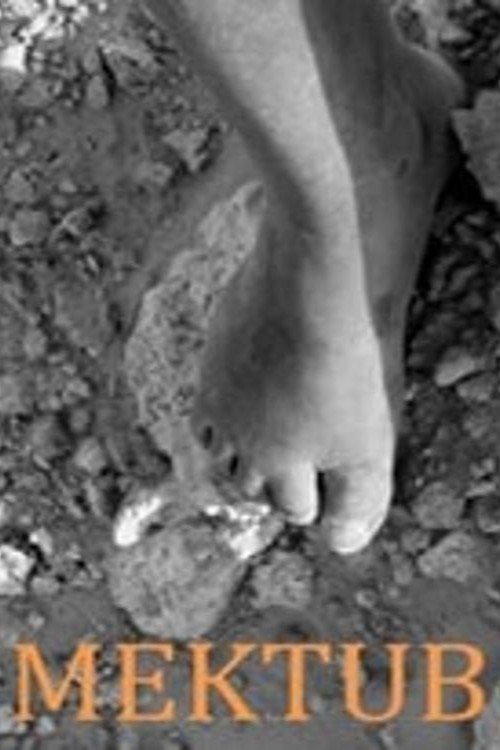
Mektub portrays a day in the life in the Sahrawi refugee camps, along with the declarations of some of its protagonists. But behind this seemingly calm life hides a common fight, which is to continue fighting and protesting to accomplish the single common goal that all Sahrawis have as a nation: to take back the occupied land, rebuild their country, and reunite with their families.
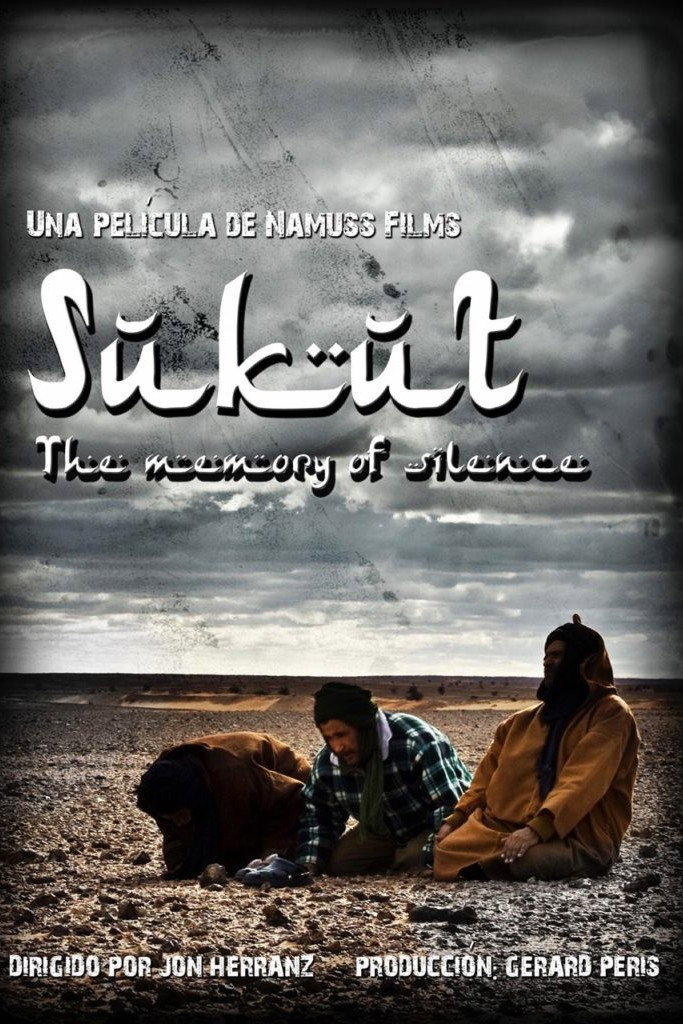
In the refugee camps of Tindouf, for more than 30 years the Sahrawi people is waiting to get the goal that forced them to exile: to return to their land free from any foreign domination. Sukut collects the testimonies of life of elderly Sahrawi with three objectives: to preserve the historical memory of this people, that have basically an oral tradition, show the human aspects of some experiences and data too much objectified, and especially, give the word to those who have been silenced too long ago.
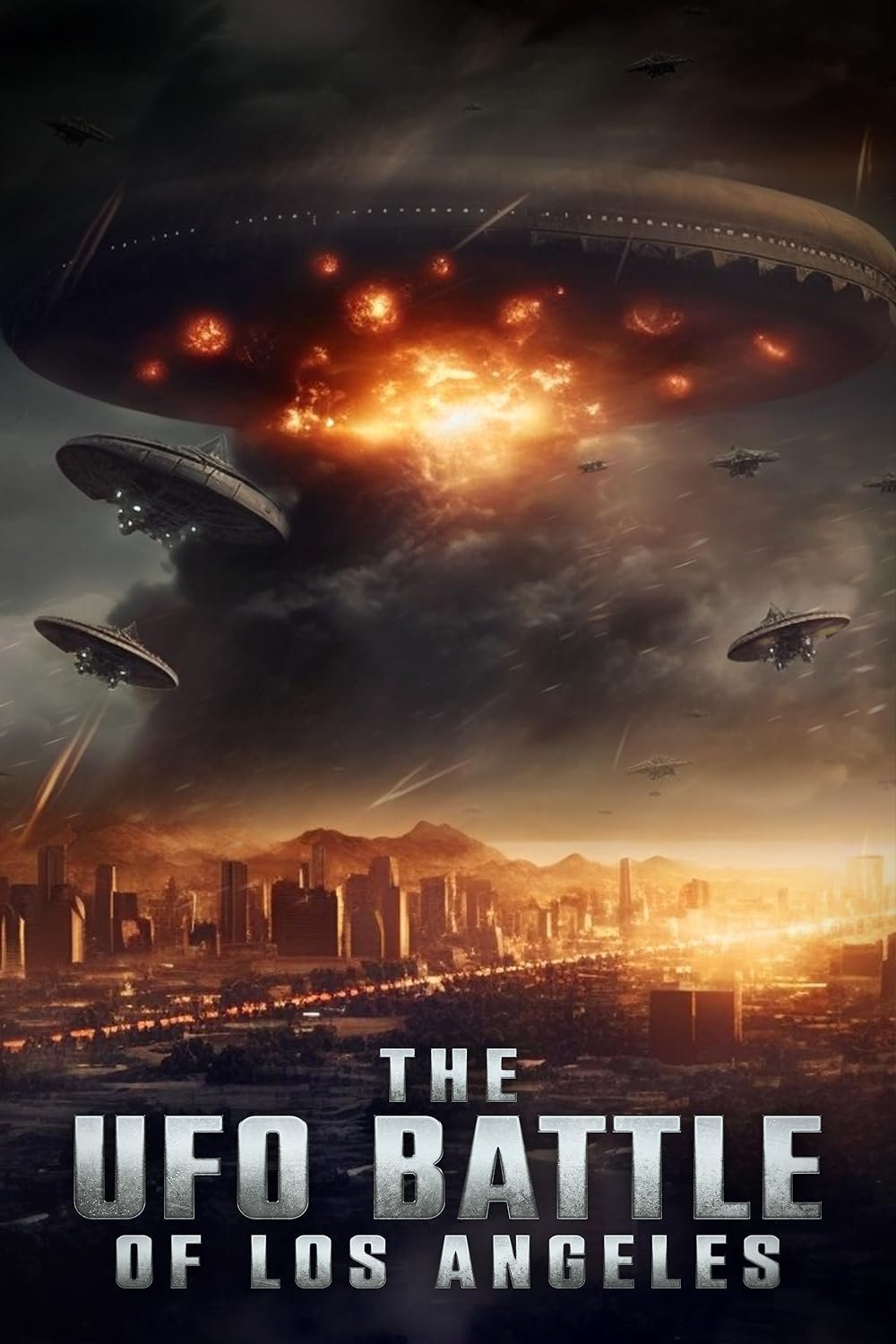
On the night of February 24-25, 1942, amid terror and neurosis caused by the terrible Pearl Harbor attack only two months earlier, a huge flying object of unknown origin appears in the sky over Los Angeles. The military reacts by imposing a total blackout in the area and firing more than 1440 artillery rounds. However, despite the firepower, no object was shot down. We will try to understand what actually happened and who or what flew over the skies of Los Angeles that night of February 24, 1942.
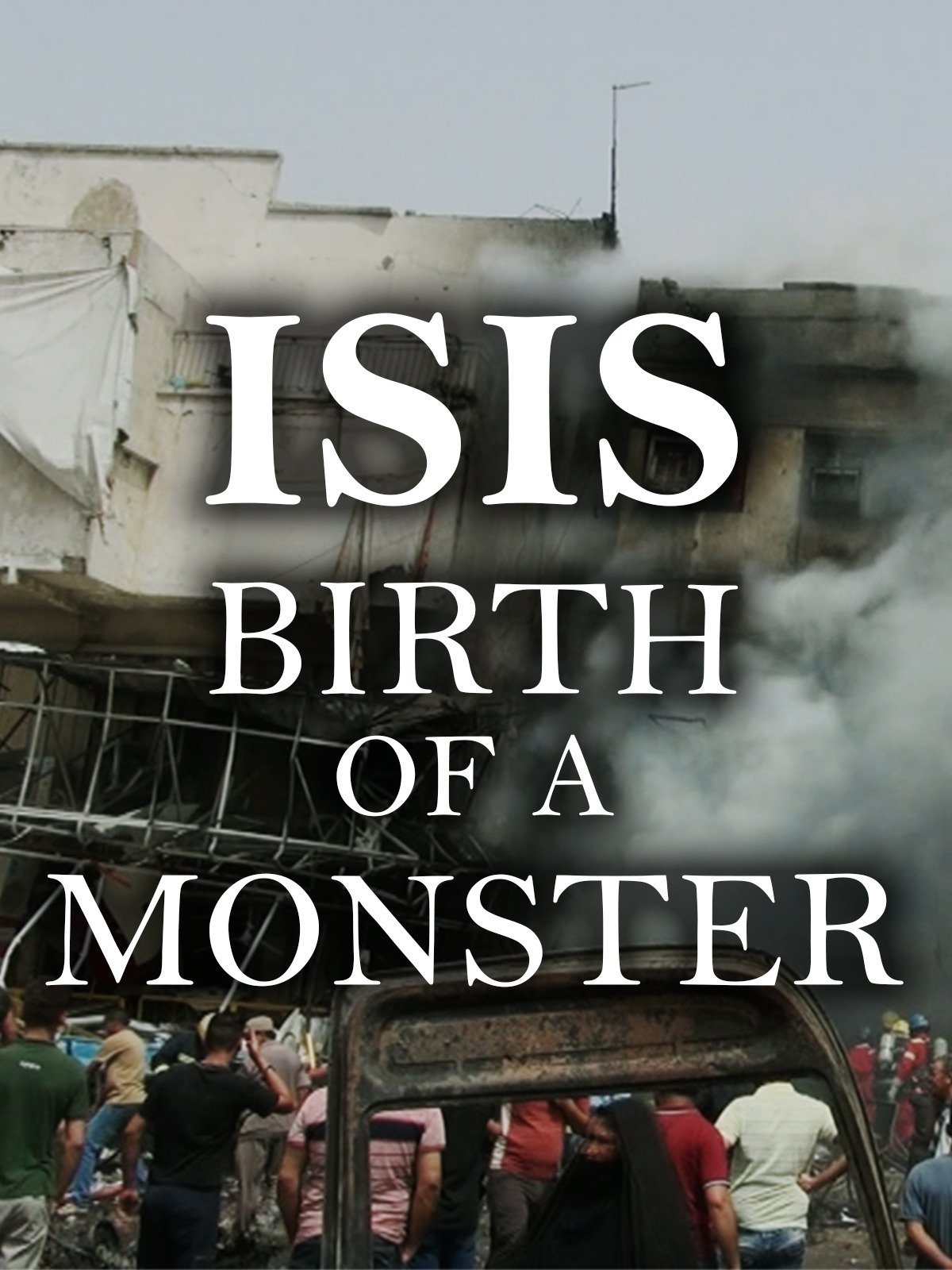
For the past 12 years, journalist Paul Moreira has travelled extensively in Iraq. In this film, he goes in search of the men he filmed back in 2003 at the very beginning of the American occupation. Through their stories, and by tracing the roots of ISIS to the arrival of Abu Mousab Al-Zarqawi and America's handling of the resistance, he tells the story of how Iraq became such a fractured nation.
Jung is a narrative documentary that follows the human and professional adventure of its protagonists, the Afghan people in the midst of civil war.
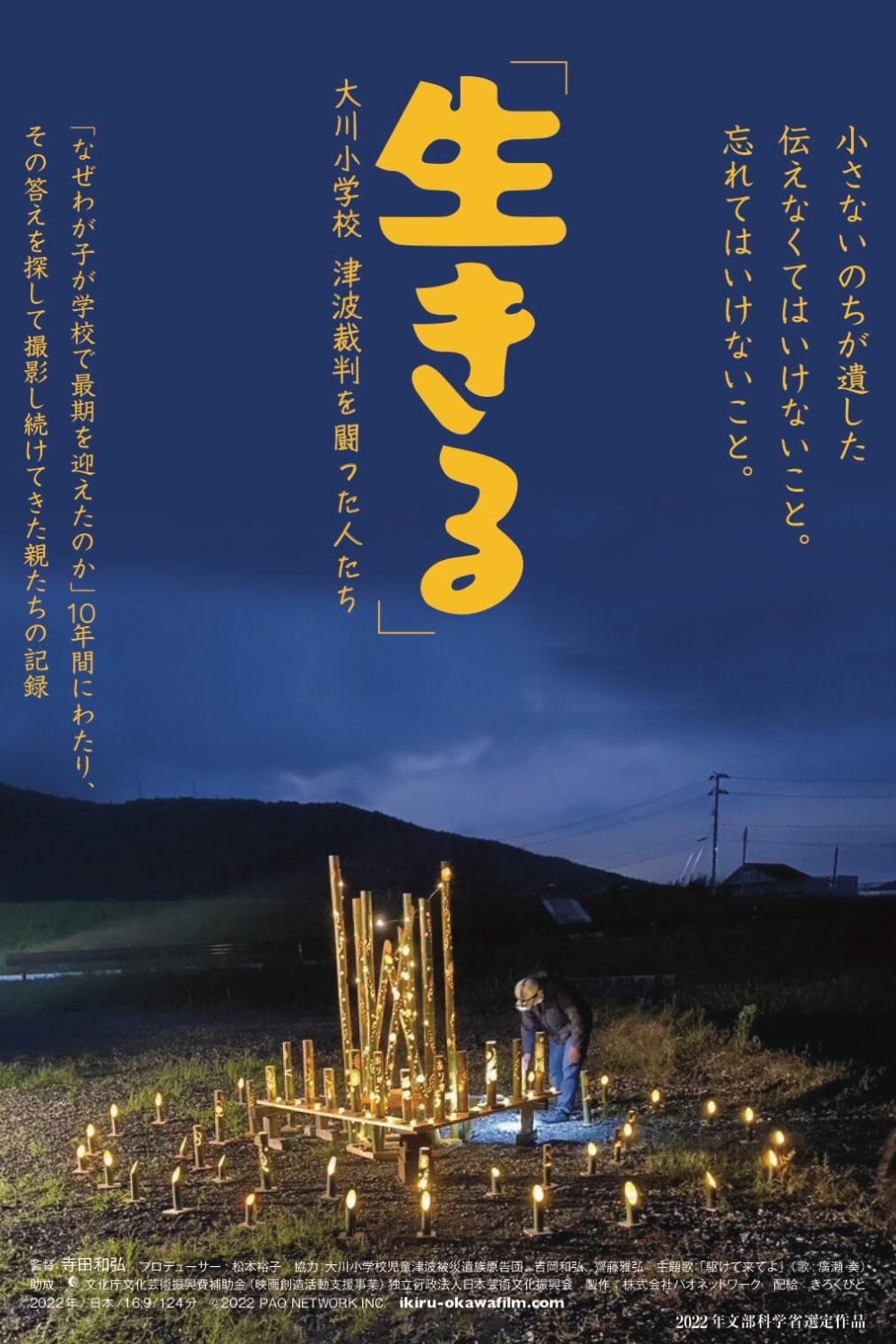
On March 11, 2011, Okawa Elementary School in Ishinomaki City was engulfed by a tsunami, and 74 children, or 70% of the school's children, were killed. 51 minutes elapsed between the earthquake and when the tsunami reached the school. The school was informed of the tsunami and a school bus was on standby, but students did not evacuate. Okawa Elementary was the only school that suffered a large number of casualties in this earthquake. This documentary follows the lawsuit that followed the disaster, where the parents sought the truth behind the tragedy.
A documentary detailing an indiscriminate terrorist attack that left 71 dead in Kenya.
A historical analysis of the on-going war in the Western Sahara. Liza Bear interviews Abdullah Majdid, the Polisario Front's United Nations representative. The tape addresses Morocco's U.S.-backed military effort to subjugate the indigenous Sahrawi population and annex one of the world's largest phosphate deposits, as well as the Sahrawis' conditions for a referendum.
A purely observational non-fiction film that takes viewers into the ethically murky world of end-of-life decision making in a public hospital.
A documentary chronicling Queen and Lambert's incredible journey since they first shared the stage together on "American Idol" in 2009.
Through deeply personal interviews with her siblings and an examination of the photographs, letters, and belongings left behind, Mariska assembles a new portrait of her mother Jayne Mansfield, an extraordinary and complex woman.
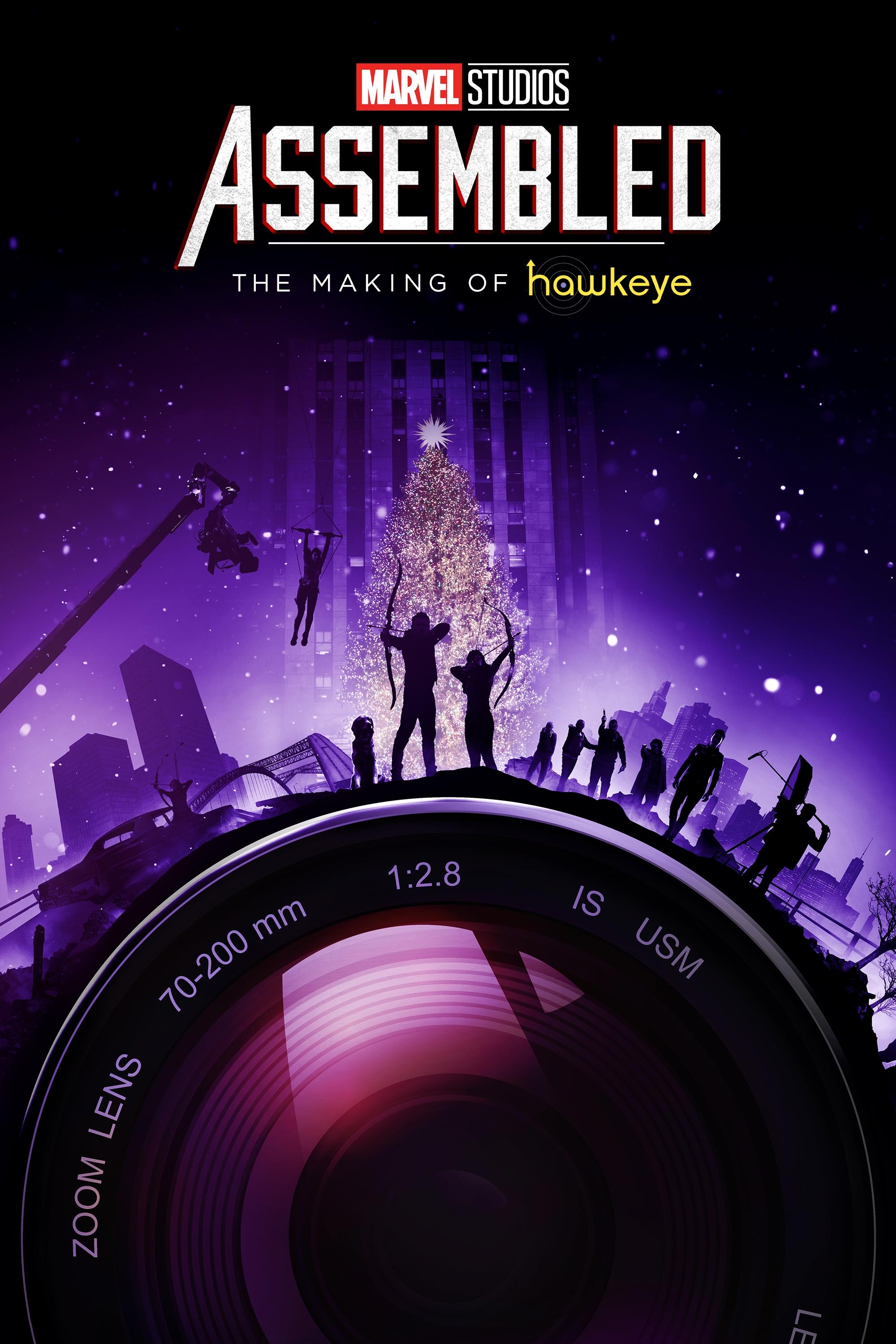
Join the likes of Jeremy Renner, Hailee Steinfeld, Florence Pugh, and Vincent D’Onofrio as they reveal how Marvel Studios’ “Hawkeye” was conceived and created. Witness firsthand what it took to pull off the show’s pulse-pounding action set pieces, and discover how iconic characters from the pages of Marvel Comics such as Kate Bishop were adapted and brought to life for the six-episode series.
Daniel Craig candidly reflects on his 15 year adventure as James Bond. Including never-before-seen archival footage from Casino Royale to the upcoming 25th film No Time To Die, Craig shares his personal memories in conversation with 007 producers, Michael G Wilson and Barbara Broccoli.
In 2019, Nepalese mountain climber Nirmal “Nims” Purja set out to do the unthinkable by climbing the world’s fourteen highest summits in less than seven months. (The previous record was eight years). He called the effort “Project Possible 14/7” and saw it as a way to inspire others to strive for greater heights in any pursuit. The film follows his team as they seek to defy naysayers and push the limits of human endurance.
An inside look at one of the most anticipated movie sequels ever with James Cameron and cast.
A documentary on the life of John Lennon, with a focus on the time in his life when he transformed from a musician into an antiwar activist.
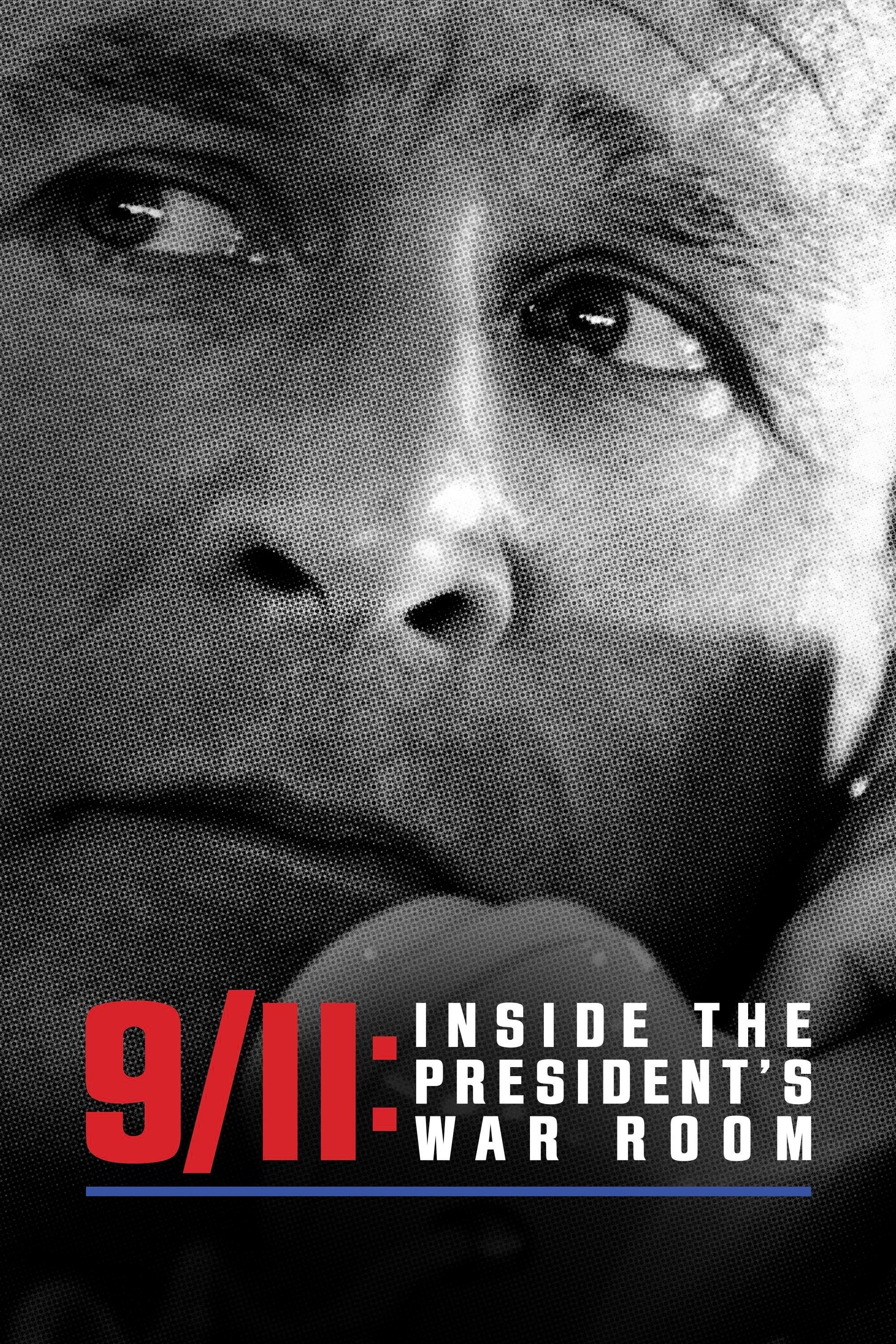
Experience the events of September 11, 2001 through the eyes of President Bush and his closest advisors as they personally detail the crucial hours and key decisions from that historic day.
Featuring never before seen footage uncovered from the archives and interviews with Paul McCartney, Tommy Lee and others, God Bless Ozzy Osbourne is the first documentary to take viewers inside the complex mind of rock's great icon.
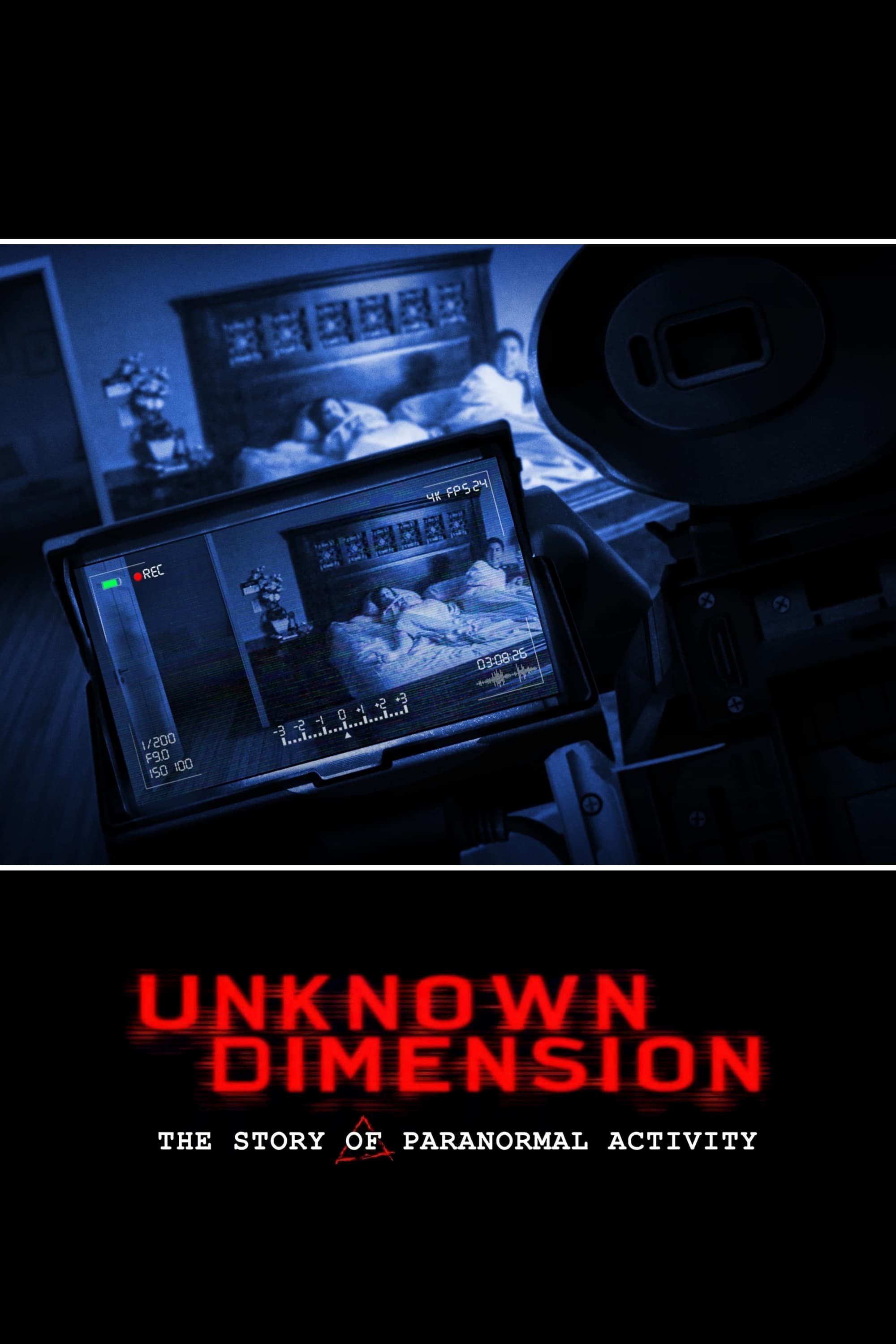
A deep dive into the making of the Paranormal Activity films with first time ever interviews with cast and crew, never-before-seen footage from the movies, and a preview of the seventh installment in the franchise.
Those who knew iconic funnyman John Candy best share his story, in their own words, through never-before-seen archival footage, imagery, and interviews.
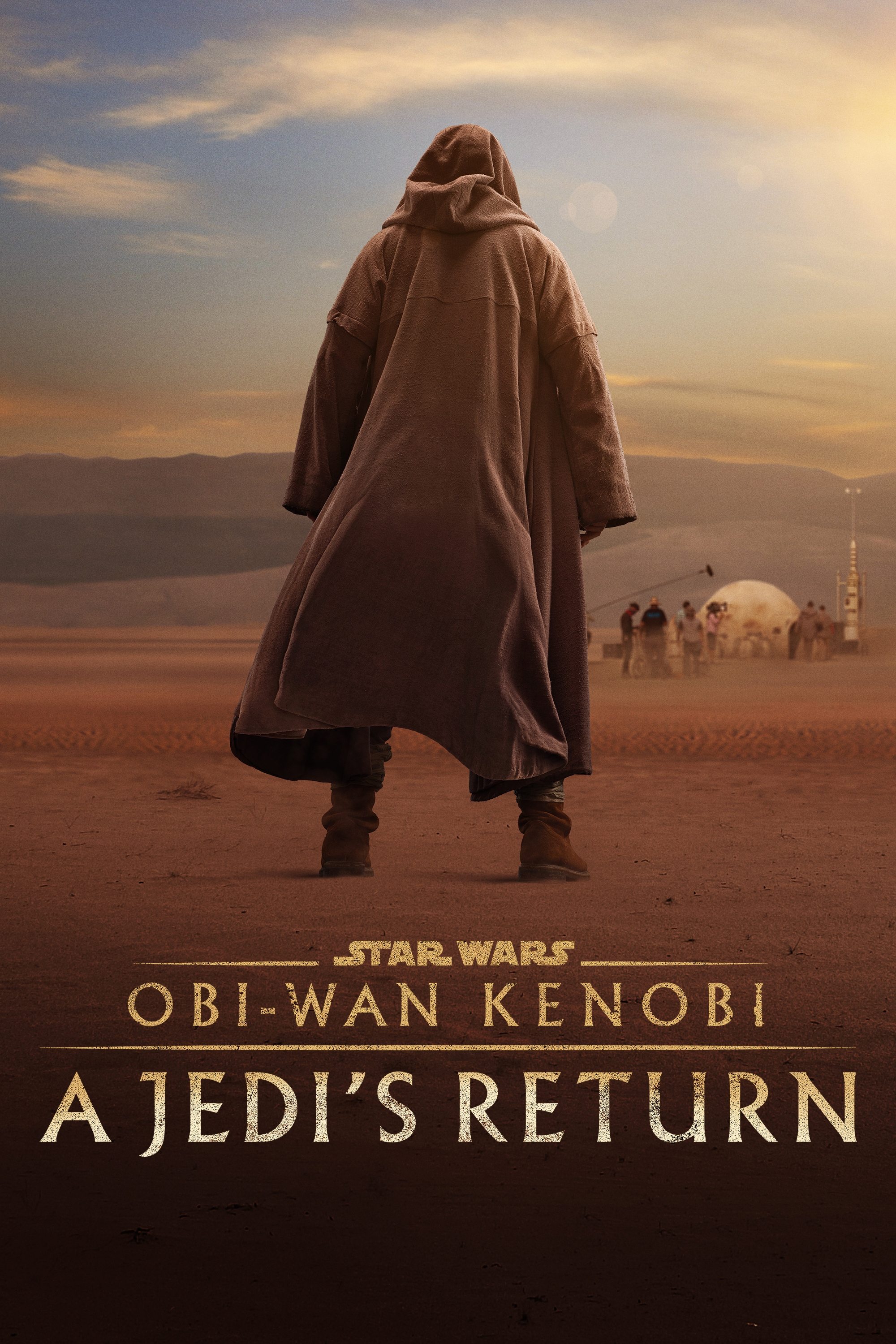
This special explores the return of Obi-Wan Kenobi and Anakin Skywalker to the screen, as well as Ewan McGregor and Hayden Christensen to their classic roles. Director Deborah Chow leads the cast and crew as they create new heroes and villains that live alongside new incarnations of beloved Star Wars characters, and an epic story that dramatically bridges the saga films.
Examines the life and career of singer Whitney Houston. Features never-before-seen archival footage, exclusive recordings, rare performances and interviews with the people who knew her best.
An intimate portrait of the small shops and shopkeepers of the Rue Daguerre in Paris, a picturesque street that has been the filmmaker’s home for more than 50 years.
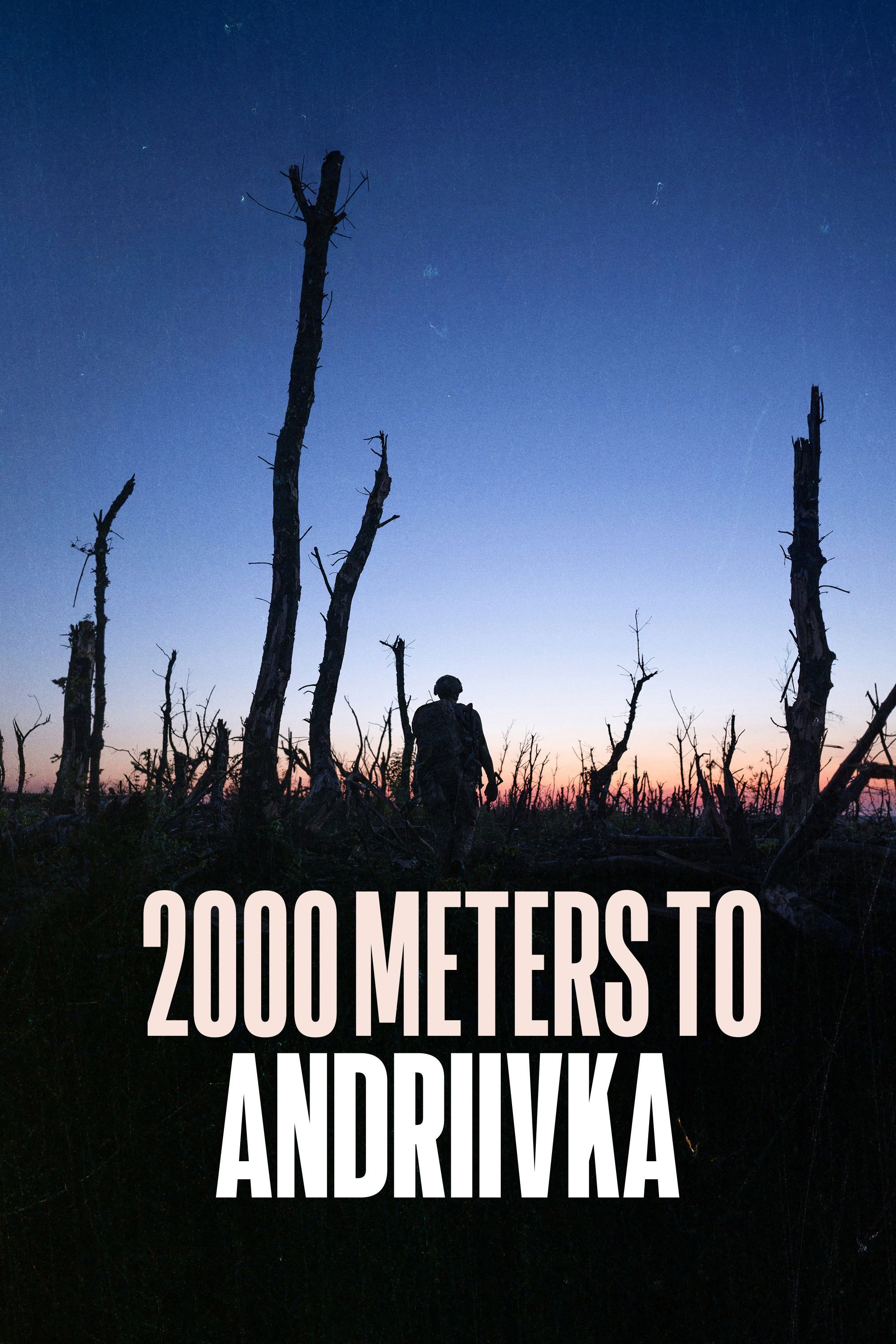
Amid the failing counteroffensive, a journalist follows a Ukrainian platoon on their mission to traverse one mile of heavily fortified forest and liberate a strategic village from Russian occupation. But the farther they advance through their destroyed homeland, the more they realize that this war may never end.
Musician and performance artist Laurie Anderson reflects on the deaths of her husband Lou Reed, her mother and her beloved dog.
With unprecedented access to the official archives and intimate recollections from the band, both current and past, Iron Maiden: Burning Ambition invites fans to experience one of the most iconic journeys in music history. Spanning five decades, this electrifying documentary charts the band’s rise from the pubs of East London to the world’s biggest stadiums. Featuring exclusive interviews with band members and contributors such as Javier Bardem, Lars Ulrich and Chuck D, as well as all-new animated sequences of the band's legendary mascot, Eddie, the film offers a rare and intimate look at Iron Maiden’s uncompromising vision and unwavering connection with their truly global army of fans.
A raw and emotionally revealing look at one of the most iconic artists of our time during a transformational period in her life as she learns to embrace her role not only as a songwriter and performer, but as a woman harnessing the full power of her voice.
A documentary chronicling Vogue editor-in-chief Anna Wintour's preparations for the 2007 fall-fashion issue.