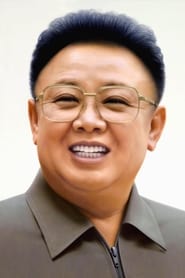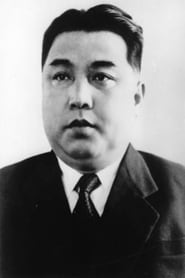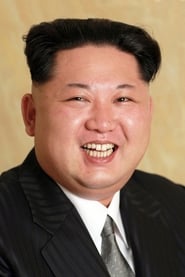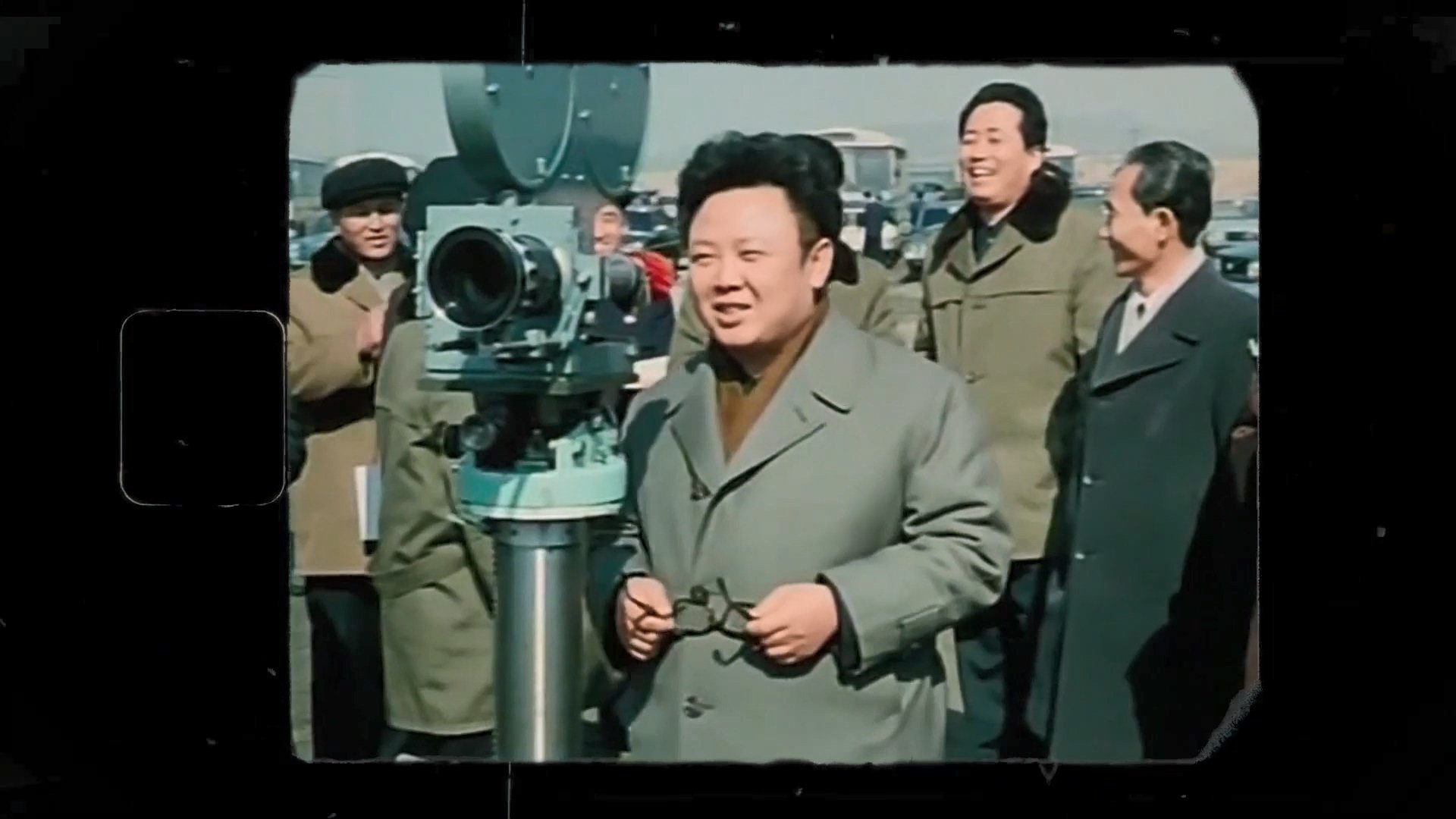
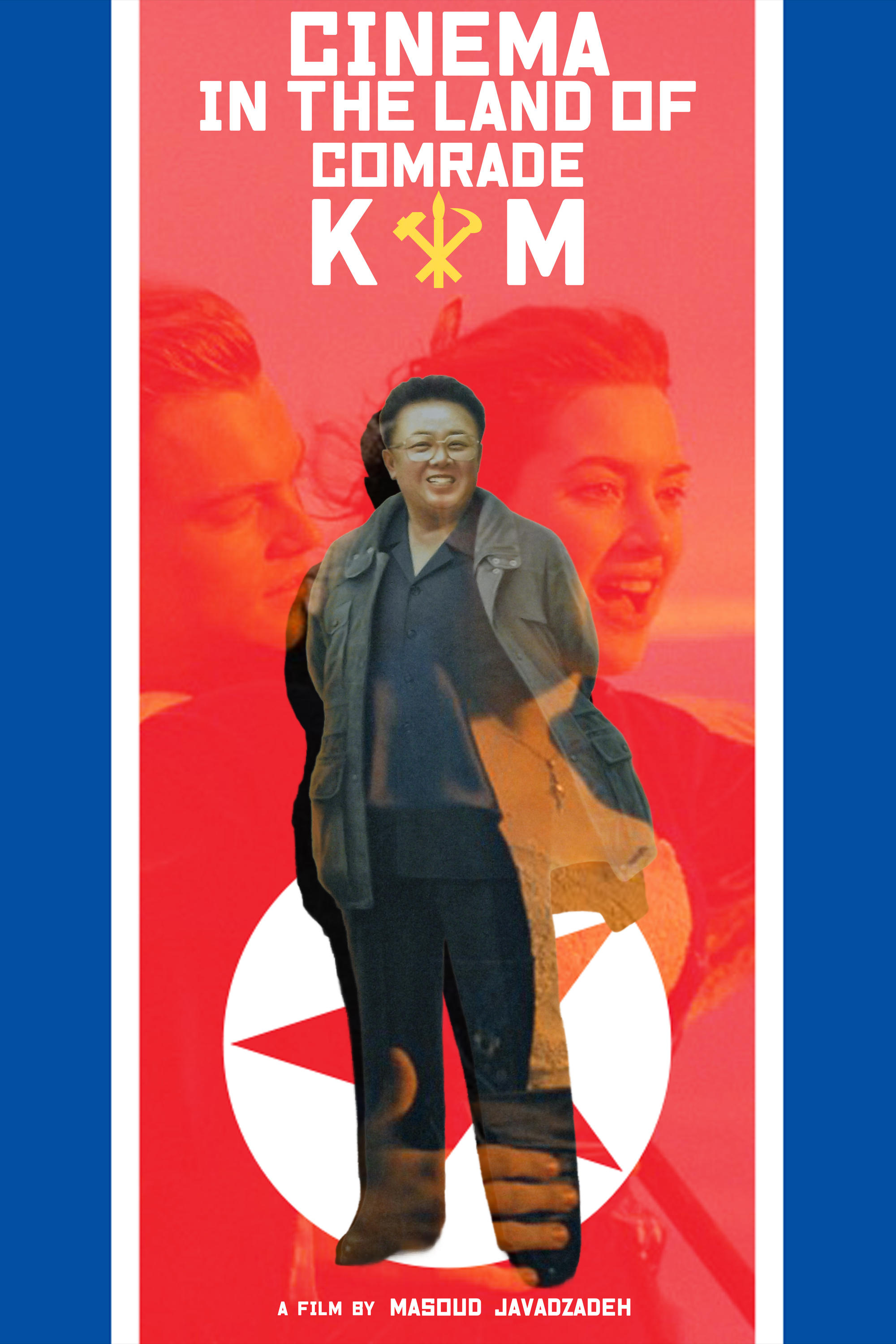
The love of Kim Jong Il, the former dictator of North Korea, for cinema and his adventures, including the kidnapping of a director.
Social & External

Narrator
Himself
Herself
"Africa Light" - as white local citizens call Namibia. The name suggests romance, the beauty of nature and promises a life without any problems in a country where the difference between rich and poor could hardly be greater. Namibia does not give that impression of it. If you look at its surface it seems like Africa in its most innocent and civilized form. It is a country that is so inviting to dream by its spectacular landscape, stunning scenery and fascinating wildlife. It has a very strong tourism structure and the government gets a lot of money with its magical attraction. But despite its grandiose splendor it is an endless gray zone as well. It oscillates between tradition and modernity, between the cattle in the country and the slums in the city. It shuttles from colonial times, land property reform to minimum wage for everyone. It fluctuates between socialism and cold calculated market economy.
The film is a controversy on democracy. Is our society really democratic? Can everyone be part of it? Or is the act of being part in democracy dependent to the access on technology, progression or any resources of information, as philosophers like Paul Virilio or Jean Baudrillard already claimed?
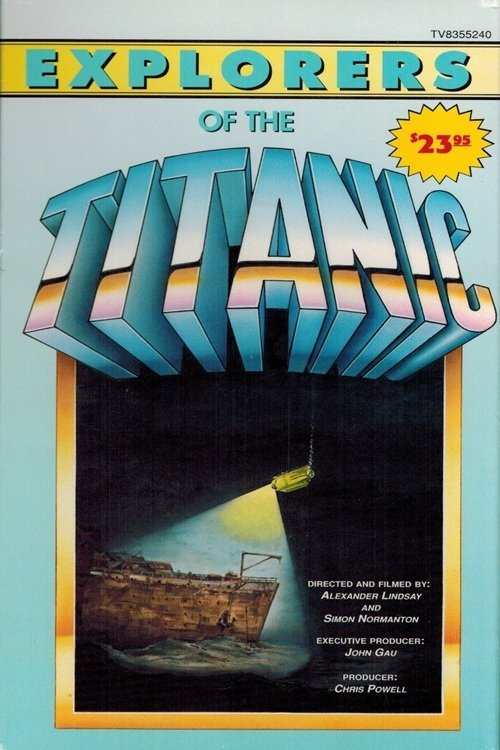
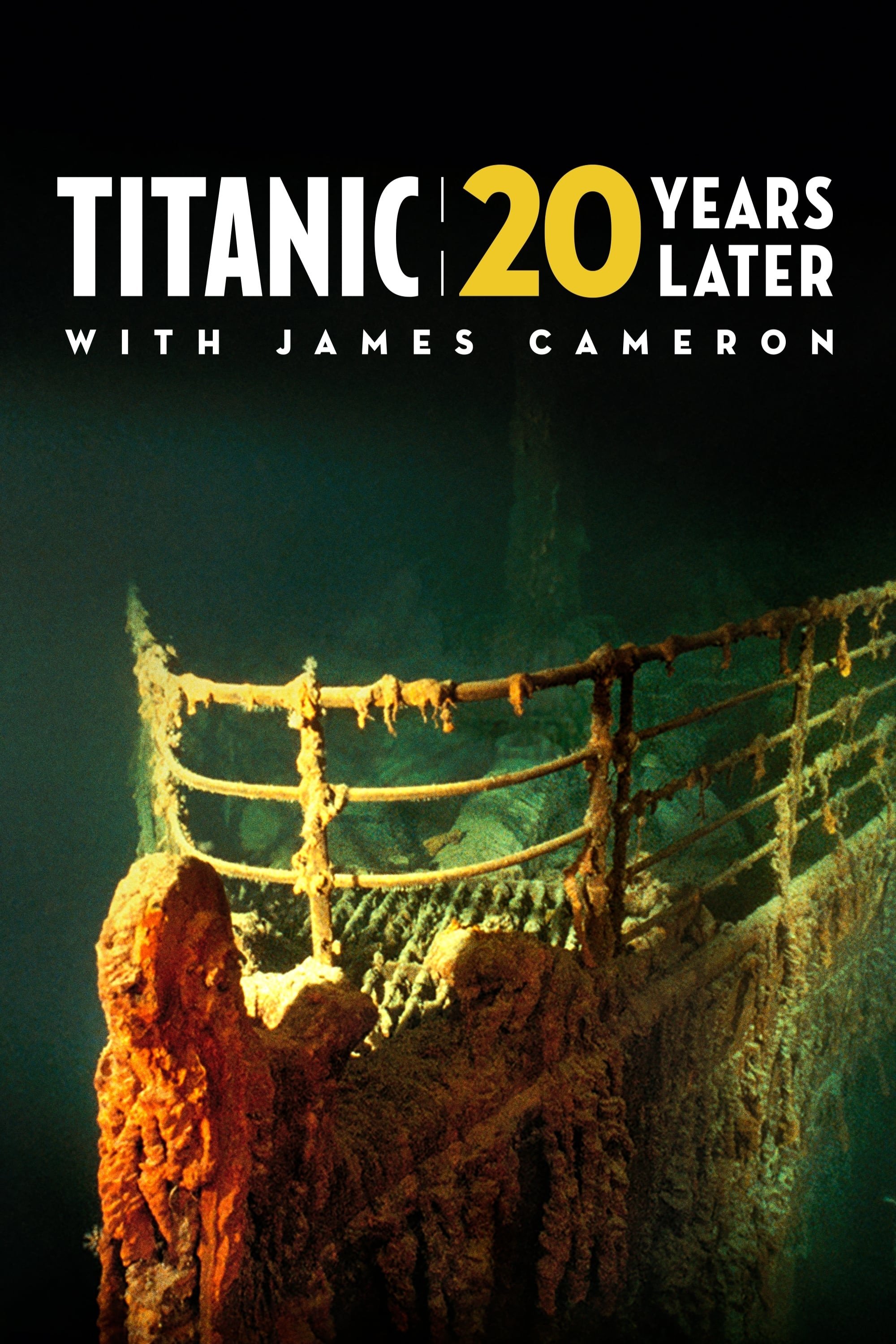
The Titanic is under a new threat. Resting at over 12,500 feet below sea level and 380 nautical miles off the coast of Newfoundland, the most famous shipwreck in the world is being consumed by a colony of iron-eating bacteria. This slow and irreversible decay, according to the most concerned experts, will sweep away all the secrets of the mythic liner within a few decades. This documentary details the underwater odyssey of the greatest Titanic expeditions and the evolution of the most scrutinized shipwreck in the world. From the epic discovery of the wreck by a French-American team in 1985 to the exploratory missions led by James Cameron, and to the treasure hunts that brought back over 5,000 vestiges–experience the unequaled thrill of these extreme dives through the eyes of the explorers who have attempted to unlock Titanic’s secrets.
The sinking of the Titanic is presented in a highly realistic fashion in this tense British drama. The disaster is portrayed largely from the perspective of the ocean liner's second officer, Charles Lightoller. Despite numerous warnings about ice, the ship sails on, with Capt. Edward John Smith keeping it going at a steady clip. When the doomed vessel finally hits an iceberg, the crew and passengers discover that they lack enough lifeboats, and tragedy follows.
In 1912, the Titanic embarks on its inevitable collision course with history. In the wake of the over-spending required to build the largest luxury ship in the world, White Star Line executive Sir Bruce Ismay schemes to reverse the direction of his company's plummeting stock value. Onboard the Titanic, brave German 1st Officer Petersen struggles to convince his self-important British superiors not to overexert the ship's engines.
The sinking of the RMS Titanic remains one of the most enduring and mysterious tragedies of the 20th century. For decades, investigators and amateurs alike have floated theories for why it occurred and who was to blame for the extraordinary loss of life, but no one answer could fully explain what happened. Until now. To mark the 100th anniversary of the infamous disaster, Smithsonian Channel will premiere Titanic's Final Mystery. The two-hour special investigates a century of theories and uncovers astonishing new forensic evidence that proves the most likely theory for the case.

An hour long interview with Slovenian philosopher Slavoj Žižek made by Russia Today for his 70th birthday. In this documentary Žižek answers questions from the public in regards to politics and ideology, gender and sex, philosophy and psychoanalysis, hardcore pornography and sexual liberation in the West, in his usual style of polemics and comedy.

In April of 1945, Germany stands at the brink of defeat with the Russian Army closing in from the east and the Allied Expeditionary Force attacking from the west. In Berlin, capital of the Third Reich, Adolf Hitler proclaims that Germany will still achieve victory and orders his generals and advisers to fight to the last man. When the end finally does come, and Hitler lies dead by his own hand, what is left of his military must find a way to end the killing that is the Battle of Berlin, and lay down their arms in surrender.
Shedding new light on a geopolitical hot spot, the film — written and produced by John Maggio and narrated by Korean-American actor John Cho — confronts the myth of the “Forgotten War,” documenting the post-1953 conflict and global consequences.
Computer-generated imagery and other visualization techniques reveal how it would look if all the water was removed from RMS Titanic's final resting place.
In 1962, a U.S. soldier sent to guard the peace in South Korea deserted his unit, walked across the most heavily fortified area on earth and defected to the Cold War enemy, the communist state of North Korea. He became a star of the North Korean propaganda machine, but then disappeared from the face of the earth. Now, after 45 years, the story of James Dresnok, the last American defector in North Korea, is being told for the first time. Crossing the Line follows Dresnok as he recalls his childhood, desertion, and life in the DPRK.
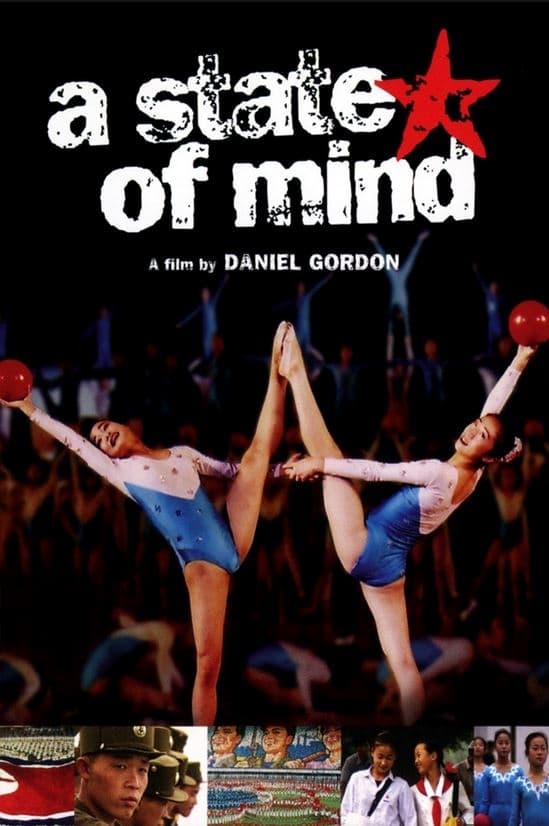
Two young North Korean gymnasts prepare for an unprecedented competition in this documentary that offers a rare look into the communist society and the daily lives of North Korean families. For more than eight months, film crews follow 13-year-old Pak Hyon Sun and 11-year-old Kim Song Yun and their families as the girls train for the Mass Games, a spectacular nationalist celebration.
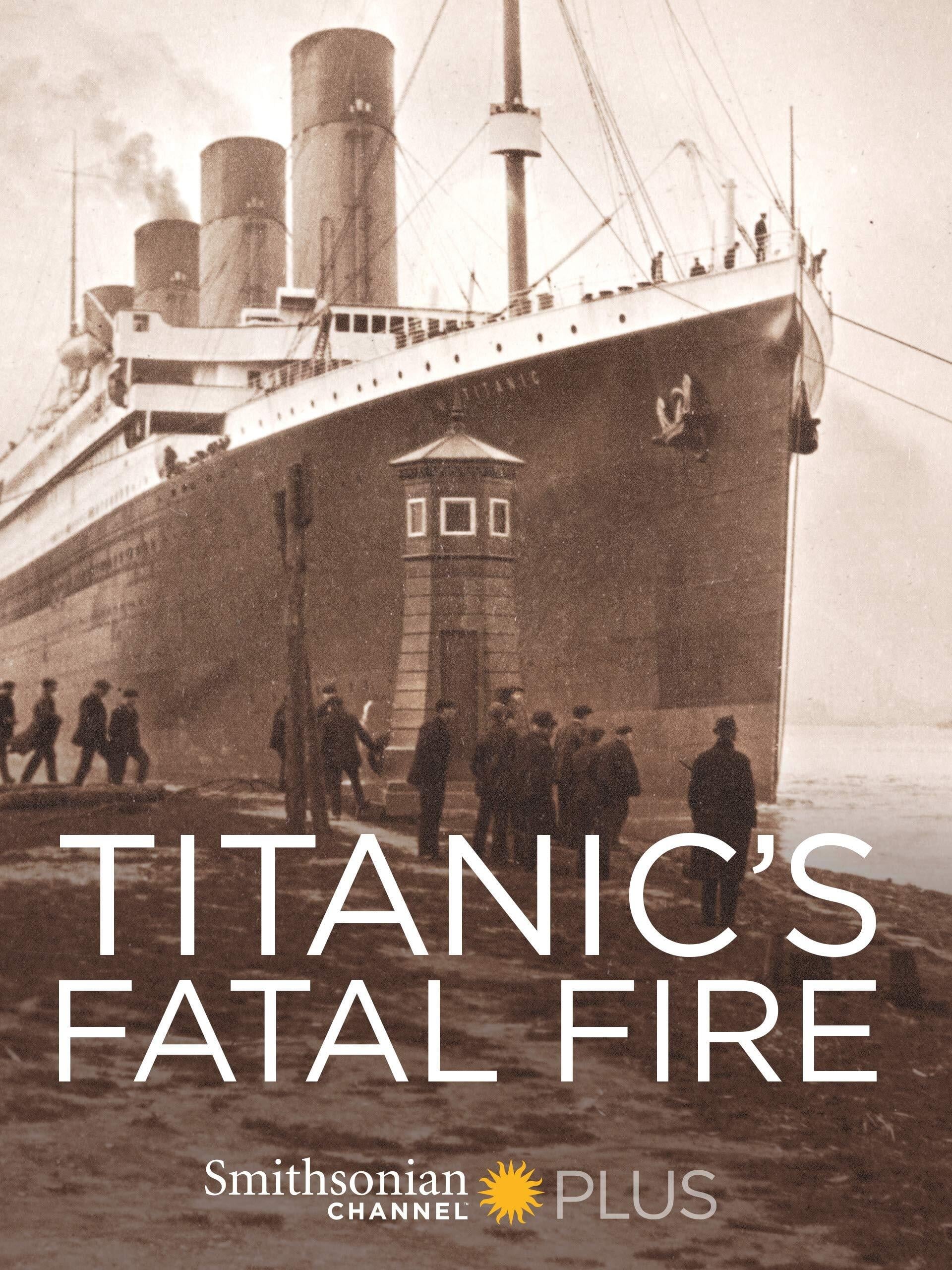
This documentary draws on new evidence to reveal that a fire was raging in Titanic's boiler rooms before she left port, that it was kept secret and, it's now believed, that it led to the tragedy
A journey through Kim Jong Un’s past and present to understand the man and the myth who holds North Korea’s uncertain future in his hands.
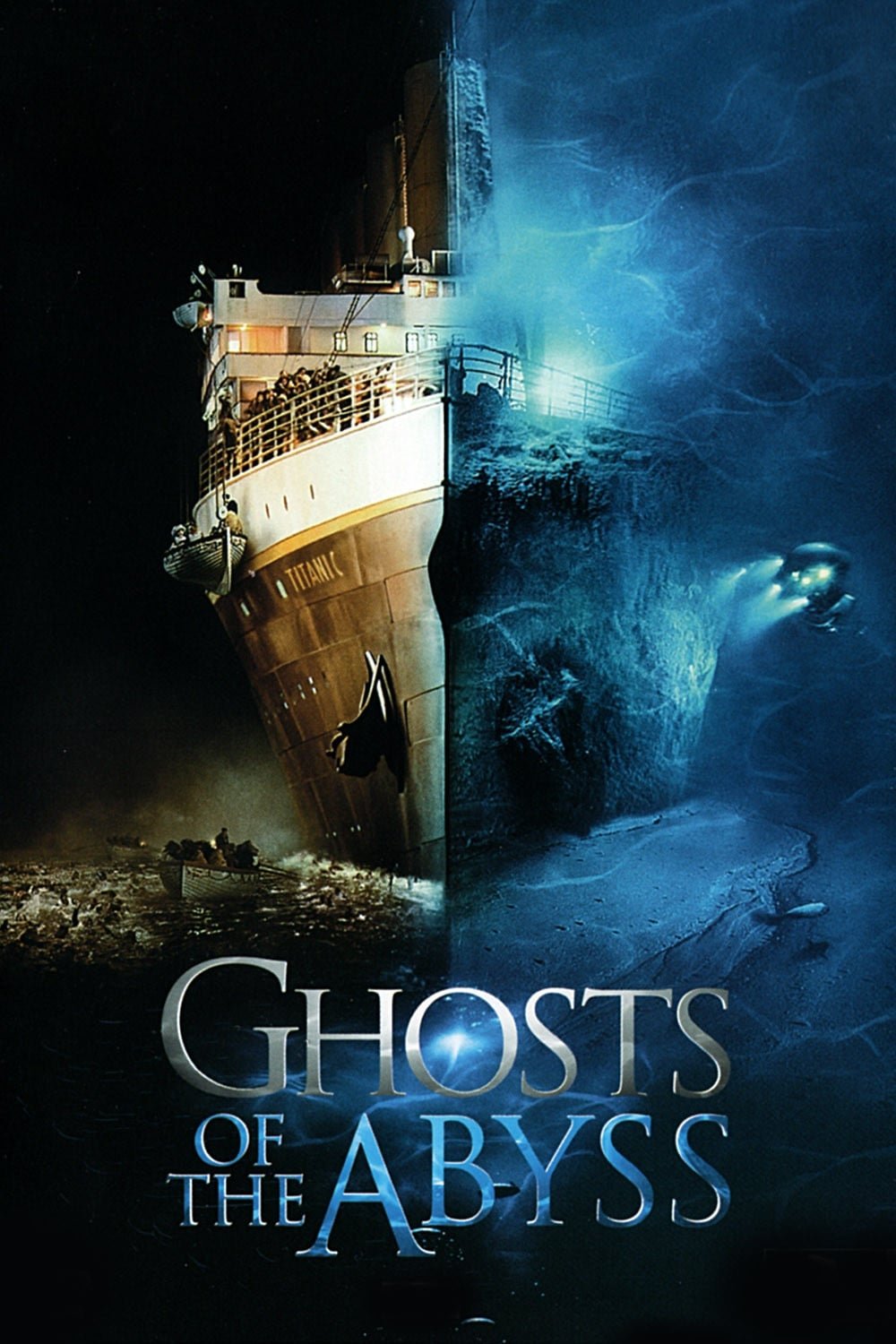
With a team of the world's foremost historic and marine experts as well as friend Bill Paxton, James Cameron embarks on an unscripted adventure back to the wreck of the Titanic where nearly 1,500 souls lost their lives almost a century ago.
For 70 years, the sudden sinking of the mighty British ship Britannic - larger than the sister ship Titanic - has been shrouded in mystery. Jacques Cousteau reveals the full story of November 21, 1916 when, on her sixth journey as a hospital ship, Britannic exploded and sank into the Aegean Sea.
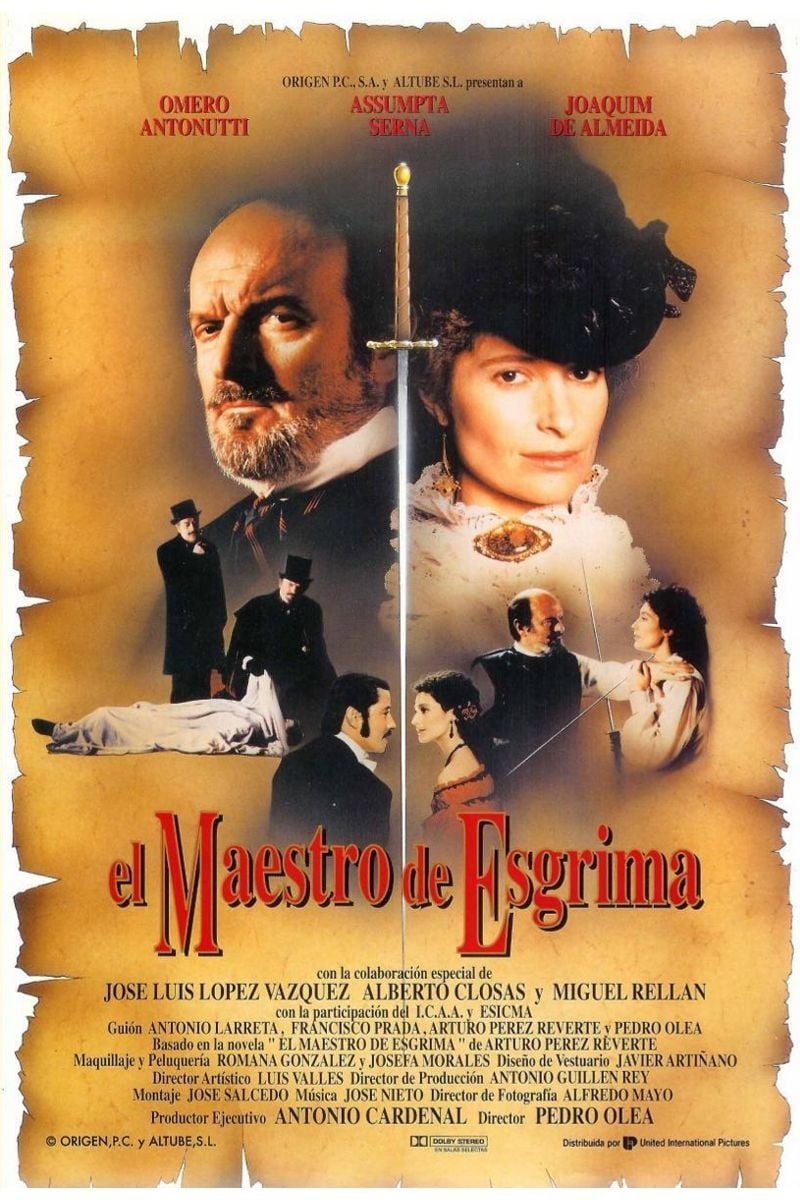
A fencing master in pre-revolution Spain is hired to teach fencing to a beautiful young woman. Although he has never taught a woman before he is fascinated by her and agrees. She wishes to learn a particular thrust which he is famous for. When a local nobleman becomes involved with her the intrigue begins.
A young woman tells her parents and fiance (in flashback) about the recent sinking of the Titanic and her experiences as a passenger during the disaster. Her intended marriage now faces a new hazard because her fiance is a sailor and her parents have just been reminded of the dangers of the sea. Premiering in the United States just 29 days after the event, it is the earliest dramatization about the tragedy.
A subjective documentary that explores various theories about hidden meanings in Stanley Kubrick's classic film The Shining. Five very different points of view are illuminated through voice over, film clips, animation and dramatic reenactments.
Cameramen and women discuss the craft and art of cinematography and of the "DP" (the director of photography), illustrating their points with clips from 100 films, from Birth of a Nation to Do the Right Thing. Themes: the DP tells people where to look; changes in movies (the arrival of sound, color, and wide screens) required creative responses from DPs; and, these artisans constantly invent new equipment and try new things, with wonderful results. The narration takes us through the identifiable studio styles of the 30s, the emergence of noir, the New York look, and the impact of Europeans. Citizen Kane, The Conformist, and Gordon Willis get special attention.
As a visually radical memoir, CAMERAPERSON draws on the remarkable footage that filmmaker Kirsten Johnson has shot and reframes it in ways that illuminate moments and situations that have personally affected her. What emerges is an elegant meditation on the relationship between truth and the camera frame, as Johnson transforms scenes that have been presented on Festival screens as one kind of truth into another kind of story—one about personal journey, craft, and direct human connection.
Korean War, April 1953. Lieutenant Clemons, leader of the King company of the United States Infantry, is ordered to recapture Pork Chop Hill, occupied by a powerful Chinese Army force, while, just seventy miles away, at nearby the village of Panmunjom, a tense cease-fire conference is celebrated.
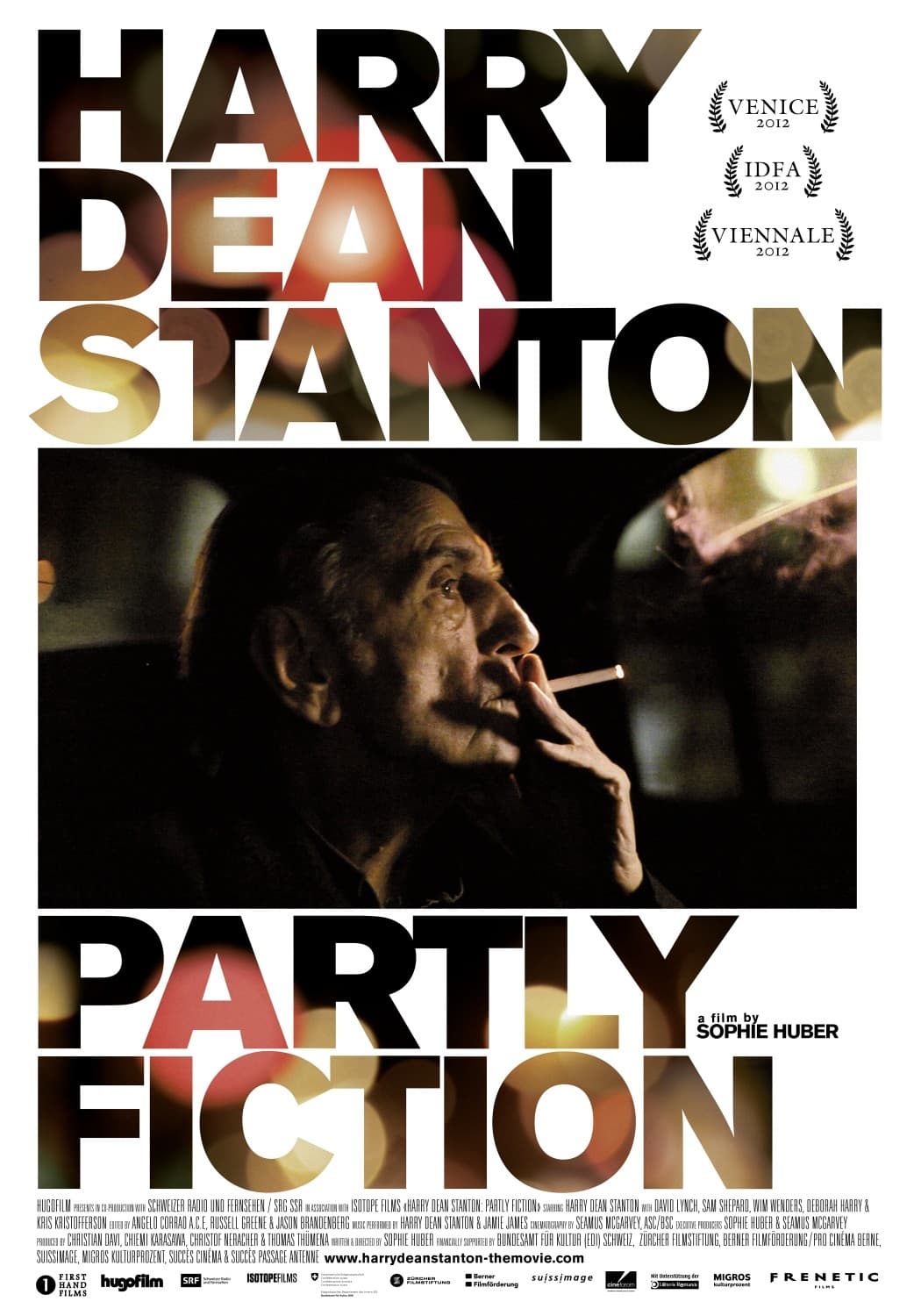
An impressionistic portrait of the iconic actor Harry Dean Stanton comprised of intimate moments, film clips from some of his 250 films and his renditions of American folk songs.
The history of cinematic sound, told by legendary sound designers and visionary filmmakers.
The story of sex, violence, race and rock and roll in 1950s Chicago, and the exciting but turbulent lives of some of America's musical legends, including Muddy Waters, Leonard Chess, Little Walter, Howlin' Wolf, Etta James and Chuck Berry.
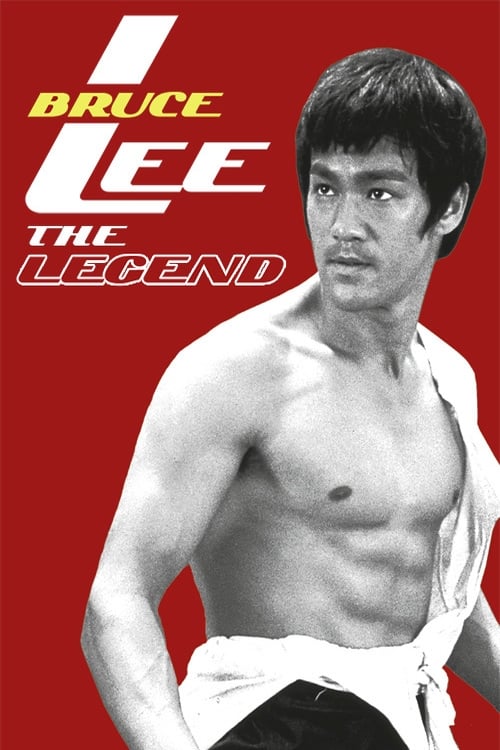
The Official Golden Harvest tribute to the Master of the Martial Arts Film, Bruce Lee.
Examines the public scandal and private tragedy which led to legendary director Roman Polanski's sudden flight from the United States.
Lyrical and powerfully personal essay film that reflects on the deaths of her husband Lou Reed, her mother, her beloved dog, and such diverse subjects as family memories, surveillance, and Buddhist teachings.
In this genre-bending tale, Errol Morris explores the mysterious death of a U.S. scientist entangled in a secret Cold War program known as MK-Ultra.
A documentary on the expletive's origin, why it offends some people so deeply, and what can be gained from its use.
Artists in LA discover the work of forgotten Polish sculptor Stanislav Szukalski, a mad genius whose true story unfolds chapter by astounding chapter.
Interrogated by a customs officer, a young man recounts how his life was changed during the making of a film about the Armenian genocide.
Bruce Lee is universally recognized as the pioneer who elevated martial arts in film to an art form, and this documentary will reveal why Bruce Lee's flame burns brighter now than the day he died over three decades ago. The greatest martial artists, athletes, actors, directors, and producers in the entertainment business today will share their feelings about the one who started it all. We will interview the people whose lives, careers, and belief systems were forever altered by the legendary "Father of Martial Arts Cinema". Rarely seen archival footage and classic photos will punctuate the personal testimonials. Prepare to be inspired.
Over seven decades, actor and activist George Takei journeyed from a World War II internment camp to the helm of the Starship Enterprise, and then to the daily news feeds of five million Facebook fans. Join George and his husband, Brad, on a wacky and profound trek for life, liberty, and love.
Brilliant, long in-the-works story of the life and art of the world's greatest comedian and the cinema's first genius, Charlie Chaplin. Produced, written and directed by renowned film critic Richard Schickel.
The story lives forever in this feature-length documentary that charts the making of Star Wars: The Rise of Skywalker.
Documentary about the art of film editing. Clips are shown from many groundbreaking films with innovative editing styles.
A comedic, brutally honest documentary following self-destructive TV writer Dan Harmon as he takes his live podcast on a national tour.