A documentary about the cultural effect of film censorship, focusing on the tumultuous times of the teens and early 1920s in America.
Social & External
The people behind it
Oliver Stone
Self
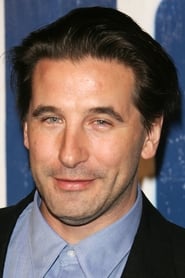
William Baldwin
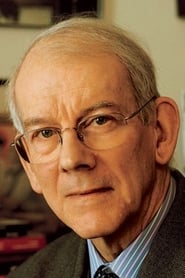
Kevin Brownlow
Michael Kieffer
A breathtaking investigation into blockbusters, a film genre that enjoys worldwide success yet keeps its secret weapon well hidden backstage in Hollywood. The blockbuster appeals to a very wide audience, from 7 to 77 years and from Paris to Beijing. These films, which have boosted the film industry, started out with "Jaws" and "Star Wars" and are still prospering with Avatar or Alice in Wonderland. To succeed, the films must meet a few precise criteria, one of them being their cost - at 100 million dollars minimum. But in Hollywood, the films' ingredients are a well-kept secret; perhaps for fear of discovering that the studios' house rules are not as rosy as in certain fruitful happy endings? The pressure and the stakes are colossal. This fascinating documentary reviews the numerous professions affiliated with the blockbuster, via interviews with producers of the major studios (Walt Disney Studio, 20th Century Fox...)...
See how the VeggieTales episodes are made! Plus, hear the heart and purpose of VeggieTales from the creators, Phil Vischer and Mike Nawrocki, as they sit down for an entertaining conversation with Matt and Laurie Crouch.
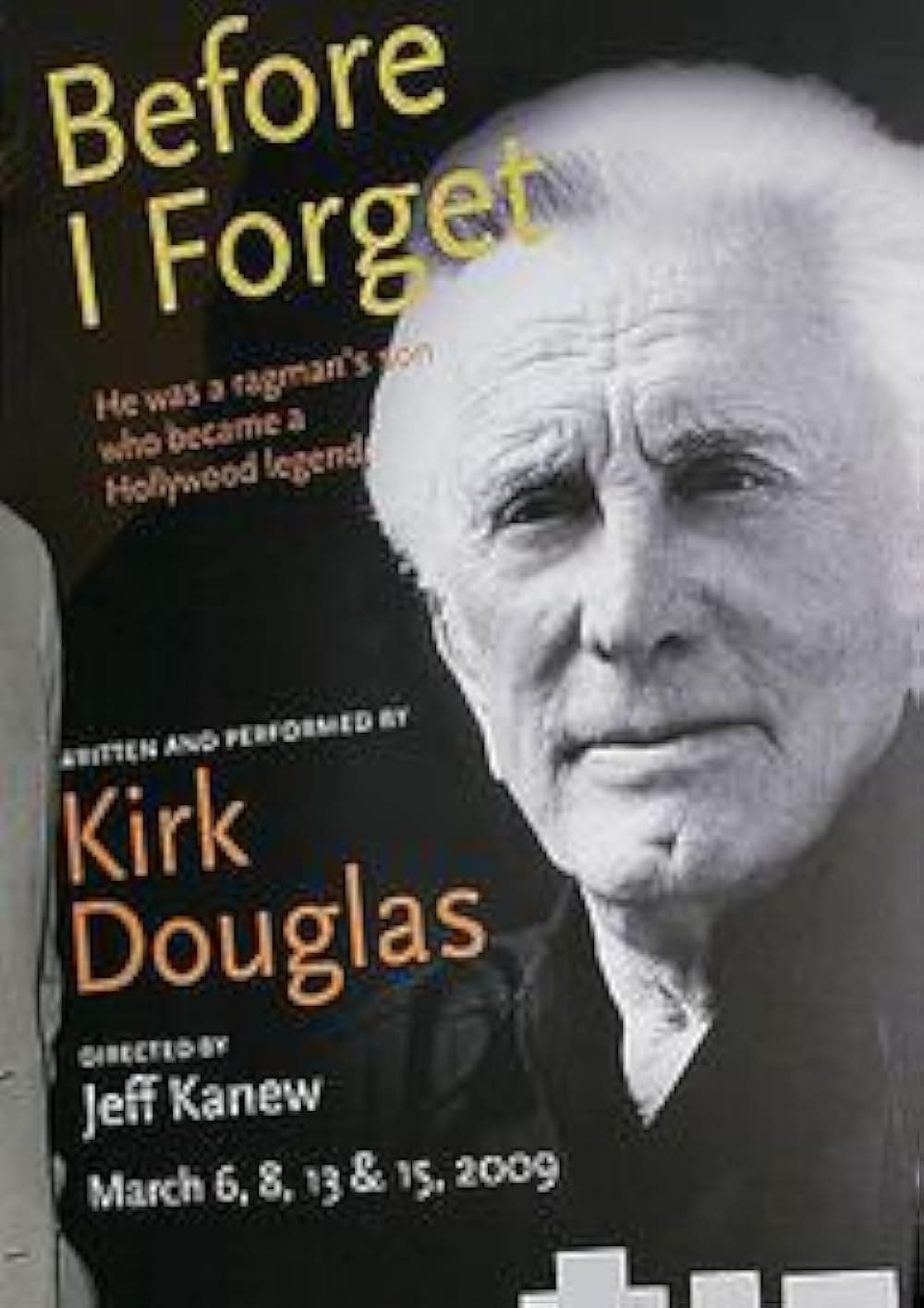
Kirk Douglas recounts his remarkable life in a celebrated one-man theater performance augmented with rare film highlights. He shares memories of family, marriages, other Hollywood greats, breaking the blacklist and his life-altering stroke – all with honesty and humor.
Hollywood is a hot spot for celebrities, and tour guide Scott Michaels (E!'s "20 Most Horrifying Hollywood Murders," FindADeath.com) knows their, well, haunts. DEARLY DEPARTED is an all-access tour of the "backlots" of L.A. - locations where the most infamous murders, suicides and bizarre crimes involving A-listers have taken place. The Viper Room, the site where "The Black Dahlia" was discovered, and dozens more legendary spots are explored in this funny and equally shocking ride into L.A.'s seedy underground.
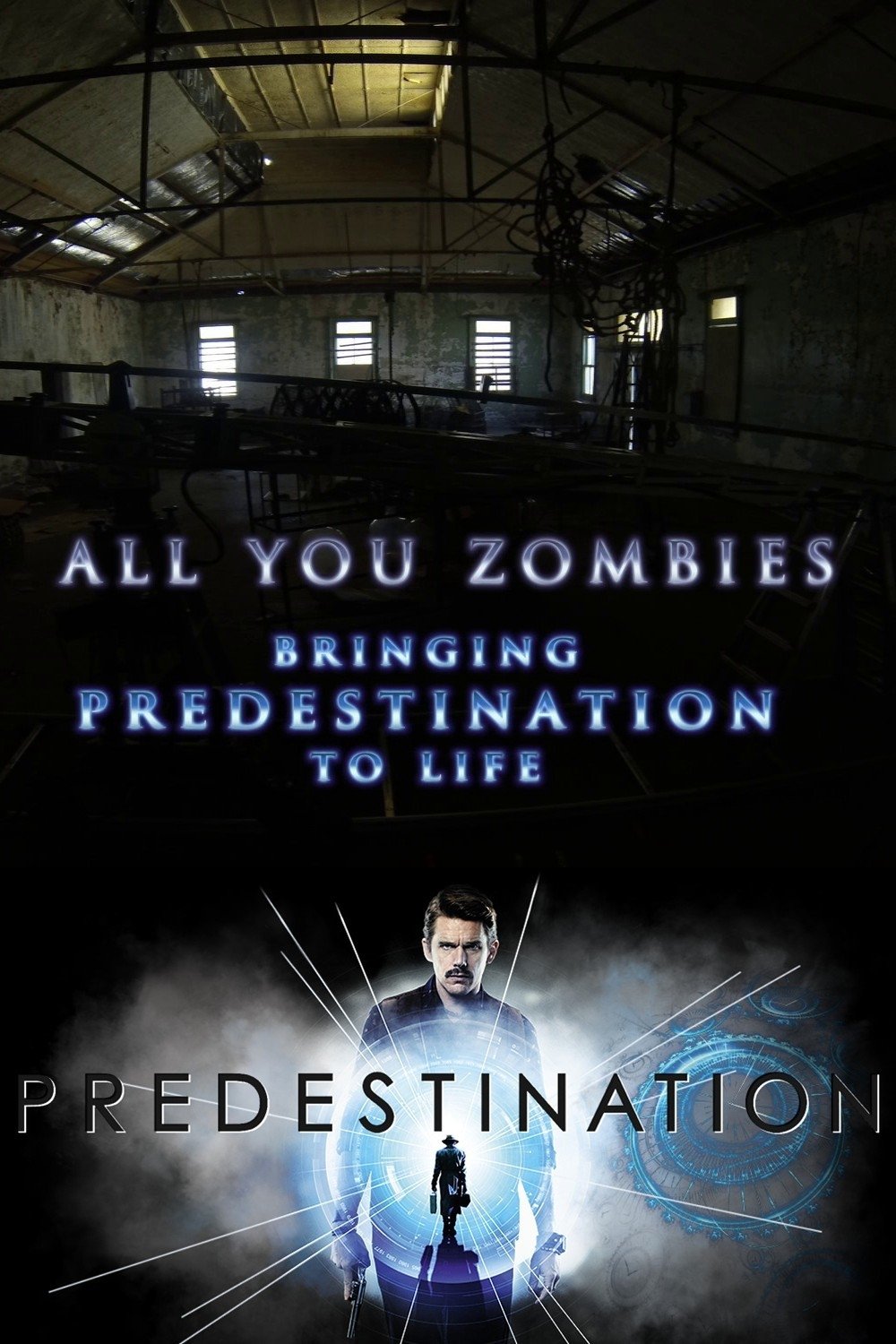
Documentary about the making of the Spierig Brothers' 2014 film PREDESTINATION that is based on Robert A. Heinlein's 1959 science-fiction short story '—All You Zombies—'. Through interviews with cast and crew, film clips and behind-the-scenes footage, this documentary thoroughly explores how the film came to be from casting to pre-production to principal photography to post-production. Interviewees include writers/directors Michael and Peter Spierig, producers Paddy McDonald and Tim McGahan, director of photography Ben Nott, special makeup effects designer Steve Boyle, production designer Matthew Putland, special makeup effects supervisor Samantha Lyttle, costume designer Wendy Cork, film editor Matt Villa, and actors Sarah Snook, Noah Taylor and Ethan Hawke.
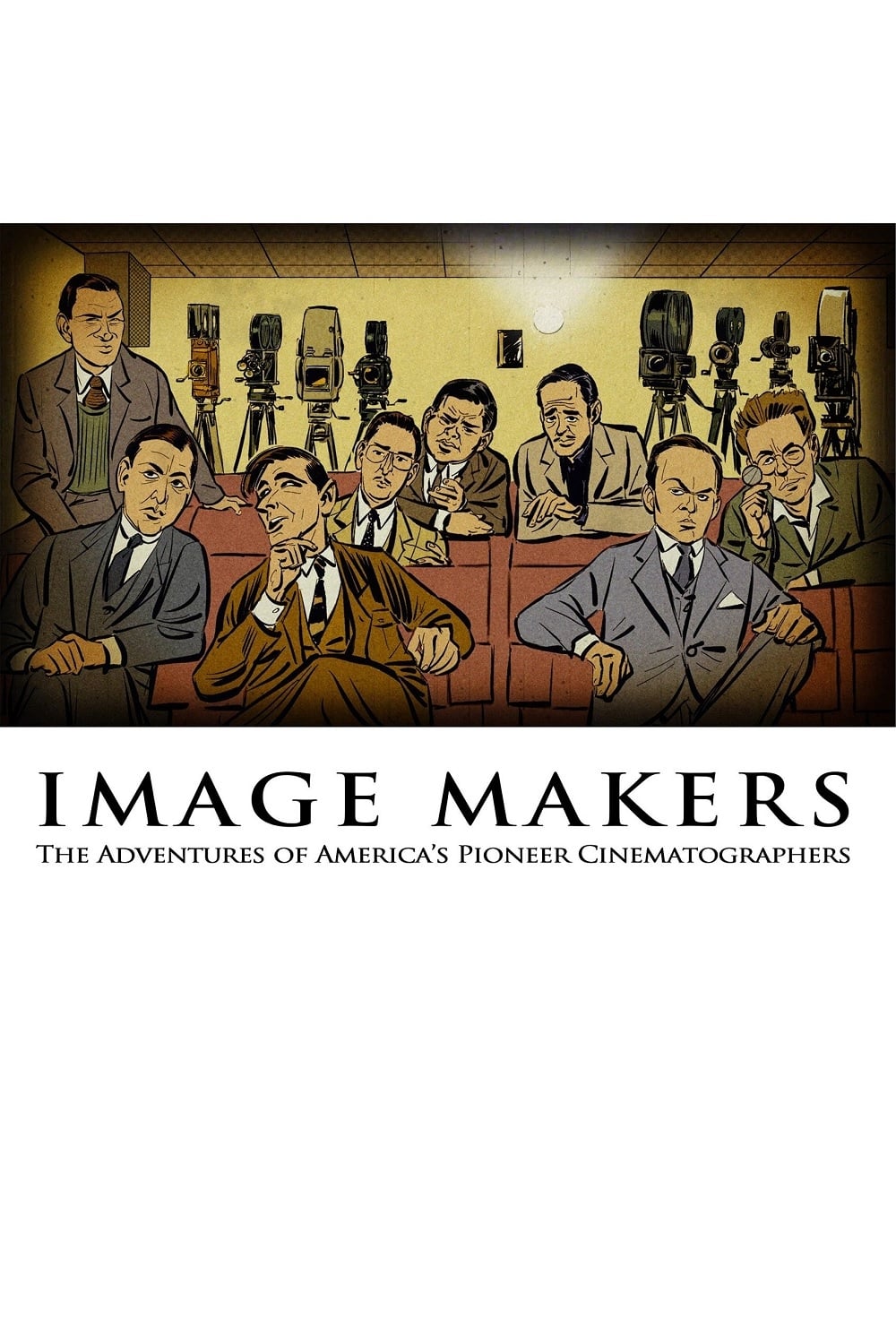
Documentary following the history of America's first cinematographers.
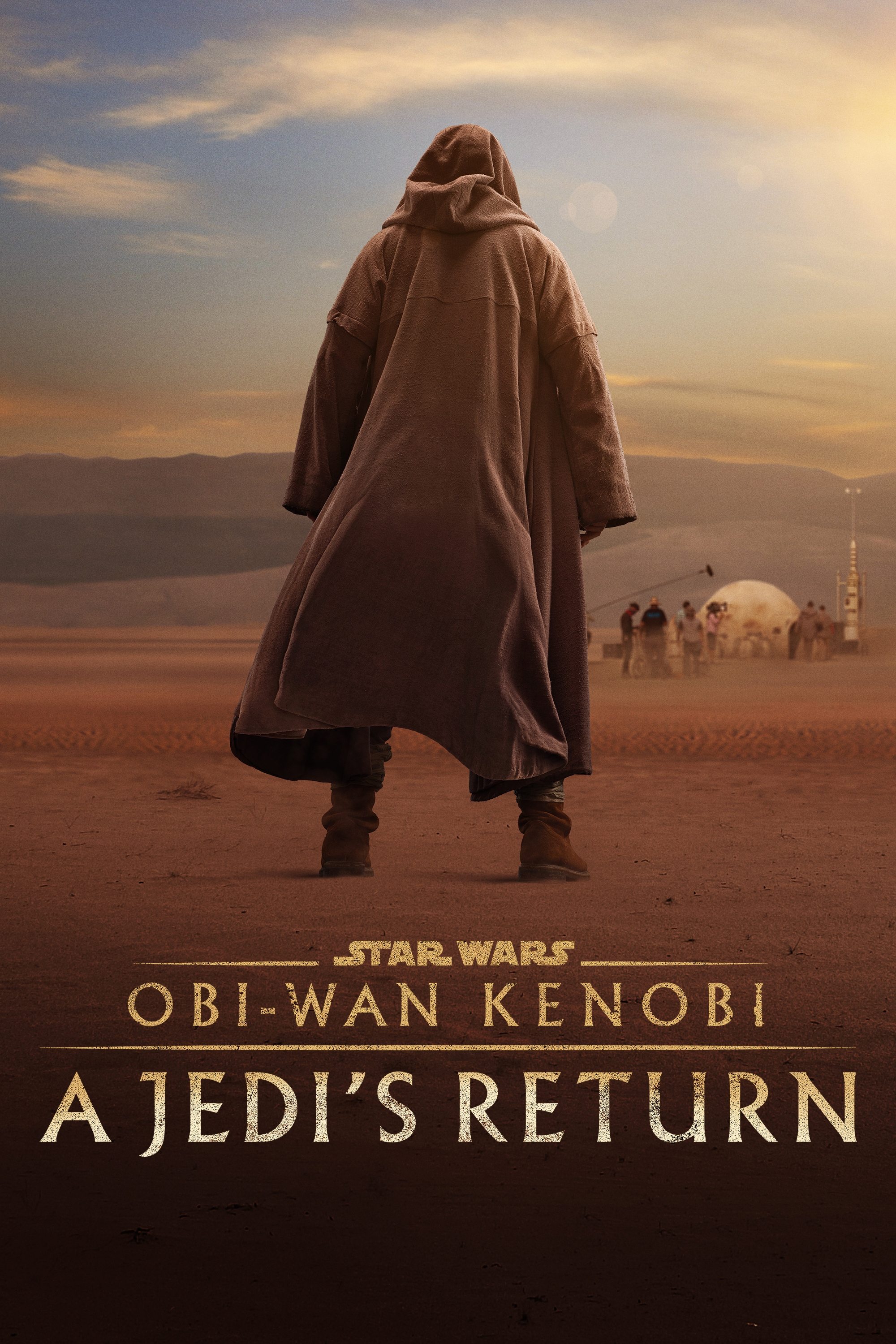
This special explores the return of Obi-Wan Kenobi and Anakin Skywalker to the screen, as well as Ewan McGregor and Hayden Christensen to their classic roles. Director Deborah Chow leads the cast and crew as they create new heroes and villains that live alongside new incarnations of beloved Star Wars characters, and an epic story that dramatically bridges the saga films.
The subject is a group of women bathing in a public swimming pool. The camera was placed on the edge of the pool and the full extent of the film shows the women in the pool. Only the heads and shoulders of most of the women are visible but it is possible to see they are wearing rented bathing attire.
An early silent film, made before intertites became common (which is why very early silent films are narrated, at best). This was filmed in 1907 but released in 1908. It was made at the request of Teddy Roosevelt, who saw coyotes being caught in Oklahoma *by hand*, and folks back east didn't believe him. While this movie is called "The Wolf Hunt", it was actually coyotes being caught, not wolves.
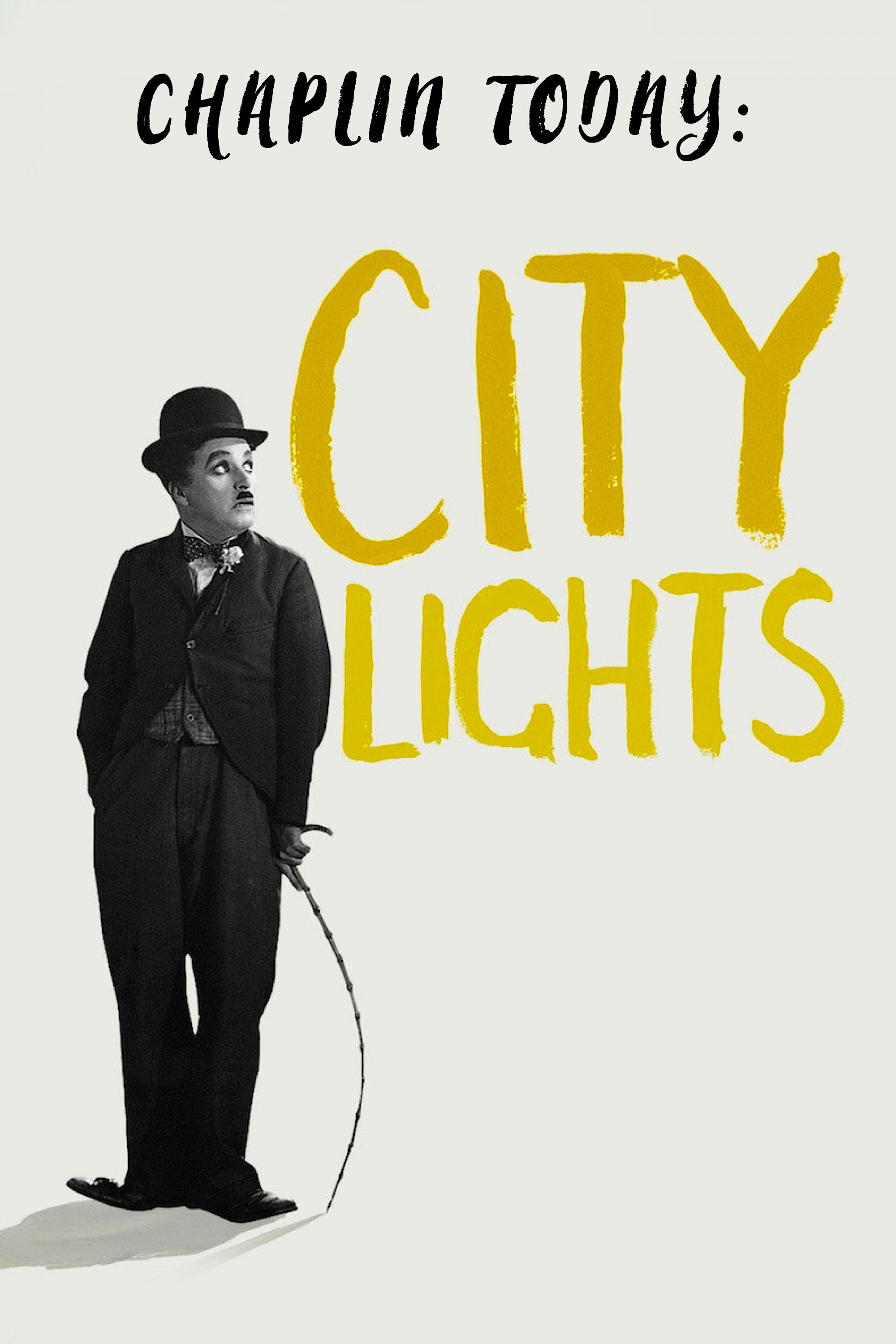
In 1928, as the talkies threw the film industry and film language into turmoil, Chaplin decided that his Tramp character would not be heard. City Lights would not be a talking picture, but it would have a soundtrack. Chaplin personally composed a musical score and sound effects for the picture. With Peter Lord, the famous co-creator of Chicken Run and Wallace & Gromit, we see how Chaplin became the king of slapstick comedy and the superstar of the movies.
A documentary incorporating footage of Montgomery Clift’s most memorable films; interviews with family and friends, and rare archival material stretching back to his childhood. What develops is the story of an intense young boy who yearned for stardom, achieved notable success in such classic films as From Here to Eternity and I Confess, only to be ruined by alcohol addiction and his inability to face his own fears and homosexual desires. Montgomery Clift, as this film portrays him, may not have been a happy man but he never compromised his acting talents for Hollywood.
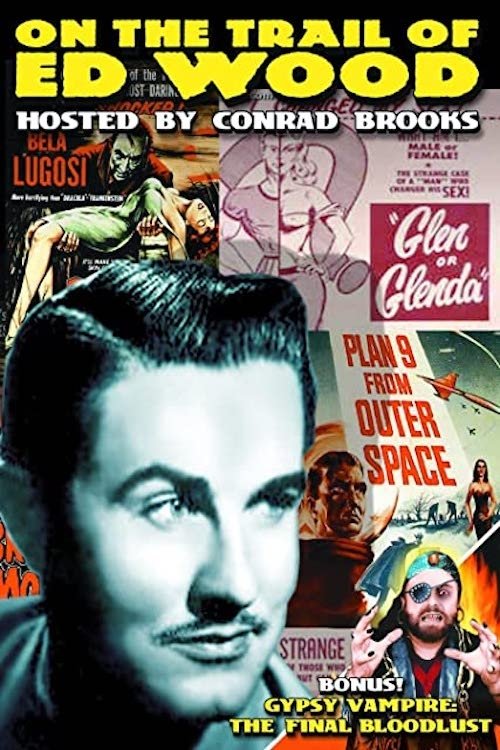
A documentary on the life and career of filmmaker Edward D. Wood Jr., with clips from his films and interviews with the cast and crews of some of his films.
Paying homage to two of Hollywood's central icons, the film creates an unparalleled portrait of two very different personalities amidst the demise of the studio system.
The world appears black on black until it separates from itself, looks at itself, includes itself, and sees colour.
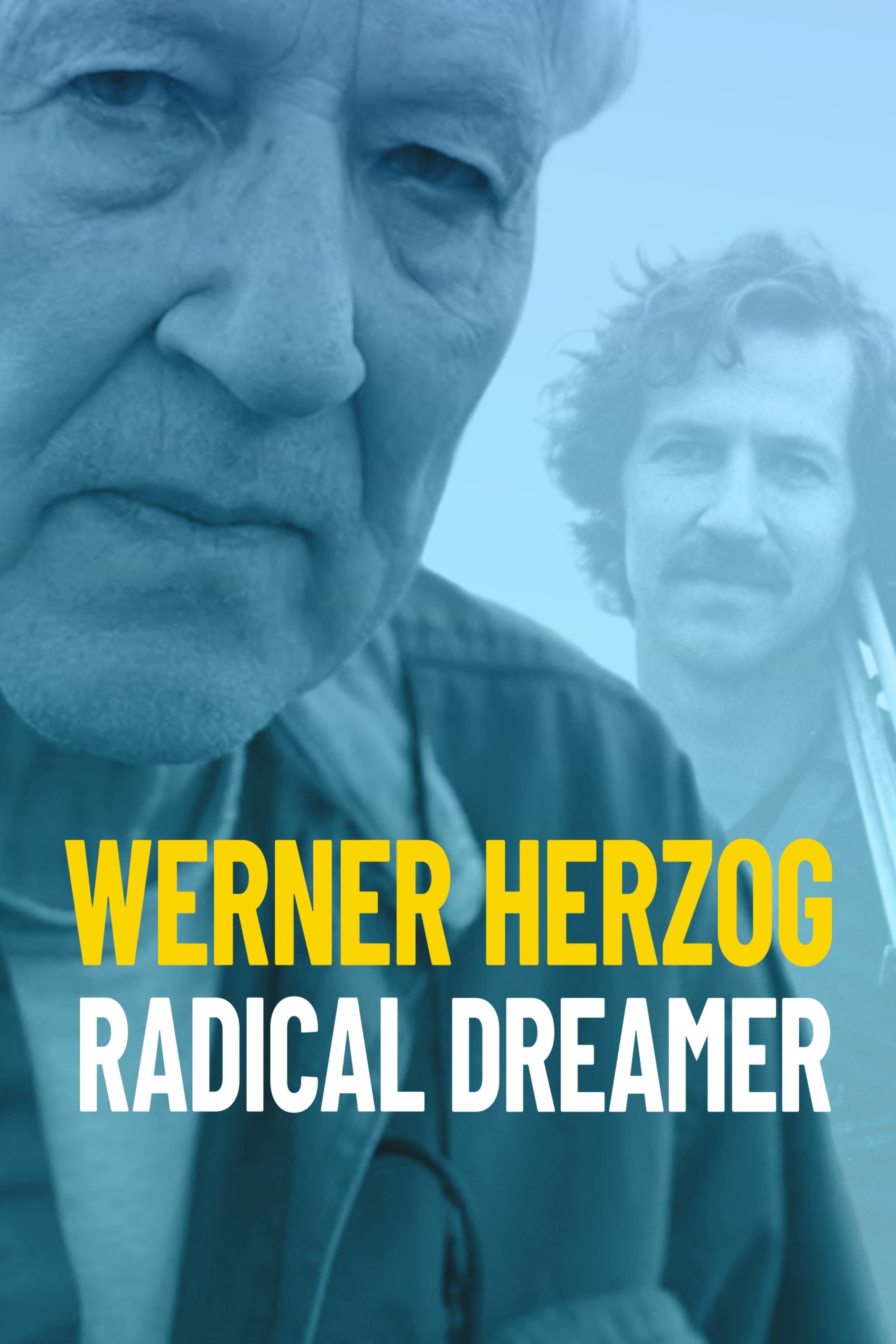
With exclusive behind-the-scenes access into Herzog’s everyday life, rare archive material and in-depth interviews with celebrated collaborators – including Christian Bale, Nicole Kidman, and Robert Pattinson, we are given an exciting glimpse into the work and personal life of the iconic artist.
Staged boxing match between Sergeant-Instructor Barrett and Sergeant Pope, with a round, interval, and knockout.
In the early nineties, before the massive gentrification of many of New York's then slums, several young people from very disparate backgrounds left their broken homes and ventured onto the brutal streets of the city. United by their love of skateboarding, they formed a family and built a unique lifestyle that eventually inspired Kids, a groundbreaking and outrageous film directed by photographer Larry Clark and released in 1995.
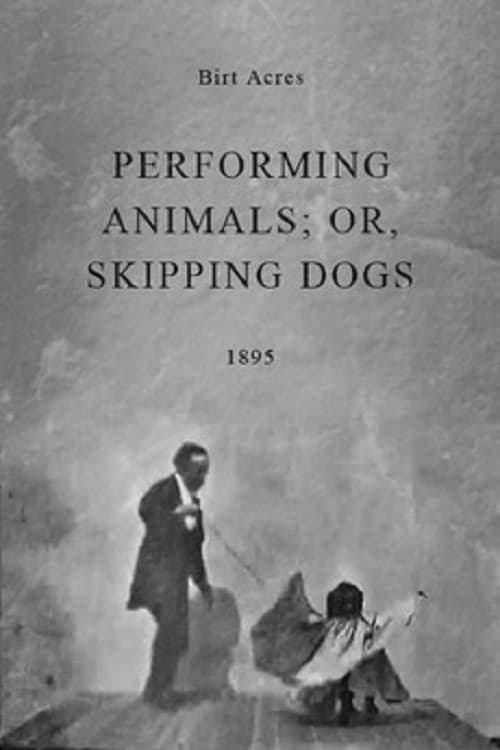
A short black-and-white silent documentary film featuring one dog jumping through hoops and another dancing in a costume, which was considered lost until footage from an 1896 Fairground Programme was identified as being from this film.
A jungle travelogue looking for monkeys.
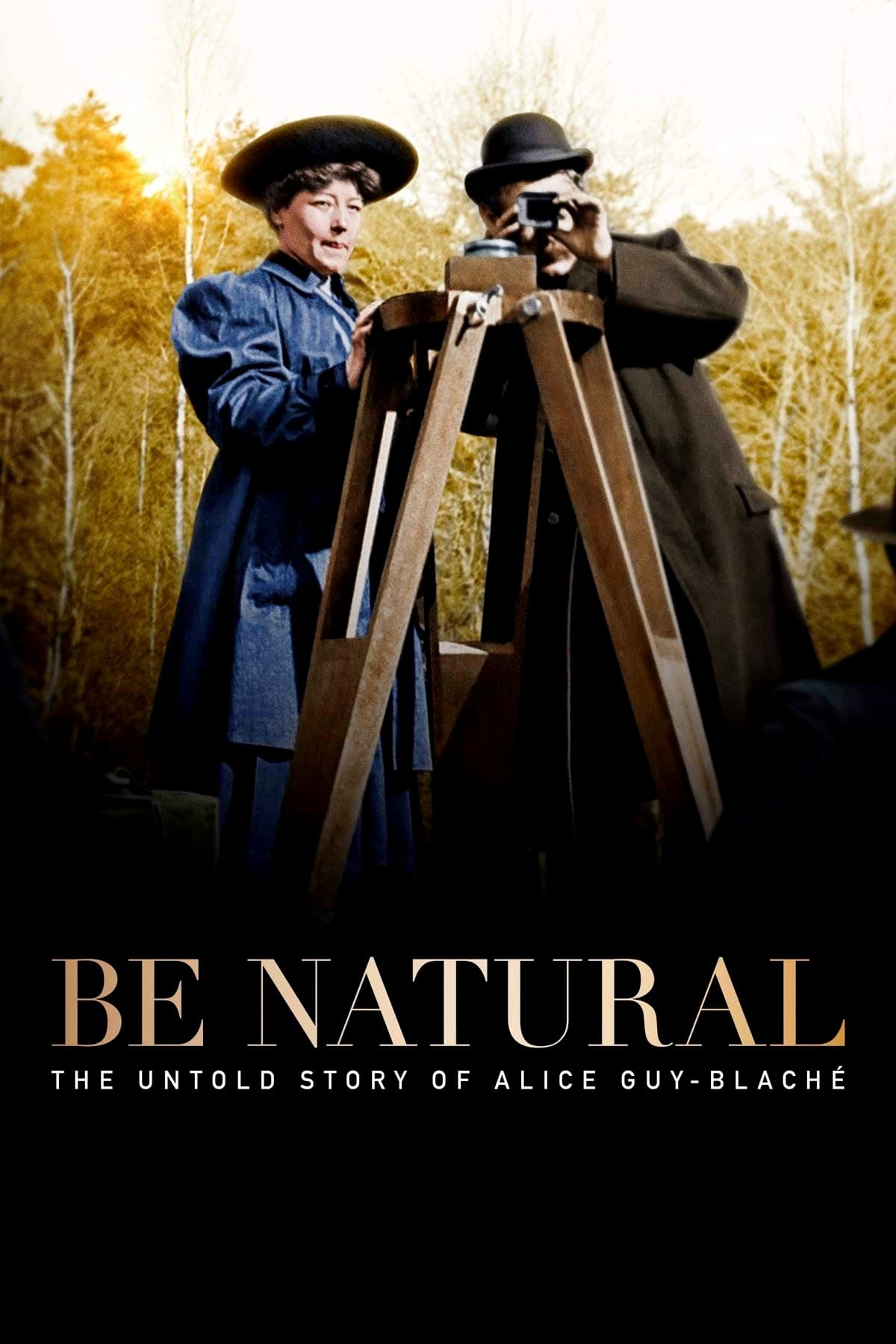
The epic life story of Alice Guy-Blaché (1873–1968), a French screenwriter, director and producer, true pioneer of cinema, the first person who made a narrative fiction film; author of hundreds of movies, but banished from history books. Ignored and forgotten. At last remembered.
The history of cinematic sound, told by legendary sound designers and visionary filmmakers.
Documentary about the art of film editing. Clips are shown from many groundbreaking films with innovative editing styles.
The chronicle of the mind-blowing journey that was Hollywood during the seventies; the true and gripping story of the last golden age of American cinema, an exalted celebration of creativity and experimentation; but also of sex, drugs and rock 'n' roll: a turbulent and dark tale of ambition, envy, betrayal, hatred and self-destruction.
The story of the gold-plated statuette that became the film industry's most coveted prize, AND THE OSCAR GOES TO... traces the history of the Academy itself, which began in 1927 when Louis B. Mayer, then head of MGM, led other prominent members of the industry in forming this professional honorary organization. Two years later the Academy began bestowing awards, which were nicknamed "Oscar," and quickly came to represent the pinnacle of cinematic achievement.
An investigative look and analysis of gender disparity in Hollywood, featuring accounts from well-known actors, executives and artists in the Industry.
This revealing documentary honors the legendary Sidney Poitier—iconic actor, filmmaker, and civil rights activist. Featuring interviews with Denzel Washington, Spike Lee, Halle Berry, and more.
Taking inspiration from Peter M. Bracke's definitive book of the same name, this seven-hour documentary dives into the making of all twelve Friday the 13th films, with all-new interviews from the cast and the crew.
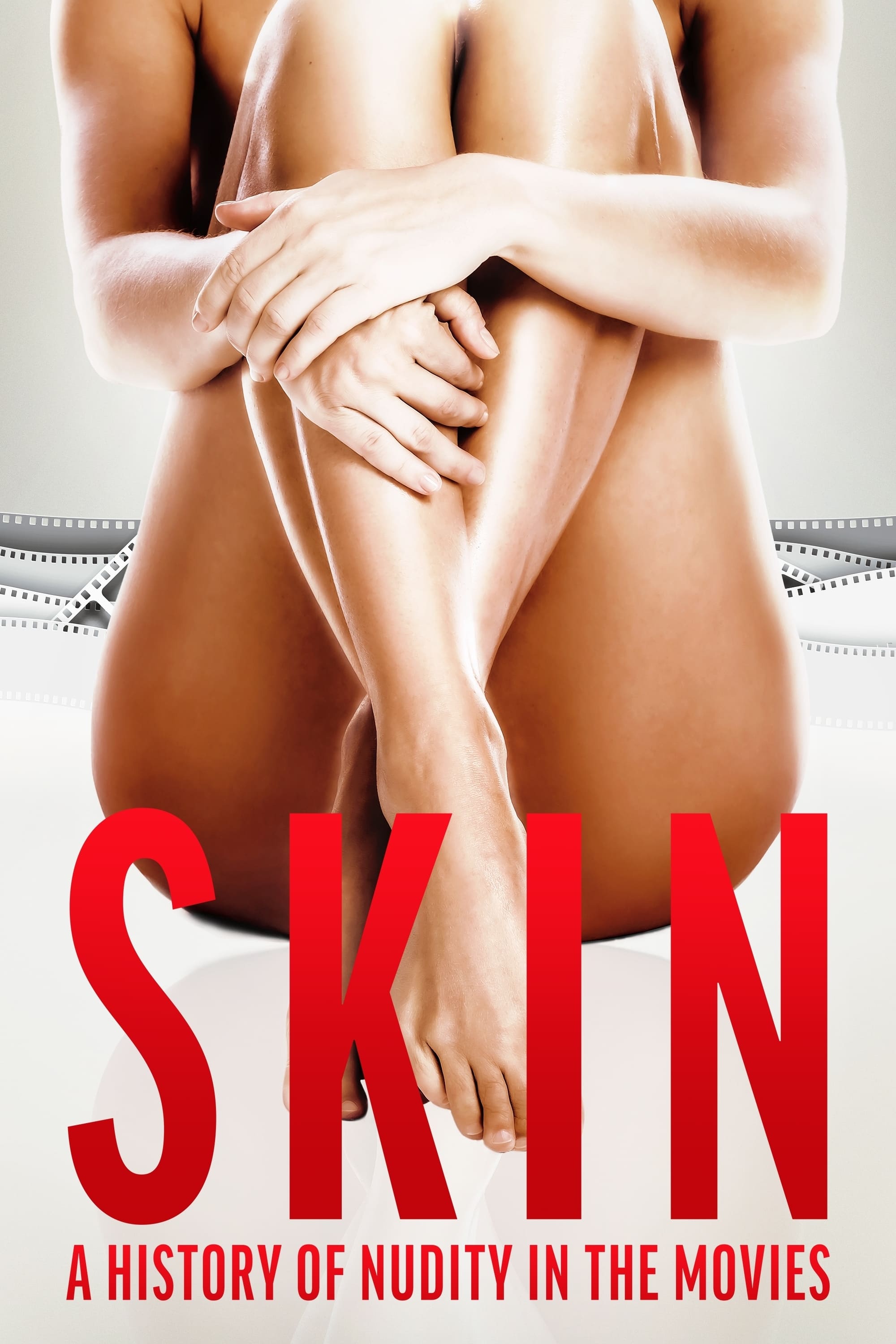
The definitive documentary on the history of nudity in feature films from the early silent days to the present, studying the changes in morality that led to the use of nudity in films while emphasizing the political, sociological and artistic changes that shaped that history. Skin will also study the gender inequality in presenting nude images in motion pictures and will follow the revolution that has created nude gender equality in feature films today.
A compilation of over 30 years of private home movie footage shot by Lithuanian-American avant-garde director Jonas Mekas, assembled by Mekas "purely by chance", without concern for chronological order.
SEDUCED AND ABANDONED combines acting legend Alec Baldwin with director James Toback as they lead us on a troublesome and often hilarious journey of raising financing for their next feature film. Moving from director to financier to star actor, the two players provide us with a unique look behind the curtain at the world's biggest and most glamourous film festival, shining a light on the bitter-sweet relationship filmmakers have with Cannes and the film business. Featuring insights from directors Martin Scorsese, 'Bernando Bertolucci' and Roman Polanski; actors Ryan Gosling and Jessica Chastain and a host of film distribution luminaries.
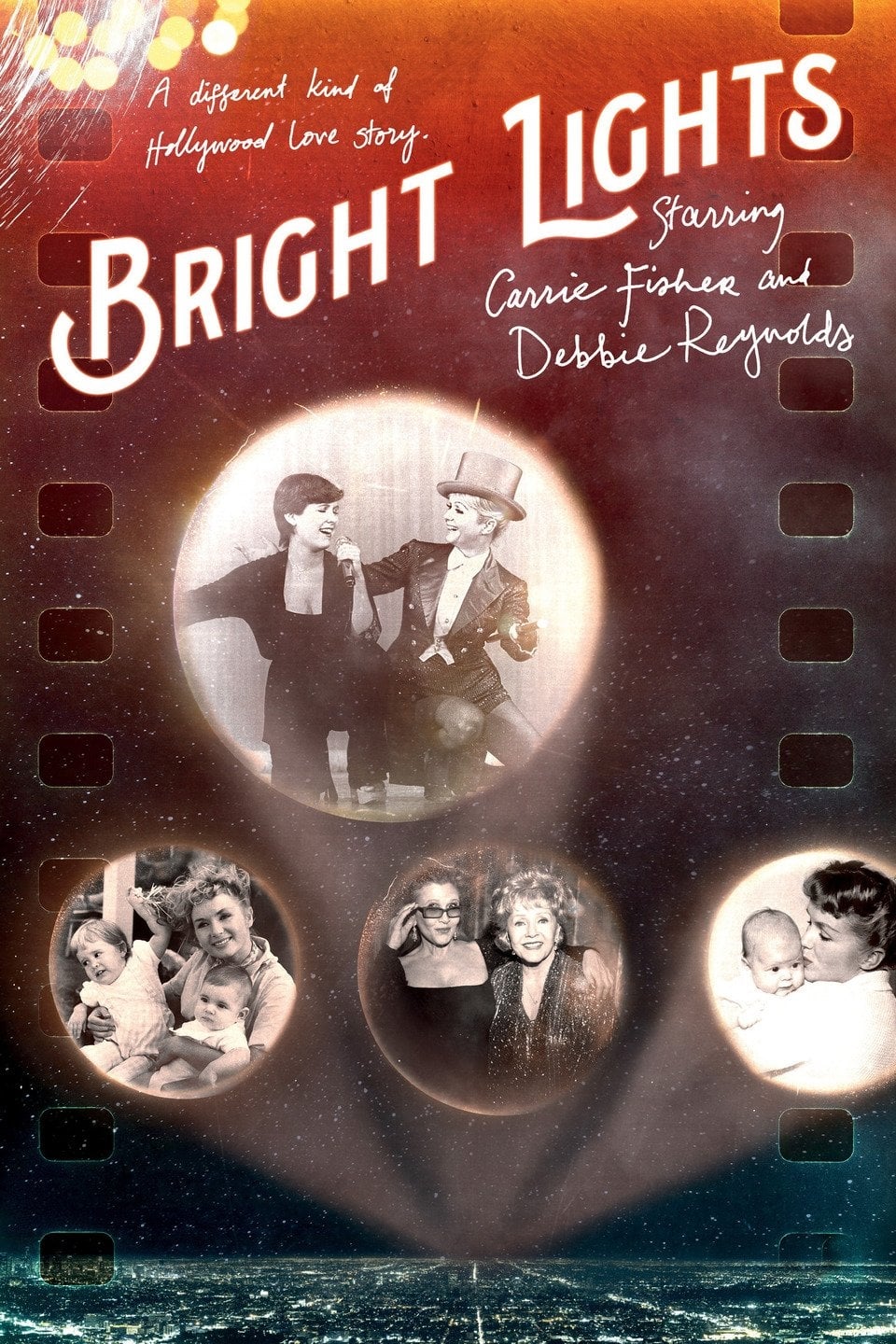
An intimate portrait of Hollywood royalty featuring Debbie Reynolds, Todd Fisher, and Carrie Fisher.
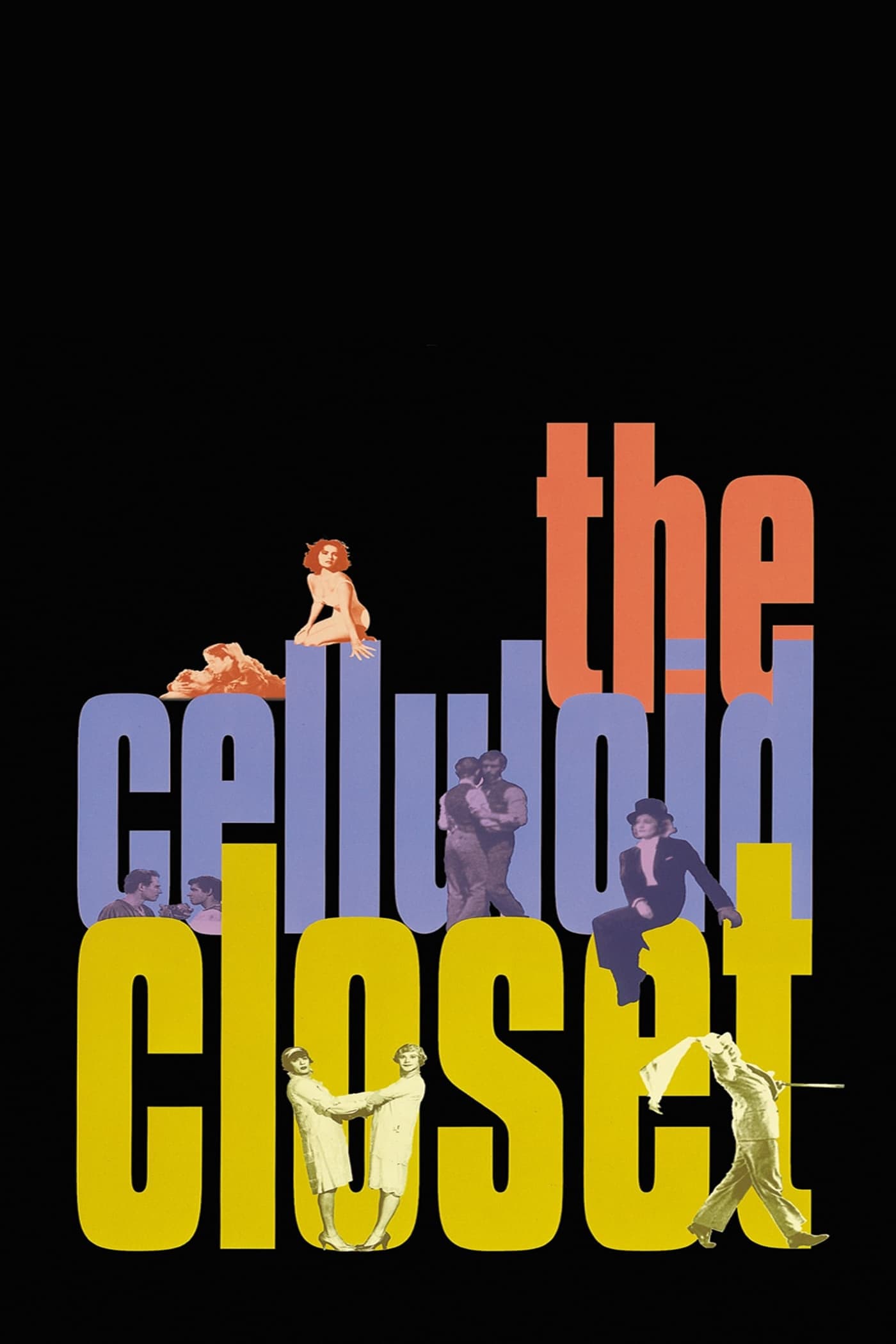
Exuberant, eye-opening movie that serves up a dazzling hundred-year history of the role of gay men and lesbians have had on the silver screen. Film contains fabulous footage from 120 films showing the changing face of cinema sexuality, from cruel stereotypes to covert love to the activist triumphs of the 1990s.
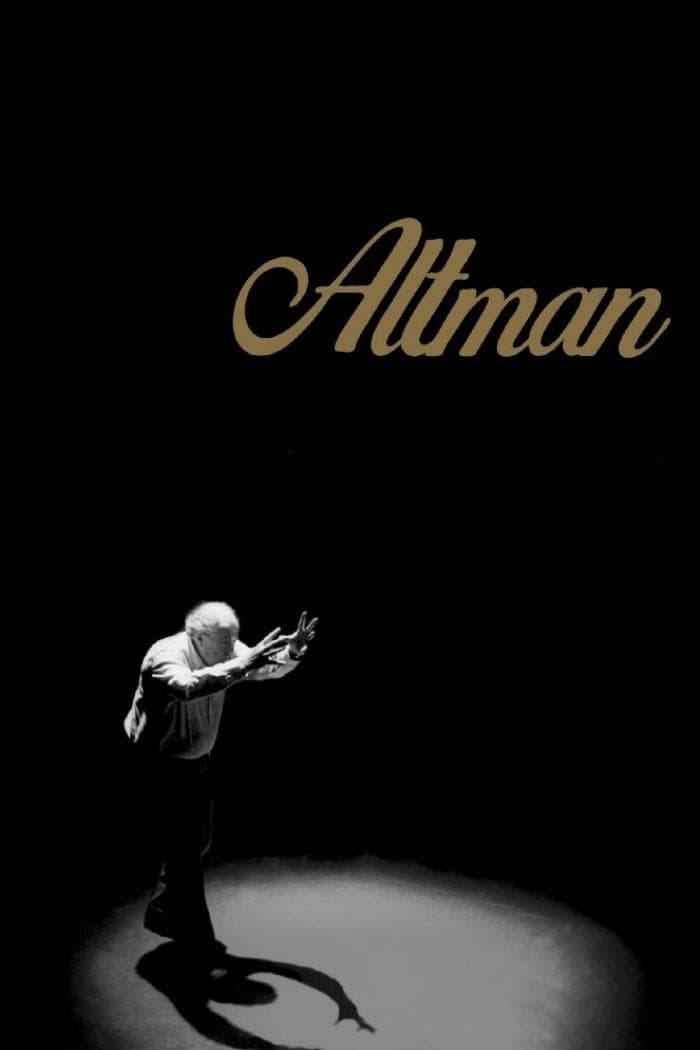
Robert Altman's life and career contained multitudes. This father of American independent cinema left an indelible mark, not merely on the evolution of his art form, but also on the western zeitgeist. With its use of rare interviews, representative film clips, archival images, and musings from his family and most recognizable collaborators, Altman is a dynamic and heartfelt mediation on an artist whose expression, passion and appetite knew few bounds.
A documentary examining the decade of the 1970s as a turning point in American cinema. Some of today's best filmmakers interview the influential directors of that time.
Brilliant, long in-the-works story of the life and art of the world's greatest comedian and the cinema's first genius, Charlie Chaplin. Produced, written and directed by renowned film critic Richard Schickel.
An inside look at one of the most anticipated movie sequels ever with James Cameron and cast.
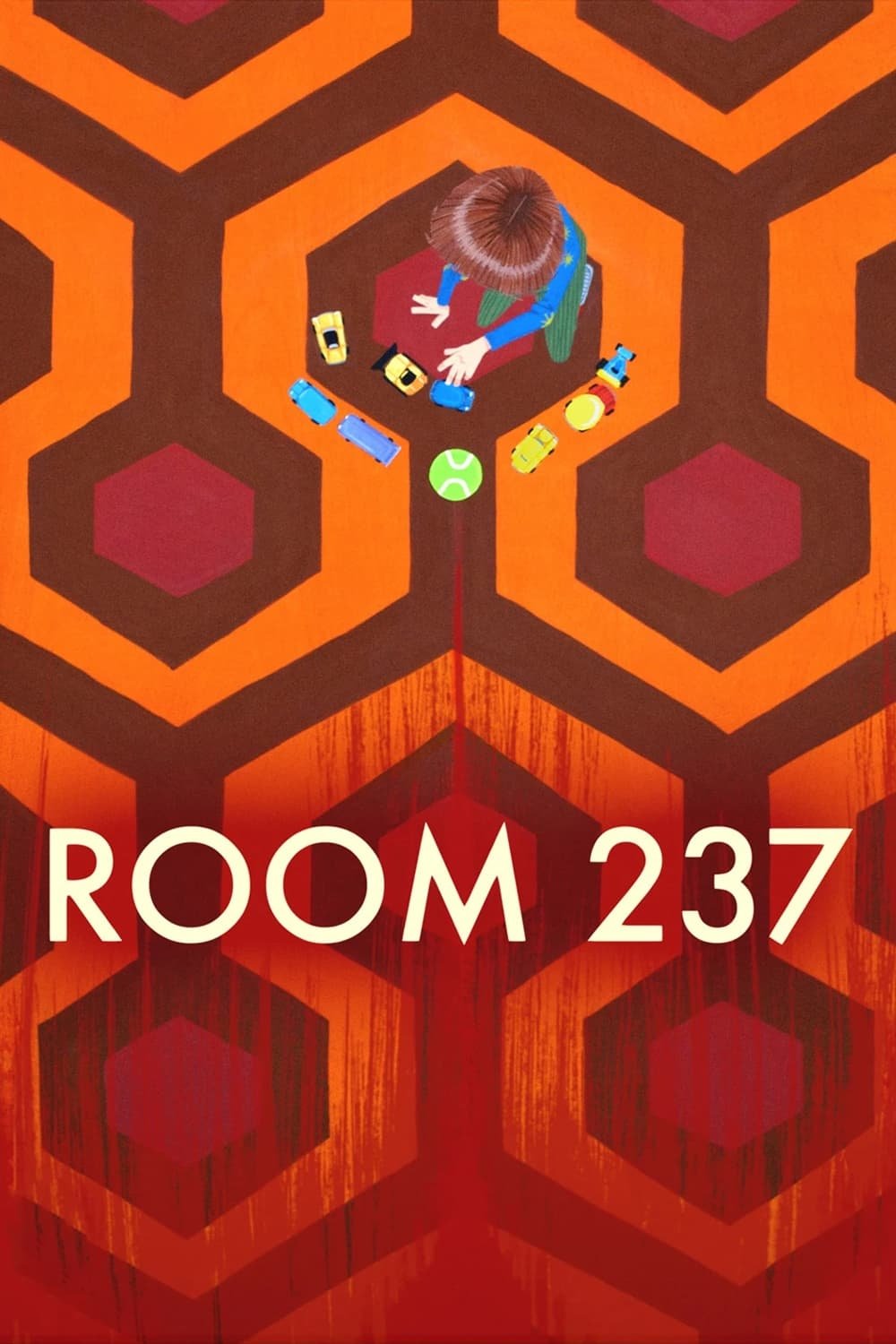
A subjective documentary that explores various theories about hidden meanings in Stanley Kubrick's classic film The Shining. Five very different points of view are illuminated through voice over, film clips, animation and dramatic reenactments.
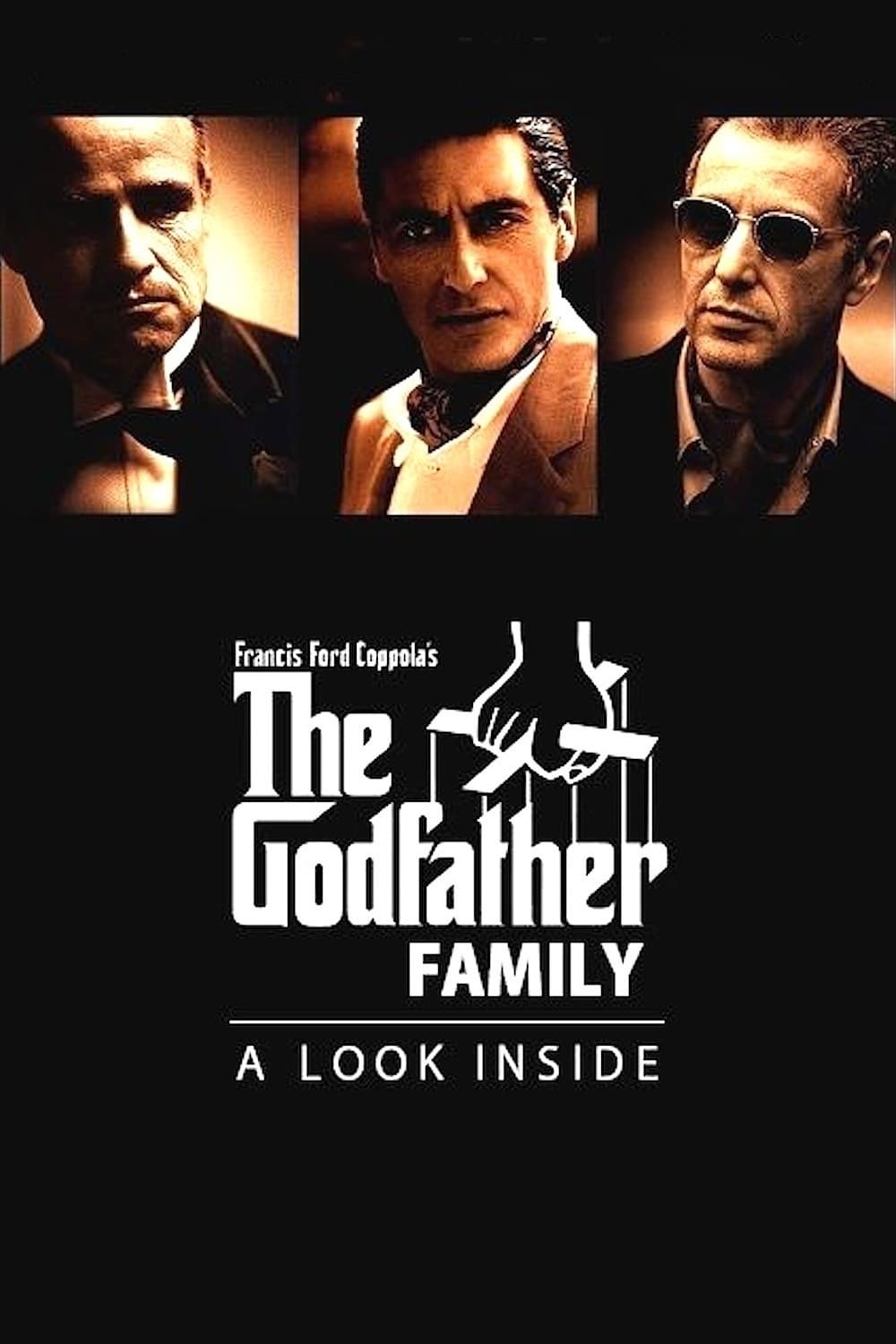
A documentary on the making of the three Godfather films, with interviews and recollections from the film makers and cast. This feature also includes the original screen tests of some of the actors for "The Godfather" film, and some candid moments on the set of "The Godfather: Part III."
Tells the history and importance of The National Film Registry, a roll call of American cinema treasures that reflects the diversity of film, and indeed the American experience itself.