Social & External
The people behind it
Chris Fallows
Jeff Kurr
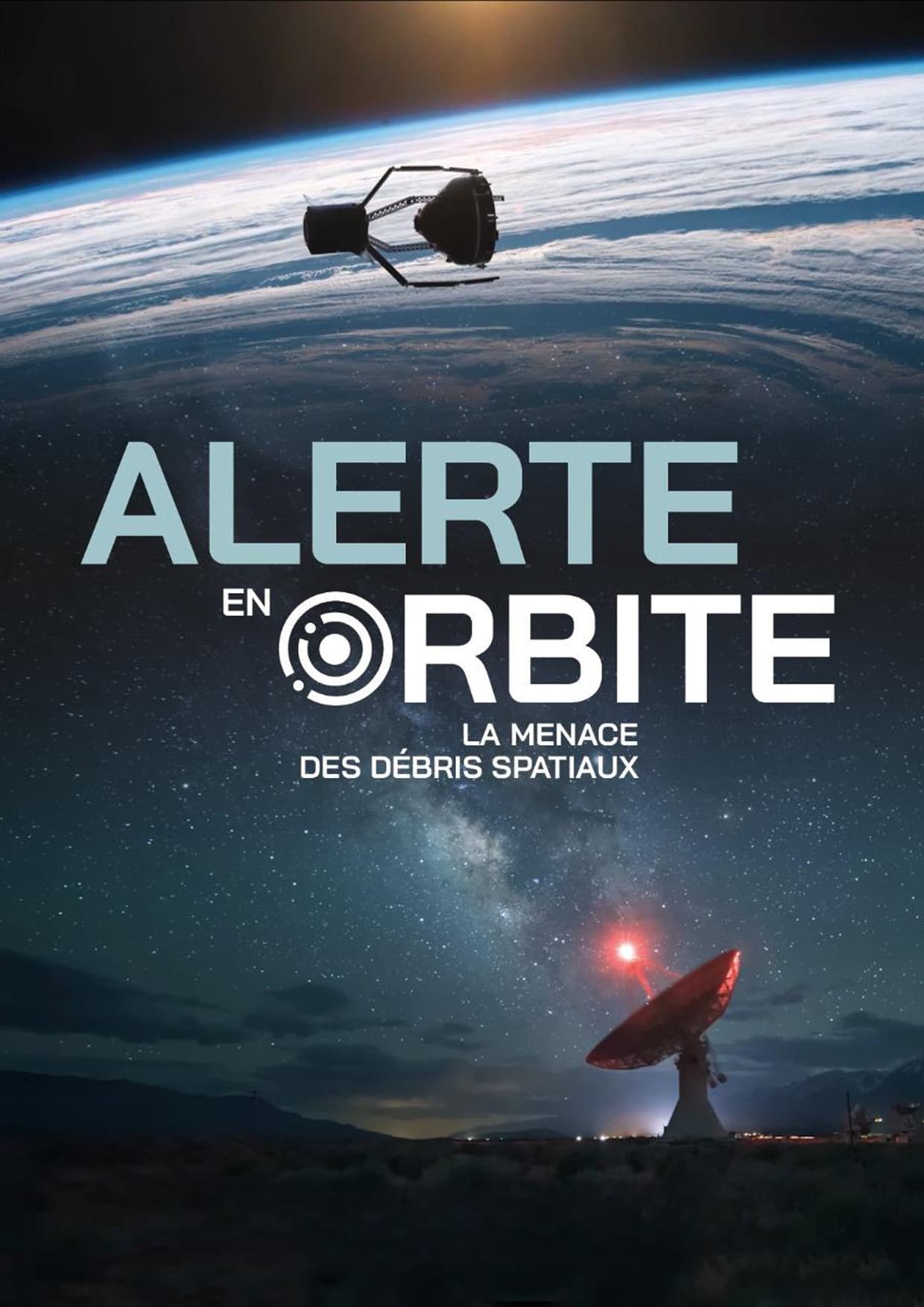
Today, hundreds of kilometers above our heads, millions of pieces of trash are orbiting randomly at breakneck speed. Scientists are now warning that, if nothing is done, the exploration outside our planet, and communications systems within, will be almost impossible within 30 years. How can we collect the space trash and avoid future disasters?
Haida Gwaii, an archipelago off the west coast of Canada, is home to Skil Jaadee and her family. They live in harmony with nature and have made it their mission to save their language and preserve their history.
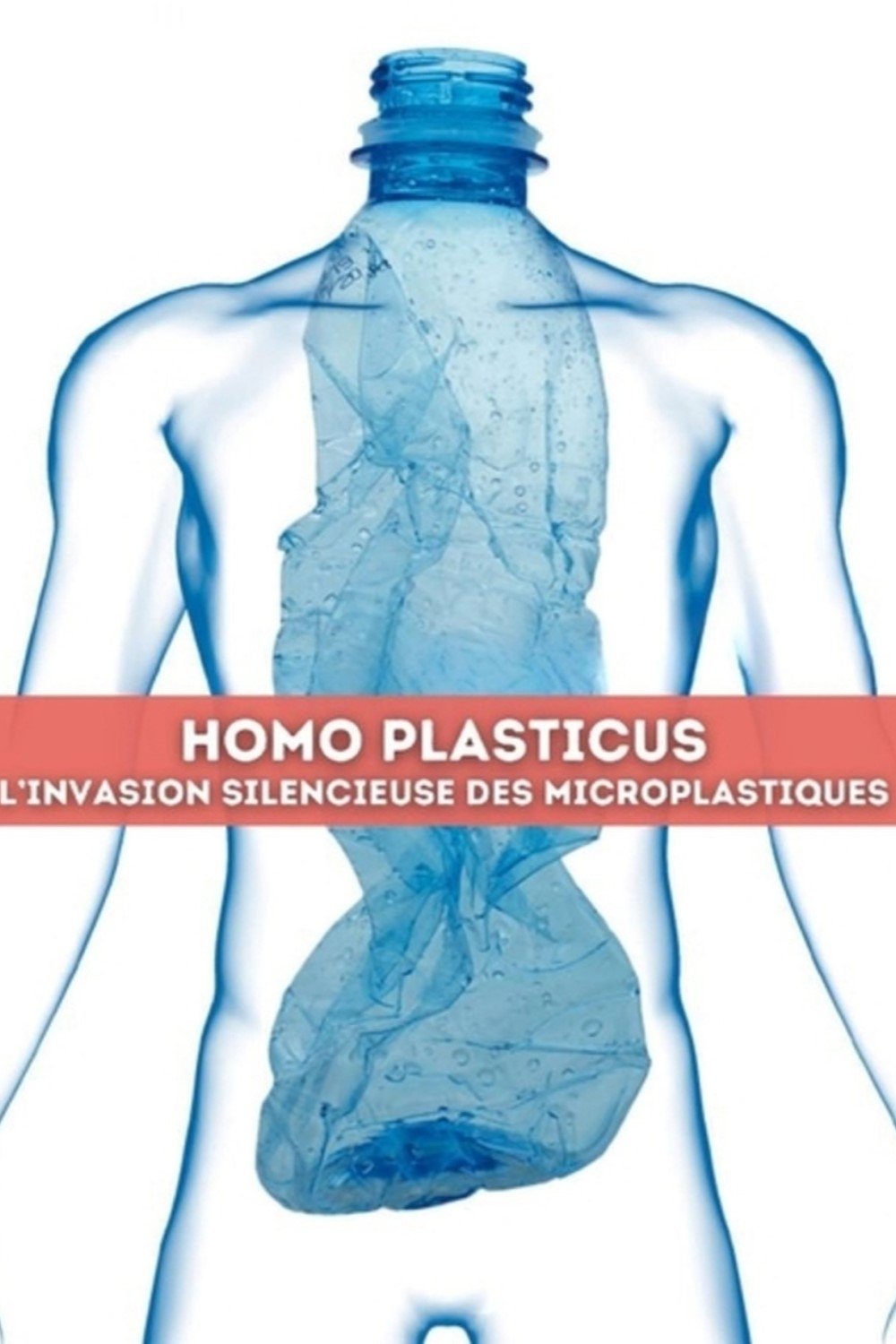
Every day, we eat and breathe tiny plastic residues. What effects does this insidious contamination have on our bodies? Rigorous and lucid, this scientific investigation gathers the most recent discoveries and sounds the alarm.
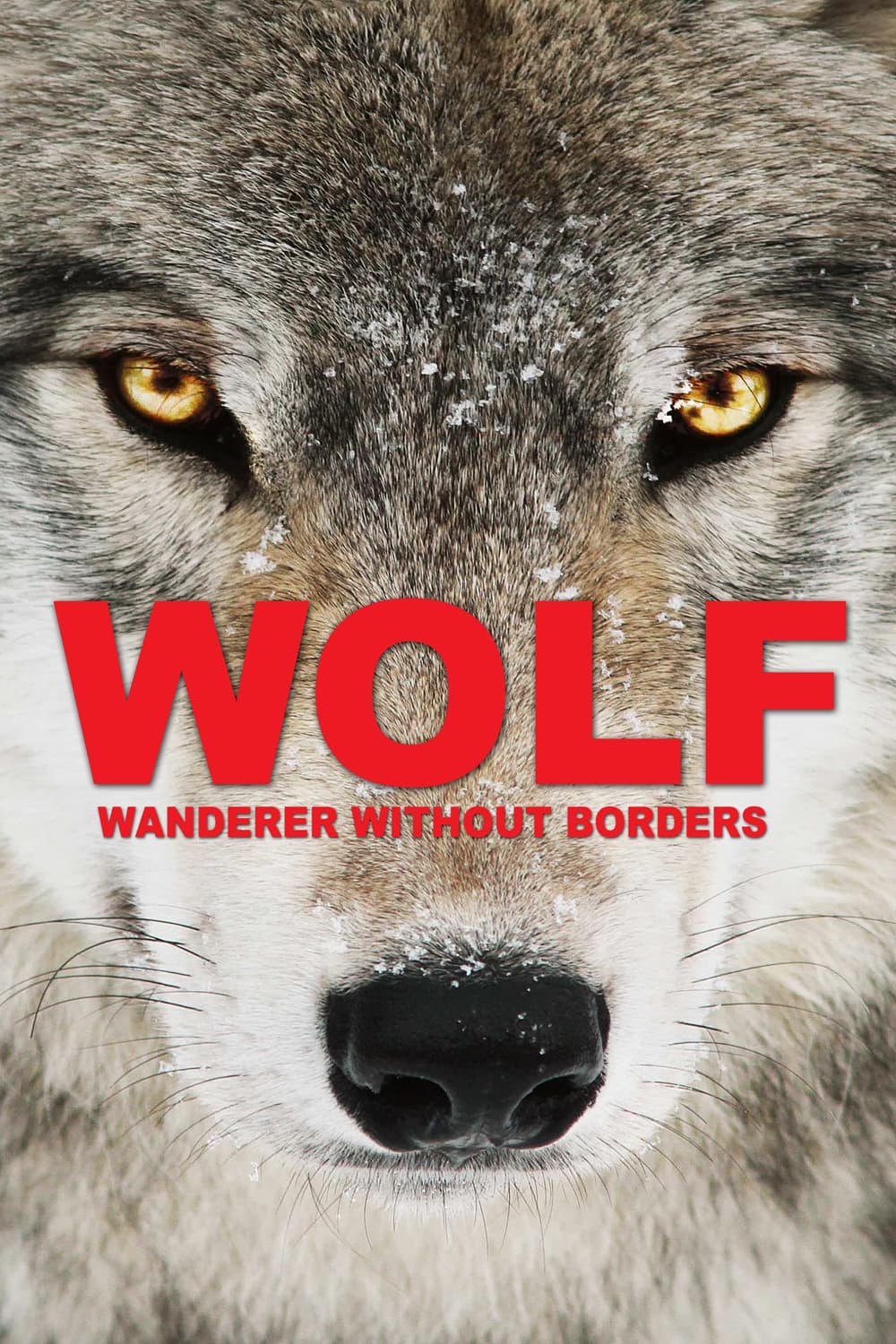
The wolf was almost completely eradicated in Europe over the past few centuries. The species also disappeared from the Netherlands 150 years ago and it was believed that this was forever. Only small populations survived in the large forests of Eastern Europe. In recent decades, not only did the wolf get legal protection, it also started a remarkable comeback. With time this magnificent animal found its way back from Poland through Germany to the Netherlands and Belgium. The carnivore, around which there are many myths and which is very often portrayed as bloodthirsty, welcomed back by many and despised by others. Are wolves really that dangerous to people? This exceptional documentary follows the journey of a young, lone wolf which grows up in eastern Germany and then head westwards on its search for its own territory and a consort to finally settle down in the Netherlands to found there the first permanent wolf pack since the extermination of the species long time ago.
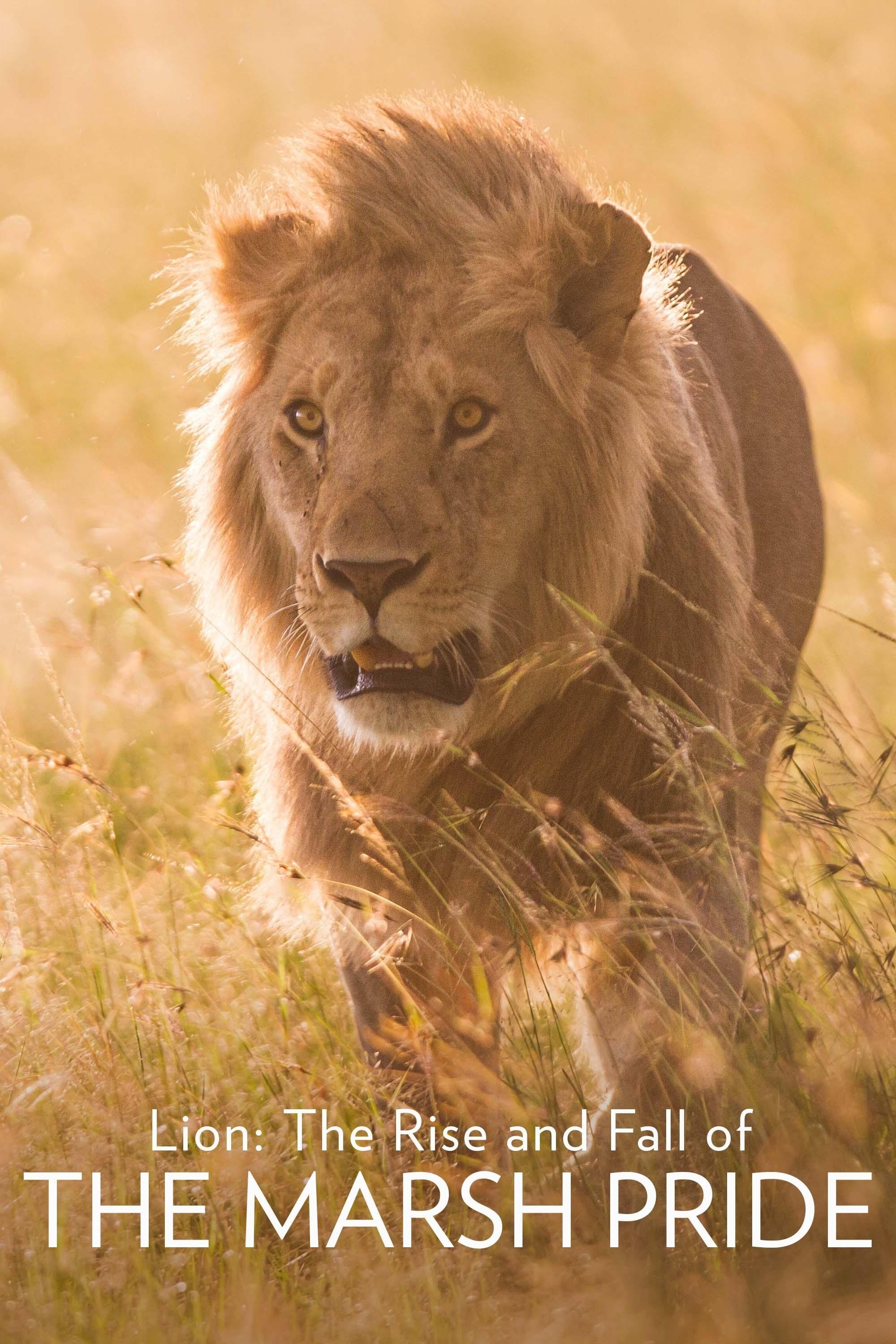
Documented in television documentaries for over 40 years by the BBC and other broadcasters around the world, the Marsh Pride is the most filmed pride of lions on Earth. In this film, the Marsh Pride battle for survival in Kenya's famous Maasai Mara Reserve, which has become a magnet for tourists, many of them keen to see the pride for themselves. A tale of shifting loyalties, bloody takeovers and sheer resilience, the lions’ story is told by those who filmed them, tried to protect them and lived alongside them, as well as some who ultimately wanted them dead.
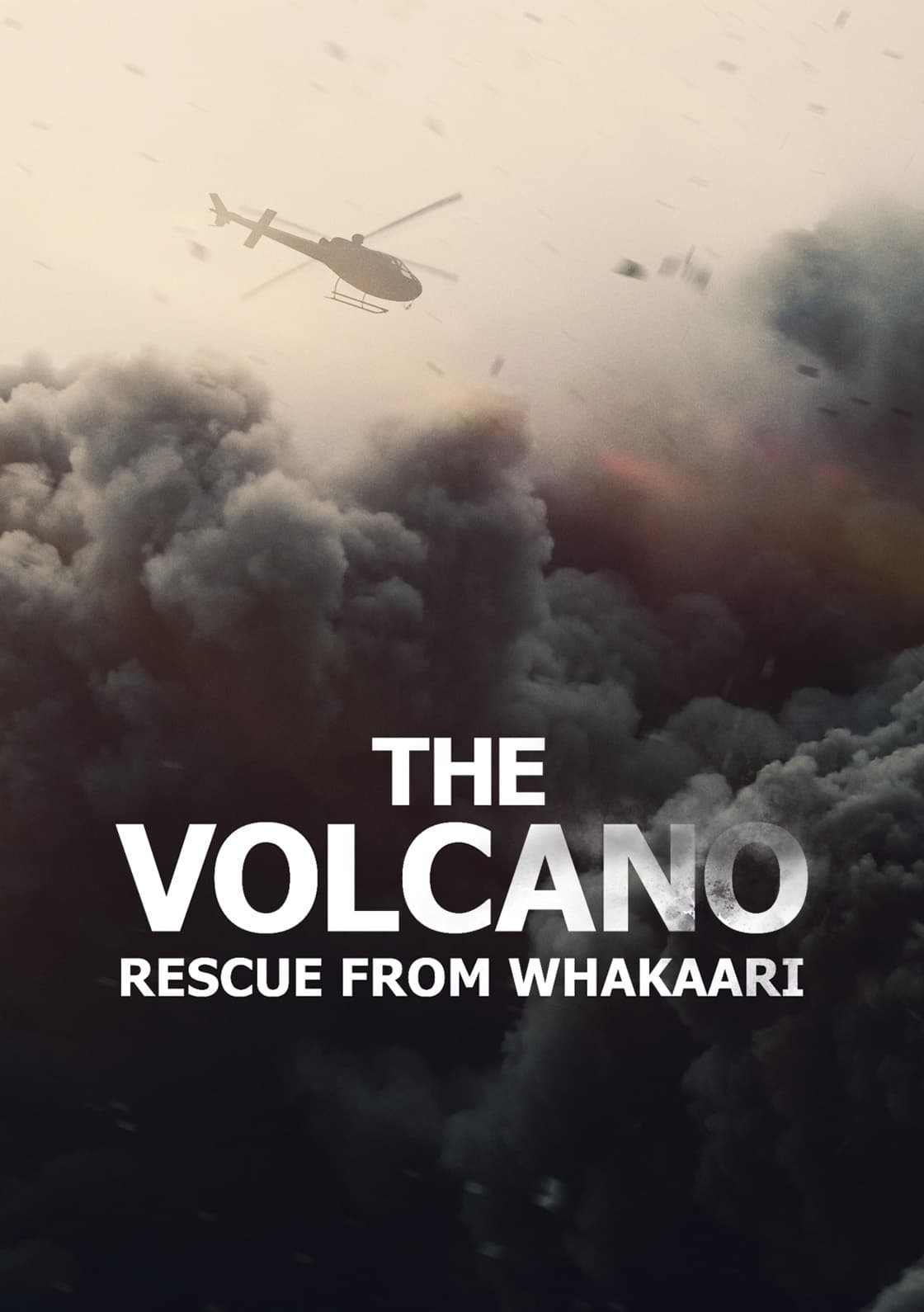
A close examination of the Whakaari / White Island volcanic eruption of 2019 in which 22 lives were lost, the film viscerally recounts a day when ordinary people were called upon to do extraordinary things, placing this tragic event within the larger context of nature, resilience, and the power of our shared humanity.
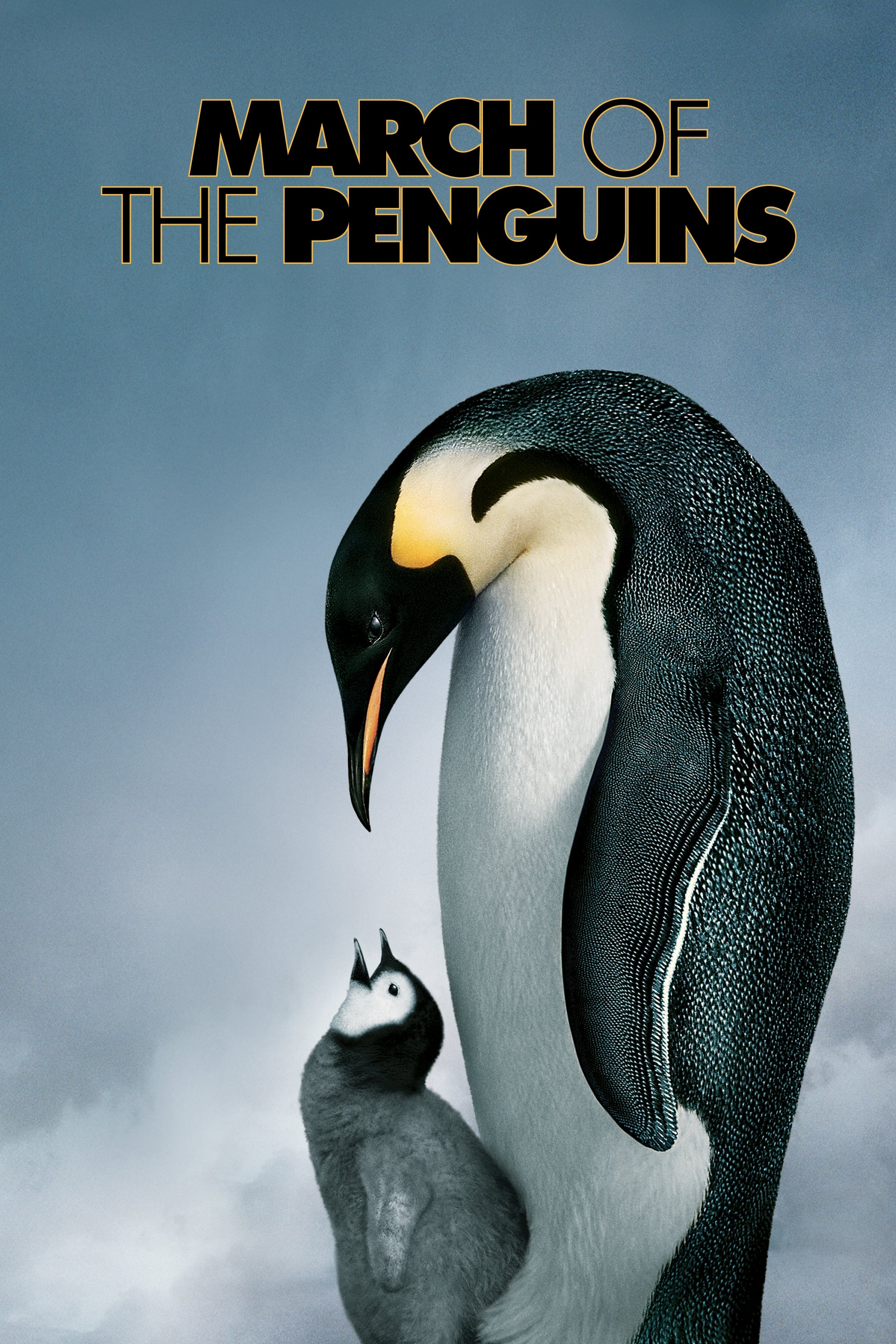
Every year, thousands of Antarctica's emperor penguins make an astonishing journey to breed their young. They walk, marching day and night in single file 70 miles into the darkest, driest and coldest continent on Earth. This amazing, true-life tale is touched with humour and alive with thrills. Breathtaking photography captures the transcendent beauty and staggering drama of devoted parent penguins who, in the fierce polar winter, take turns guarding their egg and trekking to the ocean in search of food. Predators hunt them, storms lash them. But the safety of their adorable chicks makes it all worthwhile. So follow the leader... to adventure!!
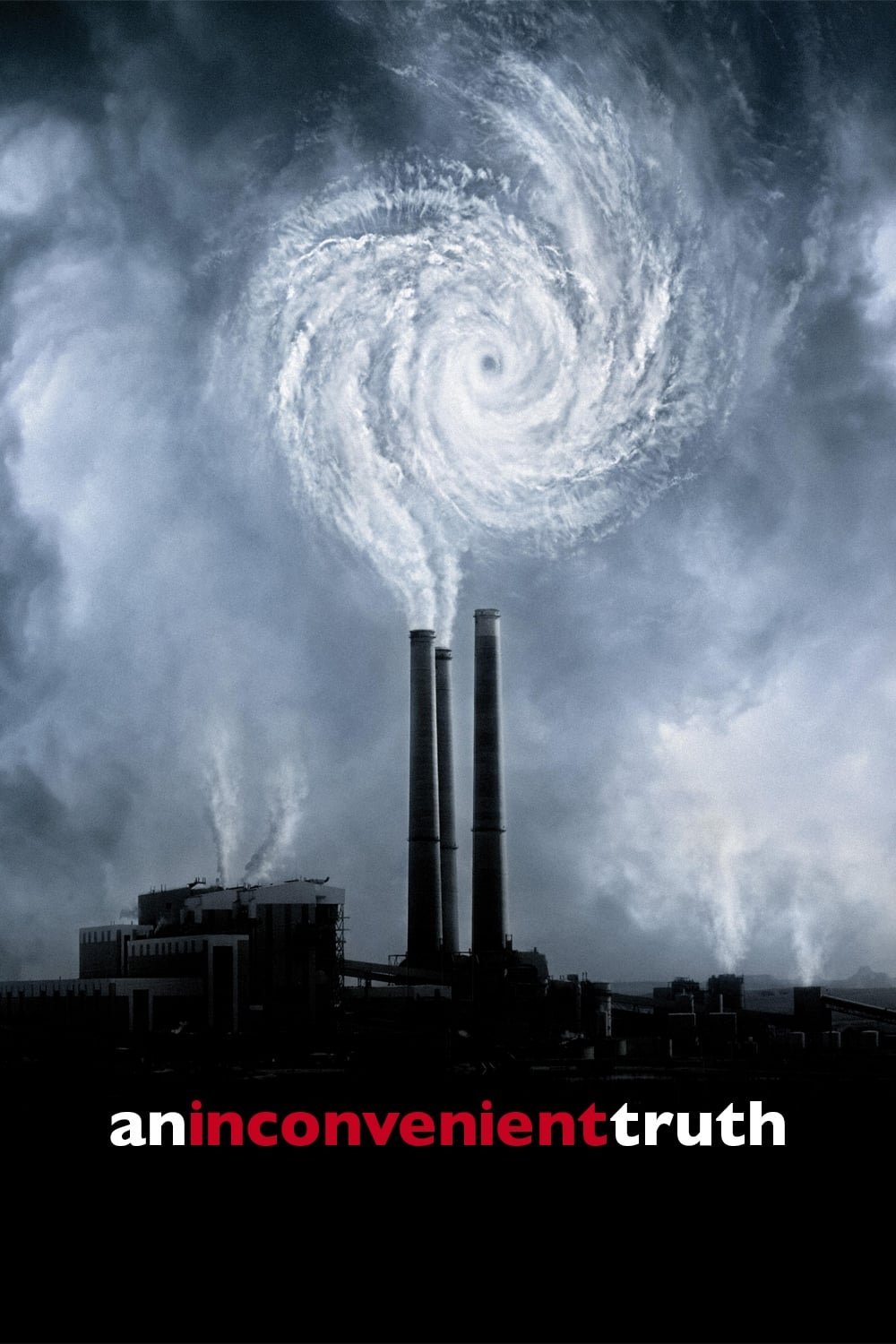
A documentary on Al Gore's campaign to make the issue of global warming a recognized problem worldwide.
The story of Nisar Ahmed Khan, told through his children and the people he served, a spiritual guide whose followers still visit his tomb on his birth and death anniversaries. And alongside how his family spends a few days at the village keeping his traditions alive.
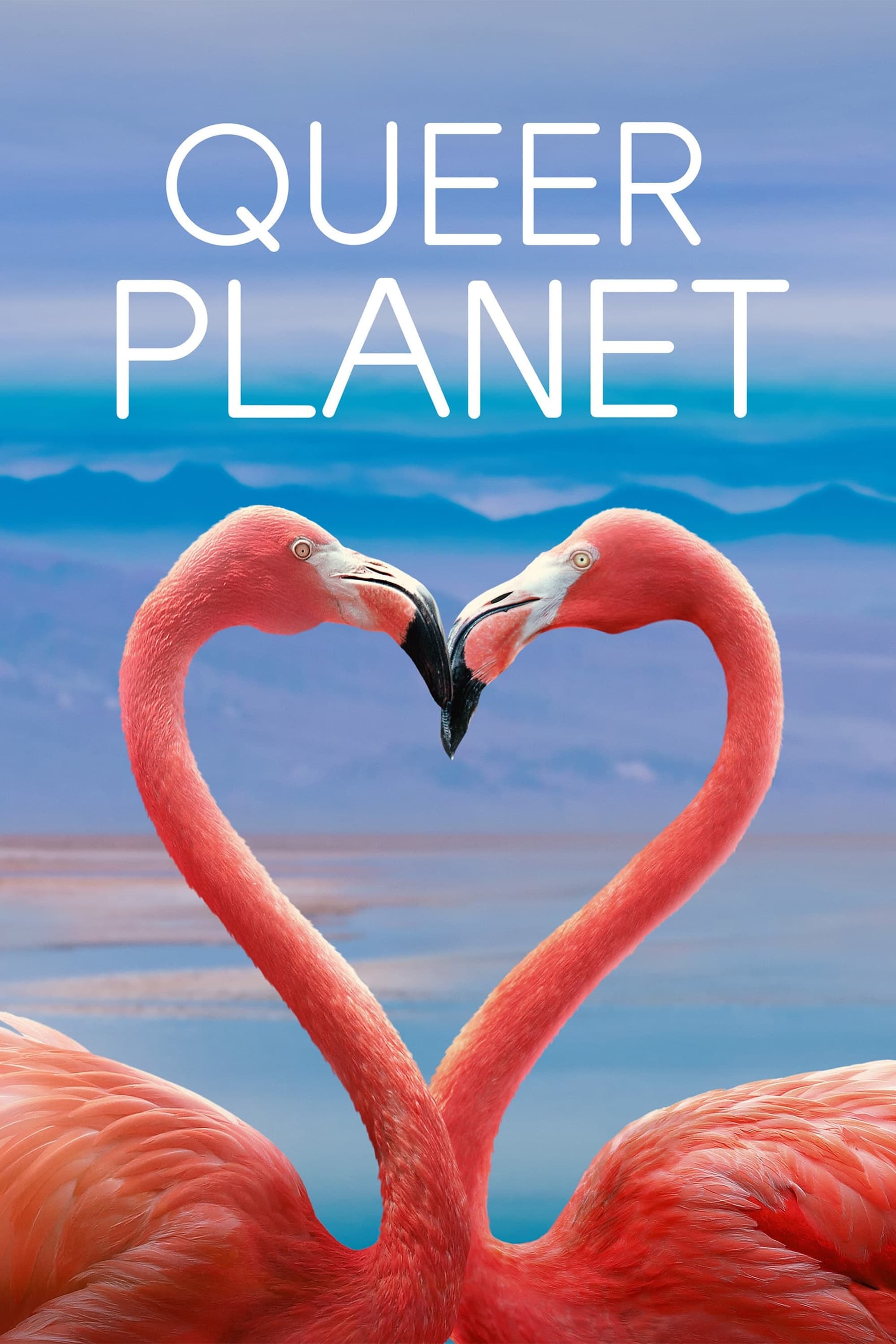
When it comes to 'what Mother Nature intended', it turns out she was pretty open-minded. In this vivid, funny and eye-opening one-off doc we take the audience on a journey to explore the rich diversity of animal sexuality.
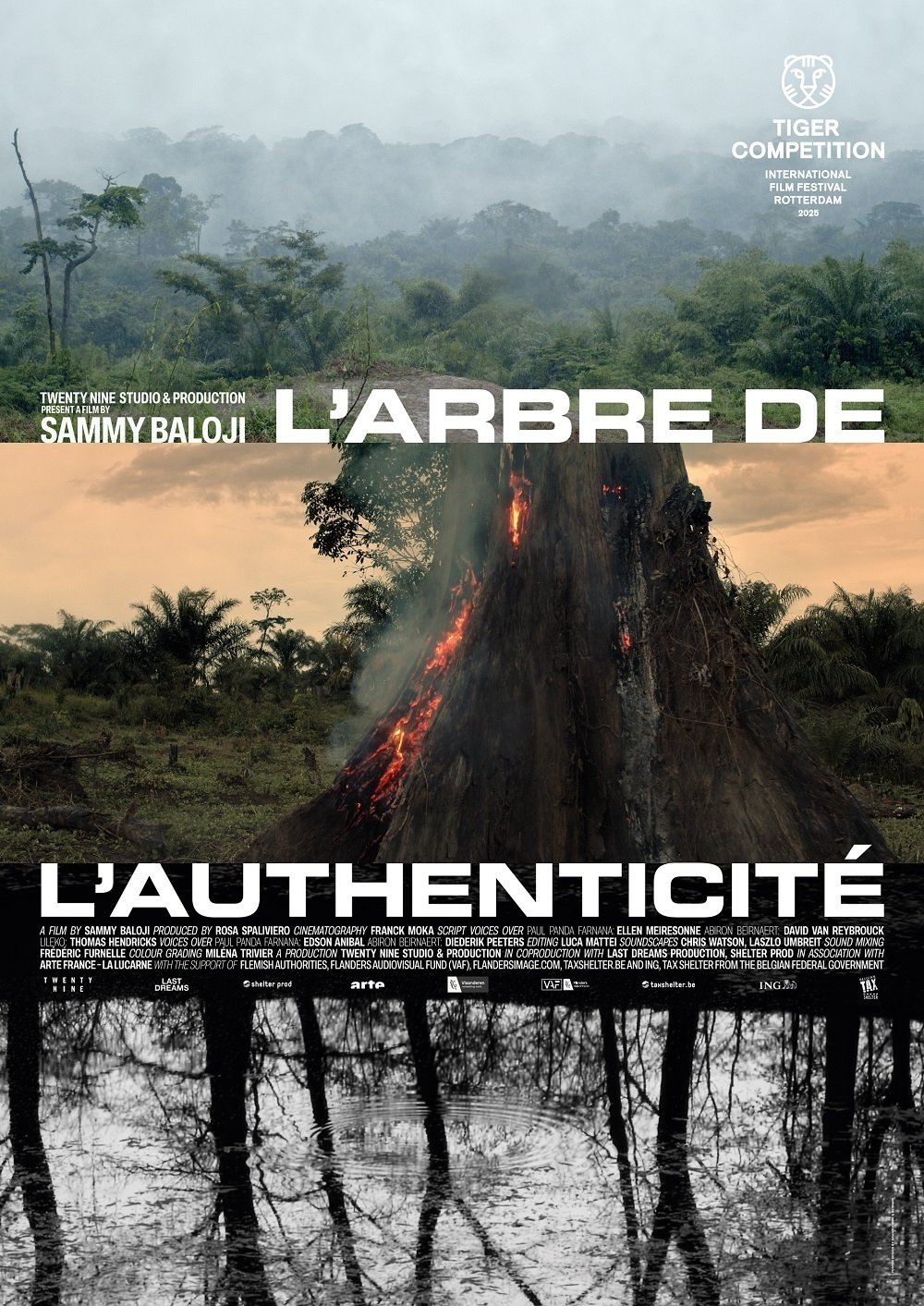
Photographer and visual artist Sammy Baloji’s fascinating film essay explores the Democratic Republic of Congo’s colonial history and its ecological significance. Drawing on research from the 1930s, the film highlights the Congo Basin’s vital role in consuming carbon dioxide and shaping global environmental balance over a century.
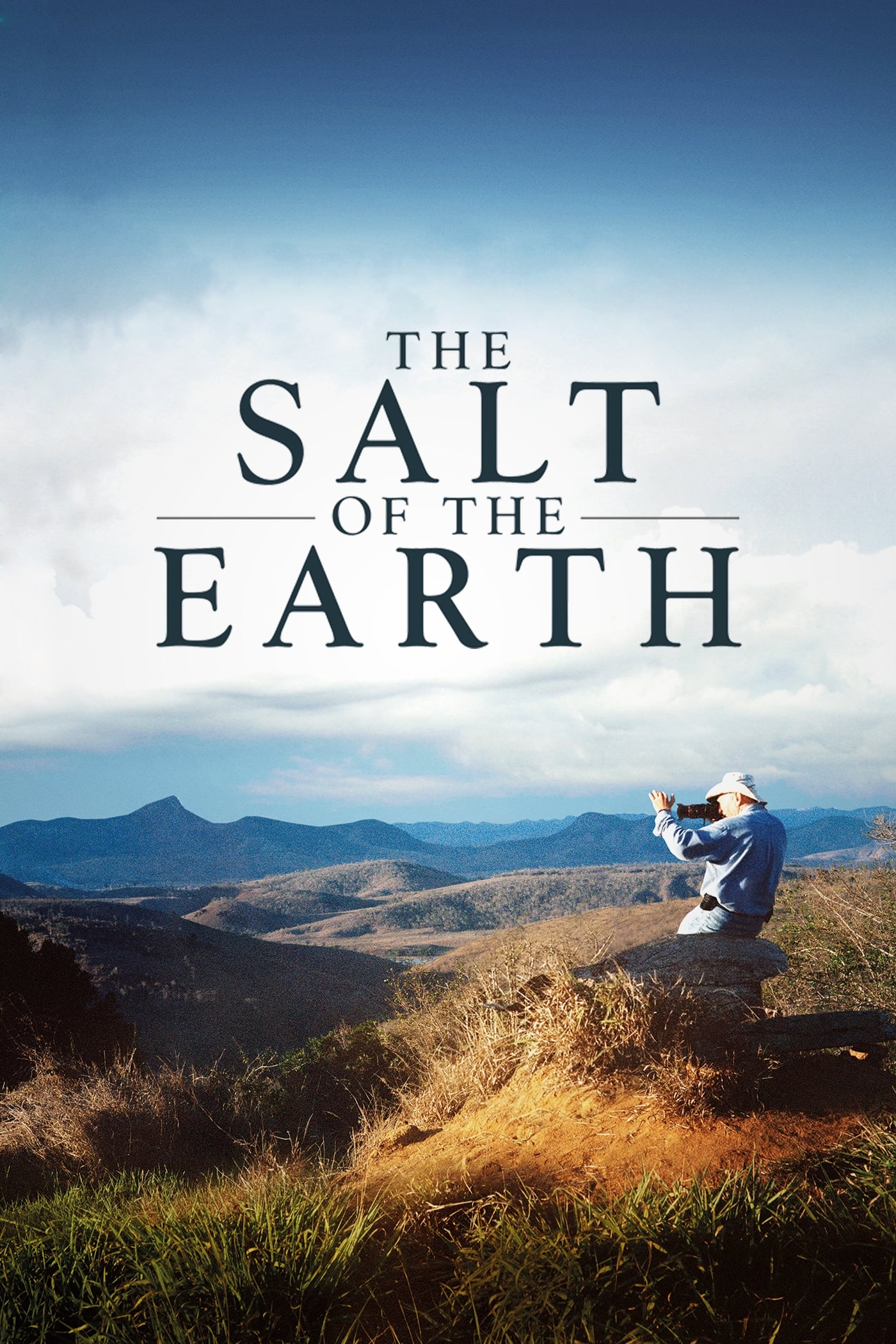
During the last forty years, the photographer Sebastião Salgado has been travelling through the continents, in the footsteps of an ever-changing humanity. He has witnessed the major events of our recent history: international conflicts, starvations and exodus… He is now embarking on the discovery of pristine territories, of the wild fauna and flora, of grandiose landscapes: a huge photographic project which is a tribute to the planet's beauty. Salgado's life and work are revealed to us by his son, Juliano, who went with him during his last journeys, and by Wim Wenders, a photographer himself.
Back from war in Afghanistan, a young British soldier struggling with depression and PTSD finds a second chance in the Amazon rainforest when he meets an American scientist, and together they foster an orphaned baby ocelot.
A documentary about the corrupt health care system in The United States whose main goal is to make profit even if it means losing people’s lives. "The more people you deny health insurance, the more money we make" is the business model for health care providers in America.
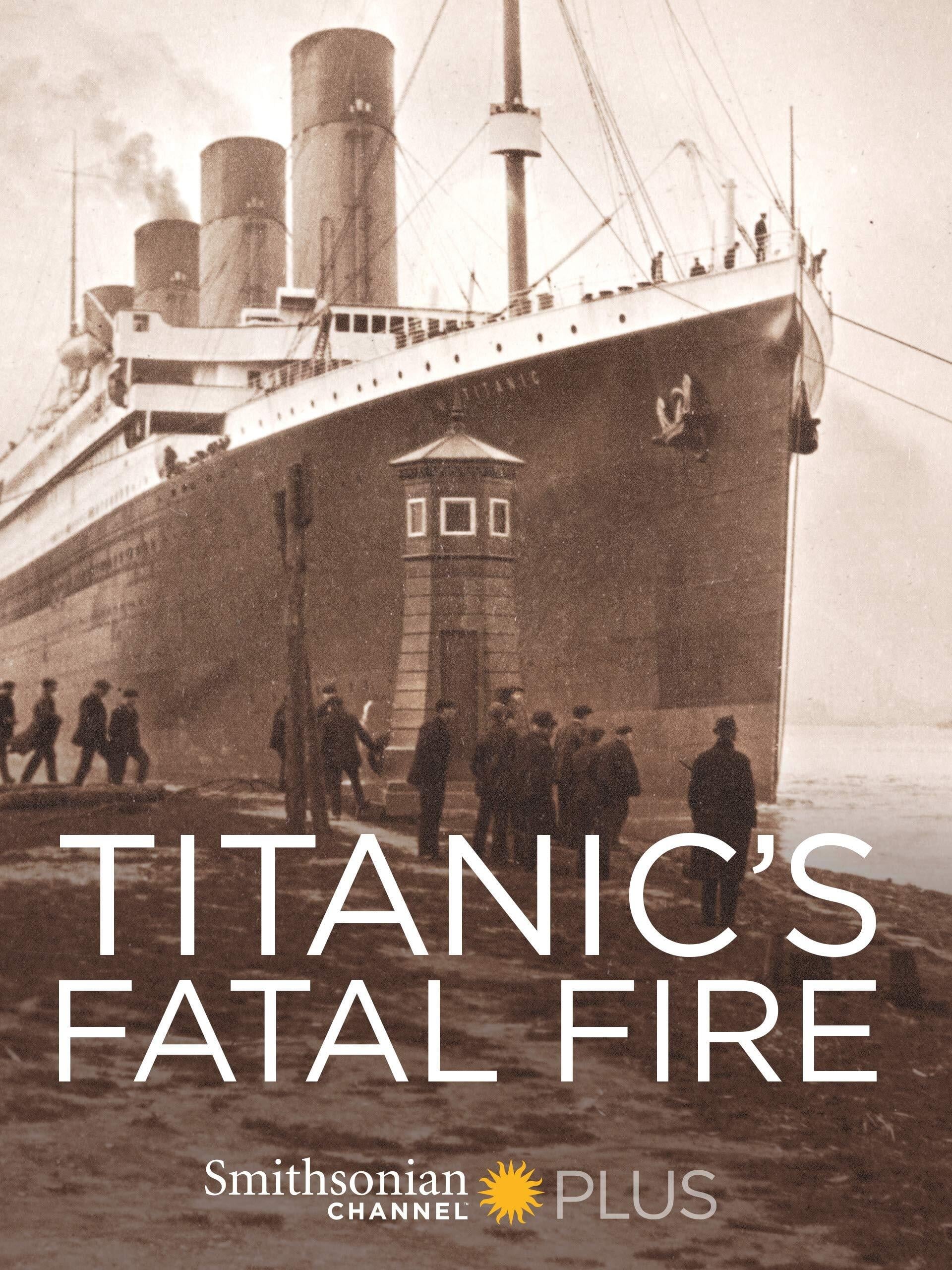
The sinking of the Titanic sent shockwaves around the world and started debates that continue to this day. But new, explosive evidence from the most unlikely of sources may finally lay all arguments to rest and reveal, for the first time, the full story of what possibly doomed the "unsinkable" liner. Join us as we unveil recently discovered and never-before-seen photographs of the super ship that exposes shocking clues that investigators and historians once dismissed but can no longer ignore.
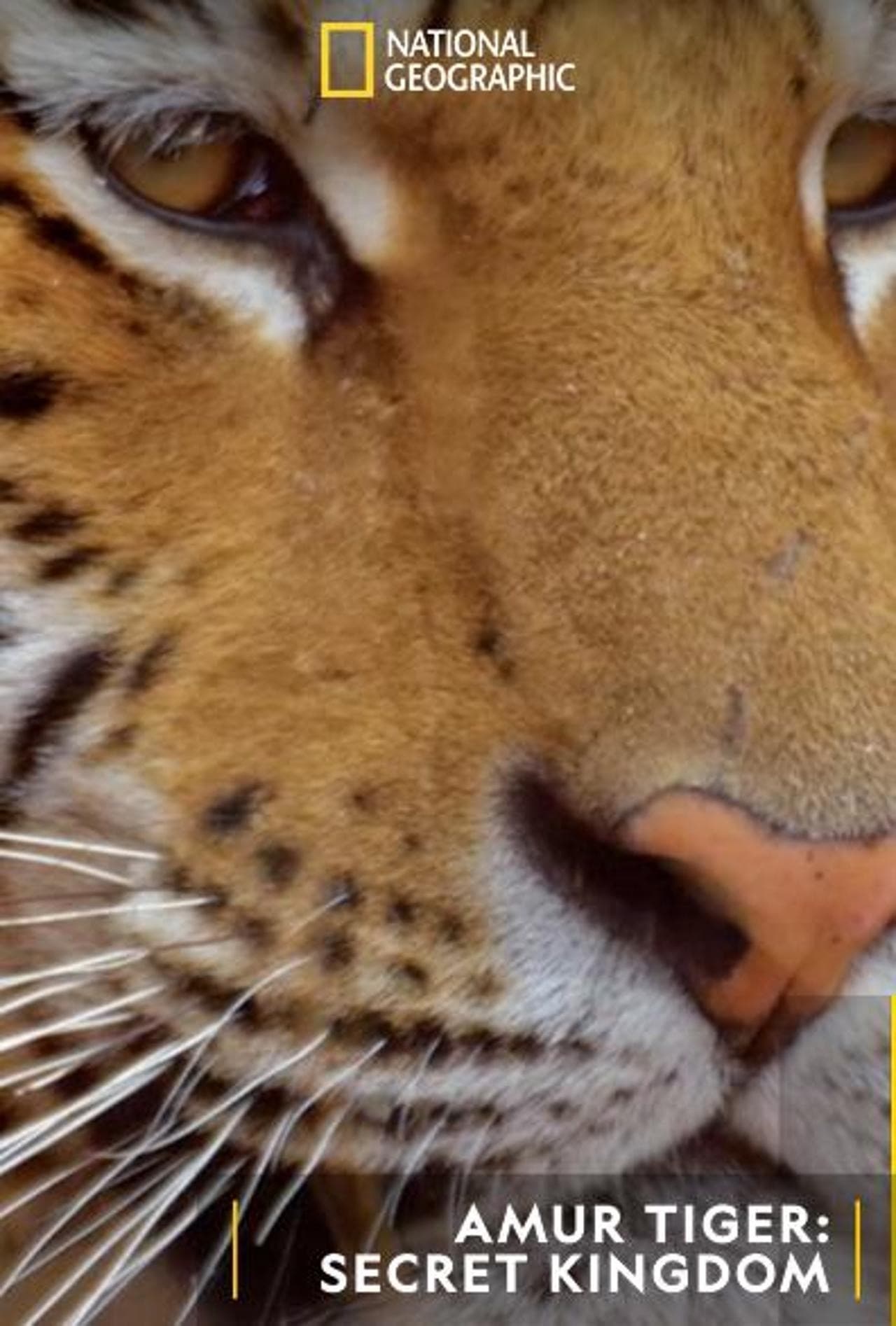
In the furthest reach of northeast China, is a mountain wilderness that few have yet explored: Hunchun National Nature Reserve. At its core, lives one of Earth’s rarest predators: The Amur tiger
Marine conservationist and social media activist Ocean Ramsey fearlessly swims with sharks in this documentary about her risky mission to protect them.
Deep Blue is a major documentary feature film shot by the BBC Natural History Unit. An epic cinematic rollercoaster ride for all ages, Deep Blue uses amazing footage to tell us the story of our oceans and the life they support.
A documentary on the making of the three Godfather films, with interviews and recollections from the film makers and cast. This feature also includes the original screen tests of some of the actors for "The Godfather" film, and some candid moments on the set of "The Godfather: Part III."
A visual montage portrait of our contemporary world dominated by globalized technology and violence.
The elite pilots of the Air Force Thunderbirds display exceptional skill, trust and courage during a high-stakes training season.
A group of British children aged 7 from widely ranging backgrounds are interviewed about a range of subjects. The filmmakers plan to re-interview them at 7 year intervals to track how their lives and attitudes change as they age.
After years of swimming every day in the freezing ocean at the tip of Africa, Craig Foster meets an unlikely teacher: a young octopus who displays remarkable curiosity. Visiting her den and tracking her movements for months on end he eventually wins the animal’s trust and they develop a never-before-seen bond between human and wild animal.
This documentary focuses on the actors and their journey over two summers to create the remake to the original IT, by Stephen King. The documentary originally released as bonus material, bundled with IT: Chapter Two.
A look behind the lens of Christopher Nolan's space epic.
Some of the world's most majestic birds display delightfully captivating mating rituals, from flashy dancing to flaunting their colorful feathers.
Embark on a delightful journey into the world of dogs in this documentary that reveals scientific and emotional insights about our lovable BFFs.
Behind the scenes look at fight choreography and action training.
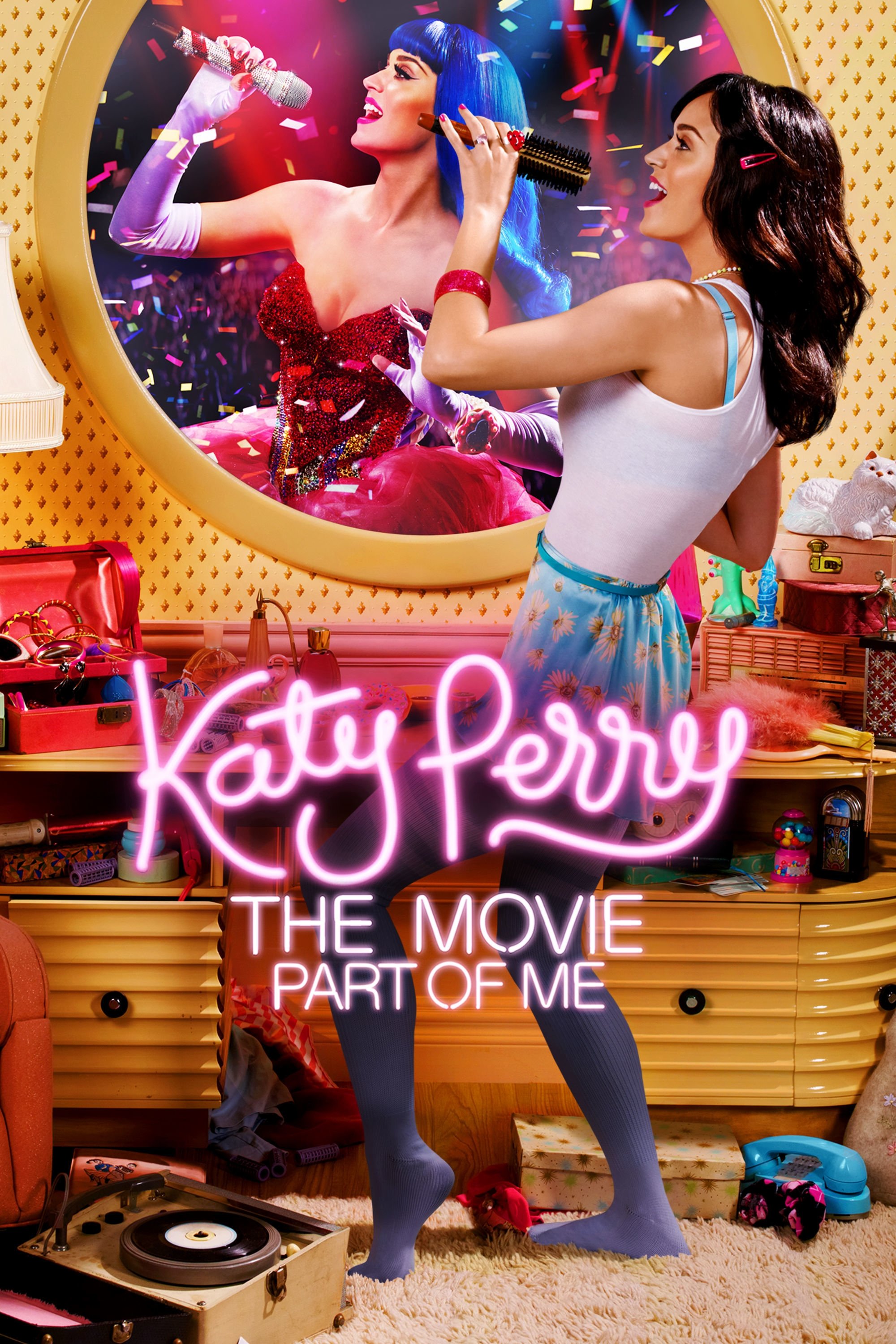
Giving fans unprecedented access to the real life of the music sensation, Katy Perry: Part of Me exposes the hard work, dedication and phenomenal talent of a girl who remained true to herself and her vision in order to achieve her dreams. Featuring rare behind-the-scenes interviews, personal moments between Katy and her friends, and all-access footage of rehearsals, choreography, Katy’s signature style and more, Katy Perry: Part of Me reveals the singer’s unwavering belief that if you can be yourself, then you can be anything.
Jackie Chan is one of the world's biggest action stars, famed for his wacky sense of humor, remarkable martial arts techniques, and willingness to perform incredible stunts without the use of doubles -- or a net. This video takes a personal look at Chan as he works on screen projects in Hollywood and Beijing and candidly discusses his life and work.
In 1997, Louis Theroux made a documentary about the world of male porn performers in Los Angeles. 15 years later, he returns to find a business struggling with the deluge of free porn on the internet. Louis revisits some of the original programme's contributors as well as meeting the latest crop of porn performers dreaming of porn stardom.
Unprecedented access to Muhammad Ali's personal archive of "audio journals" as well as interviews and testimonials from his inner circle of family and friends are used to tell the legend's life story.
In an intimate and joyful story of love in the face of loss, celebrated poets Andrea Gibson and Megan Falley find strength—and unexpected hilarity—in what might be their final year together.
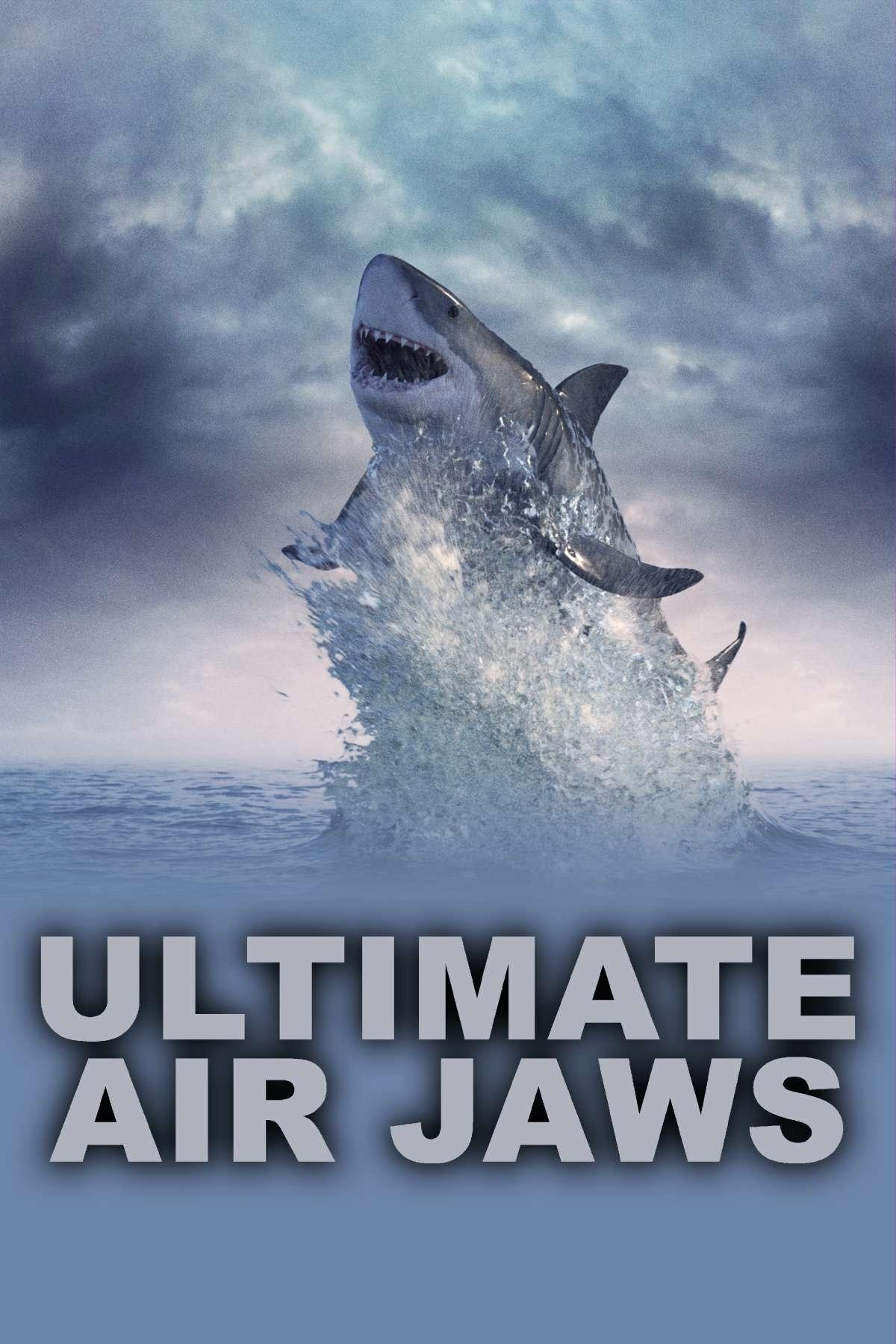
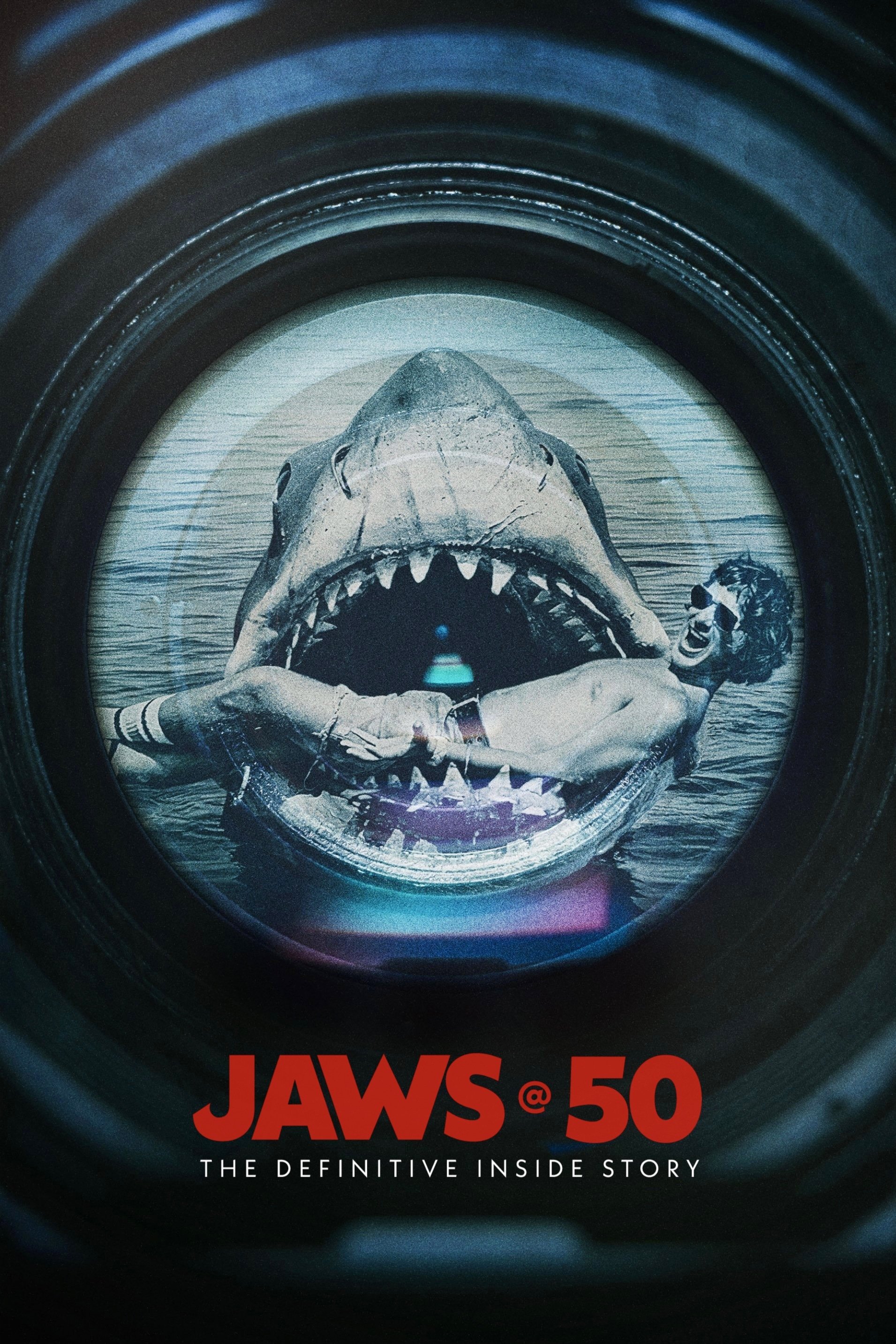
The authorized documentary celebrating the film that redefined Hollywood, 50 years after its premiere. Featuring rare archival footage and interviews with acclaimed Hollywood directors alongside Steven Spielberg, top shark scientists, and conservationists, the film uncovers the behind-the-scenes chaos and how the film launched the summer blockbuster, inspired a new wave of filmmakers, and paved the way for shark conservation that continues today.
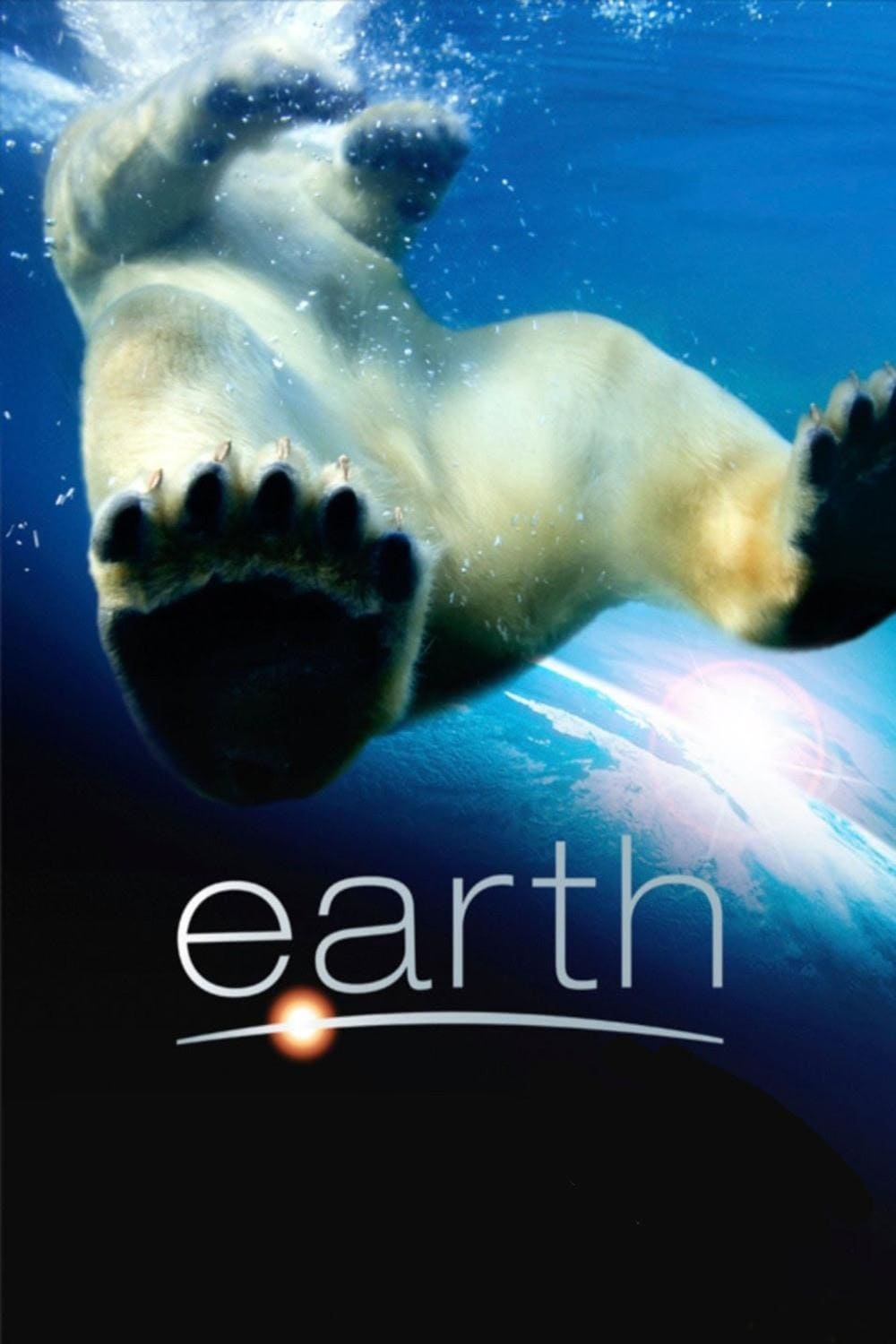
An epic story of adventure, starring some of the most magnificent and courageous creatures alive, awaits you in EARTH. Disneynature brings you a remarkable story of three animal families on a journey across our planet – polar bears, elephants and humpback whales.
From the heights of her modeling fame to her tragic death, this documentary reveals Anna Nicole Smith through the eyes of the people closest to her.