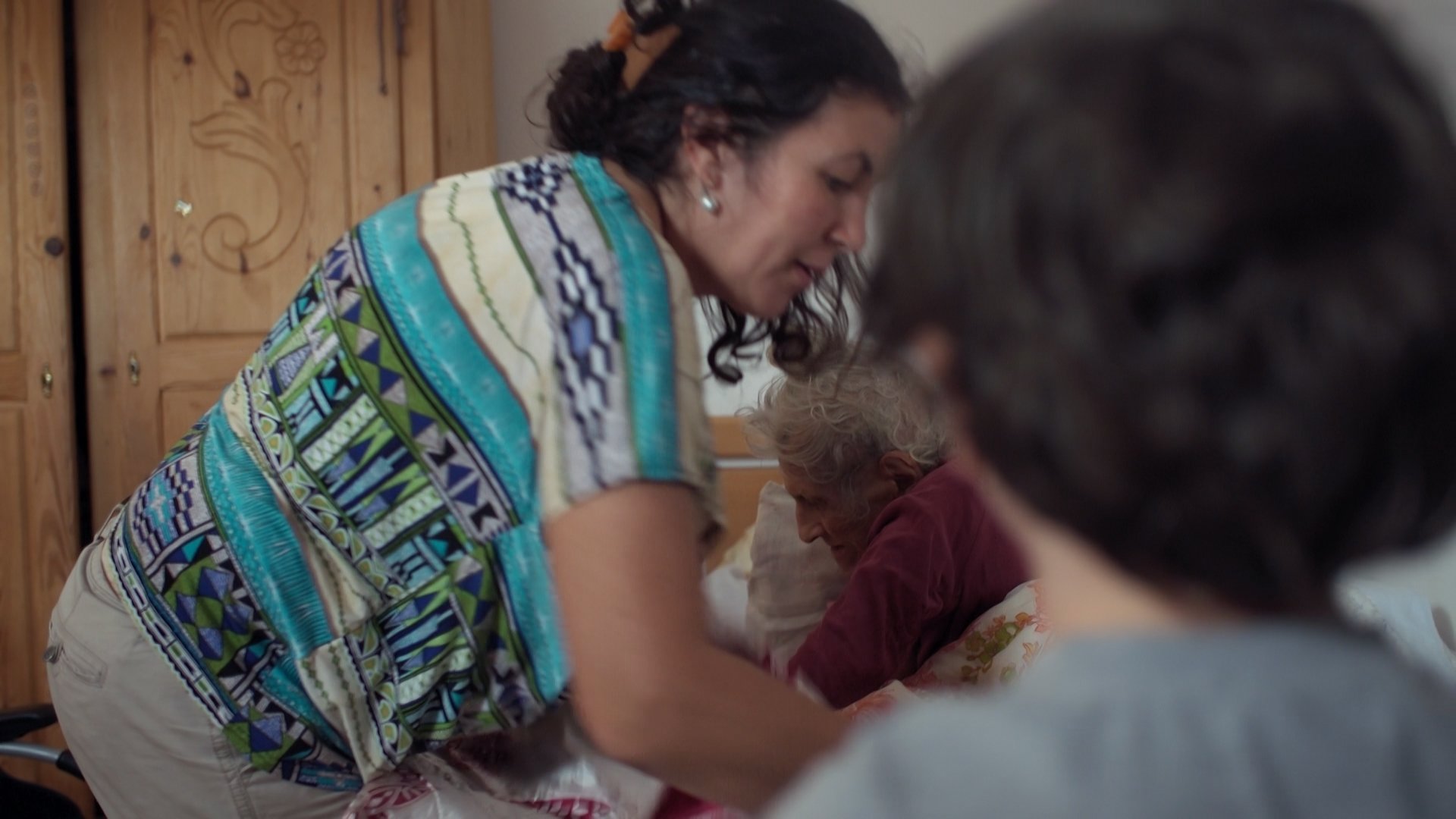
A portrait of the Director’s maternal grandmother, Eliane, a French woman who lived her entire life in Tunisia. The film shows her last moments at home with her family before her passing due to Alzheimer's disease.
Social & External
The people behind it
Eliane Marie Fortunée Gartich
Eliane
Nadia Hajri
Nadia
Mehdi Hajri
Mehdi

Nour Hajri
Nour
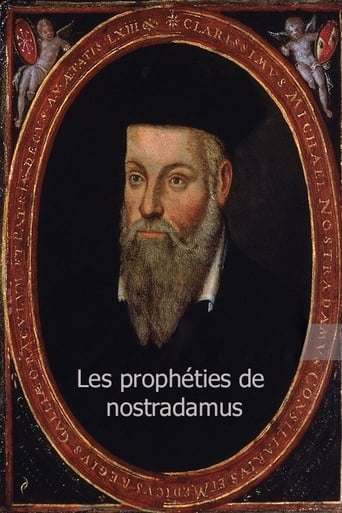
Debunking the mythology surrounding the 16th century French prophet, Nostradamus.
Follows the artist over two years as he explores his „life after Beethoven“, as he searches for his next challenge, his identity as an artist.
This rich and nuanced portrait of the remarkable, elusive Rothschild family uncovers the story behind the family's phenomenal economic success. The film tells the dynasty’s incredible saga, from the confines of the Frankfurt ghetto to the halls of royal palaces, all the while emphasizing the importance they placed on family unity and the profound role Judaism played in their lives, later using their influence to assist oppressed Jews throughout Europe. A definitive work of documentary cinema with a thoroughly engaging narrative, The Rothschild Saga brings their mysterious and fascinating history to life.
Portrait of a French mercenary working in Libya, hired by the Phalange to train the militias. War leaves its traces; and for some, who see death as part of the job, it’s a vocation.
The film recounts the incredible research conducted by François Cartault, a pediatrician and geneticist on the island of Réunion. Conducted like a police investigation over more than 20 years, his research, both medical and historical, takes us on a journey through the disease of moon children, deprived of sunlight, and on the trail of slavery in Africa. The film shows how genetics is also an astonishing trace of history.
In an attempt to represent reality, the boundary between life and art blurs between fragmentary images of someone and the praxis of an essay film.
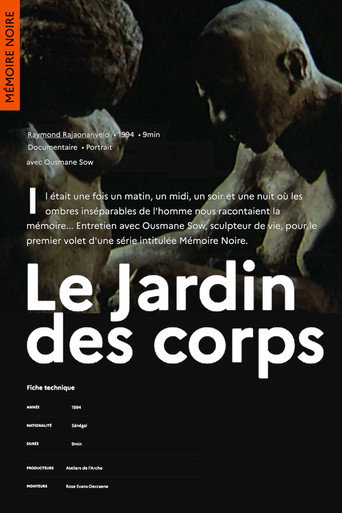
Once upon a time there was a morning, noon, evening and night when the inseparable shadows of man told us about memory... Interview with Ousmane Sow, life sculptor, for the first part of a series entitled Black Memory.
In turn, the medical community has been affected by the post #metoo movement denouncing sexual violence against women. It was about time. Assaults and rapes perpetrated behind closed doors in doctors' offices have gone unpunished for too long. For a victim, reporting them is almost as difficult as recounting incidents of incest. And the medical councils, which are mainly made up of men, have long turned a deaf ear to patients' complaints. When cases are brought before the courts, the justice system also struggles to prosecute these rapists. Recently, practices and names have been made public, complaints are multiplying, and women are daring to speak out. Could this be the end of complacency towards these criminals in white coats?
This documentary looks back on a career of a woman who, very early on, refused to accept the roles assigned to her. In the 1980s, while others were trying to please, she wrote "Les hommes préfèrent les grosses" (Men Prefer Fat Women), a manifesto ahead of its time, funny, feminist, and blunt. Later, with "Gazon maudit" (Damned Grass), she tackled homosexuality with a freedom that is still shocking today.
Alix left his native island, Martinique, and its musical culture, to study opera singing in Paris. Portrait of a young man who now embraces all his singularities: his rare countertenor voice, his kohl and his done nails. He works hard to realize his dream of becoming a professional artist.
This documentary profiles the life and career of Pat Summitt, the NCAA's winningest basketball coach, who resigned from her post at the University of Tennessee in 2012 due to early-onset Alzheimer's disease.
While everyone wants to die "at home" without suffering and surrounded by loved ones, in reality almost everyone dies in hospital. What healthcare provisions enable people to die at home? Are we all equal in terms of the support we receive, regardless of where we live? Young caregivers in a home hospitalization unit drive day and night along the Alabaster Coast. From house to house, from dying person to dying person. Accompanying a dying person at home also means accompanying their loved ones, immersing oneself for a few days or weeks in the intimacy of a family history. Thanks to them, the end of life returns to the home, to the family, and is rehumanized.
Ticketyboo: a Secret in Plain Sight is an artistic feature documentary exploring the deeply personal struggle of staying connected to a loved one with dementia.
A meeting between the daughter and the grandmother of the director, Iván Mora Manzano, at a time when the memories of one, the girl’s, were taking shape, and the other’s the grandmother’s, were vanishing. This starting point is used as a pretext to talk about other topics such as the importance of family memories and the search for memory.
Patrick, who has had diabetes for 25 years and is treated with insulin, is gradually losing his sight. He has agreed to laser treatment as the only alternative to total blindness, a treatment that destroys almost the entire retina, leaving only central vision. For three years, the director followed him in his daily life, walking towards darkness, where he learns day by day to touch, listen, guess, feel, and resist. The camera narrows its field of view over time to "see" as Patrick does.
Stone Street documents the life and experiences of a Trinidadian diaspora family and their enduring connection to the long standing family home in Port of Spain. Through the intersecting journeys of this extended and extensive family, the filmmaker explores themes of home, belonging and identity in a life defined by the fragmentary nature of a migratory Caribbean culture. This experimental documentary combines a lyrical first person voice with a family archive of home made audio visual artifacts, interviews and events. As the documentary explores the fragmentary nature of Caribbean identity, it simultaneously celebrates the fragments of domestic memorializing found in home movies, videos and photographs. Stone Street uses these various forms to evoke the experience of a complex and diverse Caribbean and Caribbean diaspora identity.
Zina left Algeria to fulfill her childhood dream of driving trucks. At every turn, her cabin becomes a space of freedom and the highway a battlefield.
Through deeply personal interviews with her siblings and an examination of the photographs, letters, and belongings left behind, Mariska assembles a new portrait of her mother Jayne Mansfield, an extraordinary and complex woman.
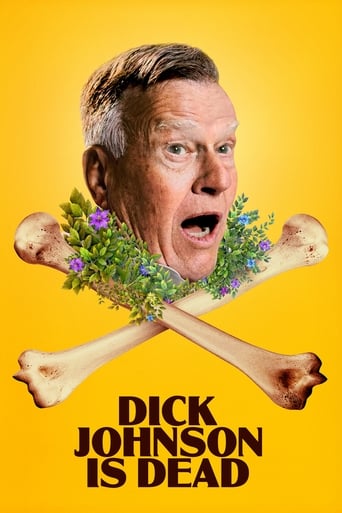
With this inventive portrait, director Kirsten Johnson seeks a way to keep her 86-year-old father alive forever. Utilizing moviemaking magic and her family’s dark humor, she celebrates Dr. Dick Johnson’s last years by staging fantasies of death and beyond. Together, dad and daughter confront the great inevitability awaiting us all.
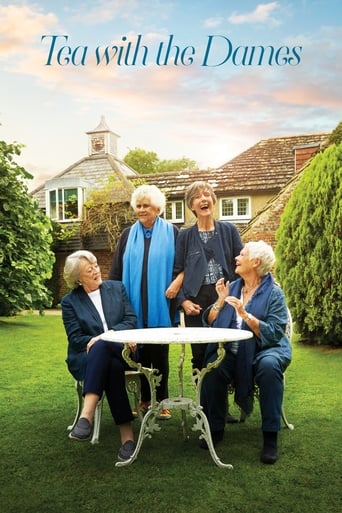
BBC Arena's documentary on the Dames of British Theatre and film featuring Maggie Smith, Eileen Atkins, Judi Dench and Joan Plowright on screen together for the first time as they reminisce over a long summer weekend in a house Joan once shared with Sir Laurence Olivier.
Lyrical and powerfully personal essay film that reflects on the deaths of her husband Lou Reed, her mother, her beloved dog, and such diverse subjects as family memories, surveillance, and Buddhist teachings.
A compilation of over 30 years of private home movie footage shot by Lithuanian-American avant-garde director Jonas Mekas, assembled by Mekas "purely by chance", without concern for chronological order.
From the heights of her modeling fame to her tragic death, this documentary reveals Anna Nicole Smith through the eyes of the people closest to her.
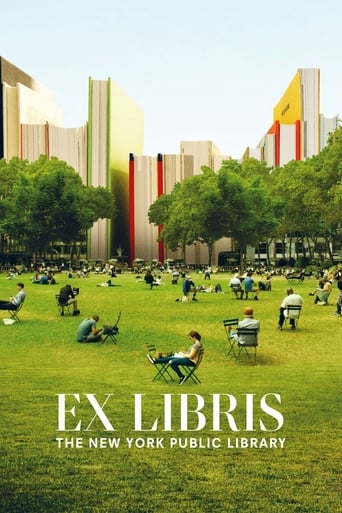
A documentary about how a dominant cultural and demographic institution both sustains their traditional activities and adapts to the digital revolution.
Those who knew iconic funnyman John Candy best share his story, in their own words, through never-before-seen archival footage, imagery, and interviews.
A paralysingly beautiful documentary with a global vision—an odyssey through landscape and time—that attempts to capture the essence of life.
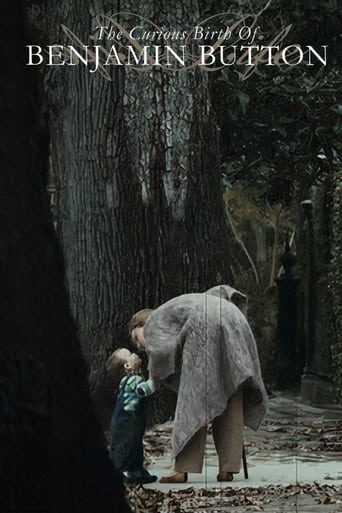
A documentary about the making of David Fincher's 2008 film THE CURIOUS CASE OF BENJAMIN BUTTON. Virtually every element in the evolution of the Fincher's film is documented here, from the project's attachment to numerous other directors during the 1990s, to its shoot in 2006 and 2007 in New Orleans, to its complex, CGI-intensive postproduction process.
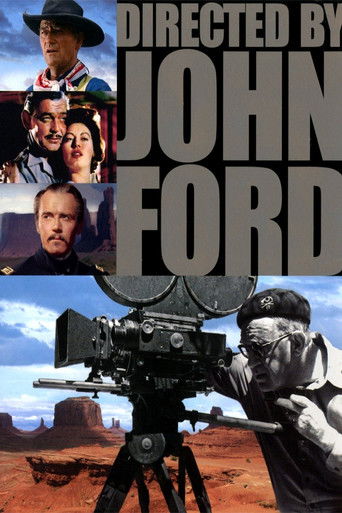
A documentary about the life and films of director John Ford.
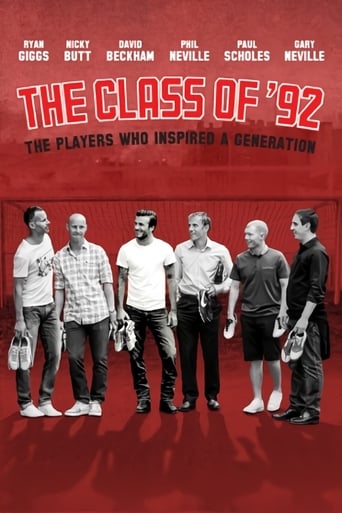
A detailing of the rise to prominence and global sporting superstardom of six supremely talented young Manchester United football players (David Beckham, Nicky Butt, Ryan Giggs, Paul Scholes, Phil and Gary Neville). The film covers the period 1992-1999, culminating in Manchester United's European Cup triumph.
The story of artist Lil Peep from his birth in Long Island and meteoric rise as a genre blending pop star & style icon, to his death due to an accidental opioid overdose in Arizona at just 21 years of age.
In 2001, Andrew Bagby, a medical resident, is murdered not long after breaking up with his girlfriend. Soon after, when she announces she's pregnant, one of Andrew's many close friends, Kurt Kuenne, begins this film, a gift to the child.
The life story of ‘Zen Anarchist’ filmmaker John Milius, one of the most influential storytellers of his generation.
This investigation examines the mysterious shooting of soul icon Sam Cooke, whose death silenced one of the most vital voices in the civil rights movement.
Canadian actress and filmmaker Sarah Polley investigates certain secrets related to her mother, interviewing a group of family members and friends whose reliability varies depending on their implication in the events, which are remembered in different ways; so a trail of questions remains to be answered, because memory is always changing and the discovery of truth often depends on who is telling the tale.
Brilliant, long in-the-works story of the life and art of the world's greatest comedian and the cinema's first genius, Charlie Chaplin. Produced, written and directed by renowned film critic Richard Schickel.
The earliest surviving motion-picture film, and believed to be one of the very first moving images ever created, was shot by Louis Aimé Augustin Le Prince using the LPCCP Type-1 MkII single-lens camera. It was taken on paper-based photographic film in the garden of Oakwood Grange, the Whitley family house in Roundhay, Leeds, West Riding of Yorkshire (UK), on 14 October 1888. The film shows Adolphe Le Prince (Le Prince’s son), Mrs. Sarah Whitley (Le Prince’s mother-in-law), Joseph Whitley, and Miss Harriet Hartley walking around in circles, laughing to themselves, and staying within the area framed by the camera. Roundhay Garden Scene is often associated with a recording speed of around 12 frames per second and runs for about 2 to 3 seconds.
This revealing documentary honors the legendary Sidney Poitier—iconic actor, filmmaker, and civil rights activist. Featuring interviews with Denzel Washington, Spike Lee, Halle Berry, and more.