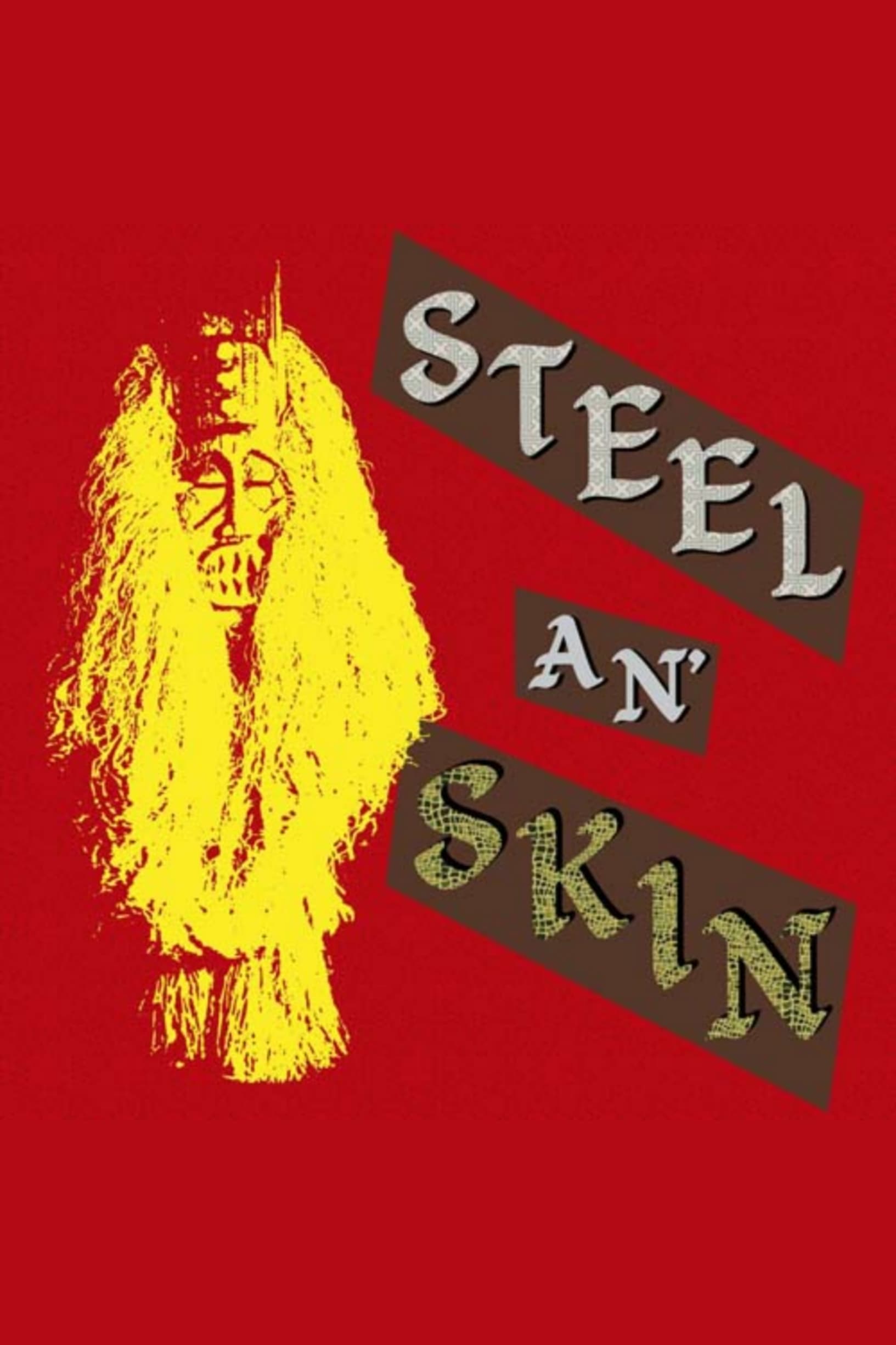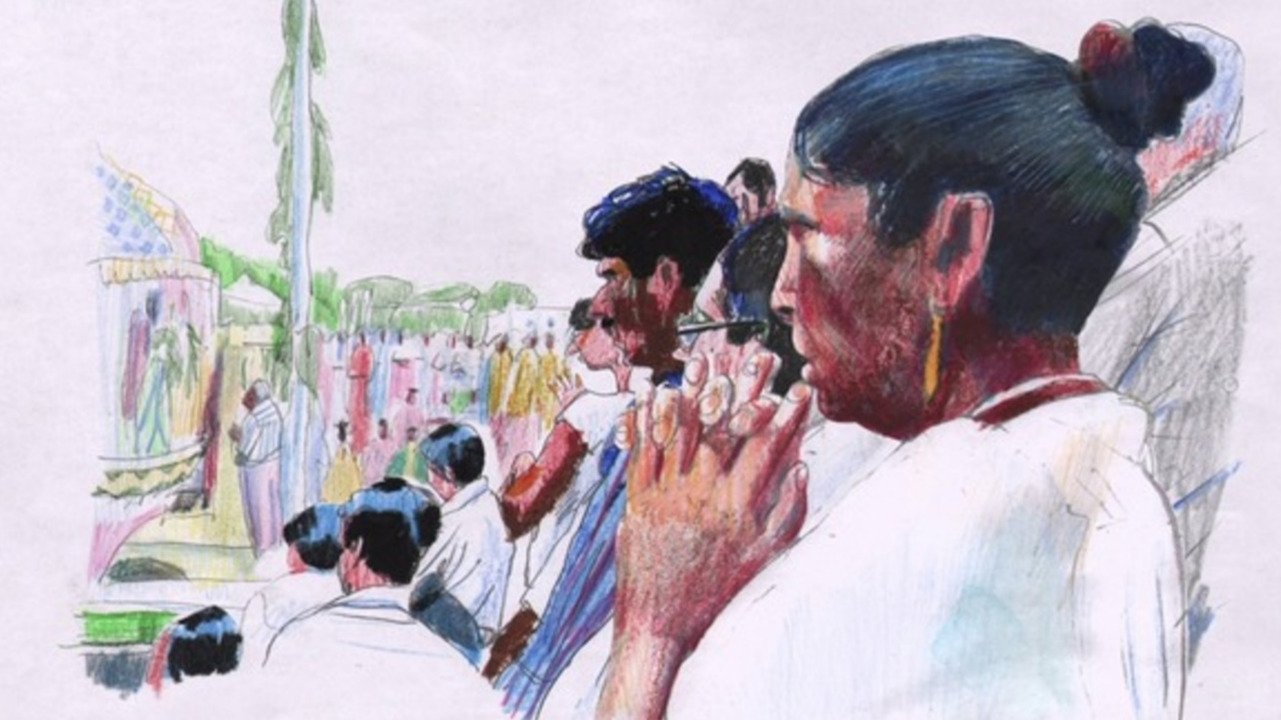
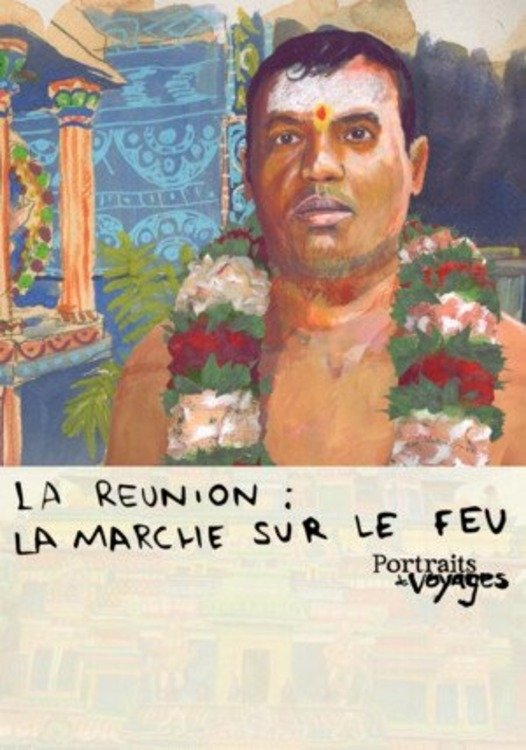
A Tamil from Réunion invites us to a celebration in which the men of the community walk on fire.
Social & External
Voice
The remarkable spirit of tap dancers and their history provides a joyous backdrop for intimate portraits of hoofers Sandman Sims, Chuck Green, and Bunny Briggs.
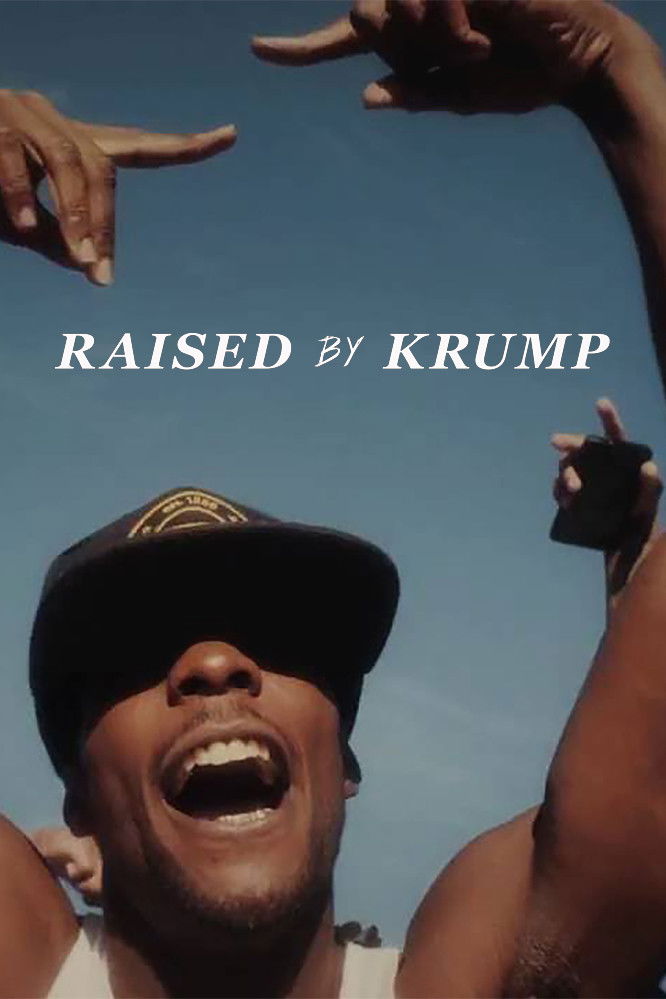
A documentary film that highlights two street derived dance styles, Clowning and Krumping, that came out of the low income neighborhoods of L.A.. Director David LaChapelle interviews each dance crew about how their unique dances evolved. A new and positive activity away from the drugs, guns, and gangs that ruled their neighborhood. A raw film about a growing sub-culture movements in America.
A documentary following the conscious evolution of electronic music culture and the spiritual movement that has awakened within.
Facing financial challenges and constant risks of injury, an innovative ballet company strives to bring the iconic Canadian story of Anne of Green Gables to new diverse audiences.
After the defeat of their old arch nemesis, The Shredder, the Turtles have grown apart as a family. Struggling to keep them together, their rat sensei, Splinter, becomes worried when strange things begin to brew in New York City.
Movie and stage icon Debbie Reynolds hosts the making of "Singin' in the Rain". The short documentary includes Donald O'Connor, who played the comical "Cosmo Brown", Stanley Donen, one half of the directors next to Gene Kelly, and Kathleen Freeman, who played Phoebe Dinsmore, Lina Lamont's (Jean Hagen) voice coach.
Mark Patton sets the records straight about the controversial 1985 sequel to A Nightmare on Elm Street, which ended his acting career, just as it was about to begin.
Documentary about choreographer/director Bob Fosse, and his influence on dance.
The cast of Friends reunites for a once-in-a-lifetime celebration of the hit series, an unforgettable evening filled with iconic memories, uncontrollable laughter, happy tears, and special guests.
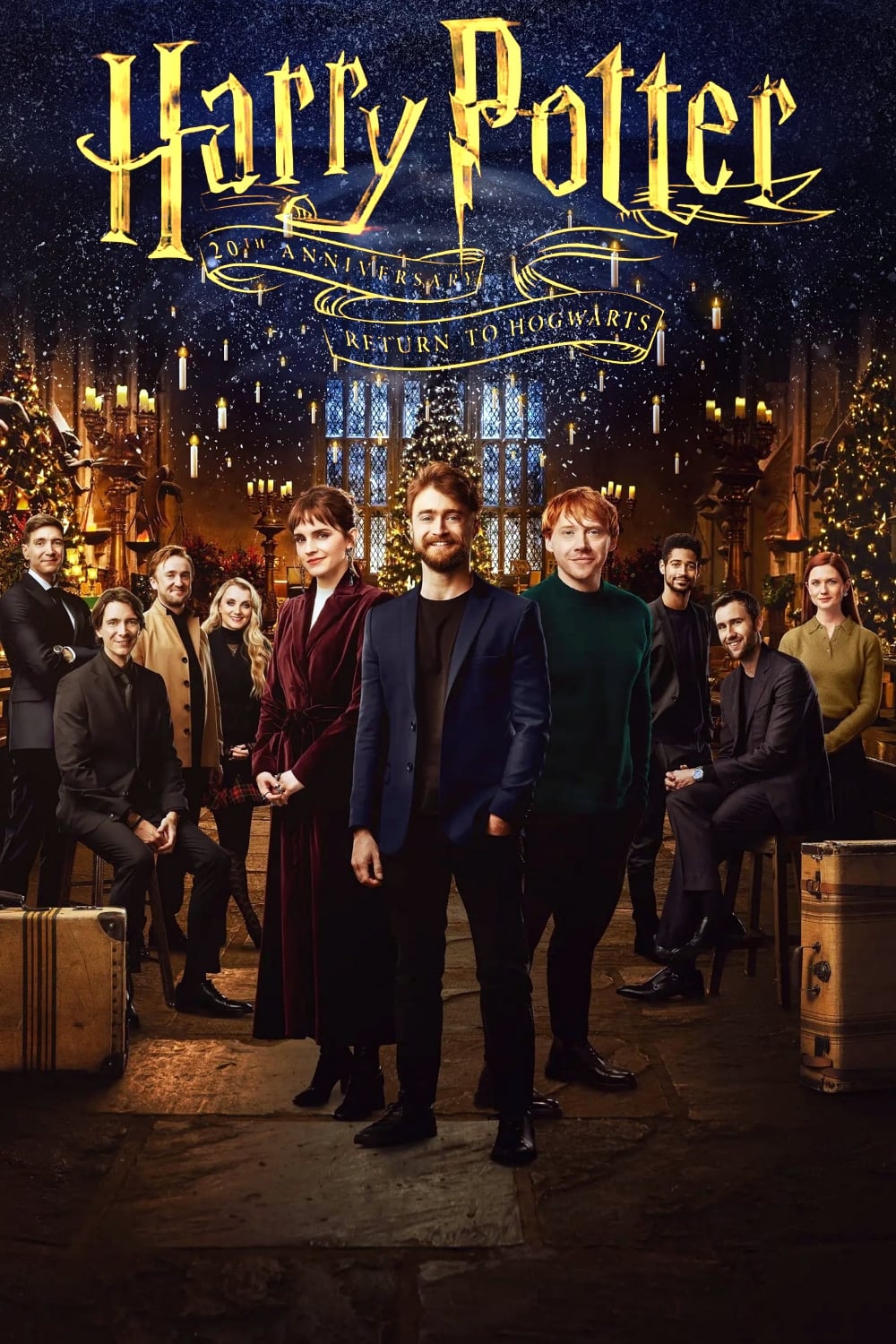
An enchanting making-of story told through all-new in-depth interviews and cast conversations, inviting fans on a magical first-person journey through one of the most beloved film franchises of all time.
Filmed in May 1971 in Niger, this short documentary records a possession ritual performed by the Simiri people in response to a locust invasion. The ceremony centers on the beating of the archaic drums Tourou and Bitti, used to invoke spirit forces through music, dance, and trance. Shot in a single continuous take, the film documents a concentrated moment of collective ritual practice, reflecting Jean Rouch’s first-person ethnographic approach and direct participation in the event.
Maurice Hines -- actor, director, singer, and choreographer -- navigates the complications of show business while grieving the loss of his more famous, often estranged younger brother, tap dance legend Gregory Hines.
Documentary/Sequel to 1960 adaptation of "The Time Machine"
A quickfire portrait of the New York City ballroom scene in the ‘80s.
This documentary follows avid fans and the pop cultural impact of the classic disaster movie The Poseidon Adventure.
How is secularism depicted in films? The term "Aa'La'Ma'Ni" means worldly in Arabic. It's significant in the Middle East, where secularism is controversial since the majority often link secularism with atheism and anti-religious sentiment. SECULAR | Aa'La'Ma'Ni, a documentary based on academic research, explores the depiction of secularism in Middle Eastern cinema and TV channels. Filmmakers and regional producers openly discuss religion, sectarianism, authorities, minorities, and industry challenges.
Fallen Art presents the story of General A, a self-proclaimed artist. His art, however, consists of a deranged method of stop motion photography, where the individual frames of the movie are created by photographs made by Dr. Johann Friedrich, depicting the bodies of dead soldiers, pushed down by Sergeant Al from a giant springboard onto a slab of concrete.
Ida, Olympe, Jeanne and Marie dance to the music of pianos, symphonies, contemporary pieces… in ballet school studios, in the streets, even in their bedrooms. They are between 6 and 11 years old. Very fond of each other, they film themselves, comparing and giving one another support. They also tend to annoy one another, are at times envious, even rejecting each other. What is it like for a little girl to grow up in a world of intense professional and competitive dancing? Closely following the emotions and dilemmas experienced by our young characters, this film explores and probes into a territory that we’ve all navigated, though many of us have forgotten: childhood.
The film presents thirteen rhythms of flamenco, each with song, guitar, and dance: the up-tempo bularías, a brooding farruca, an anguished martinete, and a satiric fandango de huelva. There are tangos, a taranta, alegrías, siguiriyas, soleás, a guajira of patrician women, a petenera about a sentence to death, villancicos, and a final rumba.