Social & External
The people behind it
As a Palestinian refugee, Ahmad escaped from Lebanon to Germany 40 years ago. In a conservative and strict way, he raises his six children in Berlin Neukölln. His oldest son, the filmmaker, talks to his father, interviews his siblings and tries to understand how war, escape and exile affect a human being.
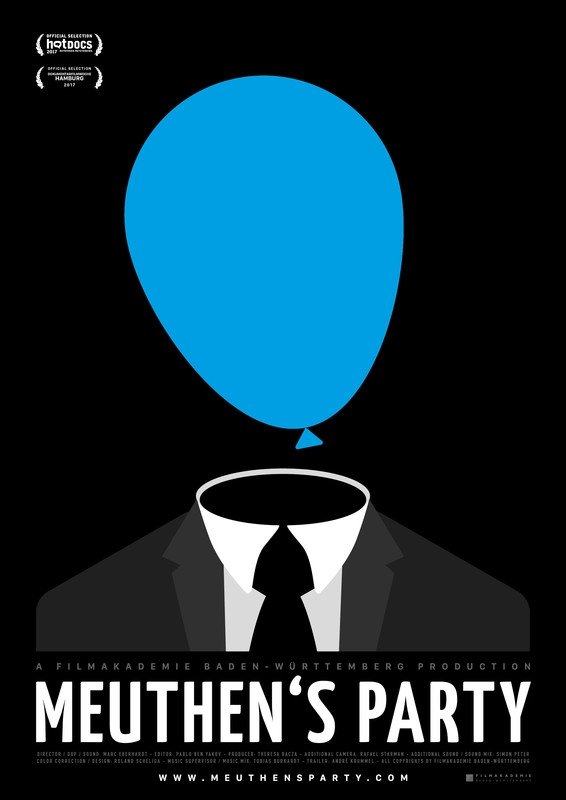
MEUTHEN'S PARTY unmasks the rise of the provincial politician Dr. Jörg Meuthen who doesn't shy away from spreading racist sentiments with a smile on his face.
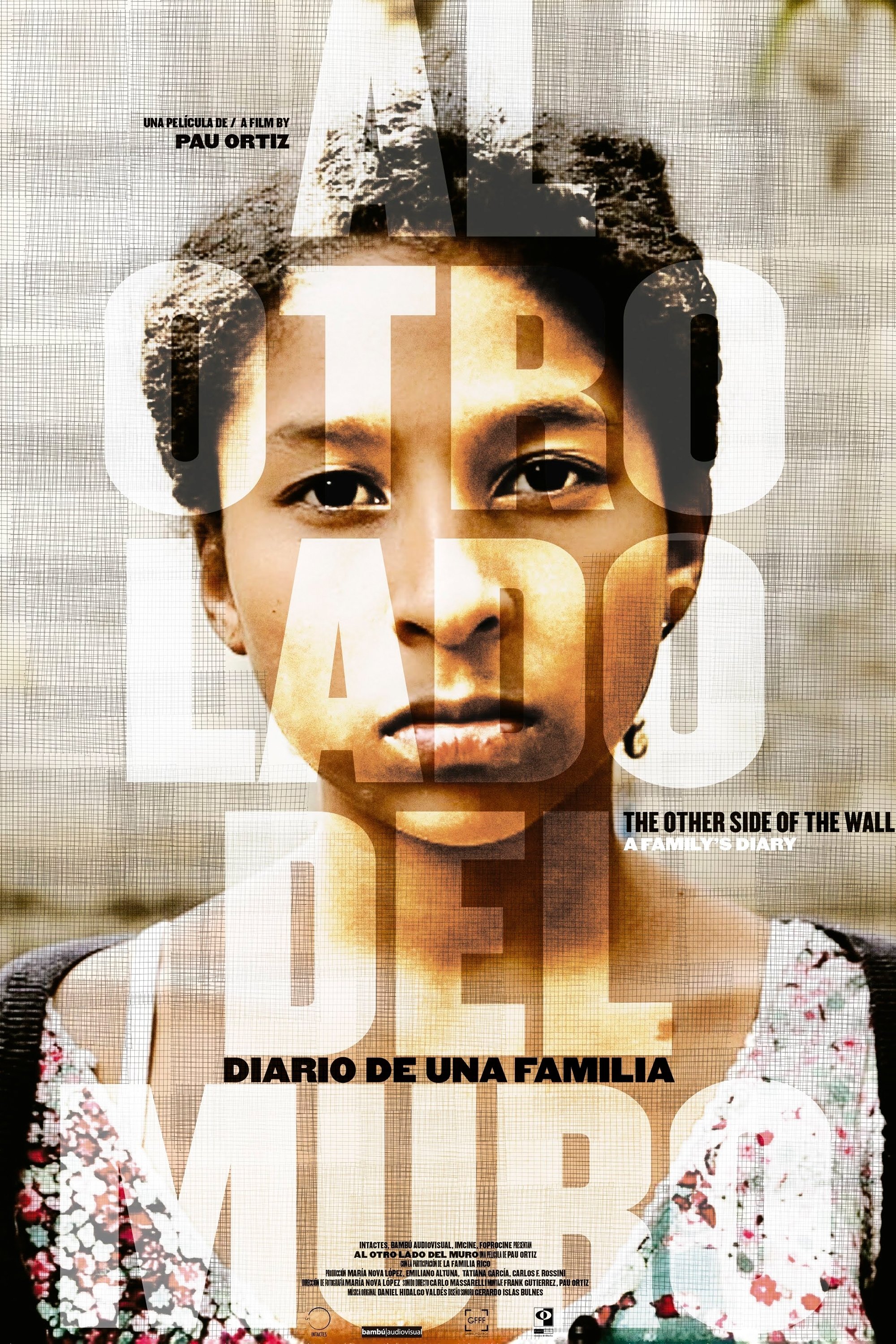
Honduran immigrants living in Mexico, teenage siblings Rocío and Ale must take over care of their two younger siblings after their mother is sentenced to prison on dubious grounds. Tensions grow between the pair as the decision must be made on whether to stay together in Mexico or split the family up to cross into the US to work.
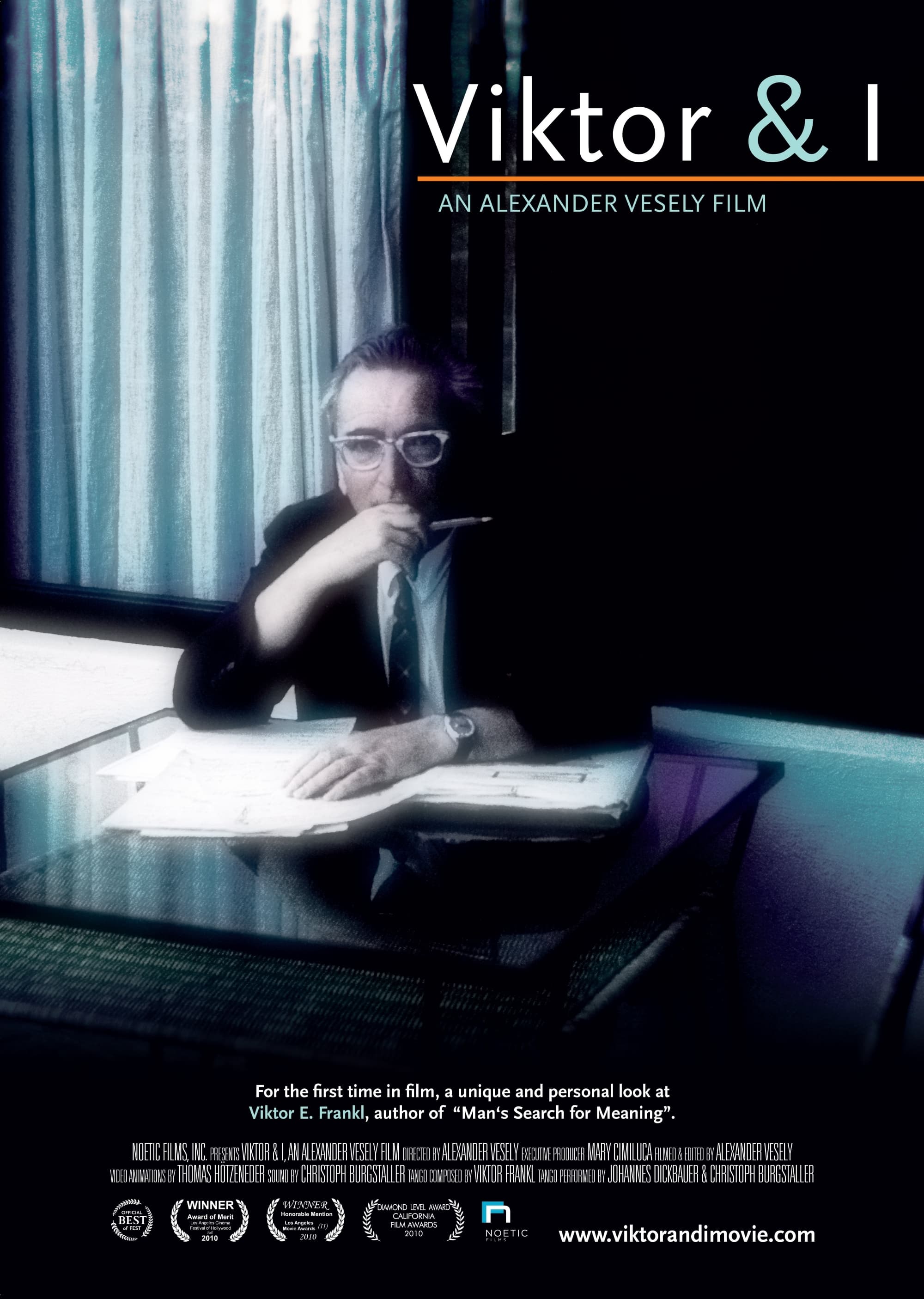
For the first time, Dr. Victor Frankl through the eyes of those closest to him. A defining character of the 20th century, not only a genius, doctor and survivor of Nazi terror and tragedy but a man who lived, believed and loved.
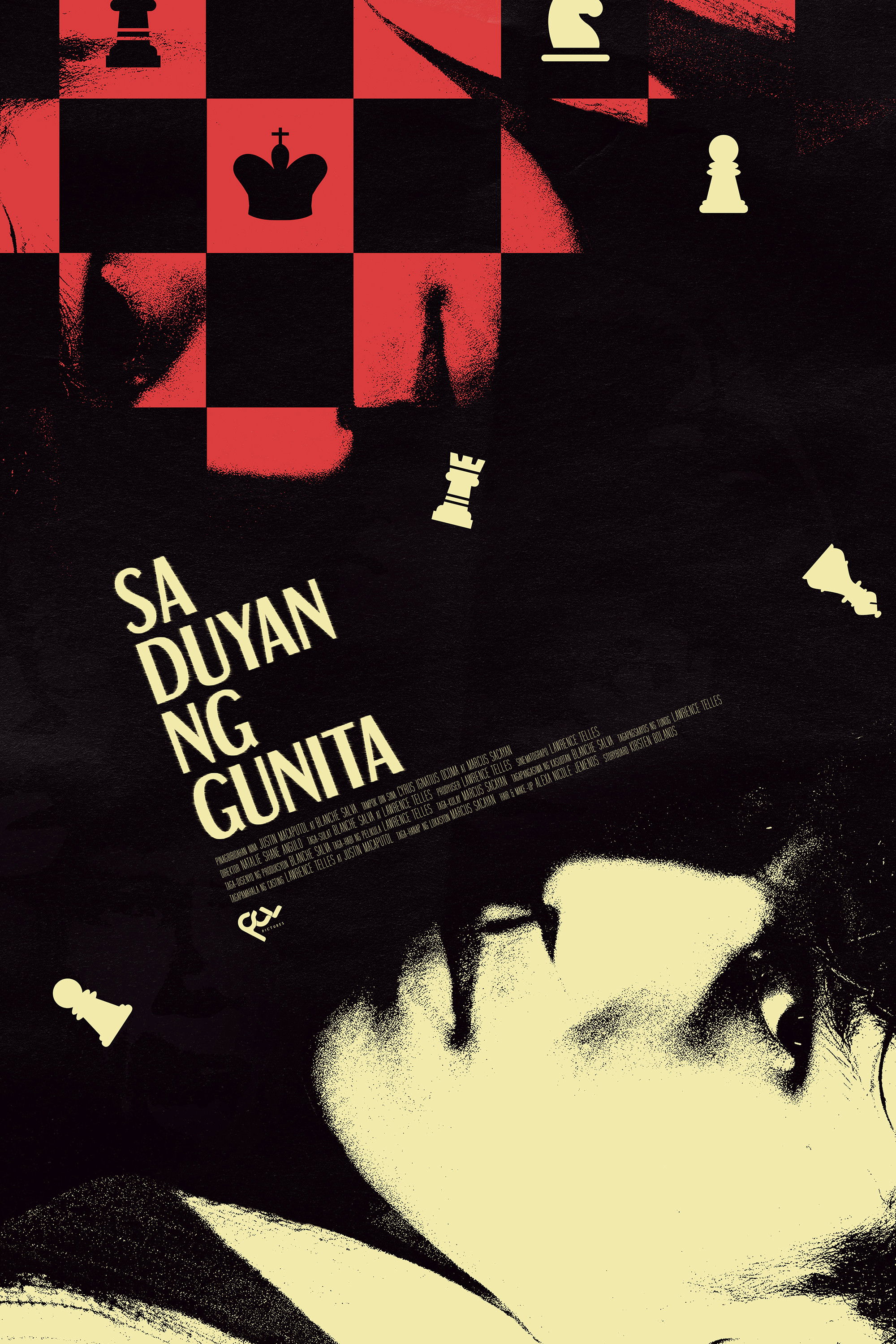
Amidst a strong typhoon in 1978, during the martial law era in the Philippines, college friends and protesters, Luis and Angelica, find shelter in an abandoned house after a rally dispersal. With police forces lingering outside, the raging storm, and a single candle lighting their small refuge, they find an old, dusty chessboard.
A fascinating, unsettling study of immigration in 1960s English cities.
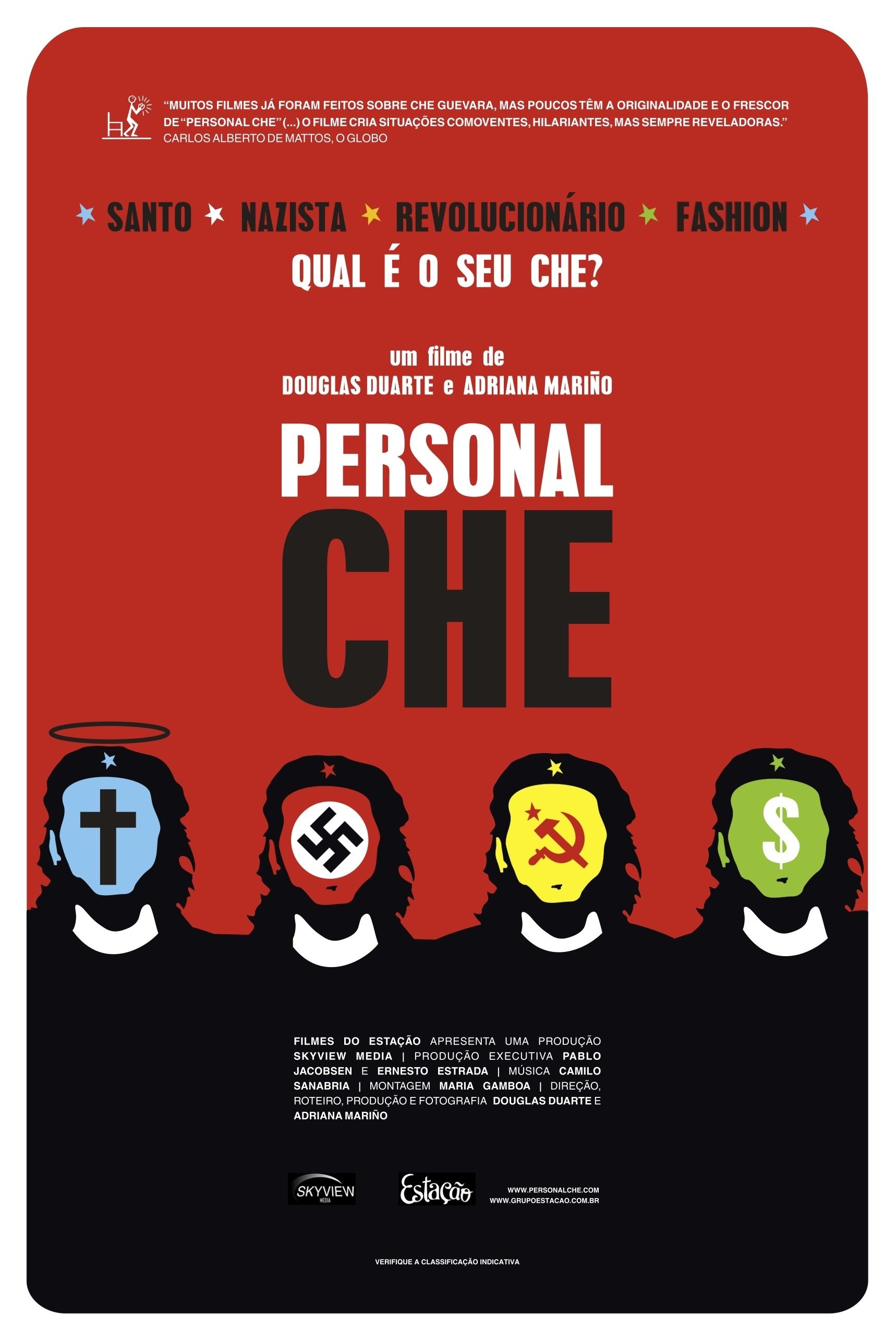
A documentary that explores the myth behind the truth. Different people around the globe reinterpret the legend of Che Guevara at will: from the rebel living in Hong Kong fighting Chinese domination, to the German neonazi preaching revolution and the Castro-hating Cuban. Their testimonies prove that the Argentinian revolutionary's historical impact reverberates still. But like with all legends, each sees what he will, in often contradictory perspectives.
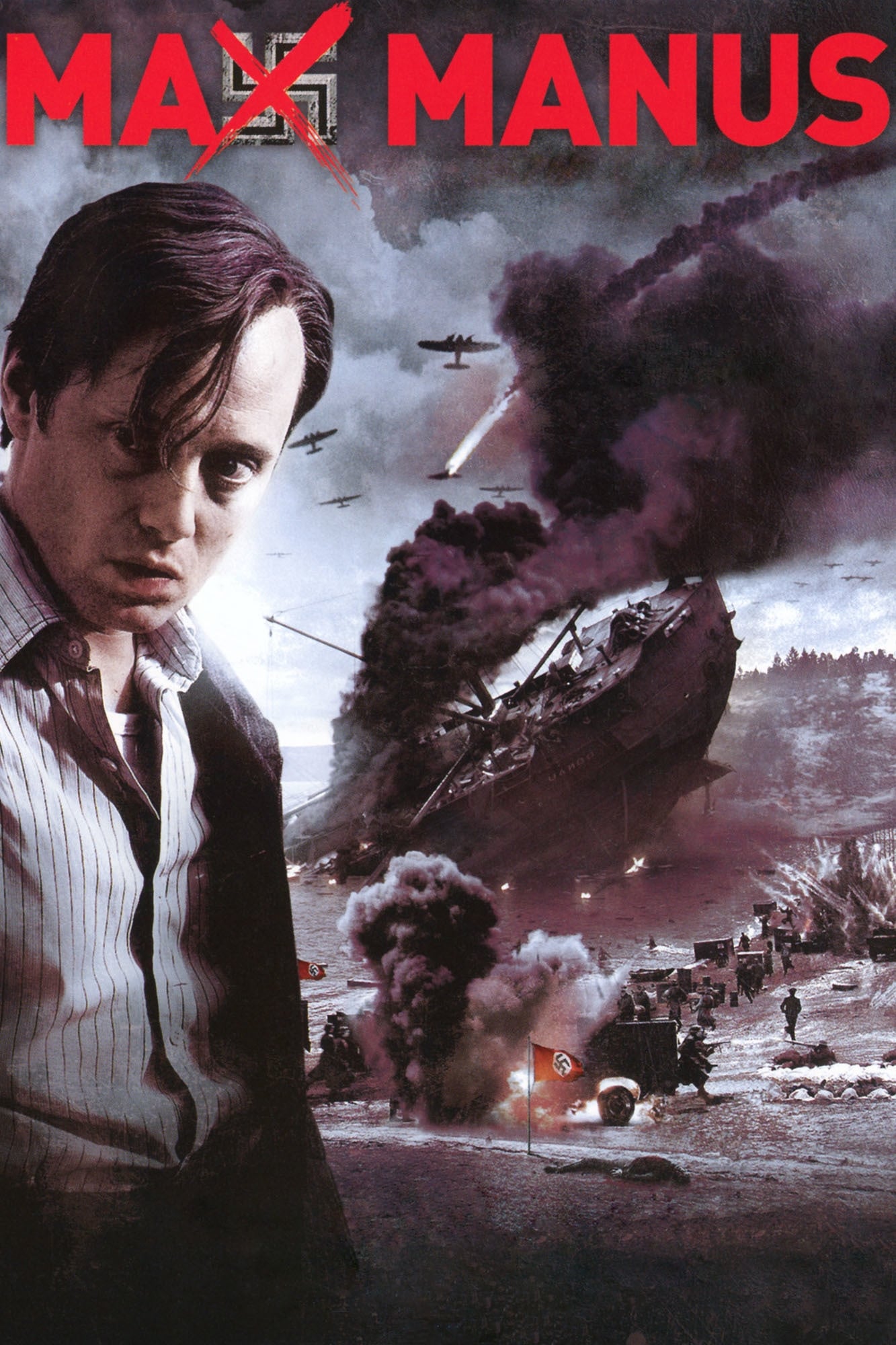
Max Manus is a Norwegian 2008 biographic war film based on the real events of the life of resistance fighter Max Manus (1914–96), after his contribution in the Winter War against the Soviet Union. The story follows Manus through the outbreak of World War II in Norway until peacetime in 1945.
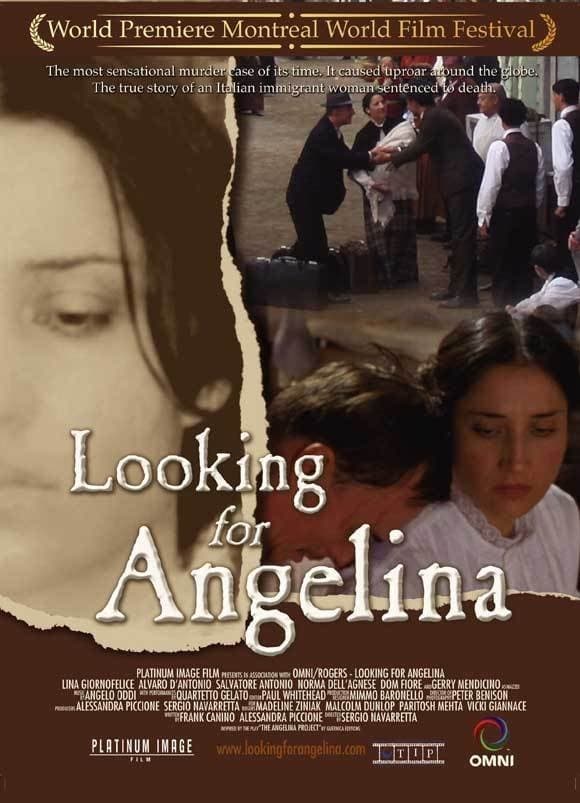
Looking for Angelina is based on one of the most important murder trials in Canada. Angelina Napolitano murdered her husband with an axe and was sentenced to be executed...
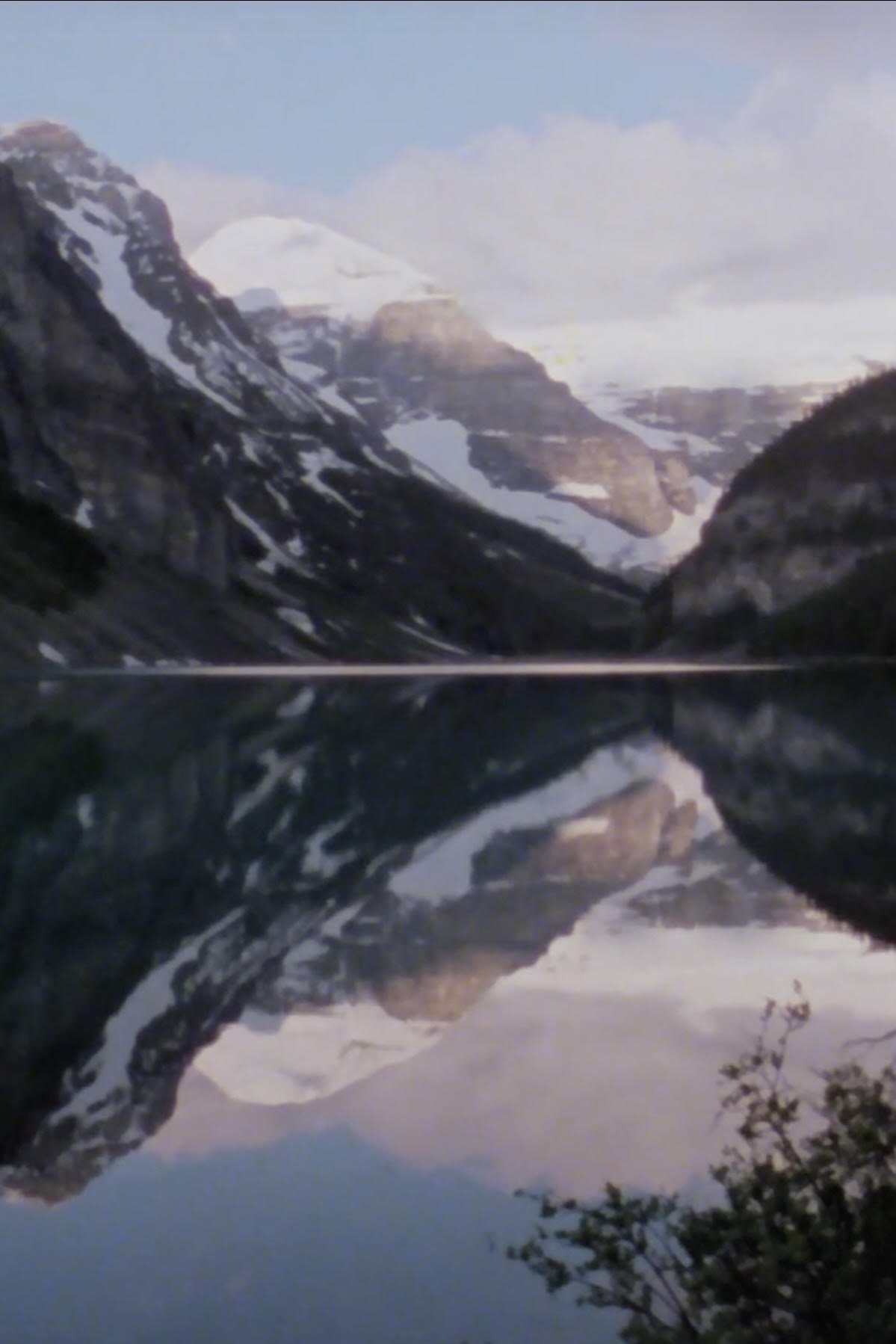
An impressionistic view of Canada's national parks. The camera creates a composite landscape of ideal beauty where nature is wild and varied. It travels from the east coast to the west, from seashore to mountains, from lakes to forests. A film without words.
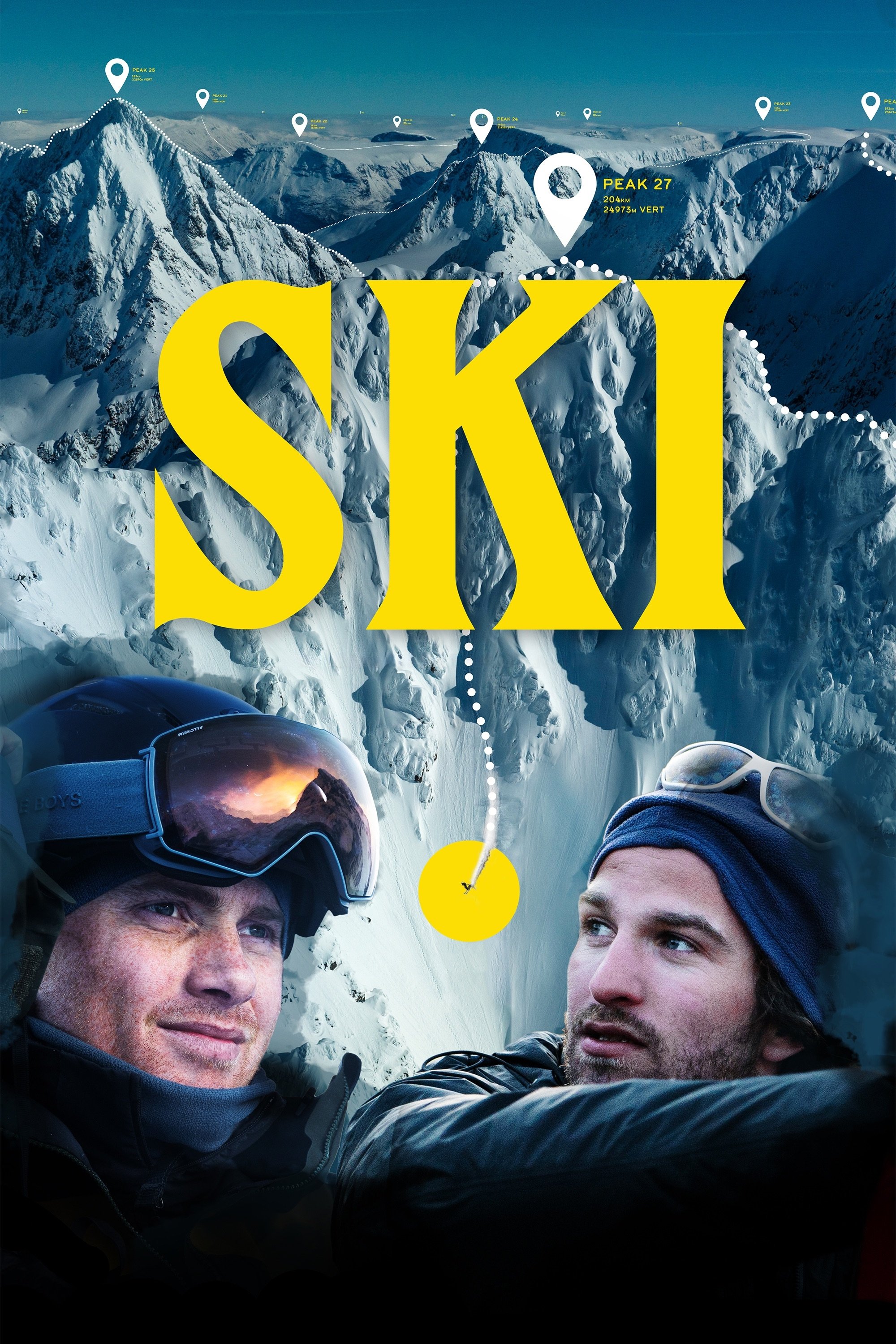
Nikolai and Vegard were childhood friends who spent their free time on the ski slopes. Now, Nikolai has become a professional skier, while Vegard lives in caves and trains obsessively to complete a perilous and physically demanding ski tour. This is a story about friendship and setting ambitious goals.
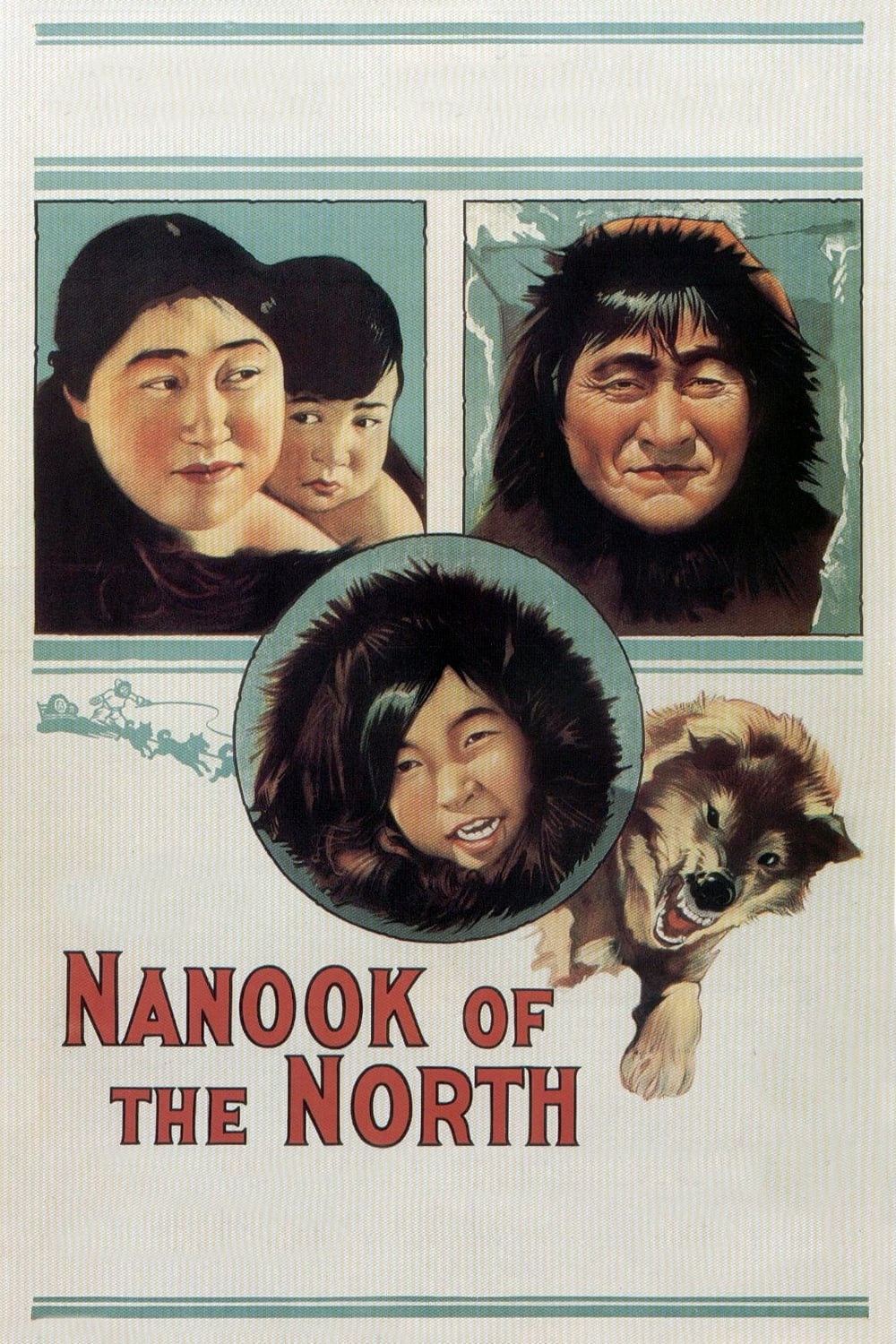
This pioneering documentary film depicts the lives of the indigenous Inuit people of Canada's northern Quebec region. Although the production contains some fictional elements, it vividly shows how its resourceful subjects survive in such a harsh climate, revealing how they construct their igloo homes and find food by hunting and fishing. The film also captures the beautiful, if unforgiving, frozen landscape of the Great White North, far removed from conventional civilization.
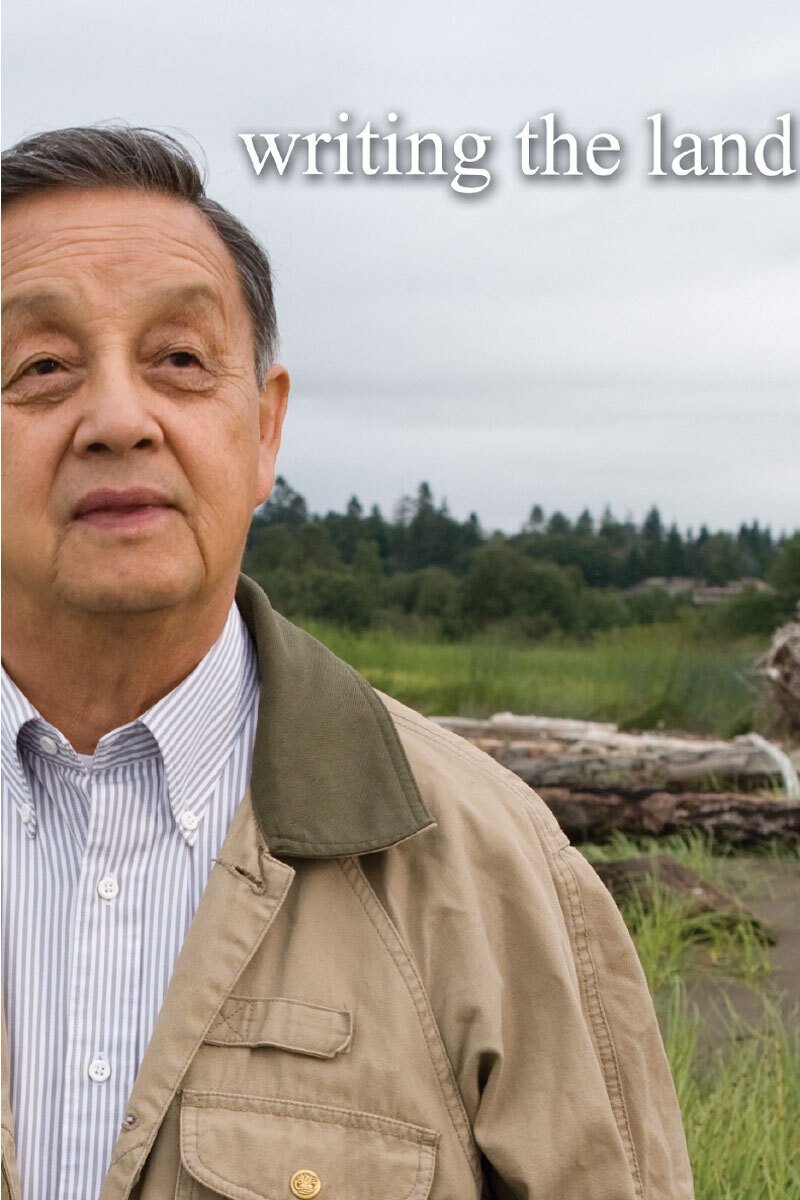
In this short documentary, a Musqueam elder rediscovers his Native language and traditions in the city of Vancouver, in the vicinity of which the Musqueam people have lived for thousands of years. Writing the Land captures the ever-changing nature of a modern city - the glass and steel towers cut against the sky, grass, trees and a sudden flash of birds in flight and the enduring power of language to shape perception and create memory.
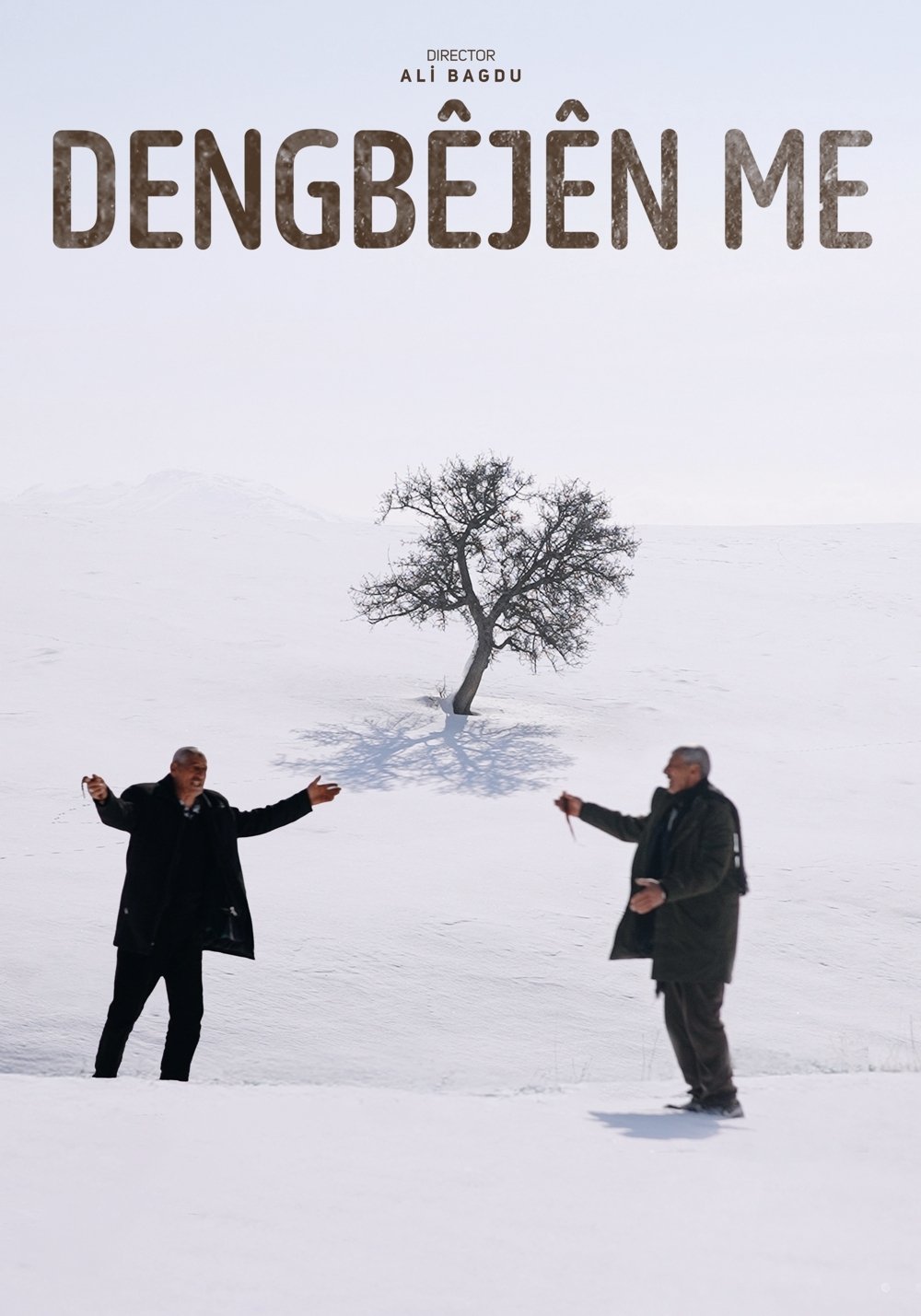
Dengbêjên Me is a empathetic documentary about the last living representatives of the Kurdish oral storytelling tradition—the Dengbêjs. The film is dedicated to their lives, their memories, their pain, and their resistance. Their songs and personal stories create a cinematic archive of a cultural heritage that dates back thousands of years. Between voice, music, and silence, a deeply emotional journey unfolds, becoming a farewell, a testimony, and an act of cultural survival.
The King family is from Badger's Quay near Greenspond, Newfoundland with over 40 family relatives still living there. The entire community has a population of only 400. Actor/musician Greg King takes us on tour of his family homes, and to meet his father and sister, who work at the hospital where they were all born. They tell of the importance of family and the irony of feeling worldly while connected to a small community in central Newfoundland.
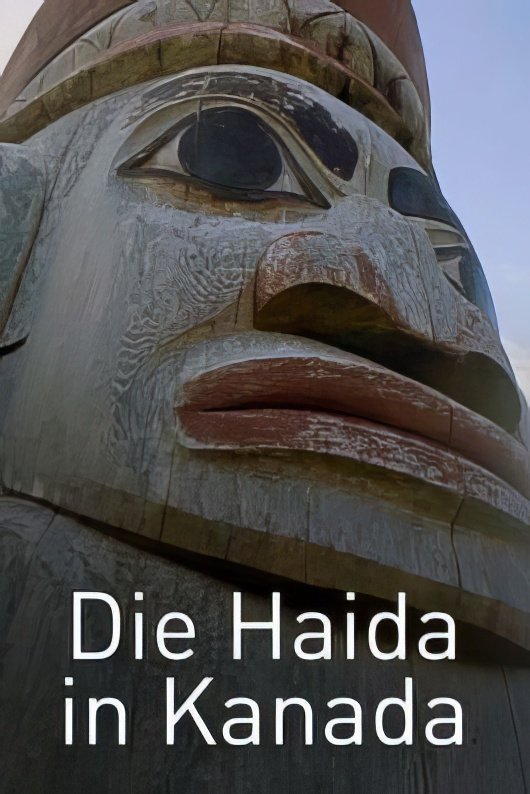
Haida Gwaii, an archipelago off the west coast of Canada, is home to Skil Jaadee and her family. They live in harmony with nature and have made it their mission to save their language and preserve their history.
Clynnog Morris is a local historian of great renown locally. In April of 2023 he was fortunate enough to be commissioned by the Arfon Historical Society to make a short film about his local park. 'Parc Chwiad' (Duck Park) is the resulting film.
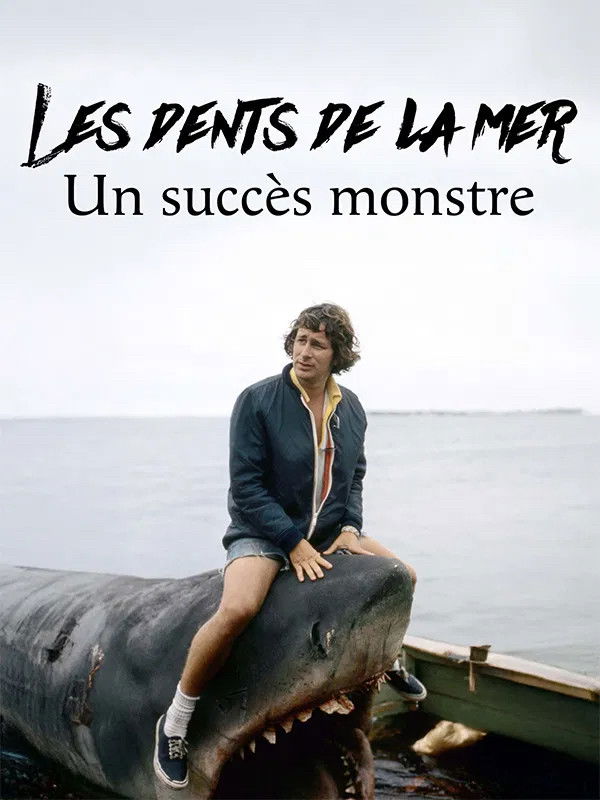
In the summer of 1975, the young director Steven Spielberg set new standards for cinema worldwide with an oversized shark bite, a plastic shark fin and an unmistakable two-note main theme composed by John Williams. With the horror from the deep, a man-eating, gigantic great white shark, the film of the same name became a similarly traumatic reference as Alfred Hitchcock's "Psycho": it triggered lasting primal fears across generations. On the beaches of the world, there was clearly a "before" and an "after". Steven Spielberg, who was only 28 at the time, not only set new standards for the thriller genre, but also hid his biting criticism of US capitalism in the 1970s behind it.
Oliver Stone charts the history of the United States from the Second World War to the present.
Filmed over 14 months with unprecedented access into the inner circle of the man and the sport, this is the first official and fully authorised film of one of the most celebrated figures in football. For the first time ever, the world gets vividly candid and un-paralleled, behind-closed-doors access to the footballer, father, family-man and friend in this moving & fascinating documentary. Through in-depth conversations, state of the art football footage and never before seen archival footage, the film gives an astonishing insight into the sporting and personal life of triple Ballon D'Or winner Cristiano Ronaldo at the peak of his career. From the makers of ‘Senna’ and ‘Amy’, Ronaldo takes audiences on an intimate and revealing journey of what it’s like to live as an iconic athlete in the eye of the storm.
The life and career of an actor, artist, and icon. His own journey through his own camera.
The history of cinematic sound, told by legendary sound designers and visionary filmmakers.
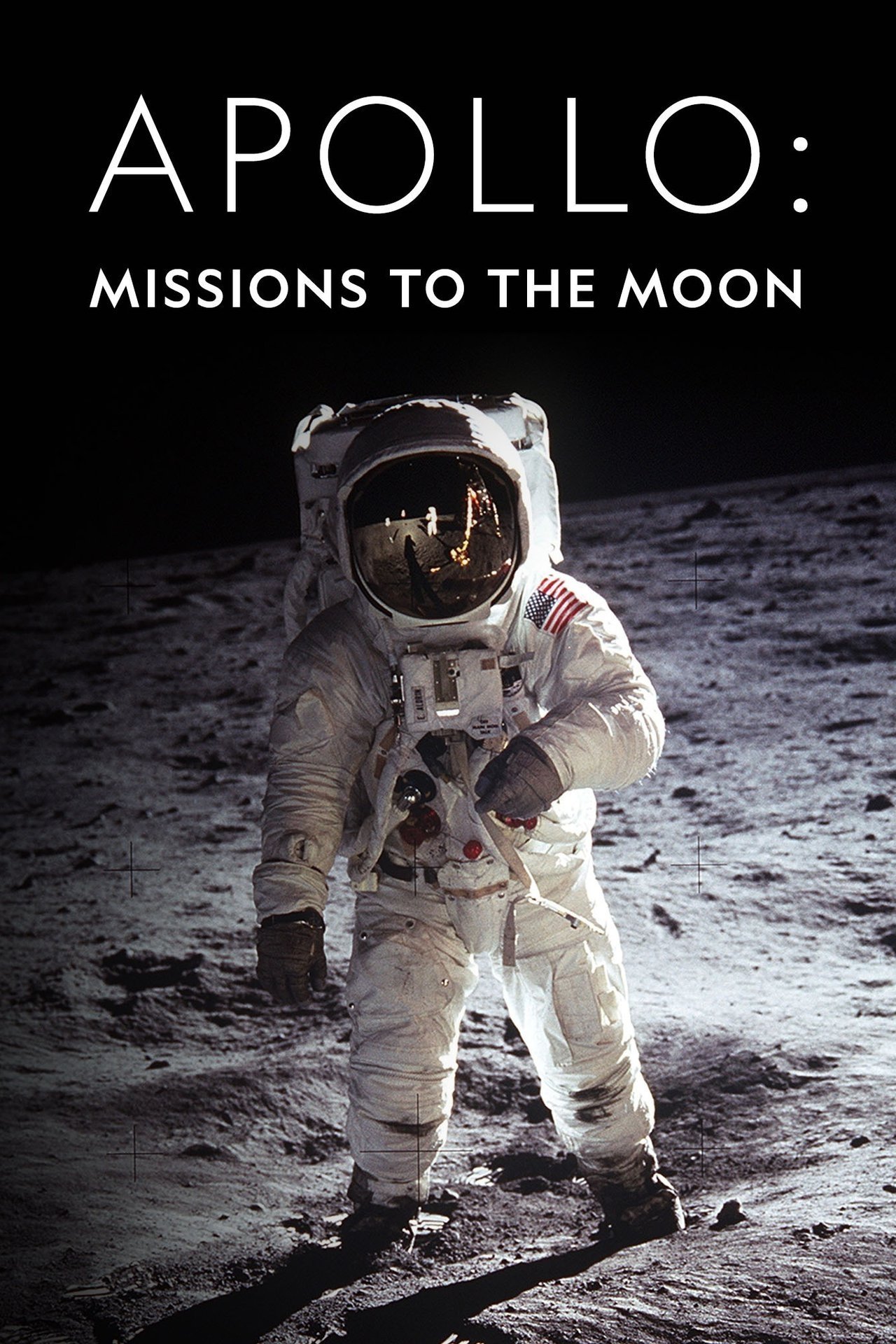
National Geographic's riveting effort recounts all 12 crewed missions using only archival footage, photos and audio.
This documentary delves into the mysteries surrounding the Neanderthals and what their fossil record tells us about their lives and disappearance.
In the past 40 years, the War on Drugs has accounted for 45 million arrests, made America the world's largest jailer, and destroyed impoverished communities at home and abroad. Yet drugs are cheaper, purer, and more available today than ever. Where did we go wrong?
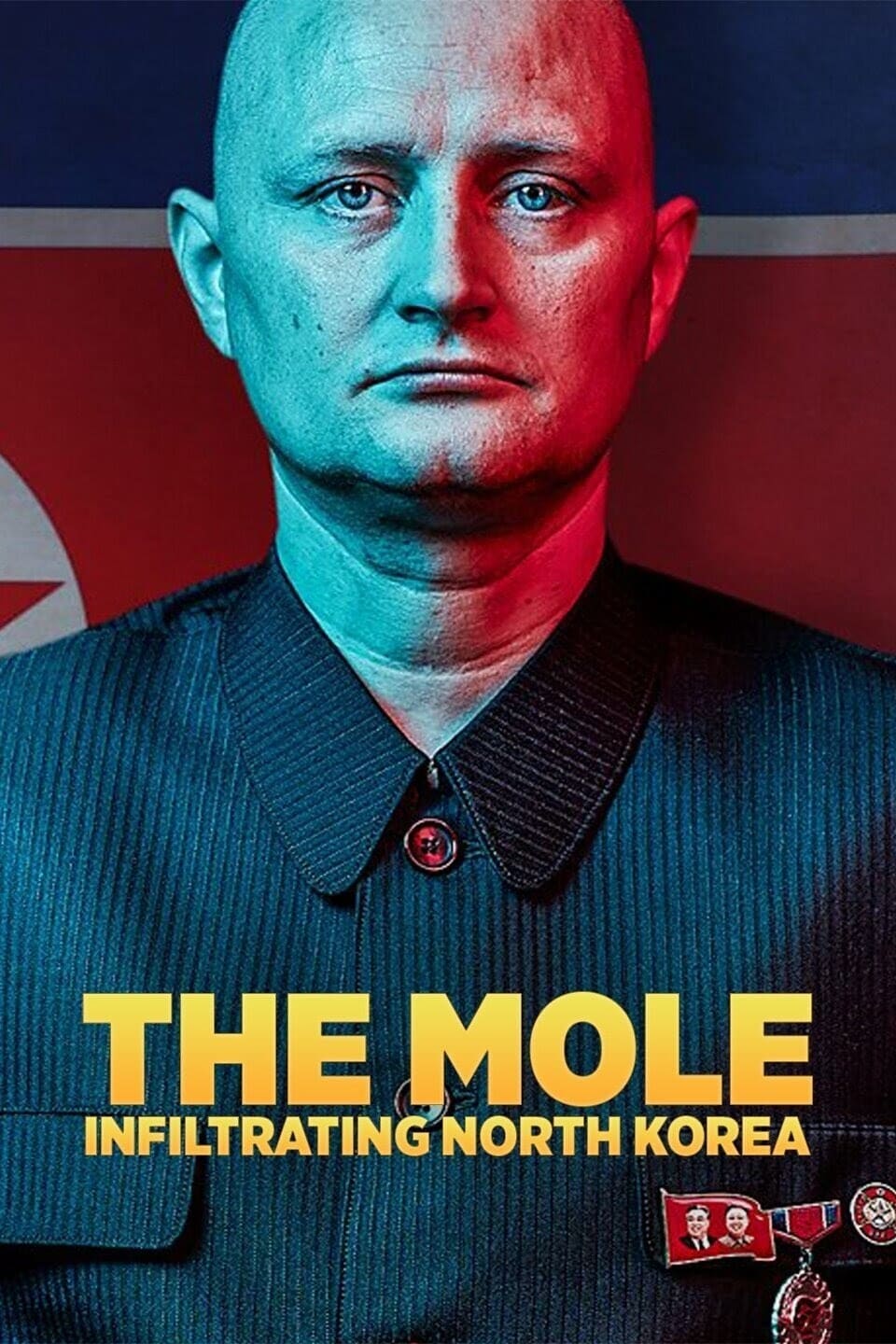
A real-life undercover thriller about two ordinary men who embark on an outrageously dangerous ten-year mission to penetrate the world's most secretive and brutal dictatorship: North Korea.
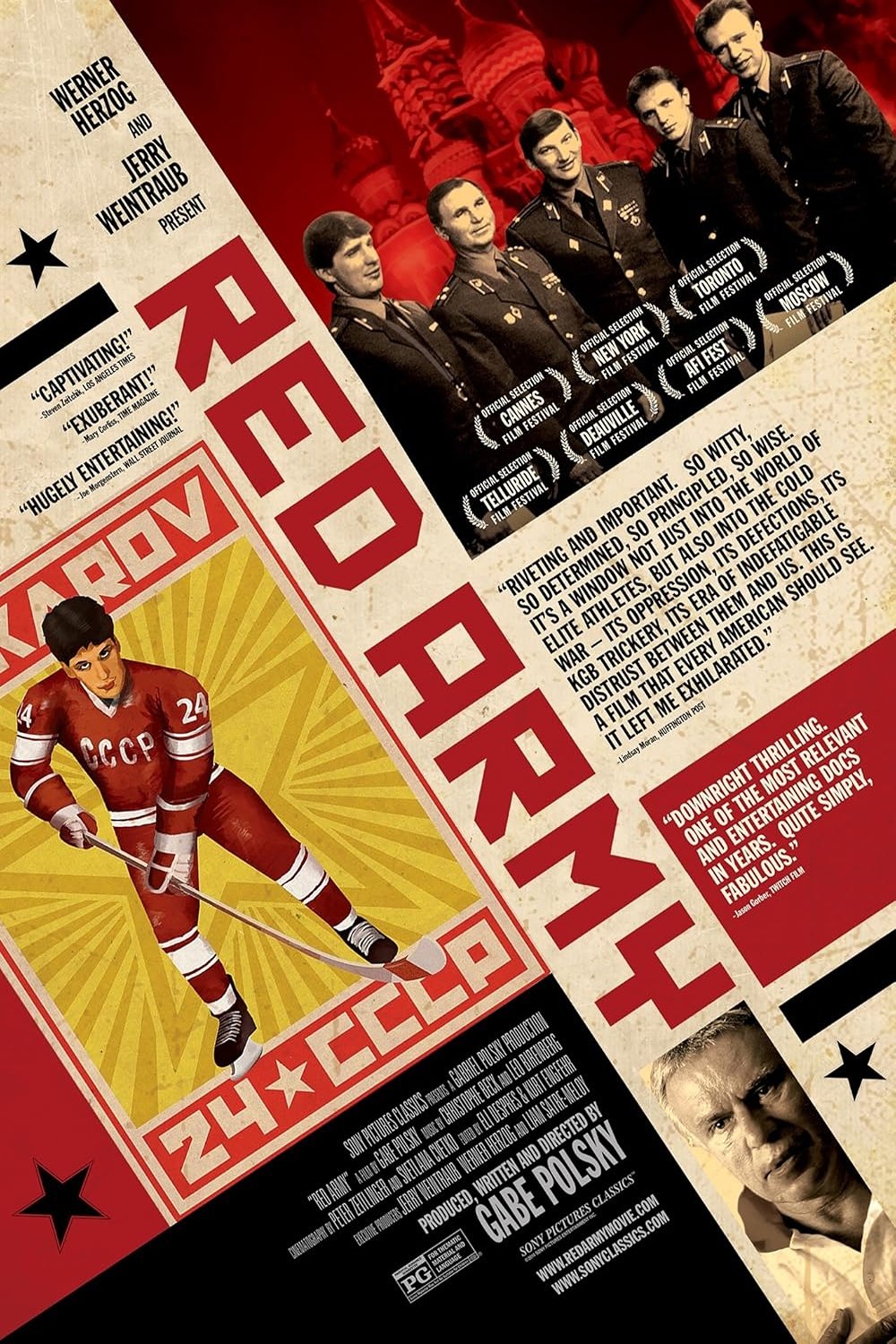
A documentary highlighting the Soviet Union's legendary and enigmatic hockey training culture and world-dominating team through the eyes of the team's Captain Slava Fetisov, following his shift from hockey star and celebrated national hero to political enemy.
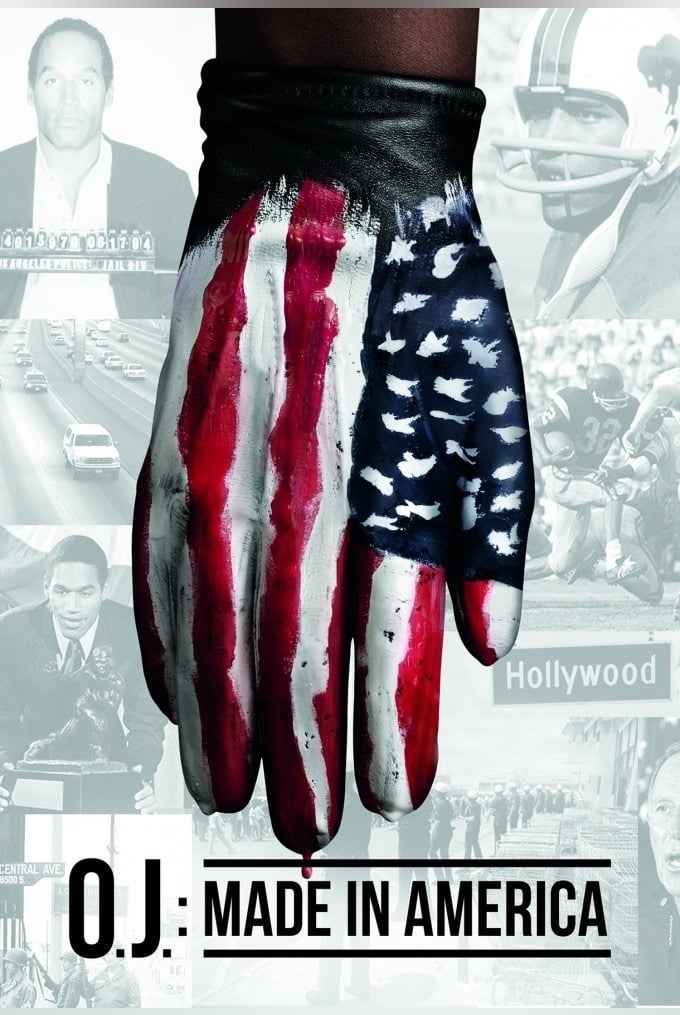
A chronicle of the rise and fall of O.J. Simpson, whose high-profile murder trial exposed the extent of American racial tensions, revealing a fractured and divided nation.
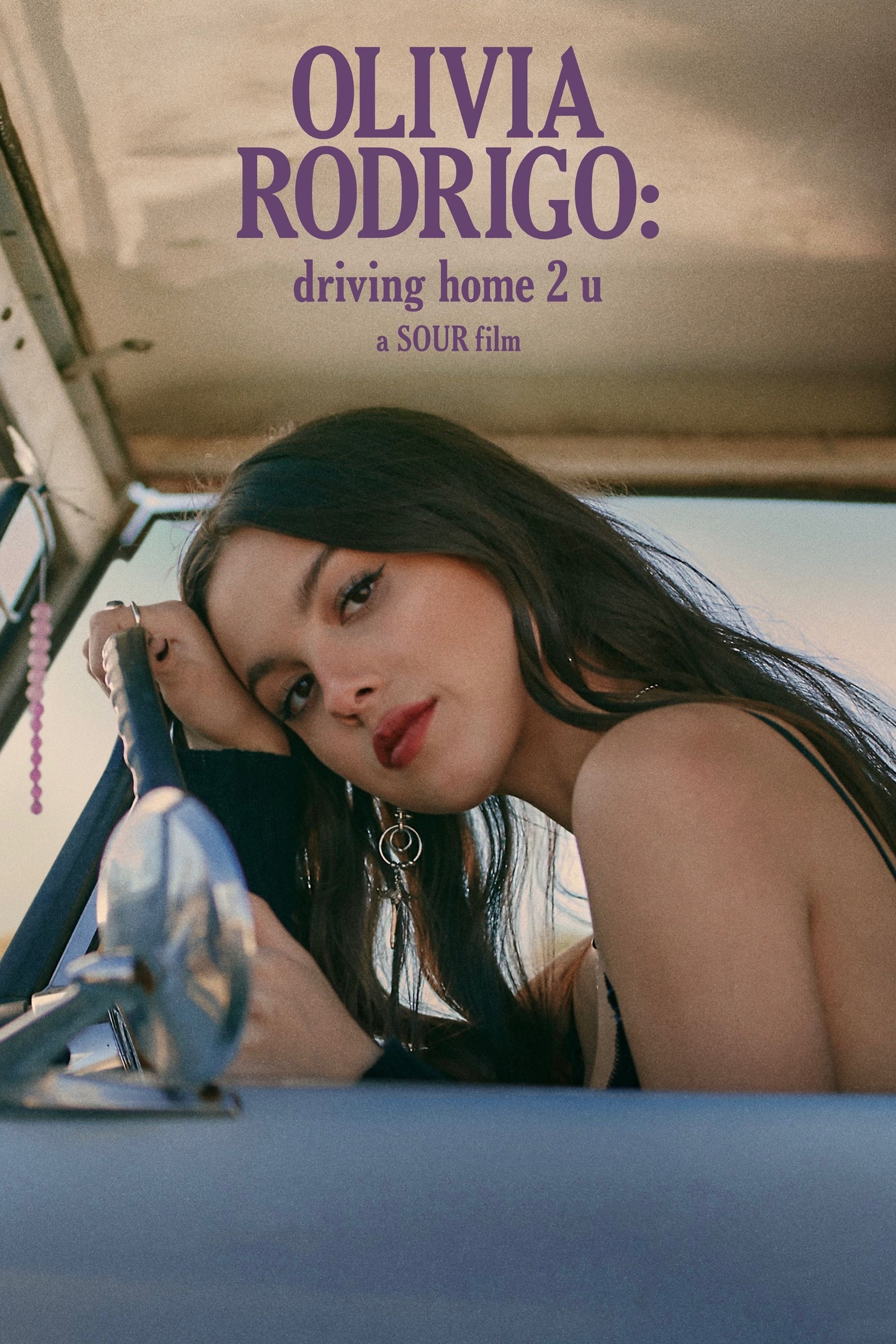
Grammy® winner singer-songwriter Olivia Rodrigo takes a familiar road trip from Salt Lake City, where she began writing her debut album “SOUR,” to Los Angeles. Along the way, Rodrigo recounts the memories of writing and creating her record-breaking debut album and shares her feelings as a young woman navigating a specific time in her life. Through new live arrangements of her songs, intimate interviews and never-before-seen footage from the making of the album, audiences will follow Olivia along on a cinematic journey exploring the story of “SOUR.”
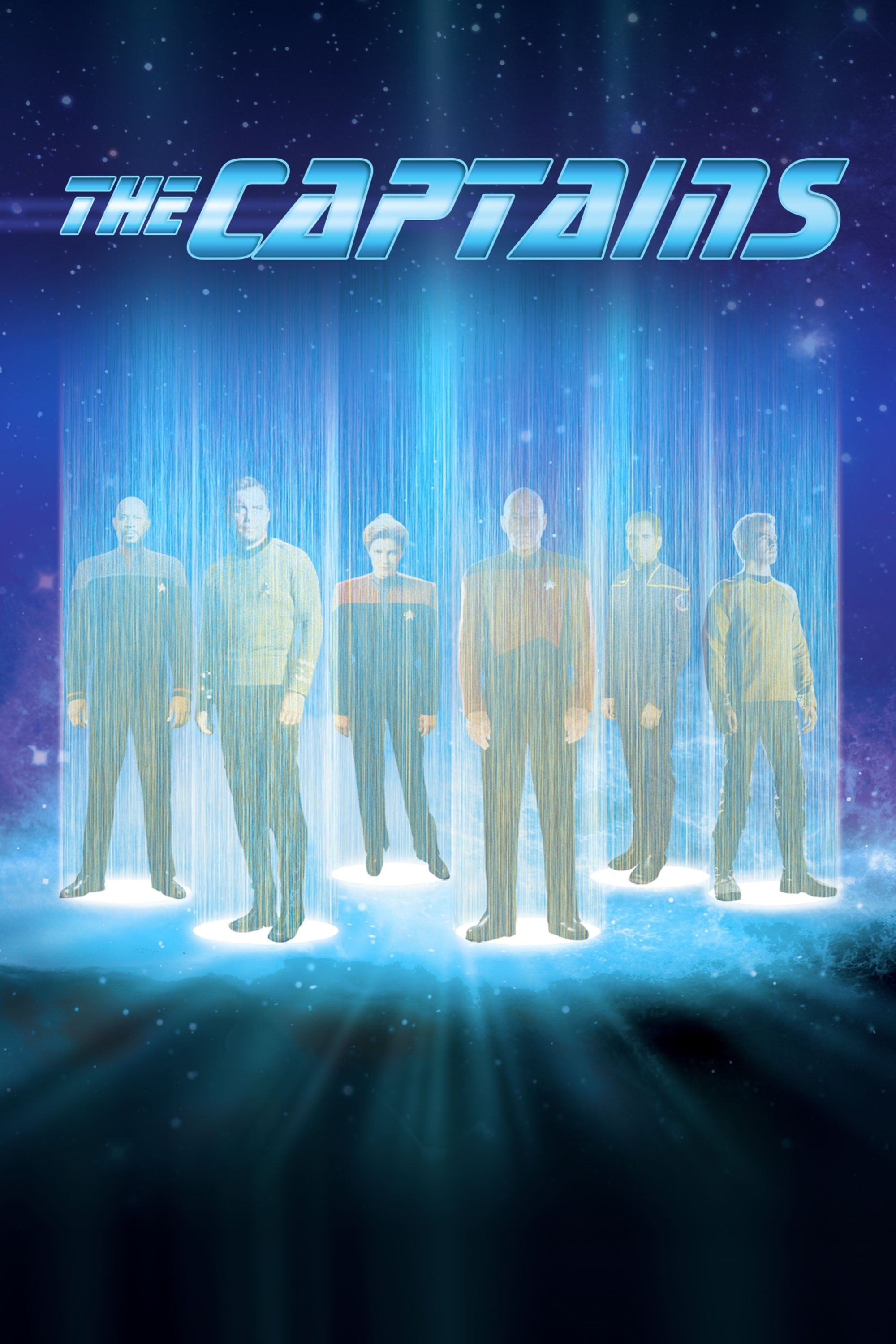
The Captains is a feature-length documentary film written and directed by William Shatner. The film follows Shatner as he interviews the other actors who have portrayed starship captains in the Star Trek franchise.
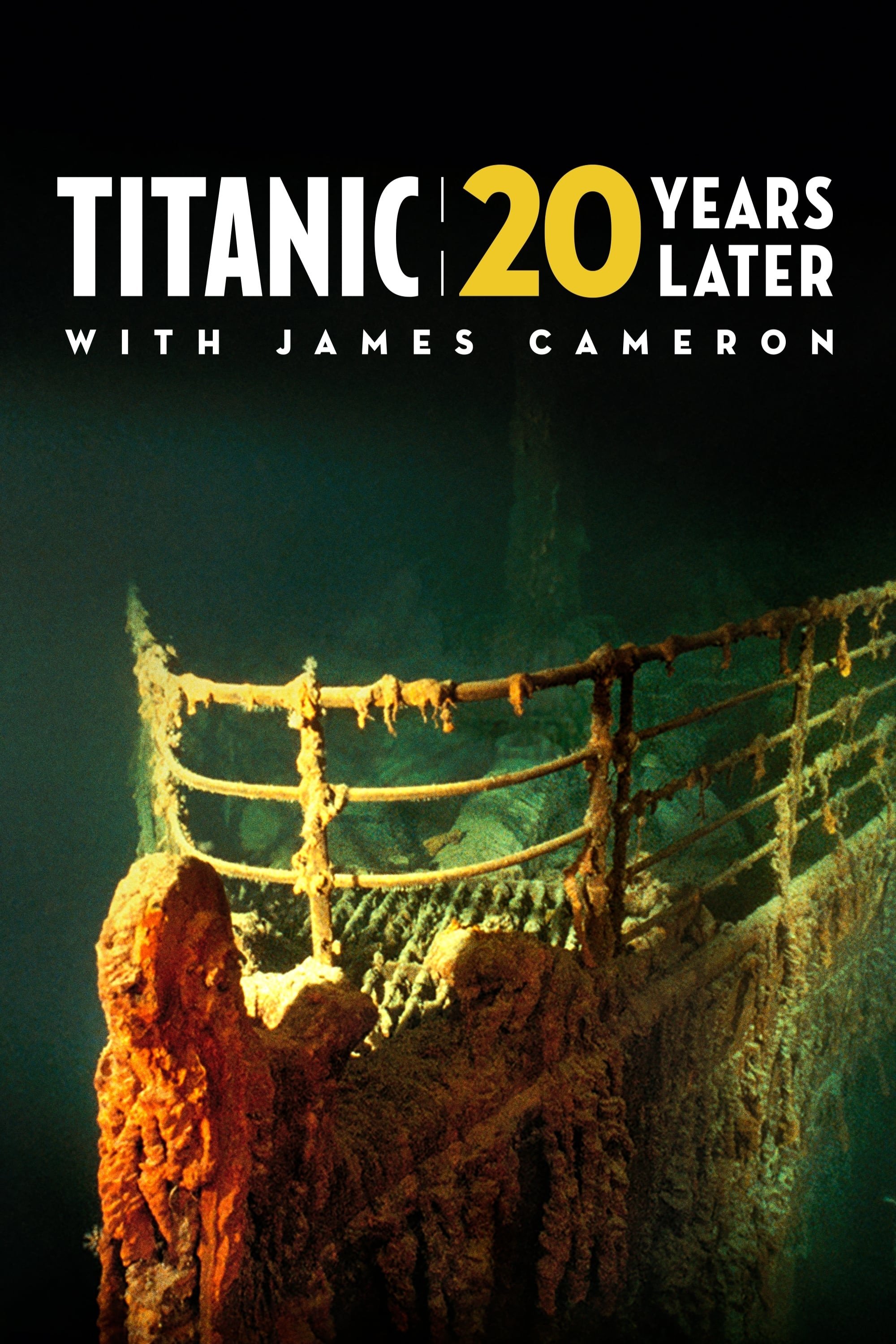
For the 20th anniversary of "Titanic," James Cameron reopens the file on the disaster.
The Up in Smoke Tour is a West Coast hip hop tour in 2000 featuring artists Ice Cube, Eminem, Proof, Snoop Dogg, Dr. Dre, Nate Dogg, Kurupt, D12, MC Ren, Westside Connection, Mel-Man, Tha Eastsidaz, Doggy's Angels, Devin The Dude, Warren G, TQ, Truth Hurts and Xzibit.
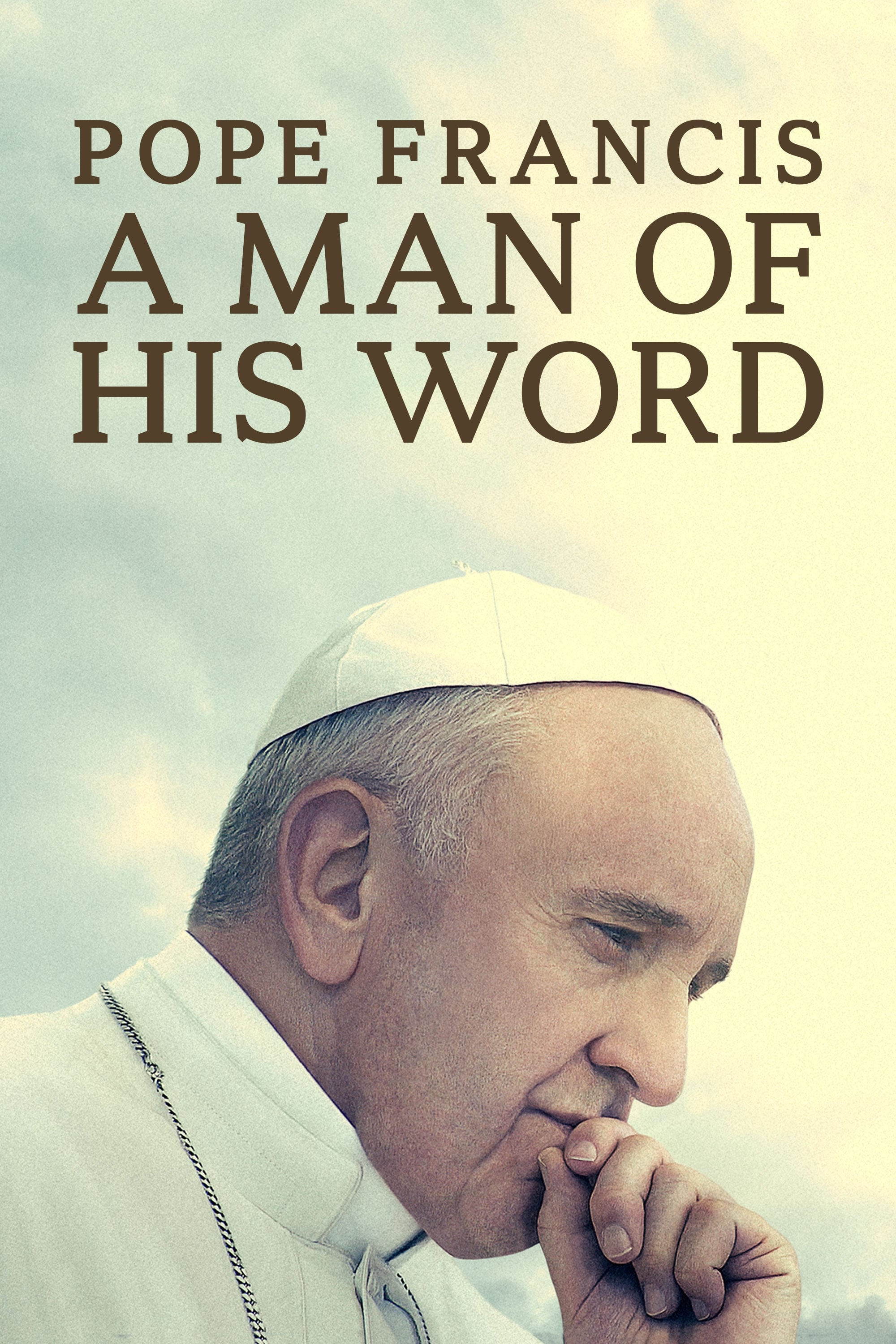
Pope Francis responds to questions from around the world, discussing topics including ecology, immigration, consumerism and social justice.
A documentary chronicling Queen and Lambert's incredible journey since they first shared the stage together on "American Idol" in 2009.
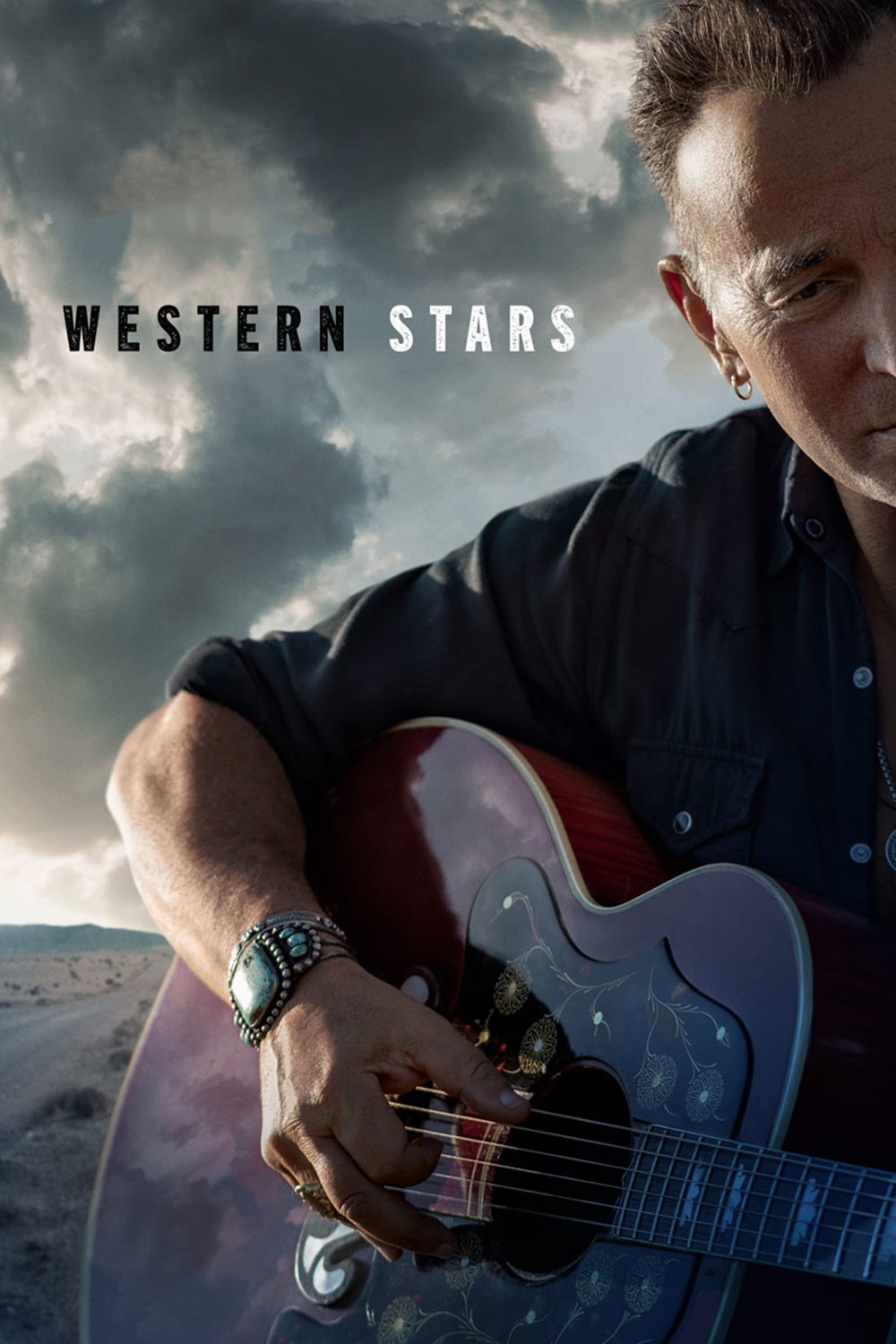
The incomparable Bruce Springsteen performs his critically acclaimed latest album and muses on life, rock, and the American dream, in this intimate and personal concert film co-directed by Thom Zimny and Springsteen himself.
When "Take On Me" reached nr 1 on Billboard in the US in 1985, the dream came true. Or did it? The band was not prepared for what the success could bring, including tension between the three band members.
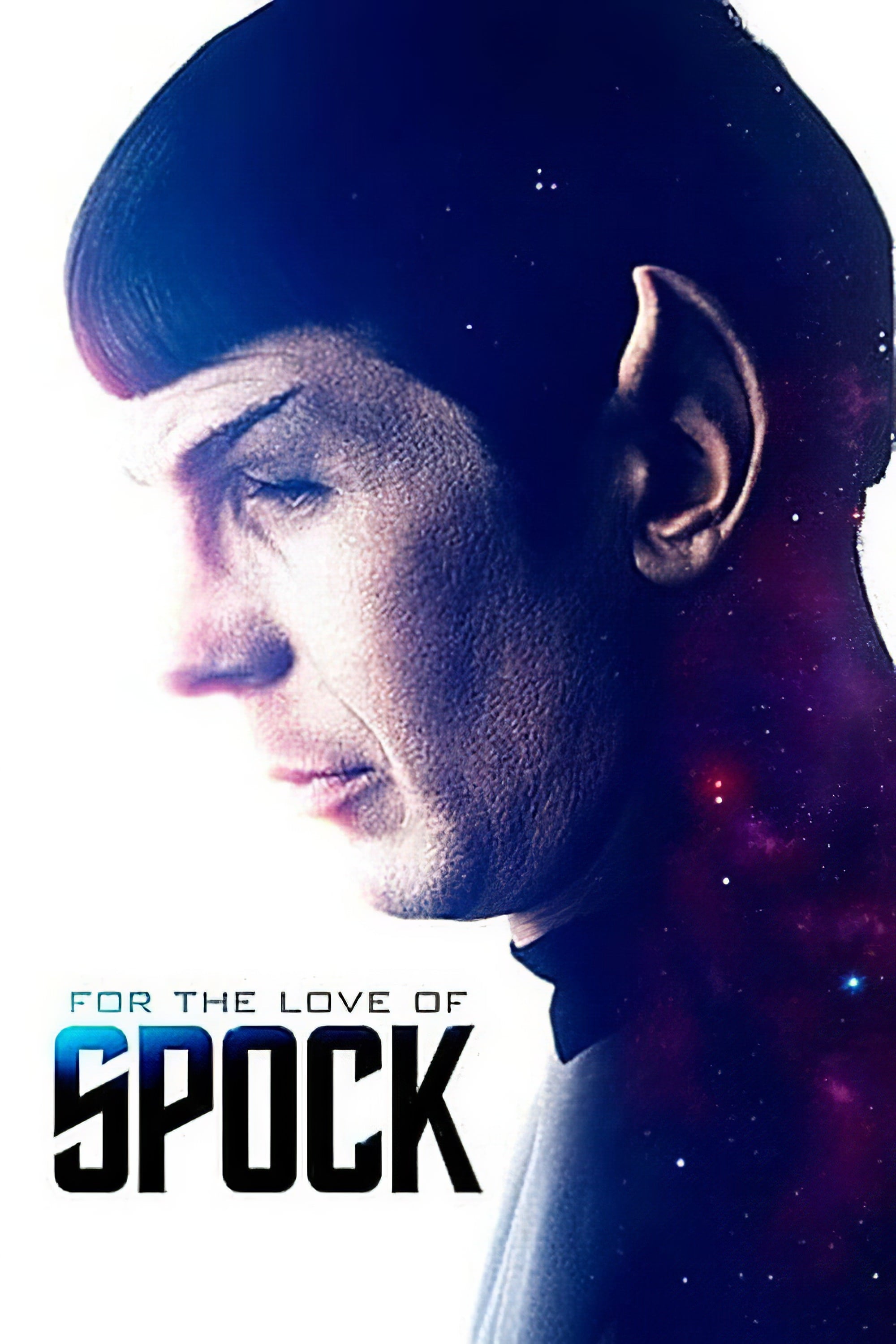
The life of Mr. Spock, as well as that of Leonard Nimoy, the actor who played him for almost fifty years, written and directed by his son: Adam.
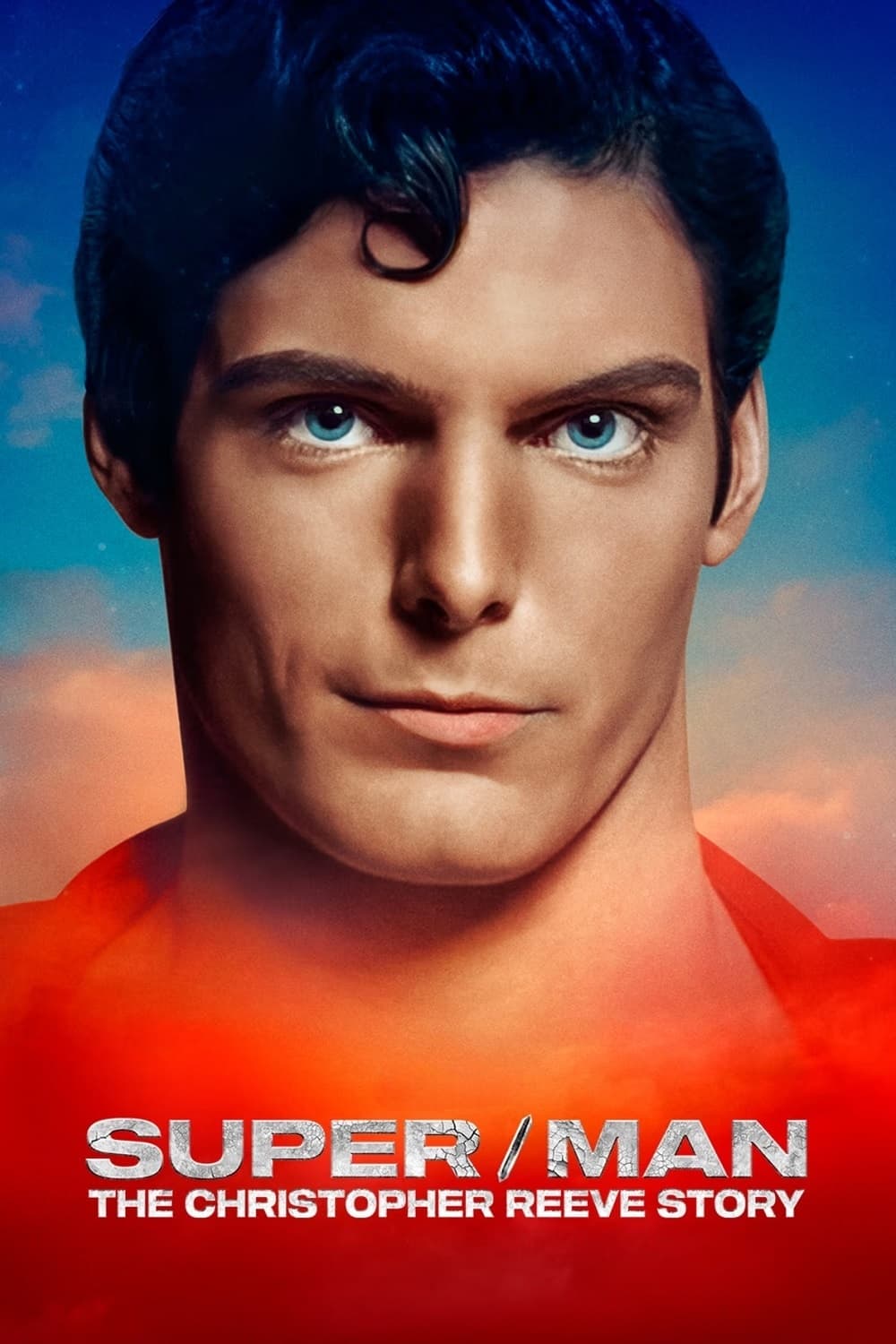
Christopher Reeve portrayed the Man of Steel in four Superman films and played dozens of other roles that displayed his talent and range as an actor, before being injured in a near-fatal horse-riding accident in 1995 that left him paralyzed from the neck down. After becoming a quadriplegic, he became a charismatic leader and activist in the quest to find a cure for spinal cord injuries, as well as a passionate advocate for disability rights and care.