Social & External
Karlo Čeko
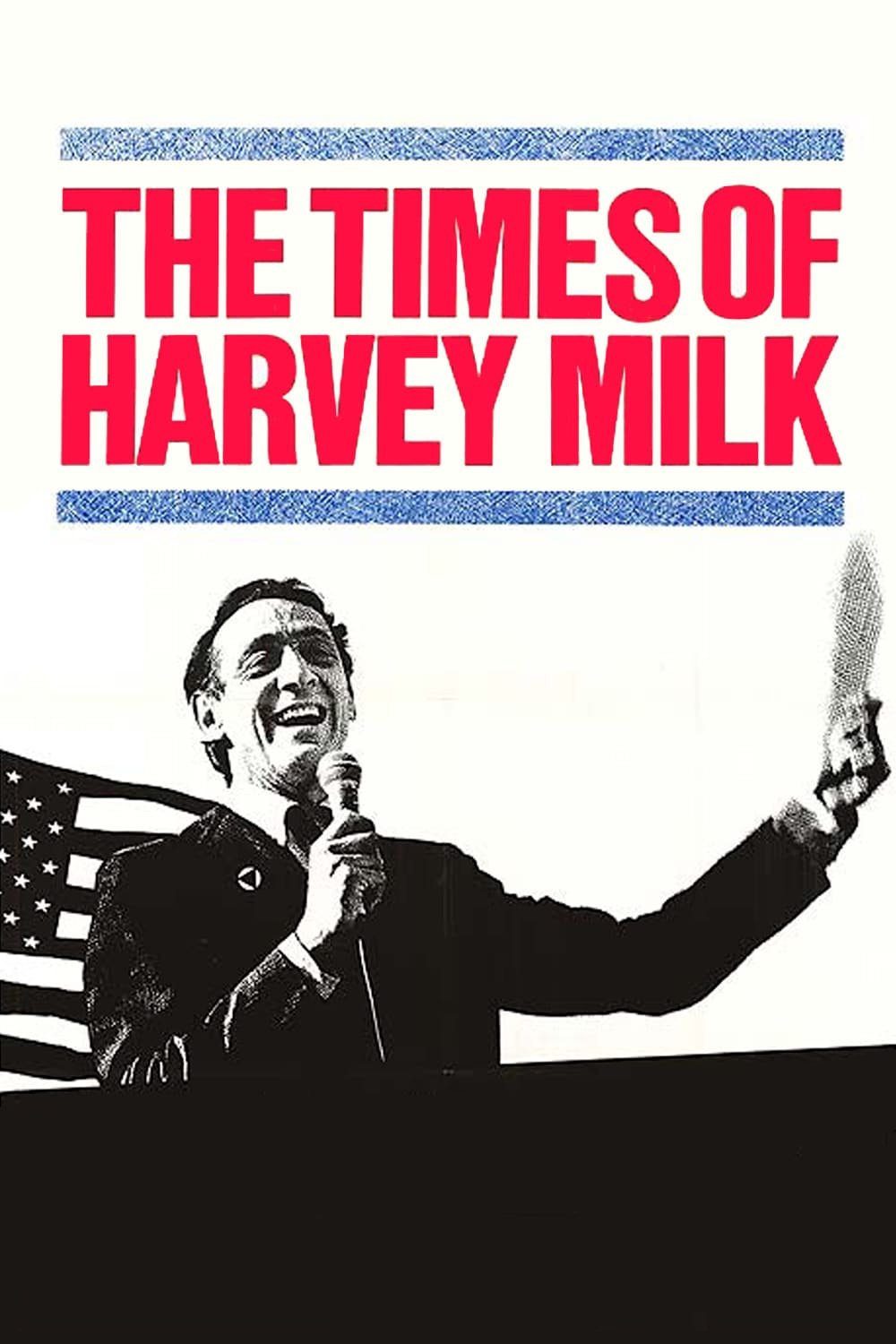
Harvey Milk was an outspoken human rights activist and one of the first openly gay U.S. politicians elected to public office; even after his assassination in 1978, he continues to inspire disenfranchised people around the world.
In this true-life twist on a holiday fable, Jeremy Morris brings a whole new meaning to Christmas spirit when his extravagant seasonal display sparks a dispute with his neighbors that lands them all in court.
A love letter to a place that will forever be home, a visual ode, and a farewell to a neighborhood that is rapidly changing due to the forces of gentrification and Miami’s housing crisis.
An extended Black family living in View Park-Windsor Hills, California experience changes due to gentrification and reflect on their shifting community.
Living Memories is a documentary film that traces the history of the director’s neighborhood and native country, Haiti, through a personal and engaged perspective. Brick by brick, through encounters and wanderings throughout Port-au-Prince’s neighborhoods, archival photos, graffiti, and animations, the filmmaker introduces us to architect Léon Mathon and the residential architecture of the early 20th century. Over the ruins of her family home, Dominique, the director's mother, an architect like her father and grandfather before her, searches through her memories and significant places for traces of the past and the history of her country. Many of her landmarks are no longer there. From this tragedy arises a quest — a need to reconnect memory and history to understand the present better. The filmmaker follows her mother during her journey, capturing her reflections and conversations and documenting them to bring memories back to life.
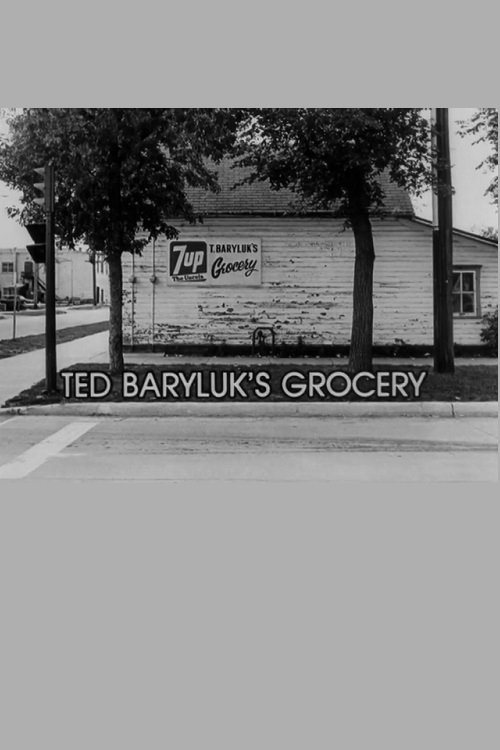
Ukrainian-Canadian Ted Baryluk's grocery store has been a fixture in Winnipeg's North End for over 20 years. In this photo study, Ted talks about his store, the customers who have come and gone and the social changes his multicultural neighbourhood has seen. But most of all he wonders what will become of his store after he retires. He hopes his daughter will take over, but she wants to move away. The film is a wistful rendering of a shopkeeper's relationship with his daughter and a fascinating portrait of a neighbourhood and its inhabitants.
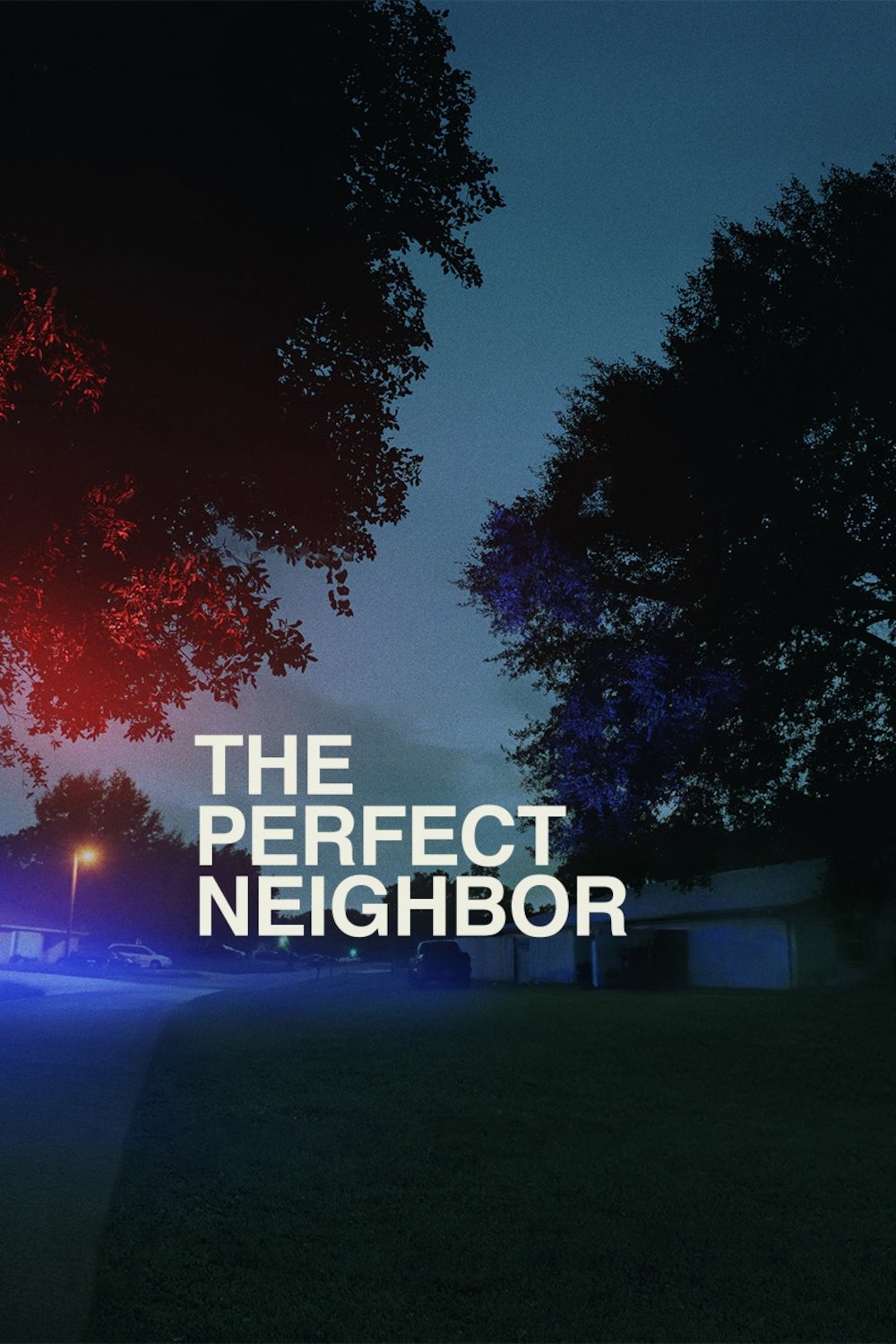
Police bodycam footage reveals how a long-running neighborhood dispute turned fatal in this documentary about fear, prejudice and Stand Your Ground laws.
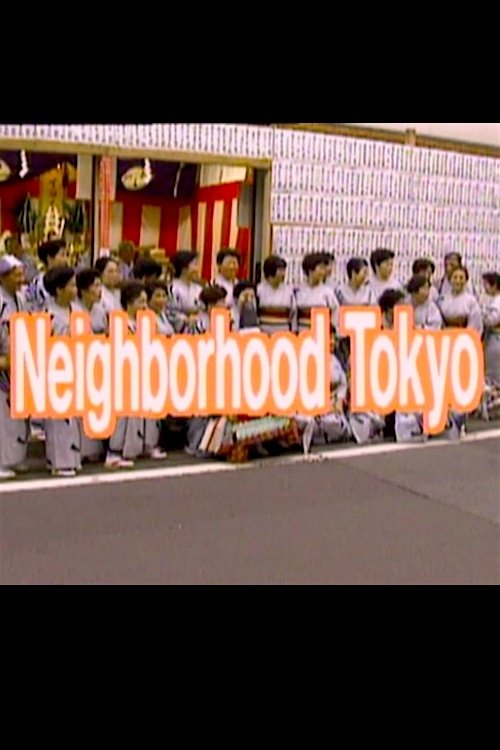
Miyamoto-cho is a community of Mom-and-Pop stores and family enterprises located near the center of Tokyo. Competition from supermarkets and shopping centers threatens the livelihoods of long-term residents. High land prices tempt owners to tear down old homes and replace them with apartment buildings; this in turn is changing the composition of the population. Against this backdrop, residents strive to maintain the close social ties, symbols of local identity, and community rituals that keep Miyamoto-cho from becoming just another mailing address. Theodore Bestor began his research here in 1979. His prize winning book of the same name is available through Stanford University Press. This documentary is one of a series depicting the variety of life in today's Japan in the context of human problems common to all industrial nations. A comprehensive study guide is available.
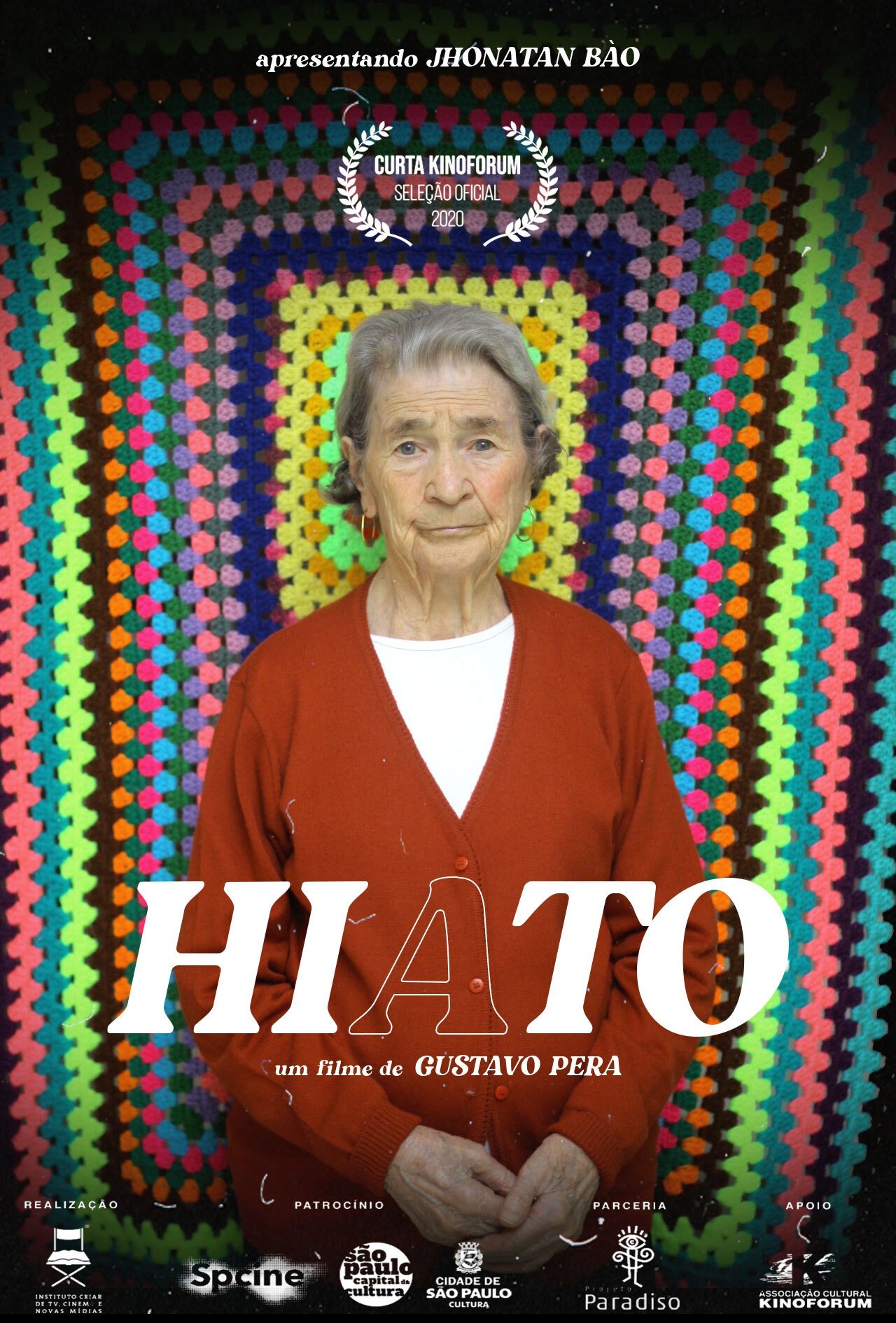
A resident of a ghetto’s neighborhood of São Paulo amid the Covid-19 pandemic, Gustavo has severe anxiety attacks. When he receives a call from a friend who lives in the same street, he reflects different stories of neighborhood residents in parallel with his family's daily life during social isolation.
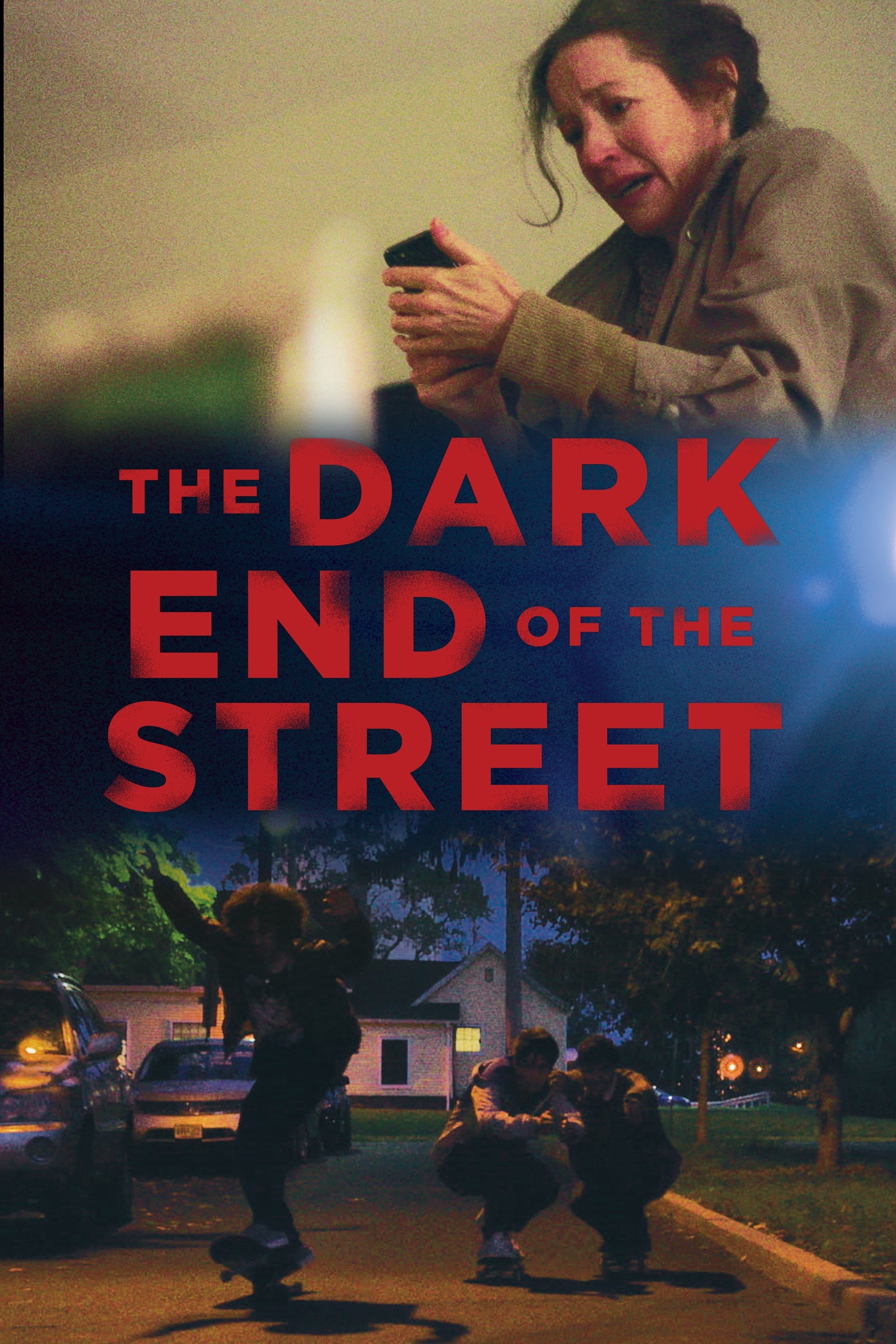
Residents of a suburban community enjoy a night at home with their friends and family, while an ominous threat looms just outside their doors.
Monster (Grattan Smith), a diminutive young Dubliner, dreams of going abroad in search of opportunity and adventure. Finding his plans consistently thwarted by a host of oddball characters, he is joined by Freddie, a homeless explorer (MC Wuzza), as he struggles to find an alternate escape.
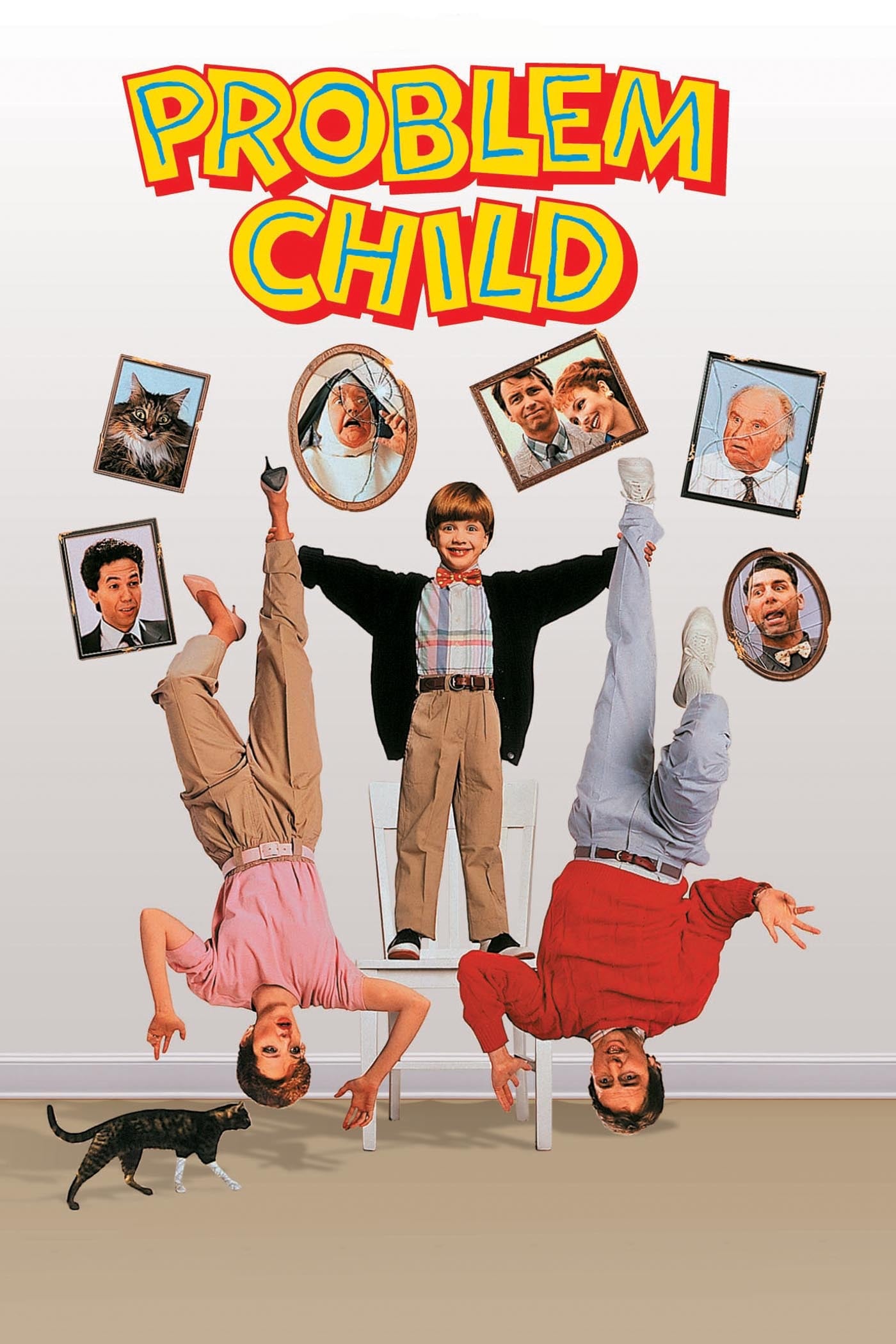
Ben Healy and his social climbing wife Flo adopt fun-loving seven year old Junior. But they soon discover he's a little monster as he turns a camping trip, a birthday party and even a baseball game into comic nightmares.
A poor neighborhood of Athens, Asyrmatos, is the center of the world for the people who live there and try in every way to escape from poverty and destitution. A handsome released youth, Ricos (Alekos Alexandrakis), is trying to make money, at the same time that his lover, Stefi (Aliki Georgoulis), is seeing other men and her father, Nekrophoras (Manos Katrakis), is trying to contribute in family finances. Rico will set up a job, but will spend the money raised before he can put it into action. As a result, one of his "partners" (Alekos Petsos) will commit suicide, leaving his pregnant wife, Eleni (Aleka Paizis), to her fate. Rikos, his beloved and her father, defeated and disappointed because of the expectations that were never fulfilled, will be forced to come to terms with the harsh reality.
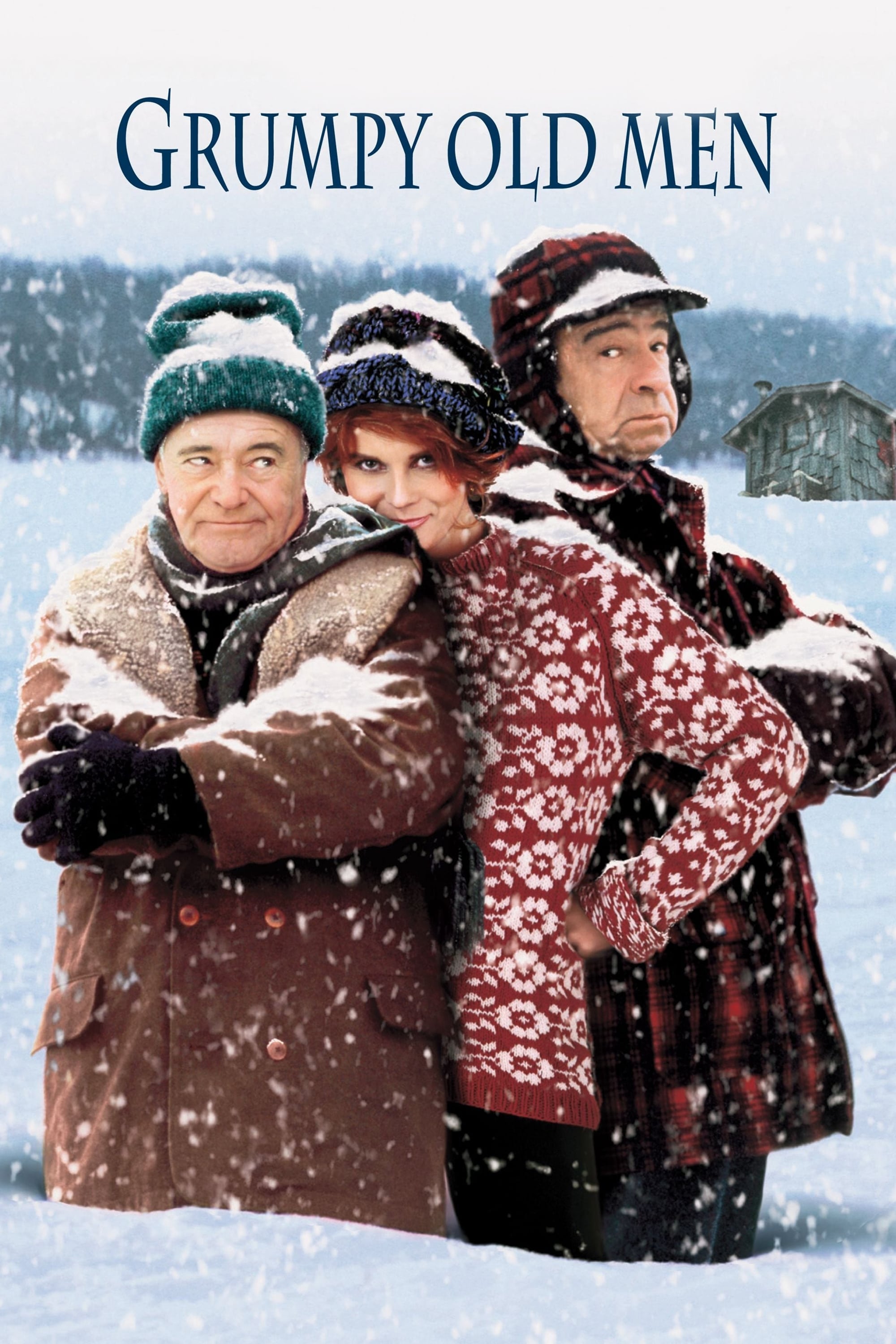
For decades, next-door neighbors and former friends John and Max have feuded, trading insults and wicked pranks. When an attractive widow moves in nearby, their bad blood erupts into a high-stakes rivalry full of naughty jokes and adolescent hijinks.
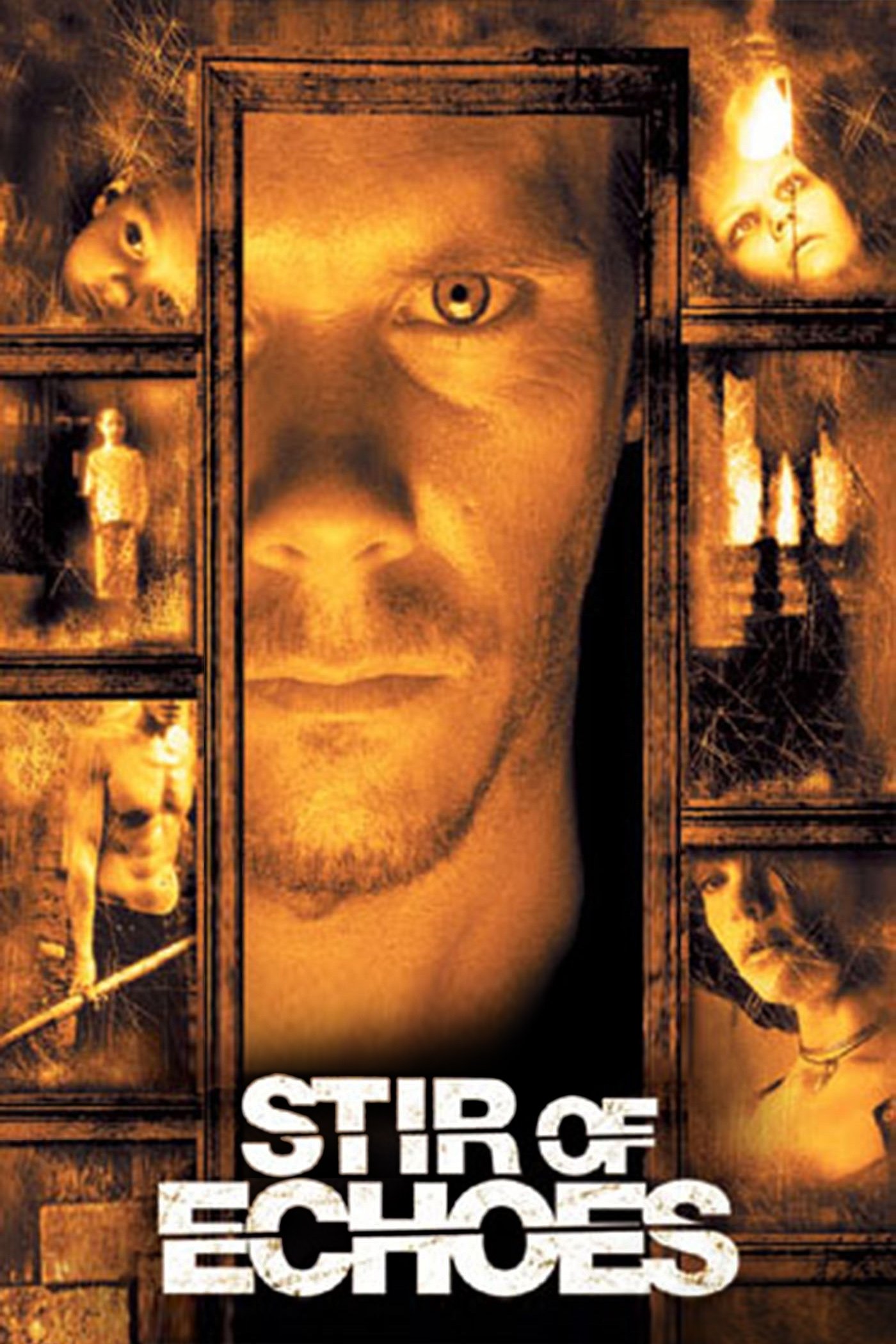
After being hypnotized by his sister-in-law, Tom Witzky begins seeing haunting visions of a girl's ghost and a mystery begins to unfold around her.
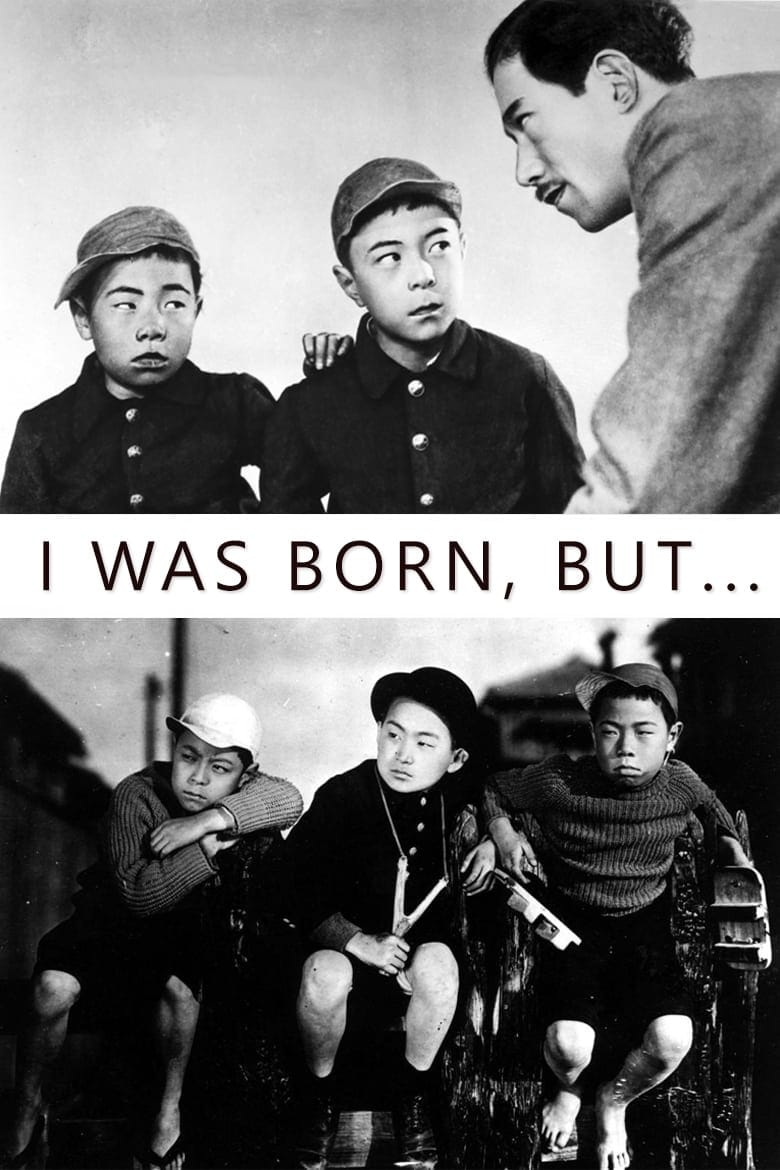
Two young brothers become the leaders of a gang of kids in their neighborhood.
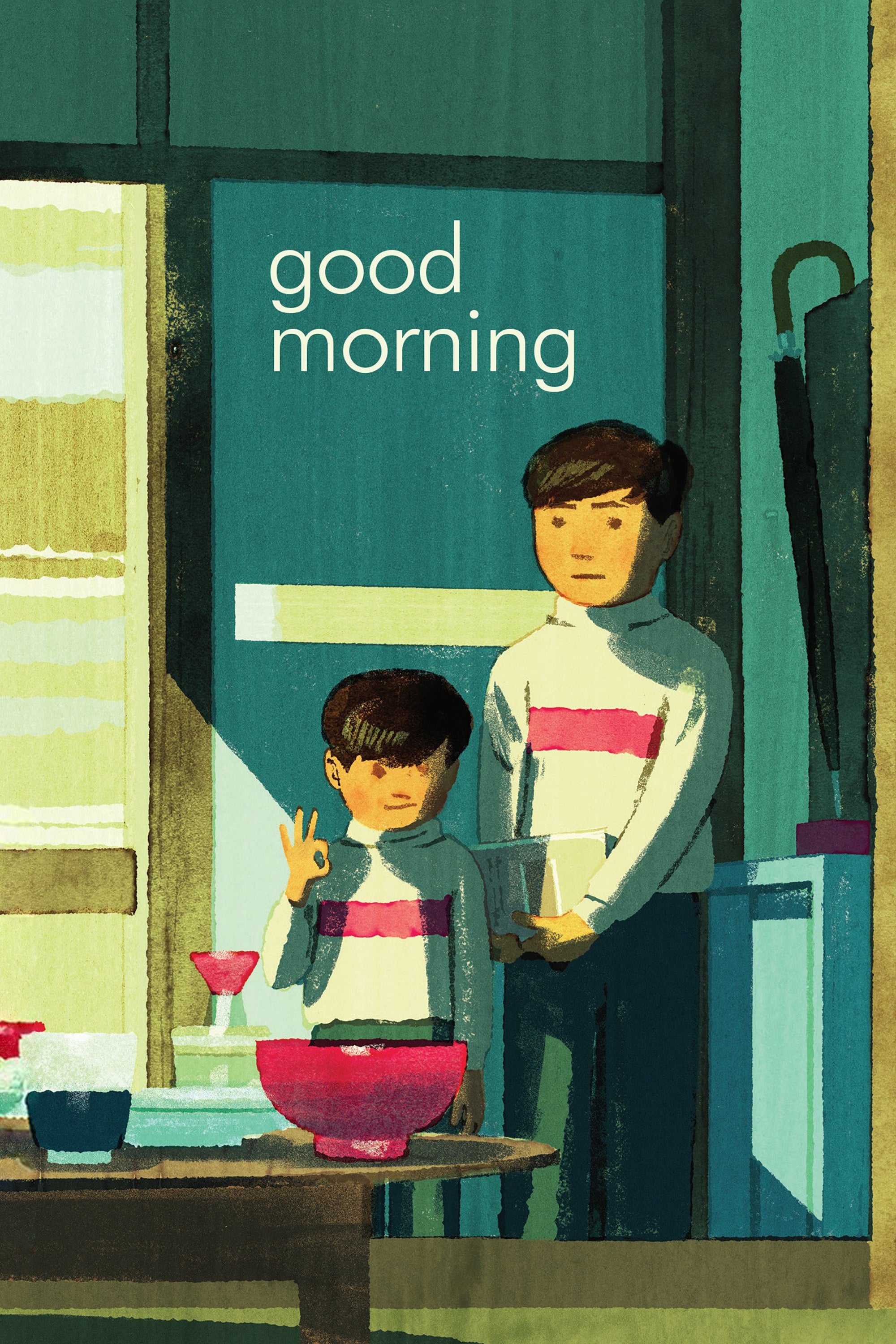
A lighthearted take on director Yasujiro Ozu’s perennial theme of the challenges of intergenerational relationships, Good Morning tells the story of two young boys who stop speaking in protest after their parents refuse to buy a television set. Ozu weaves a wealth of subtle gags through a family portrait as rich as those of his dramatic films, mocking the foibles of the adult world through the eyes of his child protagonists. Shot in stunning color and set in a suburb of Tokyo where housewives gossip about the neighbors’ new washing machine and unemployed husbands look for work as door-to-door salesmen, this charming comedy refashions Ozu’s own silent classic I Was Born, But . . . to gently satirize consumerism in postwar Japan.
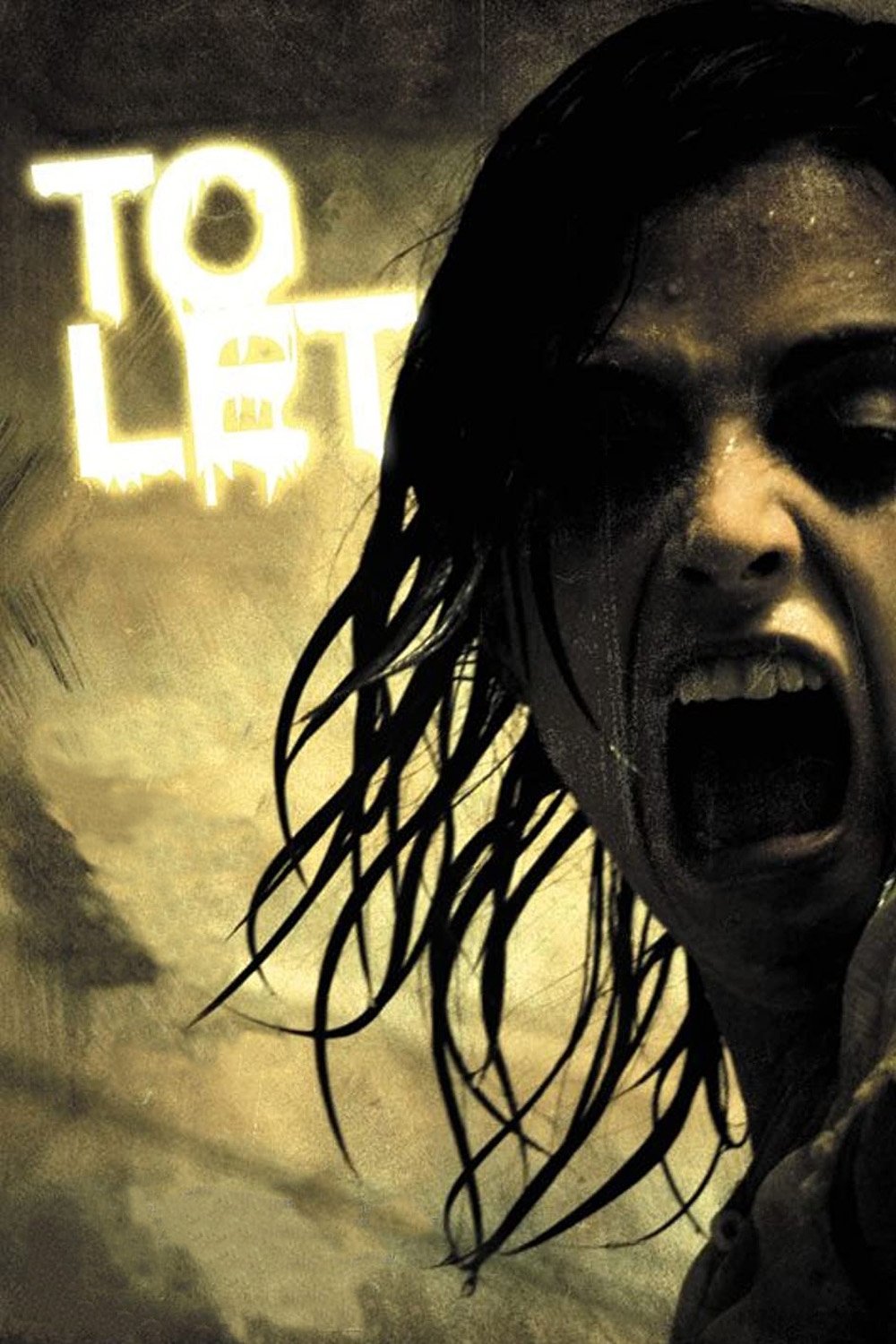
Mario and Clara, his pregnant girlfriend, try to find a new apartment to settle in as soon as possible, so they go to visit one in a distant neighborhood that seems abandoned. Once there, things are not as they expected.