Narrated by David Attenborough, this film showcases the bird diversity of the Minsmere Nature Reserve.
Social & External
Unknown Role
Narrated by David Attenborough, this film explores the private life of a pair of Barn Owls. Often associated with folklore and magic, there can be few more beautiful sights than a glimpse of this silent hunter on a summer's evening.
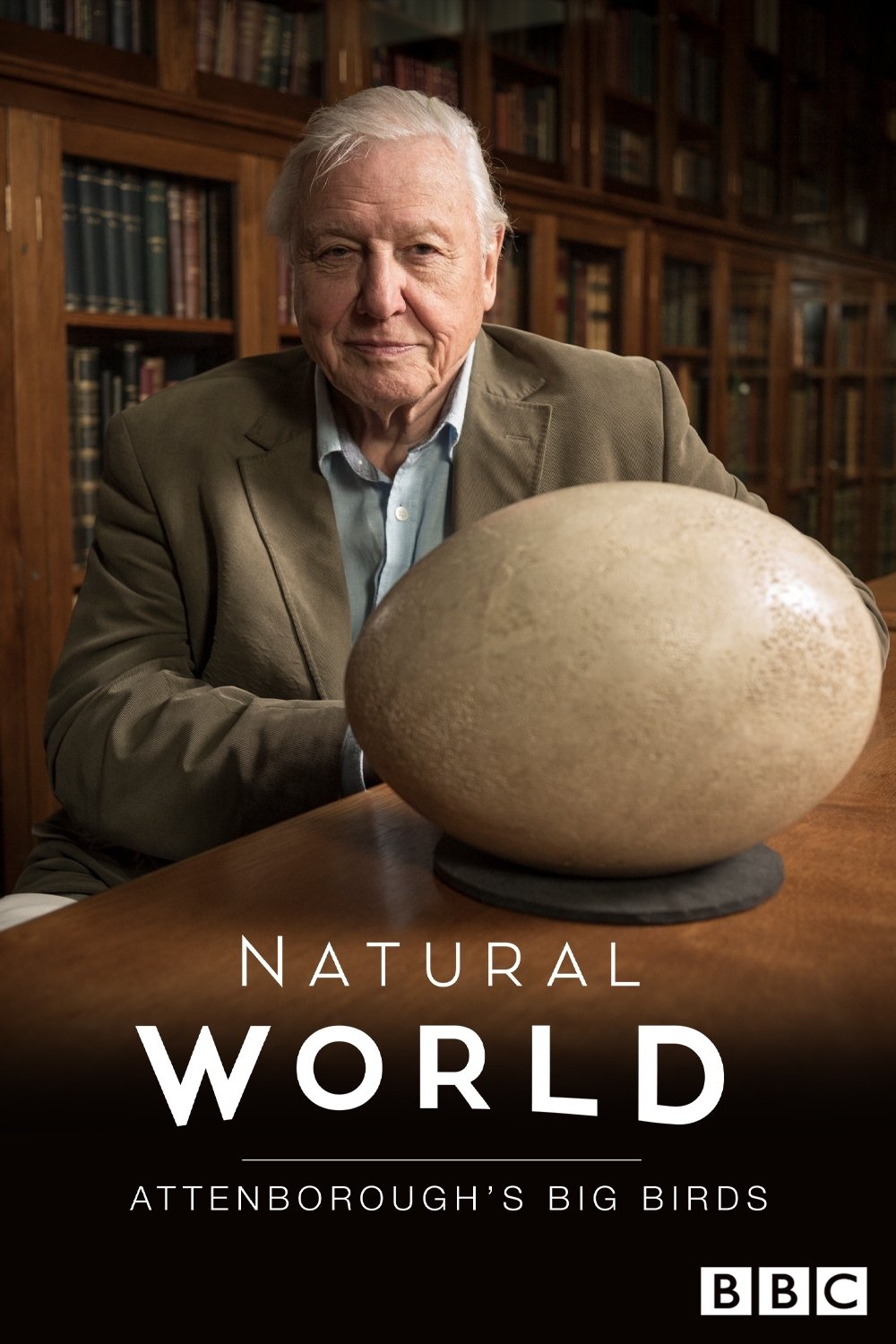
Meet the big birds, a feathered family who have never flown a day in their lives! From ostriches to kiwis, these bizarre birds appear to be nature's greatest novelty act. How they came to be and how they continue to survive is a fascinating tale that has long captivated Sir David Attenborough. It is a story of dedicated dads, enormous eggs and a serious need for speed. And far from being the court jesters of the animal world, these flightless curiosities once nearly ruled the land.
This documentary follows various migratory bird species on their long journeys from their summer homes to the equator and back, covering thousands of miles and navigating by the stars. These arduous treks are crucial for survival, seeking hospitable climates and food sources. Birds face numerous challenges, including crossing oceans and evading predators, illness, and injury. Although migrations are undertaken as a community, birds disperse into family units once they reach their destinations, and every continent is affected by these migrations, hosting migratory bird species at least part of the year.
After a premonition of an unusual bird, a father loses his voice. His daughter undertakes a search to rediscover him, through an intimate narrative that explores the past, the new facets and the silences of a man who is no longer the same.
Sid James learns of the joys of owning a budgerigar.
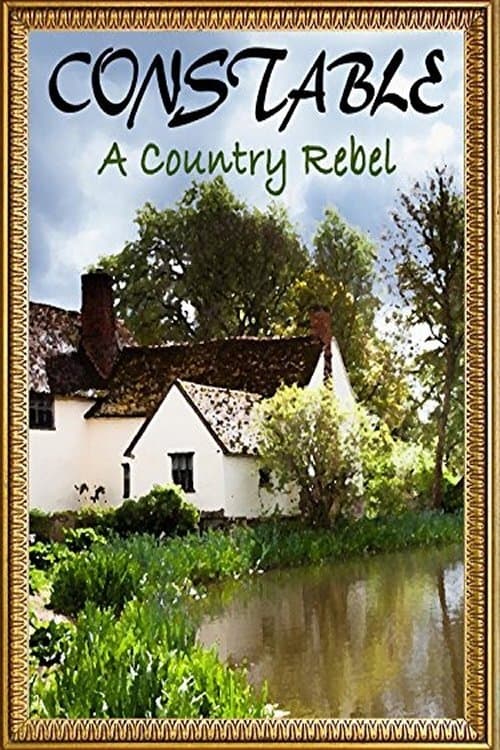
The Haywain by John Constable is such a comfortingly familiar image of rural Britain that it is difficult to believe it was ever regarded as a revolutionary painting, but in this film, made in conjunction with a landmark exhibition at the V&A, Alastair Sooke discovers that Constable was painting in a way that was completely new and groundbreaking at the time. Through experimentation and innovation, he managed to make a sublime art from humble things and, though he struggled in his own country during his lifetime, his genius was surprisingly widely admired in France.
Footage of the seabirds found in the Shetland Isles. One of a group of films made by Jenny Brown and bought by John Grierson for the GPO Film Library in the 1930s.
By some measures, it’s a tiny country, just .03% of the Earth’s landmass. But when it comes to wildlife, Costa Rica is an ecological giant, bursting with a density of species and diverse habitats unparalleled anywhere else in the world.
A baby pufferfish travels through a wondrous microworld full of fantastical creatures as he searches for a home on the Great Barrier Reef.
This film is about the traditional puffin catch in the Westman Islands and shows the fowlers in action, often performing breathtaking feats in the soaring cliffs to accomplish their goal. Ancient hunting techniques are shown, and the extreme dangers that men faced to secure their livelihood. These techniques have passed on basically unchanged from generation to generation.
The Atlantic Flyway, the easternmost migration path in North America, is among the most vital ecological phenomenons in the world. Join explorer Tomas Koeck as he examines several unlikely relationships along this massive migratory chain.
“Puffin Patrol” takes viewers into the world of the Atlantic puffin. Travel to remote locations where the puffin’s unique migration patterns and feeding habits are being studied. See where puffin populations are at risk and meet the biologists who study the bird’s greatest stressors. Follow the people of Witless Bay, Newfoundland as they rescue lost and confused pufflings from the roadside and see how this simple task teaches us about environment.
With narration from Paul McGann, this ground-breaking film sets out to solve one of nature's mysterious phenomena: the Bewick swan's dramatic decline. A pioneering group of scientists and conservationists sets out to discover why we have lost nearly half the Bewick population in the last twenty years. Every year, these majestic birds make one of the world's toughest migrations, across perilous land, sea and skies. Somewhere between the harsh Tundra landscape and the south of England lies the key to their disappearance. We join extreme sportswoman Sacha Dench and award-winning wildlife cameraman Benjamin Sadd, as they follow the swans over 7,000 km, on a journey that pushes both humans and swans to the limits of their endurance. Cutting-edge tracking techonology and innovative filming techniques give privileged insight into the birds' hidden world, providing stunning aerial views and the personal stories of swans, Charlotte, Daisy-Clarke and Leho.
Multimillionaire landowner Paul Lister wants to turn his 23,000-acre estate north of Inverness into Europe's first wilderness reserve. Reinstating the old Caledonian pine forests is the first of his plans. He then wants to release long-lost animals, starting with moose and wild boar, and eventually predators such as brown bears, lynx and wolves. Some of the local people are far from convinced by Paul's vision. Will he even be allowed to let loose moose in the glen?
The eider do not migrate to warmer areas but survive the harsh winters in the North Atlantic. Perhaps that is why nature has provided the eider with down that has more insulatingqualities than any other bird down. The dilm shows eider "farming", a unique form of harvesting the down without harming the birds. The eider the most numerous of all ducks and geese in Iceland, counting more than half a million individuals. They return year after to a well kept colony, the biggest counting more than 6000 pairs. The female eders are seen lining ther nests with down which they pluck from their bodies. The down is collected after the clutch has left the nest.
We get to know a few inhabitants of central European rivers.
Richmond Park – National Nature Reserve, presented by Sir David Attenborough, is an award-winning film by conservation charity the Friends of Richmond Park. Filmed by experienced wildlife film makers (including a leading cameraman from Blue Planet II). The film won first prize in the 2018 Charity Film Awards in the 'Documentary/Long Form' category. Sir David explains in the film: “Richmond Park is not just a local park it's London's own National Nature Reserve with thousands of species of flora and fauna; but with 5.5 million visitors each year, the Park is under immense pressure. However, as visitors we can all help to protect it through simple actions so that it will remain a wonderful place for the enjoyment of future generations”.
An in-depth look at the life and career of veteran illustrator and bluegrass musician John Holder.
In the middle of the German cultural landscape lies a mysterious water wilderness, a hub for bird migration and home to an amazing range of animals. The documentary shows the European reserve Rieselfelder: majestic landscapes, hidden habitats and unique animal behavior. It tells the extraordinary story of a natural paradise made by humans.