Social & External
The people behind it
Benoît Allemane
Self
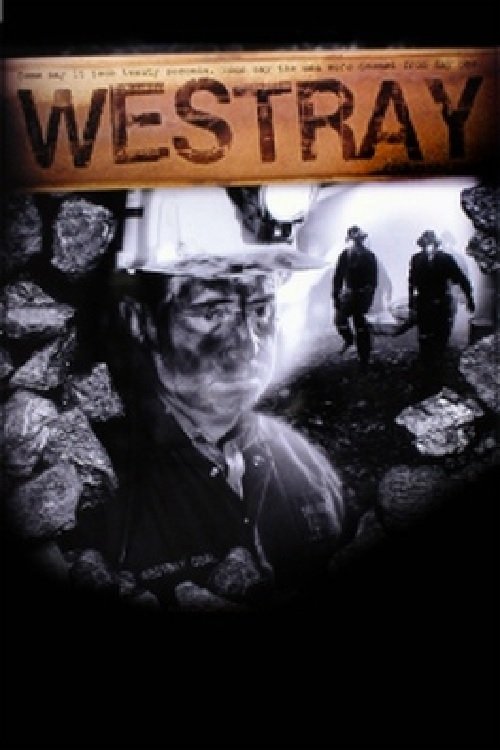
In this feature documentary, filmmaker Paul Cowan offers an innovative, moving account of the Westray coal mine disaster that killed 26 men in Nova Scotia on May 9, 1992. The film focuses on the lives of three widows and three miners lucky enough not to be underground that day when the methane and coal dust ignited. But their lives were torn apart by the events. Meet some of the working men, who felt they had no option but to stay on at Westray. And wives, who heard the rumours, saw their men sometimes bloodied from accidents and stood by them, hoping it would all turn out all right. This is a film about working people everywhere whose lives are often entrusted to companies that violate the most fundamental rules of safety and decency in the name of profit.
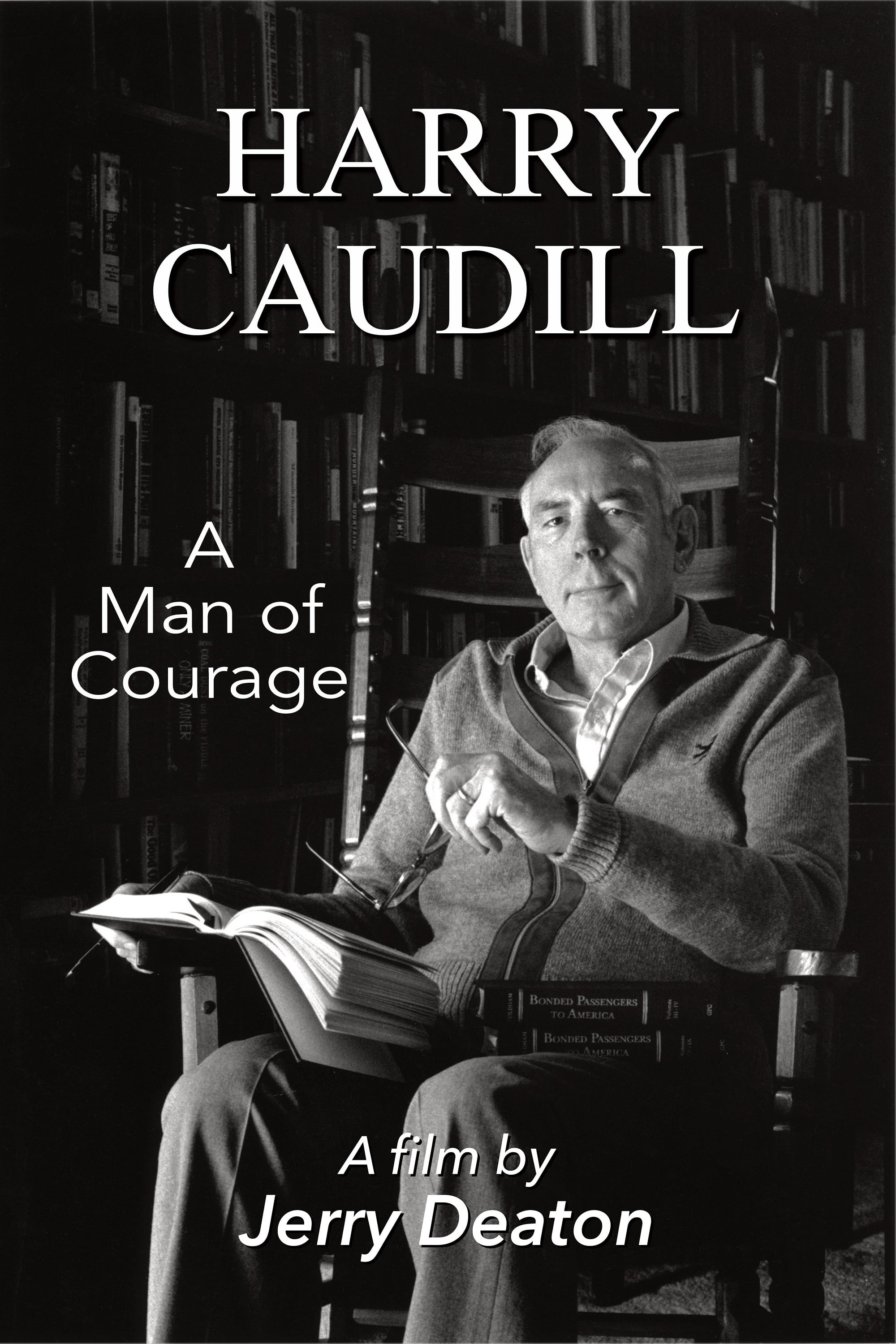
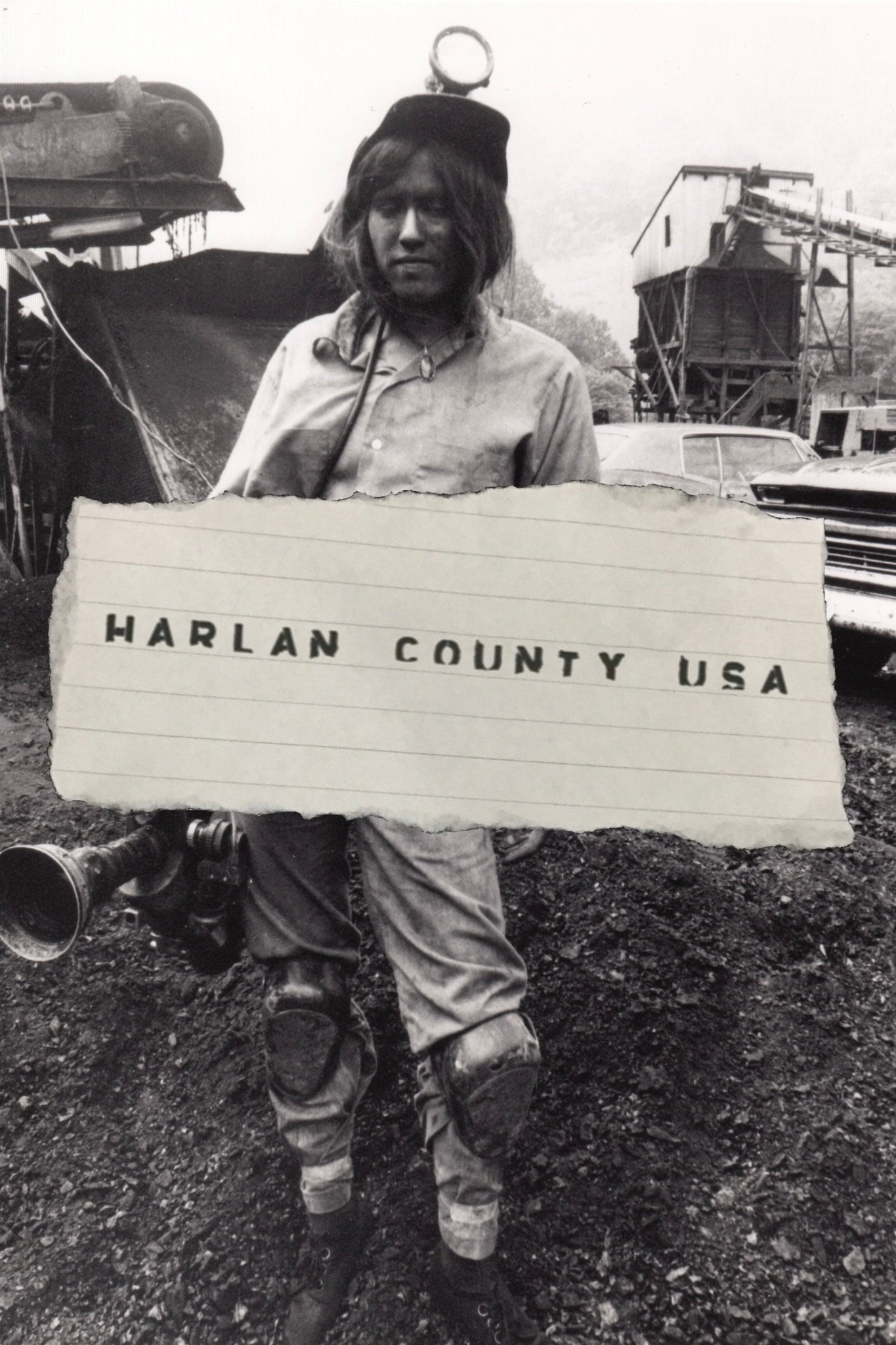
One of the most important Kentuckians of the 20th century, Harry Caudill brought the story of Appalachia to national attention when his book “Night Comes to the Cumberlands” was released in 1963. The nonfiction account of Eastern Kentucky’s coal region, part history and part polemic, eloquently recounted the exploitation of Appalachia’s land and its people by business and government interests, and made Caudill a national spokesperson for his homeland. Harry Caudill spent his life advocating for Eastern Kentucky, with the aim of helping the powerless as well as securing the region’s unmatched natural resources for future generations. His work led to lasting government reforms for Appalachia, and his legacy remains a touchstone for activists today.
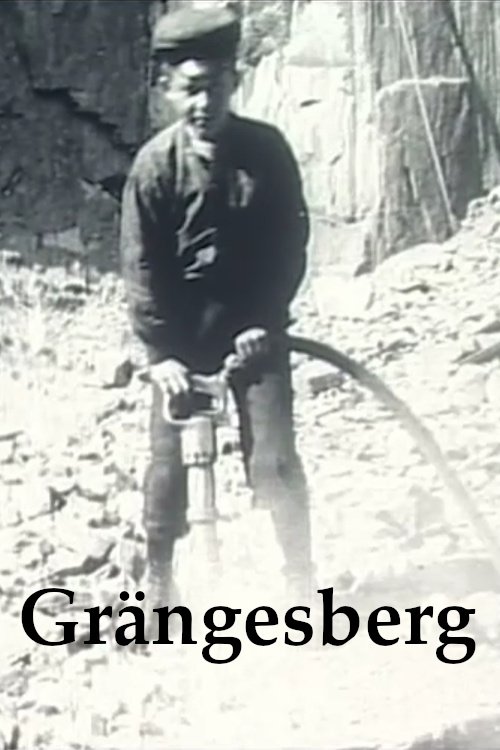
Images from Grängesberg's mines. The ore is loaded onto trains and transported to the port of Oxelösund.
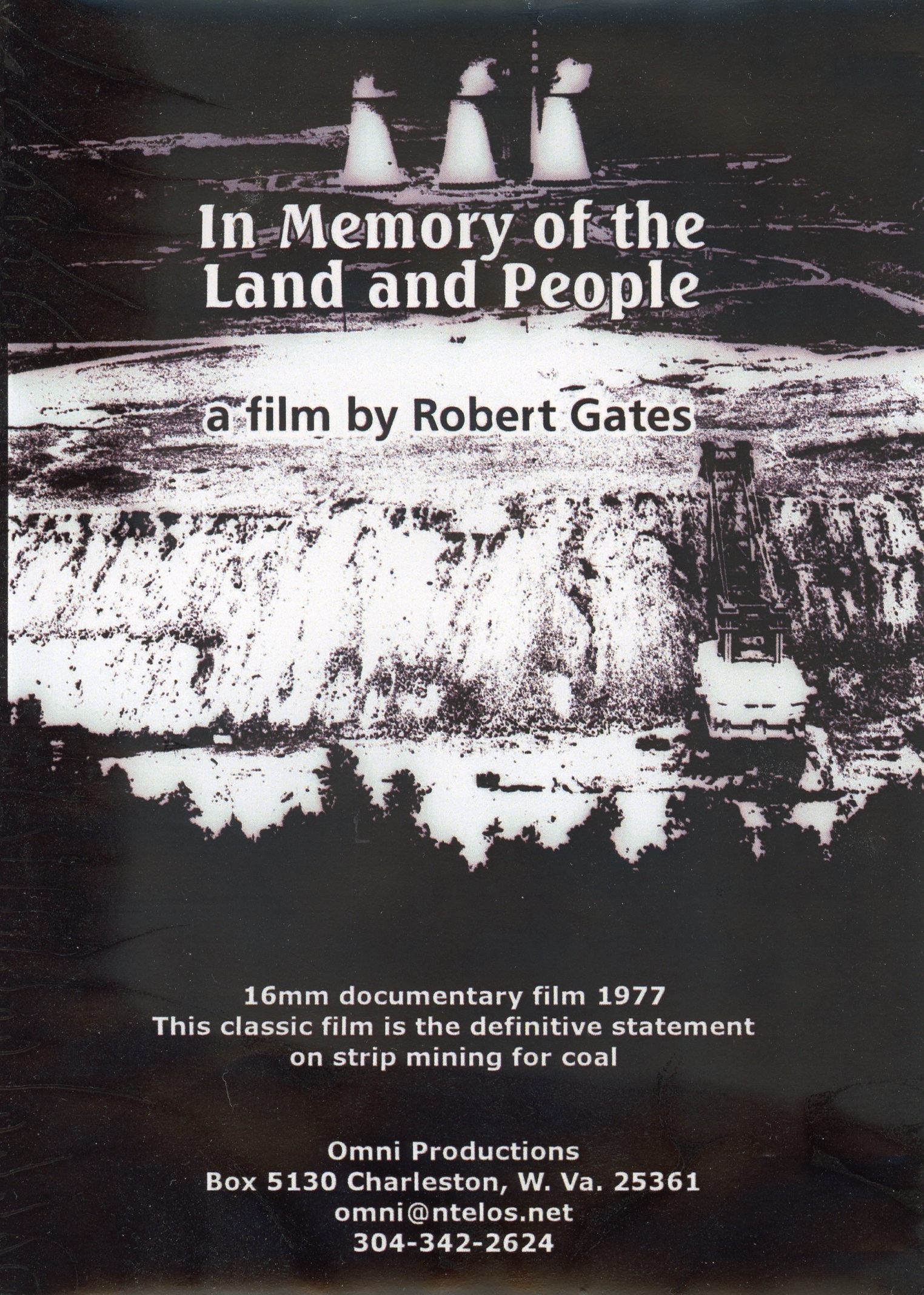
“…It is a film that tells in hurried film sequences and a resonant musical score juxtaposing the sublime, funereal despair of Bartok agains tthe gut-bare tones of folk music. Gates has through his filming technique and meticulously selected mining sites, captured all the outrage and sorrow and indignity to the land and its people that strip mining represents. The film is one that all Americans should see, for it shows extremely well the price we have to pay for strip mined coal.” - Dale A. Burk, The Montana “Missoulian”
An investigation into the unfolding history of nuclear testing, uranium mining, and nuclear waste disposal on indigenous lands in the US. It raises the voices of those who witnessed and experienced the consequences of nuclear colonialism and those who still resist.
This short documentary film is a fascinating portrait of urban and rural Quebec in the late 1960s, as the province entered modernity. The collective work produced for the Quebec Ministry of Industry and Commerce calls on several major Quebec figures.
Time-travel to a 1940s classroom with this exemplary educational film.
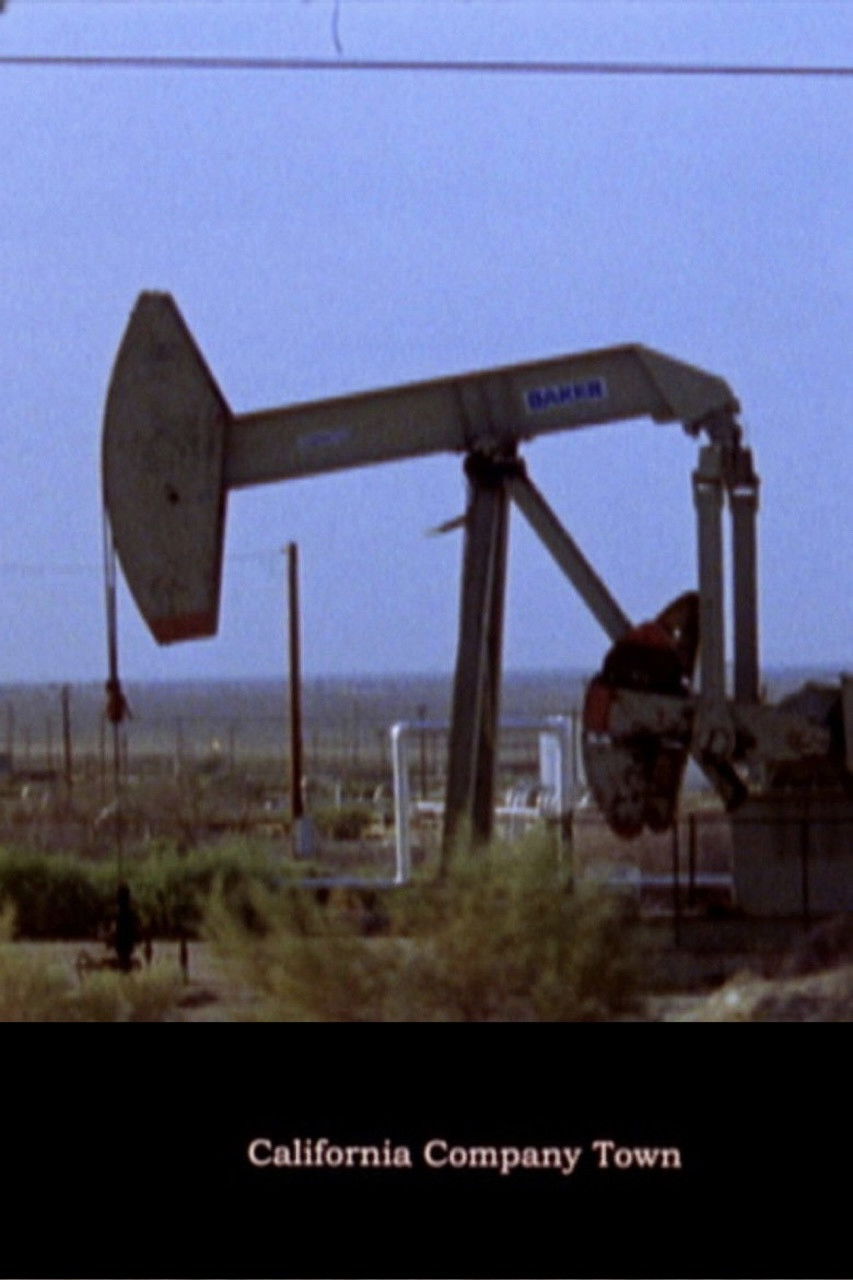
Lee Anne Schmitt explores California's landscape and past to document the history of one-time boom towns built and abandoned by the industries that necessitated their creation. Sold as a limitless land expansive with free opportunity, California was actually, from its onset, fissured by the interwoven needs of private and public interests. Schmitt's film covers various locations through time, as the major industries of the early 20th century (mining, lumber, oil) give way to the military, eventually leading to multinational corporations, and the use of small towns as satellites for growing urban metropolises.
Join the working men of a northern powerhouse: on the job in Gateshead workshops and at the long wall of a Northumberland pit.
From the creators of 31 Minutos, here comes the story of a rock that didn't want to grow up...
A new uranium mill -- the first in the U.S. in 30 years -- would re-connect the economically devastated rural mining community of Naturita, Colorado, to its proud history supplying the material for the first atomic bomb. Some view it as a greener energy source freeing America from its dependence on foreign oil, while others worry about the severe health and environmental consequences of the last uranium boom.
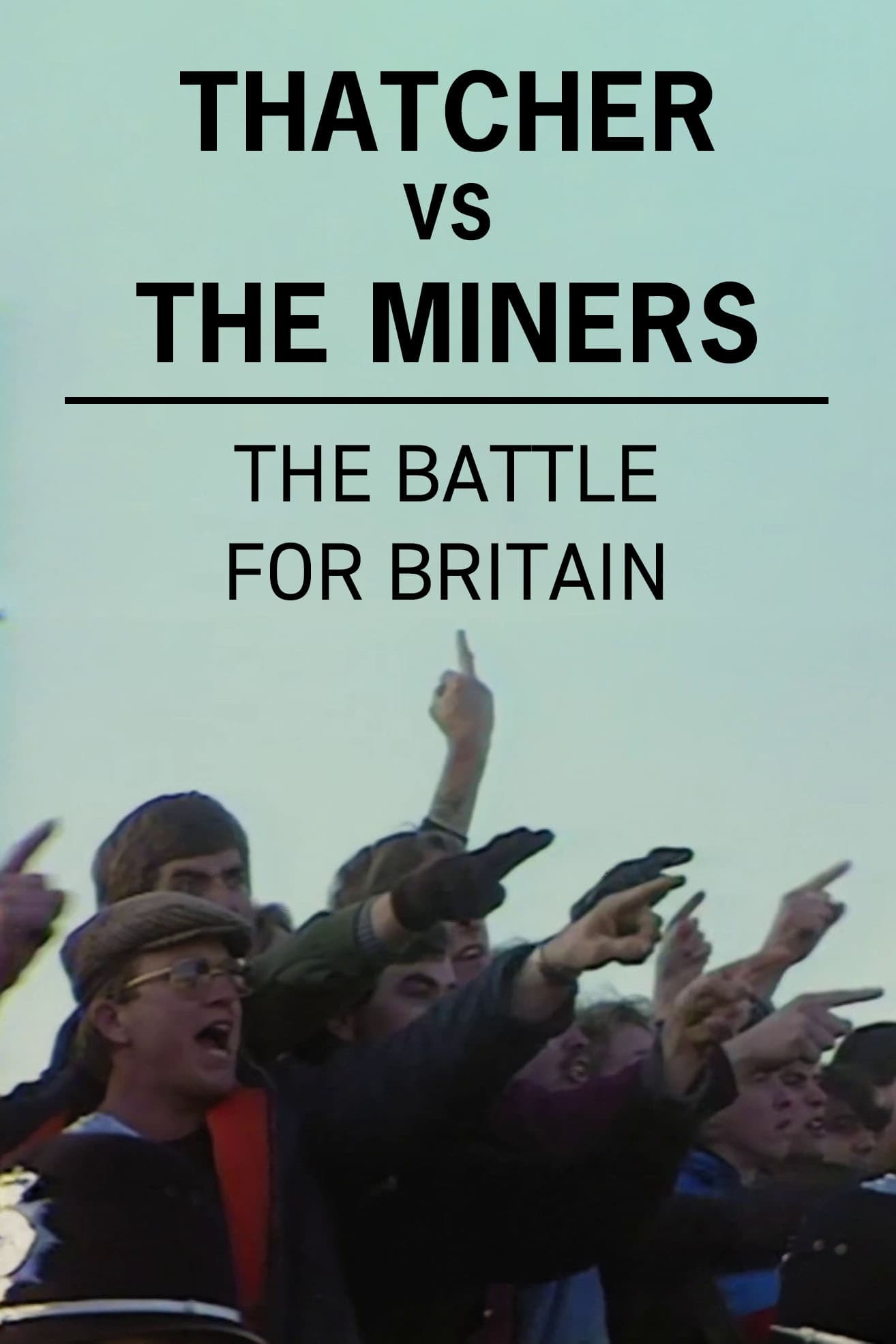
On the 5th of March 1985, a crowd gathered in a South Yorkshire pit village to watch a sight none of them had seen in a year. The villagers, many of them in tears, cheered and clapped as the men of Grimethorpe Colliery marched back to work accompanied by the village’s world-famous brass band. The miners and their families had endured months of hardship. It had all been for nothing. The miners had lost the strike called on March 6th 1984. They would lose a lot more in the years to come. But was it a good thing for the country that the miners lost their last battle?
A heartbreaking record of the thirteen-month struggle between a community fighting to survive and a corporation dedicated to the bottom line.
A small town is overcome by a massive underground coal fire in 1962. As a result hundreds of residents had to be relocated.
Documentary about the emergence of the strike movement in the iron ore mines of Rudňa in Slovakia. The miner Michal Ogurčák introduced a new way of mining iron ore here, overcame initial misunderstandings, and eventually inspired 160 followers to perform striking feats by his example.
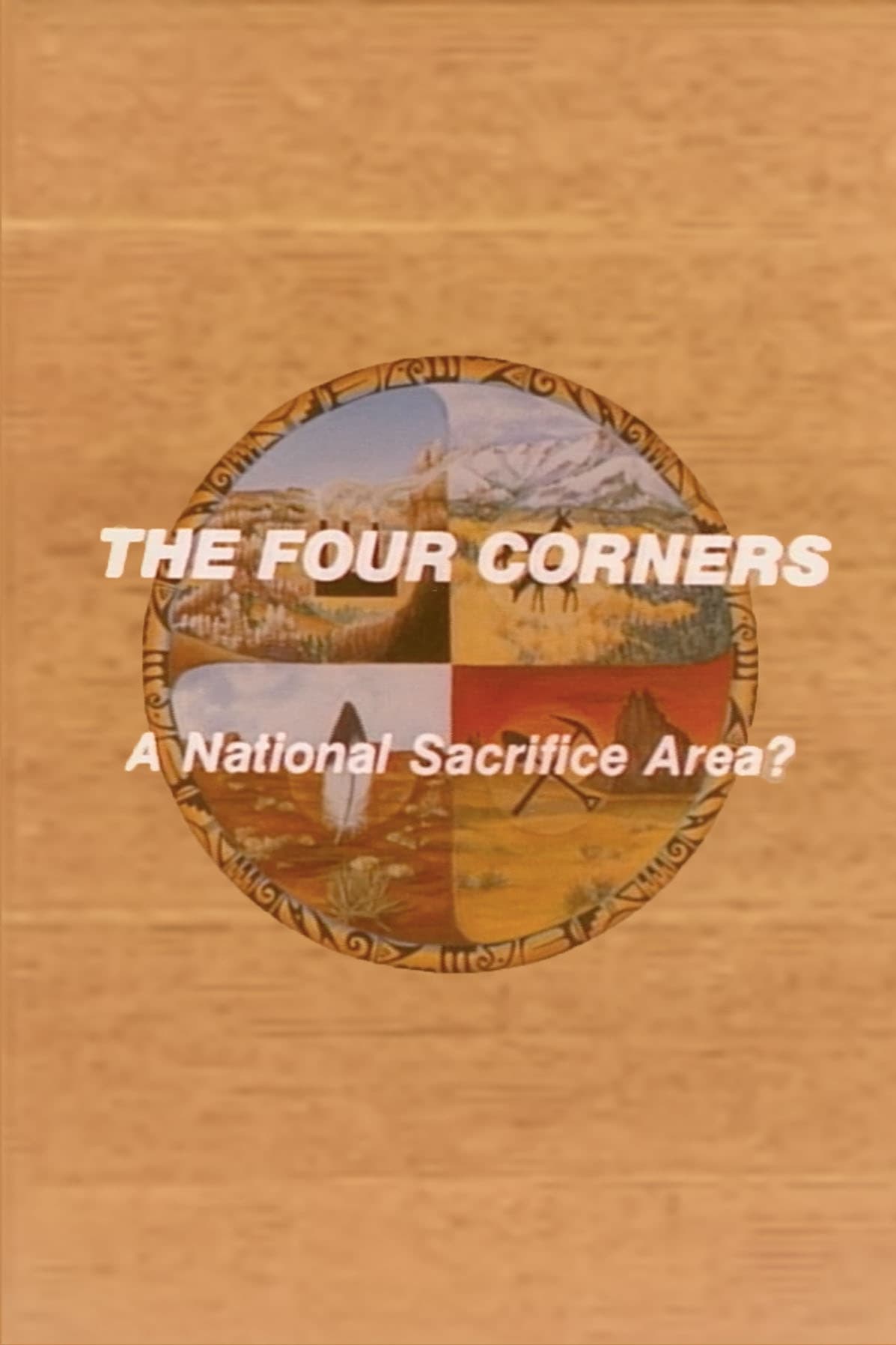
Documents the cultural and ecological impacts of coal stripmining, uranium mining, and oil shale development in Utah, Colorado, New Mexico, and Arizona – homeland of the Hopi and Navajo.
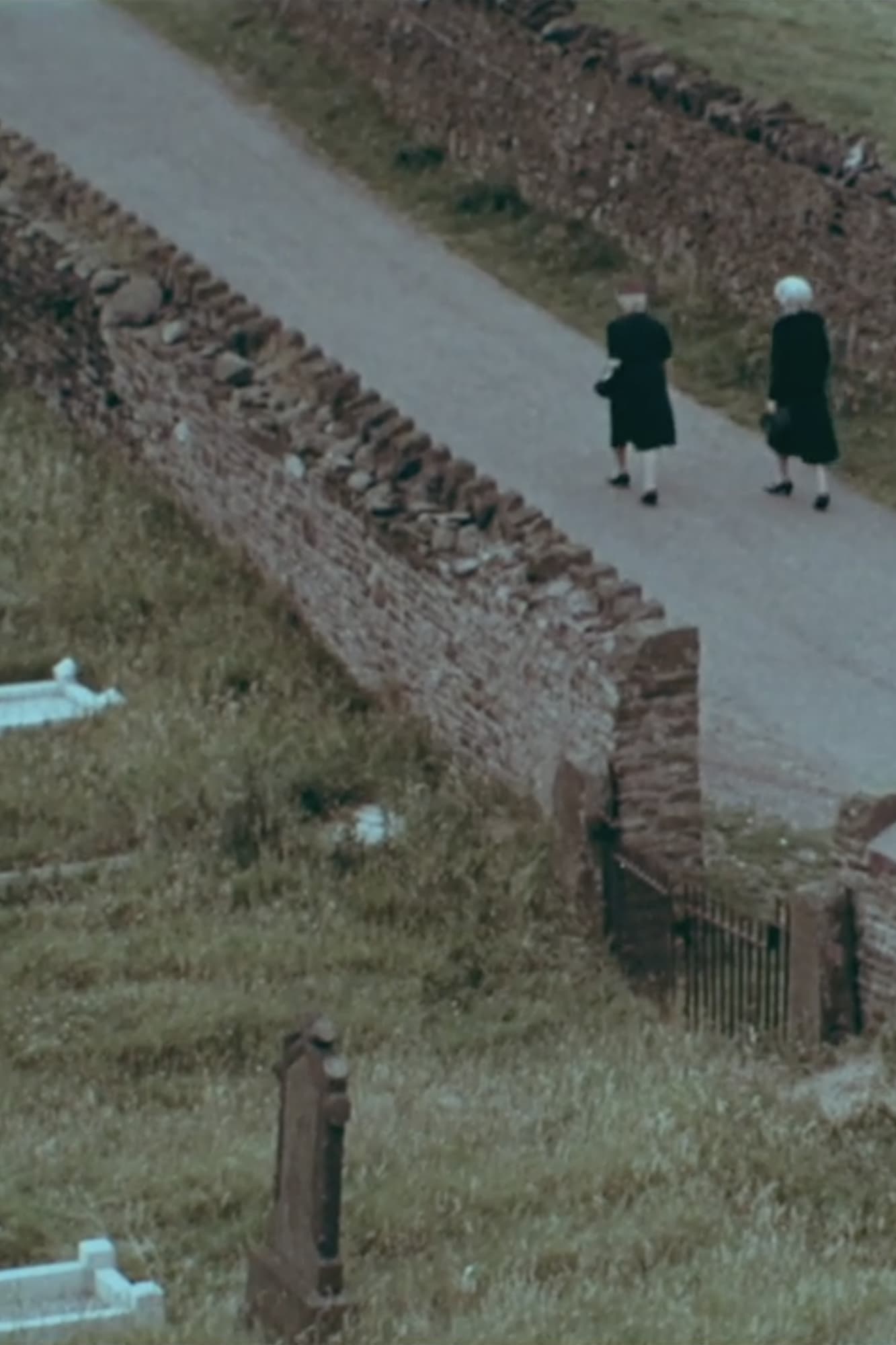
Warwick company newsreel material of the Universal Colliery at Senghenydd on fire after an explosion on 14th October 1913, and footage of a funeral procession for some of the 439 mine workers who were killed, is followed by a collage of images of the town and its people as they are 50 years later. Wynford Vaughan Thomas, narrating his own commentary, wonders if "colour"- superficial re-decoration – can really make any difference to "the inner heart of Senghenydd". Shot on spare, blank pieces of film by James Clark. Assisted by local amateur photographer and former miner Bill Probert. Script written and narrated by Wynford Vaughan Thomas. 1964.
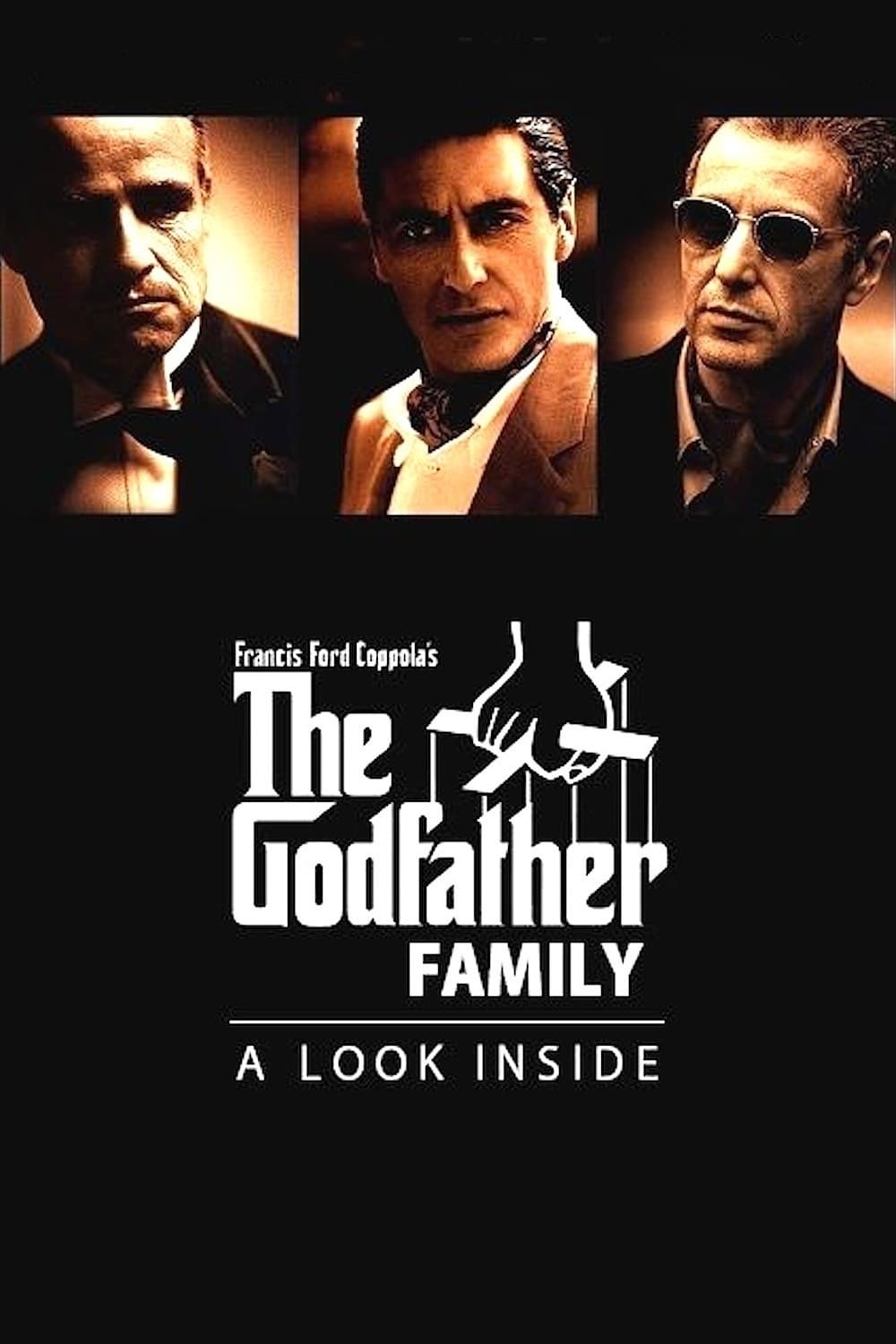
A documentary on the making of the three Godfather films, with interviews and recollections from the film makers and cast. This feature also includes the original screen tests of some of the actors for "The Godfather" film, and some candid moments on the set of "The Godfather: Part III."
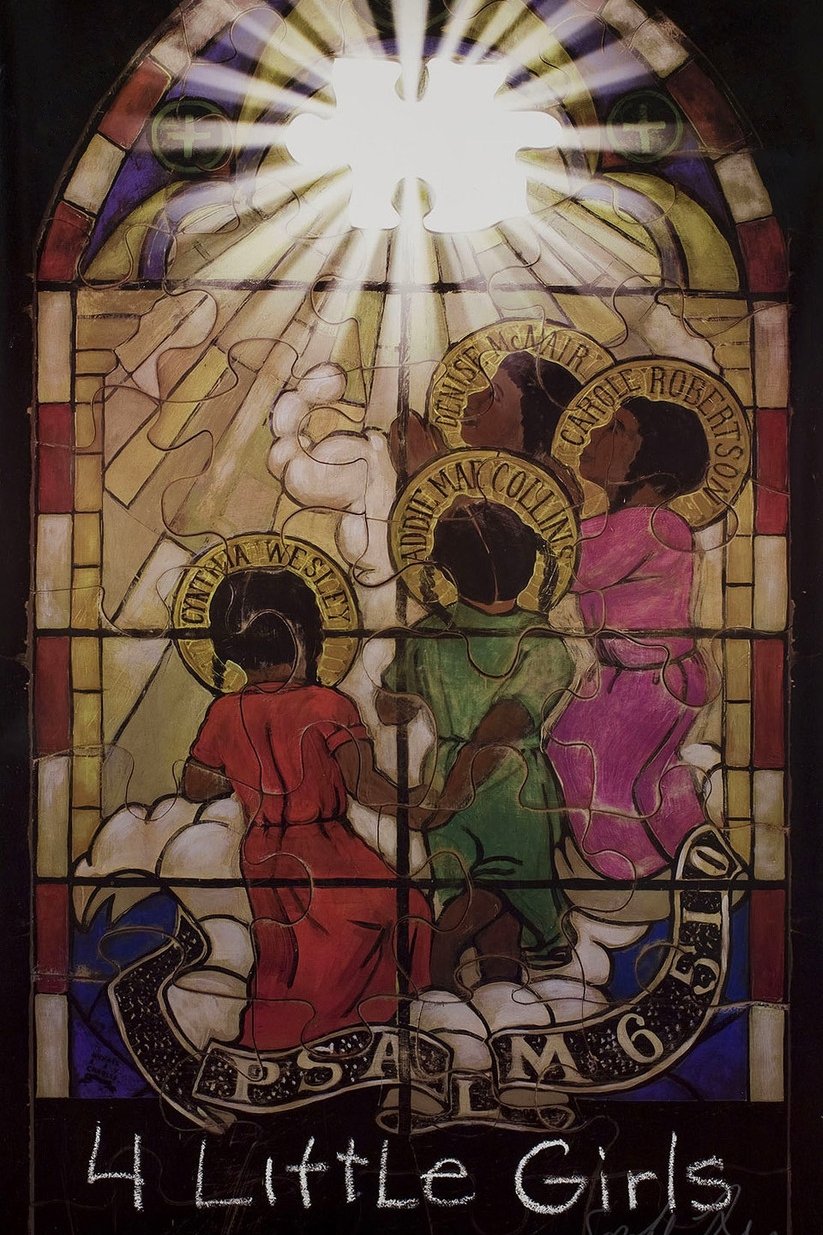
On September 15, 1963, a bomb destroyed a black church in Birmingham, Alabama, killing four young girls who were there for Sunday school. It was a crime that shocked the nation--and a defining moment in the history of the civil-rights movement. Spike Lee re-examines the full story of the bombing, including a revealing interview with former Alabama Governor George Wallace.
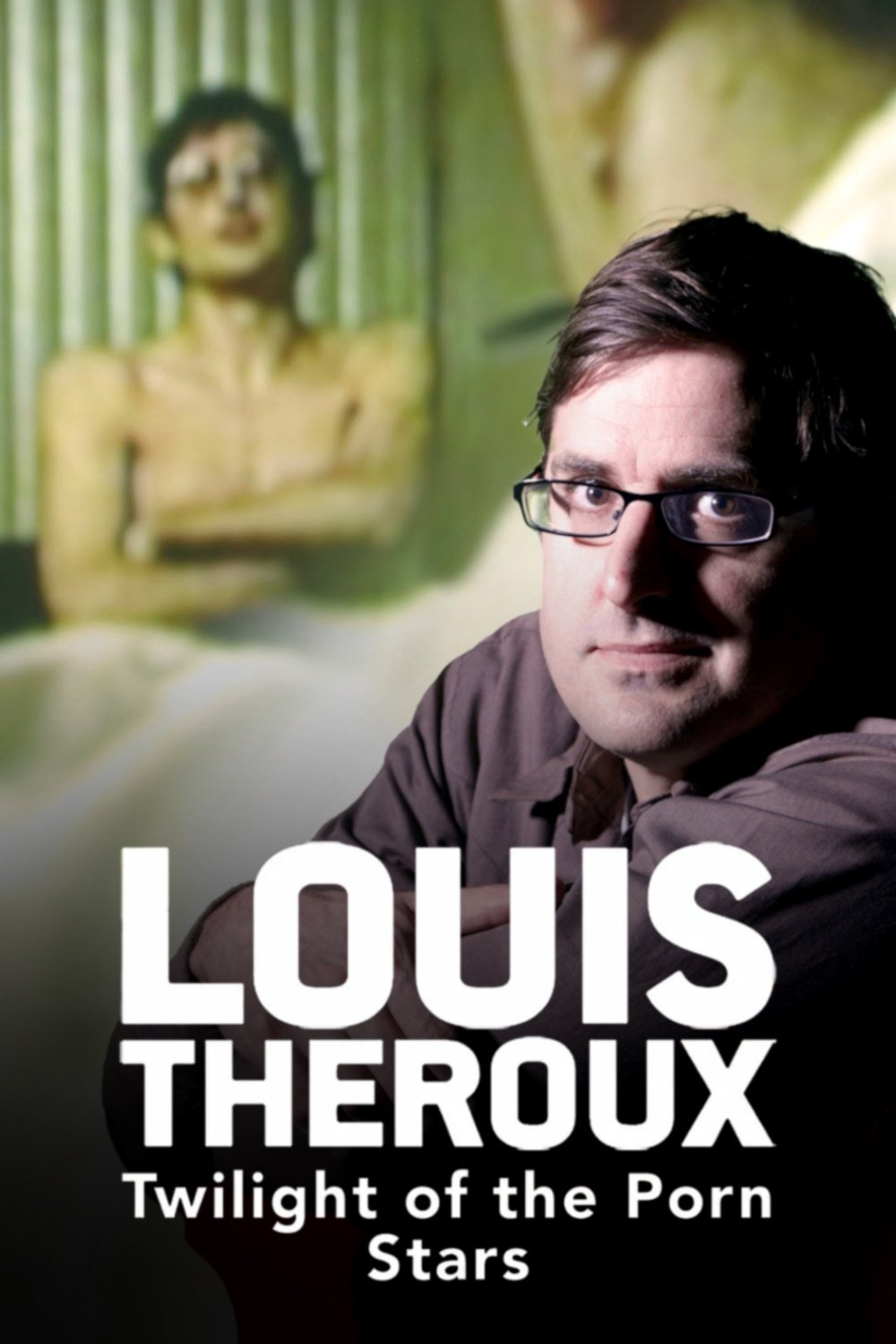
In 1997, Louis Theroux made a documentary about the world of male porn performers in Los Angeles. 15 years later, he returns to find a business struggling with the deluge of free porn on the internet. Louis revisits some of the original programme's contributors as well as meeting the latest crop of porn performers dreaming of porn stardom.
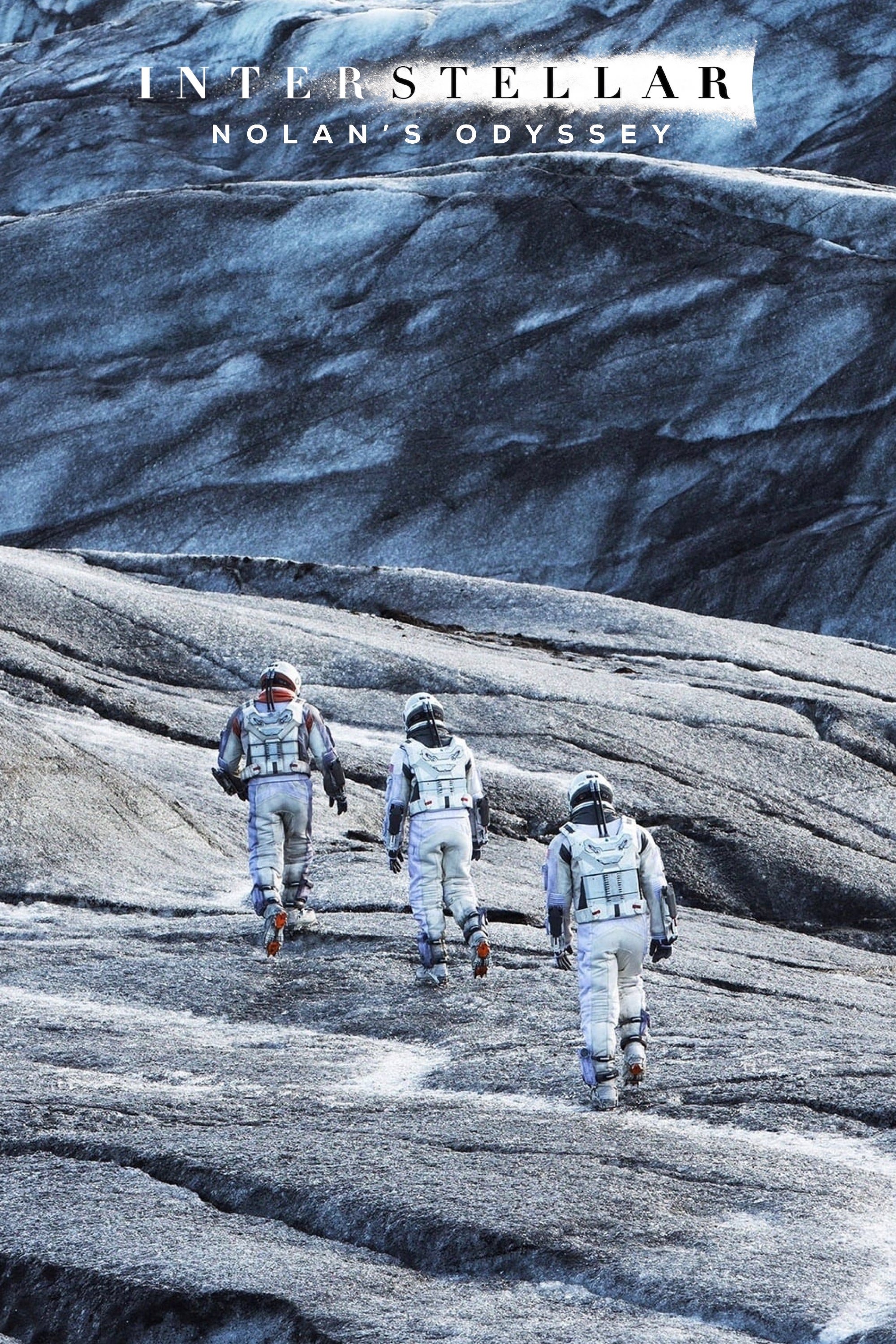
A look behind the lens of Christopher Nolan's space epic.
A candid look at rehearsal footage in support of a focus on pre-viz.
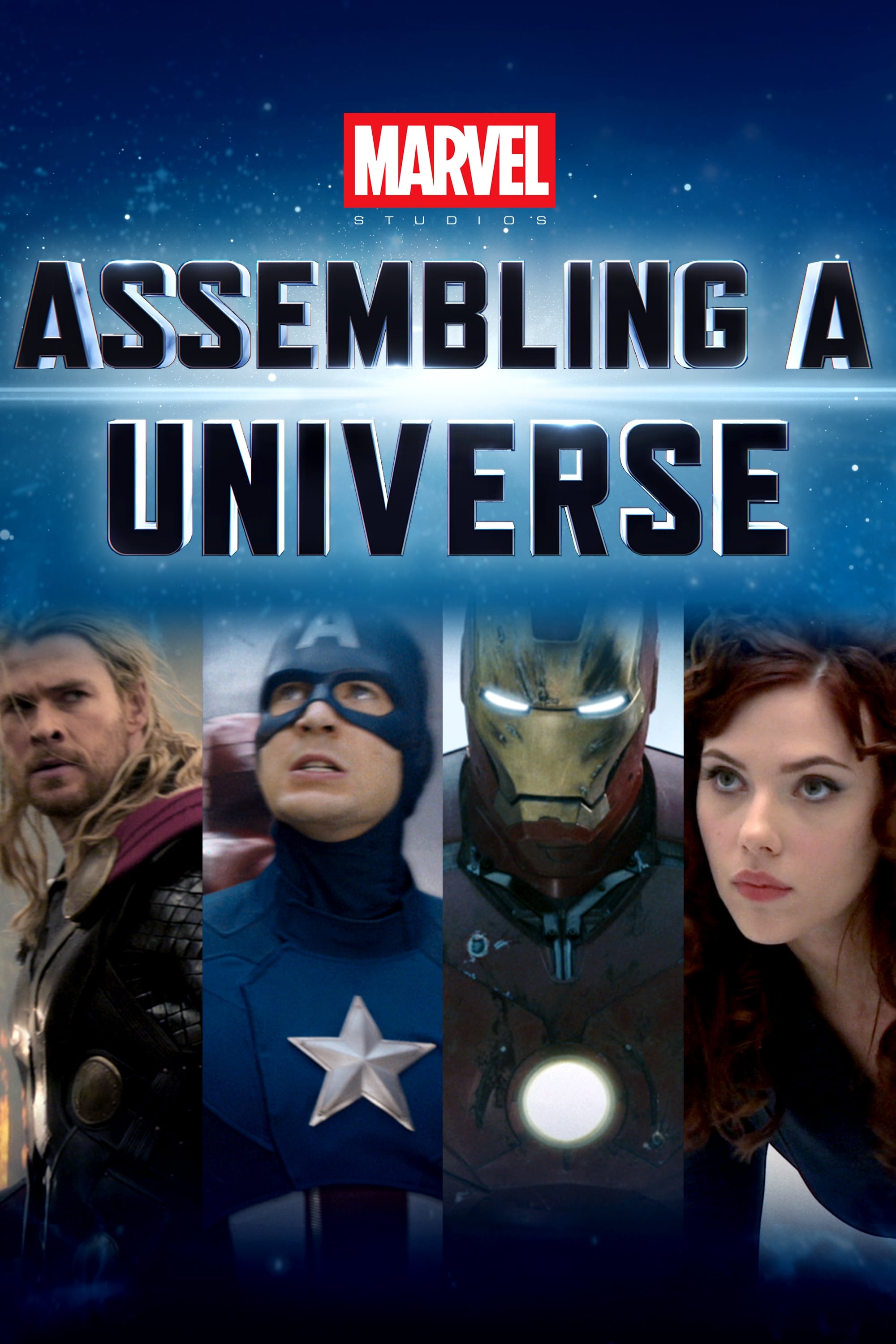
A look at the story behind Marvel Studios and the Marvel Cinematic Universe, featuring interviews and behind-the-scenes footage from all of the Marvel films, the Marvel One-Shots and "Marvel's Agents of S.H.I.E.L.D."!
David Blaine's signature brand of street magic mystifies the most recognisable celebrities in the world, such as Jamie Foxx, Bryan Cranston, Aaron Paul, Ricky Gervais, Katy Perry, Woody Allen, and Robert DeNiro, to name a few. He goes to the homes of Kanye West and Harrison Ford, Will Smith and Olivia Wilde. He pays a visit to Stephen Hawking at his office in Cambridge University. Blaine also travels the world, astonishing people from all walks of life with never-before seen, inconceivable magic.
Journey into the extraordinary world of "The Witcher" — from casting the roles to Jaskier's catchy song — in this behind-the-scenes look at the series.
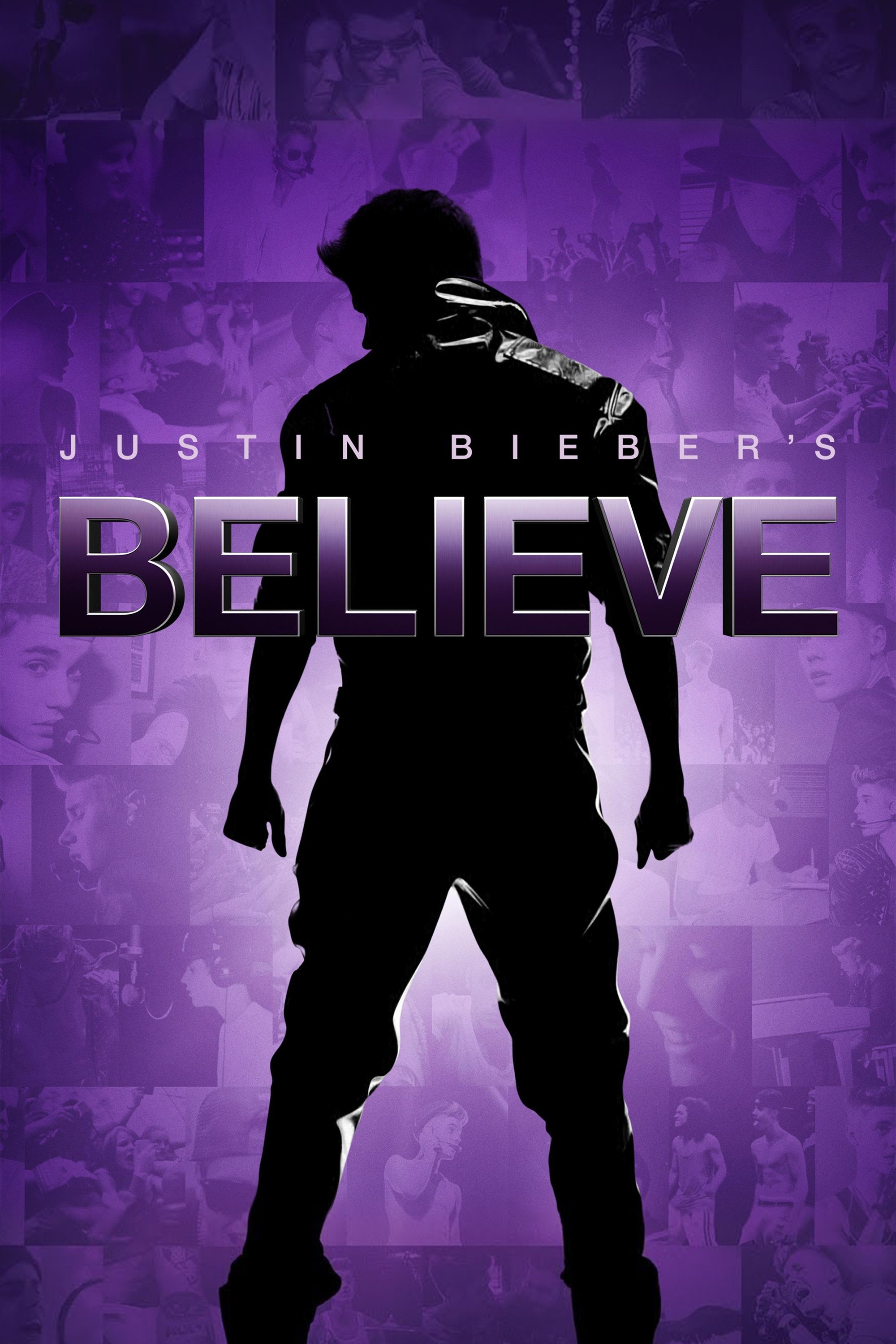
A backstage and on-stage look at Justin Bieber during his rise to super stardom.
A documentary special that explores the power of identity behind the iconic superheroes we know and love today. These legendary Marvel creations and stories have not only reflected the world outside our window – they have become a reflection of our own identities and who we truly are.
From the heights of her modeling fame to her tragic death, this documentary reveals Anna Nicole Smith through the eyes of the people closest to her.
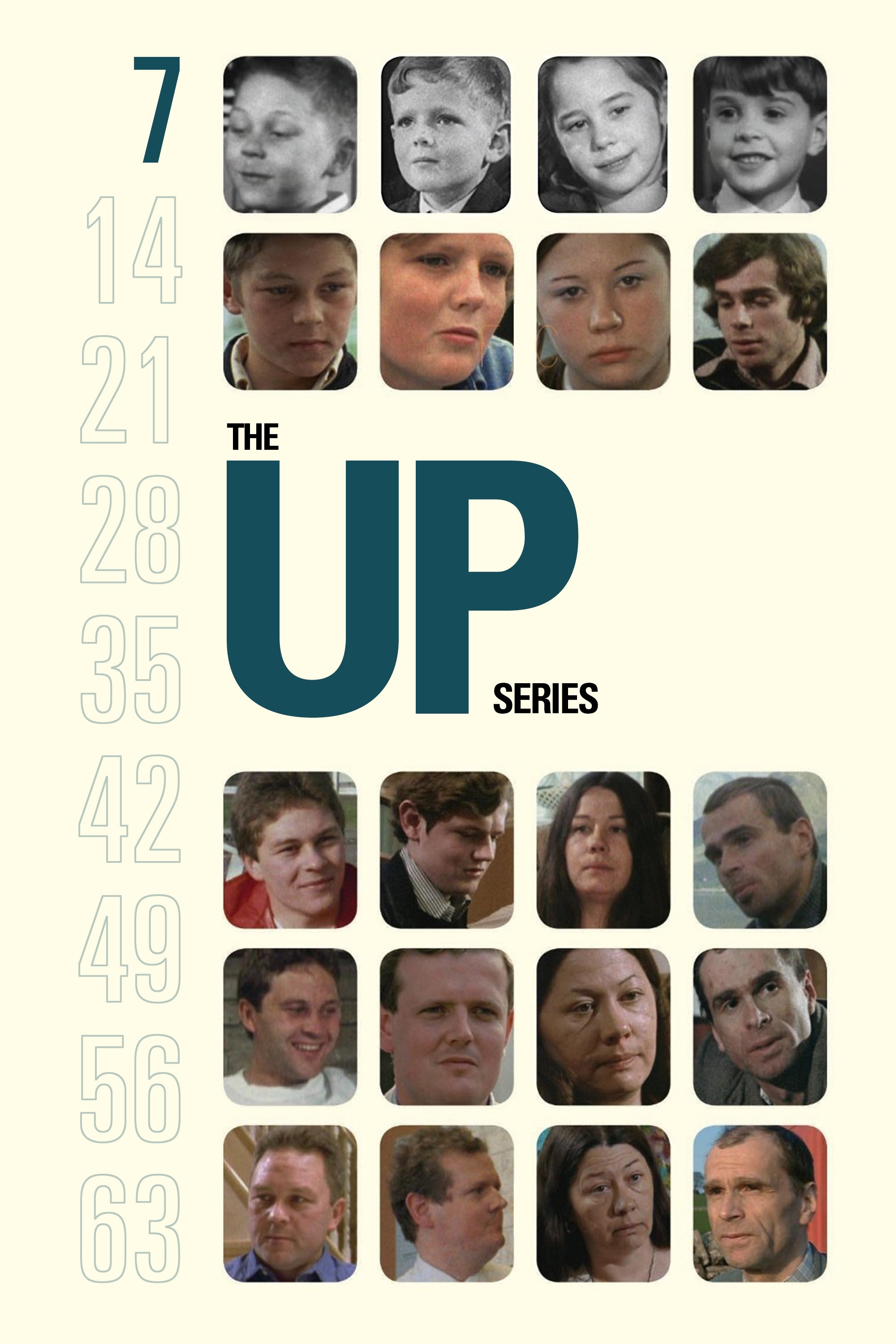
A group of British children aged 7 from widely ranging backgrounds are interviewed about a range of subjects. The filmmakers plan to re-interview them at 7 year intervals to track how their lives and attitudes change as they age.
A documentary chronicling Queen and Lambert's incredible journey since they first shared the stage together on "American Idol" in 2009.
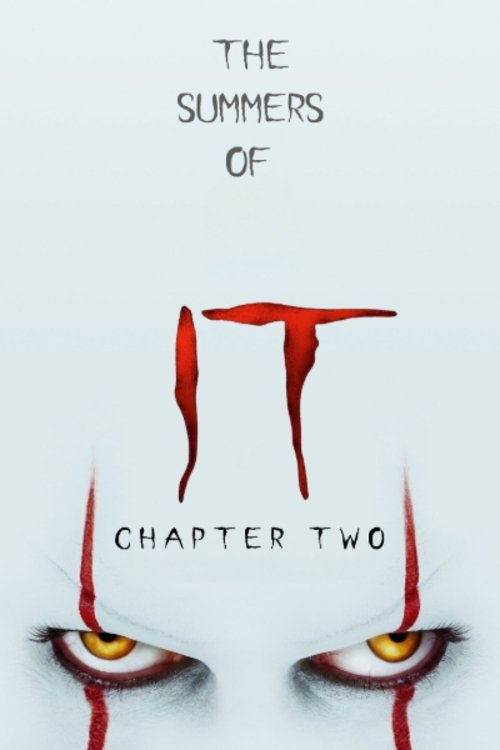
This documentary focuses on the actors and their journey over two summers to create the remake to the original IT, by Stephen King. The documentary originally released as bonus material, bundled with IT: Chapter Two.
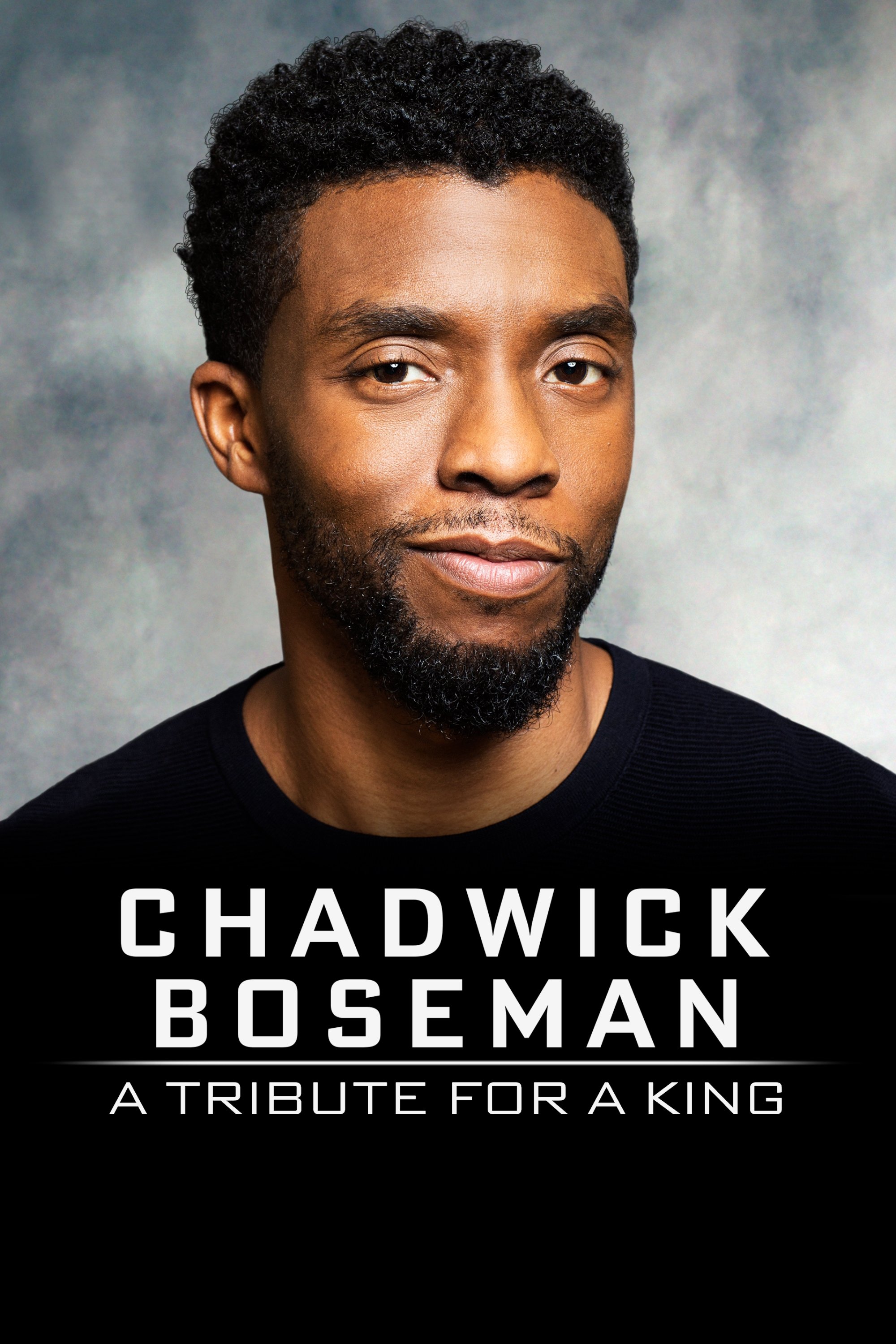
A tribute to Chadwick Boseman, celebrating his life and legacy.
Derren Brown investigates the power of social compliance by persuading an unwitting member of the public into believing that they have pushed someone to their death.
In an intimate and joyful story of love in the face of loss, celebrated poets Andrea Gibson and Megan Falley find strength—and unexpected hilarity—in what might be their final year together.
The Up in Smoke Tour is a West Coast hip hop tour in 2000 featuring artists Ice Cube, Eminem, Proof, Snoop Dogg, Dr. Dre, Nate Dogg, Kurupt, D12, MC Ren, Westside Connection, Mel-Man, Tha Eastsidaz, Doggy's Angels, Devin The Dude, Warren G, TQ, Truth Hurts and Xzibit.
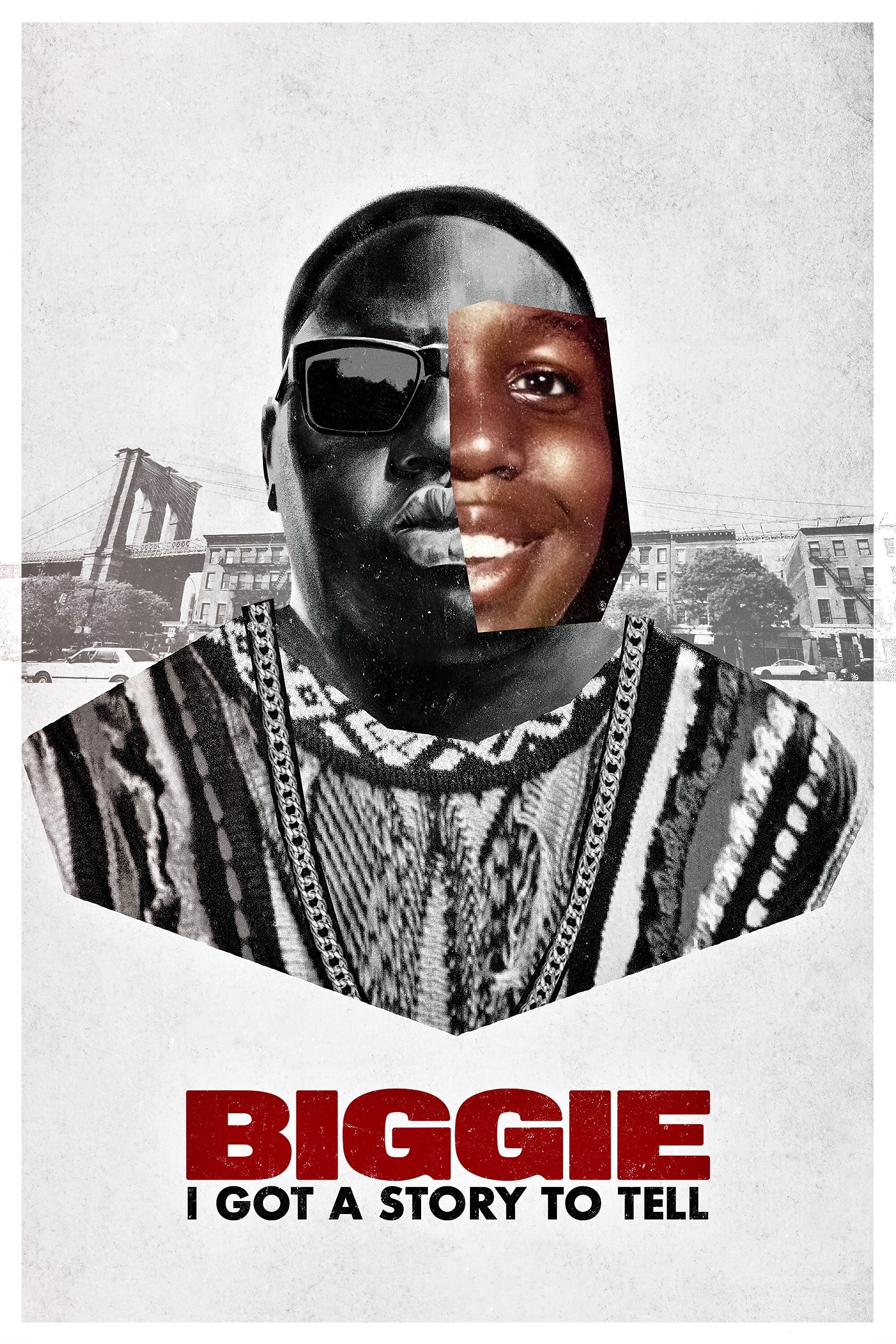
Christopher Wallace, AKA The Notorious B.I.G., remains one of Hip-Hop’s icons, renowned for his distinctive flow and autobiographical lyrics. This documentary celebrates his life via rare behind-the-scenes footage and the testimonies of his closest friends and family.
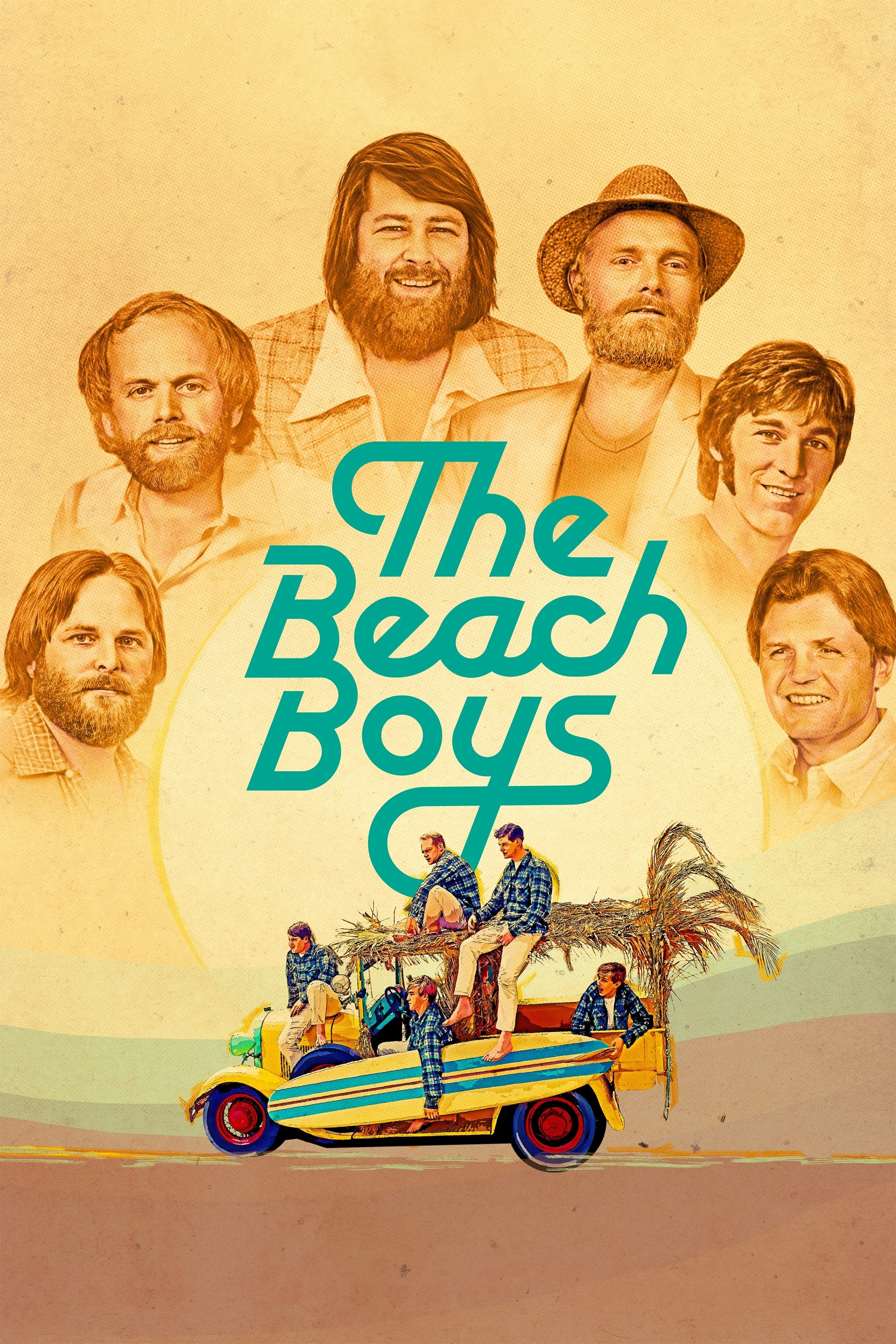
A celebration of the legendary band that revolutionized pop music, and the iconic, harmonious sound they created that personified the California dream, captivating fans for generations and generations to come.