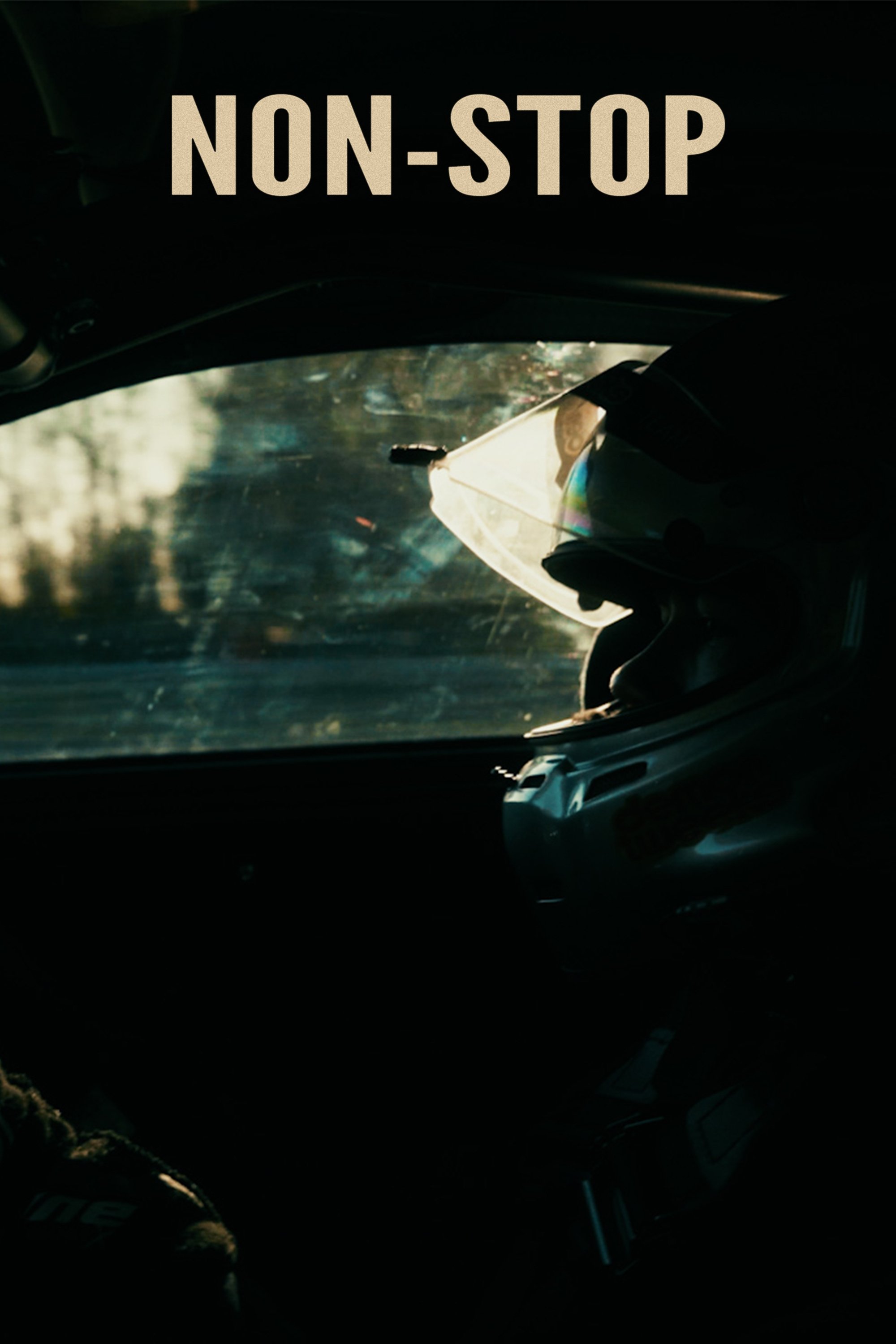
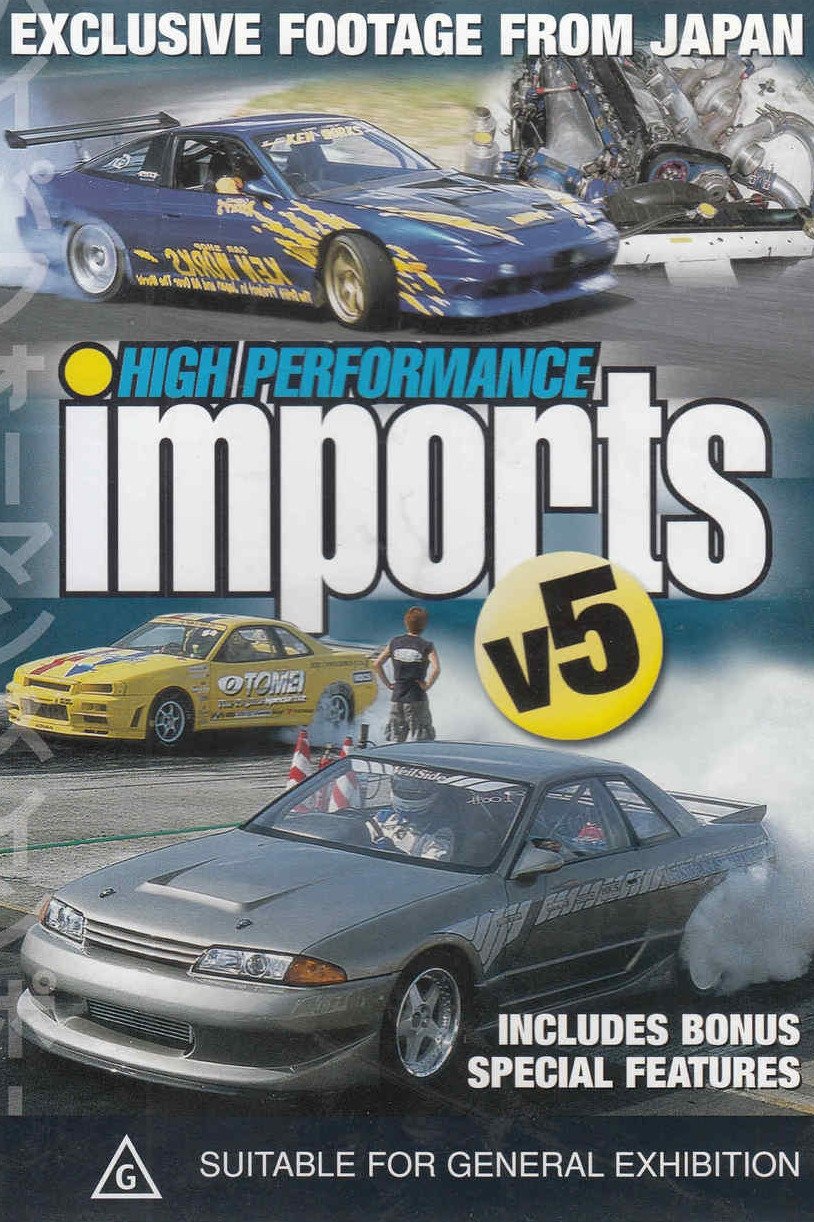
"Extreme draft & drag action"
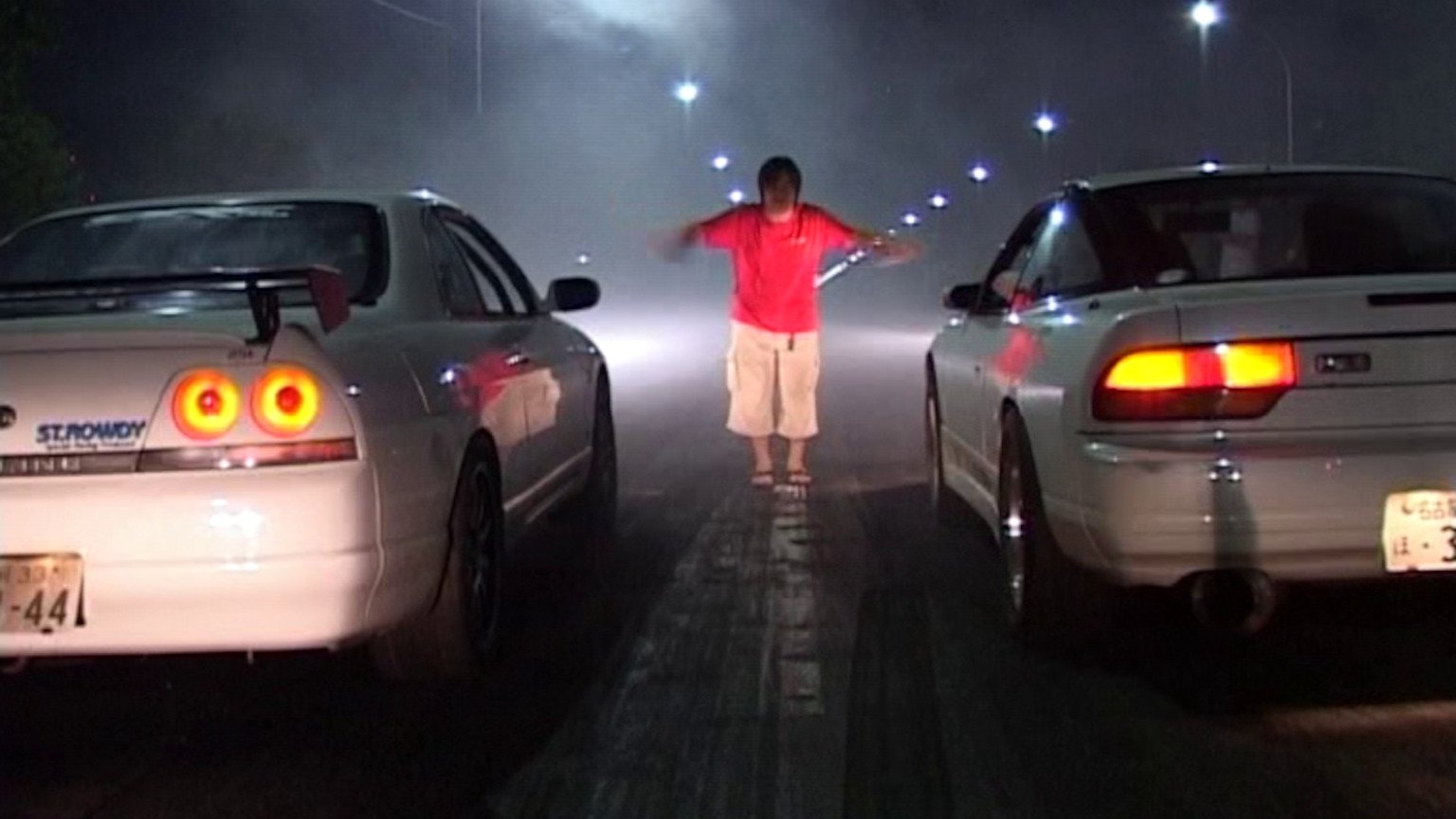
This time High Performance Imports visits Ebisu Circuit for the draft matsuri, tours the Veilside factory and attends some drag meetings.
Social & External
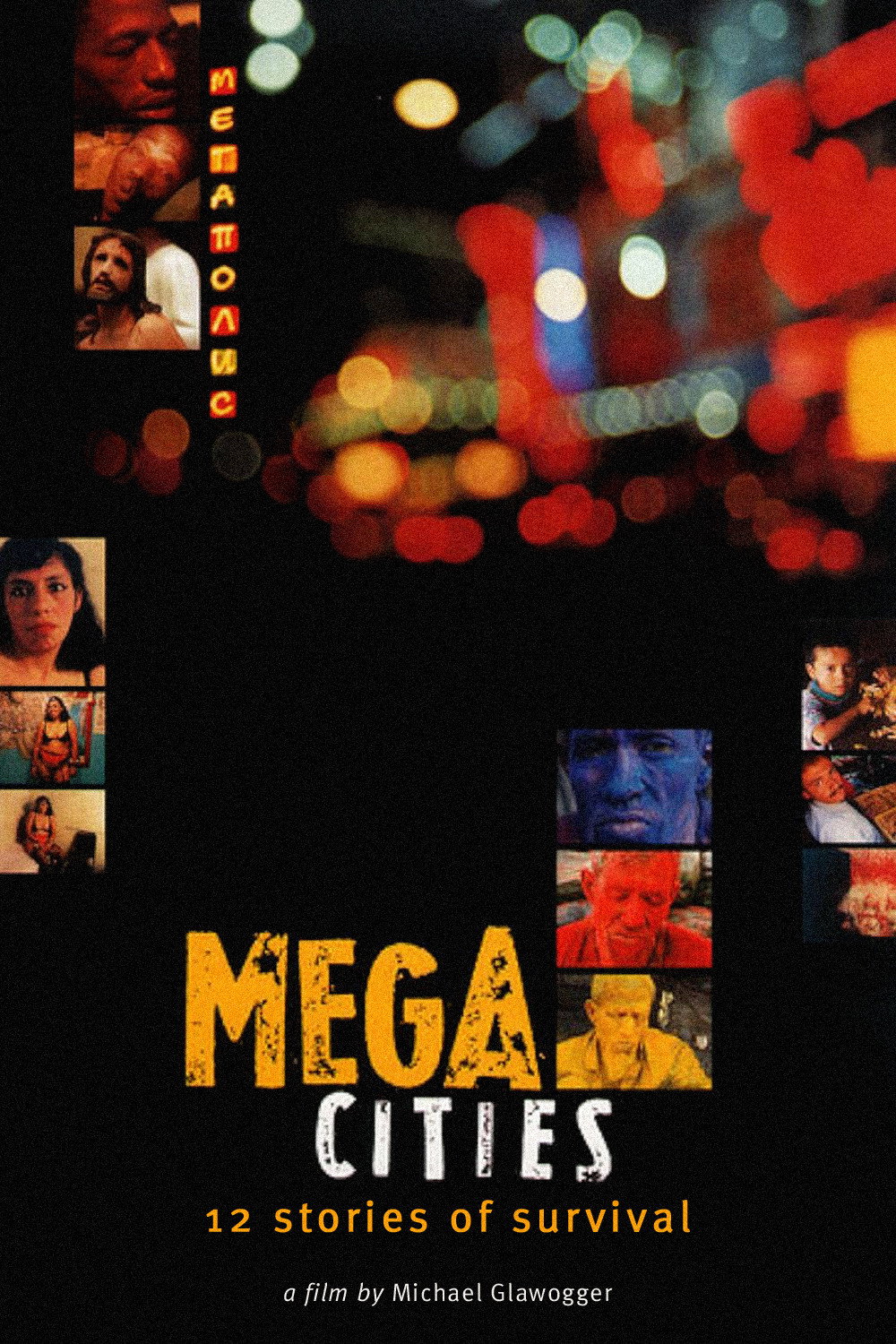
Megacities is a documentary about the slums of five different metropolitan cities.
Actual footage by the United States Signal Corps of the landing and attack on Arawe Beach, Cape Glouster, New Britain island in 1943 in the South Pacific theatre of World War Two, and the handicaps of the wild jungle in addition to the Japanese snipers and pill-box emplacements.
A documentary film that includes footage of past Olympics held in different countries with an particular emphasis on the activities and successes of Japanese athletes and how they are currently (circa 1963) improving themselves.
Documentary about two boys and a girl who travel to surfing spots around the world.
A personal documentary that tracks the construction of America's collective memory (or lack of one) of the bombings of Hiroshima and Nagasaki. It follows the obscure histories of specific photos and photographers, both Japanese and American, who visited Nagasaki and Hiroshima in the aftermath of the bombings, counterposing this visual legacy with the stories of survivors, whose practice of speaking to small groups of students offers a modest but powerful counter-history to the official record.

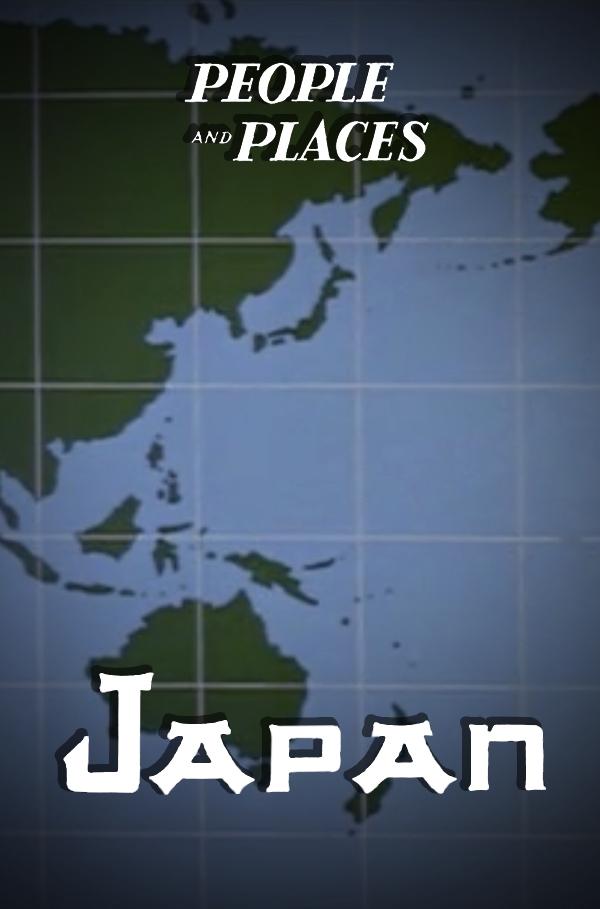
Japan is a country of steep mountains surrounding wide flat plains where people have lived for thousands of years. On the largest plain lies the country's largest freshwater lake, Lake Biwa, which is not at all far from Japan's ancient, capital city of Kyoto. The slopes that stretch down towards the lake have been terraced. Here rice seedlings need shallow water in which to grow, and the neat, meticulously constructed paddy fields provide just this. Some of them have been cultivated continuously for thousands of years. Alongside them stand patches of woodland where, for centuries, the people have found their fuel and their food. This is a land that has been touched by people, yet the people tread lightly upon it. It's a land that has been ruled for centuries by the demands of the rice, yet it's still dominated by the rhythmic cycle of the seasons. Here is a landscape that the Japanese people hold so close to their hearts that they have a special word for it: Satoyama.
What threads of history bind Manhattan's Ground Zero to those of Nagasaki and Hiroshima? Or connect sight to truth, games to war, or the silkworm to the drone? What does the United States hold to be the role of science in warfare? How has war historically been waged in Buddhist traditions? These are some of the topics addressed in Eyewar: 80 minutes of found footage which traces the development of the digital image from the maps of the second century to the screens of the twenty-first, and the uses of the field of cybernetics from Japan in the 1940s to Chile in the 1970s and Iraq in the 1990s.
A recording of Asia's highly publicized concert at the Budokan in Japan. Songs performed include "Time and Time Again," "The Heat Goes On," and "Here Comes That Feeling."
A high velocity, in-depth look at the tuner scene shot on location in Japan. Features include; JDM Insider Vol. 2 features a visit with #Smokey# Nagata and his world-renowned tuning shop, #TOP SECRET#. A private, inside look at the crib of GT Racer, D1 Judge, and former mountain drifter, Manabu Orido. A special one-on-one interview with Takahiro Ueno, the president of T&E, known for his high-end style and technique. Then watch him flex his D1 style in front of upcoming drifters at the Nikko Circuit Kazama Auto Drift Day. Go hardcore Touge Drifting in a 600 HP Soarer at one of the original mountain drift spots. Then off to Yokohama to battle Yakuza bashers and avoid oncoming traffic in a wild all night city drift adventure.
Megumi Odaka (小高恵美) idol VHS tape, Megumi the Campaign - Idol Roke Zenkoku Jyuudan, 1989. She is best known for the role of Miki Saegusa in six Godzilla films from 1989 to 1995.
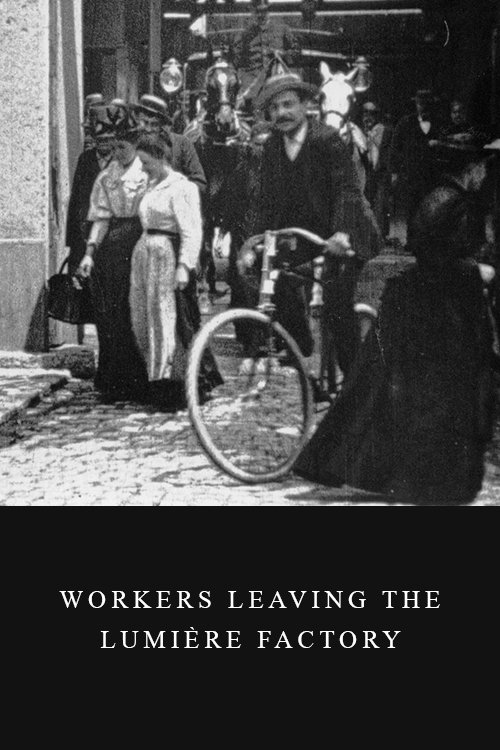
Working men and women leave through the main gate of the Lumière factory in Lyon, France. Filmed on 22 March 1895, it is often referred to as the first real motion picture ever made, although Louis Le Prince's 1888 Roundhay Garden Scene pre-dated it by seven years. Three separate versions of this film exist, which differ from one another in numerous ways. The first version features a carriage drawn by one horse, while in the second version the carriage is drawn by two horses, and there is no carriage at all in the third version. The clothing style is also different between the three versions, demonstrating the different seasons in which each was filmed. This film was made in the 35 mm format with an aspect ratio of 1.33:1, and at a speed of 16 frames per second. At that rate, the 17 meters of film length provided a duration of 46 seconds, holding a total of 800 frames.
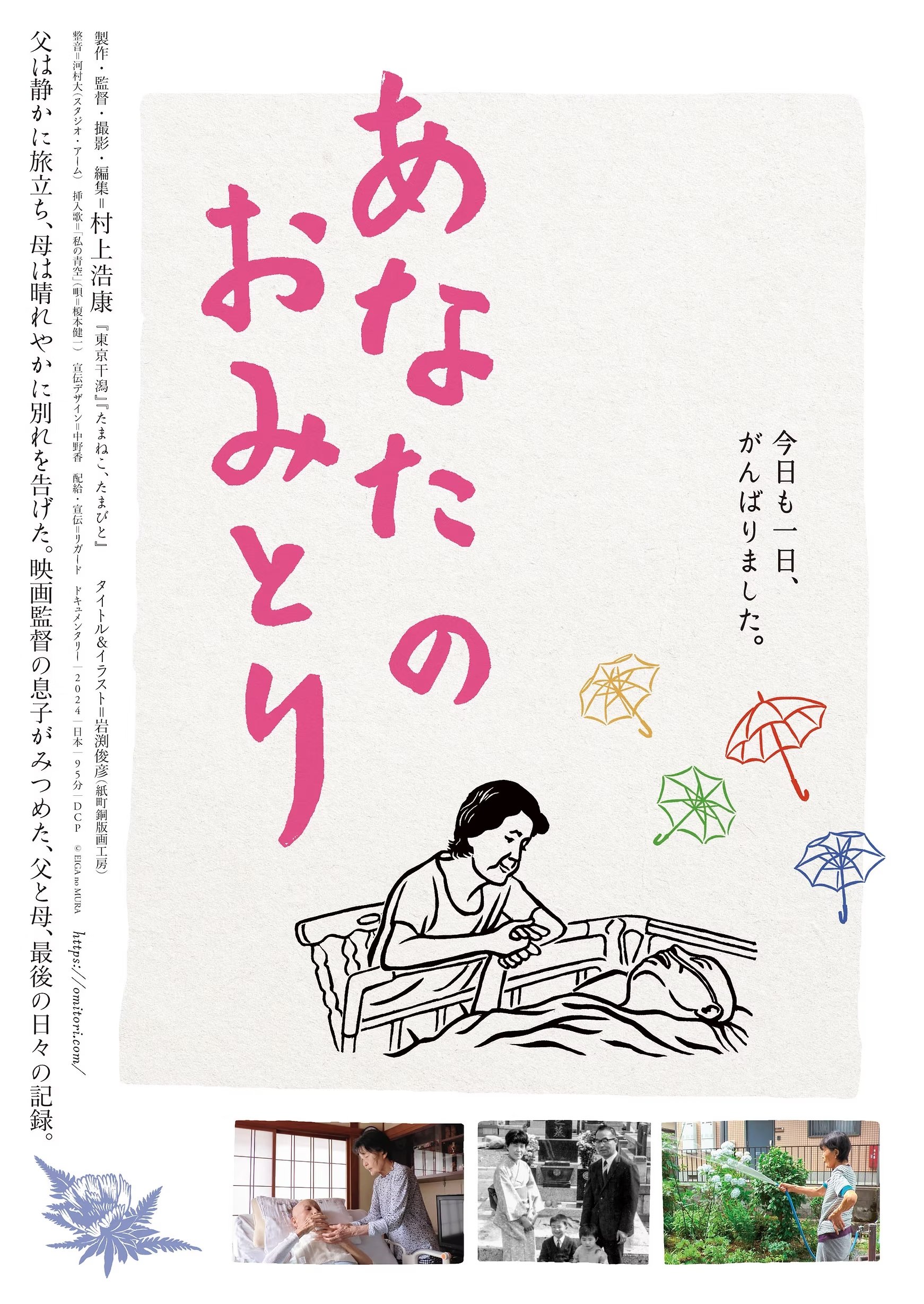
This is the story of Kaori Kawabuchi, a samurai sword performer, singer and motion capture actor. An inspiring woman keeping alive ancient traditions and spirituality in modern Japan.
The first feature length documentary on Formula Drift. Learn the Ins and Outs of the only professional drifting series in America. With an overview of the rules, techniques, and the insider tips revealed by the top drivers and privateers.
The protagonists of the film are the Zainichi Korean women living in Kawasaki. They were tossed about by the war, and after many trips to and fro across the sea in search of a place to live, they finally arrived in Kawasaki, where they have lived modestly and vigorously.
A journey into the unique, often bizarre, world of Japanese cat culture. Cat themed cafes, bars, temples, cat islands, cats with human jobs, cat friendly businesses, and the origins of the iconic beckoning cat statue.
Marty and Moog are back in Japan to pick up another car that they've bought off the internet. This time, they'll be road tripping to Hokkaido to meet up with someone very special. With all new original soundtrack and stunning cinematography, this 90 minute feature film explores Japan in all its glory, and showcases what Mighty Car Mods does best!
This film is about Japanese women, escape, glamour and dreams. The Takarazuka Revue is an enormously successful spectacular where the all-women cast create fantasies of erotic love and sensitive men. It is also a world for young girls desperate to do something different with their lives. In return for living a highly disciplined and reclusive existence, they will be adored and envied by many thousands of Japanese women. They will look, act and behave like young men while having no real men in their lives. Dream Girls explores the nature of sexual identity and the contradictory tensions that face young women in Japan today.
Made in Japan, Last Room is both fiction and documentary. The occupants of the love-hotels and capsule-hotels tell their own intimate, dreamlike stories, interspersed with journeys through the archipelago's landscapes. Soon, these personal stories resonate with a collective history: that of Gunkanjima, the abandoned ghost island of Nagasaki, and then that of Japan as a whole.
The war in the South Pacific, a country doctor in Colorado, victims of industrial pollution in a Japanese village — all were captured in unforgettable photographs by the legendary W. Eugene Smith. This program showcases over 600 of Smith’s stunning photographs and includes a dramatic recreation in which actor Peter Riegert (Crossing Delancey, Local Hero) portrays the artist using dialogue take from Smith’s diaries and letters. Interwoven through the program are archival footage and interviews with family and friends of this brilliant, complicated man, whose work developed from twin themes of common humanity and social responsibility.
Using never-before-seen footage, Japan's War In Colour tells a previously untold story. It recounts the history of the Second World War from a Japanese perspective, combining original colour film with letters and diaries written by Japanese people. It tells the story of a nation at war from the diverse perspectives of those who lived through it: the leaders and the ordinary people, the oppressors and the victims, the guilty and the innocent. Until recently, it was believed that no colour film of Japan existed prior to 1945. But specialist research has now unearthed a remarkable colour record from as early as the 1930s. For eight years the Japanese fought what they believed was a Holy War that became a fight to the death. Japan's War In Colour shows how militarism took hold of the Japanese people; describes why Japan felt compelled to attack the West; explains what drove the Japanese to resist the Allies for so long; and, finally, reveals how they dealt with the shame of defeat.