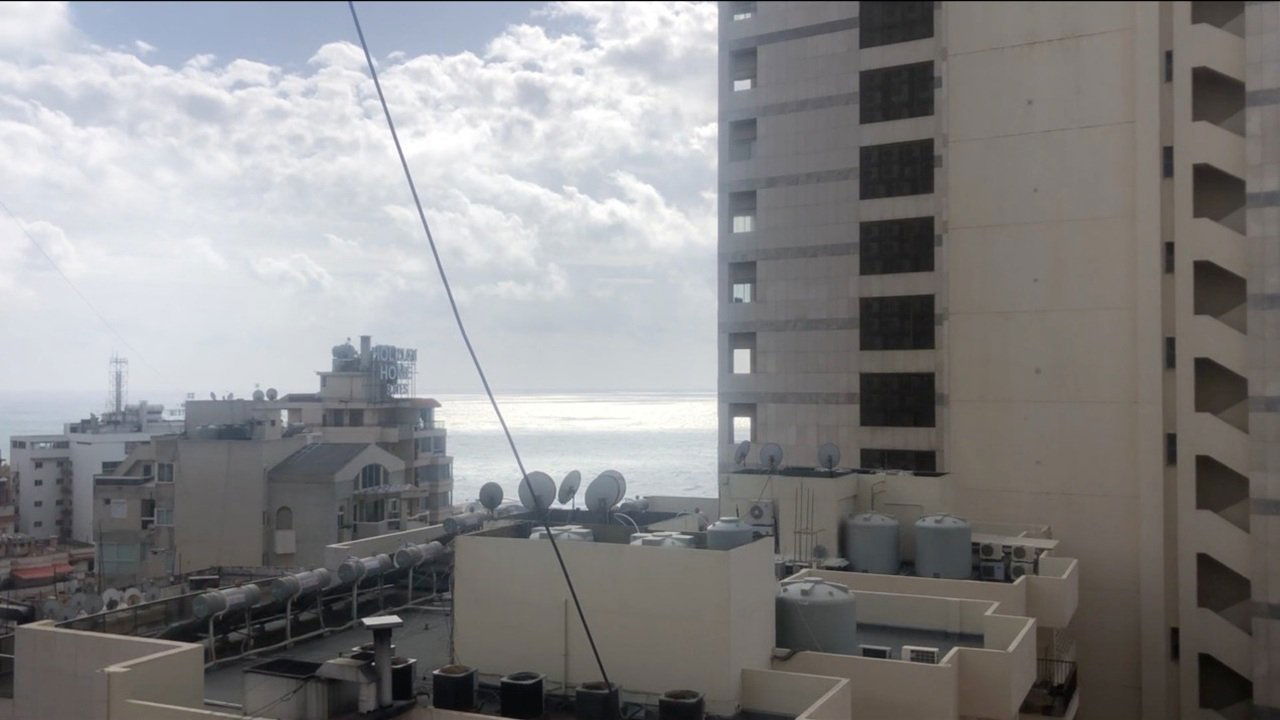
Beyrouth, spring 2020. Is the uprising in Lebanon merely on hold?
Social & External
Composed from the conversations that the director holds with people passing by in the street under his Warsaw apartment, each story in 'The Balcony Movie' is unique and deals with the way we try to cope with life as individuals. All together, they create a self-portrait of contemporary human life, and the passers-by present a composite picture of today's world.
A representation of queer and feminist imagery that was mainly shot in the Qinghai-Tibetan Plateau, remote and developing areas in southwest China, and metropolitan cities like Beijing from 2000 to 2004 to document the social changes in contemporary China. The director sympathetically and erotically represents a variety of women, including women as laborers, women as prayers, women in the ground, women in marriage, and women who lie on the funeral pyre with their dead husbands. Her camera juxtaposes the mountains and rivers in old times, the commercialized handicrafts as exposition, the capital exploitation of the elders’ living space, and the erotic freedom of the young people in a changing city.
Sayedat Al-Kasr traces the history of the Joumblatt family of Mount Lebanon from the 17th century to the present, focusing on early 20th century leader and politician Nazira Joumblatt. Born in 1889, Nazira ascended the throne of the Moukhtara palace in 1923, following the assassination of her husband Fouad and the resignation of her brother Aly Joumblatt. She presided over the region as Lady of the Palace for twenty-five years while raising her son Kamal, preparing him to take his place in a long line of Jumblatt leaders. Famous for her wisdom and strong personality, Nazira boldly entered the Lebanese political scene at a time when this field was entirely dominated by men. Unwavering, she contributed to maintaining peace and stability in Lebanon for many years, earning the respect of men and women, whether Druze or Maronites.
An intimate exploration of life in Bzebdine, a small rural village in Mount Lebanon.
Yes, you have to scream louder.
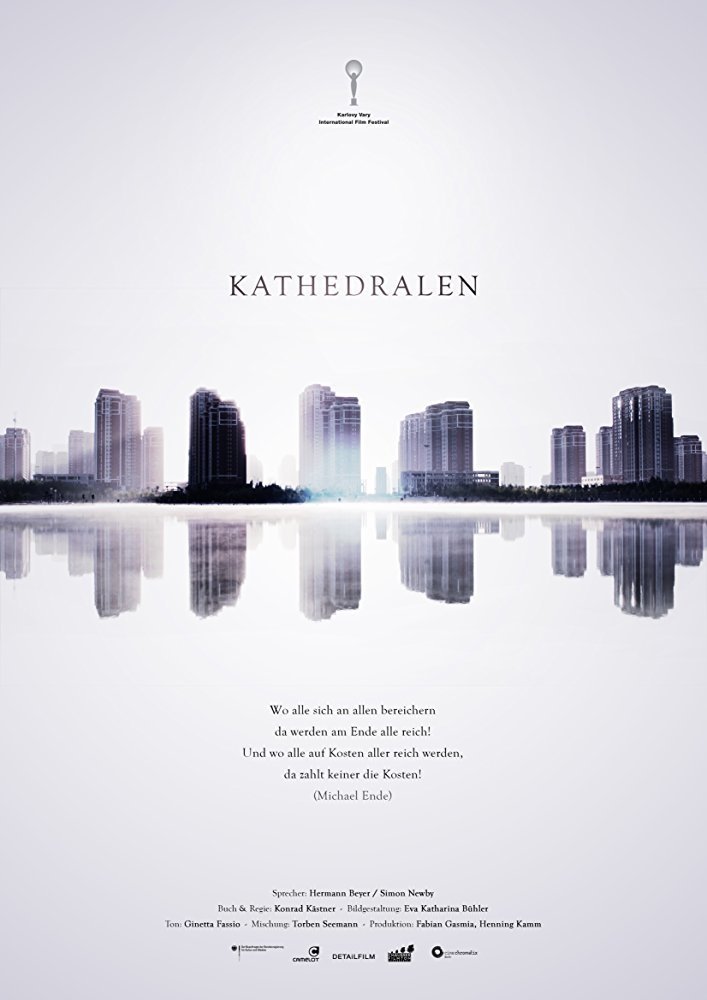
The city of Ordos, in the middle of China, was build for a million people yet remains completely empty. Ordos is not so much a place but a symbol of babylonic hype. But nothing will change - as long as people believe.
"Bulletproof" observes the age-old rituals that take place daily in American schools: homecoming parades, basketball practice, morning announcements, and math class. Unfolding alongside these scenes are an array of newer traditions: lockdown drills, teacher firearm trainings, metal detector inspections, and school safety trade shows. This documentary weaves together these moments in a cinematic meditation on fear, violence, and the meaning of safety, bringing viewers into intimate proximity with the people self-tasked with protecting the nation's children while generating revenue along the way, as well as with those most deeply impacted by these heightened security measures: students and teachers.
Young people are protesting on the streets of Hong Kong in order to bring about change. Air soaked with tear gas, the dark uniforms and loud commands of the police officers in the colourful umbrella sea of the protesters. In the midst of the action, the film documents a brand new protest movement.
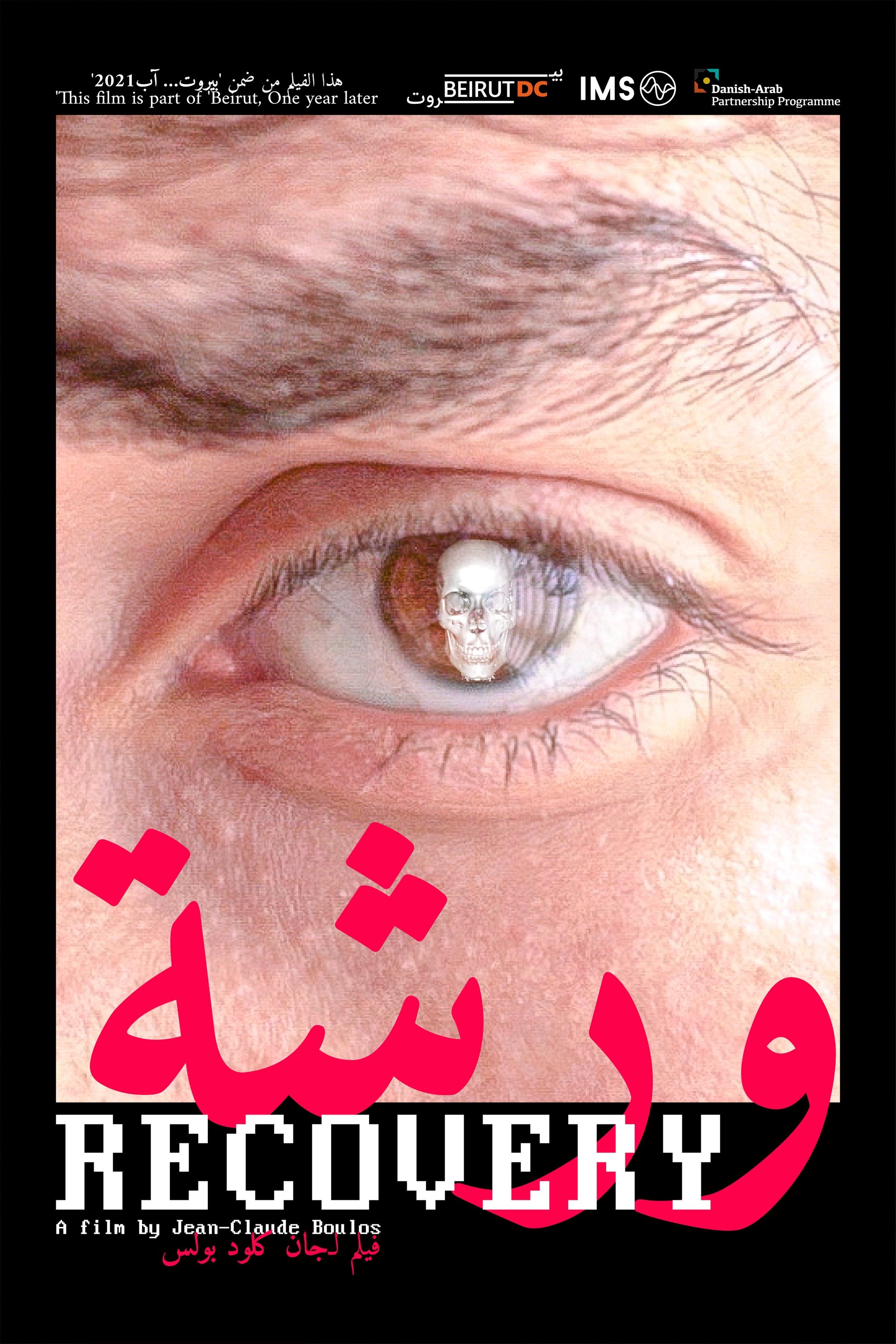
Jean-Claude walks his dog in a neighborhood forever stuck in reconstruction. On his trip, he wonders about life, mortality, and 'what if' scenarios while remembering fragments from the direct impact of the second that almost cost him his life on August 4. At the moment of the explosion, the end of the world, bodies, buildings, roads, and cities may shatter. Perhaps the universe itself breaks apart. But the most severe fragmenting remains that of memory. A picture here and a sound there are vaguely reconstituted. Can a future be built from such a memory? Can it rebuild what was lost? Is it time to leave?
An Israeli film director interviews fellow veterans of the 1982 invasion of Lebanon to reconstruct his own memories of his term of service in that conflict.
While much of the world struggles to keep the planet going, a frighteningly large group of American fundamentalist Christians are working to promote the apocalypse. The evangelical movement is convinced that they will be saved when Jesus appears in the state of Israel on horseback and, with a sword raised to heaven, kills the infidels so that the blood reaches the horses’ bridles. Natural fires, corona, wars and crises are evidence that the time is nigh. But for the prophecies to be realized, the state of Israel has to grow stronger, so they provide huge financial support and are so far inside the White House that they help influence US foreign policy.
Tokyo, the largest city in the world, wants to create a new urban culture. It is returning to the urban traditions and building techniques of the small town. The aim is to create a new balance between megacity and small-scale garden city. Tokyo's architects are the driving force. They want to create a new urban culture with revolutionary ideas.
A humorous short documentary which features interviews with three zealous New York City roach-haters who demonstrate their own extermination techniques and recount - in hilarious detail - their own personal experiences with cockroaches. Includes an original musical composition lamenting the presence of this pesty insect in urban life
Inhabitants of Beirut talk about their love for the singer Fairuz.
Lebanese director Angie Obeid embarks on a road trip with her father, Mansour, retracing a journey he made 42 years ago. She tries to reach out to the young Mansour, understand the decisions he made when he was her age, and find common ground. The film explores the challenges and opportunities that arise when navigating the boundaries between tradition and modernity, family and individuality, home and the wider world.
In late 2009, over twenty Hong Kong civic groups united as the "Anti-High-Speed Rail, Stop Funding" coalition, aiming to halt Legislative Council approval of the HKD 66.9 billion Express Rail Link amid deep social rifts. The "Post-80s Anti-High-Speed Rail Youth" group drew thousands of young people with their slogan “Defend Our Homeland, Protest with Joy,” leading to three funding suspensions that surprised the public. Media coverage was intense and innovative, featuring rare camera angles and lively online debate among journalists. This documentary explores how reporters shaped the movement, their emotional involvement, and the dynamic relationship between the media and activists during Hong Kong’s pivotal 2009–10 protests.