A survey of the painting of Henri Matisse, revealing the development of the idyllic quality in his work. Studies pictures from the beginning of his career, and follows the spontaneous flowering of color.
Social & External
For three and a half centuries, from the same day that Diego Velázquez (1599-1660) applied his last brushstroke to the canvas, the enigma of “Las meninas, o La familia de Felipe IV” (1656) has not been deciphered. The secret story of a painting unveiled as if it was the resolution of a perfect crime.
An account of the life and work of the multidisciplinary Spanish artist Mariano Fortuny Madrazo (1871-1949), textile and fashion designer, set designer, photographer, painter and engraver, known as the Leonardo Da Vinci of the 20th century.
In 1940, the German artist Charlotte Salomon (1917-43) undertook an extraordinary artistic adventure, during which she combined painting, text and music: in only eighteen months, she painted more than a thousand paintings. In 1943, she was arrested by the Nazis and sent to the Auschwitz extermination camp.
In 2009, art detective Dr Bendor Grosvenor caused a national scandal by proving that the Scottish National Portrait Gallery's iconic portrait of Bonnie Prince Charlie, the rebel Stuart who almost seized power in 1745, was not in fact him. Keen to make amends, and suspecting that a long-lost portrait of the prince by one of Scotland's greatest artists, Allan Ramsay, might still survive, Bendor decides to retrace Charles's journey in the hope of unravelling one of the greatest mysteries in British art.
A film that looks at the genius of JMW Turner in a new light. There is more to Turner than his sublime landscapes - he also painted machines, science, technology and industry. Turner's life spans the Industrial Revolution, he witnessed it as it unfolded and he painted it. In the process he created a whole new kind of art. The programme examines nine key Turner paintings and shows how we should re-think them in the light of the scientific and Industrial Revolution. Includes interviews with historian Simon Schama and artist Tracey Emin.
A portrait of Spanish comic book author Paco Plaza.
Every fall, The Center for Cartoon Studies invites 20 aspiring cartoonists to White River Junction, Vermont for a no-holds-barred education in comics. Those who complete the two-year program earn a Master of Fine Arts degree and are ready to face the hardship of a career in one of the world's most drudgery-inducing art forms. This is their story.
The inner world of the great painter Max Ernst is the subject of this film. One of the principal founders of Surrealism, Max Ernst explores the nature of materials and the emotional significance of shapes to combine with his collages and netherworld canvases. The director and Ernst together use the film creatively as a medium to explain the artist's own development.
This film explains what James Ensor (1860-1949) meant for the development of art and makes palpable where he got his inspiration from.
An account of the short life and the astonishing and provocative work of the Austrian painter Egon Schiele (1890-1918), seen through the peculiar point of view and the critic voices of the women who defined the paramount milestones of his existence: Gerti, his sister; Wally, his main model and lover; and Edith, his wife. A brief story of love, hate, betrayal and misfortune.
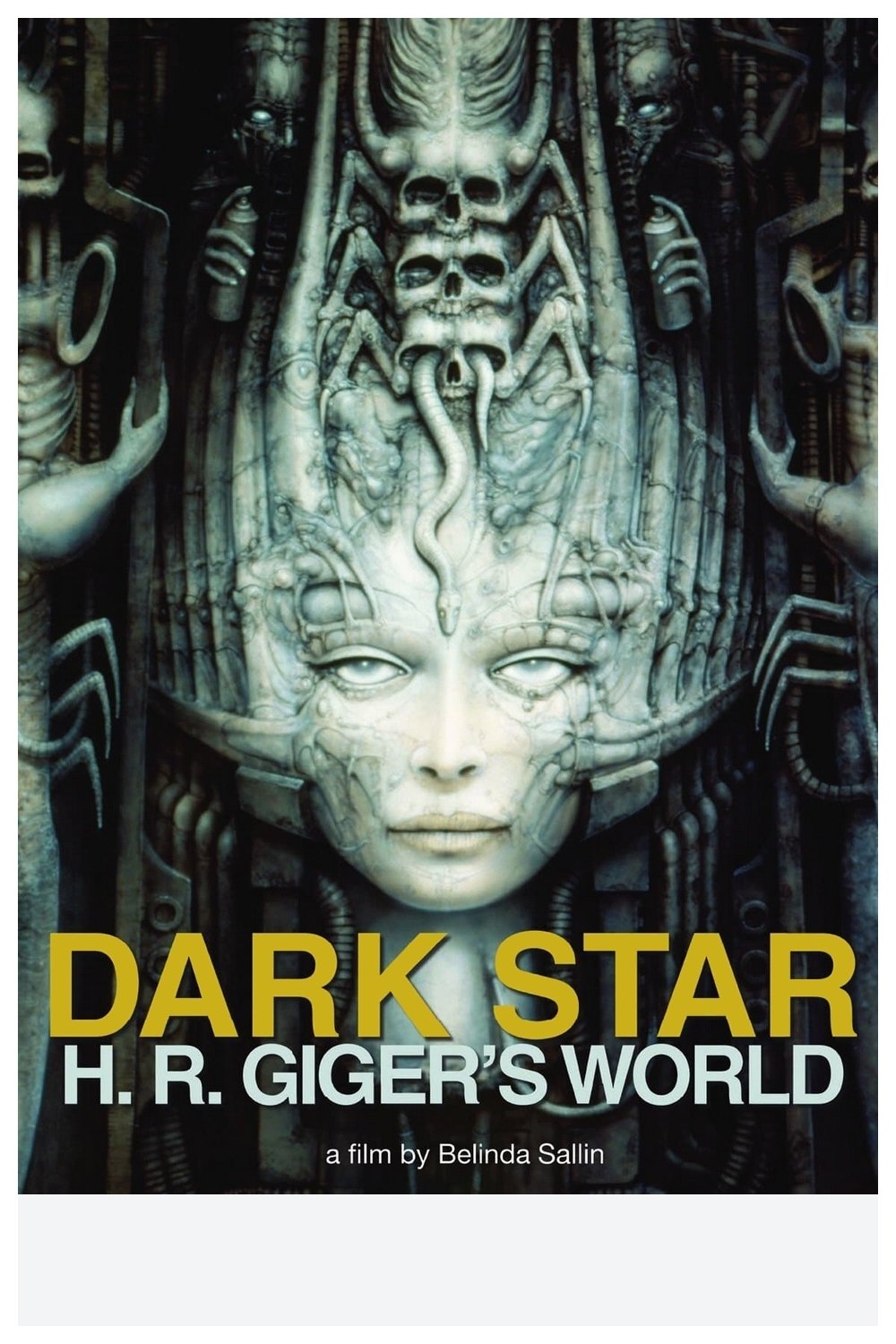
An account of the life and work of Swiss painter, sculptor, architect and designer H. R. Giger (1940-2014), tormented father of creatures as fearsome as they are fascinating, inhabitants of nightmarish biomechanical worlds.
Olev Subbi (1930–2013) was one of the most significant painters of the second half of the 20th century. His art constantly strived for harmony and beauty, reviving lost memories. This documentary reconstructs the environments of his paintings, features interviews with artists and Subbi’s contemporaries, and incorporates archival footage, creating a multilayered perspective on the life and work of this remarkable artist.
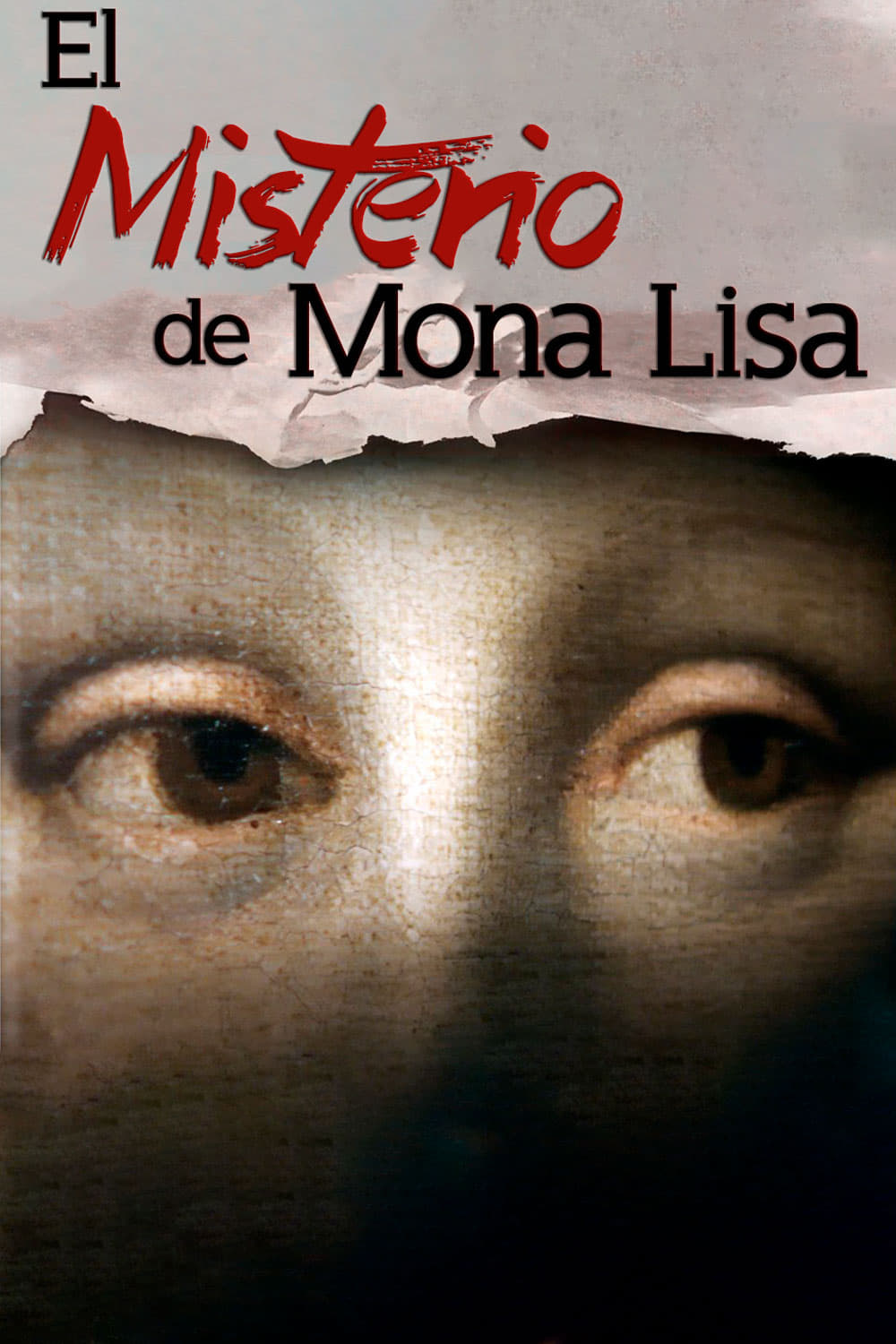
The Mona Lisa, also known as La Gioconda, is a work by Leonardo Da Vinci and one of the most famous paintings in the world. It is currently on display at the Louvre Museum in Paris and is visited by millions of people every year. The Gioconda has not only gone down in art history for its artistic value, but also for the mystery surrounding its creation. Painted between 1503 and 1519, Da Vinci's last great work was revolutionary for the painting techniques used. After several analyses of the painting, it is known that the artist first made the drawing and then applied the oil paint. Da Vinci was the inventor of the 'sfumato' or blurring technique, which consists of blurring the outline of the drawing and softening the colors to create a play of shadows that gives the figure a three-dimensional effect.
Nicholas Baum goes on a journey to Den Bosch, Hieronymus Bosch's town, and gives his explanation about what he thinks the painter's works originally meant.
Throughout the 19th century, imaginative and visionary artists and inventors brought about the advent of a new look, absolutely modern and truly cinematographic, long before the revolutionary invention of the Lumière brothers and the arrival of December 28, 1895, the historic day on which the first cinema performance took place.
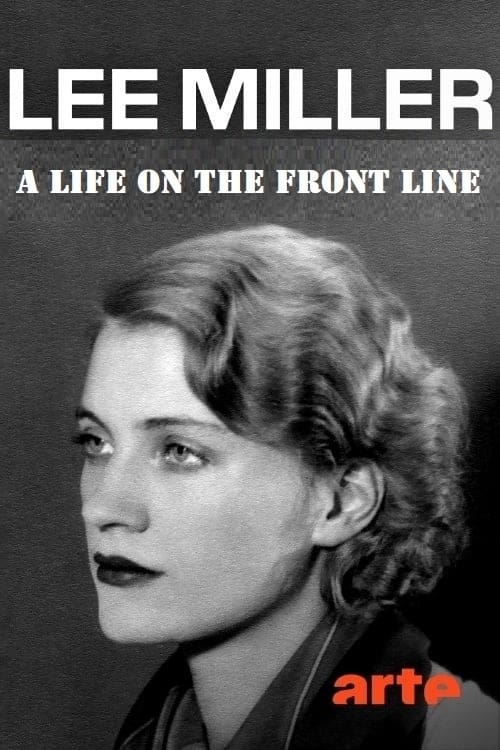
A documentary celebrating Lee Miller, a model-turned-photographer-turned-war reporter who defied anyone who tried to pin her down, put her on a pedestal, or pigeonhole her in any way.
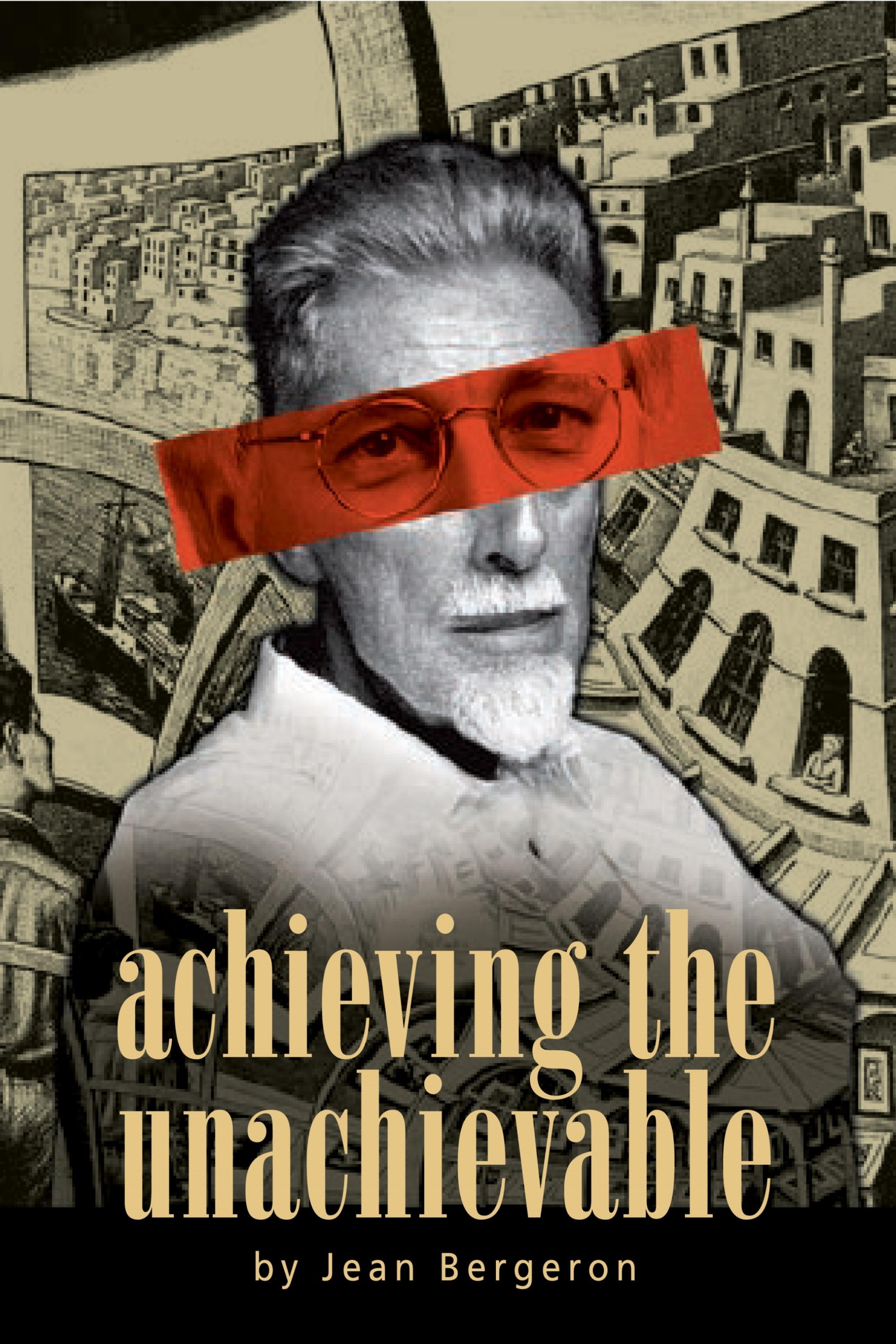
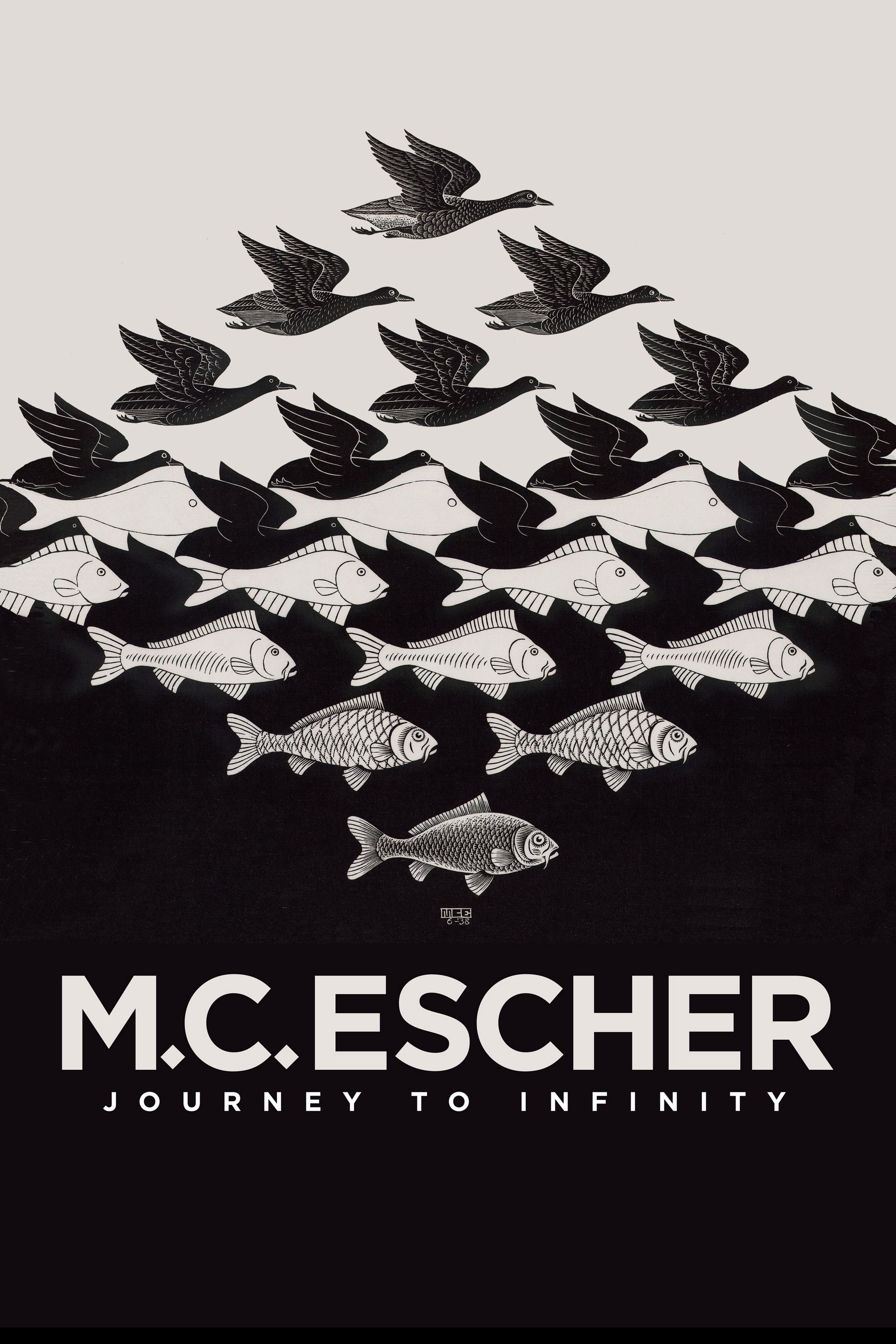
A portrait of the visionary Dutch artist M. C. Escher (1898-1972), according to his own words, taken from his diary, his correspondence and the texts of his lectures.