Social & External
The people behind it
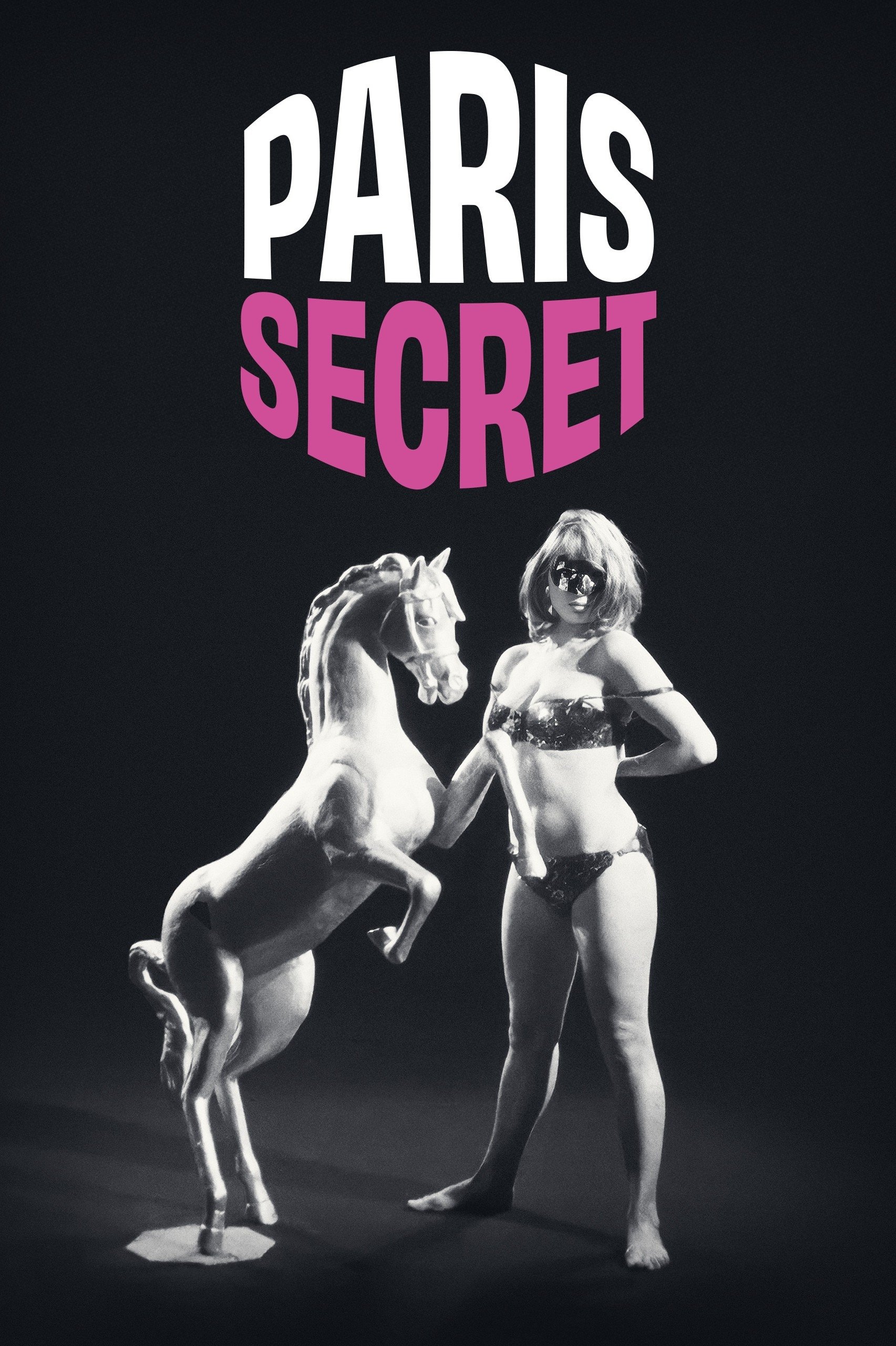
Features gourmets chowing down on bats, voodoo practitioners, a chap who has a fetish for being covered in bees and a gal who has the Eiffel Tower tattooed on her behind so she can sell the skin at a later date. These choice cuts are interspersed with the usual parade of prostitutes, transvestites and strippers.
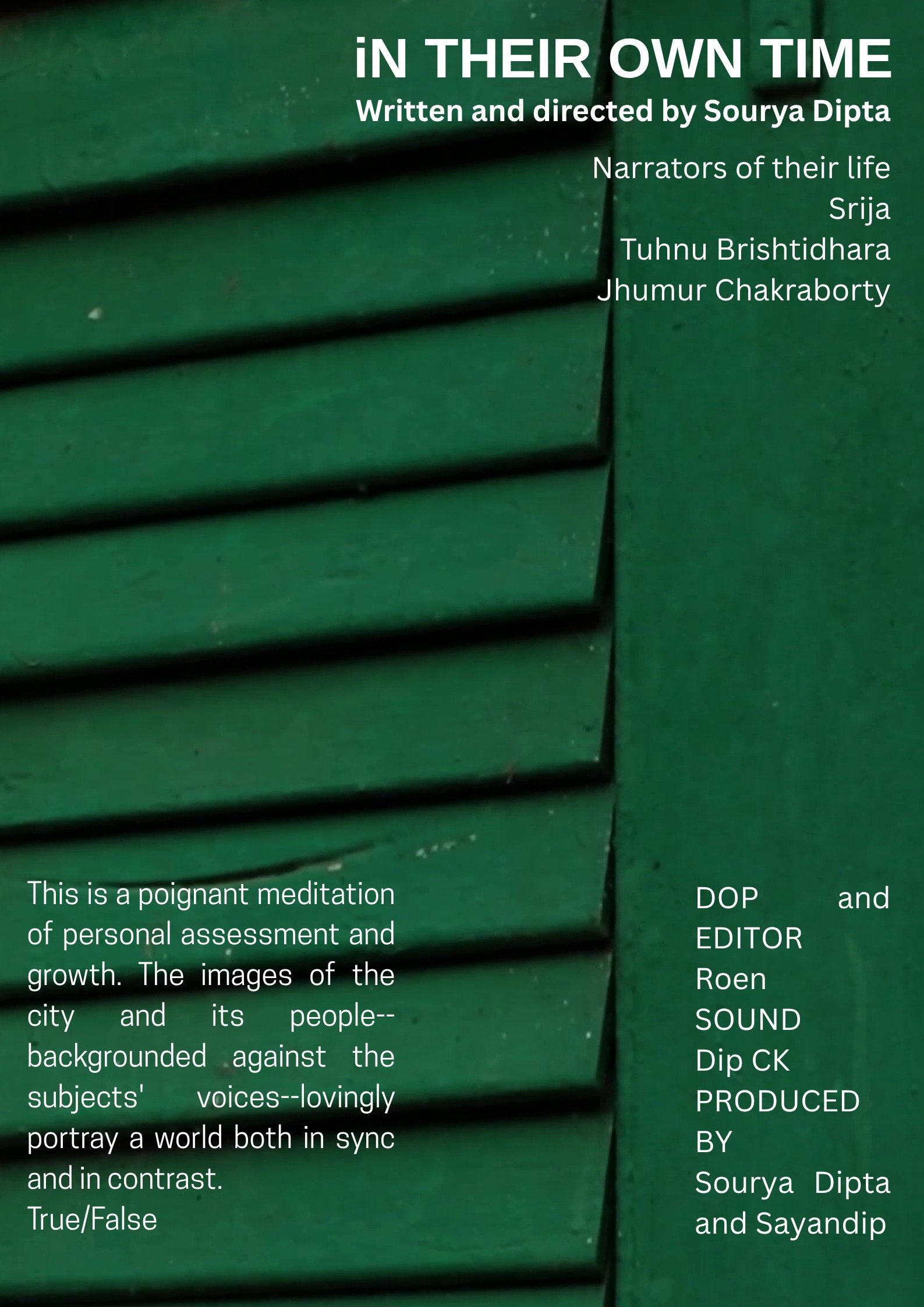
In Their Own Time is a narrative journey of three women - Srija, Tuhnu, and Jhumur, as they reflect on love, loss, childhood, friendship, and belonging over three years; we never see their faces, as the evolution of their experiences is manifested by an inherently dynamic and increasingly personal kaleidoscope of the city and suburbs of Kolkata.
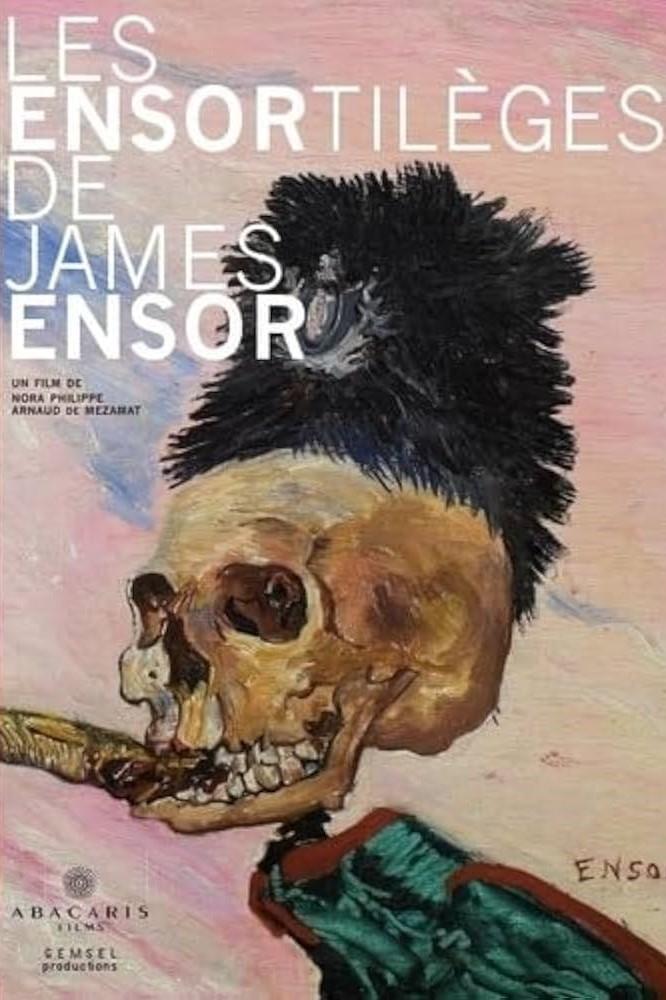
This film explains what James Ensor (1860-1949) meant for the development of art and makes palpable where he got his inspiration from.
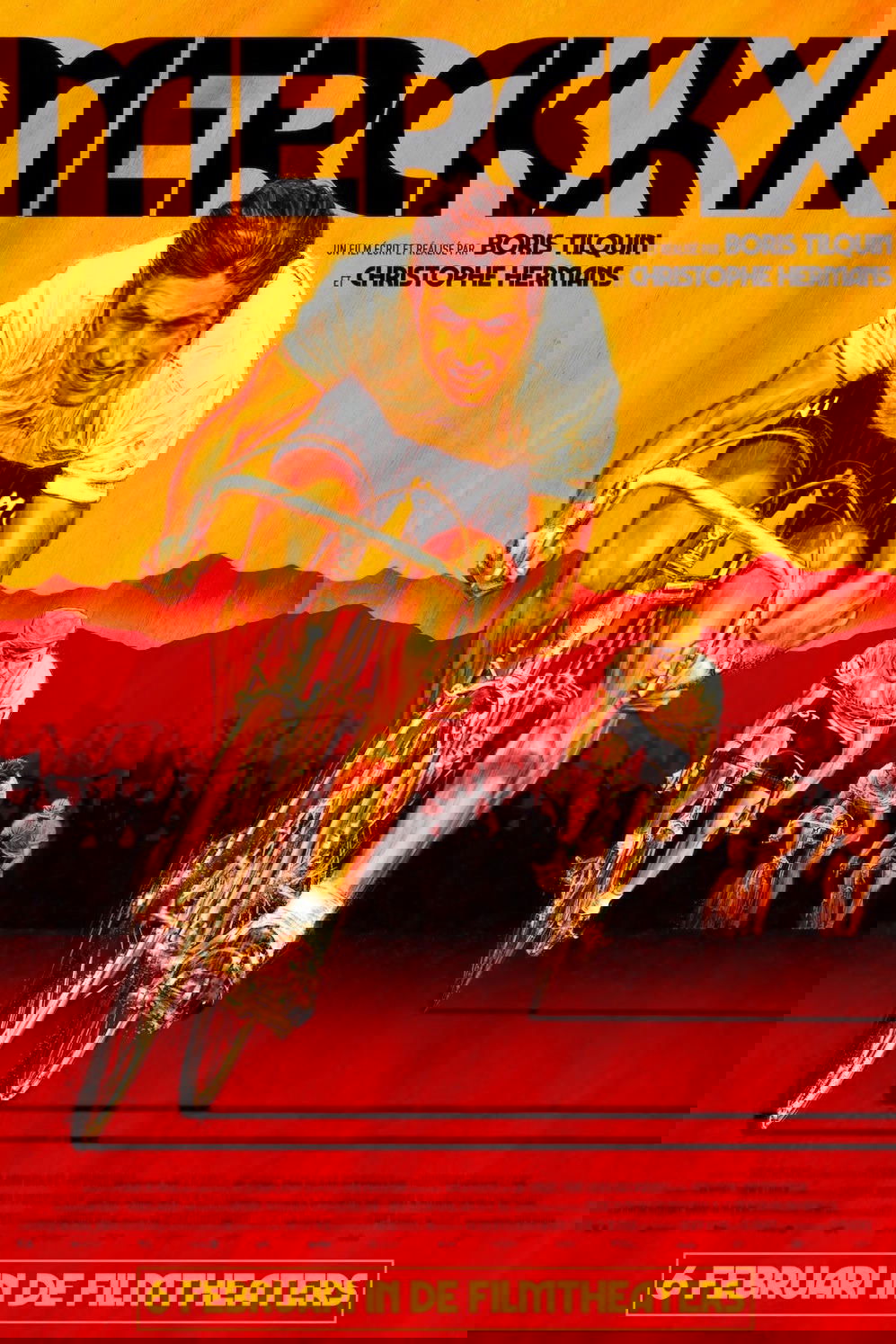
In 1969, the grocery store's son and promising cyclist Eddy Merckx took part in the Tour de France for the first time. He devours the competition and is the first to cross the finish line with a lead of more than seventeen minutes. 'The Cannibal' is born.
A retrospective on Hollywood's role in the war effort in World War II, narrated by Johnny Carson.
Two Finnish filmmakers and an international team of divers embark on a quest to find the lost WWII German U-boat, U-479, in the Gulf of Finland. Despite Soviet claims of its sinking by the submarine Lembit, unanswered questions prompted the filmmakers to investigate the mystery firsthand.
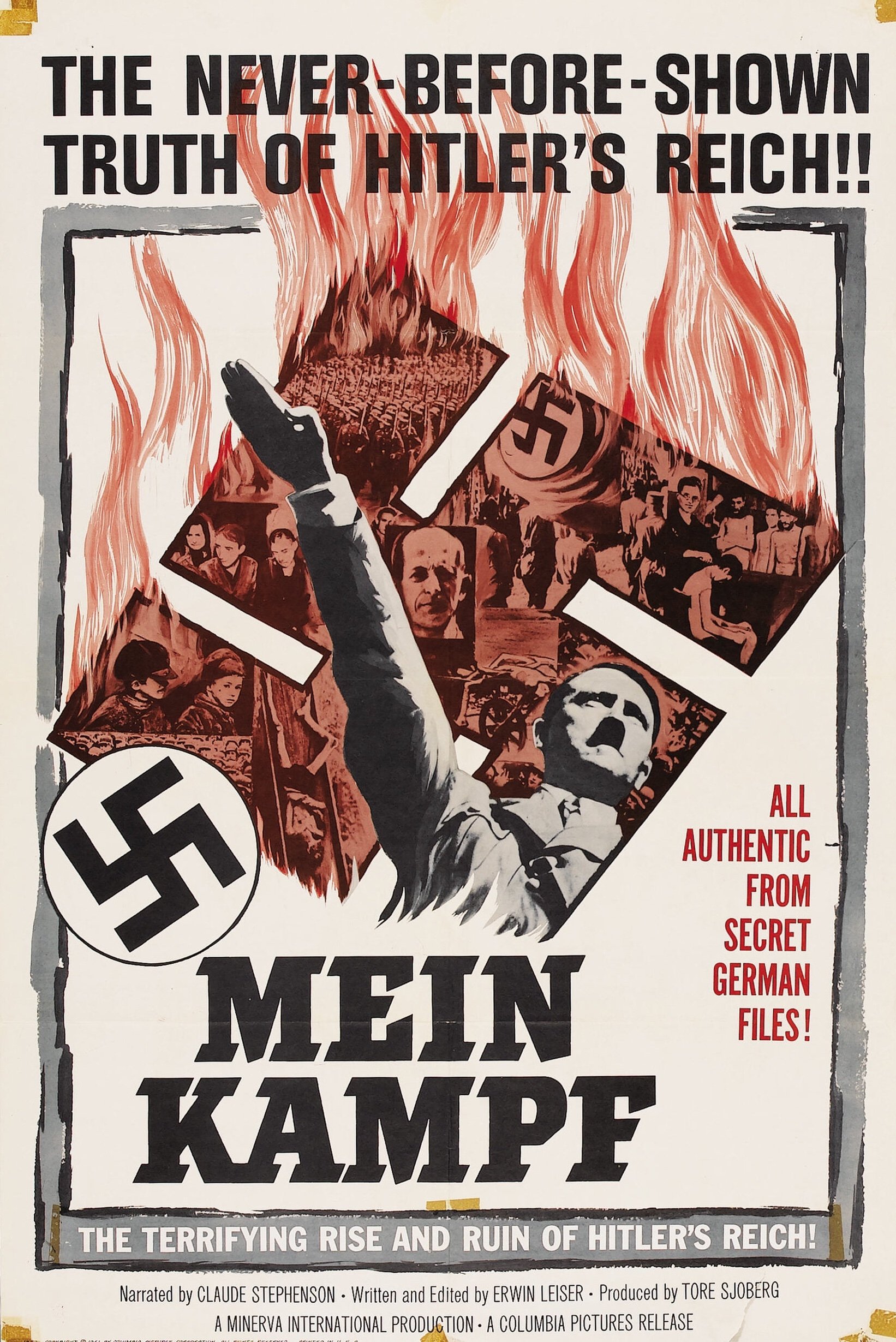
Using exclusively archival footage, Erwin Leiser traces the rise and collapse of the Third Reich, from Adolf Hitler’s early years to the devastation of Europe and his suicide in 1945. The film draws heavily on material produced and preserved by the Nazi propaganda apparatus to confront the mechanisms, imagery, and consequences of totalitarian power.
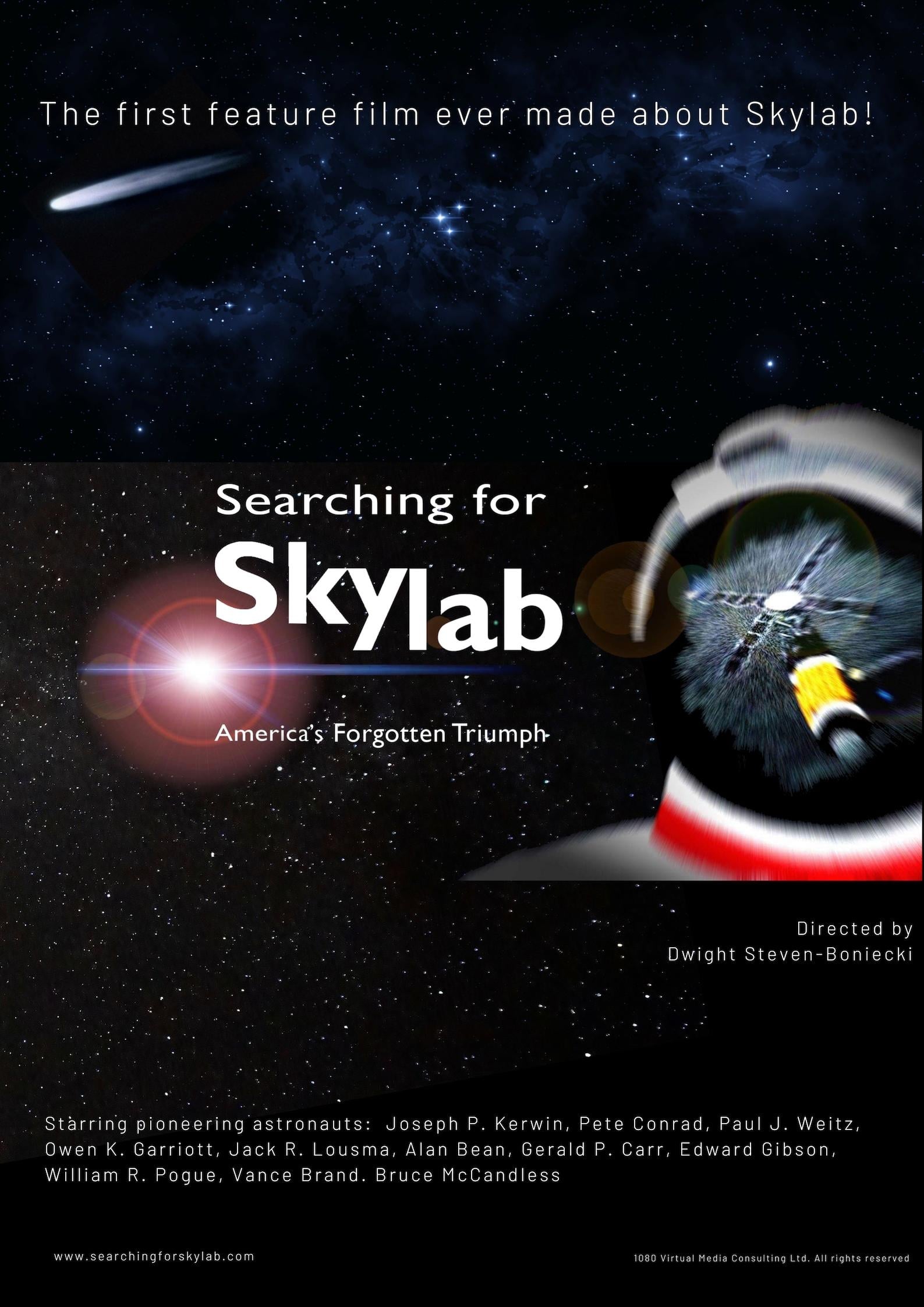
The first American space station Skylab is found in pieces scattered in Western Australia. Putting these pieces back together and re-tracing the Skylab program back to its very conception reveals the cornerstone of human space exploration.
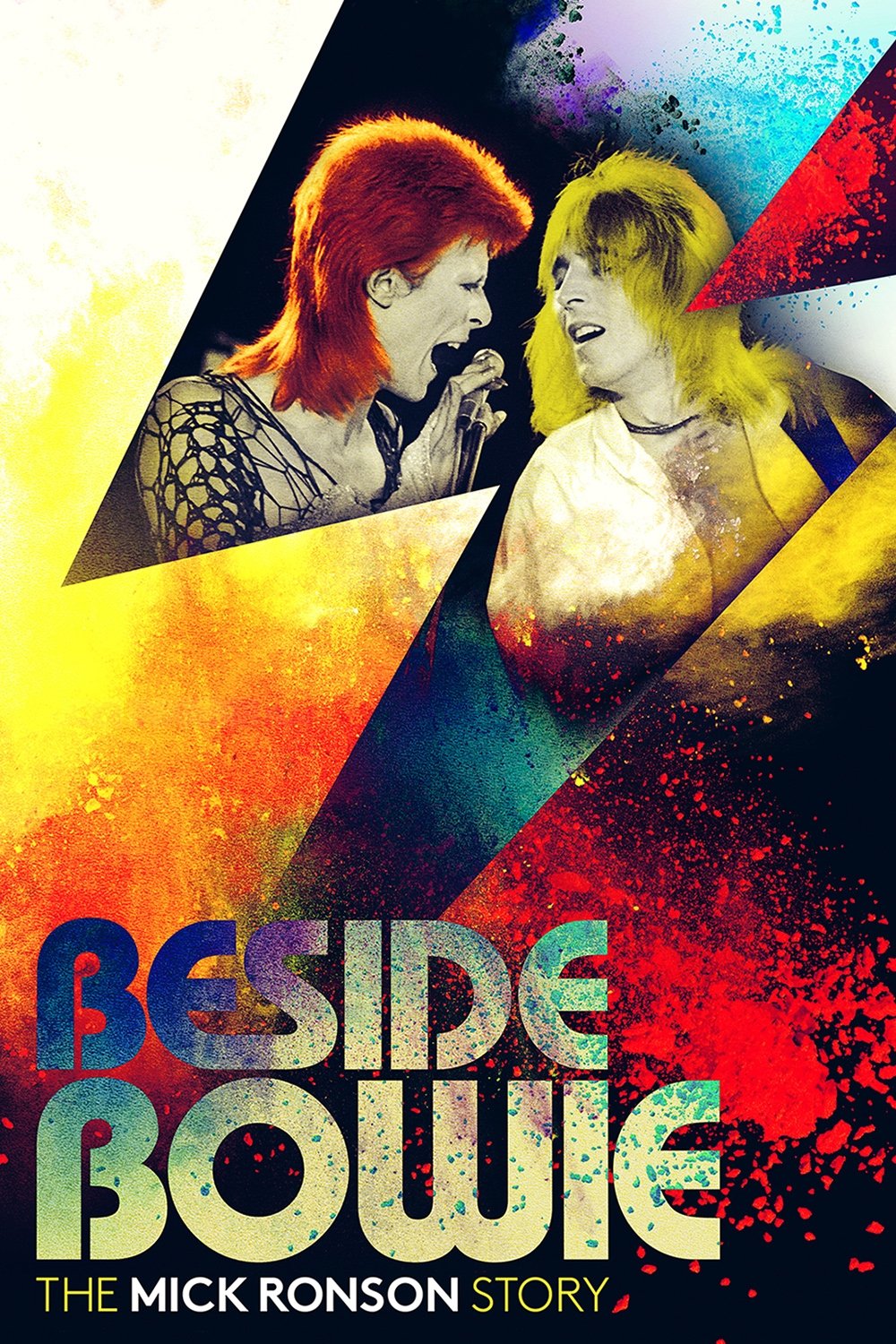
Beside Bowie: The Mick Ronson Story is a documentary about the life and work of Michael "Mick" Ronson, the guitarist, songwriter, producer and arranger who, in the early part of his career, performed with David Bowie as one of the 'Spiders from Mars'.
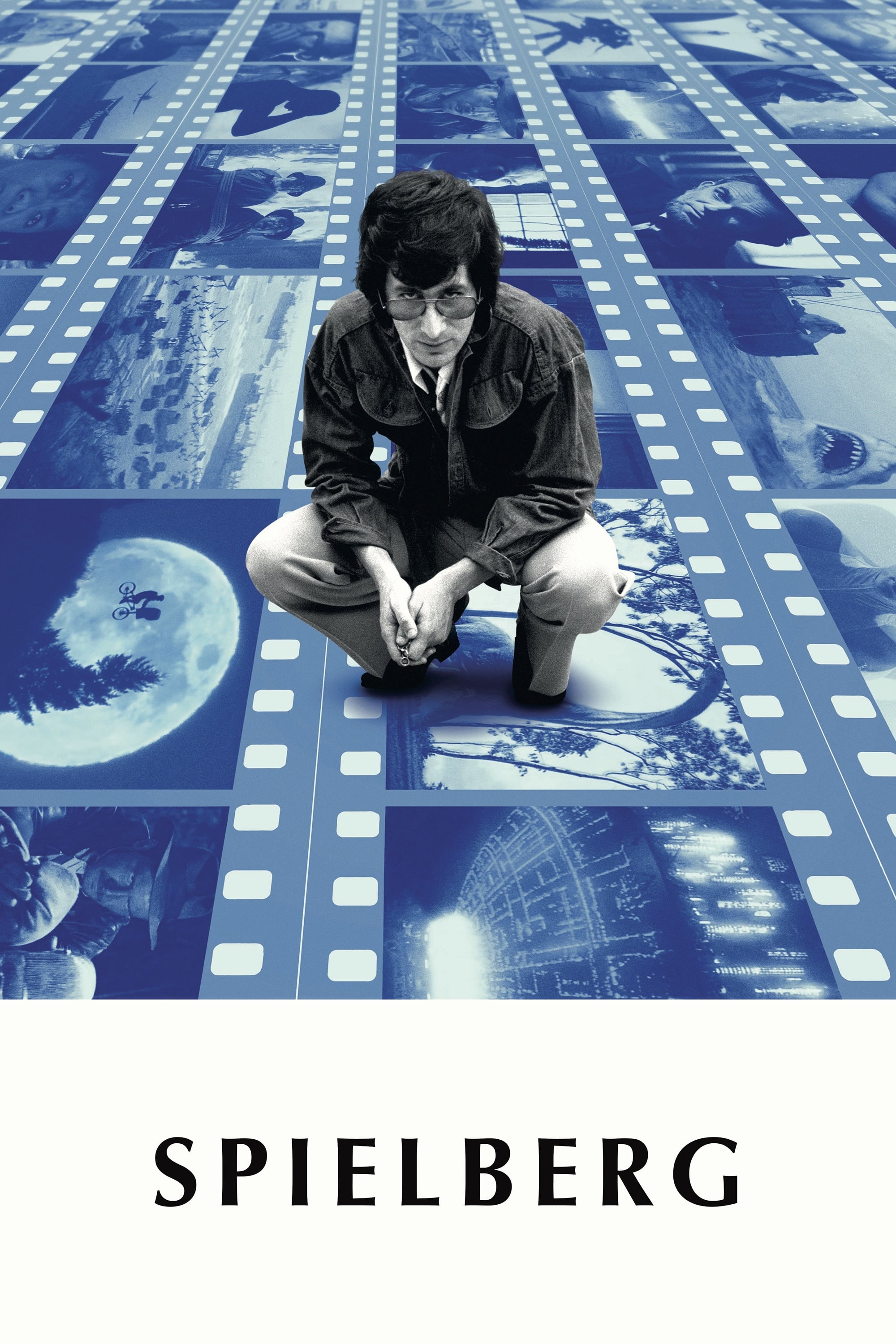
A documentary on the life and career of one of the most influential film directors of all time, Steven Spielberg.
The history of arguably the most famous shop in the world, which has been based on Brompton Road in London for more than 175 years, employs more than 6,000 people and still welcomes 15 million customers every year. This documentary tells the story of the people behind the department store, including Robin Harrod, the great-great-grandson of the store's founder, and culminates with the recent allegations against former chairman Mohamed Al-Fayed
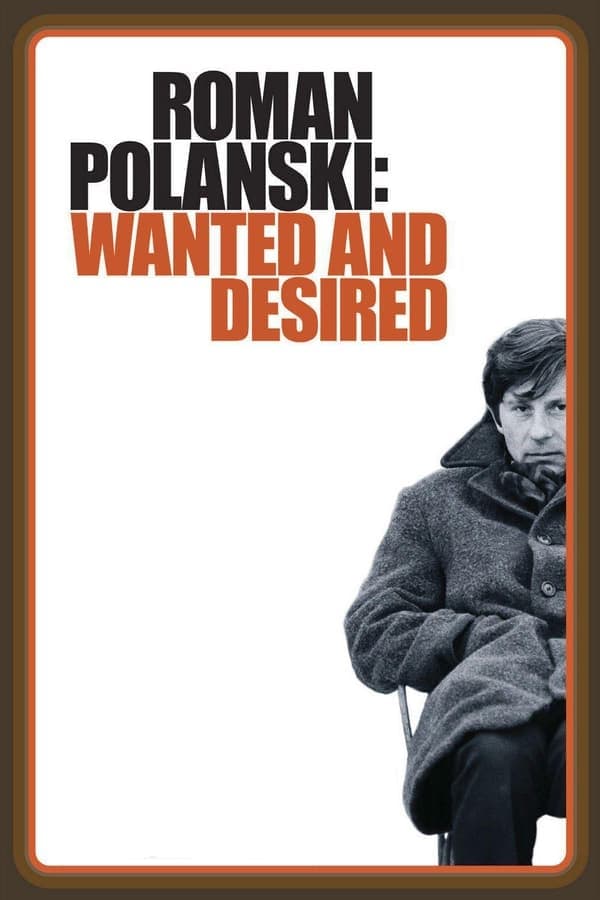
Examines the public scandal and private tragedy which led to legendary director Roman Polanski's sudden flight from the United States.
Her son Chirstopher Rice honors his mother in this 2025 Event Film recording of the live event, Features Interviews, Musicains and more for people wanting to grieve the dear Anne Rice
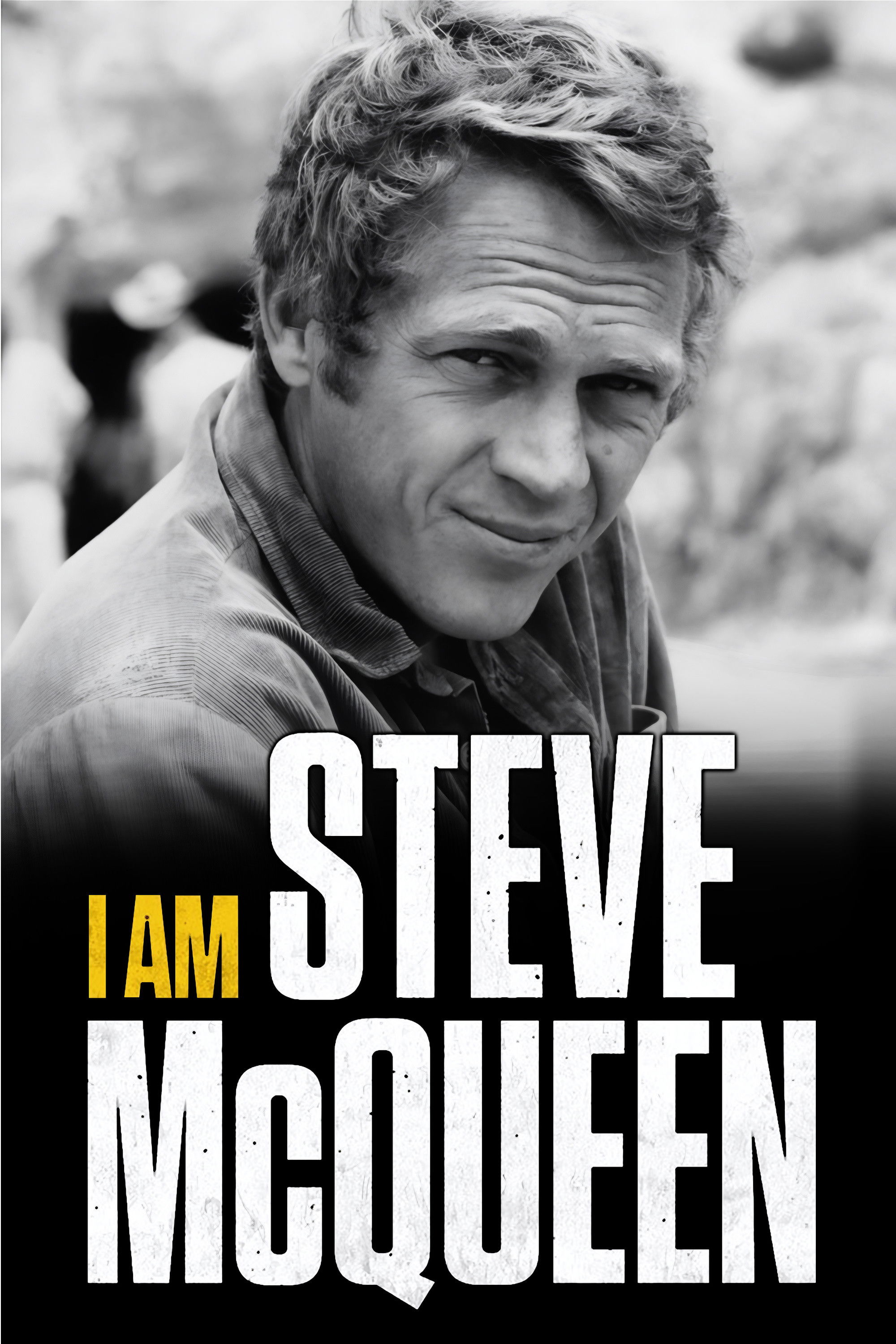
A walk through the incredible personal and artistic history of legendary actor, race car driver and cultural icon Steve McQueen (1930-80).
This revealing documentary honors the legendary Sidney Poitier—iconic actor, filmmaker, and civil rights activist. Featuring interviews with Denzel Washington, Spike Lee, Halle Berry, and more.
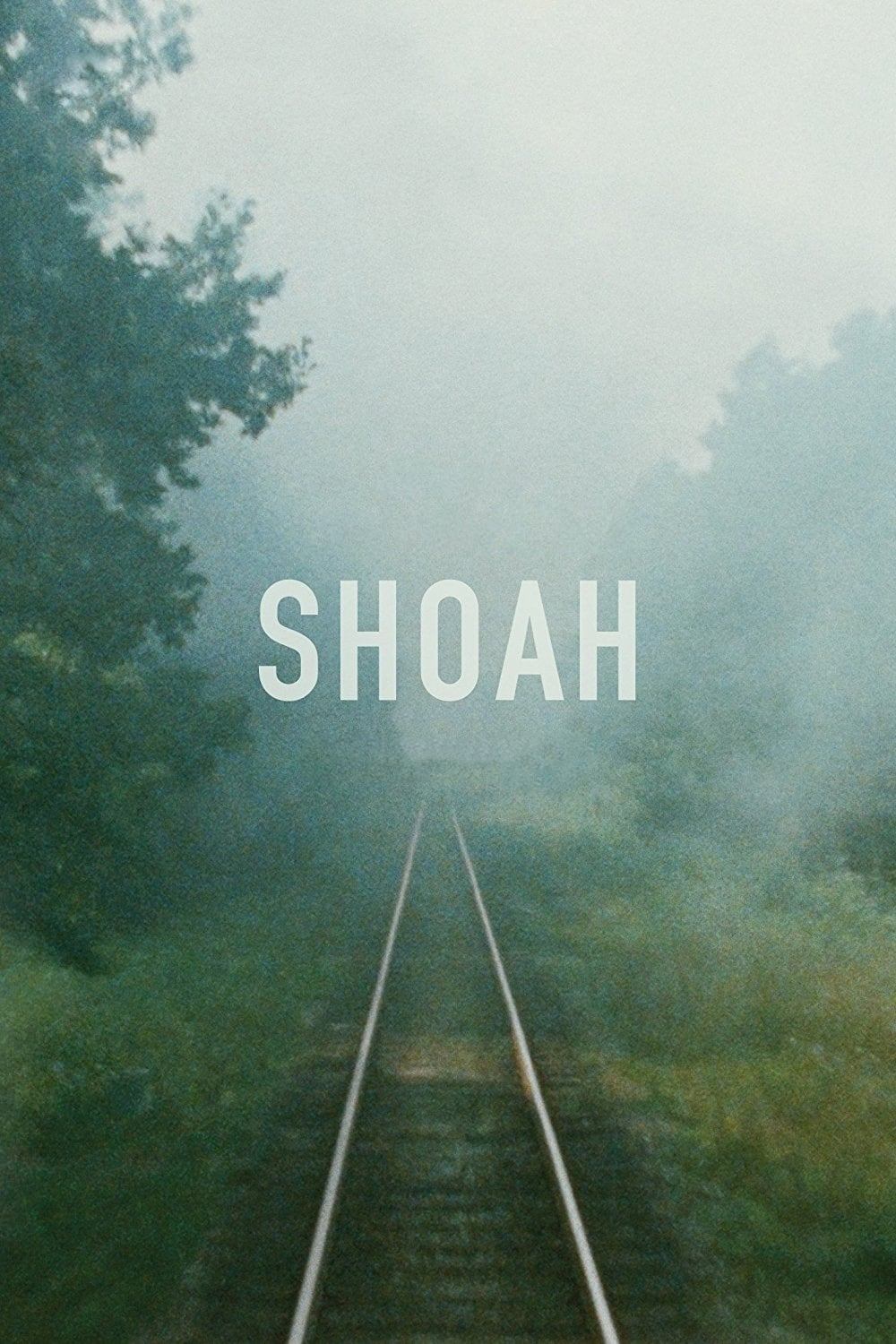
Director Claude Lanzmann spent 11 years on this sprawling documentary about the Holocaust, conducting his own interviews and refusing to use a single frame of archival footage. Dividing Holocaust witnesses into three categories – survivors, bystanders, and perpetrators – Lanzmann presents testimonies from survivors of the Chelmno concentration camp, an Auschwitz escapee, and witnesses of the Warsaw Ghetto Uprising, as well as a chilling report of gas chambers from an SS officer at Treblinka.
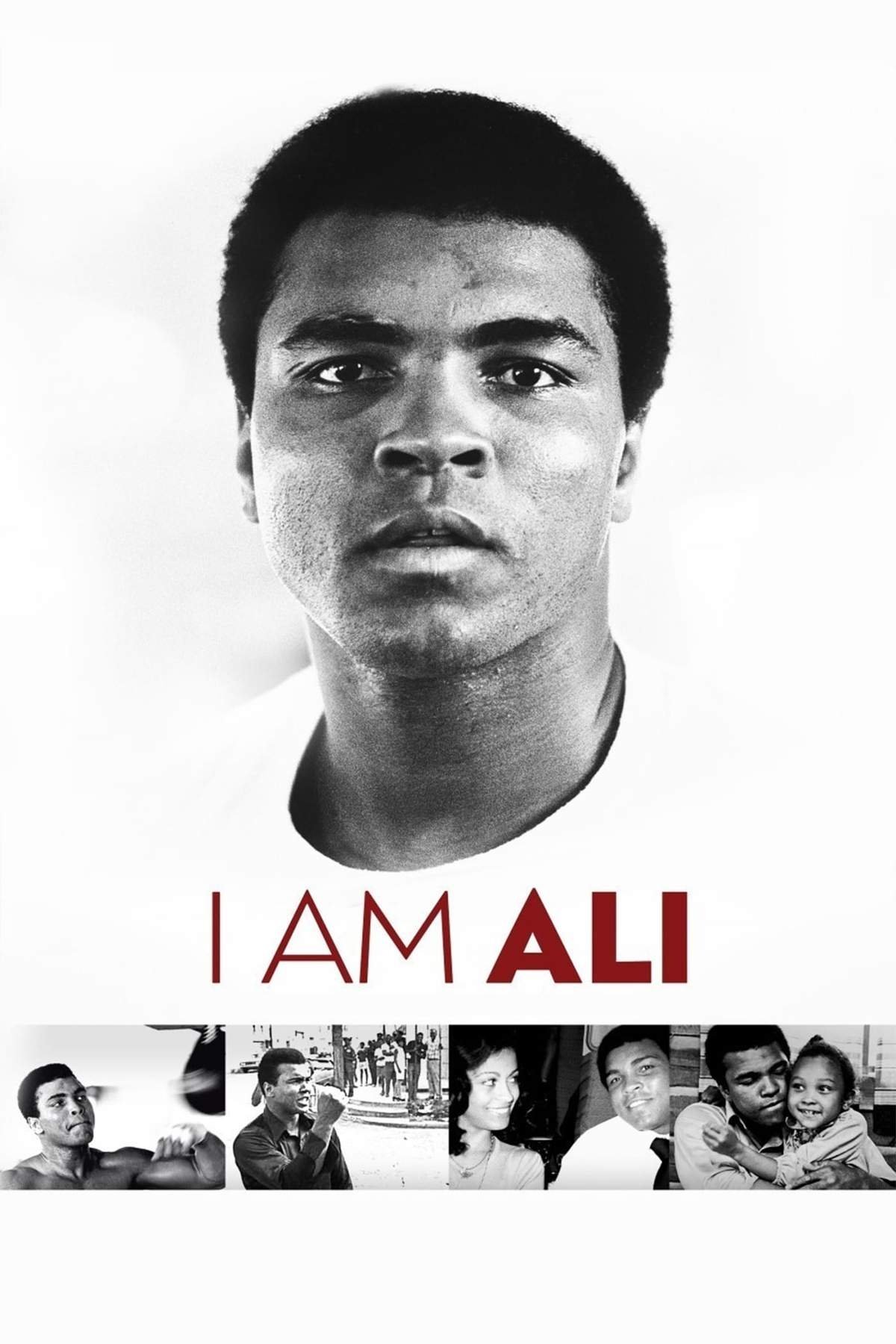
Unprecedented access to Muhammad Ali's personal archive of "audio journals" as well as interviews and testimonials from his inner circle of family and friends are used to tell the legend's life story.
Daniel Craig candidly reflects on his 15 year adventure as James Bond. Including never-before-seen archival footage from Casino Royale to the upcoming 25th film No Time To Die, Craig shares his personal memories in conversation with 007 producers, Michael G Wilson and Barbara Broccoli.
A documentary about the life and films of director John Ford.
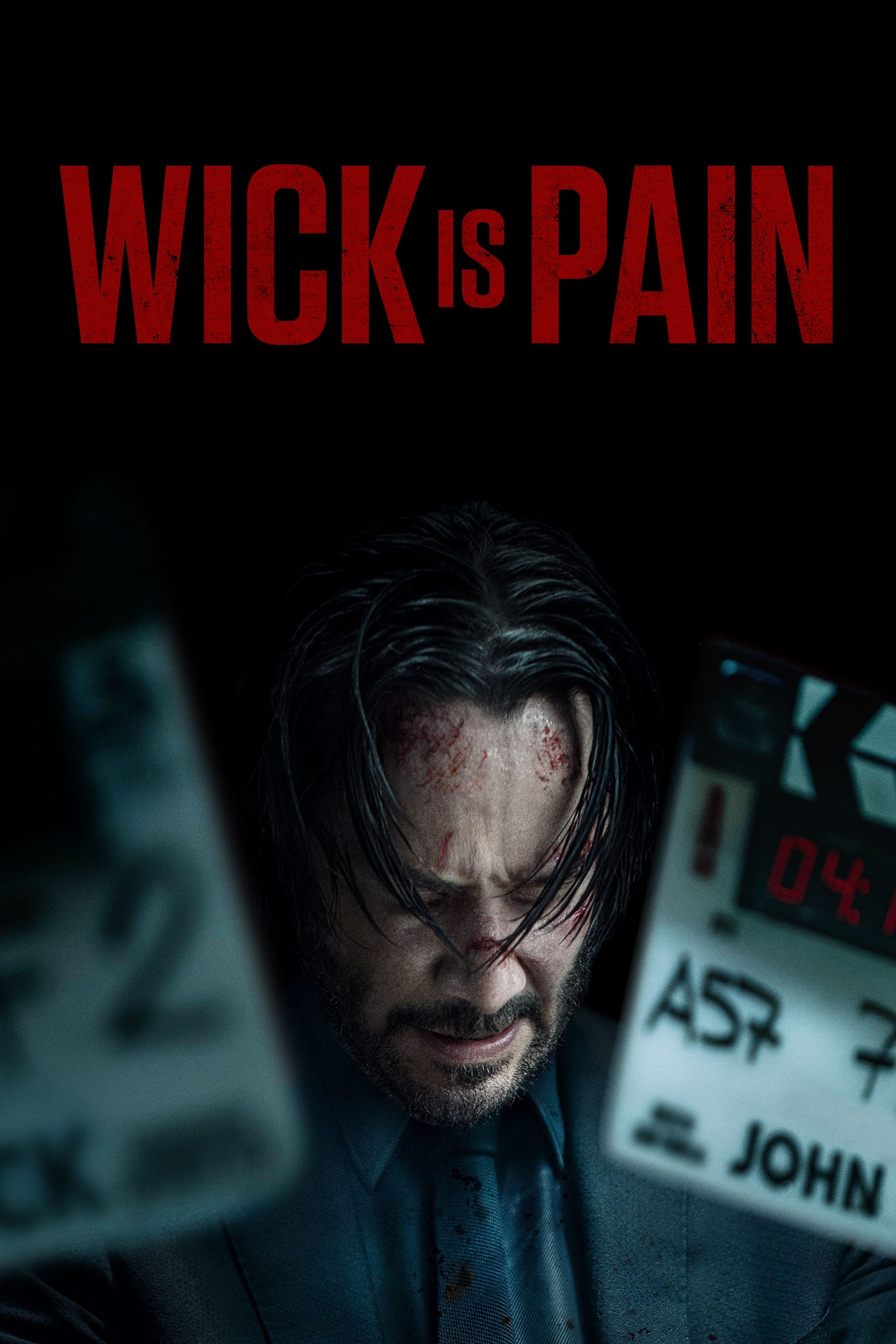
Witness the never-before-seen footage and true story behind the John Wick phenomenon – from independent film to billion-dollar franchise.
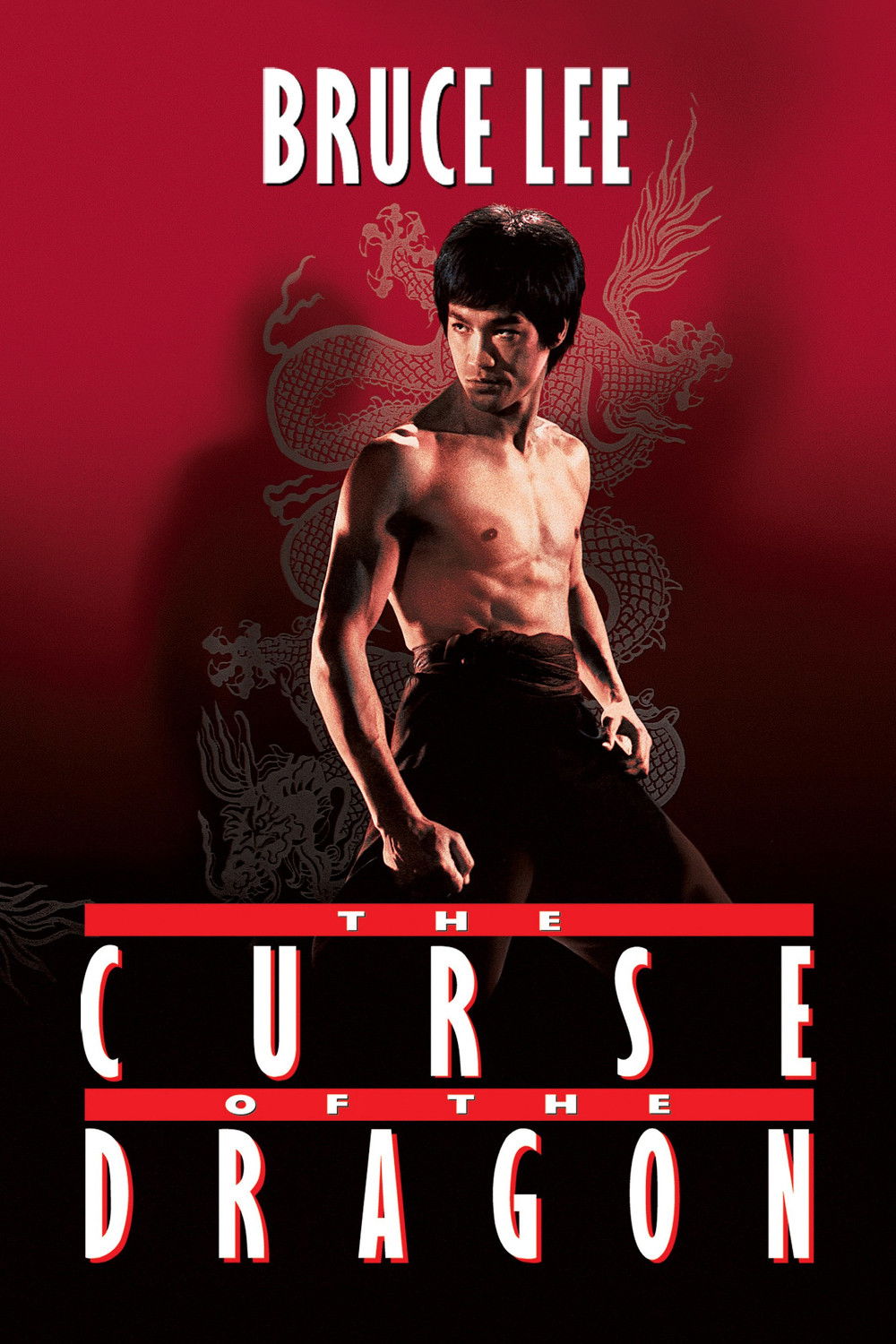
A 1993 documentary film about Bruce Lee. The film includes interviews from some of his fellow students and opponents who worked alongside him in his movies.
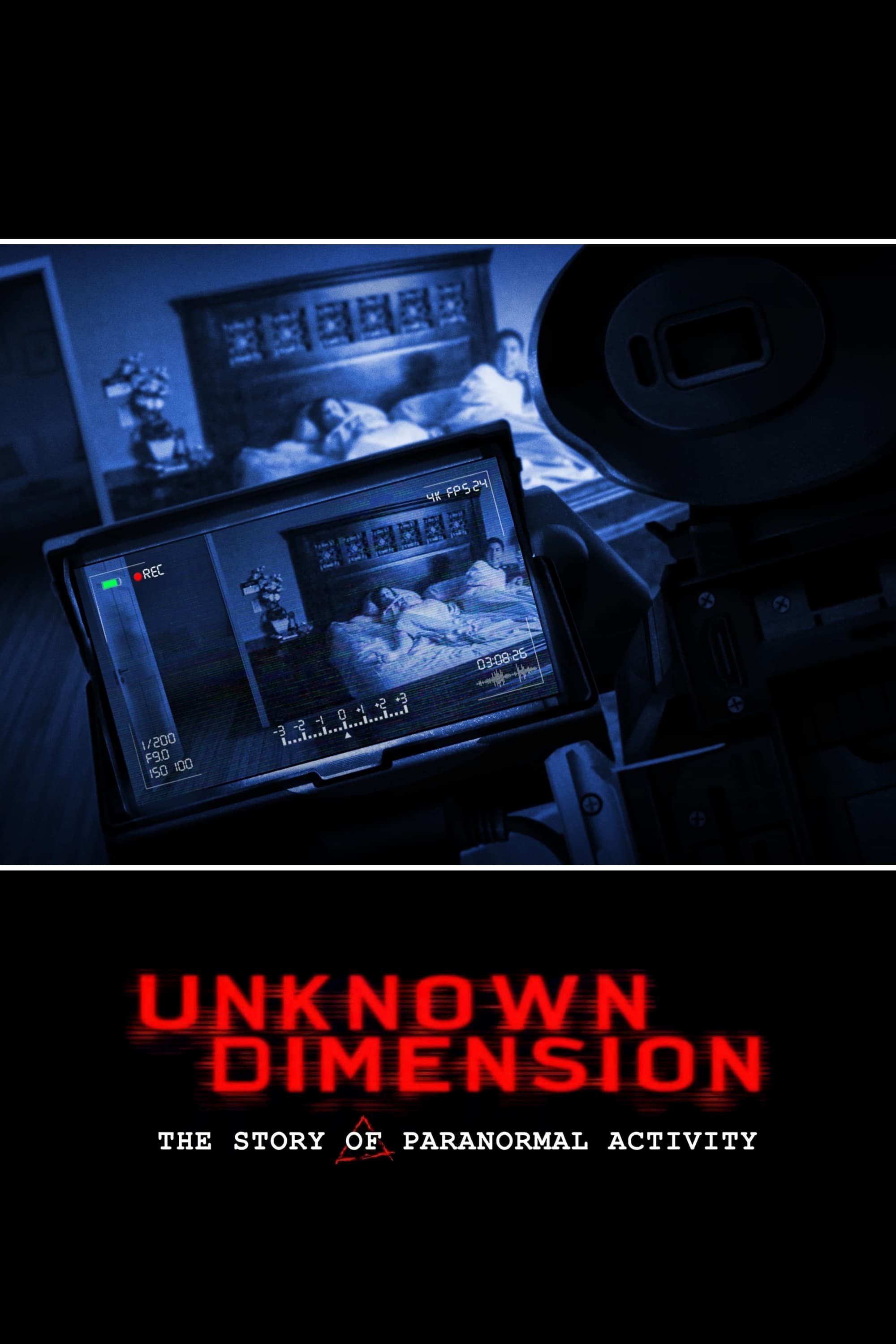
A deep dive into the making of the Paranormal Activity films with first time ever interviews with cast and crew, never-before-seen footage from the movies, and a preview of the seventh installment in the franchise.
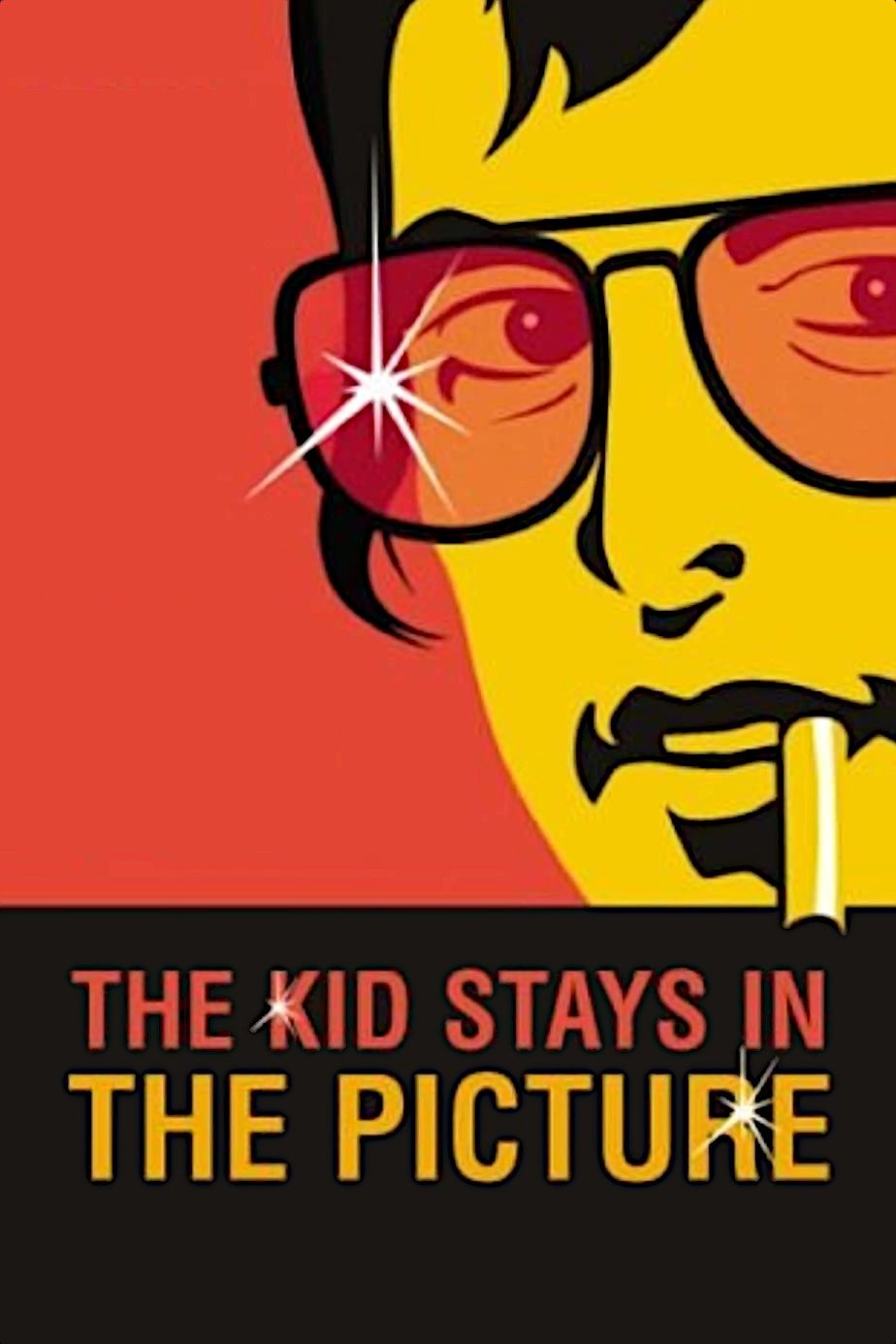
Documentary about legendary Paramount producer Robert Evans, based on his famous 1994 autobiography.
In an intimate and joyful story of love in the face of loss, celebrated poets Andrea Gibson and Megan Falley find strength—and unexpected hilarity—in what might be their final year together.
From a prolific career in film and television, Anton Yelchin left an indelible legacy as an actor. Through his journals and other writings, his photography, the original music he wrote, and interviews with his family, friends, and colleagues, this film looks not just at Anton's impressive career, but at a broader portrait of the man.
Told through performances, TV interviews, home movies, family photographs, private letters and unpublished memoirs, the film reveals the essence of an extraordinary woman who rose from humble beginnings in New York City to become a glamorous international superstar and one of the greatest artists of all time.
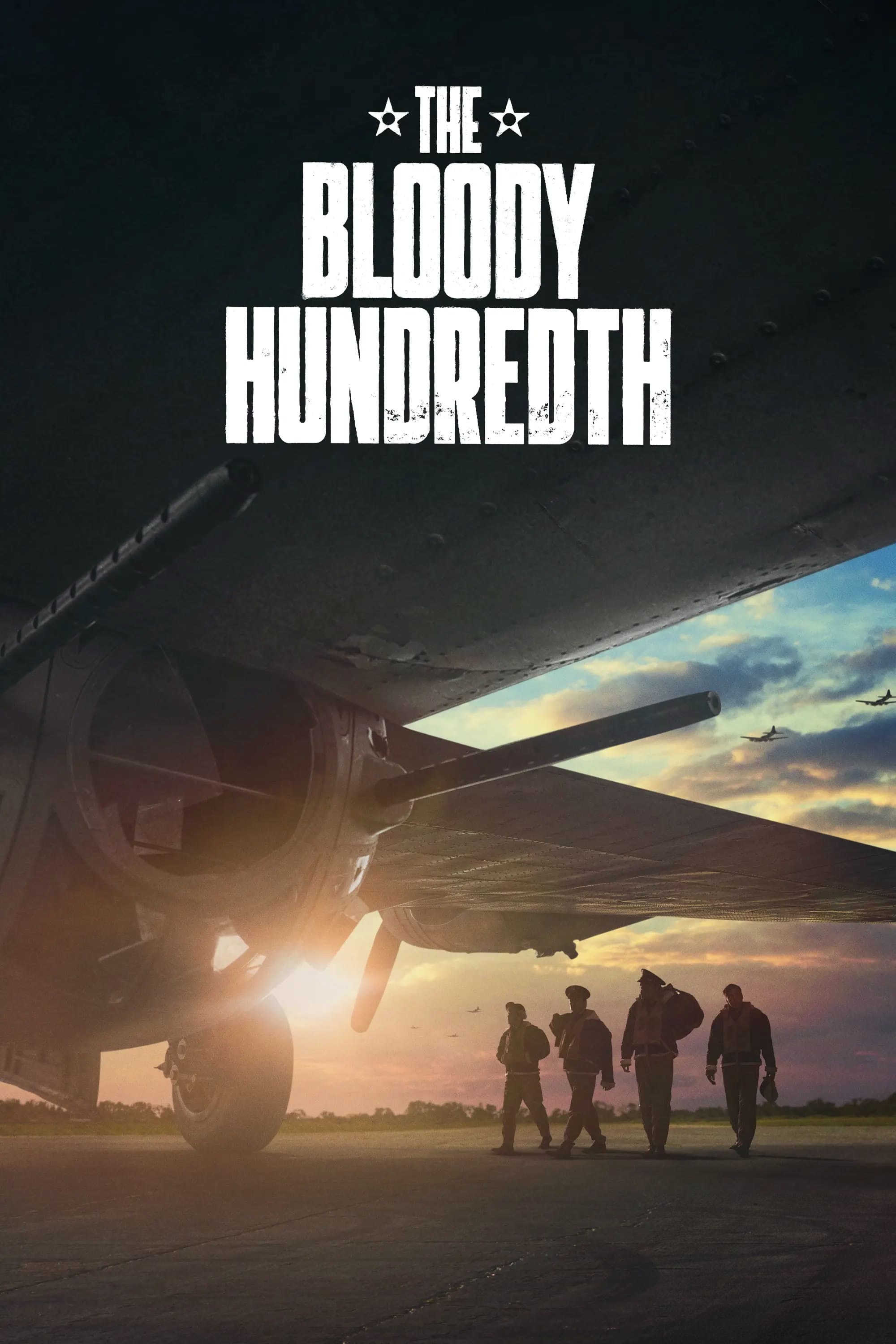
Meet the real-life airmen who inspired Masters of the Air as they share the harrowing and transformative events of the 100th Bomb Group.
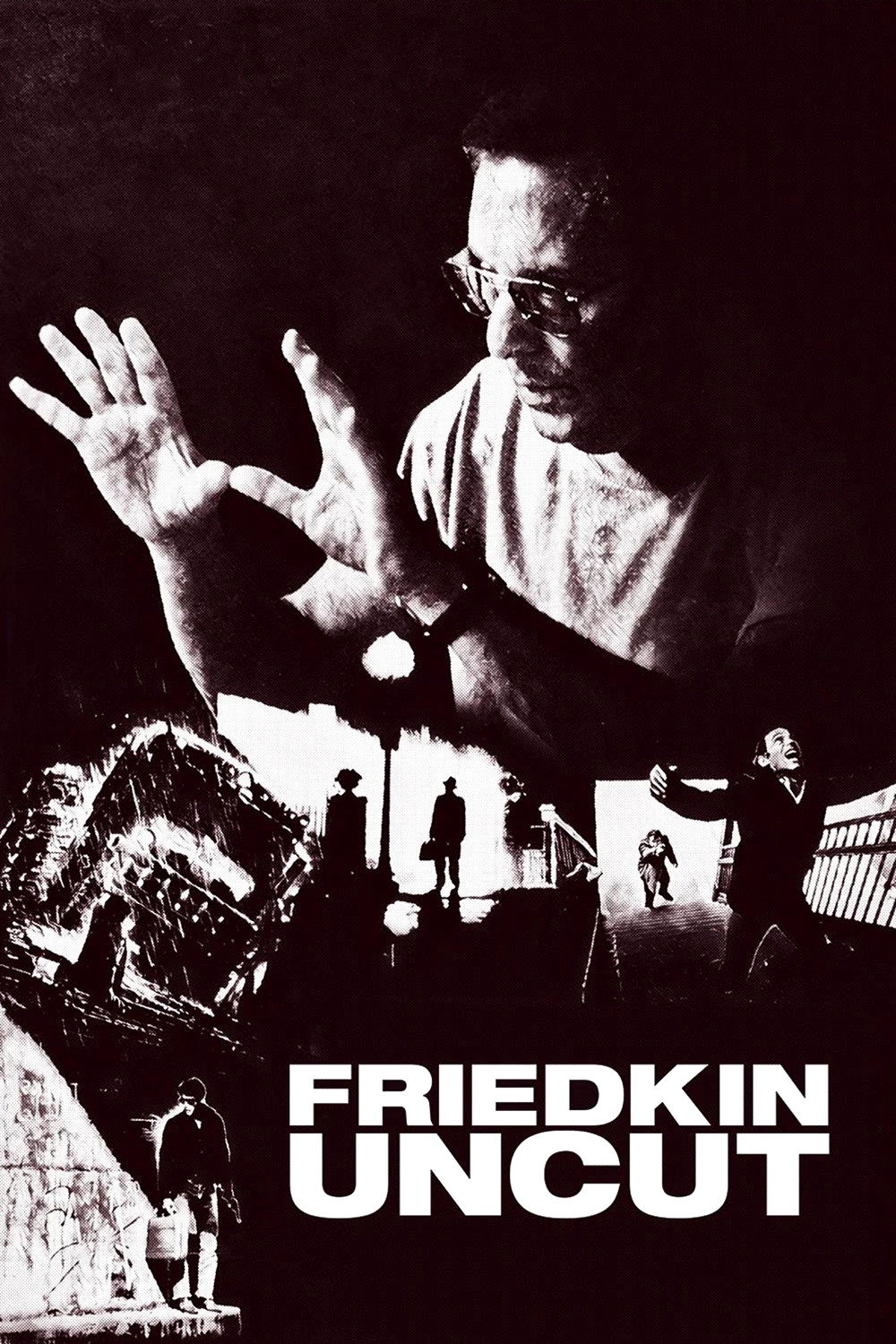
An introspective insight into the life and artistic journey of William Friedkin, an extraordinary and offbeat director of cult films such as The French Connection, The Exorcist, Sorcerer, Cruising, To Live and Die in L.A. and Killer Joe. For the first time Friedkin opens up, guiding the audience on a fascinating journey through the themes and the stories that have influenced his life and his artistic career.
From the heights of her modeling fame to her tragic death, this documentary reveals Anna Nicole Smith through the eyes of the people closest to her.
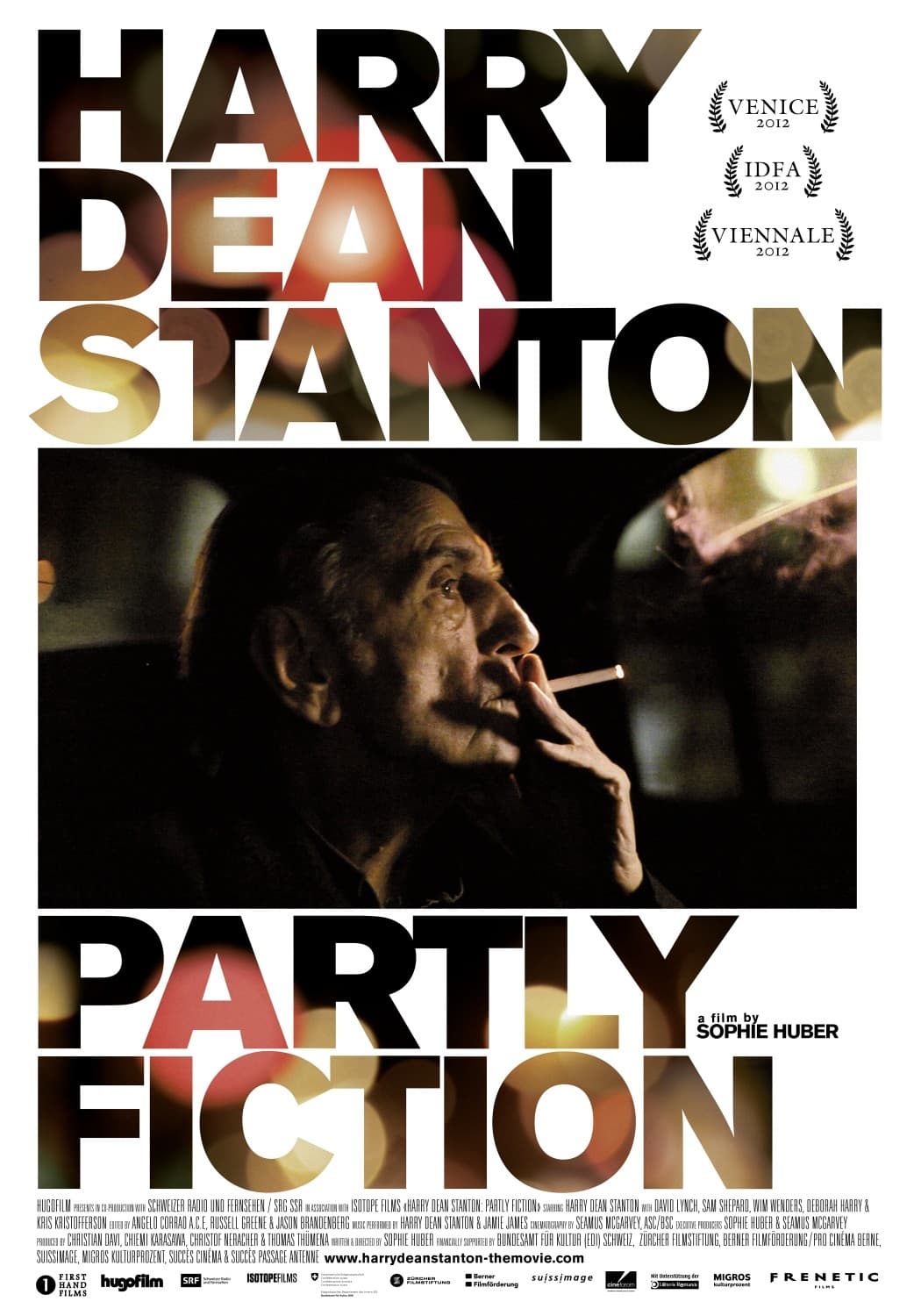
An impressionistic portrait of the iconic actor Harry Dean Stanton comprised of intimate moments, film clips from some of his 250 films and his renditions of American folk songs.
Amid the failing counteroffensive, a journalist follows a Ukrainian platoon on their mission to traverse one mile of heavily fortified forest and liberate a strategic village from Russian occupation. But the farther they advance through their destroyed homeland, the more they realize that this war may never end.
Amber Heard and Nicole Kidman discuss their characters Mera and Atlanna.
A compilation of over 30 years of private home movie footage shot by Lithuanian-American avant-garde director Jonas Mekas, assembled by Mekas "purely by chance", without concern for chronological order.
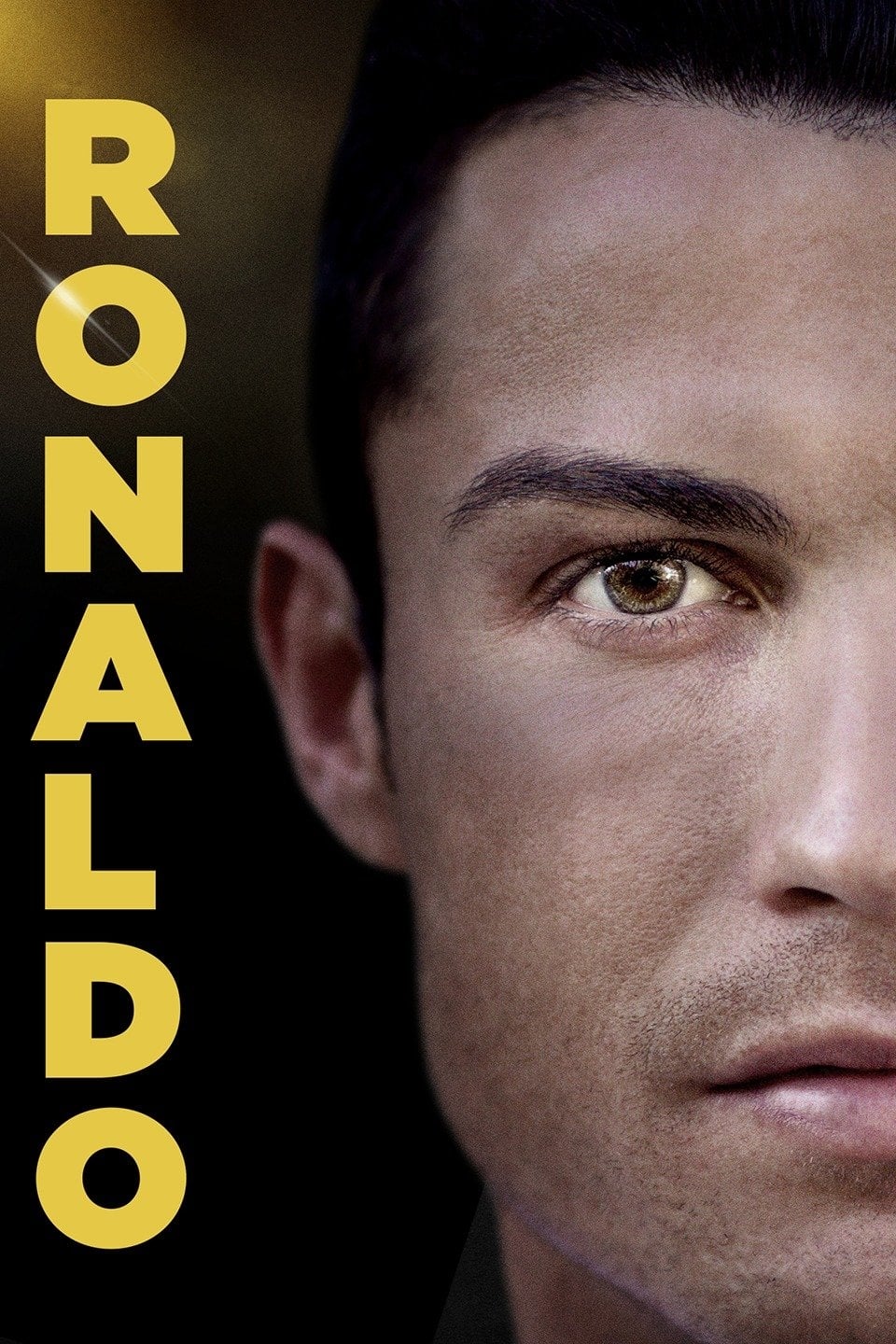
Filmed over 14 months with unprecedented access into the inner circle of the man and the sport, this is the first official and fully authorised film of one of the most celebrated figures in football. For the first time ever, the world gets vividly candid and un-paralleled, behind-closed-doors access to the footballer, father, family-man and friend in this moving & fascinating documentary. Through in-depth conversations, state of the art football footage and never before seen archival footage, the film gives an astonishing insight into the sporting and personal life of triple Ballon D'Or winner Cristiano Ronaldo at the peak of his career. From the makers of ‘Senna’ and ‘Amy’, Ronaldo takes audiences on an intimate and revealing journey of what it’s like to live as an iconic athlete in the eye of the storm.