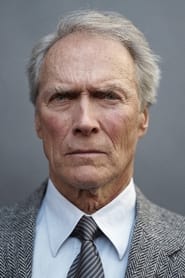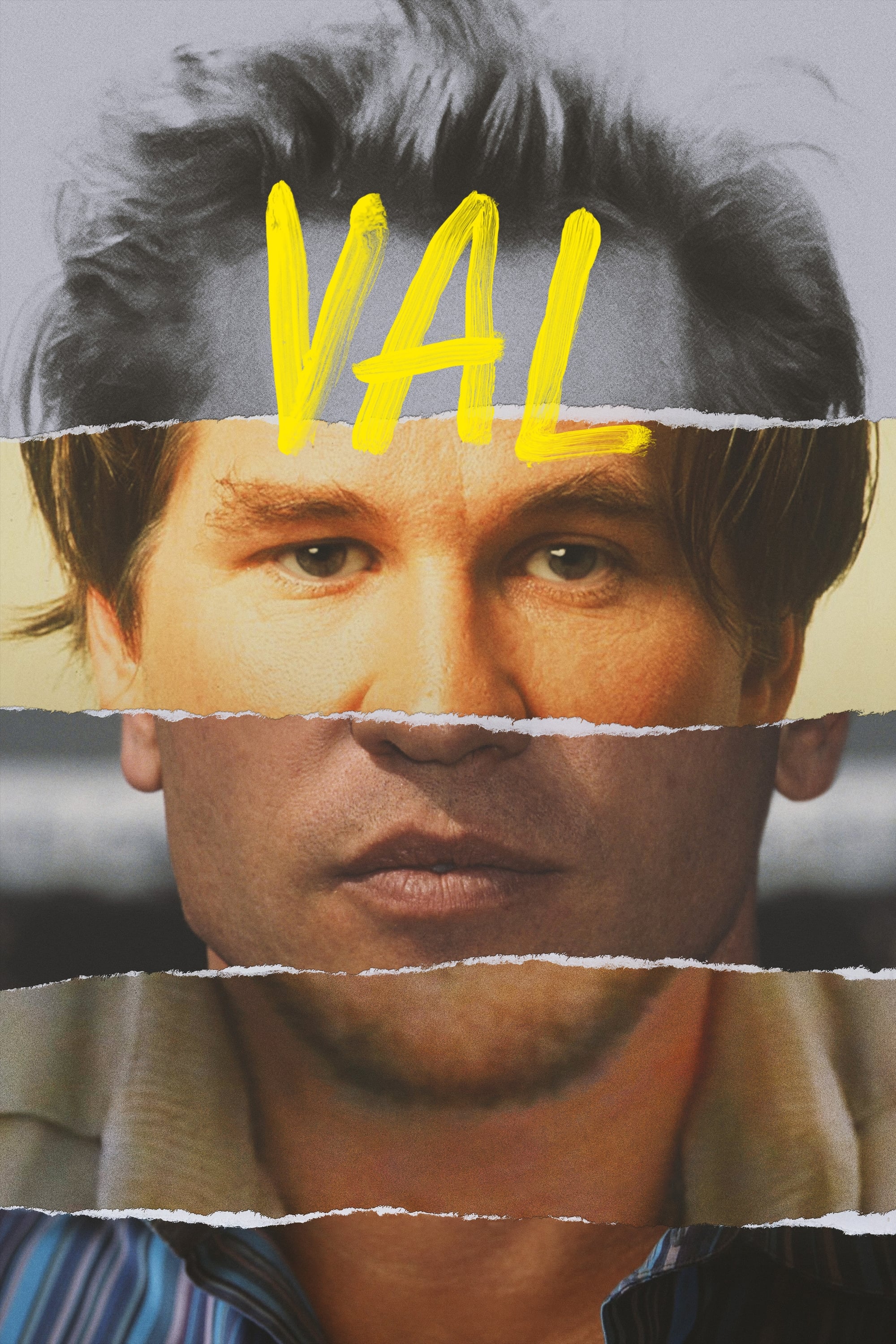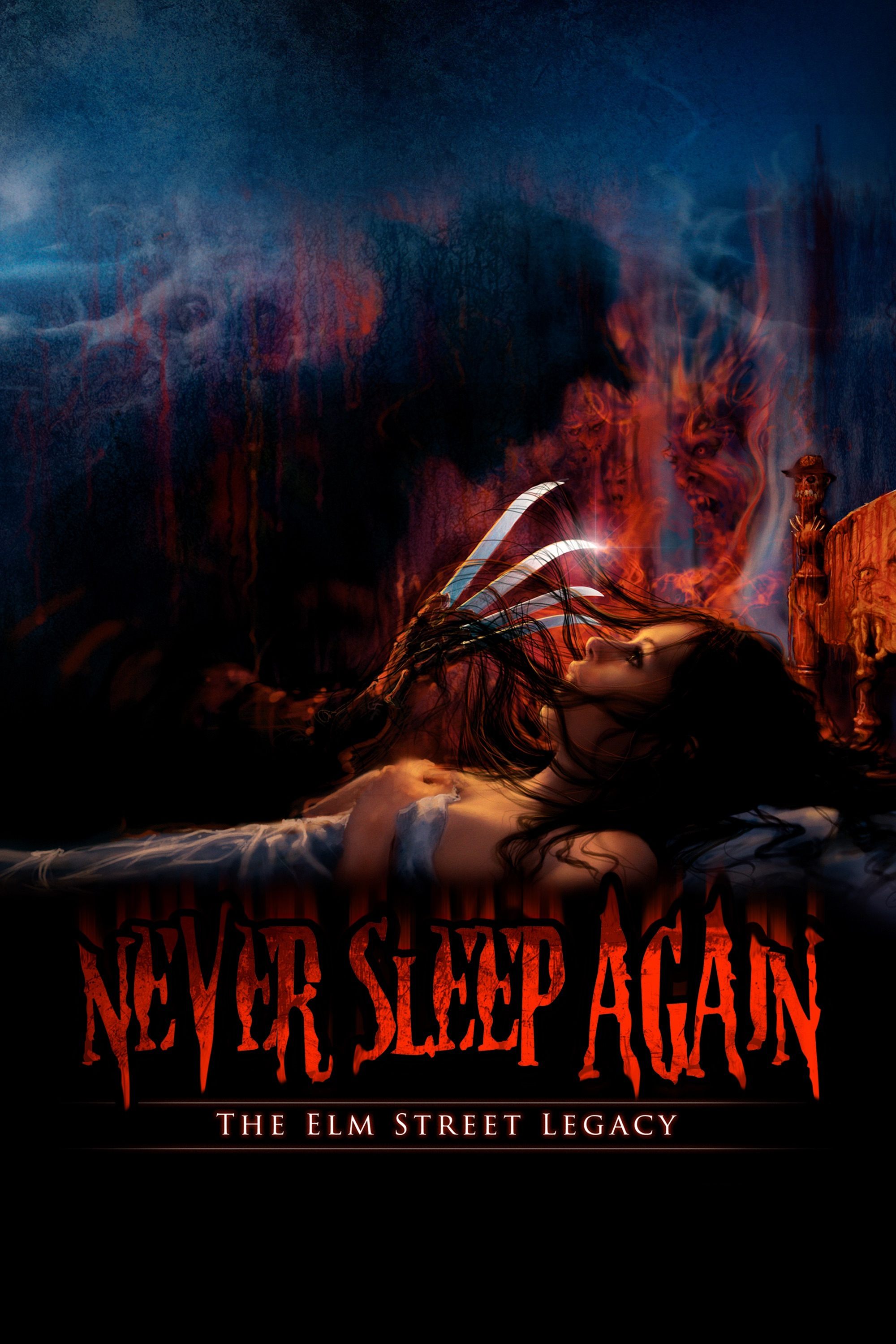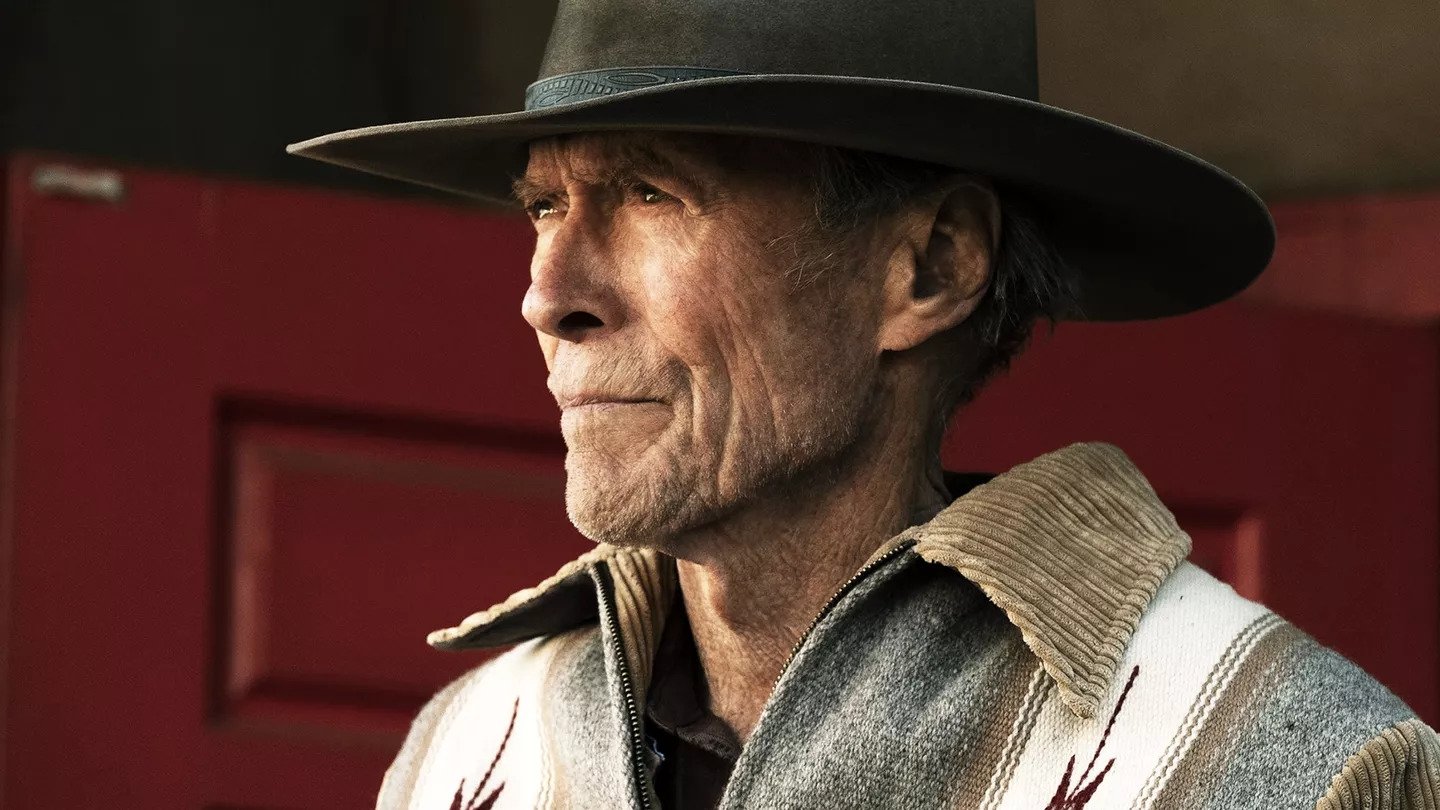
Clint Eastwood made his mark on cinema by abandoning violent action films to turn his attention, behind the camera, to more substantial productions that were praised by critics.
Social & External
Self
Luis Bunuel, the father of cinematic Surrealism, made his film debut with 'Un Chien Andalou' in 1929 working closely with Salvador Dali. Considered one of the finest and controversial filmmakers with, 'L’Age d’Or' (1930), attacking the church and the middle classes. He won many awards including Best Director at Cannes for 'Los Olvidados' (1950), and the coveted Palme d’Or for 'Viridiana' (1961), which had been banned in his native Spain. His career moved to France with 'The Diary of a Chambermaid' with major stars such as Jeanne Moreau and Catherine Deneuve.
An hour-long documentary on the life and career of actor David Gulpilil.
In this portrait film, we meet Inger Christensen in her apartment in Østerbro, Copenhagen, where she tells of her life and work, and reads excerpts from her major works.
His signature roles were the edgy North German characters: Jan Fedder was one of the most popular actors in the North. He was one of the most popular actors, a real guy with rough edges and a lot of heart: Jan Fedder. He was already on stage as a child and had his first acting lessons at the age of 13. He knew early on what he wanted: to become an actor. Antje Althoff's film traces his life and career, showing his incorrigible nature, an endearing symbiosis of a big mouth and a similarly big heart.
TV-documentary about the German actor Otto Eduard Hasse
Yesterday, today, tomorrow. The days pass, and so does life. Watching the waves to come and go, Laurence compiles sharp fragments of her life. This is an intimate and delicate portrait of a woman, who after all the struggles knows when the most important of all days is.
Stop for Bud is Jørgen Leth's first film and the first in his long collaboration with Ole John. […] they wanted to "blow up cinematic conventions and invent cinematic language from scratch". The jazz pianist Bud Powell moves around Copenhagen -- through King's Garden, along the quay at Kalkbrænderihavnen, across a waste dump. […] Bud is alone, accompanied only by his music. […] Image and sound are two different things -- that's Leth's and John's principle. Dexter Gordon, the narrator, tells stories about Powell's famous left hand. In an obituary for Powell, dated 3 August 1966, Leth wrote: "He quite willingly, or better still, unresistingly, mechanically, let himself be directed. The film attempts to depict his strange duality about his surroundings. His touch on the keys was like he was burning his fingers -- that's what it looked like, and that's how it sounded. But outside his playing, and often right in the middle of it, too, he was simply gone, not there."
Maurizio is a young university student living in Zürich, with a passion for diseases. Unlike many others, he can see an inherent beauty in them. Afterall, what difference can exist between a flower and an infection, if they are both a gift of nature?
A study of the psychology of a champion ski-flyer, whose full-time occupation is carpentry.
After consolidating itself as a tourist destination in the mid-1960s, this small coastal village has become the dormitory town for the workers of a Nuclear Power Plant. With the liberal promise of prosperity and socioeconomic wellfare, many workers left their homes to move to the small city and started working at the new Nuclear Power Plant. The collective unrest and the silence, cut off by the great gusts of wind, articulate the landscape of the village that is now under the aid of the Nuclear Power Plant.
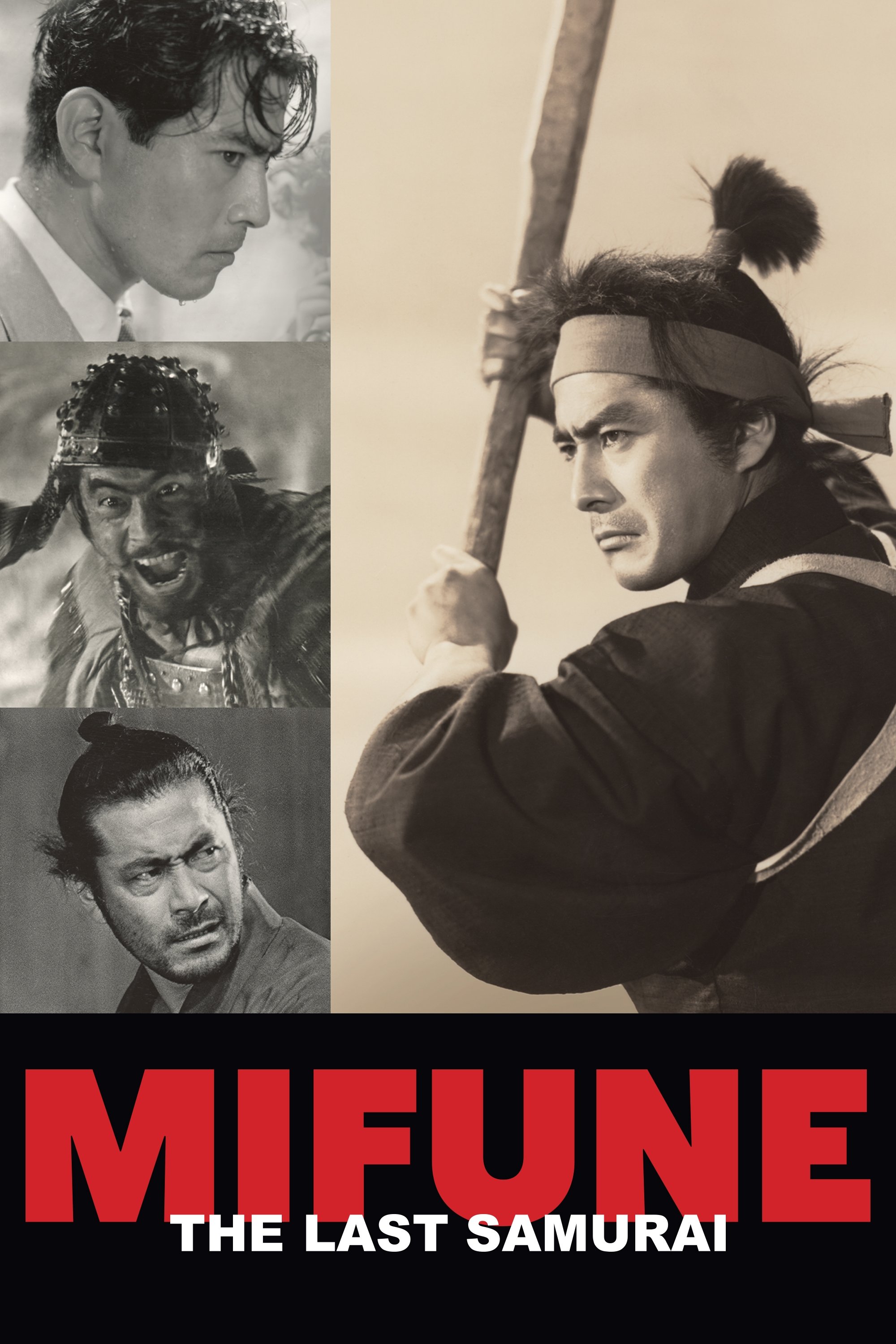
Behind the glitz and glamour of rock 'n' roll royalty is the haunting tale of Elvis Presley. Many question his moral fiber and notorious violent temper. Devilish charm dressed in angelic white had friends and fans fooled for too long.
Documentary exploring the truth behind the legend of John Lennon.
If cinema is the art of time, Linklater is one of its most thoughtful and engaged directors. Unlike other filmmakers identified as auteurs, Linklater’s distinction is not found on the surface of his films, in a visual style or signature shot, but rather in their DNA, as ongoing conversations with cinema, which is to say, with time itself. A visual essay produced by Sight and Sound.
HBO presents one of the most gifted and revered performers of our time, Academy-Award winning Robin Williams, starring in his fifth exclusive HBO special, taped before a live audience at Washington's Constitution Hall.
In the 1960s, a young Spanish flamenco dancer named Antonia Singla captivated audiences with her strikingly passionate performances. Having lost her hearing at a young age, La Singla rose to fame with her commanding presence through a combination of her powerful gaze and thunderous movement. However, just at the height of her fame, she seemingly disappeared and decades later has been all but forgotten. When a young woman in Seville comes across La Singla’s story, a bigger picture starts to be unveiled. Through research, interviews and captivating archival footage, she starts to piece together the legend of La Singla. Through the beauty of her performances and the heartbreak of her story, La Singla celebrates and preserves the legacy of one of the greatest Flamenco dancers of all time.
About the creative career of People's Artist of the USSR N.K. Cherkasov. The film uses footage from movies of the 1920s and 1930s.
Ten years ago, Volodymyr Zelensky was just one of the many faces on Ukrainian television screens. He became a star thanks to the 2015 satirical series Servant of the People, in which he played a history teacher who becomes president. Four years later, what began as fiction became a reality. This French documentary follows the transformation of a popular TV comedian into a statesman on the front lines of the Russian invasion. Archival footage, family photos, television appearances, and interviews with Zelensky and those closest to him create a multi-layered portrait of a man who always longed for a large audience. At the same time, the film places his personal development in the broader context of post-Soviet Ukraine, which is also searching for its own identity.