Social & External
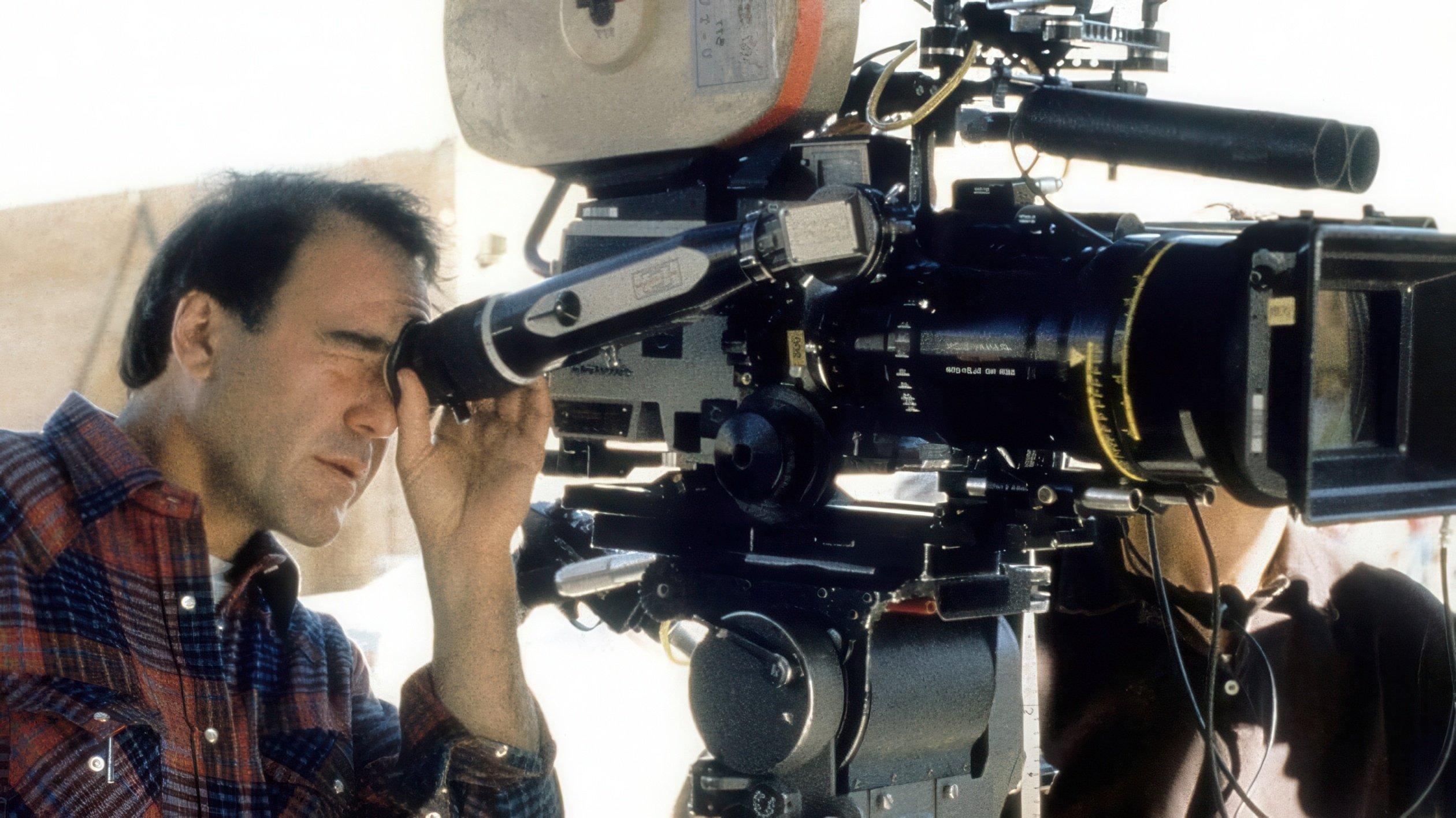
Self - director, subject
Self - media, culture & communication professor
Self - documentaries producer
Self - director
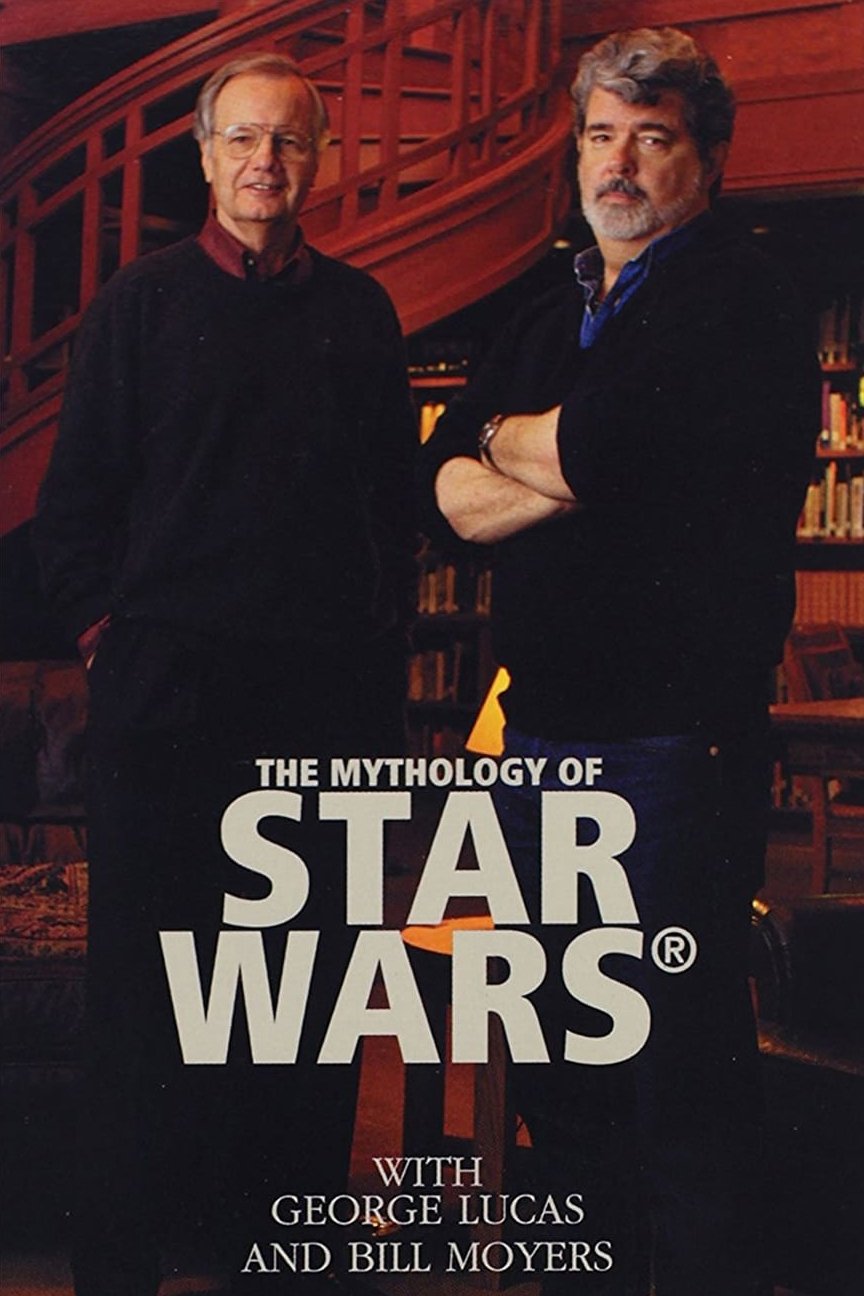
Self - historian
Self - actor (Platoon)
Self - director of photography (Platoon)
An autobiographical essay film structured as a letter to the director’s young daughter, "Où en êtes-vous, Bertrand Bonello?" weaves clips from Bonello’s films, excerpts from his scripts, pop songs, and snippets of original footage into a lyrical, reflexive cinematic self-portrait. "Où en êtes-vous?" is a collection initiated by Centre Pompidou, who asked directors to make retrospective and introspective films.
In the sixties, Swedish filmmaker Ingmar Bergman (1918-2007) built a house on the remote island of Fårö, located in the Baltic Sea, and left Stockholm to live there. When he died, the house was preserved. A group of very special film buffs, came from all over the world, travel to Fårö in search of the genius and his legacy. (An abridged version of Bergman's Video, 2012.)
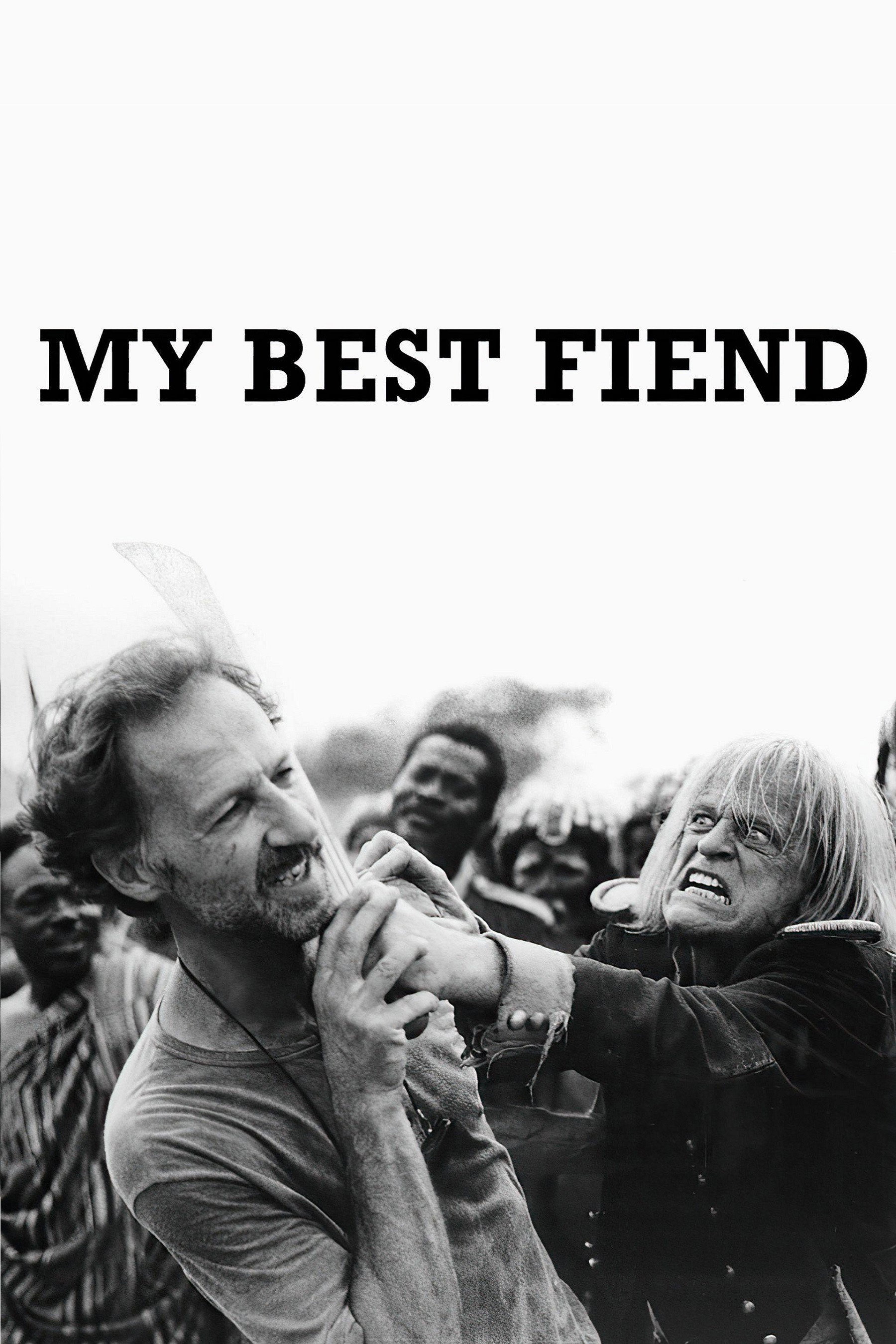
A film that describes the love-hate relationship between Werner Herzog and Klaus Kinski, the deep trust between the director and the actor, and their independently and simultaneously hatched plans to murder one another.
In the heart of the Finnish forest, the long-closed foundry of the little town of Karkkila has come back to life thanks to director Aki Kaurismäki and his creation of the town's first cinema. The peace and calm of the little town of Karkkila, nestled deep in the Finnish forest, is interrupted by unexpected sounds. In the abandoned foundry, noisy building work is taking place. Inside the building, Aki Kaurismäki is both builder and site manager of what is soon to become the Kino Laika cinema. The creation of the cinema is the talk of the town. In the factory still in activity, in a 1960s Cadillac, in a bikers' club, in the local pub, in the woods or in Aki Kaurismäki's former editing room, people start talking about cinema again.
Film director and screenwriter Seijun Suzuki (1923-2017), who in the sixties was the great innovator of Japanese cinema; and his collaborator, art director and screenwriter Takeo Kimura (1918-2010), recall how they made their great masterpieces about the Yakuza underworld for the Nikkatsu film company.
A moving account, in his own words, of the personal life and work of the brilliant Czech filmmaker Miloš Forman (1932-2018): his tragic childhood, his major contribution to the cultural movement known as the Czech New Wave, his exile in Paris, his troubled days in New York, his rise to stardom in Hollywood; a complete existence in the service of cinema.
Widely thought of as “a woman’s director,” legendary film director George Cukor is profiled with the use of film clips and interviews with his friends and colleagues to provide a picture of the director’s unique accomplishments and to trace the arc of his career.
Emerging from the depths of the film industry, the Mad Max saga became an instant cult classic after the release of the first film in 1979. These five critically acclaimed films have continued to captivate audiences. They shaped the identity of Australian cinema, launched a movie star – Mel Gibson – and propelled George Miller as one of the greatest directors of his generation. Above all, Mad Max has left an indelible mark on our collective unconscious, redefining our vision of the apocalypse and human civilization. This documentary tells the story of this phenomenon, from the small production of the first film to the monumental later installments, drawing on interviews and rare archives.
A portrait of French filmmaker Michel Gondry, creator, for three decades, of an imperfect, astonishing, fascinating, damaged and poetic work.
The author of the film decides to leave the country where she lives, in connection with the outbreak of the dramatic events, and return home to Armenia in search of a worthy example and solutions on how to live on. Paradjanov's house becomes a place of inspiration and a point of no return to toxic reality.
Eleven major film makers from Europe, America and Asia talk about Akira Kurosawa and discover surprising influences on their own work.
Portrait of director Andrey Zvyagintsev against the background of the filming of his film "Loveless".
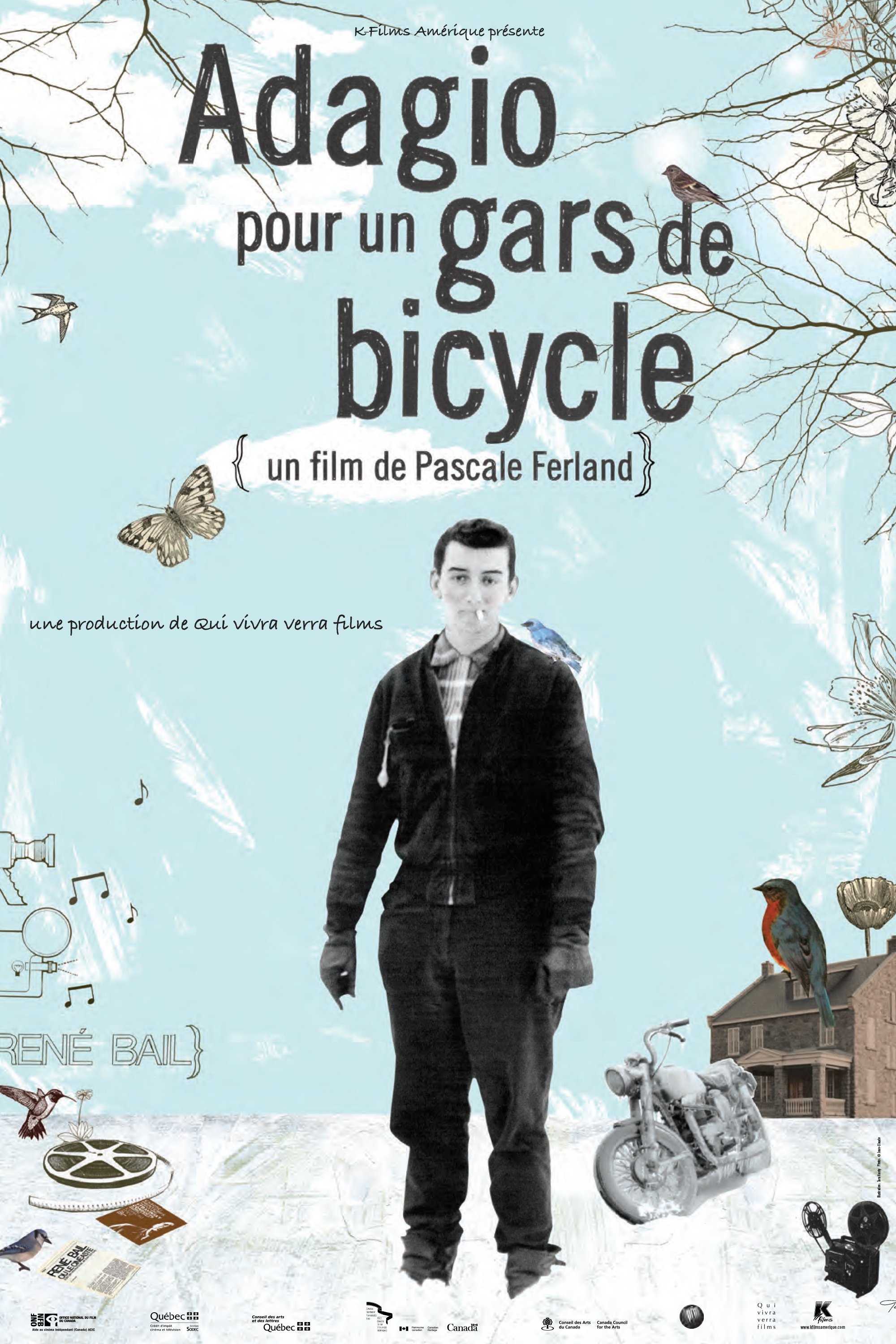
Unsatisfied with college, a filmmaker leaves everything behind to join two friends on their bike trip across the world.
Acclaimed Finnish director Rauni Mollberg made several scandalous yet widely appreciated films. Former co-worker Veikko Aaltonen’s eye-opening documentary The Dinosaur looks at the relentless, often disturbing directing techniques behind Mollberg’s art and success.
Besieged by cancer and nearing the end, the genius Argentine-Brazilian filmmaker Héctor Babenco (1946-2016) asks Bárbara Paz, his wife, for one last wish: to be the protagonist of his own death.
An account of the life and work of Russian filmmaker Andrey Tarkovsky (1932-86) in his own words: his memories, his vision of art and his reflections on the fate of the artist and the meaning of human existence; through extremely rare audio recordings that allow a complete understanding of his inner life and the mysterious world existing behind his complex cinematic imagery.
A feature-length documentary focusing on the acclaimed work and eclectic career of maverick filmmaker Larry Cohen, writer-director of "Black Caesar," "It's Alive," "God Told Me To," "Q," "The Stuff," and many more.
Nagisa Oshima interviews Akira Kurosawa, leading him to share his thoughts about filmmaking, his life and works, and numerous anecdotes relating to his films and his various film activities.
When World War II broke out, John Ford, in his forties, commissioned in the Naval Reserve, was put in charge of the Field Photographic Unit by Bill Donavan, director of the soon-to-be-OSS. During the war, Field Photo made at least 87 documentaries, many with Ford's signature attention to heroism and loss, and many from the point of view of the fighting soldier and sailor. Talking heads discuss Ford's life and personality, the ways that the war gave him fulfillment, and the ways that his war films embodied the same values and conflicts that his Hollywood films did. Among the films profiled are "Battle of Midway," "Torpedo Squadron," "Sexual Hygiene," and "December 7."
As his life comes to its end, famous Hollywood director Orson Welles puts it all on the line at the chance for renewed success with the film The Other Side of the Wind.
The life story of ‘Zen Anarchist’ filmmaker John Milius, one of the most influential storytellers of his generation.
A documentary on the life and career of one of the most influential film directors of all time, Steven Spielberg.
An intense portrait of the iconic filmmaker, writer, actor, comedian and musician Woody Allen: his life, family and friends; his writing and directing habits, and his relationship with performers.
From a prolific career in film and television, Anton Yelchin left an indelible legacy as an actor. Through his journals and other writings, his photography, the original music he wrote, and interviews with his family, friends, and colleagues, this film looks not just at Anton's impressive career, but at a broader portrait of the man.
An intimate conversation between filmmakers, chronicling De Palma’s 55-year career, his life, and his filmmaking process, with revealing anecdotes and, of course, a wealth of film clips.
His unforgettable scores are an essential part of some of the most beloved movies of our time, over a career that spans decades. See and hear maestro John Williams' own story, with insights from filmmakers, musicians, and others he has inspired, complete with rare behind-the-scenes looks at the making of movie history.
In 1974, Chilean-French director Alejandro Jodorowsky embarked on the quixotic project of adapting Frank Herbert's influential novel Dune (1969) for the big screen. After investing two years, and millions of dollars, the gigantic project ended in failure; but the artists Jodorowsky brought together to carry it out continued to work together, and ended up laying the foundations for modern science fiction cinema.
An introspective insight into the life and artistic journey of William Friedkin, an extraordinary and offbeat director of cult films such as The French Connection, The Exorcist, Sorcerer, Cruising, To Live and Die in L.A. and Killer Joe. For the first time Friedkin opens up, guiding the audience on a fascinating journey through the themes and the stories that have influenced his life and his artistic career.
A poetic journey into the visual world of the legendary filmmaker and actor Orson Welles (1915-85) that reveals a new portrait of a unique genius, both of his life and of his monumental work: through his own eyes, drawn by his own hand, painted with his own brush.
A chronicle of the long career of American filmmaker Roger Corman, the most tenacious and ingenious low-budget producer and director in the US film industry, a pioneer of independent filmmaking and discoverer of new talent.
The life and career of an actor, artist, and icon. His own journey through his own camera.
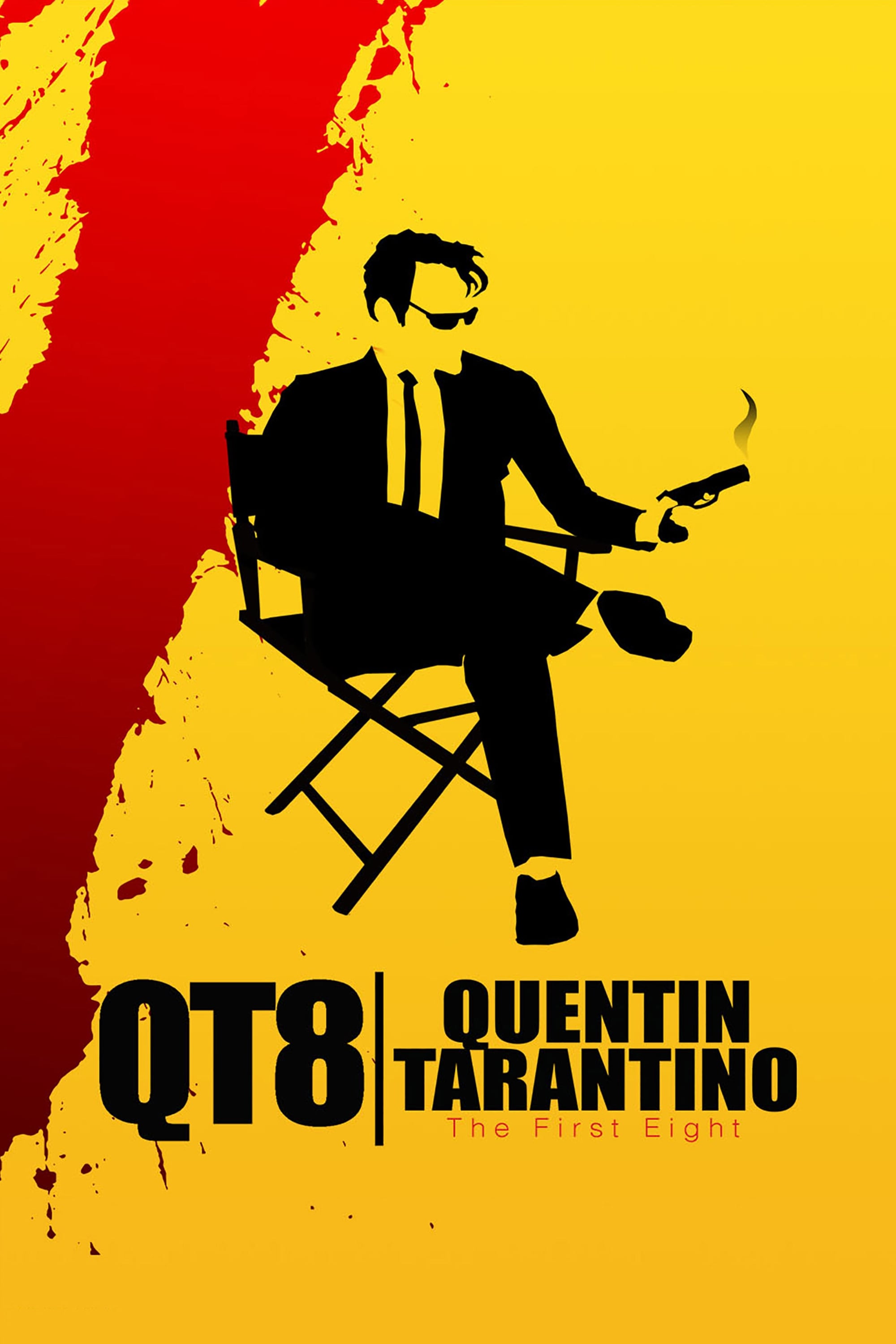
A detailed account of the life and artistic career of legendary filmmaker Quentin Tarantino, from his early days as a video club manager to the scandalous fall in disgrace of producer Harvey Weinstein. A story about how to shoot eight great movies and become an icon of modern pop culture.
An account of the extraordinary life of film pioneer Georges Méliès (1861-1938) and the amazing story of the copy in color of his masterpiece A Trip to the Moon (1902), unexpectedly found in Spain and restored thanks to the heroic efforts of a group of true cinema lovers.
Daniel Craig candidly reflects on his 15 year adventure as James Bond. Including never-before-seen archival footage from Casino Royale to the upcoming 25th film No Time To Die, Craig shares his personal memories in conversation with 007 producers, Michael G Wilson and Barbara Broccoli.
An impressionistic portrait of the iconic actor Harry Dean Stanton comprised of intimate moments, film clips from some of his 250 films and his renditions of American folk songs.
Filmmakers discuss the legacy of Alfred Hitchcock and the book “Hitchcock/Truffaut” (“Le cinéma selon Hitchcock”), written by François Truffaut and published in 1966.
Explore the unlikely partnership and enduring legacy of one of the most prolific power couples in entertainment history. Lucille Ball and Desi Arnaz risked everything to be together.
With exclusive access to his extraordinary unseen and unheard personal archive including hundreds of hours of audio recorded over the course of his life, this is the definitive Marlon Brando cinema documentary. Charting his exceptional career as an actor and his extraordinary life away from the stage and screen with Brando himself as your guide, the film will fully explore the complexities of the man by telling the story uniquely from Marlon's perspective, entirely in his own voice. No talking heads, no interviewees, just Brando on Brando and life.
Artists in LA discover the work of forgotten Polish sculptor Stanislav Szukalski, a mad genius whose true story unfolds chapter by astounding chapter.