"The Nurse-Patient Relationship"
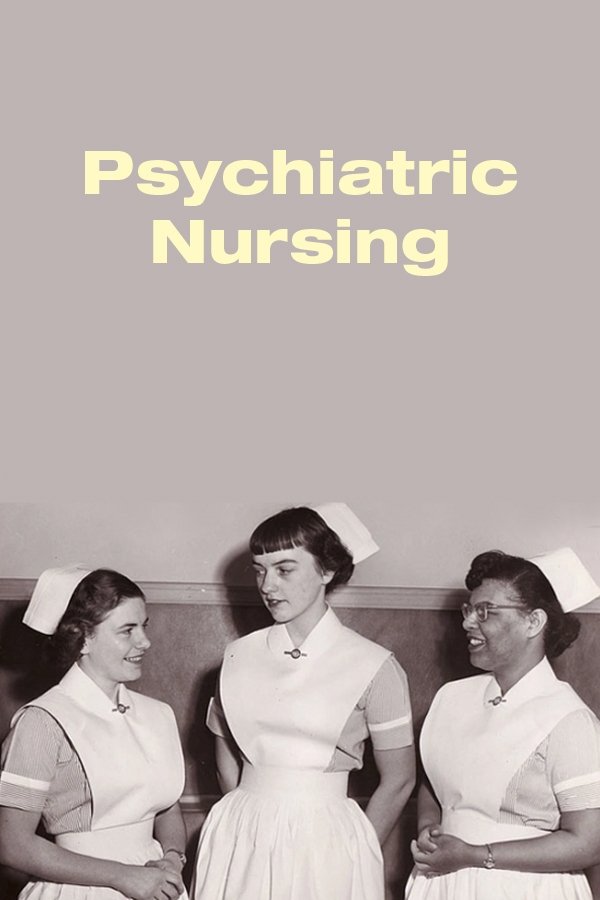
Psychiatric Nursing: The Nurse-Patient Relationship is a 1958 American documentary film directed by Lee R. Bobker. It was nominated for an Academy Award for Best Documentary Feature.

Social & External
Self - Nurse
Self - Patient
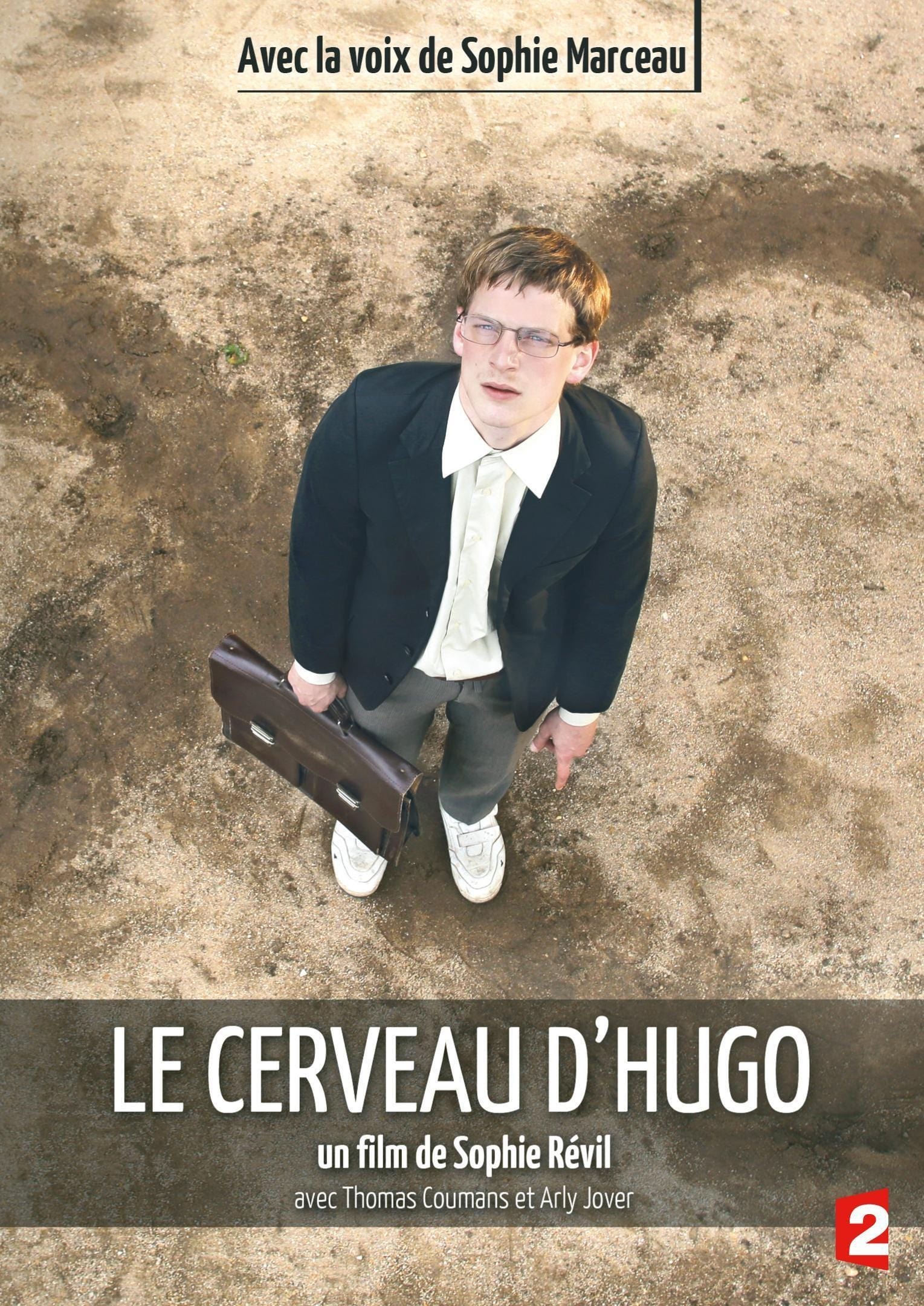
The Hugo's Brain is a French documentary-drama about autism. The documentary crosses authentic autistic stories with a fiction story about the life of an autistic (Hugo), from childhood to adulthood, portraying his difficulties and his handicap.
Psychiatrist Dr. Dean Brooks, who appears in the film One Flew Over The Cuckoo's Nest, and others discuss how jails and prisons have become our new asylums and how community care, especially inadequately funded community care, is failing to help people. They also discuss the need for what his granddaughter, Dr. Ulista Brooks, describes as “true asylums” — the construction of new modern mental hospitals, and other important issues regarding care for the mentally ill.
Narrator and director Michael Schaap's confessional style and general goofiness bring levity to an awkward topic: "erectile dysfunction" and the little blue pill that treats it.
Faceless is a documentary film about the workings of an inpatient psychiatry unit, seen through the eyes of both the patients trying to get well and the staff trying to help them.
Six months after a tsunami hit South Asia on December 26, 2004, Muslim-American and Sri Lankan-born Dr. M. Rahmi Mowjood led a team of American doctors and medical students on a relief trip. While mentoring medical students and aiding injured villagers, Dr. Mowjood also finds a way to ask someone to become a member of his own family.
More and more doctors and surgeons are using hypnosis as a supplement to anesthesia during surgery. Hypnosis is also gaining increasing recognition among conventional physicians, especially for anesthesia and pain treatment. Can it also help with psychological stress disorders such as trauma, phobias, addiction, depression or burnout?
Through our subject Adam, we reveal the incredible changes and forces that take all humankind from Cradle to Grave.
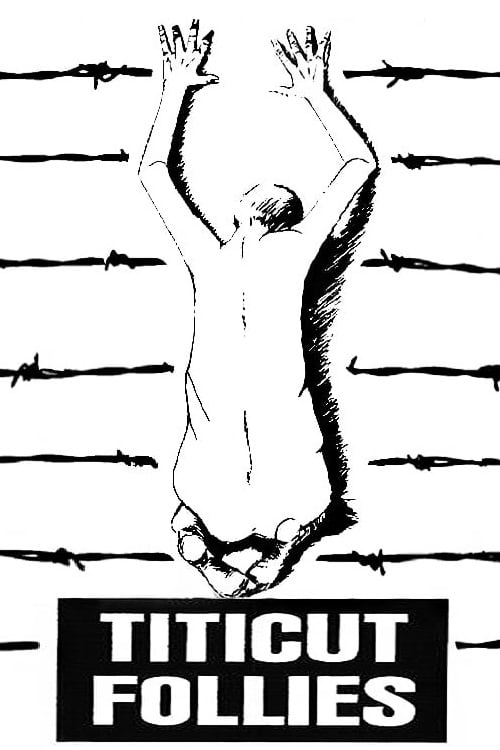
A stark and graphic portrayal of the conditions that existed at the State Prison for the Criminally Insane at Bridgewater, Massachusetts, and documents the various ways the inmates are treated by the guards, social workers, and psychiatrists.
The untold stories of six Australian army nurses who served at the only Australian field hospital in the Vietnam War.
Documentary made with the patients of wards 15 and 17 of the Sainte-Anne psychiatric hospital in Paris in 2008-2009.
A historical documentary documenting the rise, function, and abandonment of a 17 story building that once housed The Rochester Psychiatric Center. This film tells the story of the building through historical footage, interviews of former staff and patients who recount their memories of the behemoth facility while also exploring the abandoned building as it is today.
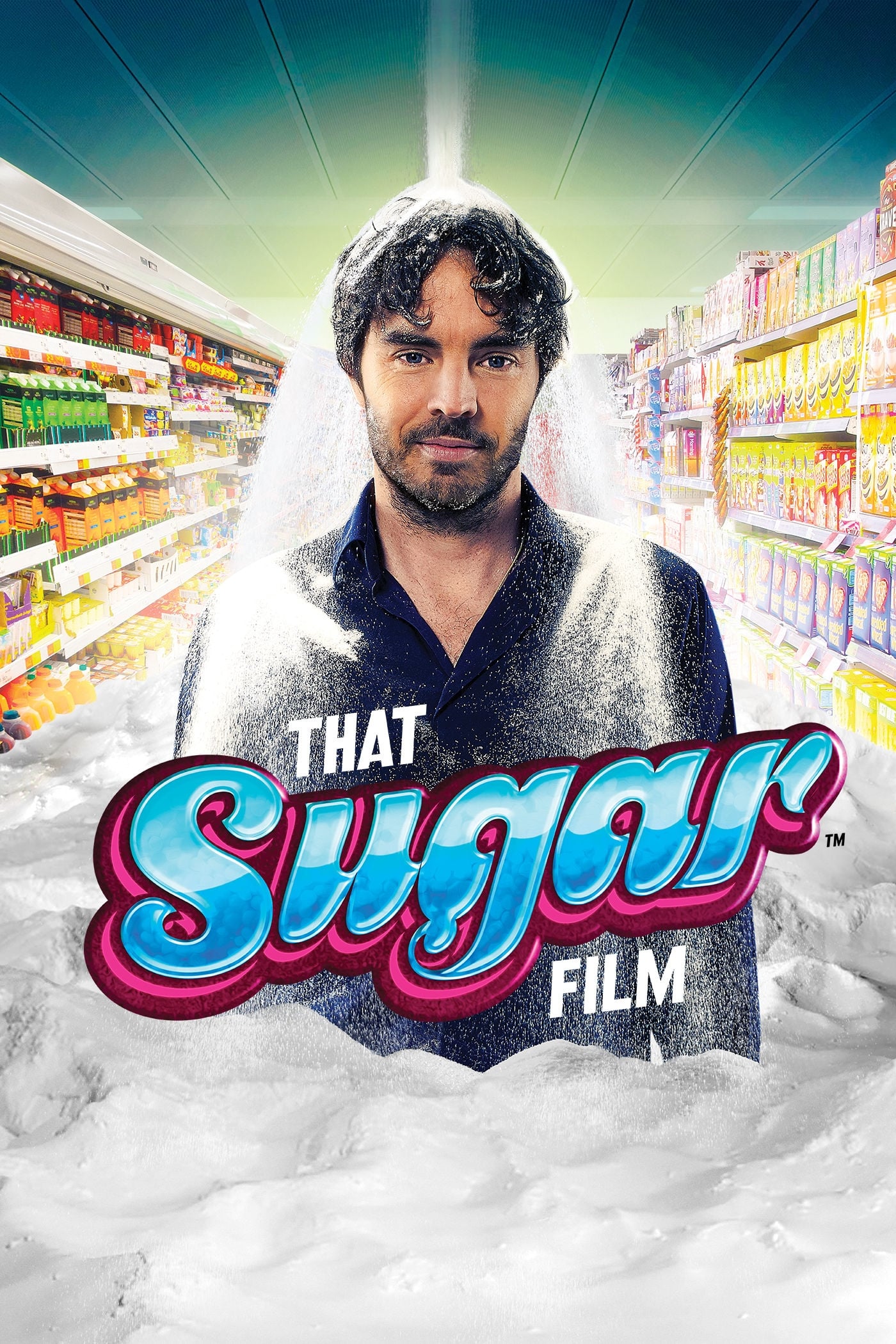
One man's journey to discover the bitter truth about sugar. Damon Gameau embarks on a unique experiment to document the effects of a high sugar diet on a healthy body, consuming only foods that are commonly perceived as 'healthy'. Through this entertaining and informative journey, Damon highlights some of the issues that plague the sugar industry, and where sugar lurks on supermarket shelves.
Inside the dramatic search for a cure to ME/CFS (Myalgic Encephalomyelitis/Chronic Fatigue Syndrome). 17 million people around the world suffer from what ME/CFS has been known as a mystery illness, delegated to the psychological realm, until now. A scientist in the only neuro immune institute in the world may have come up with the answer. An important human drama, plays out on the quest for the truth.
The psychiatric hospital was and is a disturbing place. Michel Défago, a former nurse, reports on a time when mentally ill people were still shackled or isolated. Today, nurses make every effort to free patients from their suffering and isolation.
Things are busy at the Paris hospital where young psychiatrist Jamal and his colleagues work. The place is run down, the staff are exhausted, budgets are constantly being slashed. You know the story, but you’ve rarely seen it conveyed as engagingly as in ‘On the Edge’, which employs a handheld camera and meaningful, artistic interventions to observe the daily routine at the psychiatric ward. The deeply sympathetic Jamal is an everyday hero with an exemplary, humanistic disposition, for whom the most important prerequisites for mental health – and for a healthy society in general – are good relationships with other people. He puts his philosophy into practice by listening patiently, giving good advice and organising theatre exercises based on Molière. Realism and idealism, however, are in balance for the young doctor, at least as long as the institutional framework holds up.
Kelly Finger-McNeela was diagnosed with Multiple Sclerosis her freshman year of high school. The only thing on her mind was living a "normal" life. Her disease threatened to make that impossible.
This compelling film represents a rare record of an original genius. In Jung on Film, the pioneering psychologist tells us about his collaboration with Sigmund Freud, about the insights he gained from listening to his patients' dreams, and about the fascinating turns his own life has taken. Dr. Richard I. Evans, a Presidential Medal of Freedom nominee, interviews Jung, giving us a unique understanding of Jung's many complex theories, while depicting Jung as a sensitive and highly personable human being.
This is the story of death and survival, exclusion and hope told by those who lived through it. 40 years ago an HIV infection seemed like a death sentence.
This RKO-Pathe Screenliner short looks at the duties of the modern nurse. The story tracks the education of a student nurse as she works toward graduation and shows the earning of her cap during her student days, in retrospect. At the beginning, she wears the Student Nurse uniform dress and apron only, with no cap. She appears later in the movie as a more experienced Senior student with her cap already wearing a stripe. This was frequently done in the three year hospital programs to differentiate the Junior level students from the Seniors, more experienced and closer to Graduation. The capping ceremony illustrated shows the bare headed students receiving their plain white cap, and addressing it as something from her past that she will remember fondly.
Weaving together powerful interviews with survivors, experts, and well known celebrities, this advocates for upscaling skin cancer prevention efforts, equitable access to treatment, and champions innovative research and treatment approaches.