Social & External
The people behind it
In 1975, as America faced social and political upheaval, filmmakers turned chaos into art.
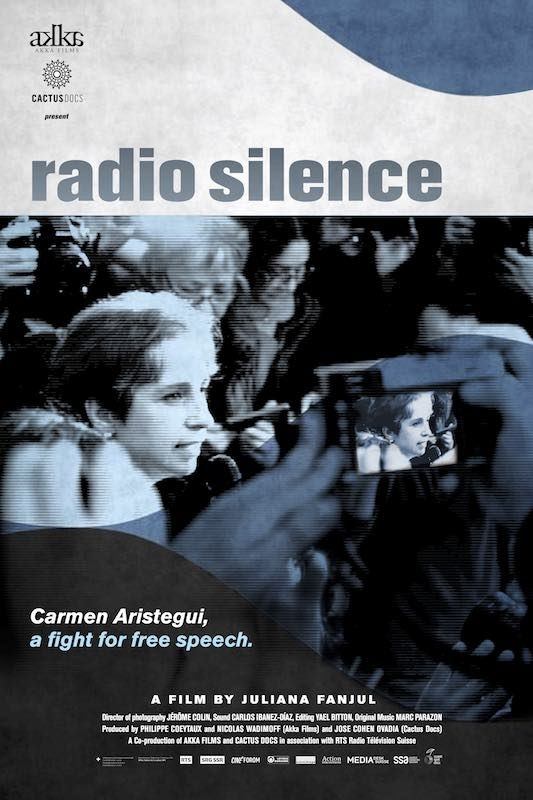
Mexico, March 2015. Carmen Aristegui, incorruptible journalist, has been fired from the radio station where she has worked for years. Supported by more than 18 million listeners, Carmen continues her fight. Her goal: raising awareness and fighting against misinformation. The film tells the story of this quest: difficult and dangerous, but essential to the health of democracy. A story in which resistance becomes a form of survival.
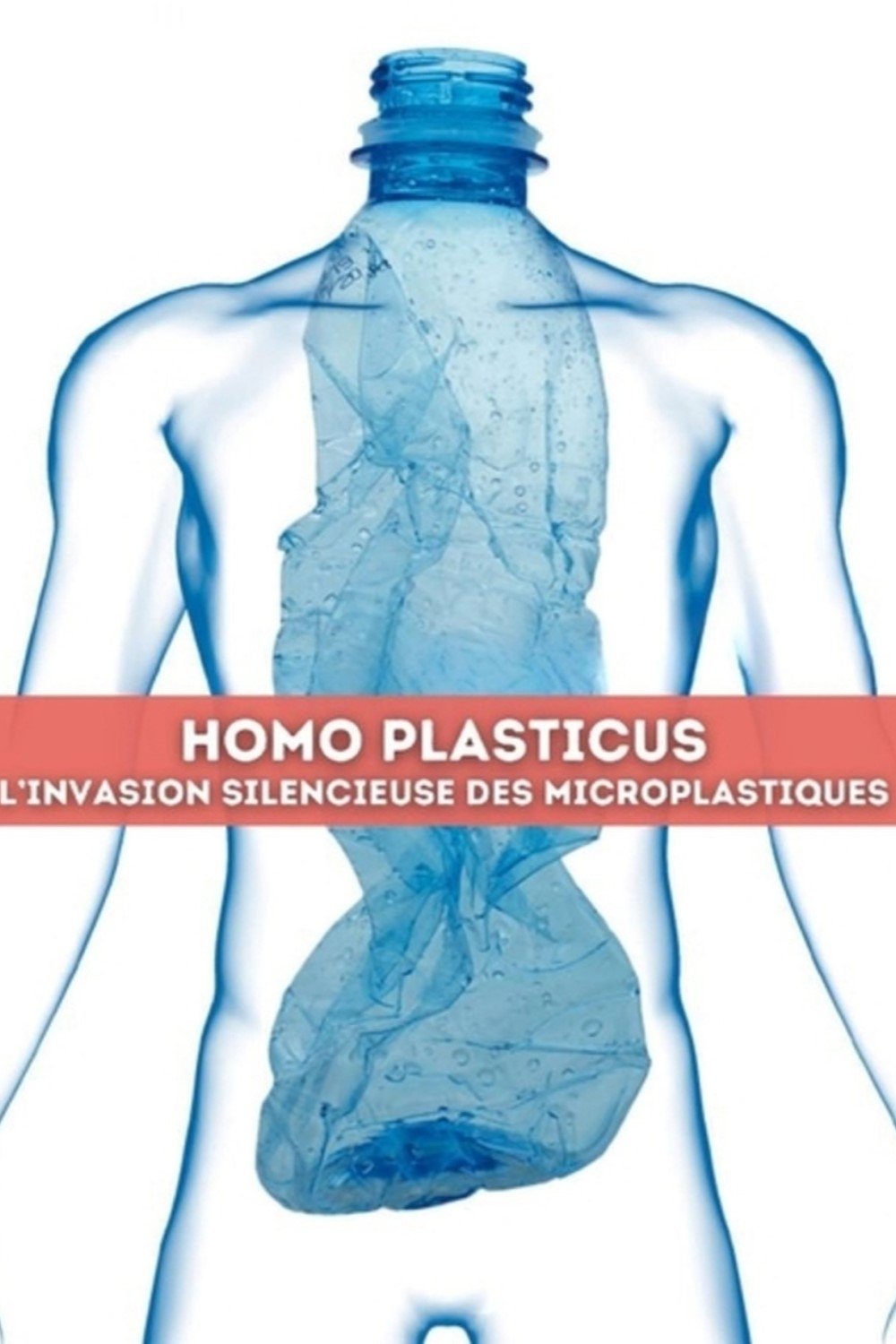
Every day, we eat and breathe tiny plastic residues. What effects does this insidious contamination have on our bodies? Rigorous and lucid, this scientific investigation gathers the most recent discoveries and sounds the alarm.
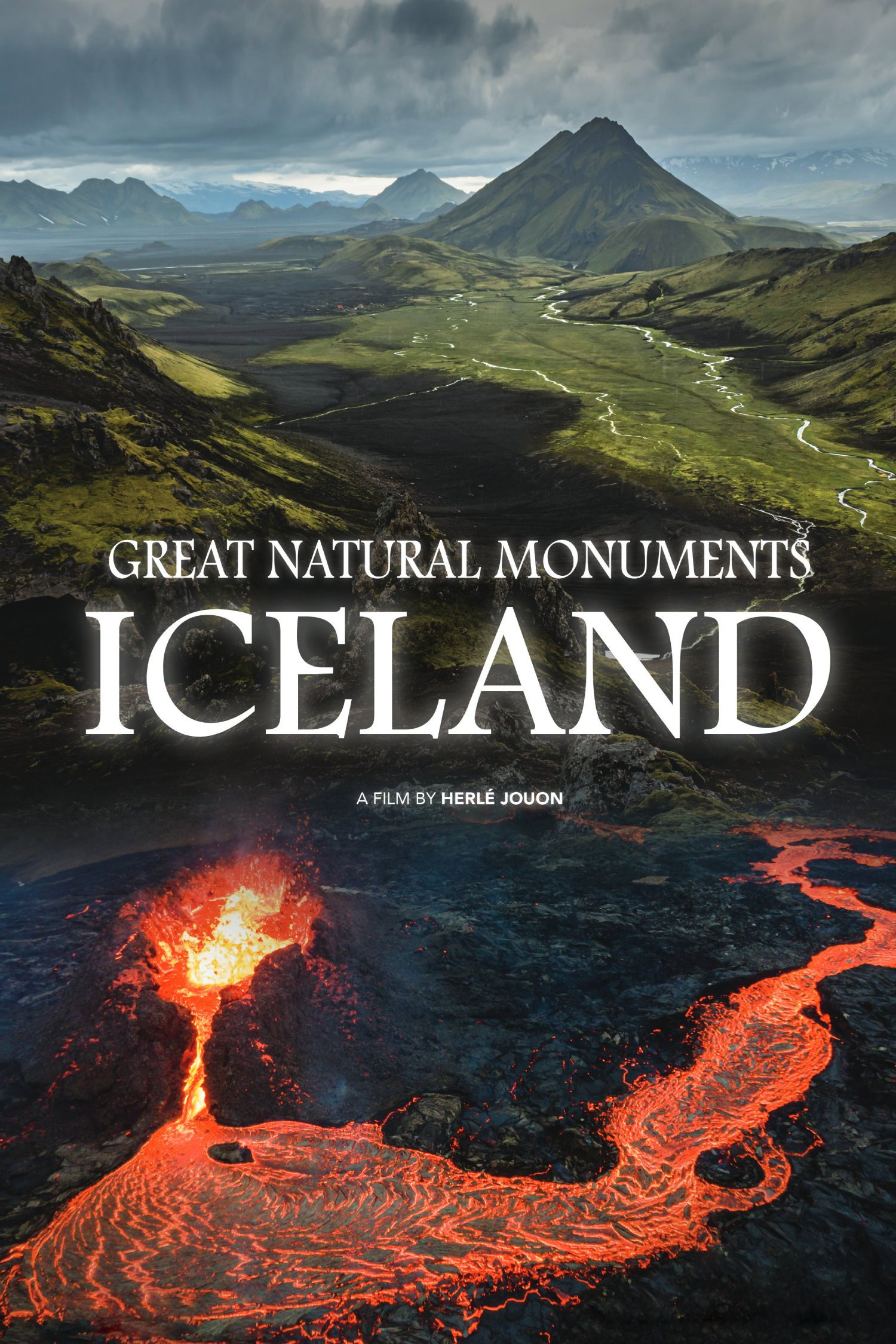
The fascinating landscape formations of Iceland in the North Atlantic bear witness to the beauty and primal power of nature. They were created through the interaction of powerful volcanic, geological and biological processes that have been changing the face of the earth for billions of years. This is what the Earth might have looked like four billion years ago. Iceland is the realm of ice and fire. Nowhere else is there such a high density of volcanoes. The landscapes, which are continually reshaped by eruptions, make the island a natural laboratory full of clues about the formation and development of the earth. The documentary follows a group of scientists through the most active areas of Iceland, along a mountain range that has emerged from the ocean. On the slopes of the volcanoes, in the fog of the fumaroles and on streams and rivers, the three researchers explore how the first forms of life populated the earth's surface and in what evolutionary steps they took over the earth.
The story of Nisar Ahmed Khan, told through his children and the people he served, a spiritual guide whose followers still visit his tomb on his birth and death anniversaries. And alongside how his family spends a few days at the village keeping his traditions alive.
Newspaper journalist Louis Ranaldi finds himself questioning the circumstances involving the sale of a popular neighborhood bar called Delaney's that was converted into an aerial nightclub.
Since the invention of the automobile, women have distinguished themselves by their daring: the history of women in motor sport.
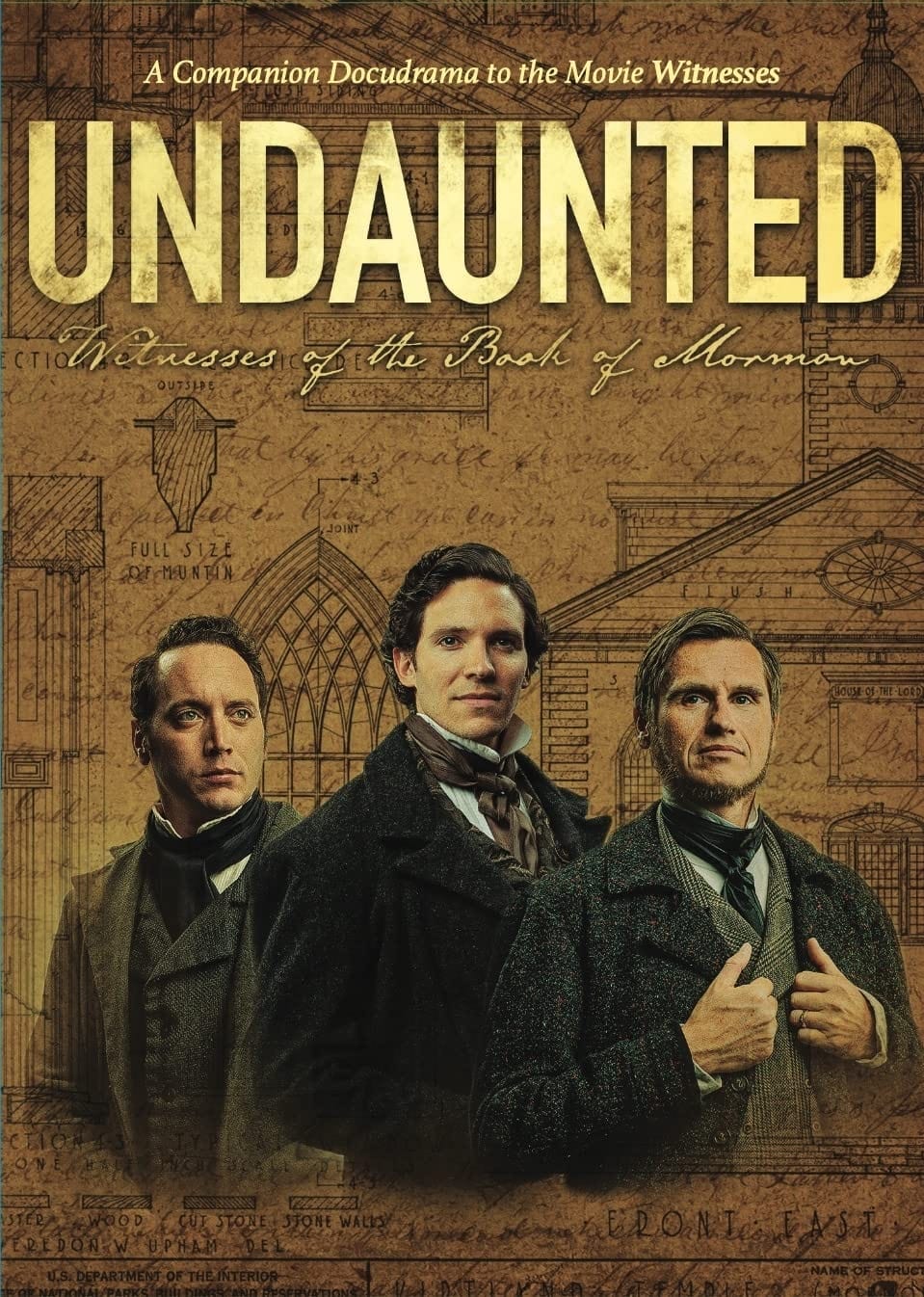
Were the eleven official witnesses—twelve if you include Joseph Smith himself—of the Book of Mormon reliable? What about the unofficial witnesses who interacted with the plates in various ways—including a number of women? Were the plates actually made of gold? How could witnesses really hear the voice of God and yet come to doubt His prophet?
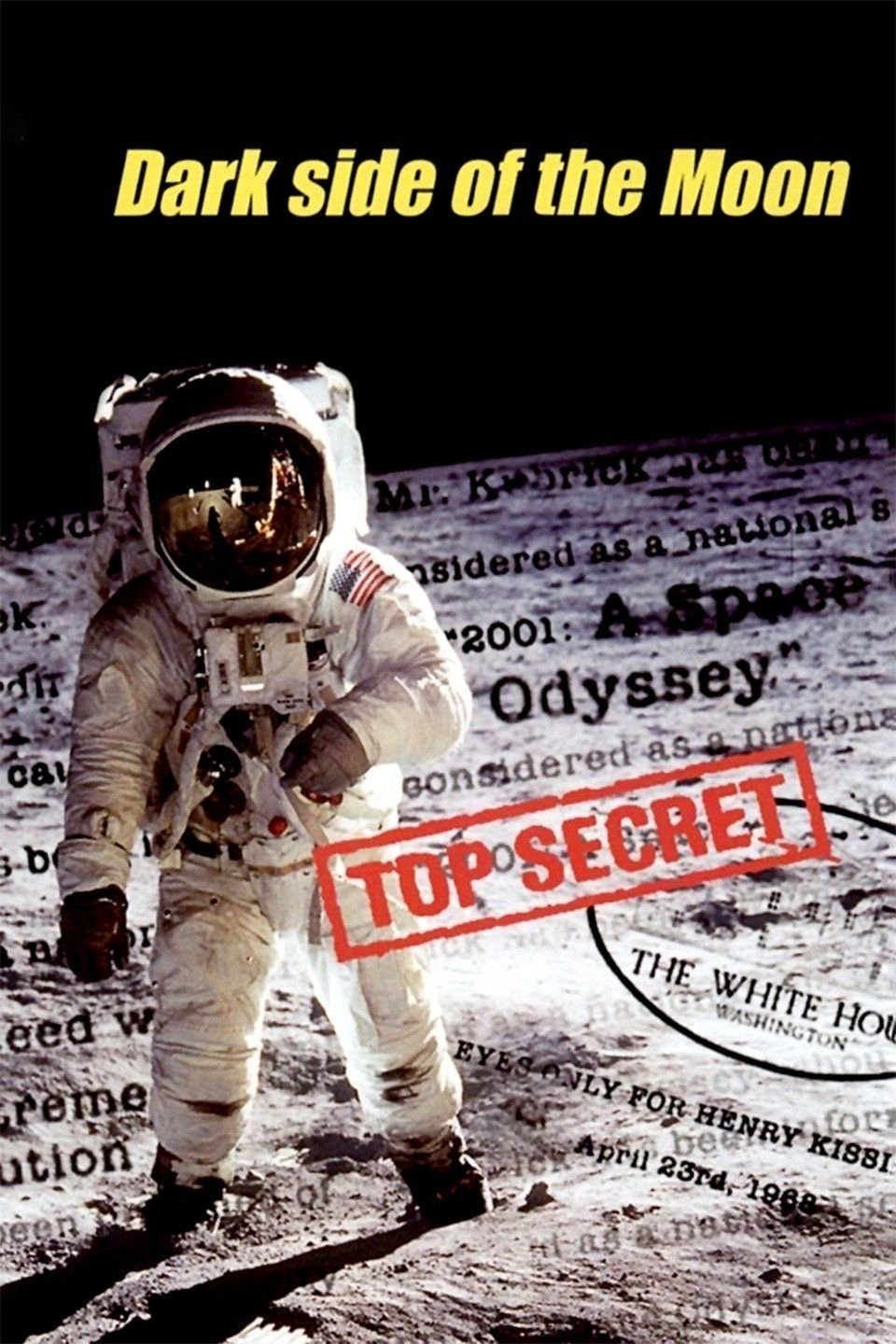
A French documentary or, one might say more accurately, a mockumentary, by director William Karel which originally aired on Arte in 2002 with the title Opération Lune. The basic premise for the film is the theory that the television footage from the Apollo 11 Moon landing was faked and actually recorded in a studio by the CIA with help from director Stanley Kubrick.
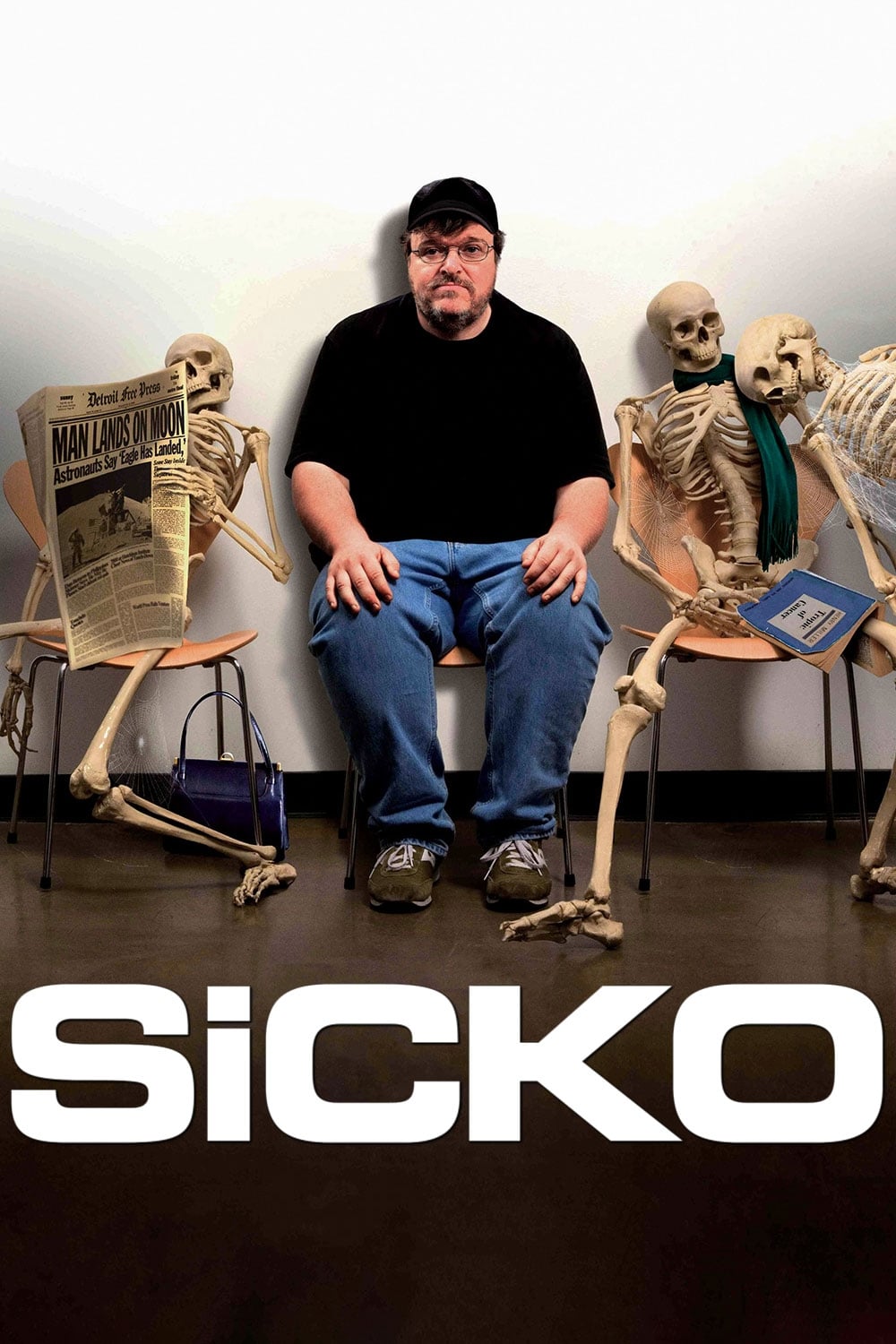
A documentary about the corrupt health care system in The United States whose main goal is to make profit even if it means losing people’s lives. "The more people you deny health insurance, the more money we make" is the business model for health care providers in America.
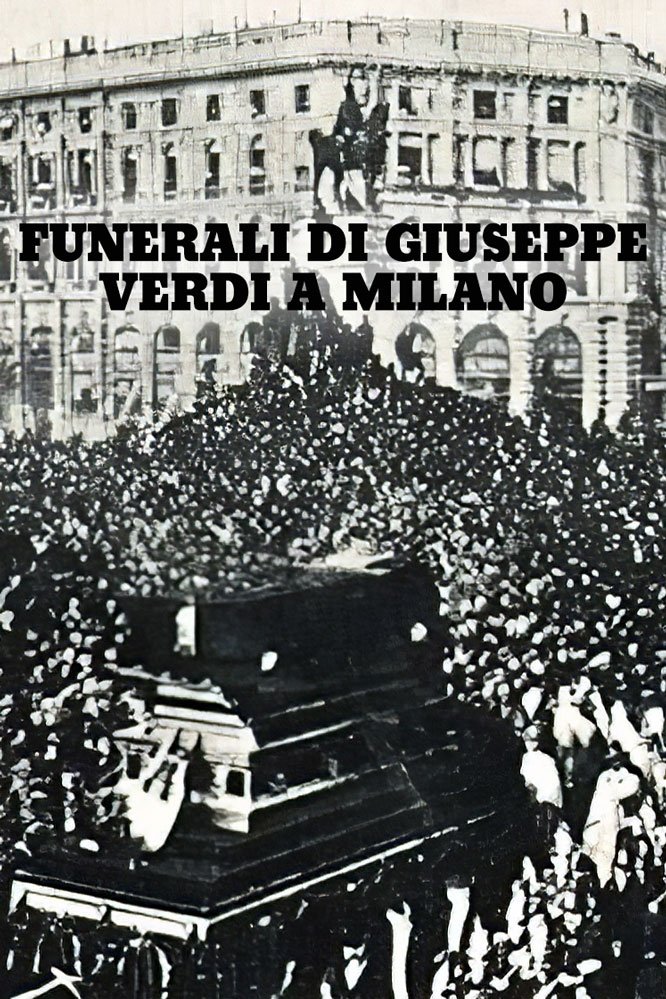
On 28 January 1901 the great musician Giuseppe Verdi died from the consequences of a stroke that had struck him six days earlier. These very rare images, captured in Milan on 27 February 1901 by the operator and pioneer of Milanese cinema Italo Pacchioni, document the transfer of the Maestro's body from the Monumental Cemetery of Milan to the famous retirement home for musicians which he himself founded.
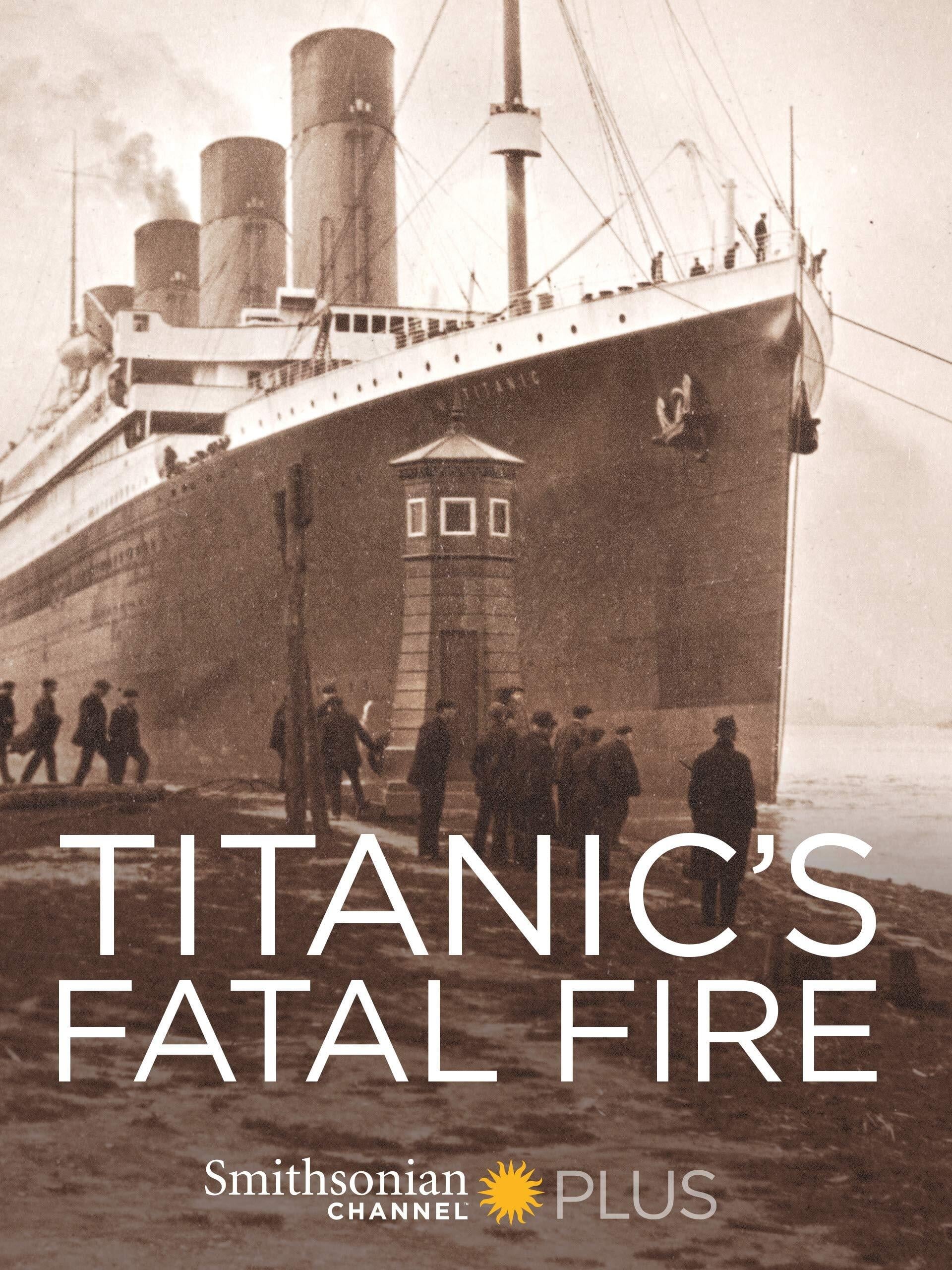
The sinking of the Titanic sent shockwaves around the world and started debates that continue to this day. But new, explosive evidence from the most unlikely of sources may finally lay all arguments to rest and reveal, for the first time, the full story of what possibly doomed the "unsinkable" liner. Join us as we unveil recently discovered and never-before-seen photographs of the super ship that exposes shocking clues that investigators and historians once dismissed but can no longer ignore.
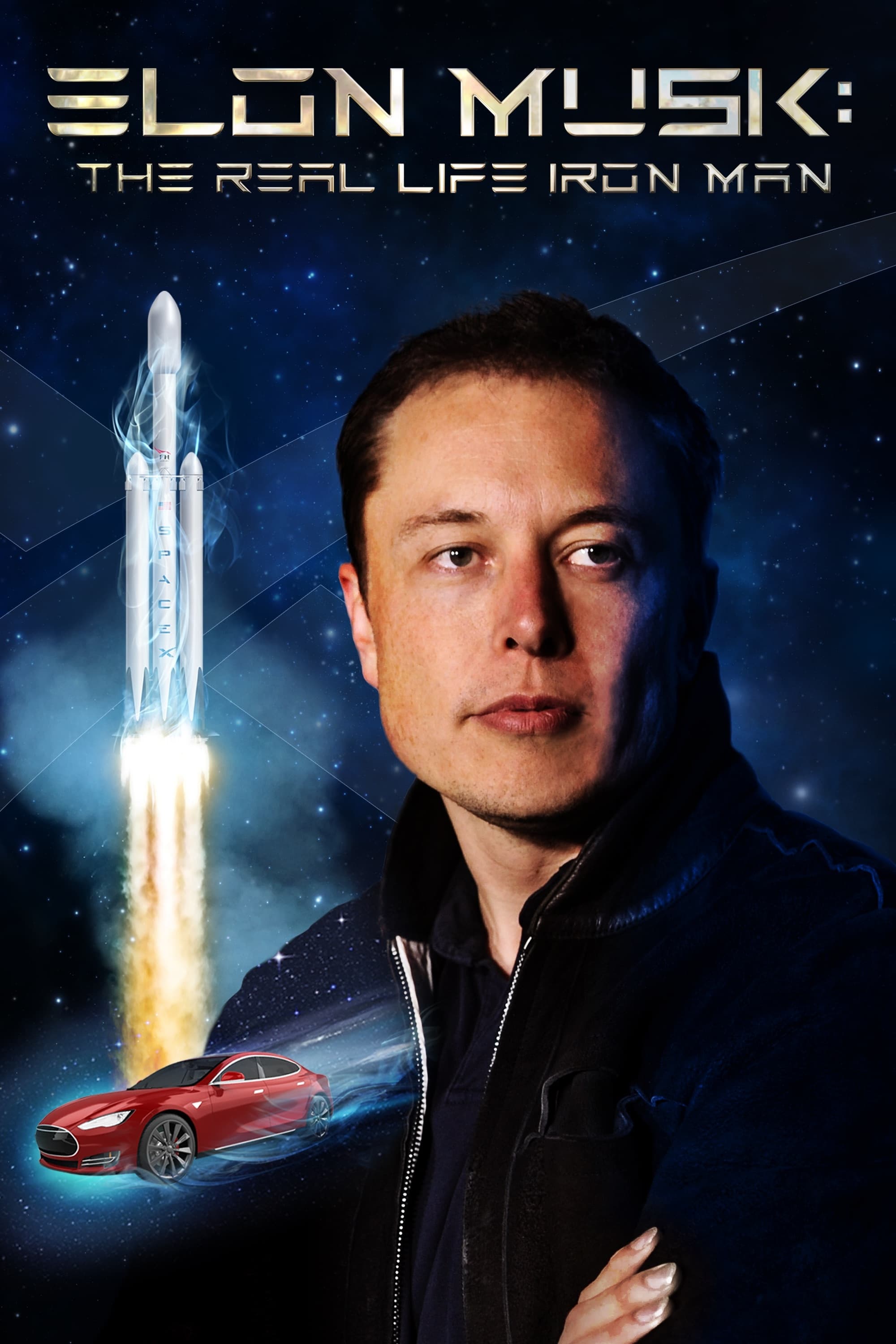
Discover the meteoric rise of Elon Musk, the man who is transforming the way we think about travel technology through electric cars, the Hyperloop, and revolutionary ideas on how we live through artificial intelligence and colonizing Mars.
Gdańsk, Poland, September 1980. Lech Wałęsa and other Lenin shipyard workers found Solidarność (Solidarity), the first independent trade union behind the Iron Curtain. The long and hard battle to bring down communist dictatorship has begun.
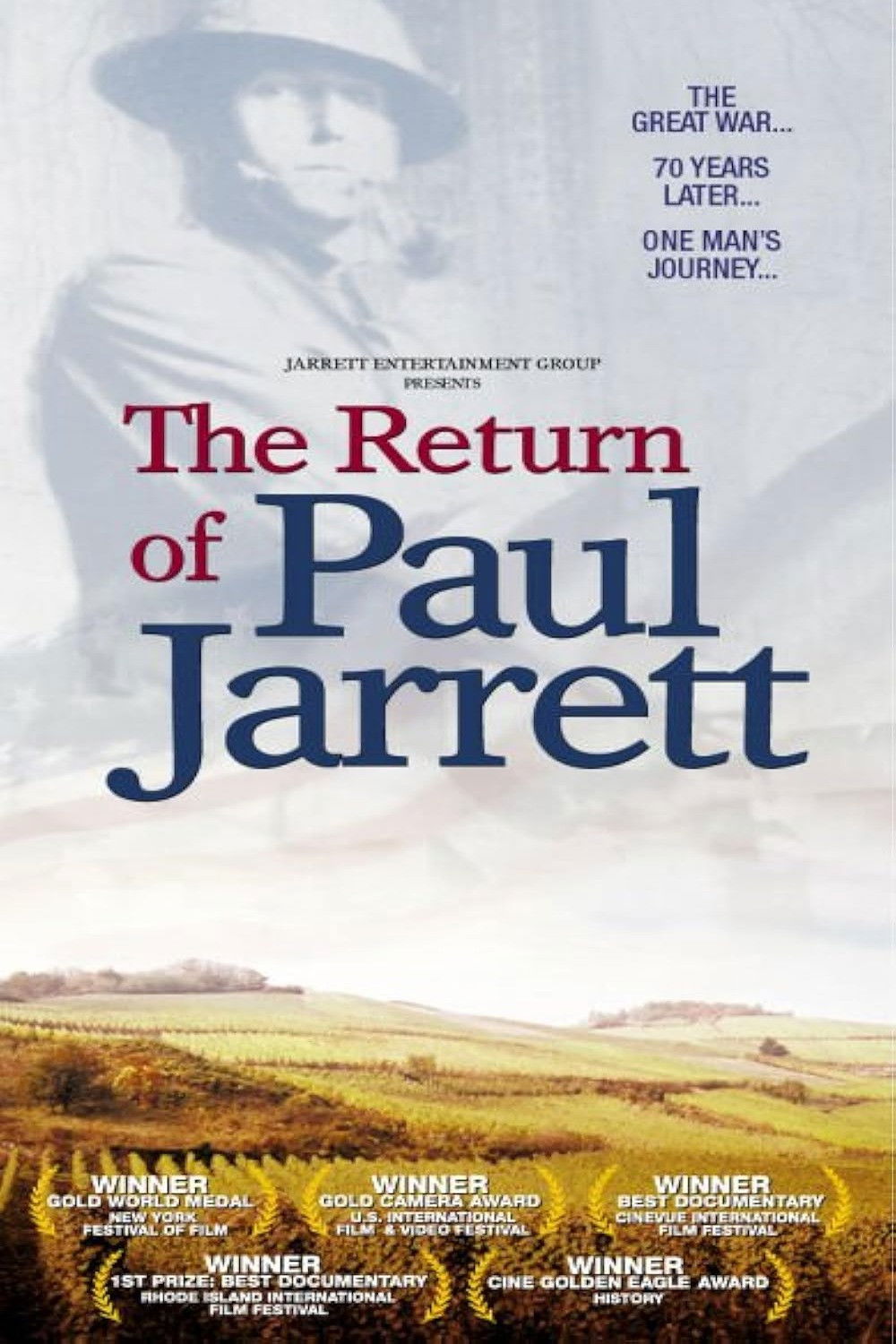
A very personal account of one of the last gentlemen of a dying era. In fact, Paul Jarrett will forever be remembered in the annals of American history as the last WWI veteran to ever return to the battlefields of France.
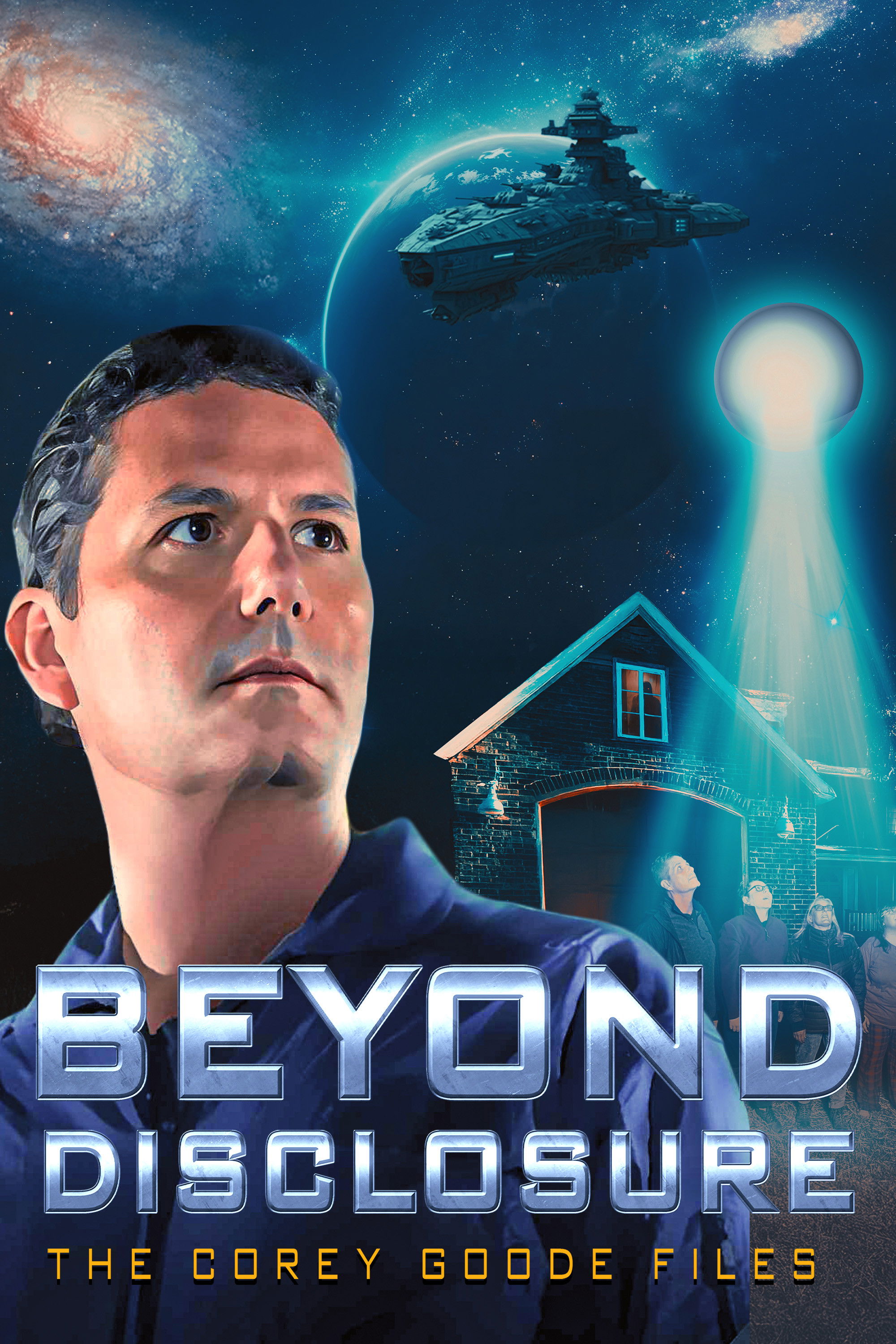
After claiming he served 20 years in a secret space program, Corey Goode became a UFO icon - then a lightning rod. This documentary follows his rise and the strange intersection of memory, myth, and media in the age of disclosure.
By decoding ancient hieroglyphic texts, Jean-François Champollion gave voice to an enigmatic civilization, but behind his legendary feat is a mysterious brother who made it possible. The recent discovery of correspondence between Jean-François Champollion and his brother Jacques-Joseph now allows us to fully understand how a young, self-taught genius was able to make one of the most important discoveries of the 19th century. Without the ingenuity and unfailing support of his older brother, Jean-François would never have succeeded in solving this enigma, which had international repercussions. With animated sequences of their private correspondence, and with the help of archives and expert analysis, this film revisits this unique scientific, human and intellectual adventure to celebrate the bicentenary of the decoding of hieroglyphics.
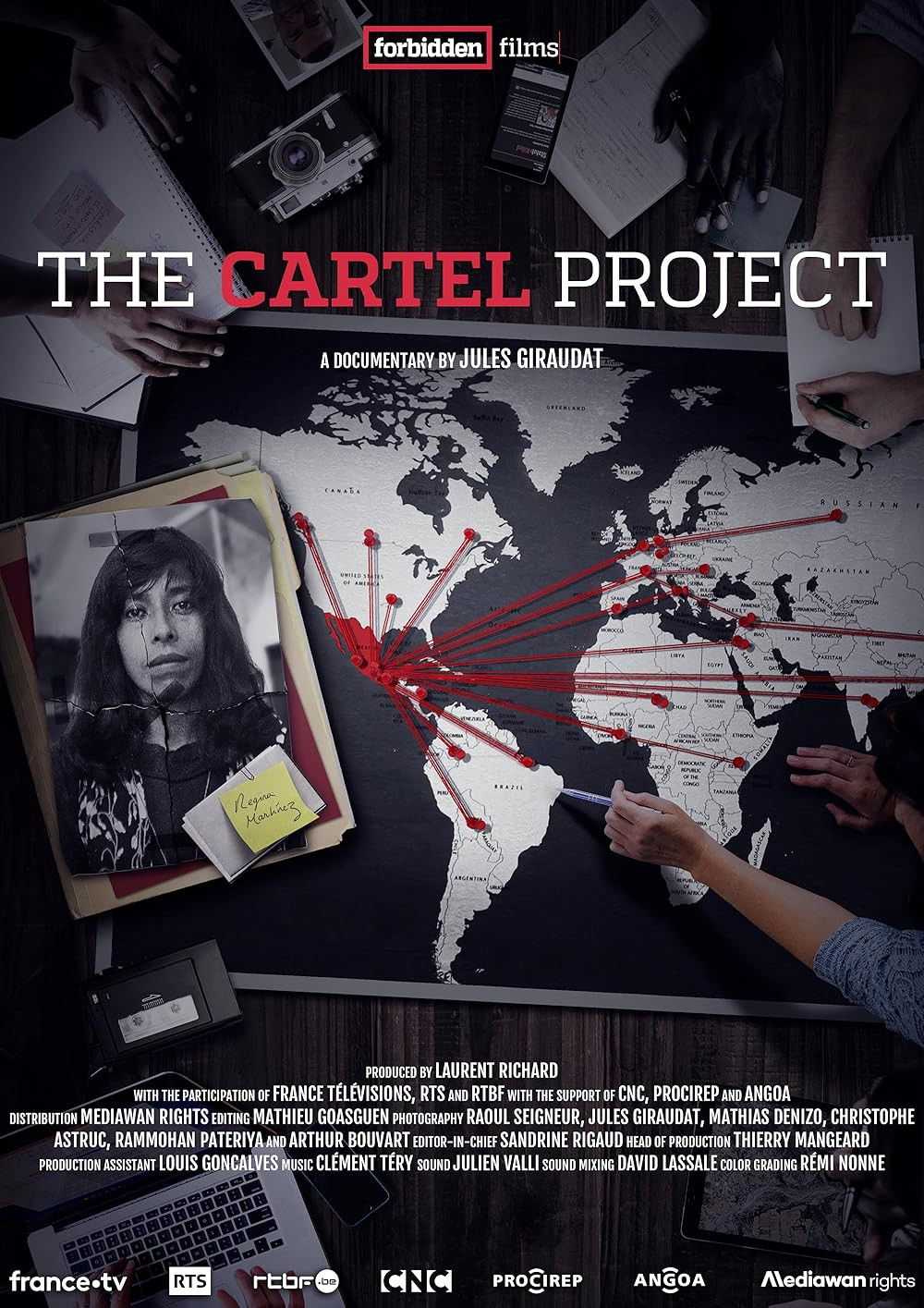
A documentary thriller recording a deadly dangerous investigation by international reporters to expose the impunity of drug lords and the complicity of political leaders in their crimes.
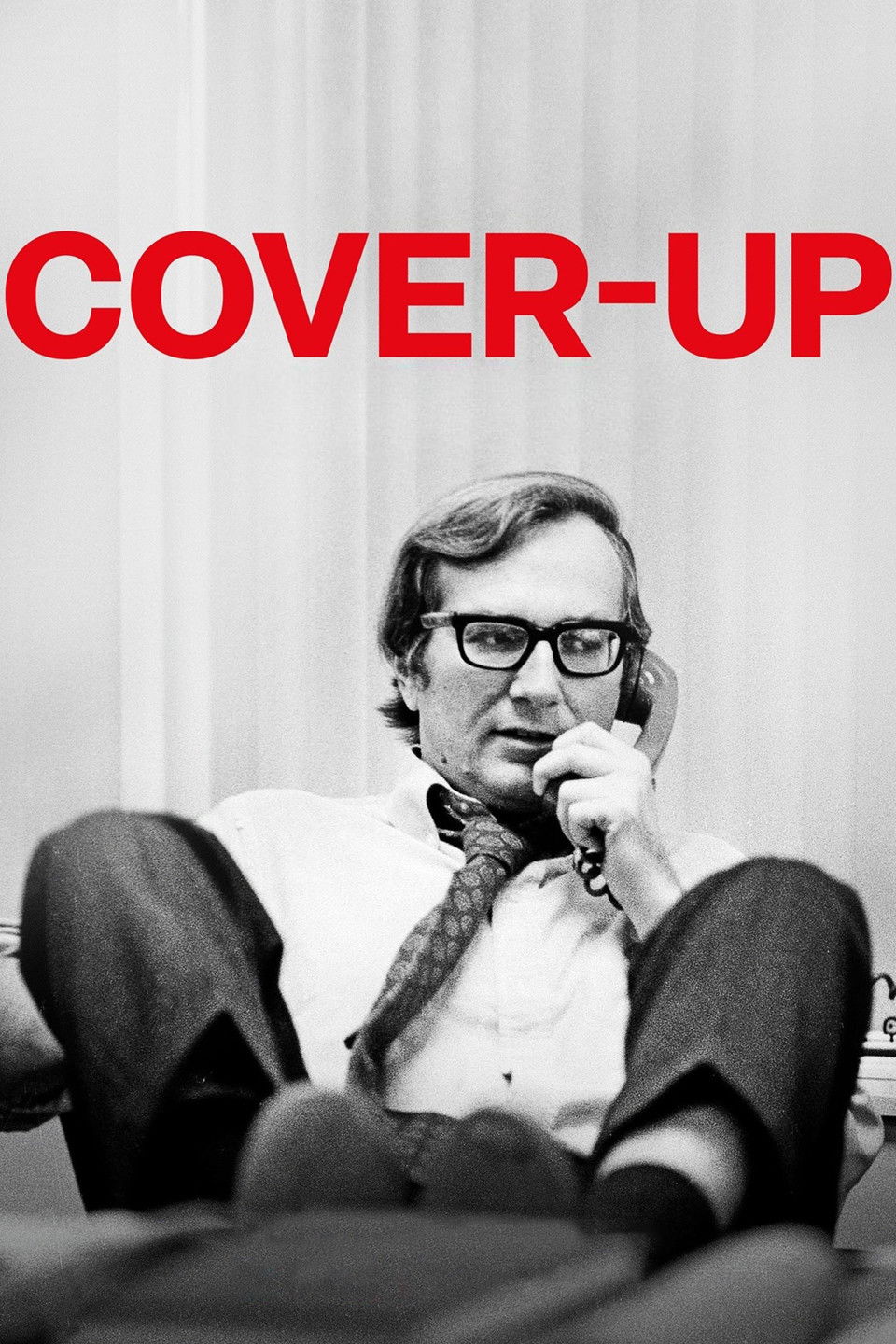
He's devoted his career to uncovering stories the powerful want buried. From My Lai to Abu Ghraib, dig into the life's work of journalist Seymour Hersh.
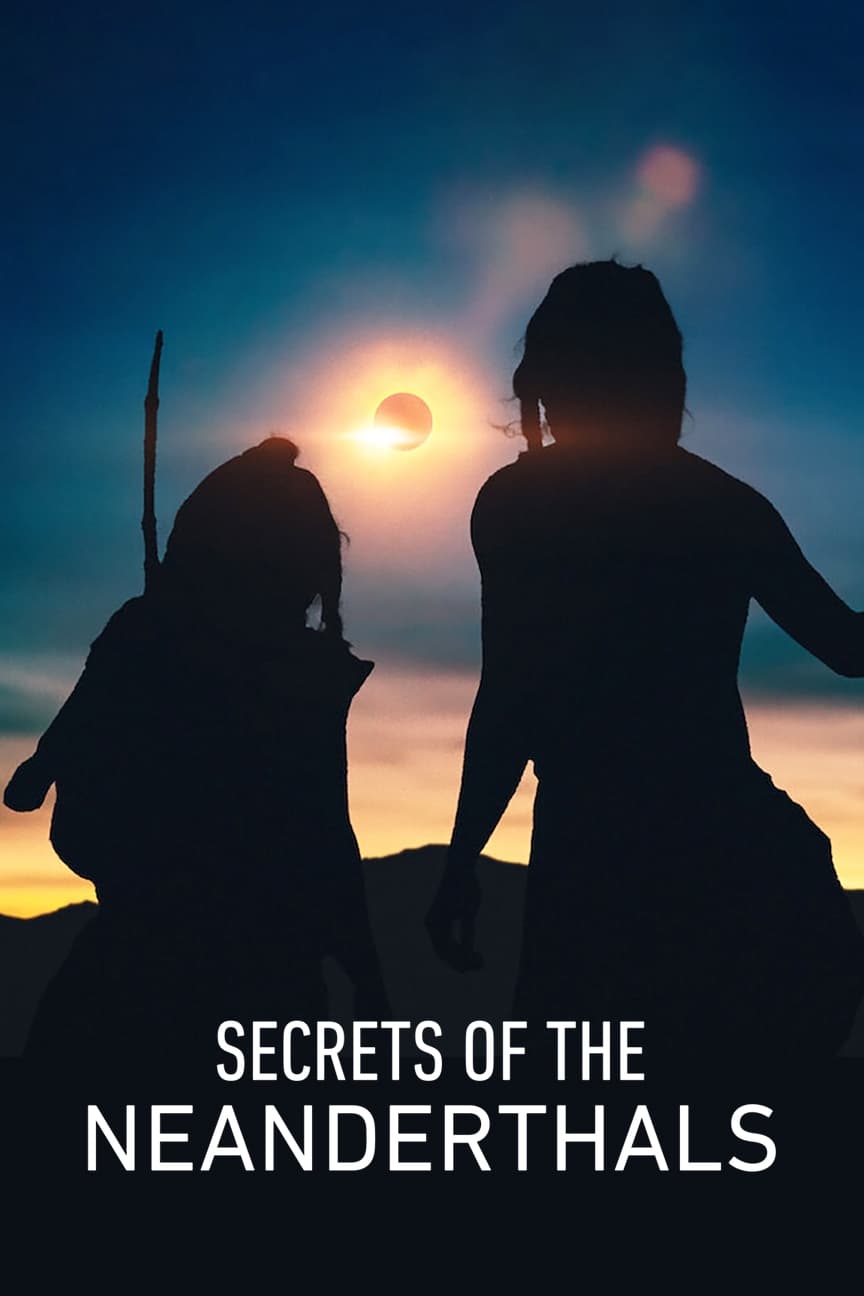
This documentary delves into the mysteries surrounding the Neanderthals and what their fossil record tells us about their lives and disappearance.
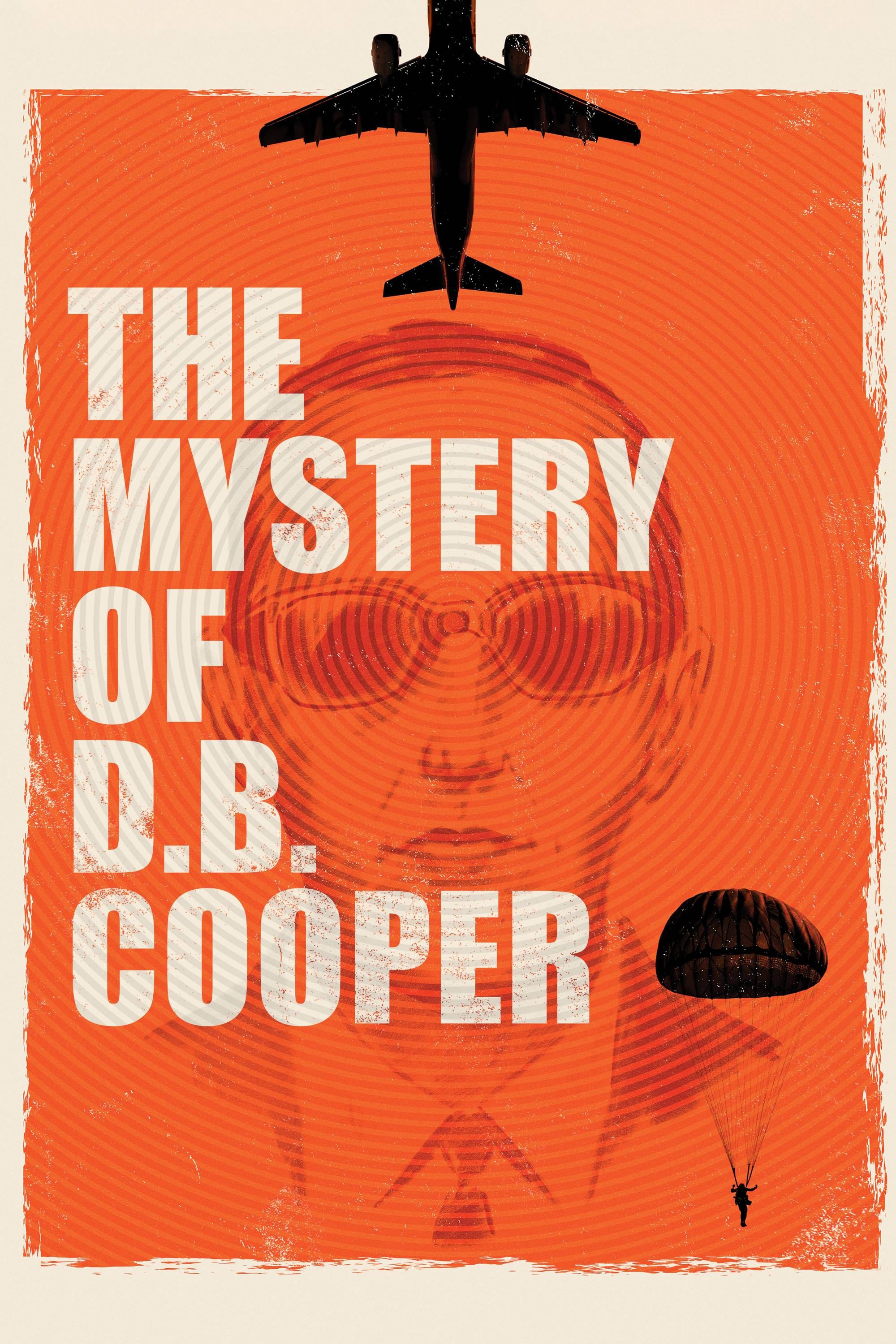
This documentary brings to life the stories of four people believed by their family and friends to be “DB Cooper,” a man who hijacked a 727 flying out of Seattle and jumped from the plane over the wilds of Washington State with a parachute and $200,000, never to be heard from again.
A woman’s Holocaust memoir takes the world by storm, but a fallout with her publisher-turned-detective reveals her story as an audacious deception created to hide a darker truth.
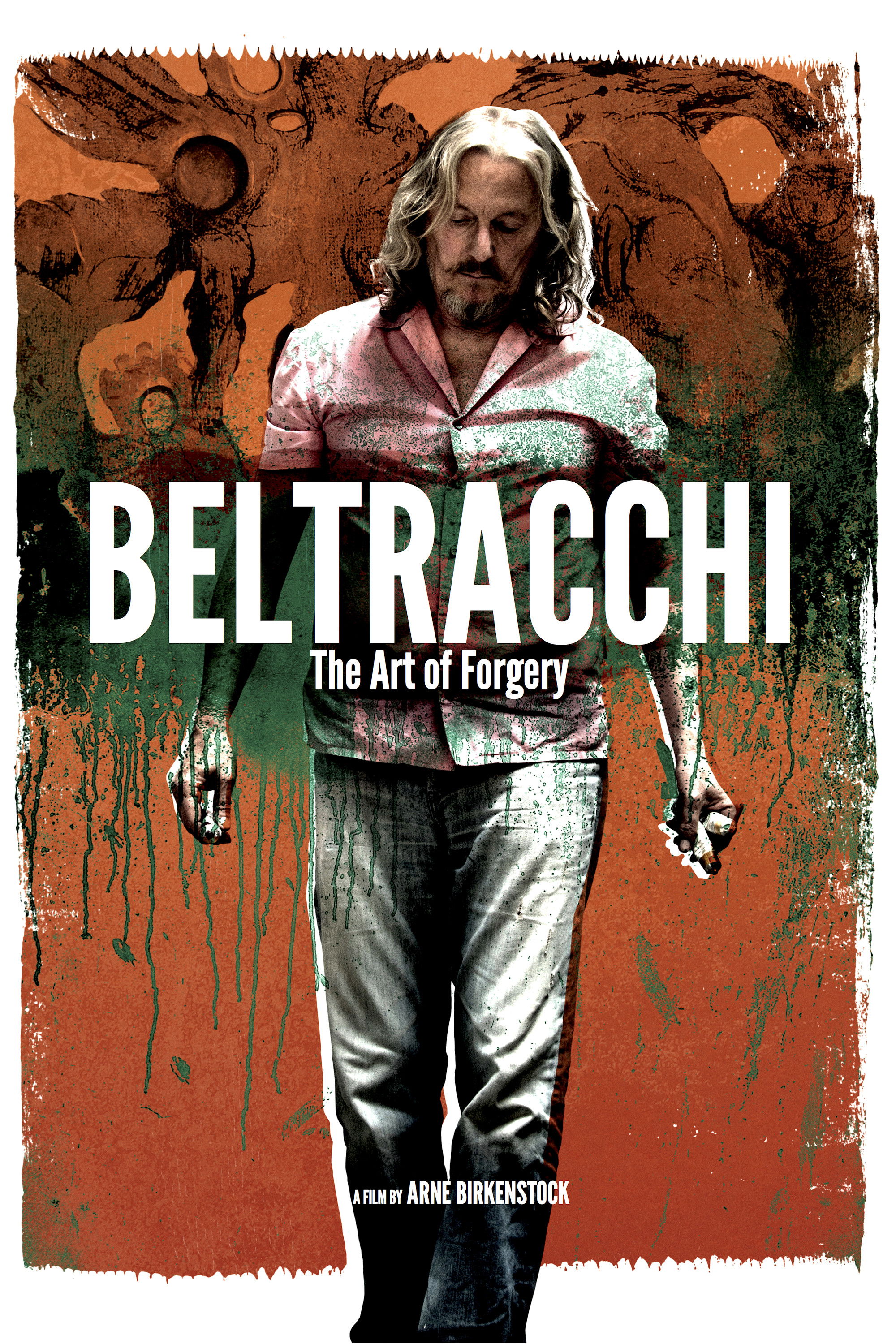
Wolfgang Beltracchi got away with forging art masterpieces for over 40 years. He may be egotistical and nihilistic, but his genius in undeniable. He managed to fool gallery owners, historians and investors with the stroke of a brush. This documentary follows his last days as a free man.
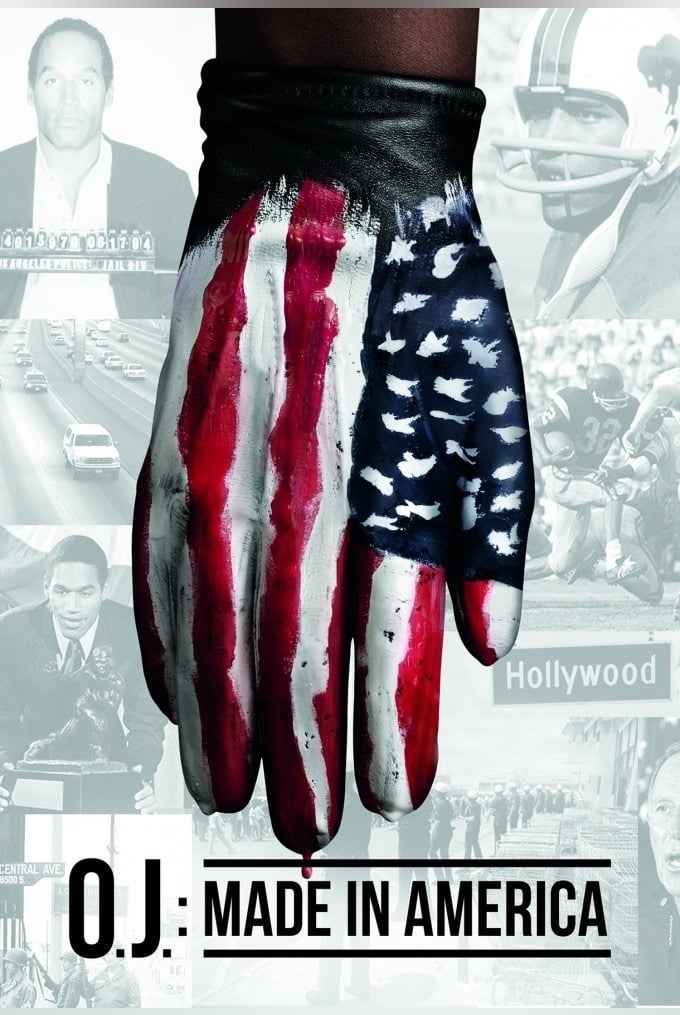
A chronicle of the rise and fall of O.J. Simpson, whose high-profile murder trial exposed the extent of American racial tensions, revealing a fractured and divided nation.
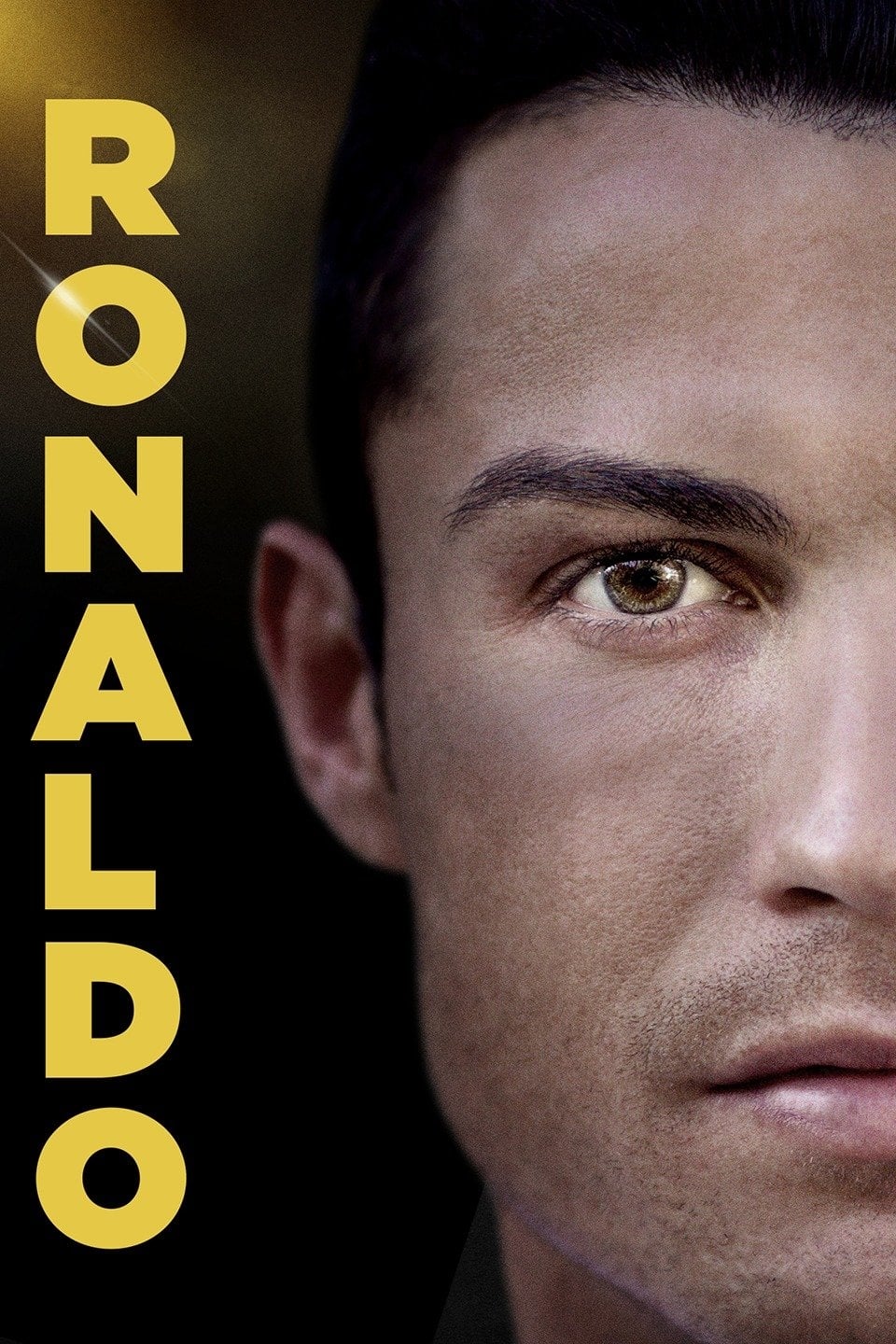
Filmed over 14 months with unprecedented access into the inner circle of the man and the sport, this is the first official and fully authorised film of one of the most celebrated figures in football. For the first time ever, the world gets vividly candid and un-paralleled, behind-closed-doors access to the footballer, father, family-man and friend in this moving & fascinating documentary. Through in-depth conversations, state of the art football footage and never before seen archival footage, the film gives an astonishing insight into the sporting and personal life of triple Ballon D'Or winner Cristiano Ronaldo at the peak of his career. From the makers of ‘Senna’ and ‘Amy’, Ronaldo takes audiences on an intimate and revealing journey of what it’s like to live as an iconic athlete in the eye of the storm.
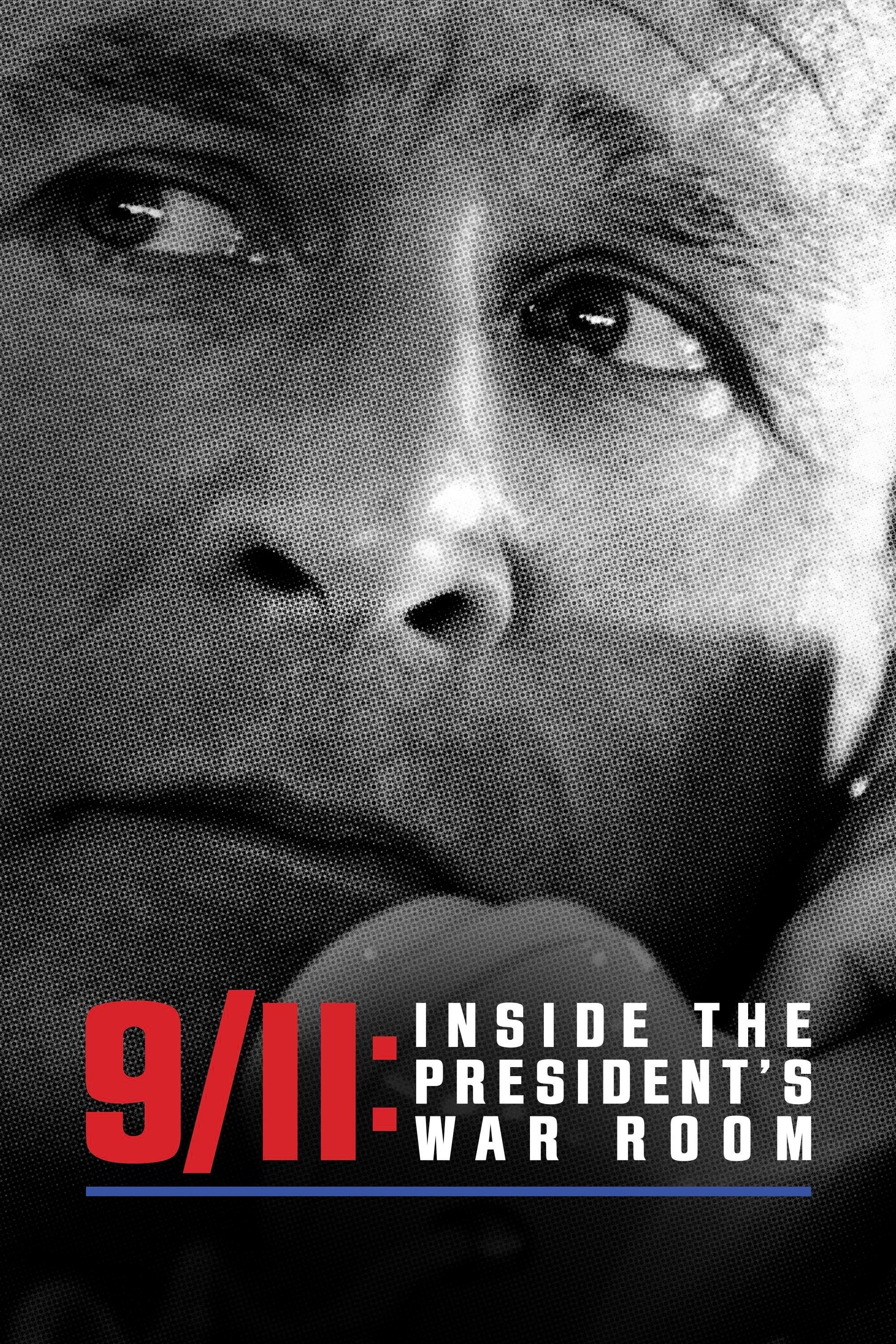
Experience the events of September 11, 2001 through the eyes of President Bush and his closest advisors as they personally detail the crucial hours and key decisions from that historic day.
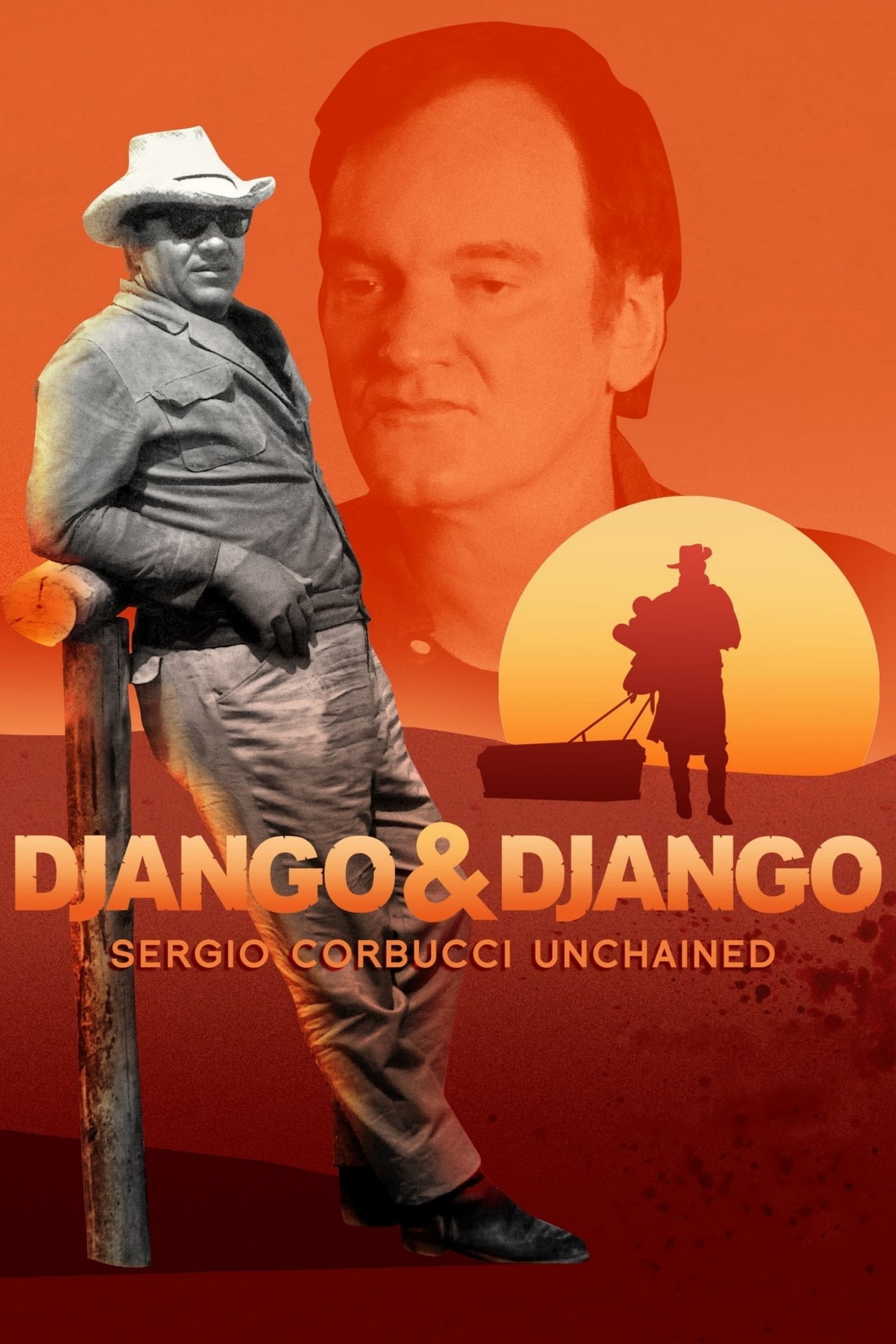
A tribute to Italian filmmaker Sergio Corbucci (1926-90), presented by American filmmaker Quentin Tarantino.
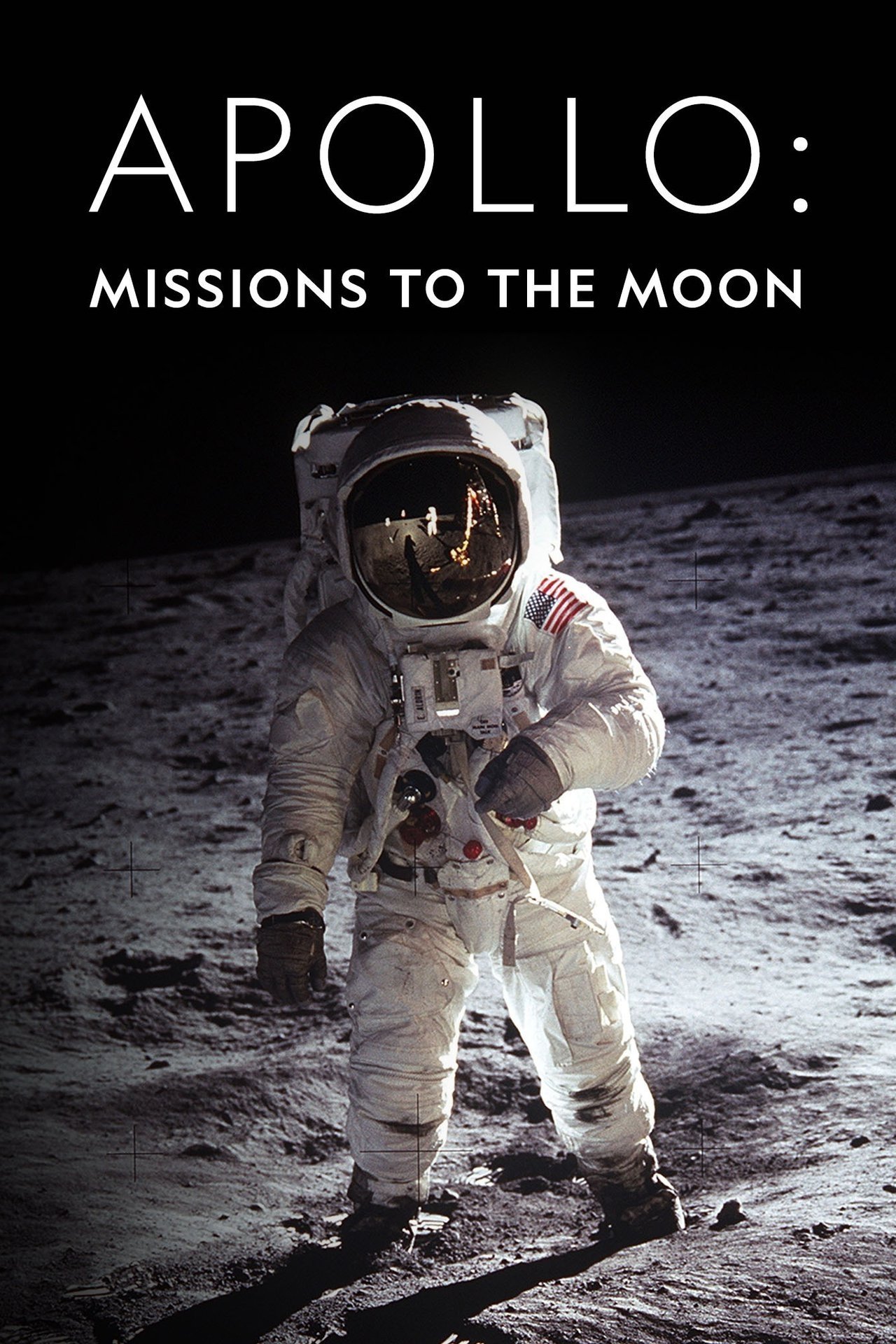
National Geographic's riveting effort recounts all 12 crewed missions using only archival footage, photos and audio.
Darwin meets Hitchcock in this documentary. Directors Dan Geller and Dayna Goldfine have created a parable about the search for paradise, set in the brutal yet alluring landscape of the Galapagos Islands, which interweaves an unsolved 1930s murder mystery with stories of present day Galapagos pioneers. A gripping tale of idealistic dreams gone awry, featuring voice-over performances by Cate Blanchett, Diane Kruger, and Gustaf Skarsgard.
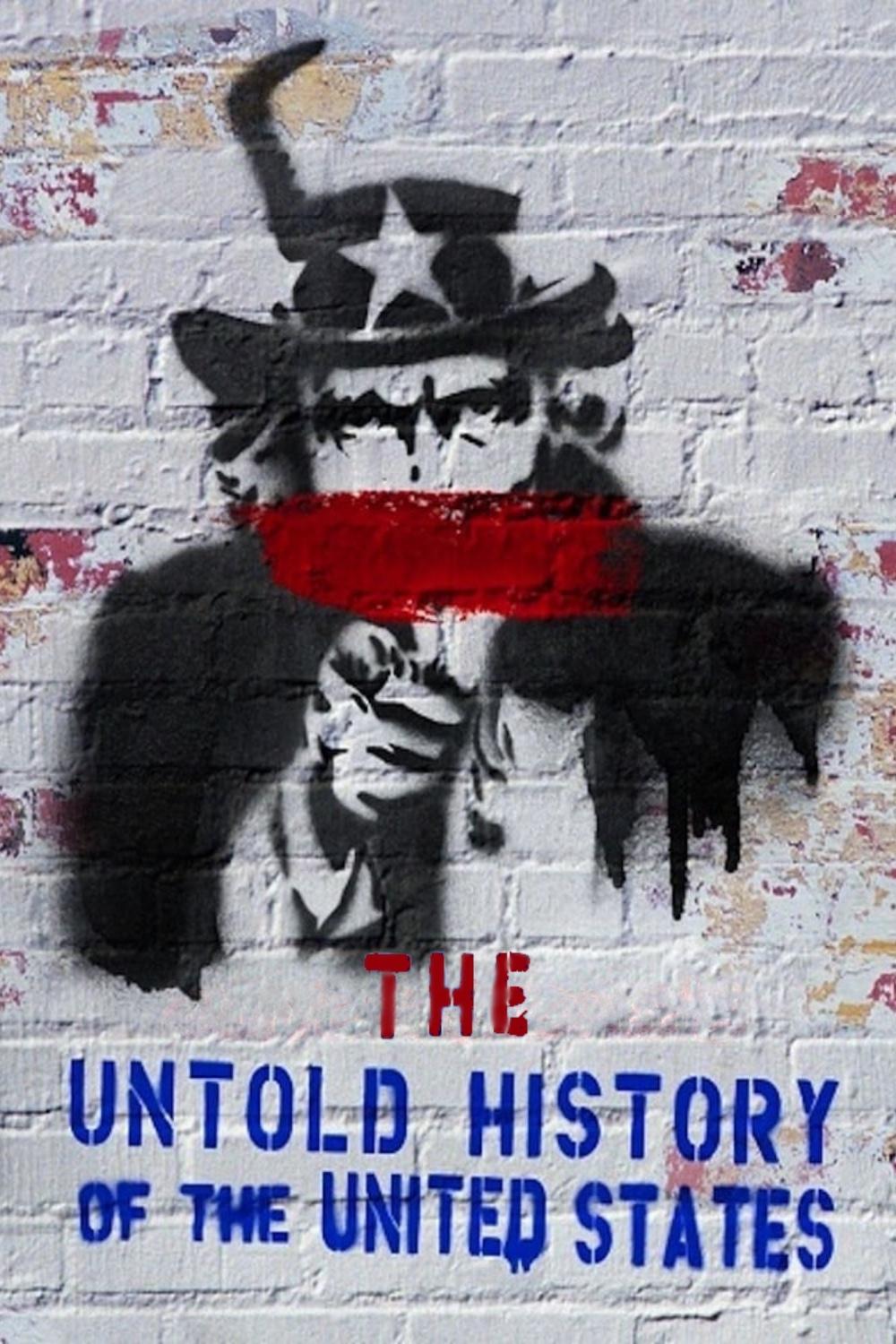
Oliver Stone charts the history of the United States from the Second World War to the present.
The history of cinematic sound, told by legendary sound designers and visionary filmmakers.
In 1994, a 13-year-old boy disappeared without a trace from his home in San Antonio, Texas. Three-and-a-half years later, he is found alive in a village in southern Spain with a horrifying story of kidnap and torture. His family is overjoyed to bring him home. But all is not quite as it seems.
In 1972, a seemingly typical shoestring budget pornographic film was made in a Florida hotel: "Deep Throat," starring Linda Lovelace. This film would surpass the wildest expectation of everyone involved to become one of the most successful independent films of all time. It caught the public imagination which met the spirit of the times, even as the self-appointed guardians of public morality struggled to suppress it, and created, for a brief moment, a possible future where sexuality in film had a bold artistic potential. This film covers the story of the making of this controversial film, its stunning success, its hysterical opposition along with its dark side of mob influence and allegations of the on set mistreatment of the film's star.
The story of how Sicilian Mafia boss Tommaso Buscetta (1928-2000), the Godfather of Two Worlds, revealed, starting in 1984, the deepest secrets of the organization, thus helping to convict the hundreds of mafiosi who were tried in the trial held in Palermo between 1986 and 1987.
Thirty years after the release of his film JFK (1991), filmmaker Oliver Stone reviews recently declassified evidence related to the assassination of President John F. Kennedy, which took place in Dallas on November 22, 1963.
“The Soviet Story” is a story of an Allied power, which helped the Nazis to fight Jews and which slaughtered its own people on an industrial scale. Assisted by the West, this power triumphed on May 9th, 1945. Its crimes were made taboo, and the complete story of Europe’s most murderous regime has never been told. Until now...
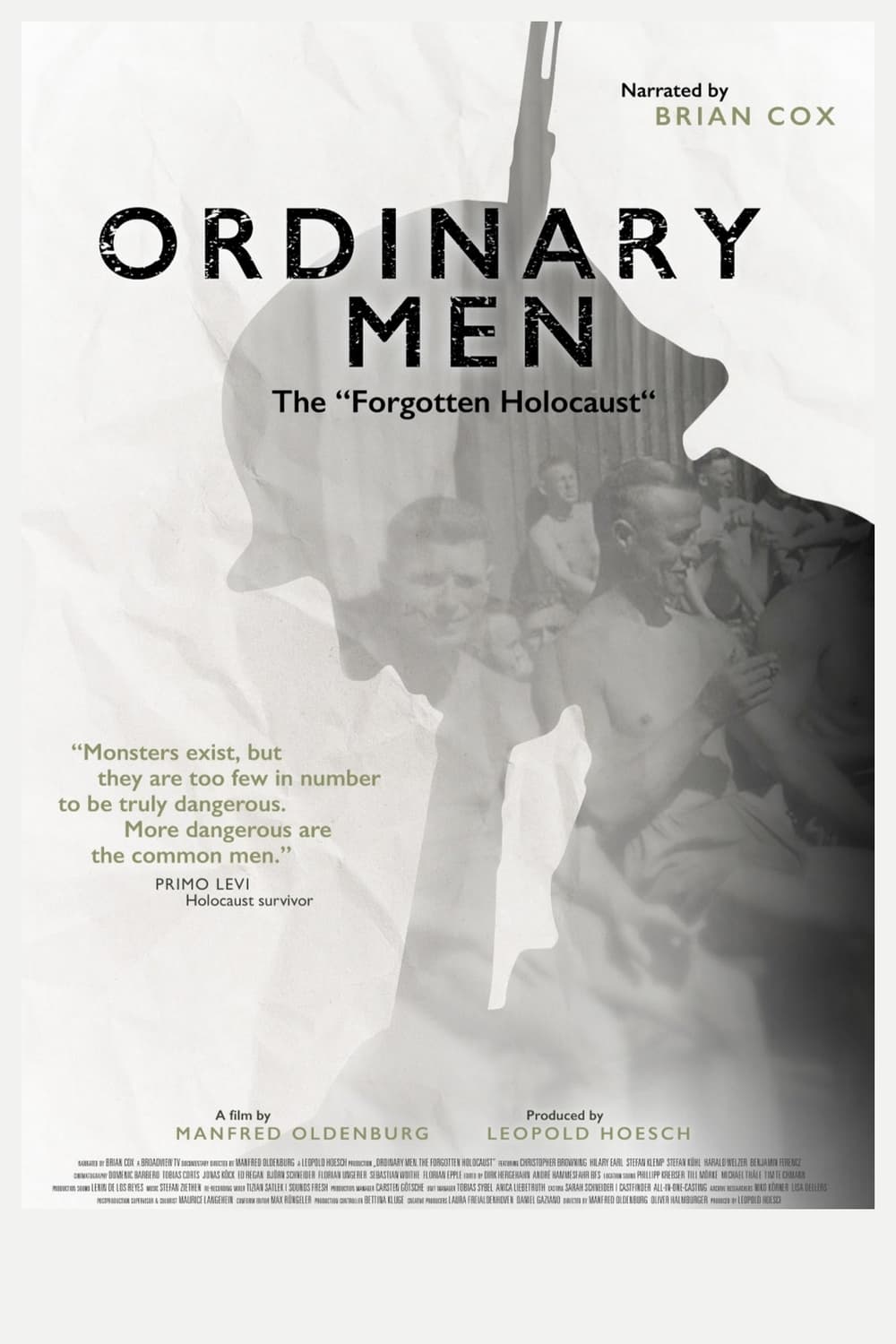
Six million Jews died during World War II, both in the extermination camps and murdered by the mobile commandos of the Einsatzgruppen and police battalions, whose members shot men, women and children, day after day, obediently, as if it were a normal job, a fact that is hardly known today. Who were these men and how could they commit such crimes?
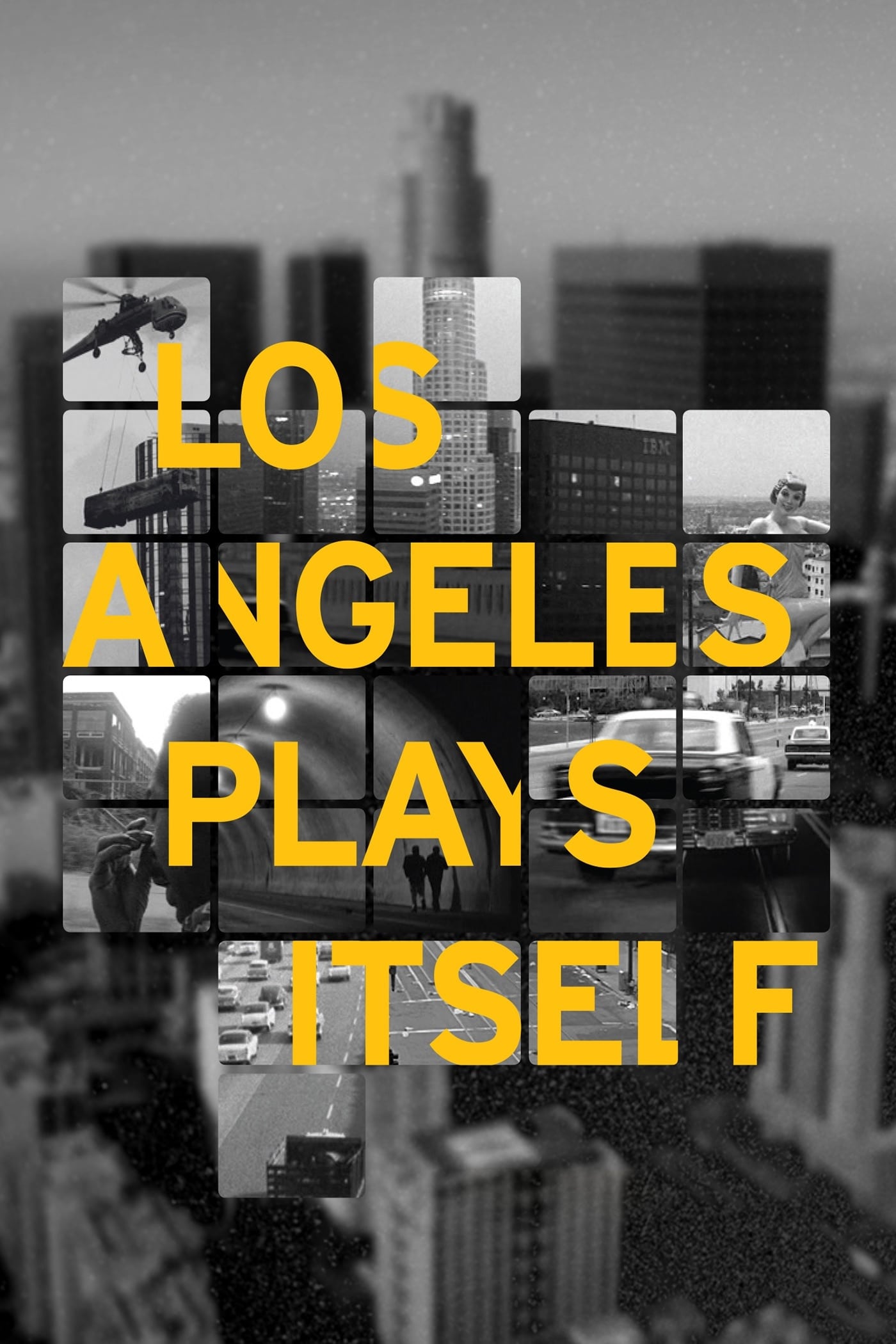
From its distinctive neighborhoods to its architectural homes, Los Angeles has been the backdrop to countless movies. In this dazzling work, Andersen takes viewers on a whirlwind tour through the metropolis' real and cinematic history, investigating the myriad stories and legends that have come to define it, and meticulously, judiciously revealing the real city that lives beneath.