Social & External
The people behind it
Guy Bedos
Marcel Trillat
Jacques Dupont
Alban Poirier
Jacques Serres
Sake is a traditional alcoholic beverage from Japan and is otherwise known as rice wine. Women were prohibited from entering the many large and small sake breweries dotting Japan for centuries. However, times have changed and women are present on the sake scene today. In several cases, they are integral to the Japanese brewery business. The documentary depicts women who are not only enthusiasts, but also leaving their marks on the evolution of this Japanese mainstay.
The trembling starts in his neck when Markus gets closer to the images that have chased him for 49 years. Now he steers his motor home south, as far away from his past as possible.
A variety of experts, authors, and reporters discuss the murder of JFK. If one were to select the ten most significant events in American history, there would be no doubt that the death of President John F. Kennedy would be among the list. This is not only because of the fact that one of America’s most visionary presidents was cut down in the prime of his life, but because for almost 60 years later after the fact, his assassination continues to be shrouded with mystery and controversy. This documentary presents the facts surrounding the events before, and after that horrific moment in Dallas, and includes interviews of those who were on the scene not only at the tragic sight of the murder of JFK but also a number of individuals who possess firsthand knowledge of everything from the politics of the day to the actual autopsy performed on the president.
A filmmaker captures her wife’s journey of high-risk pregnancy, birth, and early motherhood in this short documentary. Consequently, she discovers her own fear and insecurity surrounding the adventures of parenthood — all while completing the adoption process for her non-biological son, as required by heteronormative North Carolina state law.
'Do you feel cheaper?' We are filming young Lithuanian men working in Sweden. They do not want to be caught on camera, they do not want to participate in creating yet another media image of guilt and pity. They film us. We empty a bottle of moonshine, we dance on their porch. They might let us film them tomorrow. Second Class is a time document about class, respect, the value of work and human being.
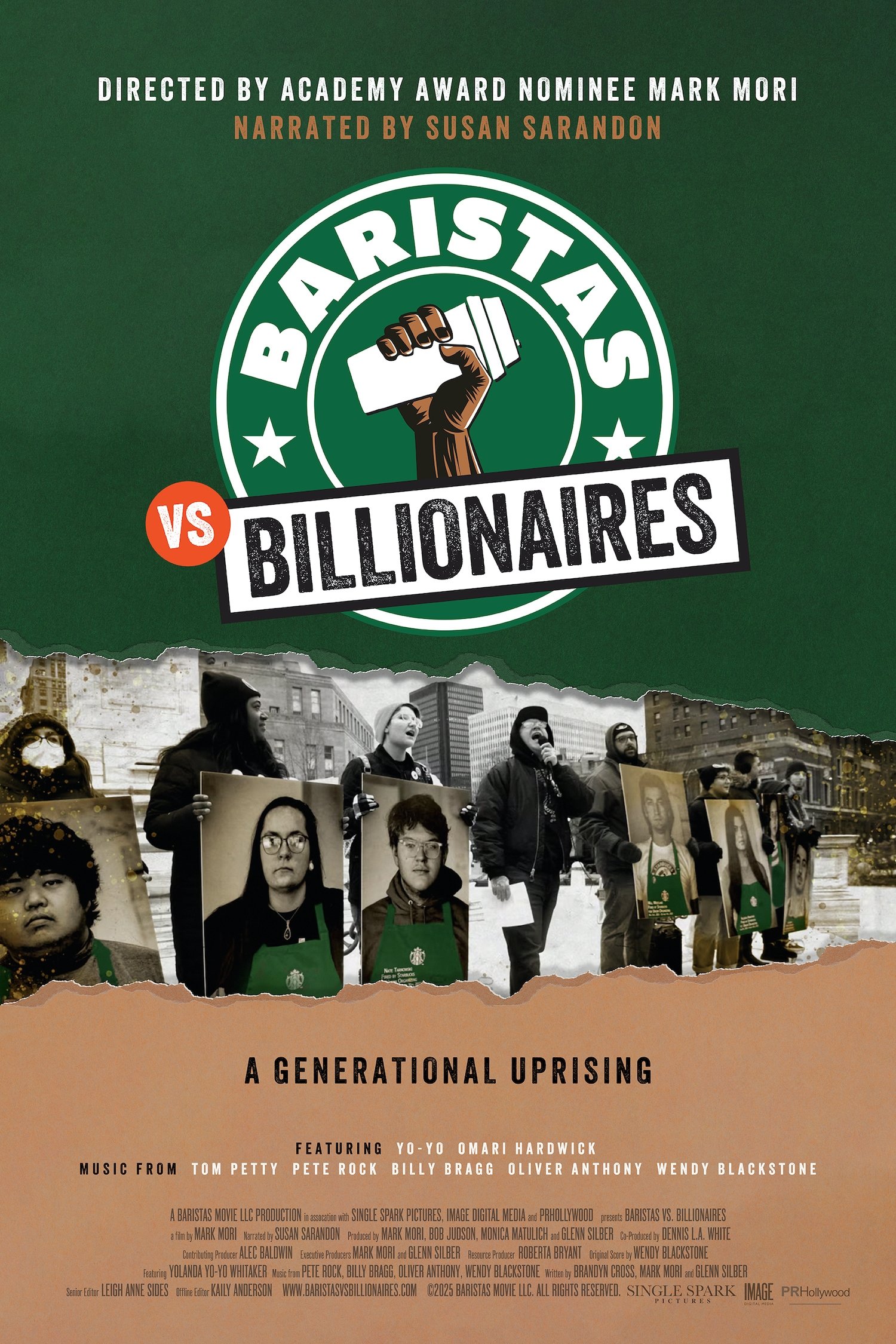
Starbucks baristas in Buffalo unite against corporate exploitation, sparking a generational uprising among working-class Millennials and Gen Z as they challenge a powerful billionaire CEO and fight for their rights.
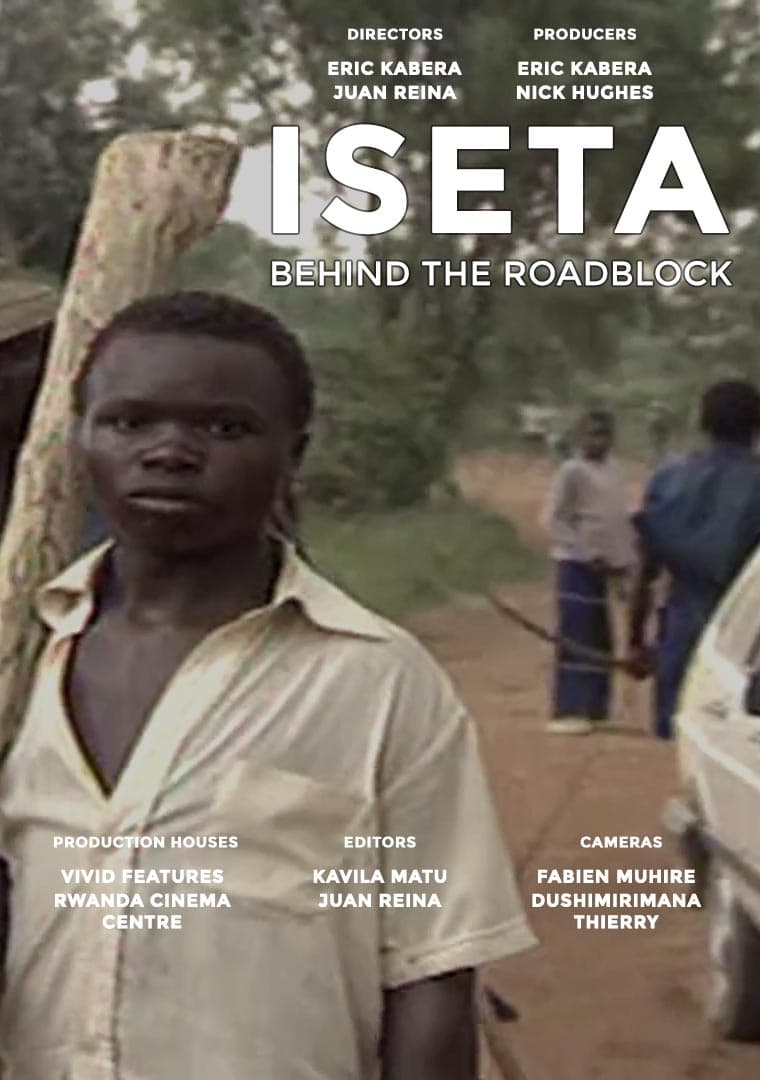
During April 1994, on quiet road in Kigali a group of neighbors in Rwanda were filmed. This was the opening days of the Rwandan Genocide, and even though almost one million people were slaughtered, remarkably there is only one known segment of footage showing any actual killing. This movie is about the extraordinary journey of that evidence as the original photographer returns to Rwanda, revisiting the people and events that he by chance caught on film. As the footage returns to the community, friends and family relive the tragic events as they work with the photographer to identify the victims, and then eventually the killers.
Anti-British, spineless, out-of-touch, terrorist-sympathisers, communists, and a threat to national security. The media bestowed unsavoury accolades on Ken Loach and Jeremy Corbyn. They now step forward in order to change the narrative.
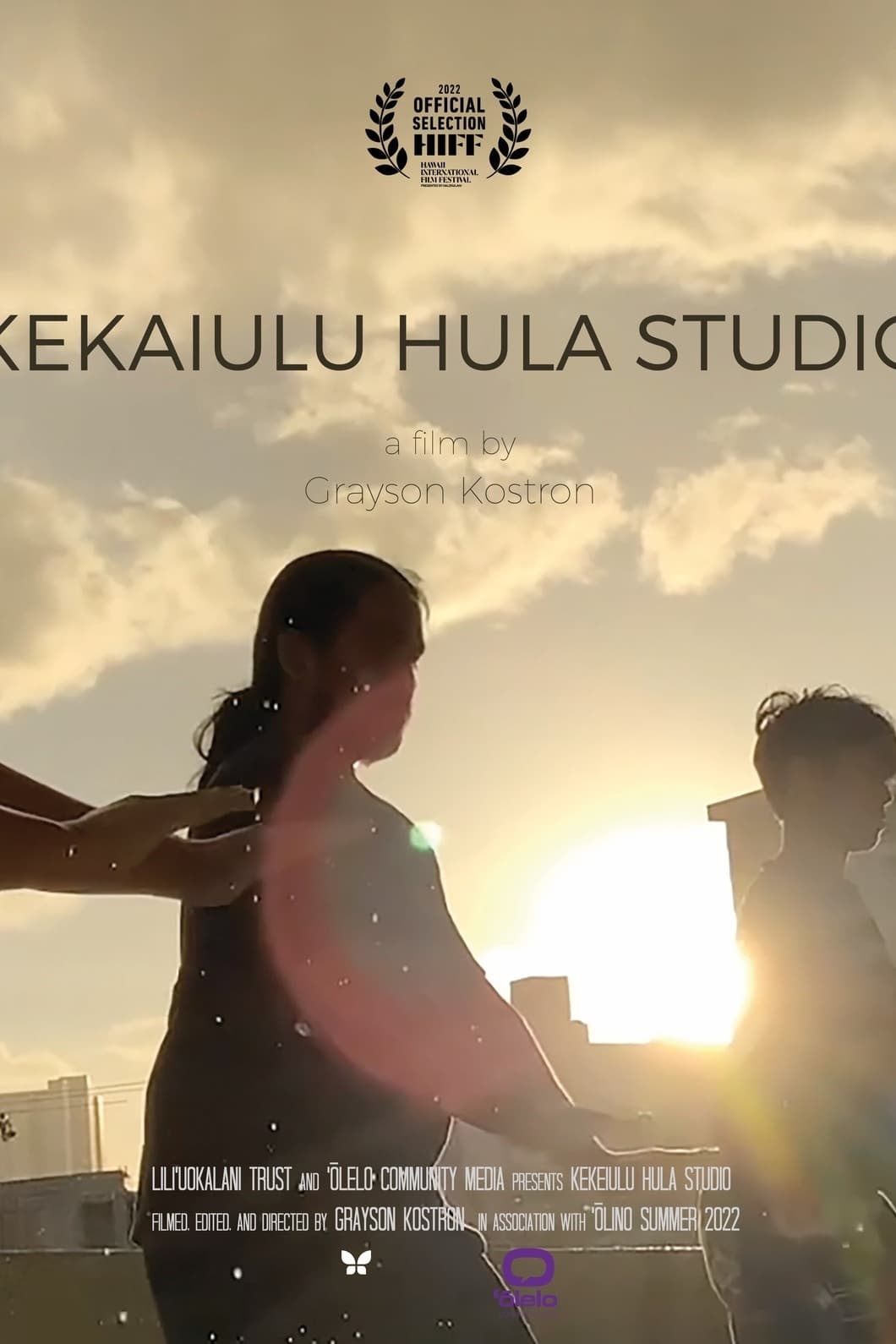
Kekaiulu Hula Studio follows the Proclaimed Hula Halau of the same name, showcasing their twist on what the real reason for hula is and what life as a dancer in the halau is really like. Something previously unseen in the public eye.
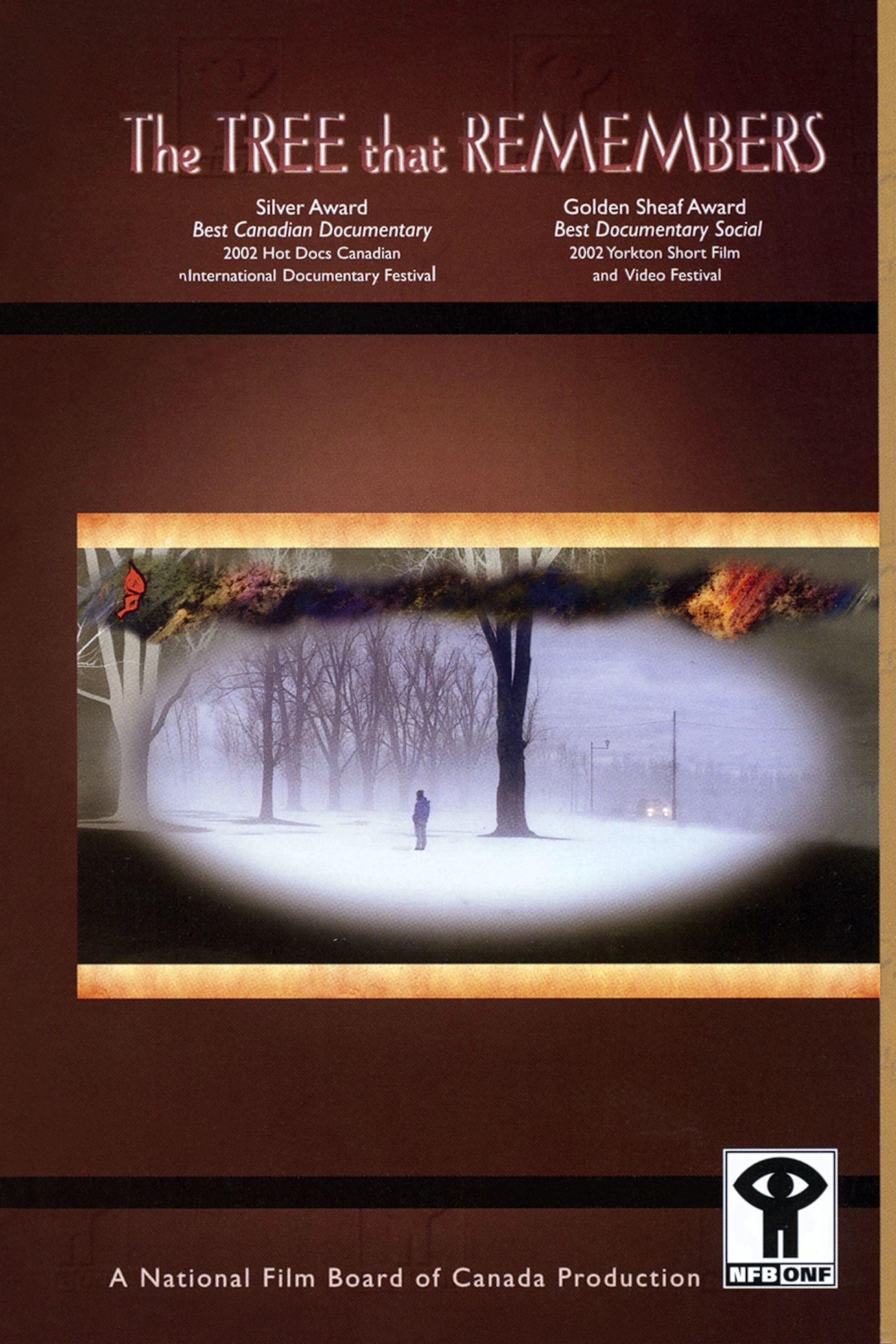
The 1992 suicide of a young Iranian refugee in a small Canadian town prompted filmmaker Masoud Raouf to examine his own past as a political prisoner in Iran who helped fight for democracy, only to be persecuted by the ayatollah's regime. Raouf's documentary features historical footage and interviews with veterans of the 1979 revolution, who watched with dismay as their homeland traded a despot for a religious dictatorship.
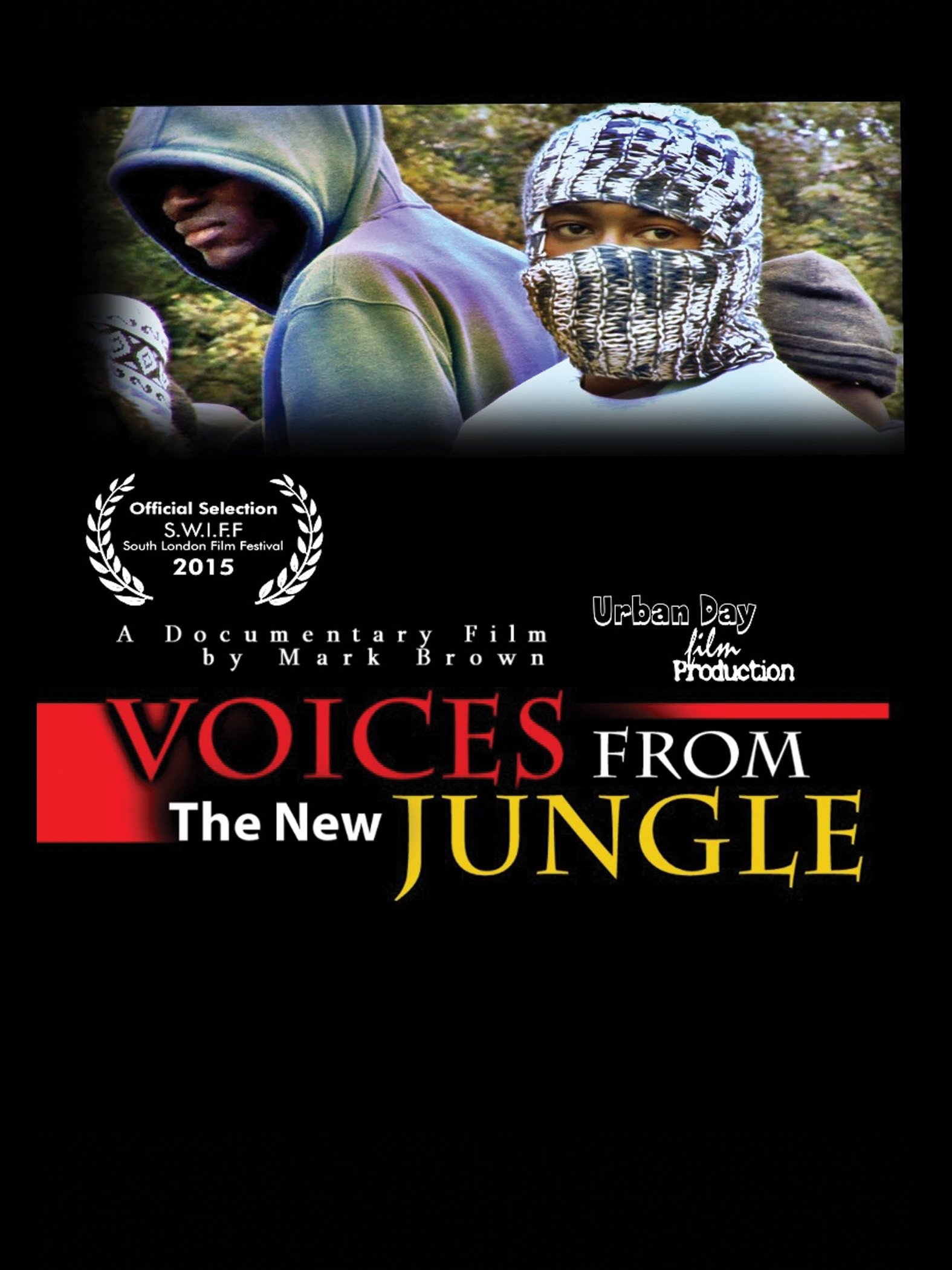
Documentary Film maker, Mark Brown, attempts to discover the damaging effect the over-spilling immigrant population has on the coastal city of Calais, France.
A look into the life and times of actress Leah Remini as her wedding approaches and afterward they attempt to have a baby.
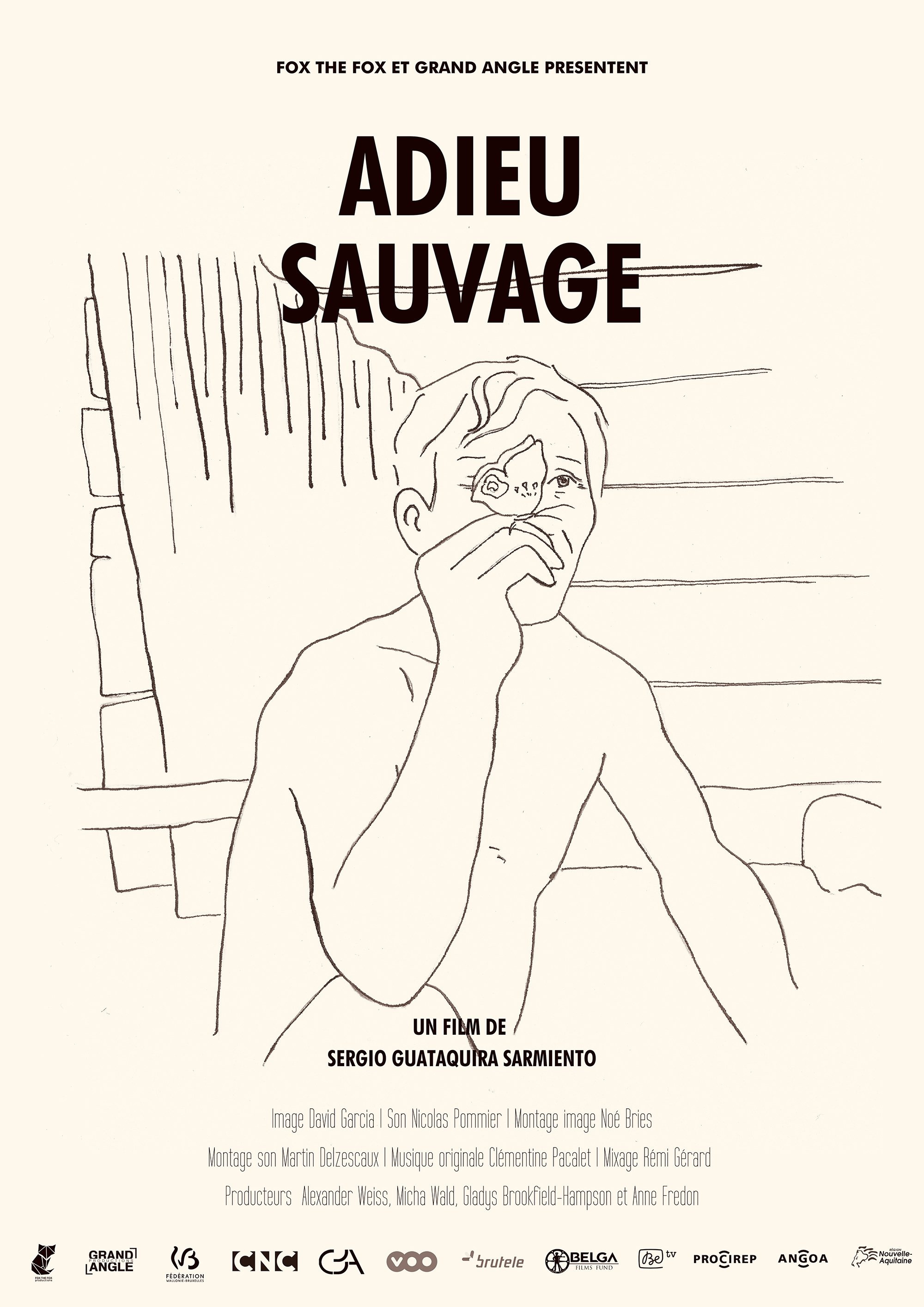
Since the year 2000, there have been several waves of suicides among the indigenous population of the Colombian Amazon. I discovered that the men commit suicide because of love sorrow. Their wives leave them for white men. The latter think that the Indian feels nothing because they do not express themselves in the same way and, in their language, there are no words to describe feelings. Is it possible that a whole people, the Cácuas Indians, do not feel anything?
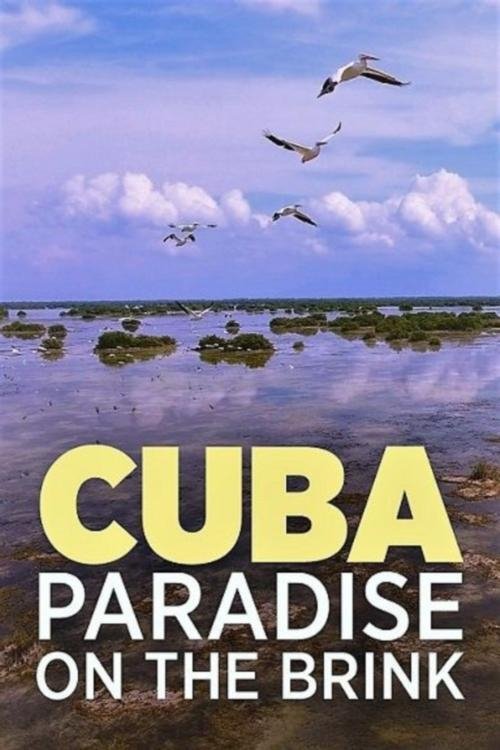
Will Cubans be able to safeguard their heritage of pristine Nature and preserved ecological treasures under this new era, as they are facing the combined pressure of money and tourism? What policies can be implemented to maintain the island’s spectacular wilderness?
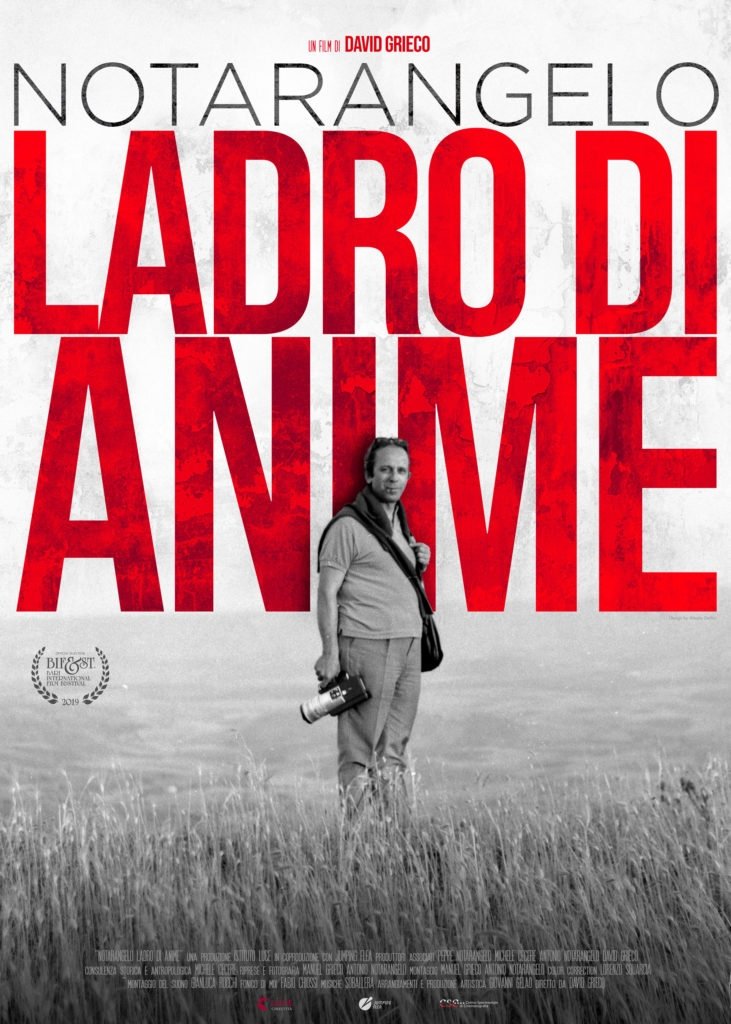
David Griecos documentary showcases the underappreciated photography of Domenico Notarangelo, and through it, tells the story of Matera, it's people and it's history.
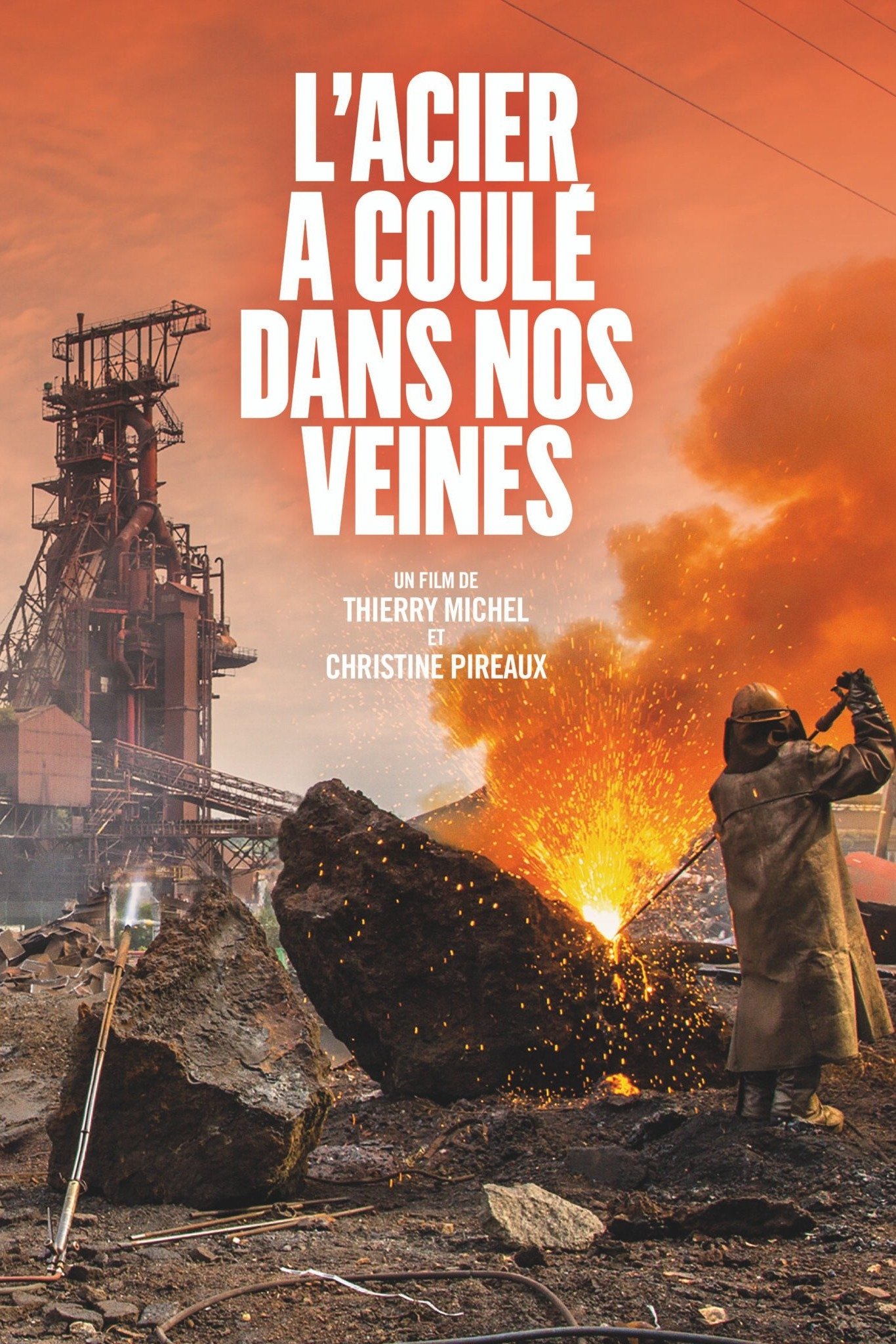
« Steel running through our veins » immerses us in the world of Liège's steelworkers, revealing an exceptional industrial and human saga. This captivating documentary explores the destinies forged by iron and fire through personal testimonies and previously unseen archives spanning 50 years. It highlights the social struggles and resilience of a community in the face of economic challenges. More than just a reflection on the past, this essential film questions our present and future, emphasizing the importance of solidarity and collective memory.
The struggle of a small group of blacksmiths trapped between keeping a long going strike with claims for better fees and the necessity of getting back to work when there's no money left for basic necessities.
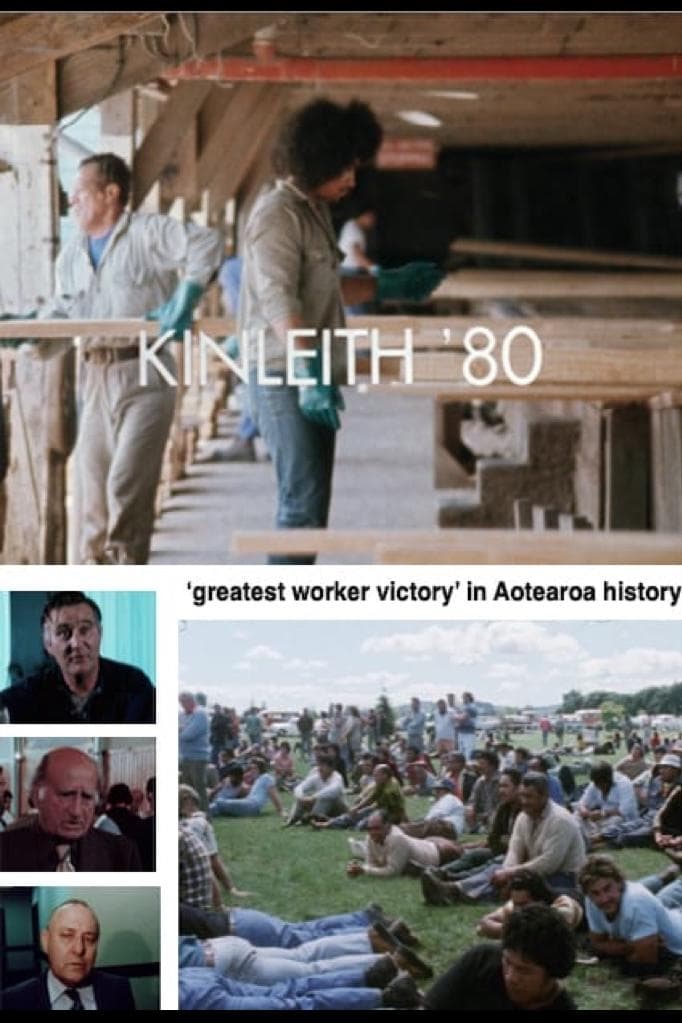
Covers the 12-week-long strike at Kinleith Pulp and Paper Mill, owned by New Zealand Forest Products in January 1980.
Gdańsk, Poland, September 1980. Lech Wałęsa and other Lenin shipyard workers found Solidarność (Solidarity), the first independent trade union behind the Iron Curtain. The long and hard battle to bring down communist dictatorship has begun.
This revealing documentary honors the legendary Sidney Poitier—iconic actor, filmmaker, and civil rights activist. Featuring interviews with Denzel Washington, Spike Lee, Halle Berry, and more.
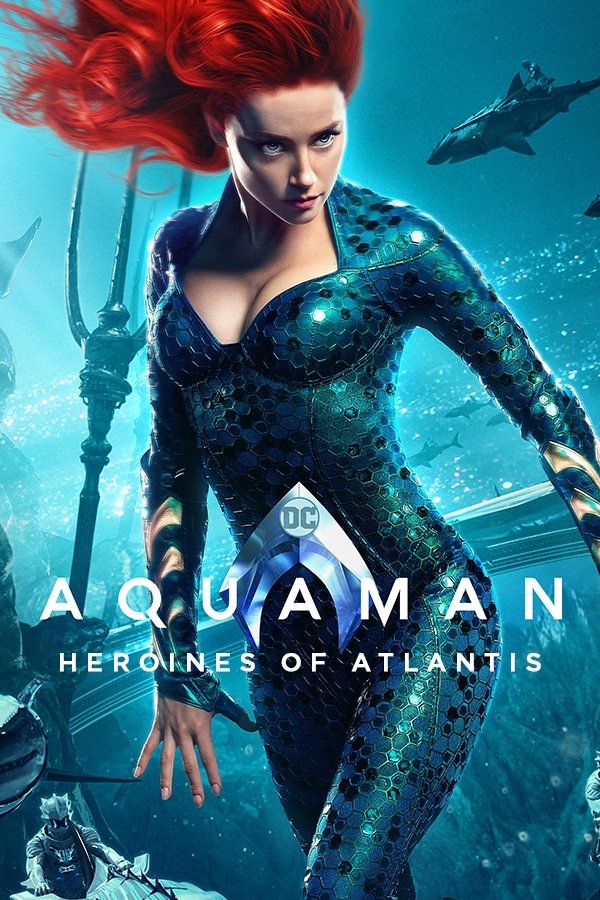
Amber Heard and Nicole Kidman discuss their characters Mera and Atlanna.
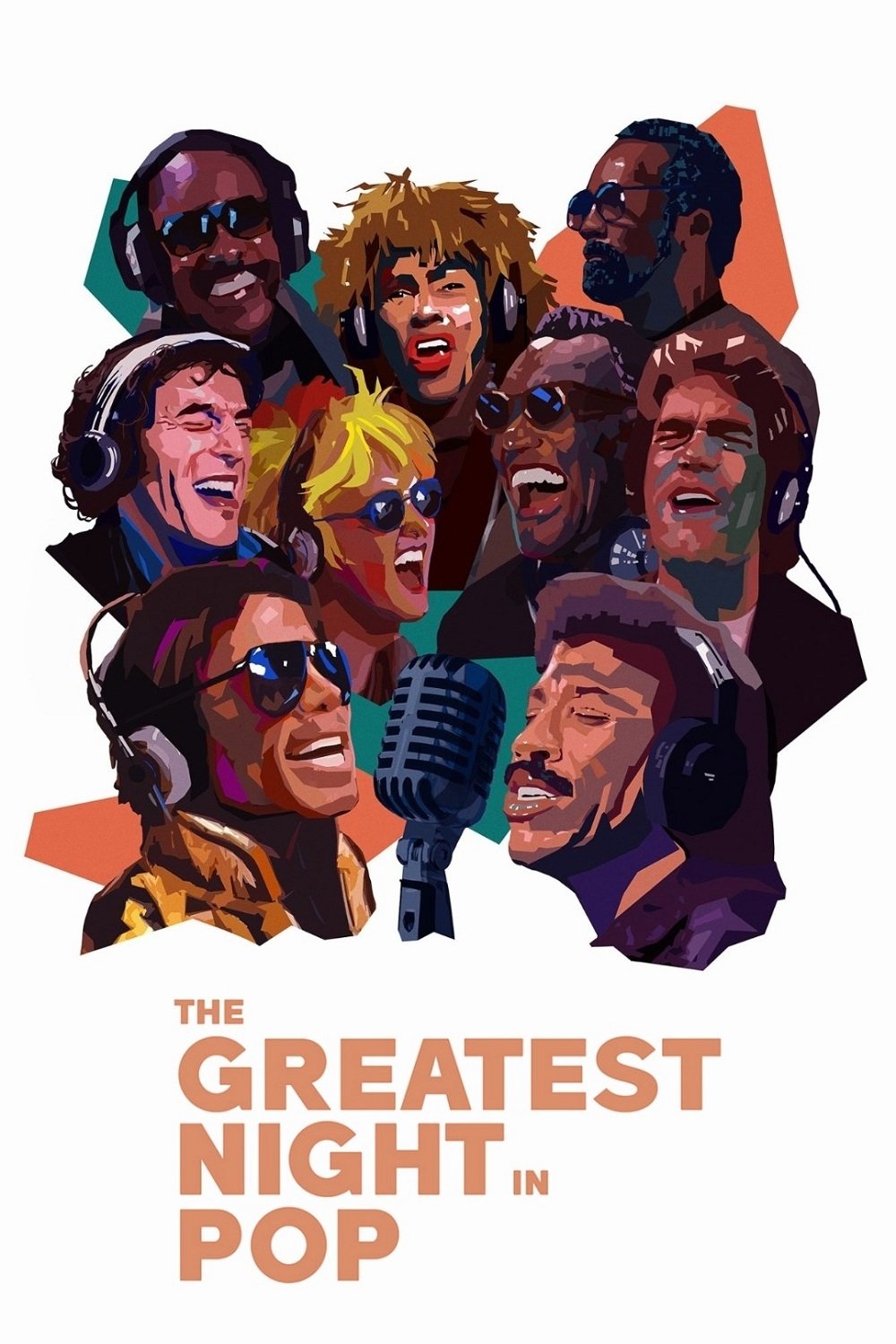
On a January night in 1985, music's biggest stars gathered to record "We Are the World." This documentary goes behind the scenes of the historic event.
After years in the limelight, Selena Gomez achieves unimaginable stardom. But just as she reaches a new peak, an unexpected turn pulls her into darkness. This uniquely raw and intimate documentary spans her six-year journey into a new light.
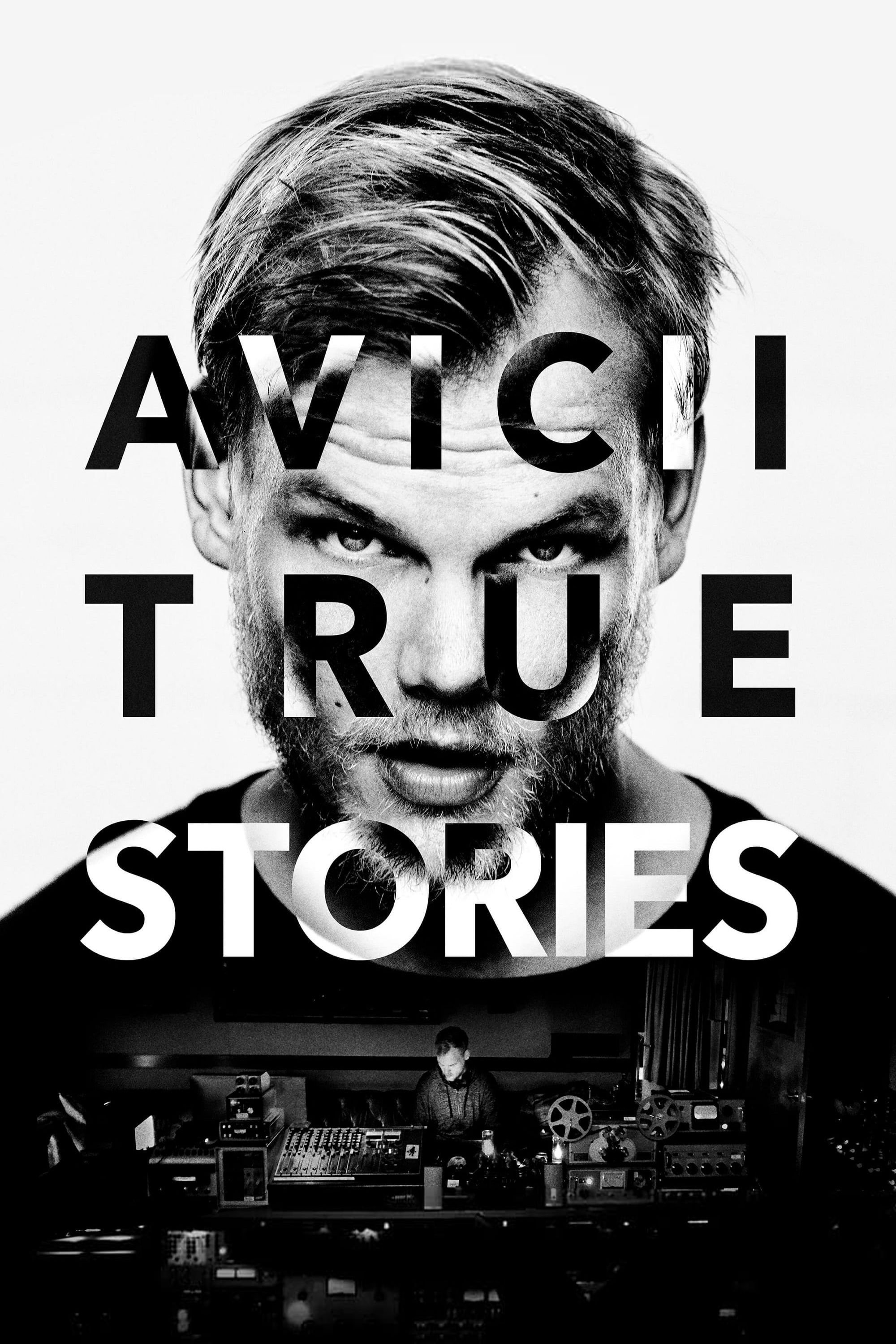
Documentary about the arena-packing Swedish DJ, chronicling his explosive rise to fame and surprising decision to retire from live performances in 2016.
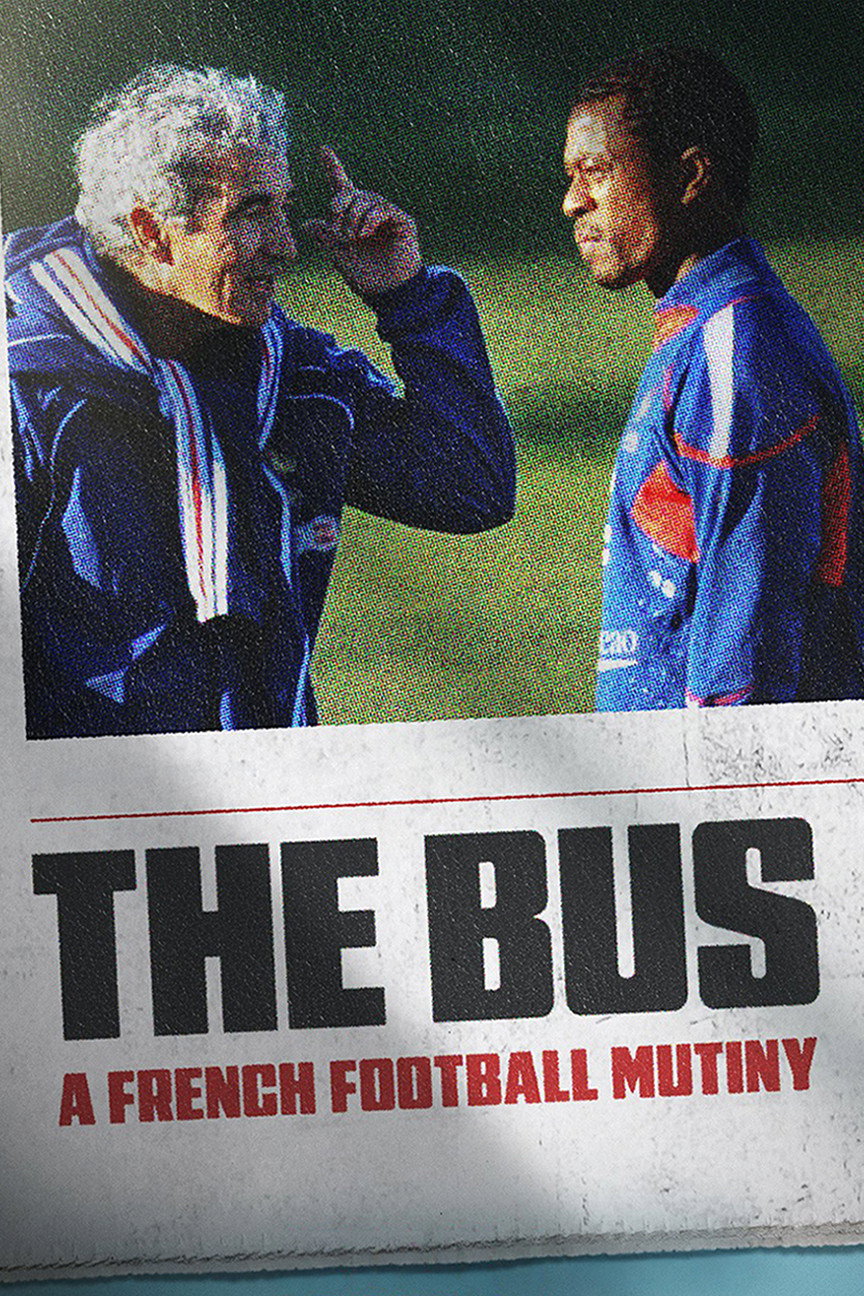
This documentary revisits the French football team's controversial 2010 World Cup and the bus strike that sparked global headlines and national outrage.
A documentary on the expletive's origin, why it offends some people so deeply, and what can be gained from its use.
Unravel the case of Utah therapist Jodi Hildebrandt, whose child abuse arrest with parenting YouTuber Ruby Franke exposed a twisted tale of manipulation.
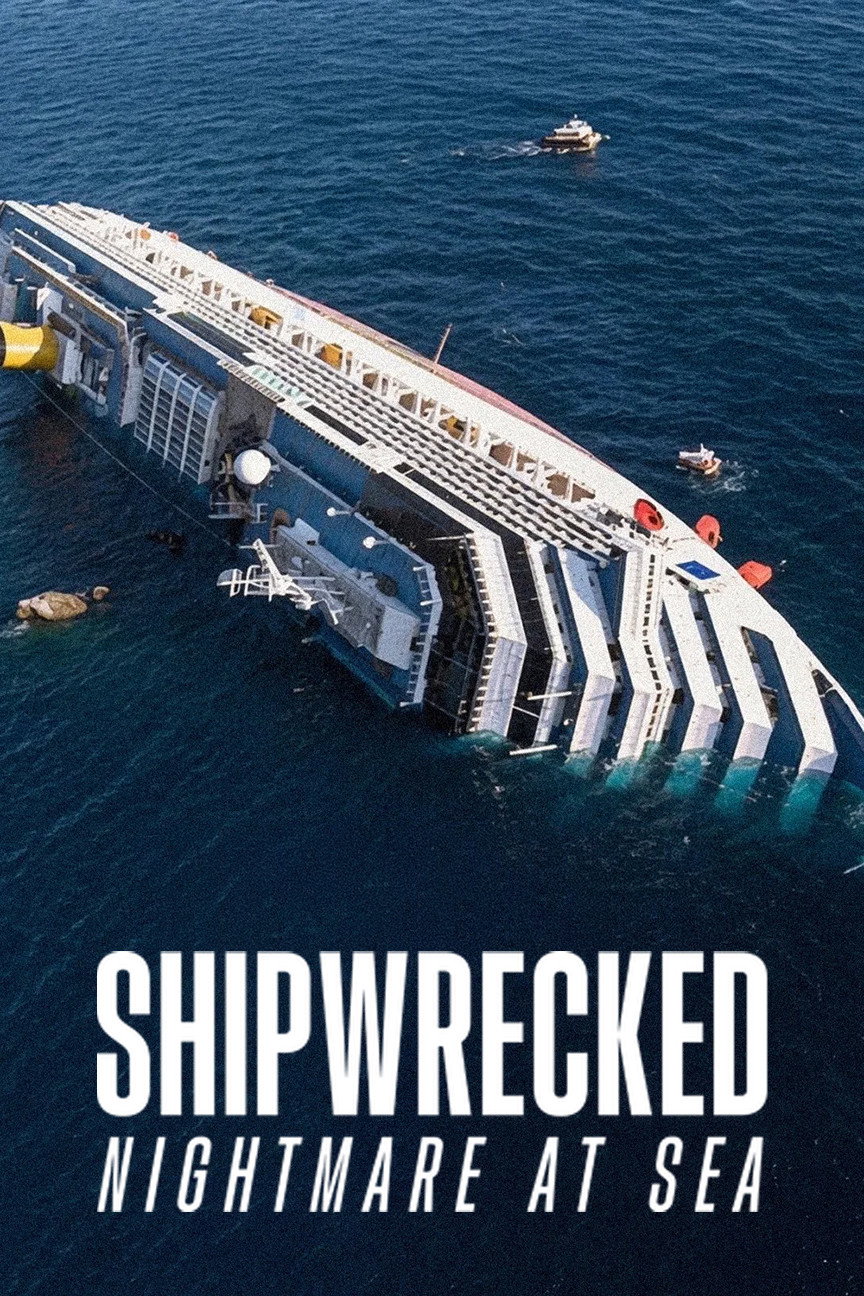
Never-before-seen footage and survivor accounts trace the 2012 shipwreck of a luxury cruise and the disaster that ensued, in this immersive documentary.
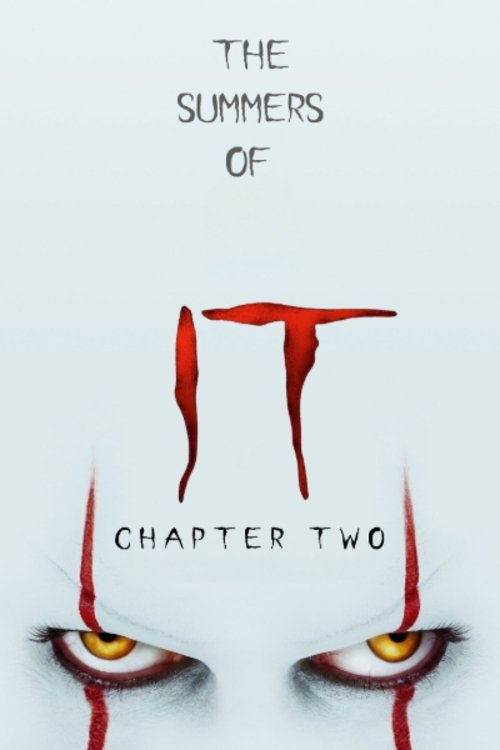
This documentary focuses on the actors and their journey over two summers to create the remake to the original IT, by Stephen King. The documentary originally released as bonus material, bundled with IT: Chapter Two.
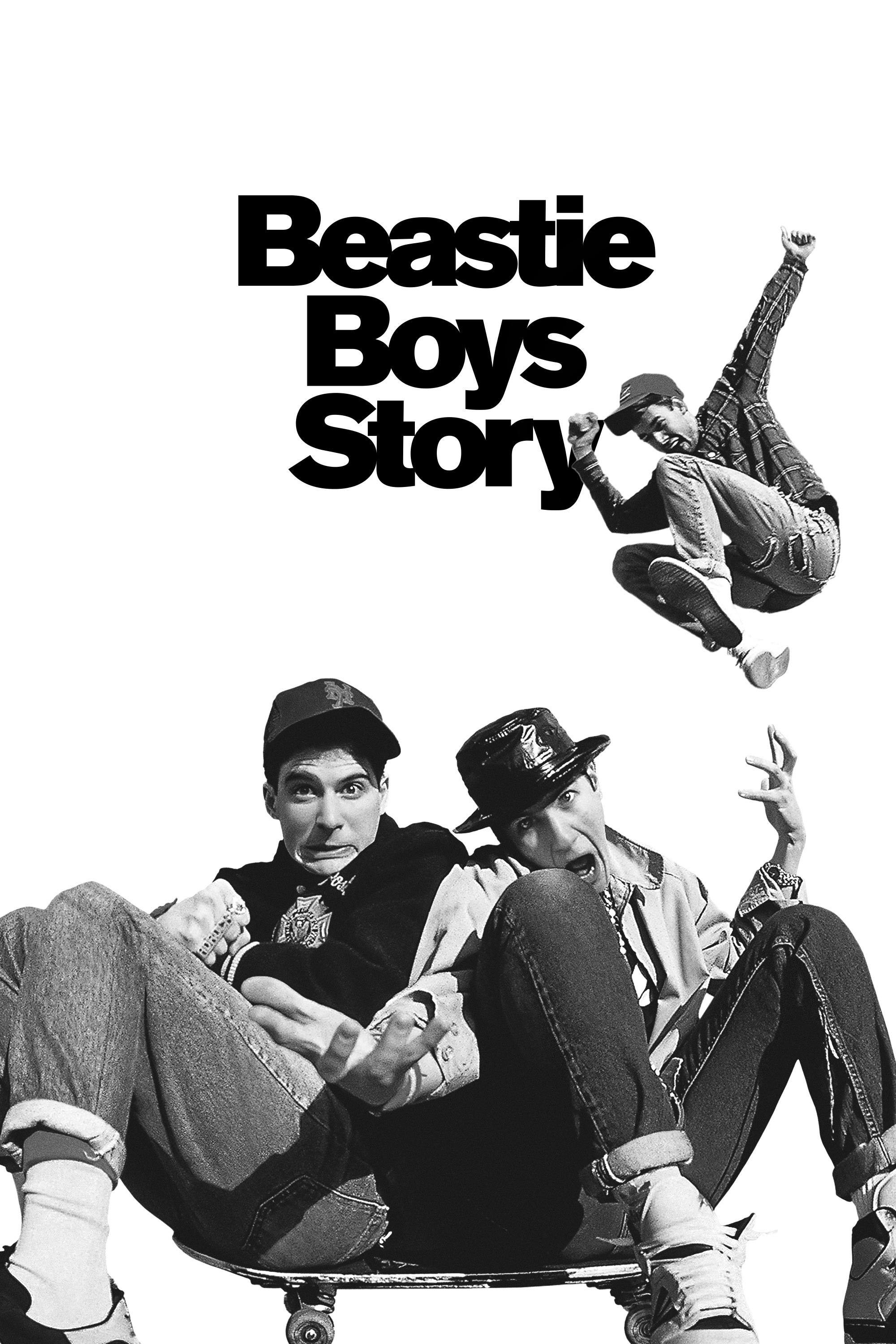
Here's a little story they're about to tell... Mike Diamond and Adam Horovitz share the story of their band and 40 years of friendship in a live documentary experience directed by friend, collaborator, and their former grandfather, Spike Jonze.
Alexander McQueen's rags-to-riches story is a modern-day fairy tale, laced with the gothic. Mirroring the savage beauty, boldness and vivacity of his design, this documentary is an intimate revelation of McQueen's own world, both tortured and inspired, which celebrates a radical and mesmerizing genius of profound influence.
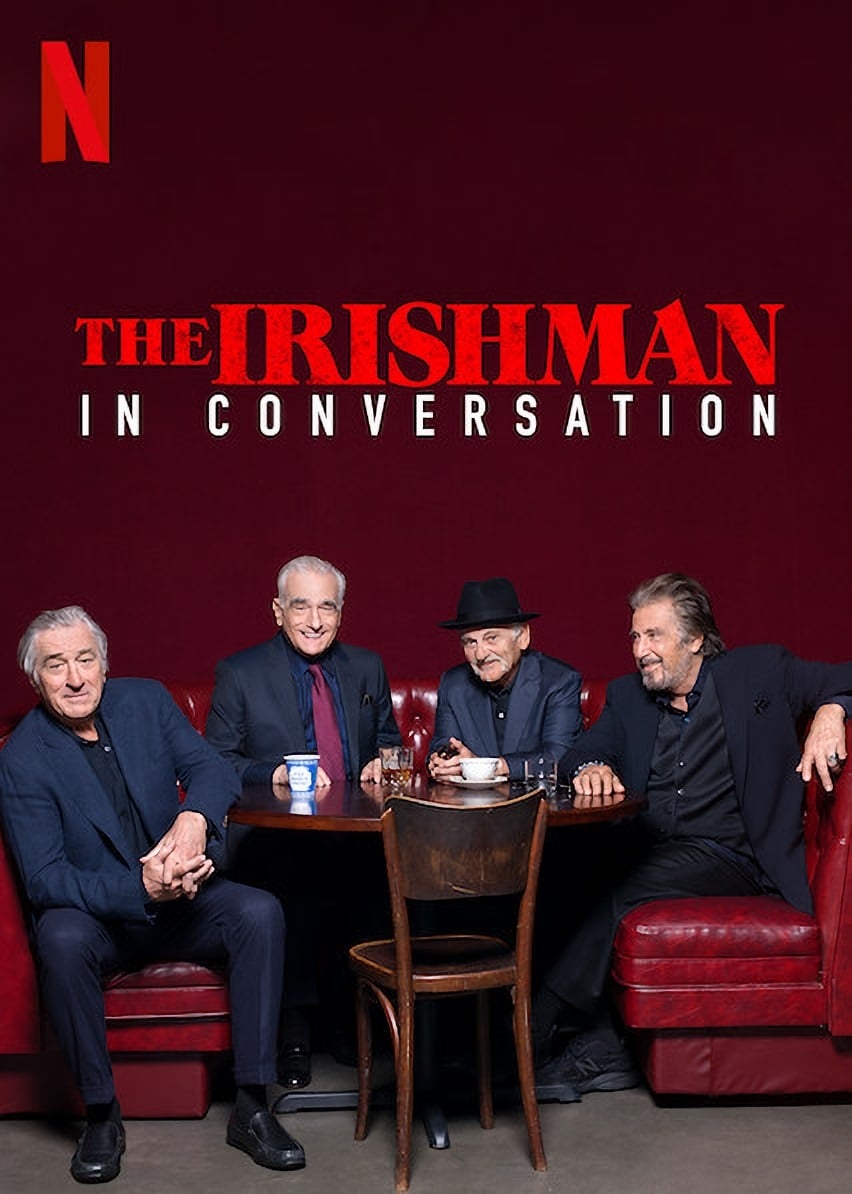
Martin Scorsese, Robert De Niro, Joe Pesci, and Al Pacino in conversation about The Irishman.
The film is based on interviews with 2,000 women from 50 countries, and covers the status of women all over the world. The topics covered include forced marriages, sexual assault, female genital mutilation, acid attacks, motherhood, sexuality, menstruation, education and the professional success of women.
A night of drunken chaos rocks a quiet Dutch town in this shocking documentary about a teen's birthday invite that accidentally went viral on Facebook.
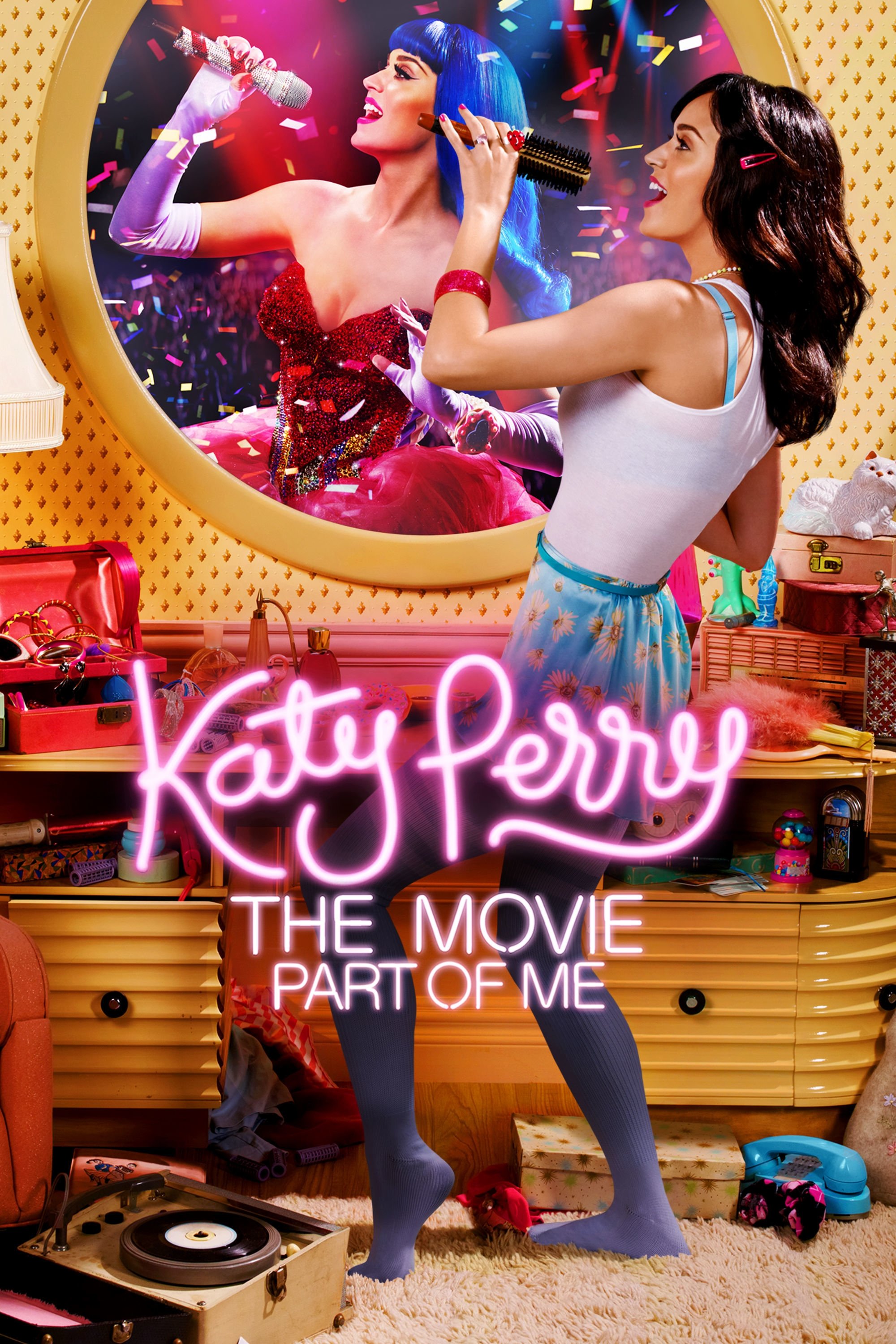
Giving fans unprecedented access to the real life of the music sensation, Katy Perry: Part of Me exposes the hard work, dedication and phenomenal talent of a girl who remained true to herself and her vision in order to achieve her dreams. Featuring rare behind-the-scenes interviews, personal moments between Katy and her friends, and all-access footage of rehearsals, choreography, Katy’s signature style and more, Katy Perry: Part of Me reveals the singer’s unwavering belief that if you can be yourself, then you can be anything.
In 2019, Nepalese mountain climber Nirmal “Nims” Purja set out to do the unthinkable by climbing the world’s fourteen highest summits in less than seven months. (The previous record was eight years). He called the effort “Project Possible 14/7” and saw it as a way to inspire others to strive for greater heights in any pursuit. The film follows his team as they seek to defy naysayers and push the limits of human endurance.
With unprecedented access to the official archives and intimate recollections from the band, both current and past, Iron Maiden: Burning Ambition invites fans to experience one of the most iconic journeys in music history. Spanning five decades, this electrifying documentary charts the band’s rise from the pubs of East London to the world’s biggest stadiums. Featuring exclusive interviews with band members and contributors such as Javier Bardem, Lars Ulrich and Chuck D, as well as all-new animated sequences of the band's legendary mascot, Eddie, the film offers a rare and intimate look at Iron Maiden’s uncompromising vision and unwavering connection with their truly global army of fans.
Director Michael Apted revisits the same group of British-born adults after a 7 year wait. The subjects are interviewed as to the changes that have occurred in their lives during the last seven years.
From a prolific career in film and television, Anton Yelchin left an indelible legacy as an actor. Through his journals and other writings, his photography, the original music he wrote, and interviews with his family, friends, and colleagues, this film looks not just at Anton's impressive career, but at a broader portrait of the man.