Social & External
Activists of the LGBTQ+ association Rain Arcigay Caserta come back living in a property given to them in concession, confiscated from the Camorra in Castel Volturno. The goal is to reconnect with the local inhabitants and propose a new idea of sharing and regenerating the park.
Lipstick, which has been around since the beginning of time and over the centuries has been considered both a symbol of power and an instrument of submission, is used by all kinds of women: queens and politicians, actresses and singers, workers and makeup lovers.
An analysis of the rise of the European far-right, increasingly present in both politics and everyday life: an inquisitive journey through France, Germany and Belgium.
Documentary on Les Charlots, known as The Crazy Boys in the English-speaking world, a group of French musicians, singers, comedians and film actors who were popular in the 1960s, 1970s, and early 1980s.
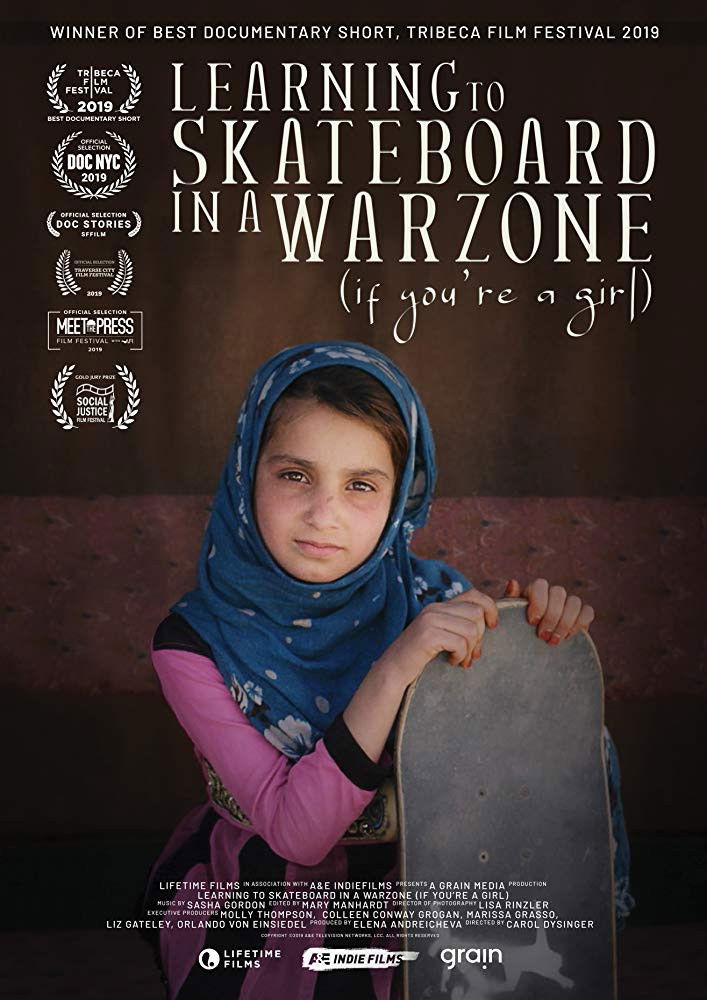
The story of young Afghan girls learning to read, write and skateboard in Kabul.
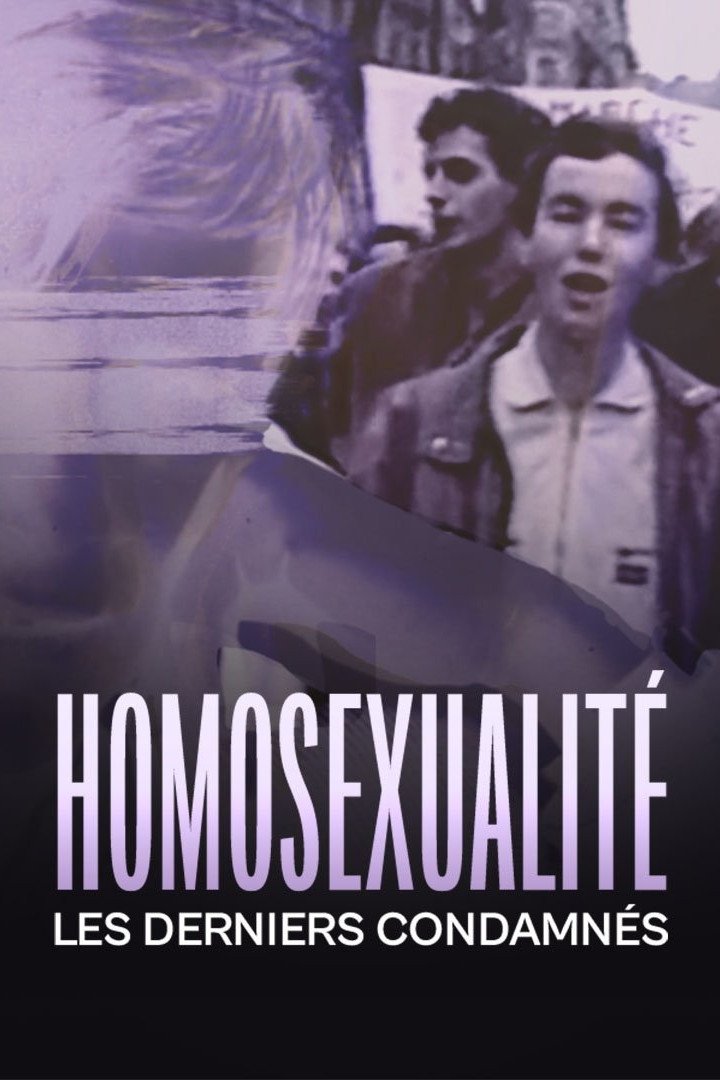
Between the end of the Second World War and the abolition of the "offence of homosexuality" in 1982, 10,000 sentences were handed down in France. Sentences in correctional courts, fines and sometimes imprisonment, the convictions were mainly against men. The last witnesses of this period speak out and tell of four decades of clandestine life, just before the tragedy of AIDS.
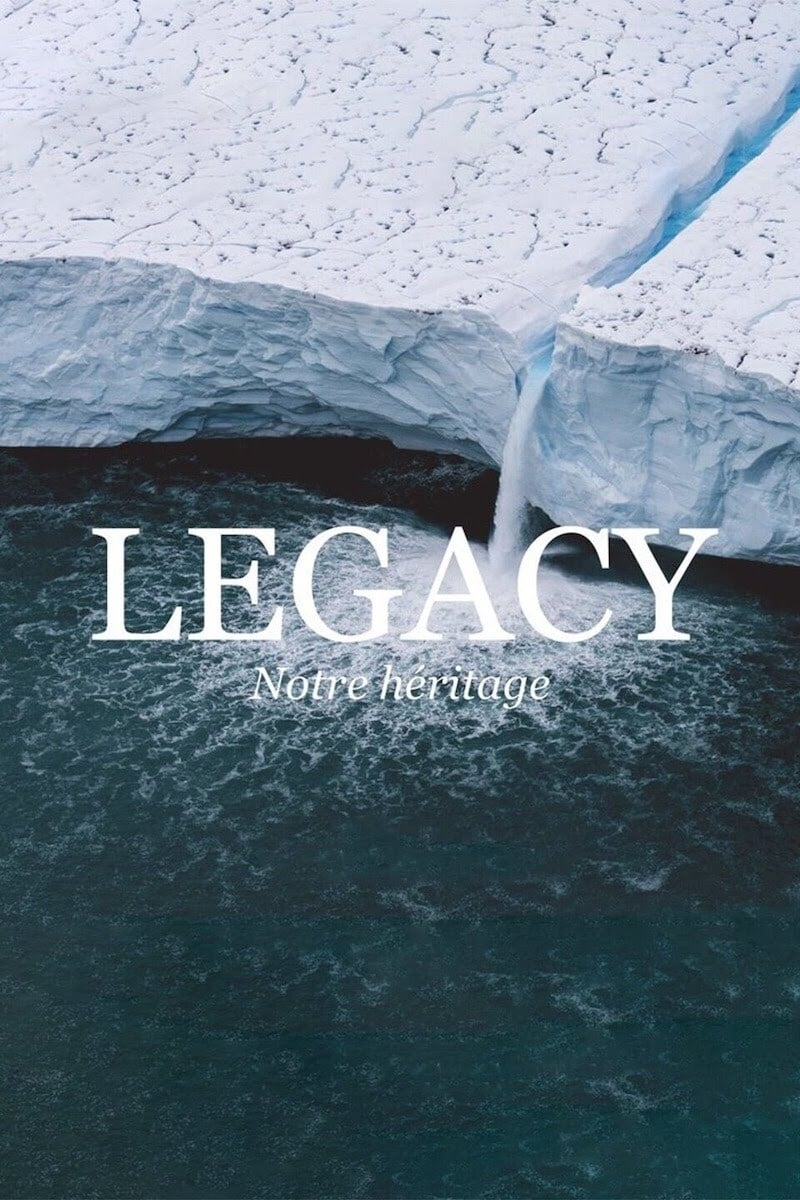
Ten years after the film Home (2009), Yann Arthus-Bertrand looks back, with Legacy, on his life and fifty years of commitment. It's his most personal film. The photographer and director tells the story of nature and man. He also reveals a suffering planet and the ecological damage caused by man. He finally invites us to reconcile with nature and proposes several solutions
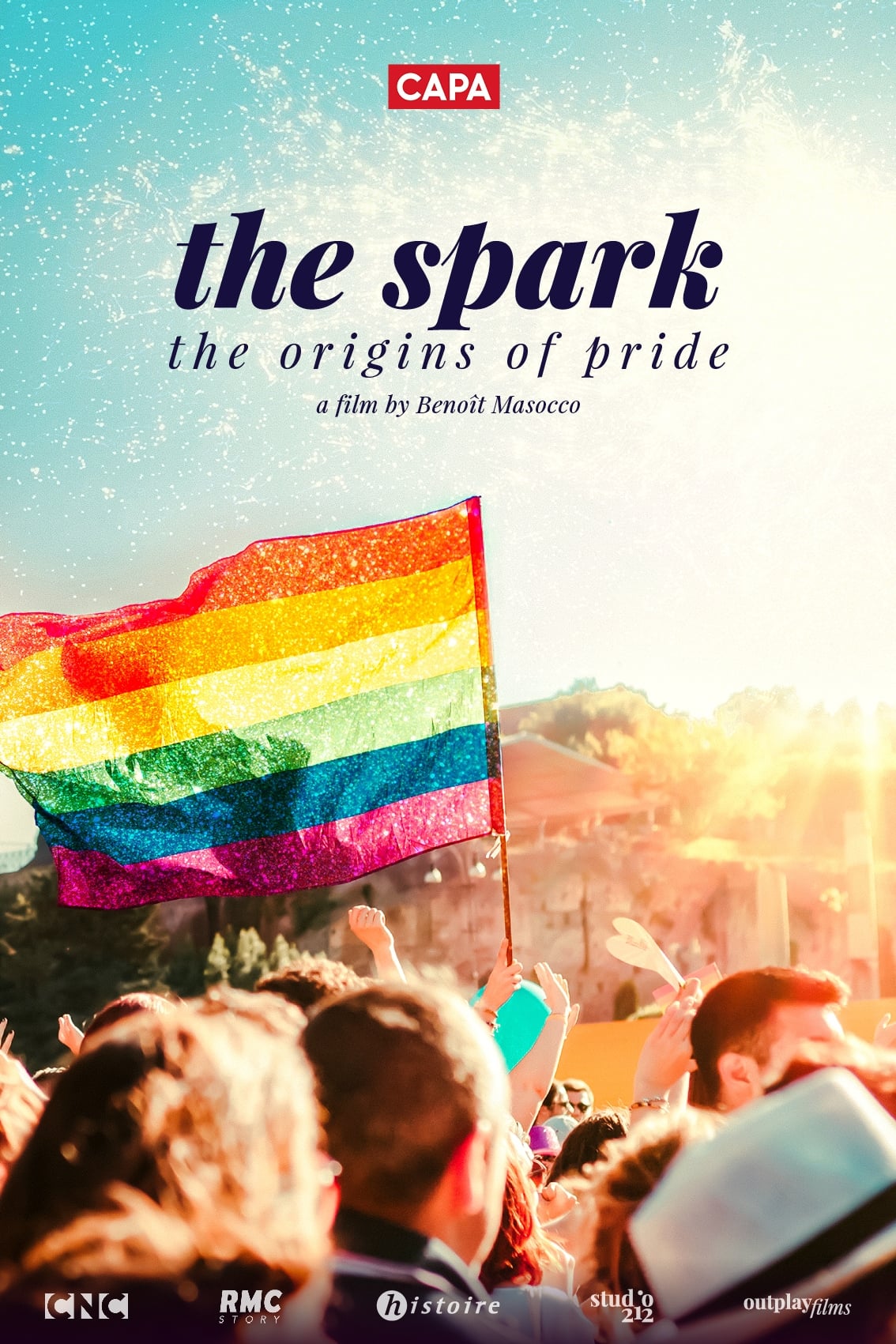
A story of the LGBT struggle from the 1960s to the present, after the Stonewall riot sparked the militant action in New York that was to spread around the world. From San Francisco to Paris via Amsterdam, between the first Gay Pride, the election of Harvey Milk, the French "decriminalization", the AIDS epidemic and the first homosexual marriages, these few decades of struggle are embodied through numerous testimonies of actors and actresses of this revolution rainbow.
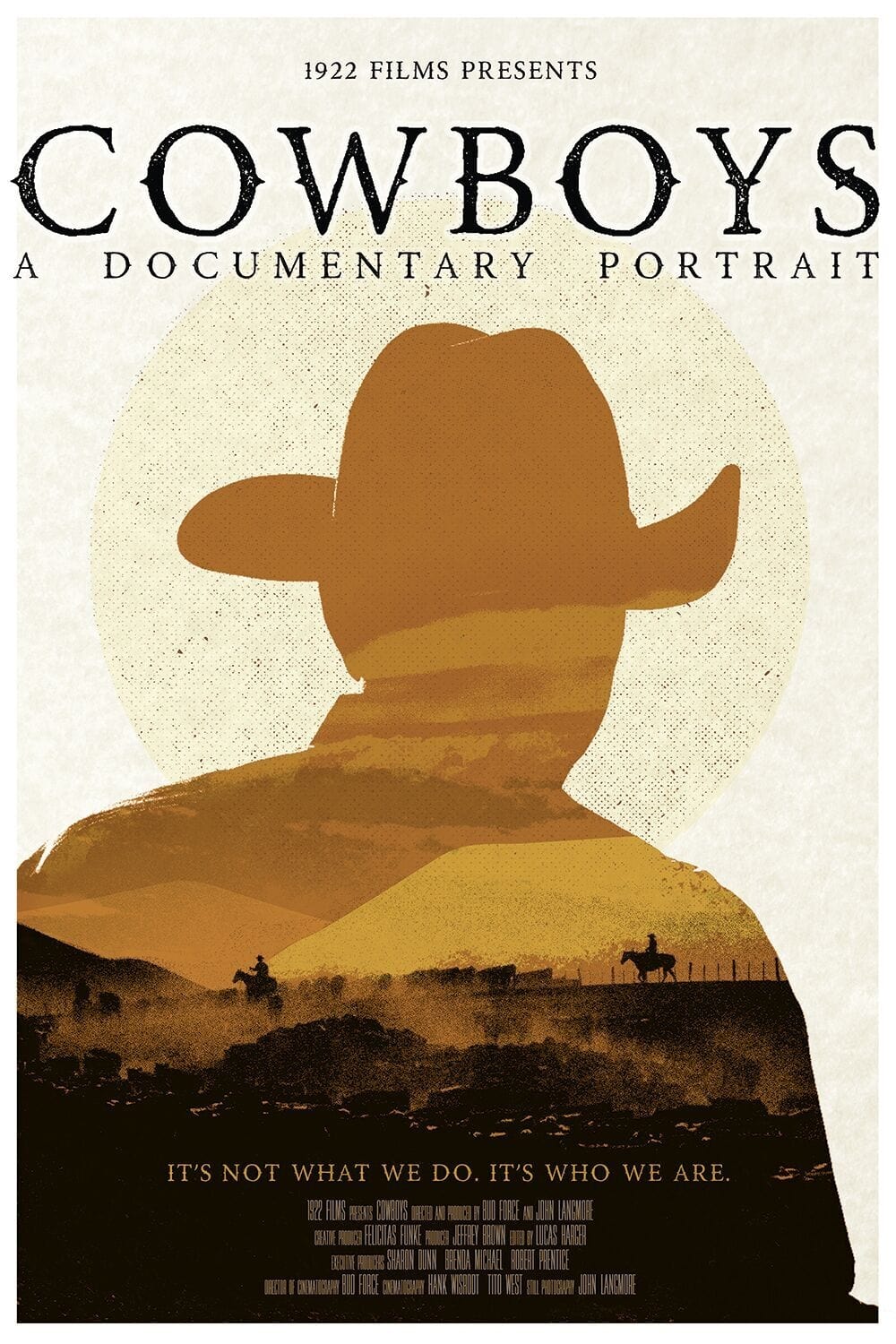
Told in the cinematic tradition of classic westerns, “COWBOYS - A Documentary Portrait” is a feature-length film that gives viewers the opportunity to ride alongside modern working cowboys on some of America's largest and most remote cattle ranches. The movie documents the lives of the men and women working on these "big outfit" ranches - some of which are over one million acres - and still require full crews of horseback mounted workers to tend large herds of cattle. Narrated through first-hand accounts from the cowboys themselves, the story is steeped in authenticity and explores the rewards and hardships of a celebrated but misunderstood way of life, including the challenges that lie ahead for the cowboys critical to providing the world's supply of beef. “COWBOYS” was filmed on eight of the nation’s largest cattle ranches across ten states in the American West.
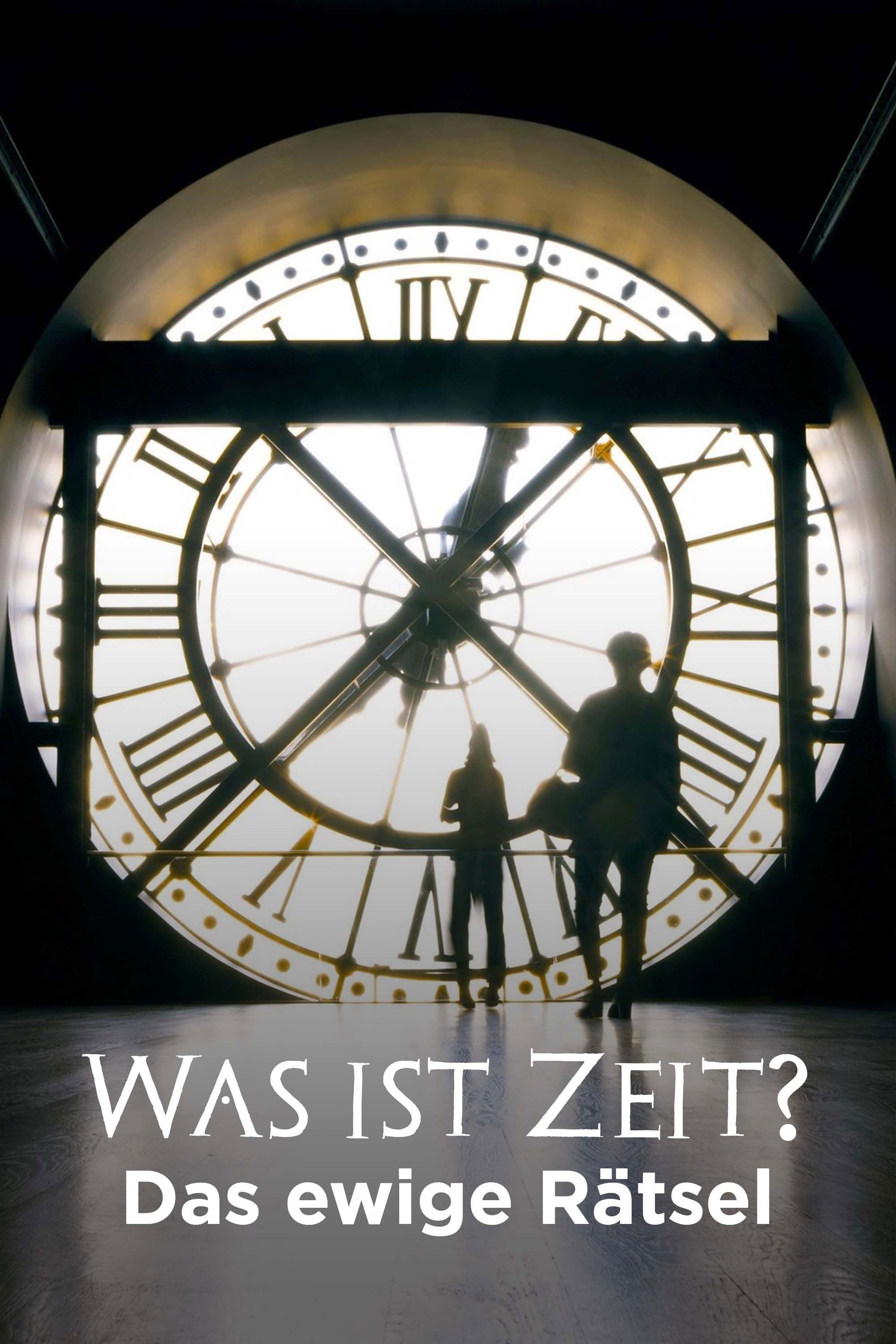
From prehistoric times to our technologically accelerated present, this exciting and entertaining journey through time explores the thousands of ways in which mankind has perceived, measured and passed time over the course of its history.
For four years (1977-1981) Esaias Baitel documented a violent Parisian neo-Nazi gang. Having gained their trust, he was able to get close to them. Living among the gang members, he witnessed horrific events, and while hiding his real identity, he photographed a one-of-a-kind collection of gripping stills. Over thirty years have passed. Esaias Baitel has laid his camera down. He returns to the dark nights he spent in the City of Lights, the city where he lived a double life, going back and forth from the gang to the young family he had just started.
Seven activists from Hong Kong joint the global fight against the G8 Summit in Hokkaido Japan 2008. Given the fact that global warming, labor and energy issues were discussed and covered by mainstream media, they tried to get their voice heard to the leaders at the Windsor Hotel in Toyako (The Toya Lake), but they experienced hospitality of Japanese police brutality from the city rallies to the protest in the mountains.
Aim High is a recipient of the San Francisco Community Leadership Awards "for closing the achievement gap through programs that inspire a love of learning and a strong sense of community. Through its innovative, free summer school program, it supports the educational and developmental needs of middle-school-aged children, providing the tools for learning, a commitment to their community, and the hope for their future." - San Francisco Foundation
The ideal of youth is at the centre of this eloquent film, mixing documentary and fiction, art and experimentation. Demonstrating both formal and narrative freedom, Bélanger weaves a deliberately loose weave in which the initiatory journey of two young people, wandering through Montreal in search of a job, unfolds. But not just any job. The two idealists want a job that will satisfy their desire for freedom, peace and respect. Of course, even though the breath of renewal from Expo 67 still floats here and there, the world they encounter does not correspond - by far - to their aspirations. Strangers in this country that tells them nothing, they come across brutally, materialism, violence, and egocentrism.
A documentary on the expletive's origin, why it offends some people so deeply, and what can be gained from its use.
A documentary focused on plastic pollution in the world's oceans.
Climate is changing. Instead of showing all the worst that can happen, this documentary focuses on the people suggesting solutions and their actions.
A visual montage portrait of our contemporary world dominated by globalized technology and violence.
This revealing documentary honors the legendary Sidney Poitier—iconic actor, filmmaker, and civil rights activist. Featuring interviews with Denzel Washington, Spike Lee, Halle Berry, and more.
Alexander McQueen's rags-to-riches story is a modern-day fairy tale, laced with the gothic. Mirroring the savage beauty, boldness and vivacity of his design, this documentary is an intimate revelation of McQueen's own world, both tortured and inspired, which celebrates a radical and mesmerizing genius of profound influence.
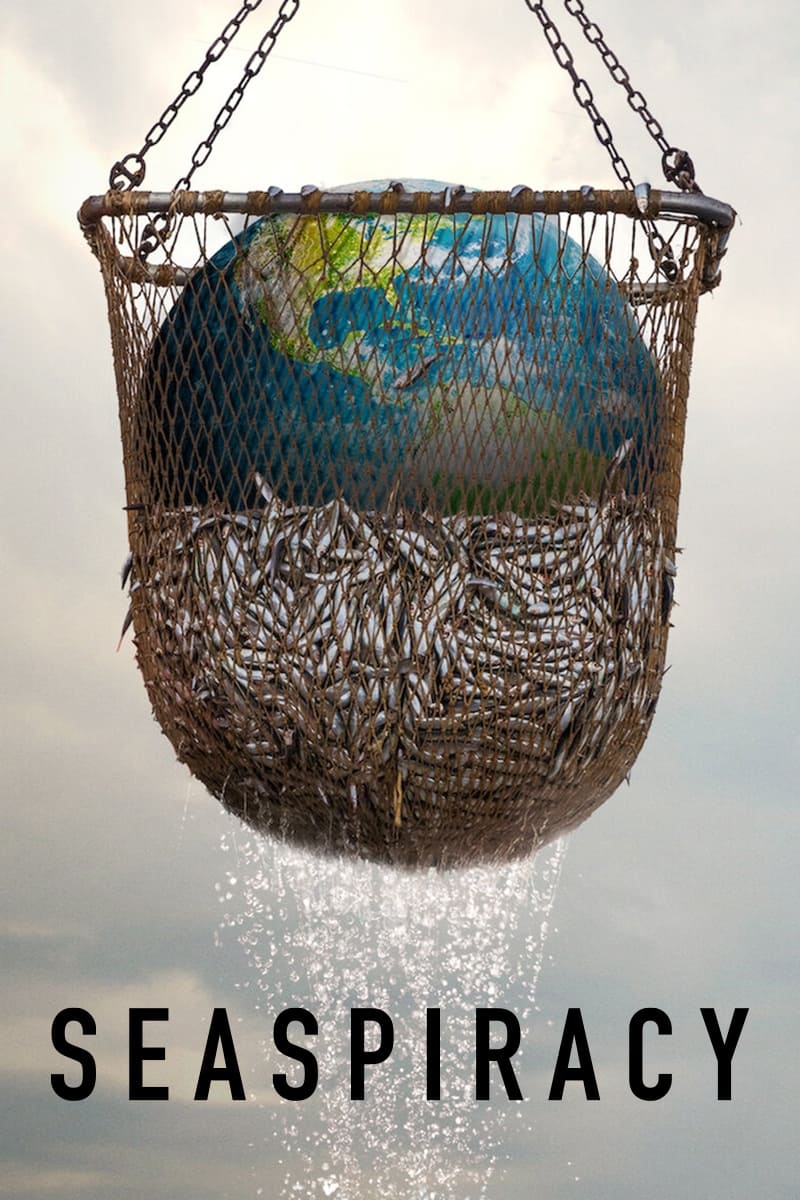
Passionate about ocean life, a filmmaker sets out to document the harm that humans do to marine species — and uncovers an alarming global conspiracy.
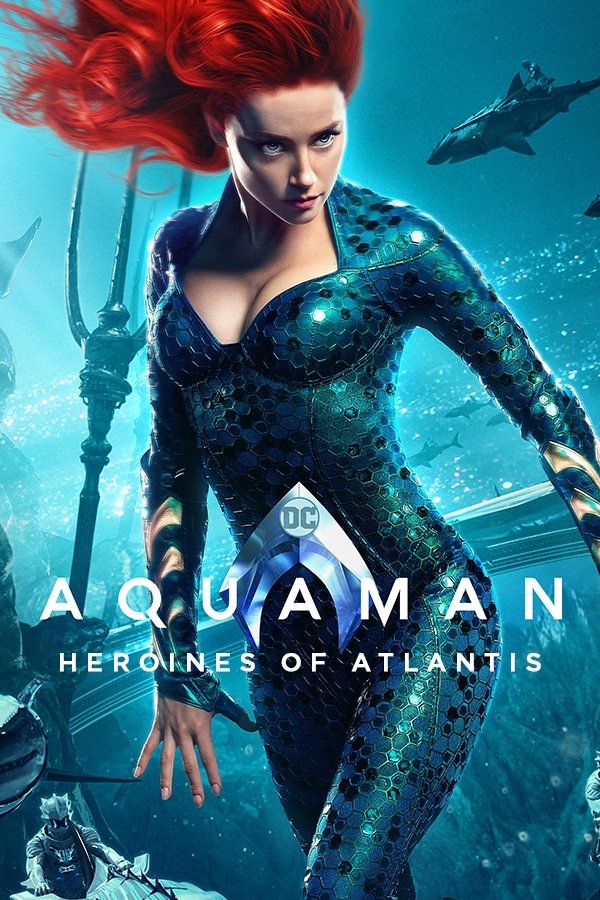
Amber Heard and Nicole Kidman discuss their characters Mera and Atlanna.
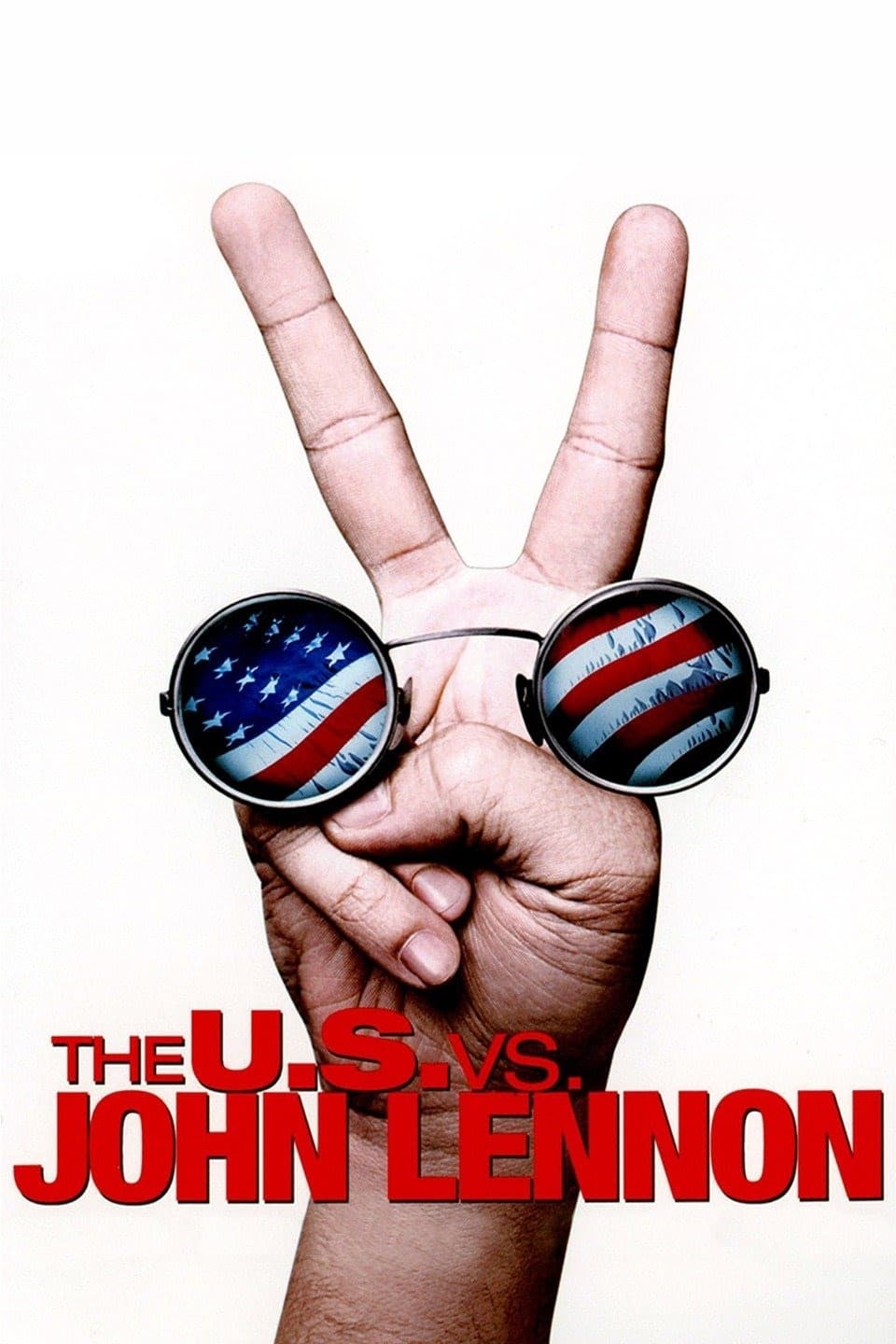
A documentary on the life of John Lennon, with a focus on the time in his life when he transformed from a musician into an antiwar activist.
This documentary focuses on the actors and their journey over two summers to create the remake to the original IT, by Stephen King. The documentary originally released as bonus material, bundled with IT: Chapter Two.
An exploration of technologically developing nations and the effect the transition to Western-style modernization has had on them.
A visually stunning documentary that reflects human's relationship to other species on Earth as humanity becomes more and more isolated from Nature.
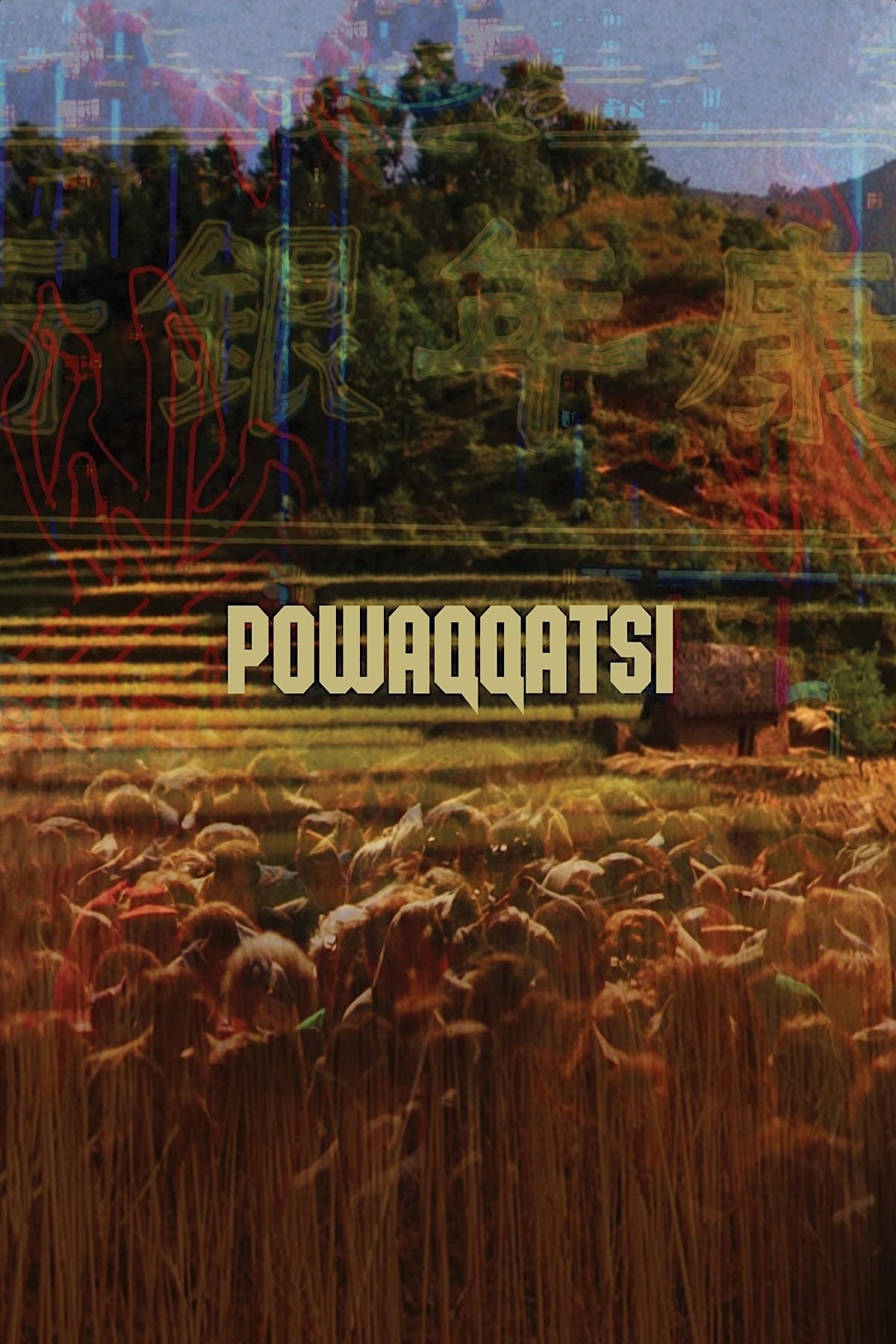
Takes us to locations all around the US and shows us the heavy toll that modern technology is having on humans and the earth. The visual tone poem contains neither dialogue nor a vocalized narration: its tone is set by the juxtaposition of images and the exceptional music by Philip Glass.
In 1977, a book of photographs captured an awakening - women shedding the cultural restrictions of their childhoods and embracing their full humanity. This documentary revisits those photos, those women and those times and takes aim at our culture today that alarmingly shows the need for continued change.
A documentary shot by filmmakers all over the world that serves as a time capsule to show future generations what it was like to be alive on the 24th of July, 2010.
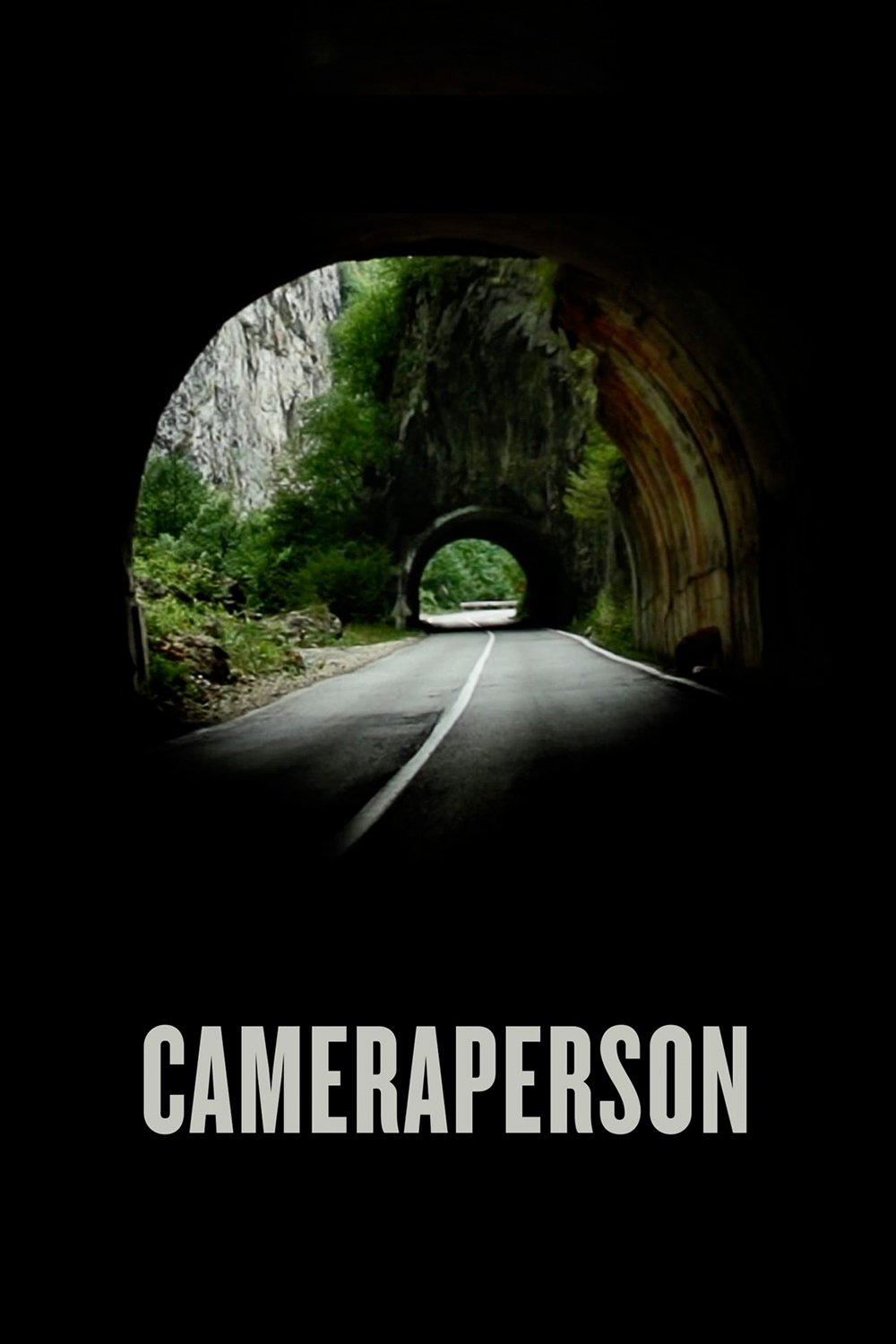
As a visually radical memoir, CAMERAPERSON draws on the remarkable footage that filmmaker Kirsten Johnson has shot and reframes it in ways that illuminate moments and situations that have personally affected her. What emerges is an elegant meditation on the relationship between truth and the camera frame, as Johnson transforms scenes that have been presented on Festival screens as one kind of truth into another kind of story—one about personal journey, craft, and direct human connection.
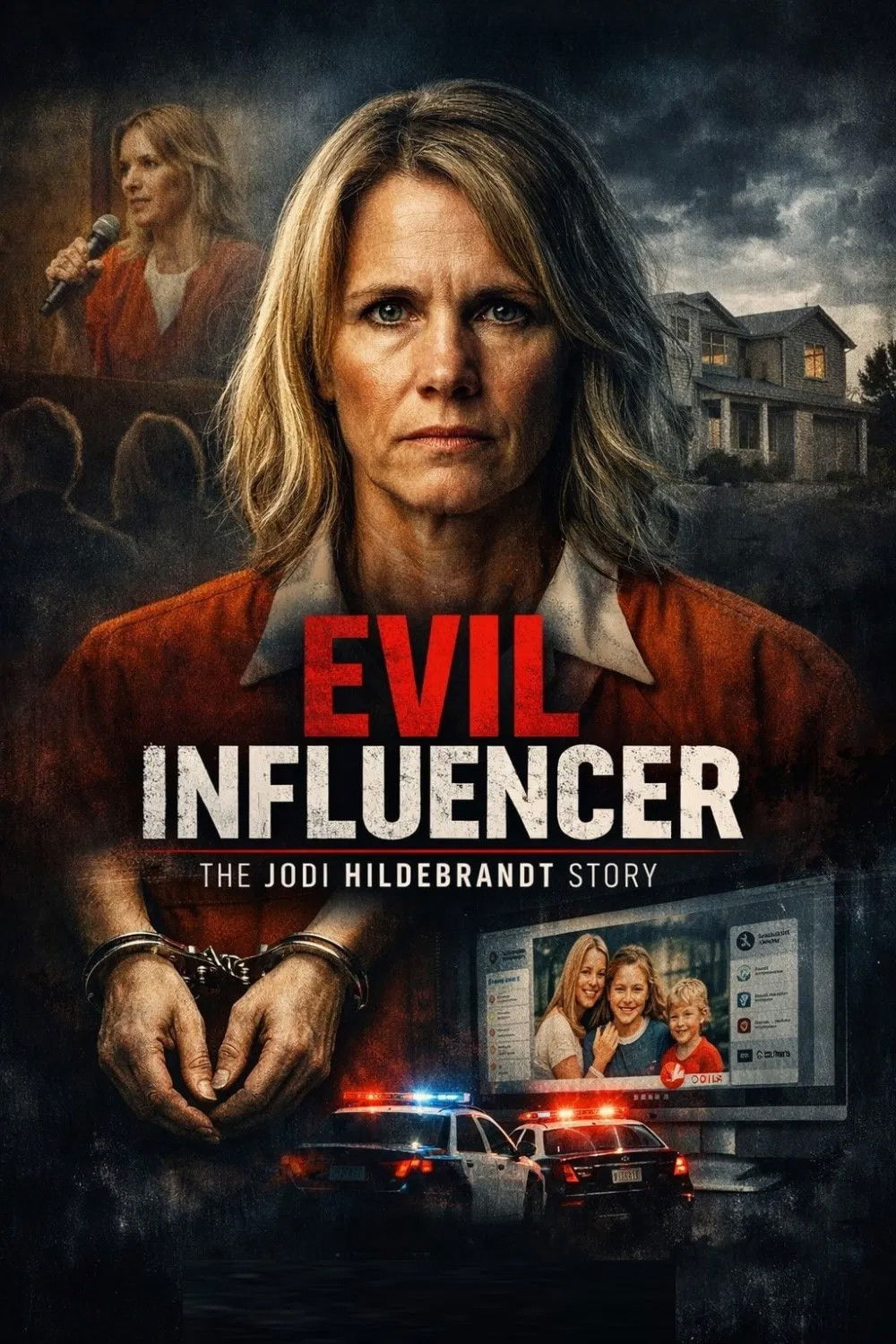
Unravel the case of Utah therapist Jodi Hildebrandt, whose child abuse arrest with parenting YouTuber Ruby Franke exposed a twisted tale of manipulation.
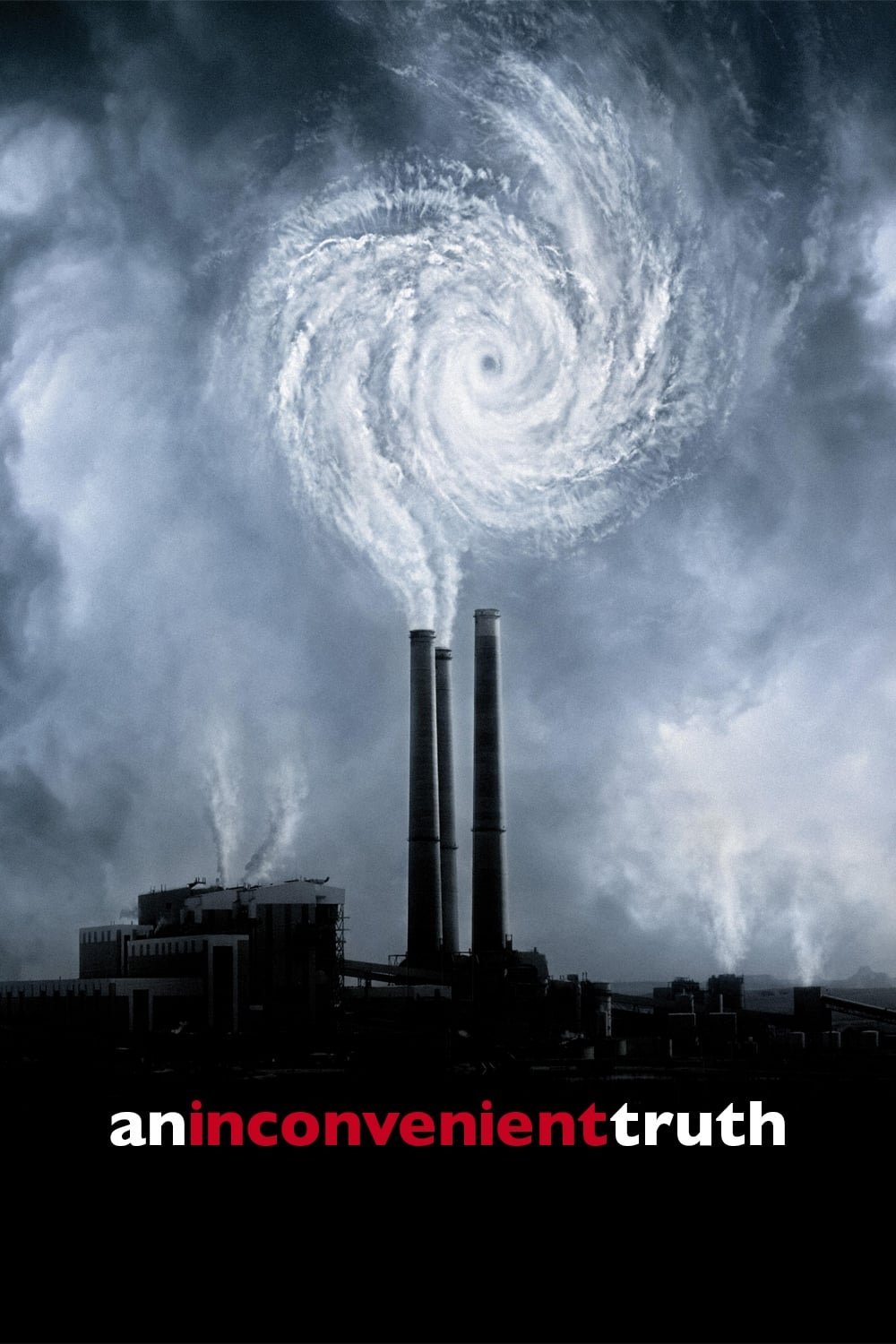
A documentary on Al Gore's campaign to make the issue of global warming a recognized problem worldwide.
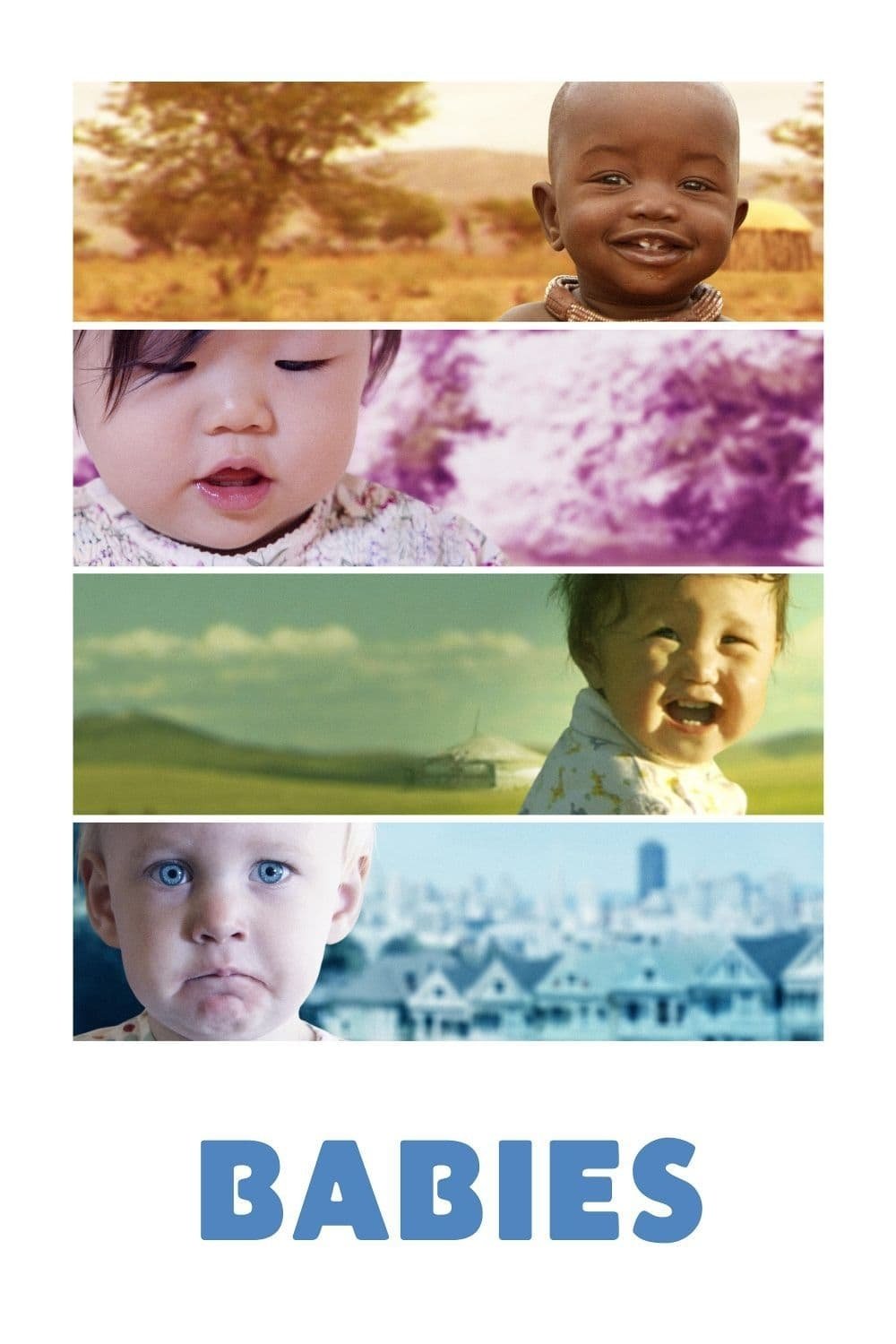
A non-narrated documentary following the lovesome lives of four infants from birth to their first birthday. The babies featured are two from rural areas: Ponijao from Opuwo, Namibia, and Bayar from Bayanchandmani, Mongolia, as well as two from urban areas: Mari from Tokyo, Japan, and Hattie from San Francisco, USA.
Lyrical and powerfully personal essay film that reflects on the deaths of her husband Lou Reed, her mother, her beloved dog, and such diverse subjects as family memories, surveillance, and Buddhist teachings.