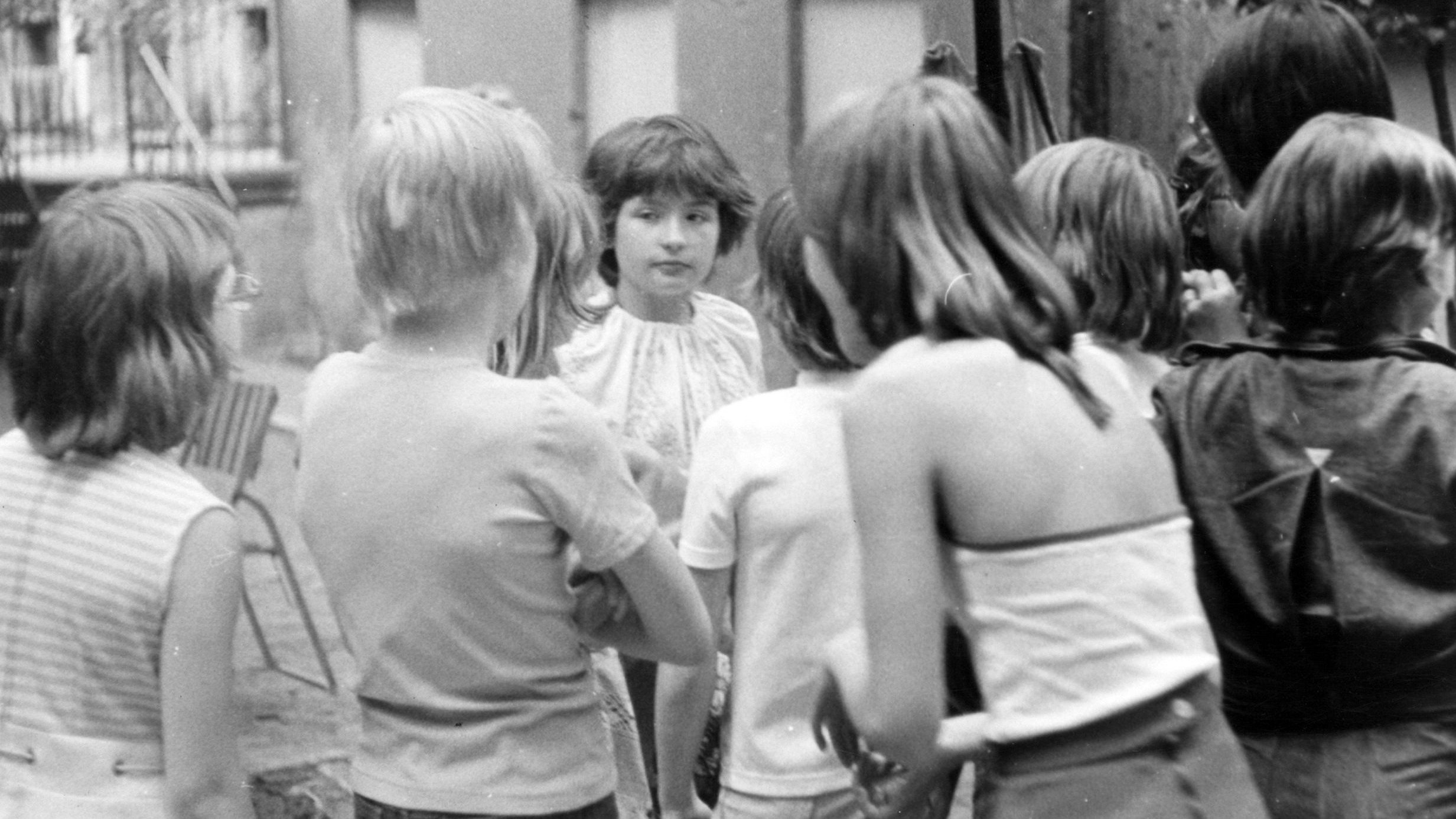
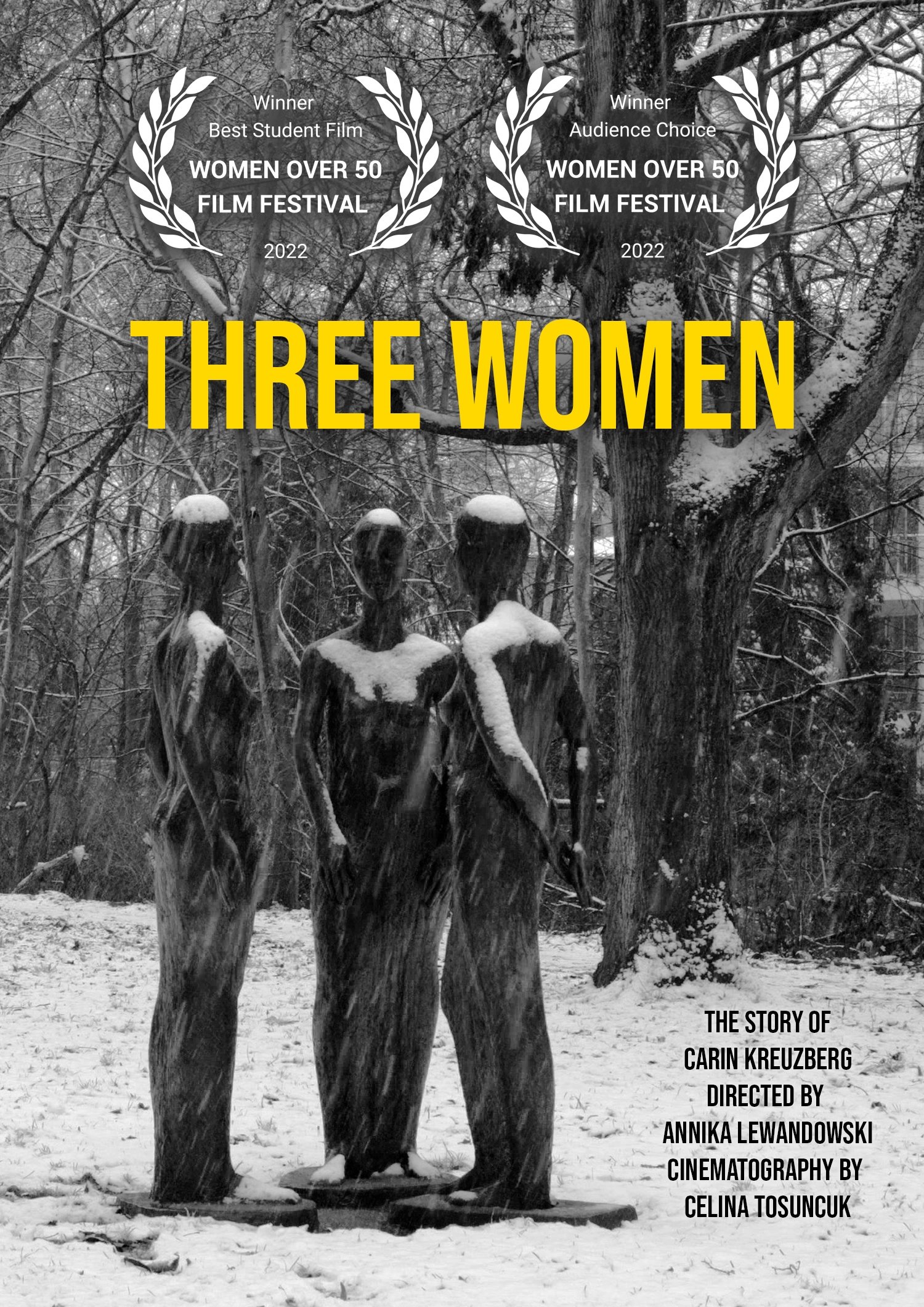
Documentary about a district with social problems and an unconventional teacher, who tries to teach more than just knowledge.
Social & External
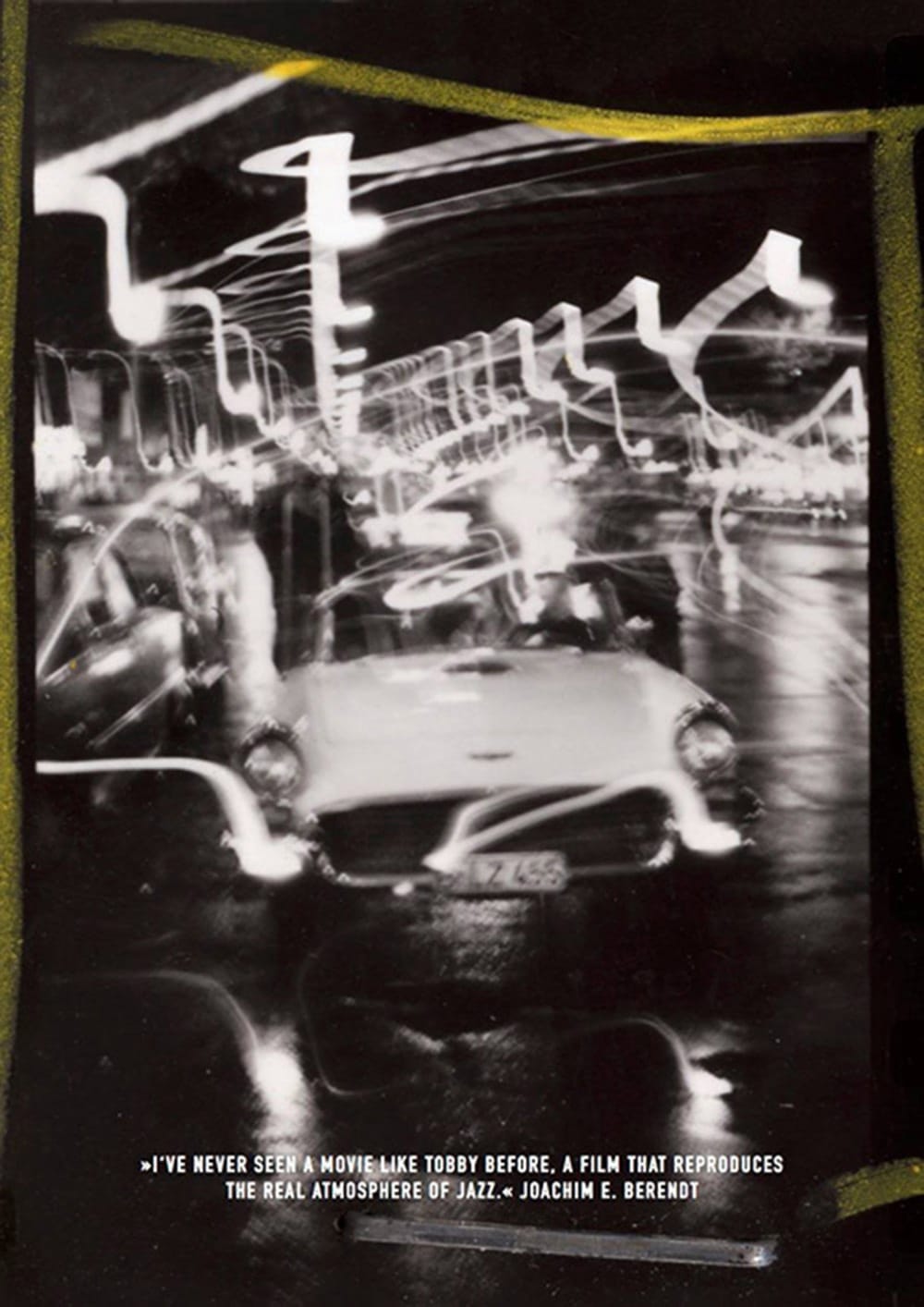
Fictional film with documentary elements about a jazz musician in Berlin.
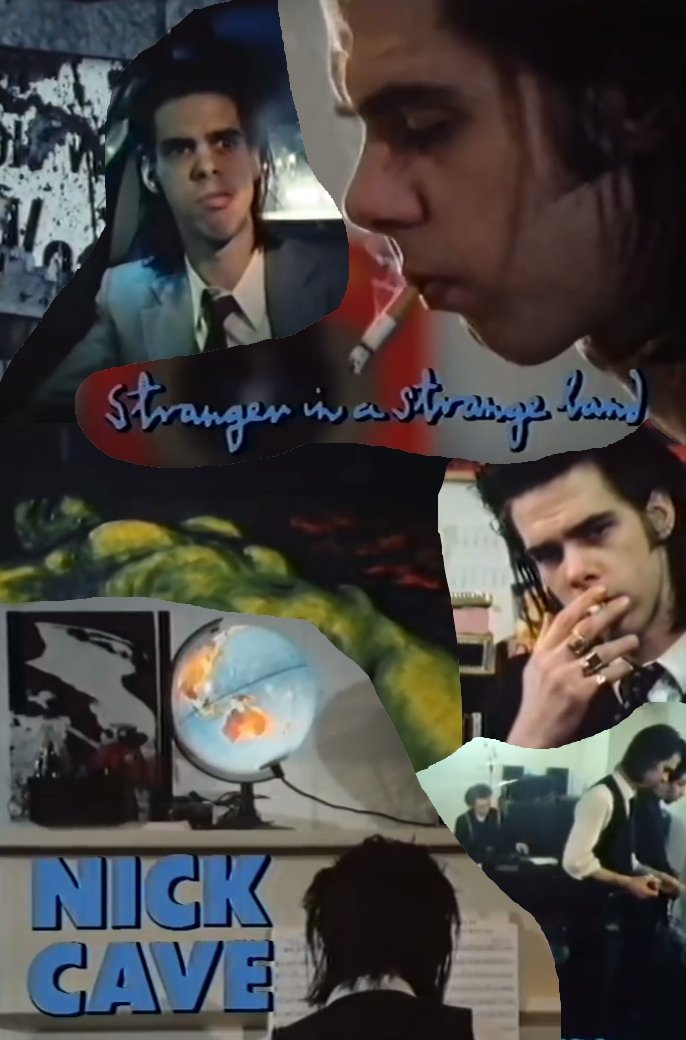
Documentary made for Dutch television about Nick Cave in Berlin in 1987.
People tell what difficulties you might encounter when you want to renovate an apartment in Berlin.
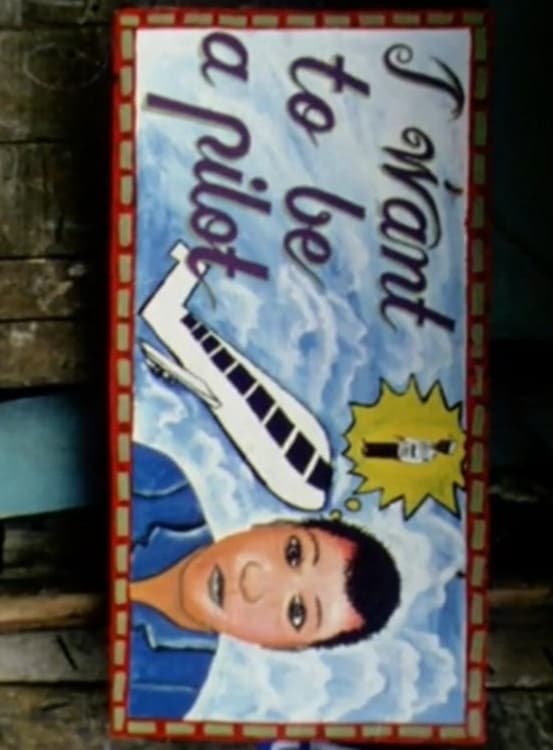
Omondi lives in the biggest slum in East Africa. Everyday he sees airplanes fly over him. He dreams of becoming an airline pilot and flying far away.
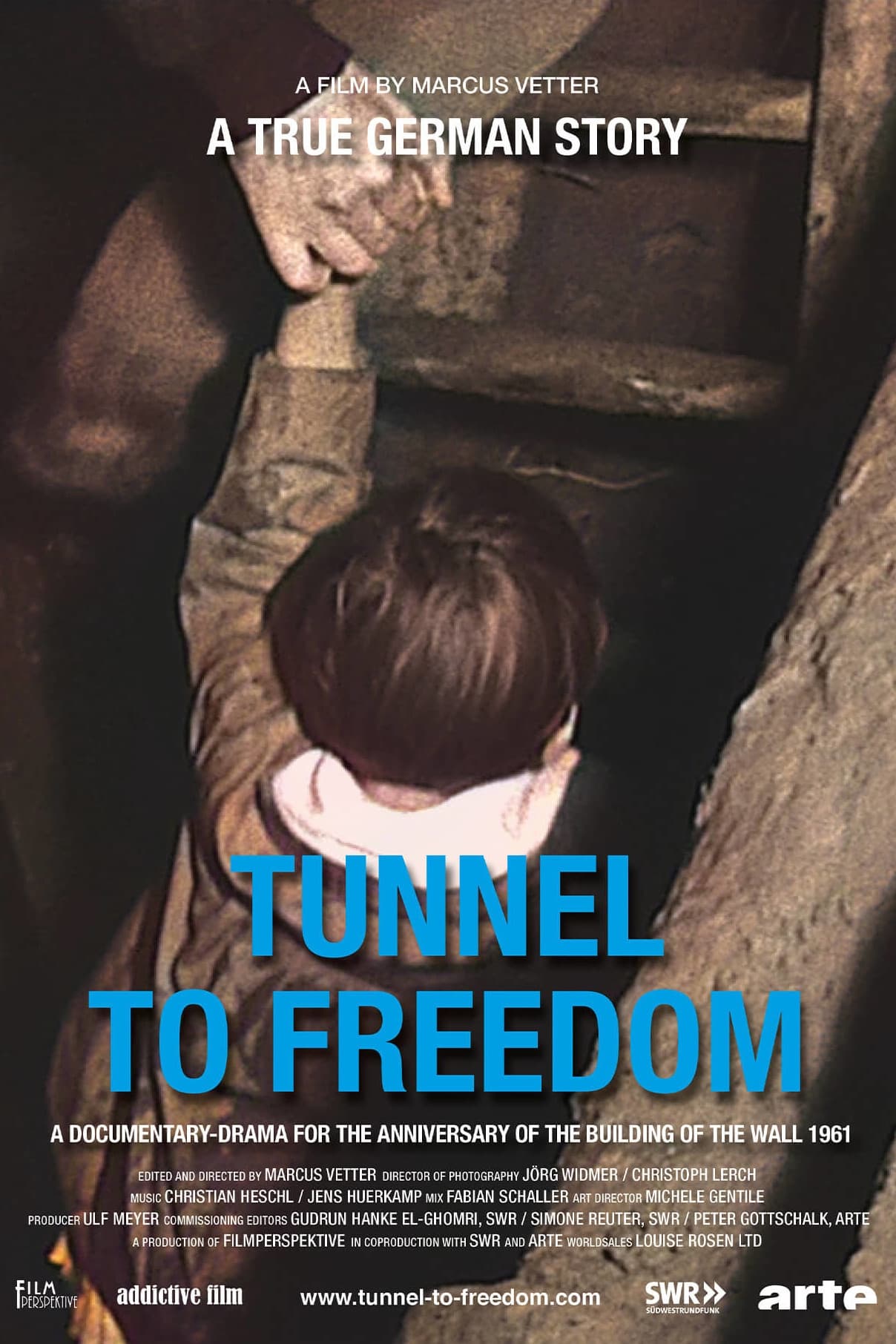
13 August 1961: the GDR closes the sector borders in Berlin. The city is divided overnight. Escape to the West becomes more dangerous every day. But on September 14, 1962, exactly one year, one month and one day after the Wall was built, a group of 29 people from the GDR managed to escape spectacularly through a 135-meter tunnel to the West. For more than 4 months, students from West Berlin, including 2 Italians, dug this tunnel. When the tunnel builders ran out of money after only a few meters of digging, they came up with the idea of marketing the escape tunnel. They sell the film rights to the story exclusively to NBC, an American television station.
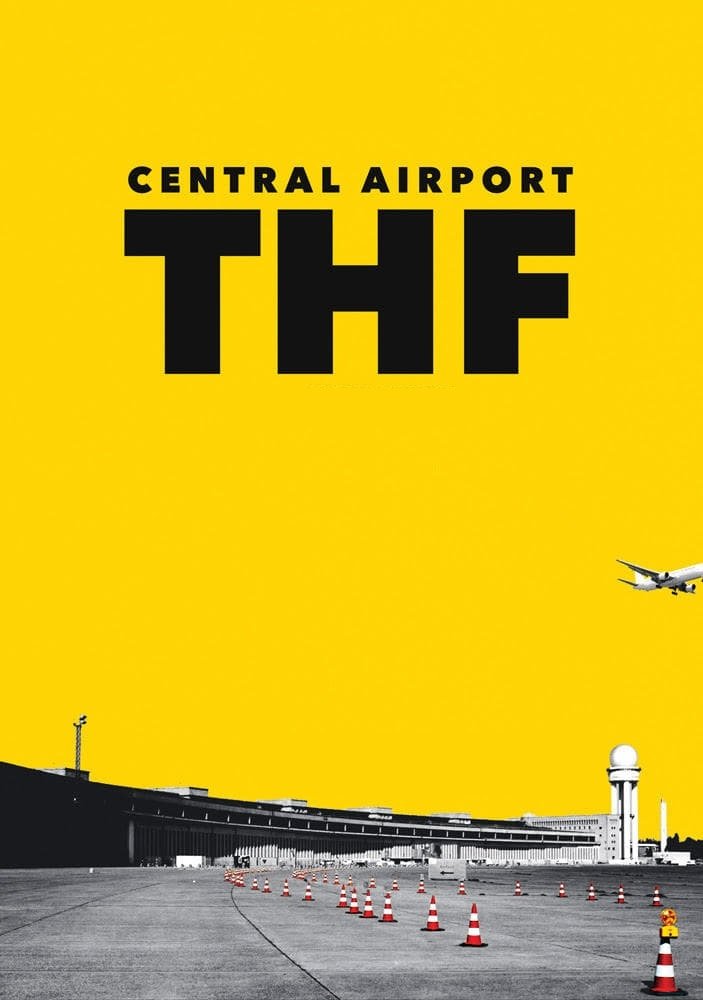
A documentary about Berlin's former airport Tempelhof. A film about Departures and Arrivals. And about those Berliners who come here to escape from their daily lives and those refugees who came here to finally arrive somewhere.
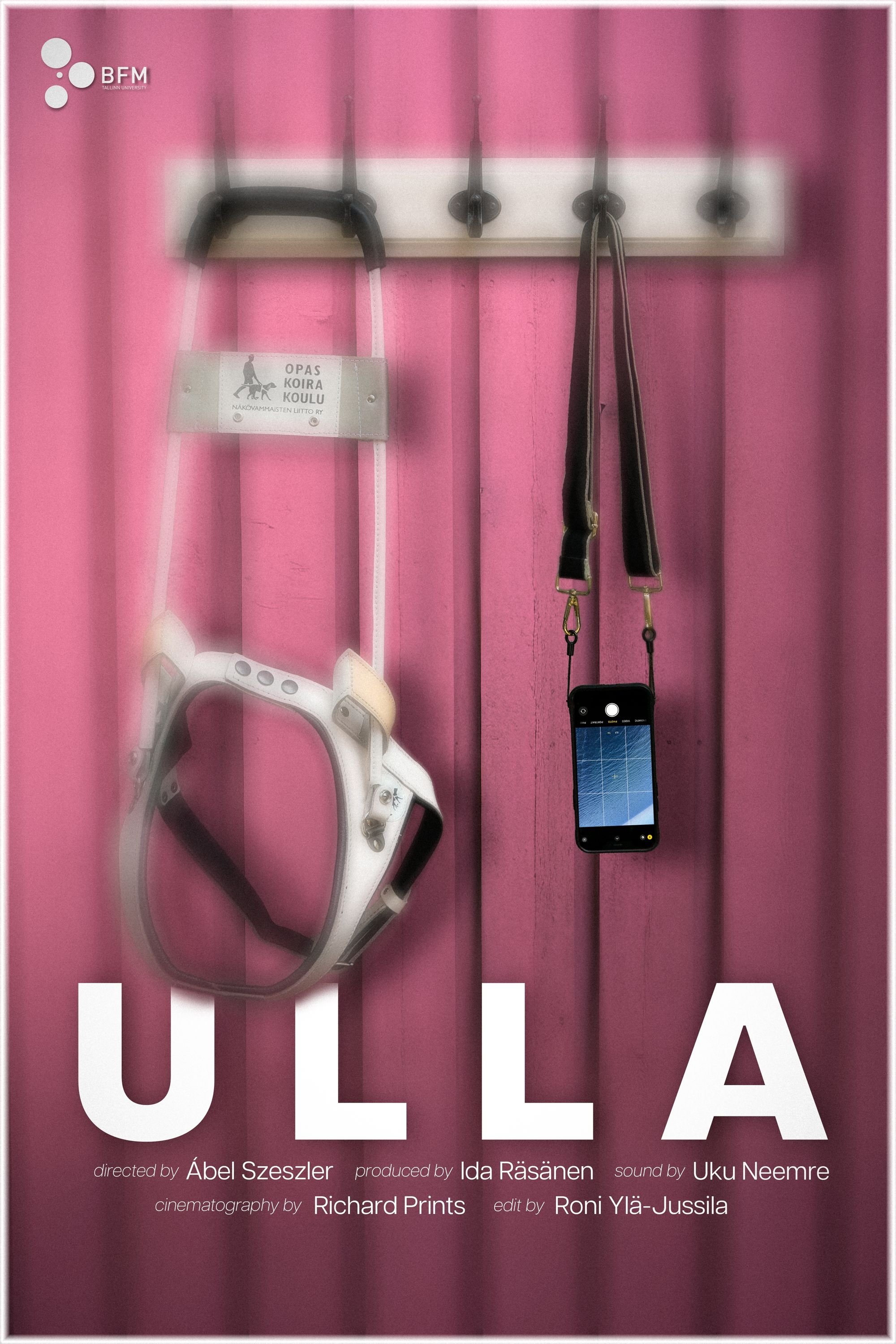
A slice-of-life documentary following Ulla, a blind woman adjusting to life after eye removal surgery. With the help of her guide dog, Laina, she navigates Helsinki while pursuing a prosthetic eye and a deeper understanding of photography.
As Russia launches its full-scale invasion of Ukraine, primary schools across Russia’s hinterlands are transformed into recruitment stages for the war. Facing the ethical dilemma of working in a system defined by propaganda and violence, a brave teacher goes undercover to film what’s really happening in his own school.
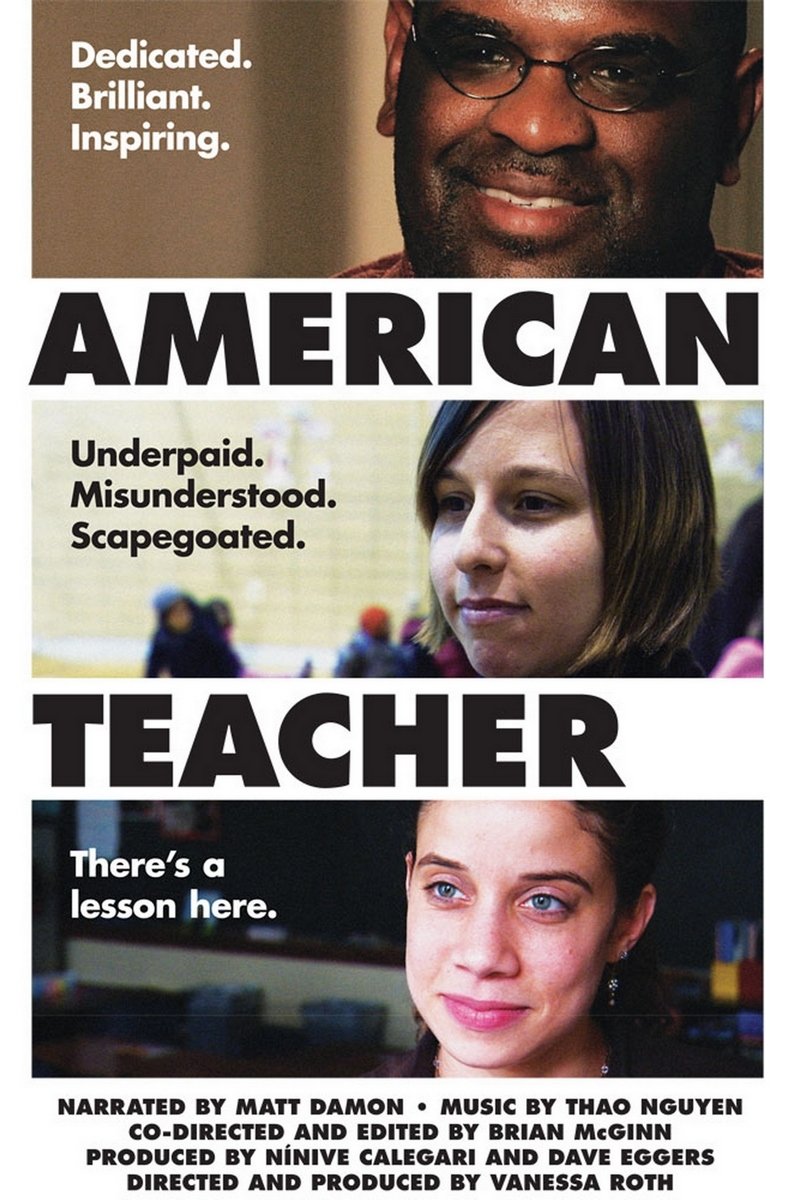
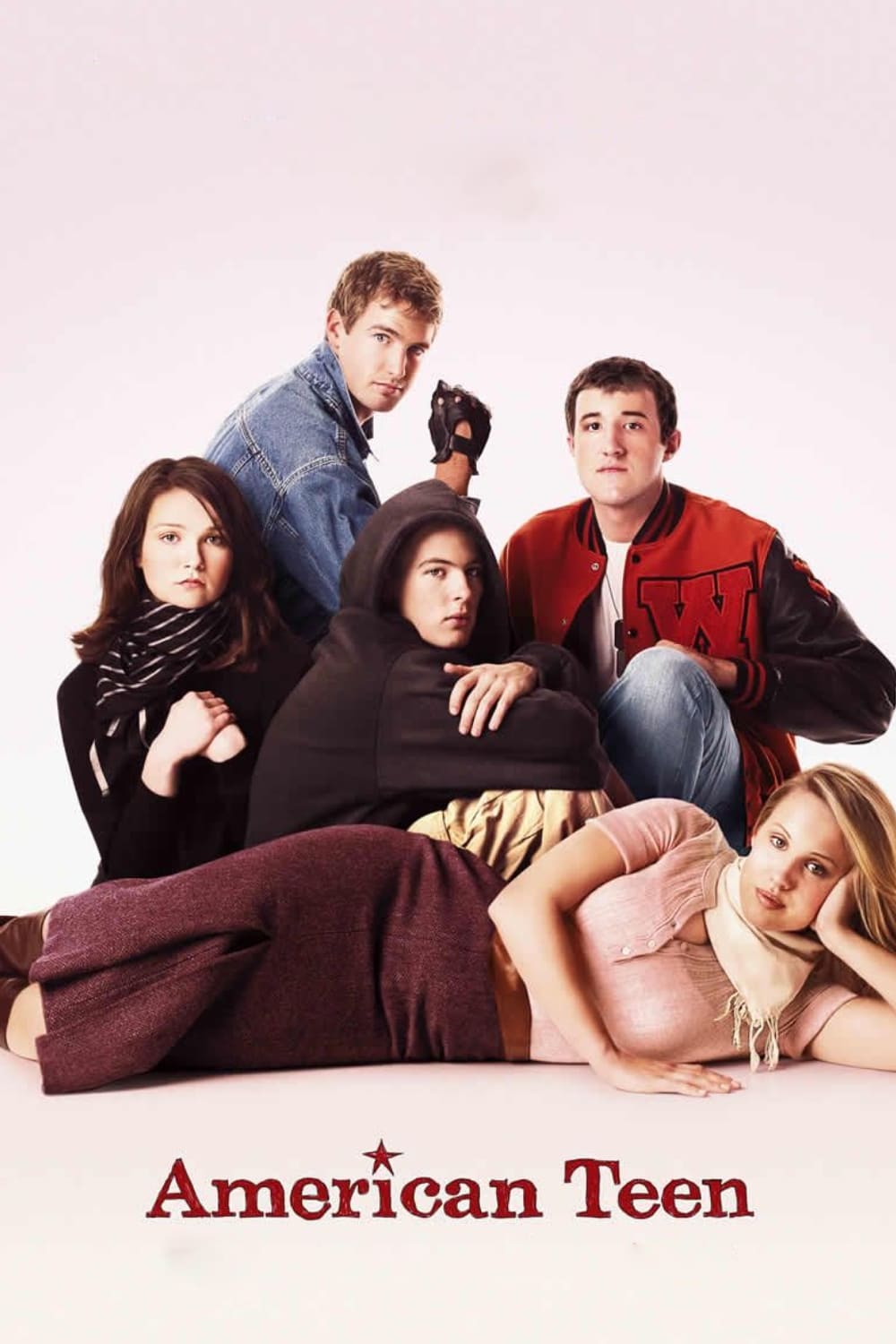
As the debate over the state of America's public school system rages on, one thing everyone agrees on is the need for great teachers. Yet, while research proves that teachers are the most important school factor in a child's future success, America's teachers are so woefully underpaid that almost a third must divide their time between a second job in order to make a living. Chronicling the stories of four teachers in different areas of the country, American Teacher reveals the frustrating realities of today's educators, the difficulty of attracting talented new teachers, and why so many of our best teachers feel forced to leave the profession altogether. But this wake-up call to our system's failings also looks at possibilities for reform. Can we re-value teaching in the United States and turn it into a prestigious, financially attractive and competitive profession? With almost half of American teachers leaving the field in the next five years, now is the time to find out.
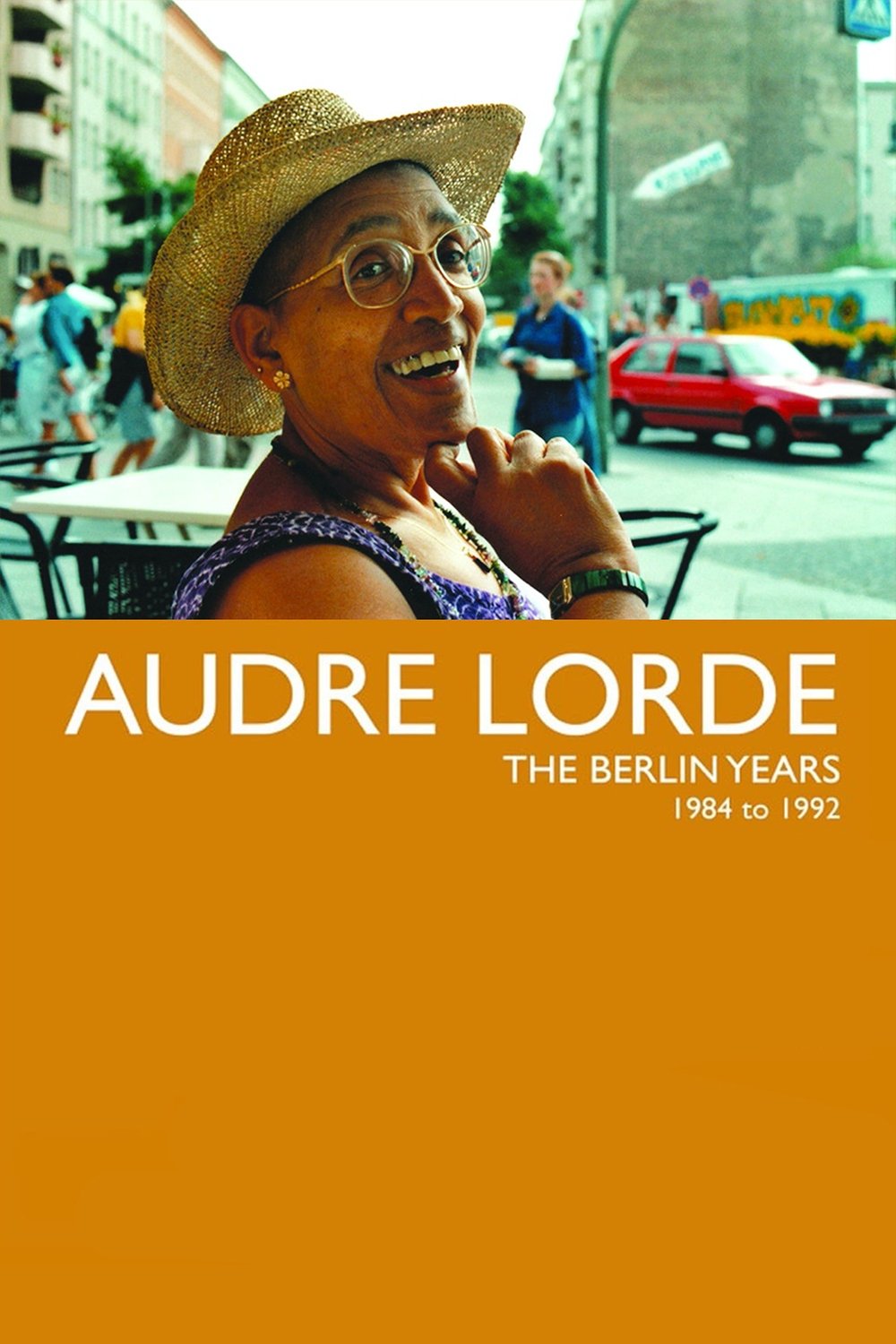
Audre Lorde, the highly influential, award-winning African-American lesbian poet came to live in West-Berlin in the 80s and early '90s. She was the mentor and catalyst who helped ignite the Afro-German movement while she challenged white women to acknowledge and constructively use their privileges. With her active support a whole generation of writers and poets for the first time gave voice to their unique experience as people of color in Germany. This documentary contains previously unreleased audiovisual material from director Dagmar Schultz's archives including stunning images of Audre Lorde off stage. With testimony from Lorde's colleagues and friends the film documents Lorde's lasting legacy in Germany and the impact of her work and personality.
A documentary about the lives and history of Turkish immigrants in three centuries of Berlin history.
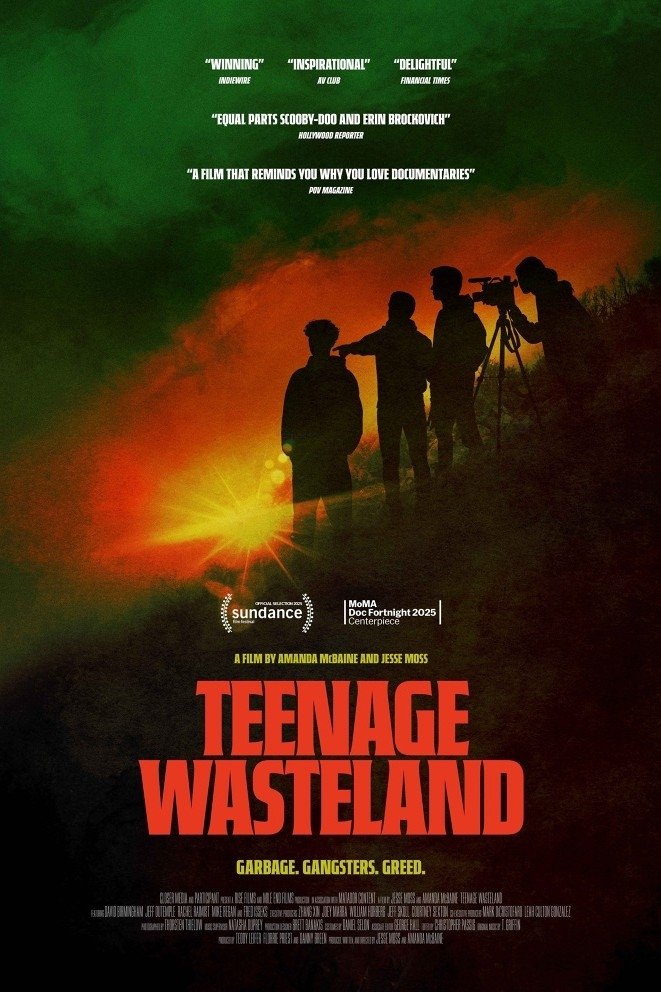
Inspired by an unconventional teacher, a group of teenagers in upstate New York in the early 1990s make a student film and uncover a vast conspiracy that is poisoning their community. Thirty years later, they revisit their film and confront the legacy of this transformative experience.
A documentary produced by the French armed forces which chronicles the way of France’s “1ere armée” in the second world war from the days it first crossed the Rhine in March of 1945, through the liberation of a POW-camp in Swabia, until the forces reached the Danube and the Alps at the end of the war and the day French troops marched in the victory parade in Berlin.
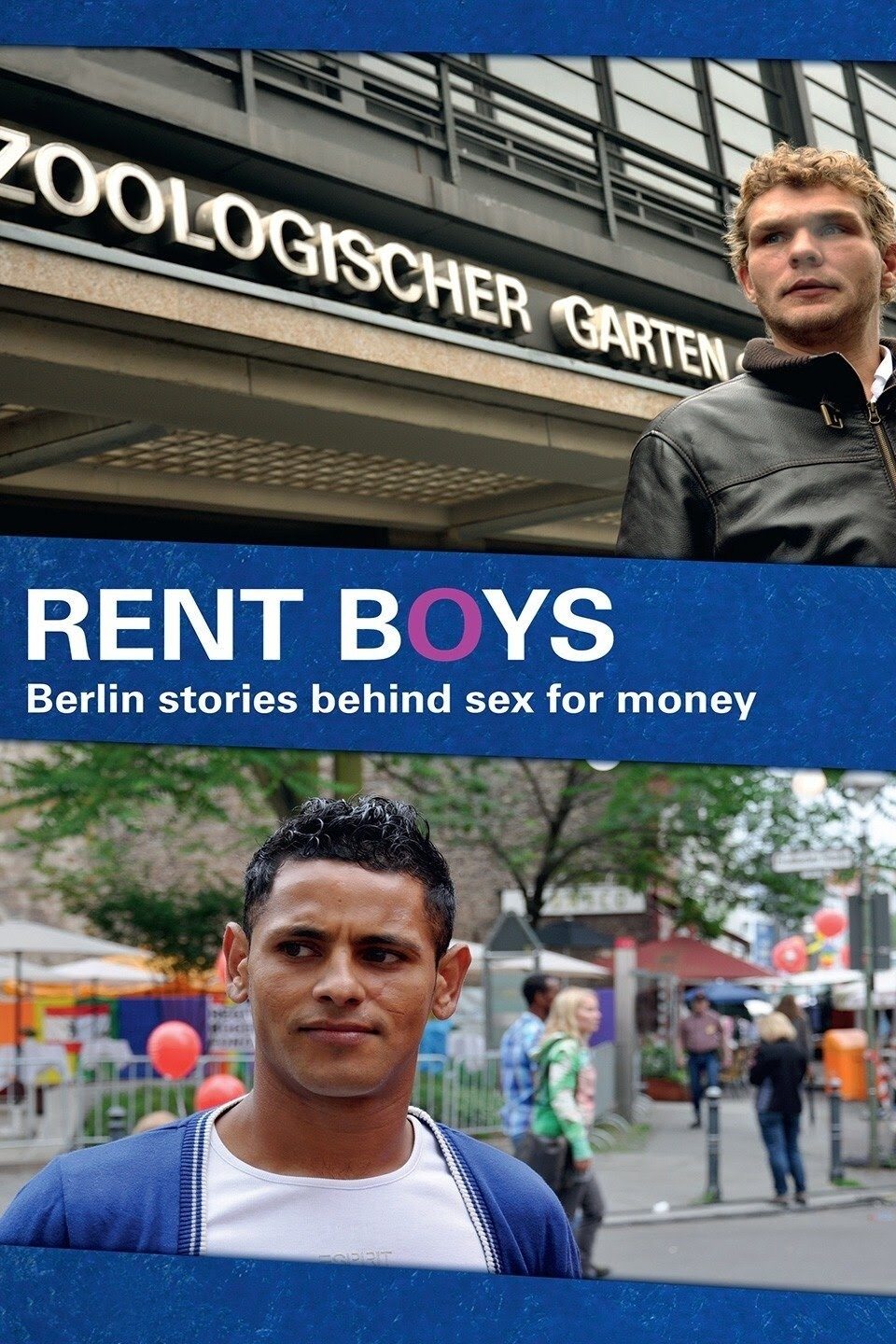
Documentary about the current hustler scene in Berlin. Based on interviews with former and active prostitutes, the realities of male prostitutes in Berlin are treated. The film is objective, and records the hustler scene as a social Submilieu, which is characterized by both tragic fates, as well as everyday things and routines. Not only the direct sale of sexual services is discussed, but also other aspects associated with male prostitution: poverty, drug addiction, AIDS, crime, migration, love and partnership.
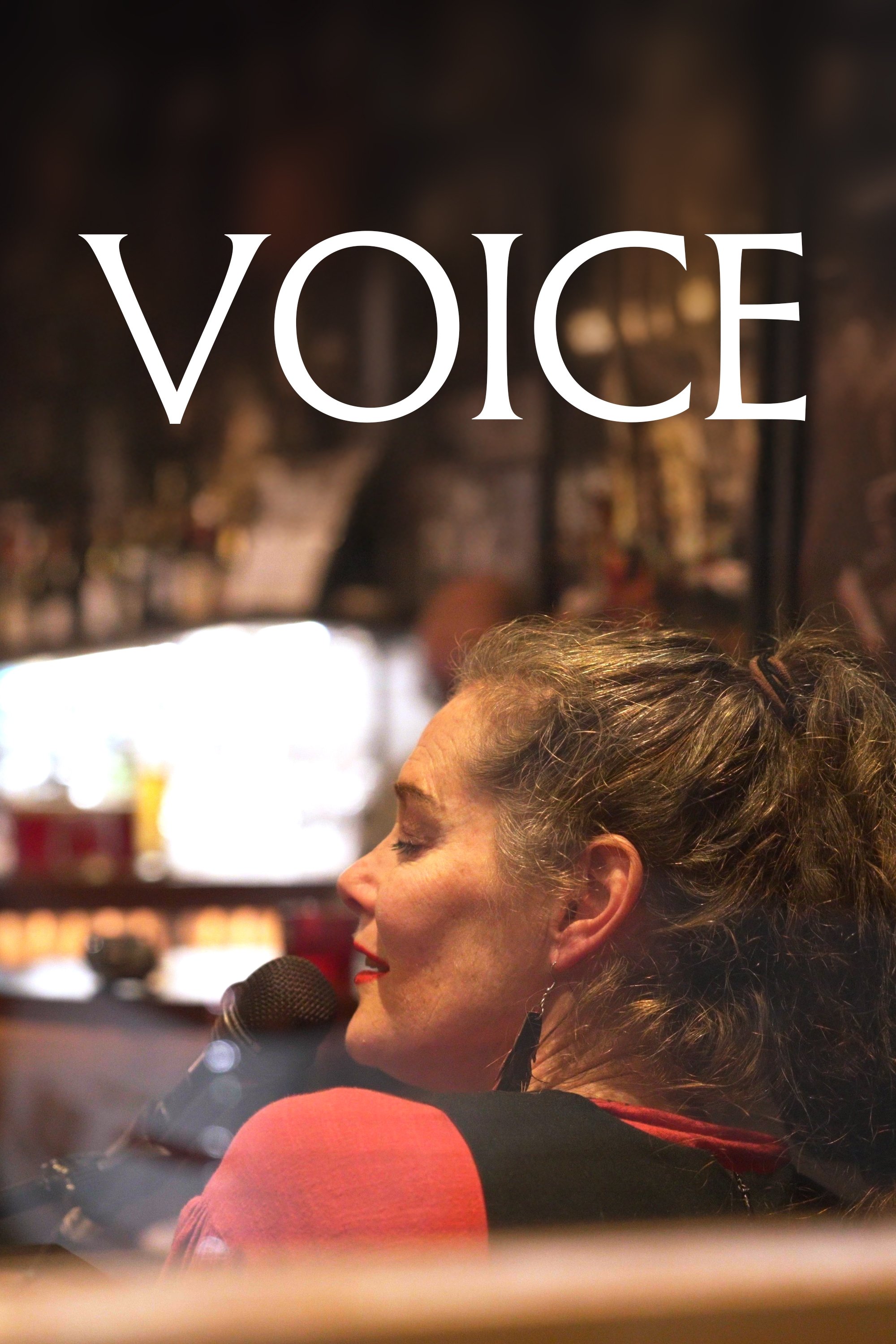
A journey into the life of blind jazz musician Caitlin Smith as she explores how her voice as a musician and teacher has become a tool of identity, resilience, and empowerment.
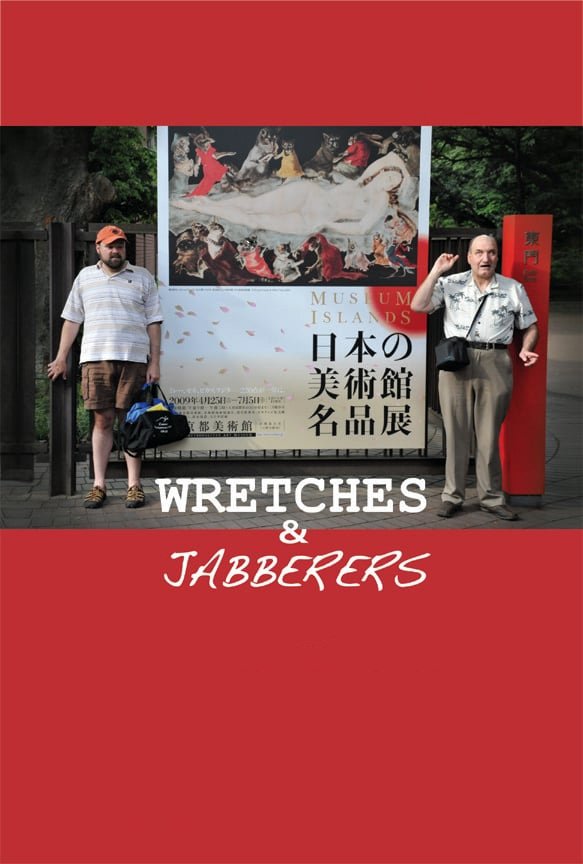
In 'Wretches & Jabberers and Stories from the Road', two men with autism embark on a global quest to change prevailing attitudes about disability and intelligence. With limited speech, Tracy Thresher, 42, and Larry Bissonnette, 52, both faced lives of mute isolation in mental institutions or adult disability centers. When they learned as adults to communicate by typing, their lives changed dramatically. Their world tour message is that the same possibility exists for others like themselves. At each stop, they dissect public attitudes about autism and issue a hopeful challenge to reconsider competency and the future. Along the way, they reunite with old friends from the USA, expand the isolated world of a talented young painter and make new allies in their cause.
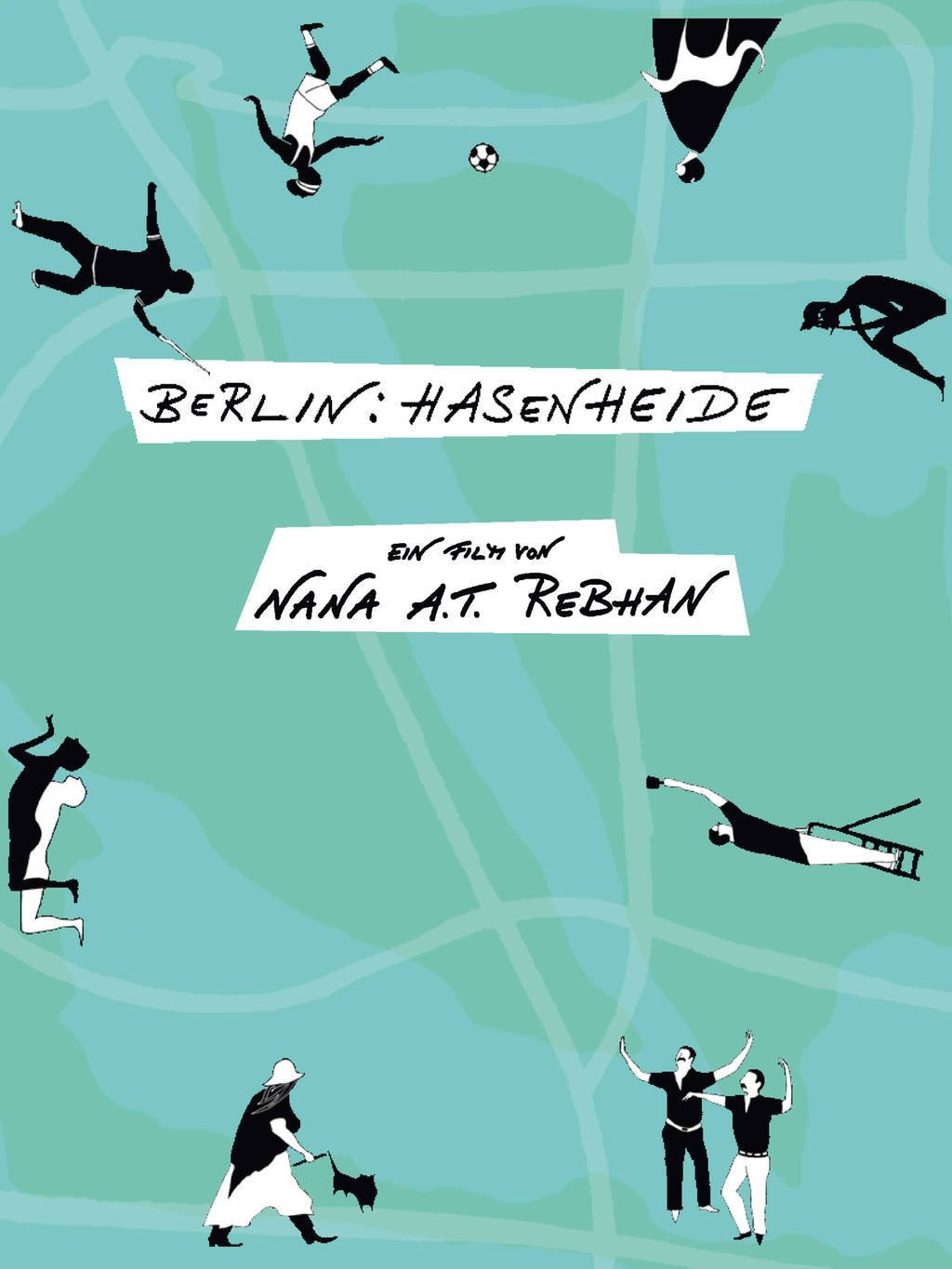
Documentary about the social microcosm of Hasenheide, a 50 hectar green area in Berlin, located between Kreuzberg and Neukölln. In this park, you'll find old women with their dogs, young football players, Turks at the barbecue, as well as nudists. For the residents, Hasenheide is sports area, living room, pub and runway all at once. A refutation of the media panic surrounding the park as a place of drug dealing and violence.
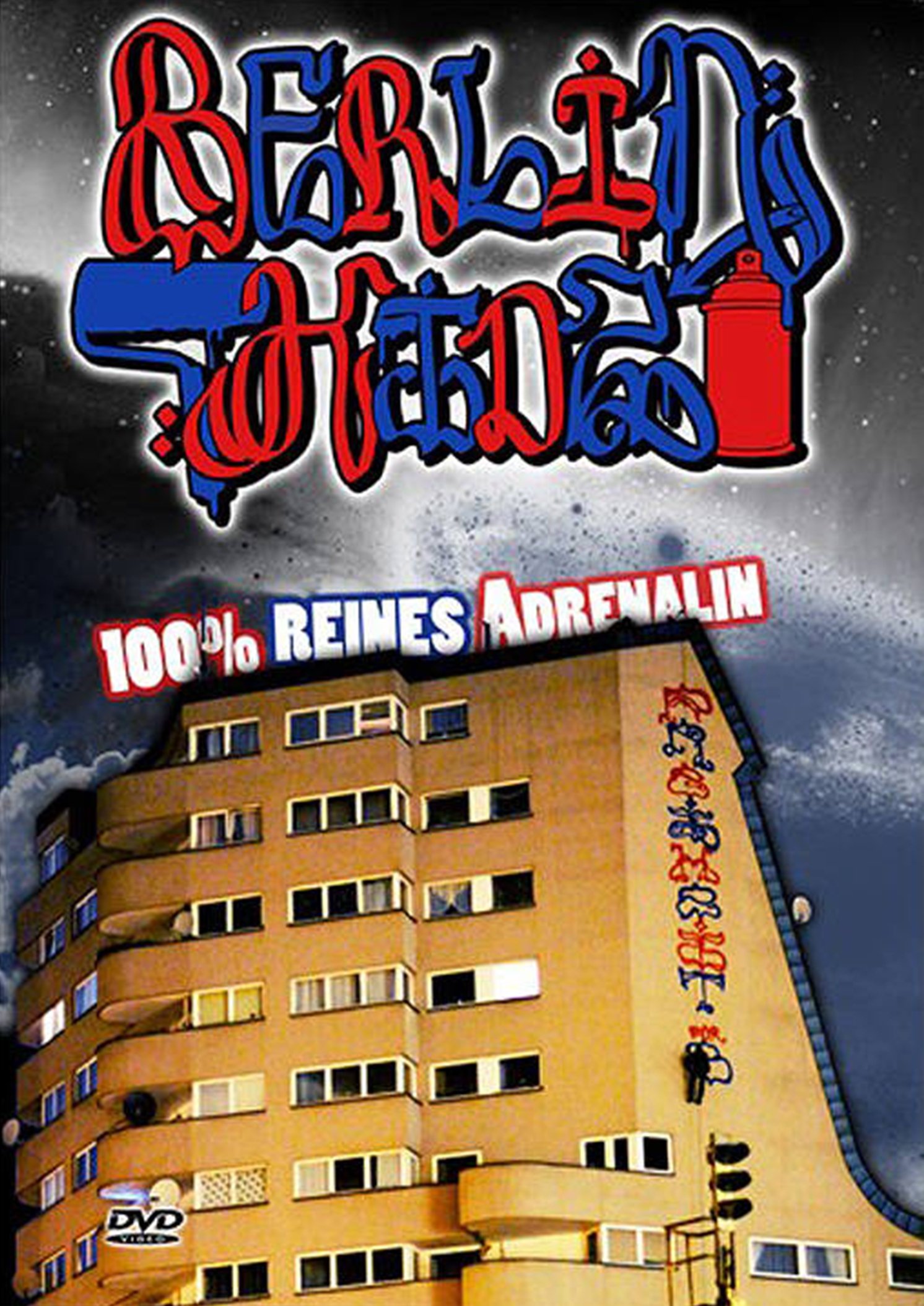
Berlin Kidz is a limited underground DVD, offering you 90 minutes of pure Adrenaline. The DVD features dangerous graffiti actions in enormous heights and is also giving insight into Berlin’s train-surfer scene which has been kept underground for many years.
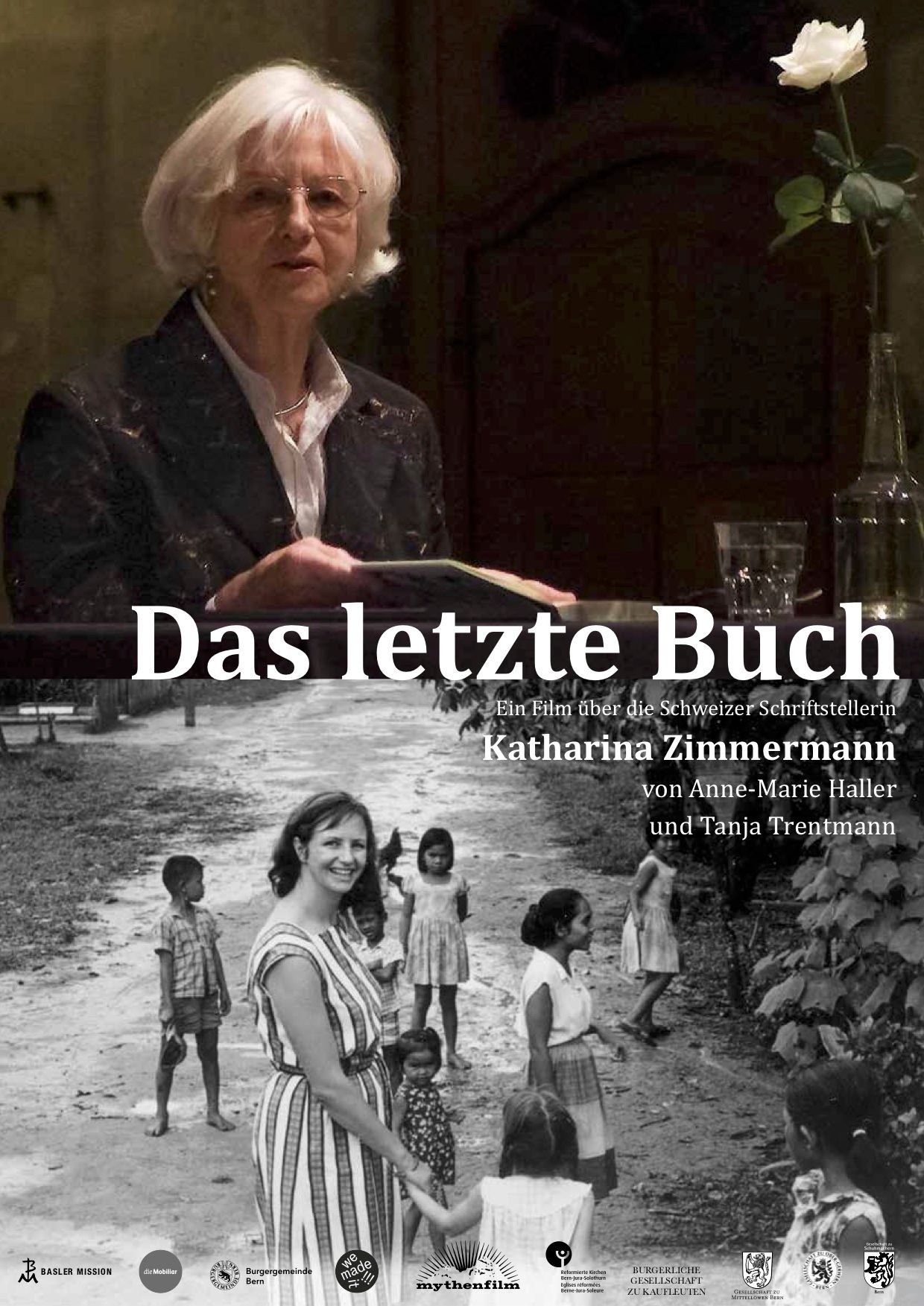
The film focuses on the exciting life journey of Swiss writer Katharina Zimmermann. She follows her husband on a mission to the jungle in Indonesia where she raises their four children and five foster children and lives through the military coup. Back in Switzerland Katharina discovers her voice and finds her path. Now, at eighty, she is writing her life story. Yet suddenly she faces another battle because her publisher is threatening to let her go.
Documentary filmmaker Frederick Wiseman takes us inside Northeast High School as a fly on the wall to observe the teachers and how they interact with the students.
JB Smoove and Martin Starr host a celebration of 20 years of "Spider-Man" movies, from the Sam Raimi trilogy to Marc Webb's movies and the trio from Jon Watts.
A documentary on the expletive's origin, why it offends some people so deeply, and what can be gained from its use.
Lyrical and powerfully personal essay film that reflects on the deaths of her husband Lou Reed, her mother, her beloved dog, and such diverse subjects as family memories, surveillance, and Buddhist teachings.
A documentary on seniors at a high school in a small Indiana town and their various cliques.
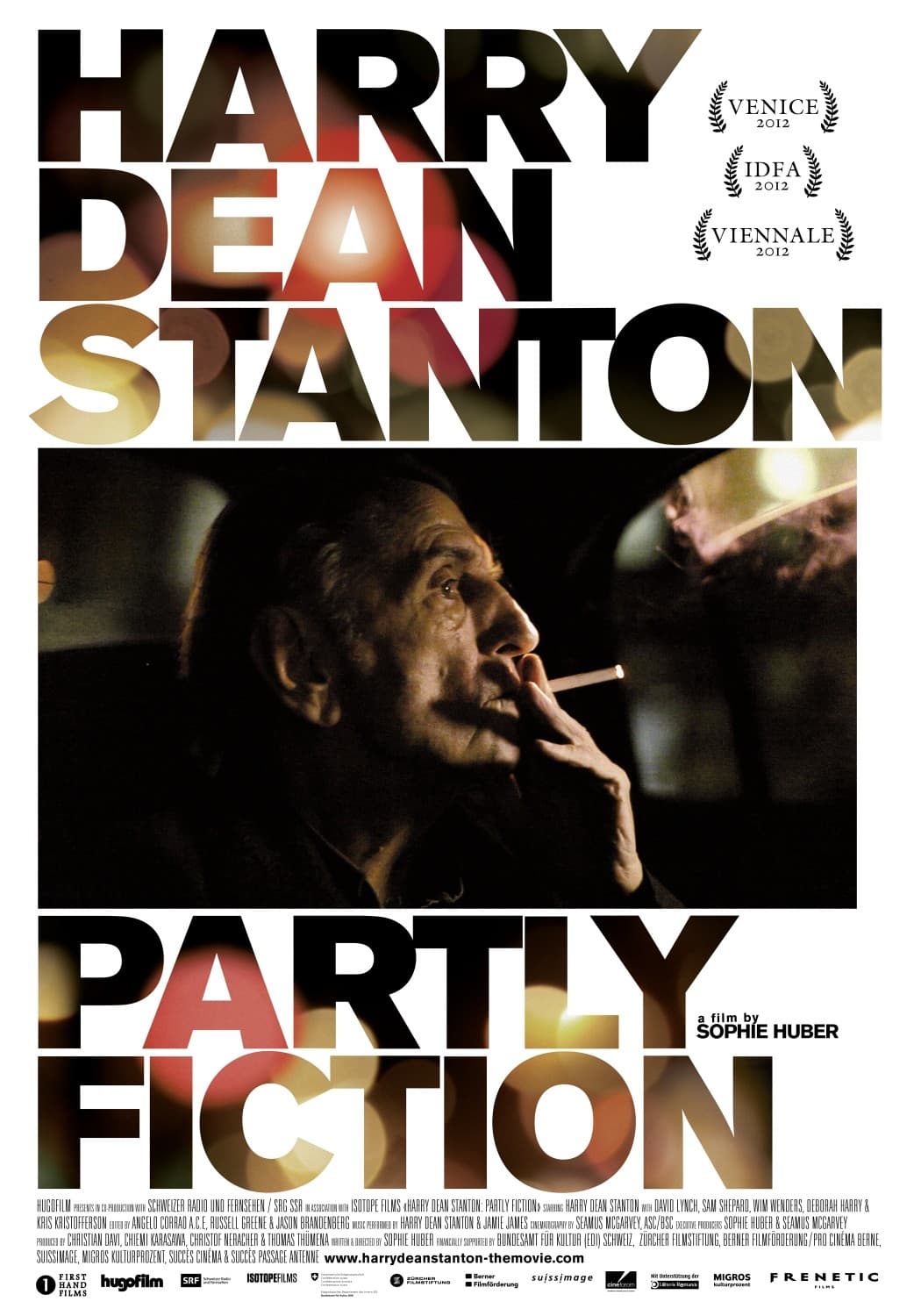
An impressionistic portrait of the iconic actor Harry Dean Stanton comprised of intimate moments, film clips from some of his 250 films and his renditions of American folk songs.
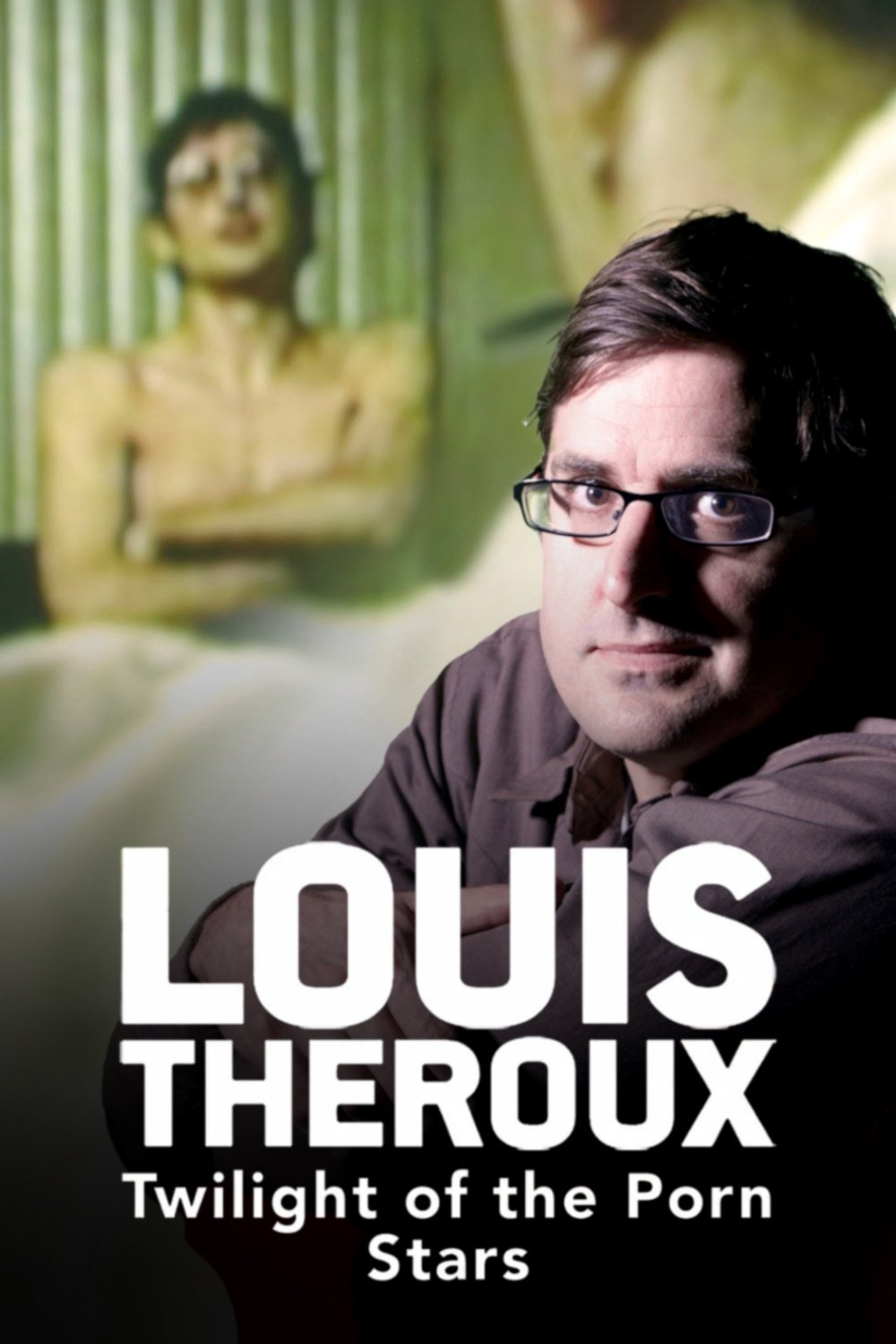
In 1997, Louis Theroux made a documentary about the world of male porn performers in Los Angeles. 15 years later, he returns to find a business struggling with the deluge of free porn on the internet. Louis revisits some of the original programme's contributors as well as meeting the latest crop of porn performers dreaming of porn stardom.
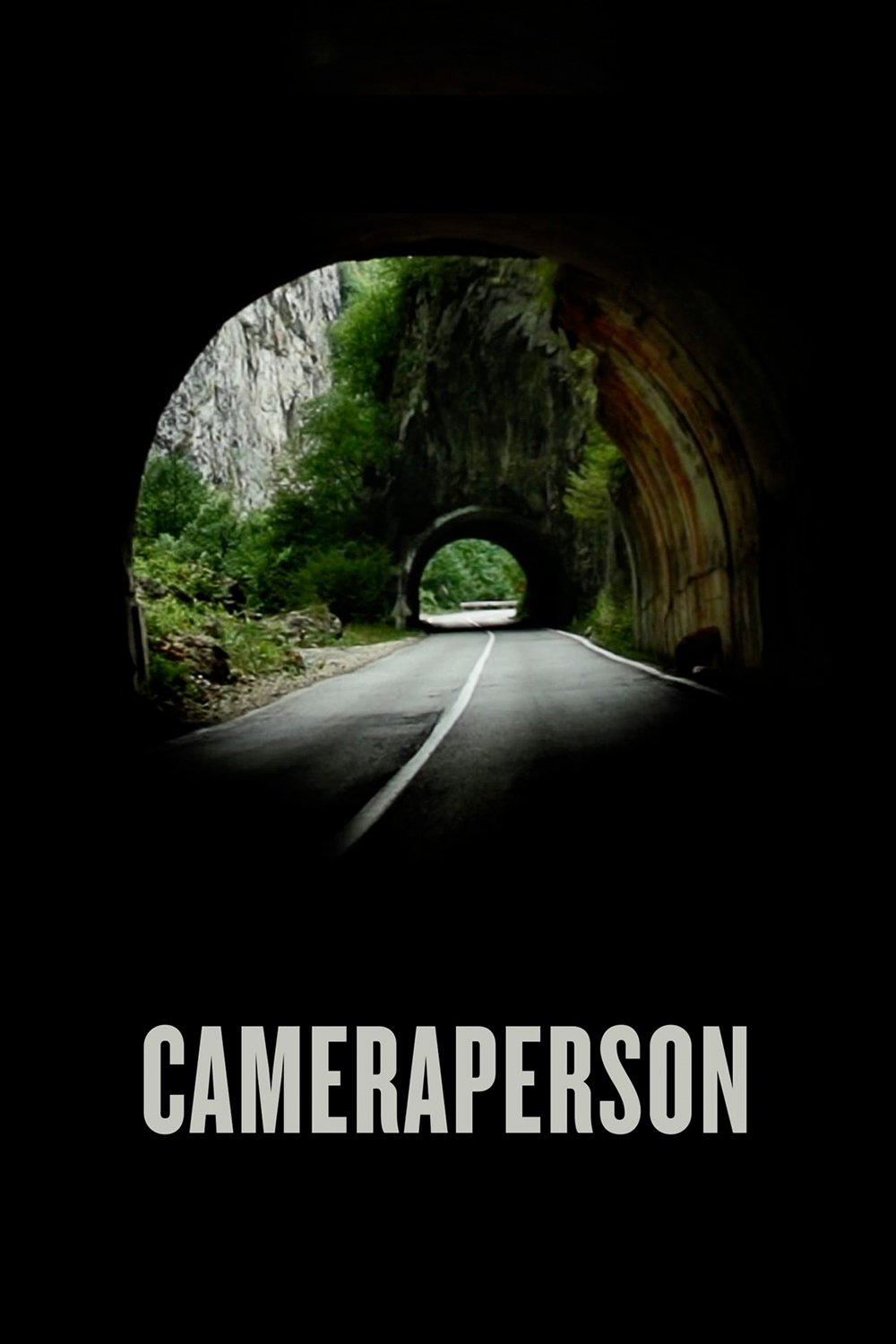
As a visually radical memoir, CAMERAPERSON draws on the remarkable footage that filmmaker Kirsten Johnson has shot and reframes it in ways that illuminate moments and situations that have personally affected her. What emerges is an elegant meditation on the relationship between truth and the camera frame, as Johnson transforms scenes that have been presented on Festival screens as one kind of truth into another kind of story—one about personal journey, craft, and direct human connection.
Director Michael Apted revisits the same group of British-born adults after a 7 year wait. The subjects are interviewed as to the changes that have occurred in their lives during the last seven years.
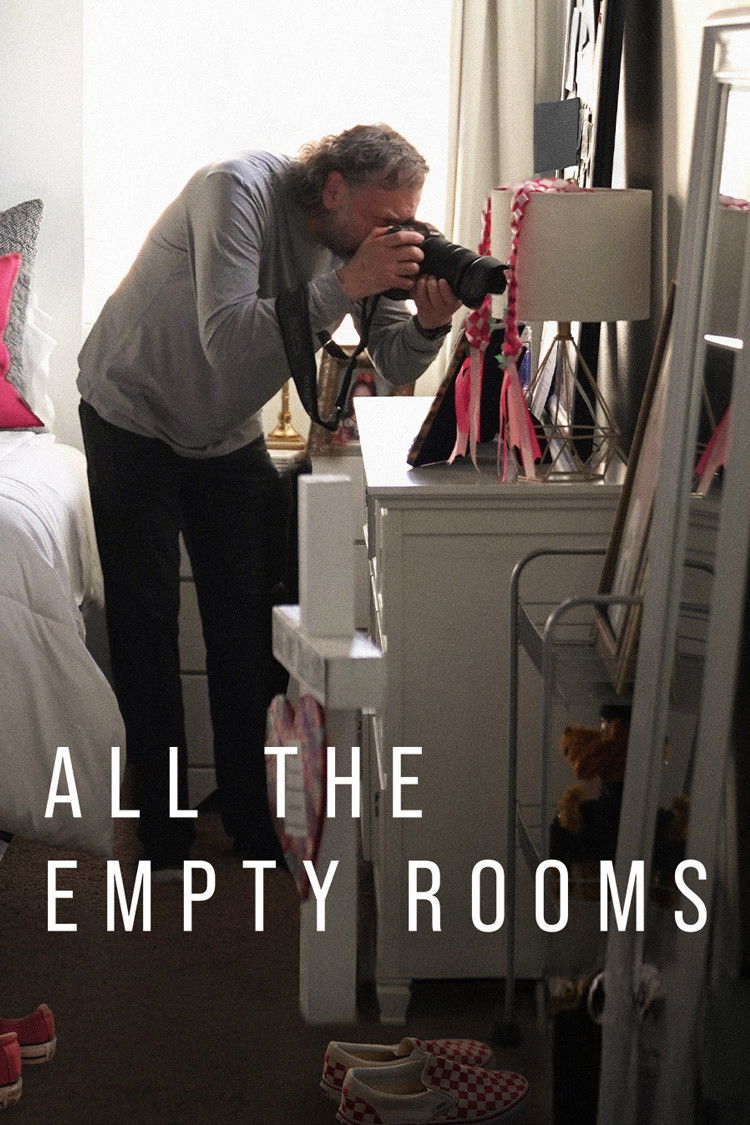
A journalist and a photographer set out to memorialize the bedrooms left behind by children killed in school shootings.
Just two years away from turning 30, participants in Michael Apted's documentary series are facing serious questions of identity and purpose, wondering whether they've found their place in the world.
Through deeply personal interviews with her siblings and an examination of the photographs, letters, and belongings left behind, Mariska assembles a new portrait of her mother Jayne Mansfield, an extraordinary and complex woman.
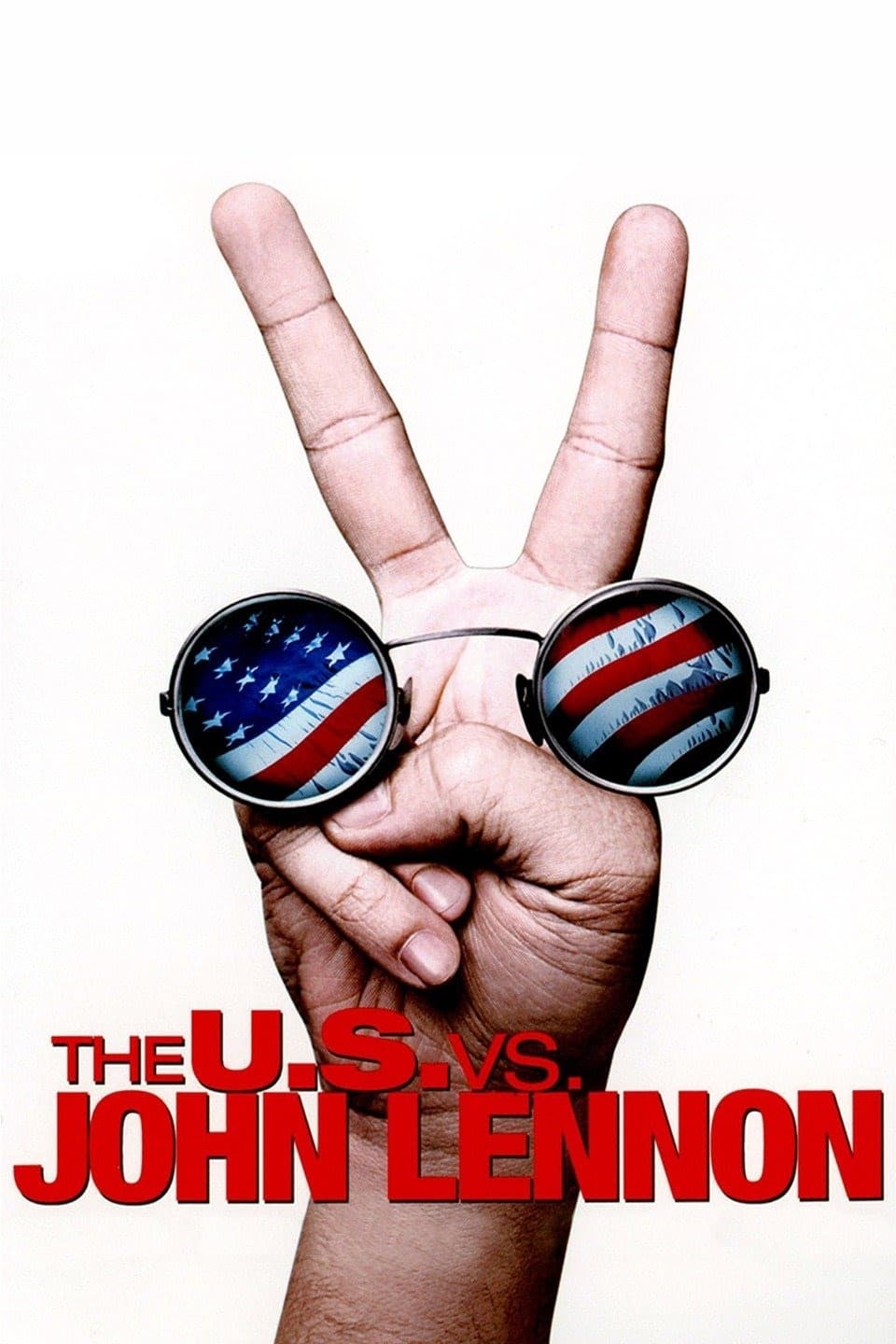
A documentary on the life of John Lennon, with a focus on the time in his life when he transformed from a musician into an antiwar activist.
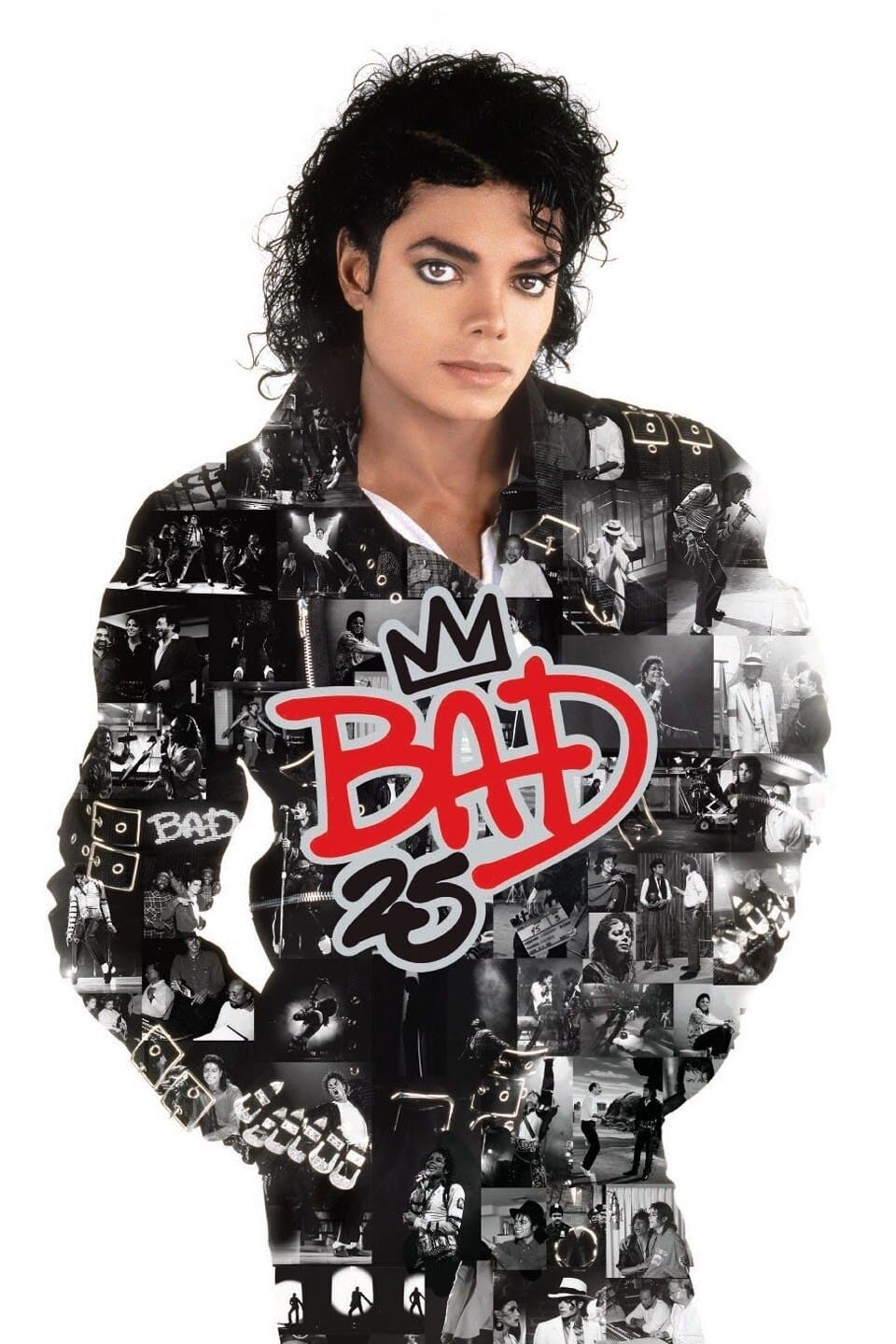
Spike Lee pays tribute to Michael Jackson's Bad on the twenty-fifth anniversary of the epochal album, offering behind-the-scenes footage of Jackson recording the album and interviews with confidants, musicians, choreographers, and such music-world superstars as Kanye West, Sheryl Crow, Cee Lo Green and Mariah Carey.
After years in the limelight, Selena Gomez achieves unimaginable stardom. But just as she reaches a new peak, an unexpected turn pulls her into darkness. This uniquely raw and intimate documentary spans her six-year journey into a new light.
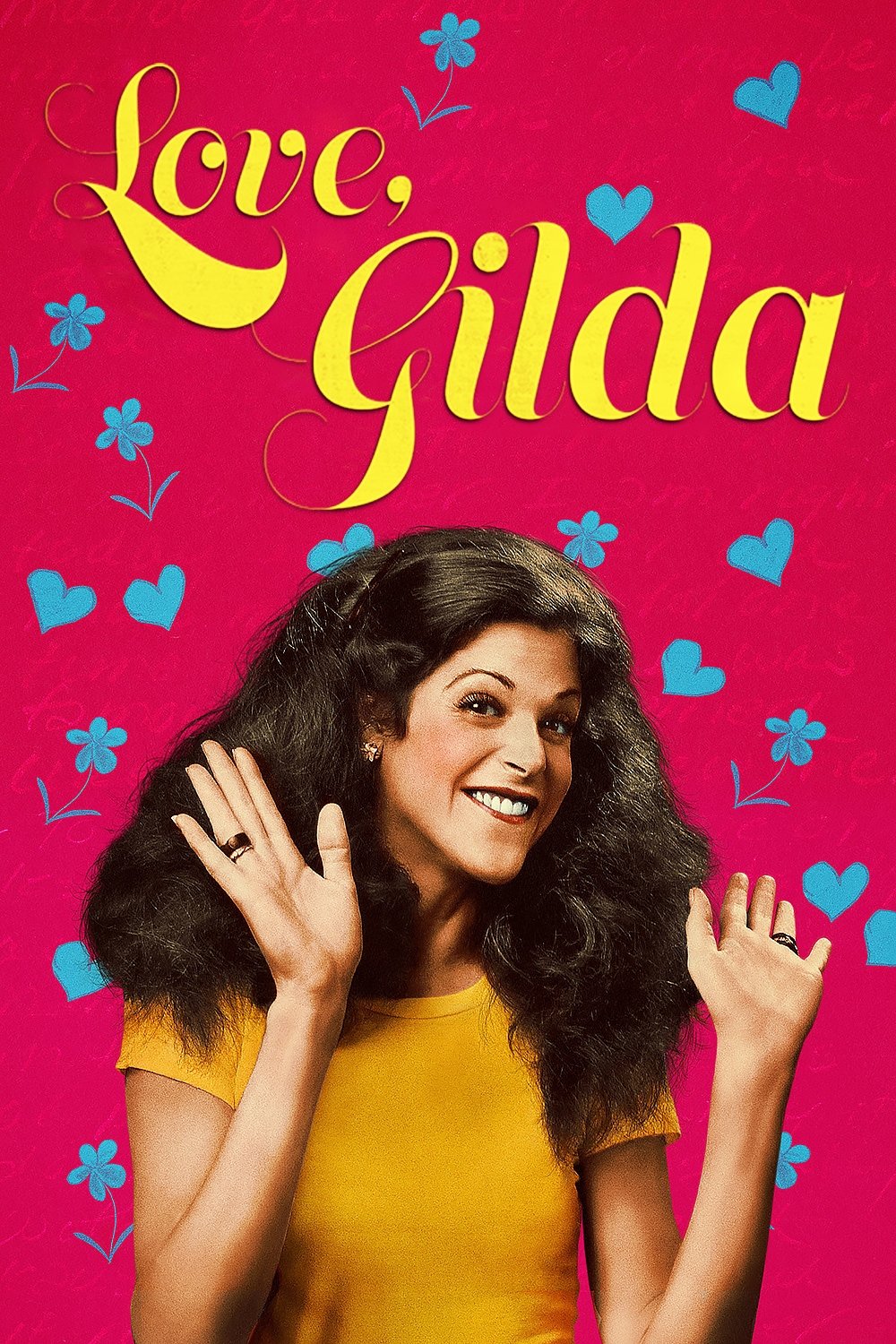
Diaries, audiotapes, videotapes and testimonials from friends and colleagues offer insight into the life and career of Gilda Radner -- the beloved comic and actress who became an icon on Saturday Night Live.
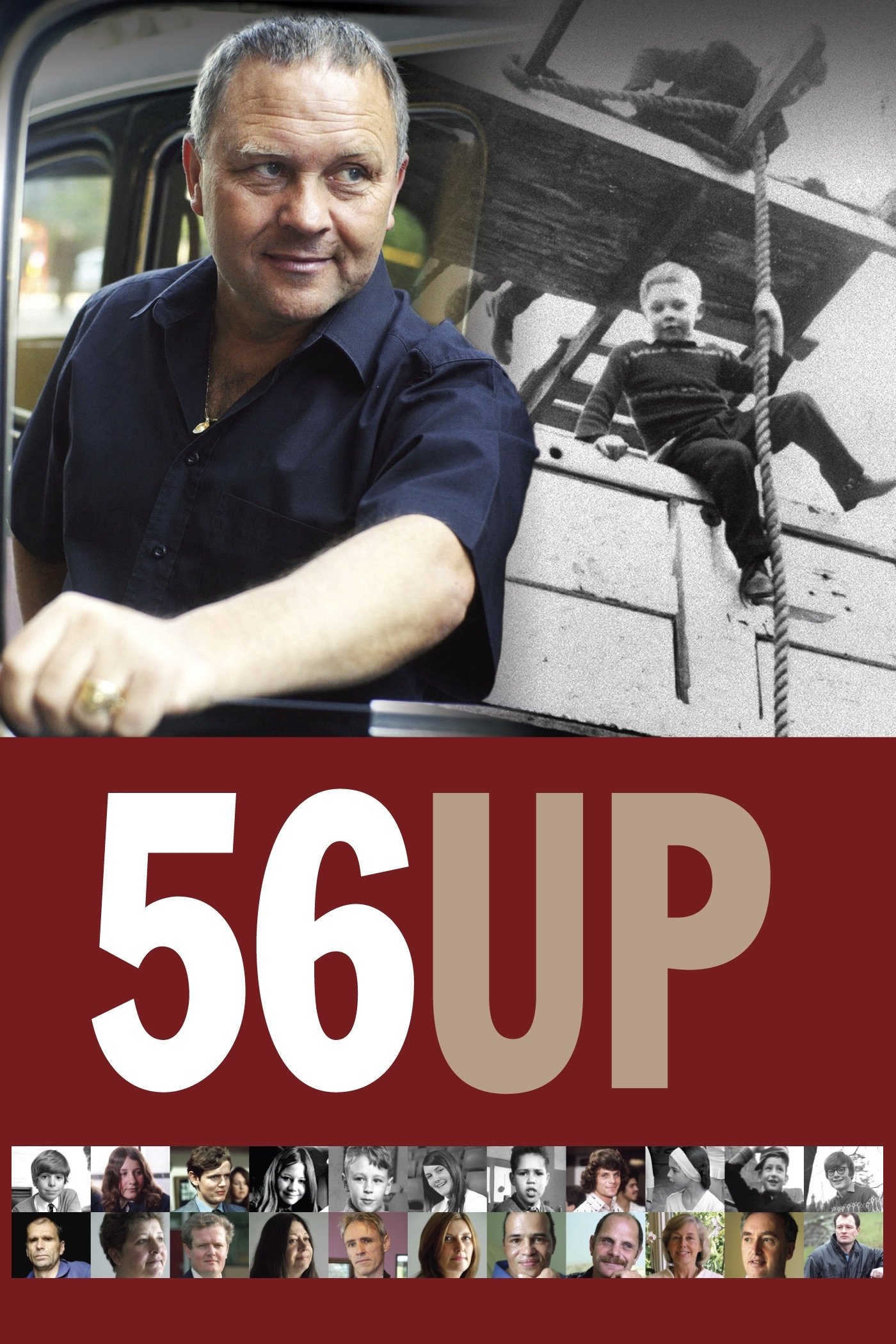
When a cross-section of seven-year-olds were interviewed for 7 Up in 1964 it was immediately evident that their social backgrounds influenced their attitudes towards life. While the upper class children were confident and self-assured, those from middle and working class backgrounds were resigned to a challenging life of hard work. This premise was put to the test every seven years when the same group were interviewed about the progression of their lives. 49 years in the making, the changes that occurred to the original 14 make for fascinating television and are in many ways the stories of all our lives. From success and disappointment, marriage and childbirth, to poverty and illness, nearly every facet of life has been captured on film. Now, at the age of 56, the group are once more brought together and, with the benefit of hindsight, assess whether their lives have been ruled by circumstance or self-determination.
Unravel the case of Utah therapist Jodi Hildebrandt, whose child abuse arrest with parenting YouTuber Ruby Franke exposed a twisted tale of manipulation.
A documentary about ten very different lives connected by having appeared onscreen wearing masks or helmets in Star Wars.