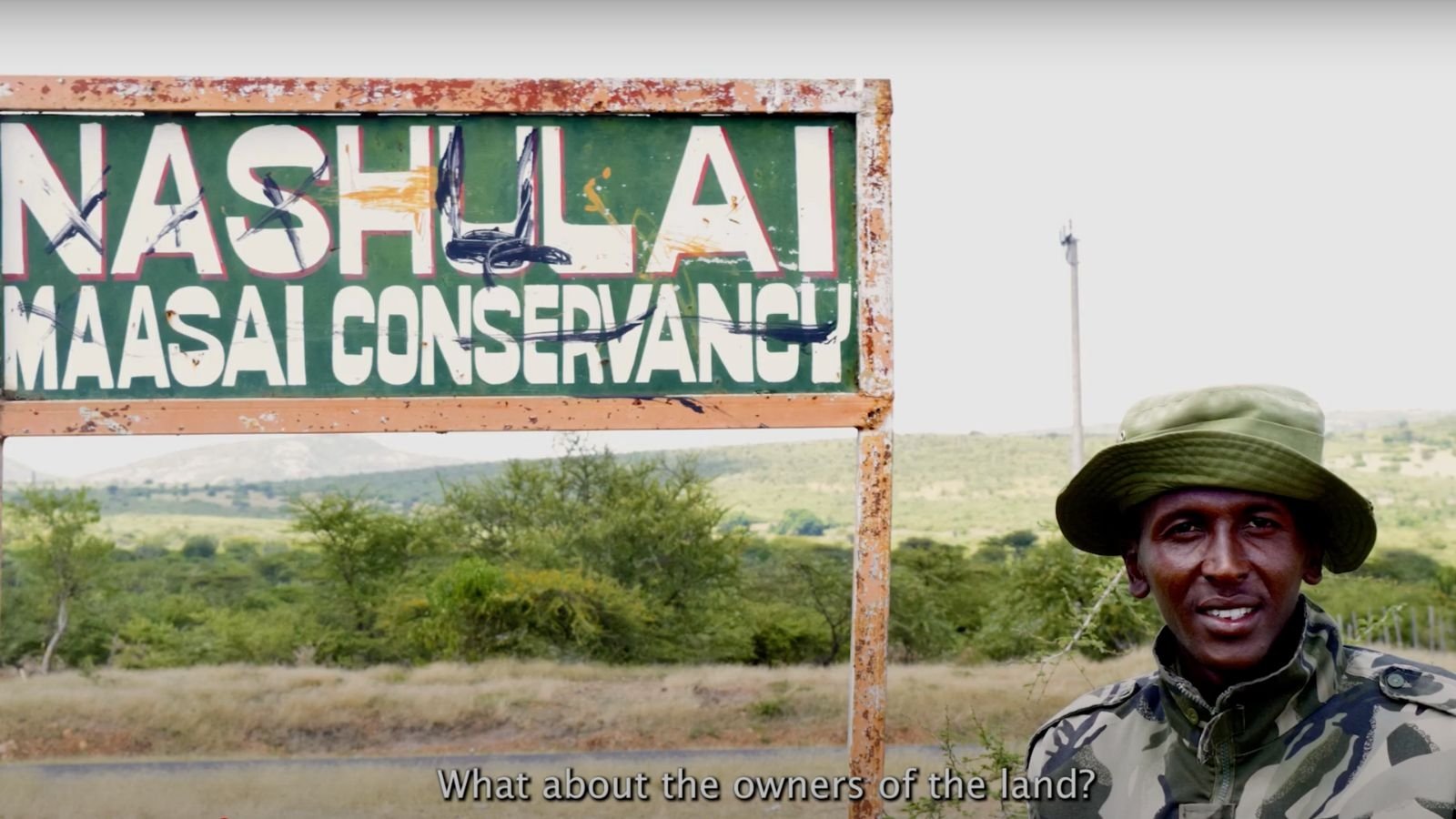
The story of Nashulai Maasai Conservancy in Maasai Mara, Kenya and their quest to open the longest wildlife migration corridor in East Africa while protecting Maasai culture.
Social & External
Feature-length documentary following award-winning wildlife cameraman Vianet Djenguet as he documents a gruelling but vital mission to ‘habituate’ a notoriously protective 450lb silverback, in a last-ditch effort to save the critically endangered eastern lowland gorillas from extinction.
As a child in Burkina Faso, Yacouba was sent away from home to study the Qur'an, where he and his classmates were almost starving. The young boys would trek across miles of wilderness, only to fall and beg at a straw hut for meagre rations. It is from this harsh background that the young farmer became determined to develop techniques that would bring exhausted soil back into production. His efforts have outdone the work of the world's leading scientists and technological advances costing millions of pounds. They may also yet prove crucial to the future of the world's rapidly growing population and global food demands.
The adventurer, Ivan Bulík, traveled all through Africa. However, one of his dreams still eluded him: He desired to capture the life and customs of the smallest people on Earth, to find the undisturbed civilization of Pygmies.
This short documentary includes three vignettes about life off the coast of Newfoundland. In Island of Birds, we visit Green Island, a sea bird sanctuary where puffins frolic. In Caplin Harvest, little silvery fish called caplin spawn by washing ashore along the waves, making an easy catch for fishermen. In Outports on the Move, off-shore houses are pried loose from their foundation and floated to the Newfoundland mainland, where schools, hospitals, stores and services are available to the community.
A musical trip through southern Africa to the tunes of the post-apartheid generation. Kwaito music originated in the 1950's in the dusty streets of South Africa's townships such as Sophiatown, Pimville and subsequently in Soweto. It is inseparable from the Pantsuela culture of the rebellious youth gangs during the Apartheid regime. Since there was no money for musical instruments or for extravagant costumes, they concentrated on their dancing and singing skills and, turning the streets into their stage. Currently almost fifty years later - Kwaito culture is experiencing a renaissance in a manner completely inconceivable in those days.
Our planet is running out of drinking water. Only a vanishingly small proportion of the world's water is available as usable fresh water. This precious resource is beginning to shrink at an alarming rate, as natural water reservoirs are out of balance due to climate change. The documentary accompanies research projects that offer hope.
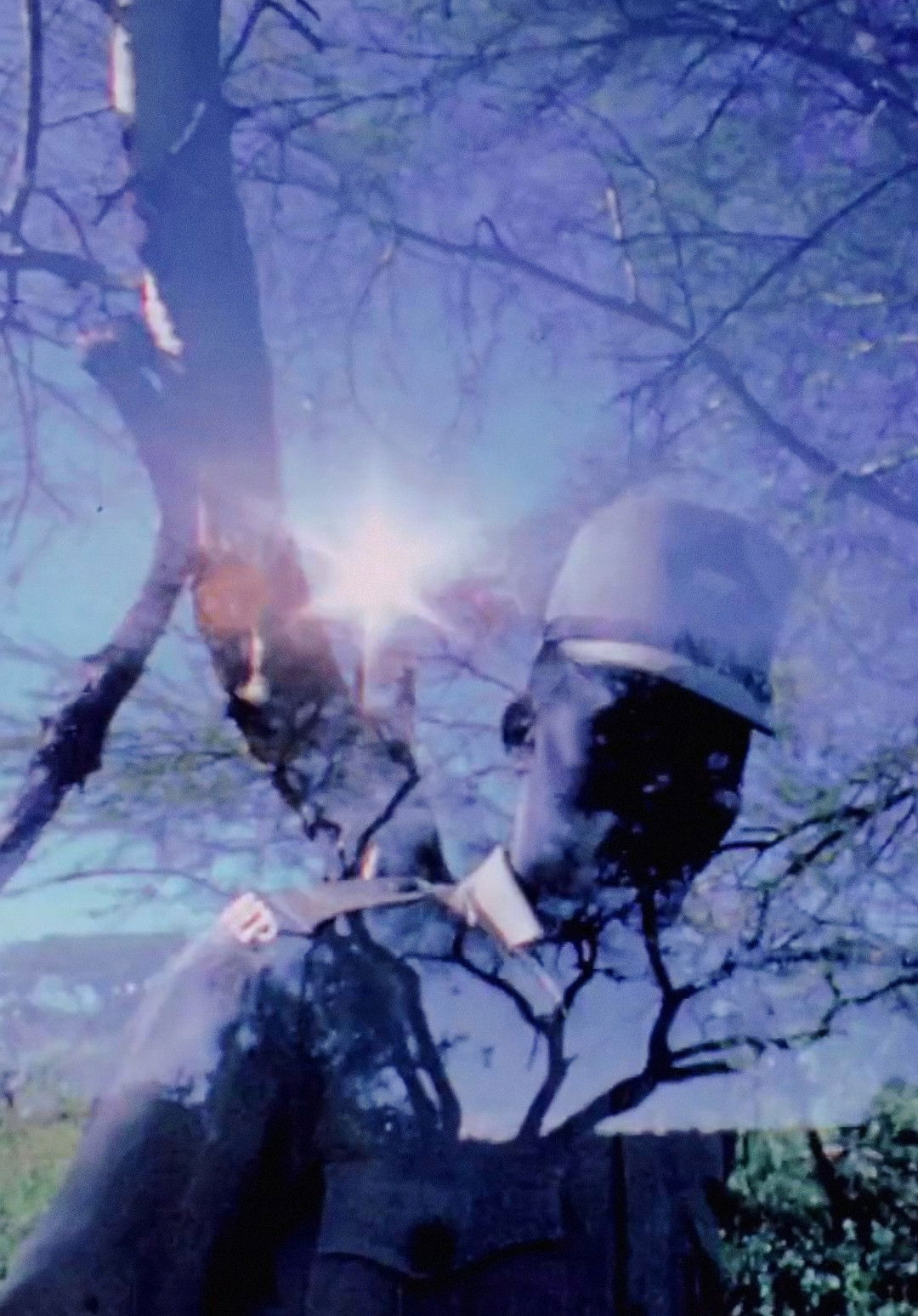
“Beneath the Concrete, The Forest” is a short experimental documentary that takes us inside an ongoing struggle inside the city of Atlanta, GA between two sides to determine the future of Weelaunee, the biggest contiguous urban forest in the country.
Poet, agricultural engineer and revolutionary Amílcar Cabral was born in Guinea-Bissau to Cape Verdean parents. After studying in Portugal, he emerged as the charismatic leader of the anti-colonial struggle against Portuguese rule. With his utopian ideas, he sparked a cultural and an armed uprising that went on to inspire other African liberation movements.
Environmentally friendly electric cars, sustainably produced food products, fair production processes: Hurray! If everything the corporations tell us is true, we can save the world through our purchasing decisions alone! A popular and dangerous lie. In his new documentary film, Werner Boote shows us, together with environmental expert Kathrin Hartmann, how we can protect ourselves. Down with green lies!
Kibera is the largest slum area in Nairobi, and the largest urban slum in Africa. This documentary depicts three important problems; violence, drugs (miraa) and albinos killing.The 2009 Kenya Population and Housing Census reports Kibera's population as 170,070, contrary to previous estimates of one or two million people .Most of Kibera slum residents live in extreme poverty, earning less than $1.00 per day. Unemployment rates are high. Persons living with HIV in the slum are many, as are AIDS cases. Cases of assault and rape are common. There are few schools, and most people cannot afford education for their children. Clean water is scarce. Diseases caused by poor hygiene are prevalent.
Ahead of the COP26 climate change summit taking place in Glasgow, Kieran Hodgson presents this irreverent documentary in which he and an all-star cast of comedy actors explain how people may have left it too late to save the planet - and what it will take to fix it.
This fascinating film tells the story of one man's struggle to protect a small population of gorillas on the slopes of Mount Kahuzi in Zaire and of his incredible relationship with Kasimir, the great silver-backed male, and his family.
This documentary of repressive political realities in Cameroon begins with the 1990 publication of an open letter to President Biya calling for a national conference - and the immediate arrest of the letter's author and publisher. The narration then examines the nation's colonial history, beginning with the first German missionary in 1901, the establishment of schools, French occupation following World War I, the paucity of books written by and published by Cameroonians, and the repression of the CPU, a leftist organization of the 1950s and 1960s. Cameroon and its people are the lark, its feathers plucked first by colonialism and then by native strongmen: 'Alouette, je te plumerai.'
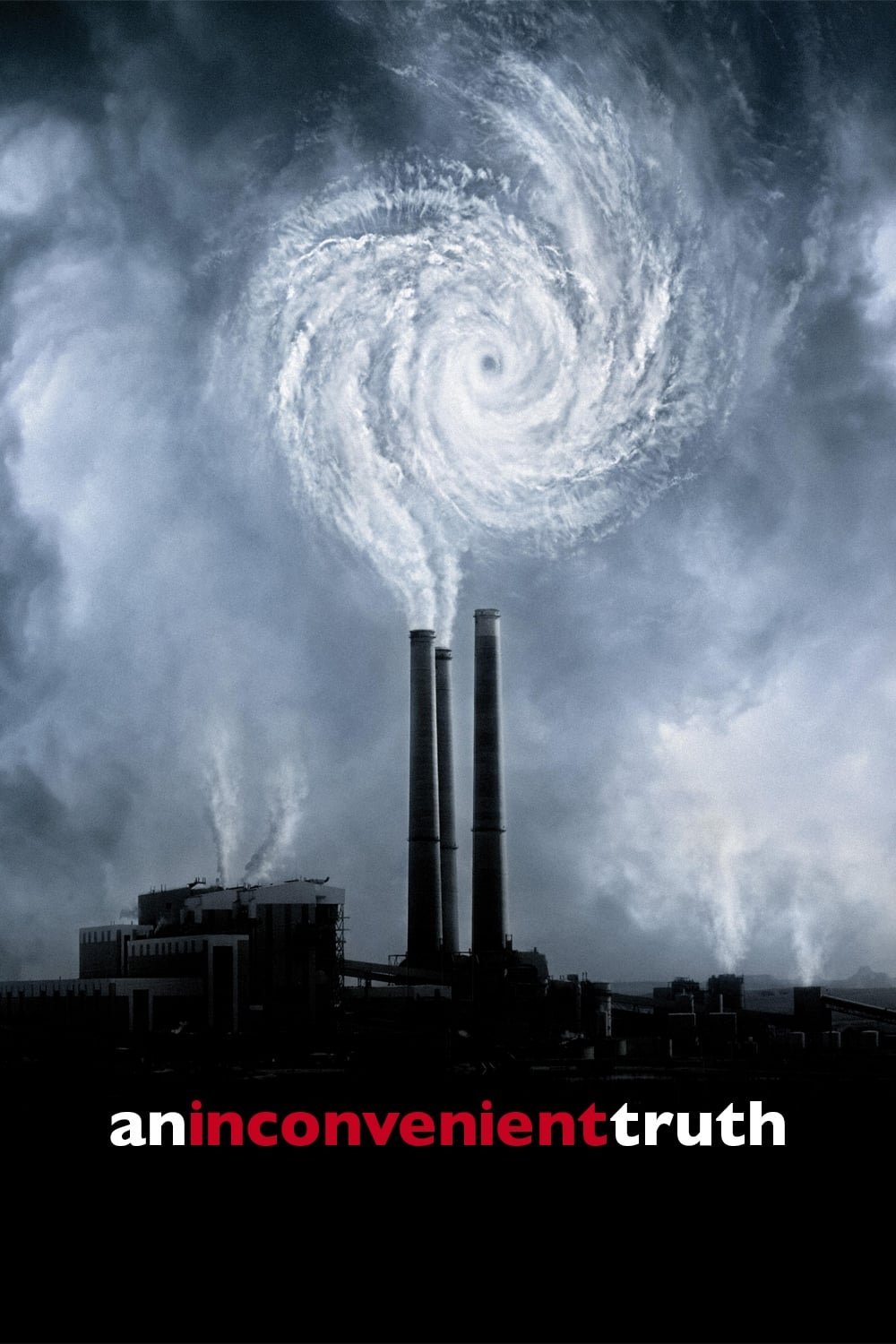
Following fateful scientific reports, protestors pose the argument for a better future against the vested interest of industry. Small to large, individual to collective, where do I fit into this?