This documentary follows the journey of two journalists to the occupied territories of Western Sahara where they are monitored constantly by the occupying Moroccan forces.
Social & External
The people behind it
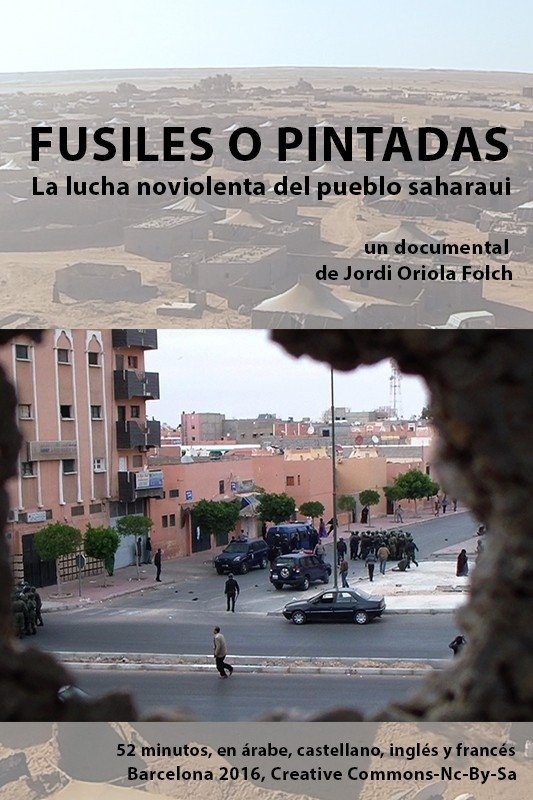
Many Saharawis are claiming to return to war in order to break the impasse of wainting during 40 years. However, the Sahrawi nonviolent activists argue that they are pushing Morocco to an untenable position. For them, the nonviolent action and the respect of human rights make Sahrawis part of the new world that is coming and also they are building a sane society. The documentary explores this debate with activists of the refugee camps and of the occupied territories.
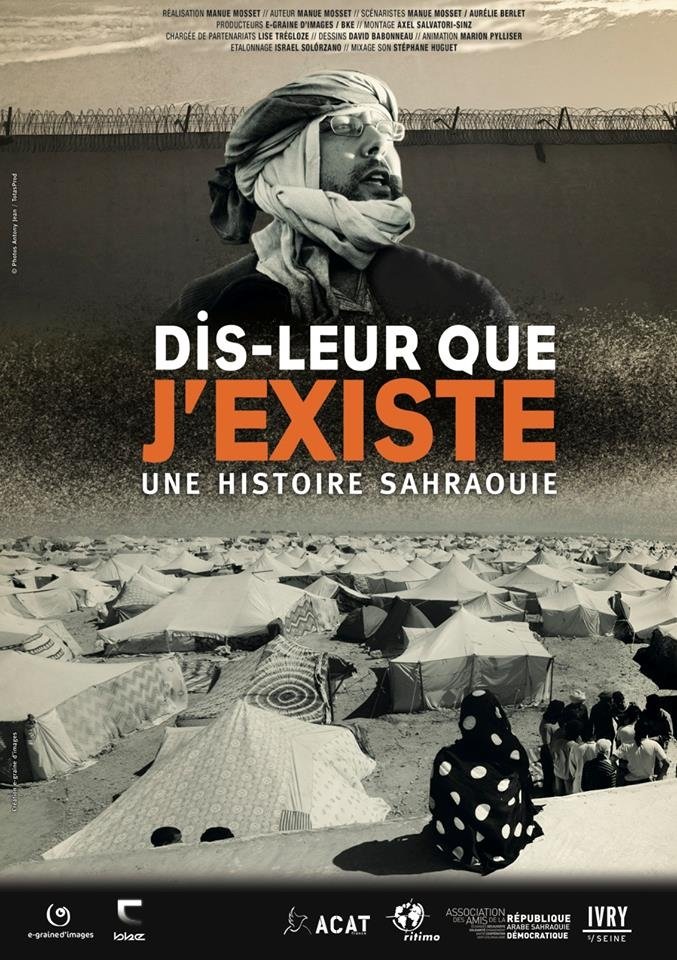
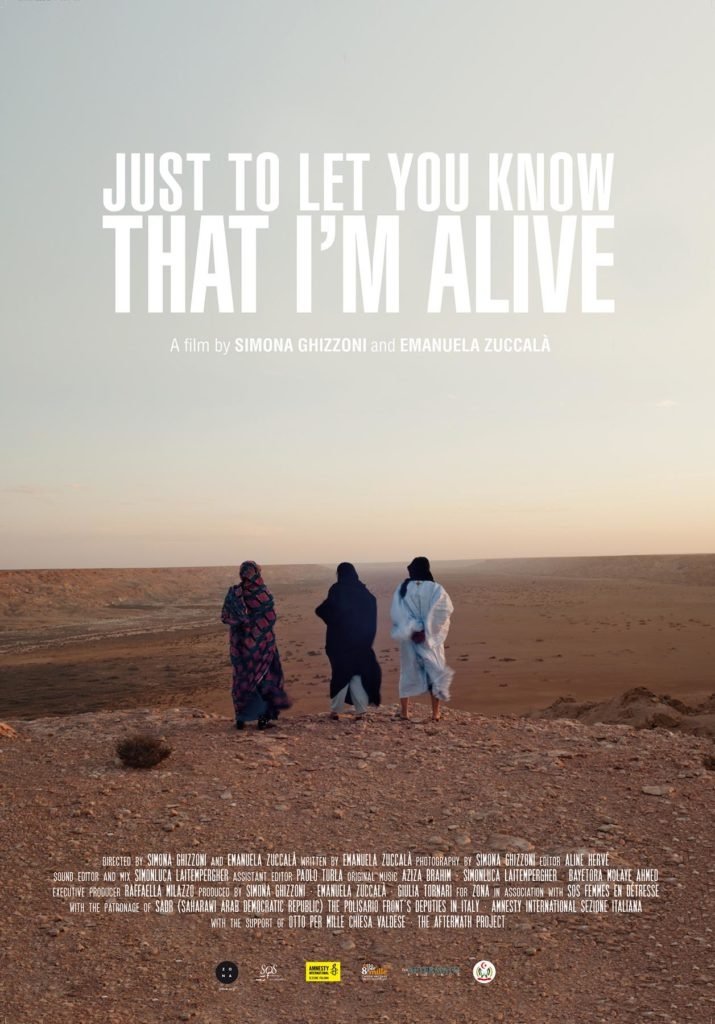
Tell them I exist paints the portraits of Naâma Asfari, a Sahrawi jurist and pro-independence activist sentenced to 30 years detention in Morocco; and of his wife, Claude Mangin, who from prison visits to diplomatic meetings, from filing complaints for torture to shows of support, continues to mobilize and raise awareness of the situation in Western Sahara, and of the fate of her husband, in the hope of his release or at least a new and fair trial.
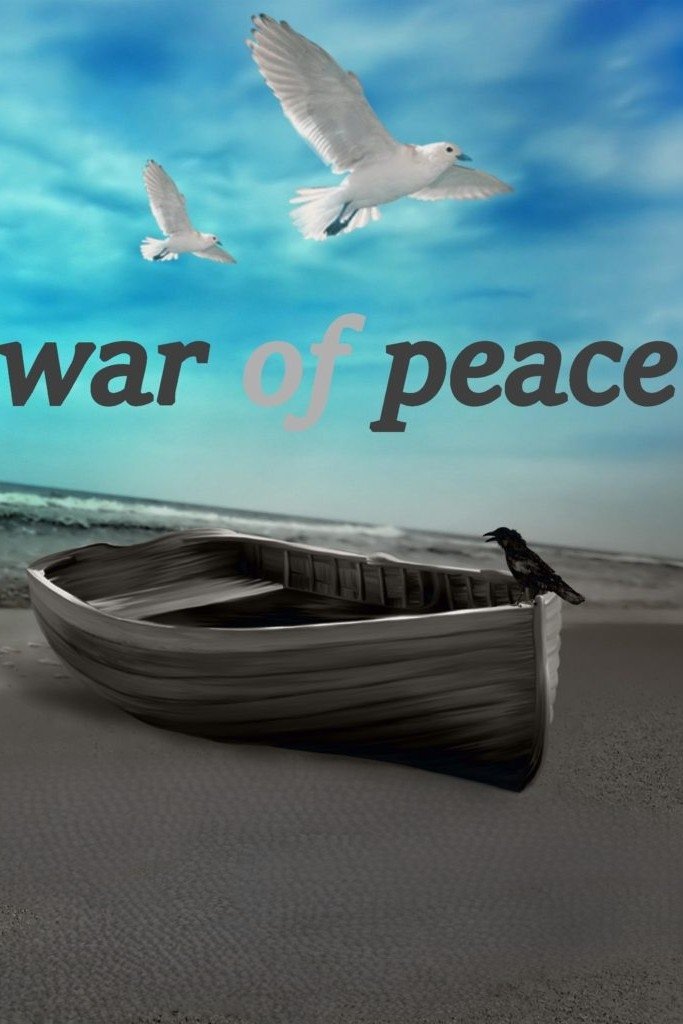
This film is about the suffering of Sahrawi youth in the occupied Western Sahara. It tells the tragic story of their lives under occupation, and how Moroccan authorities push them to risk their lives and leave their homeland on flimsy boats to flee from a life of repression, fulfilling Morocco's goal of emptying the territory of youth, who are the foundations of society.
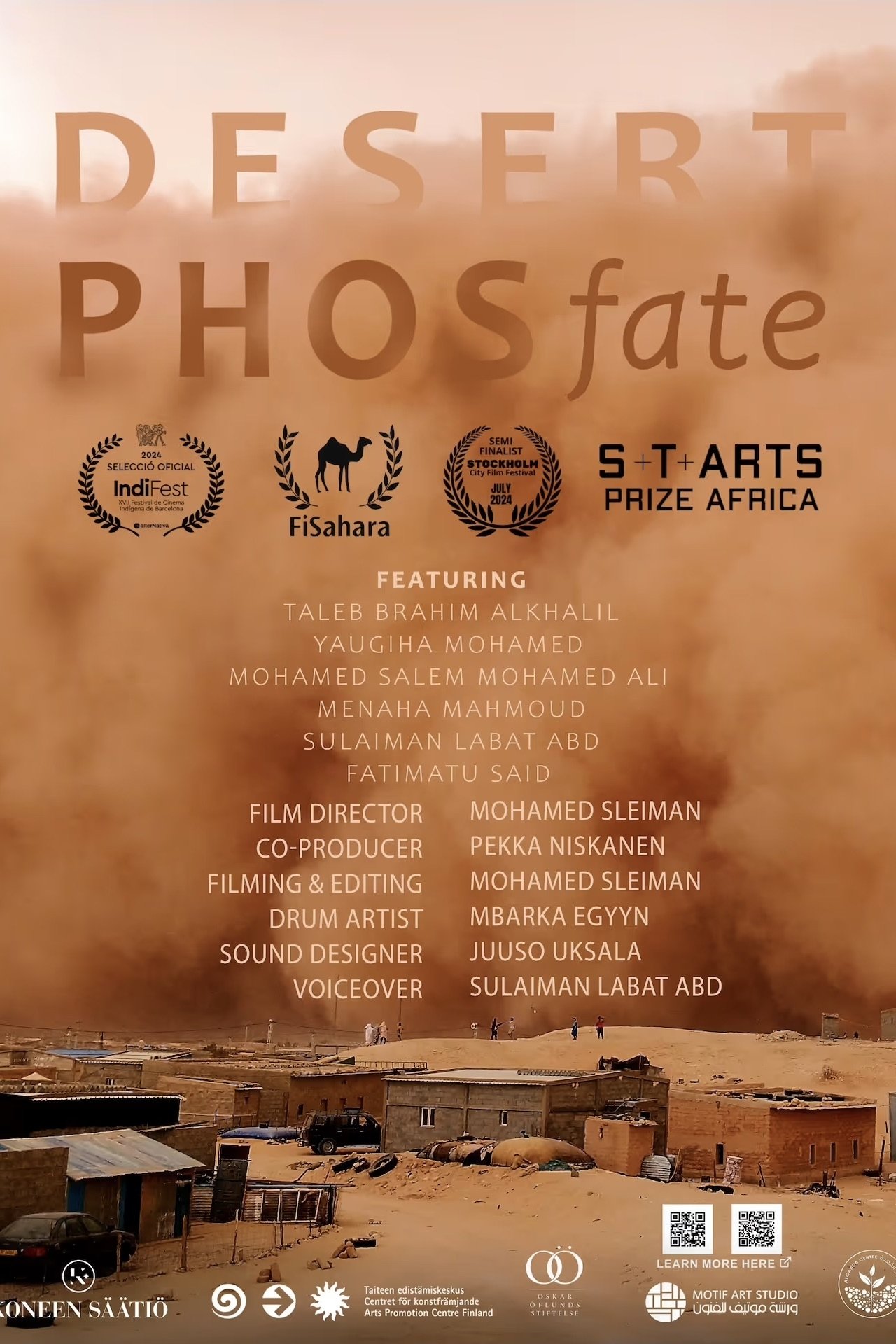
DESERT PHOSfate is an artist film that tells about the impact of phosphate on the Sahrawi community and its fate, including the surprising emergence of family gardens and their knowledge of how to farm in the desert without the processed phosphorus that had caused the dislocation of the Sahrawi nomads from their homeland of Western Sahara.
In May 2005, after 30 years of Moroccan occupation, Saharawi students initiated a series of peaceful demonstrations demanding their right to the United Nations-mandated referendum on Western Saharan independence. The Moroccan authorities responded with a brutal campaign of repression, detaining and torturing human rights activists as well as Saharawi students and children as young as eight years old.
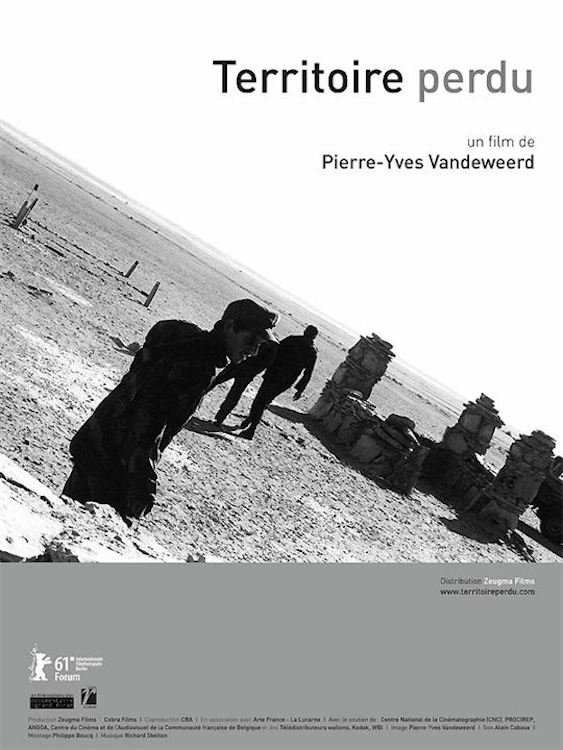
Straddling a 2,400-kilometer-long wall constructed by the Moroccan army, the Western Sahara is today divided into two sections — one occupied by Morocco, the other under the control of the Sahrawi National Liberation Movement’s Polisario Front. Drawing from stories of flight, exile, interminable waiting and the arrested, persecuted lives on both sides of that wall, this film bears witness to the Sahrawi people, their land, their entrapment in other people’s dreams. In an esthetic that sublimates the real, Lost Land resonates like a score that juxtaposes sonorous landscapes, black-and-white portraits and nomadic poetics.
The former French colonies in Central and West Africa have been independent since 1960, but most of these countries still use the currency of the former oppressor: the CFA franc. It was linked to the French franc when it was introduced, so the national bank in Paris controlled monetary policy. Now the currency has a fixed exchange rate with the euro. The link with the European currency strongly influences the monetary policy of CFA countries. And that means the value of the CFA franc is defined by political decisions taken elsewhere, rather than by the domestic economy.

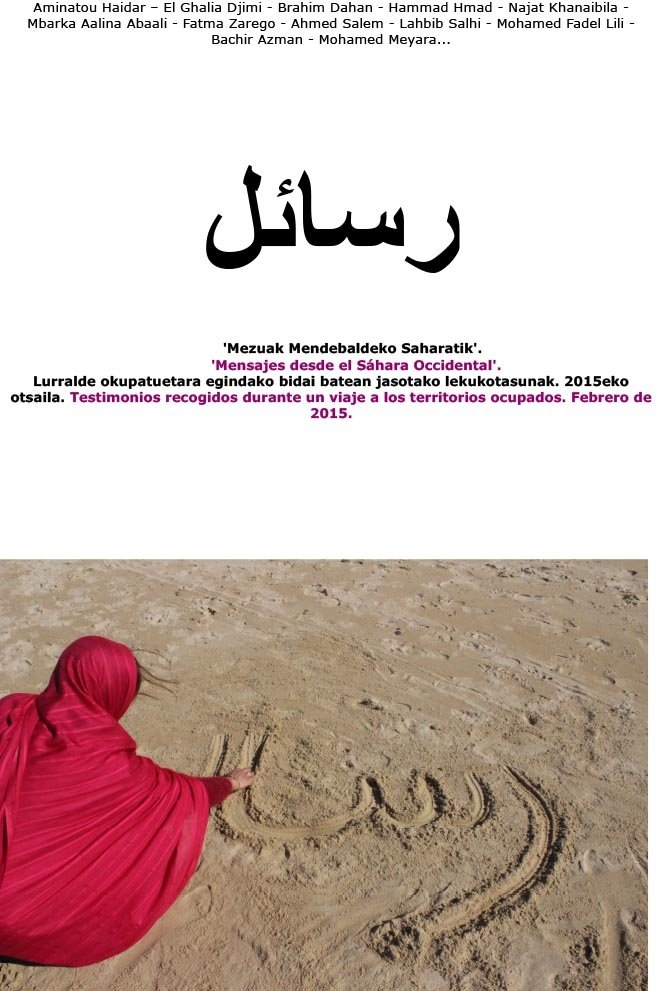
Stories of resistance, words of pain and suffering, tales of life and death, and in particular of dignity, that show the reality that the Sahrawi people experience in Western Sahara. This documentary gathers the testimonies collected during a journey to the occupied territories by an international delegation headed by the mayor of Donostia/San Sebastián, Juan Karlos Izagirre. Over the course of five days they held over twenty secret meetings with human rights activists, from home to home, constantly under watch by the Moroccan police. Despite living under an occupation that has lasted for almost 40 years, the Sahrawi people maintain their identity and culture. A revolutionary act, a struggle to defend their right to exist as a people.
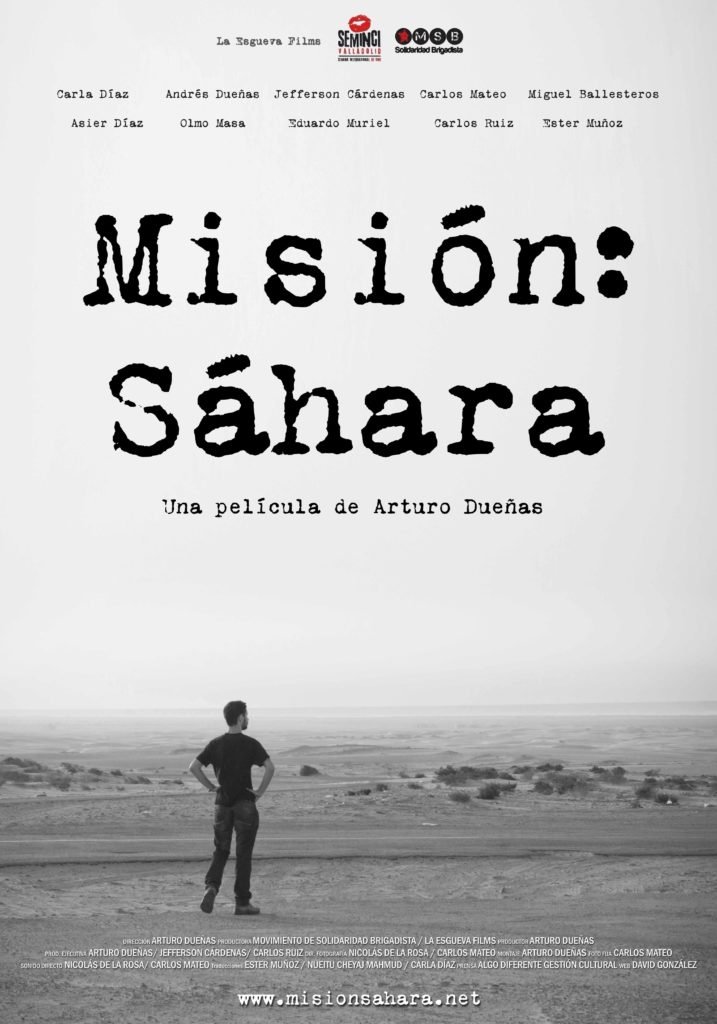
On 1976 twenty thousand Spaniards left the last European colony in Africa, and thousands of Saharawi’s are abandoned to their fate. Forty years have gone by and Western Sahara has become a forgotten conflict. This film offers an original point of view: the version of the conflict from the opposition to the regime within the occupying power, Morocco, and the odyssey of a group of young people to achieve these testimonies, while trying to reach the capital of the Occupied Territories, El-Aaiun.
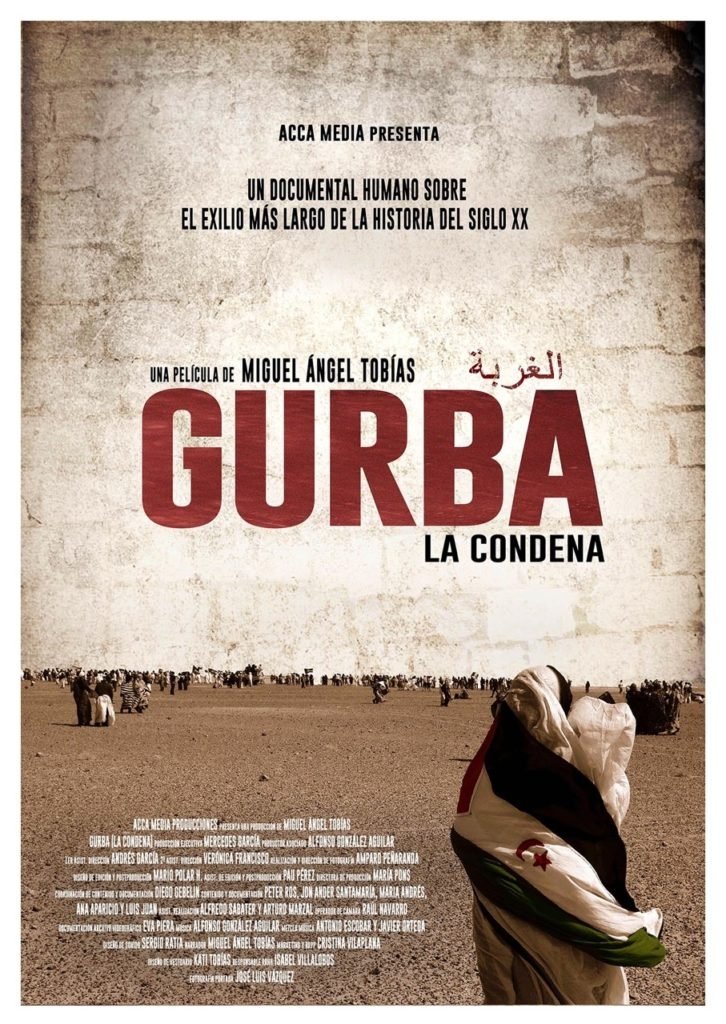
This documentary explains the problems of Western Sahara while occupied by Morocco, the territories liberated by the Polisario Front, and the refugee camps in Tindouf (Algeria). 40 years of human rights violations, cultural, human and economic despoliation (fishing, phosphates,...), but also of resistance, fighting back, dignity, solidarity; and most of all, the women’s defining role in the establishment of a forcefully exiled population in one of the most inhospitable places on the planet.
Morocco doesn’t want you to know what’s happening in the occupied territories of the Western Sahara. The Saharawi people live under constant threat. They can’t mention either the Western Sahara or “referendum”. The situation is known as “The Problem”. Foreign journalists who attempt to take pictures or shoot with a video camera in the Western Sahara are immediately expelled from this former Spanish colony. For Saharawis it means harsh repression from the Moroccan police, who intend to silence the Saharawi population. Welcome to the last colony in Africa. We visited this place. We spent four years compiling material and gathering testimonies from journalists and other professionals who know what’s really happening in the Western Sahara. All of it undocumented until now.
Siya, Dumaha, Mata and Aziz are Saharawi refugees that live in camps in Tindouf (Algeria). They show us the daily extreme harshness of an exile that lasts for 40 years. We can discover the unknown reality of torture, mines and maimed people, child malnutrition or mental illnesses that plague the Saharawi people, who are condemned to live away from their homeland.
In Hassaniya, the mother tongue of the Sahrawi people "Chabiba" means youth. In the Sahrawi tradition conversations, revolves around a good tea. According to the usual three Sahrawi teas.El take first tea is bitter as life, the history, the life of this people is bitter, because they were first colonized, abandoned, busy and eventually went to war with a neighboring country. The second sweet tea like love, the sweetest part of this conflict is the international status because all international law states that the solution to the conflict goes through a referendum. The third area is soft as death, remained behind war, armed struggle, we are in a part of the struggle of the people much smoother, as the third tea.
Enforced disappearances, torture, secret prisons, mass graves, no trial and no justice. The history of Western Sahara, the area south of Morocco with an as yet undefined political status, is marked by a dark sequence of human rights violations. And it’s still forgotten. The documentary tells the story of Sahrawi people through the voices of special women who’ve been victims of violence, both in Western Sahara and in the refugee camps in Algeria. Through their testimonies, diaries and old photographs, the movie reconstructs the history of Western Sahara from a female and intimate point of view.
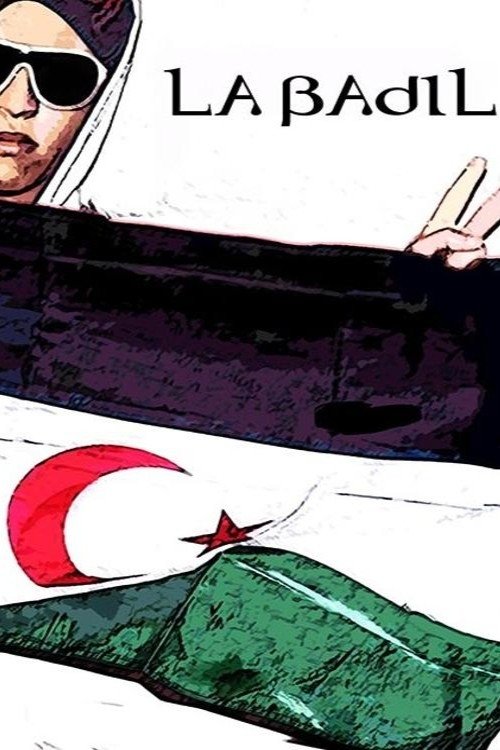
La Badil (No Other Choice), was filmed undercover in the Moroccan controlled territories of Western Sahara, on the eve of the second anniversary of the 2010 uprisings at Gdeim Izik that heralded the start of the Arab Spring. It sheds new light on the decades long conflict and the Sahrawi people's struggle for self-determination.
This report was carried out clandestinely in the occupied territories of Western Sahara. In it testimonies are heard concerning the plunder of natural resources, the repression and the camp of Gdeim Izik. The report ends with the expulsion of the journalists by the Moroccan police.
abel and Antonio are human rights activists. They were awoke by the loud noise of sirens and the roar of thousands of screamings. They picked what they could, between what was the camcorder. They switched it on and started recording what their eyes could not believe: the savage assault and destruction of the largest protest camp ever raised in the Sahara: Gdeim Izik. Tried to contact international press but their satellite phone had been disabled. Antonio and Isabel had to find a way to show these images to the world. It wouldn't be easy. They would have to spend nine days hidden in a safe house during one of the most obscure incidents in the Moroccan history.
"Once you demand any rights...you are immediately arrested", Ahmed, a graduate says. As elsewhere, the Internet has become a key tool for getting information out of the country, with films and news posted to the web, bypassing the Moroccan state's censorship. Many believe Morocco must react quickly if it is too avoid a serious split and potential civil war. The Kingdom has indicated it is ready to change. Whether that will include independence for Western Sahara is yet to be seen.
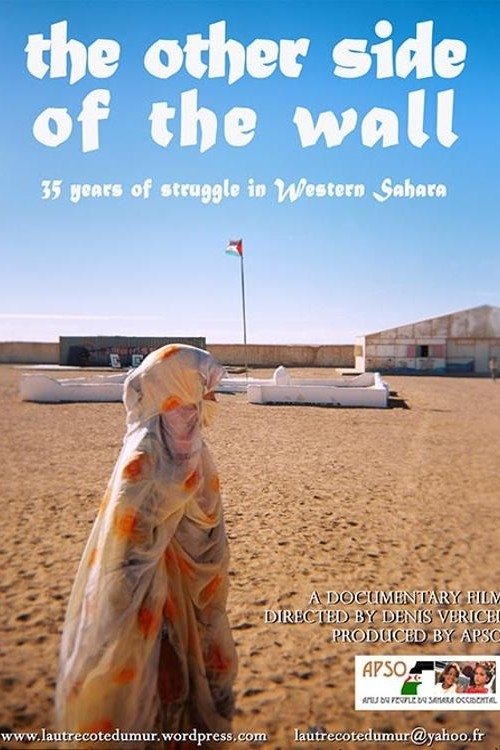
The documentary tells how 35 years of struggle of Sahrawi people became the starting of the Arab spring. From both side of the wall, Sahrawi tell us the Story of their country, the story of the last colony of Africa.
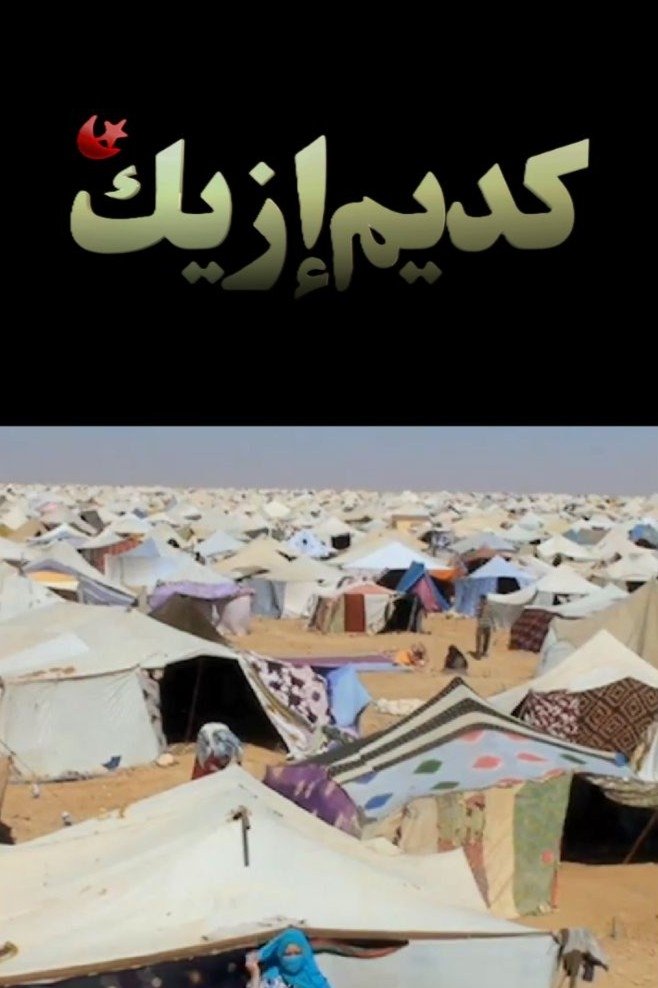
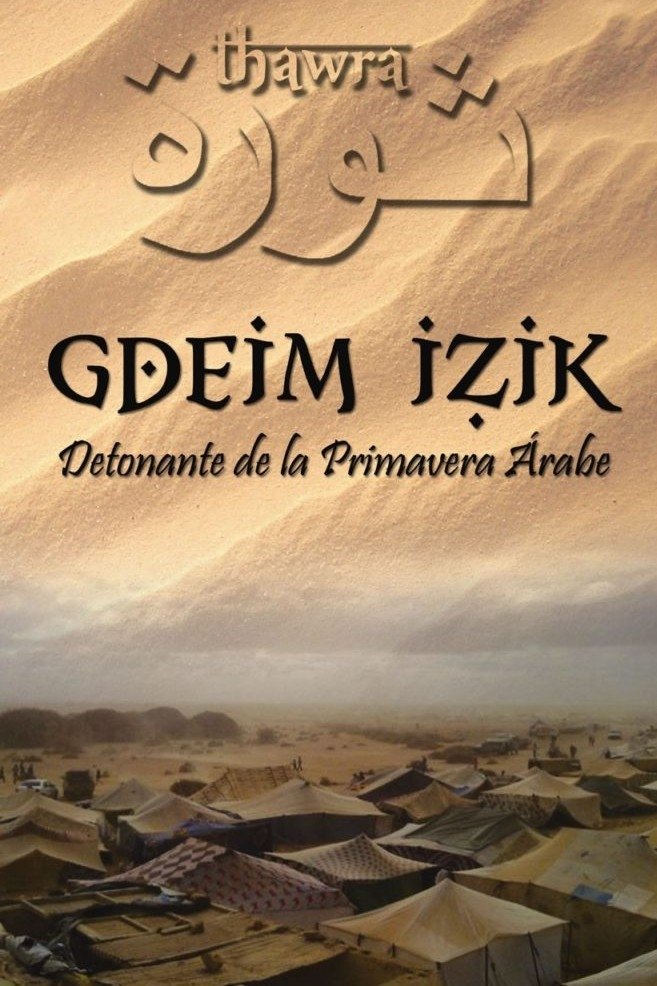
This documentary illustrates the story of Gdeim Izik through the voices of the Sahrawis themselves, giving personal accounts of how the camp was dismantled, what happened in the following weeks, and what it meant for them, as a people and as a nation. Our aim is to shed light on what really happened in Gdeim Izik during the autumn of 2010. The documentary is homage to the courage and strength of the Sahrawi people in their historic and unprecedented action, and it seeks recognition of their role in setting off the revolutions in the Arab world. Its aim is also to report and denounce the hypocritical role of foreign governments, the Moroccan government’s concealment of facts, and the way the Spanish government has been complicit in the situation through its policy of non-intervention in a conflict in which it is unavoidably involved.
A string of threatening emails escalates into a revenge plot involving a newly married US marshal and his ex-girlfriend.
In an intimate and joyful story of love in the face of loss, celebrated poets Andrea Gibson and Megan Falley find strength—and unexpected hilarity—in what might be their final year together.
A documentary about how a dominant cultural and demographic institution both sustains their traditional activities and adapts to the digital revolution.
A documentary on the expletive's origin, why it offends some people so deeply, and what can be gained from its use.
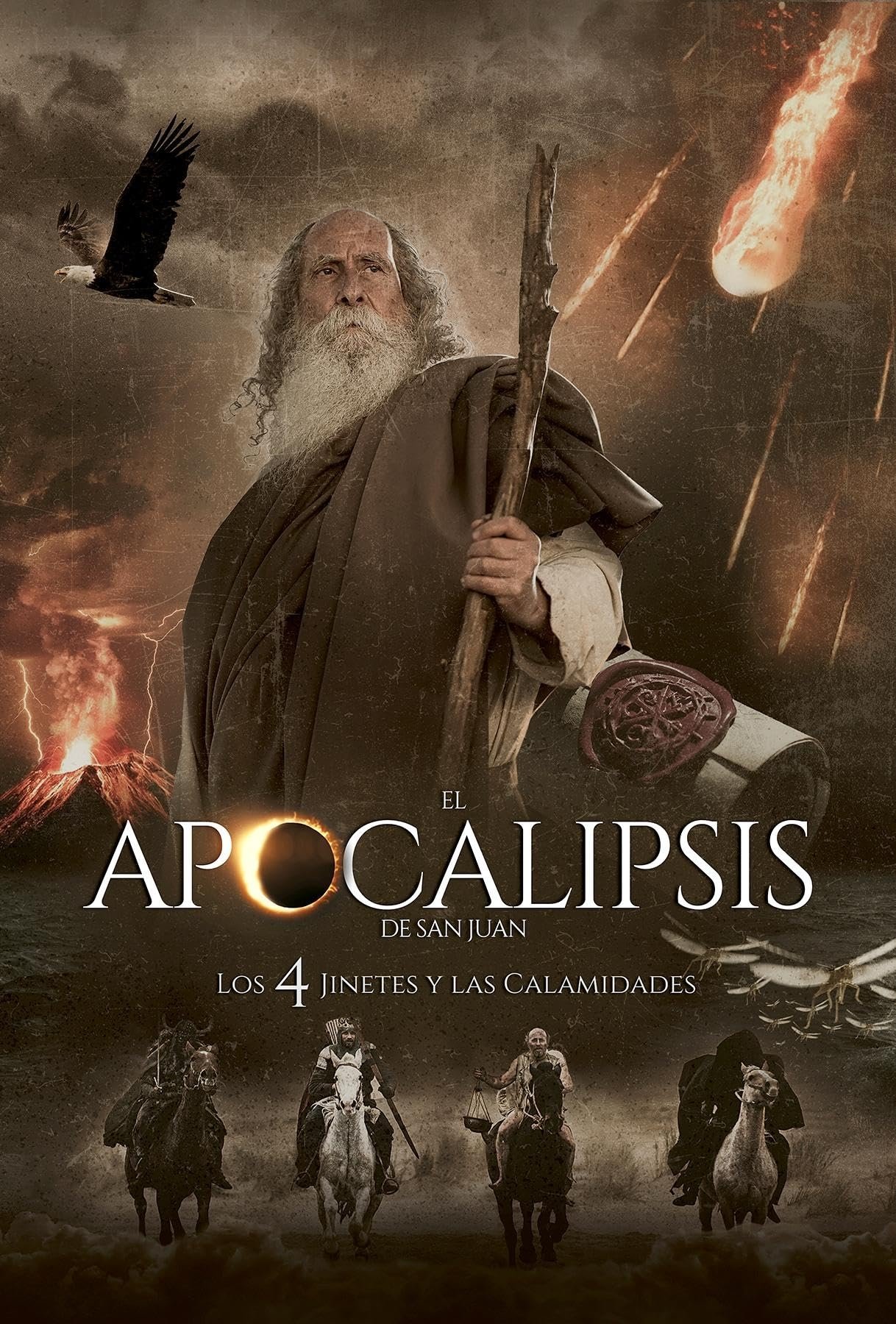
Embark on an epic journey through time and faith with 'The Apocalypse of Saint John.' Join the Apostle John in a stunning visual narrative that unravels the visions of the End Times. Experience each vision like never before, with striking visual effects and epic scenes that immerse you in the apocalyptic narrative.
Alexander McQueen's rags-to-riches story is a modern-day fairy tale, laced with the gothic. Mirroring the savage beauty, boldness and vivacity of his design, this documentary is an intimate revelation of McQueen's own world, both tortured and inspired, which celebrates a radical and mesmerizing genius of profound influence.
Ranjit, a farmer in India, takes on the fight of his life when he demands justice for his 13-year-old daughter, the victim of a brutal gang rape. His decision to support his daughter is virtually unheard of, and his journey unprecedented.
An inside look at one of the most anticipated movie sequels ever with James Cameron and cast.
A visual montage portrait of our contemporary world dominated by globalized technology and violence.
The Making-of James Cameron's Avatar. It shows interesting parts of the work on the set.
Unravel the case of Utah therapist Jodi Hildebrandt, whose child abuse arrest with parenting YouTuber Ruby Franke exposed a twisted tale of manipulation.
Film adaptation of French economist Thomas Piketty's ground-breaking global bestseller of the same name: an eye-opening journey through wealth and power.
A documentary on why 'Money Heist' sparked a wave of enthusiasm around the world for a lovable group of thieves and their professor.
Through deeply personal interviews with her siblings and an examination of the photographs, letters, and belongings left behind, Mariska assembles a new portrait of her mother Jayne Mansfield, an extraordinary and complex woman.
Over 35 years after Bob Lazar's revelations, this documentary exposes secrets of a facility the government still denies. Featuring Lazar's testimony, recreations, and new evidence, it reopens a case that continues to spark global curiosity
SEDUCED AND ABANDONED combines acting legend Alec Baldwin with director James Toback as they lead us on a troublesome and often hilarious journey of raising financing for their next feature film. Moving from director to financier to star actor, the two players provide us with a unique look behind the curtain at the world's biggest and most glamourous film festival, shining a light on the bitter-sweet relationship filmmakers have with Cannes and the film business. Featuring insights from directors Martin Scorsese, 'Bernando Bertolucci' and Roman Polanski; actors Ryan Gosling and Jessica Chastain and a host of film distribution luminaries.
A detailing of the rise to prominence and global sporting superstardom of six supremely talented young Manchester United football players (David Beckham, Nicky Butt, Ryan Giggs, Paul Scholes, Phil and Gary Neville). The film covers the period 1992-1999, culminating in Manchester United's European Cup triumph.
A real-life undercover thriller about two ordinary men who embark on an outrageously dangerous ten-year mission to penetrate the world's most secretive and brutal dictatorship: North Korea.
The film follows adventurer Jeff Johnson as he retraces the epic 1968 journey of his heroes Yvon Chouinard and Doug Tompkins to Patagonia.
With unprecedented access, this documentary follows the extraordinary journey of “Raqqa is Being Slaughtered Silently”—a group of anonymous citizen journalists who banded together after their homeland was overtaken by ISIS—as they risk their lives to stand up against one of the greatest evils in the world today.