Social & External
The people behind it
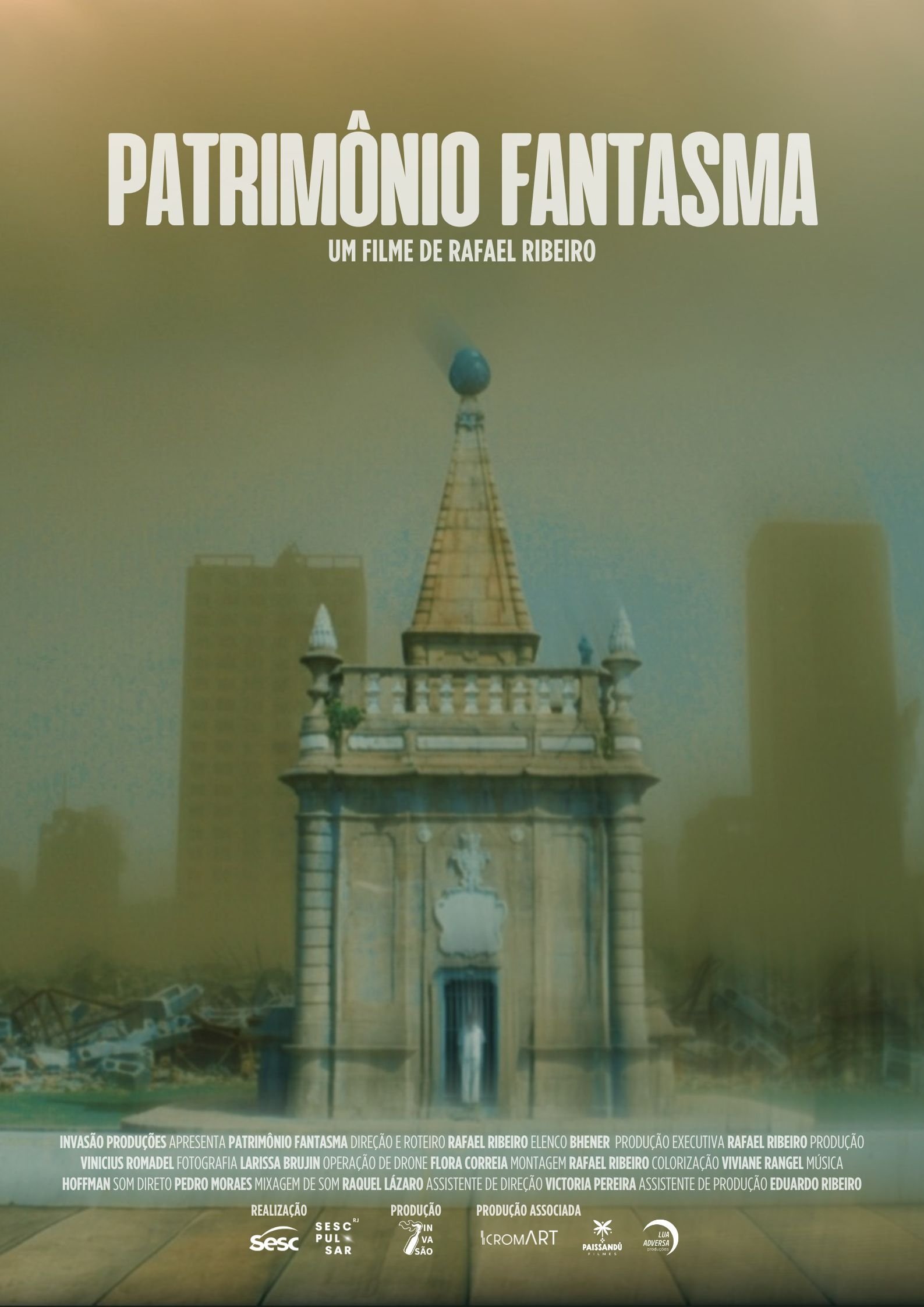
Bhener
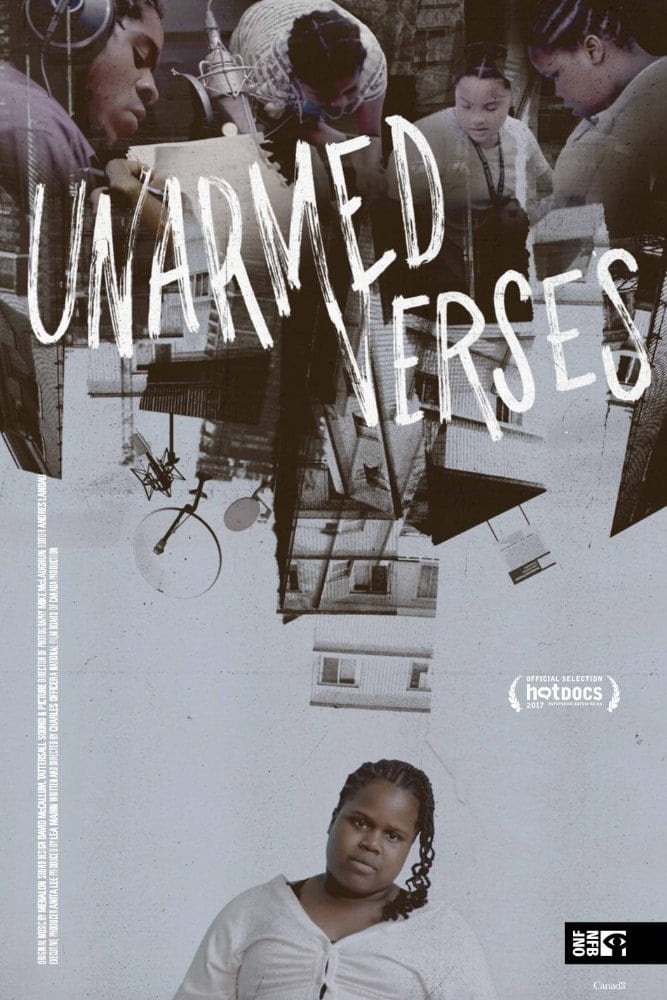
Toronto filmmaker Charles Officer profiles the young people of Villaways Park, a housing project on brink of historic change.
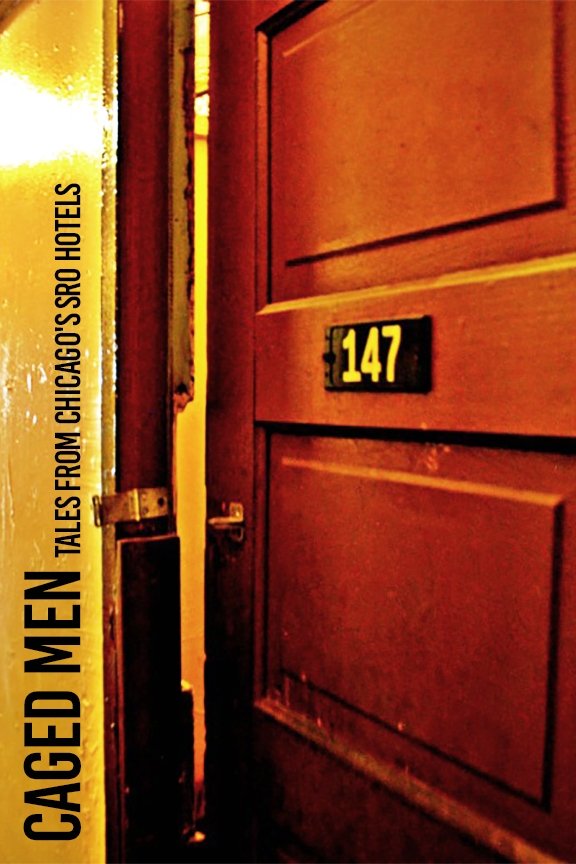
Caged. Invisible. Shamed. Trapped. These words mark the tenants, clerks and even the owners of Chicago's last remaining Singe Room Occupancy (SRO) hotels. These small spaces are home for many at the bottom of Chicago's housing ladder. Cloaked in darkness and secrecy, these hotels are often maligned as drug dens and havens for prostitution but the people who live, work and own these hotels have never fully shared their stories. Caged Men is a feature-length documentary which examines the disquieting stories of near-homeless Americans living on the margins and their invisibility in a largely indifferent and, at times, hostile community. It attempts to lend a voice to SRO residents, clerks, owners and to the hotels themselves.
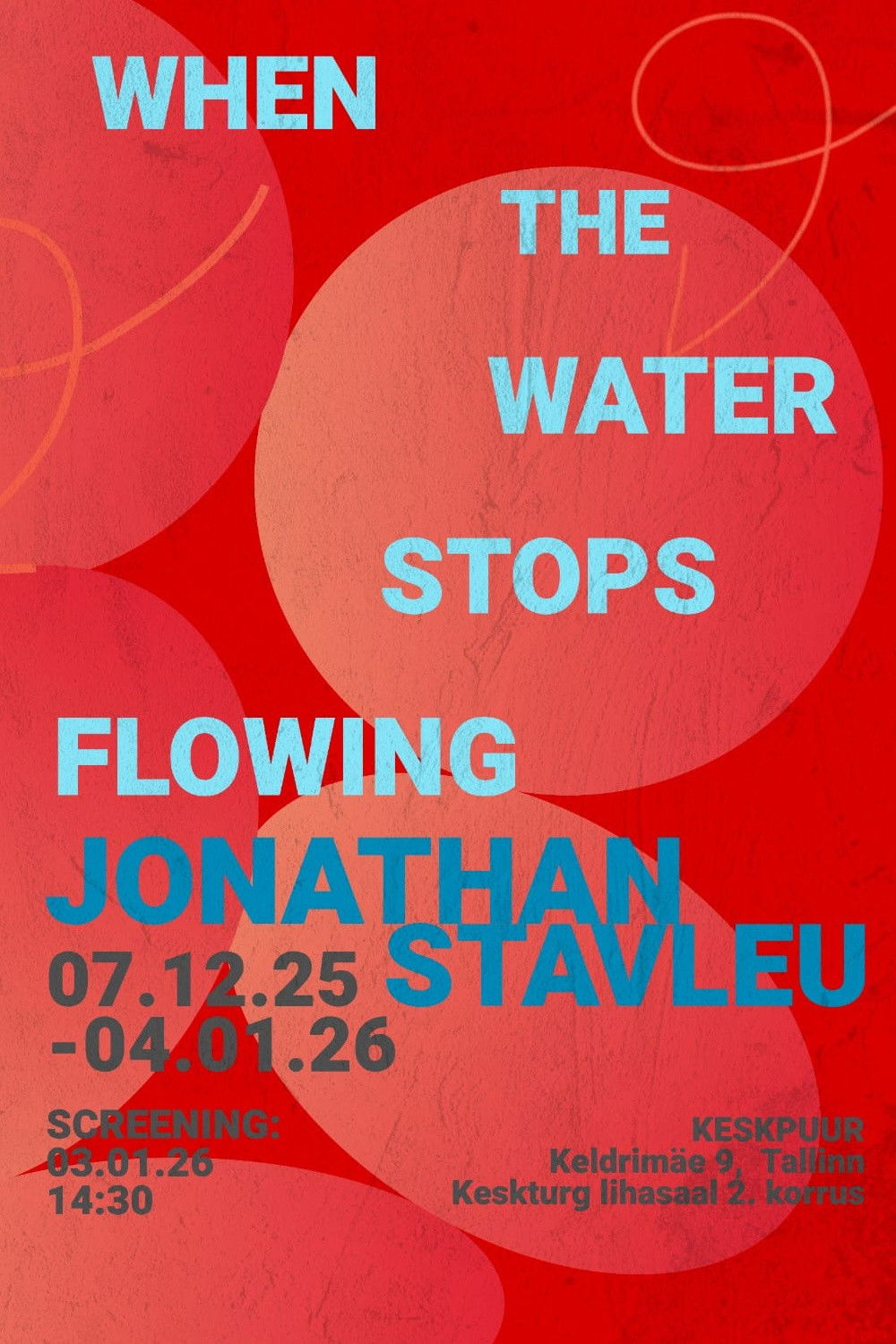
Jonathan Stavleu explores, in a stream-of-consciousness video essay, the relationship people have with water and what happens when access to it is taken away. For this work, he examines anecdotal histories he has heard from Estonians, as well as stories from his own family history in the Netherlands, weaving them together into a journal-like narrative.
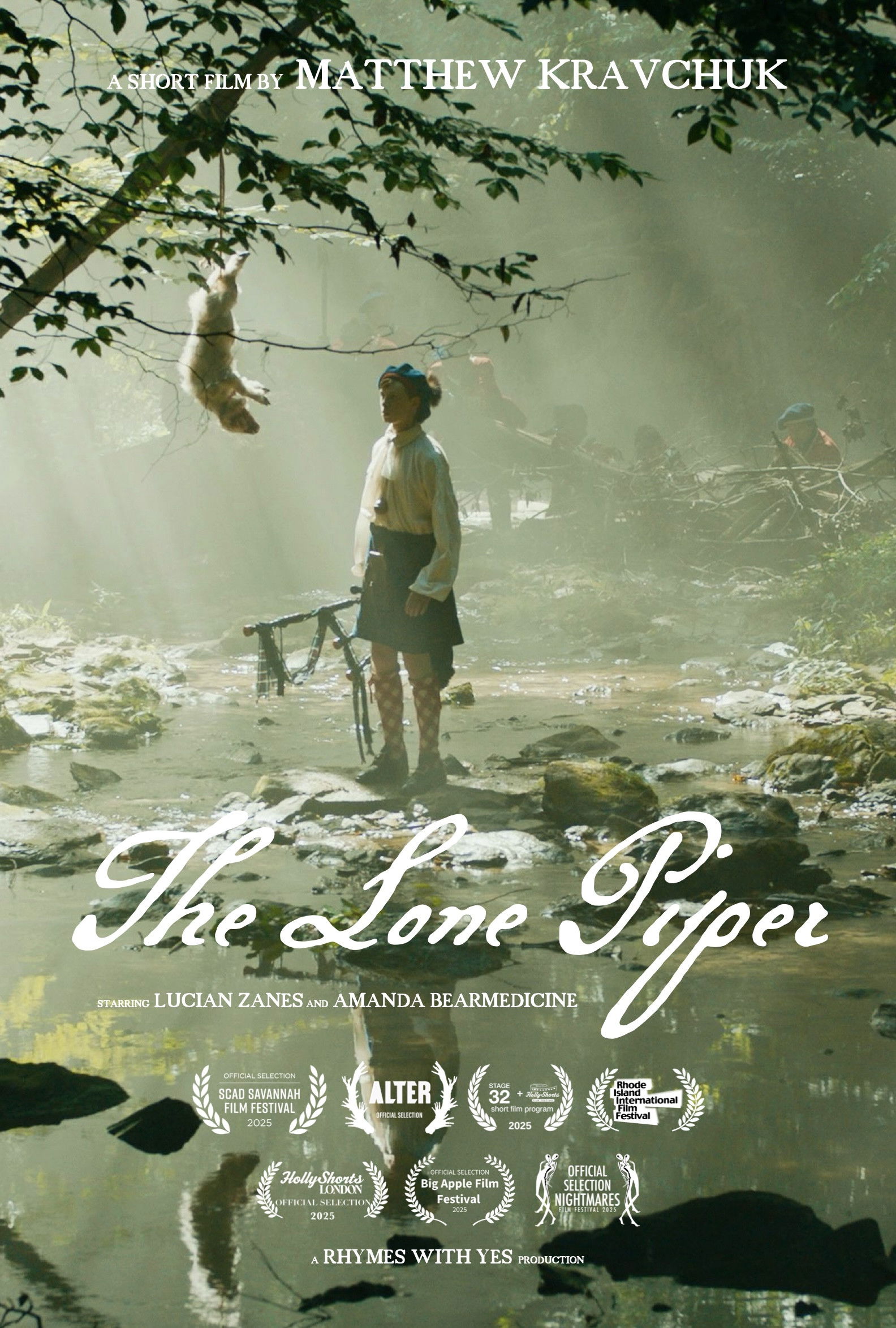
In the midst of the Seven Years' War, a company of hardened soldiers force their young bagpipe player into battle, only to discover that their enemy is not what they expected.
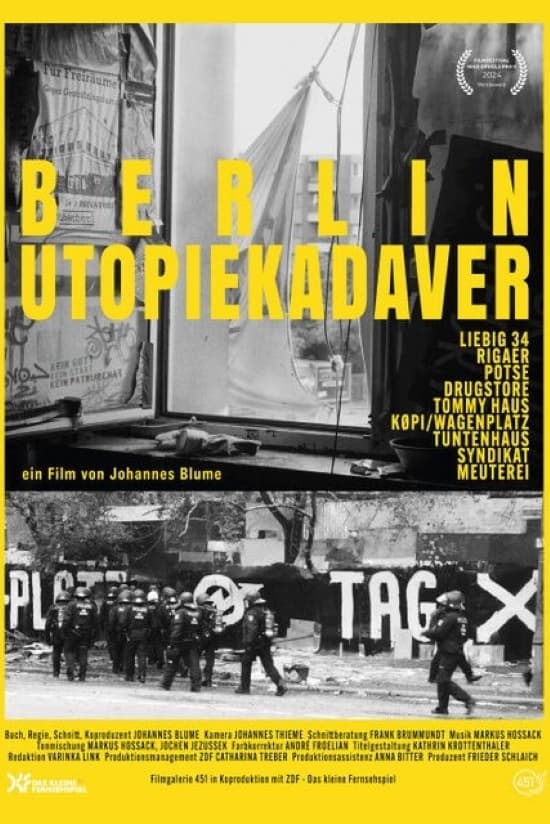
A taxi drives through the city of Berlin. Its driver is a punk, left and a well-known figure in the autonomous scene. The stations of his trip are the most important places of the autonomous scene: all in the struggle for survival. The last evictions have not yet been processed and the next ones are coming right up.
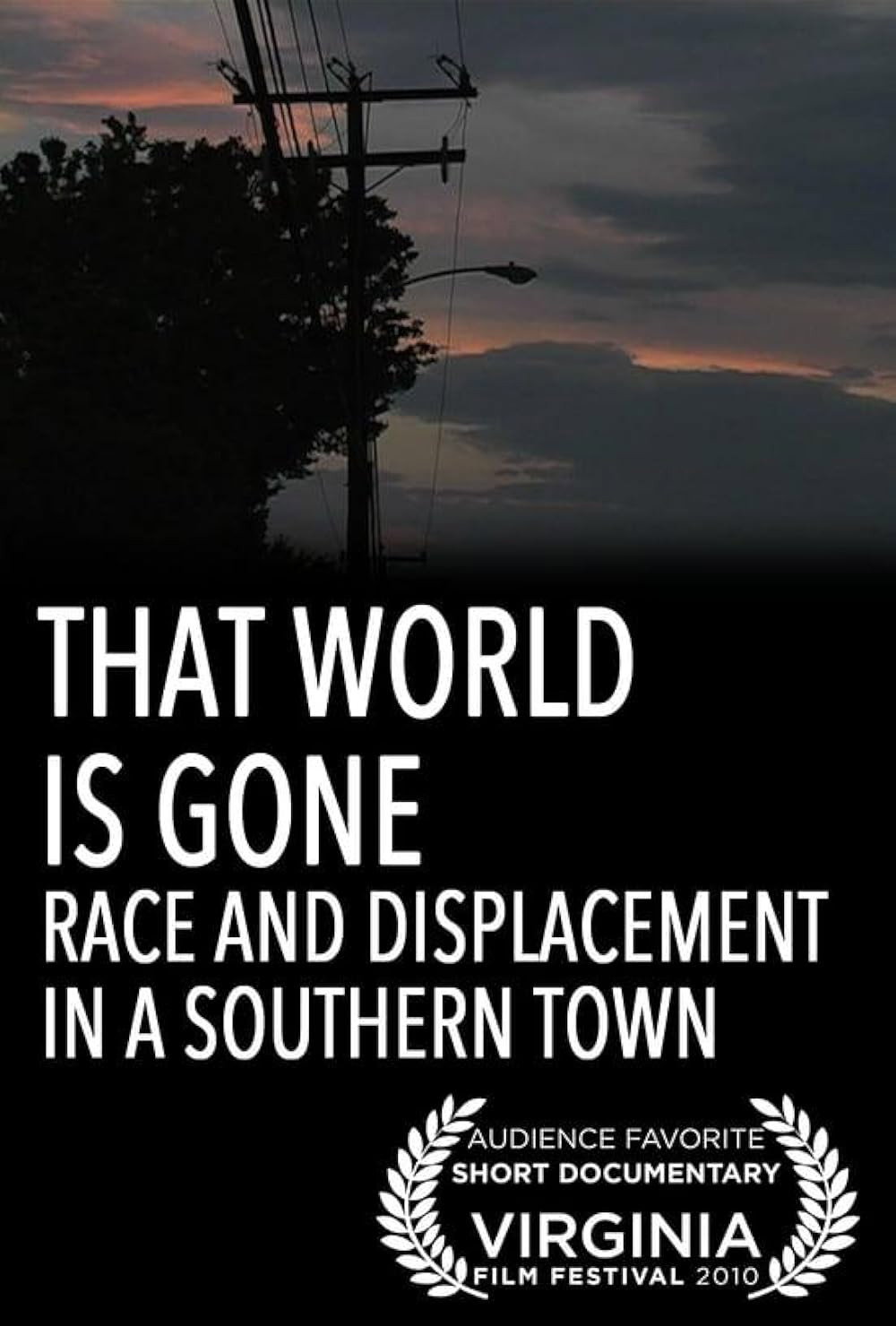
Kathy's family left on a Saturday morning in 1965. The rumble of bulldozers echoed through the neighborhood, and her block was empty. Federally-funded urban renewal had arrived in Charlottesville, scattering dozens of families like Kathy's. The once-vibrant African American community, built by formerly enslaved men and women who had secured a long-denied piece of the American dream, disappeared.
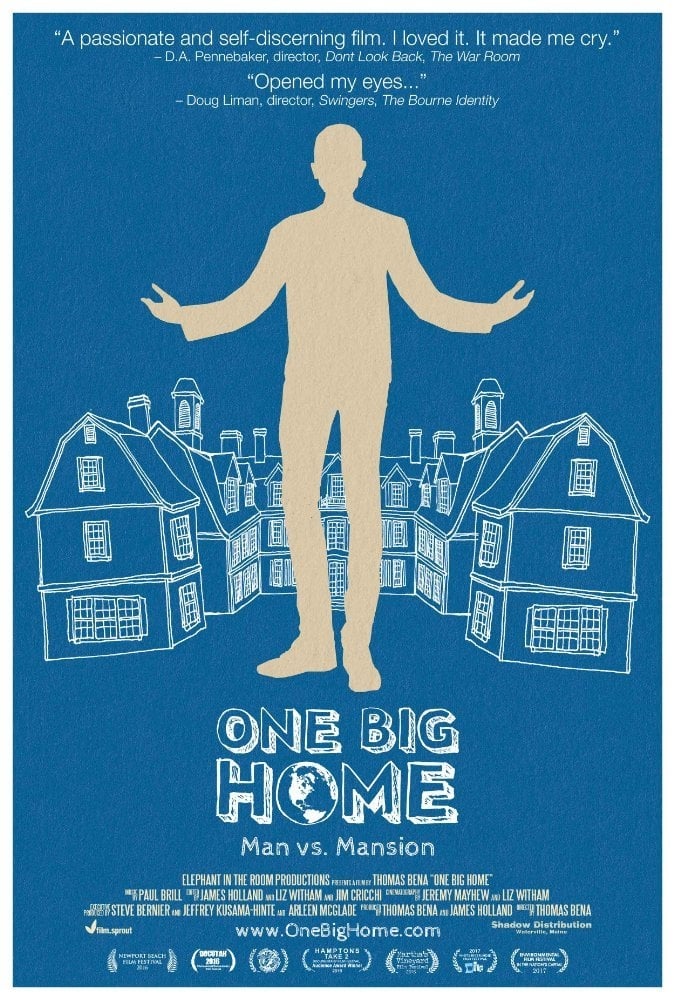
On the tiny island of Martha's Vineyard, where presidents and celebrities vacation, trophy homes threaten to destroy the islands unique character. Twelve years in the making, One Big Home follows one carpenters journey to understand the trend toward giant houses. When he feels complicit in wrecking the place he calls home, he takes off his tool belt and picks up a camera.
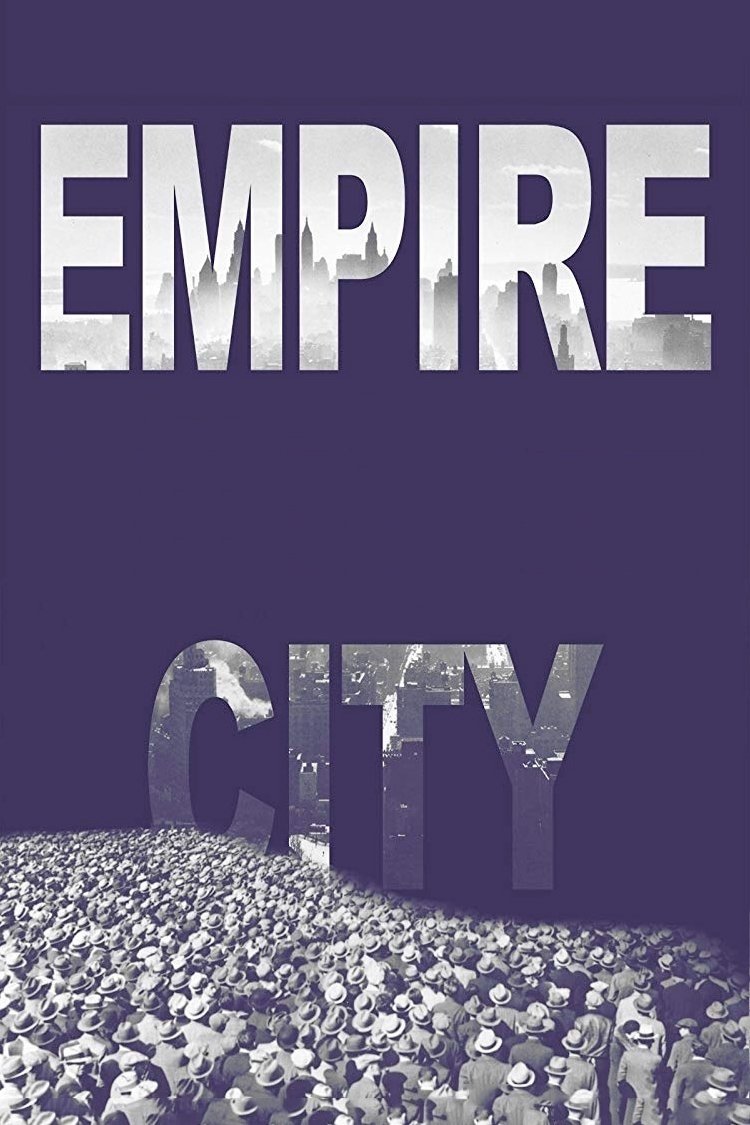
A film essay contrasting the modern metropolis with its "golden age" from 1830-1930, with the participation of some of New York's leading political and cultural figures. Made at a time when the city was experiencing unprecedented real estate development on the one hand and unforeseen displacement of population and deterioration on the other. Empire City is the story of two New Yorks. The film explores the precarious coexistence of the service-based midtown Manhattan corporate headquarters with the peripheral New York of undereducated minorities living in increasing alienation.
Is the city of Zurich suffering from ‘density stress’? What is it like to live in mega cities such as São Paulo, Mexico City and Tiflis? Filmmaker Thomas Haemmerli broaches the topics of city development, architecture, density, housing market, xenophobia and gentrification from an autobiographical perspective. The path of his life has led him from a childhood in the villa district of Zürichberg, through his teenage years as squatter to flat shares, yuppie apartments and finally second homes in various cities. Only recently having become a dad, he plans to further enhance Zurich’s price appreciation by purchasing a huge, extended city apartment… This multifaceted essay not only humorously questions the filmmaker’s decisions, but also those of the right-wing conservatives, who are afraid of losing their space to immigrants, and the political left, who fail to embrace modern-age architecture.
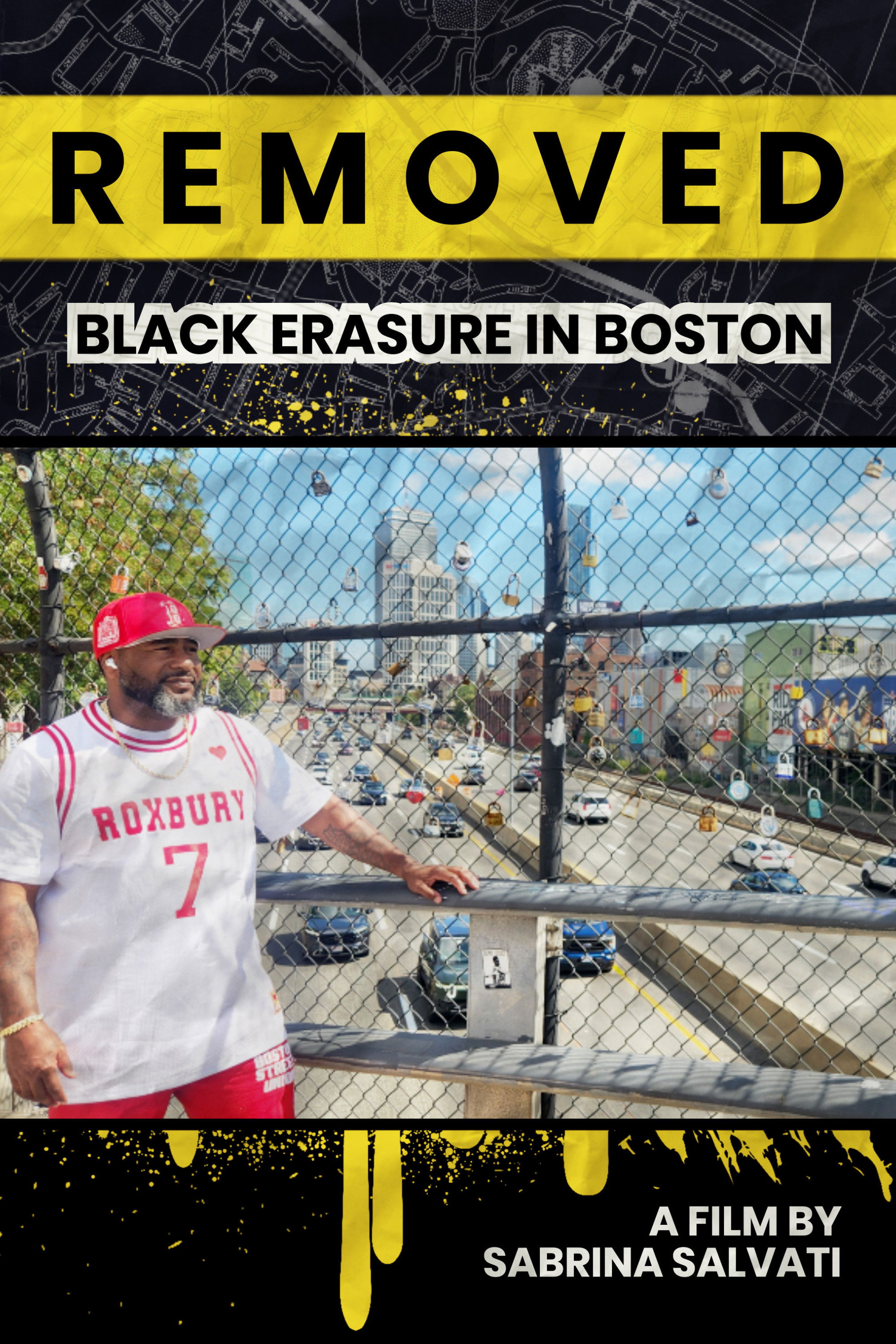
Systemic and structural racism implemented by the city of Boston over the years has led to a dramatic stripping of generational wealth for Black residents, so much so that the average net worth of Black Americans in Boston is now only eight dollars. The racist grading process of ‘redlining’ primarily black neighborhoods, combined with the displacing effect of various ‘urban renewal’ projects, set the template for the wider scale gentrification seen today that is pricing black residents of Boston out of their communities. On top of that, the mass incarceration of Black Bostonians has also led to a further disruption of Black communities. The combined effect of these state sanctioned actions has led to the erasure of Black Americans in Boston.
Cranes and Voices explores the evocative power of sound through the experiences of people who hear voices and a collective of sound investigators, tenants documenting their neighborhood. By bringing together listening experiences, housing, and creative practices, the film approaches sound as an ambivalent force, questioning our ability to listen—to the city, to others, and to ourselves.
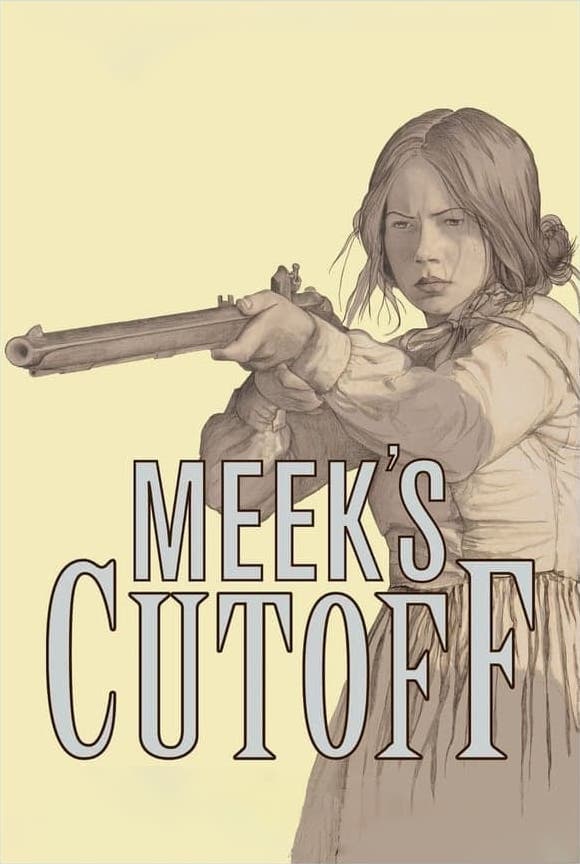
A group of settlers traveling through the Oregon High Desert in 1845 find themselves stranded in harsh conditions.
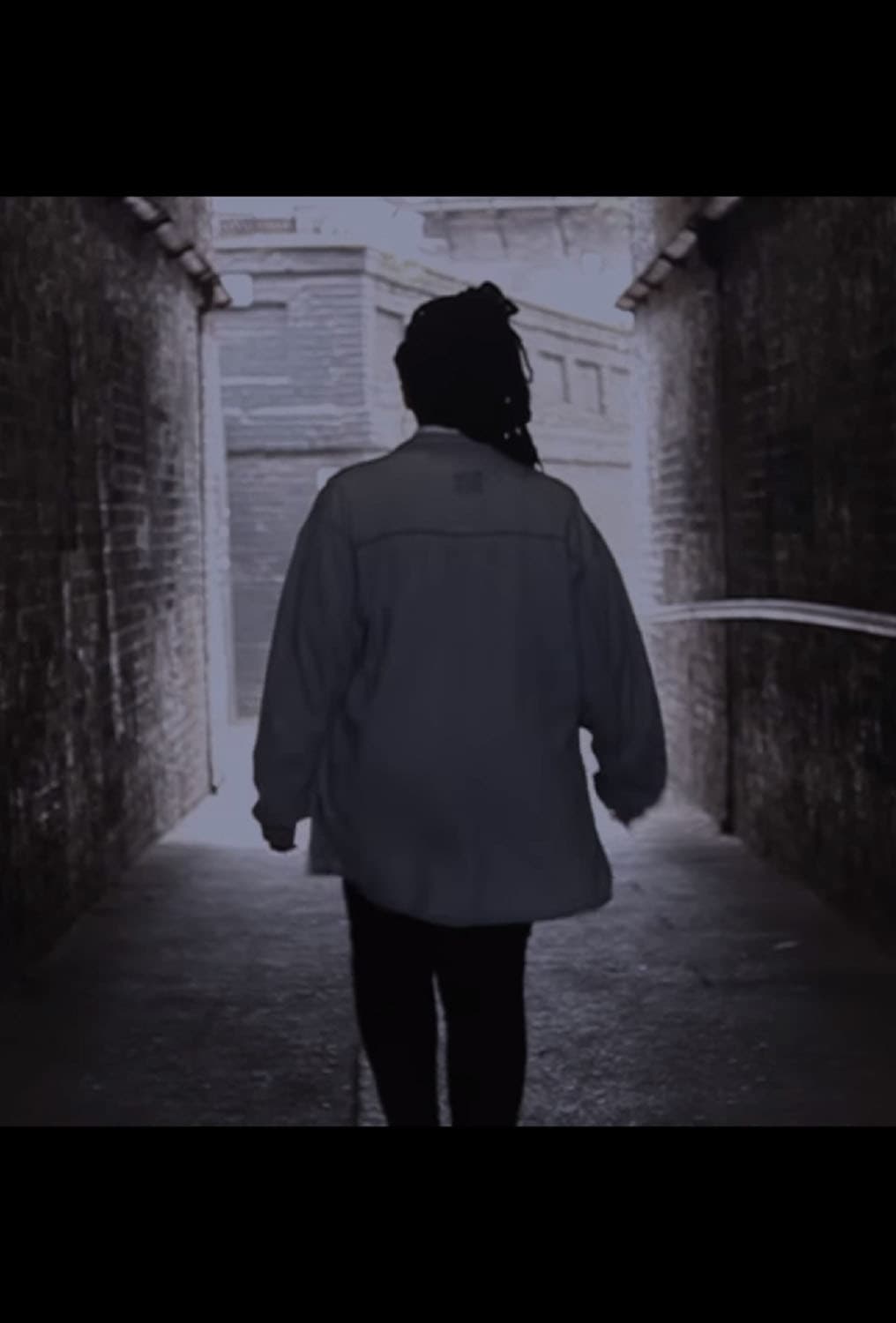
Denim' is a poetic short film by writer, poet and performer Siana Bangura, exploring gentrification and social cleansing in South East London. Through a personal trip down memory lane, visiting the places that moulded her, we learn what happens when the city changes and leaves those who built it behind. Travelling through Bermondsey, Rotherhithe, Elephant & Castle, Walworth Road, Peckham, Brixton and of course Shoreditch, 'Denim' is both a personal tale and a wider social commentary.
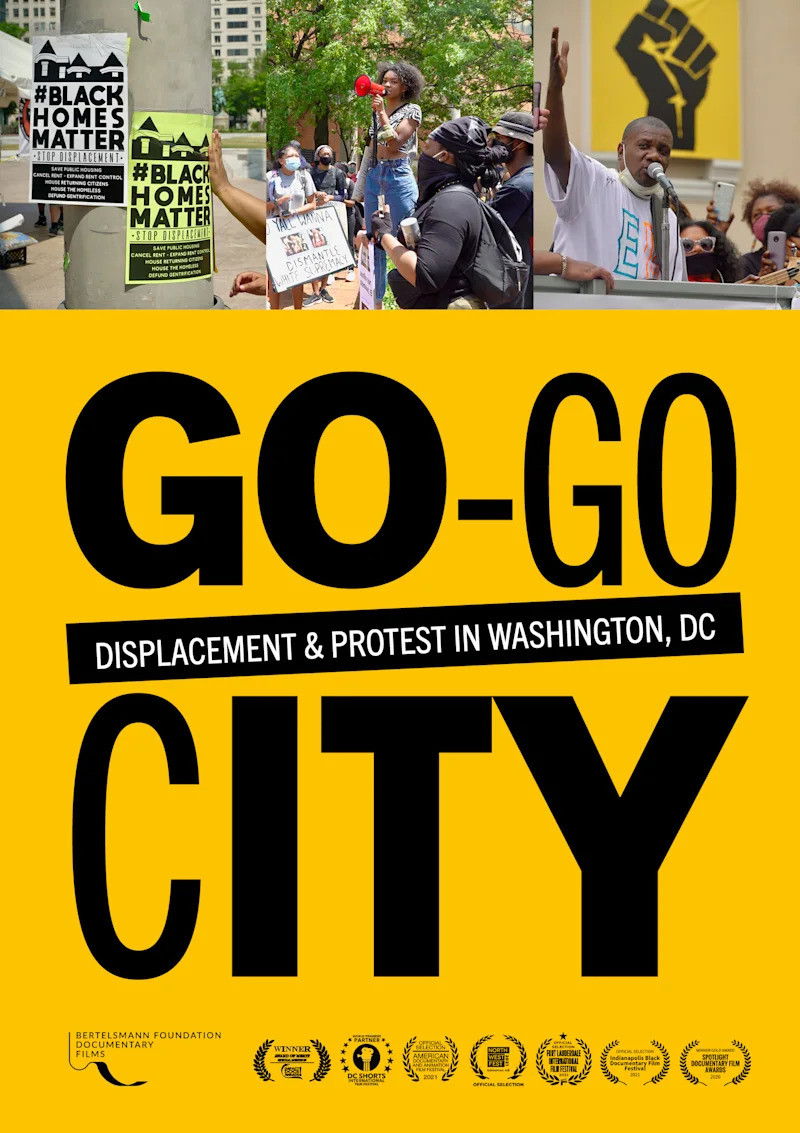
For decades, Washington, DC has been a beacon for Black culture and Go-Go music. Now, a wave of economic and cultural gentrification threatens to erase this history, as displaced communities take to the streets to protest and defend the city’s iconic Go-Go sound.
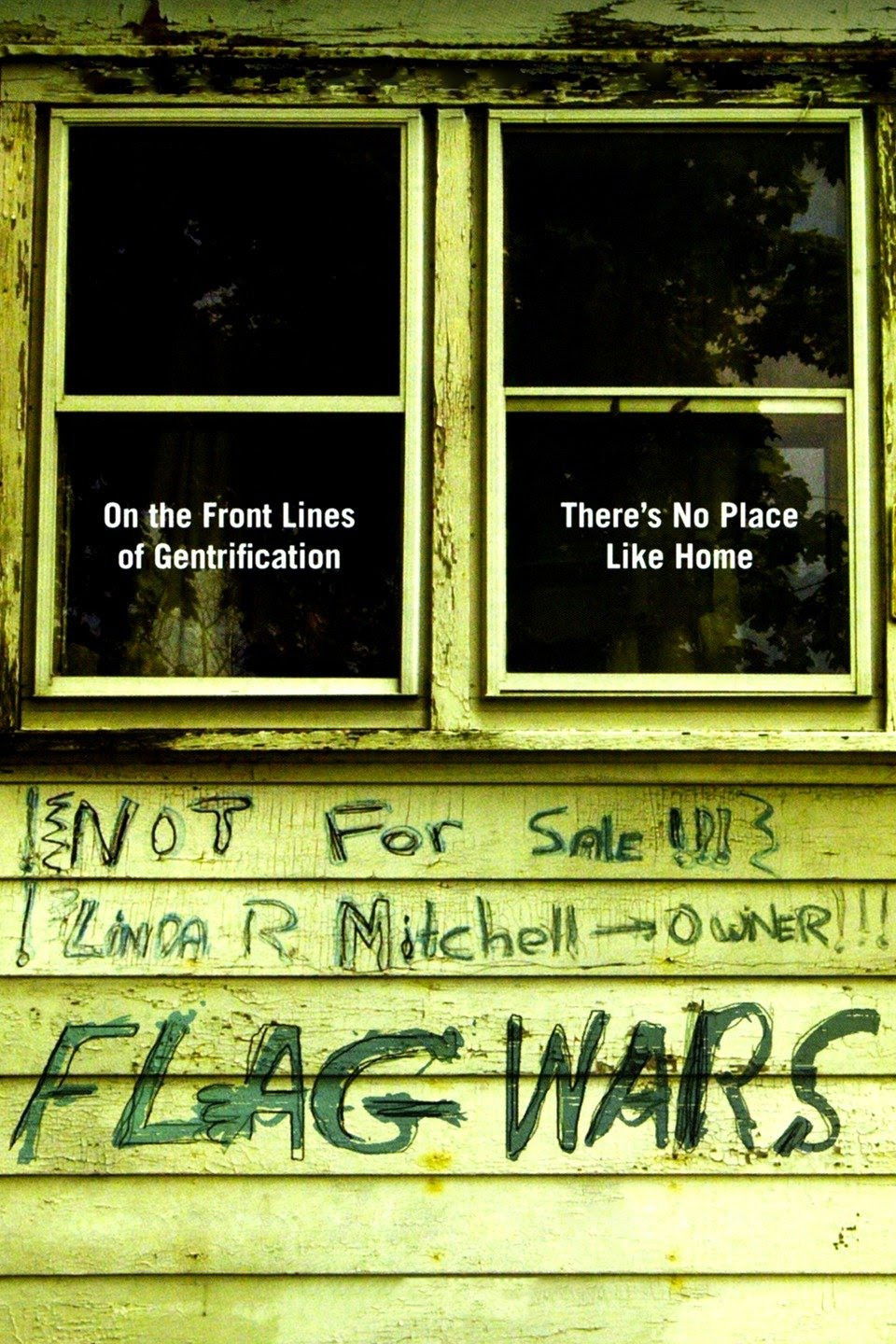
Filmed over four years, this documentary focuses on the impacts of gentrification as gay white professionals move into a largely black working-class neighborhood in Columbus, Ohio.
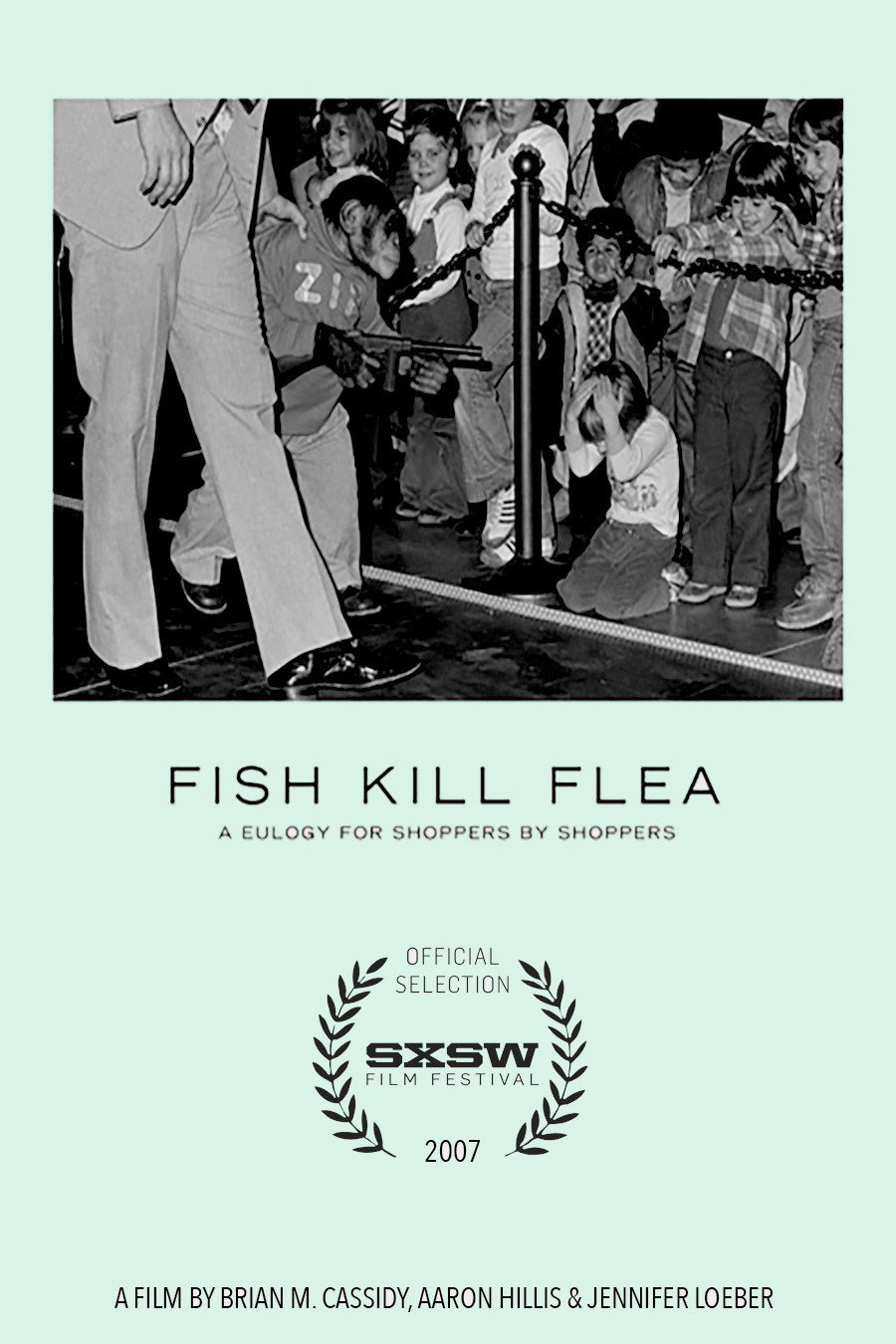
Once thriving, a dead mall in upstate New York is now home to a ragtag flea market, living proof that the American Dream is in perpetual decay. Blending vérité with a stylized wit, this heartbreaking portrait raises questions about our disposable culture through the unfiltered lives of its eccentric community.
The history of cinematic sound, told by legendary sound designers and visionary filmmakers.
A visual montage portrait of our contemporary world dominated by globalized technology and violence.
Award-winning journalist Daniela Arbex examines the horrors of the Colônia psychiatric hospital, where more than 60,000 people were killed over decades.
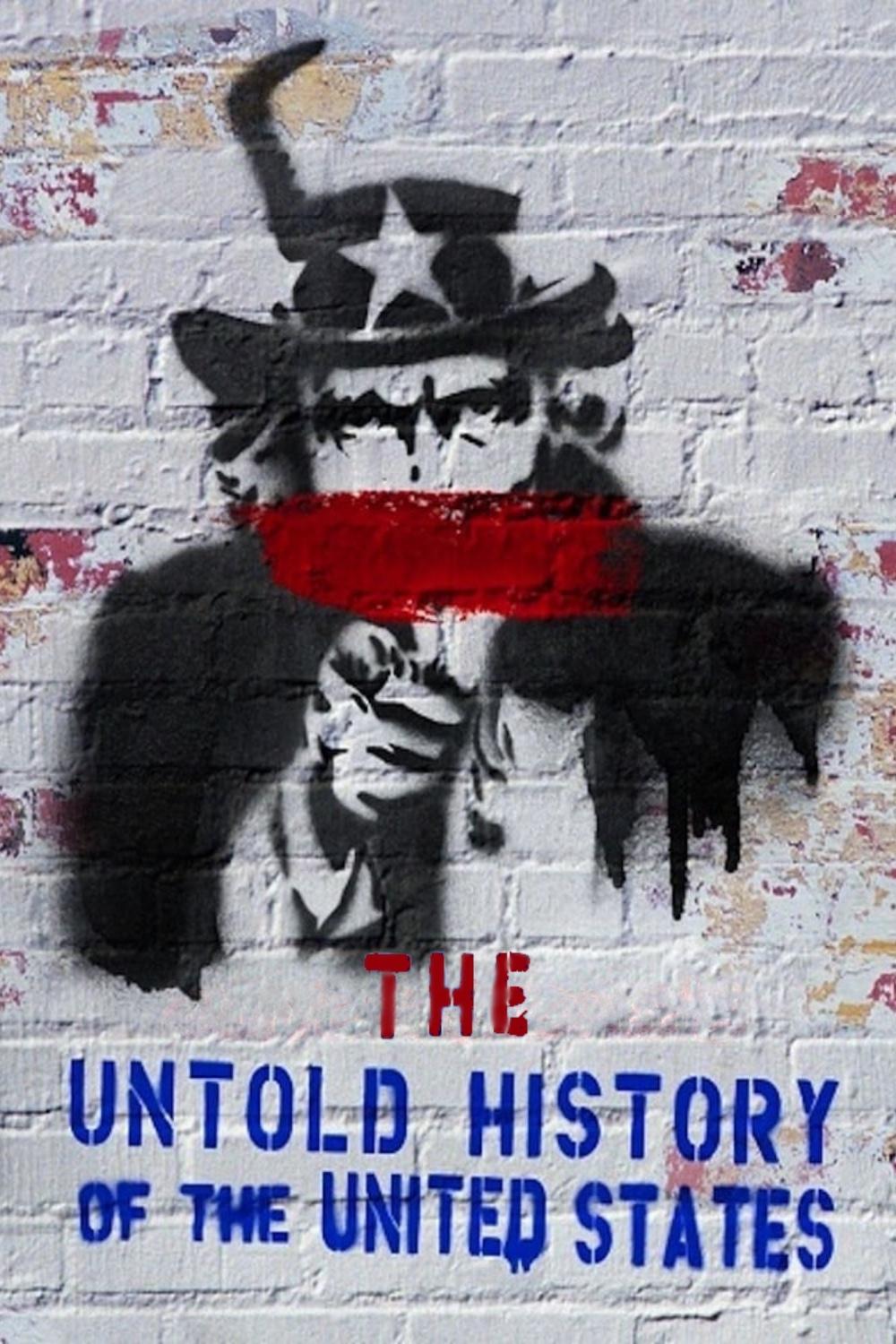
Oliver Stone charts the history of the United States from the Second World War to the present.
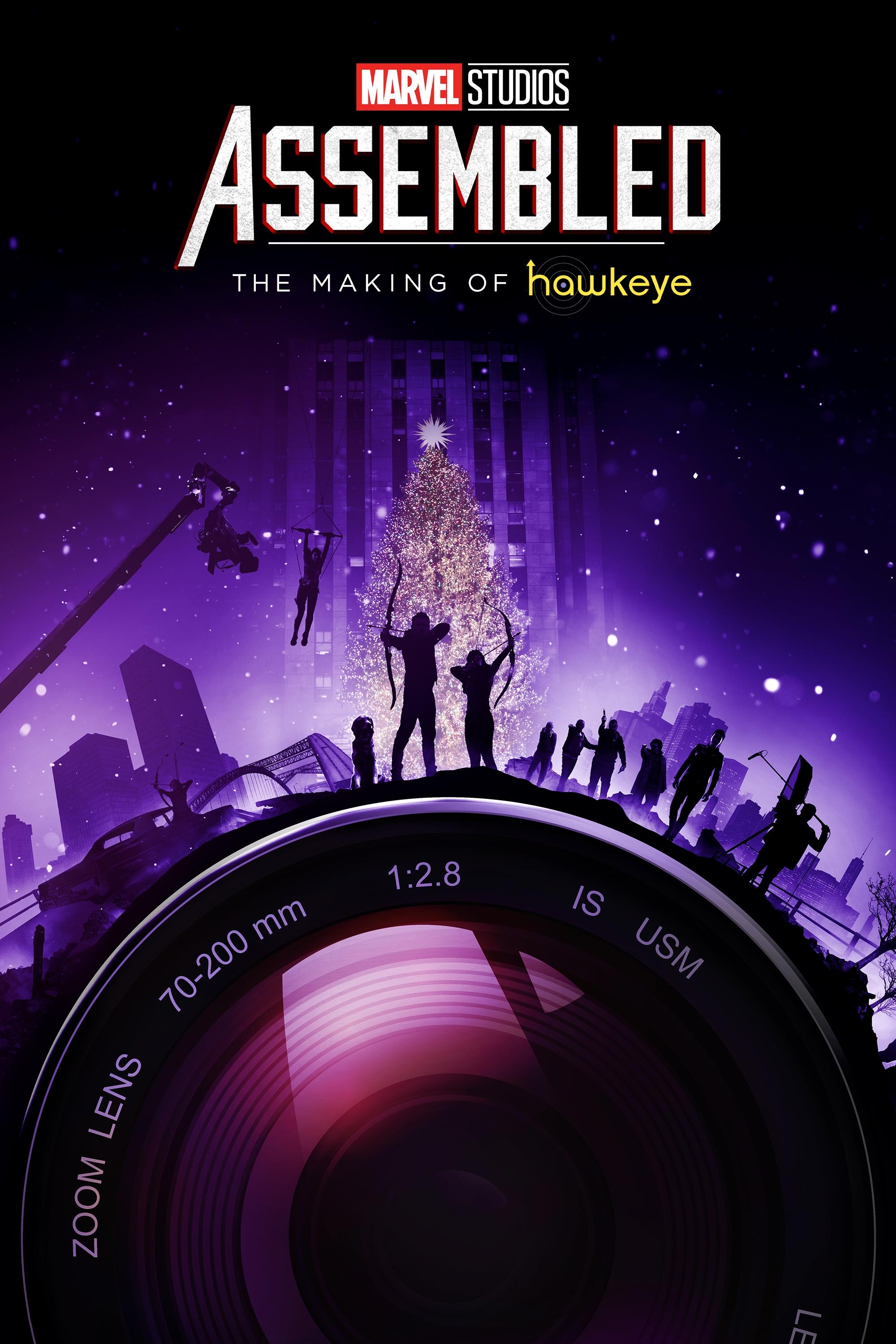
Join the likes of Jeremy Renner, Hailee Steinfeld, Florence Pugh, and Vincent D’Onofrio as they reveal how Marvel Studios’ “Hawkeye” was conceived and created. Witness firsthand what it took to pull off the show’s pulse-pounding action set pieces, and discover how iconic characters from the pages of Marvel Comics such as Kate Bishop were adapted and brought to life for the six-episode series.
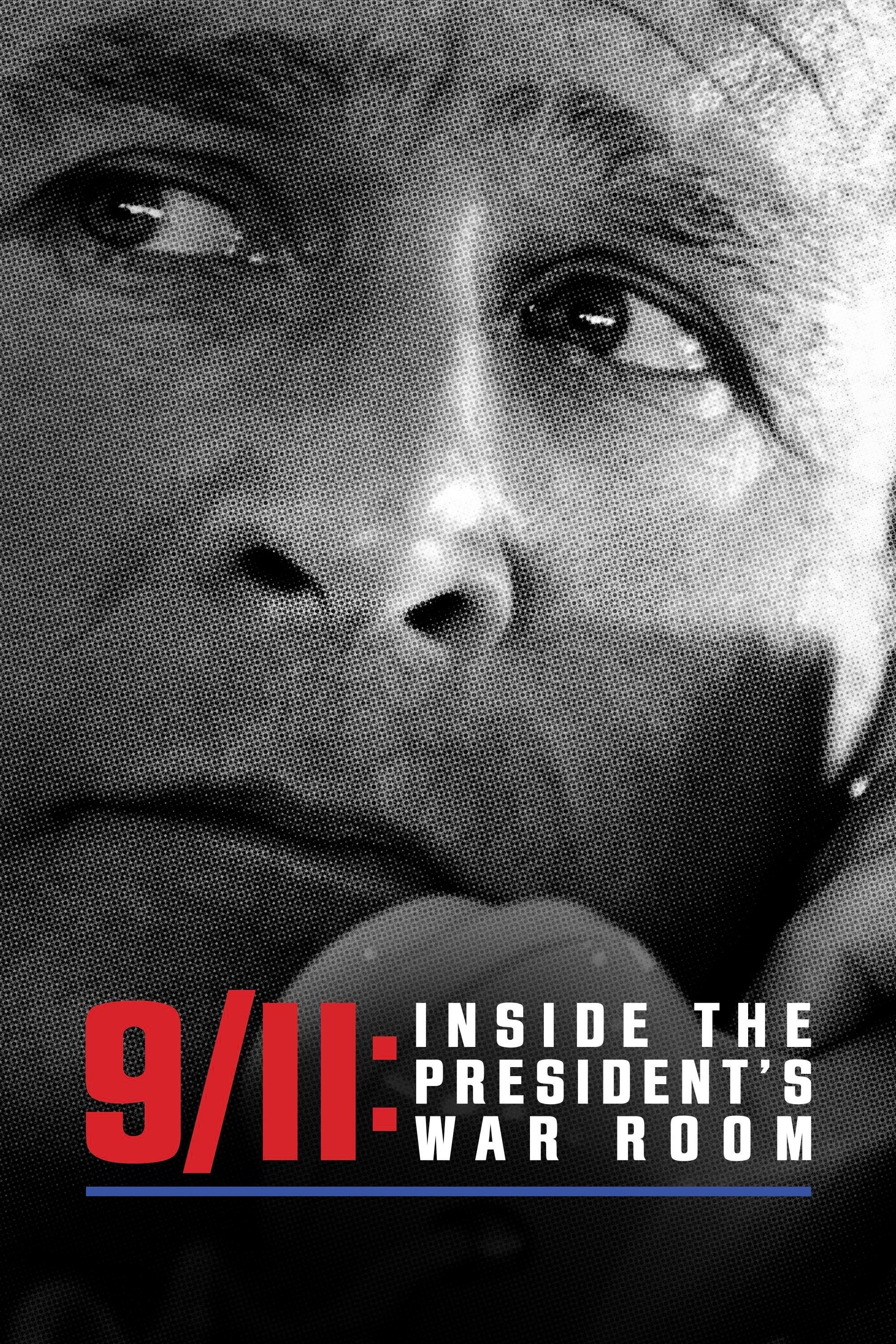
Experience the events of September 11, 2001 through the eyes of President Bush and his closest advisors as they personally detail the crucial hours and key decisions from that historic day.
A documentary about the legendary series of nationally televised debates in 1968 between two great public intellectuals, the liberal Gore Vidal and the conservative William F. Buckley Jr. Intended as commentary on the issues of their day, these vitriolic and explosive encounters came to define the modern era of public discourse in the media, marking the big bang moment of our contemporary media landscape when spectacle trumped content and argument replaced substance. Best of Enemies delves into the entangled biographies of these two great thinkers, and luxuriates in the language and the theater of their debates, begging the question, "What has television done to the way we discuss politics in our democracy today?"
Take a virtual vacation to some of the Star Wars films' most iconic and beloved locations like Hoth, Tatooine, and Sorgan, as this charming series whisks you off for fly-through tours of the Galaxy Far, Far Away.
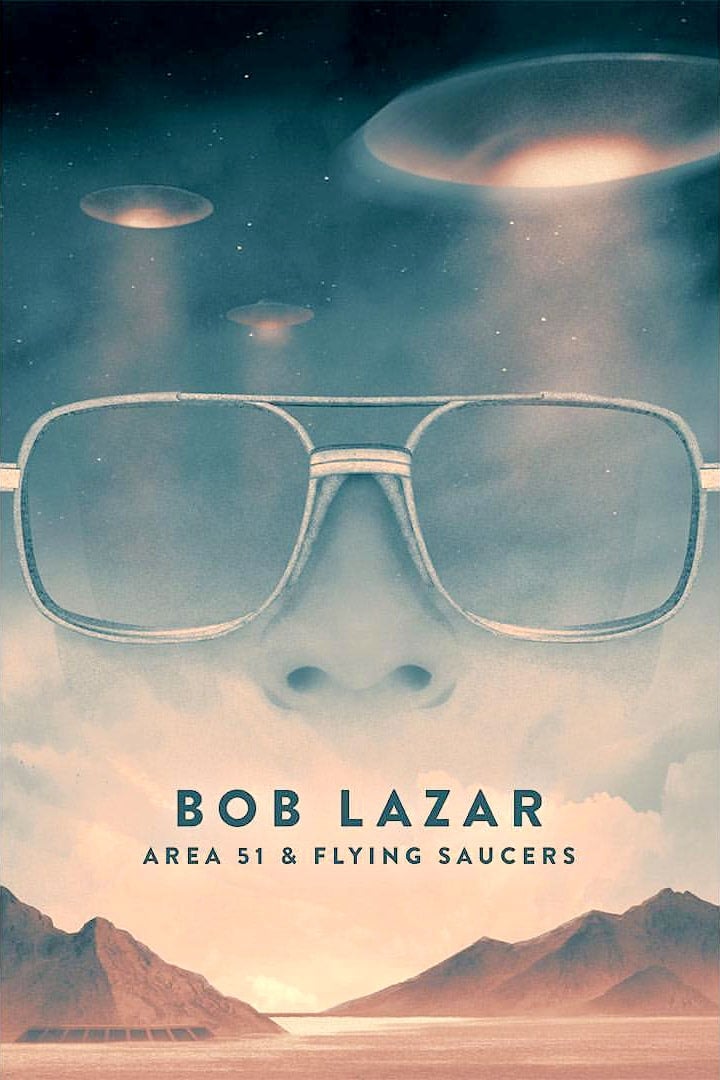
Over 35 years after Bob Lazar's revelations, this documentary exposes secrets of a facility the government still denies. Featuring Lazar's testimony, recreations, and new evidence, it reopens a case that continues to spark global curiosity
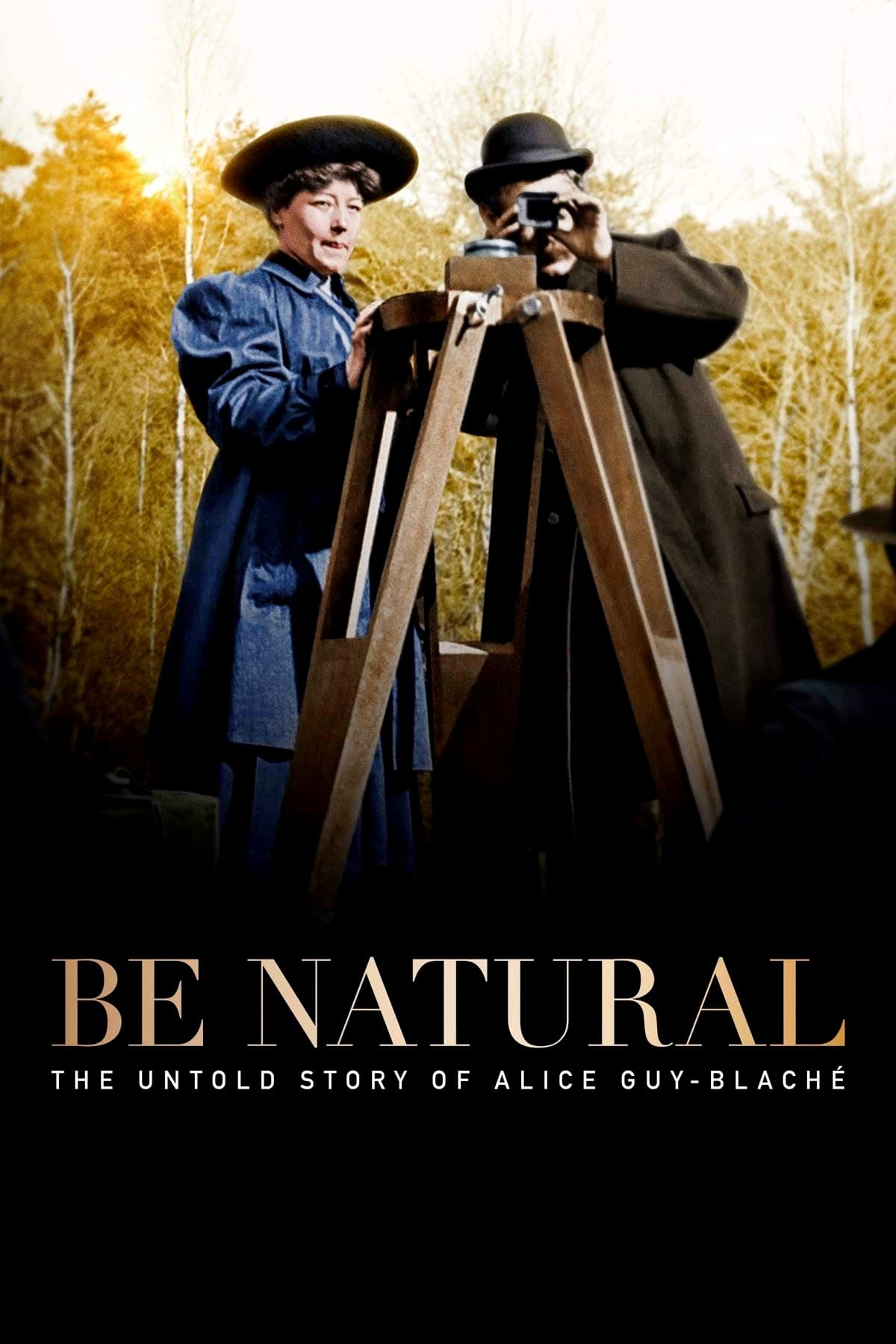
The epic life story of Alice Guy-Blaché (1873–1968), a French screenwriter, director and producer, true pioneer of cinema, the first person who made a narrative fiction film; author of hundreds of movies, but banished from history books. Ignored and forgotten. At last remembered.
Area 51, flying saucers from another world - and the program to create a fierce technology. Bob Lazar remains the singular most famous and controversial name in the world of UFOs. The reason you know about Area 51 is because Lazar came forward and told you about it. His disclosures have turned his life upside-down and he has tried to stay out of the spotlight. For this reason, he has never let any filmmaker into the private world of his daily life - that is - until now. Corbell’s film explores Lazar’s claims through the lens of thirty years - providing rare and never before revealed footage - guaranteed to alter the landscape of the debate.
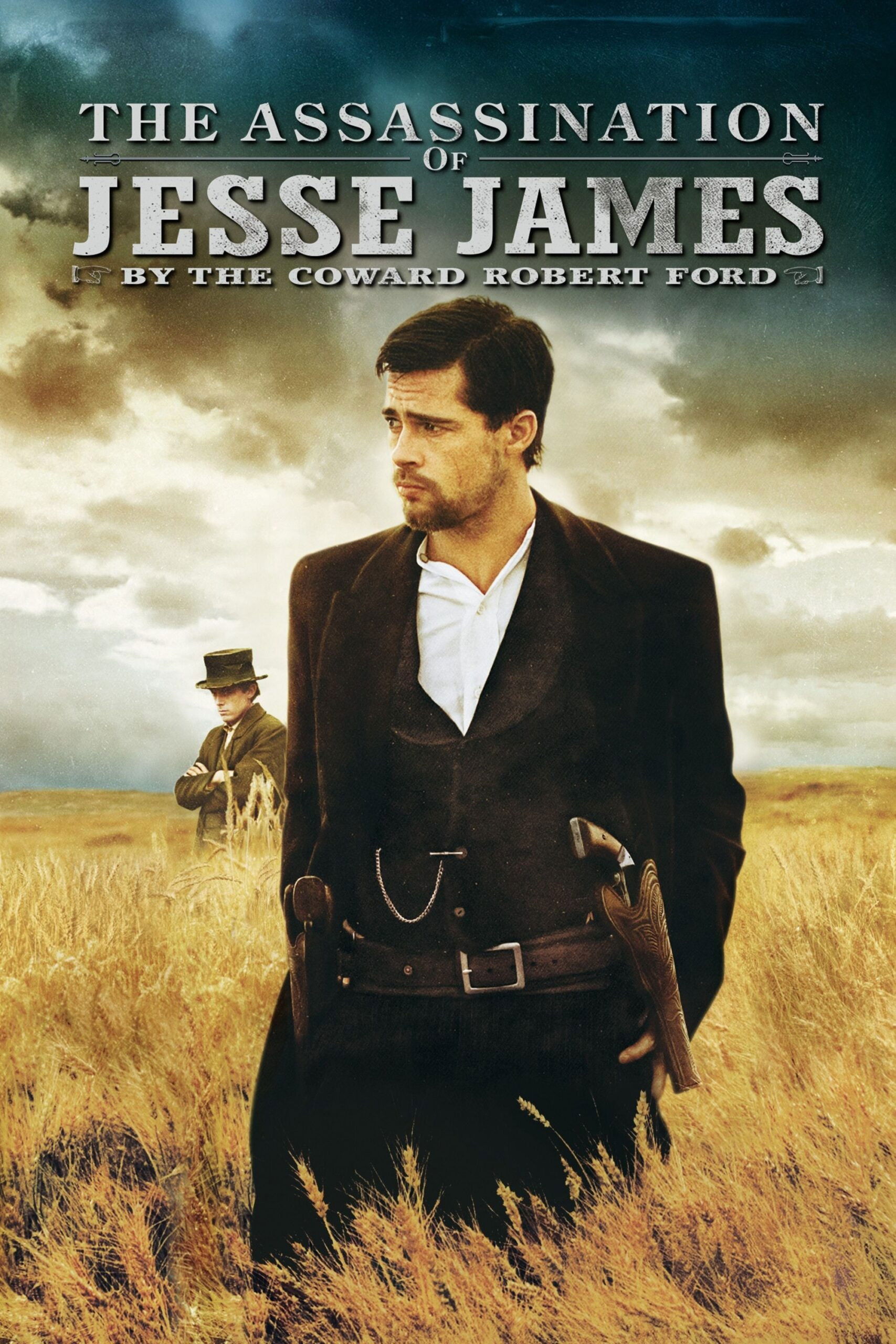
Explores the true story of the notorious Jesse James, how the myth developed during his lifetime, and how the legends have persisted over 100 years after his death at the hands of his former friend, Robert Ford.
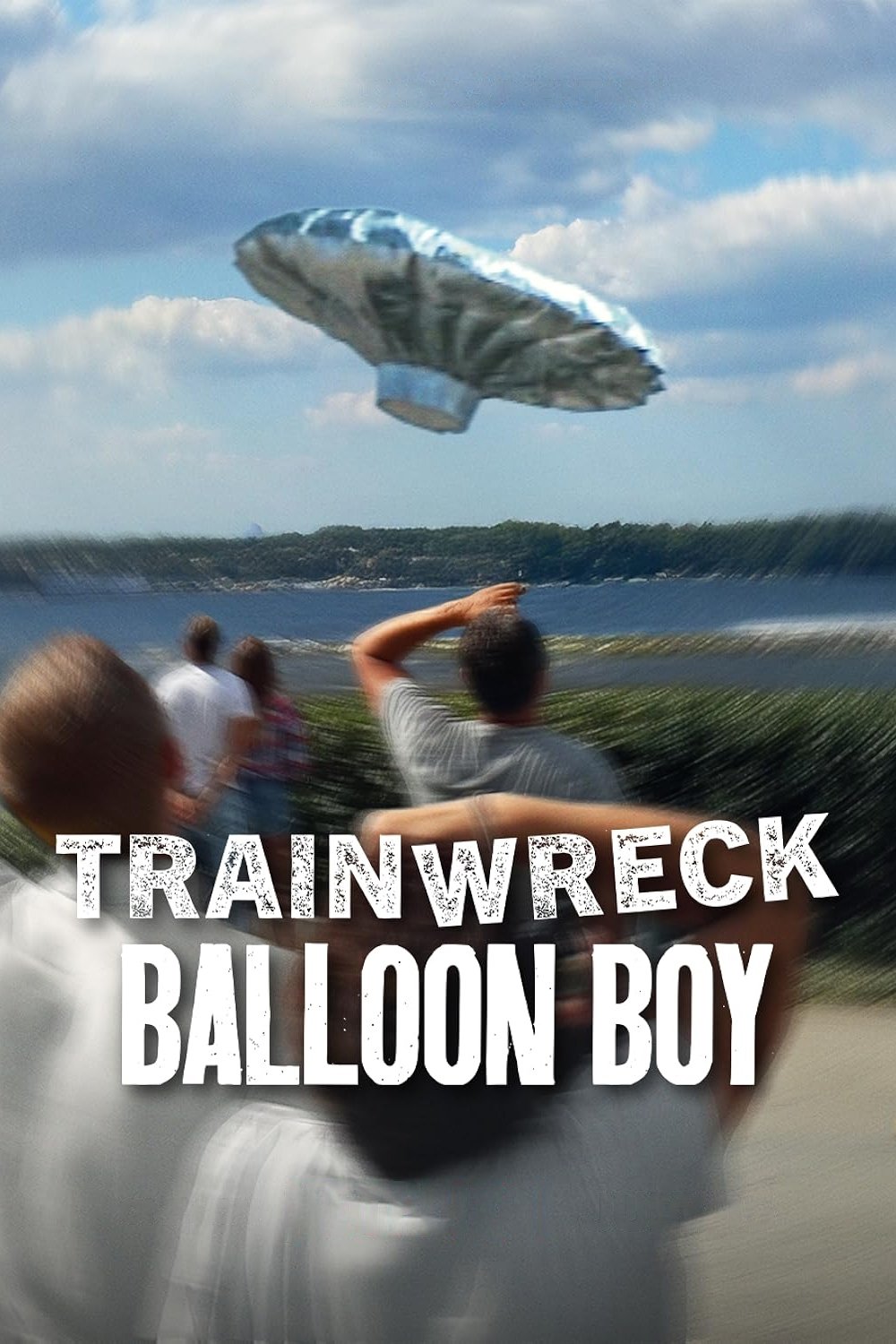
A homemade flying saucer lifts off, and a 6-year-old boy might be inside. National panic ensues — but what truly happened? This documentary investigates.
A look at the origins, history and conspiracies behind the "Majestic 12", a clandestine group of military and corporate figureheads charged with reverse-engineering extraterrestrial technology.
Unravel the case of Utah therapist Jodi Hildebrandt, whose child abuse arrest with parenting YouTuber Ruby Franke exposed a twisted tale of manipulation.
A documentary about the making of season five of the acclaimed AMC series Breaking Bad.
SEDUCED AND ABANDONED combines acting legend Alec Baldwin with director James Toback as they lead us on a troublesome and often hilarious journey of raising financing for their next feature film. Moving from director to financier to star actor, the two players provide us with a unique look behind the curtain at the world's biggest and most glamourous film festival, shining a light on the bitter-sweet relationship filmmakers have with Cannes and the film business. Featuring insights from directors Martin Scorsese, 'Bernando Bertolucci' and Roman Polanski; actors Ryan Gosling and Jessica Chastain and a host of film distribution luminaries.
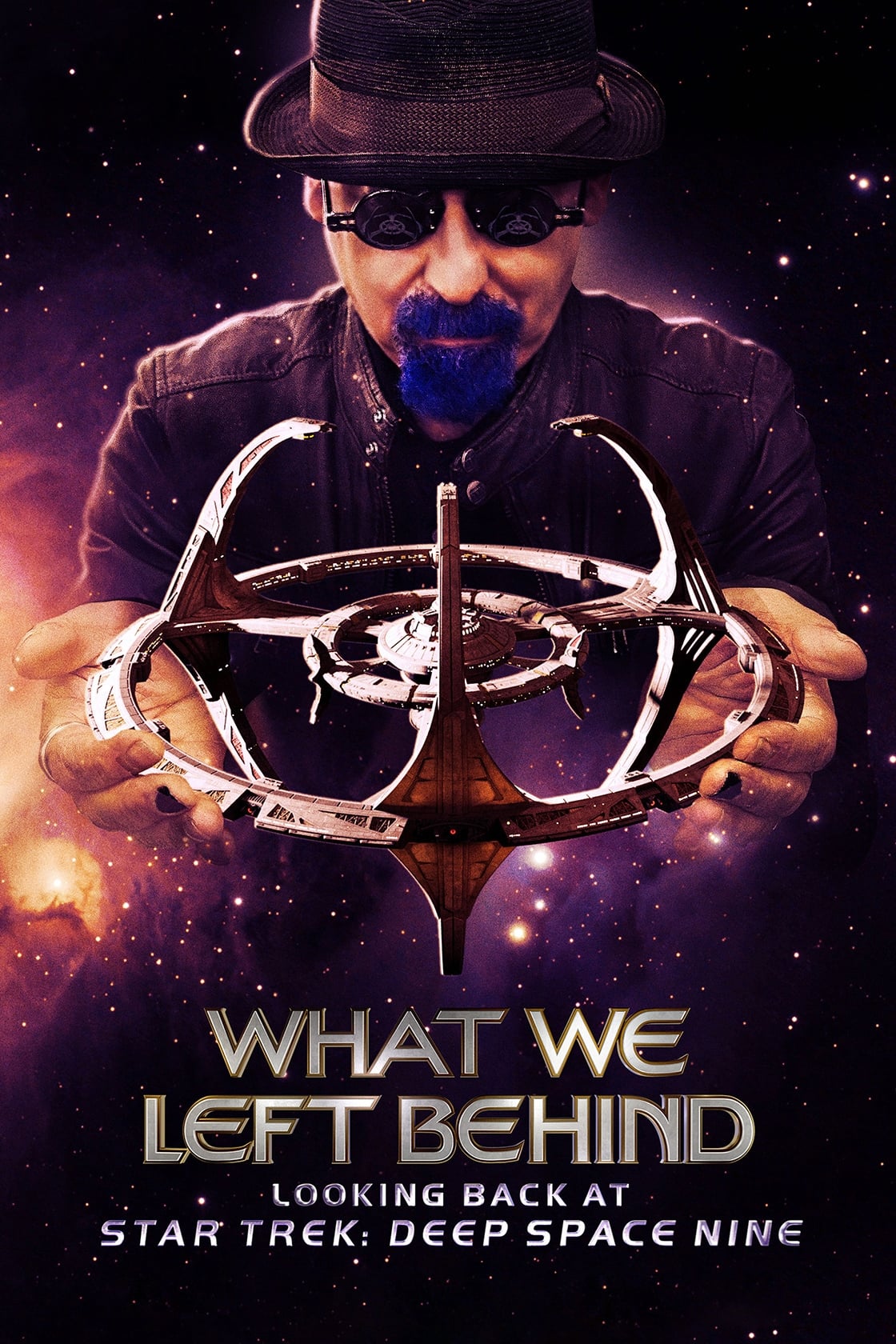
A documentary exploring the legacy of Star Trek: Deep Space Nine, the reasons it went from the black sheep of Star Trek to a beloved mainstay of the franchise, and a brainstorm with the original writers on what a theoretical eighth season of the show could look like.
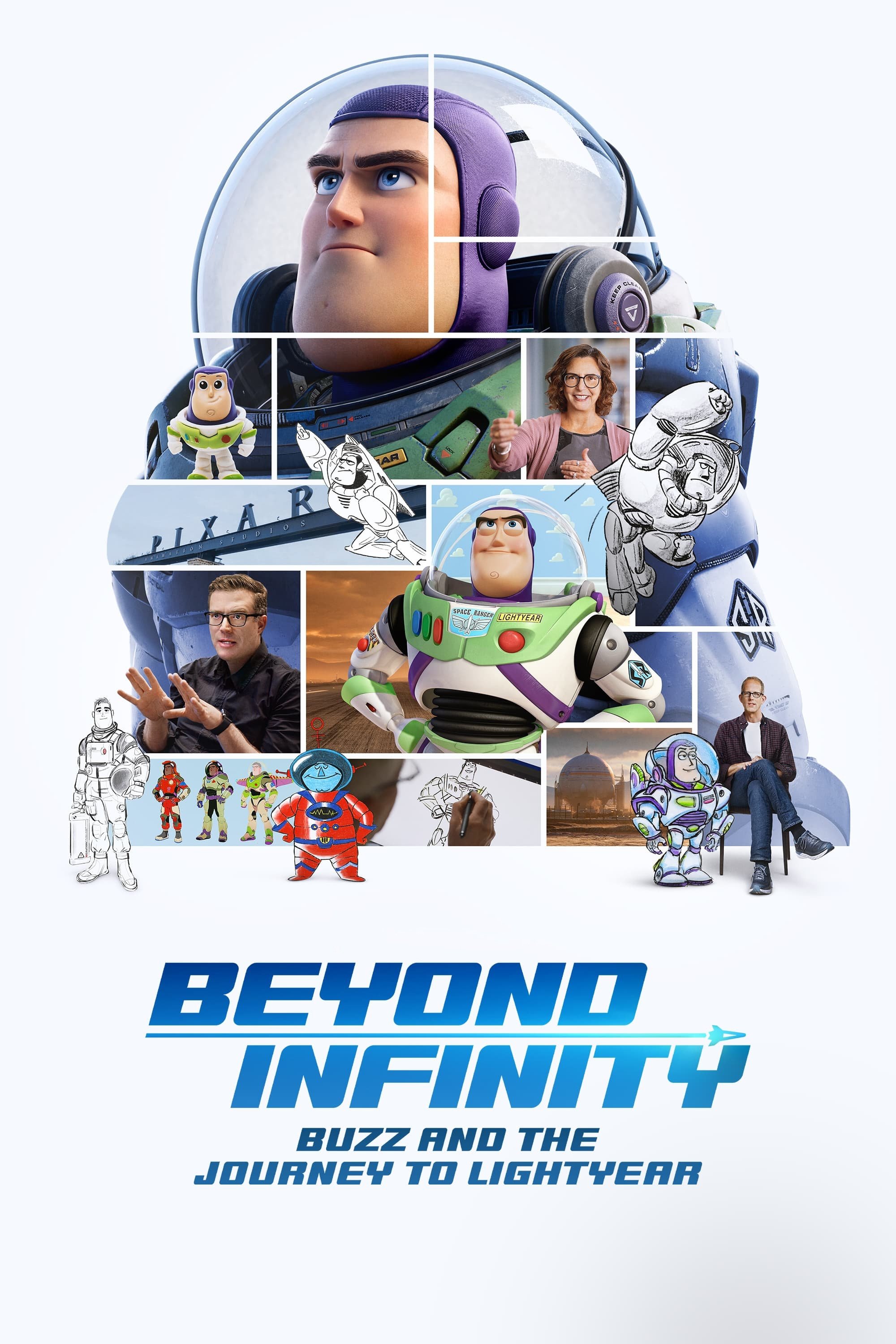
Explore the evolution of Buzz Lightyear from toy to human in the making of Pixar’s Lightyear. Dive into the origin and cultural impact of everyone’s favorite Space Ranger, the art of designing a new “human Buzz,” and the challenges faced by the Lightyear crew along the way.
The Making-of James Cameron's Avatar. It shows interesting parts of the work on the set.