Social & External
The people behind it
Eduard Kaeser
Birgit Beck
Eckart Modrow
Daniel Speck
Richard Nagyfi
Sergi Prieto
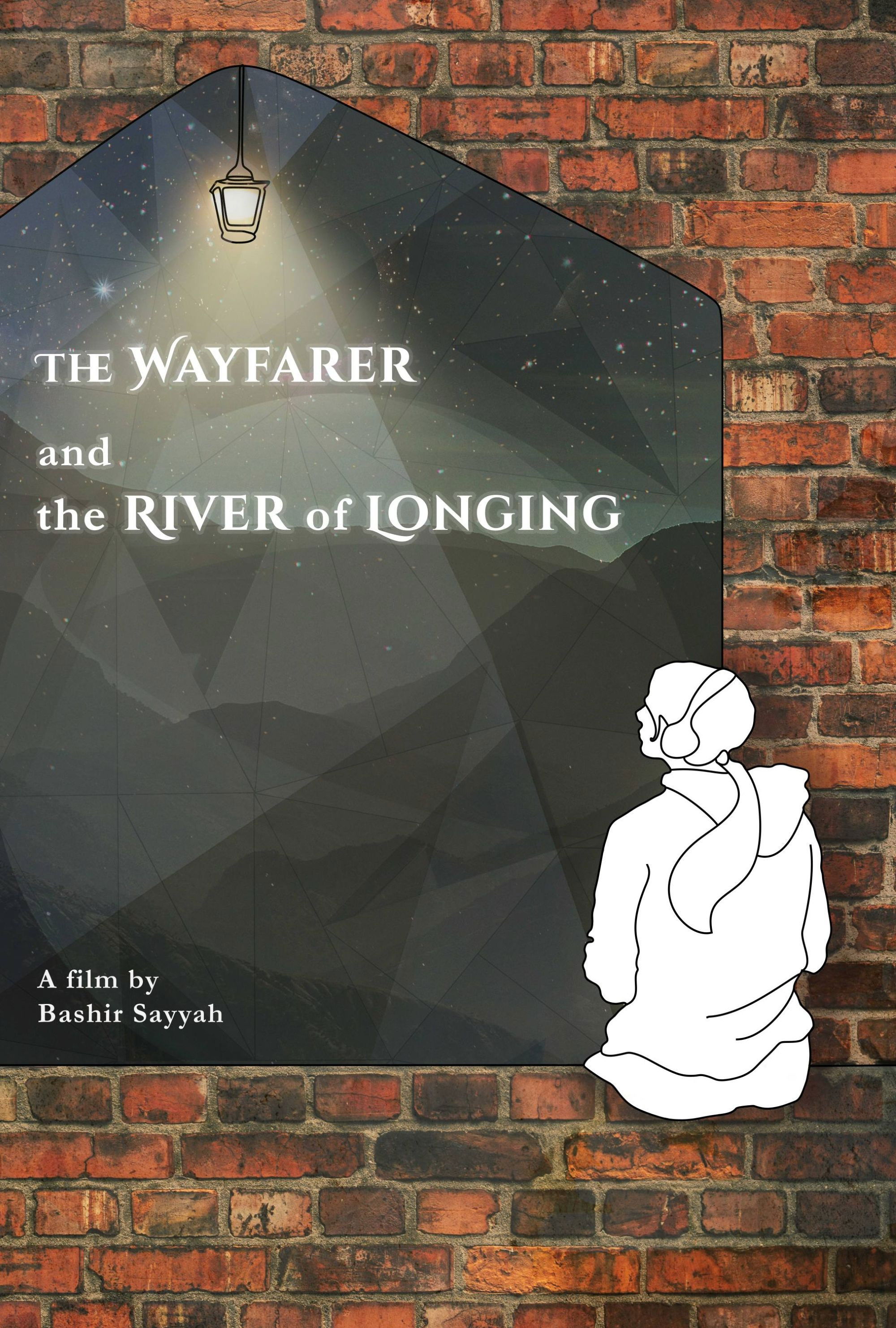
Inspired by The Seven Valleys, the film follows a solitary wayfarer who steps onto a spiritual journey of self-knowledge, guided not by destination but by transformation. Shot across the historic landscapes of Oxford, the journey unfolds as both an inner pilgrimage and a physical passage that reflects the wayfarer’s movement toward surrender, silence, and submission.
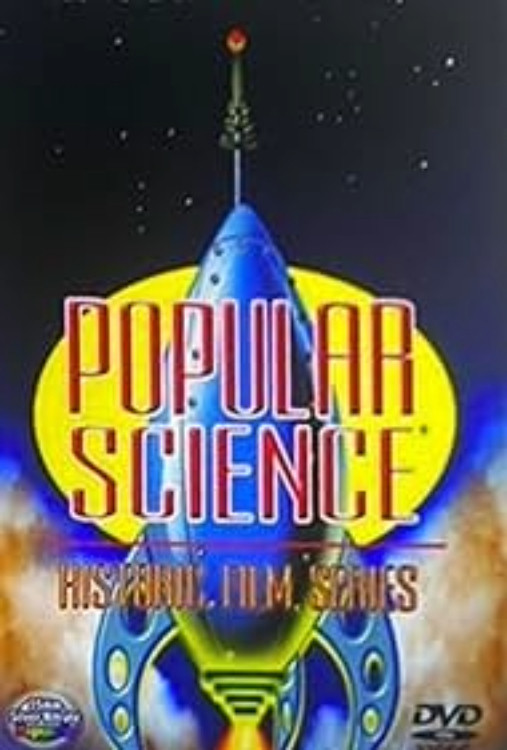
A variety of scientific subjects, including the laboratory of a plastic surgeon in London, and his method for applying permanent makeup; a new school for kiddies employing finger paint so they can express their urge to put things on paper; Army aviation, showing the latest development in blind landing. Produced in Cinecolor.
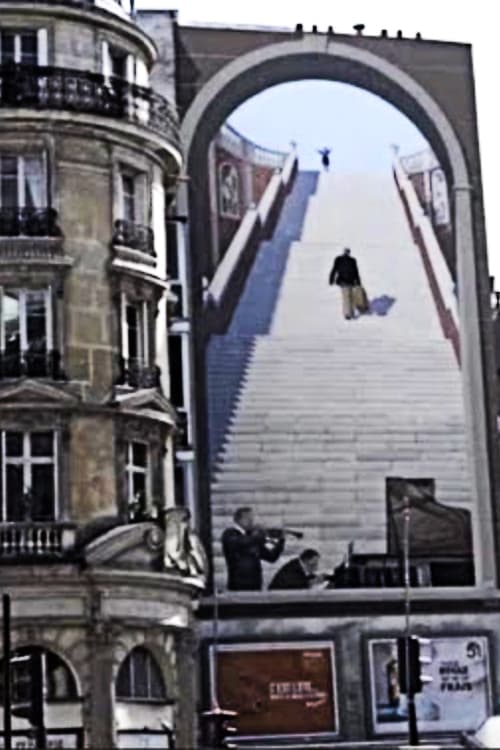
A look at contemporary Paris through the lens of theories and ideologies of the past two centuries, with a particular focus on the utopian socialist ideas of Charles Fourier.
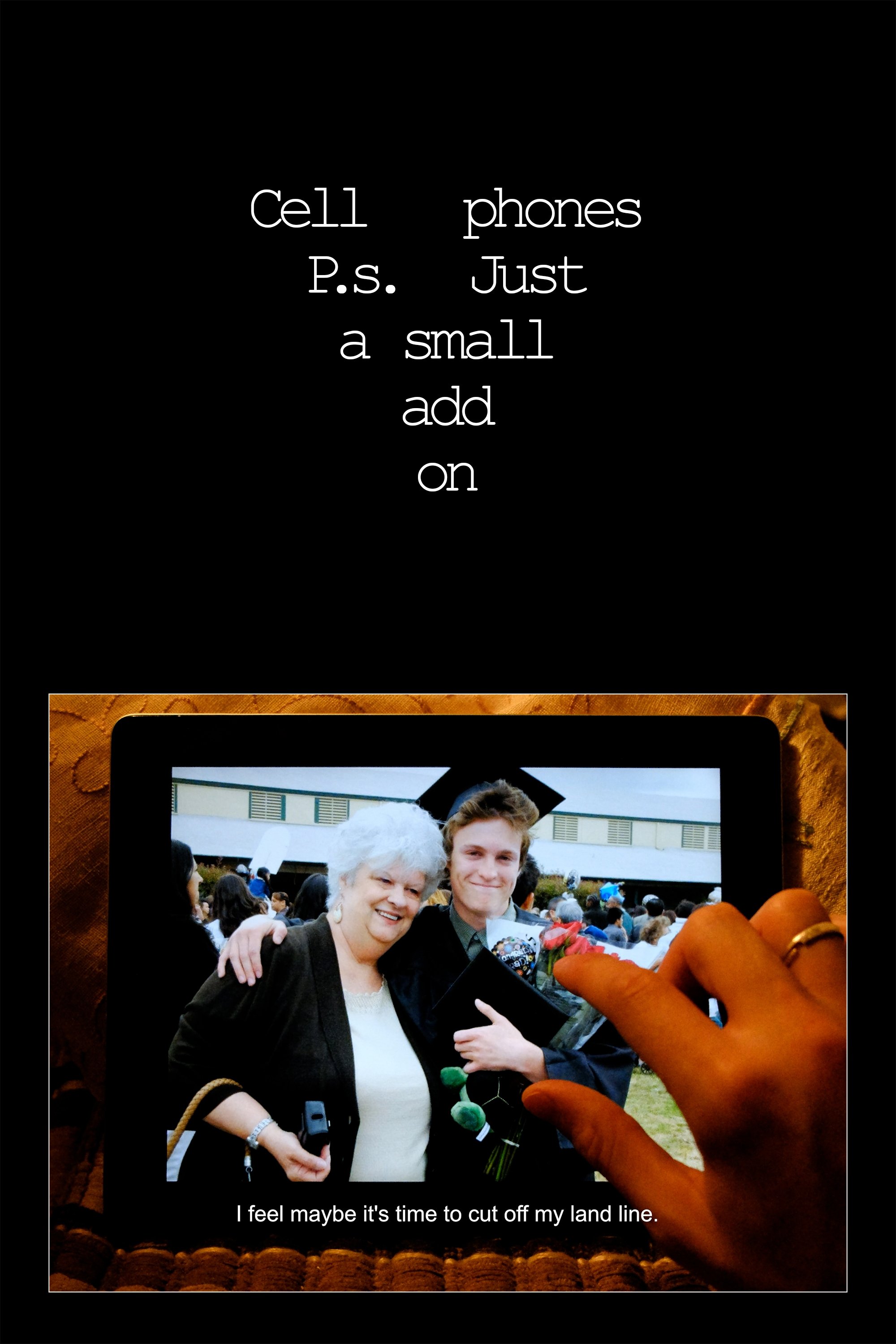
A grandson shows his grandmother how to navigate an iPad 2 full of clues for solving a puzzle. Over a phone call, she recites an email she wrote seven years prior.
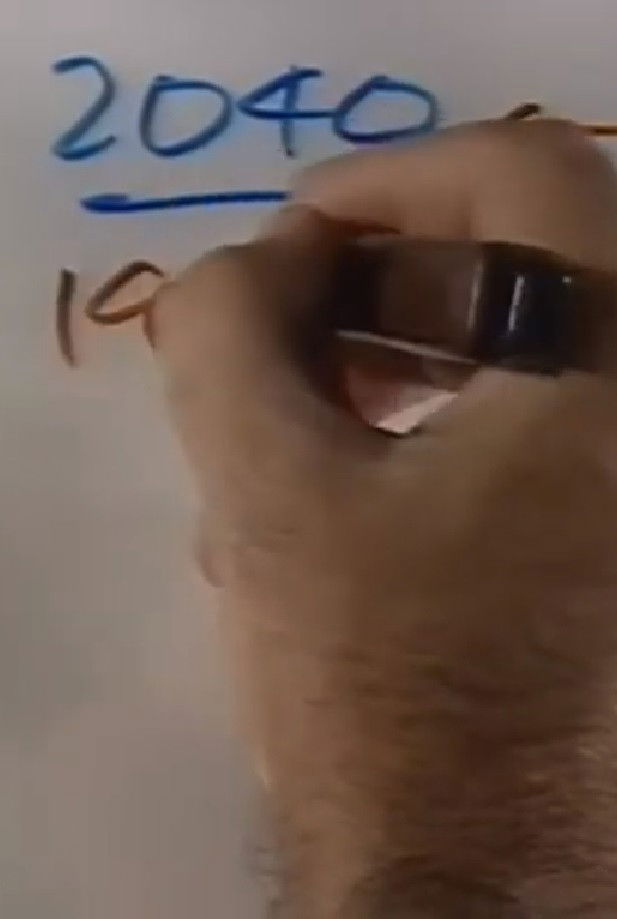
Edward de Bono literally sketches out the future in a 90 minute lecture filmed in Copenhagen. He explains 2040 as seen by someone frozen cryogenically in 1997.
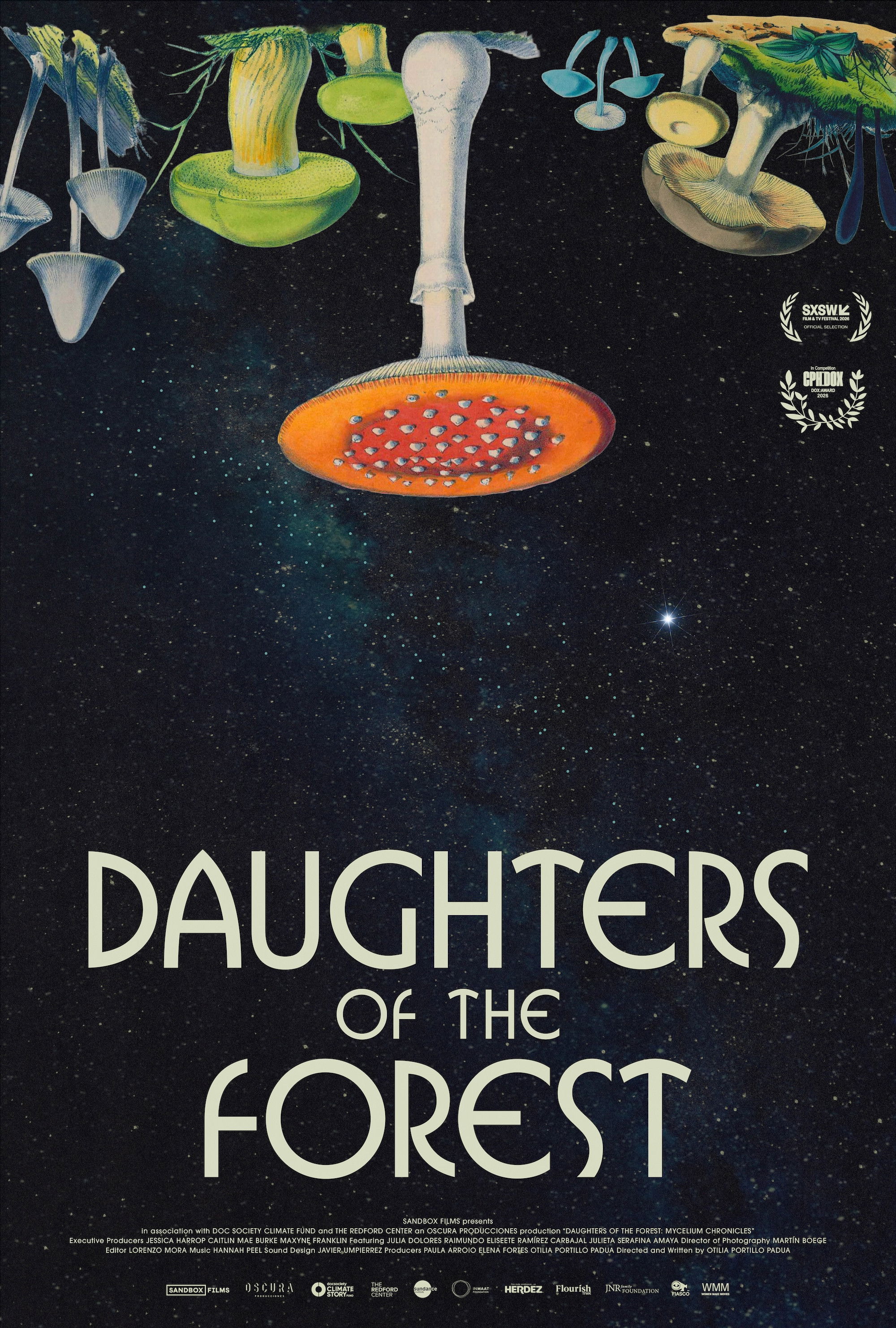
Deep in Mexico’s mushroom-rich forests, two women from indigenous communities have become mycologists. This immersive sci-fi documentary follows their unusual, fungi-driven paths as they seek to reconcile the past and present while reimagining the future for themselves and the changing world they inhabit.
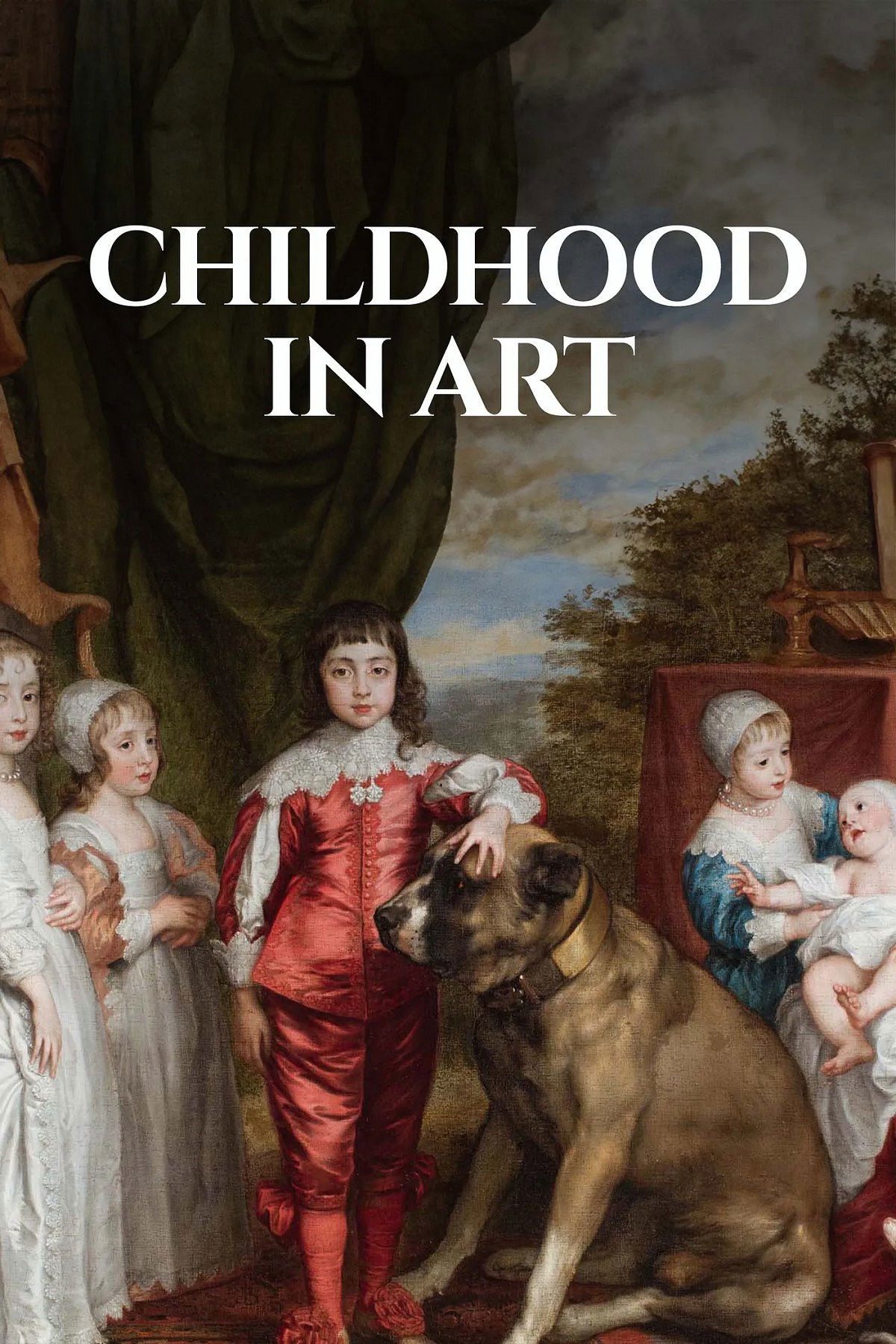
How have the changing views on children been reflected in their representation in art? From Baby Jesus to the first photographic portraits, an exploration of six centuries of art history through the prism of childhood.
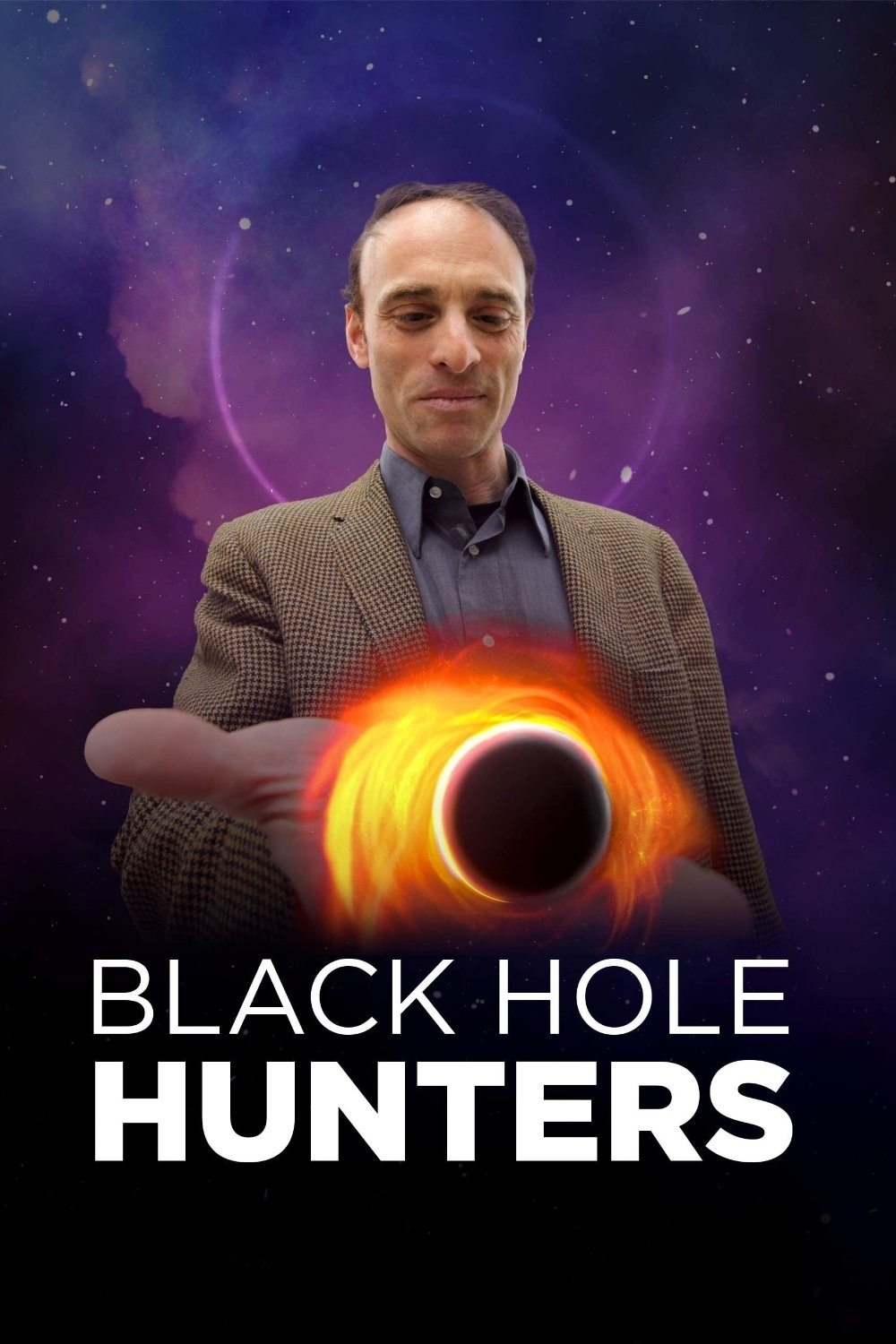
A team of international scientists attempt to document the first-ever image of a black hole.
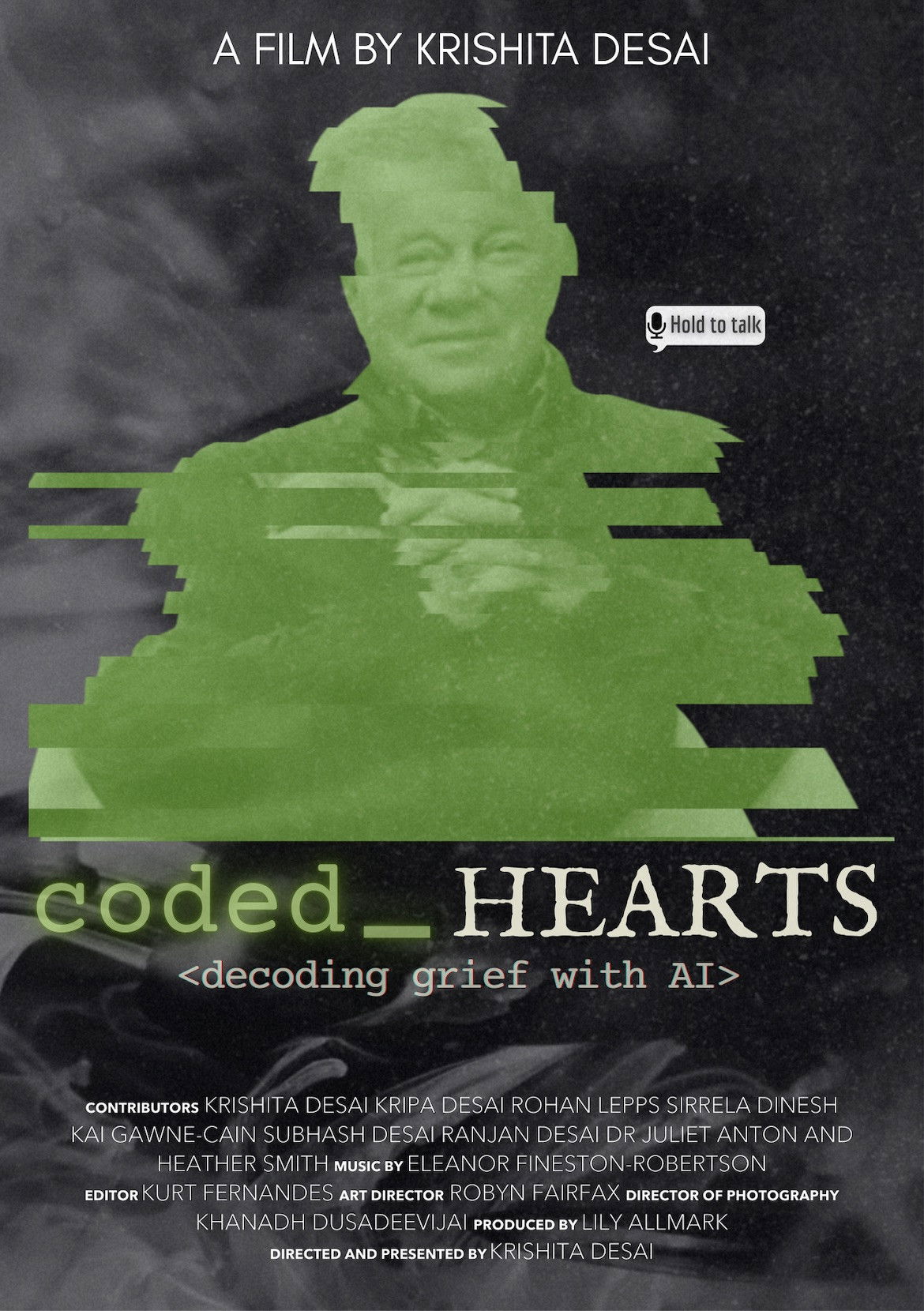
Filmmaker Krishita Desai explores AI grief technology that lets people interact with digital versions of their deceased loved ones. Through families and experts, the film asks whether it brings comfort or complicates grief and healing.
A musical documentary and tribute to Hugh Le Caine. The story of early electronic instruments, and the nearly forgotten Canadian music pioneer who created the first synthesizers. As told through interviews with three modern-day modular synth musicians.
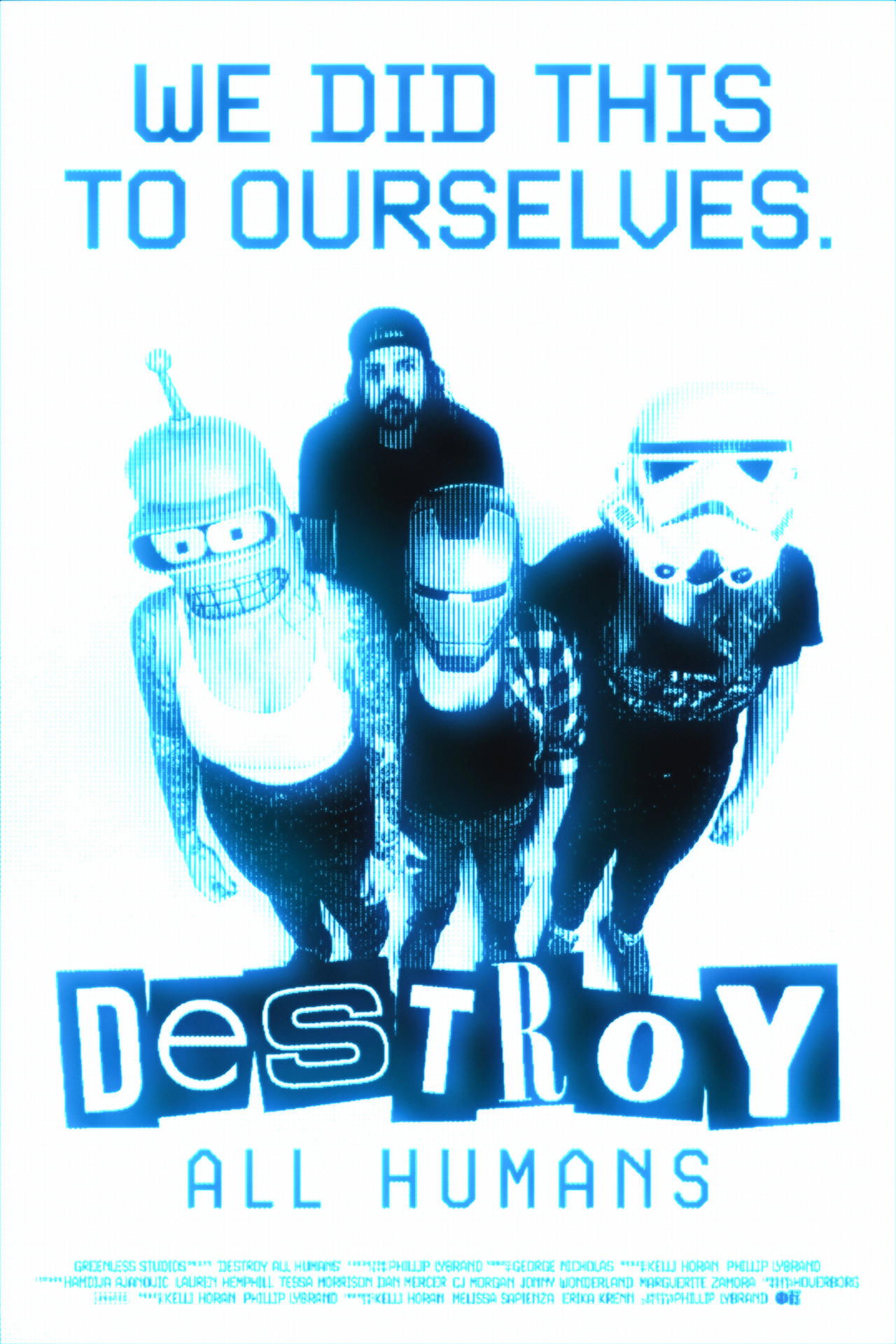
Destroy All Humans is a documentary exploring AI’s rise in art and media through an existential, experimental lens. At its center is HOVERBORG, a fictional band whose AI-generated music sparked questions about creativity and authenticity. Through interviews with musicians, artists, and media professionals, the film reflects on the unsettling shift toward hyperpersonalized media and asks: In a world shaped by algorithms, will we still recognize ourselves in the art we consume?
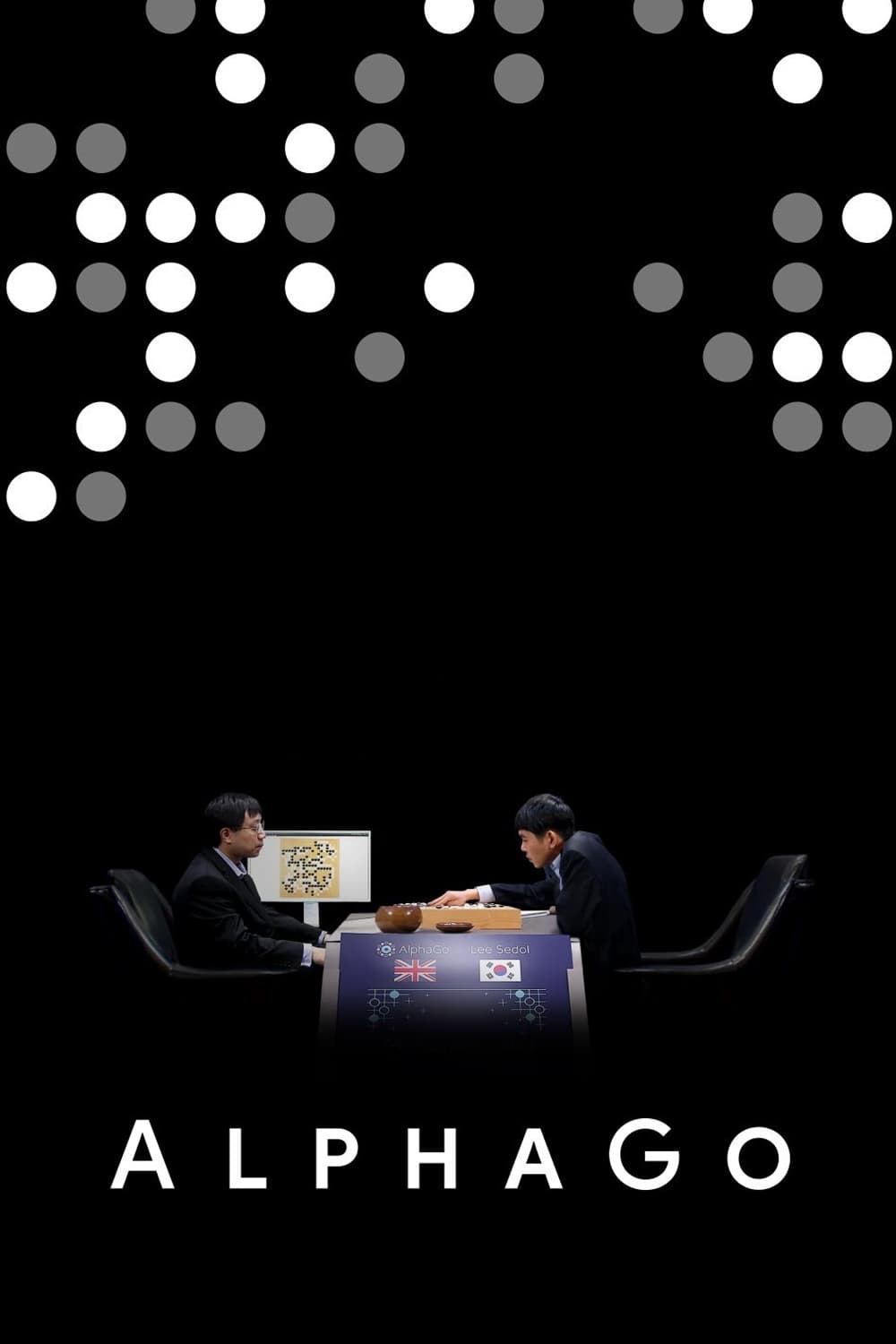
The ancient Chinese game of Go has long been considered a grand challenge for artificial intelligence. Yet in 2016, Google's DeepMind team announced that they would be taking on Lee Sedol, the world's most elite Go champion. AlphaGo chronicles the team as it prepares to test the limits of its rapidly-evolving AI technology. The film pits man against machine, and reveals as much about the workings of the human mind as it does the future of AI.
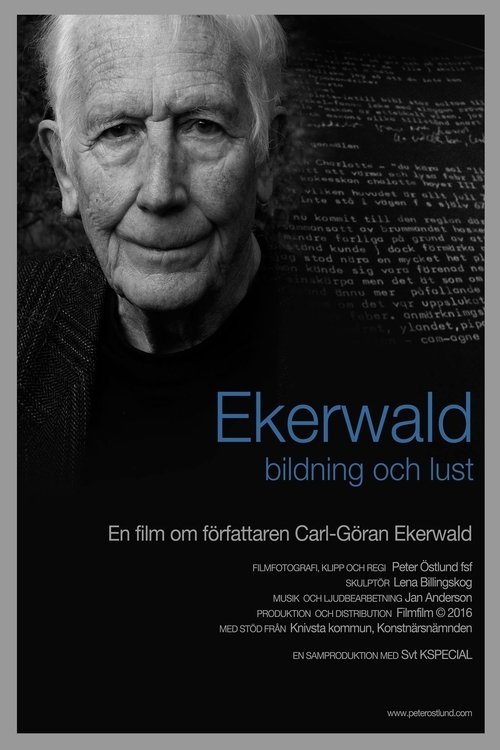
The author Carl-Göran Ekerwald has written more than 50 books. At the age of 87, a new chapter in his life begins when he meets the journalist and author Sigrid Kahle. Ekerwald is a man of eductation and lust.
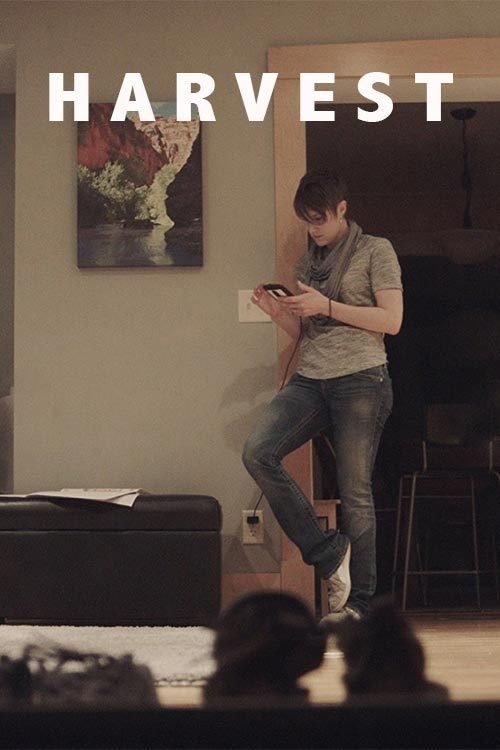
Jenni has an ordinary life of simple patterns revolving around family and work. Her daily routine is seemingly unremarkable yet is of great interest to someone she doesn’t know—but who knows everything about her. Harvest is a thrilling and inventive depiction of the hidden value in mundane routines.
The life and career of the hailed Hollywood movie star and underappreciated genius inventor, Hedy Lamarr.
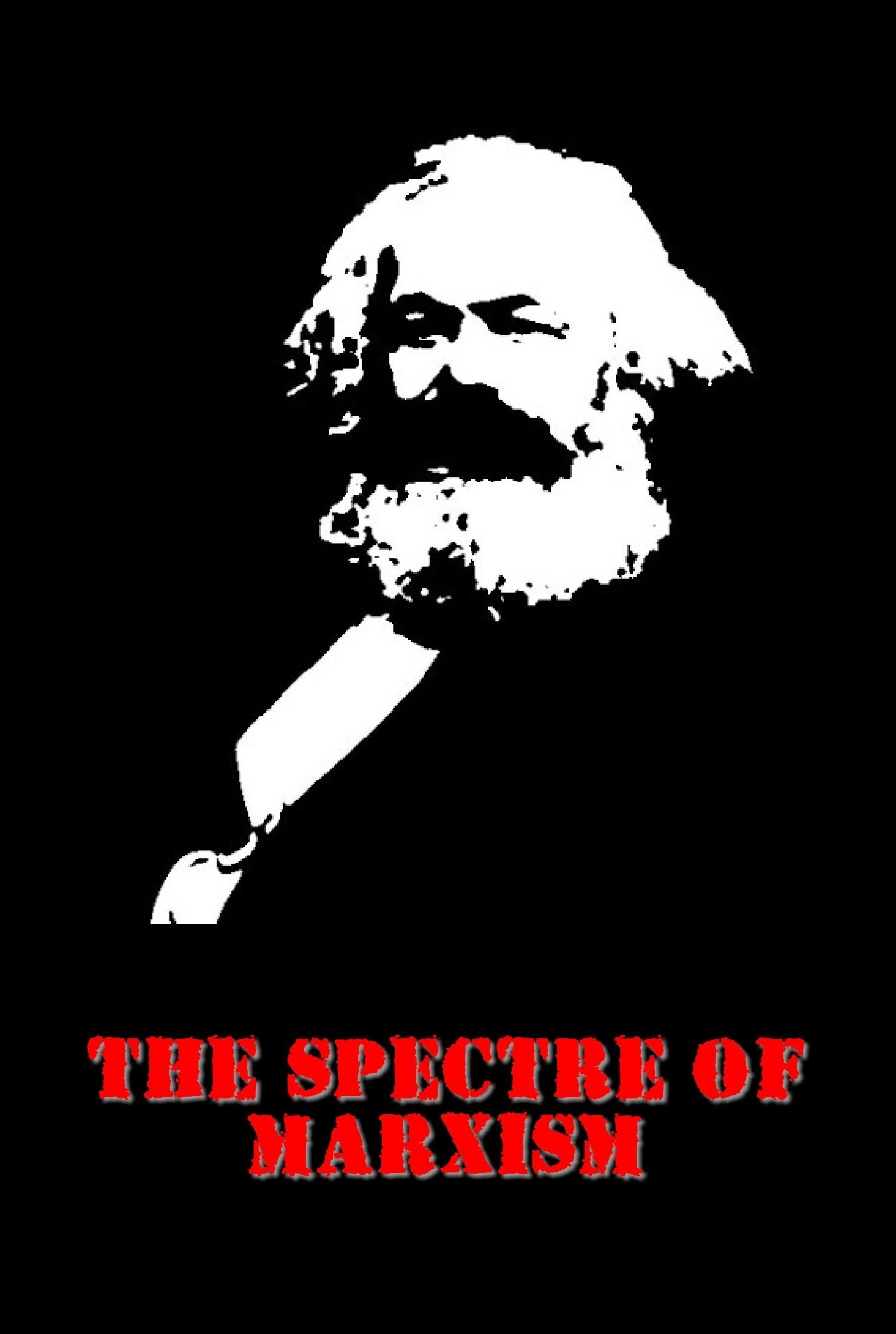
The impact of Marx on the 20th century has been all-pervasive and world-wide. This program looks at the man, at the roots of his philosophy, at the causes and explanations of his philosophical development, and at its most direct outcome: the failed Soviet Union.
In this educational film, laboratory demonstrations show the effects of moisture and temperature on the growth of molds. Photomicrography reveals the structure of molds: hyphae, mycelium, spore balls, spores. Beginning with spores on a rice culture, time-lapse photography shows the formation of a new colony.
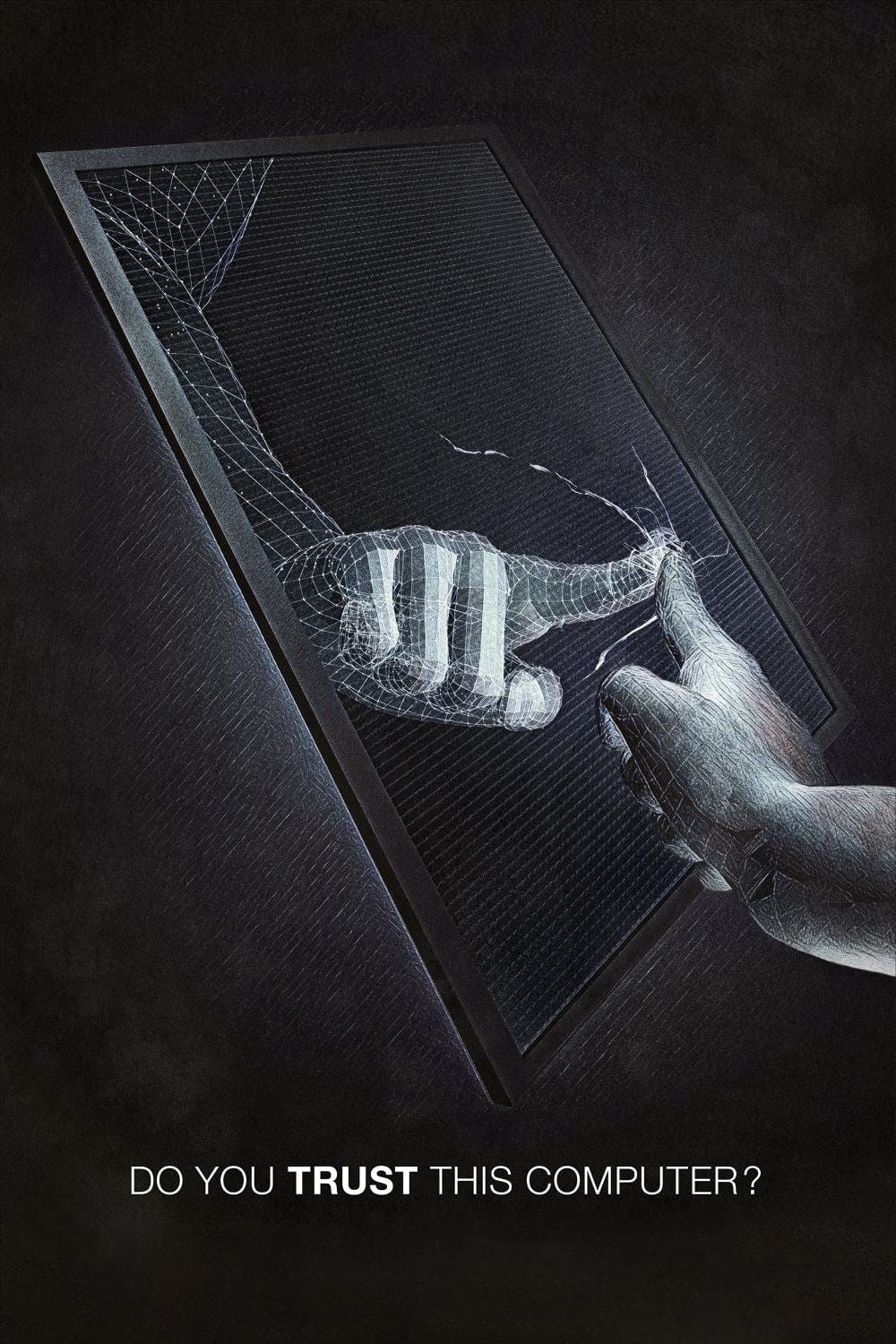
Science fiction has long anticipated the rise of machine intelligence, and today a new generation of self-learning computers has begun to reshape every aspect of our lives. Will A.I. usher in an age of unprecedented potential, or prove to be our final invention?
A visual montage portrait of our contemporary world dominated by globalized technology and violence.
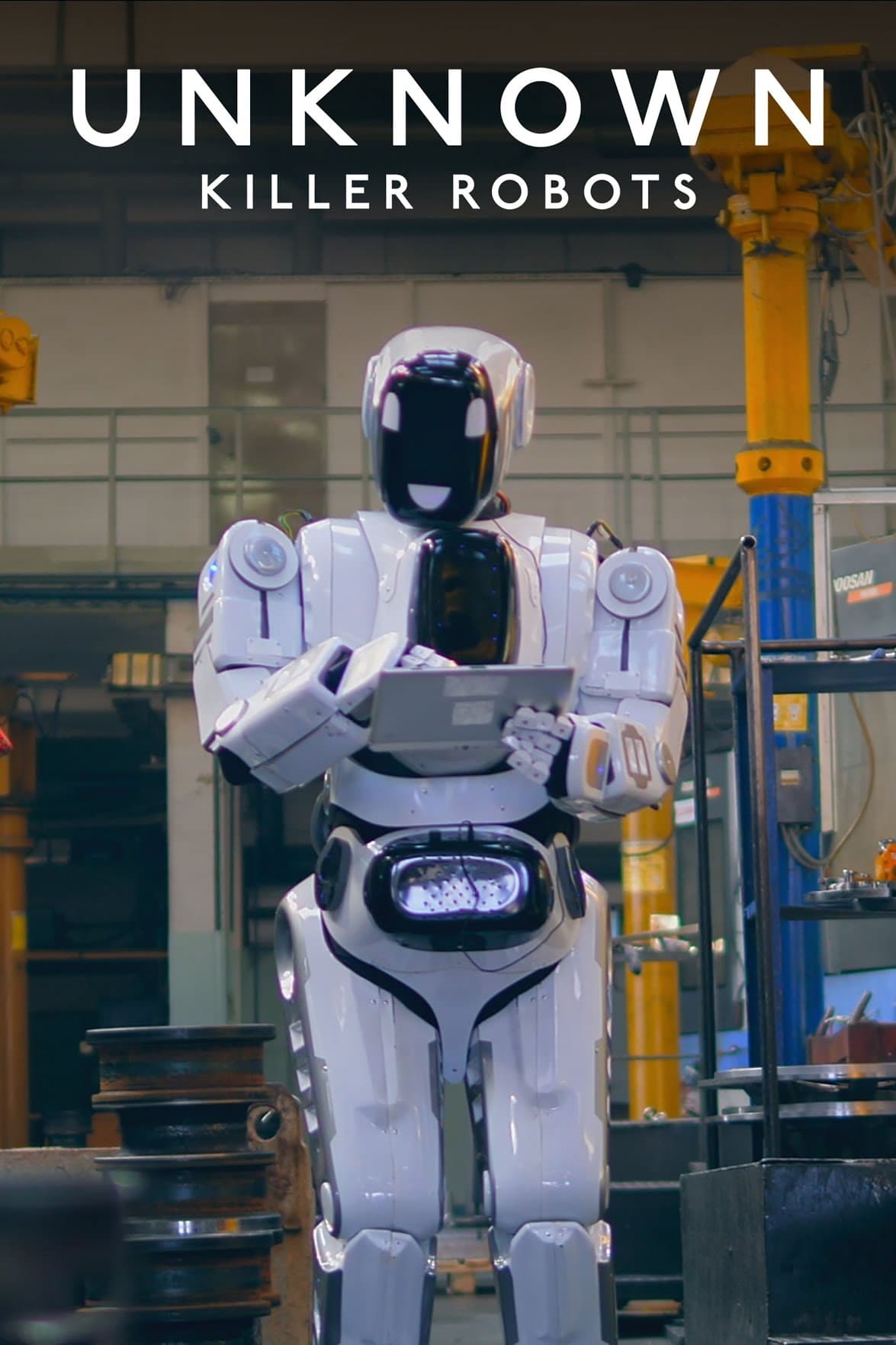
What happens when a machine makes life-or-death decisions? This documentary explores the dangers of artificial intelligence in military application.
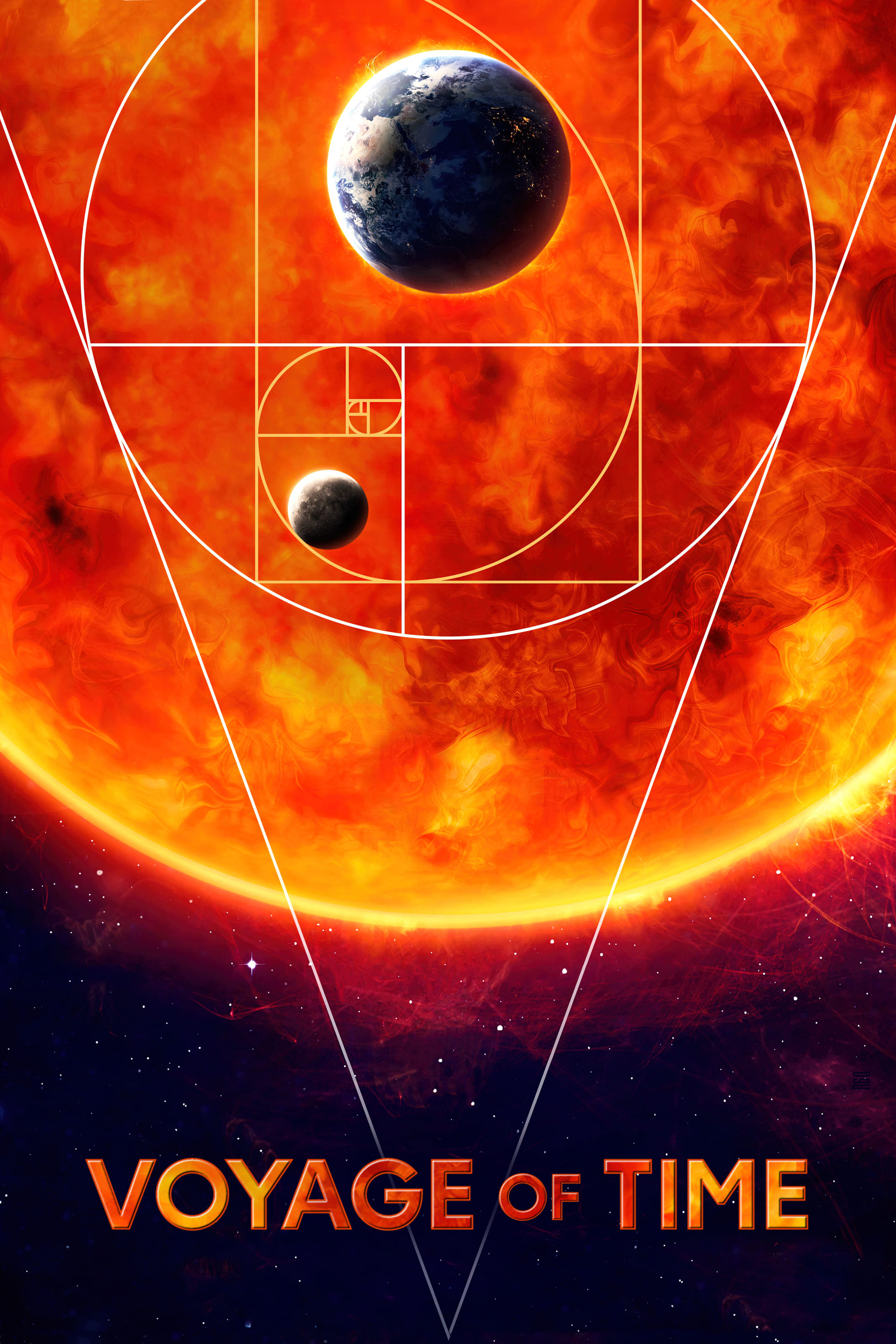
A celebration of the universe, displaying the whole of time, from its start to its final collapse. This film examines all that occurred to prepare the world that stands before us now: science and spirit, birth and death, the grand cosmos and the minute life systems of our planet.
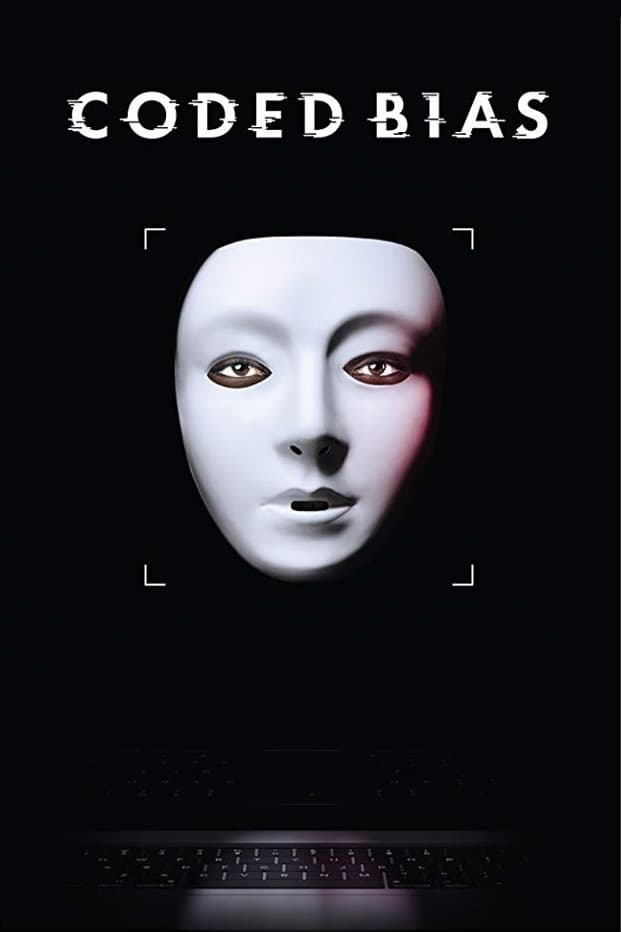
Exploring the fallout of MIT Media Lab researcher Joy Buolamwini's startling discovery that facial recognition does not see dark-skinned faces accurately, and her journey to push for the first-ever legislation in the U.S. to govern against bias in the algorithms that impact us all.
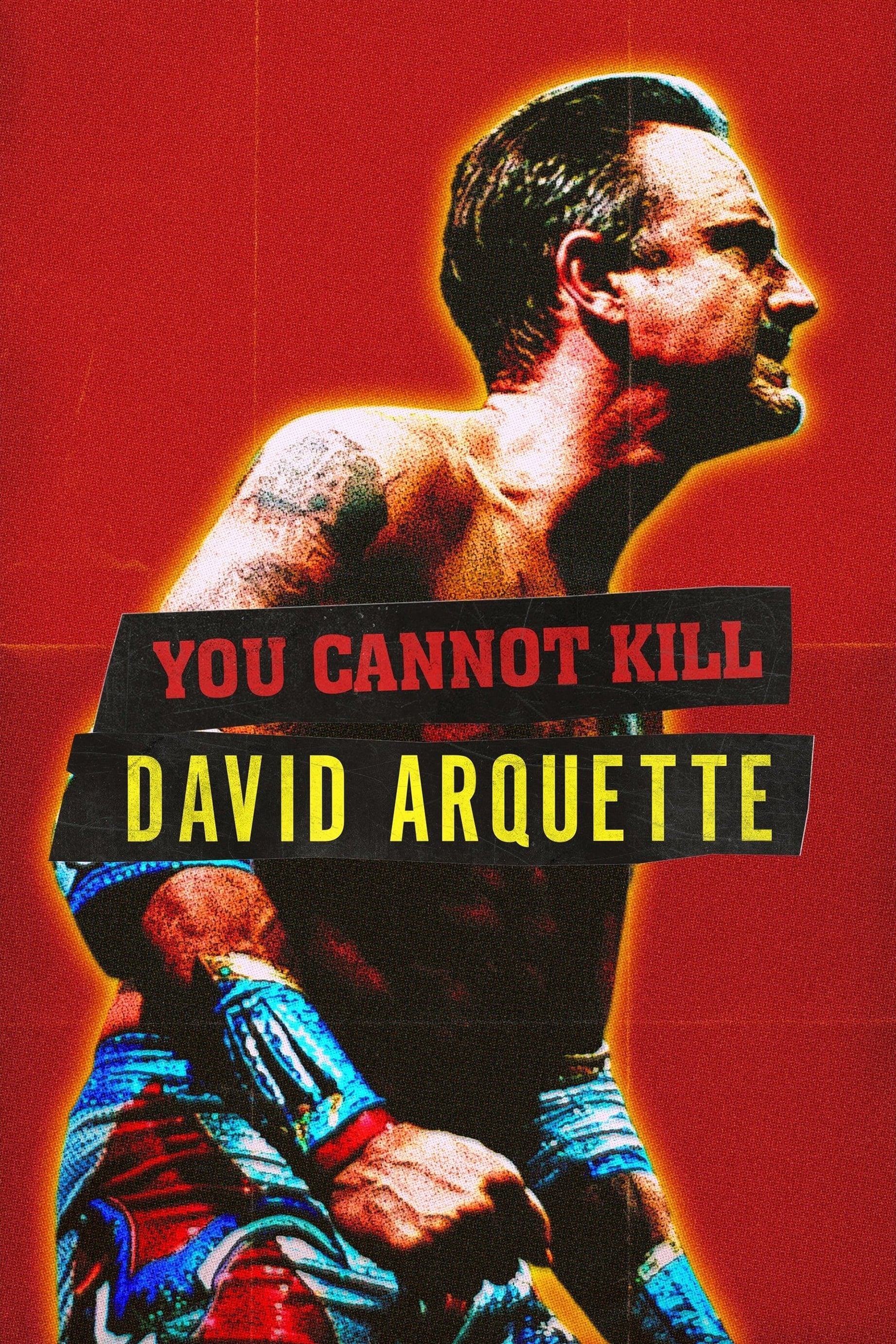
Following his infamous championship as part of a marketing stunt for the film Ready to Rumble, David Arquette is widely known as the most hated man in pro-wrestling worldwide. Nearly 20 years after he "won" the initial title, through ups and downs in his career, with his family, and with his struggles with addiction, David Arquette seeks redemption by returning to the ring...for real this time.
An exploration of technologically developing nations and the effect the transition to Western-style modernization has had on them.
A documentary about the life and films of director John Ford.
Live Aid was held on 13 July 1985, simultaneously in Wembley Stadium in London, England, and the John F. Kennedy Stadium in Philadelphia, United States. It was one of the largest scale satellite link-ups and television broadcasts of all time: watched live by an estimated global audience of 1.9 billion, across 150 nations. "It's twelve noon in London, seven AM in Philadelphia, and around the world it's time for Live Aid...!"
Werner Herzog's exploration of the Internet and the connected world.
Derren Brown investigates the power of social compliance by persuading an unwitting member of the public into believing that they have pushed someone to their death.
A documentary about how a dominant cultural and demographic institution both sustains their traditional activities and adapts to the digital revolution.
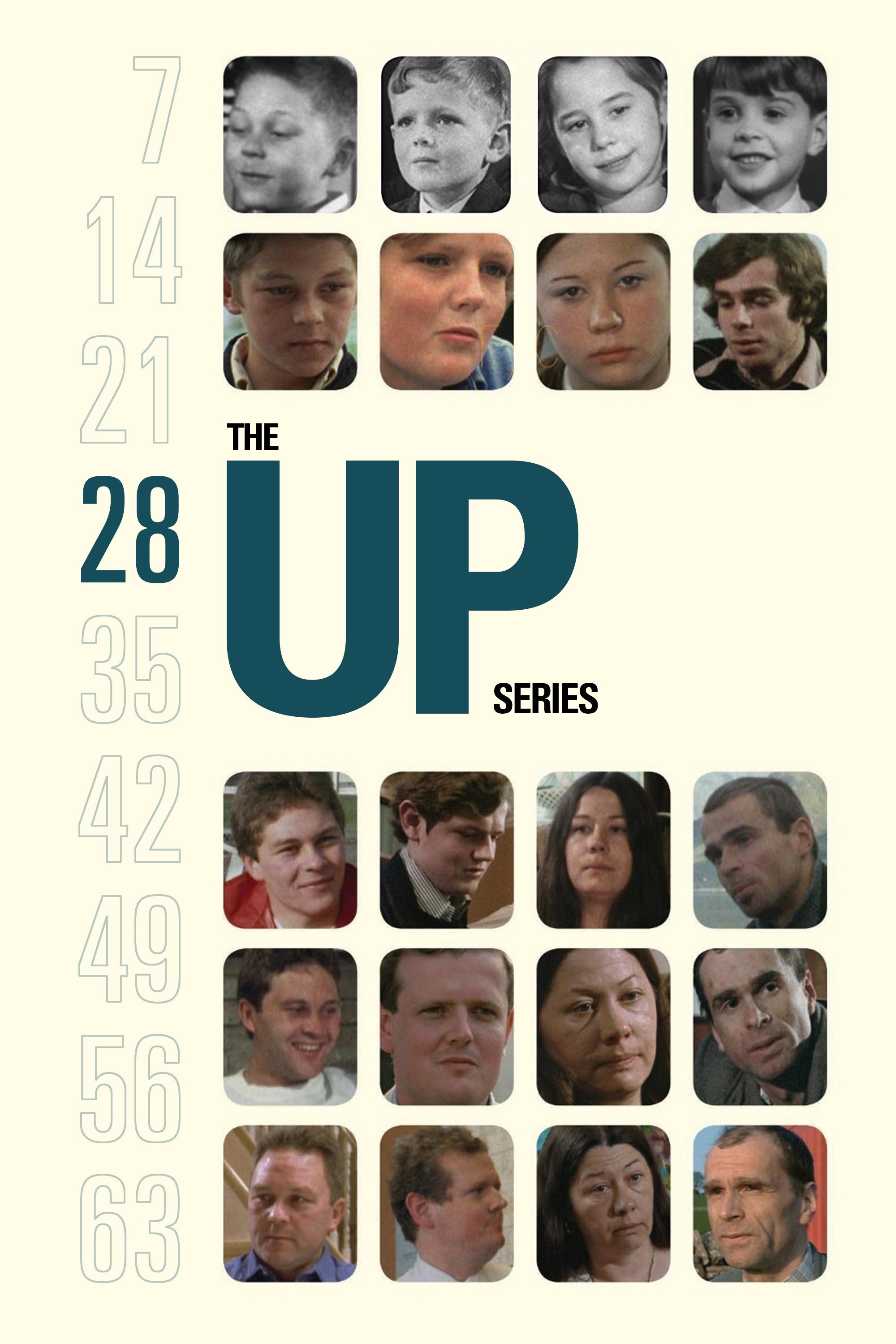
Just two years away from turning 30, participants in Michael Apted's documentary series are facing serious questions of identity and purpose, wondering whether they've found their place in the world.
Daniel Craig candidly reflects on his 15 year adventure as James Bond. Including never-before-seen archival footage from Casino Royale to the upcoming 25th film No Time To Die, Craig shares his personal memories in conversation with 007 producers, Michael G Wilson and Barbara Broccoli.
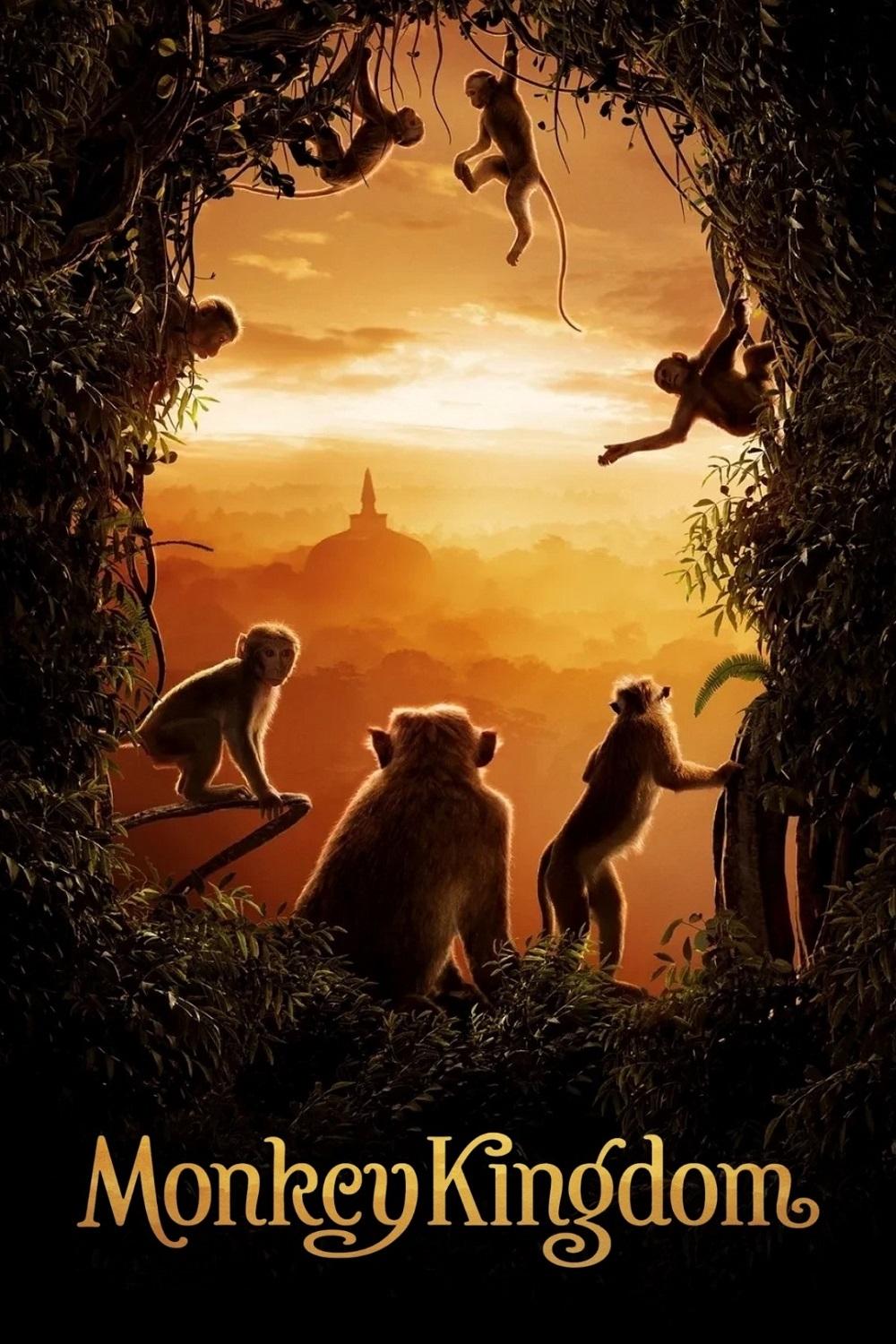
A newborn monkey and its mother struggle to survive within the competitive social hierarchy of the Temple Troop, a dynamic group of monkeys who live in ancient ruins found deep in the storied jungles of South Asia.
In an intimate and joyful story of love in the face of loss, celebrated poets Andrea Gibson and Megan Falley find strength—and unexpected hilarity—in what might be their final year together.
A documentary about the making of David Fincher's 2008 film THE CURIOUS CASE OF BENJAMIN BUTTON. Virtually every element in the evolution of the Fincher's film is documented here, from the project's attachment to numerous other directors during the 1990s, to its shoot in 2006 and 2007 in New Orleans, to its complex, CGI-intensive postproduction process.
Ranjit, a farmer in India, takes on the fight of his life when he demands justice for his 13-year-old daughter, the victim of a brutal gang rape. His decision to support his daughter is virtually unheard of, and his journey unprecedented.
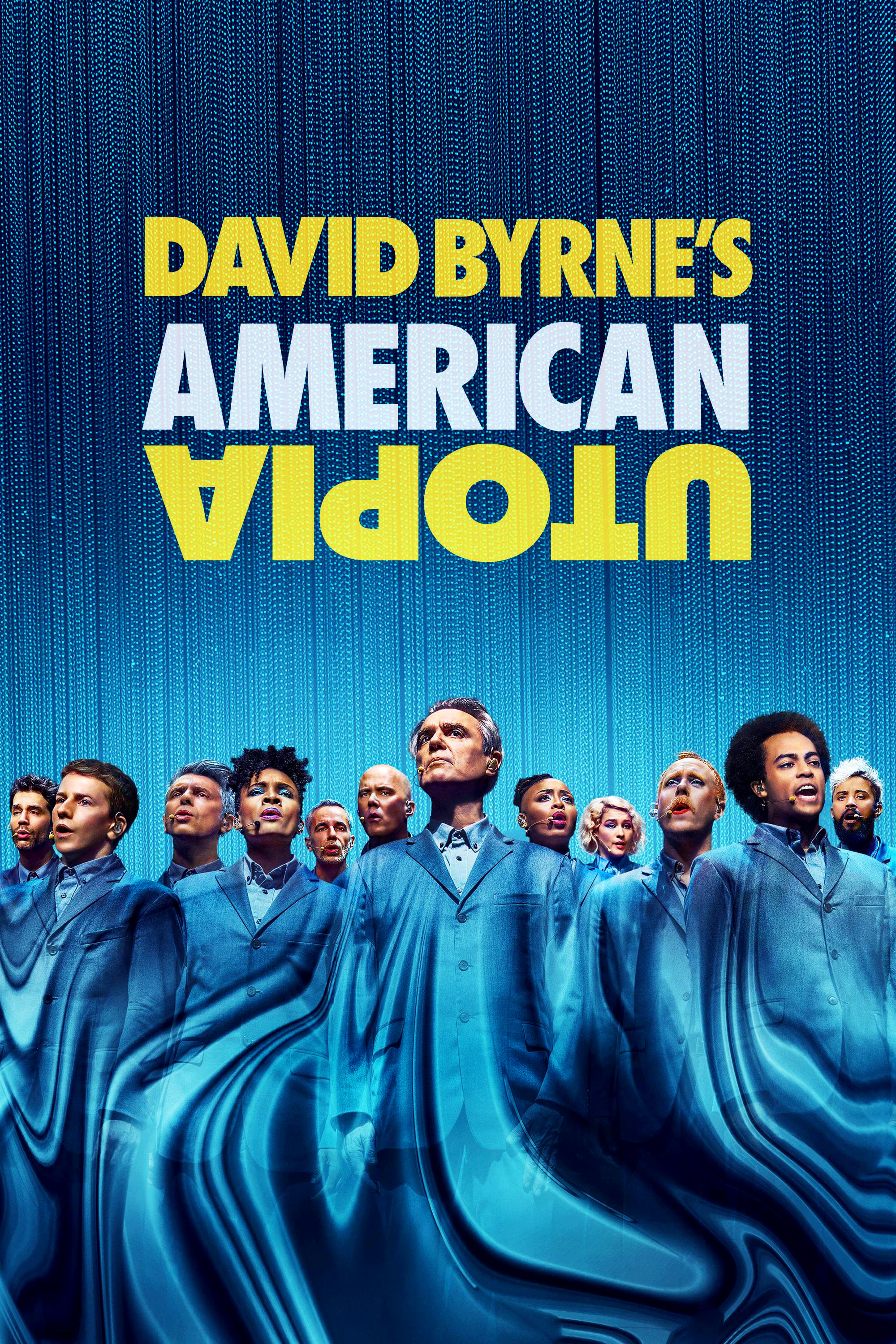
A filmed version of David Byrne's Broadway show, a unifying musical celebration that inspires audiences to connect to each other and to the global community.