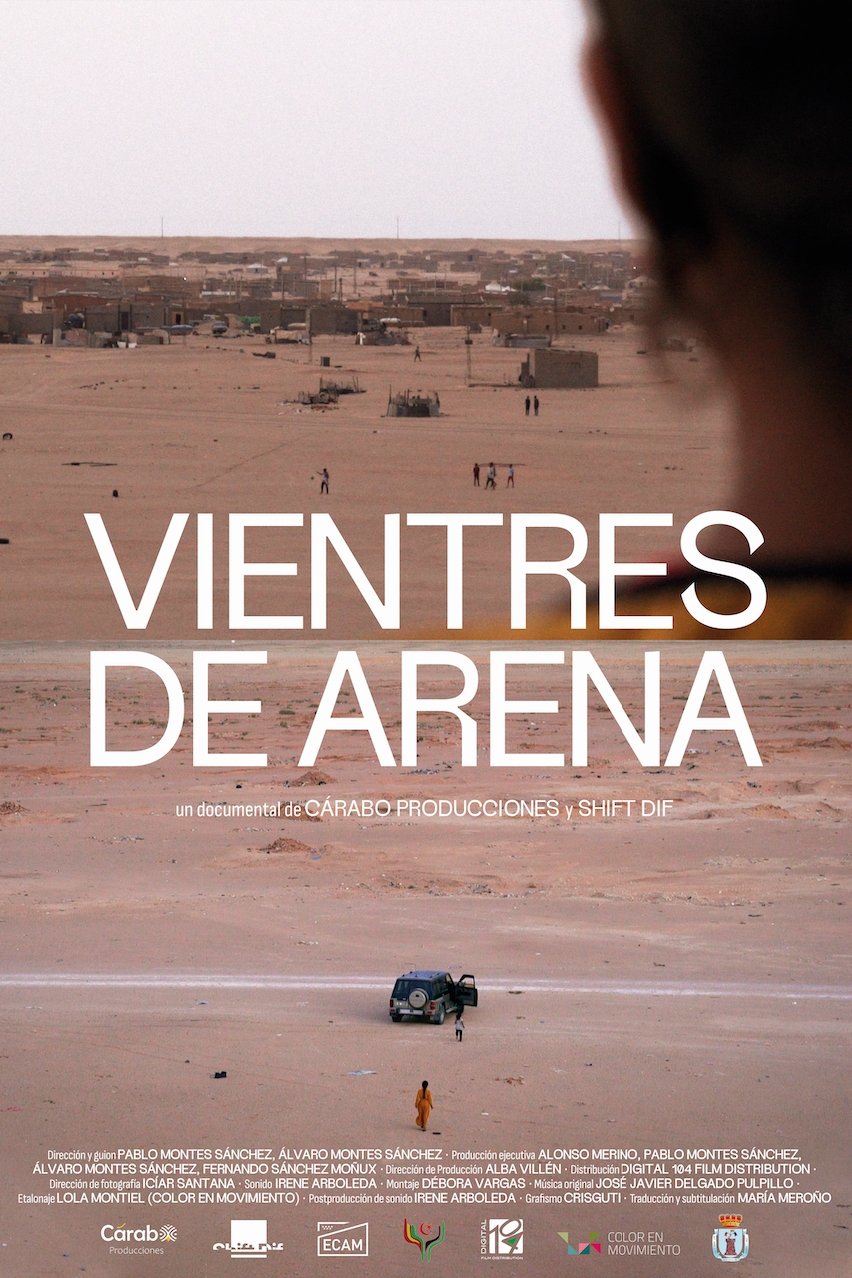
Habub and Marcos establish a relationship through “video letters” during the wintertime. Through these videos, we see what daily life is like in the Sahrawi refugee camps and, more importantly, how important the friendship between these two kids is.
Social & External
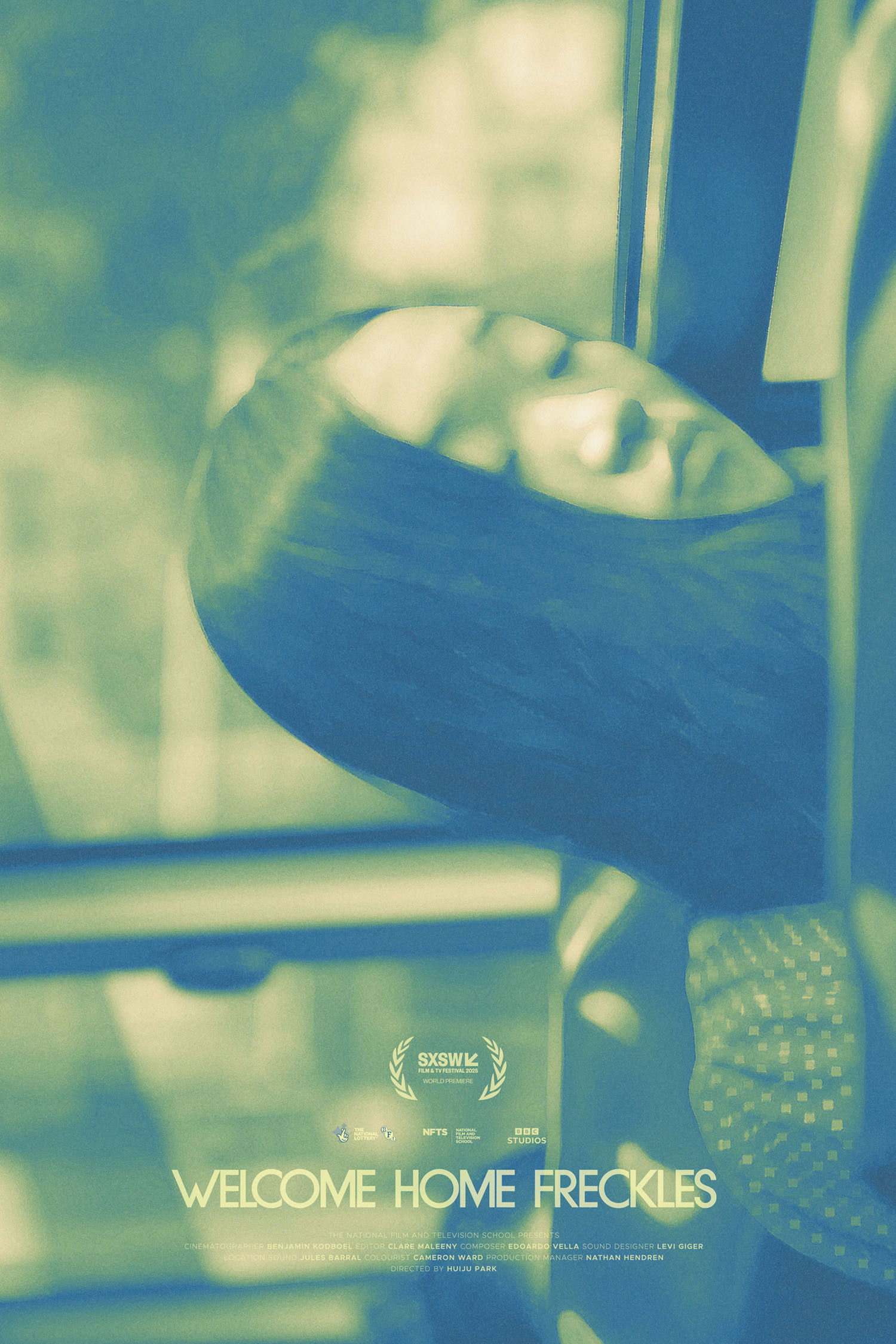
After four years away, Huiju returns home to South Korea. Exchanges with her loved ones are awkward and clumsy. Huiju turns once again to her familiar rituals: pruning the trees, preparing a sauce, tying a braid.
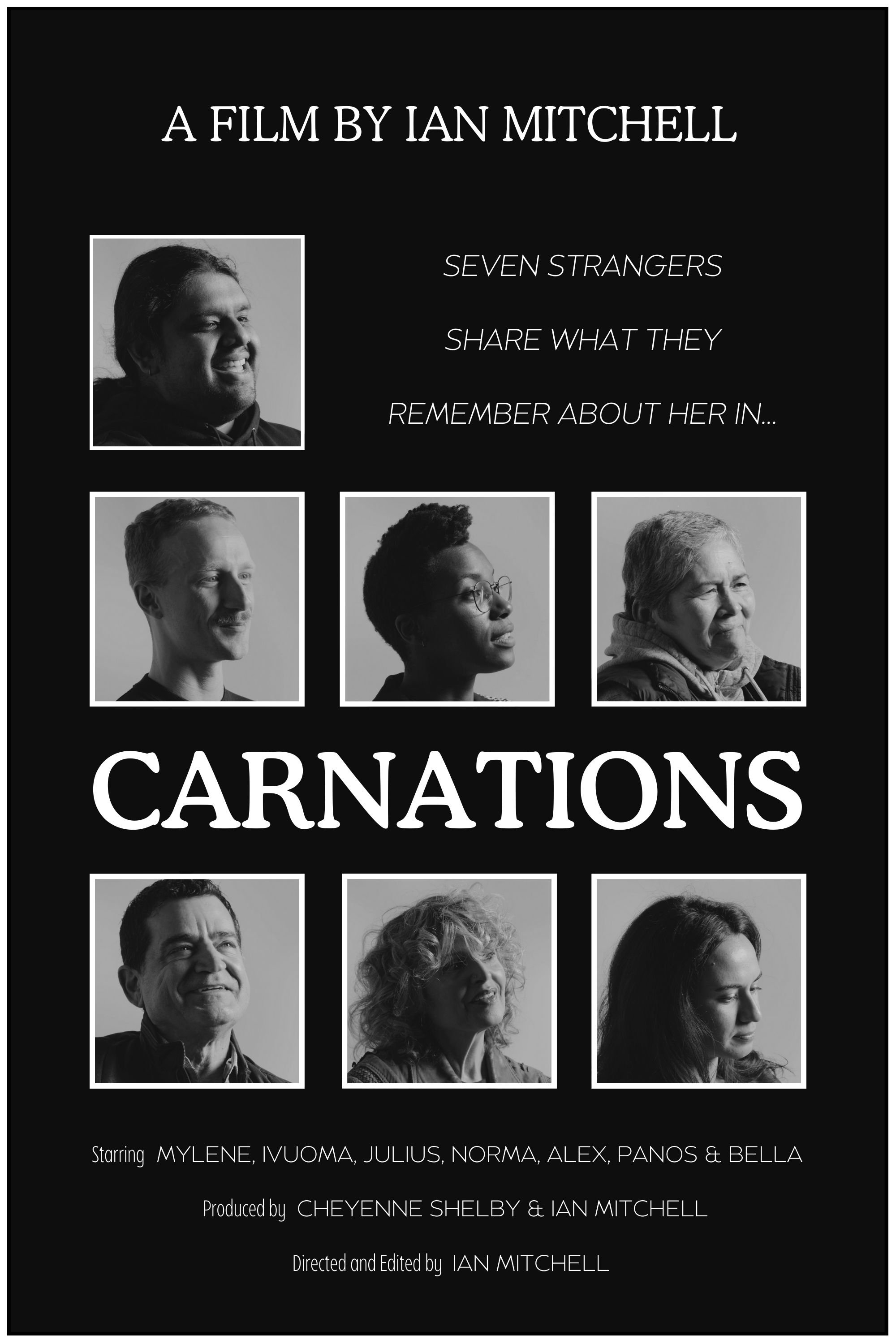
Seven strangers are interviewed to talk about the relationship they have with their mother.
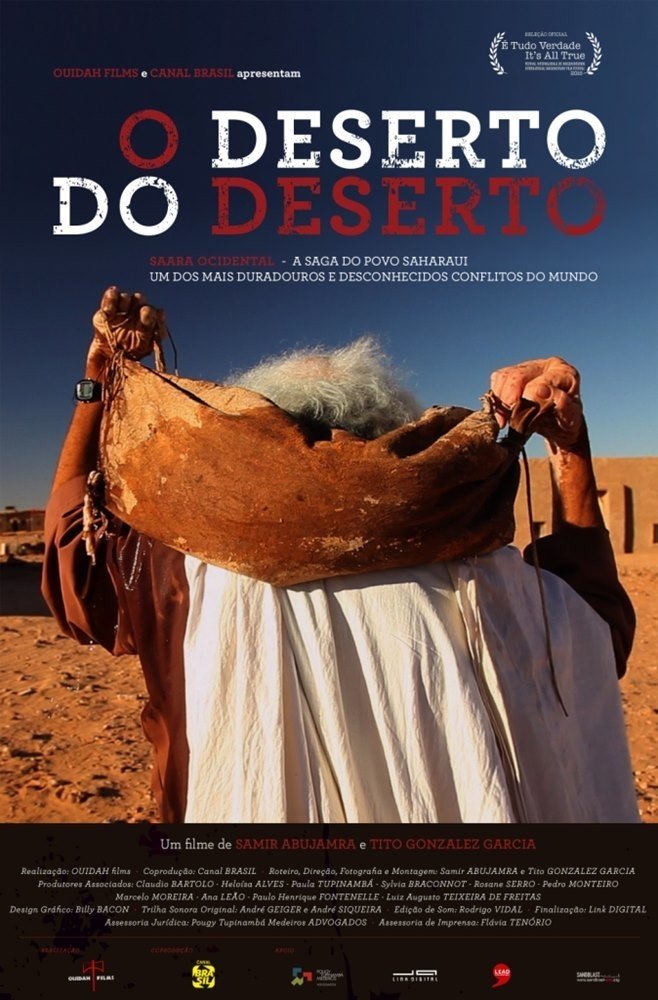
'The Desert of the Desert' is a feature documentary about one of the longest-running and least- known colonial conflicts and the plight of the Sahrawi desert nomads of Western Sahara since Morocco's 1975 invasion. Shot in Jan./Feb. 2014 in the Saharawi Liberated Territories of Western Sahara, and in the Saharawi Refugee Camps in Tindouf, Algeria, the film shows the saga of the Sahrawis, their struggle to regain their homeland and the sad paradox of a nomadic people forced to live in confinement. During production, the crew made a rare treck through 3,000 kilometers of bleak and dangerous desert, becoming unwitting participants in the conflict when their jeep was blown up by an anti-tank mine less than a kilometer from their destination on Western Sahara's Atlantic coast.
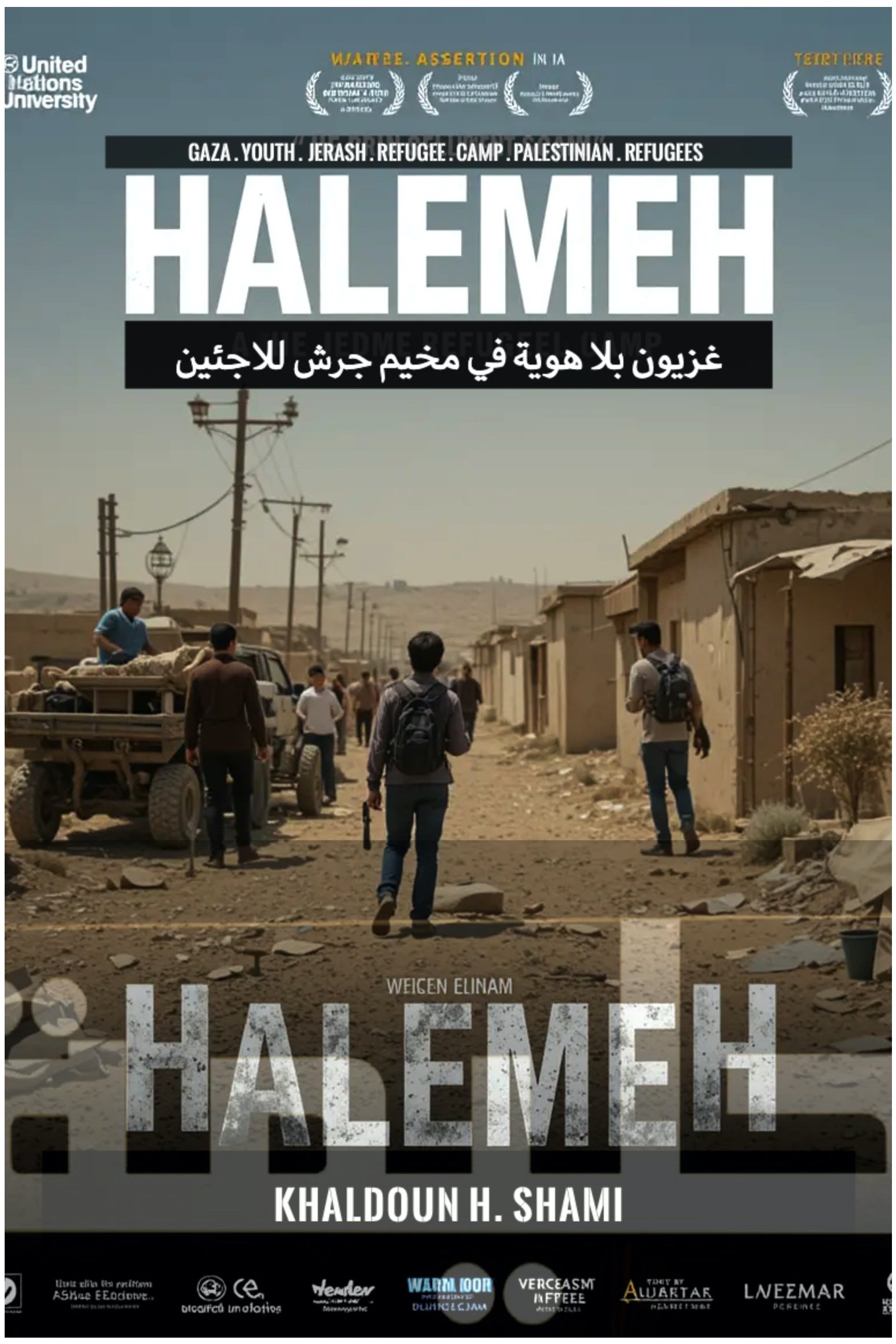
In the Gaza refugee camp of Jerash, Palestinians face the critical issue of lacking identification documents. This situation undermines their rights and hinders access to essential services and opportunities.
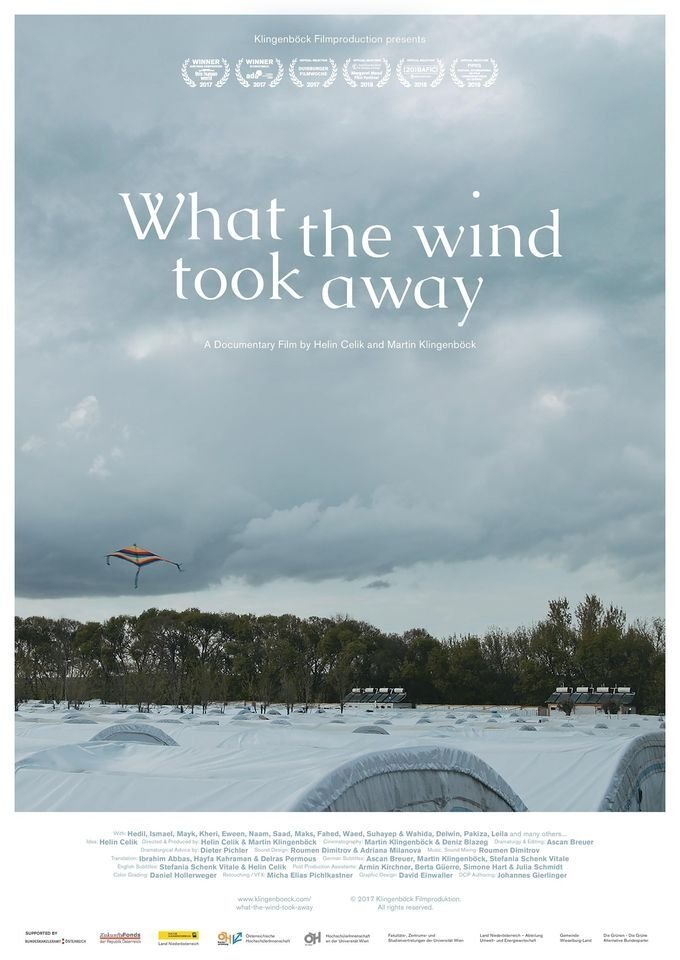
"We, the Yazidis, became doves. Doves without wings", says Hedil. Stranded with her family in a Yazidi refugee camp in Eastern Turkey, she reminisces about her former life in Northern Iraq and recounts the horrors of her escape. The film follows two families' attempts at normality in an otherwise miserable place. (ML)
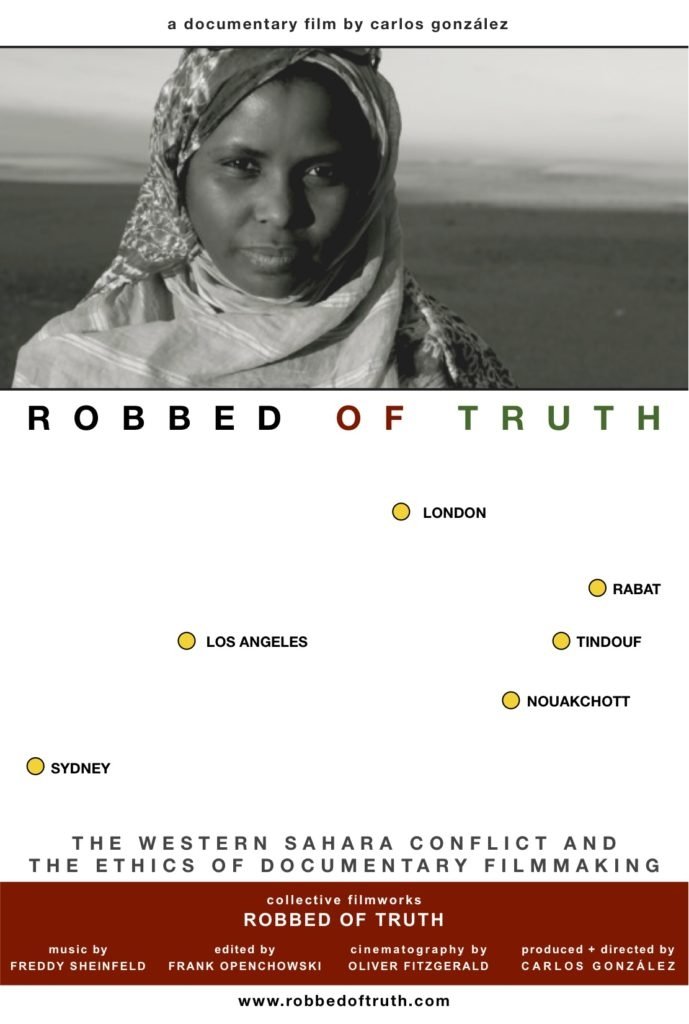
This is the true story of Fetim Salam, a Saharawi refugee falsely portrayed as a slave in the Australian documentary 'Stolen'. Australian filmmakers, Violeta Ayala and Daniel Fallshaw, travel to the Saharawi refugee camps in Tindouf, Algeria in 2007 and claim to discover 20,000 slaves in the camps run by the independence movement Polisario Front. Refugees are outraged for being portrayed as slaves, and humanitarian aid workers are incredulous about these allegations as they know the camps intimately. Filmmaker Carlos Gonzalez retraces their steps in search of the truth and finds a web of lies, misinformation and Moroccan operatives reshaping the truth.
Takes place in the Saharawi refugee camps in Algeria against the historical backdrop of Spanish colonialism and the Moroccan invasion of the Western Sahara. The Saharawi women, who make up 80% of the adult refugee population, provide a powerful voice as they reveal how they came to assume primary responsibility for the survival of the remains of their families and in turn the entire refugee population.
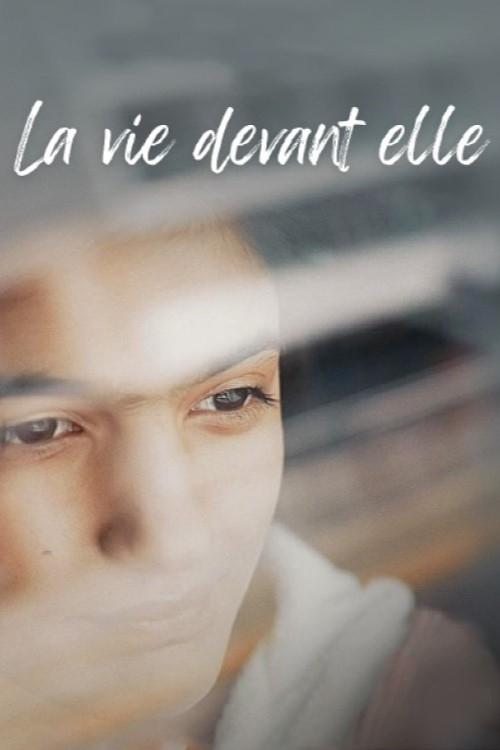
La vie devant elle is the diary of the exile of Elaha, a 14 year old Afghan girl, who films herself with a small camera to tell her story. Through her story, the film portrays the reality of children growing up on the road, tossed from place to place to flee conflicts in the hope of finding a normal life.
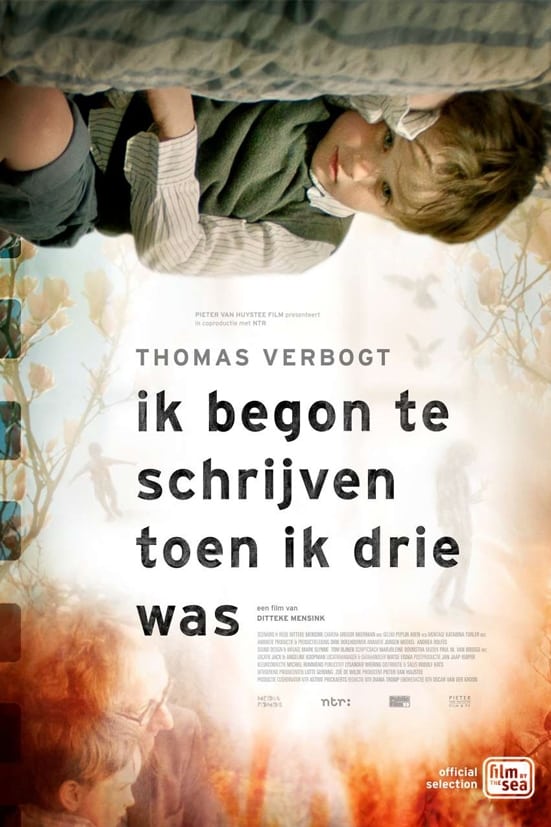
Documentary about the writer Thomas Verbogt and the creation of his latest work. The film shows how Verbogt takes a radical experience from his earliest childhood as the starting point for a novel. Drawn animations, combined with filmed scenes, depict how the writer's imagination sprouts from a literary character.
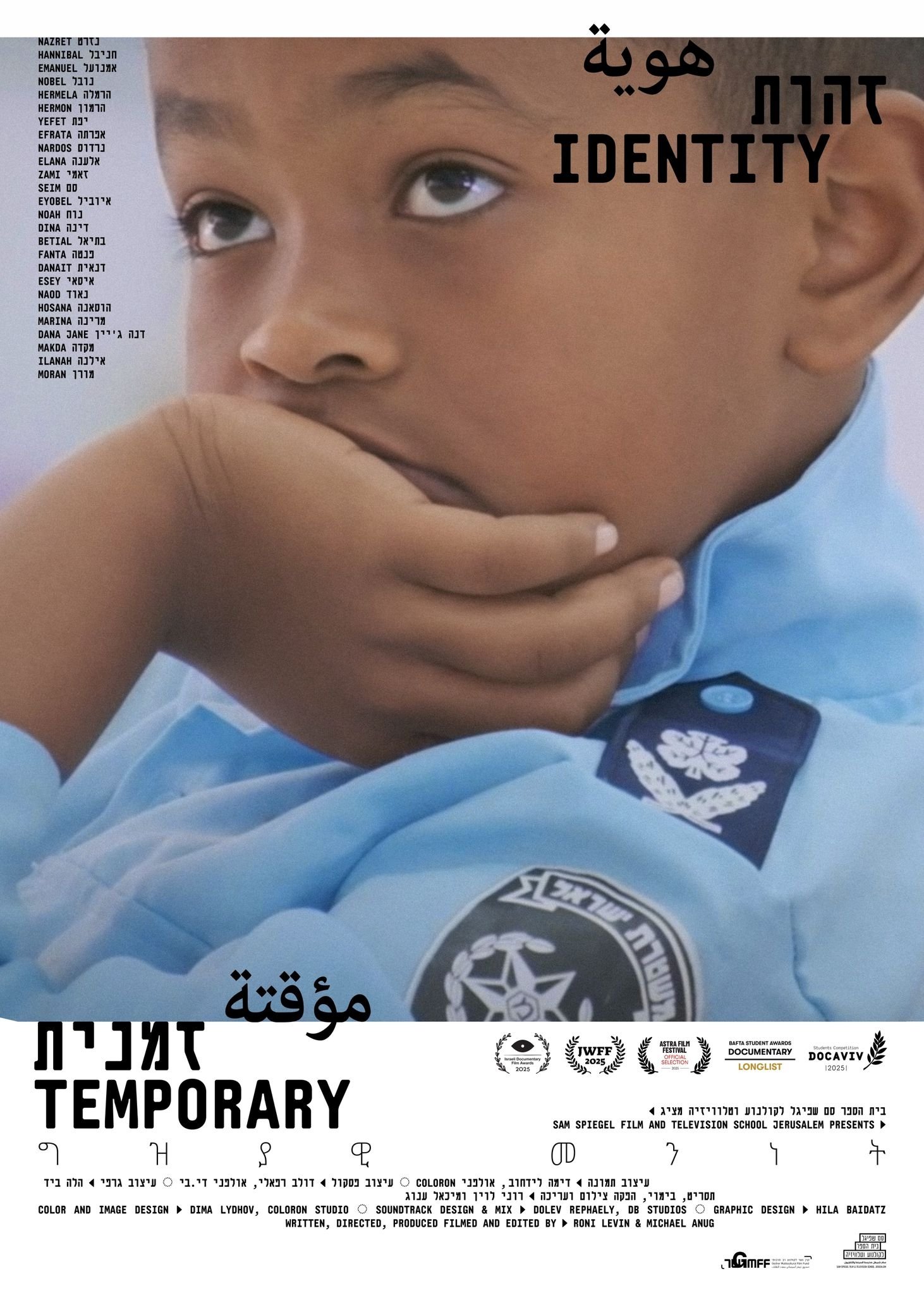
What does it mean to belong to a place, a country? In a south Tel Aviv elementary school, that question is addressed head-on by a fourth-grade class and their teacher. The children are asylum seekers whose families mostly do not have a legal status in Israel, yet learn, sing and play in Hebrew all the while examining their identity and sense of belonging.
An unnamed passer-by is forced to trace a circular route inside an abandoned tram station, facing loss and time. The broken walls act as a channel, transmitting fragmentary, blurred and analogical memories.
For more than thirty years, and through his television program, Fred Rogers (1928-2003), host, producer, writer and pianist, accompanied by his puppets and his many friends, spoke directly to young children about some of life's most important issues.
Cambodian refugee Ted Ngoy builds a multi-million dollar empire by baking America's favourite pastry: the doughnut.
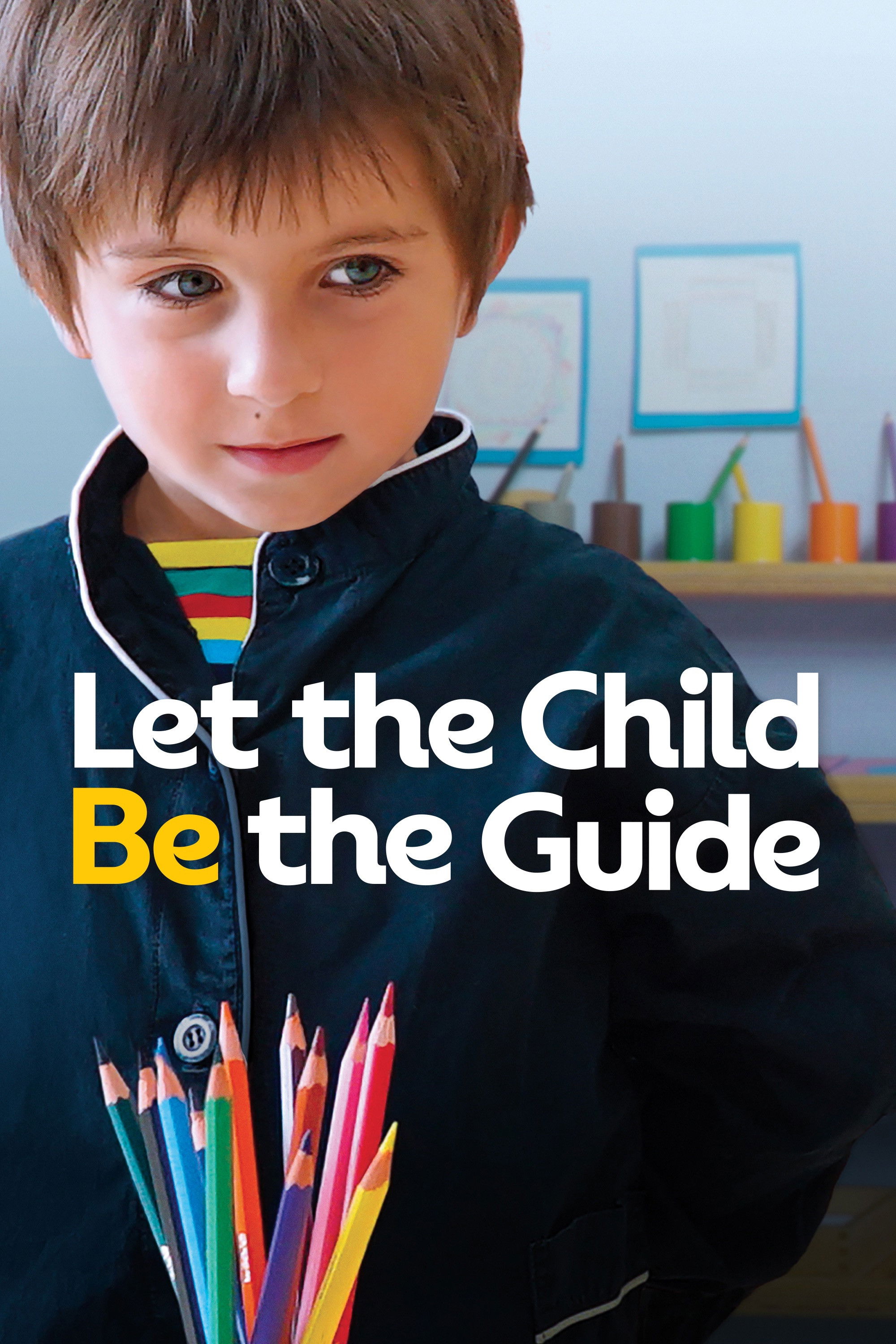
As a young father, watching his daughter go through her life experiences, film director Alexandre Mourot discovered the Montessori approach and decided to set his camera up in a children's house (3 to 6 years of age) in the oldest Montessori school in France. Alexandre was warmly welcomed in a surprisingly calm and peaceful environment, filled with flowers, fruits and Montessori materials. He met happy children, who were free to move about, working alone or in small groups. The teacher remained very discreet. Some children were reading, others were making bread, doing division, laughing or sleeping. The children guided the film director throughout the whole school year, helping him to understand the magic of their autonomy and self-esteem - the seeds of a new society of peace and freedom, which Maria Montessori dedicated her life work to.
The Algerian region of Tindouf is home to more than 170,000 Sahrawis, who have been living in refugee camps since 1976, when Morocco occupied the Western Sahara region. In a place of inhospitable conditions and scarcity, the Sahrawi population lives on dwindling humanitarian aid. Six percent of them face the added difficulty of coeliac disease.
7-year-old Sasha has always known that she is a girl. Sasha’s family has recently accepted her gender identity, embracing their daughter for who she truly is while working to confront outdated norms and find affirmation in a small community of rural France.
Homelessness in the United States takes many forms. For Elizabeth Herrera, David Lima and their four children, housing instability has meant moving between unsafe apartments, motels, relatives’ couches, shelters, the streets and their car. After 15 years of this uncertainty, the family moved into their first stable housing — an apartment in the San Francisco Bay Area — in the midst of the coronavirus pandemic.