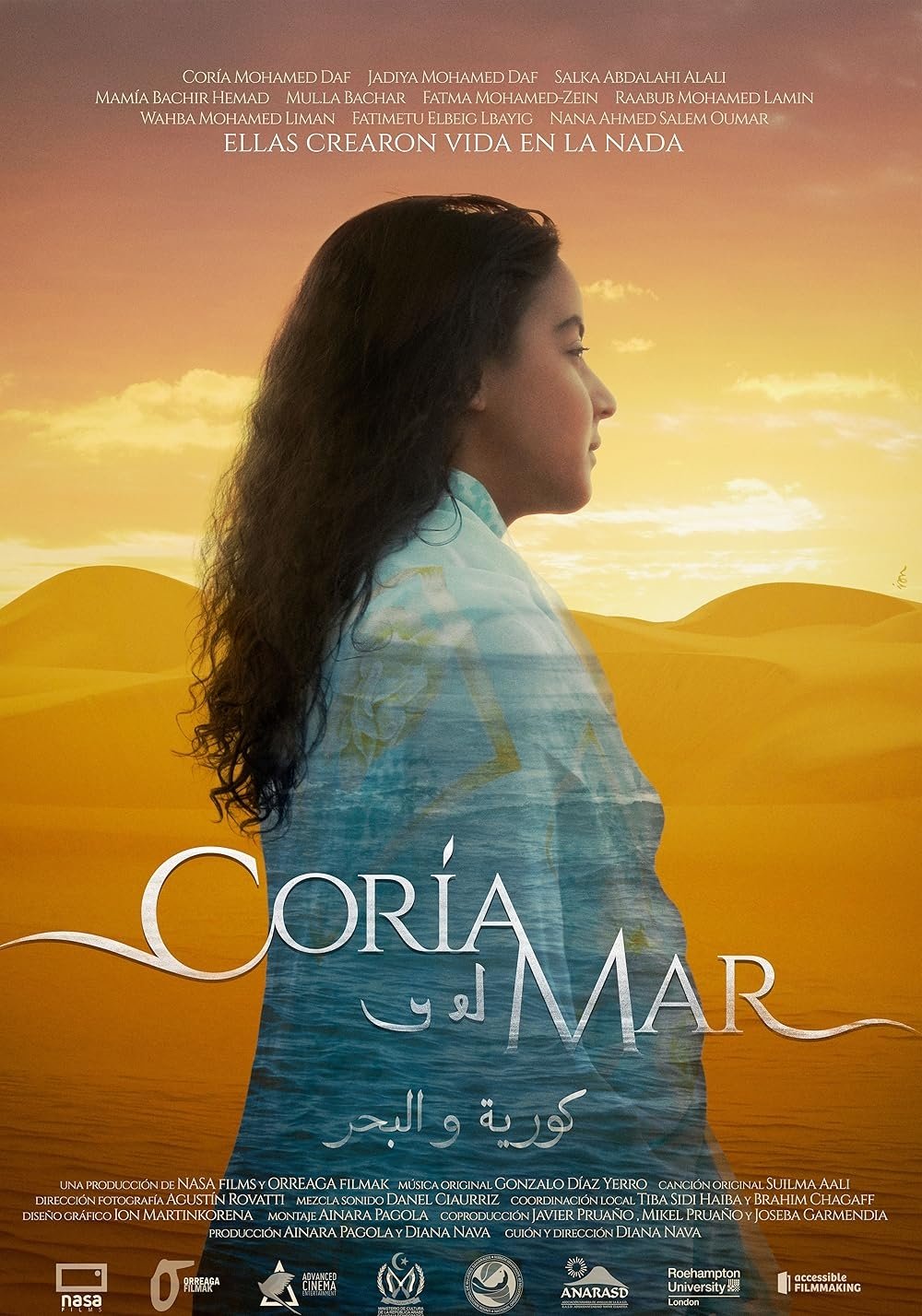
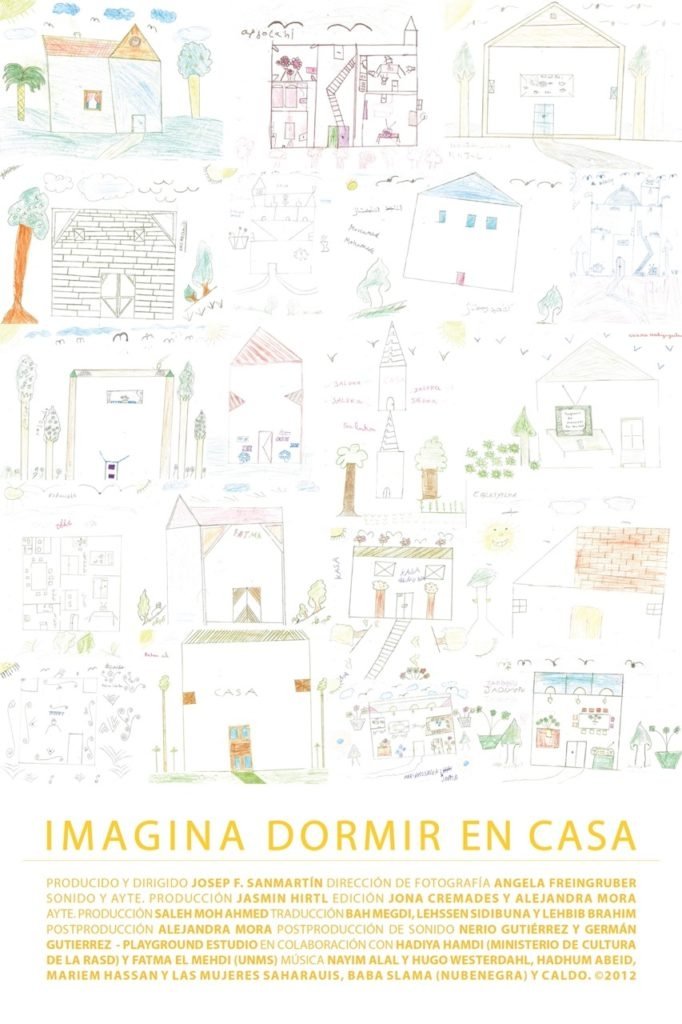
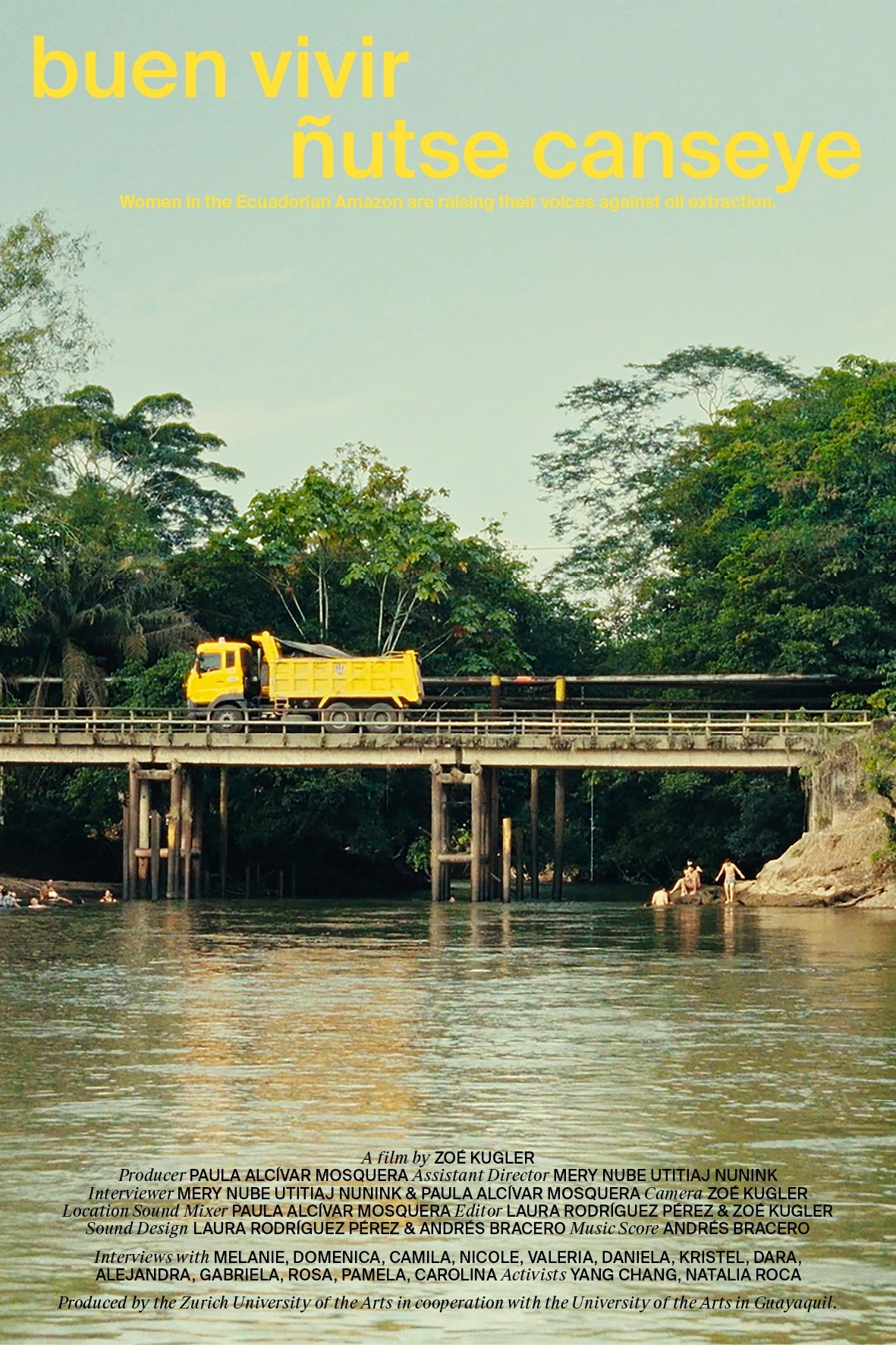
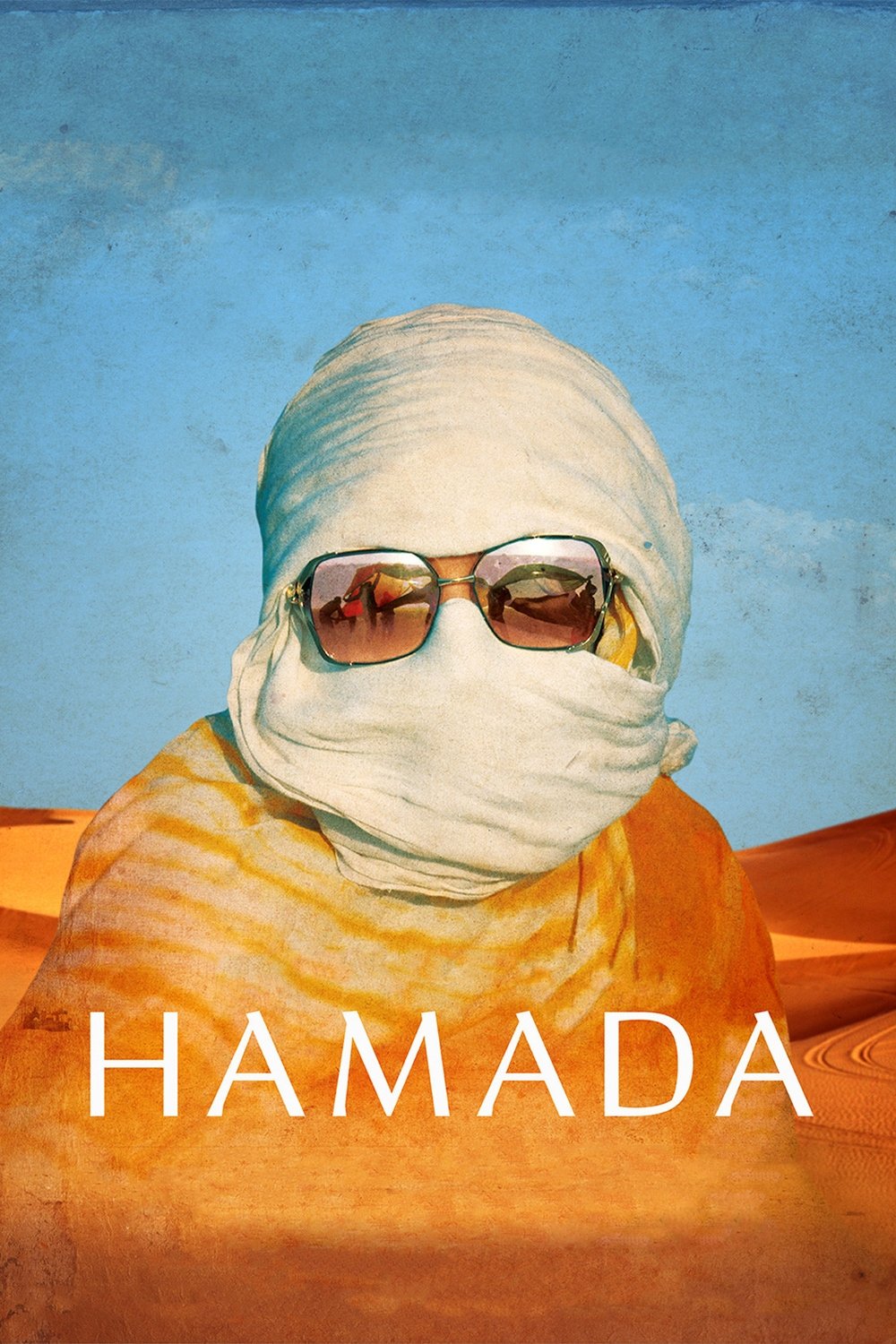
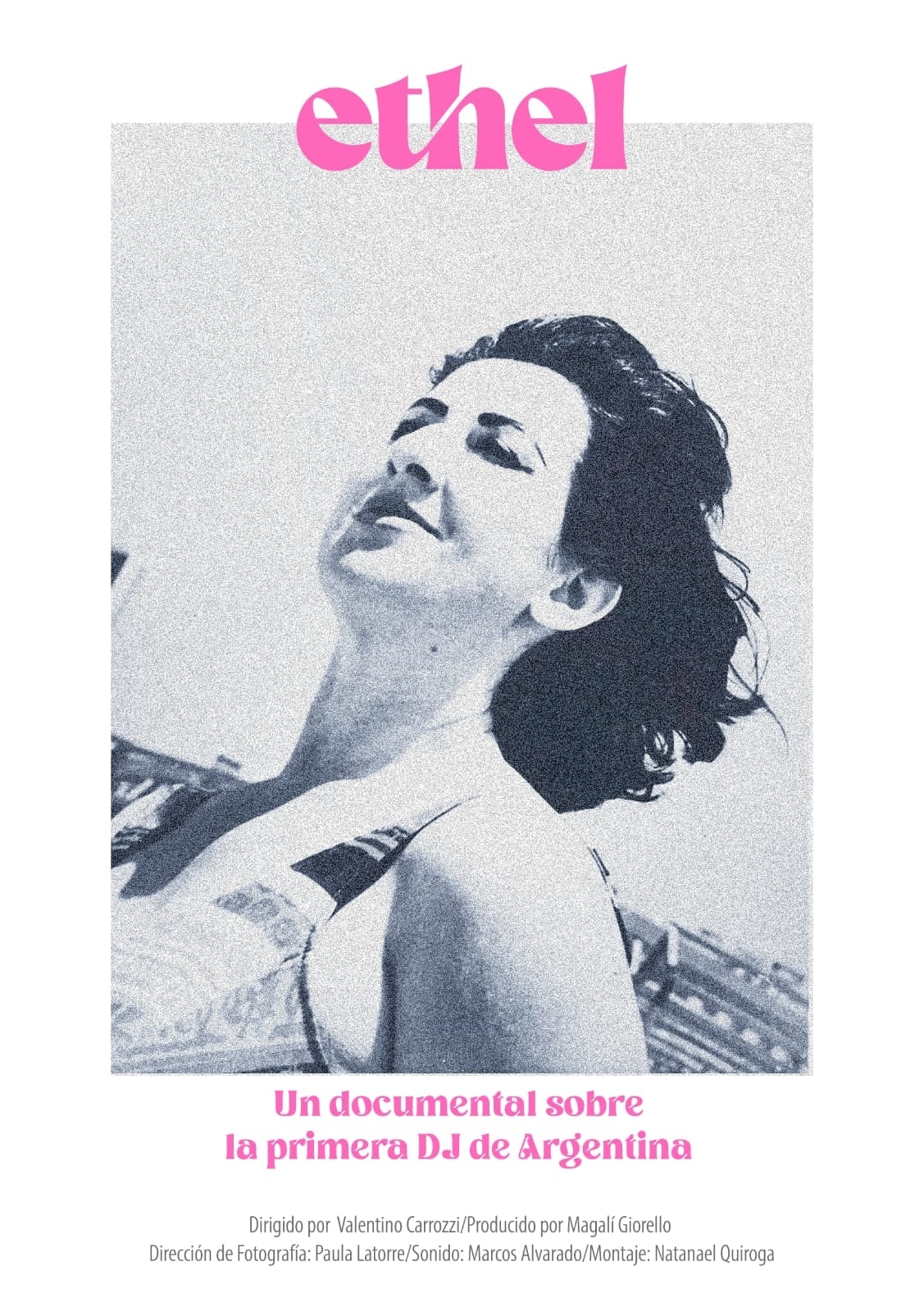
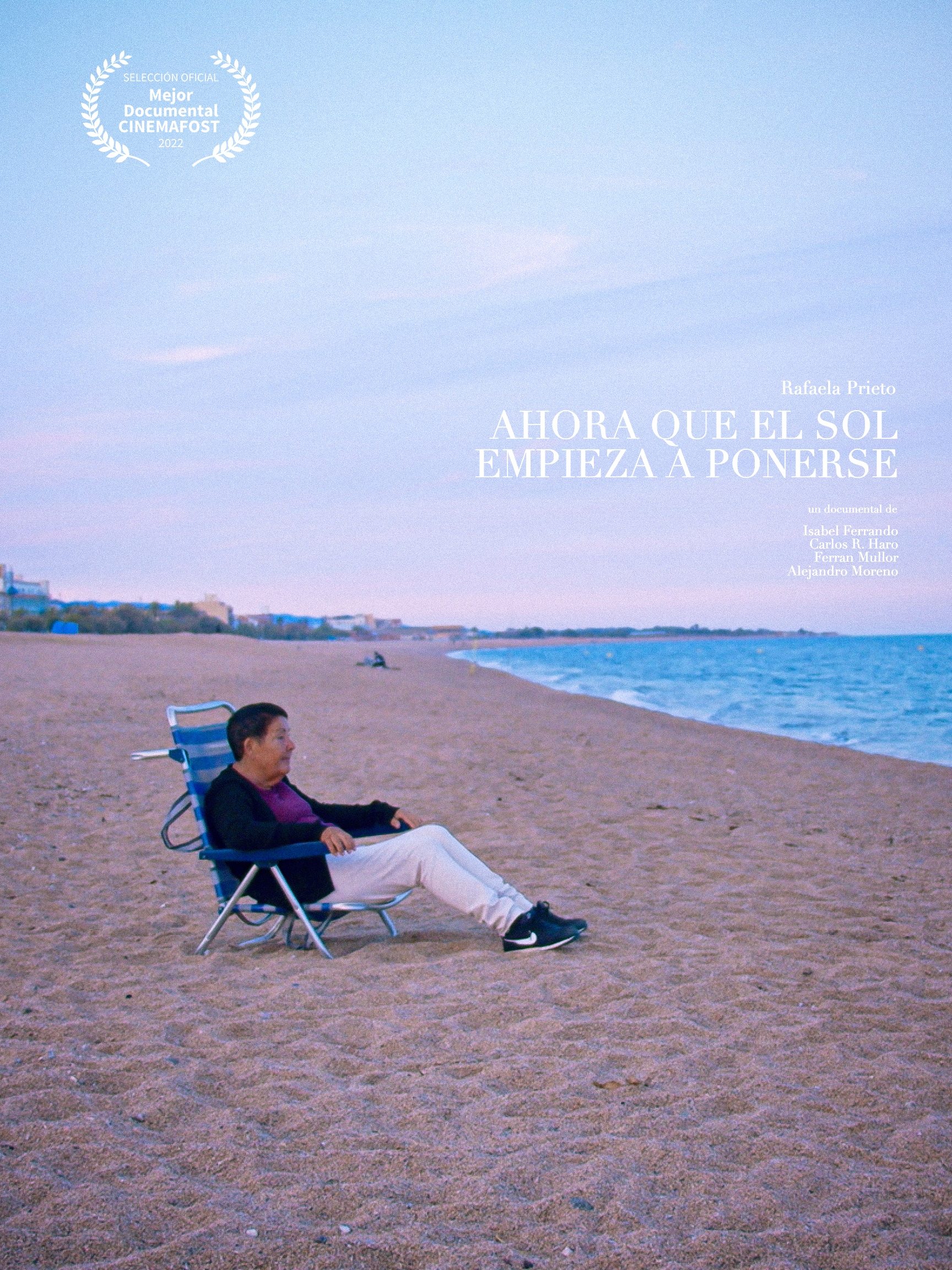
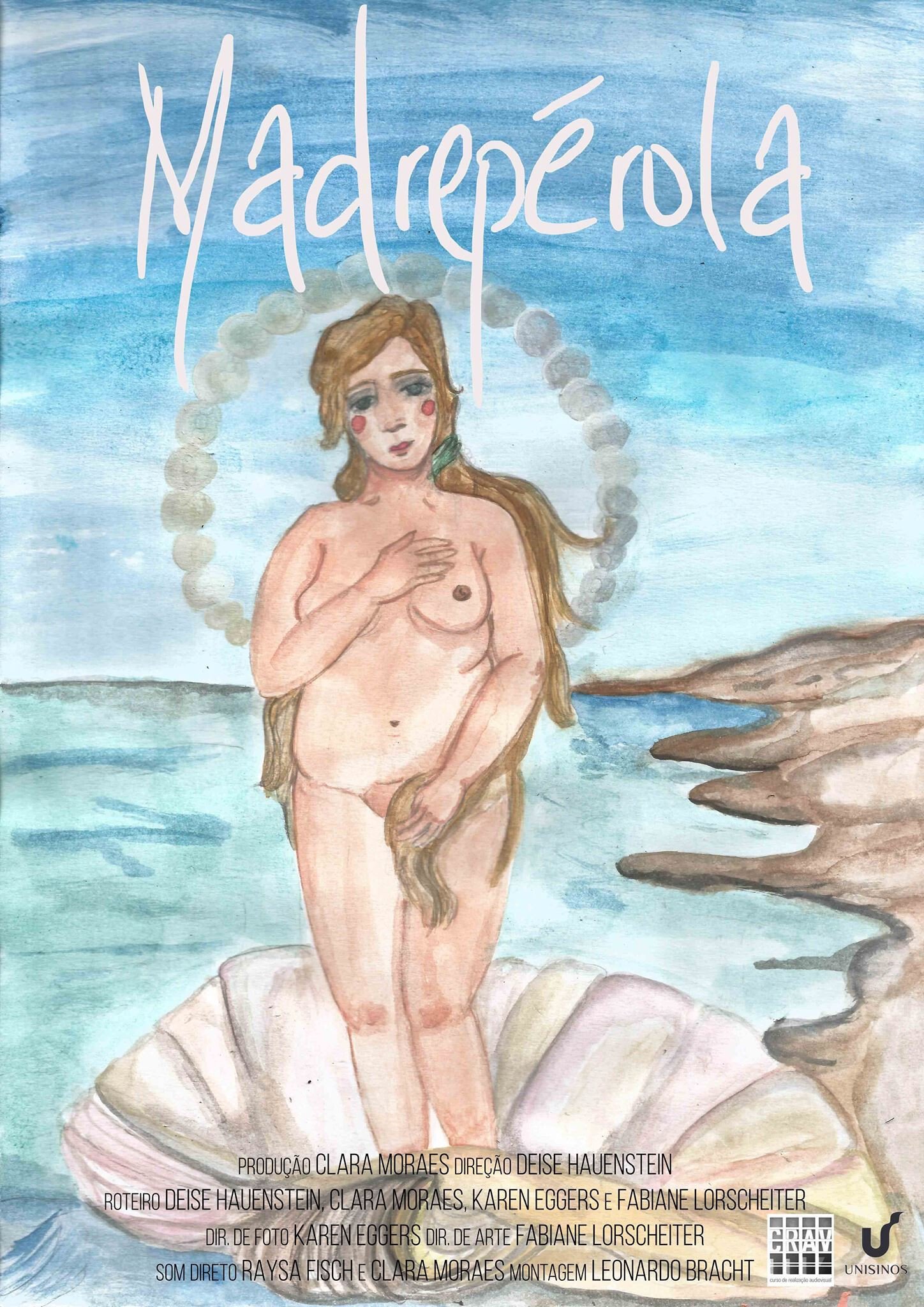
The strength and will of a girl with physical difficulties in Sahrawi society.
Social & External
After four years away, Huiju returns home to South Korea. Exchanges with her loved ones are awkward and clumsy. Huiju turns once again to her familiar rituals: pruning the trees, preparing a sauce, tying a braid.
In this layered short film, filmmaker Janine Windolph takes her young sons fishing with their kokum (grandmother), a residential school survivor who retains a deep knowledge and memory of the land. The act of reconnecting with their homeland is a cultural and familial healing journey for the boys, who are growing up in the city. It’s also a powerful form of resistance for the women.
Follows the world-famous Kids of Widney High, a group of young adults with developmental disabilities who write, record, and perform their own unique brand of rock music. Based out of Los Angeles, the band grows and becomes involved in other creative endeavors including films, writing, painting, and clothing design. This documentary chronicles Kids' rise to underground cult fame over a ten year period, and incorporates the Kids' recent West Coast tour.
The Falcons is an intimate, observational documentary that delves into the world of the Tshakhruk Ethnoband, a remarkable musical ensemble in the Armenian highlands. Comprised of special-needs children that reside at the state orphanage, these young musicians find solace, strength, and self-expression through the transformative power of music.

For more than forty years, Belela Herrera has dedicated her life to saving that of others. The politically persecuted, those displaced by civil wars, and the world's refugees are her concern and vocation. Her story is also that of a woman who defined herself and twisted the destiny reserved for girls of her social class: marrying to a man from high society, having a large family and a comfortable and elegant existence . And it is also the story of a female legacy that is part and consequence of the invisible resistance of thousands of women.

In the stunning and starkly beautiful landscape of Western Sahara, Walter Bencini recounts his journey to meet the Saharawi people, uprooted from their lands for decades and confined to desert tent camps named after the Moroccan cities where they once lived. It's the solidarity journey of a group of people from Valdarno, delivering the money and medicines raised through various initiatives directly into the hands of the beneficiaries.
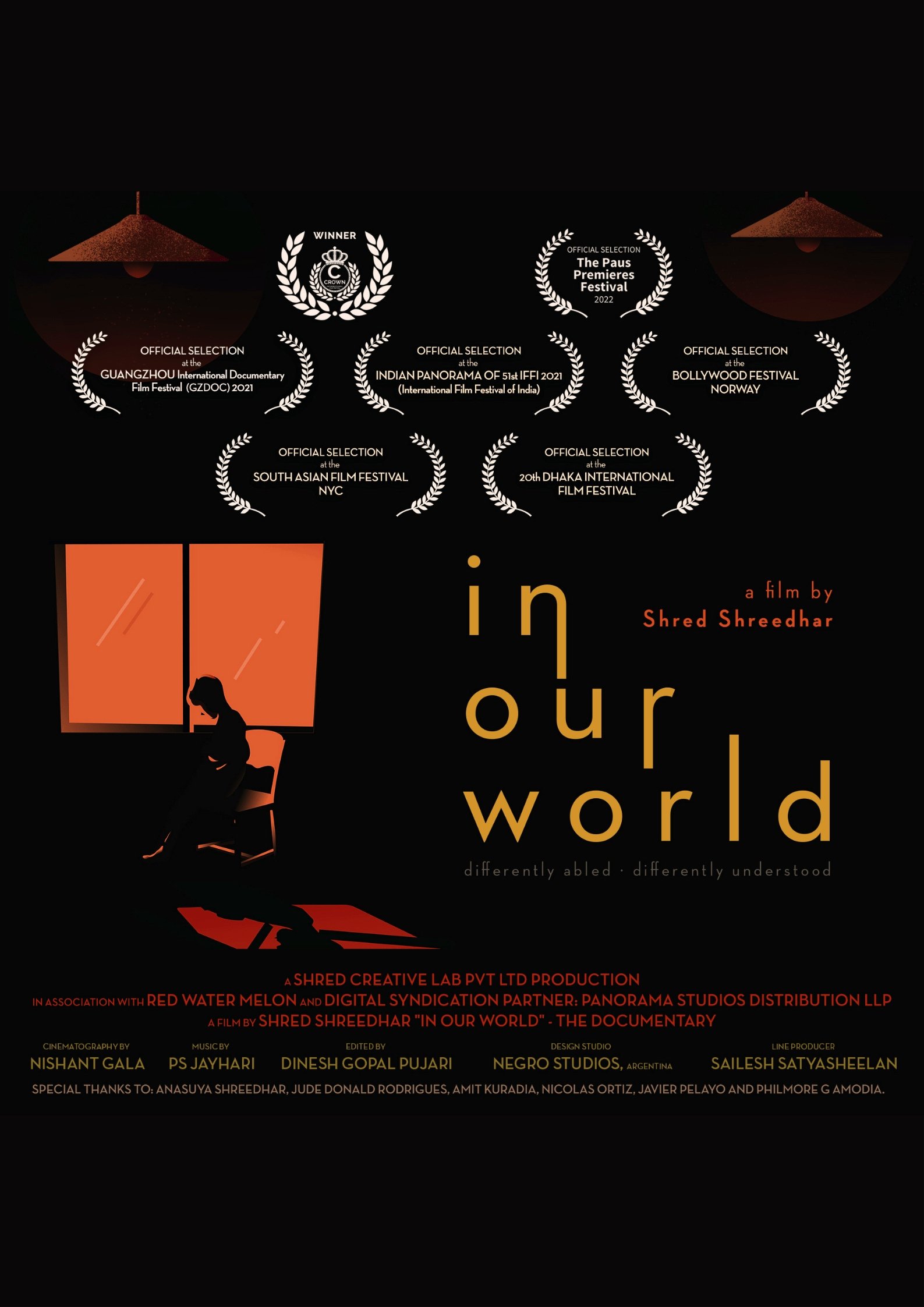
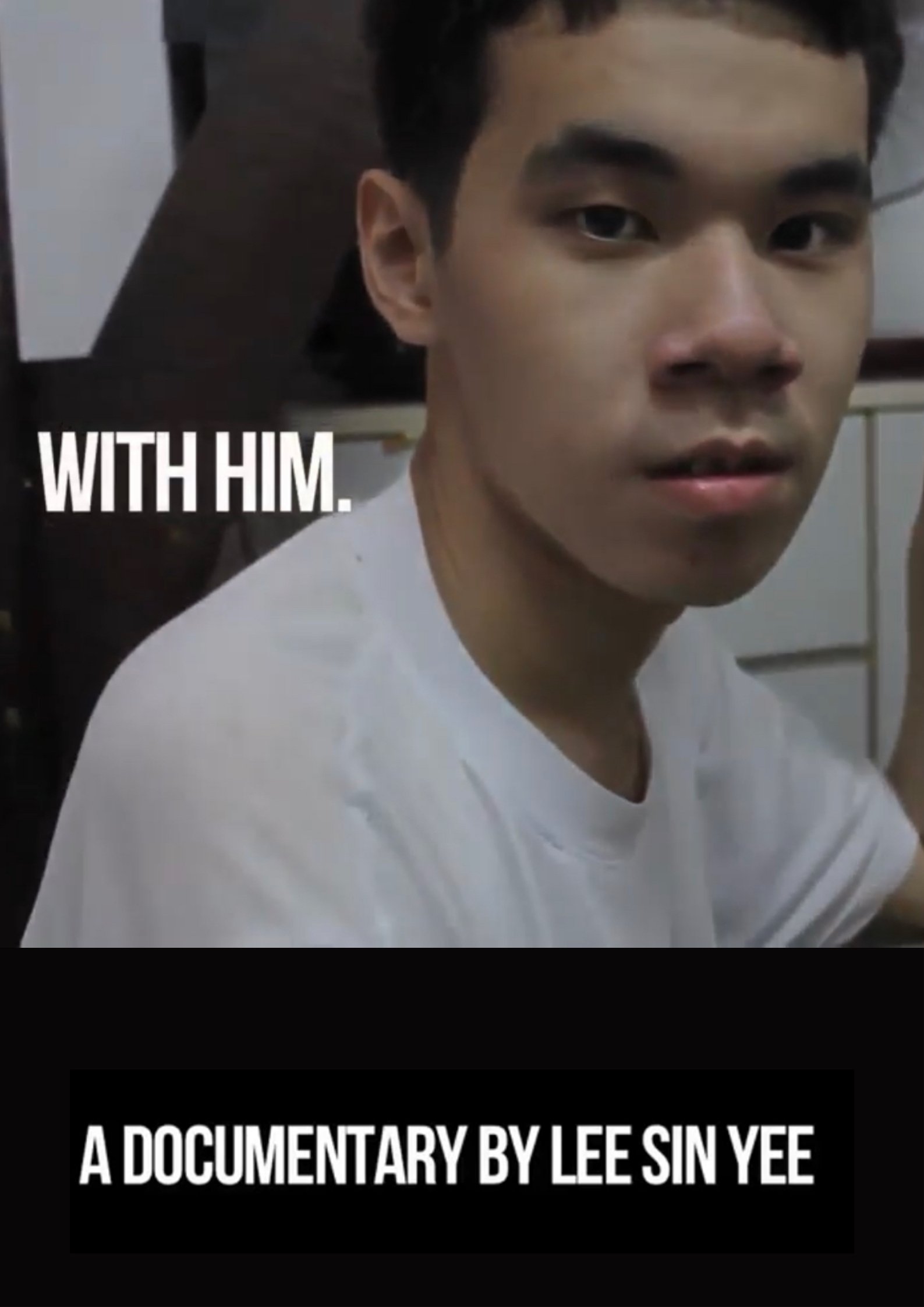
Education Center for disabled children located in the Sahrawi refugee camps in Algeria. Despite the precarious conditions in which this population lives since 40 years ago, the Polisario Front as the representative of the Sahrawi people has promoted inclusion as a way to avoid marginalization and discrimination of one of the most vulnerable populations within these territories: children with special needs. "Castro" is the man who devotes his life to this beautiful project fighting all odds: physical, psychic, social, economic, and even the incomprehensions of his own society. The Sahrawis are living (resisting) in one of the harshest deserts on Earth but Castro has the magic formula to achieve the inclusion of these wonderful beings in his society and in the rest of the world: MUSAWAT, EQUALITY.
This feature-length film tells the story of the passion between Marie de l’Incarnation, a mid-seventeenth-century nun and God, her "divine spouse." Fusing documentary and acting by Marie Tifo, whom we follow as she rehearses for this demanding role, the film paints an astonishing portrait of this mystic who abandoned her son and left France to build a convent in Canada, where she became the first female writer in New France.
Dadi manages an extended family in Haryana, Northern India, where daughters-in-law face loneliness and unrealistic expectations. The film delves into family dynamics, highlighting Dadi's firm control amidst tensions. Social and economic shifts challenge traditional values, exemplified by Dadi's son marrying outside the village. Despite clinging to tradition, Dadi adapts to her children's modern aspirations. This narrative reflects the clash between generations and gender roles in 1980s rural India, offering insight into the evolving concept of family.
A closer look at the underestimated role of women in the current Whisky industry in Scotland
In this feature-length documentary, six teenage girls, aged 14 to 16, agree to open up and have their private worlds invaded by the camera. They have to face problems that they intend to take on "to the end": early experience of sexuality, belonging to a gang, relationships with parents, social tolerance, friendship... They live tender and pure lives in their own way.
Departing from peripheral details of some paintings of the Bilbao Fine Arts Museum, a female narrator unravels several stories related to the economic, social and psychological conditions of past and current artists.
The history of nuns mirrors the history of all women -- in what we are taught about the past, women are almost invisible. Although today's one million nuns outnumber priests two to one, they must struggle to be heard by the all-male Roman Catholic hierarchy from which they are excluded. Behind the Veil: Nuns is the first film ever to record from a global perspective the turbulent history and remarkable achievements of women in religion, from pre-Christian Celtic communities to the radical sisters of the 1980s. Contemporary nuns of strength, dignity and commitment speak of their lives and of their predecessors.
A reflection on the concept of invisibility, narrated by women who clean public spaces in Mexico City. Combining documentary, fiction and still photography, the film is an intimate mosaic of testimonies and experiences that highlight the precariousness of work in the cleaning industry, in a world where subcontracting rules.
From the shadows of a Guatemalan neighbourhood scared into silence, two sisters lead a luminous rebellion—unleashing joy, art, and radical truth in a fight for survival.