Social & External
A short film about the changing face of London Soho and the implications of gentrification on Mimi, an aging transvestite.
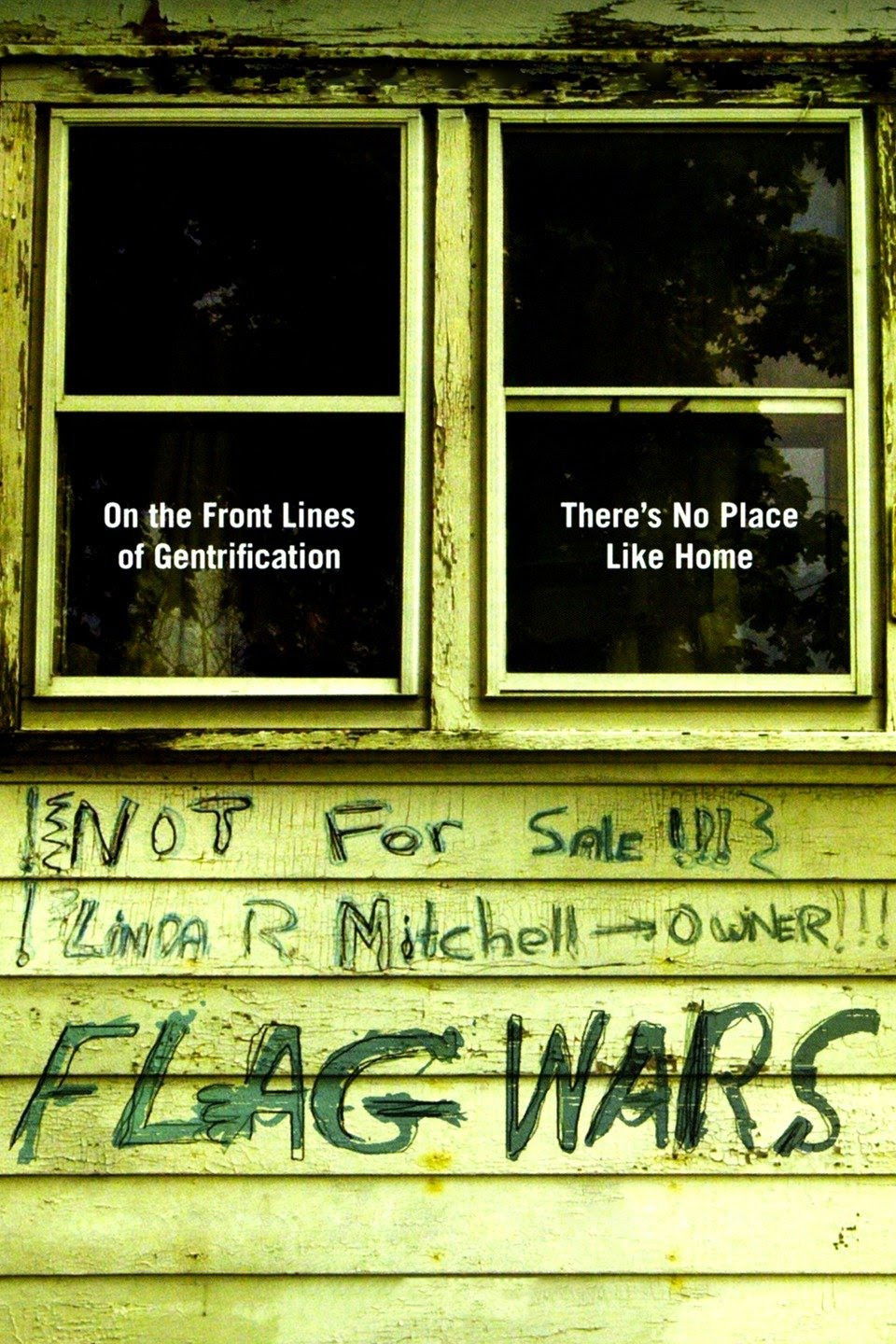
Filmed over four years, this documentary focuses on the impacts of gentrification as gay white professionals move into a largely black working-class neighborhood in Columbus, Ohio.
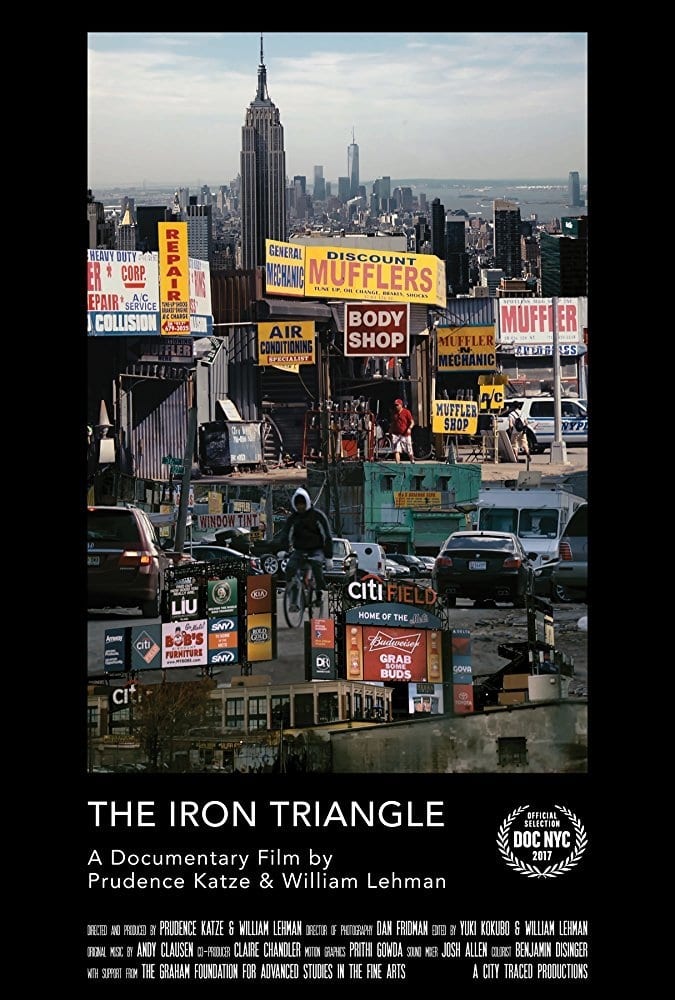
Targeted for several failed redevelopment plans dating back to the days of Robert Moses, Willets Point, a gritty area in New York City known as the “Iron Triangle,” is the home of hundreds of immigrant-run, auto repair shops that thrive despite a lack of municipal infrastructure support. During the last year of the Bloomberg Administration, NYC’s government advanced plans for a “dynamic” high-end entertainment district that would completely wipe out this historic industrial core. The year is 2013, and the workers of Willets Point are racing against the clock to forestall their impending eviction. Their story launches an investigation into New York City’s history as the front line of deindustrialization, urban renewal, and gentrification.
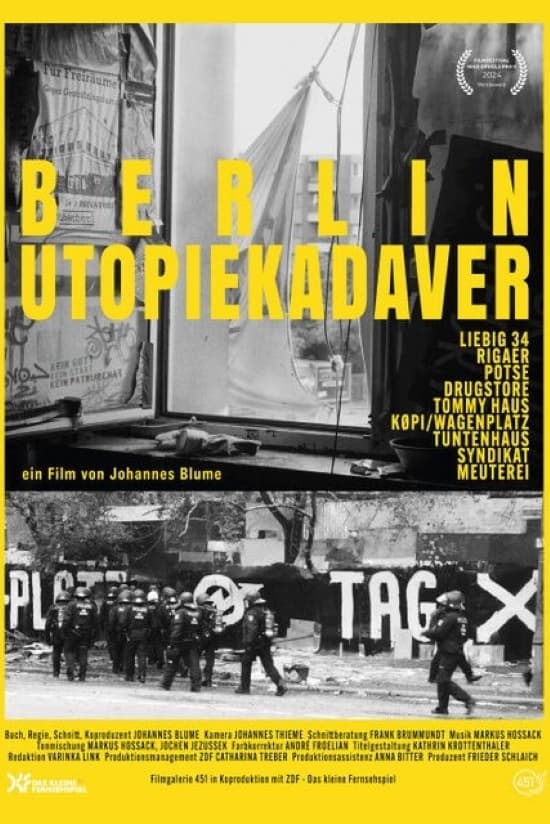
A taxi drives through the city of Berlin. Its driver is a punk, left and a well-known figure in the autonomous scene. The stations of his trip are the most important places of the autonomous scene: all in the struggle for survival. The last evictions have not yet been processed and the next ones are coming right up.
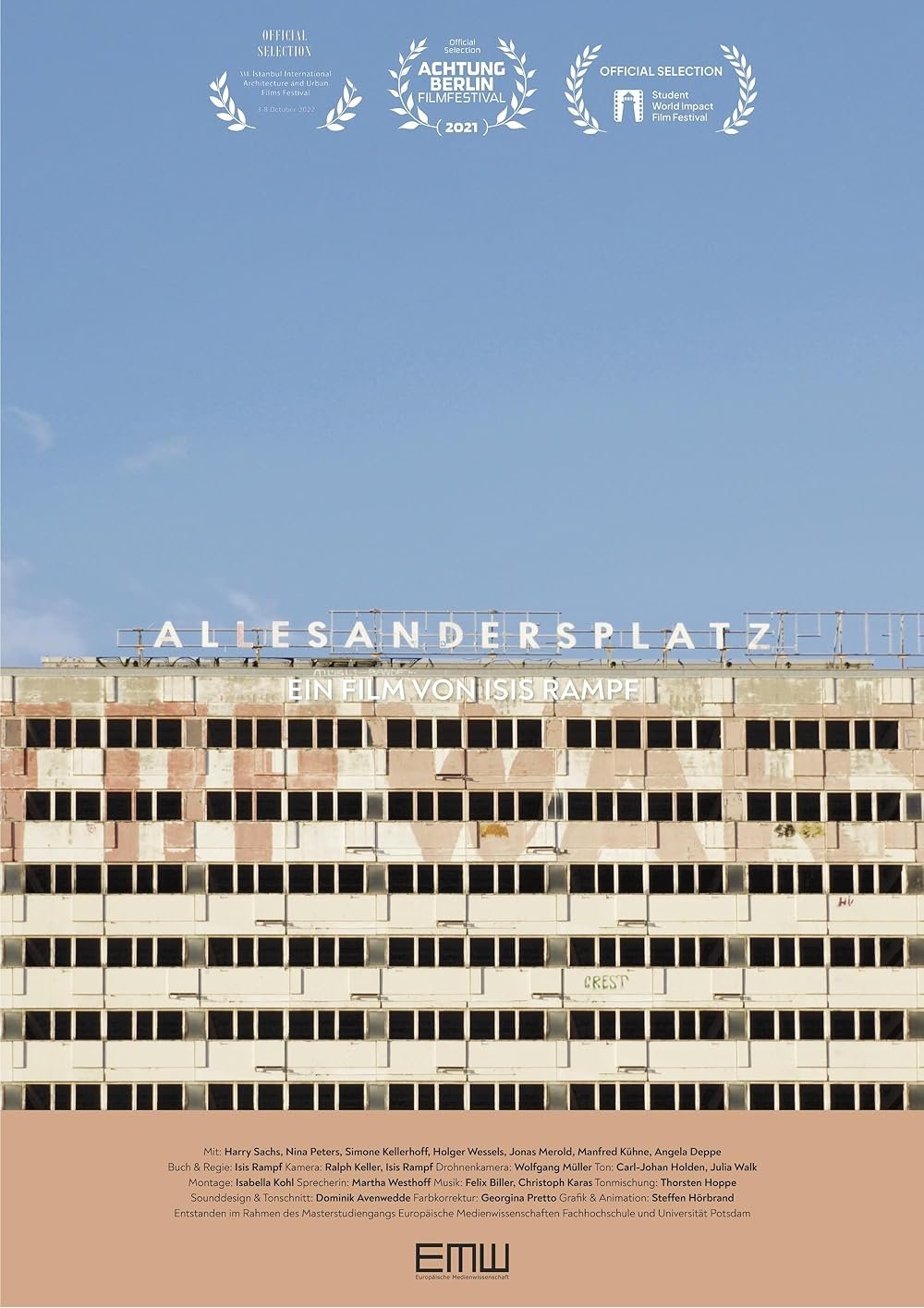
Artists, urban planners and the city of Berlin trying to transform a former GDR ruin into a place for new visions and concepts of city - a place where everything is different than before?
A tropical fish shop in the East End of London, the last of what used to be many. Tiny, watery dramas inside fish tanks accompany the thoughts of local fish-keepers, while father and son Big Tel and Little Tel work to keep the shop alive.
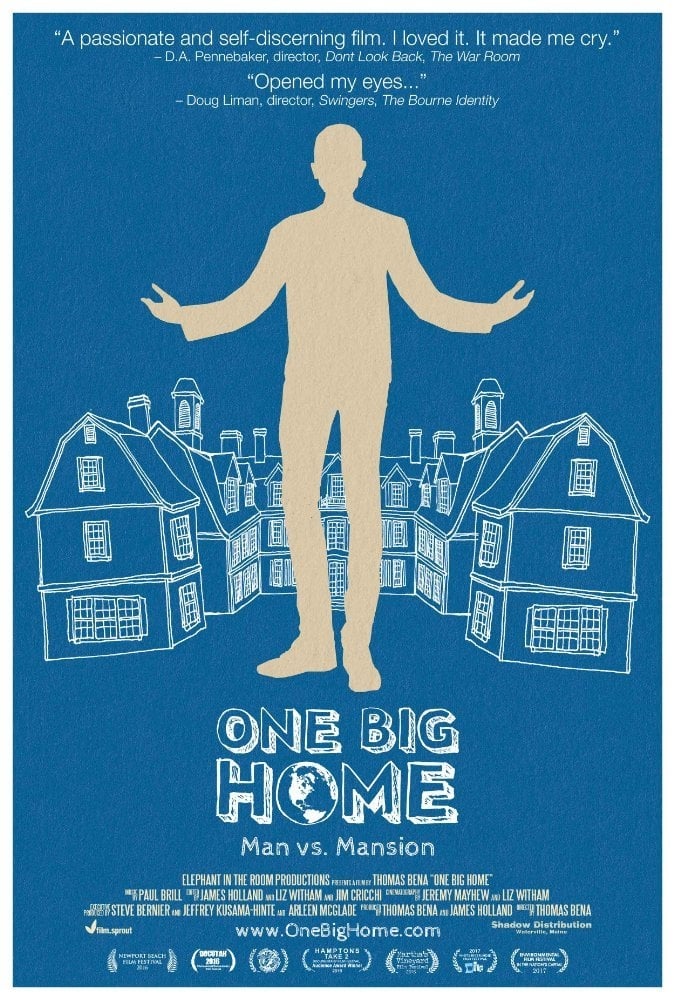
On the tiny island of Martha's Vineyard, where presidents and celebrities vacation, trophy homes threaten to destroy the islands unique character. Twelve years in the making, One Big Home follows one carpenters journey to understand the trend toward giant houses. When he feels complicit in wrecking the place he calls home, he takes off his tool belt and picks up a camera.
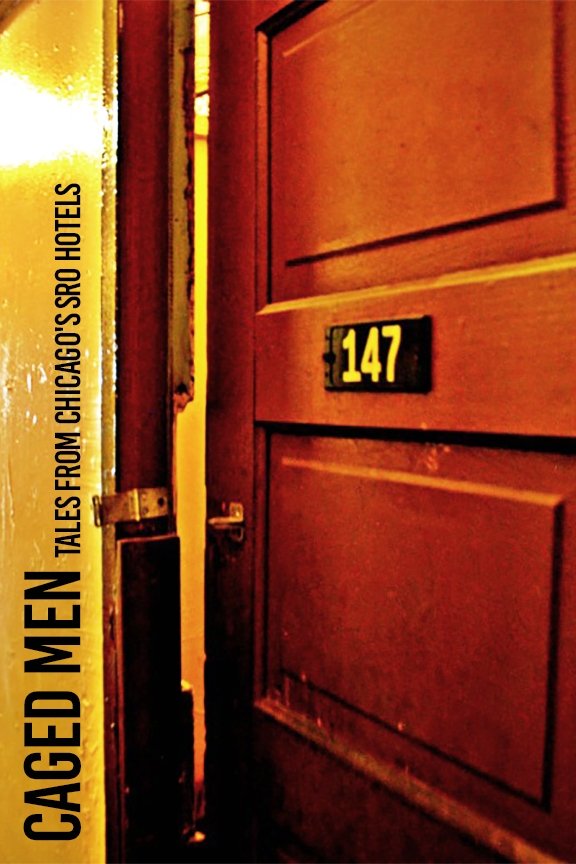
Caged. Invisible. Shamed. Trapped. These words mark the tenants, clerks and even the owners of Chicago's last remaining Singe Room Occupancy (SRO) hotels. These small spaces are home for many at the bottom of Chicago's housing ladder. Cloaked in darkness and secrecy, these hotels are often maligned as drug dens and havens for prostitution but the people who live, work and own these hotels have never fully shared their stories. Caged Men is a feature-length documentary which examines the disquieting stories of near-homeless Americans living on the margins and their invisibility in a largely indifferent and, at times, hostile community. It attempts to lend a voice to SRO residents, clerks, owners and to the hotels themselves.
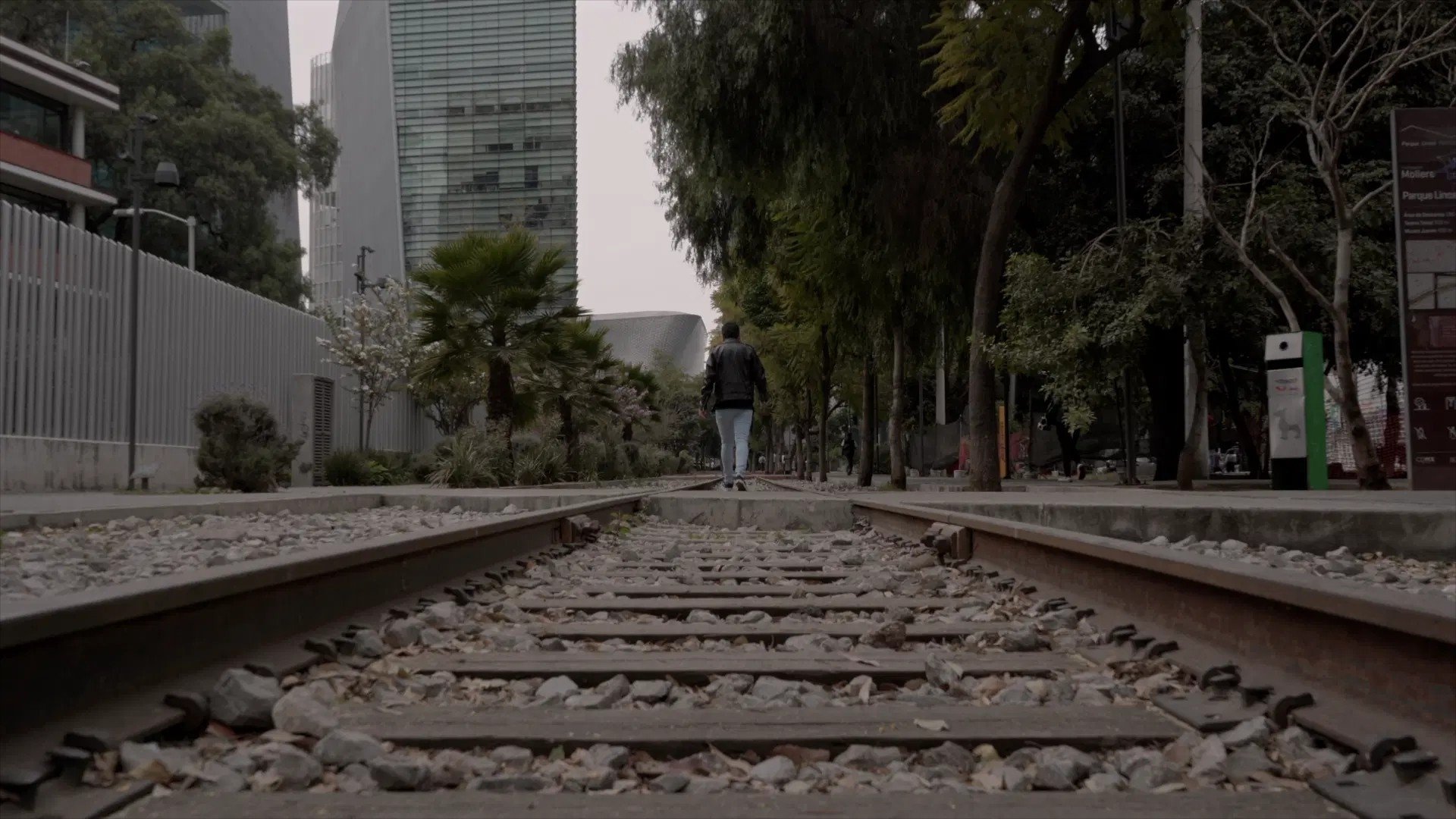
Documentary film commemorating the 40th anniversary of the Mexican team.
The baker, the pie-maker and the diminished long-term community of Hoxton Street face gentrification in this compelling portrait of a rapidly changing London.
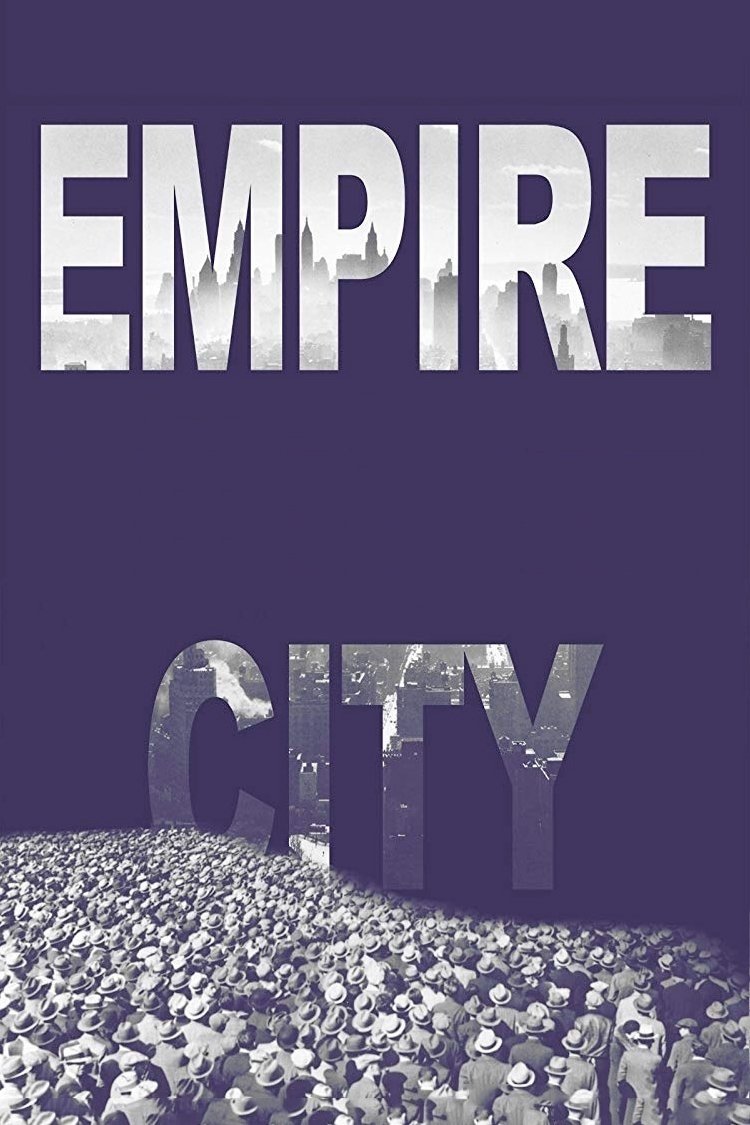
A film essay contrasting the modern metropolis with its "golden age" from 1830-1930, with the participation of some of New York's leading political and cultural figures. Made at a time when the city was experiencing unprecedented real estate development on the one hand and unforeseen displacement of population and deterioration on the other. Empire City is the story of two New Yorks. The film explores the precarious coexistence of the service-based midtown Manhattan corporate headquarters with the peripheral New York of undereducated minorities living in increasing alienation.
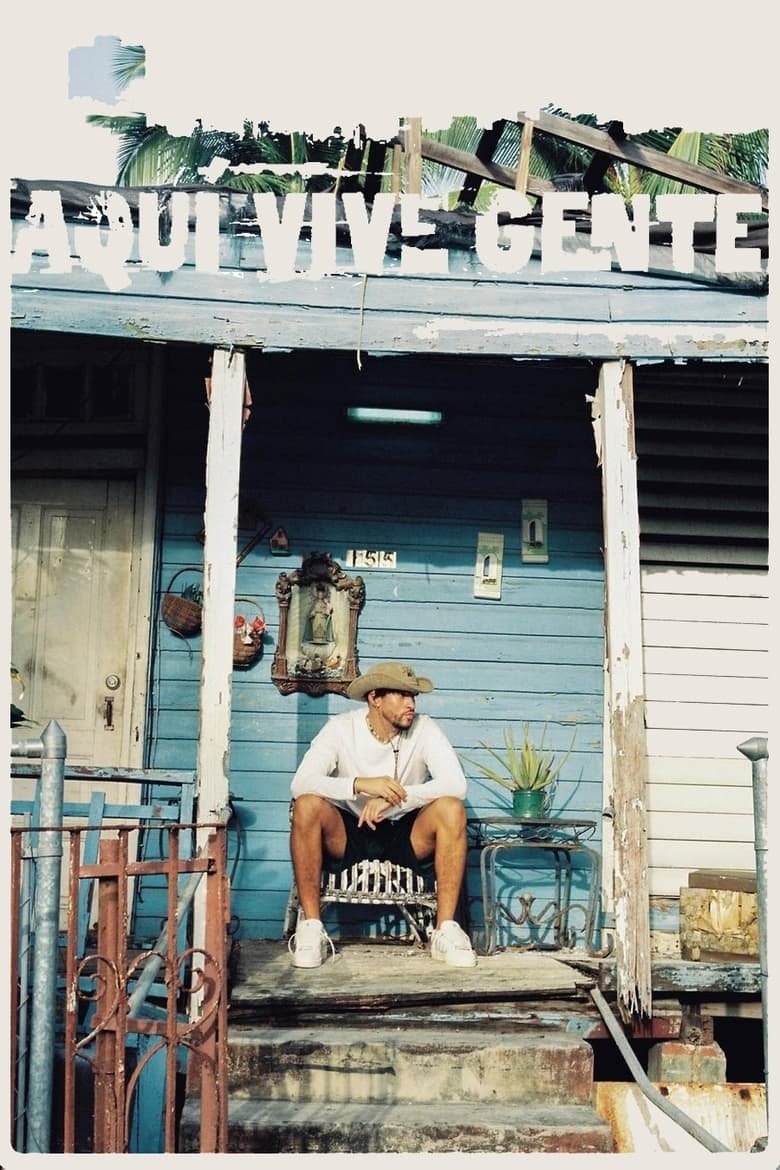
“El apagón: Aquí vive gente” is a 23-minute film that explores the socio-economic challenges in Puerto Rico, focusing on the effects of power outages and gentrification driven by the real estate and energy sectors. Through visuals and personal stories, the documentary highlights the experiences of Puerto Rican communities facing these issues.
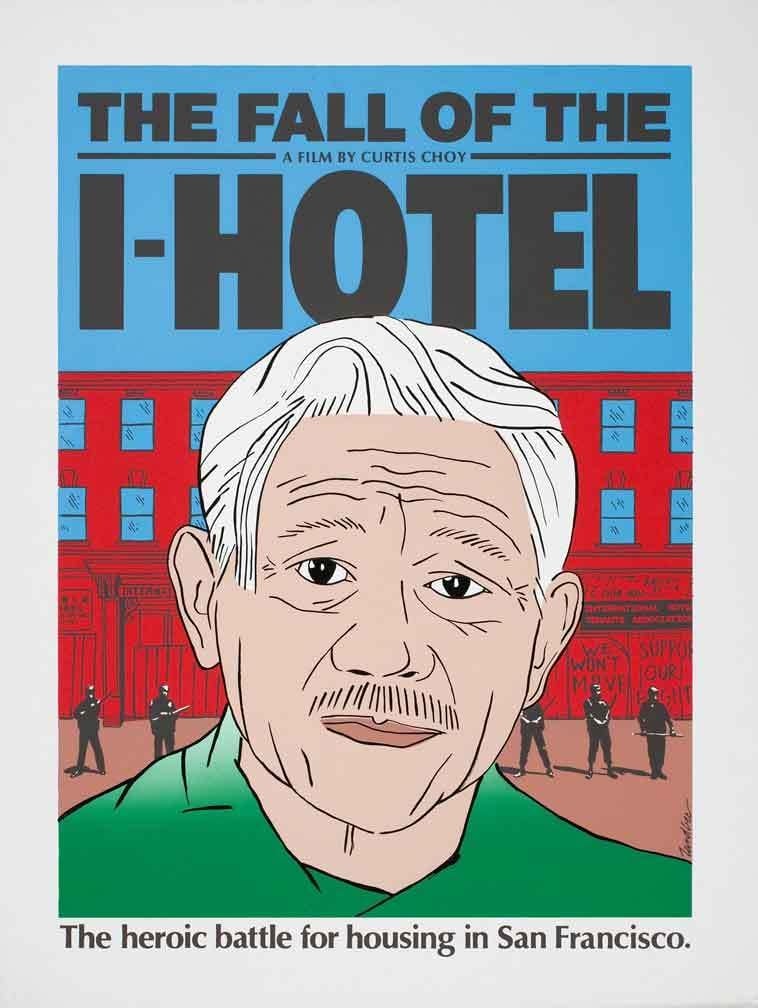
The Fall of the I-Hotel brings to life the battle for housing in San Francisco. The brutal eviction of the International Hotel's tenants culminated a decade of spirited resistance to the razing of Manilatown. The Fall of the I-Hotel works on several levels. It not only documents the struggle to save the I-Hotel, but also gives an overview of Filipino American history.
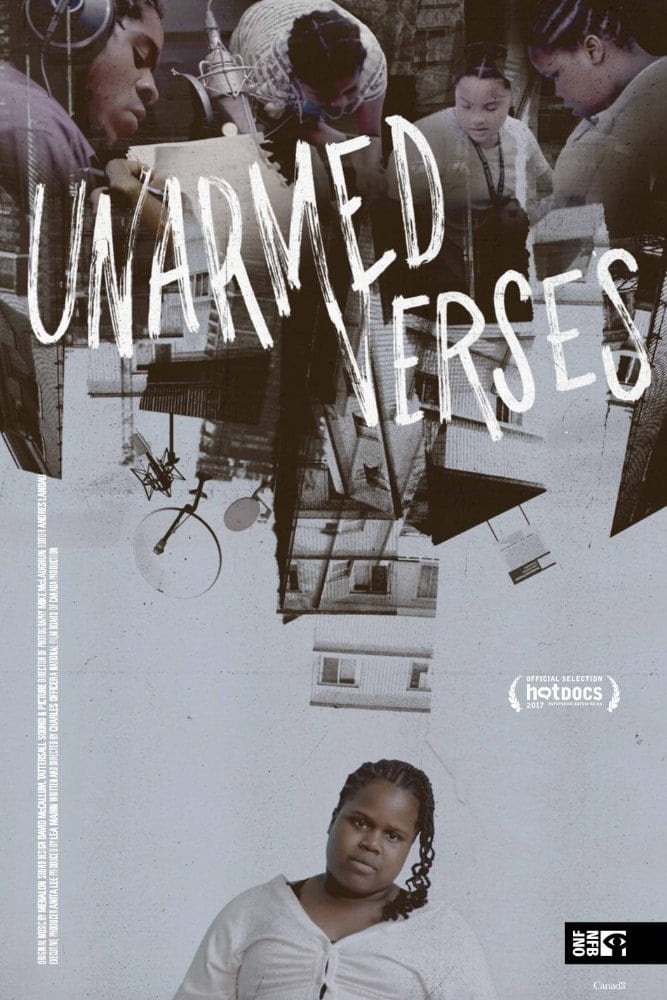
Toronto filmmaker Charles Officer profiles the young people of Villaways Park, a housing project on brink of historic change.
San Francisco has long enjoyed a reputation as the counterculture capital of America, attracting bohemians, mavericks, progressives and activists. With the onset of the digital gold rush, young members of the tech elite are flocking to the West Coast to make their fortunes, and this new wealth is forcing San Francisco to reinvent itself. But as tech innovations lead America into the golden age of digital supremacy, is it changing the heart and soul of their adopted city?
A short documentary shot in November 2021 in Berkeley. It reflects on the ethos of privatization in American culture and how public spaces are being built to exclude people through cruel architecture. The context used is the gentrification circle around the University of California Berkeley intended to build student housing. An eye-opening journey that explores structures and elements you would never have stopped at.
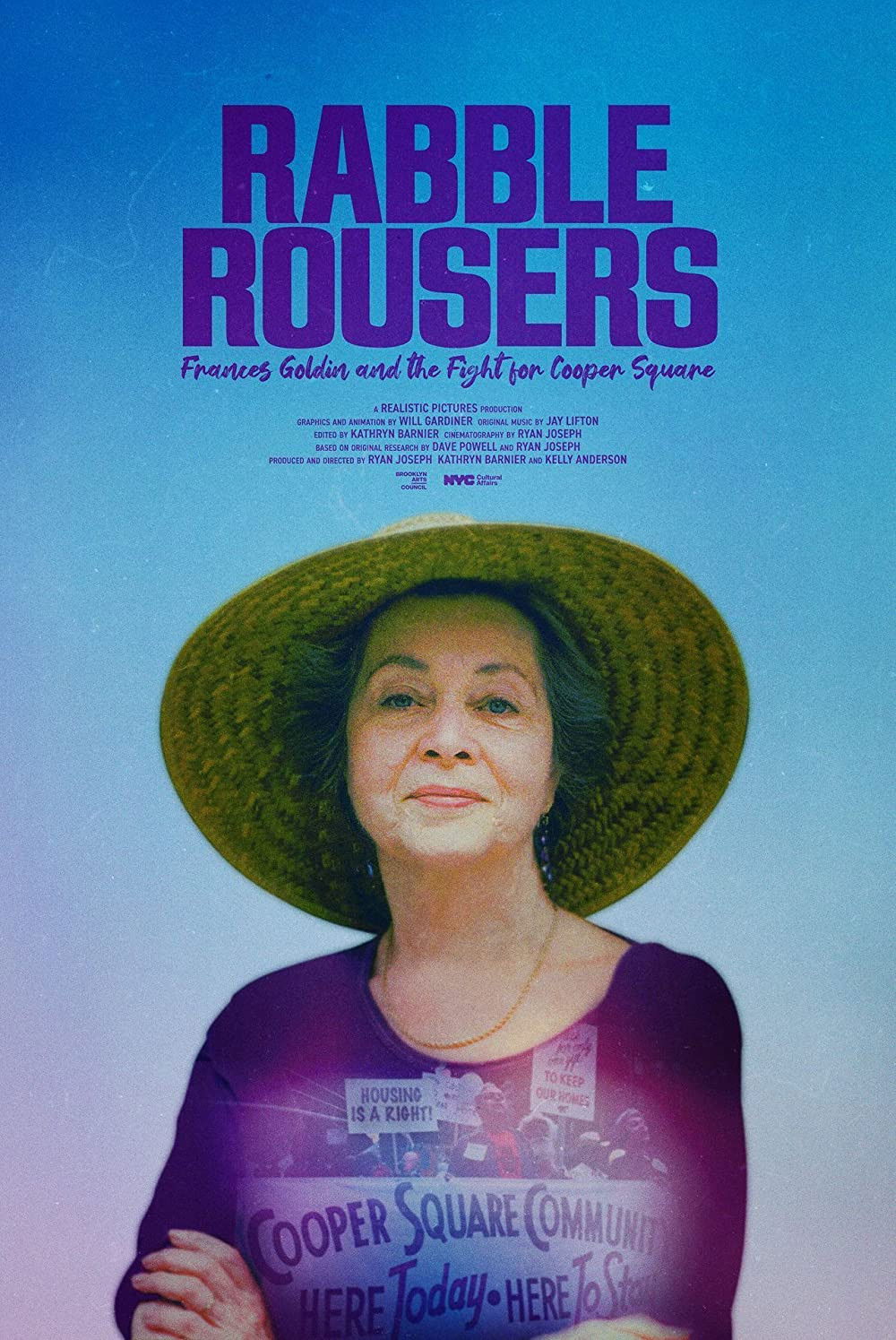
In 1959 New York City announced a "slum clearance plan" by Robert Moses that would displace 2,400 working class and immigrant families, and dozens of businesses, from the Cooper Square section of Manhattan's Lower East Side. Guided by the belief that urban renewal should benefit - not displace - residents, Frances Goldin and her neighbors formed the Cooper Square Committee and launched a campaign to save the neighborhood. Over five decades they fought politicians, developers, white flight, government abandonment, blight, violence, arson, drugs, and gentrification - cyclical forces that have destroyed so many working class neighborhoods across the US. Through tenacious organizing and hundreds of community meetings, they not only held their ground but also developed a vision of community control. Fifty three years later, they established the state's first community land trust - a diverse, permanently affordable neighborhood in the heart of the "real estate capital of the world."
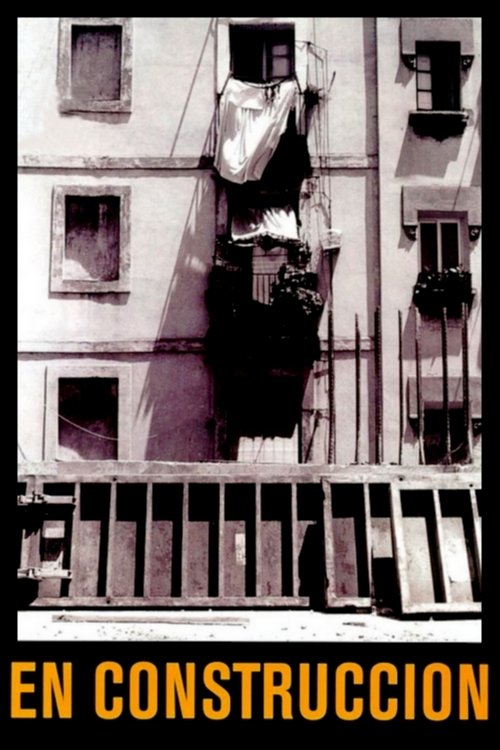
An author spends a year and a half filming what happens as a new apartment building is built in a neighborhood of Barcelona.
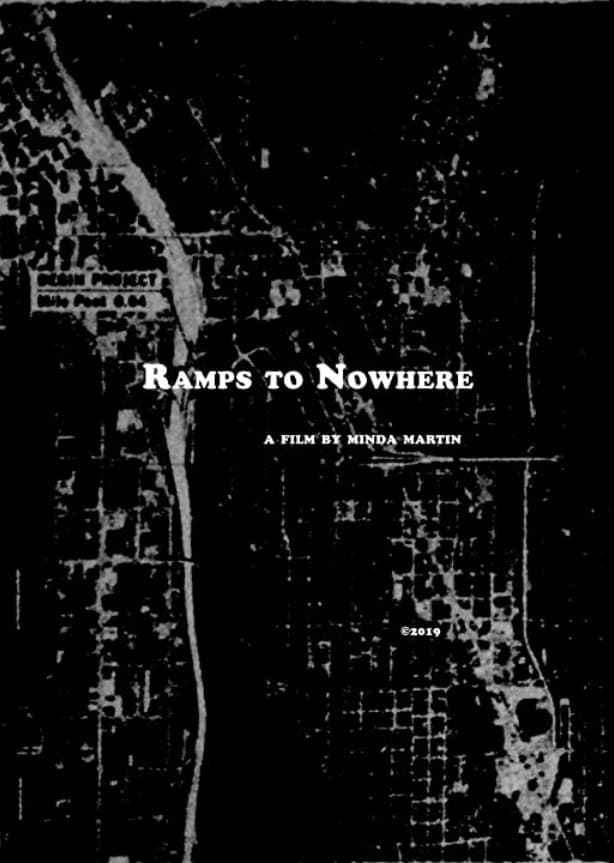
A film about the cross coalition of communities that stopped a planned network of freeways from being built in Seattle in the late 60s and early 70s. It weaves together archival material with the filmmaker's personal narrative about living next to freeways, and features interviews with participants from the freeway revolt.
The life and career of one of comedy's most inimitable modern voices, Mr. Gilbert Gottfried.
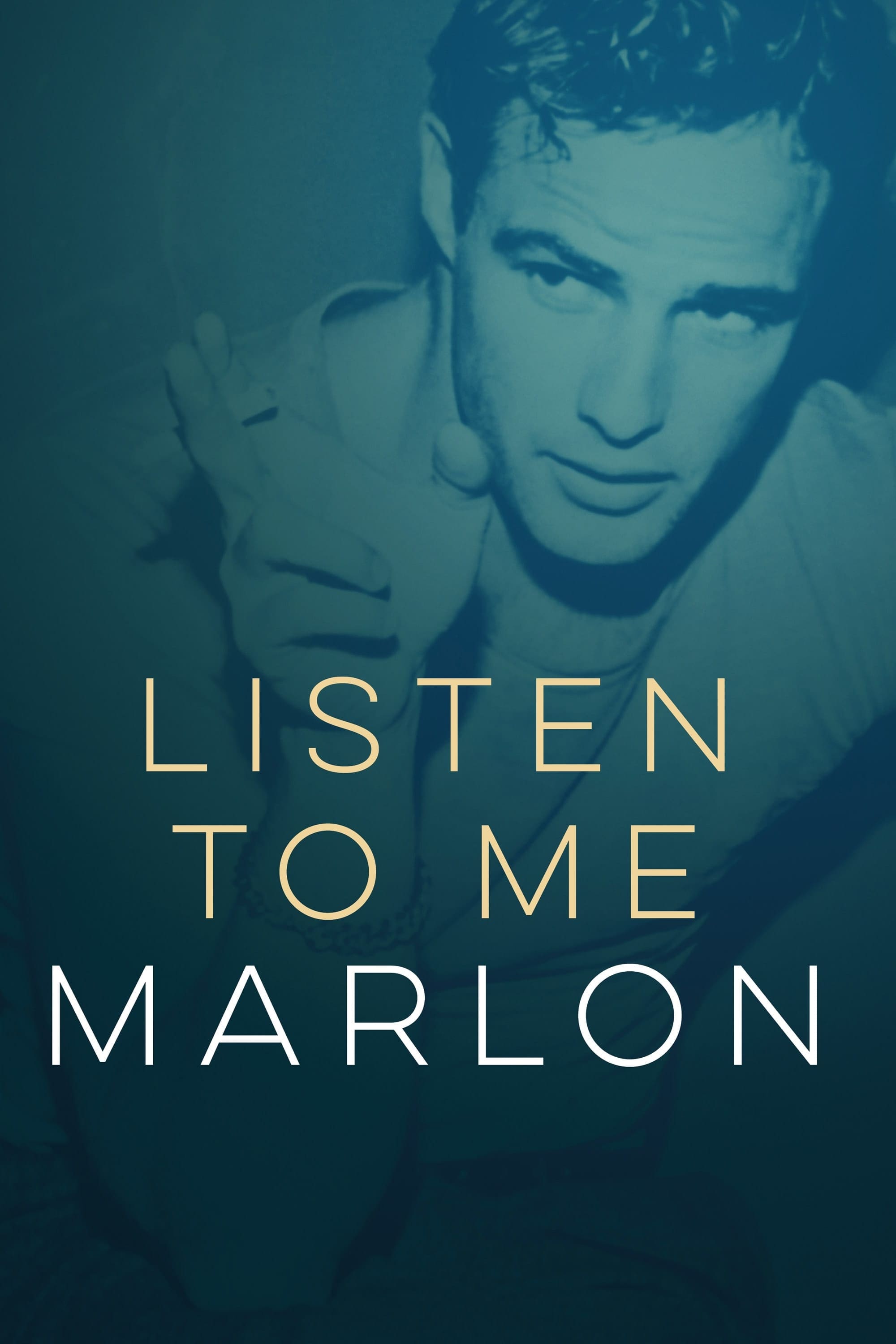
With exclusive access to his extraordinary unseen and unheard personal archive including hundreds of hours of audio recorded over the course of his life, this is the definitive Marlon Brando cinema documentary. Charting his exceptional career as an actor and his extraordinary life away from the stage and screen with Brando himself as your guide, the film will fully explore the complexities of the man by telling the story uniquely from Marlon's perspective, entirely in his own voice. No talking heads, no interviewees, just Brando on Brando and life.
A look at the origins, history and conspiracies behind the "Majestic 12", a clandestine group of military and corporate figureheads charged with reverse-engineering extraterrestrial technology.
A visual montage portrait of our contemporary world dominated by globalized technology and violence.
Have you ever read the Terms and Conditions and Privacy Policies connected to every website you visit, phone call you make, or app you use? Of course you haven’t. But those agreements allow corporations to do things with your personal information you could never even imagine. This film explores the intent hidden within these ridiculous agreements, and reveals what corporations and governments are legally taking from you and the outrageous consequences that result from clicking “I accept.”
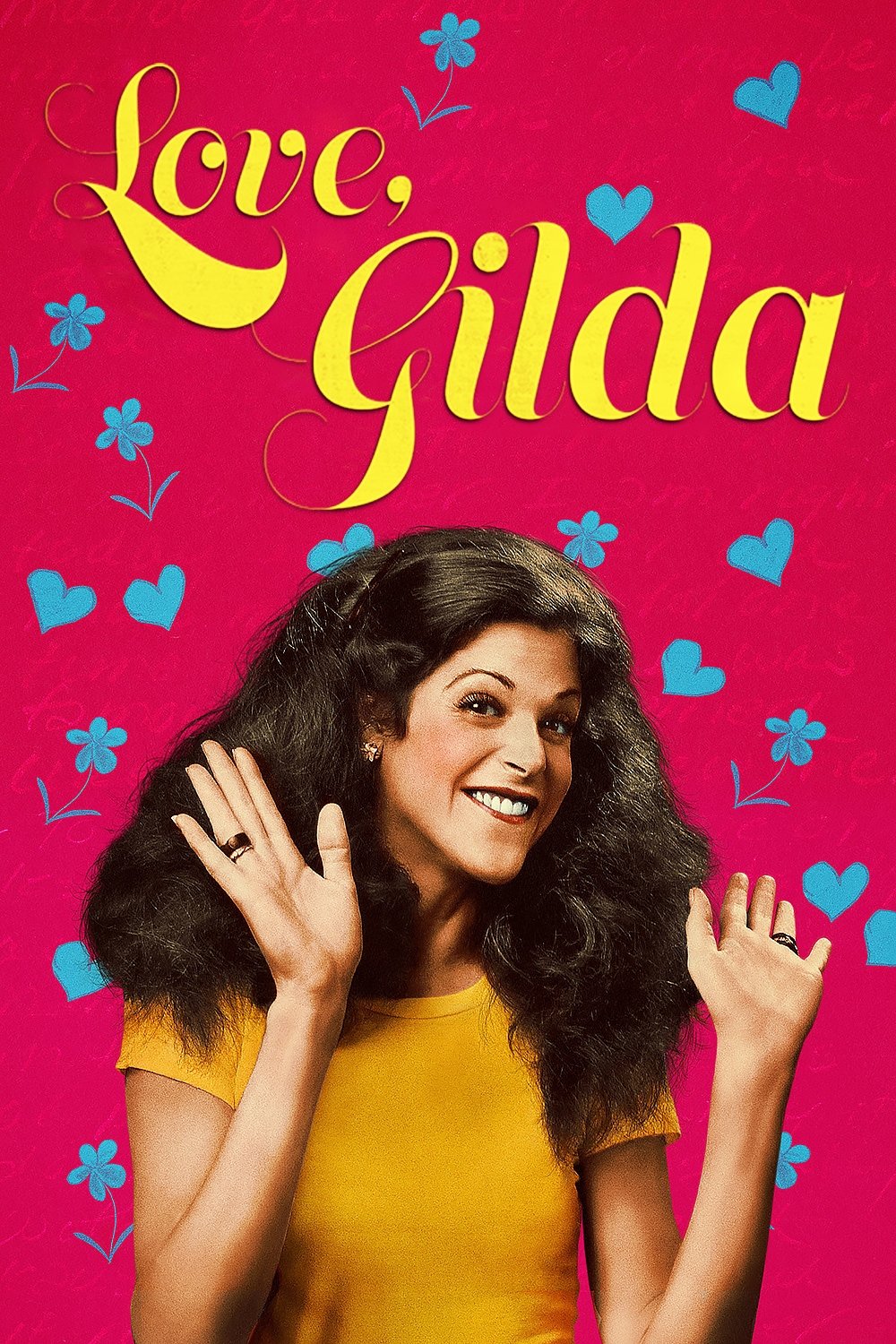
Diaries, audiotapes, videotapes and testimonials from friends and colleagues offer insight into the life and career of Gilda Radner -- the beloved comic and actress who became an icon on Saturday Night Live.
Al Pacino's deeply-felt rumination on Shakespeare's significance and relevance to the modern world through interviews and an in-depth analysis of "Richard III."
JB Smoove and Martin Starr host a celebration of 20 years of "Spider-Man" movies, from the Sam Raimi trilogy to Marc Webb's movies and the trio from Jon Watts.
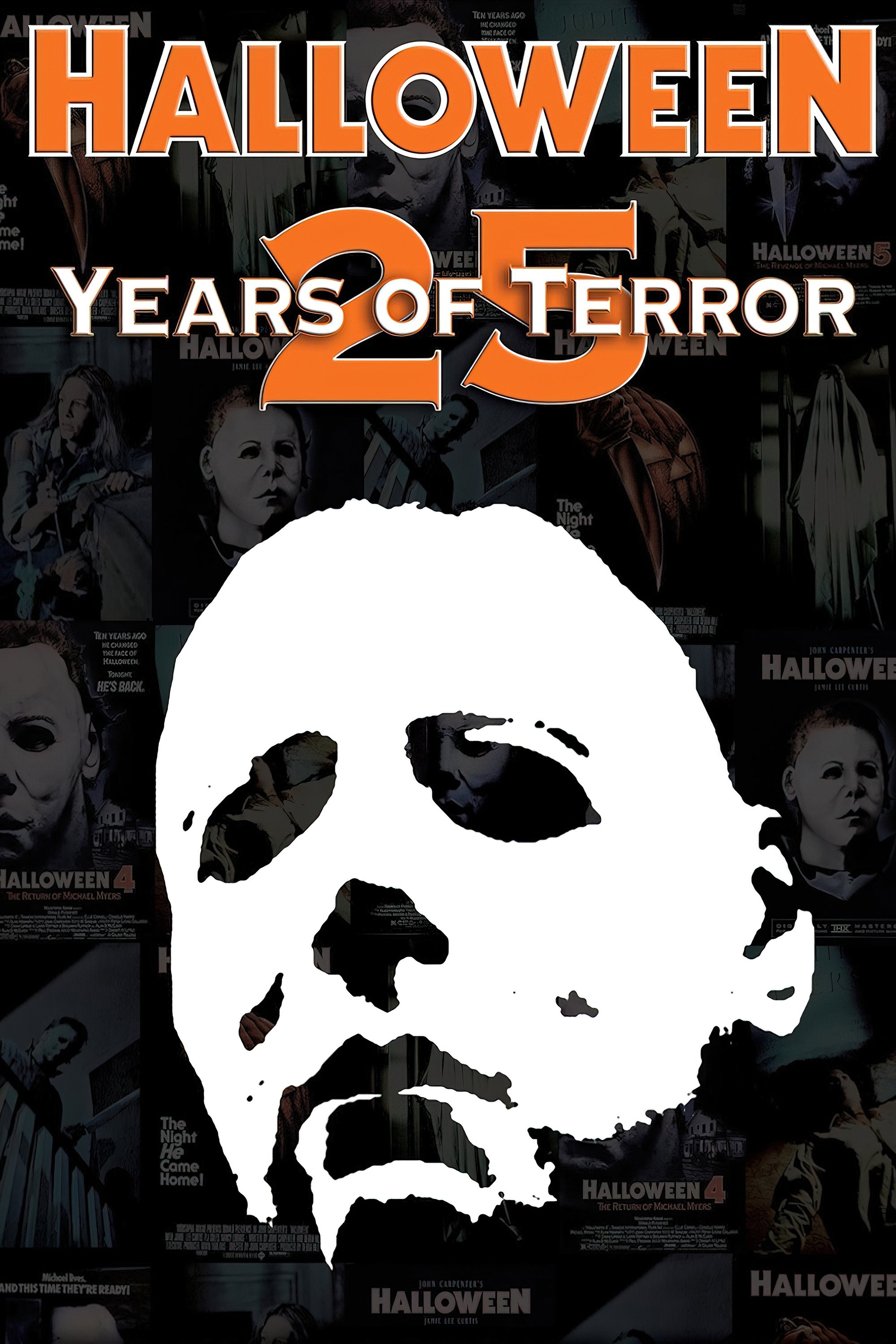
Follow the evolution of the 'Halloween' movies over the past twenty-five years. It examines why the films are so popular and revisits many of the original locations used in the films - seeing the effects on the local community. For the first time, cast, crew, critics and fans join together in the ultimate 'Halloween' retrospective.
A sexual wellness company gains fame and followers, then members come forward with shocking allegations.
The life and career of an actor, artist, and icon. His own journey through his own camera.
A documentary that explores the downloading revolution; the kids that created it, the bands and the businesses that were affected by it, and its impact on the world at large.
Using the book 'Fragments', which collects Marilyn Monroe's poems, notes and letters, and with participation from the Arthur Miller and Truman Capote estates who have contributed more material, each of the actresses will embody the legend at various stages in her life.
Through deeply personal interviews with her siblings and an examination of the photographs, letters, and belongings left behind, Mariska assembles a new portrait of her mother Jayne Mansfield, an extraordinary and complex woman.
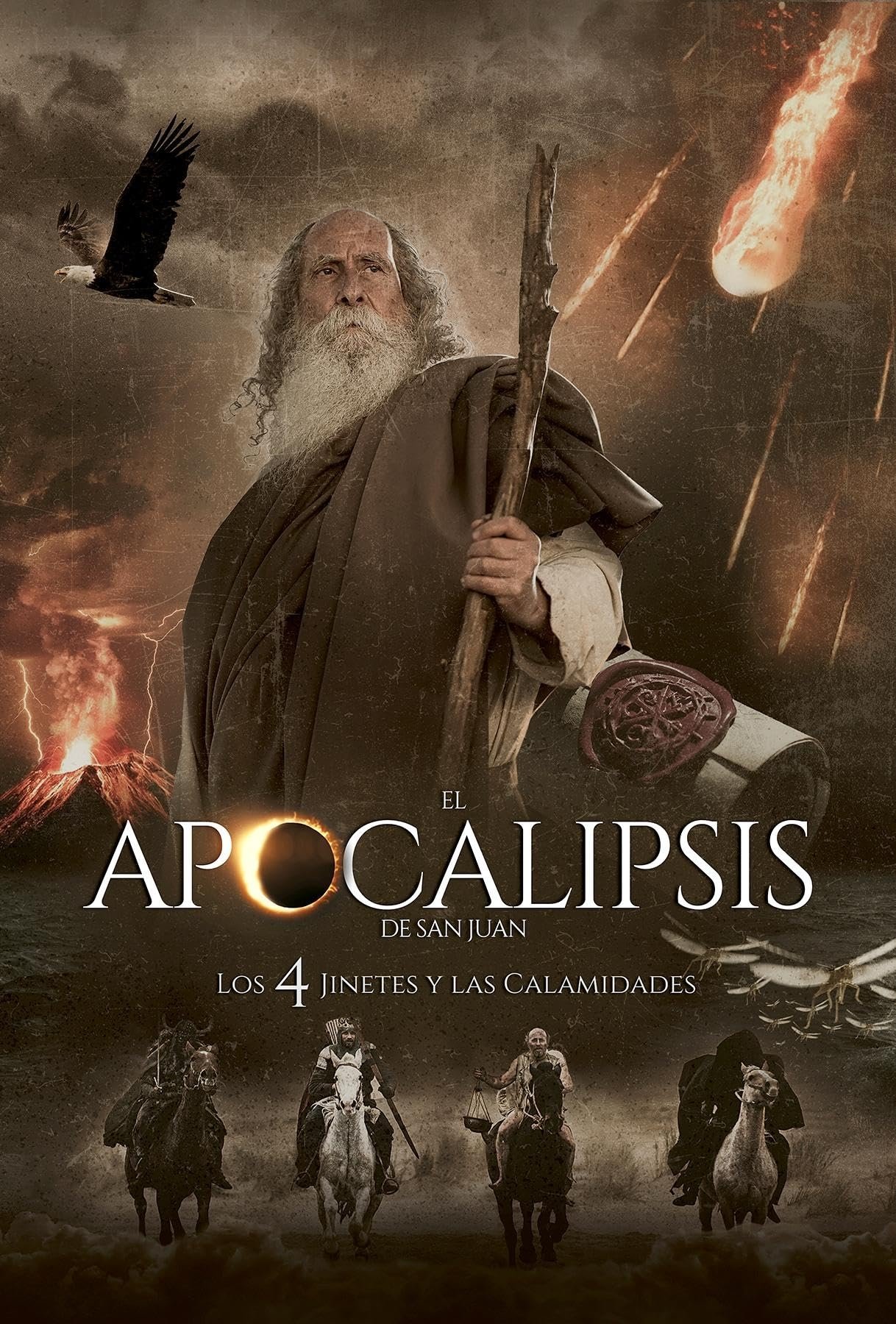
Embark on an epic journey through time and faith with 'The Apocalypse of Saint John.' Join the Apostle John in a stunning visual narrative that unravels the visions of the End Times. Experience each vision like never before, with striking visual effects and epic scenes that immerse you in the apocalyptic narrative.
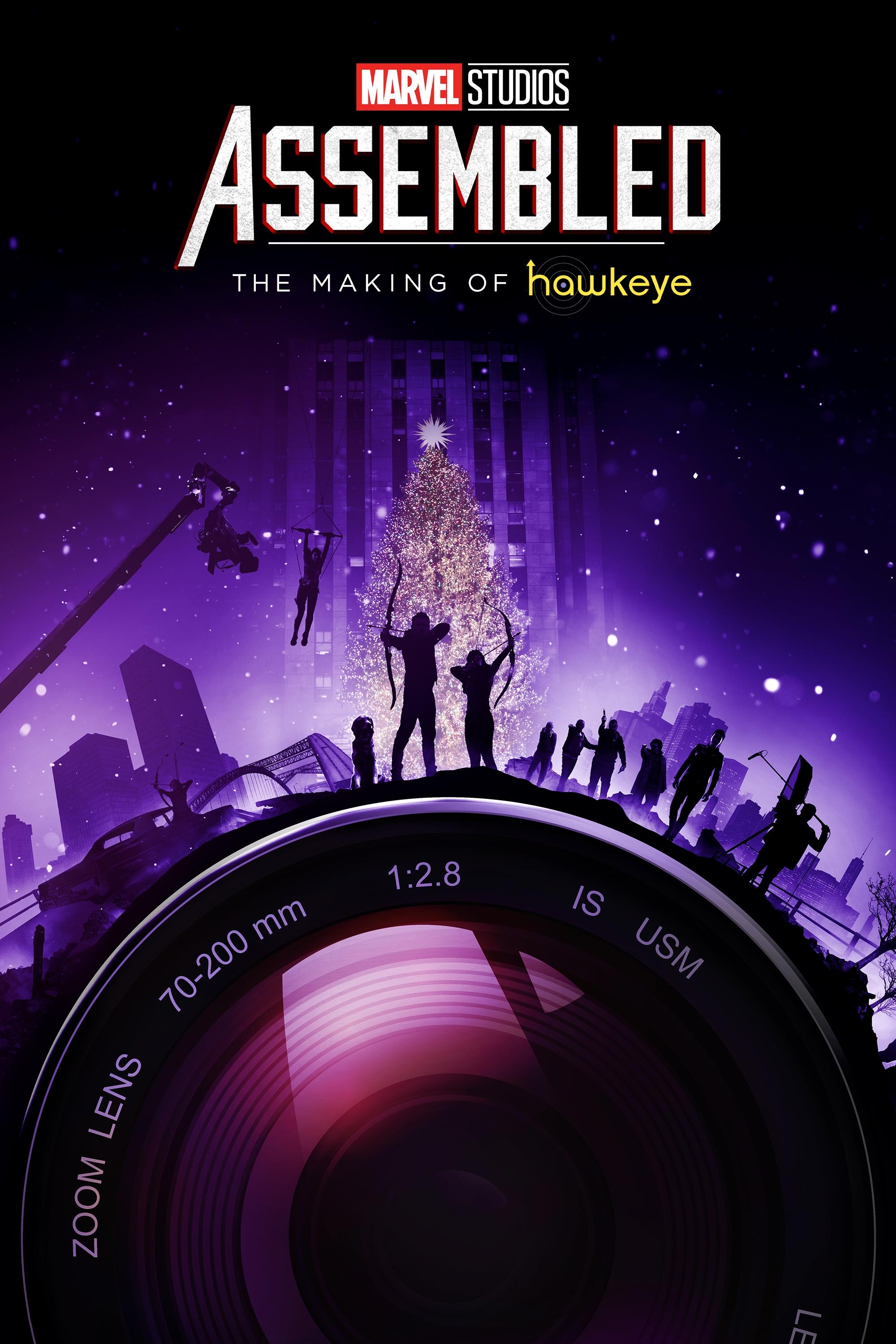
Join the likes of Jeremy Renner, Hailee Steinfeld, Florence Pugh, and Vincent D’Onofrio as they reveal how Marvel Studios’ “Hawkeye” was conceived and created. Witness firsthand what it took to pull off the show’s pulse-pounding action set pieces, and discover how iconic characters from the pages of Marvel Comics such as Kate Bishop were adapted and brought to life for the six-episode series.
From the heights of her modeling fame to her tragic death, this documentary reveals Anna Nicole Smith through the eyes of the people closest to her.
A documentary about the life and films of director John Ford.
This revealing documentary honors the legendary Sidney Poitier—iconic actor, filmmaker, and civil rights activist. Featuring interviews with Denzel Washington, Spike Lee, Halle Berry, and more.
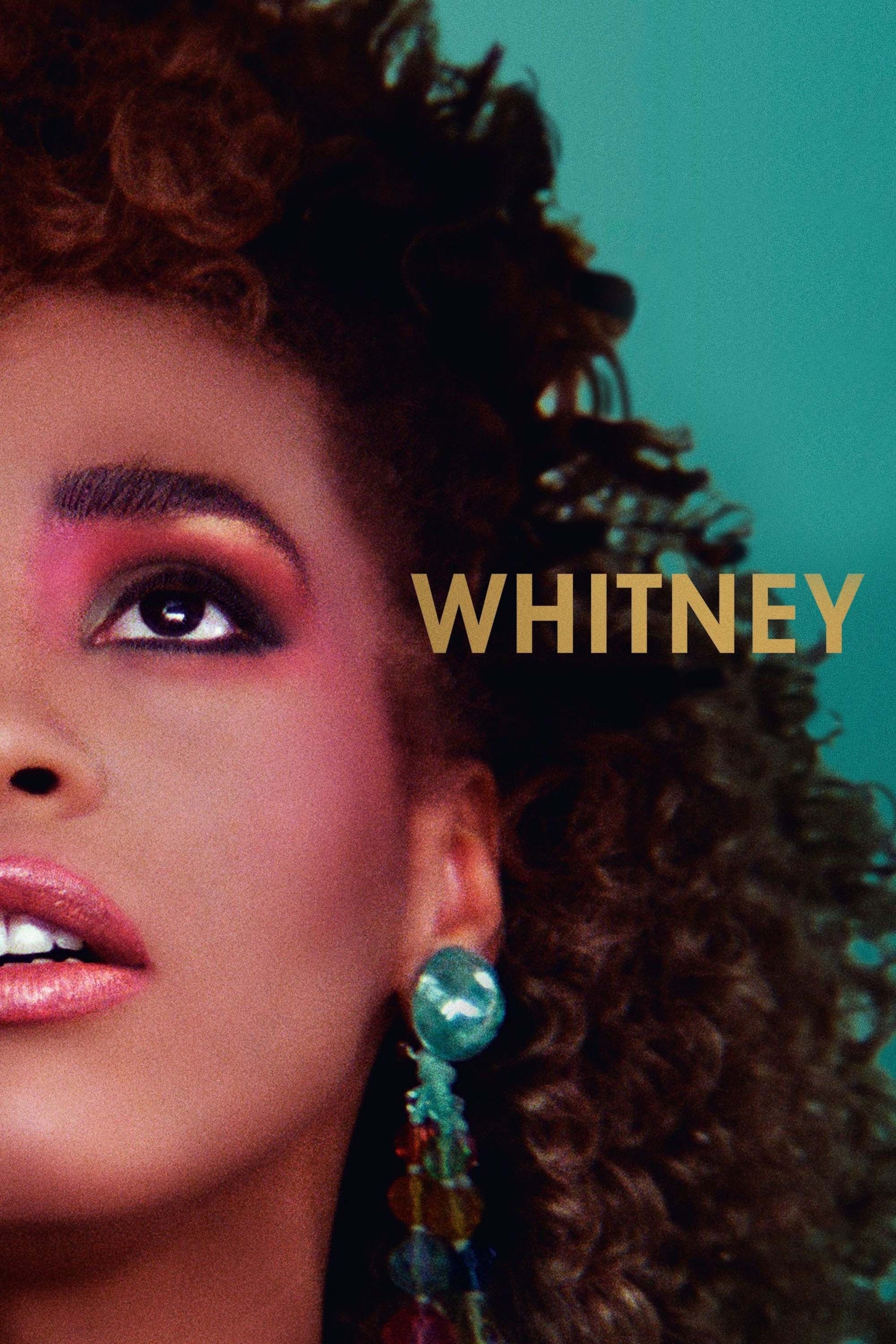
Examines the life and career of singer Whitney Houston. Features never-before-seen archival footage, exclusive recordings, rare performances and interviews with the people who knew her best.