Documentary film about the discrimination against zainichi, directed by Yoshihiko Okamoto.
Social & External
The people behind it
Aiko Konoshima
Narrator (voice)
A documentary expose on the first Gulf War.
A hand-filmed 32-minute documentary of the Skinny Puppy's 1988 'Head Trauma' tour of Europe by Dwayne Rudolph Goettel. Edited by Nivek Ogre in 2005.
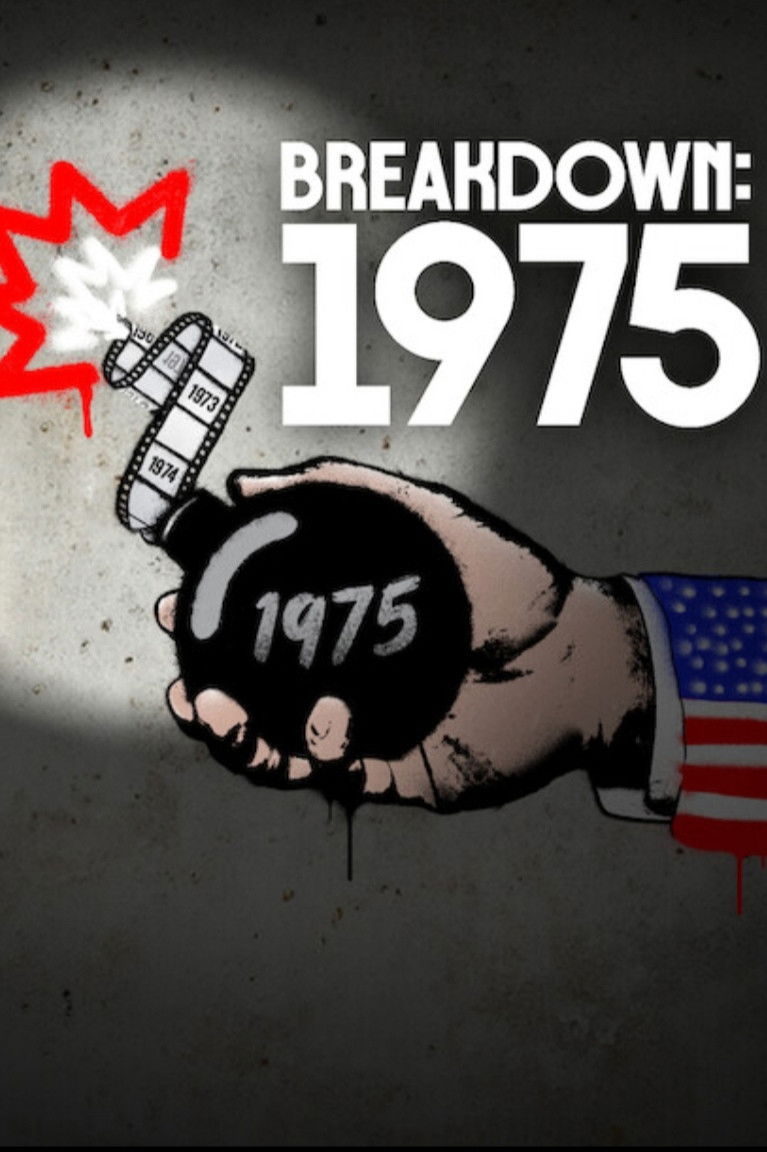
In 1975, as America faced social and political upheaval, filmmakers turned chaos into art.
Exploration of the ordinary lives led by women of different classes—a college professor, an unmarried woman, and a seasoned drama artist. They unveil the societal intricacies woven into their social backgrounds, with typical evening talks besides them. Gripping tales of yore immersed in the metaphorical embrace of their surroundings, their familial shelters are emblematic of resilience and protection, where profound truths lie hidden within the depths of the commonplace.
During the women's demonstration on March 8, 1972, Mariasilvia SPOLATO was there with a placard: Liberazione omosessuale. A month later, Simone de Beauvoir came to Rome to give an interview, and this placard illustrated her article. Mariasilvia could no longer teach, ended up homeless and spent her life on the trains.
Documentary about the abstract filmmaker.
Concert film and documentary from Mika Nakashima's First Tour 2003 performed on February 23, 2003 at Zepp Tokyo.
Live concert documentary that was filmed during her "Sokenbicha Natural Breeze 2001 Happy Live" tour. In addition to the live show, it contains extensive backstage and behind-the-scenes footage. It also includes live perfomrance fragments from the 6 venues throughout Japan of her first tour.
A filmmaker's search for Yambo Ouologuem, a once famous writer who no longer wants to see any white people. Along the way, he meets five university students interested in the relationship between Africa and the West and who question the desire to go somewhere else, to leave the country and with it the culture that is theirs and their parents'.
When Moisex declares his hatred for Christmas, Kevin sets out to change his mind by creating a short film. This documentary captures their journey of creativity, humor, and the search for holiday spirit.
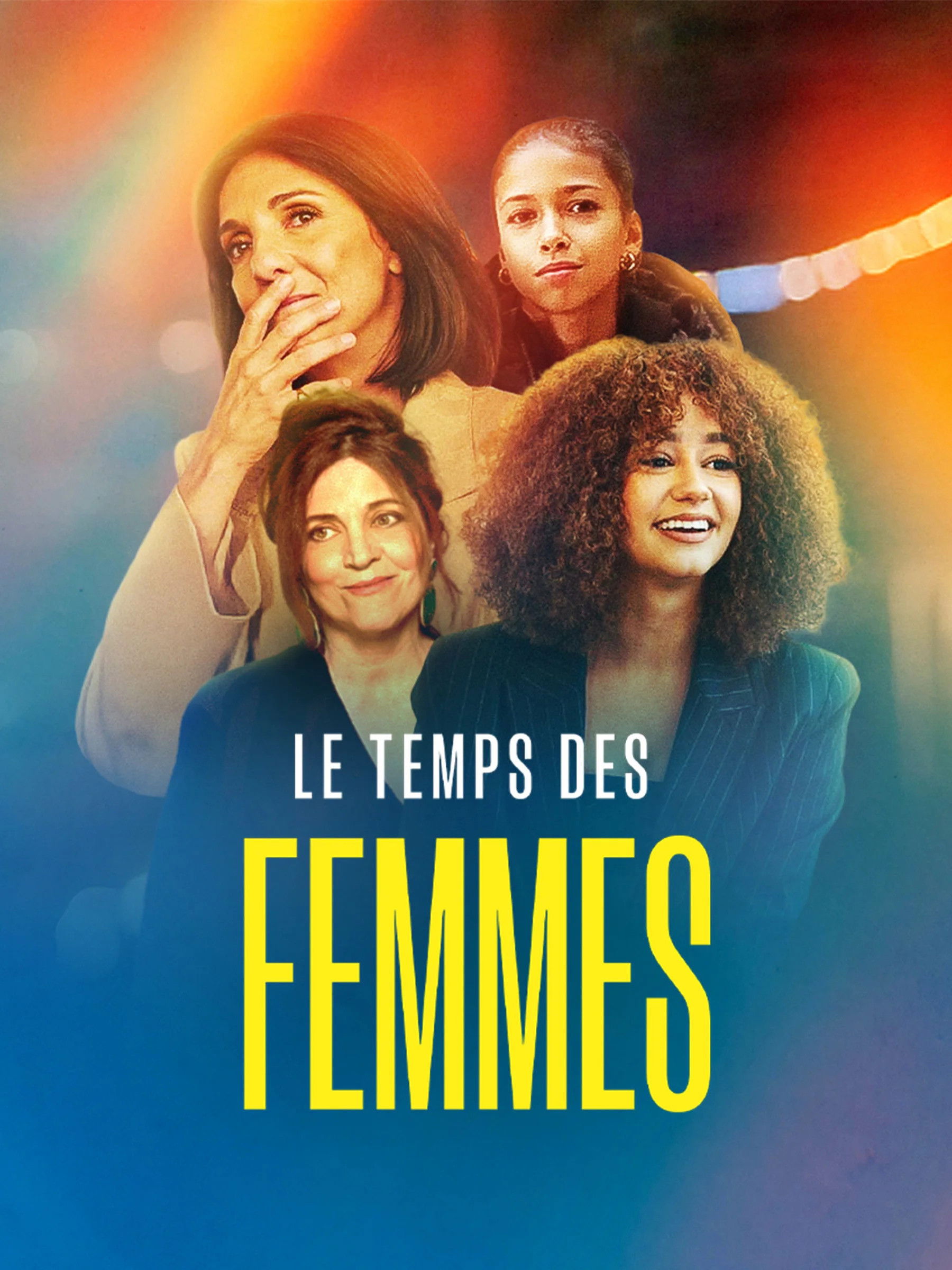
Has the time of women finally come? Have their everyday lives truly changed over the past sixty years? Guided by Agnès Jaoui, women—famous and unknown—share their stories across generations. From childhood to retirement, the documentary traces shared experiences shaped by prejudice, but also by hope, strength, and humor. Blending personal archives, historic moments, and social media footage, the film places women at the center of their own story. Welcome to the Time of Women.
At just 24 years old, Imen ES, originally from Sevran, a city often seen as the archetype of a rough suburb and the birthplace of a raw hip-hop scene, has made her mark. Today, nothing can stop her. Starting out with the image of a "little sister," she has now transformed into a "queen," collaborating with renowned artists in France.
A look at the community surrounding Nintendo's New York store in the month leading up to the launch of the Nintendo Switch in 2017.
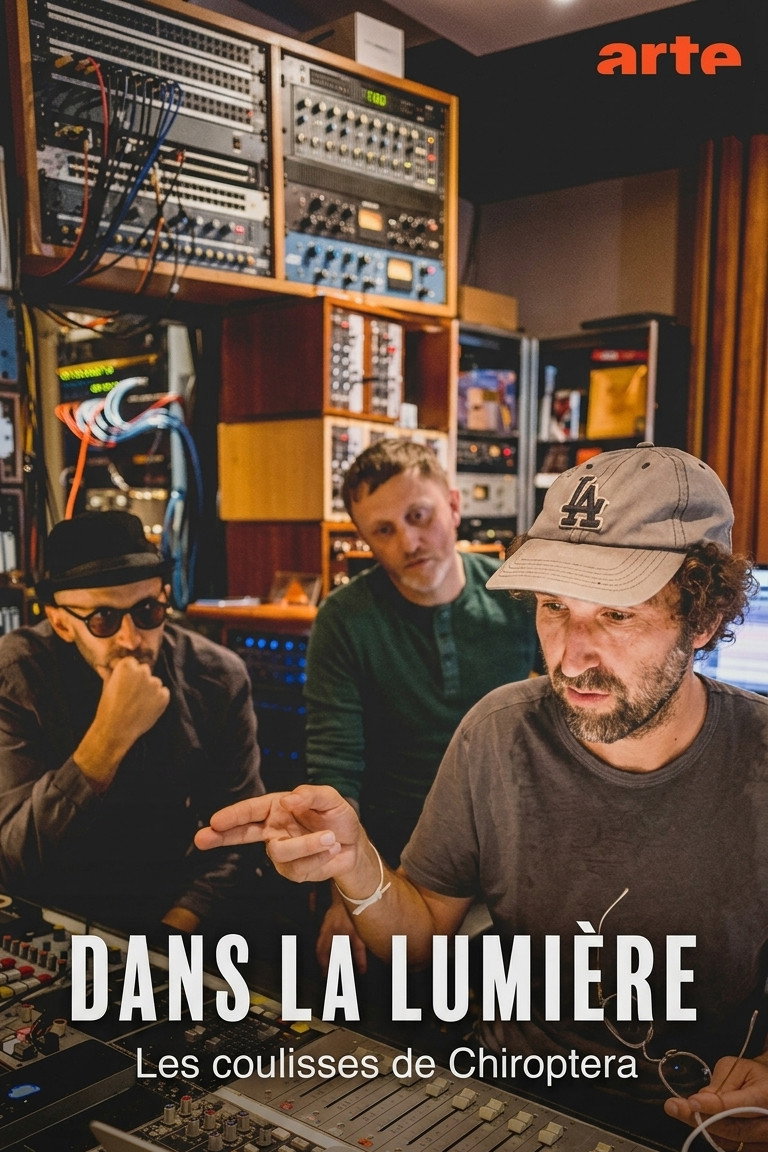
The documentary reveals the unique artistic collaboration between visual artist JR, former Daft Punk member Thomas Bangalter, and choreographer Damien Jalet. By combining their respective talents, they created "Chiroptera": 154 dancers from around the world perched on the scaffolding of the Palais Garnier in Paris. Together, they offer us an extraordinary performance. In the fall of 2023, the Paris Opera asked artist JR to transform the construction site on the façade of the Palais Garnier into a creative playground. By inviting Damien Jalet and Thomas Bangalter to create a performance for 154 dancers with him, he embarks on a human and artistic adventure with complex technical challenges. This documentary takes us behind the scenes of this show. How will the challenge be met?
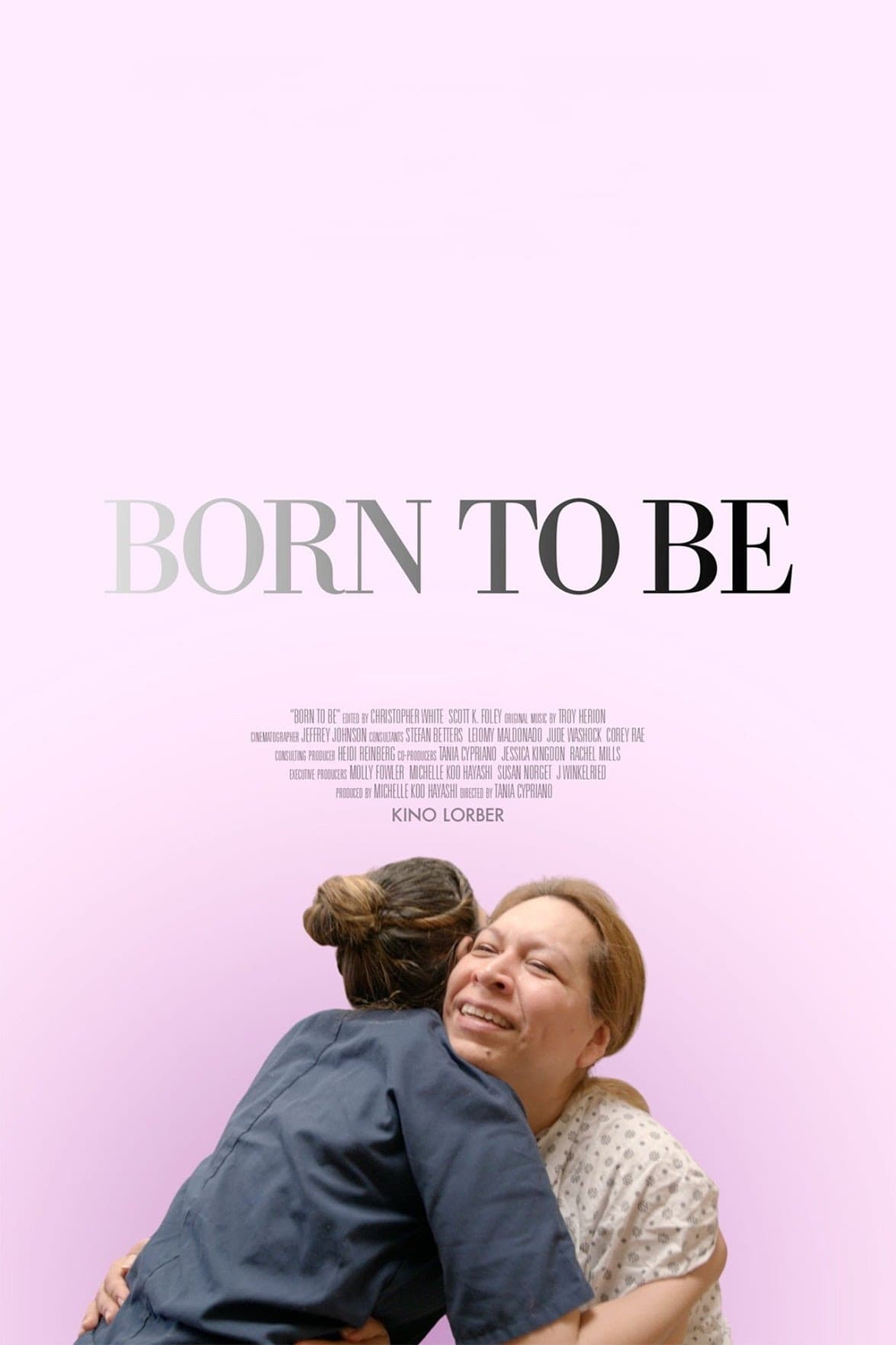
Soon after New York state passed a 2015 law that health insurance should cover transgender-related care and services, director Tania Cypriano and producer Michelle Hayashi began bringing their cameras behind the scenes at New York’s Mount Sinai Hospital, where this remarkable documentary captures the emotional and physical journey of surgical transitioning. Lending equal narrative weight to the experiences of the center’s groundbreaking surgeon Dr. Jess Ting and those of his diverse group of patients, BORN TO BE perfectly balances compassionate personal storytelling and fly-on-the-wall vérité. It’s a film of astonishing access—most importantly into the lives, joys, and fears of the people at its center.
Documentary of Nana Mizuki's summer tour of LIVE SENSATION, filmed at Shibuya Public Hall with Zepp and Hal Another Side.
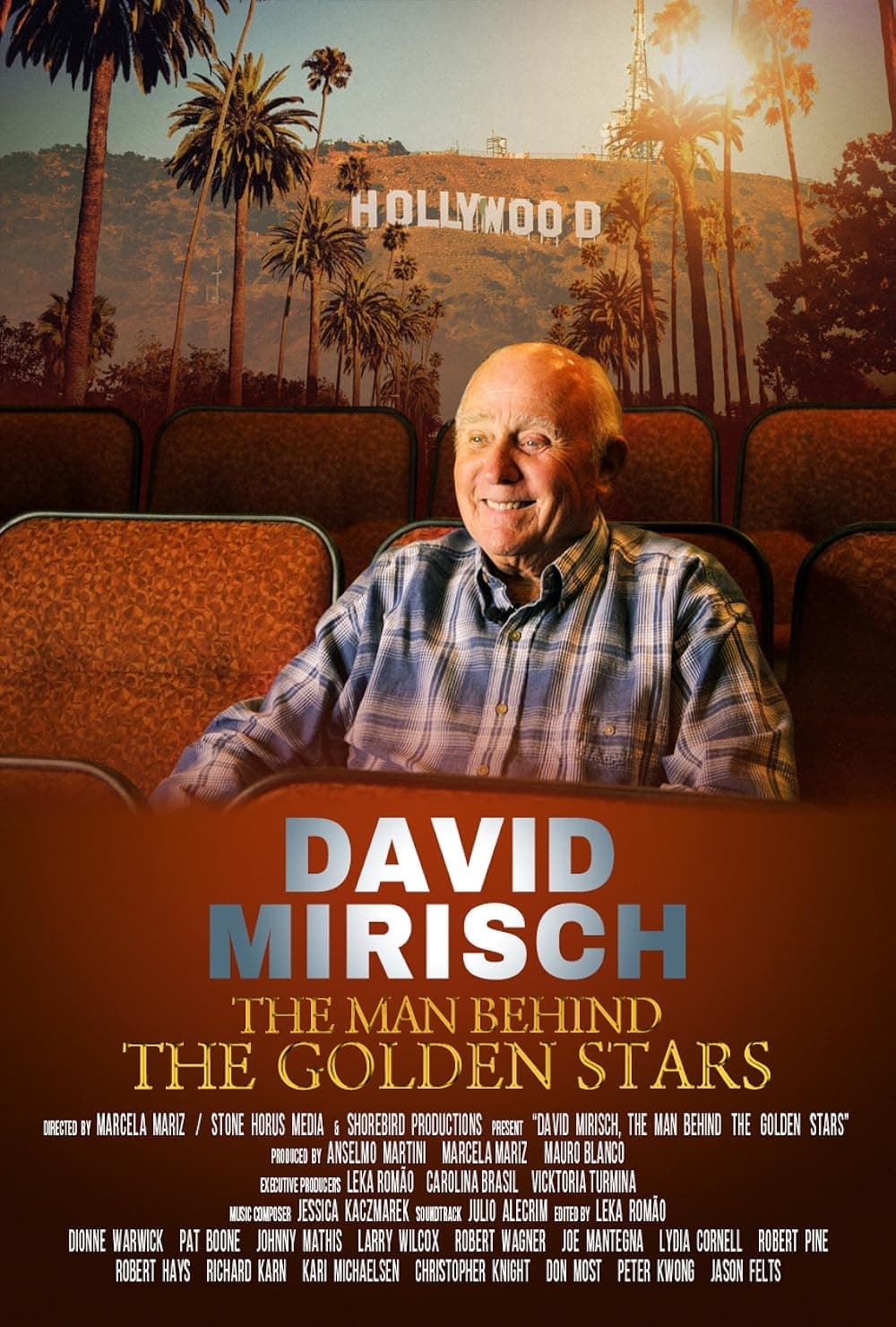
The documentary about the life of legendary Hollywood P.R. man David Mirisch.
In 2017, 20 years after Hype! (1996), filmmaker Doug Pray made a new short documentary featuring updated conversations with some of the personalities and bands who participated in the original documentary about the Seattle music scene and the Grunge movement.
A documentary on the expletive's origin, why it offends some people so deeply, and what can be gained from its use.
A detailing of the rise to prominence and global sporting superstardom of six supremely talented young Manchester United football players (David Beckham, Nicky Butt, Ryan Giggs, Paul Scholes, Phil and Gary Neville). The film covers the period 1992-1999, culminating in Manchester United's European Cup triumph.
A visual montage portrait of our contemporary world dominated by globalized technology and violence.
A string of threatening emails escalates into a revenge plot involving a newly married US marshal and his ex-girlfriend.
A purely observational non-fiction film that takes viewers into the ethically murky world of end-of-life decision making in a public hospital.
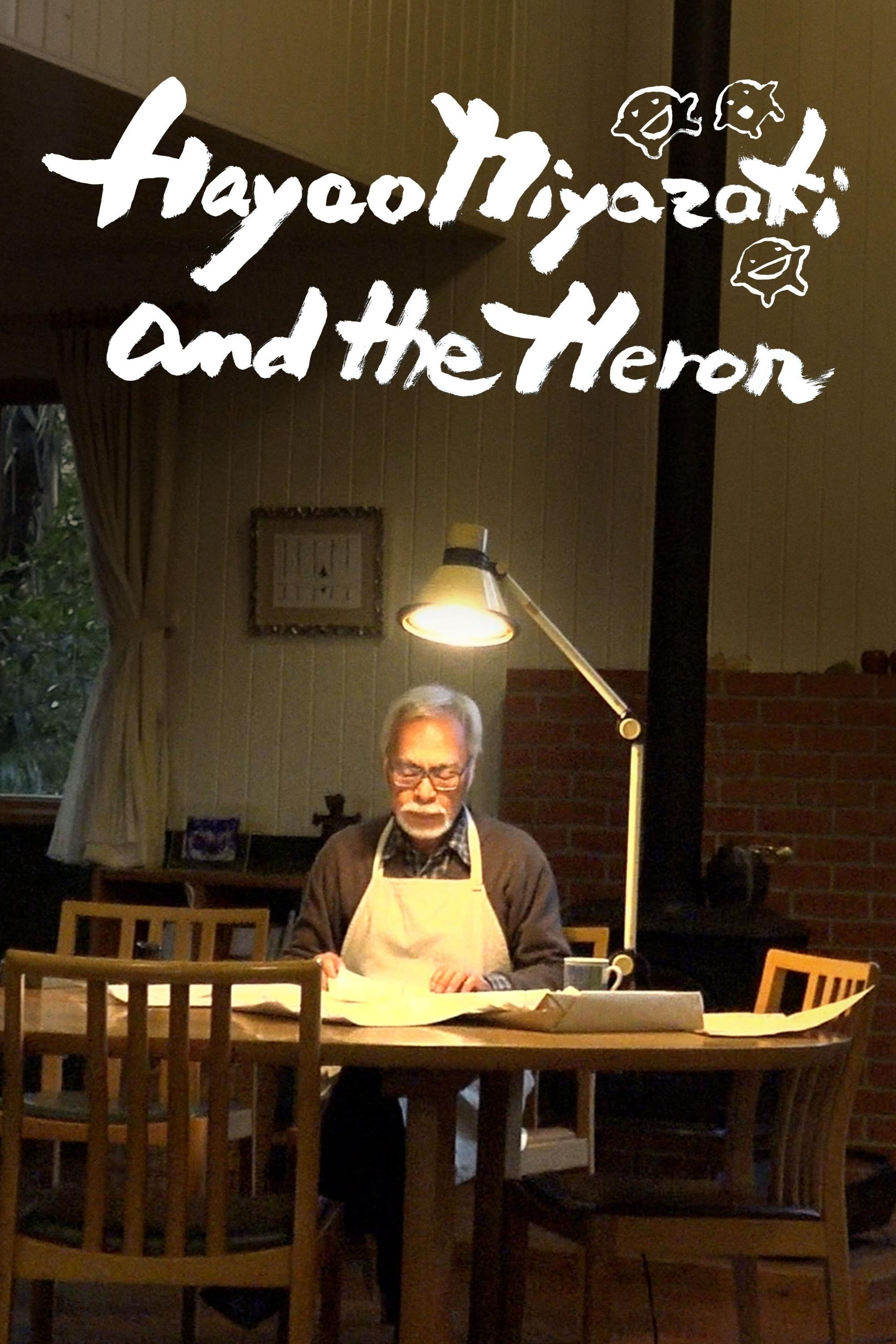
A documentary that chronicles the making of The Boy and the Heron, filmed with exclusive access to Studio Ghibli across an astonishing seven years.
A documentary about the making of David Fincher's 2008 film THE CURIOUS CASE OF BENJAMIN BUTTON. Virtually every element in the evolution of the Fincher's film is documented here, from the project's attachment to numerous other directors during the 1990s, to its shoot in 2006 and 2007 in New Orleans, to its complex, CGI-intensive postproduction process.
Ranjit, a farmer in India, takes on the fight of his life when he demands justice for his 13-year-old daughter, the victim of a brutal gang rape. His decision to support his daughter is virtually unheard of, and his journey unprecedented.
Alexander McQueen's rags-to-riches story is a modern-day fairy tale, laced with the gothic. Mirroring the savage beauty, boldness and vivacity of his design, this documentary is an intimate revelation of McQueen's own world, both tortured and inspired, which celebrates a radical and mesmerizing genius of profound influence.
A compilation of over 30 years of private home movie footage shot by Lithuanian-American avant-garde director Jonas Mekas, assembled by Mekas "purely by chance", without concern for chronological order.
Through deeply personal interviews with her siblings and an examination of the photographs, letters, and belongings left behind, Mariska assembles a new portrait of her mother Jayne Mansfield, an extraordinary and complex woman.
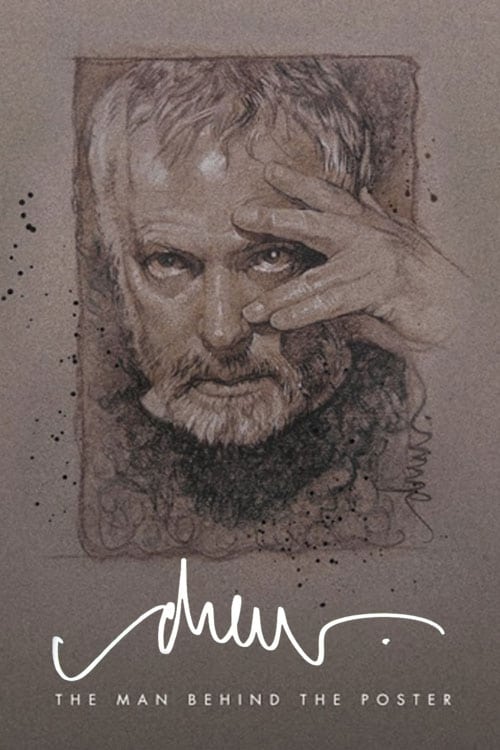
A documentary on legendary movie-poster artist Drew Struzan.
From the heights of her modeling fame to her tragic death, this documentary reveals Anna Nicole Smith through the eyes of the people closest to her.
Behind the scenes look at fight choreography and action training.
In an intimate and joyful story of love in the face of loss, celebrated poets Andrea Gibson and Megan Falley find strength—and unexpected hilarity—in what might be their final year together.
The Making-of James Cameron's Avatar. It shows interesting parts of the work on the set.
A feature length documentary about the all-women team at the helm of Pixar's original feature, Turning Red. With unprecedented behind-the-scenes access to Director Domee Shi and her core leadership crew, this story shines a light on the powerful professional and personal journeys that brought this incredibly comical, utterly relatable, and deeply heartfelt story to the screen.
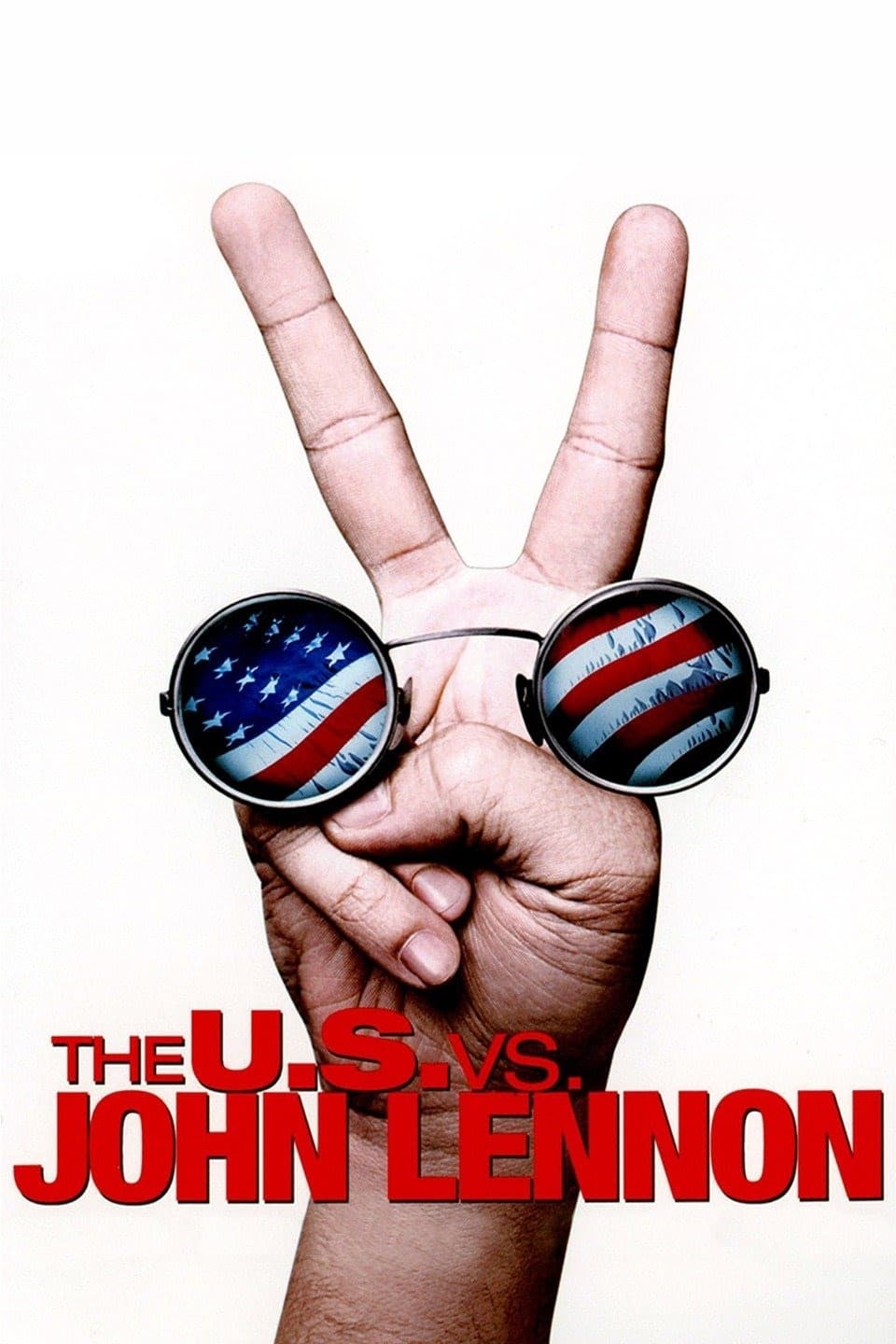
A documentary on the life of John Lennon, with a focus on the time in his life when he transformed from a musician into an antiwar activist.
In 1977, a book of photographs captured an awakening - women shedding the cultural restrictions of their childhoods and embracing their full humanity. This documentary revisits those photos, those women and those times and takes aim at our culture today that alarmingly shows the need for continued change.
An inside look at one of the most anticipated movie sequels ever with James Cameron and cast.