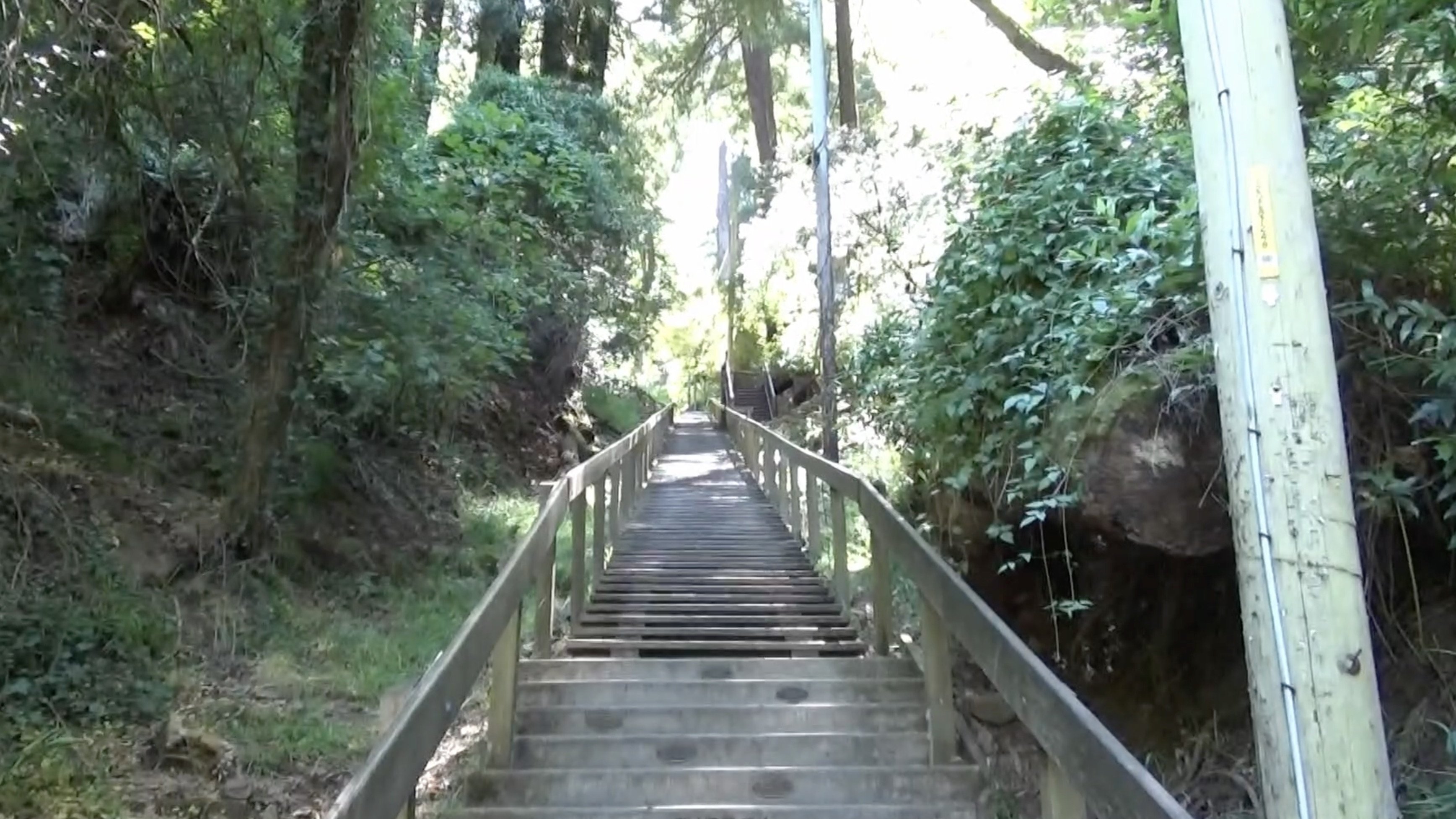
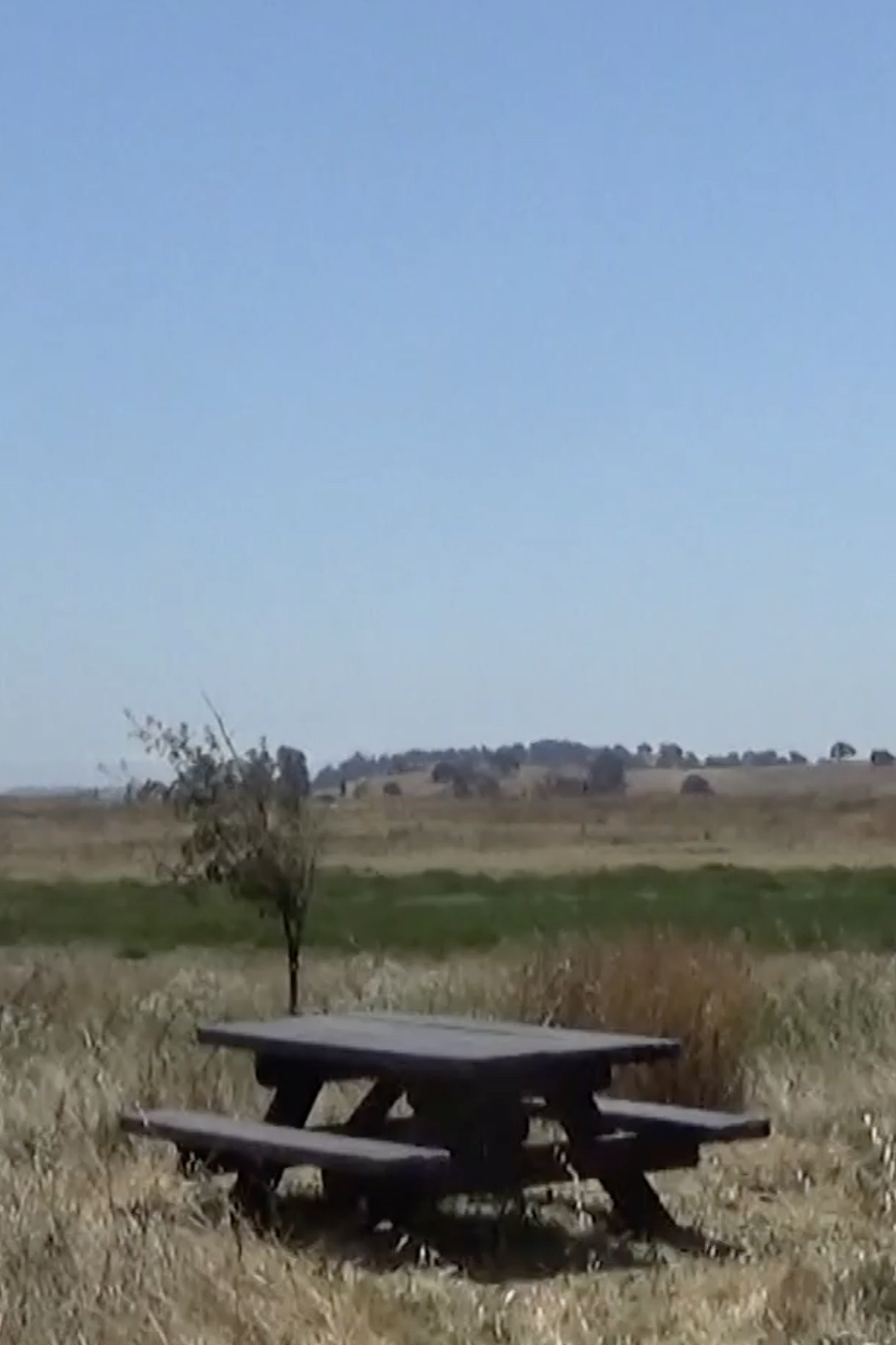
Trevor spends a week away from home to spend some time writing and hiking.
Social & External
self
A group of people are standing along the platform of a railway station in La Ciotat, waiting for a train. One is seen coming, at some distance, and eventually stops at the platform. Doors of the railway-cars open and attendants help passengers off and on. Popular legend has it that, when this film was shown, the first-night audience fled the café in terror, fearing being run over by the "approaching" train. This legend has since been identified as promotional embellishment, though there is evidence to suggest that people were astounded at the capabilities of the Lumières' cinématographe.
Working men and women leave through the main gate of the Lumière factory in Lyon, France. Filmed on 22 March 1895, it is often referred to as the first real motion picture ever made, although Louis Le Prince's 1888 Roundhay Garden Scene pre-dated it by seven years. Three separate versions of this film exist, which differ from one another in numerous ways. The first version features a carriage drawn by one horse, while in the second version the carriage is drawn by two horses, and there is no carriage at all in the third version. The clothing style is also different between the three versions, demonstrating the different seasons in which each was filmed. This film was made in the 35 mm format with an aspect ratio of 1.33:1, and at a speed of 16 frames per second. At that rate, the 17 meters of film length provided a duration of 46 seconds, holding a total of 800 frames.
A young woman of the Tarahumara, well-known for their extraordinary long distance running abilities, wins ultramarathons seemingly out of nowhere despite running in sandals.
The camera slowly pans through a room as Smolders offers various observations and memories.
Set to a classic Duke Ellington recording "Daybreak Express", this is a five-minute short of the soon-to-be-demolished Third Avenue elevated subway station in New York City.
Made for screening at the U.S. Pavilion at the 1974 World's Fair in Spokane Washington, USA, which had a Native-American environmental theme, MAN BELONGS TO THE EARTH depicts the history of air, water, and earth pollution, and how environmentalists are trying to solve these problems using various technologies.
Young men are faced with a medical commission for army recruits and asked to choose where they want to get to, at least theoretically.
The 1966 visit of Hollywood movie star Kirk Douglas at the legendary Polish State Film School in Lódz.
A satirical look at the Soviet-block hairdressing contest which was held in Warsaw in 1971.
This short follows the political career of Theodore Roosevelt, beginning in 1895, when he was appointed police commissioner of New York City. In 1897 he was appointed Assistant Secretary of the Navy. His charge up San Juan Hill during the Spanish-American War in 1898 is re-created. He becomes vice president in March 1901 and assumes the presidency when William McKinley is assassinated six months later. According to the narrator, Roosevelt refused to be beholden to political bosses, doing what he believed to be right for the American people.
This short film in support of the war effort focuses on the training and missions of Army Air Corps Captain Hewitt T. Wheless just after the U.S. entry into World War II.
Documentary short film depicting the work of the United Service Organizations (USO) in providing recreational and morale-boosting services for American troops.
After several farmyard analogies featuring chicks and calves, the well-spoken narrator and director of the film, Winifred Holmes, considers the subject of girls and how they reach adulthood and readiness for the 'important job of motherhood.
Jonas Mekas transforms footage of the Ringling Brothers Circus into a rapid-fire montage set to music, structured in four segments that highlight different acts. Earlier images reappear in later sections as background to new performances, with the accelerated pacing of the clips mirroring the rhythm and energy of the soundtrack.
Have you ever woken in the night unable to move, certain that you are not alone? This is an experimental documentary examining what happens when dreams leak into waking life. It is about what is real, what is not, and if it even matters.
Like the best USIA films, The Wall distills political events into an emotionally clear and compelling ideological "story". In 1962 Walter de Hoog gathered footage from U.S. and German newsreel sources and crafted this taut short film about the first year of the Berlin Wall. Straightforward, keenly balanced narration portrays Berliners as "accepting the wall but never resigned to it". The extraordinary footage of the first escapes was propaganda enough-- His challenge was to make the politics human.
A photographer shares unpublished images chronicling time spent among the 'fiercely independent' residents of a remote English fishing village.
A 25-year-old former cult member seeks out his family in a closed world of neon crosses, deadly alcoholism, and abuse.
This film features some of the most important living Postmodern practitioners, Charles Jencks, Robert A M Stern and Sir Terry Farrell among them, and asks them how and why Postmodernism came about, and what it means to be Postmodern. This film was originally made for the V&A exhibition 'Postmodernism: Style and Subversion 1970 - 1990'.