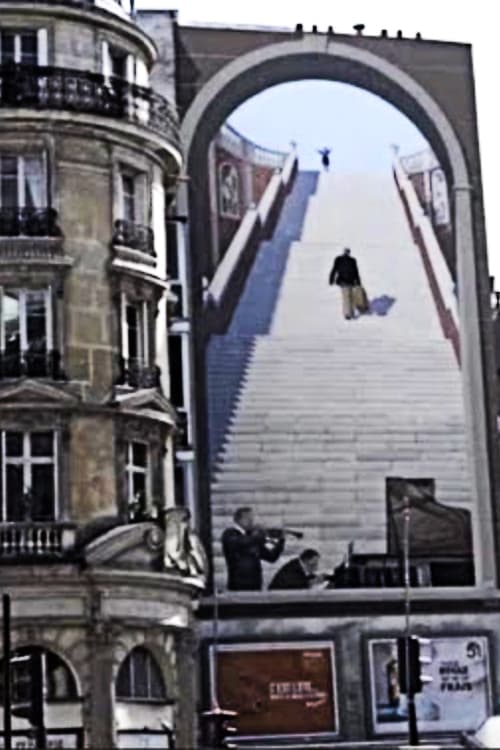
A dramatic reading of L. Ron Hubbard's essay "My Philosophy," accompanied by a photo montage.
Social & External
The people behind it
L. Ron Hubbard
Self
Jeff Pomerantz
Reader
Will Durant
An isolated lake, where an old monk lives in a small floating temple. The monk has a young boy living with him, learning to become a monk. We watch as seasons and years pass by.
Five coworkers share their theories on the popular arcade game, "Pac-Man" instead of brainstorming for their upcoming Christmas party presentation.
Inspired by The Seven Valleys, the film follows a solitary wayfarer who steps onto a spiritual journey of self-knowledge, guided not by destination but by transformation. Shot across the historic landscapes of Oxford, the journey unfolds as both an inner pilgrimage and a physical passage that reflects the wayfarer’s movement toward surrender, silence, and submission.
A look at contemporary Paris through the lens of theories and ideologies of the past two centuries, with a particular focus on the utopian socialist ideas of Charles Fourier.
In a world where the future is for sale, a grieving man visits a mysterious Time Spa, seeking a glimpse of his future. However, he discovers that some truths are more challenging than the past he's desperate to escape.
Edward de Bono literally sketches out the future in a 90 minute lecture filmed in Copenhagen. He explains 2040 as seen by someone frozen cryogenically in 1997.
A radical student is adopted by a group of young New Yorkers, serves as a catalyst to alter his and their lives. Gathering in a Manhattan apartment, the group of friends meet to discuss social mobility, Fourier's socialism and play bridge in their cocoon of upper-class society - until they are joined by a man with a critical view of their way of life.
How have the changing views on children been reflected in their representation in art? From Baby Jesus to the first photographic portraits, an exploration of six centuries of art history through the prism of childhood.
A barber fantasizes about killing his customers after hearing them complain about the world.
After World War II, Antonia and her daughter, Danielle, go back to their Dutch hometown, where Antonia's late mother has bestowed a small farm upon her. There, Antonia settles down and joins a tightly-knit but unusual community. Those around her include quirky friend Crooked Finger, would-be suitor Bas and, eventually for Antonia, a granddaughter and great-granddaughter who help create a strong family of empowered women.
Twelve episodic tales in the life of a Parisian woman and her slow descent into prostitution.
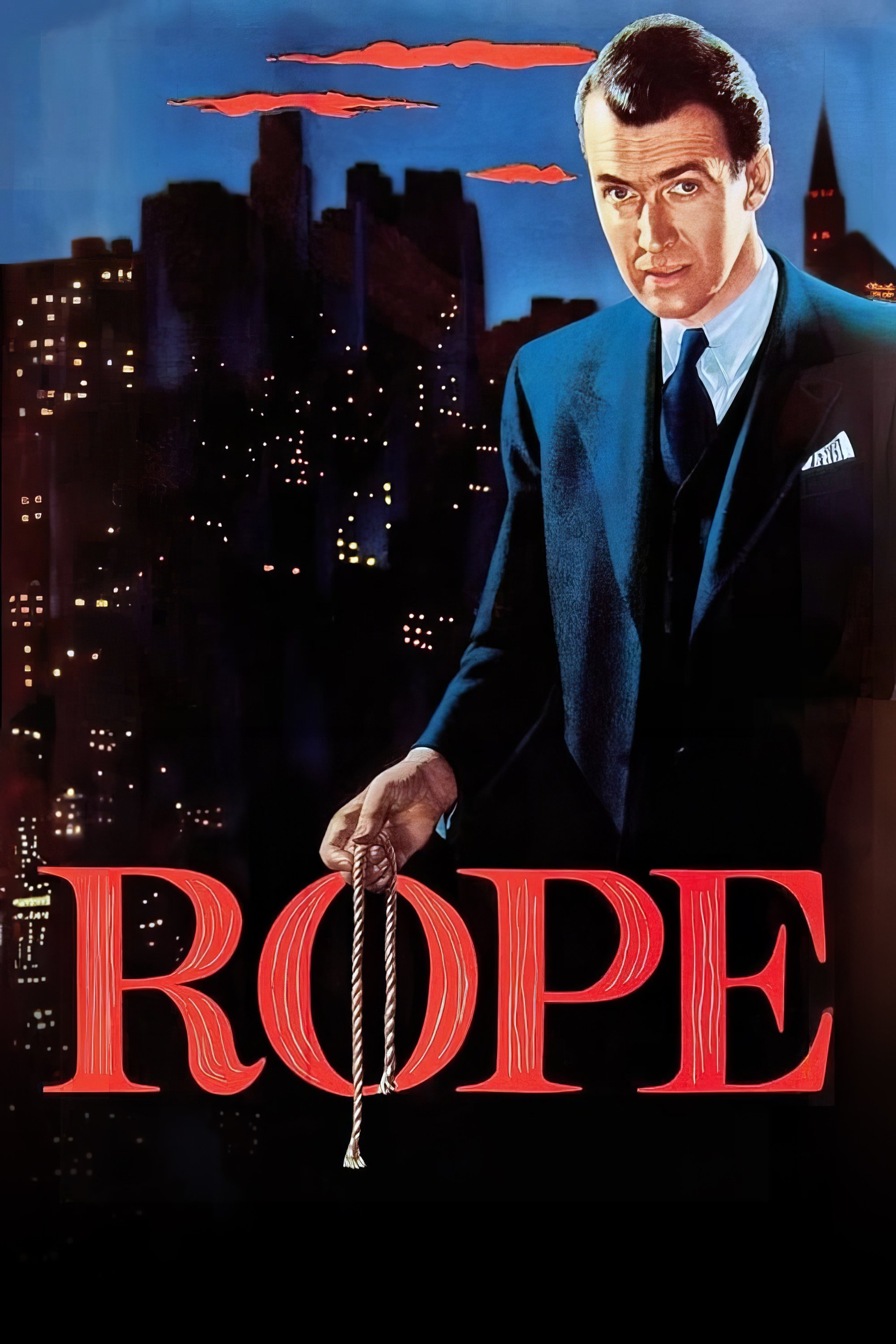
Two young men attempt to prove they committed the perfect murder by hosting a dinner party for the family of a classmate they just strangled to death.
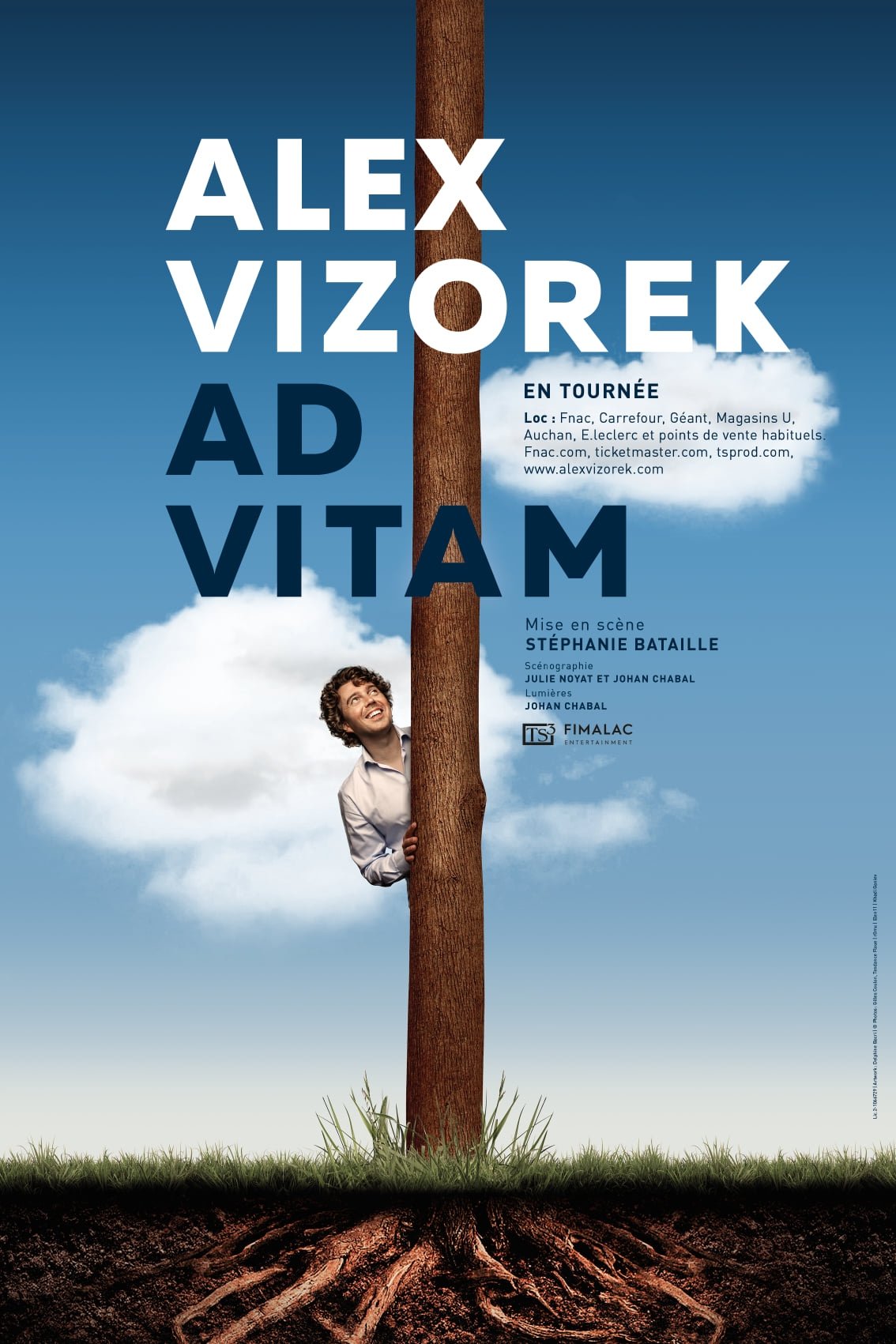
A stand-up comedy special about death by Belgian comedian Alex Vizorek.
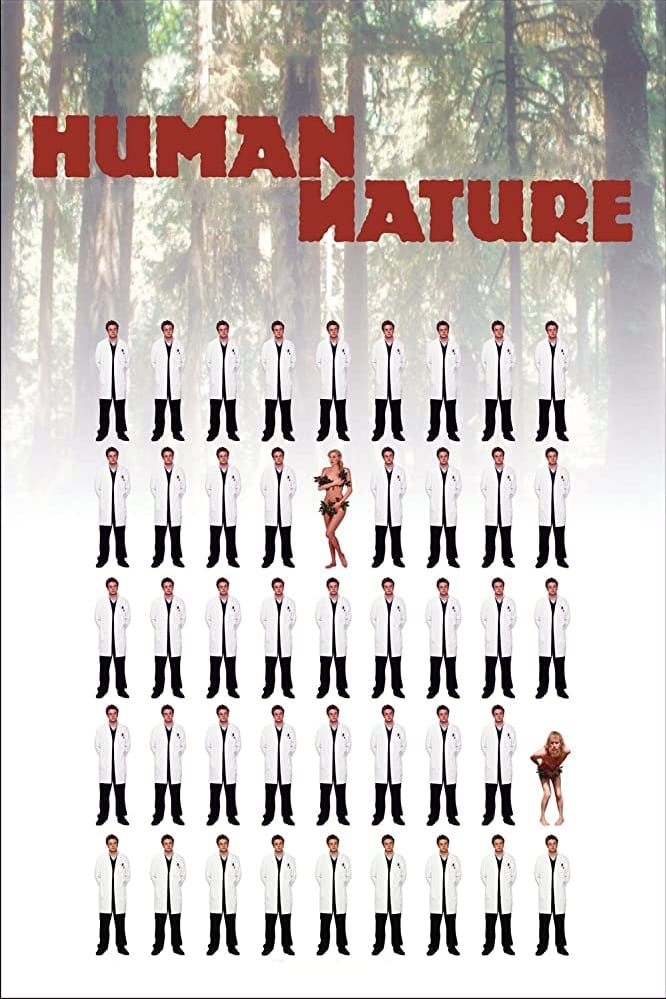
Obsessive scientist Nathan and his lover, the naturalist Lila, discover Puff: a man born and raised in the wild. As Nathan trains the wild man in the civilized ways of the world, Lila fights to preserve the man’s natural state. In the power struggle that ensues, an unusual love triangle emerges.
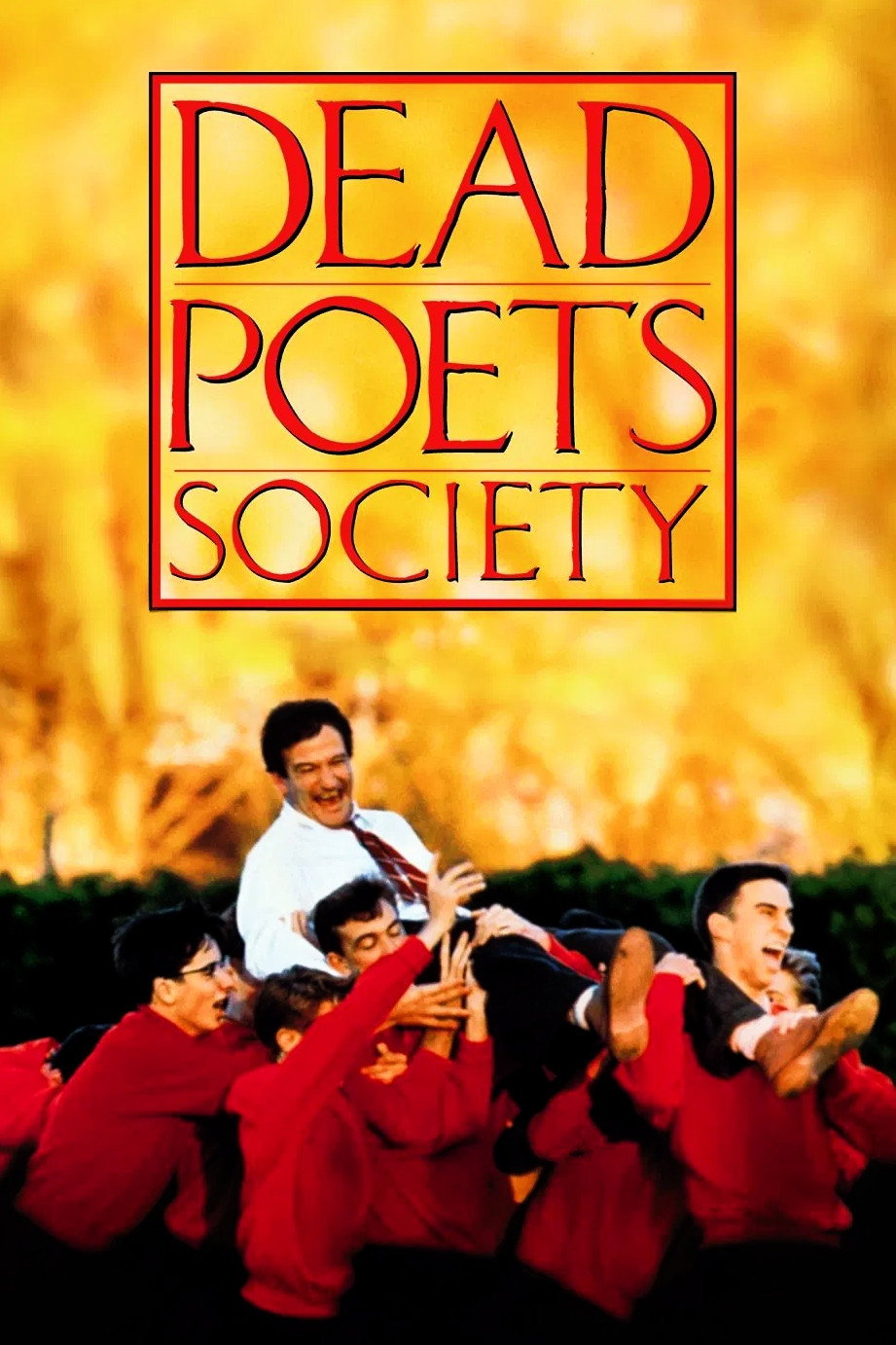
At an elite, old-fashioned boarding school in New England, a passionate English teacher inspires his students to rebel against convention and seize the potential of every day, courting the disdain of the stern headmaster.
The city is overwhelmed by consumerism and information. The constant barrage of information starts to glide past all of us. We are neither here nor there. We try to distinguish fact from fabrication—but we do not always succeed. We ponder on our existence and whether we are in control of our lives. Some people dedicate their lives to the Creator although the presence of a higher power is debatable. We wander from emptiness to emptiness, and realise that life is emptiness in itself. A societal revolution is in order but how should it be carried out? With no success in sight, would the revolution be rendered meaningless? The melancholic musings and rants of the young gloomy leftists are rarely answerable.
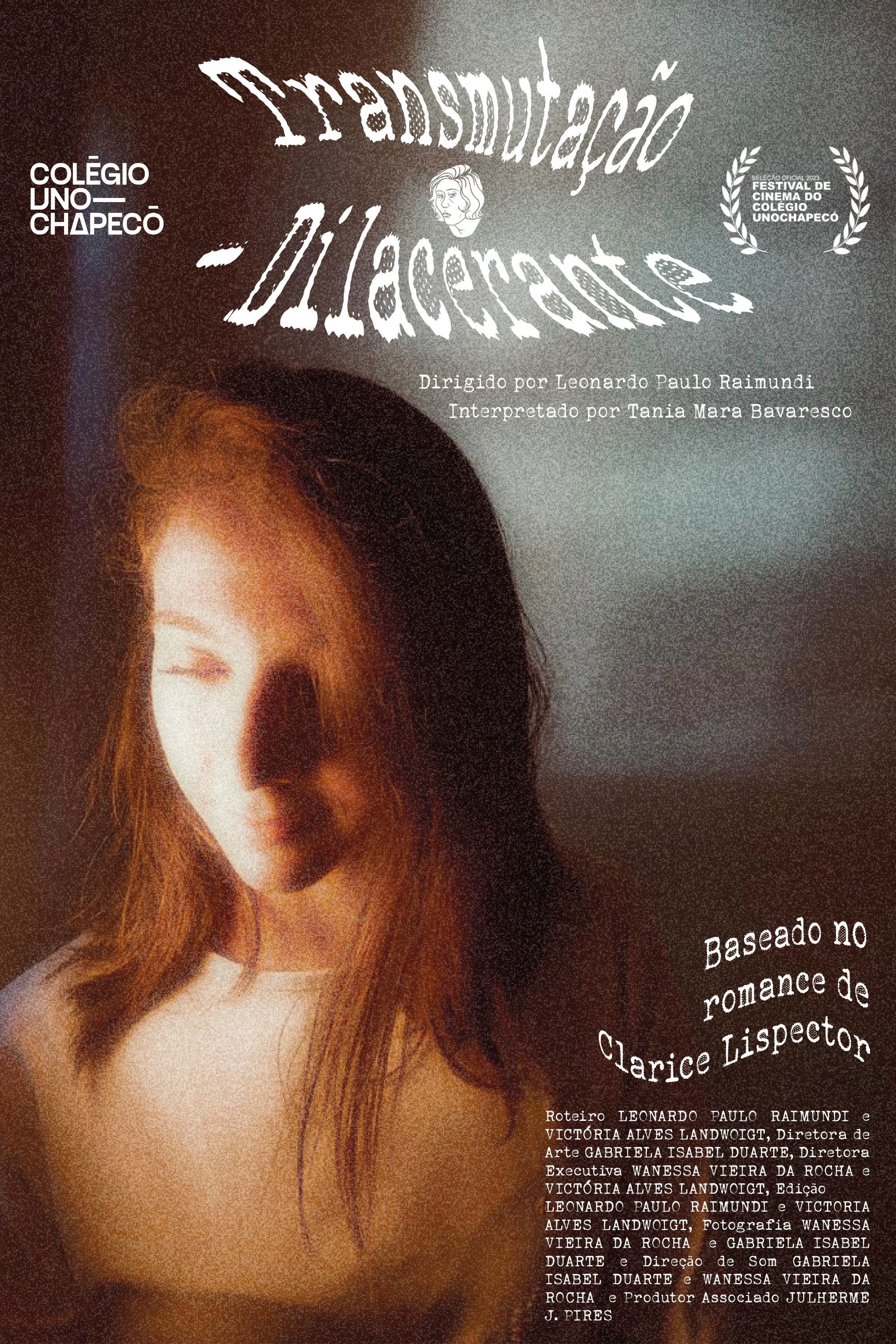
Lacerating Transmutation is an experimental work inspired by the novel The Passion According to G.H., originally written by Clarice Lispector.
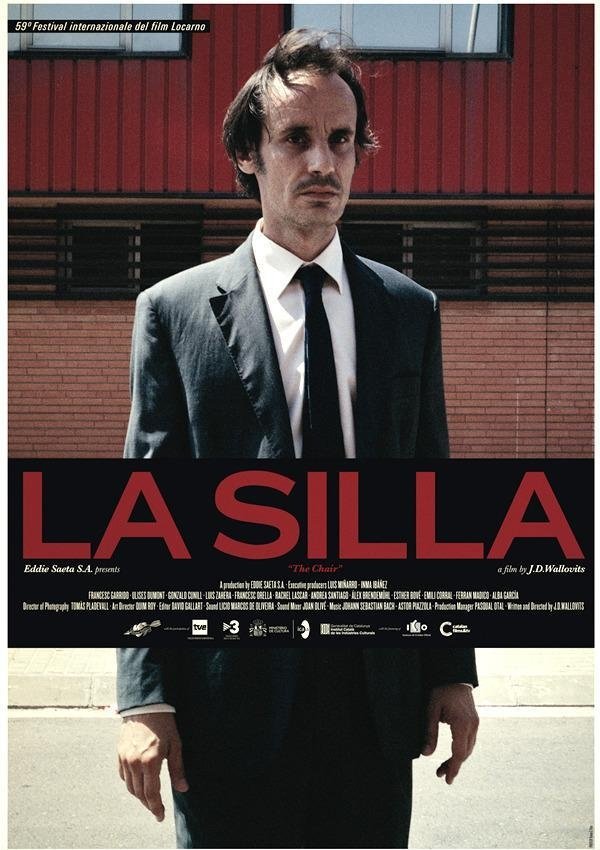
A man is consumed with the idea of acquiring a chair from a bric-a-brac shop.
A celebration of the universe, displaying the whole of time, from its start to its final collapse. This film examines all that occurred to prepare the world that stands before us now: science and spirit, birth and death, the grand cosmos and the minute life systems of our planet.
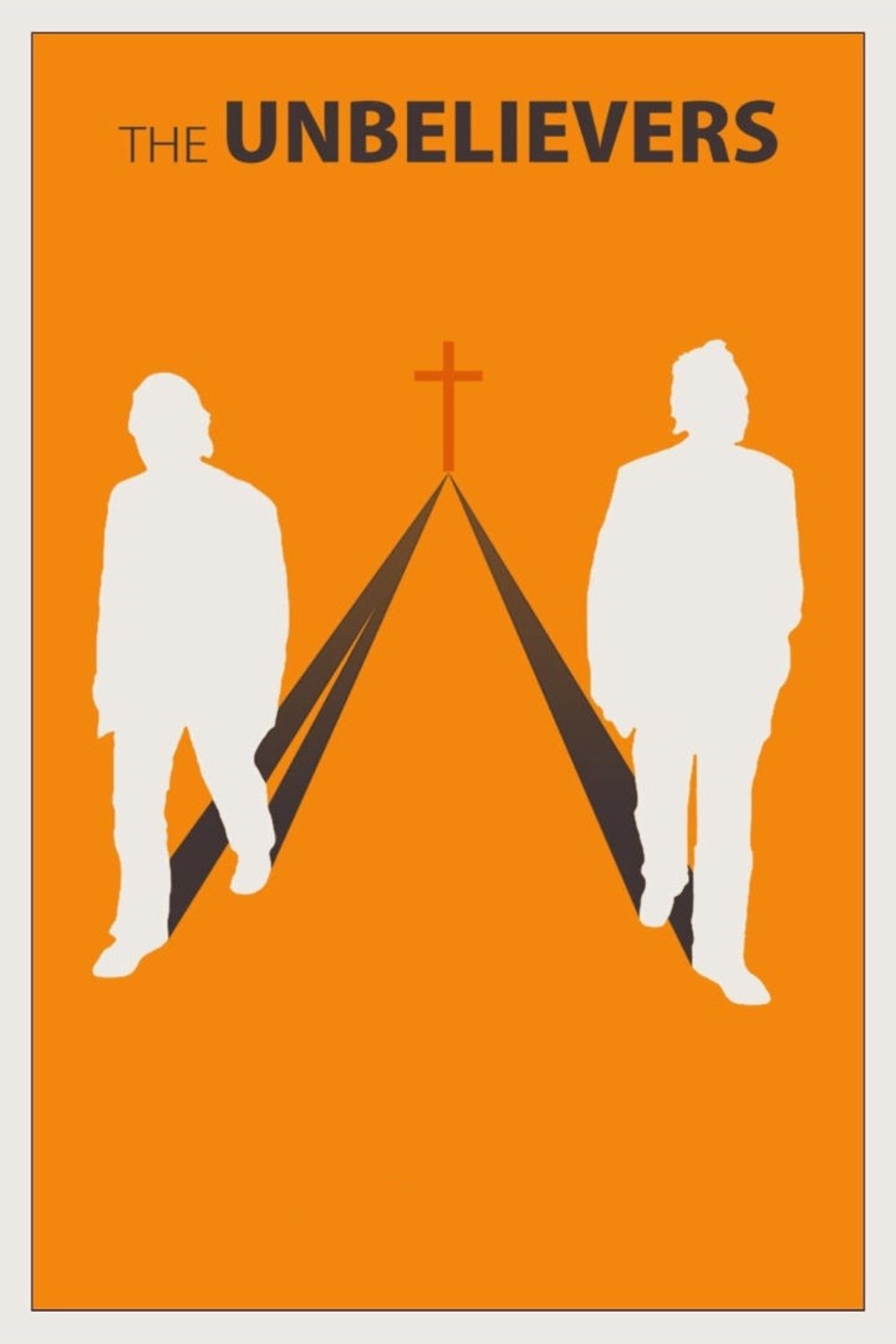
Scientists Richard Dawkins and Lawrence Krauss travel the globe promoting a scientific worldview and the rational questioning of religious belief.
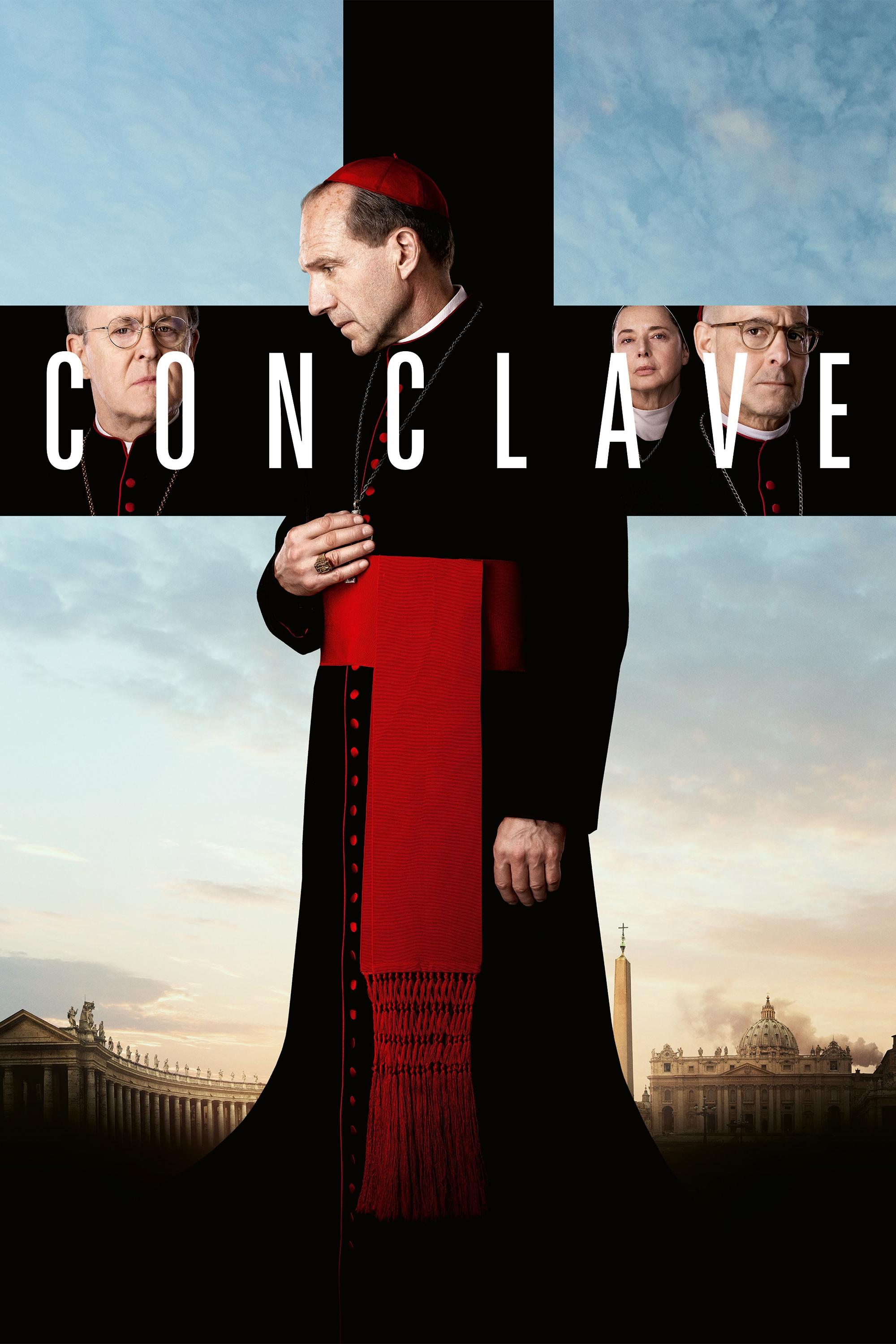
After the unexpected death of the Pope, Cardinal Lawrence is tasked with managing the covert and ancient ritual of electing a new one. Sequestered in the Vatican with the Catholic Church’s most powerful leaders until the process is complete, Lawrence finds himself at the center of a conspiracy that could lead to its downfall.
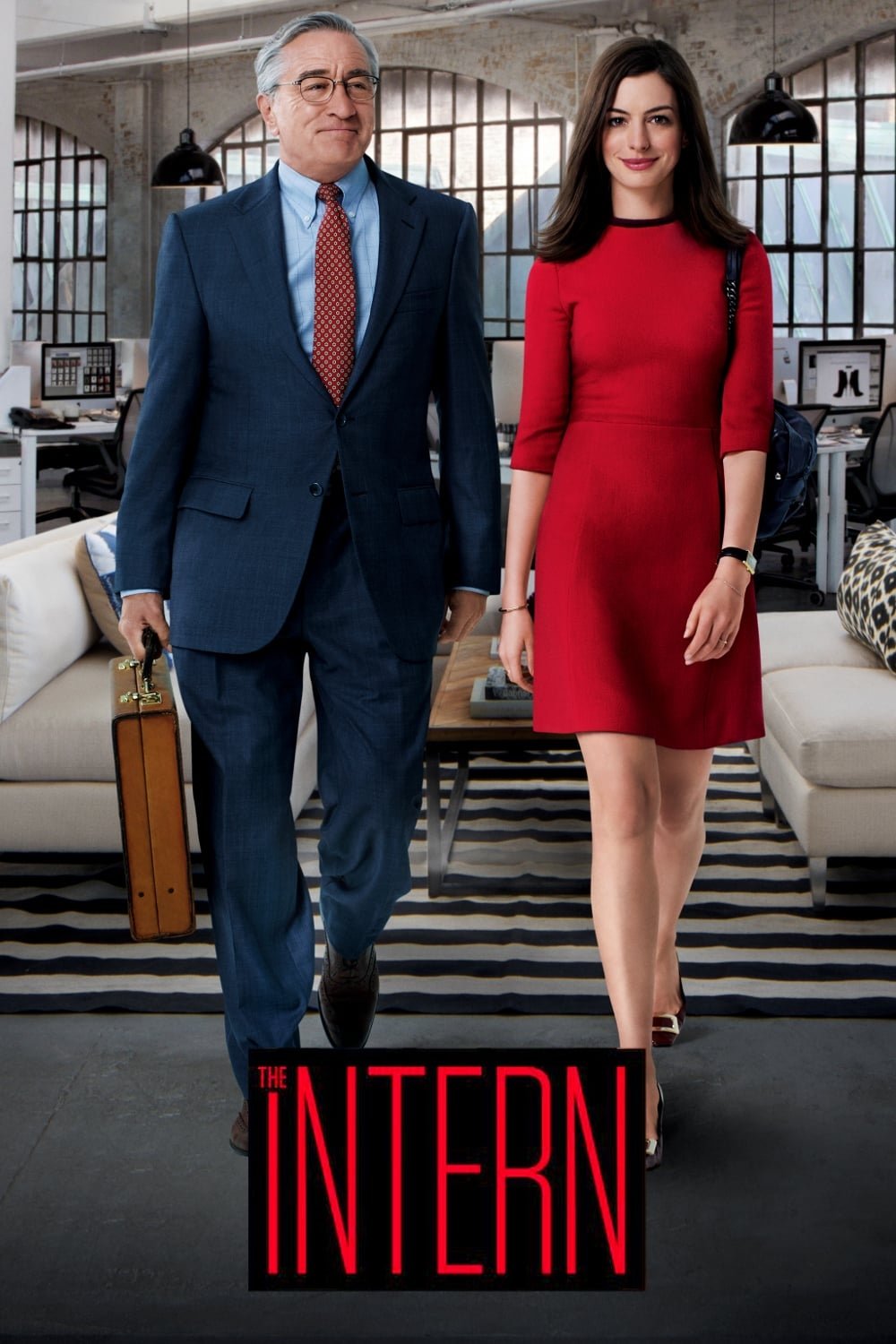
70-year-old widower Ben Whittaker has discovered that retirement isn't all it's cracked up to be. Seizing an opportunity to get back in the game, he becomes a senior intern at an online fashion site, founded and run by Jules Ostin.
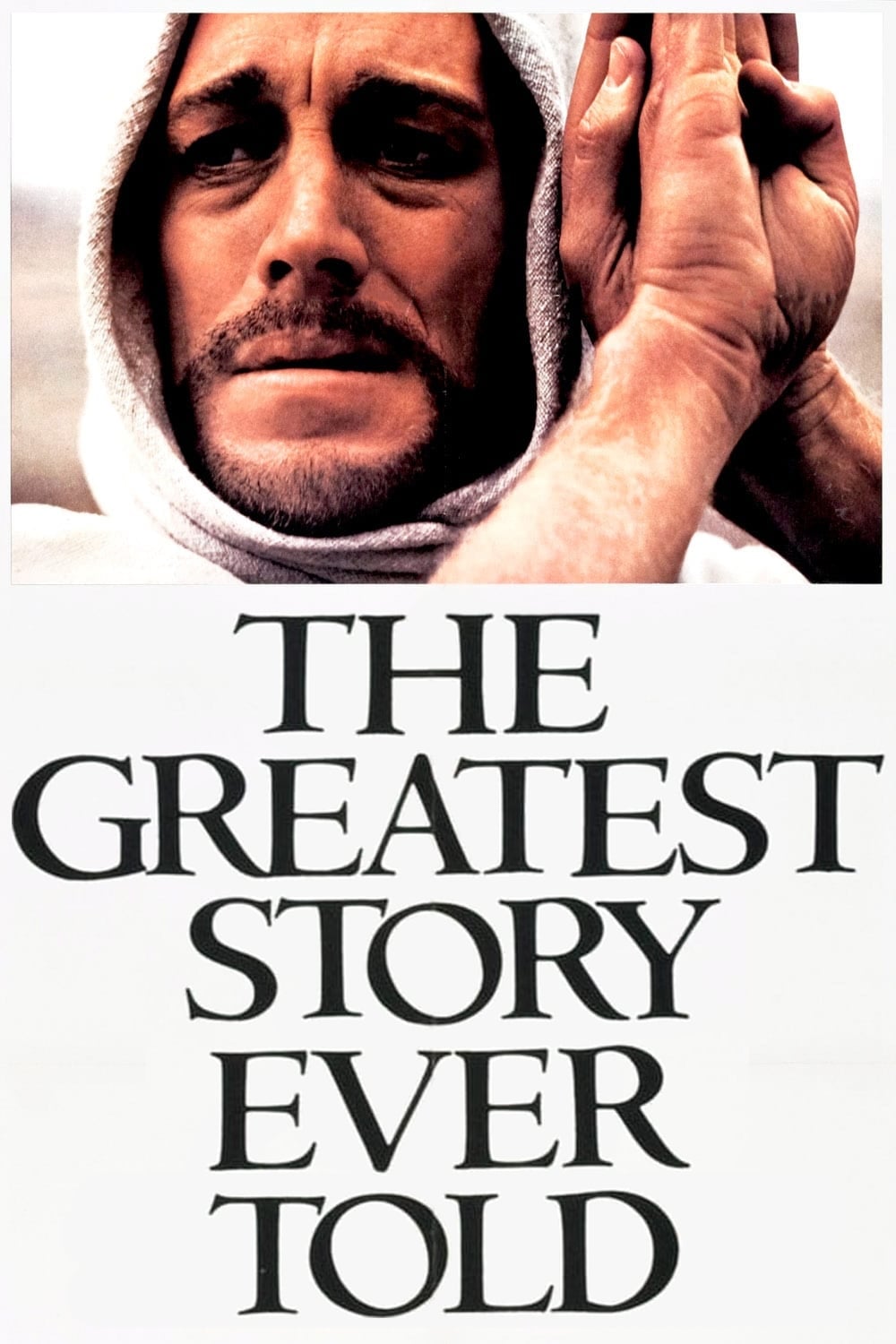
From his birth in Bethlehem to his death and eventual resurrection, the life of Jesus Christ is given the all-star treatment in this epic retelling. Major aspects of Christ's life are touched upon, including the execution of all the newborn males in Egypt by King Herod; Christ's baptism by John the Baptist; and the betrayal by Judas after the Last Supper that eventually leads to Christ's crucifixion and miraculous return.
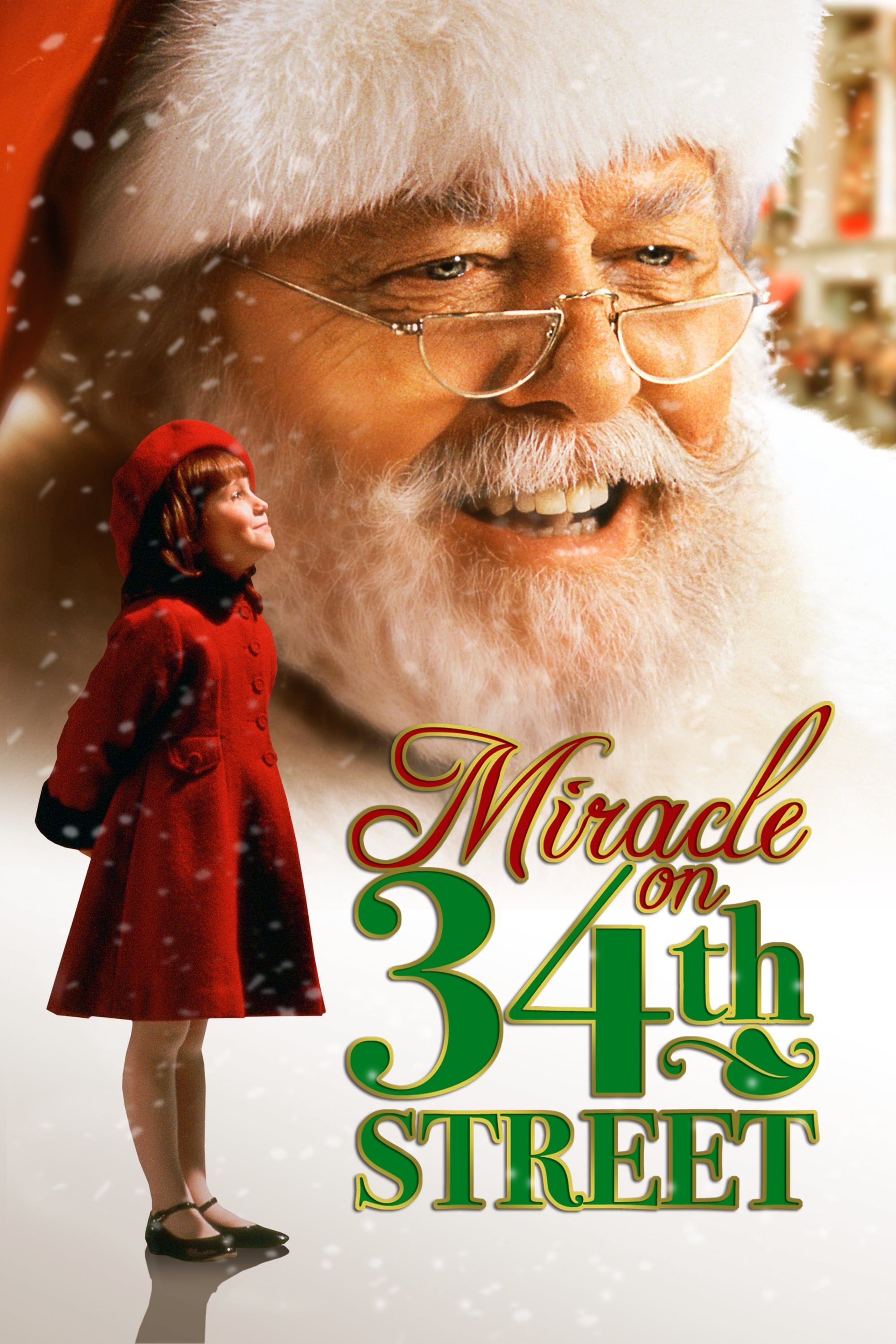
Six-year-old Susan Walker has doubts about childhood's most enduring miracle—Santa Claus. Her mother told her the secret about Santa a long time ago, but, after meeting a special department store Santa who's convinced he's the real thing, Susan is given the most precious gift of all—something to believe in.
Interviews with leading authors, philosophers and scientists, with an in-depth discussion of the Law of Attraction. The audience is shown how they can learn and use 'The Secret' in their everyday lives.
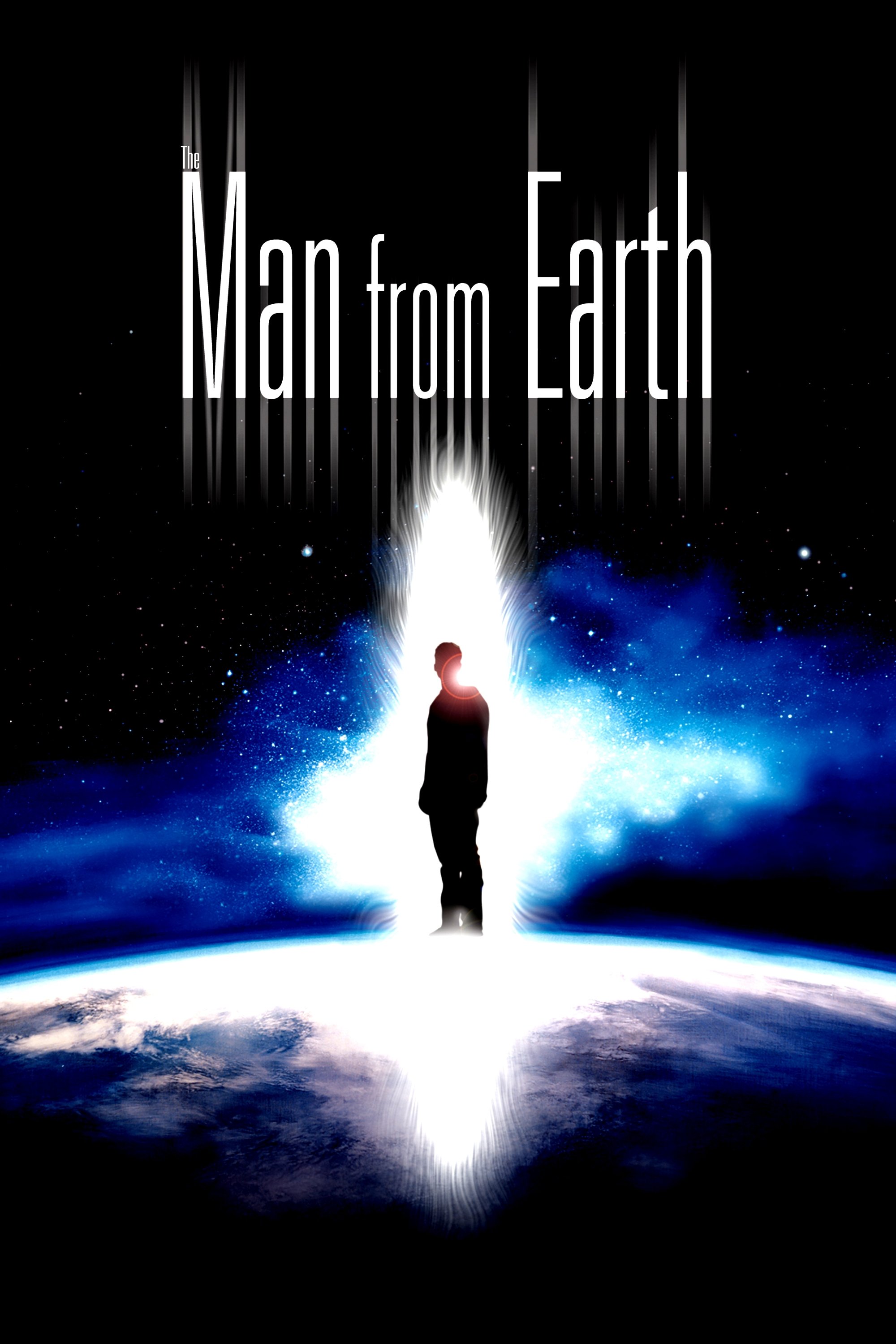
A departing professor gathers his closest colleagues for an intimate farewell, but the night takes an unexpected turn when he shares a stunning secret about his past. As the conversation unfolds, skepticism and curiosity collide, challenging everything they thought they knew about history, science, and belief.
Al Pacino's deeply-felt rumination on Shakespeare's significance and relevance to the modern world through interviews and an in-depth analysis of "Richard III."
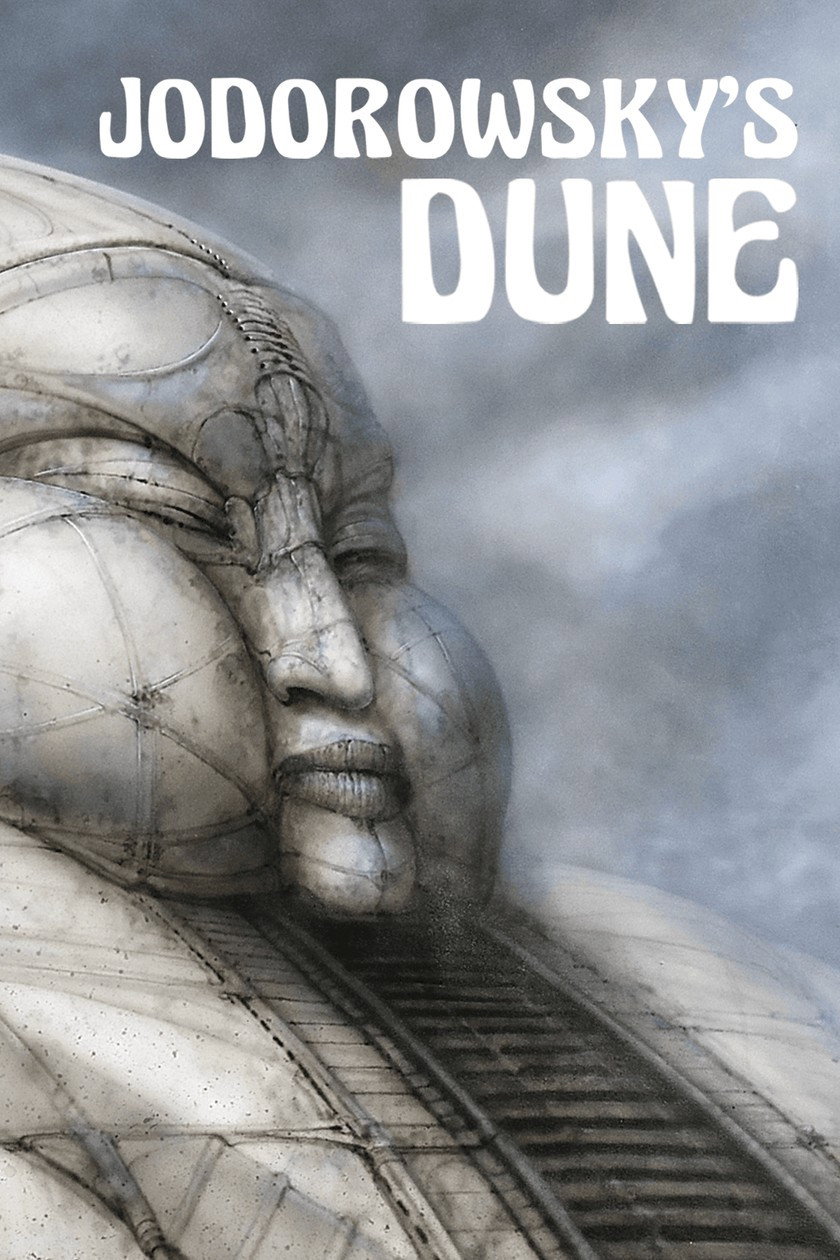
In 1974, Chilean-French director Alejandro Jodorowsky embarked on the quixotic project of adapting Frank Herbert's influential novel Dune (1969) for the big screen. After investing two years, and millions of dollars, the gigantic project ended in failure; but the artists Jodorowsky brought together to carry it out continued to work together, and ended up laying the foundations for modern science fiction cinema.
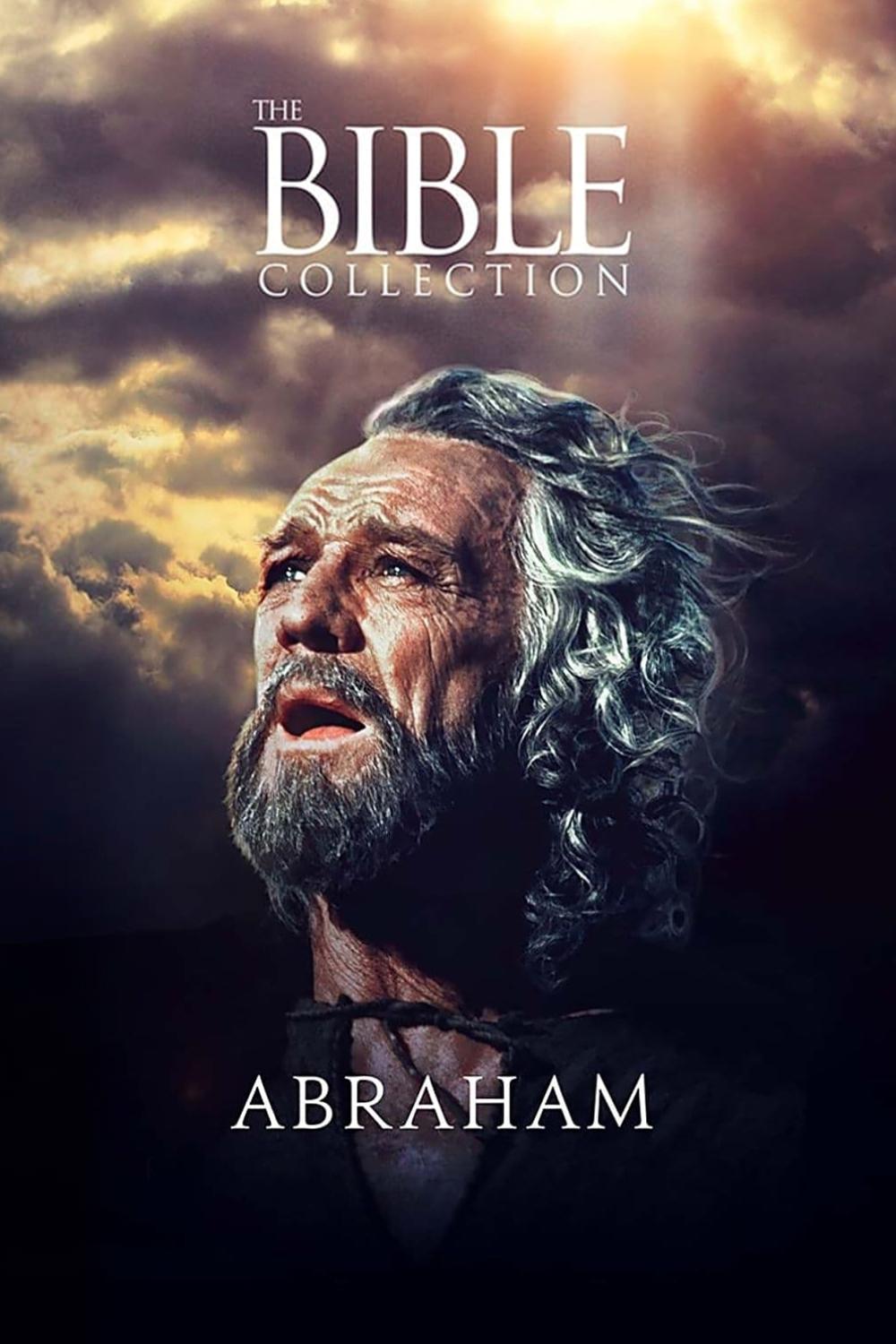
Rather than choosing a great leader or king, God chooses Abraham, an elderly shepherd from Mesopotamia, as the way to establish his Covenant with mankind... A man of great faith, Abraham continues to believe in God even when He seems to have abandoned him.
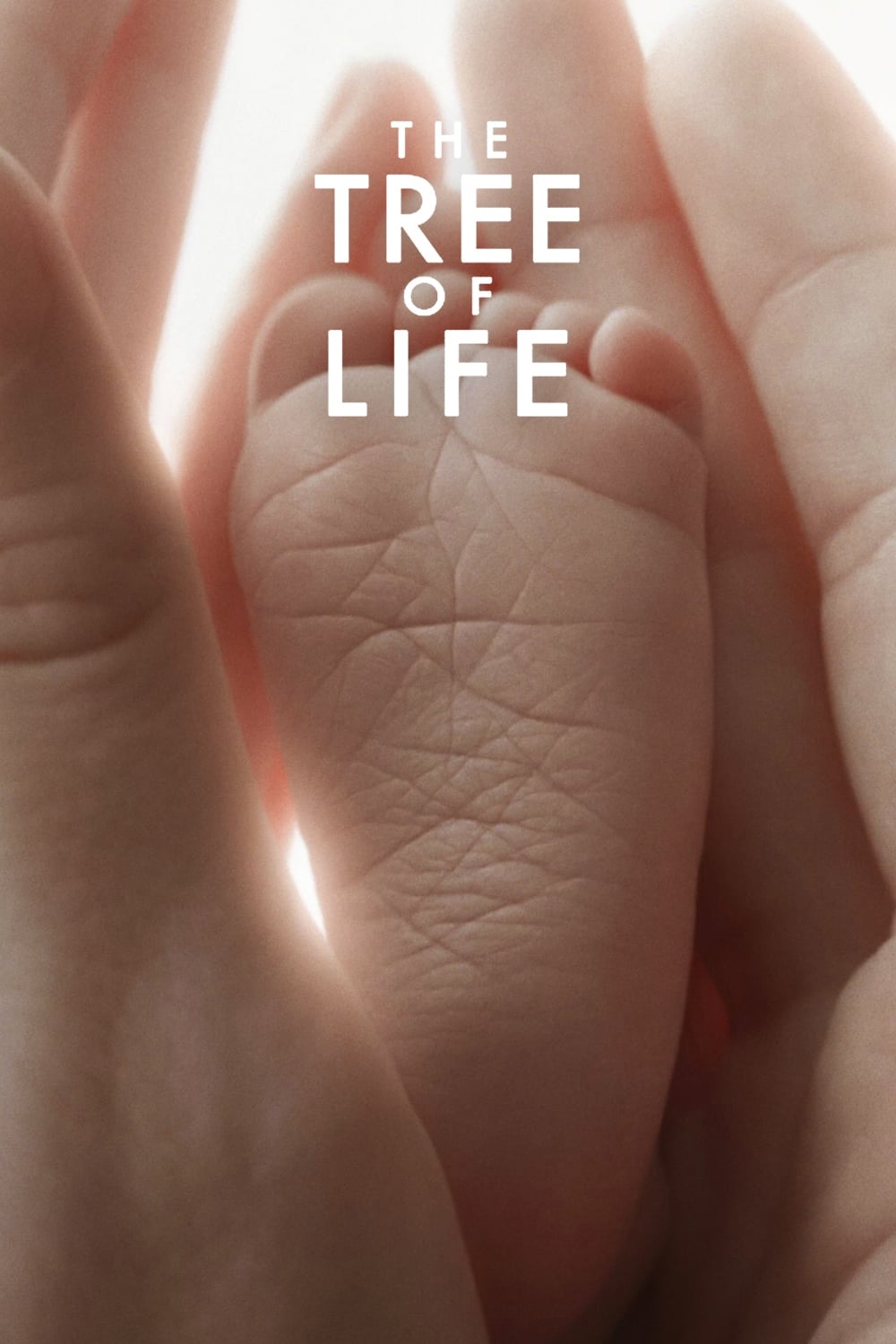
The impressionistic story of a Texas family in the 1950s. The film follows the life journey of the eldest son, Jack, through the innocence of childhood to his disillusioned adult years as he tries to reconcile a complicated relationship with his father. Jack finds himself a lost soul in the modern world, seeking answers to the origins and meaning of life while questioning the existence of faith.
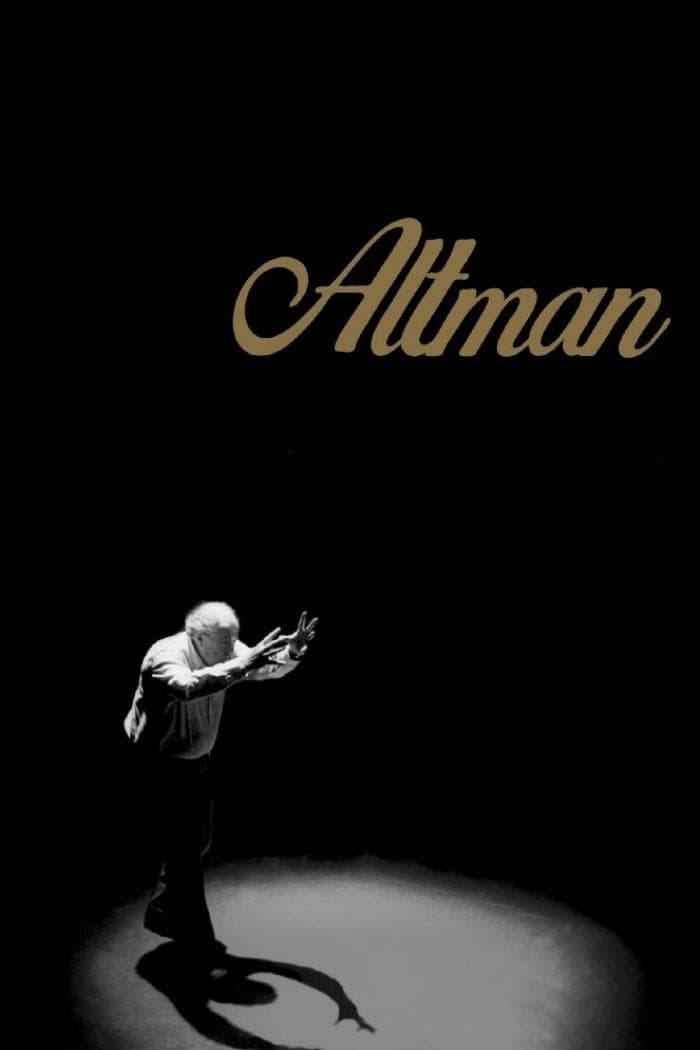
Robert Altman's life and career contained multitudes. This father of American independent cinema left an indelible mark, not merely on the evolution of his art form, but also on the western zeitgeist. With its use of rare interviews, representative film clips, archival images, and musings from his family and most recognizable collaborators, Altman is a dynamic and heartfelt mediation on an artist whose expression, passion and appetite knew few bounds.
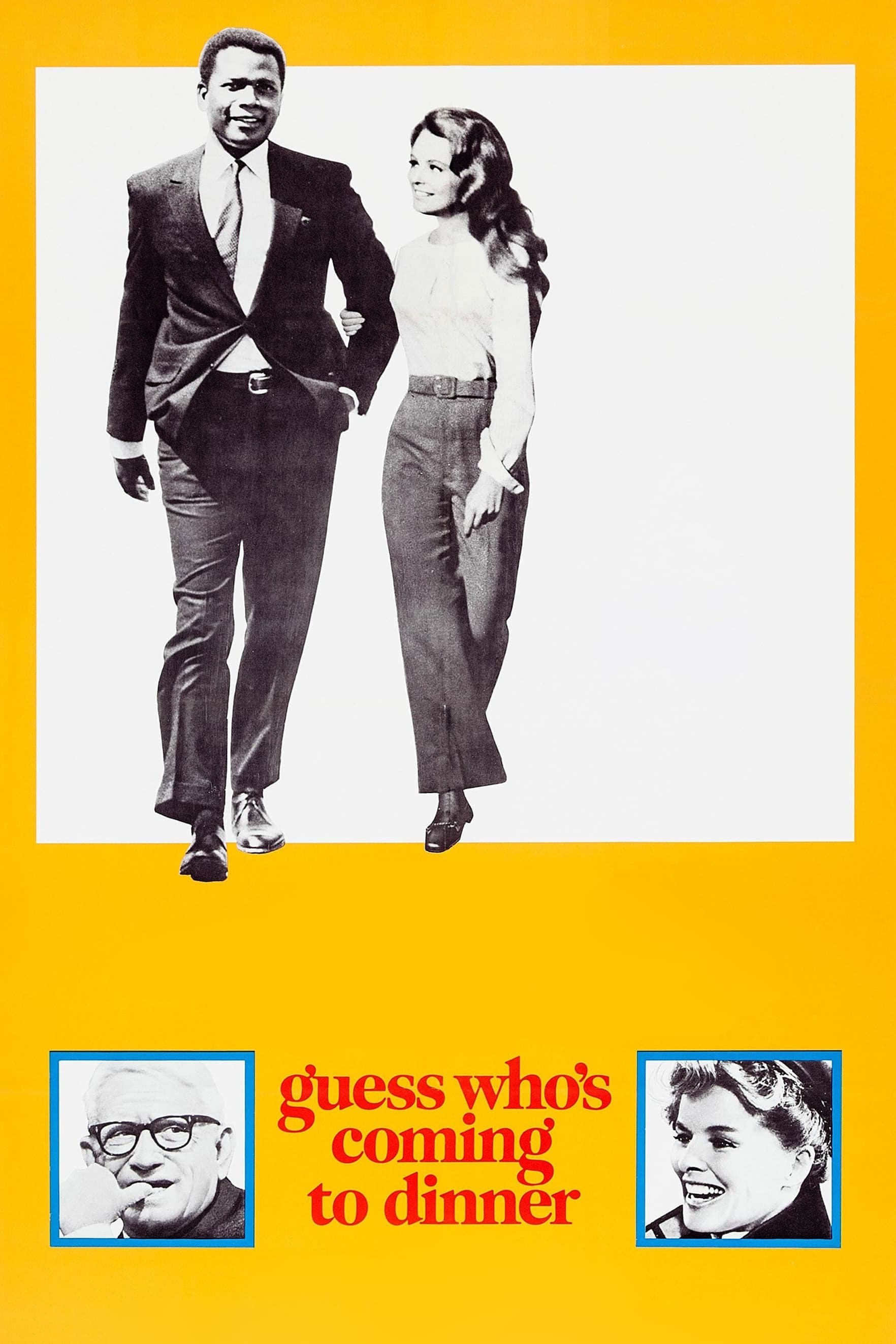
A couple's attitudes are challenged when their daughter brings home a fiancé who is black.
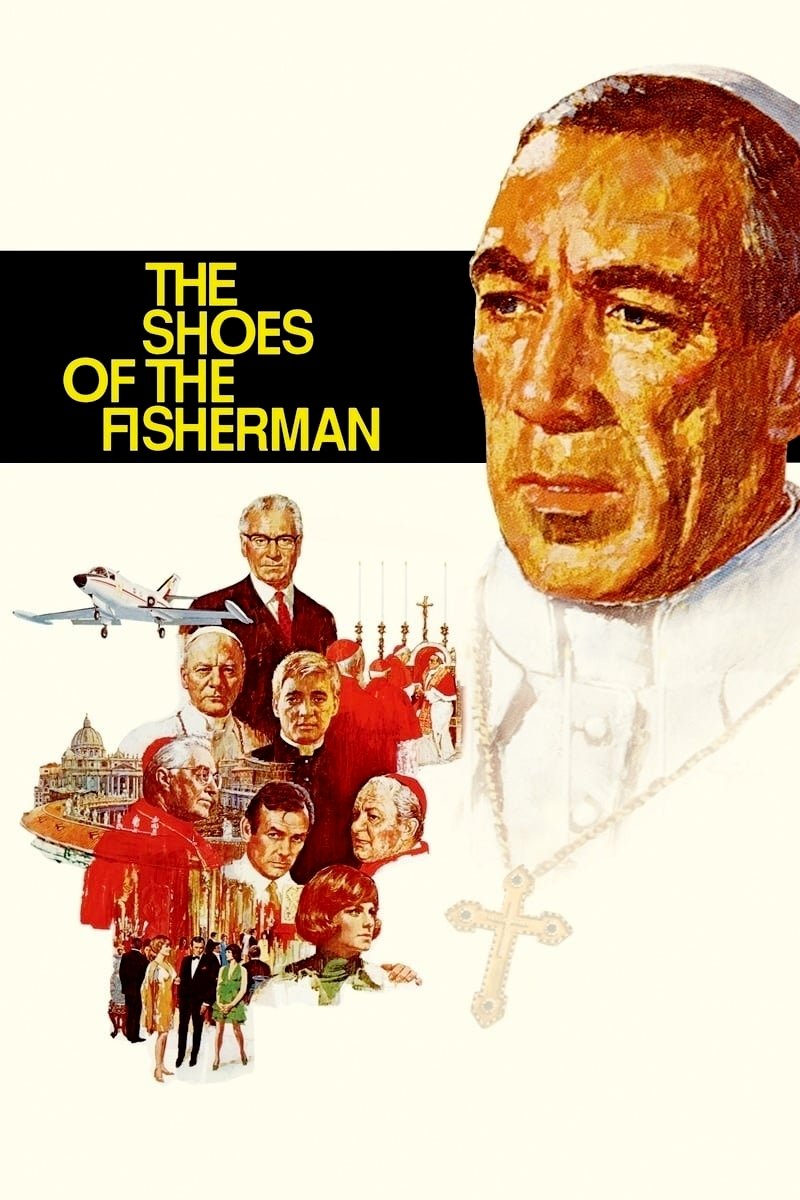
Ukrainian bishop Kiril Lakota, a political prisoner in a Soviet gulag for twenty years, is unexpectedly released and sent to the Vatican, where, upon the sudden death of the Pope, leader of the Catholic Church, he must face a challenging destiny that will put the future of the entire world in his hands.
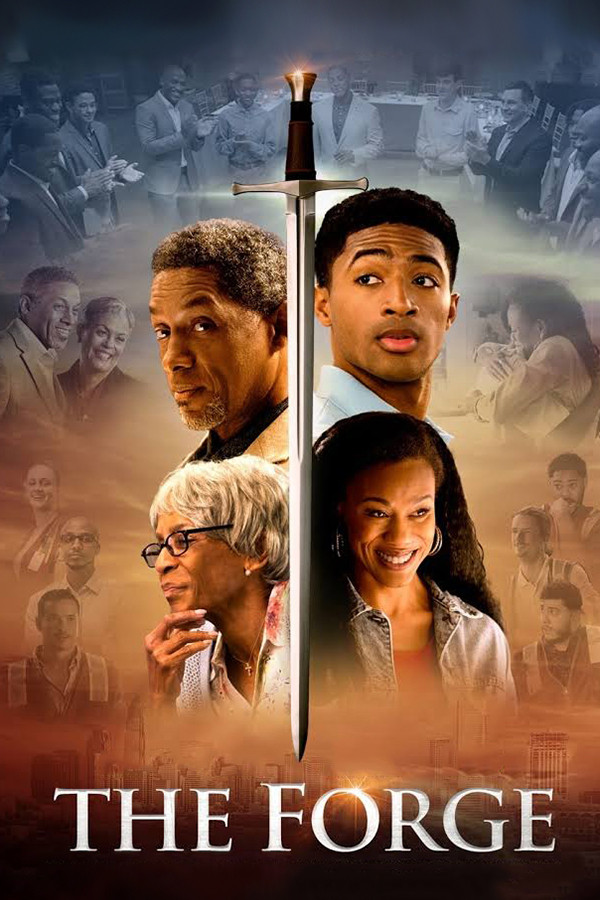
19 year old Isaiah Wright lives for basketball and video games. A year out of high school, he has no job, no plans, and no idea how to be a man. At odds with his single mother Cynthia, Isaiah is given an ultimatum – to step up or move out. Feeling the pull from his friends and the push from his mom, Isaiah is hired by Moore Fitness, unaware of how the owner will personally impact his life. With the prayers of his mother and unexpected guidance from his new mentor, Isaiah is forced to deal with his past, sacrifice his selfishness and discover how God might have a greater purpose for his life.
Jesus, a carpenter living a simple life, discovers his destiny as the biblical Messiah.
Unhappily married, Julia Sturges decides to go to America with her two children on the Titanic. Her husband, Richard also arranges passage on the luxury liner so as to have custody of their two children. All this fades to insignificance once the ship hits an iceberg.
A deliciously scandalous portrait of unsung Hollywood legend Scotty Bowers, whose bestselling memoir chronicled his decades spent as sexual procurer to the stars.
Drunk and disillusioned Roman, Marcellus Gallio, wins Jesus' robe in a dice game after the crucifixion. Marcellus has never been a man of faith like his slave, Demetrius, but when Demetrius escapes with the robe, Marcellus experiences disturbing visions and feels guilty for his actions. Convinced that destroying the robe will cure him, Marcellus sets out to find Demetrius — and discovers his Christian faith along the way.