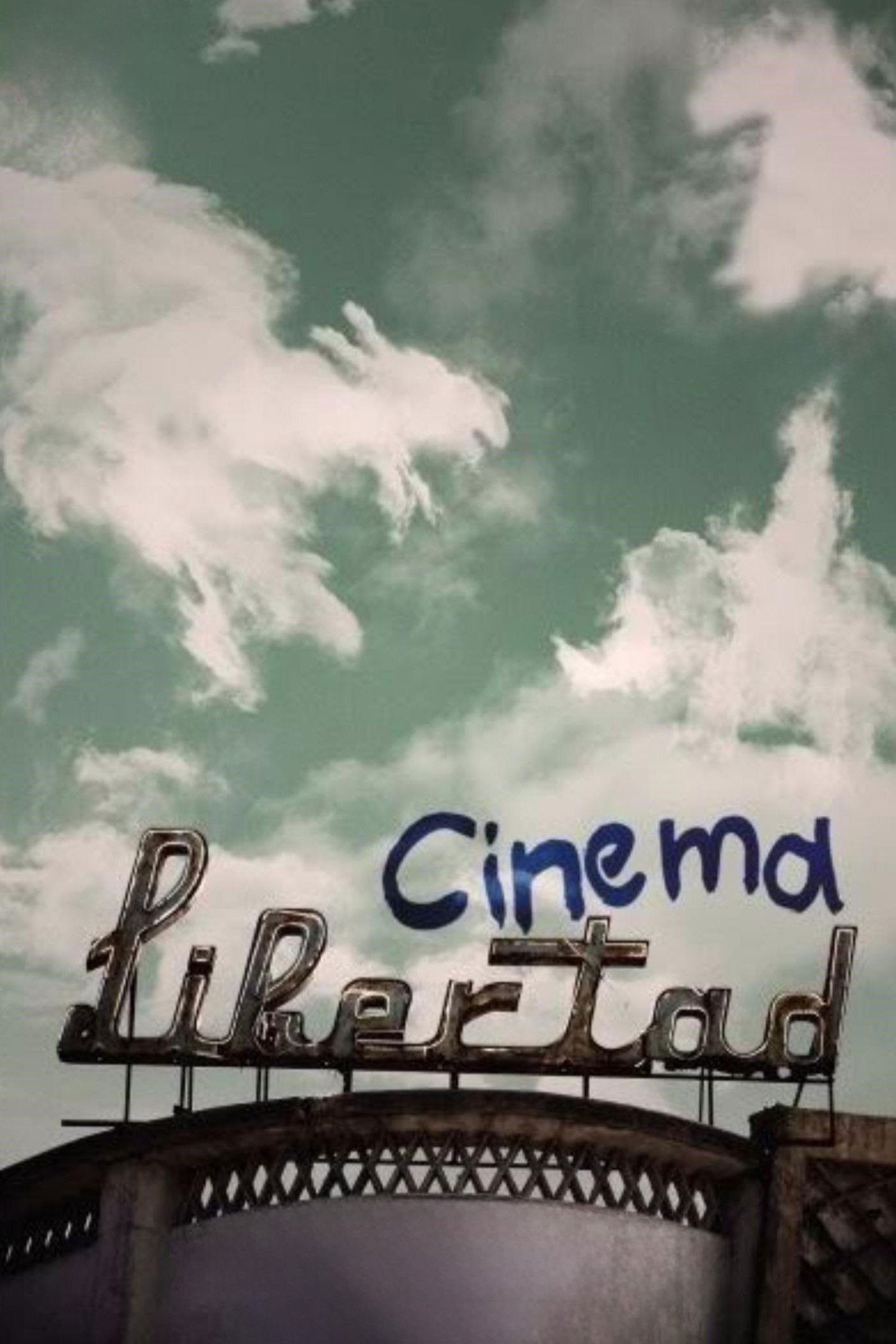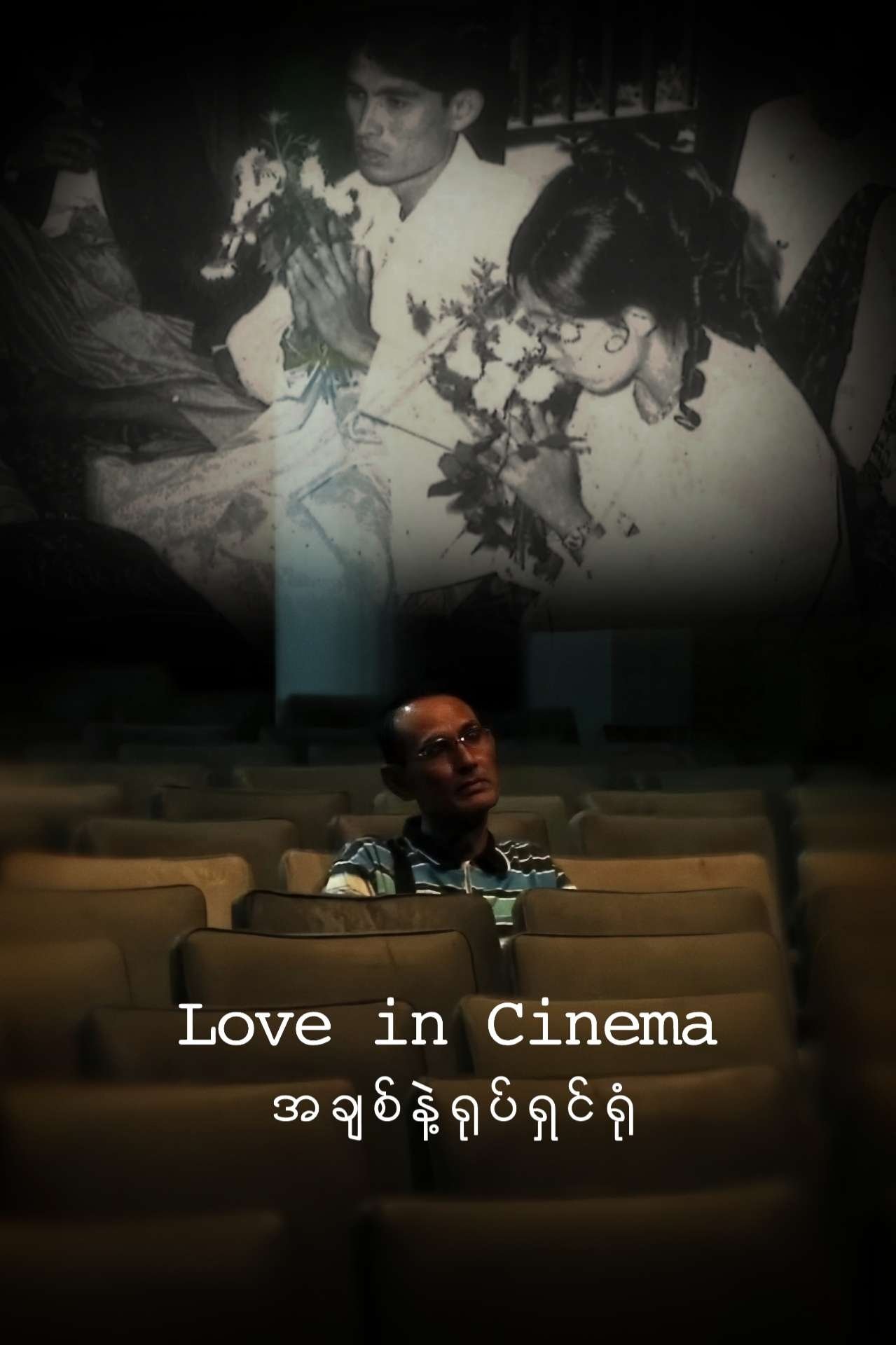
A documentary film that capture the moment of an old man in the dilapidated oldest cinema in Yangon reflecting his old day working in this cinema and missing the time with his beloved wife who has passed away.
Social & External

Self
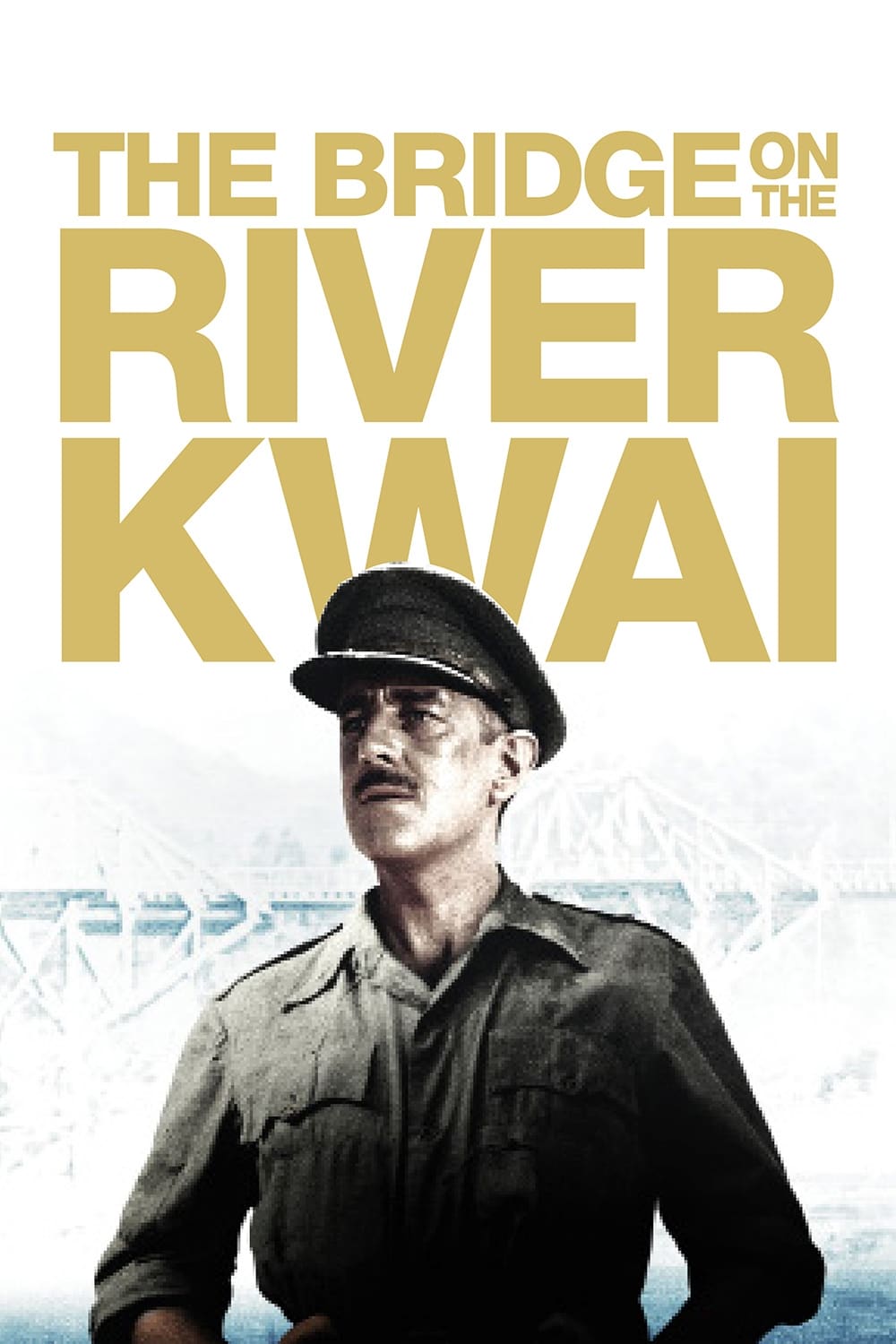
The classic story of English POWs in Burma forced to build a bridge to aid the war effort of their Japanese captors. British and American intelligence officers conspire to blow up the structure, but Col. Nicholson, the commander who supervised the bridge's construction, has acquired a sense of pride in his creation and tries to foil their plans.
In this special Clarkson, Hammond and May don’t just buy three knackered old lorries and drive miles through the beautiful landscapes of Burma. Oh dear no. They actually have to use their lorries to do something useful. They have to build a real, use able bridge over the River Kwai. On their way to the river they almost bring down Burma’s power supply, encounter the world’s least relaxing truck stop, race around the streets of a deserted capital, saddle up a trio of unhelpful horses and attend a completely deranged party.
The silence behind the genocide of the Rohingyas in Burma.
Sean Penn is almost a living legend. His filmography paints a picture of an 'other America': the lower class, the oppressed and the outsiders. Whether as an actor or director, he turns all the great myths upside down.
Dr. Laura Bowman is a young widow who's unwittingly drawn into political turmoil while vacationing in Burma in the late 1980s. Bowman initially left San Francisco with her sister in an attempt to escape painful memories of her husband and son's violent deaths. But her fight to escape to Thailand could prove just as harrowing.
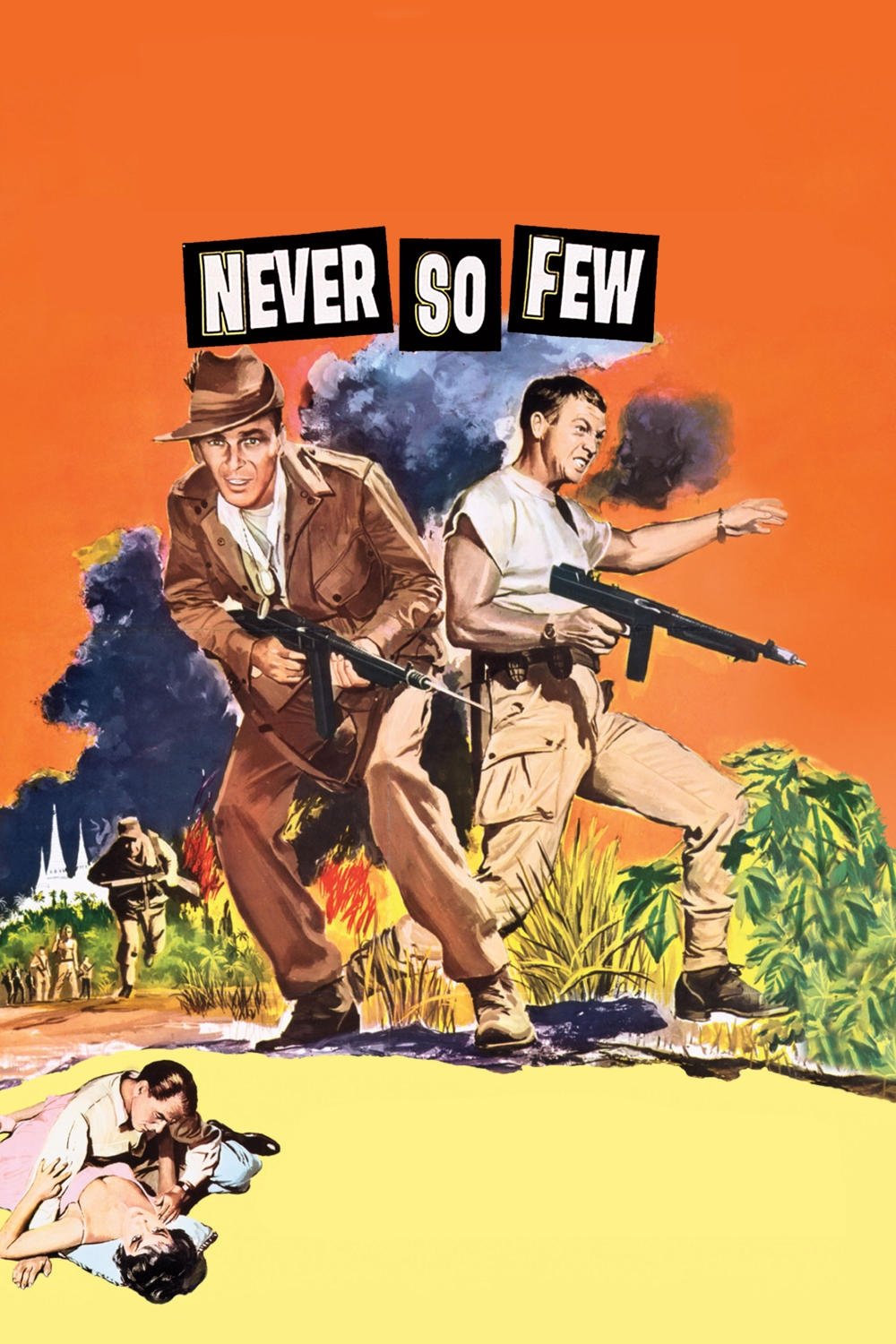
A U.S. military troop takes command of a band of Burmese guerillas during World War II.
A man an his family find out more about the Kamma laws.
The story of the romance between the King of Siam (now Thailand) and the widowed British school teacher Anna Leonowens during the 1860s. Anna teaches the children and becomes romanced by the King. She convinces him that a man can be loved by just one woman.
Documentary by Leon Hirszman about the economic conditions of film production in Brazil, produced in 1975 with sponsorship from Embrafilme and kept unreleased since then.
Street art, creativity and revolution collide in this beautifully shot film about art’s ability to create change. The story opens on the politically charged Thailand/Burma border at the first school teaching street art as a form of non-violent struggle. The film follows two young girls (Romi & Yi-Yi) who have escaped 50 years of civil war in Burma to pursue an arts education in Thailand. Under the threat of imprisonment and torture, the girls use spray paint and stencils to create images in public spaces to let people know the truth behind Burma's transition toward "artificial democracy." Eighty-two hundred miles away, artist Shepard Fairey is painting a 30’ mural of a Burmese monk for the same reasons and in support of the students' struggle in Burma. As these stories are inter-cut, the film connects these seemingly unrelated characters around the concept of using art as a weapon for change.
Based on a play by Willis Hall. A troop of British soldiers are out in the jungle to record jungle noises and troop noises in the jungle so that the recordings can be played back by other troops to divert the enemy to their whereabouts. As they progress to what they think is closer to the base camp they find themselves farther and farther from radio range until the only channel they can get clearly is that of a Japanese broadcast. They now realize they are probably only 10 to 15 miles from a Japanese camp! The tension is added to by rowdy and openly admitted "non-hero" Private Bamforth who has nothing good to say about anyone and especially Corporal Johnstone (who holds an equal dislike for Bamforth). When a Japanese soldier is taken as their prisoner, the true colours of each man comes to the surface
Documentary on Antoine de Caunes, a French television presenter, comedian, actor, journalist, writer and film director.
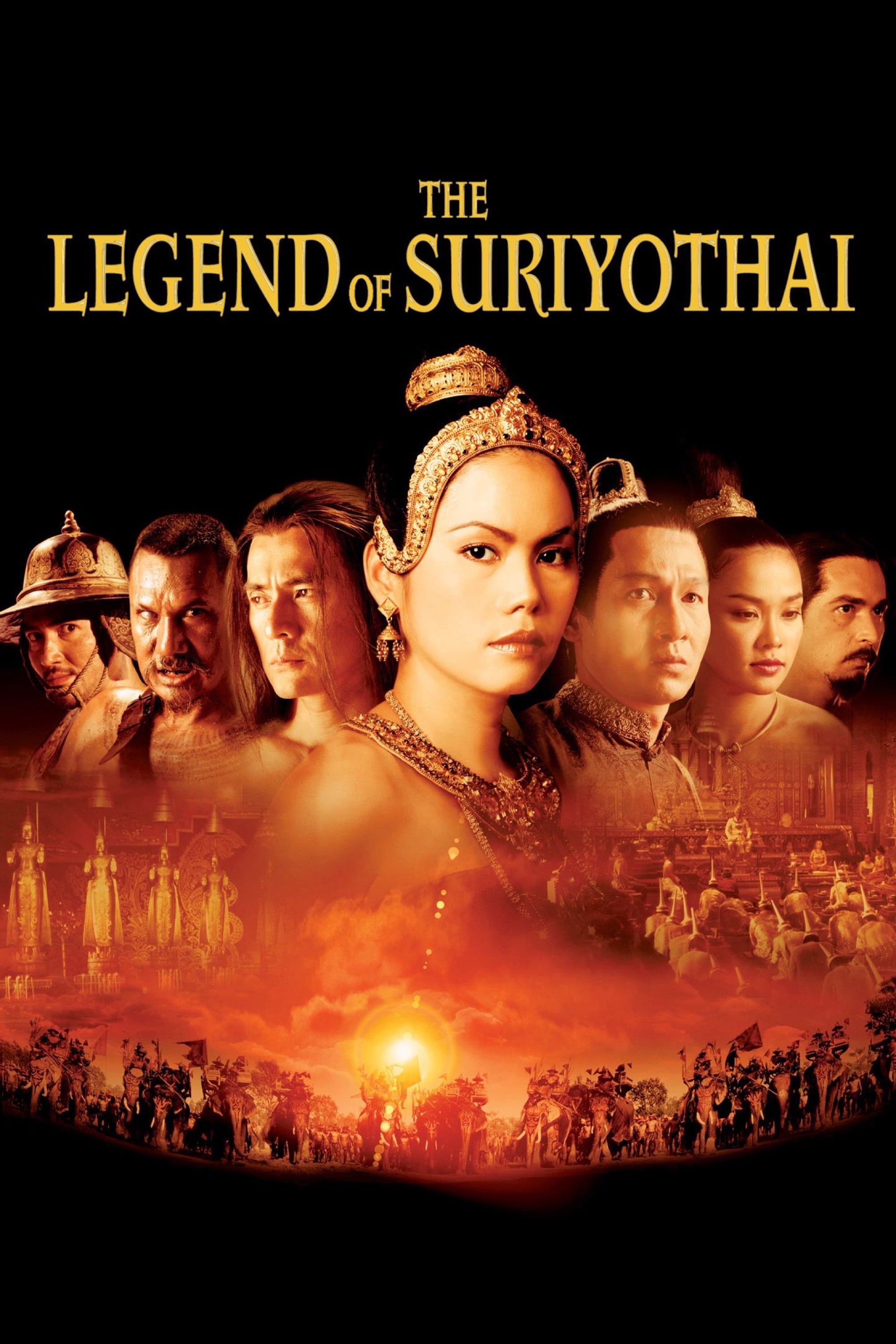
During the 16th century, as Thailand contends with both a civil war and Burmese invasion, a beautiful princess rises up to help protect the glory of the Kingdom of Ayothaya. Based on the life of Queen Suriyothai.
Moving to Mars charts the epic journey made by two Burmese families from a vast refugee camp on the Thai/Burma border to their new homes in the UK. At times hilarious, at times emotional, their travels provide a fascinating and unique insight not only into the effects of migration, but also into one of the most important current political crises - Burma.
Brigadier General Frank D. Merrill leads the 3,000 American volunteers of his 5307th Composite Unit (Provisional), aka "Merrill's Marauders", behind Japanese lines across Burma to Myitkyina, pushing beyond their limits and fighting pitched battles at every strong-point.
A fascinating documentary, shot in the mountainous north of Burma. No filmmaker is welcome there, because, against the background of a civil war, the jade miners enter the deserted mines illegally. With the aid of filming locals, however, Midi Z was able to compile this portrait. Getting rich quick turns out to be hard and risky work Jade has always been a valuable commodity in Asia. In the mountains in the north of Burma there are valuable deposits of jade. The area forms part of Kachin State, inhabited by many ethnic groups which found themselves embroiled in the Civil War in 2010 with the Burmese government. Jade mining was halted because of the conflict. Thousands of workers, however, went to the war zone in order to dig for illegal jade. It turned the region into a no-go area and the filmmaker Midi Z, who had so far made feature films in Burma, saw no opportunity to go and film there. It was far too dangerous. © iffr.com
The 1960s opened with La Dolce Vita by Federico Fellini and its unforgettable lead: Marcello Mastroianni. The actor seemed to glide effortlessly through his roles — and through life — as if to say that life is not all that serious, or perhaps that it is far too serious not to be laughed at. But what kind of man was hiding behind the actor with the handsome, boyish looks, who appeared so gentle and nonchalant?
After discovering more than 100 Super 8 reels in his great-aunt's basement, a young filmmaker reflects on the value of these movies and his family's legacy.
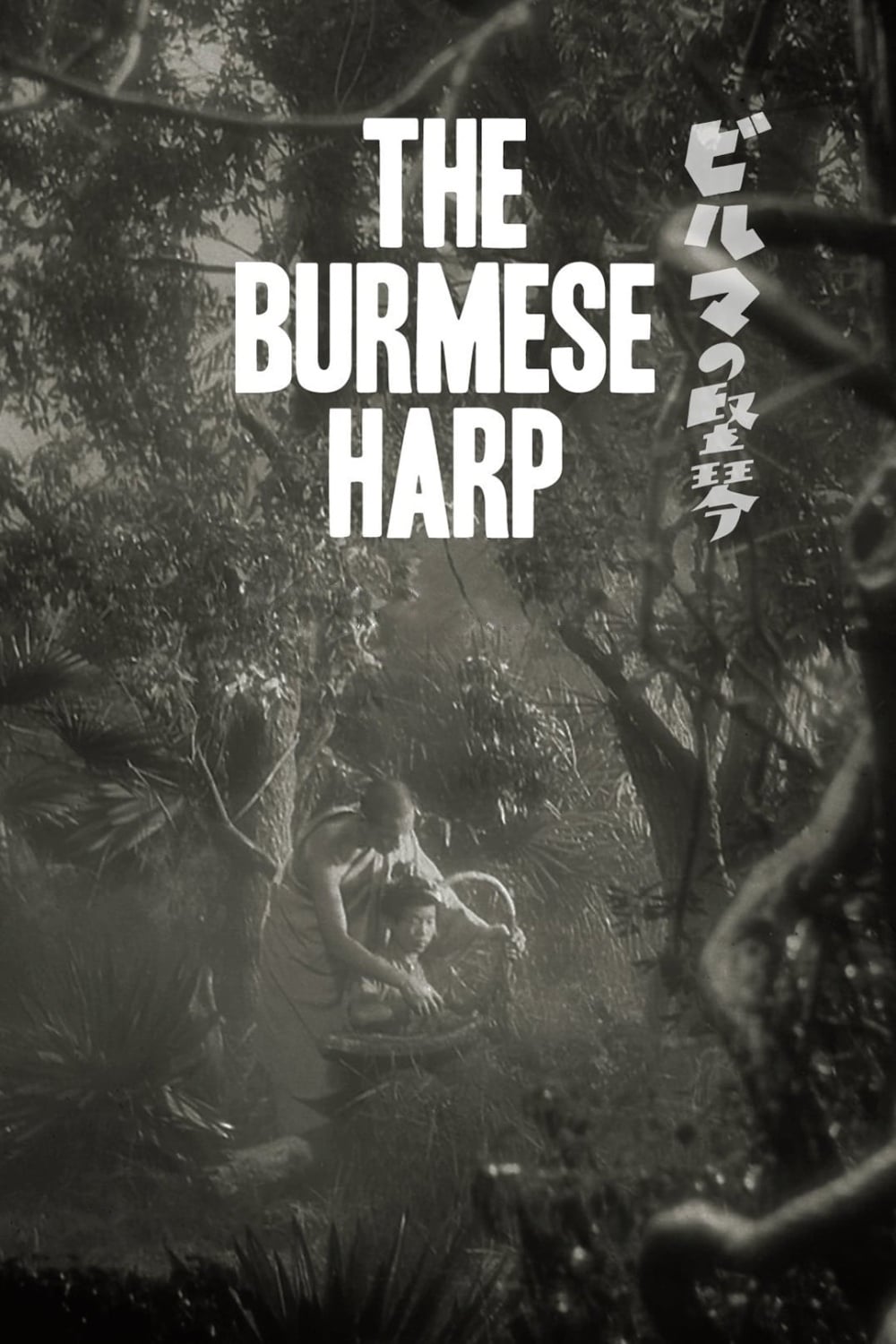
In Burma during the closing days of WWII, a Japanese soldier separated from his unit disguises himself as a Buddhist monk to escape imprisonment as a POW.
Wang Shin-hong is suffering from insomnia. A fortune teller advises the Mandalay businessman, whose car and bulging wallet suggest that business is going pretty well, to spend 14 days in a monastery, living life as a monk and eating an apple a day. Such a thing is possible in Burma today. Wang Shin-hong arrives at the rural monastery, has his head shaved and dons a red robe, in which he instantly becomes an authority. During the welcome procession, the village women, their poverty clear from their clothing and the huts in the background, put more than they have in his alms bowl. During his fleeting role as their advisor, Wang Shin-hong soon learns of the villagers’ attempts to survive and make a living as legal or illegal migrants in China, Thailand or Malaysia. He also finds out how the other monks try to generate profit and additional income.