Social & External
The people behind it
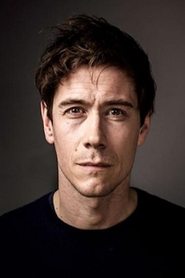
Loïc Corbery
Commentateur & Maître Badinter
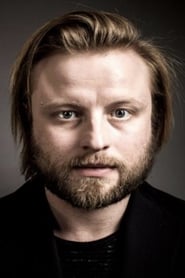
Jérémy Lopez
Patrick Henry
Éric Génovèse
Le président du tribunal
Stéphane Varupenne
L'avocat général
Pierre Aussedat
Jacques Bondoux
Johann Cuny
Chloé Guillot
Olivier Massart
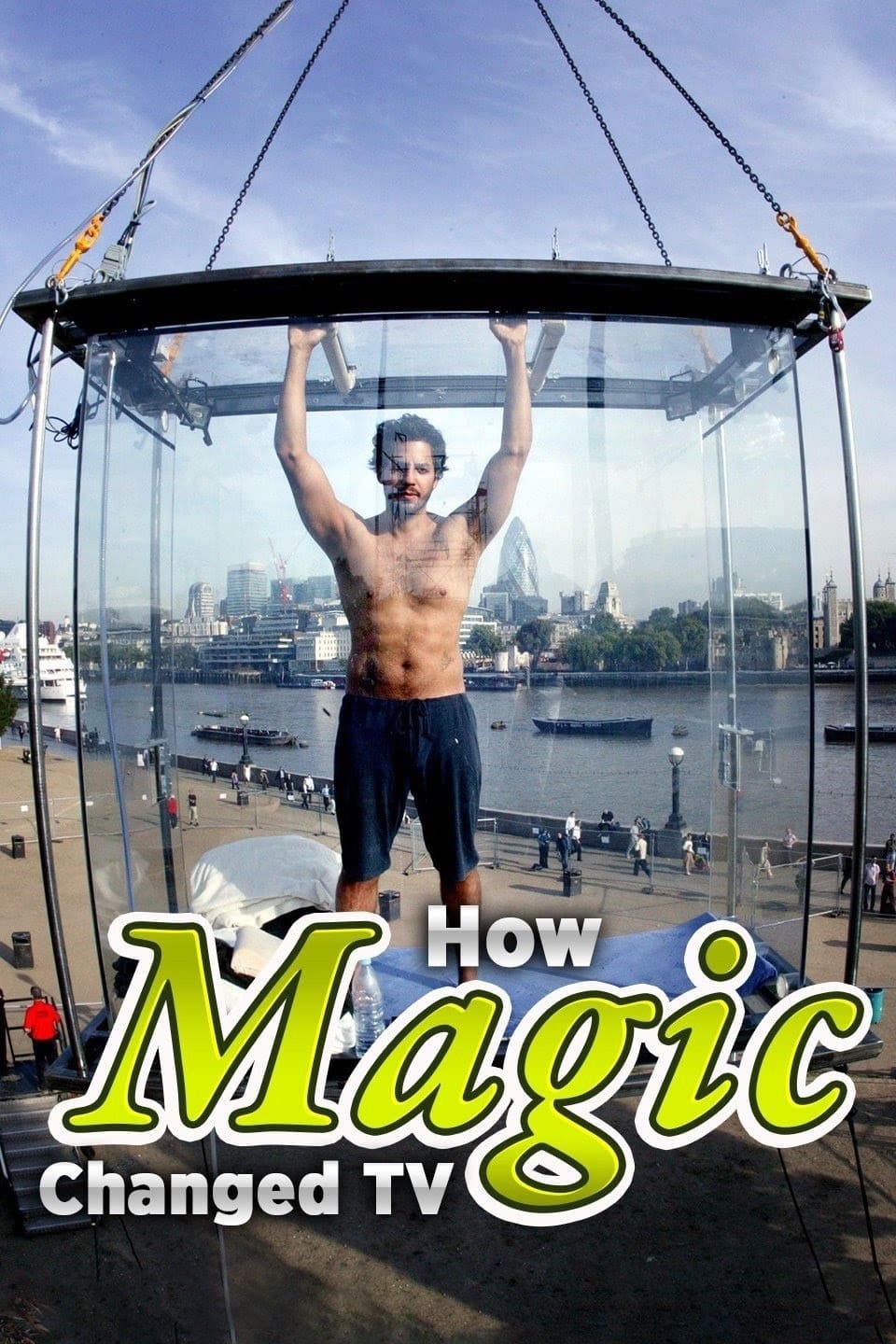
The story of magic on TV, the challenges of performing illusions in front of the television cameras, the performers who inspired some of the most successful modern magicians and the celebrity magic fans.
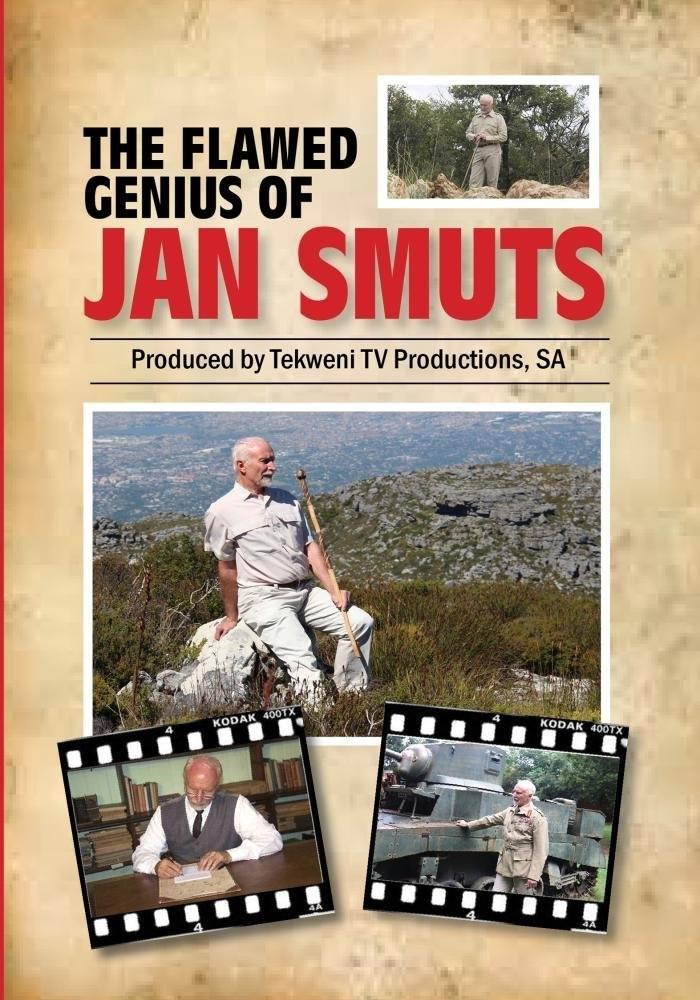
Jan Smuts is a foremost political figure in South African 20th Century History, and is recognised today by two of the world's leading historians as being at the very centre of the vision for a new world order that emerges from the League of Nations and the United Nations.. Yet, he is virtually persona non grata in his own country.... and largely ignored in school history books. This one hour drama-documentary, with its dramatised cameo scenes in which his look-alike grandson takes on the role of Jan Smuts, battle re-enactments, historical archival footage, comments from historians, political analysts, and South African political struggle heroes, looks back on his life and the circumstances that shaped it in search of some answers.
Today in France, one in five young people suffers from severe depressive symptoms, and the number of minors visiting psychiatric emergency rooms has tripled in the last five years. Despite the political will that has been demonstrated, child psychiatry is nevertheless faced with a severe lack of resources. The interminable waiting times for treatment are causing a surge in prescriptions for psychotropic drugs.
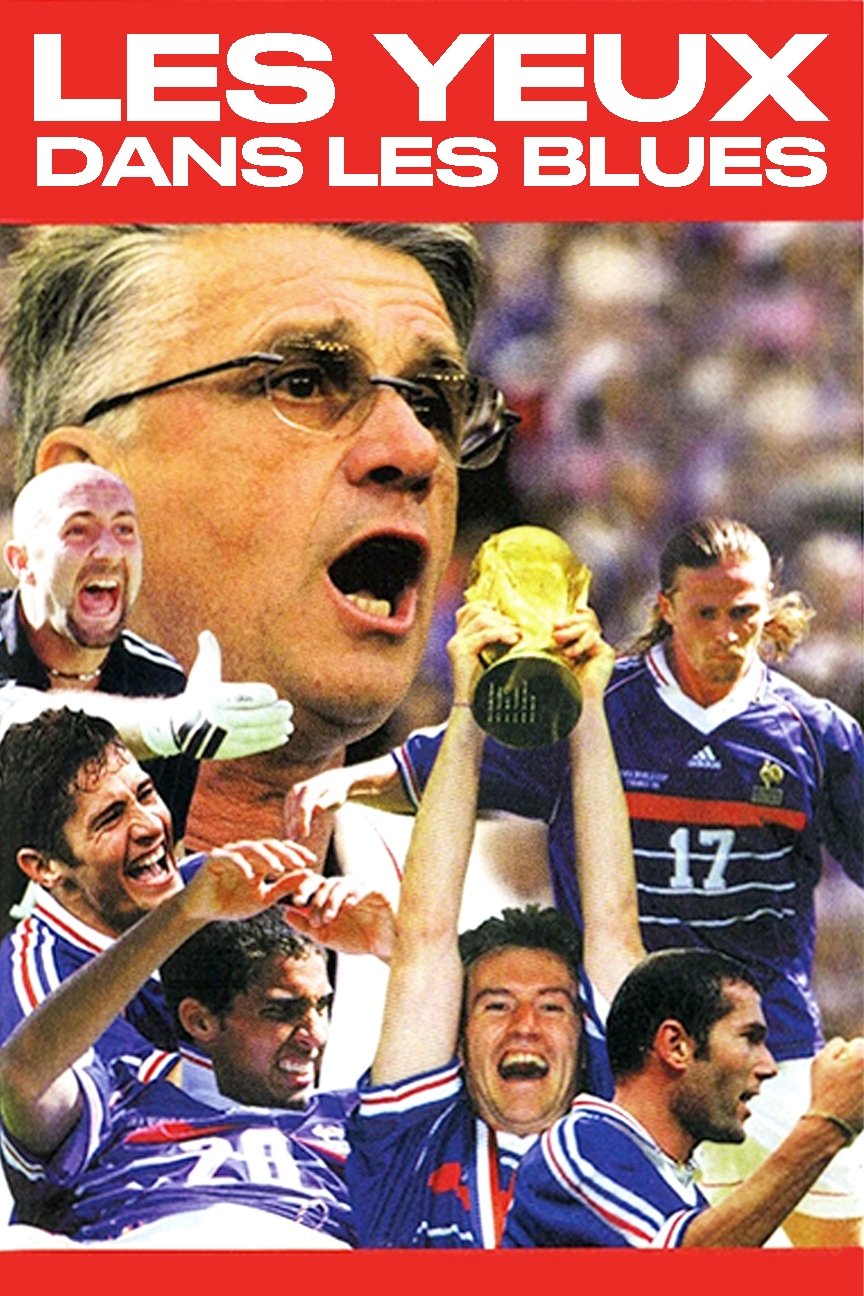
This documentary follows the French soccer team on their way to victory in the 1998 World Cup in France. Stéphane Meunier spent the whole time filming the players, the coach and some other important characters of this victory, giving us a very intimate and nice view of them, as if we were with them.
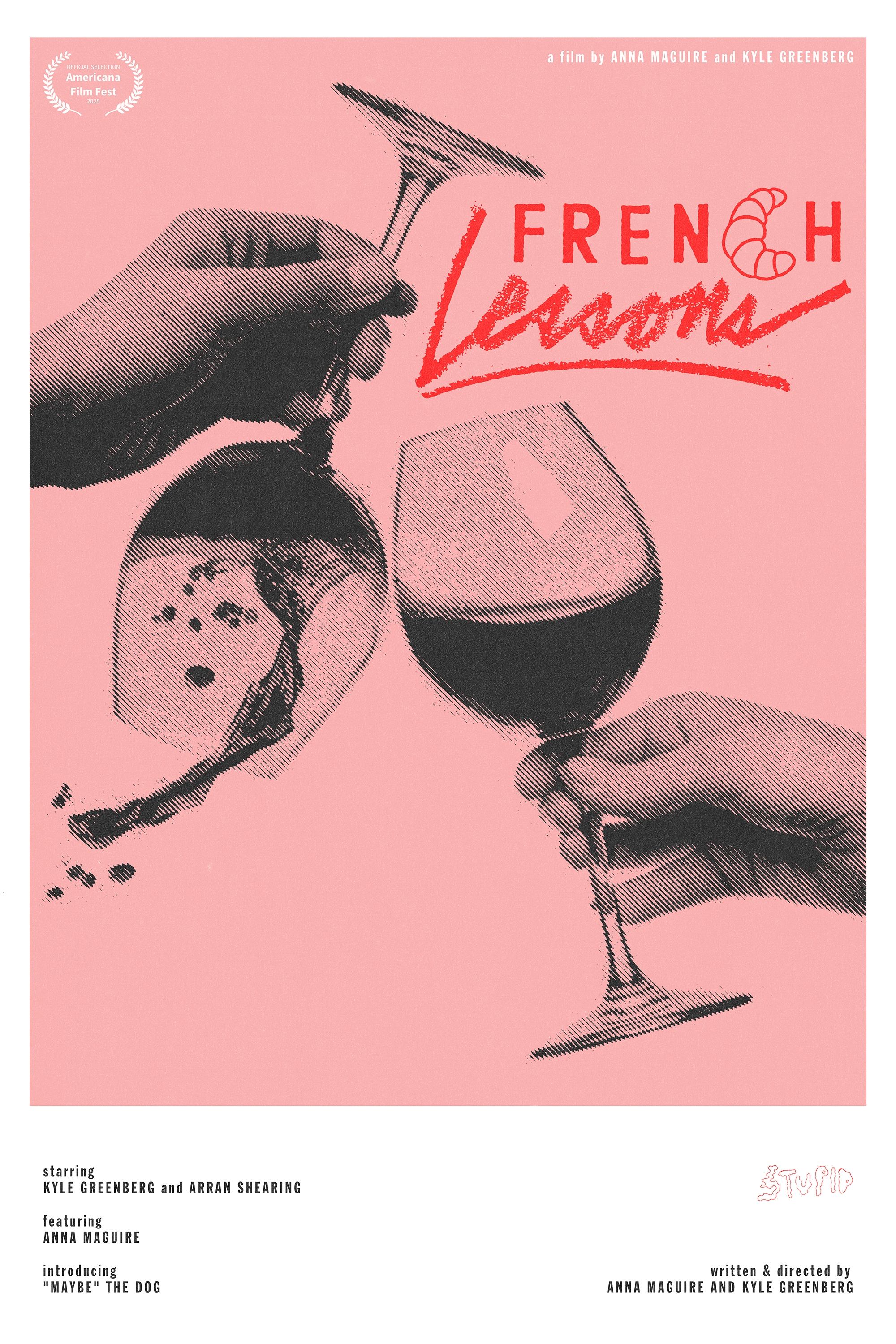
Bienvenue en…. Los Angeles! Film executive Kyle and filmmaker Arran rendez-vous for a tête à tête in this crème de la crème of Cinéma Verité.
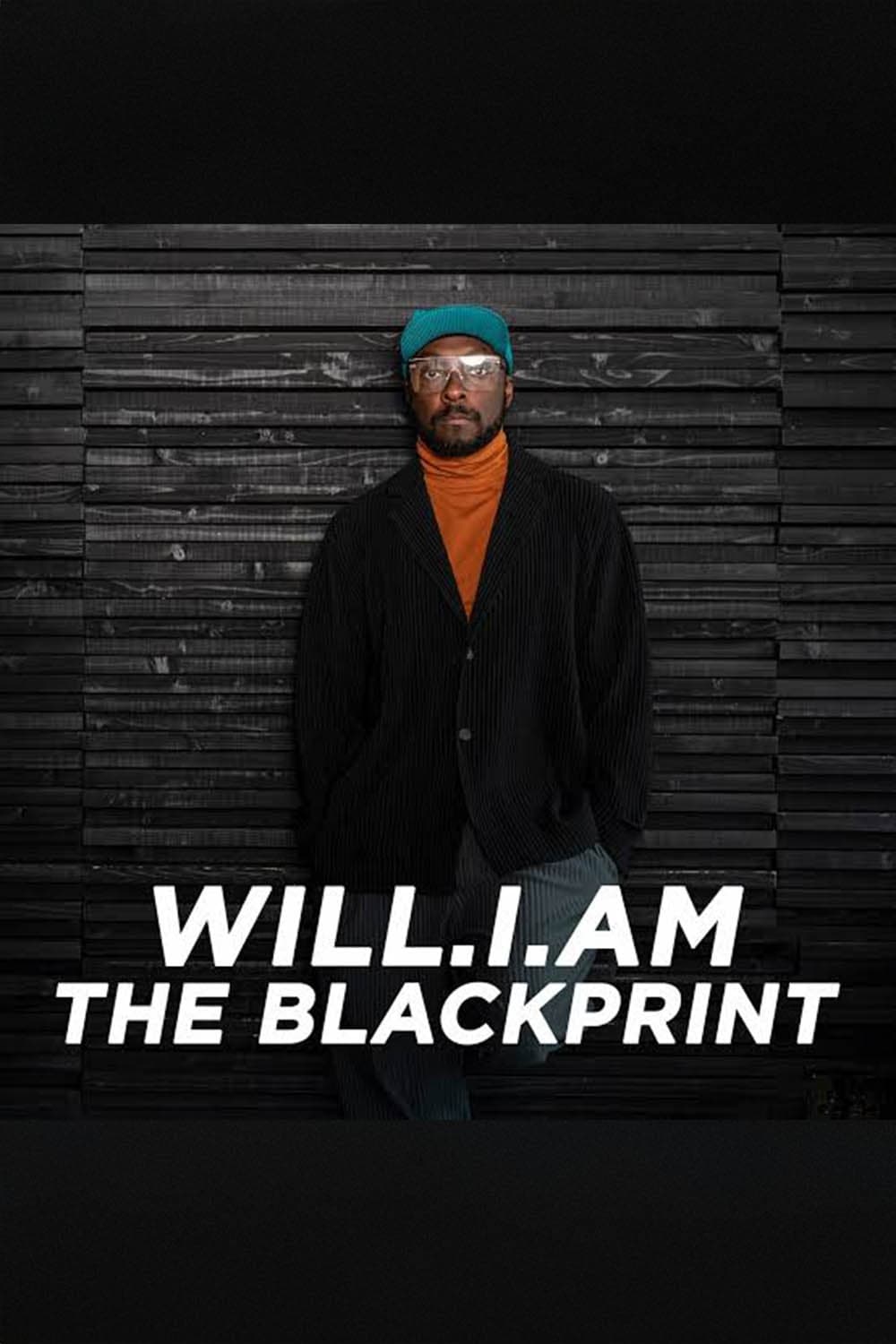
The Blackprint explores what it means to be Black and British. will.i.am traveled the UK to meet civil rights heroes, schoolchildren and technology trailblazers while also exploring issues they face because of their race. A basic look at racial discrimination experienced by young Black men and women but also, where it began with the slave trade in the 1800s.
A Guatemalan woman, Ana Lucía Cuevas, returns home from exile to face the brutal history of Guatemala's armed conflict. In 1984, her brother Carlos was kidnapped by the state as one of thousands who were abducted and disappeared. Recounting the stories of brutal genocide, terror, state repression and violence, this film documents the memories of those victimised by the Guatemalan state.
No profession, no say, no freedom of expression. Life as a prince consort is not exactly pleasure taxing. No constitution ascribes any function to the husband of a queen. Nowhere does it say what he must or must not do. A life in the shadow of the crown. Can that go well?
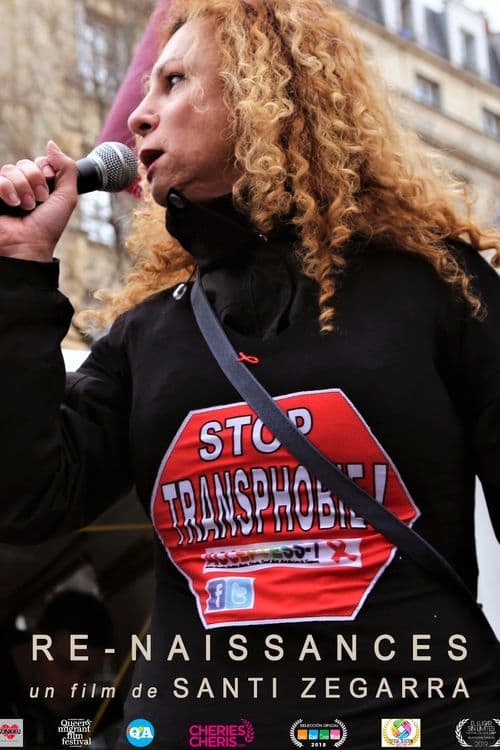
A documentary film depicting five intimate portraits of migrants who fled their country of origin to seek refuge in France and find a space of freedom where they can fully experience their sexuality and their sexual identity: Giovanna, woman transgender of Colombian origin, Roman, Russian transgender man, Cate, Ugandan lesbian mother, Yi Chen, young Chinese gay man…
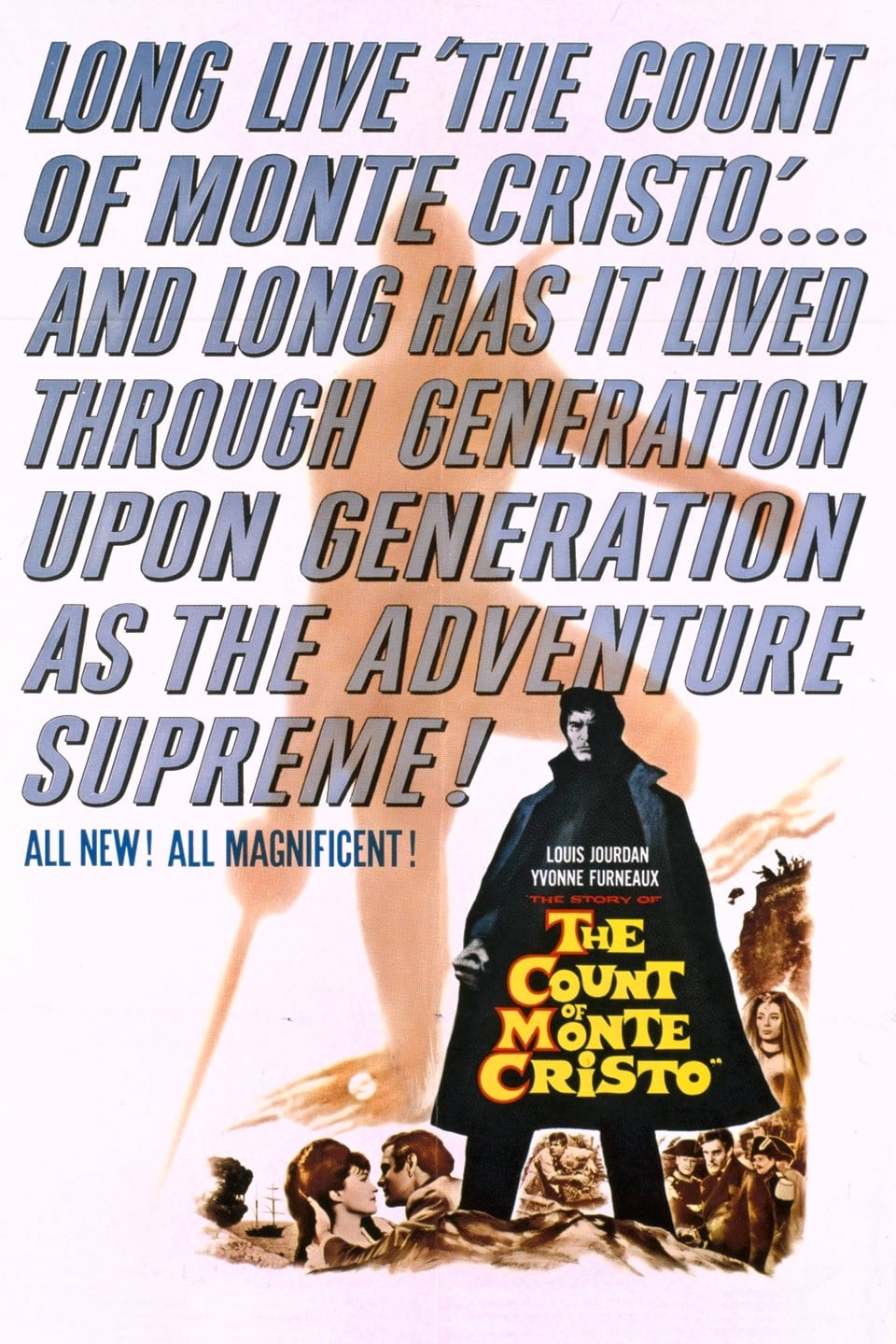
Young sailor Edmond Dantès is wrongfully imprisoned, escapes, finds treasure, and reinvents himself as the wealthy Count of Monte Cristo to exact revenge on those who betrayed him.
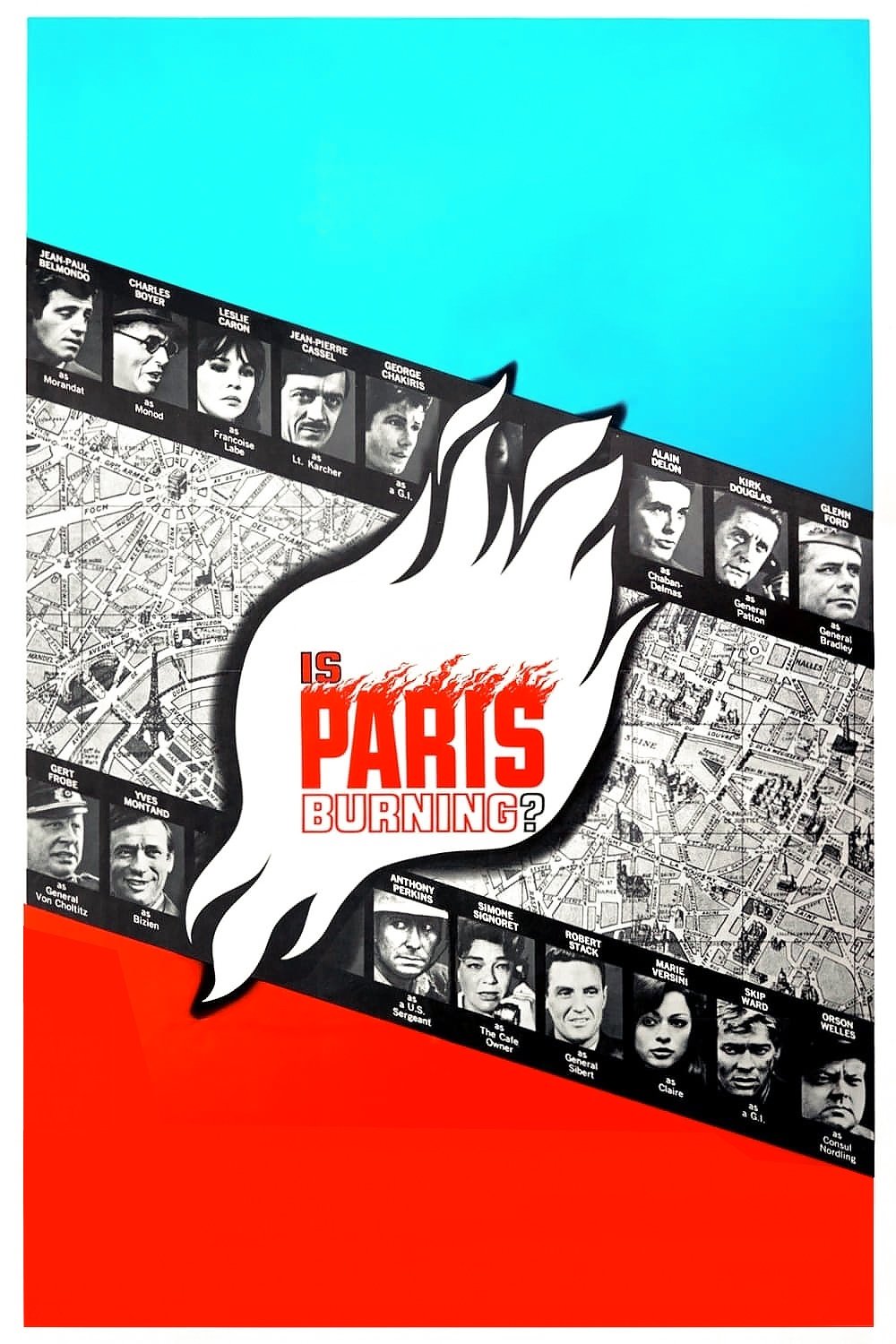
Near the end of World War II, General Dietrich von Choltitz receives orders to burn down Paris if it becomes clear the Allies are going to invade, or if he's unable to maintain control of the city. After much contemplation, Choltitz ignores orders, enraging the Germans and giving hope to various resistance factions that the city will be liberated. Choltitz, alongside Swedish diplomat Raoul Nordling, helps a leader organise his forces.
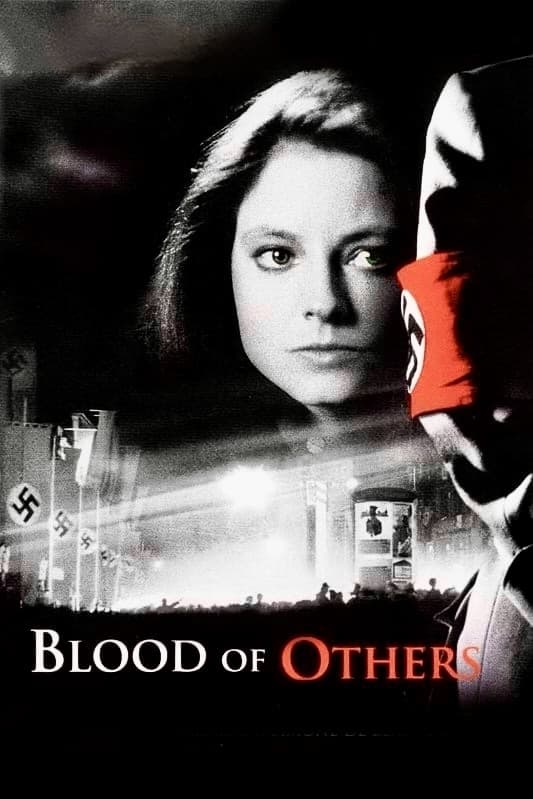
In the German-occupied Paris, Helene is torn between the love for her boyfriend Jean, working for the resistance and the German administrator Bergmann, who will do anything to gain her affection.
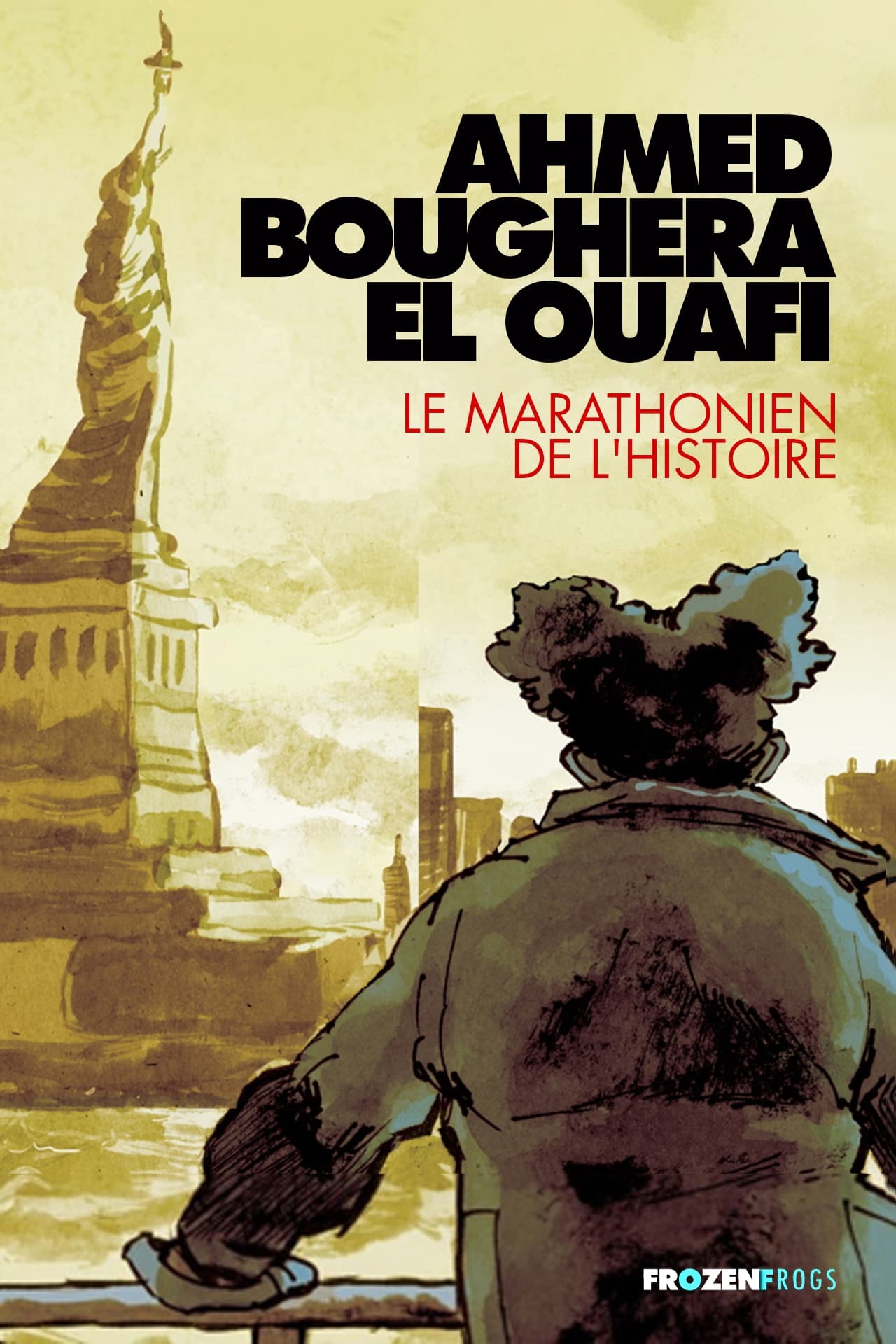
On August 5, 1928, after 2 hours and 32 minutes of racing, the 71st rooster wearing the bib entered the Olympic stadium in Amsterdam. Ahmed El Ouafi Bouguéra wins the gold medal and becomes the first Olympic champion from the African continent. He achieved his feat under the tricolor flag. The start of his real marathon is underway. The history of sport extends to the history of Algeria and France. This documentary retraces the different stages of the life of this great champion, not only the history of sport but also the great story. Archival photographs and interviews mingle with the painted paintings. The series thus once again gives voice to this forgotten hero, one of the great heroes of immigration who defended France for more than a century.
About 4 000 years ago, Assyrian merchants established a commercial settlement in the ancient city of Kaneš, within Central Anatolia. They came from Aššur, north of Mesopotamia. We have come to understand their history through their writings on clay tablets that have stood the test of time: more than 22 500 cuneiform tablets have been unearthed from the archaeological site of Kültepe. How did these Mesopotamian clay tablets arrived in Anatolia and what do they tell us? The voice of Tarām-Kūbi, an Assyrian woman who corresponded with her brother and her husband in Kaneš, takes us back in time.
The documentary, devoted to the last days of the professor who was tragically beheaded by an Islamist terrorist. This film highlights the failings of the state and the national education system in this deeply disturbing case.
The history of cinematic sound, told by legendary sound designers and visionary filmmakers.
Director Claude Lanzmann spent 11 years on this sprawling documentary about the Holocaust, conducting his own interviews and refusing to use a single frame of archival footage. Dividing Holocaust witnesses into three categories – survivors, bystanders, and perpetrators – Lanzmann presents testimonies from survivors of the Chelmno concentration camp, an Auschwitz escapee, and witnesses of the Warsaw Ghetto Uprising, as well as a chilling report of gas chambers from an SS officer at Treblinka.
An unprecedented and intimate look at the life, work and enduring legacy of British actress Audrey Hepburn (1929-1993).
Oskar Gröning, known as the "Accountant of Auschwitz," was charged with the murder of 300,000 Jews. When he took the stand in 2015, at the age of 94, his trial made headlines worldwide.
“The Soviet Story” is a story of an Allied power, which helped the Nazis to fight Jews and which slaughtered its own people on an industrial scale. Assisted by the West, this power triumphed on May 9th, 1945. Its crimes were made taboo, and the complete story of Europe’s most murderous regime has never been told. Until now...
Learn the incredible behind-the-scenes story of how the original Star Wars movie was brought to the big screen in this fascinating documentary hosted by C-3PO and R2-D2 which includes interviews with George Lucas and appearances by Mark Hamill, Harrison Ford and Carrie Fisher.
Dick Proenneke retired at age 50 in 1967 and decided to build his own cabin in the wilderness at the base of the Aleutian Peninsula, in what is now Lake Clark National Park. Using color footage he shot himself, Proenneke traces how he came to this remote area, selected a homestead site and built his log cabin completely by himself. The documentary covers his first year in-country, showing his day-to-day activities and the passing of the seasons as he sought to scratch out a living alone in the wilderness.
A documentary on the making of the three Godfather films, with interviews and recollections from the film makers and cast. This feature also includes the original screen tests of some of the actors for "The Godfather" film, and some candid moments on the set of "The Godfather: Part III."
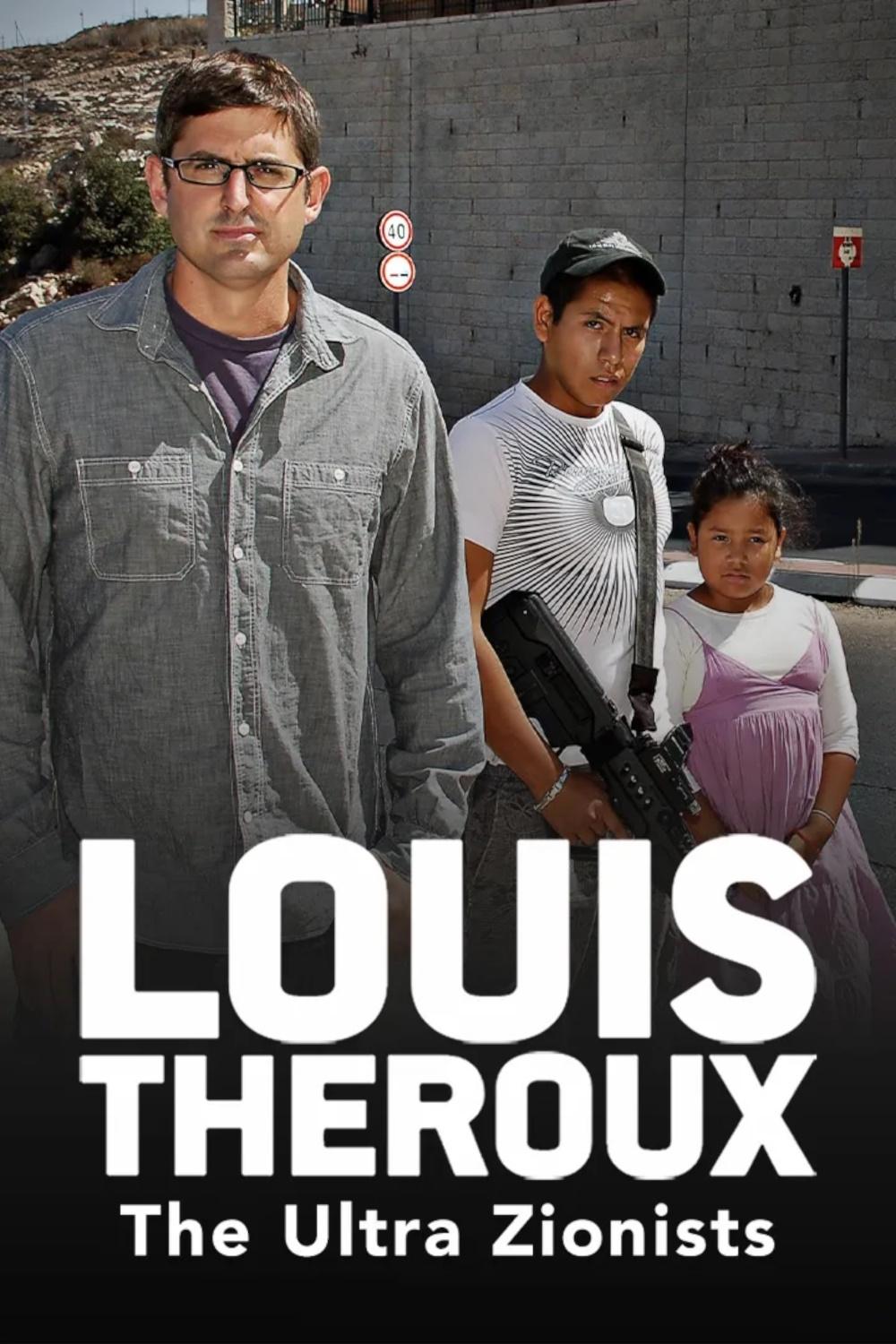
Fourteen years after his first visit, Louis Theroux meets some of the growing community of religious-nationalist Israelis who have settled in the occupied West Bank.
Documentary about the art of film editing. Clips are shown from many groundbreaking films with innovative editing styles.
This documentary follows superstar Bret Hart during his last year in the WWF. The film documents the tensions that resulted in The Montreal Screwjob, one of the most controversial events in the history of professional wrestling, in which Vince McMahon, Shawn Micheals, and others, legitimately conspired behind the scenes to go against the script and remove Bret Hart as champion.
A collection of restored prints from the Lumière Brothers.
A look at the story behind Marvel Studios and the Marvel Cinematic Universe, featuring interviews and behind-the-scenes footage from all of the Marvel films, the Marvel One-Shots and "Marvel's Agents of S.H.I.E.L.D."!
Filmed over 14 months with unprecedented access into the inner circle of the man and the sport, this is the first official and fully authorised film of one of the most celebrated figures in football. For the first time ever, the world gets vividly candid and un-paralleled, behind-closed-doors access to the footballer, father, family-man and friend in this moving & fascinating documentary. Through in-depth conversations, state of the art football footage and never before seen archival footage, the film gives an astonishing insight into the sporting and personal life of triple Ballon D'Or winner Cristiano Ronaldo at the peak of his career. From the makers of ‘Senna’ and ‘Amy’, Ronaldo takes audiences on an intimate and revealing journey of what it’s like to live as an iconic athlete in the eye of the storm.
Louis Theroux spends time with a small and very committed subculture of ultra-nationalist Jewish settlers. He discovers a group of people who consider it their religious and political obligation to populate some of the most sensitive areas of the West Bank, especially those with a spiritual significance dating back to the Bible. Throughout his journey, Louis gets close to the people most involved with driving the extreme end of the Jewish settler movement - finding them warm, friendly, humorous, and deeply troubling.
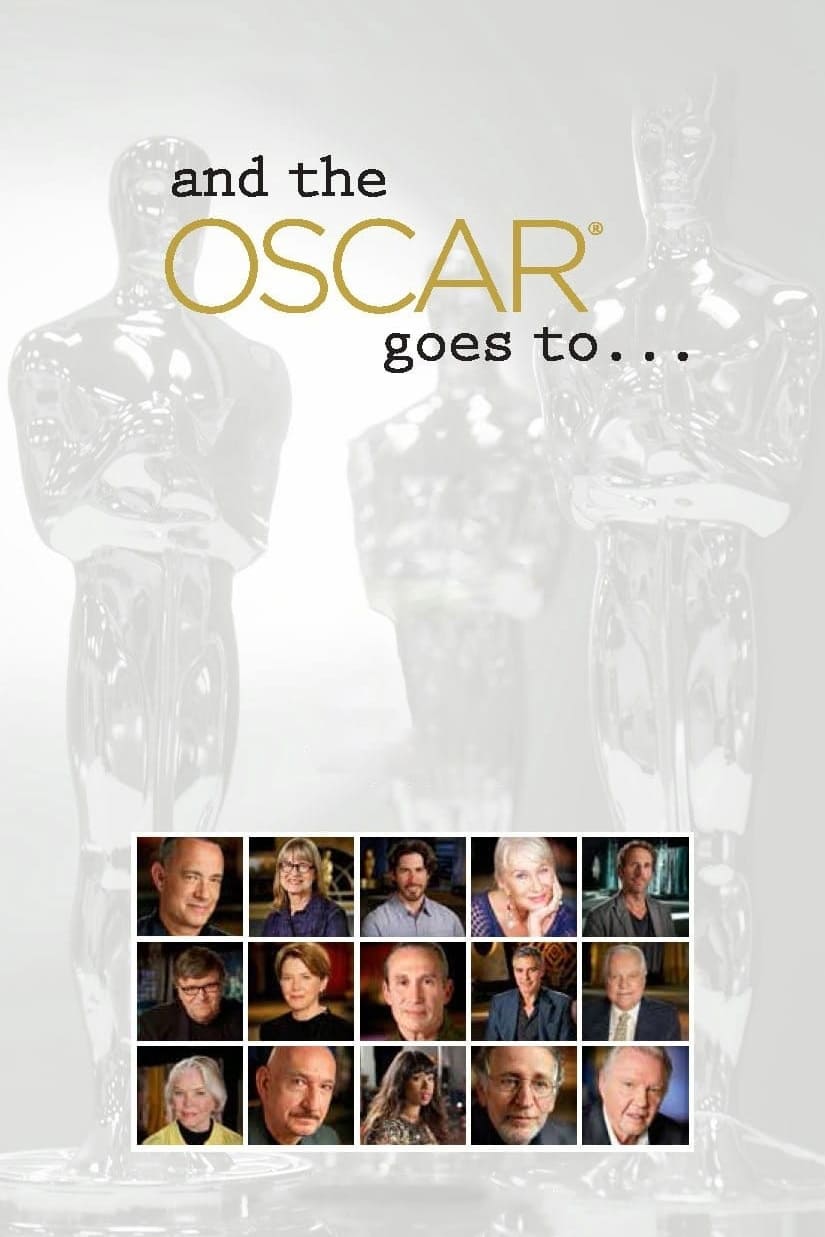
The story of the gold-plated statuette that became the film industry's most coveted prize, AND THE OSCAR GOES TO... traces the history of the Academy itself, which began in 1927 when Louis B. Mayer, then head of MGM, led other prominent members of the industry in forming this professional honorary organization. Two years later the Academy began bestowing awards, which were nicknamed "Oscar," and quickly came to represent the pinnacle of cinematic achievement.
In 1936, Victor H. Green (1892-1960) published The Negro Motorist Green Book, a book that was both a travel guide and a survival manual, to help African-Americans navigate safe those regions of the United States where segregation and Jim Crow laws were disgracefully applied.
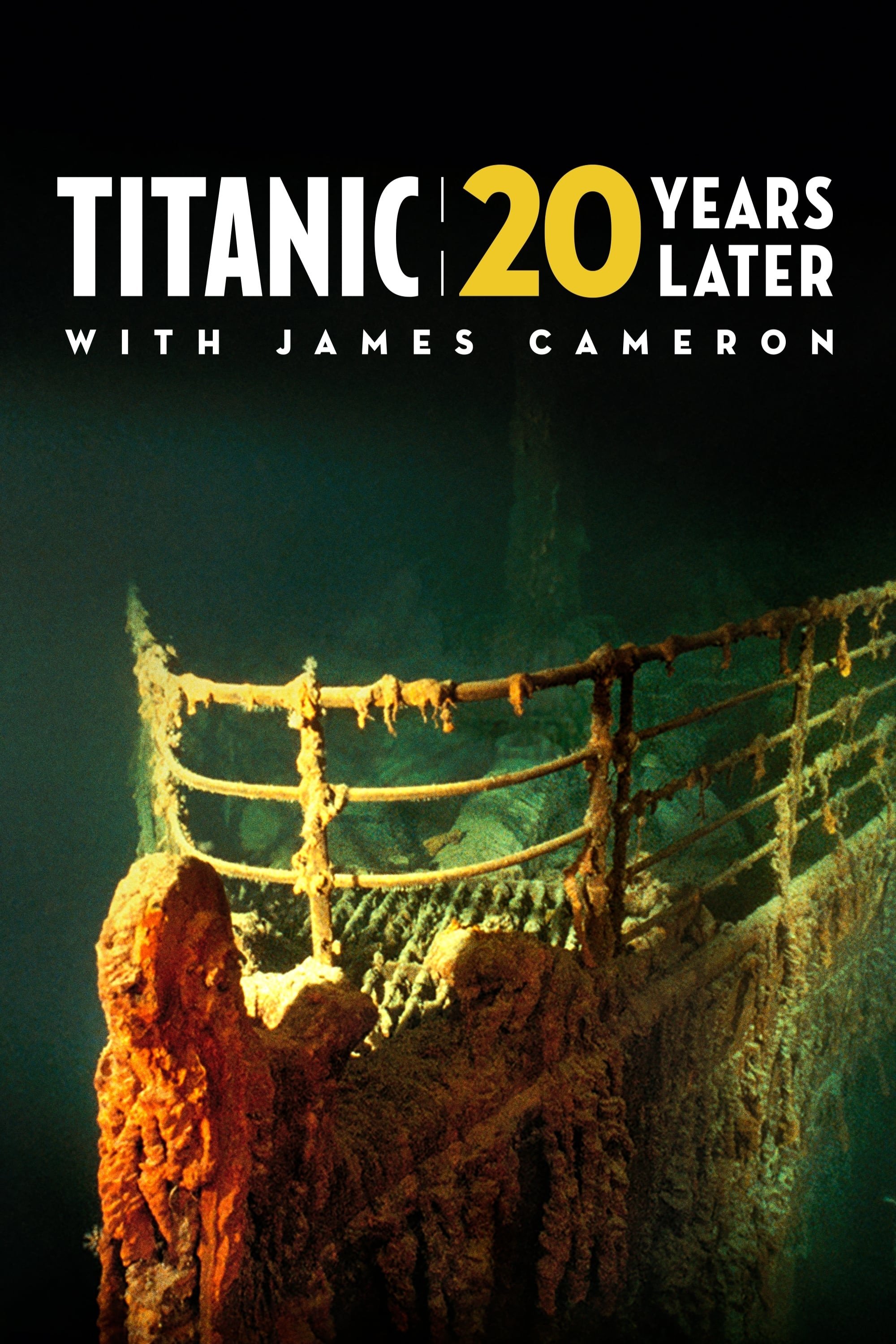
For the 20th anniversary of "Titanic," James Cameron reopens the file on the disaster.
A behind-the-scenes documentary about the Clinton for President campaign, focusing on the adventures of spin doctors James Carville and George Stephanopoulos.
A documentary about World War I with never-before-seen footage to commemorate the centennial of Armistice Day, and the end of the war.