Social & External
The people behind it
Élissa Alloula
Narrator (voice over)
In a time of war and disease, a young officer gallantly tries to help a young woman find her husband.
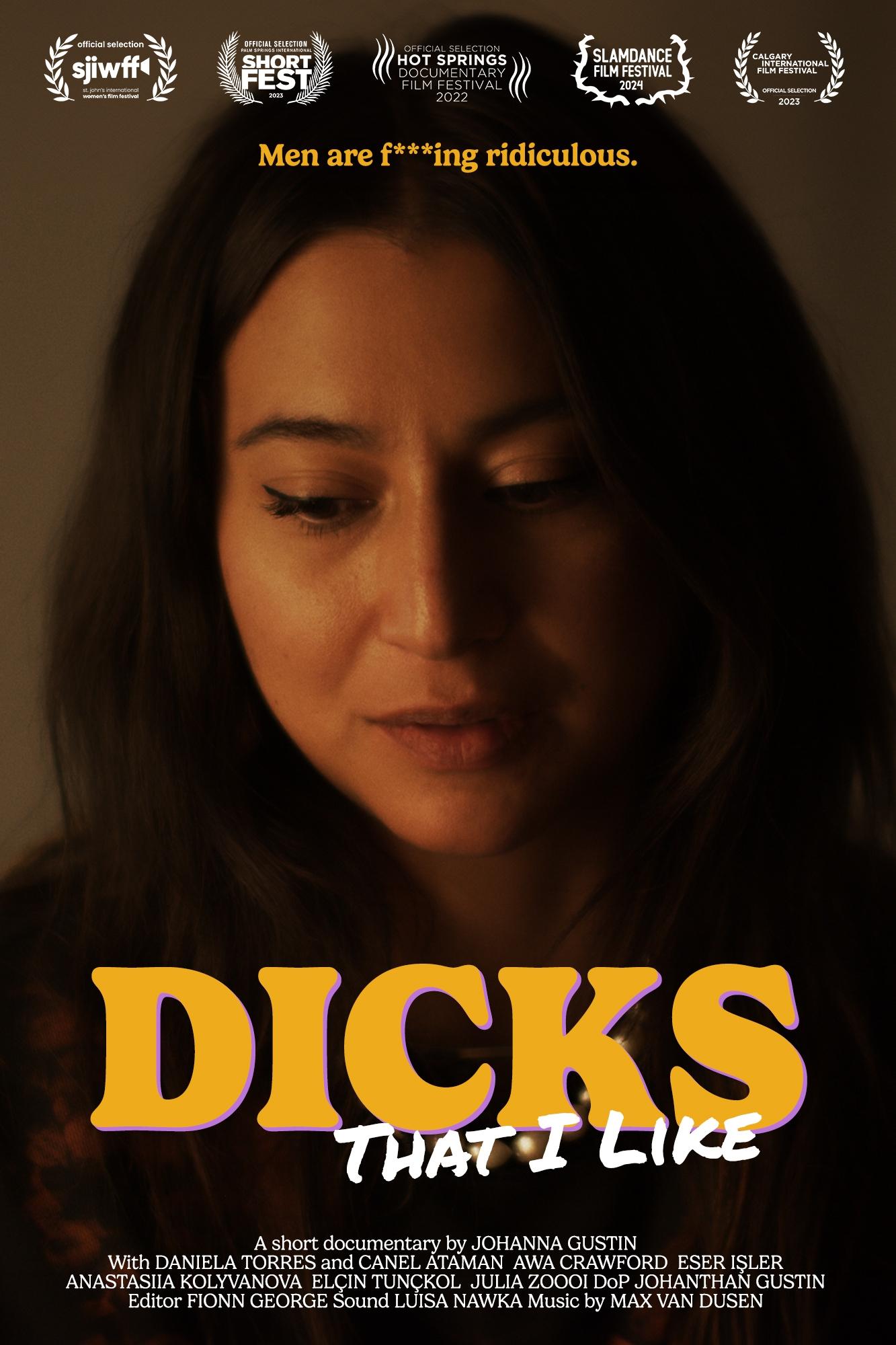
Visual artist Daniela Torres creates colorful ceramic dick sculptures inspired by the men who have been dicks to her. In this intimate artist portrait, Daniela shares her struggles, anger and catharsis as she creates a sculpture modelled after a series of unsolicited dick pics. She also shares her process with a diverse group of women who come together in one of her popular Berlin-based dick sculpting workshops. It's a hands-on approach to healing trauma that yields beautiful results.
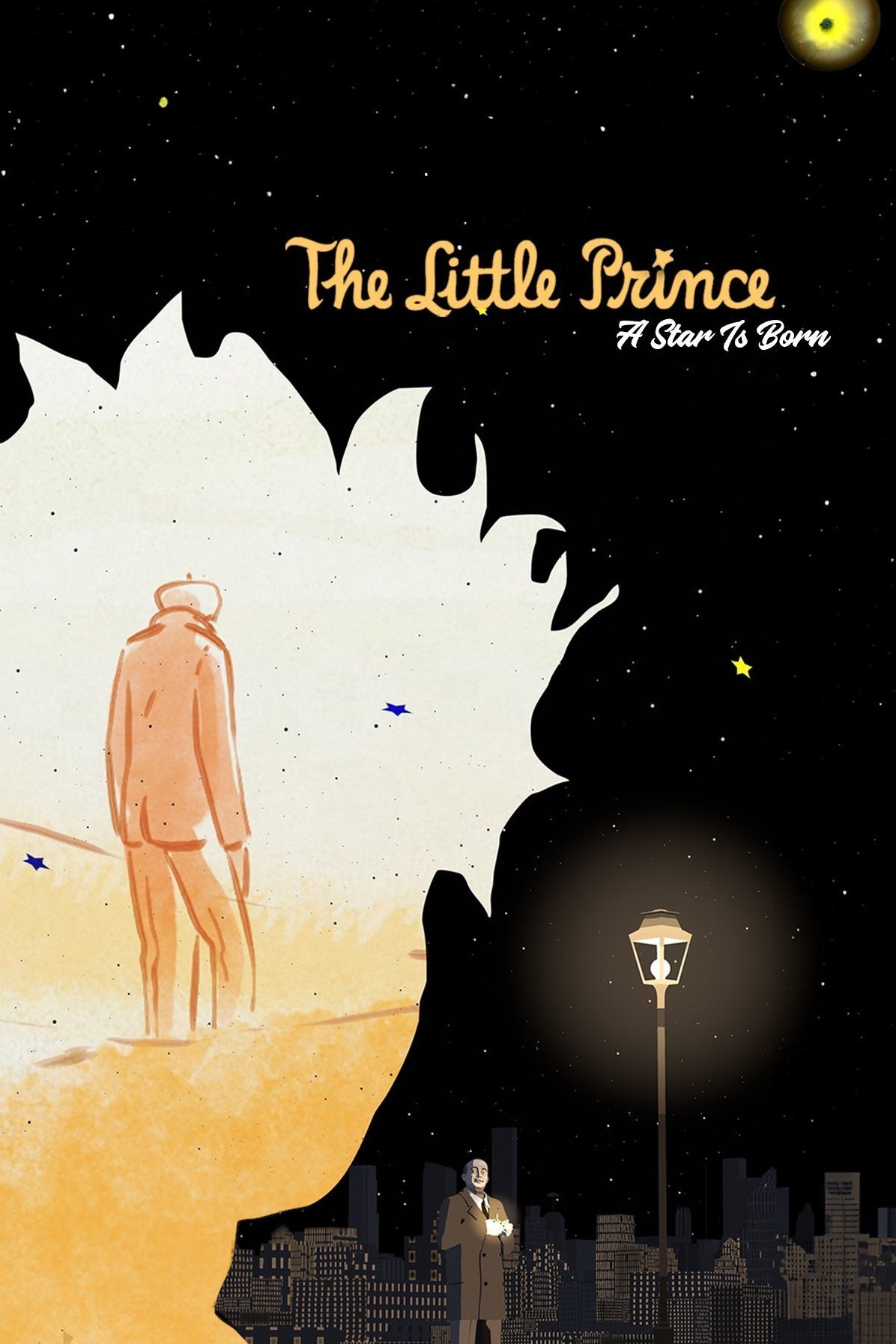
80 years are gone since The Little Prince was released. Author Antoine de Saint-Exupéry was also a pilot, and we follow his last four years from his US exile to when his plane in 1944 disappeared over The Mediterranean without any trace.
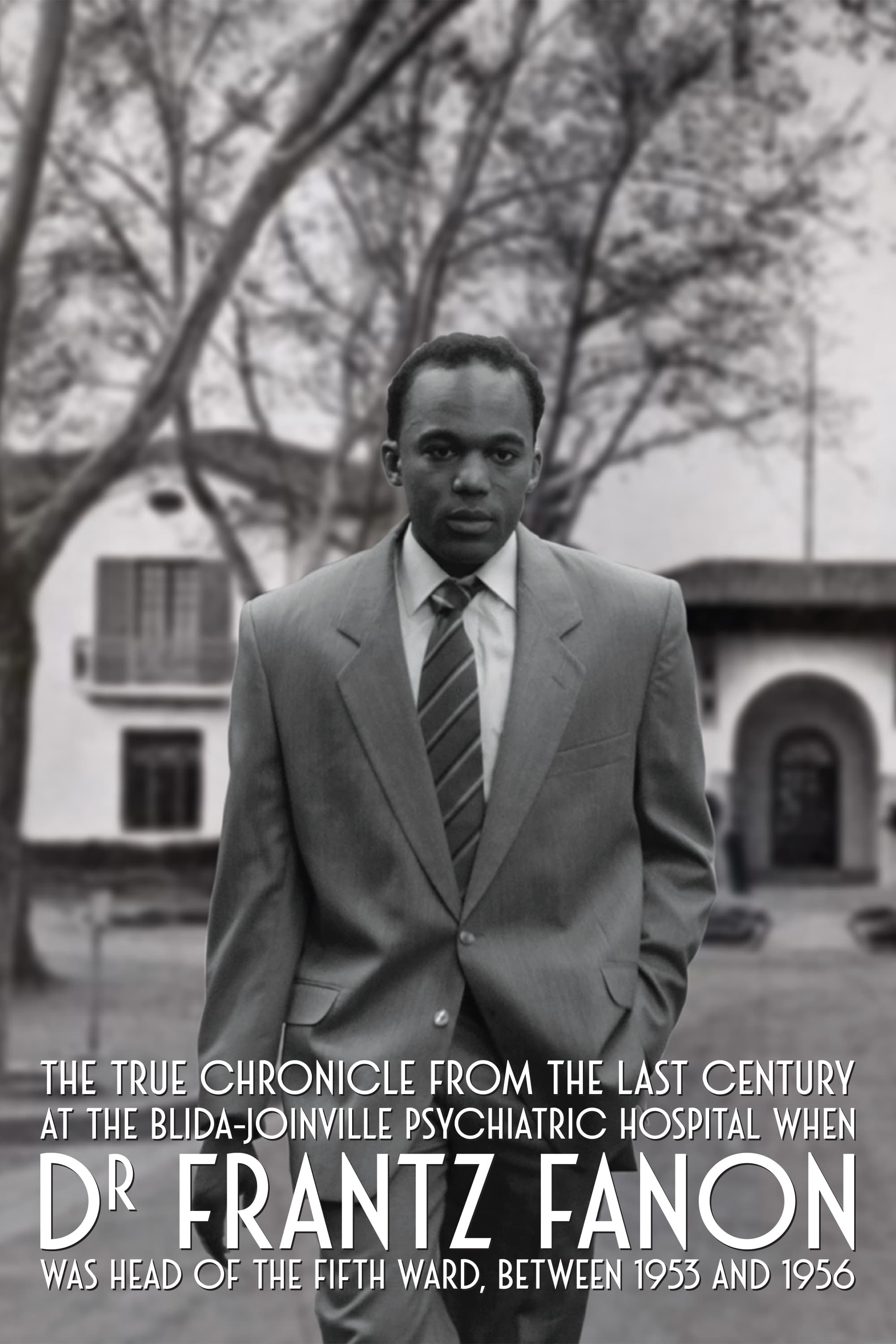
1953, colonized Algeria. Fanon, a young black psychiatrist is appointed head doctor at the Blida-Joinville Hospital. He was putting his theories of ‘Institutional Psychotherapy’ into practice in opposition to the racist theories of the Algies School of Psychiatry, while a war broke out in his own wards.
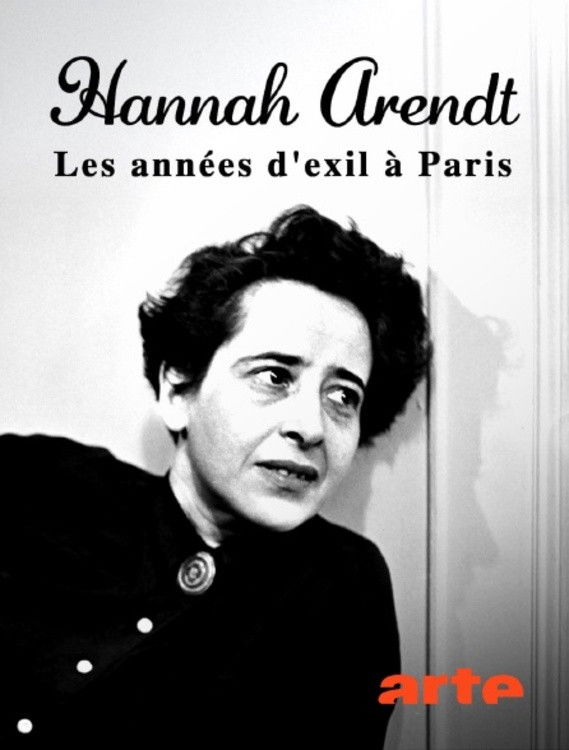
Hannah Arendt's views on Jewish identity, the Israel-Palestine conflict, and authoritarian-totalitarian systems seem more relevant than ever. Together with biographer Thomas Meyer, this documentary takes us back to the time of her exile in Paris. It was there, on the banks of the Seine, that she laid the foundations for her later works, which would bring her international renown.
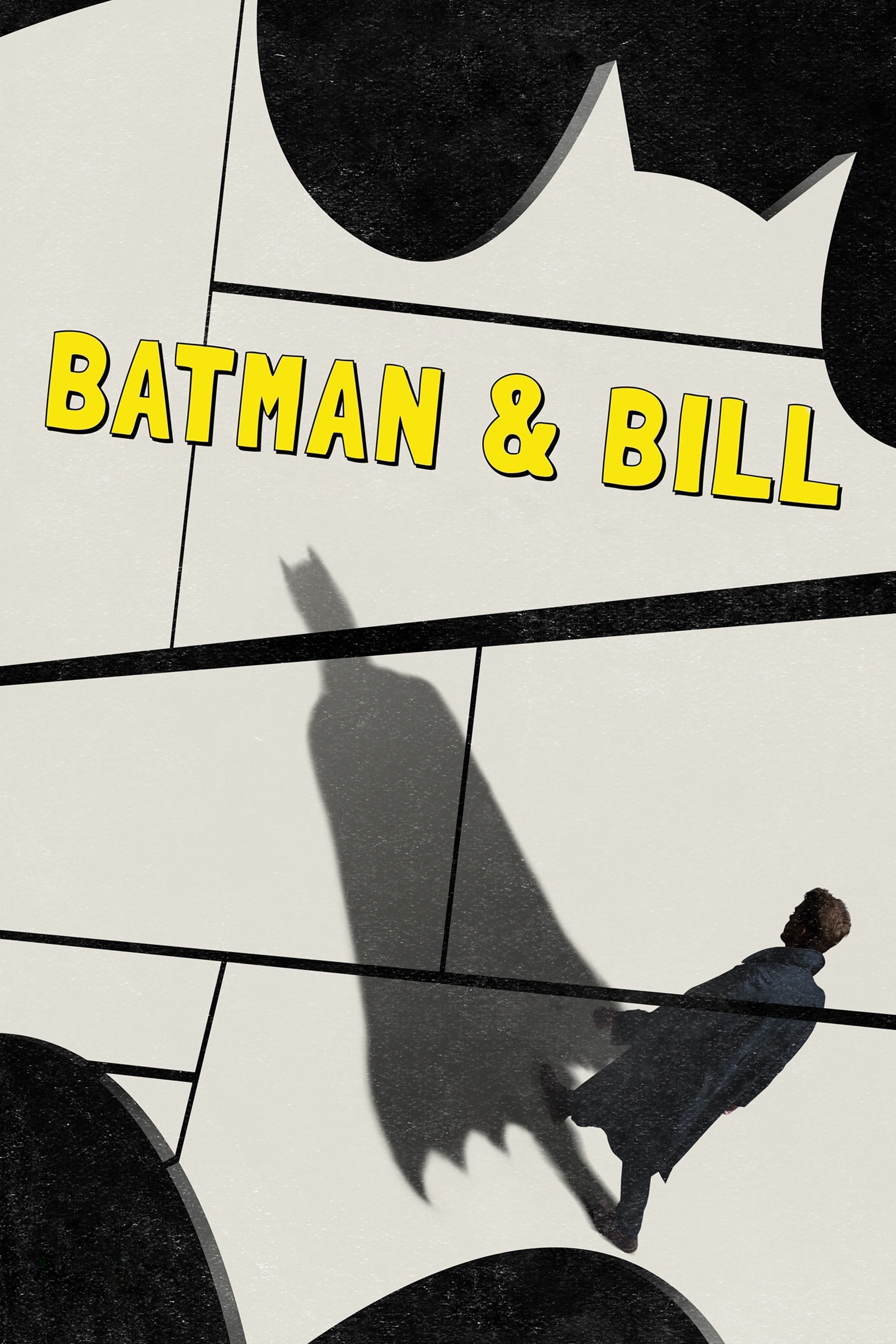
Everyone thinks that Bob Kane created Batman, but that’s not the whole truth. One author makes it his crusade to make it known that Bill Finger, a struggling writer, actually helped invent the iconic superhero, from concept to costume to the very character we all know and love. Bruce Wayne may be Batman’s secret identity, but his creator was always a true mystery.
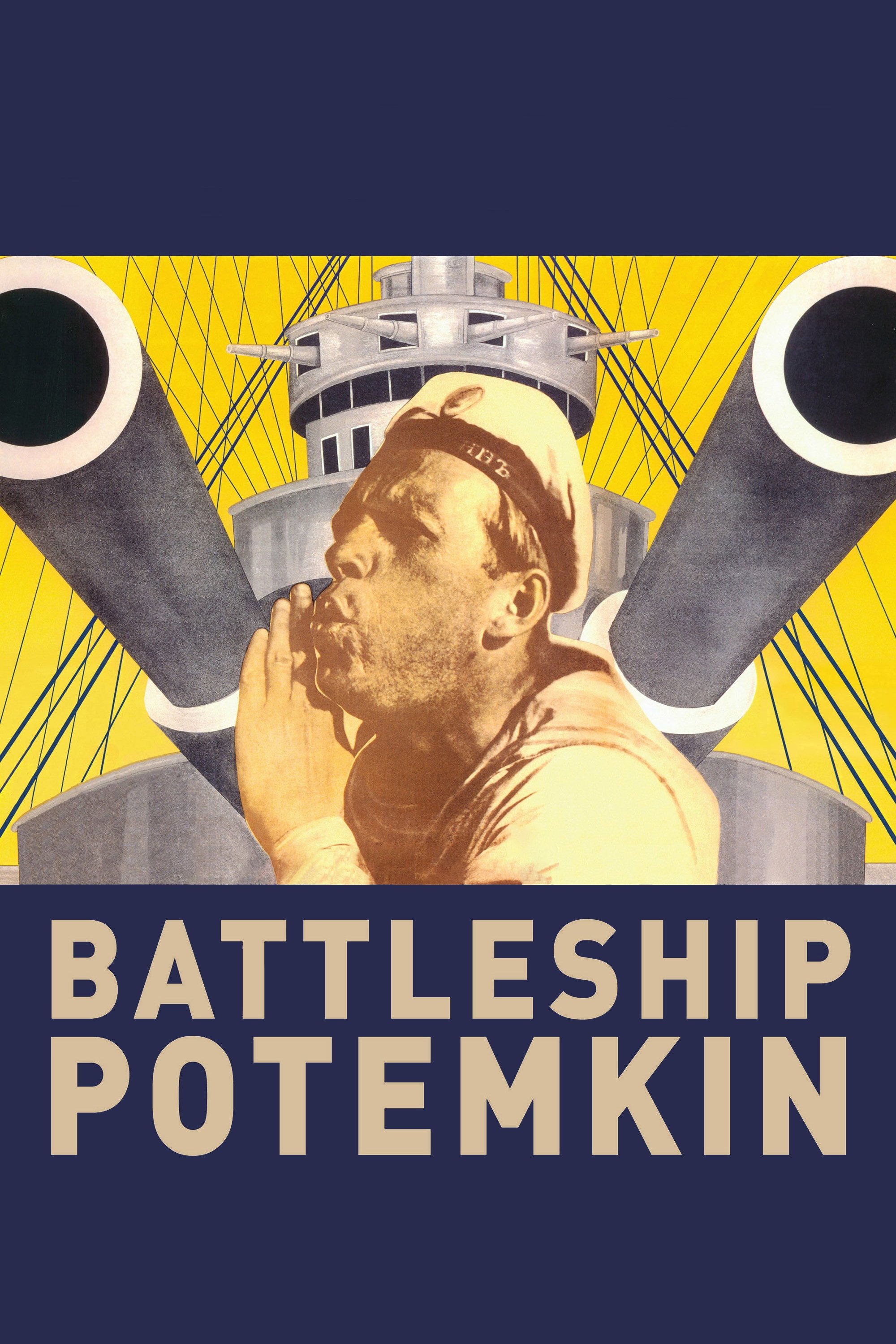
A dramatized account of a great Russian naval mutiny and a resultant public demonstration, showing support, which brought on a police massacre.
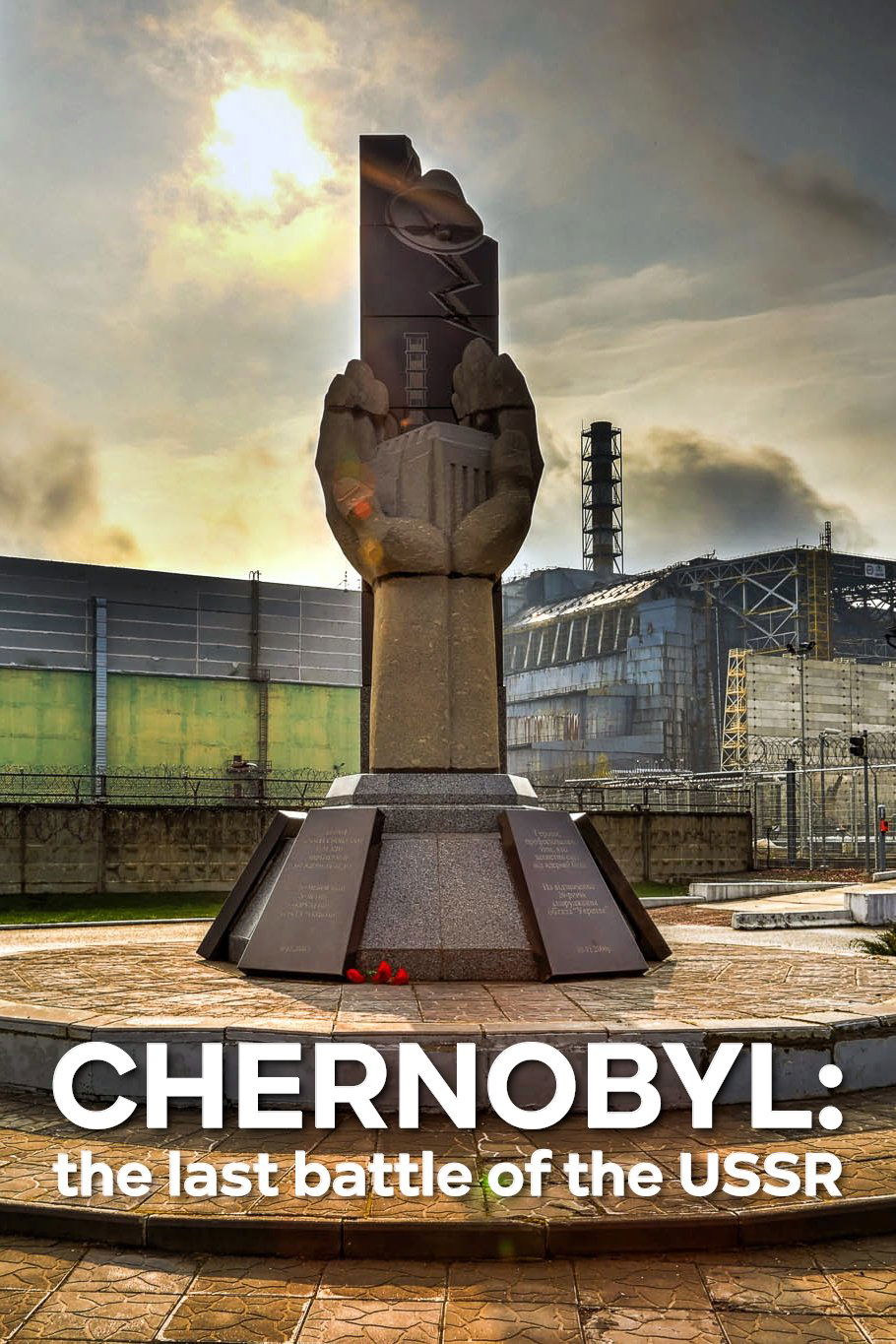
Three decades after the nuclear explosion, almost everything has been said about this ecological and sanitary disaster that made Pripiat a part of History. How did the greatest industrial disaster change the course of History, disrupt global geopolitics and, directly or indirectly, redistribute the balances and power relations of the twentieth century? The world will never be the same again. By retracing the incredible battle waged by the Soviet Union against radiation, this film proposes to retrace and enlighten an extraordinary story, while exploring the historical stakes in the medium and long-term…
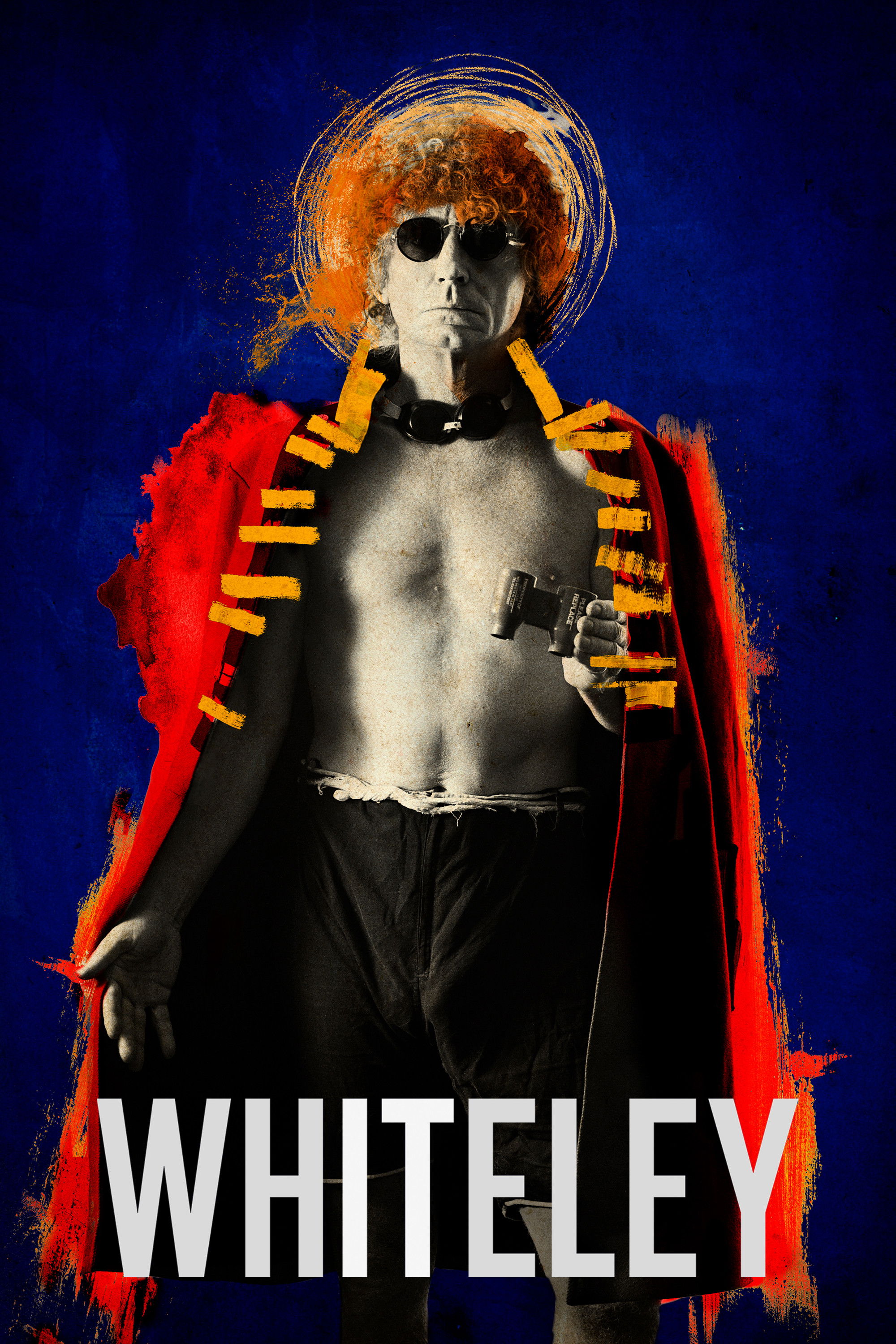
A visual journey into the life and legacy of one of Australia's most celebrated artists, Brett Whiteley.
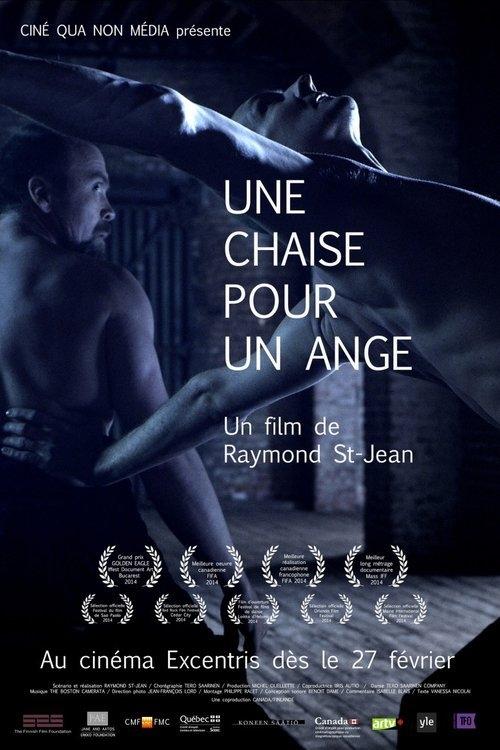
For two hundred years, the Shakers have been America's most successful utopian society. While seeking harmony, order and perfection in every aspect of their lives, they built minimalistic furniture and buildings that influenced modern design. The Shakers wrote songs of exquisite beauty and danced to the point of ecstasy during their religious meetings. Inspired by this music and dance, choreographer Tero Saarinen created Borrowed Light, a dance piece about communal life and individual sacrifice. Shot in Finland and the United States, featuring interviews and excerpts from Borrowed Light, this documentary explore the cultural legacy of this religious group devoted to creating heaven on earth.
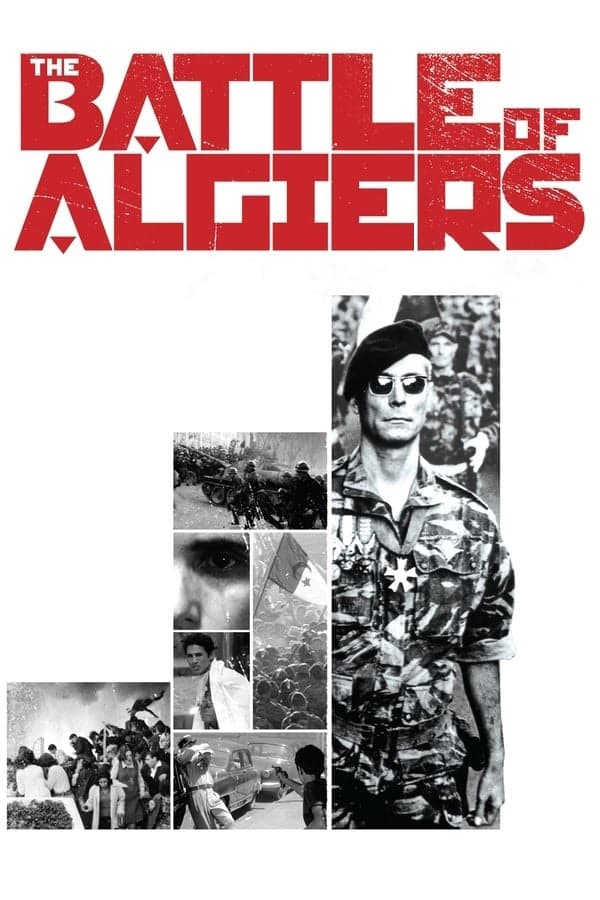
Paratrooper commander Colonel Mathieu, a former French Resistance fighter during World War II, is sent to Algeria to reinforce efforts to squelch the uprisings of the Algerian War. There he faces Ali la Pointe, a former petty criminal who, as the leader of the Algerian Front de Liberation Nationale, directs terror strategies against the colonial French government occupation. As each side resorts to ever-increasing brutality, no violent act is too unthinkable.
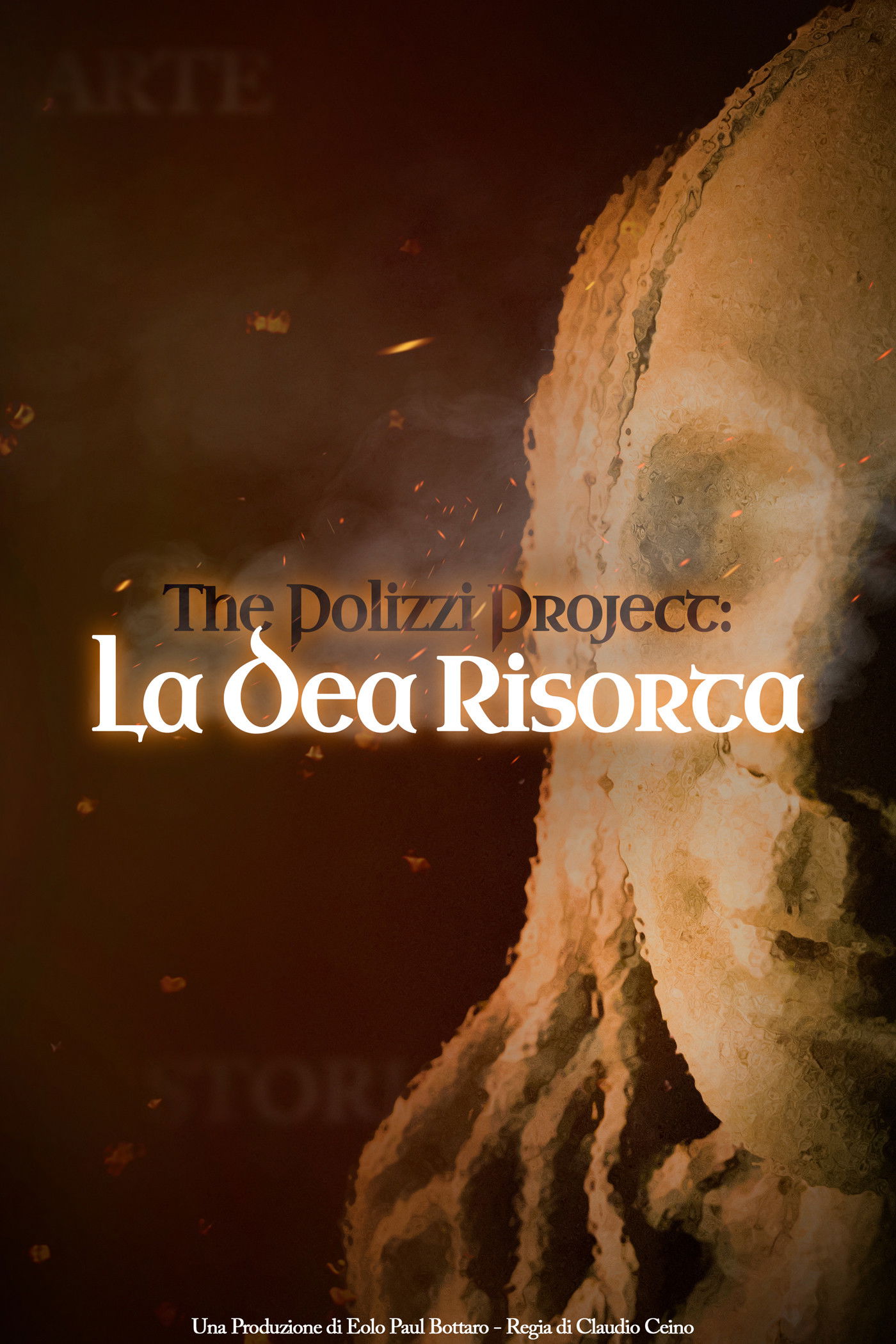
When Australian artist Eolo Bottaro revives the lost Triform Goddess Isis, Polizzi's forgotten history revives. This gripping documentary captures the statue's creation, the town's awe, and the artist's unexpected bond with the Sicilian town.
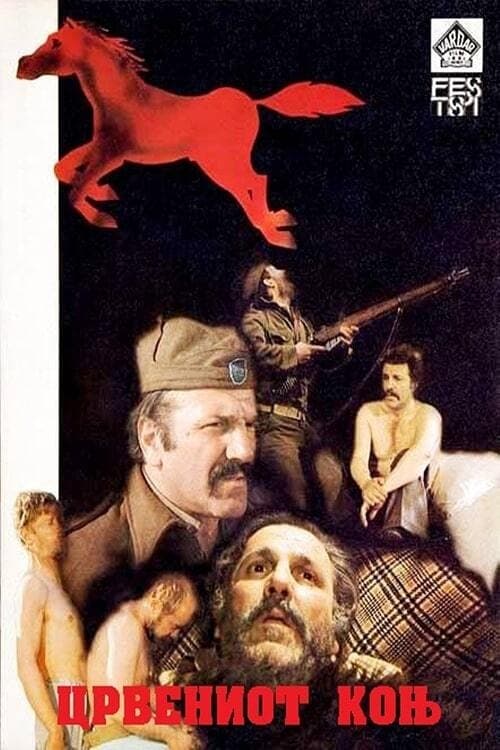
A joint fight of Macedonian and Greek people against the fascist monarchical government of Greece ended with their defeat in 1949, after many years of bloodshed. Many members of the democratic party DAG, as well as the innocent inhabitants experienced the destiny of political exile.
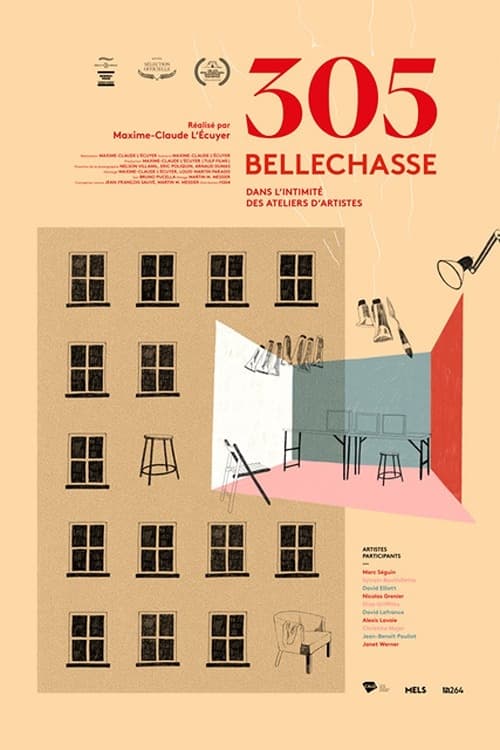
A former Catelli pasta factory, located at the confluence of Petite-Patrie, Mile-End and Little Italy, has over time become the refuge of many renowned artists, an important place of creation for contemporary painting. Montrealer. Chance encounters, proximity and exchanges enrich their respective work. But real estate speculation threatens the sustainability of these artists' studios. Fight to create, create to fight: this documentary opens the door to these inspiring places, which will soon no longer be so. A journey into the spirit of creation — despite everything.
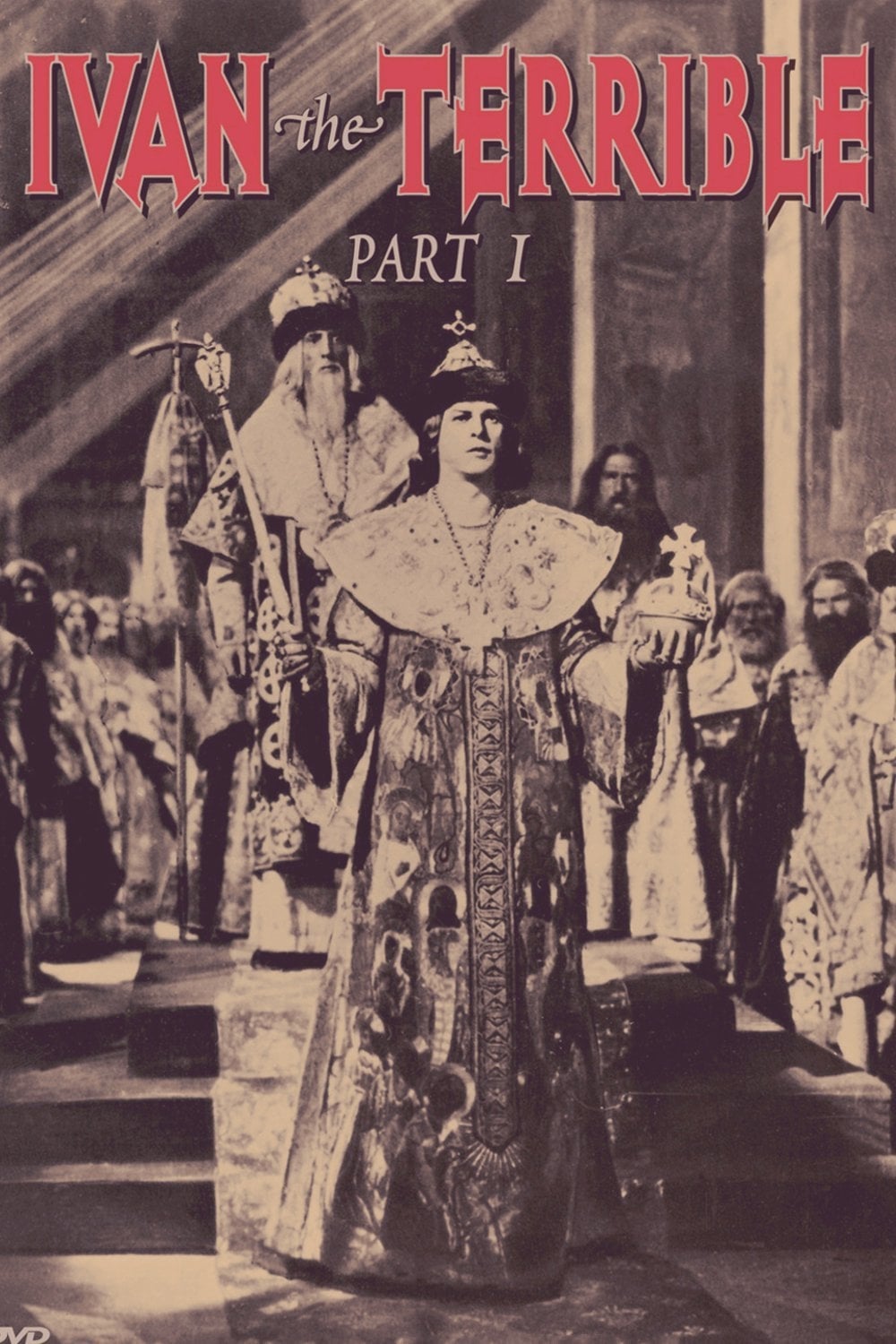
Set during the early part of his reign, Ivan faces betrayal from the aristocracy and even his closest friends as he seeks to unite the Russian people. Sergei Eisenstein's final film, this is the first part of a three-part biopic of Tsar Ivan IV of Russia, which was never completed due to the producer's dissatisfaction with Eisenstein's attempts to use forbidden experimental filming techniques and excessive cost overruns. The second part was completed but not released for a decade after Eisenstein's death and a change of heart in the USSR government toward his work; the third part was only in its earliest stage of filming when shooting was stopped altogether.
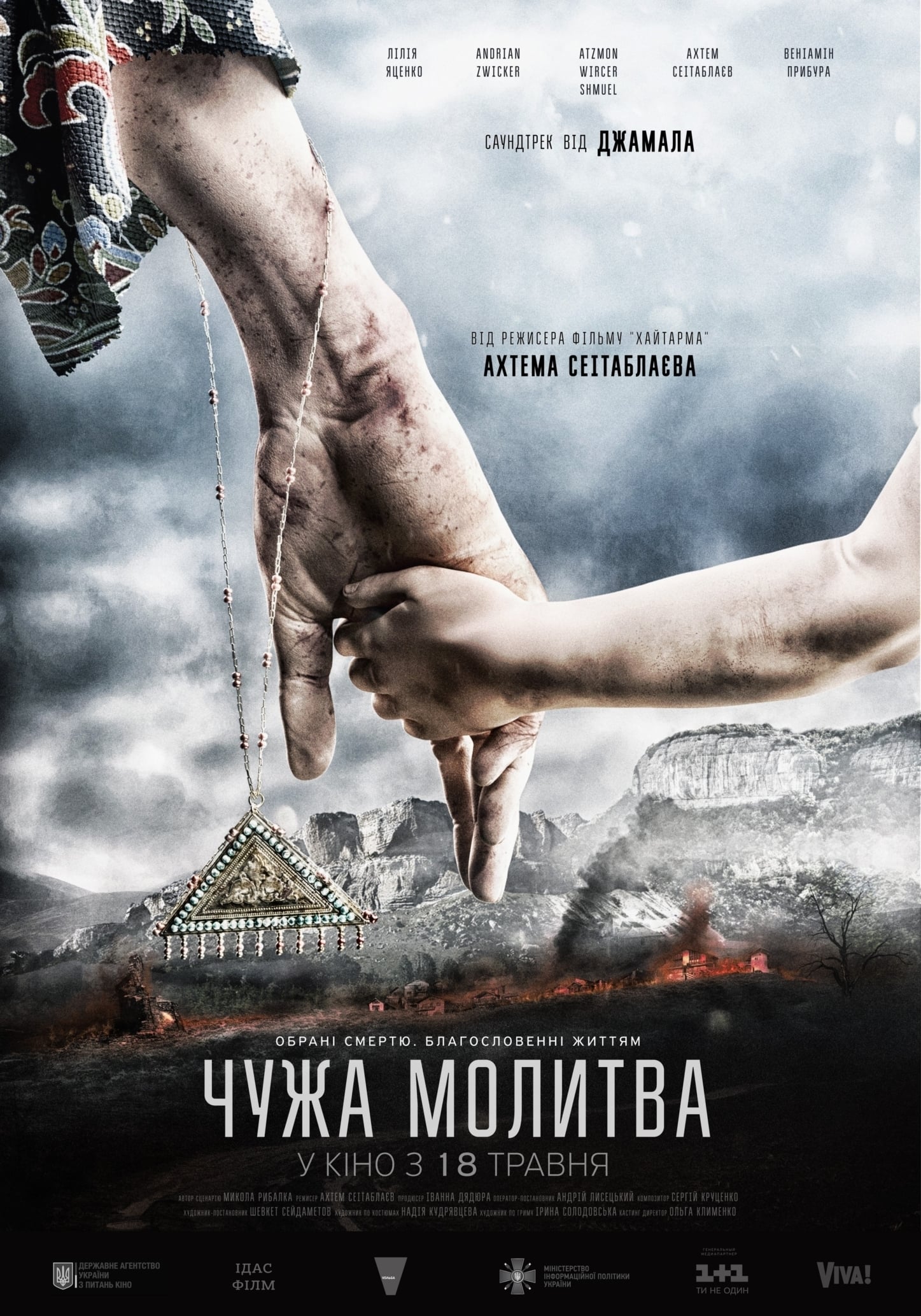
Nazi-occupied Crimea, 1944. A boy named Itzhak turns to Saide Arifova, a local Tatar Muslim woman, for help, explaining that he and a group of other Jewish orphans are hiding from the Nazis. Arifova faces a moral dilemma: should she try to help them or save herself by refusing? Despite the impending danger, she decides to protect the children by hiding them in plain sight, and disguising them as Tatars and adopting them into the local community.
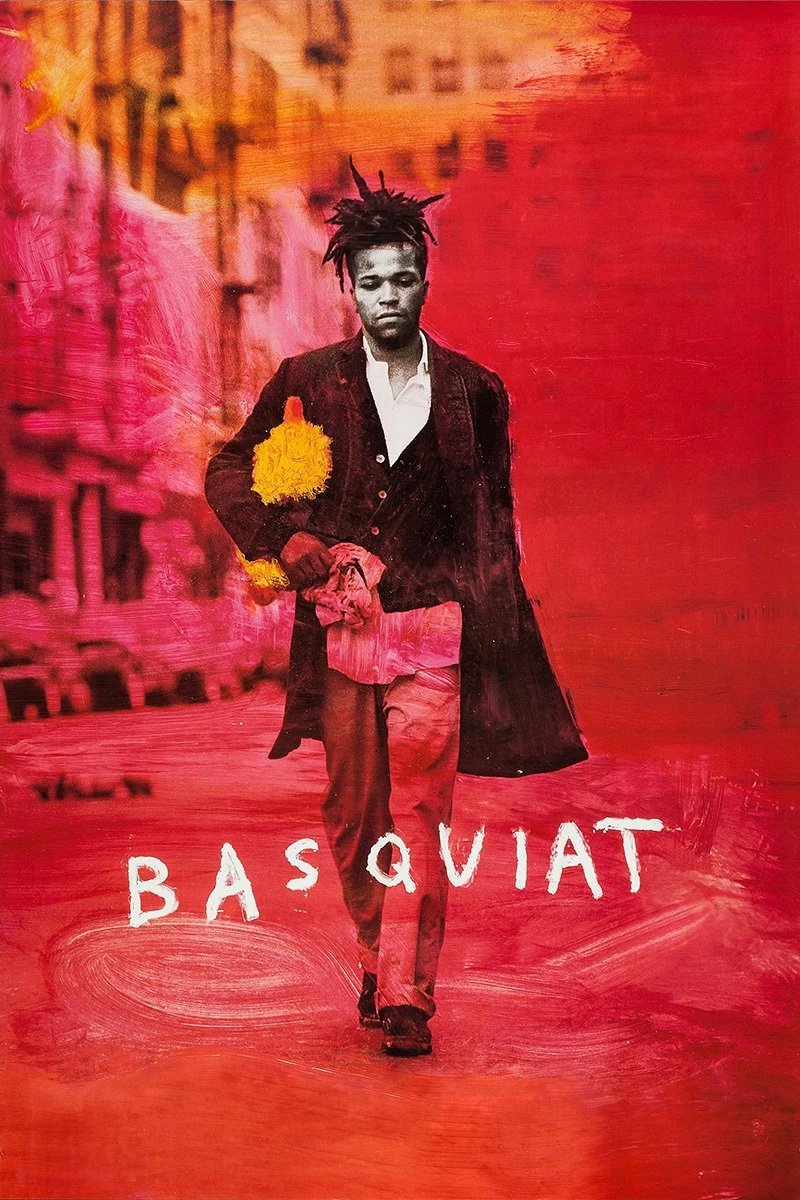
The brief life of Jean Michel Basquiat, a world renowned New York street artist struggling with fame, drugs and his identity.
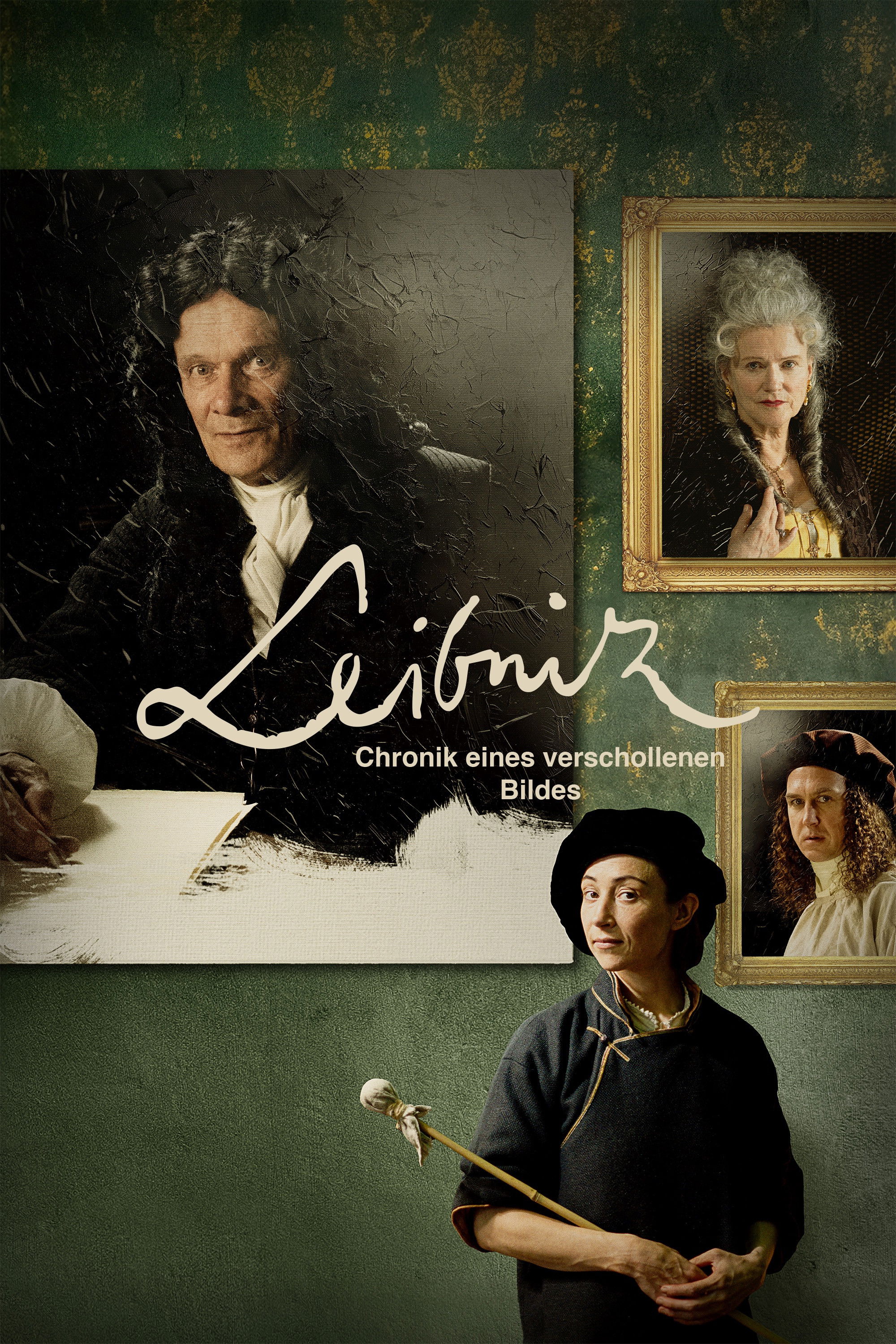
Out of her love for the great thinker Leibniz, Queen Charlotte commissions a portrait of him. During the portrait sessions, the philosopher and the young painter engage in a passionate struggle for truth in image and likeness, and ultimately for love and death.
A portrait of the artist as a "sublime demon with the archangel's face", with an innovative musique concrète soundtrack.
Director Claude Lanzmann spent 11 years on this sprawling documentary about the Holocaust, conducting his own interviews and refusing to use a single frame of archival footage. Dividing Holocaust witnesses into three categories – survivors, bystanders, and perpetrators – Lanzmann presents testimonies from survivors of the Chelmno concentration camp, an Auschwitz escapee, and witnesses of the Warsaw Ghetto Uprising, as well as a chilling report of gas chambers from an SS officer at Treblinka.
Filmmaker Alain Resnais documents the atrocities behind the walls of Hitler's concentration camps.
A documentary on the expletive's origin, why it offends some people so deeply, and what can be gained from its use.
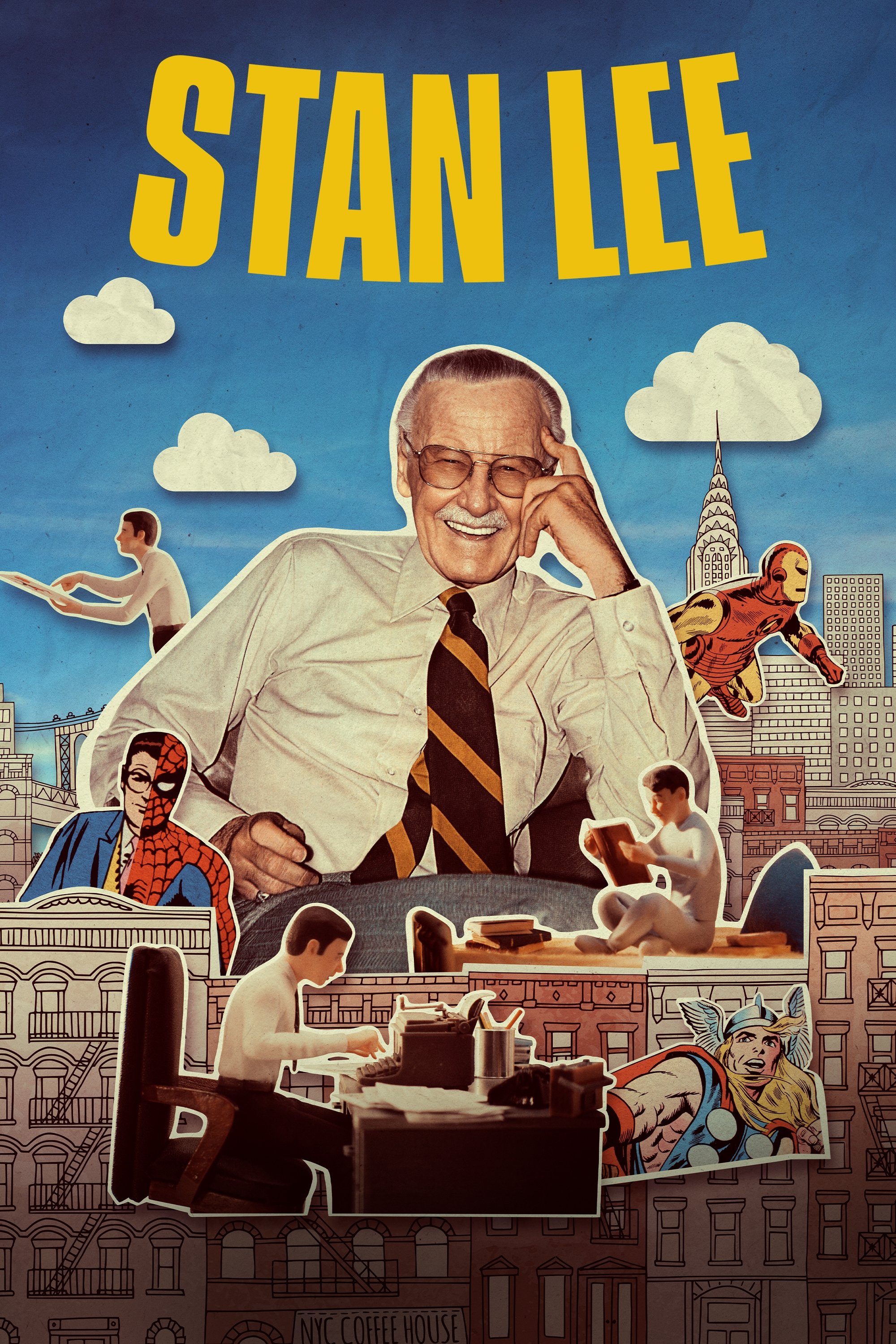
Celebrate the legacy of Stan Lee as the co-creator of such legendary characters as Fantastic Four, Iron Man, the X-Men, The Avengers, and hundreds more.
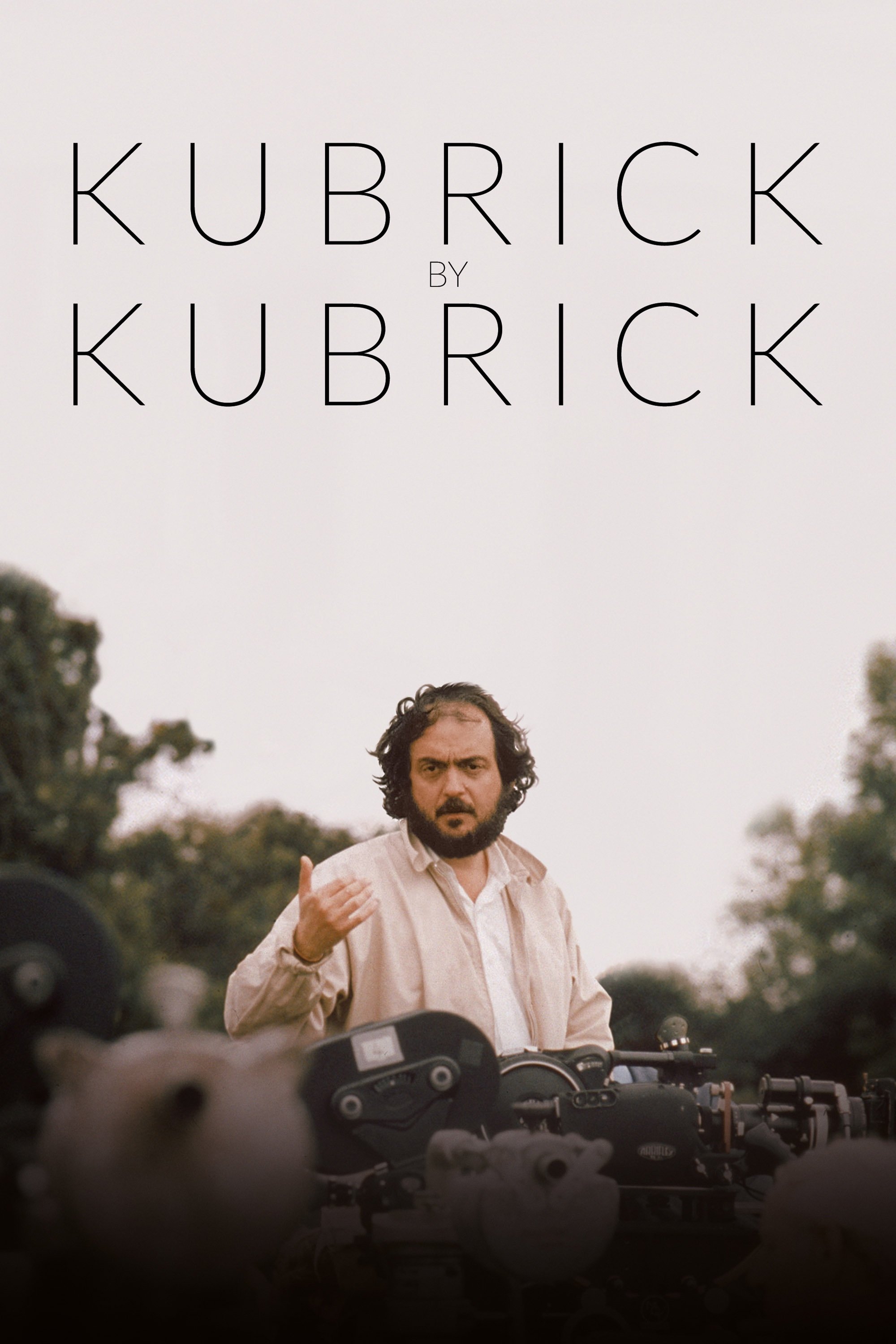
American filmmaker Stanley Kubrick (1928–1999), one of the greatest in history, but also one of the most reserved, gave few interviews throughout his long career, and none of them were filmed. A first-person journey through his life and work, based on a recorded conversation with French film critic Michel Climent.
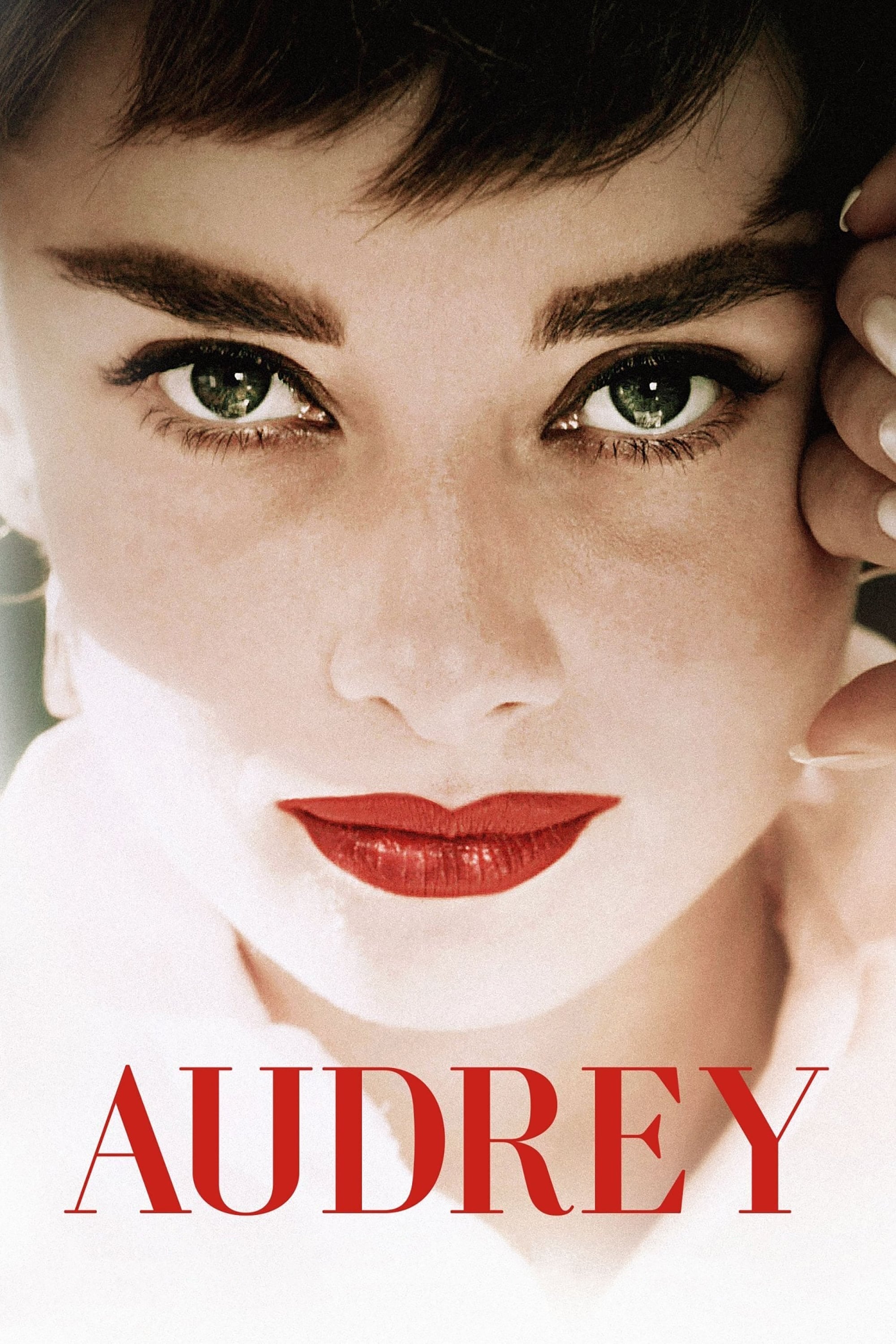
An unprecedented and intimate look at the life, work and enduring legacy of British actress Audrey Hepburn (1929-1993).
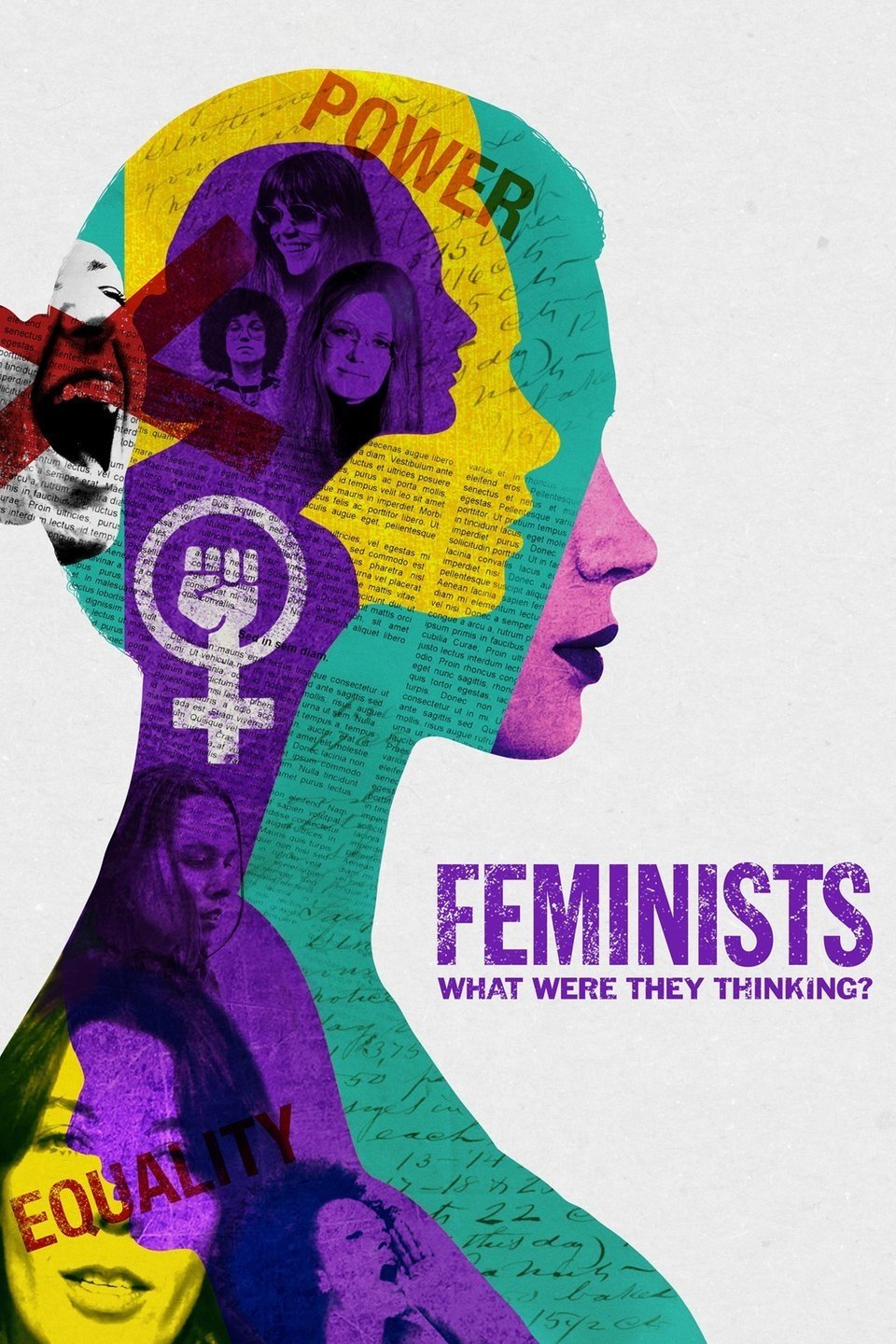
In 1977, a book of photographs captured an awakening - women shedding the cultural restrictions of their childhoods and embracing their full humanity. This documentary revisits those photos, those women and those times and takes aim at our culture today that alarmingly shows the need for continued change.
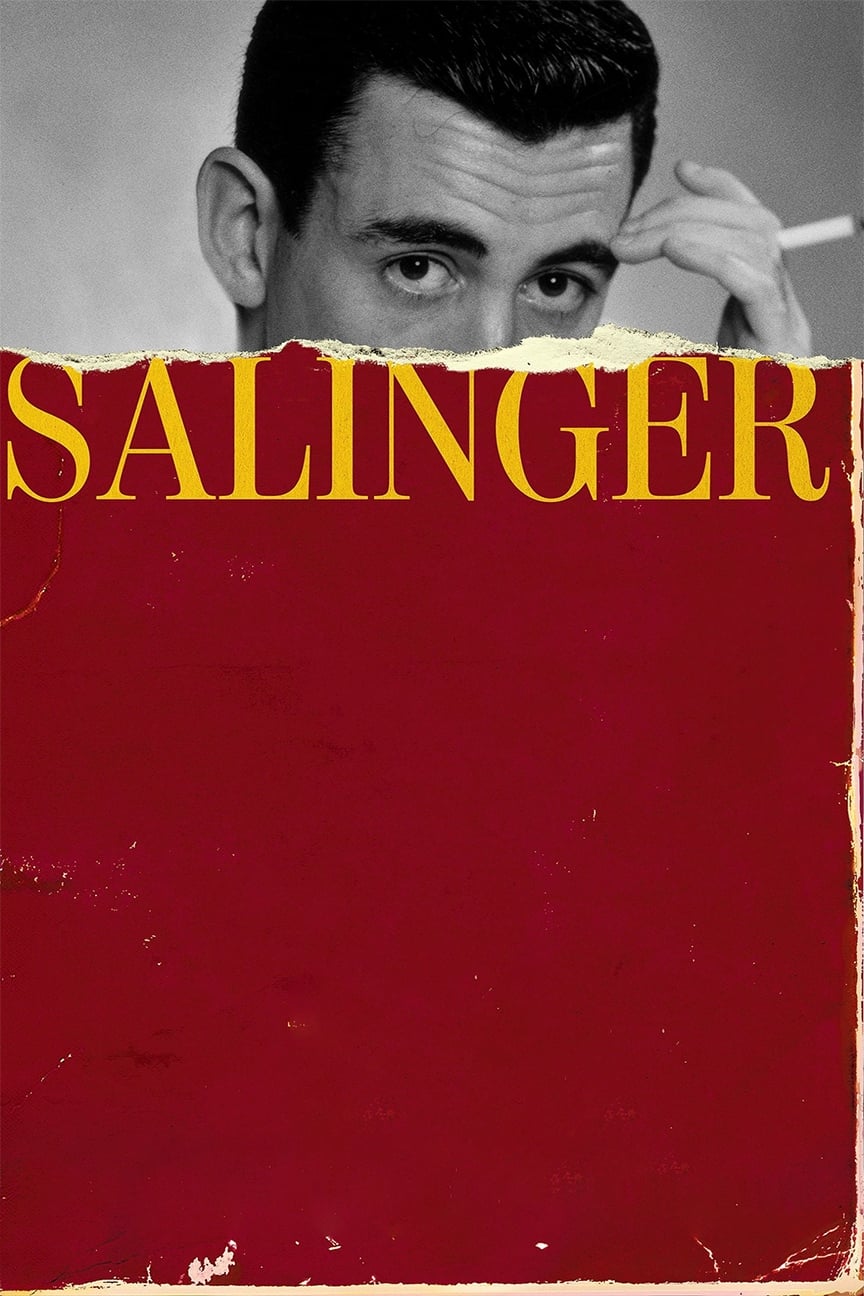
An in-depth investigation into the private world of the American writer J. D. Salinger (1919-2010), who lived most of his life behind the impenetrable wall of a self-imposed seclusion: how his dramatic experiences during World War II influenced his life and work, his relationships with very young women, his obsessive writing methods, his many literary secrets.
Director Michael Apted revisits the same group of British-born adults after a 7 year wait. The subjects are interviewed as to the changes that have occurred in their lives during the last seven years.
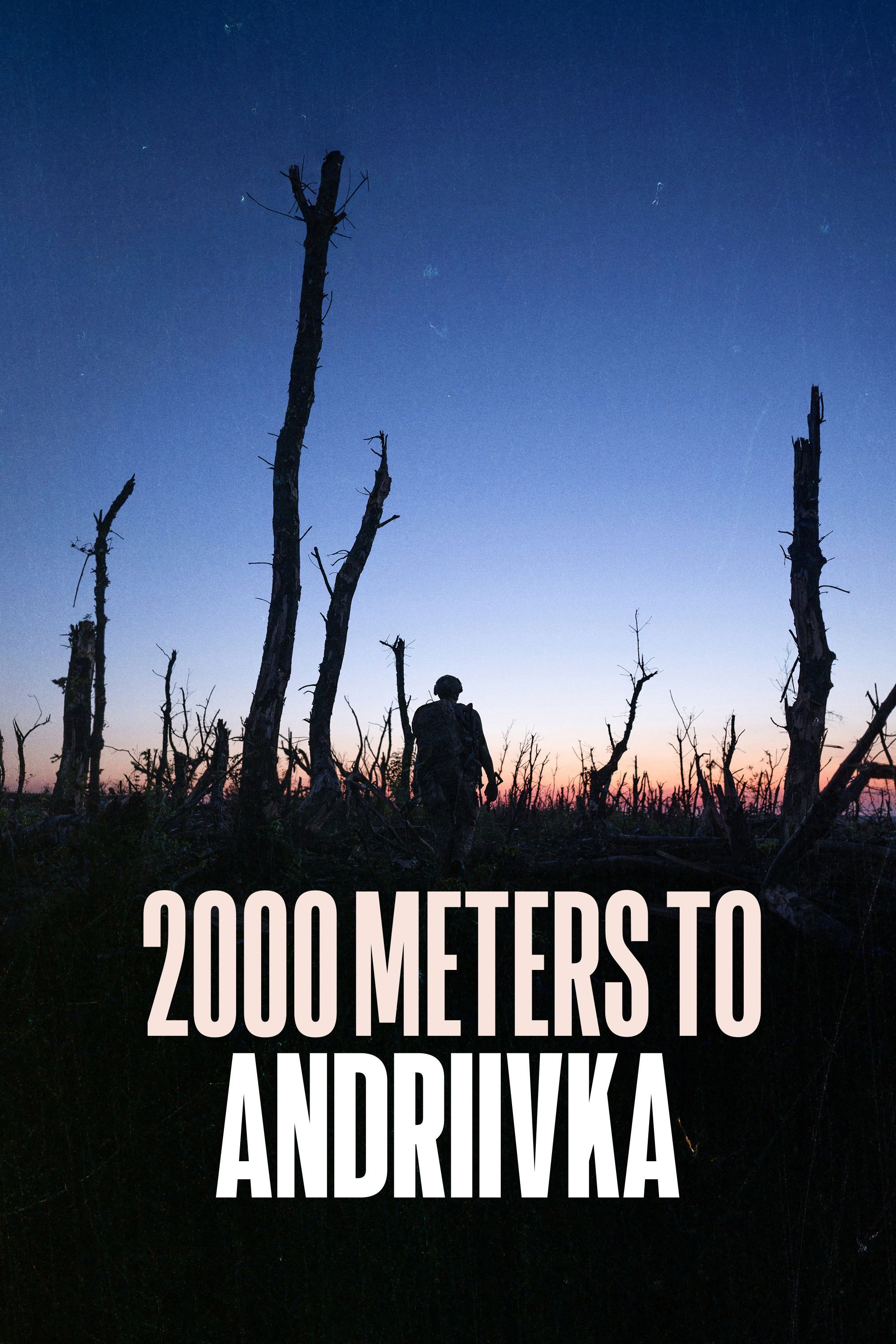
Amid the failing counteroffensive, a journalist follows a Ukrainian platoon on their mission to traverse one mile of heavily fortified forest and liberate a strategic village from Russian occupation. But the farther they advance through their destroyed homeland, the more they realize that this war may never end.
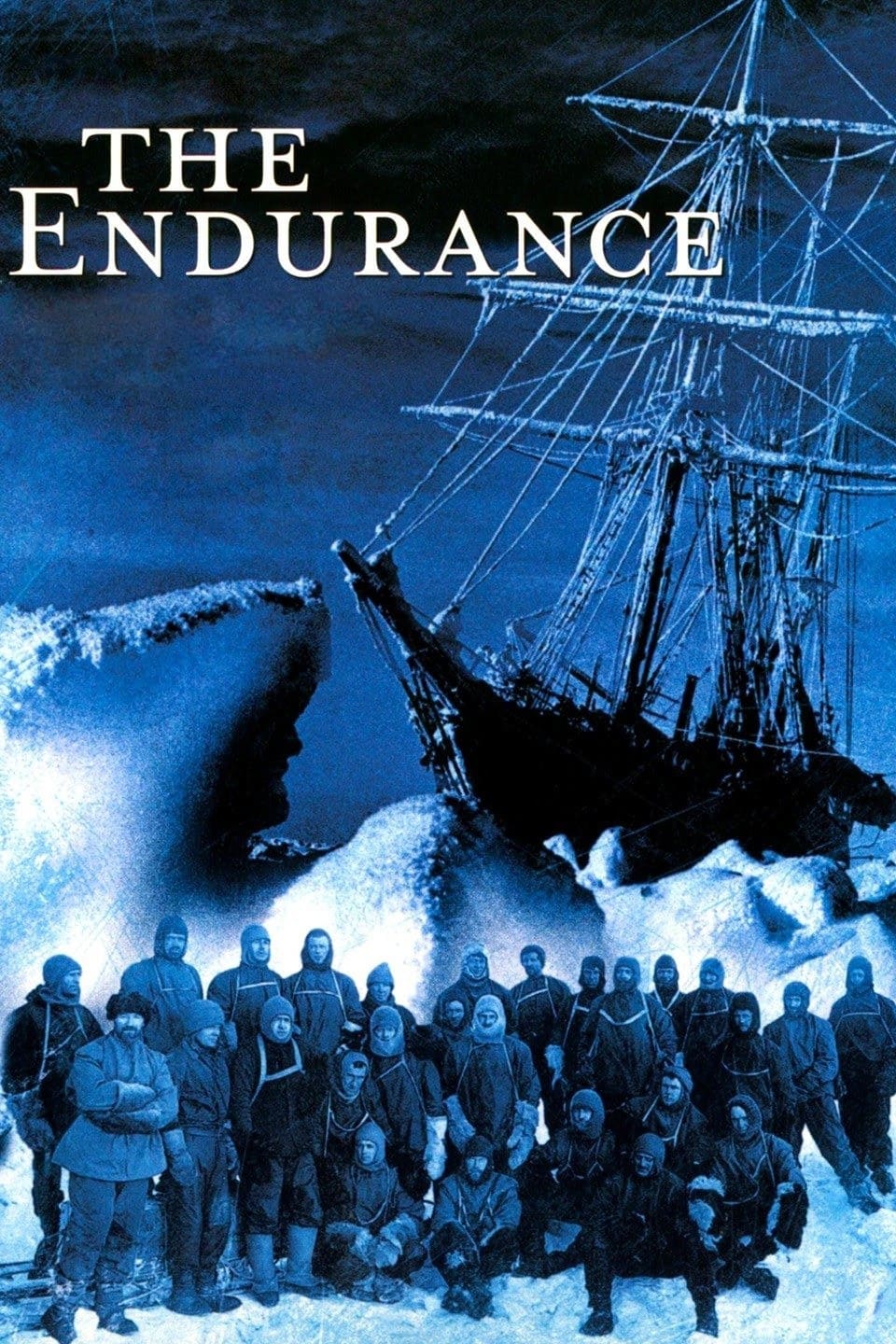
Documentary on the Shackleton Antartic expedition. A retelling of Sir Ernest Shackleton's ill-fated expedition to Antarctica in and the crew of his vessel 'The Endurance', which was trapped in the ice floes and frigid open ocean of the Antarctic in 1914. Shackleton decided, with many of his crew injured and weak from exposure and starvation, to take a team of his fittest men and attempt to find help. Setting out in appalling conditions with hopelessly inadequate equipment, they endured all weather and terrain and finally reached safety. Persuading a local team of his confidence that the abandoned team would still be alive, he set out again to find them. After almost 2 years trapped on the ice, all members of the crew were finally rescued.
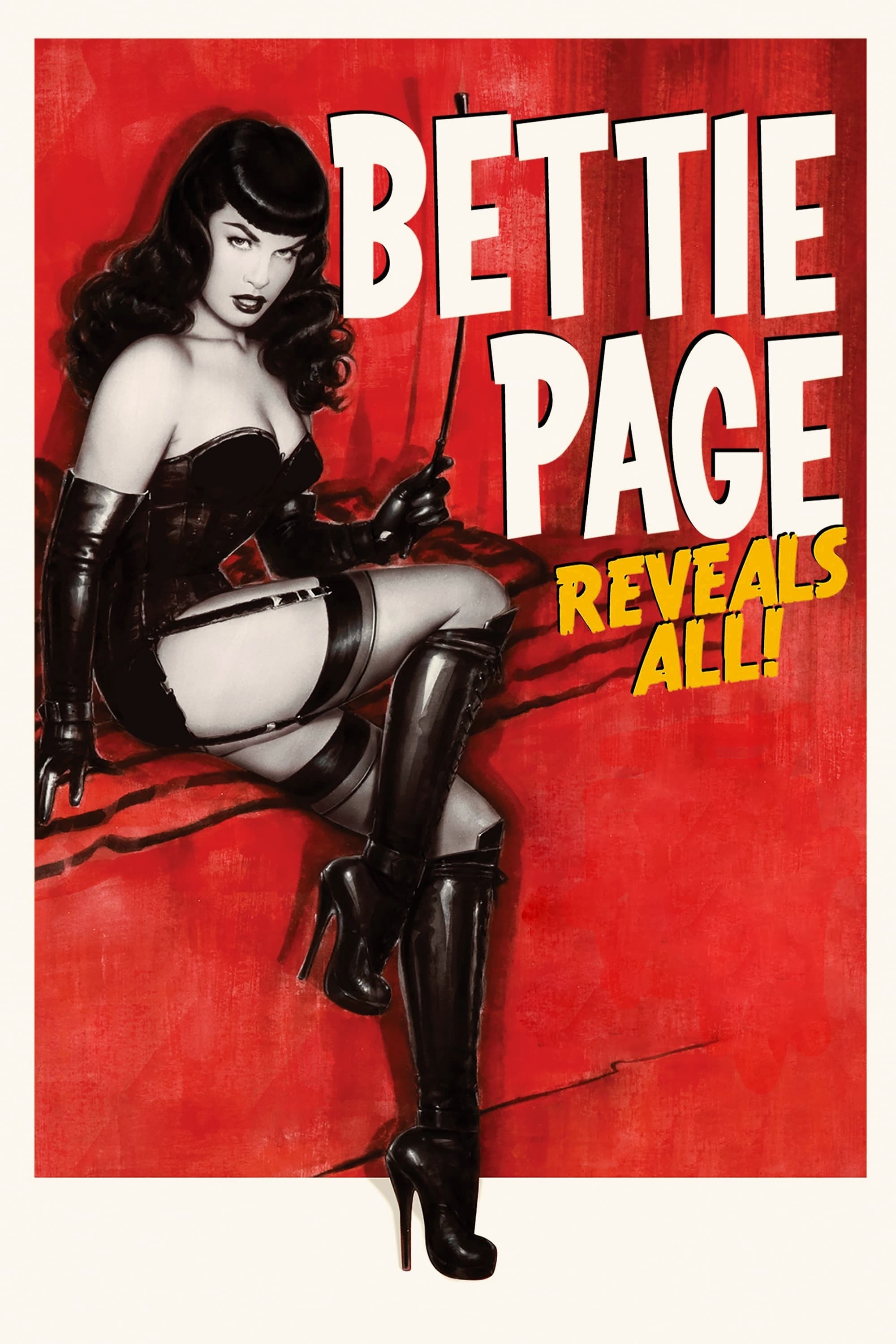
The world's greatest pin-up model and cult icon, Bettie Page, recounts the true story of how her free expression overcame government witch-hunts to help launch America's sexual revolution. When she saw the film The Notorious Bettie Page, produced by HBO in 2006, the main person concerned reacted unequivocally: “Lies! Lies!” In a long interview recorded shortly before her death, the woman who entered the collective unconscious as the ultimate pin-up gave her version of events to director Mark Mori. In a gravelly voice, Bettie Page tells her own story and lifts the veil on areas often hidden by images that have made so many men and women fantasize since the 1950s: her abused childhood, an eclipse that lasted forty years, her mental illness. Through testimonies and unpublished archives, this documentary brings back to life a body and a face endlessly declined before our eyes, just as Bettie wanted: “I would like people to remember me as I was in the photos.”
“The Soviet Story” is a story of an Allied power, which helped the Nazis to fight Jews and which slaughtered its own people on an industrial scale. Assisted by the West, this power triumphed on May 9th, 1945. Its crimes were made taboo, and the complete story of Europe’s most murderous regime has never been told. Until now...
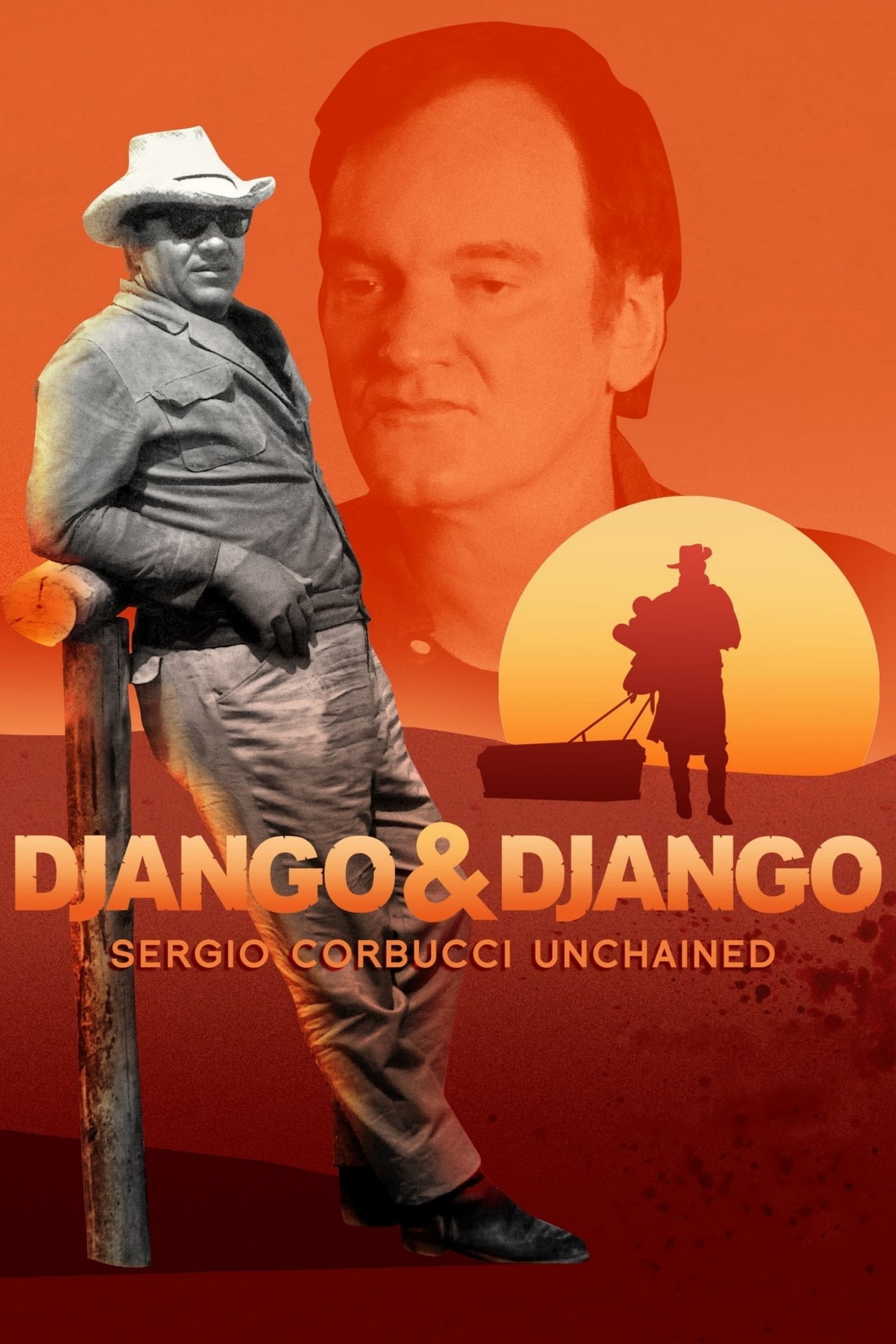
A tribute to Italian filmmaker Sergio Corbucci (1926-90), presented by American filmmaker Quentin Tarantino.
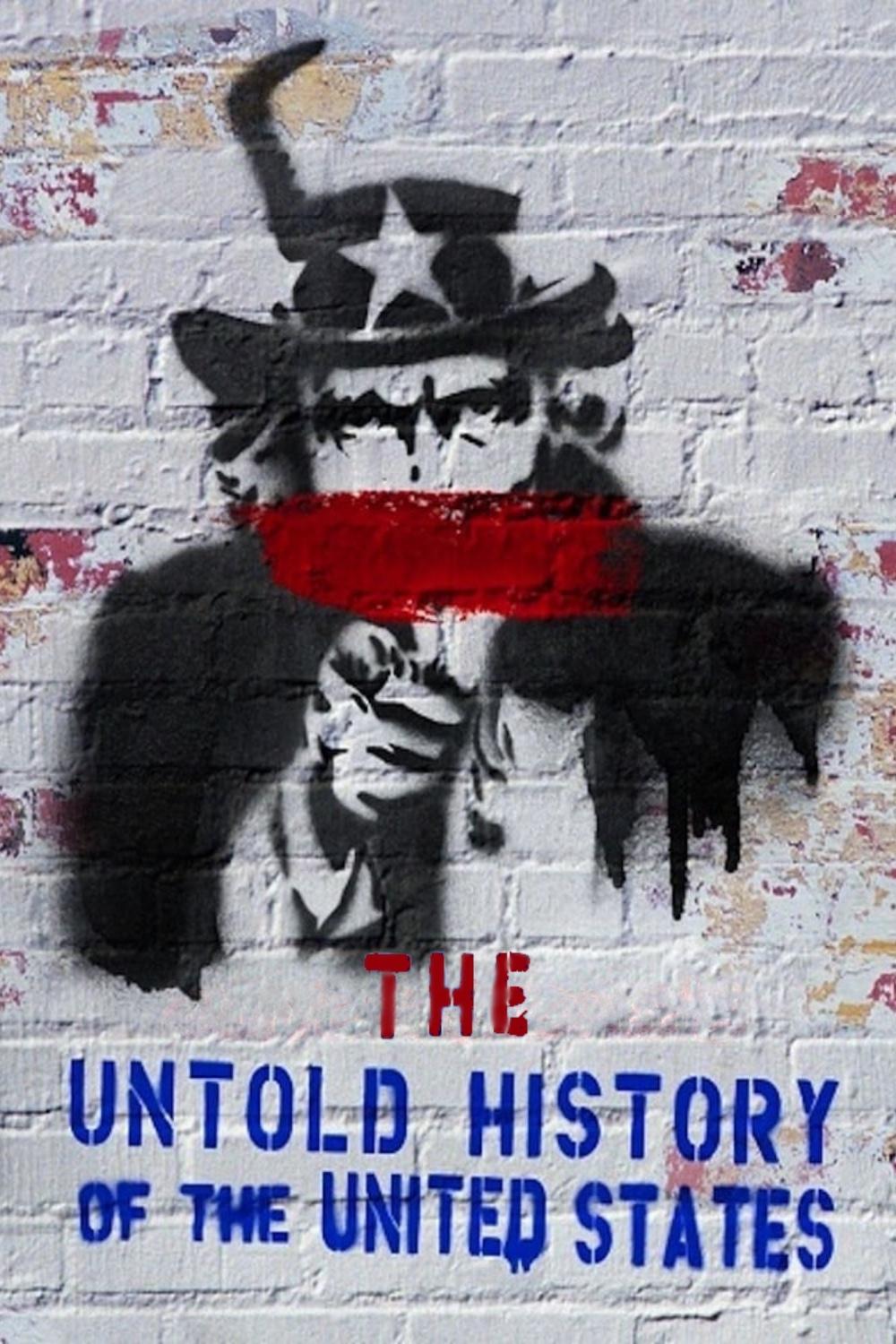
Oliver Stone charts the history of the United States from the Second World War to the present.
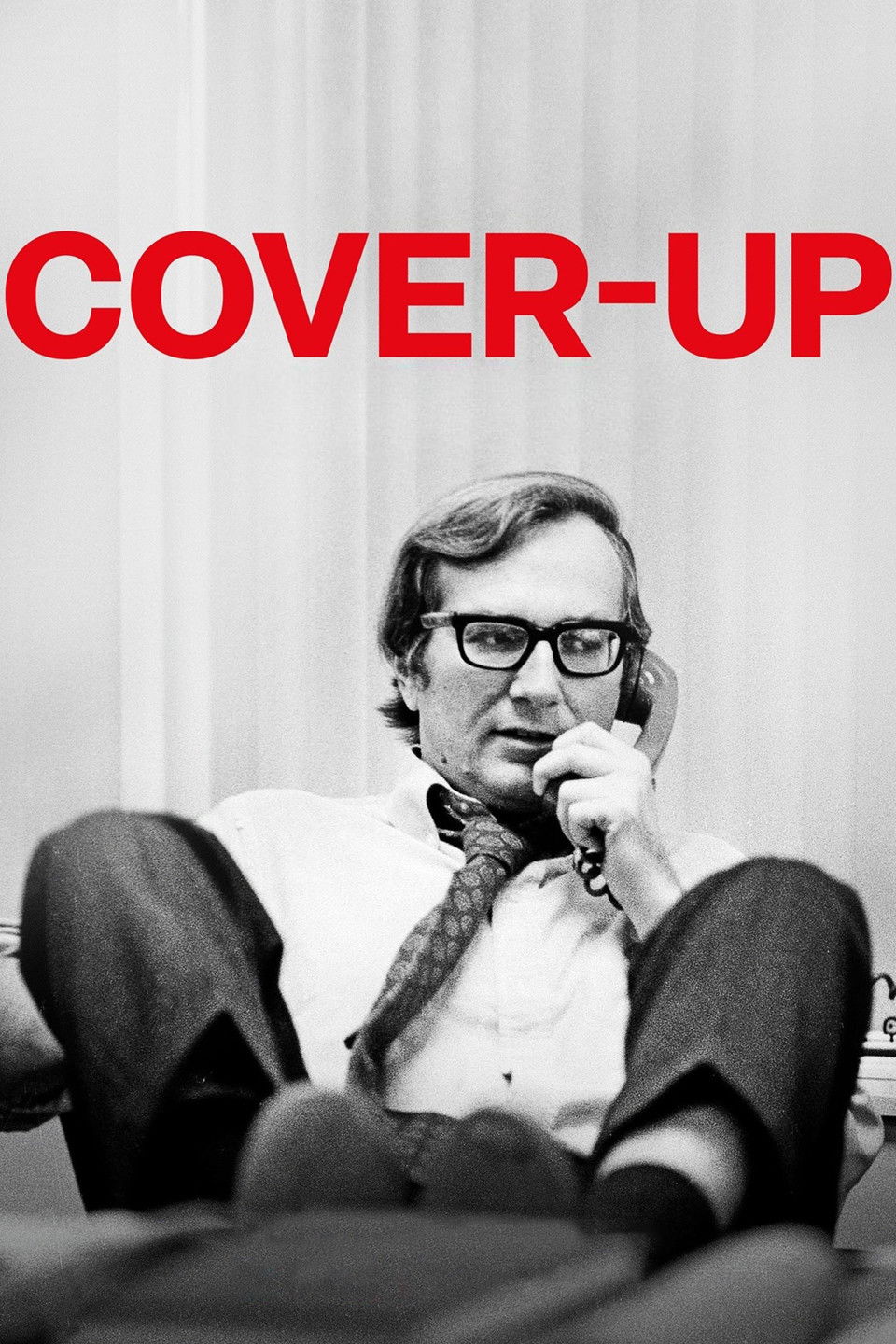
He's devoted his career to uncovering stories the powerful want buried. From My Lai to Abu Ghraib, dig into the life's work of journalist Seymour Hersh.
From a prolific career in film and television, Anton Yelchin left an indelible legacy as an actor. Through his journals and other writings, his photography, the original music he wrote, and interviews with his family, friends, and colleagues, this film looks not just at Anton's impressive career, but at a broader portrait of the man.
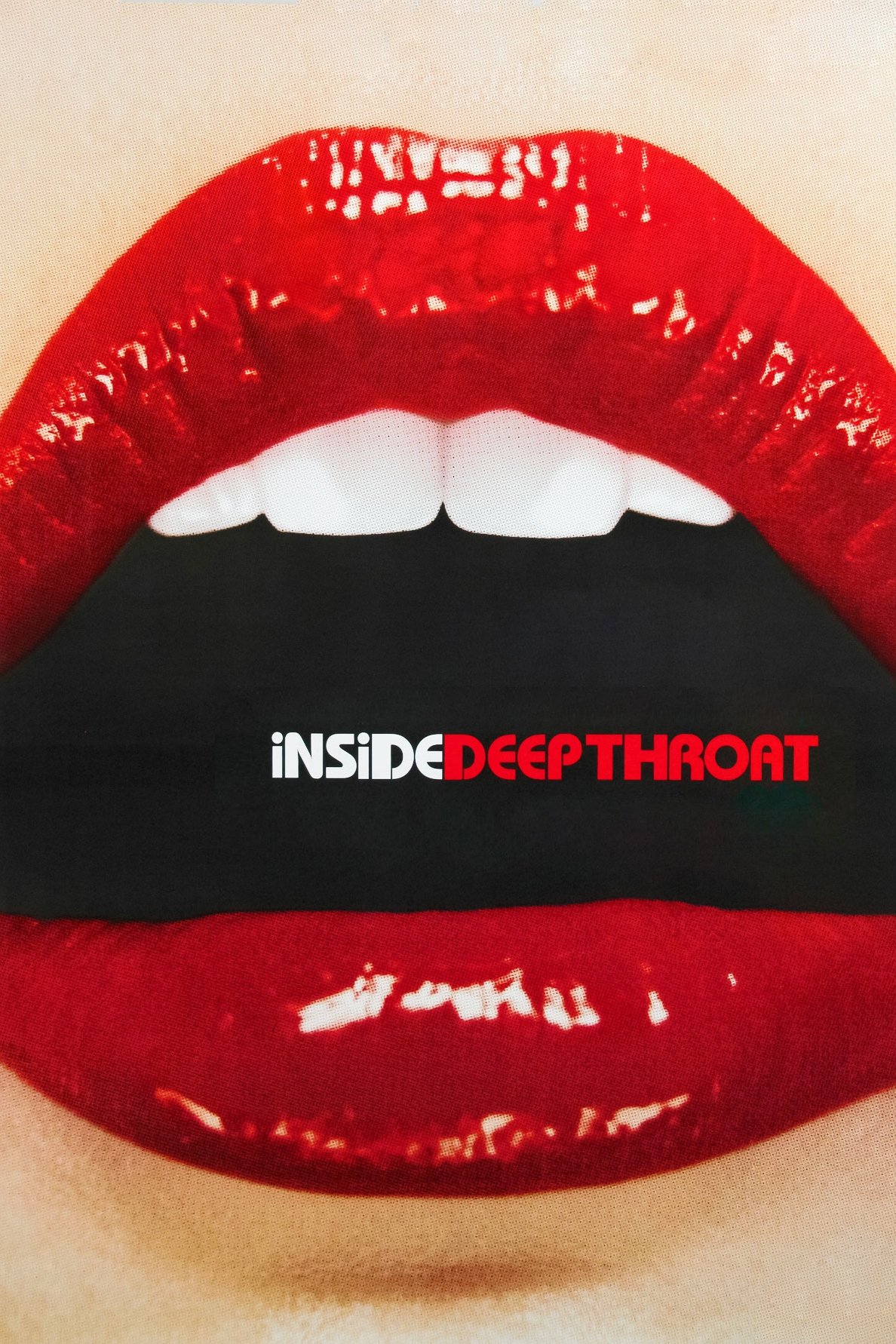
In 1972, a seemingly typical shoestring budget pornographic film was made in a Florida hotel: "Deep Throat," starring Linda Lovelace. This film would surpass the wildest expectation of everyone involved to become one of the most successful independent films of all time. It caught the public imagination which met the spirit of the times, even as the self-appointed guardians of public morality struggled to suppress it, and created, for a brief moment, a possible future where sexuality in film had a bold artistic potential. This film covers the story of the making of this controversial film, its stunning success, its hysterical opposition along with its dark side of mob influence and allegations of the on set mistreatment of the film's star.
The history of cinematic sound, told by legendary sound designers and visionary filmmakers.
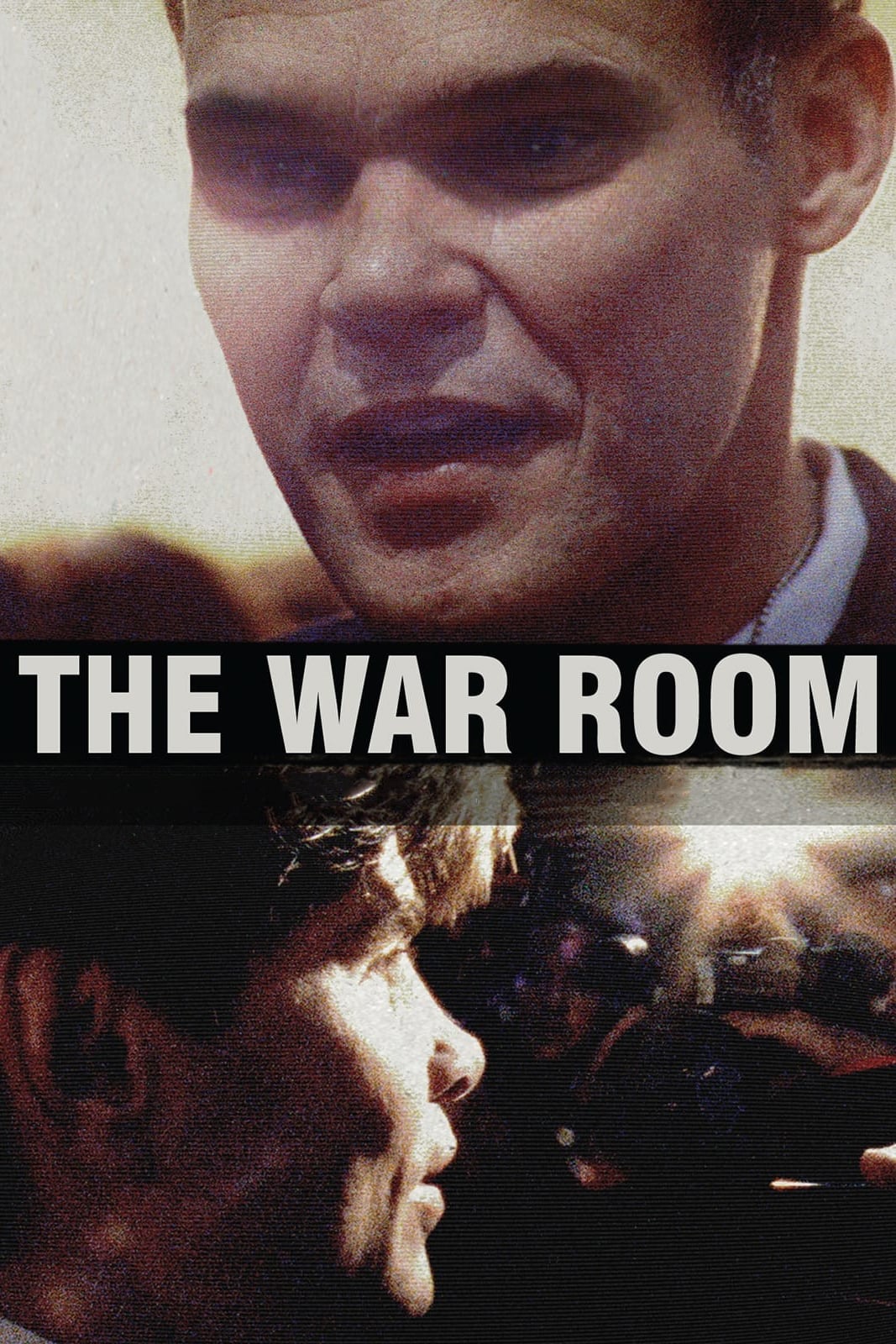
A behind-the-scenes documentary about the Clinton for President campaign, focusing on the adventures of spin doctors James Carville and George Stephanopoulos.