A meditation on the intersection of Afro-Caribbean and Indigenous American existence.
Social & External
The people behind it
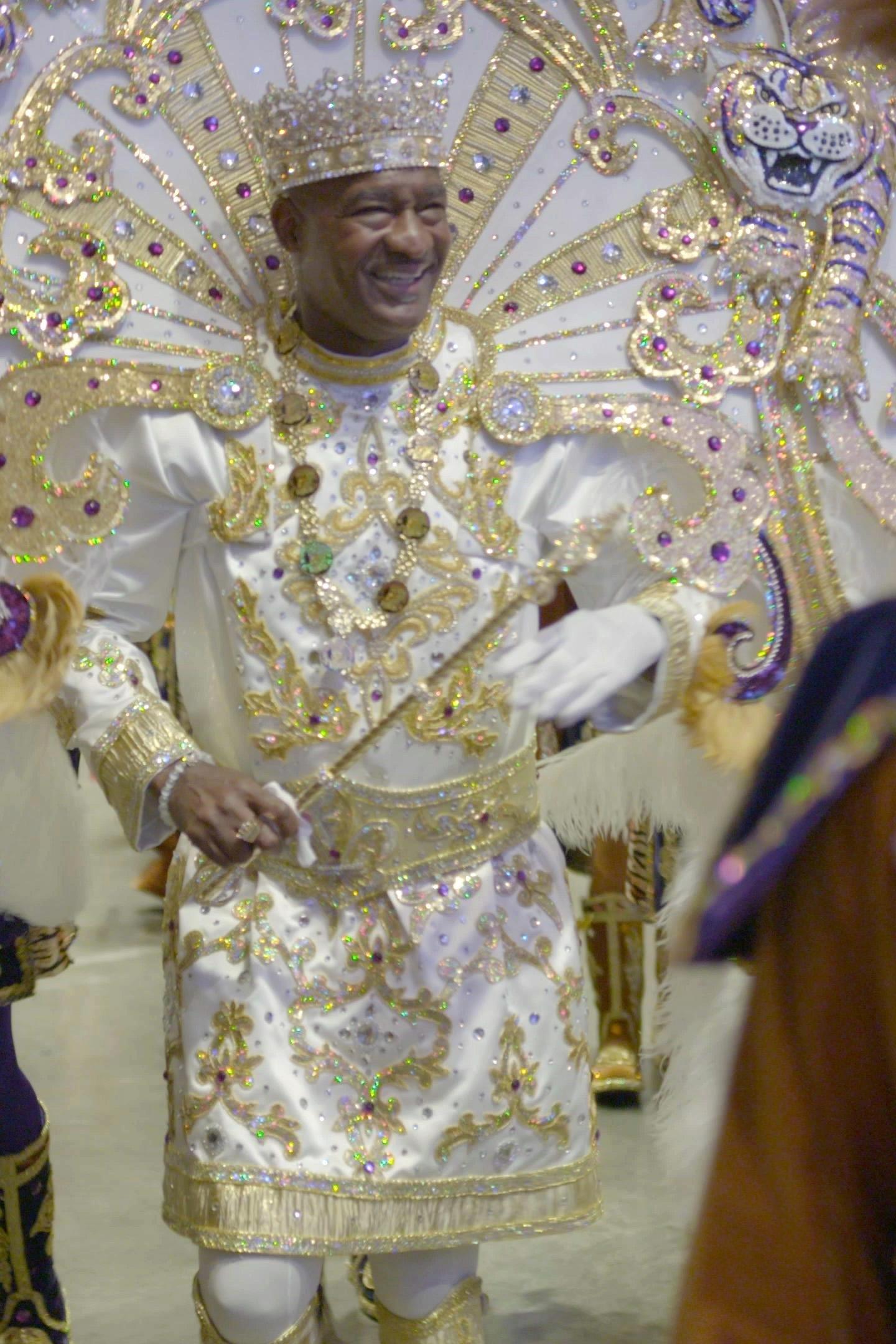
Follows members of the Zulu Club, New Orleans’ first Black Mardi Gras, as they work to bring the Zulu parade back to the streets for Mardi Gras Day 2022, in the face of a global pandemic, hurricane Ida and the loss of members due to COVID and gun violence.
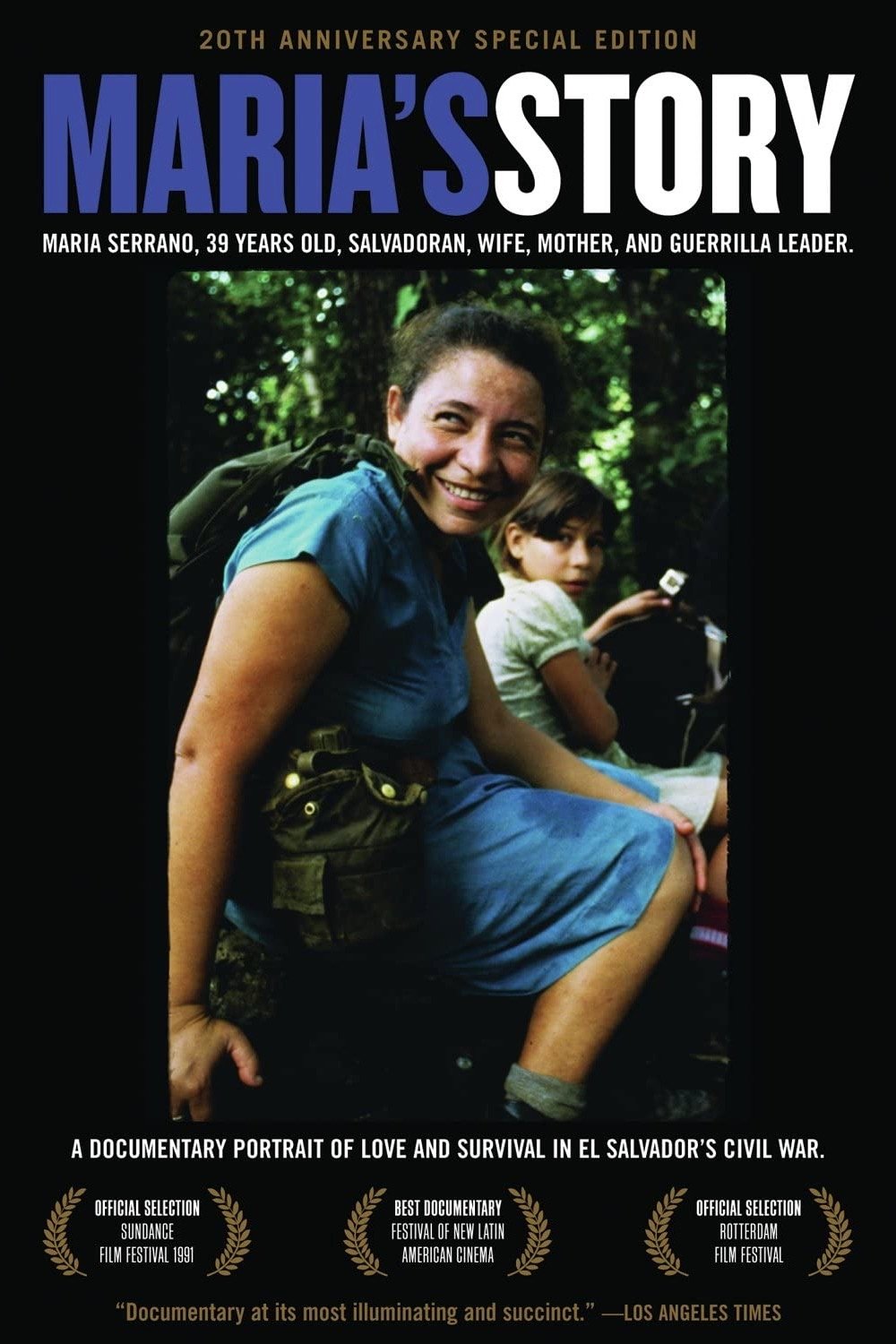
It is El Salvador, 1989, three years before the end of a brutal civil war that took 75,000 lives. Maria Serrano, wife, mother, and guerrilla leader is on the front lines of the battle for her people and her country. With unprecedented access to FMLN guerrilla camps, the filmmakers dramatically chronicle Maria's daily life in the war.
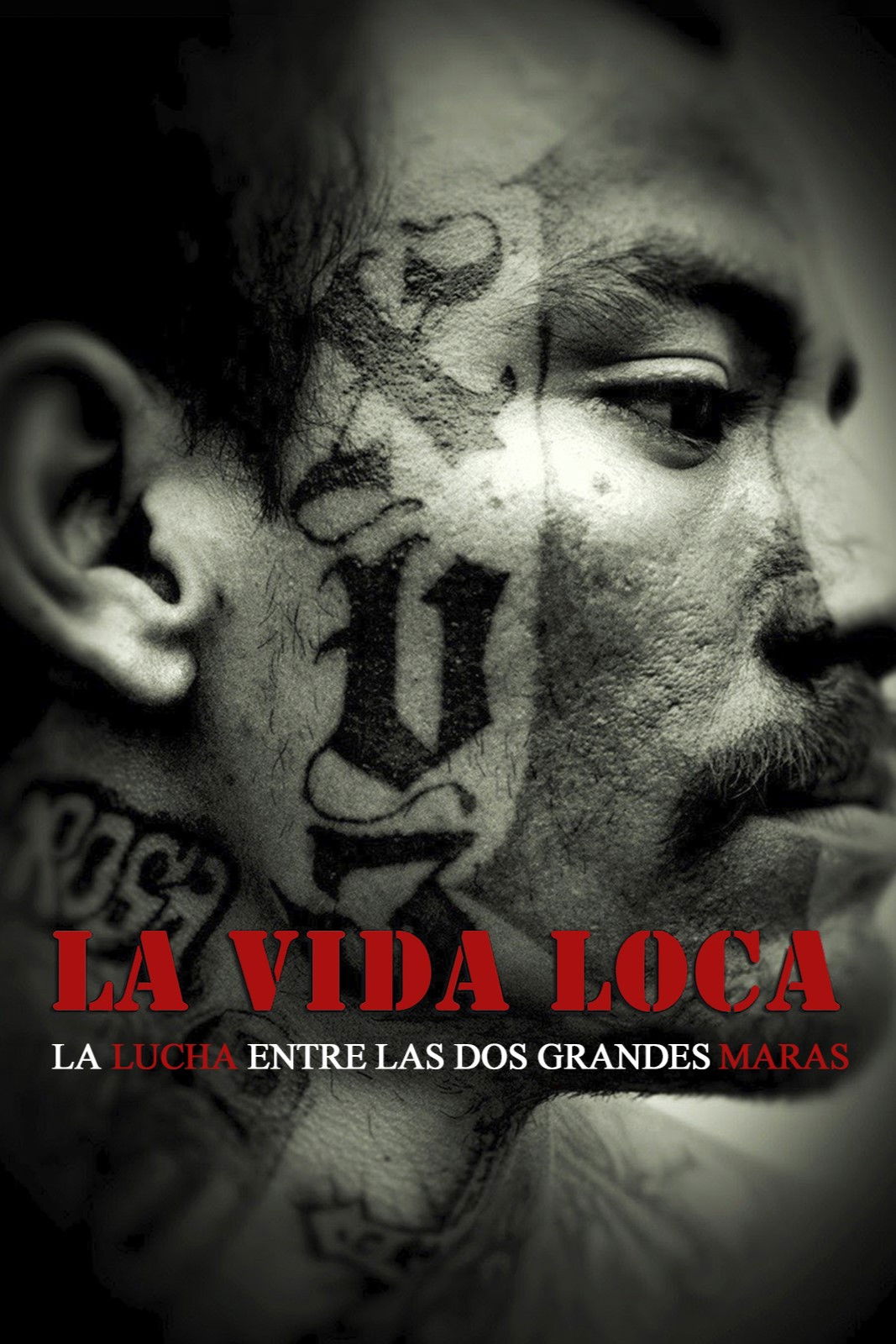
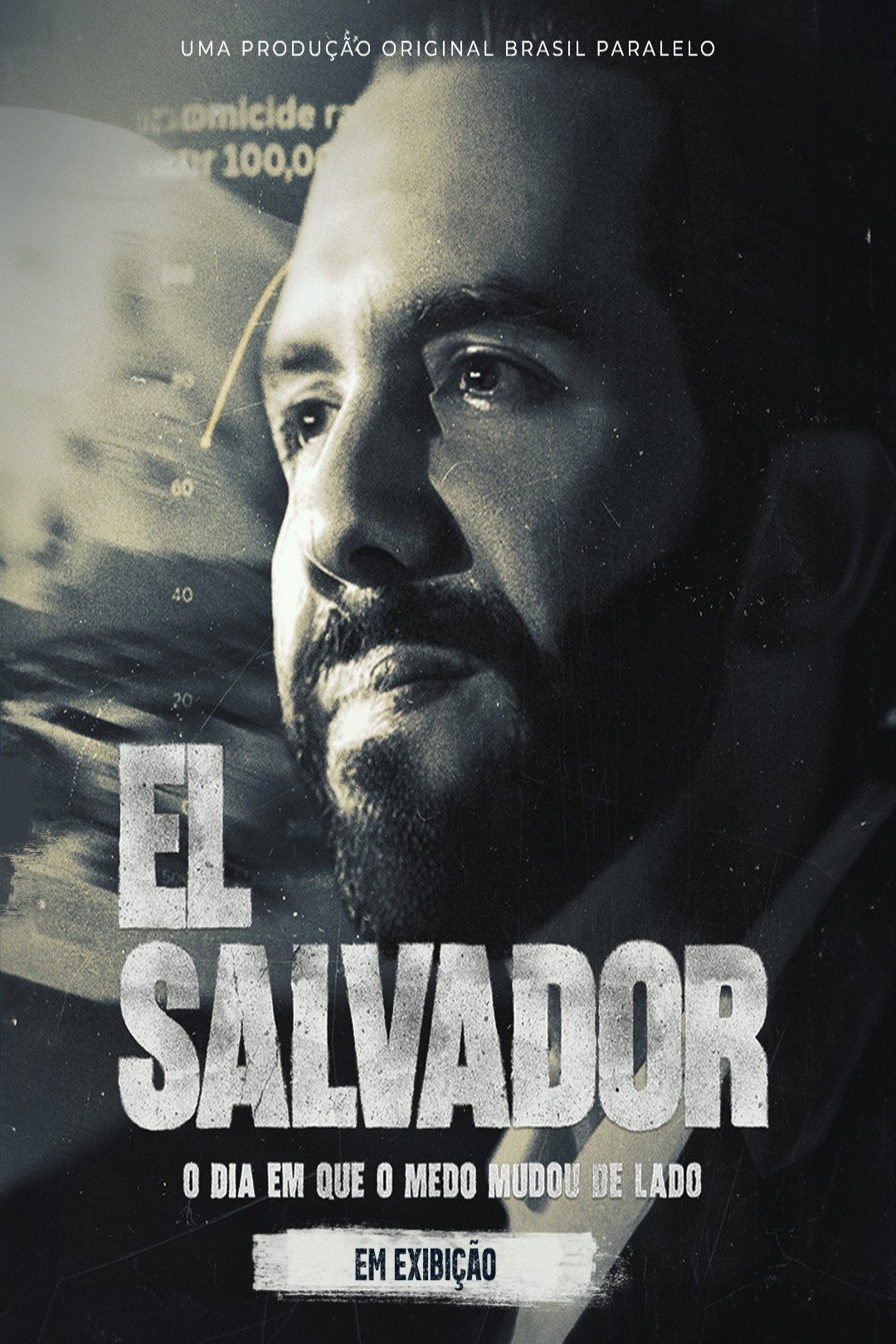
A documentary about the rival gangs Mara 18 and Mara Salvatrucha, originating in Los Angeles but terrorizing El Salvador. It explores their origins as possible founding myths of organized crime in a globalized world.
Filmed by Guillermo Escalón in July 1981, it shows daily life in territories under guerrilla control in the Francisco Sánchez Northeastern Front, Department of Morazán,
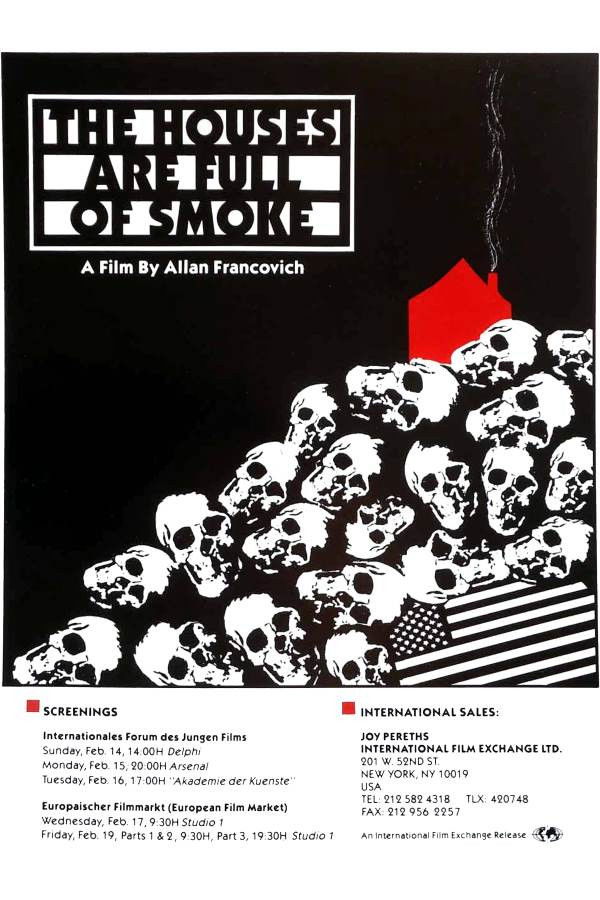
This documentary juxtaposes scenes of El Salvador's opposition factions, including U.S. government advisors and government troops, and guerrillas and their sympathizers.
Since August 2024, in Martinique, a popular protest movement against the high cost of living has been reemerging under the leadership of the RPPRAC (Rassemblement Pour La Protection Des Peuples Et Des Ressources Afro-Caribéens – Gathering for the Protection of Afro-Caribbean Peoples and Resources). On the island, food prices are on average 54% higher than in mainland France.* Through various cultural figures, the people of Martinique are expressing their anger and seeking concrete solutions. *Source: Kiprix, Price comparison between supermarkets in the French overseas territories and mainland France.
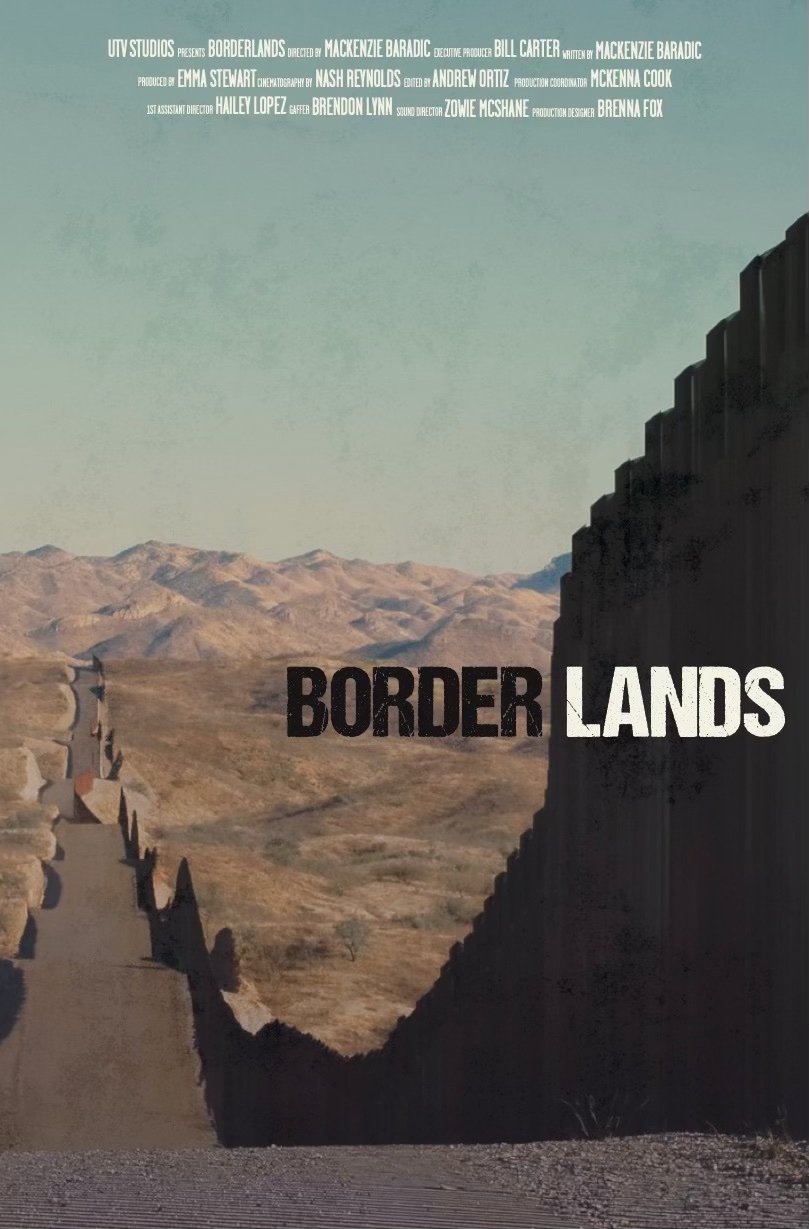
Fleeing the 1980 Civil War in El Salvador, Dora Rodriguez, among a group of twenty-five asylum seekers, were abandoned by their guide and left to fend for themselves in the relentless Sonoran desert of Arizona.
It documents the civil war in El Salvador, in its first 8 years, as well as the political movements, and the human rights violations that occurred.
Filmed during the Salvadoran civil war, La luz que te decía documents the struggles of the country’s labor and trade union movement amid escalating political violence. Through strike footage, congress meetings, marches, and first-person testimonies, the film portrays a society marked by state repression, workers’ mobilization, and efforts to build national and international solidarity. The documentary pays particular attention to the strike of the National Water Authority workers (ANDA), featuring members of the SETA union who describe the causes of the protest, the repression they faced, and the survival strategies adopted during the conflict. Testimonies from other unions, grassroots organizations, and international labor groups broaden the film’s perspective beyond a single labor dispute.
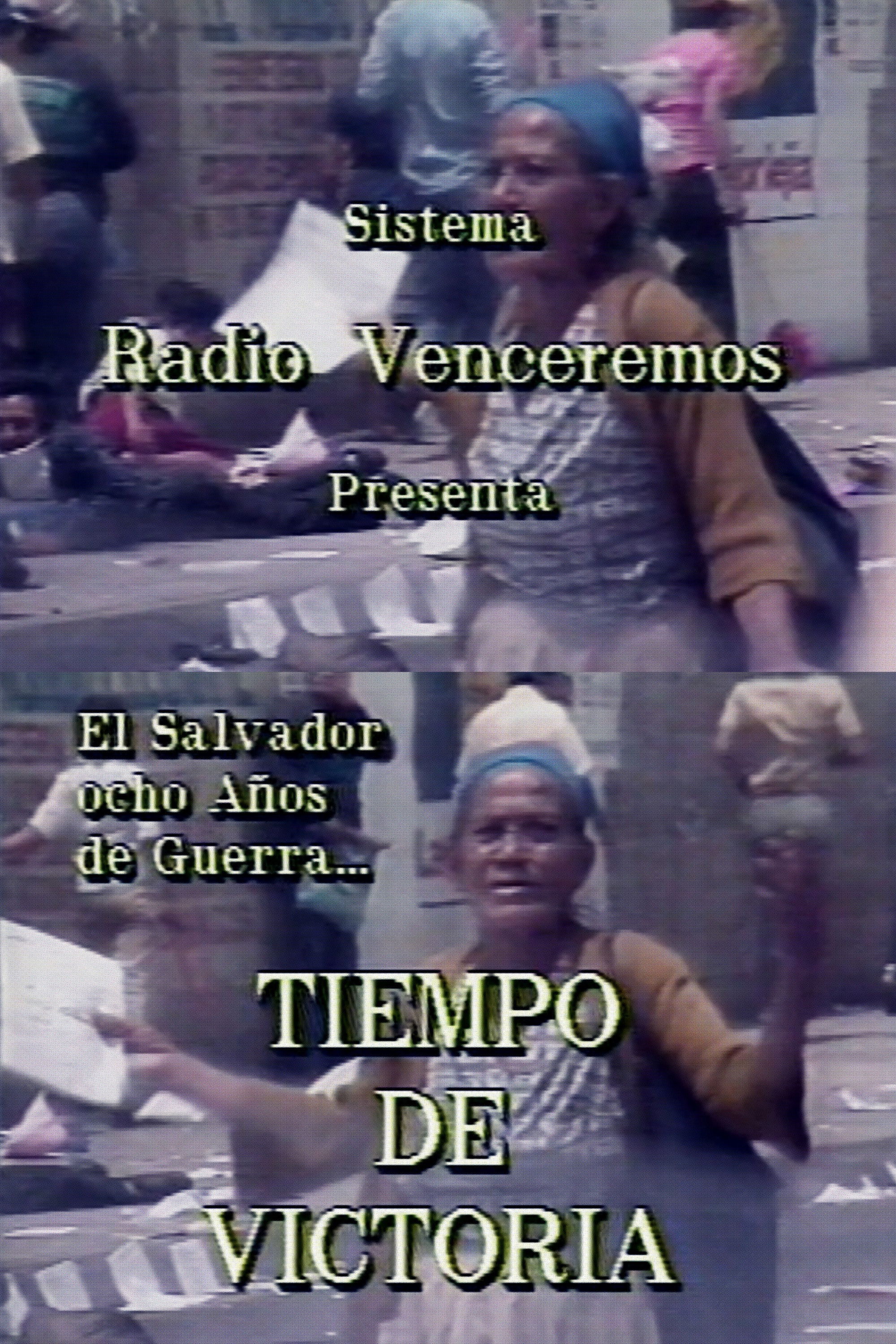
Produced by the Radio Venceremos System, chronicles the first decade of the guerrilla broadcaster that became a crucial communication tool for the FMLN during El Salvador’s civil war. Through archival footage, radio transmissions, testimonies, and scenes of daily life in liberated zones, the film traces the station’s military, political, and cultural role, from reporting on combat operations and peasant struggles to fostering literacy, music, and international solidarity. The documentary portrays Radio Venceremos not only as a strategic instrument of war, but as a symbol of resistance, collective organization, and revolutionary memory.
A production by Radio Venceremos in 1992. The documentary's central objective is to showcase Radio Venceremos' new role after the end of the armed conflict, portraying it as a radio station that would continue serving the needs of the Salvadoran people. The documentary includes some of Radio Venceremos' broadcasts during the Salvadoran peace process.
This documentary examines the formation of labor unions in El Salvador and the systematic violations of workers’ rights that characterized the country during the 1980s. Through testimonies and on-the-ground footage, it exposes the climate of employer authoritarianism and repression faced by workers, situating these conflicts within a broader history of social unrest that dates back to the 1930s and re-emerged with intensity in the 1980s. The film also depicts how the guerrilla movement carried out campaigns of political and labor awareness among peasants and workers, encouraging collective organization and the defense of labor rights. Ultimately, the documentary reveals the “two faces” of El Salvador: on one side, state power embodied by the army and the police; on the other, the opposition represented by guerrilla forces and grassroots popular organizations.
Years after the Salvadoran military destroyed the village of Cinquera in that country’s civil war, survivors have returned to rebuild their community. Soulful, beautifully rendered, this amazing debut is an evocative testament to place, memory and the power of life to rebound from tragedy.
An experimental short film about a day in the life of a barefoot boy who sells newspapers in San Salvador.
In El Salvador, Chelino tells about the indigenous massacre of 1932, of which he survived, while he teaches the melodies of traditional Salvadoran dances.
The battle of El Salvador and its revolutionary history, from the time of the Spanish conquest and colonization, to the insurgency of the 80s, approached by a Puerto Rican filmmaker immersed in the conflict. Depicts a host of F.M.L.N. guerrillas marching forth from Monte Alzaco, the spiritual home of Salvadoran resistance.
January 22, 1932. An unprecedented peasant uprising erupts in western El Salvador, as a group of Latino and indigenous peasants cut army supply lines, attack a military garrison, and take control over several towns. Retribution is swift. After three days, the army and militias move in and, in some villages, slaughter all males over age 12. Elsewhere, they summarily execute anyone suspected of having a link to the Communists. Over the next few weeks, 10,000 people are massacred.
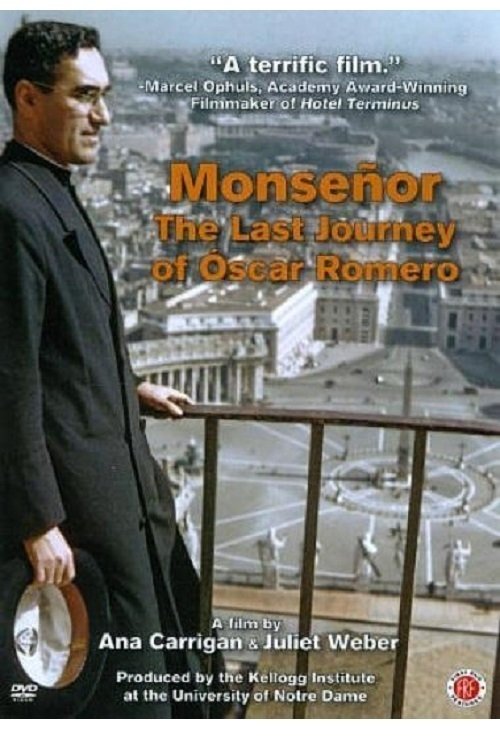
Using rare footage from his own collection as well as interviews and photographs, this documentary profiles Óscar Romero, the Salvadoran priest whose championing of the poor and downtrodden against a corrupt government made him a global hero.
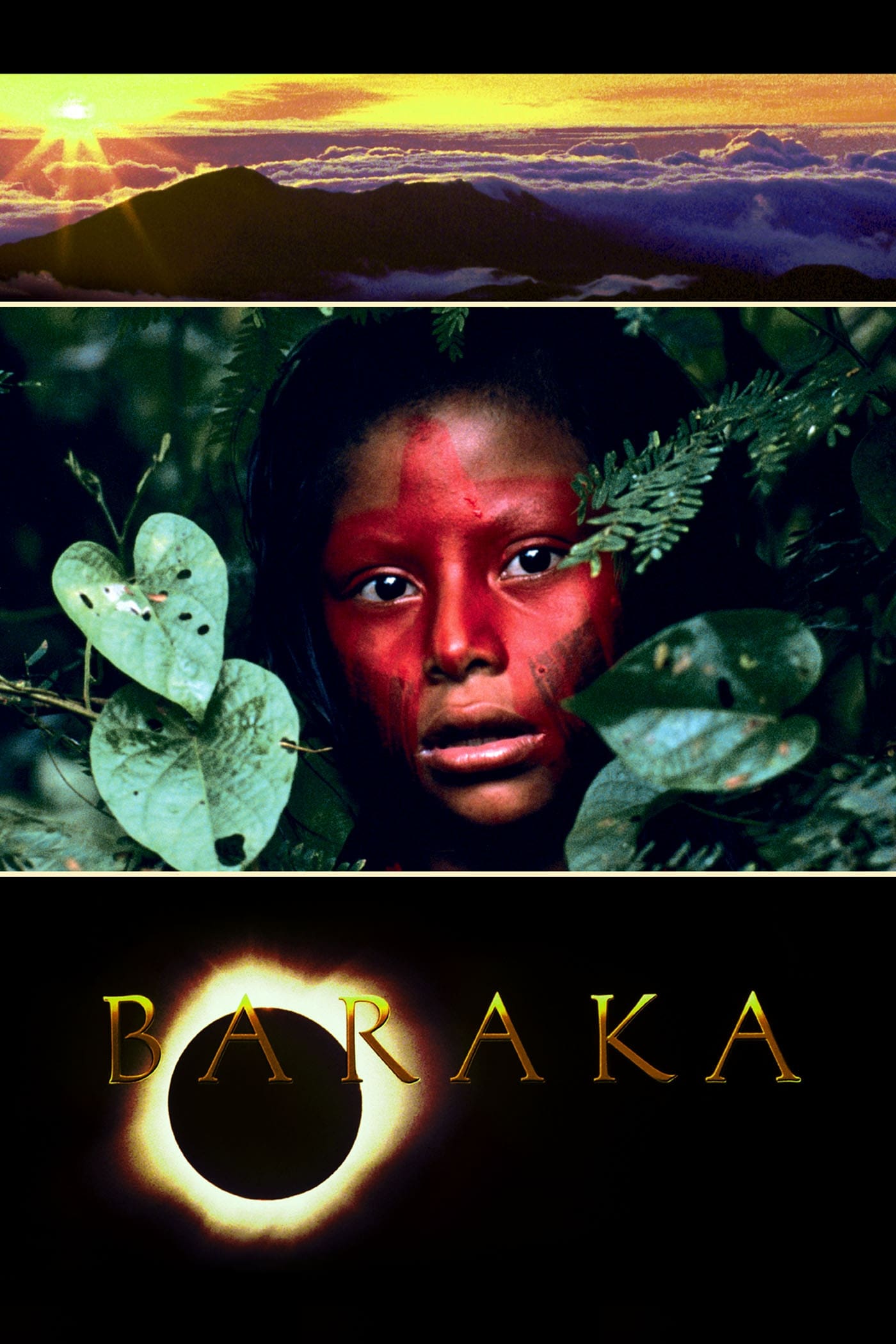
A paralysingly beautiful documentary with a global vision—an odyssey through landscape and time—that attempts to capture the essence of life.
Alexander McQueen's rags-to-riches story is a modern-day fairy tale, laced with the gothic. Mirroring the savage beauty, boldness and vivacity of his design, this documentary is an intimate revelation of McQueen's own world, both tortured and inspired, which celebrates a radical and mesmerizing genius of profound influence.
Those who knew iconic funnyman John Candy best share his story, in their own words, through never-before-seen archival footage, imagery, and interviews.
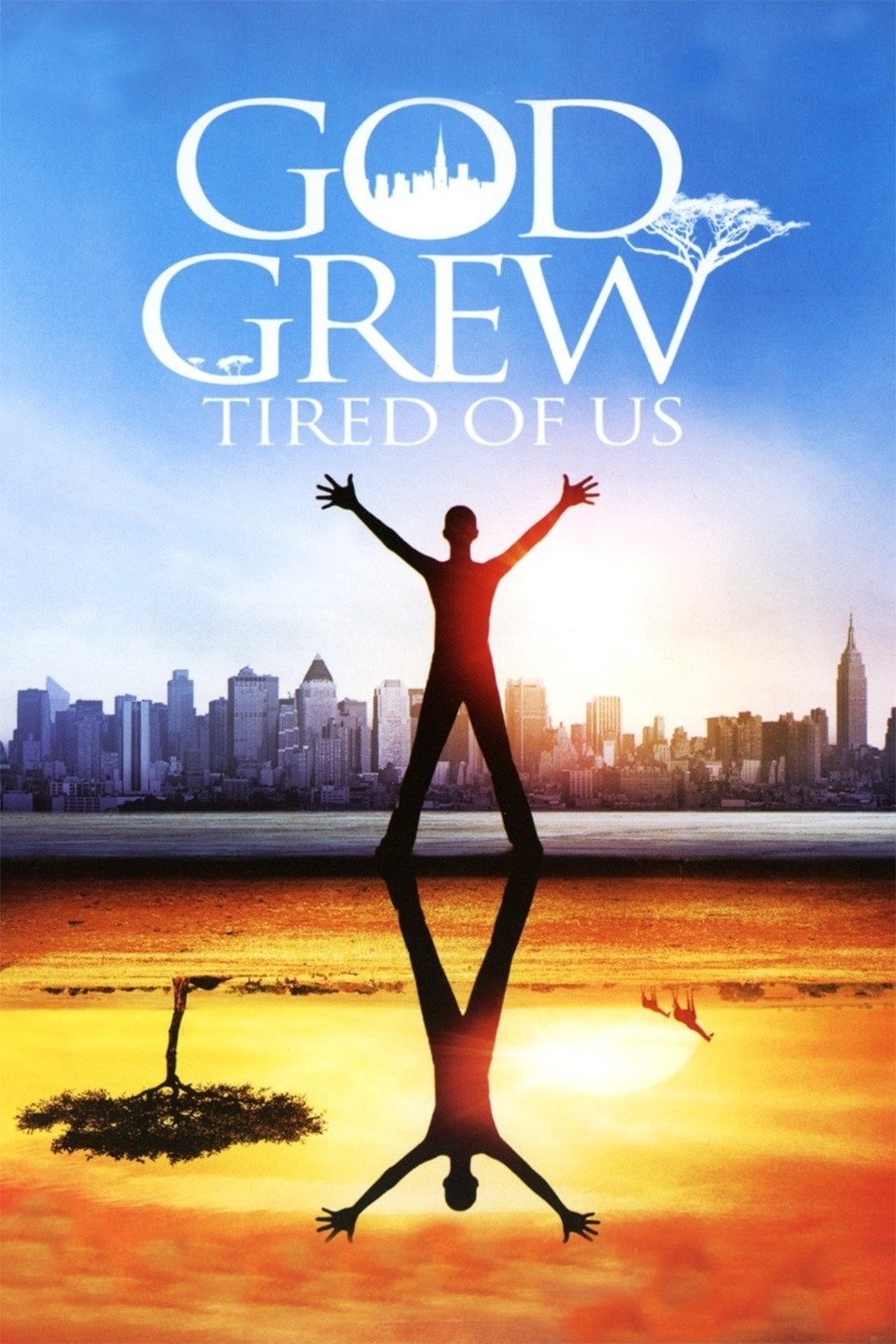
Filmmaker Christopher Quinn observes the ordeal of three Sudanese refugees -- Jon Bul Dau, Daniel Abul Pach and Panther Bior -- as they try to come to terms with the horrors they experienced in their homeland, while adjusting to their new lives in the United States.
Al Pacino's deeply-felt rumination on Shakespeare's significance and relevance to the modern world through interviews and an in-depth analysis of "Richard III."
Amber Heard and Nicole Kidman discuss their characters Mera and Atlanna.
A visual montage portrait of our contemporary world dominated by globalized technology and violence.
In a crime-plagued neighborhood near Miami, brutal, bare-knuckled backyard fights give young men a chance to earn money -- and self-respect.
JB Smoove and Martin Starr host a celebration of 20 years of "Spider-Man" movies, from the Sam Raimi trilogy to Marc Webb's movies and the trio from Jon Watts.
SEDUCED AND ABANDONED combines acting legend Alec Baldwin with director James Toback as they lead us on a troublesome and often hilarious journey of raising financing for their next feature film. Moving from director to financier to star actor, the two players provide us with a unique look behind the curtain at the world's biggest and most glamourous film festival, shining a light on the bitter-sweet relationship filmmakers have with Cannes and the film business. Featuring insights from directors Martin Scorsese, 'Bernando Bertolucci' and Roman Polanski; actors Ryan Gosling and Jessica Chastain and a host of film distribution luminaries.
A purely observational non-fiction film that takes viewers into the ethically murky world of end-of-life decision making in a public hospital.
A documentary on why 'Money Heist' sparked a wave of enthusiasm around the world for a lovable group of thieves and their professor.
Daniel Craig candidly reflects on his 15 year adventure as James Bond. Including never-before-seen archival footage from Casino Royale to the upcoming 25th film No Time To Die, Craig shares his personal memories in conversation with 007 producers, Michael G Wilson and Barbara Broccoli.
Through deeply personal interviews with her siblings and an examination of the photographs, letters, and belongings left behind, Mariska assembles a new portrait of her mother Jayne Mansfield, an extraordinary and complex woman.
In the Realms of the Unreal is a documentary about the reclusive Chicago-based artist Henry Darger. Henry Darger was so reclusive that when he died his neighbors were surprised to find a 15,145-page manuscript along with hundreds of paintings depicting The Story of the Vivian Girls, in What is Known as the Realms of the Unreal, of the Glodeco-Angelinnian War Storm, Cased by the Child Slave Rebellion.
After the high-profile killing of Damilola Taylor, Cornelius' family move out of London. But when they discover their new town is run by racists, Cornelius takes a drastic step to survive.
A compilation of interviews, rehearsals and backstage footage of Michael Jackson as he prepared for his series of sold-out shows in London.
Documentarian Ross McElwee originally set out to make a travelogue of sorts tracing General William T. Sherman's infamous scorched-earth march through the Confederacy in the latter stages of the Civil War. Instead, haunted by a recent breakup with a girlfriend, McElwee ends up documenting his progress -- or lack thereof -- in starting a new relationship. His journey then becomes one of self-reflection and self-discovery rather than a historical/sociological exploration.
Serving life in prison for murdering their parents, Lyle and Erik Menendez speak out in this documentary explaining the shocking crime and ensuing trials.