Social & External
The people behind it
Fernanda Arcos Ruiz
Niña
Two young women are about to receive the great honor of being sacrificed to their Mexica gods; but the cruel and bloody ritual does not go as expected.
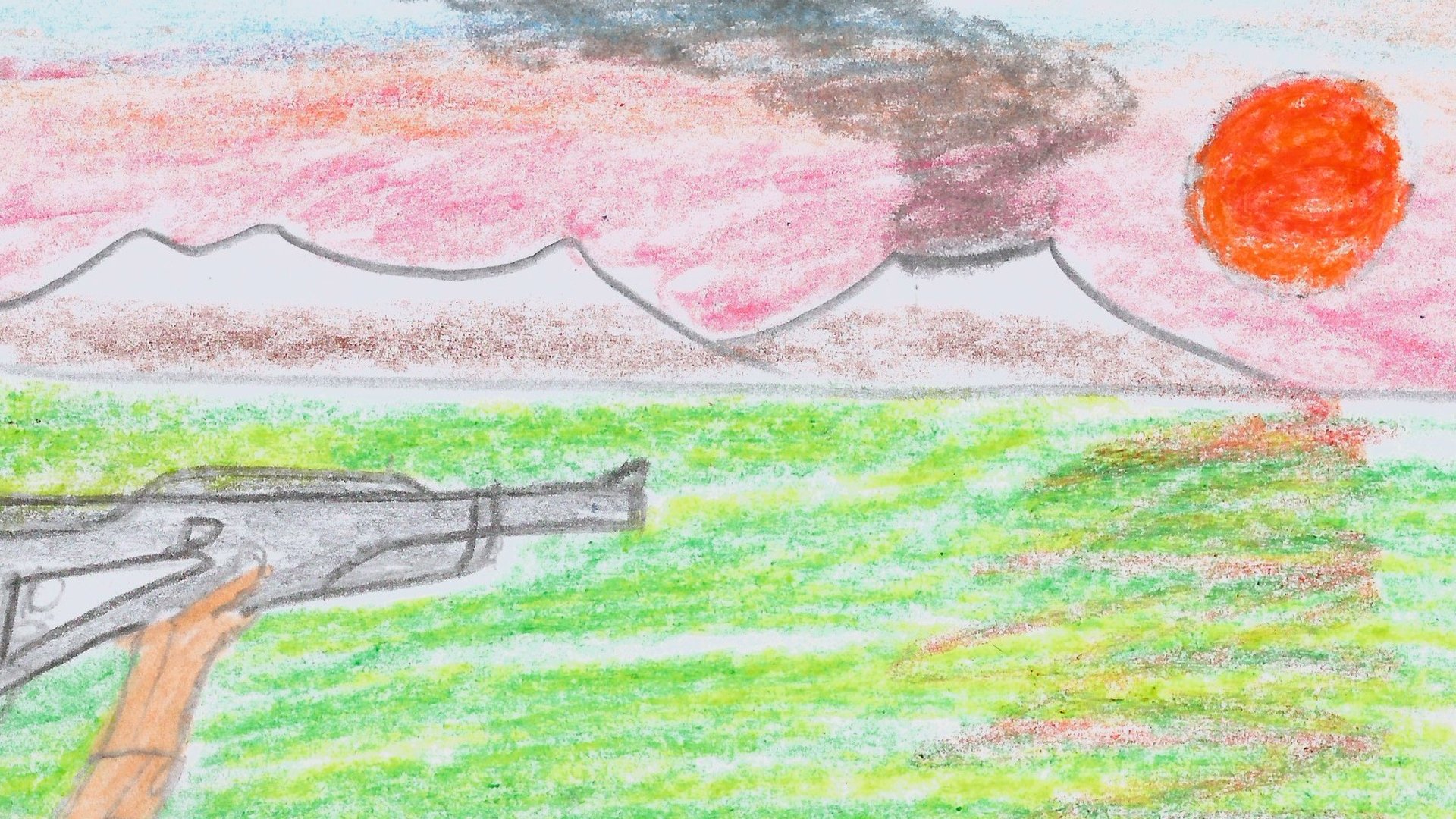
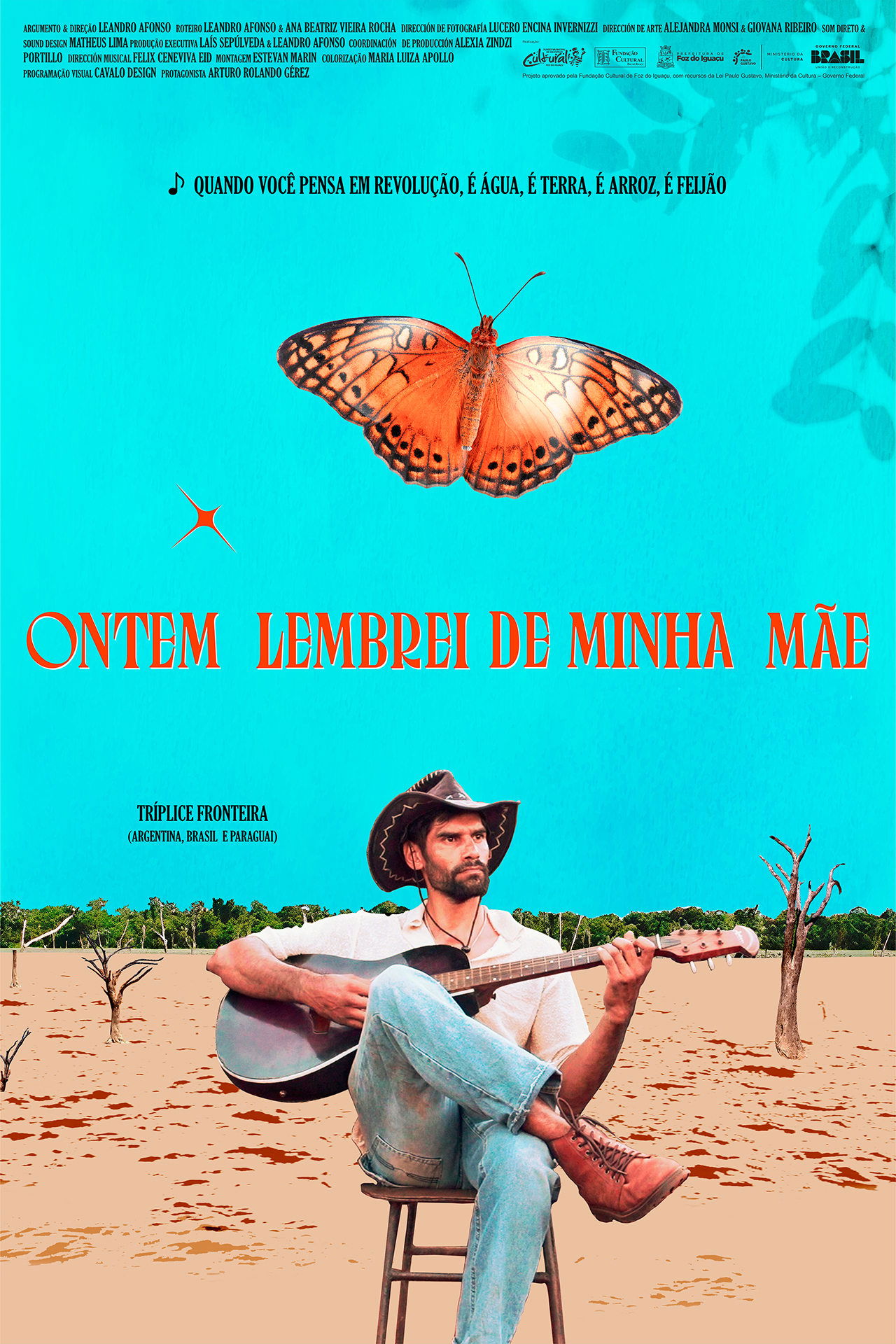
A childhood episode comes back to the memory of a man with no land
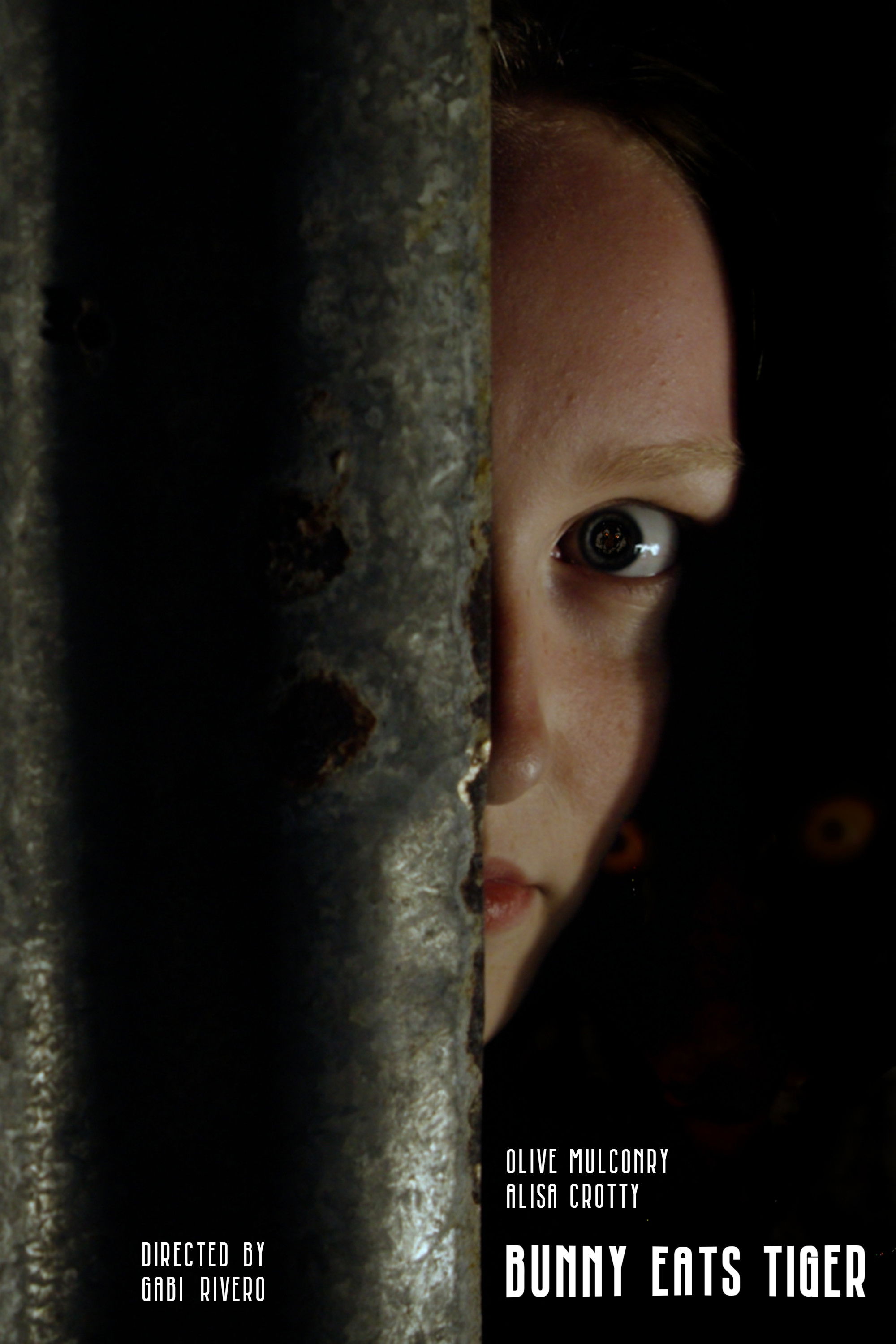
A child finds a spellbound book on her way to school. The strange book foretells a murderous tiger coming to kill them and everything in their path.
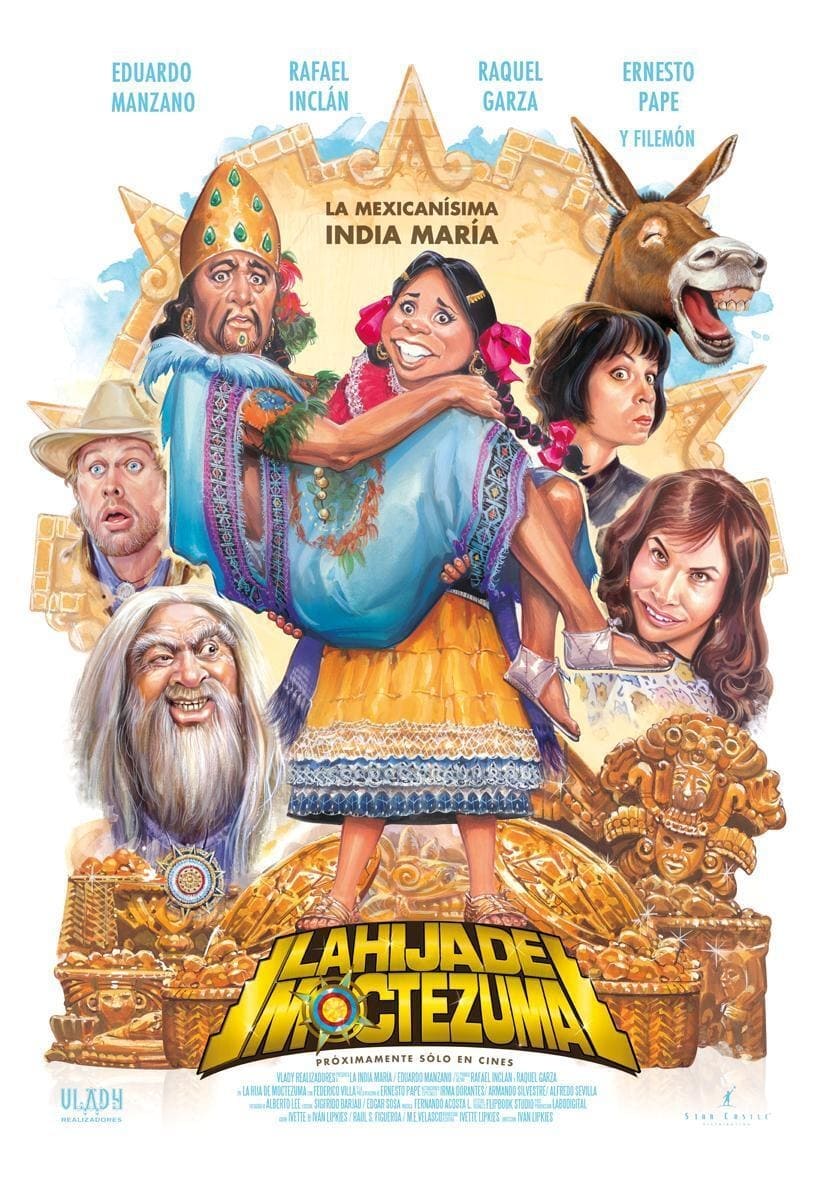
La India María must find at all costs in the recesses of a mountain the Magic Black Mirror of Tezcatlipoca, since the spirit of his great-grandfather Moctezuma II ordered her to find it in to prevent the destruction of Mexico. Alonso, a handsome Spanish archaeologist, Bianchi, an antiquities dealer and Brigida Troncoso - an ambitious governor, are aware of the existence of such mirror, of the mysterious treasure of Moctezuma and of María, so all undertake a frantic chase after her to seize the magic glass and the gold.
A Blue Soldier and a Yellow Soldier play a board game trying to outwit each other, struggling for control over a piece of land. The Farmer who belongs to the land is not allowed to play and must pick a side. As the fighting escalates, what side does she choose?
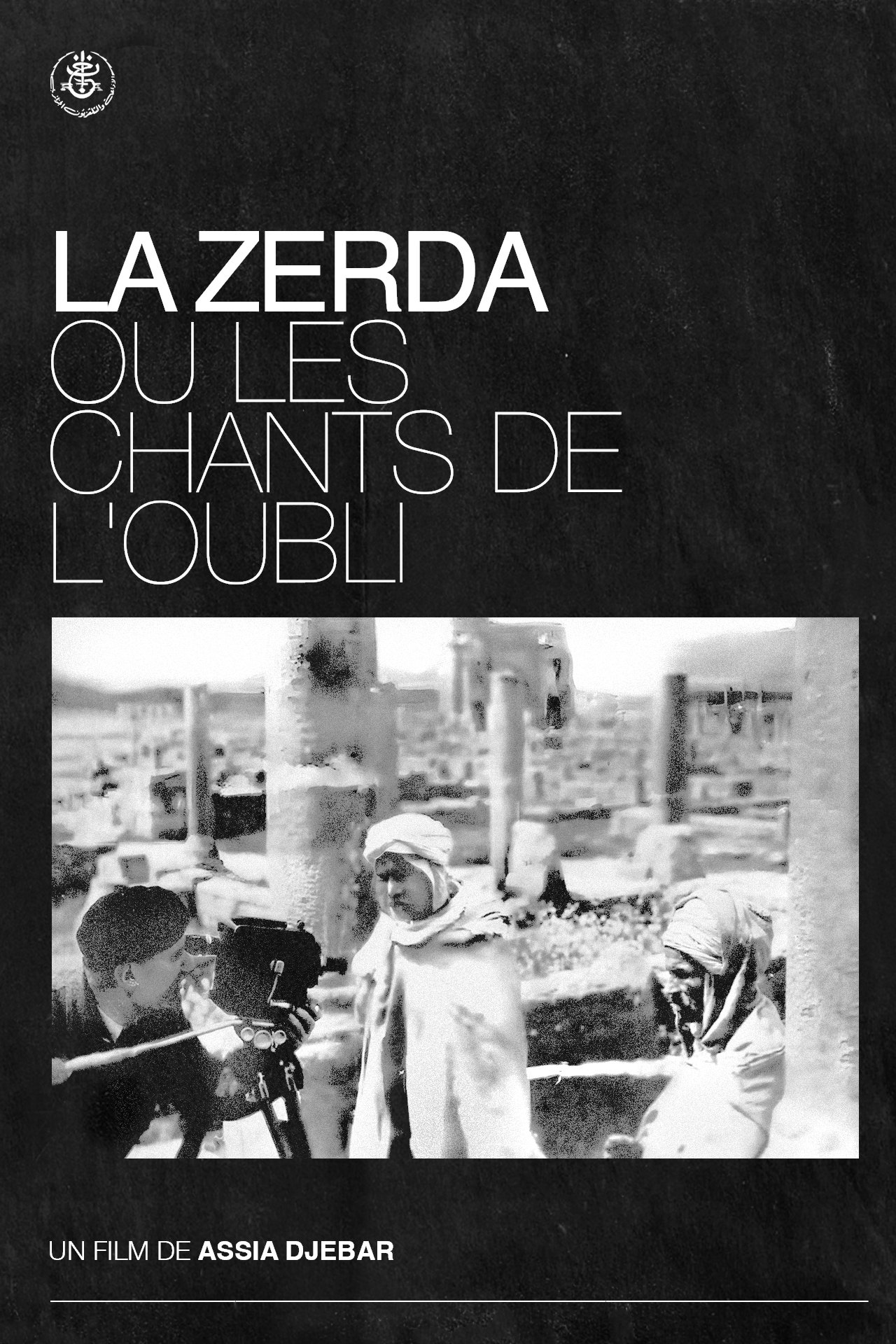
“La Zerda and the songs of oblivion” (1982) is one of only two films made by the Algerian novelist Assia Djebar, with “La Nouba des femmes du mont Chenoua” (1977). Powerful poetic essay based on archives, in which Assia Djebar – in collaboration with the poet Malek Alloula and the composer Ahmed Essyad – deconstructs the French colonial propaganda of the Pathé-Gaumont newsreels from 1912 to 1942, to reveal the signs of revolt among the subjugated North African population. Through the reassembly of these propaganda images, Djebar recovers the history of the Zerda ceremonies, suggesting that the power and mysticism of this tradition were obliterated and erased by the predatory voyeurism of the colonial gaze. This very gaze is thus subverted and a hidden tradition of resistance and struggle is revealed, against any exoticizing and orientalist temptation.
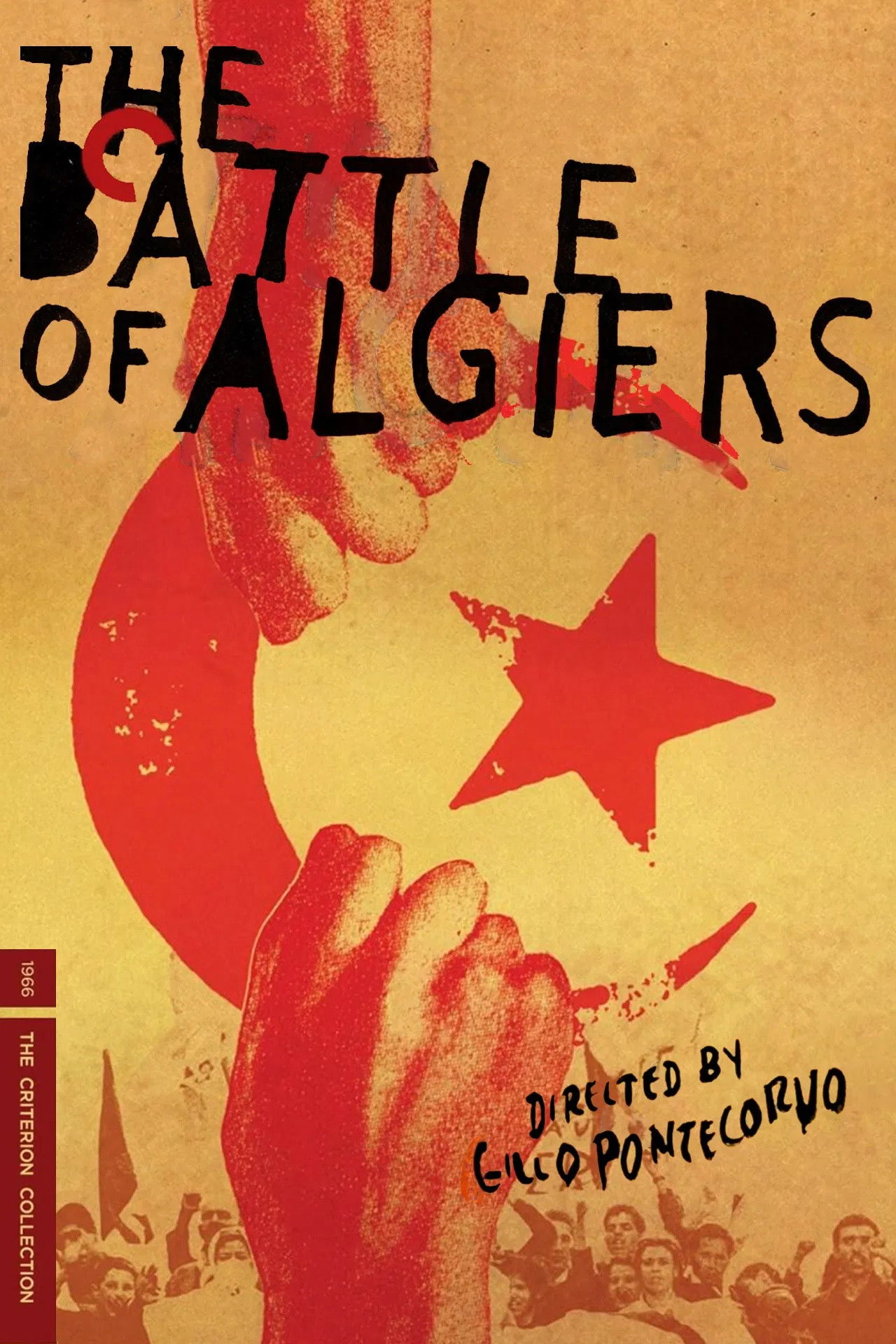
Paratrooper commander Colonel Mathieu, a former French Resistance fighter during World War II, is sent to Algeria to reinforce efforts to squelch the uprisings of the Algerian War. There he faces Ali la Pointe, a former petty criminal who, as the leader of the Algerian Front de Liberation Nationale, directs terror strategies against the colonial French government occupation. As each side resorts to ever-increasing brutality, no violent act is too unthinkable.
This excellent feature-length documentary - the story of the imperialist colonization of Africa - is a film about death. Its most shocking sequences derive from the captured French film archives in Algeria containing - unbelievably - masses of French-shot documentary footage of their tortures, massacres and executions of Algerians. The real death of children, passers-by, resistance fighters, one after the other, becomes unbearable. Rather than be blatant propaganda, the film convinces entirely by its visual evidence, constituting an object lesson for revolutionary cinema.
The life of Puerto Rican revolutionary José Maldonado Román, known as Águila Blanca, on the island in the late 19th century. Maldonado Román fought against colonialism by leading a gang of ex-convicts to vindicate Puerto Rico as it sought its identity as a country.
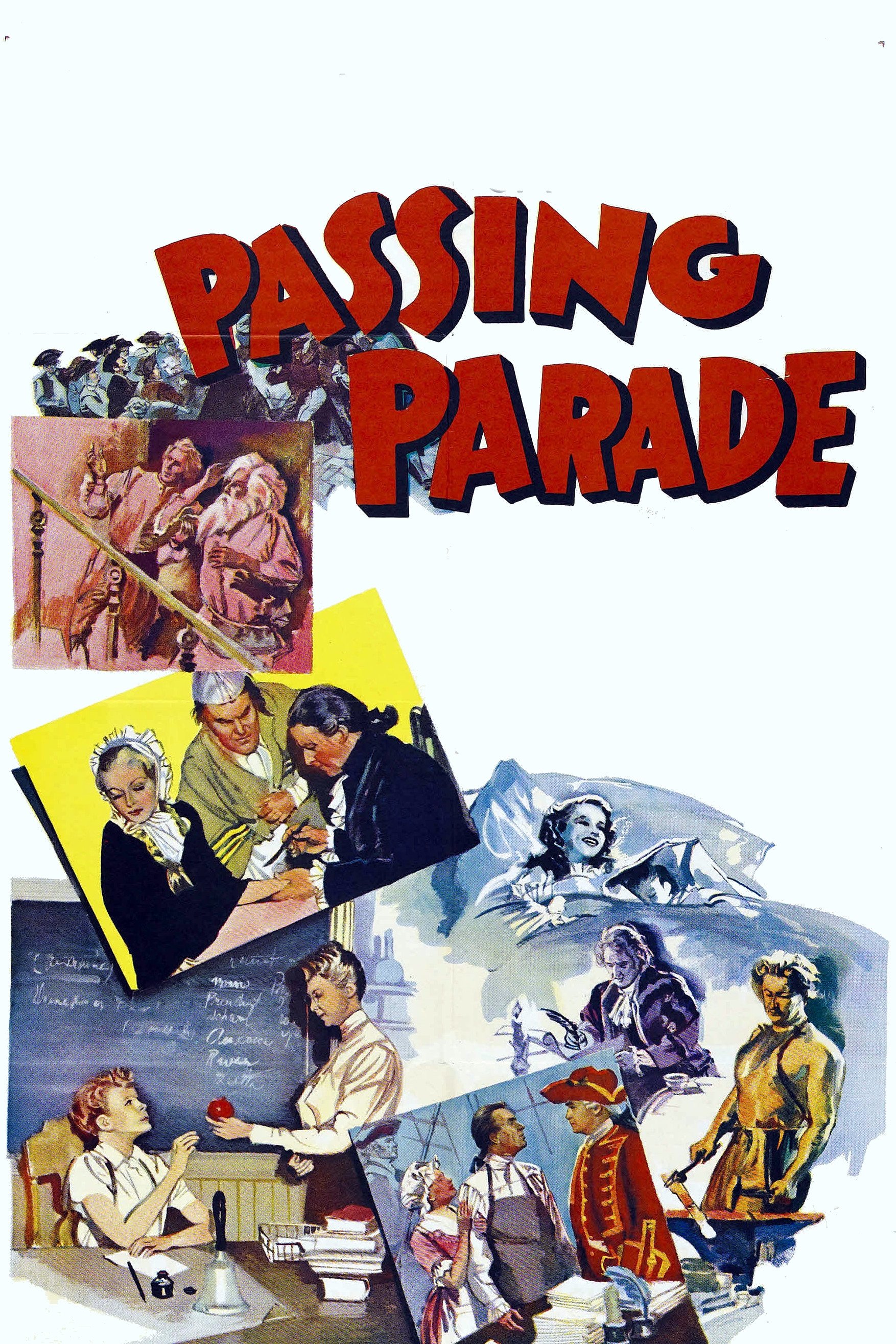
This Passing Parade series short chronicles the political life of Francisco Madero, who tried to bring democracy and land reform to Mexico.
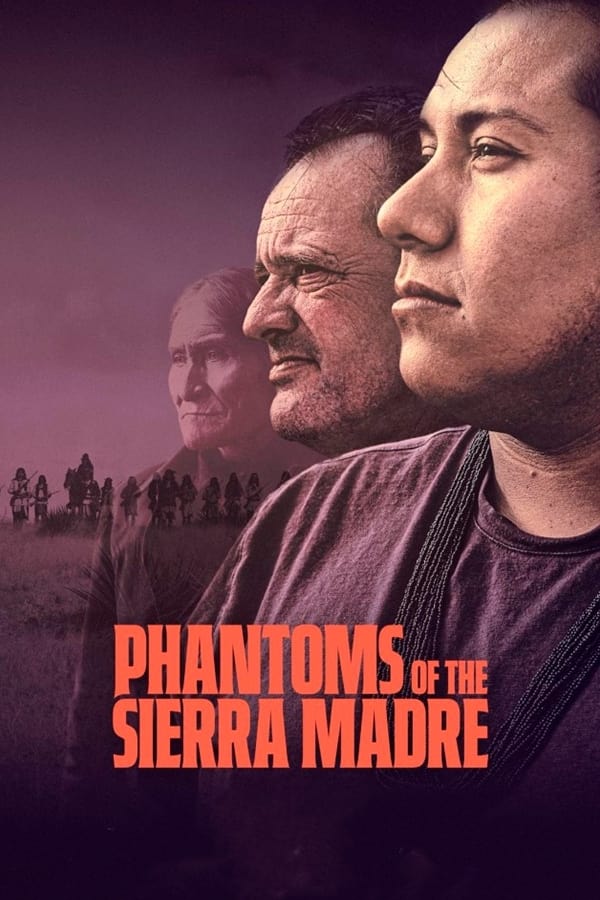
A Danish writer travels to Mexico with the purpose of locating a mysterious Apache tribe that fervently seeks to remain in obscurity.
Year 1936. As villages across Palestine rise against British colonial rule, Yusuf drifts between his rural home and the restless energy of Jerusalem, longing for a future beyond the growing unrest. But history is relentless. With rising numbers of Jewish immigrants escaping antisemitism in Europe and some arriving with nefarious Zionist-colonial ambitions, and the Palestinian population uniting in the largest and longest uprising against Britain’s 30-year dominion, all sides spiral towards inevitable collision in a decisive moment for the British Empire and the future of the entire region.
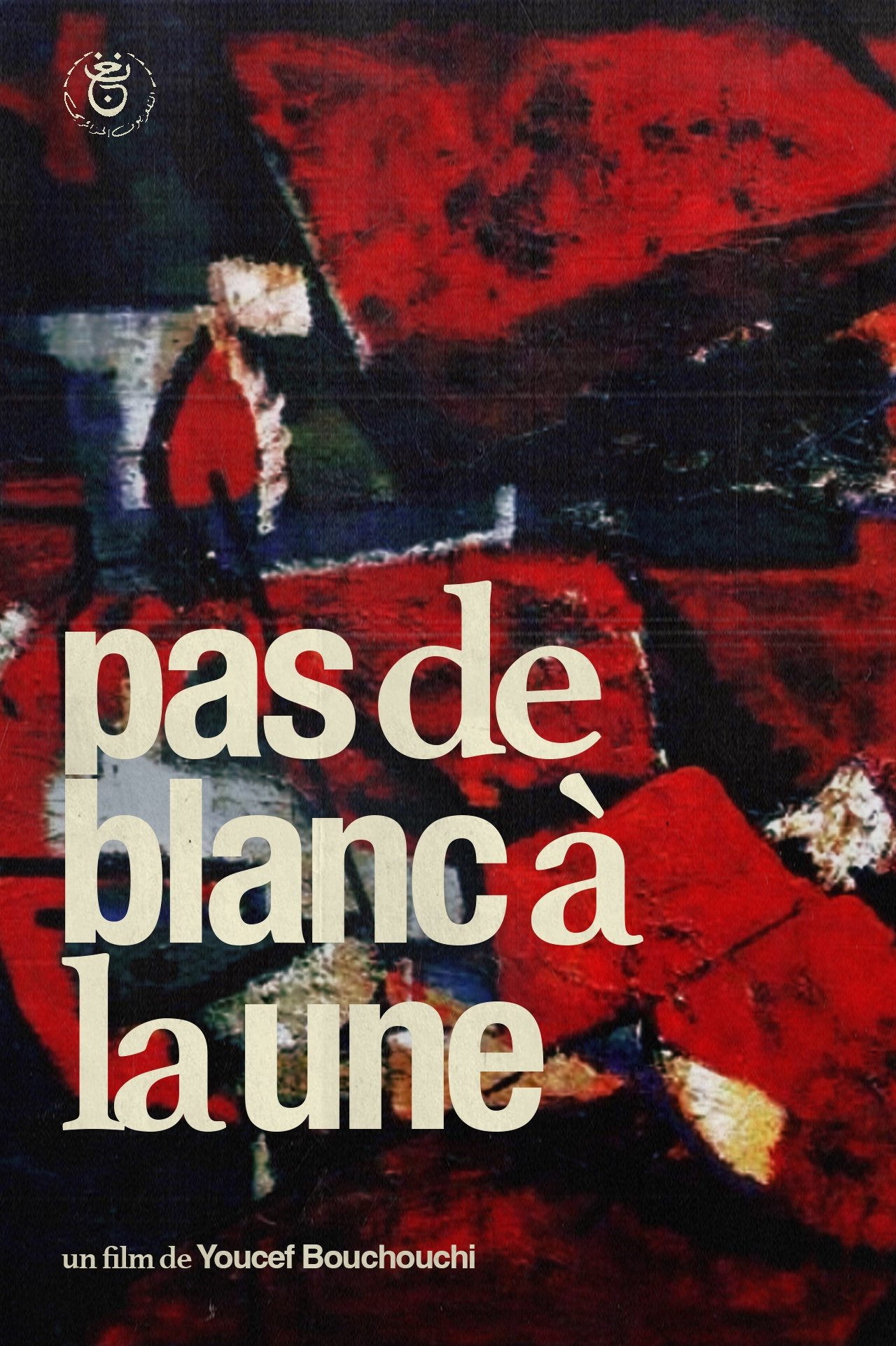
Pas De Blanc À La Une, by Youcef Bouchouchi, treatises the brutality of the conflict during the war of independence in Algeria from 1854 to 1962, and the systematic use of torture which pushes even the most hesitant to make up their minds.
Made just three years after the end of the French-Algerian War (1954-1962), Gillo Pontecorvo's The Battle Of Algiers instantly ignited discussions of this complex historical period. Using the film as a point of reference, this 2004 documentary attempts to reconstruct the Algerian experience of the battle for independence.
Pierre Clément, student and photographer of René Vauthier, first accompanied him to Tunisia to make a film on the country's independence in 1957. Destiny led him to Algeria and his presence in February 1958 at the Tunisian-Algerian border changed his life. . Forever. He took his camera and photographed the attacks on Sakia Sidi Youssef before committing himself body and soul to the Algerian cause. Shortly after, he directed the film “Algerian Refugees” before being arrested, tortured and imprisoned, while his third film, “The National Liberation Army in Almaki”, was not finished. Abdel Nour Zahzah, a director who commemorates Pierre Clément, the director who risked his life, the brother of the Algerian resistance, who disappeared in 2007.
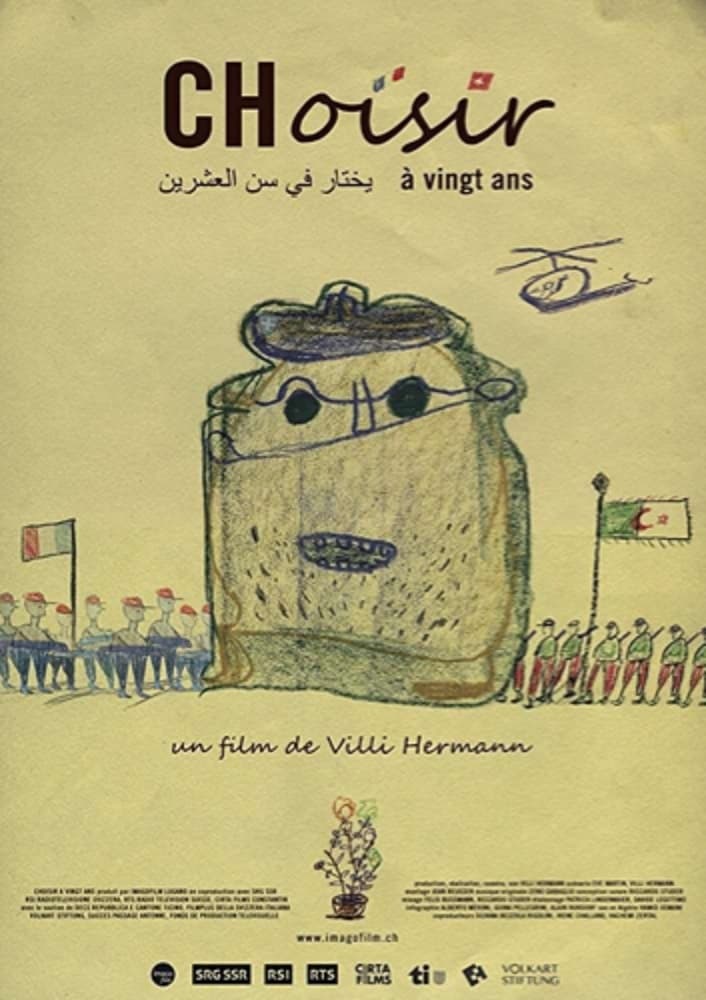
Between 1954-1962, one hundred to three hundred young French people refused to participate in the Algerian war. These rebels, soldiers or conscripts were non-violent or anti-colonialists. Some took refuge in Switzerland where Swiss citizens came to their aid, while in France they were condemned as traitors to the country. In 1962, a few months after Independence, Villi Hermann went to a region devastated by war near the Algerian-Moroccan border, to help rebuild a school. In 2016 he returned to Algeria and reunited with his former students. He also met French refractories, now living in France or Switzerland.
The first French anti-colonialist film, derived from an assignment in which the director was to document educational activities by the French League of Schooling in West Africa. Vautier later filmed what he actually saw: “a lack of teachers and doctors, the crimes committed by the French Army in the name of France, the instrumentalization of the colonized peoples.” For his role in the film, Vautier was imprisoned for several months. The film was banned from public screening for more than 40 years.
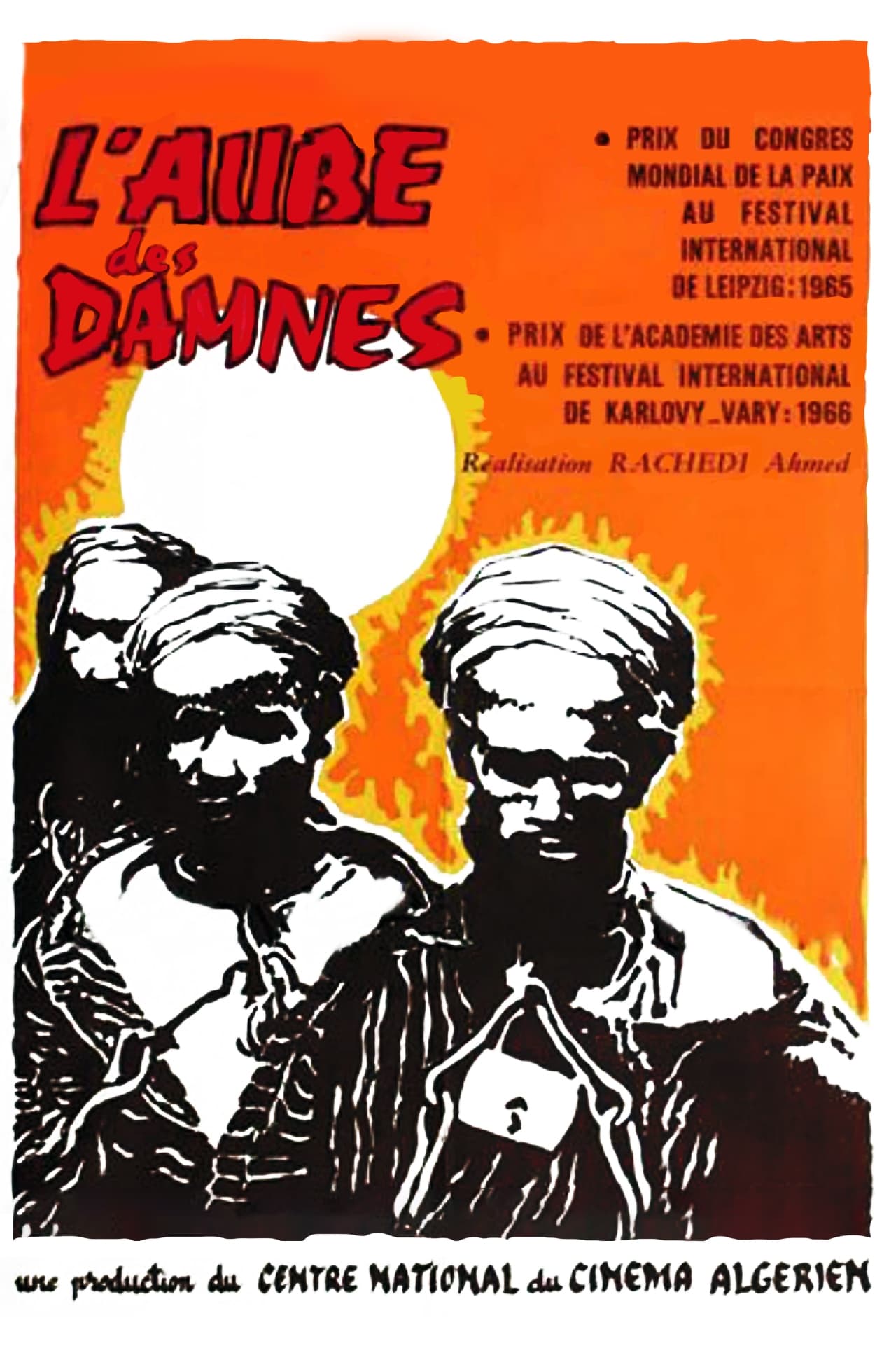
A meticulous chronicle of the evolution of the Algerian national movement from 1939 until the outbreak of the revolution on November 1, 1954, the film unequivocally demonstrates that the "Algerian War" is not an accident of history, but a slow process of suffering and warlike revolts, uninterrupted, from the start of colonization in 1830, until this "Red All Saints' Day" of November 1, 1954. At its center, Ahmed gradually awakens to political awareness against colonization, under the gaze of his son, a symbol of the new Algeria, and that of Miloud, half-mad haranguer, half-prophet, incarnation of Popular memory of the revolt, the liberation of Algeria and its people.
A documentary of exceptional historical value featuring actual footage captured by Jesús H. Abitia, who witnessed the pivotal events of the Mexican Revolution firsthand. In scenes brimming with realism, Madero, Porfirio Díaz, General Obregón, Lázaro Cárdenas, and other key figures in our history parade before the eyes of the viewer, who, captivated, finds themselves transported to the heart of the Mexican Revolution to experience firsthand the events that unfolded in the country between 1913 and 1917.
Draculaura’s Sweet 1600th birthday is an extra special occasion to party at Monster High! But her high expectations lead to deadly results when she’s faced with the choice between practical boyfriend Clawd, and new vampire heartthrob, Valentine, a romantic blast from her past.
The Monstruitas of Monster High are obsessed with going to Scaris, The City of Frights for Fashion international competition where the winner will become the apprentice of the world famous Madame Ghostier designer.
A pampered cat takes for granted the lucky hand he has been dealt after he is rescued and loved by Rose, a kind-hearted and passionate student. When he loses his ninth life, fate steps in to set him on a transformative journey.
Set in Han Imperial China, the plot follows the adventures of enslaved girl Ping with ancient dragon Long Danzi. Dragons had been banished from the kingdom. Ping, an orphan, finds one of the last remaining dragon eggs. Palace guards force Ping to run away in order to return the dragon egg to the ocean and save all dragons from extinction. Ping discovers that she is a true Dragonkeeper.
Tad accidentally unleashes an ancient spell, endangering the lives of his friends Mummy, Jeff, and Belzoni. With everyone against him and only helped by Sara, he sets off on an adventure to end the Curse of the Mummy.
A brave young animal explorer teams up with two trusty friends to find a powerful artifact before his greedy uncle can get his paws on it.
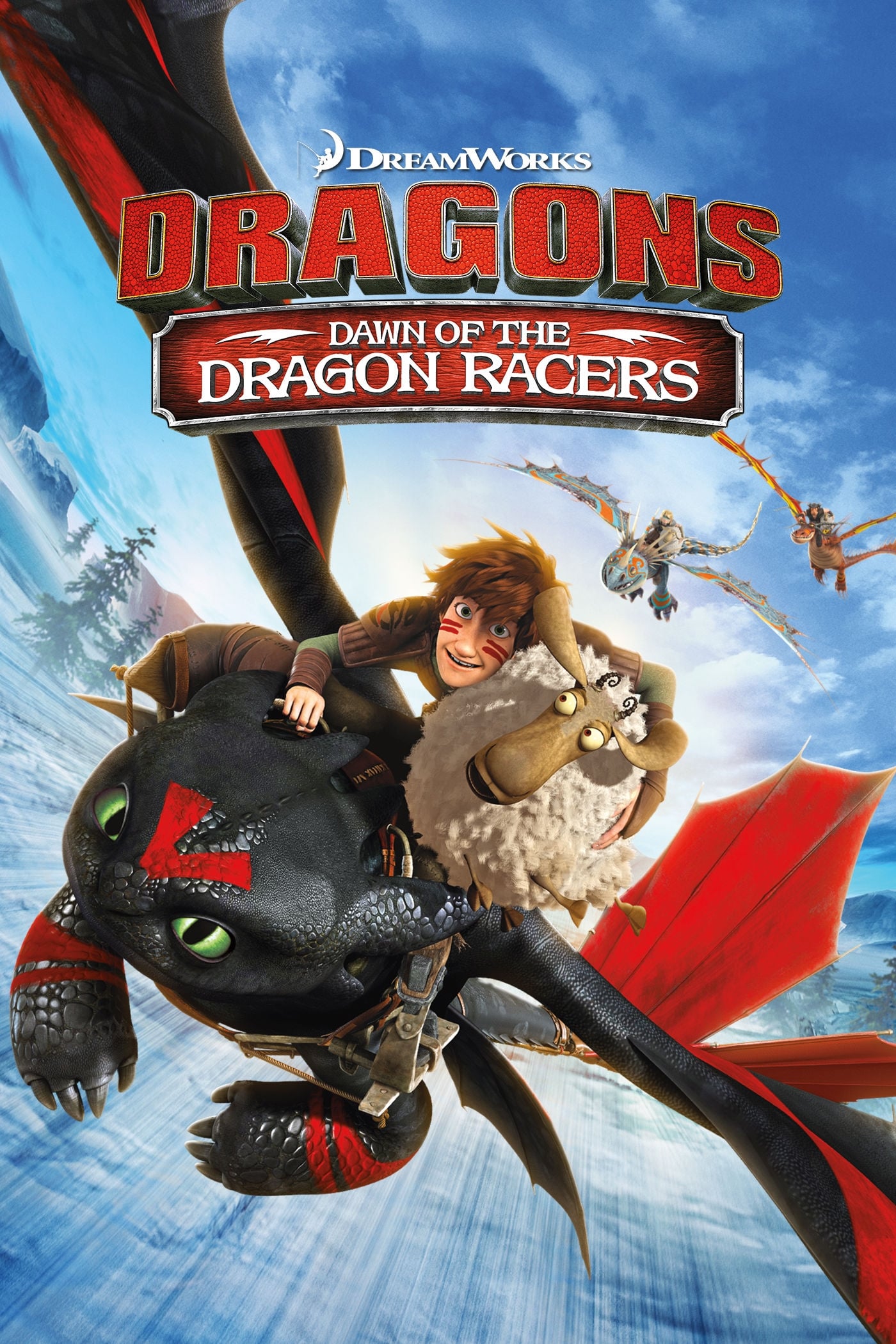
A hunt for a lost sheep turns into a competition between Hiccup and friends as they compete to become the first Dragon Racing champion of Berk.
It's been ten years since the dragons moved to the Hidden World, and even though Toothless doesn't live in New Berk anymore, Hiccup continues the holiday traditions he once shared with his best friend. But the Vikings of New Berk were beginning to forget about their friendship with dragons. Hiccup, Astrid, and Gobber know just what to do to keep the dragons in the villagers' hearts. And across the sea, the dragons have a plan of their own...
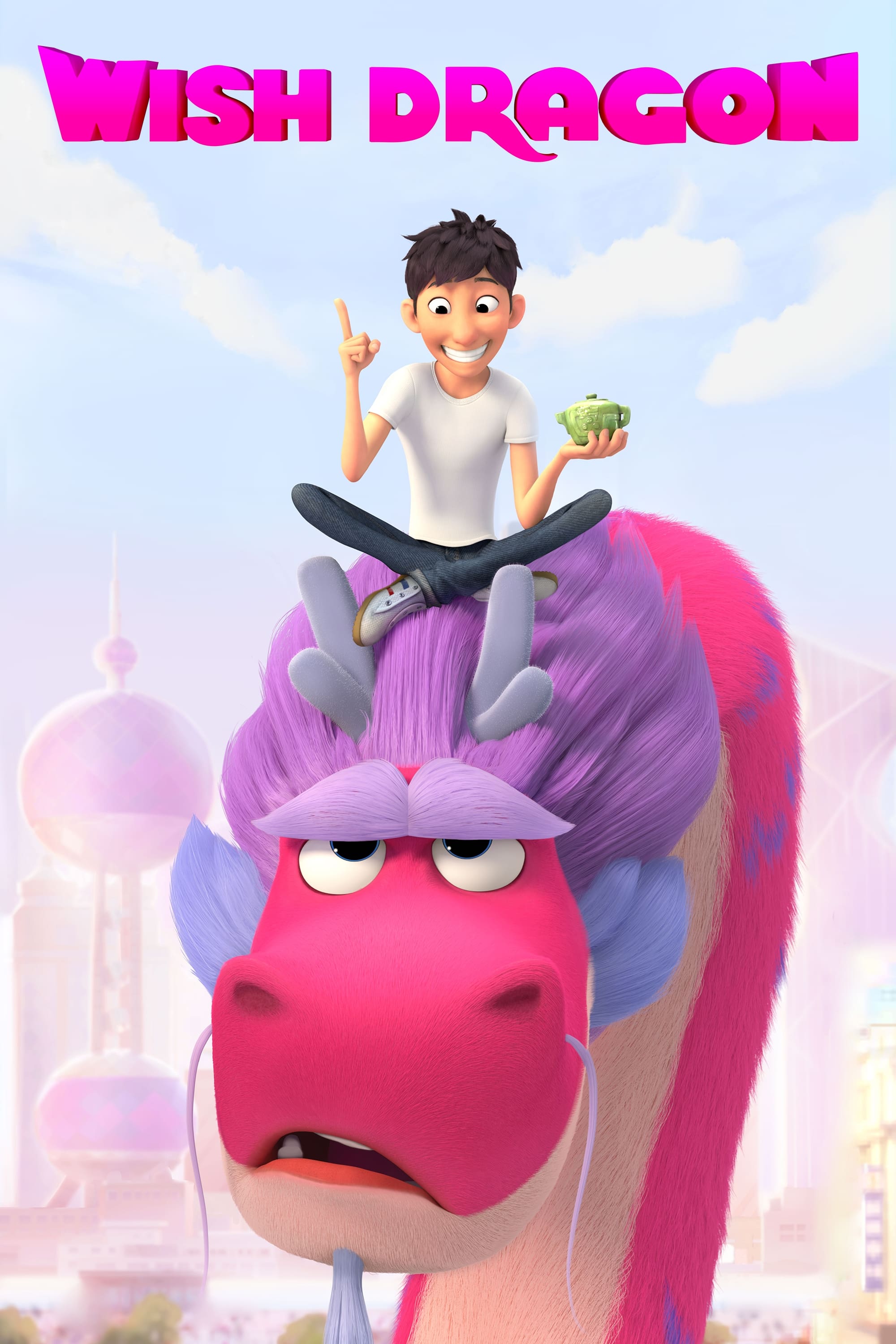
Determined teen Din is longing to reconnect with his childhood best friend when he meets a wish-granting dragon who shows him the magic of possibilities.
When Brainy Smurf is favored to win the annual Smurfberry Hunt for the ninth year in a row, Gutsy Smurf sets out to discover how Brainy wins every year. Gutsy’s investigation takes him into spooky Smurfy Hollow–and right into Gargamel’s trap! Can Brainy and Gutsy, with the help of Smurfette, put aside their rivalry before Gargamel captures them–or worse, they come face-to-face with the legendary ghost, the Headless Horseman?
Animals band together to save the day when the evil Otto Von Walrus hatches a sinister scheme to accelerate global warming and melt the Arctic Circle.
Po and the Furious Five uncover the legend of three of kung fu's greatest heroes: Master Thundering Rhino, Master Storming Ox, and Master Croc.
After tumbling into a magic storybook, Puss in Boots must fight, dance and romance his way through wild adventures as he searches for an escape.
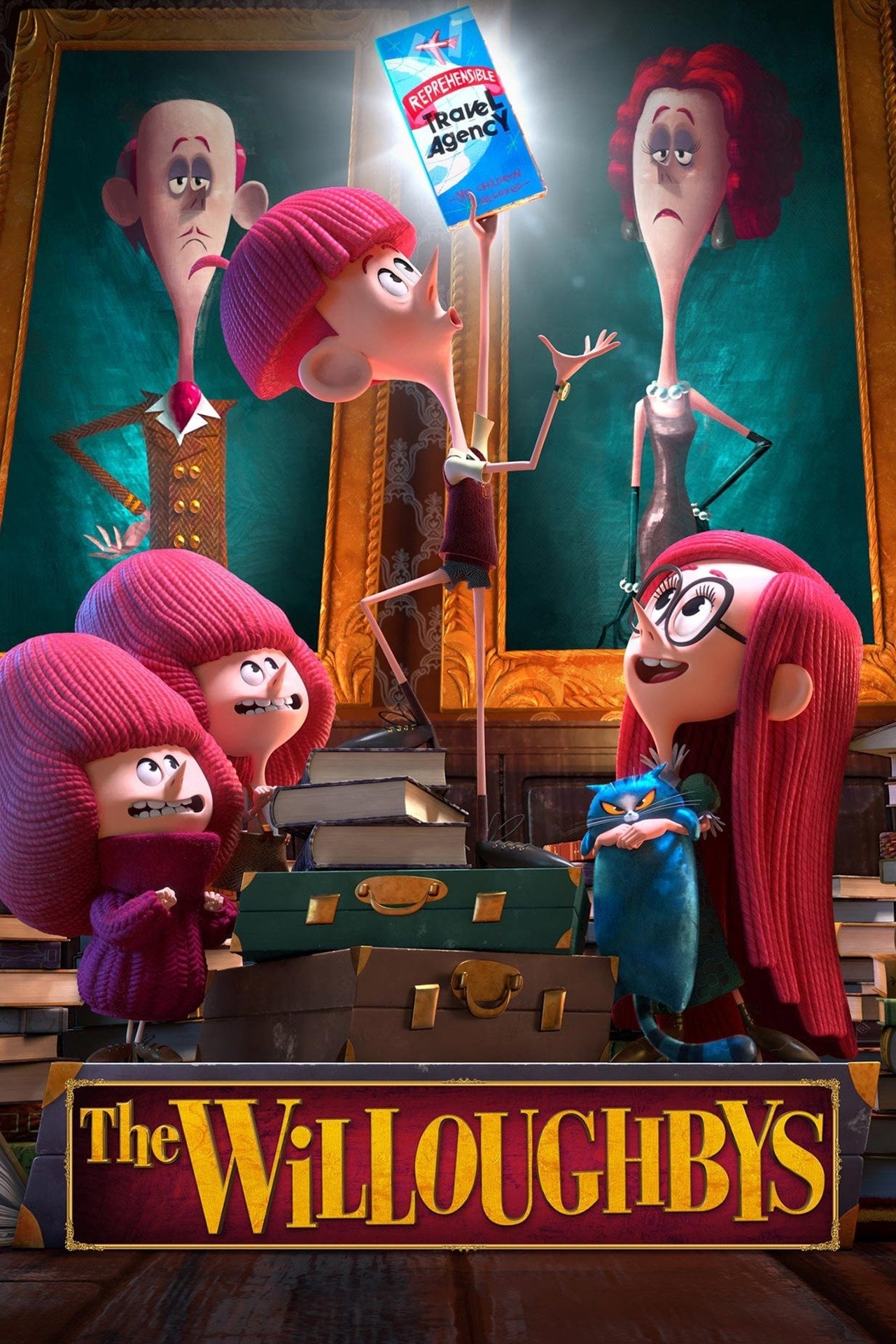
When the four Willoughby children are abandoned by their selfish parents, they must learn how to adapt their Old-Fashioned values to the contemporary world in order to create something new: The Modern Family.
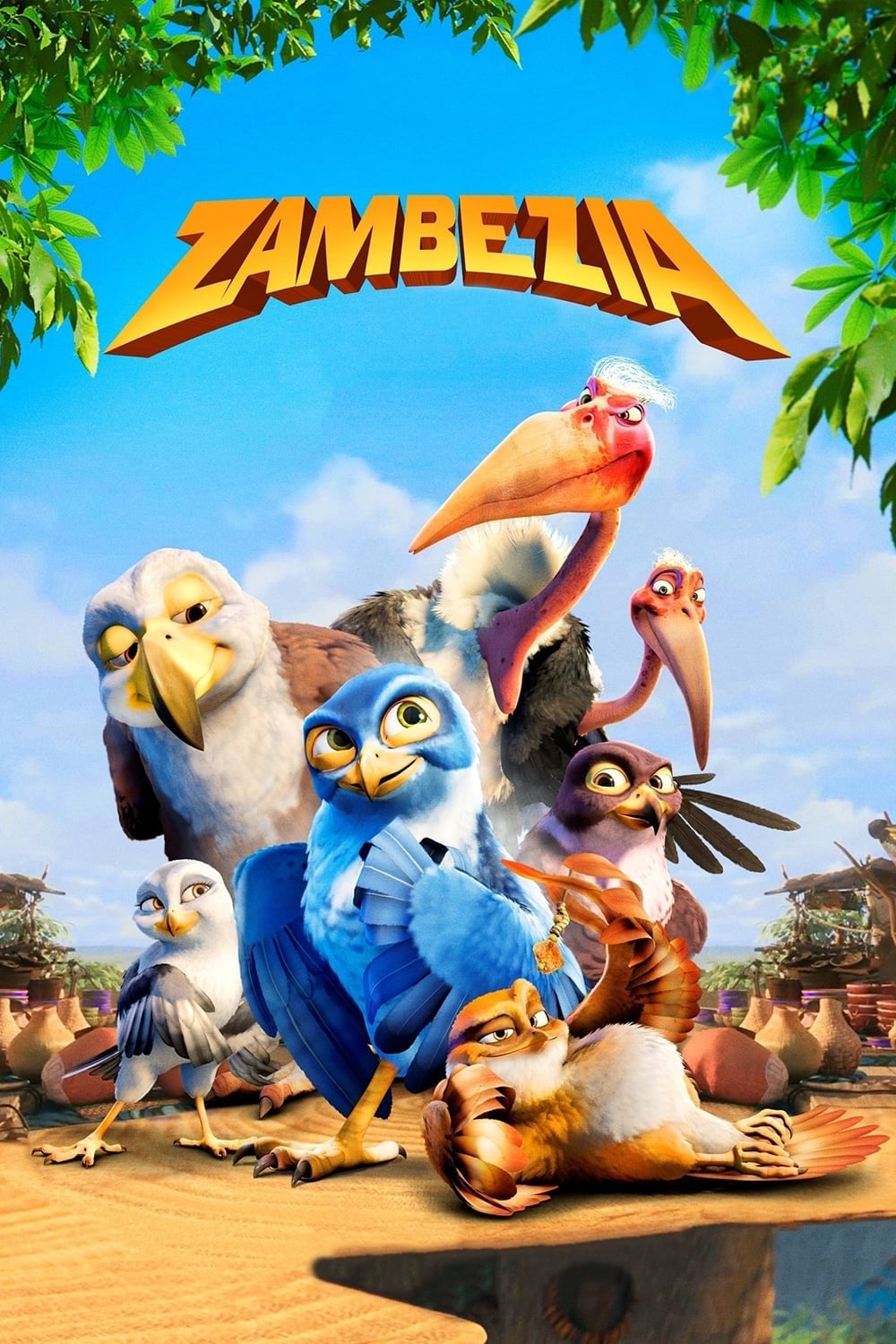
Set in a bustling bird city on the edge of the majestic Victoria Falls, "Zambezia" is the story of Kai - a naïve, but high-spirited young falcon who travels to the bird city of "Zambezia" where he discovers the truth about his origins and, in defending the city, learns how to be part of a community.
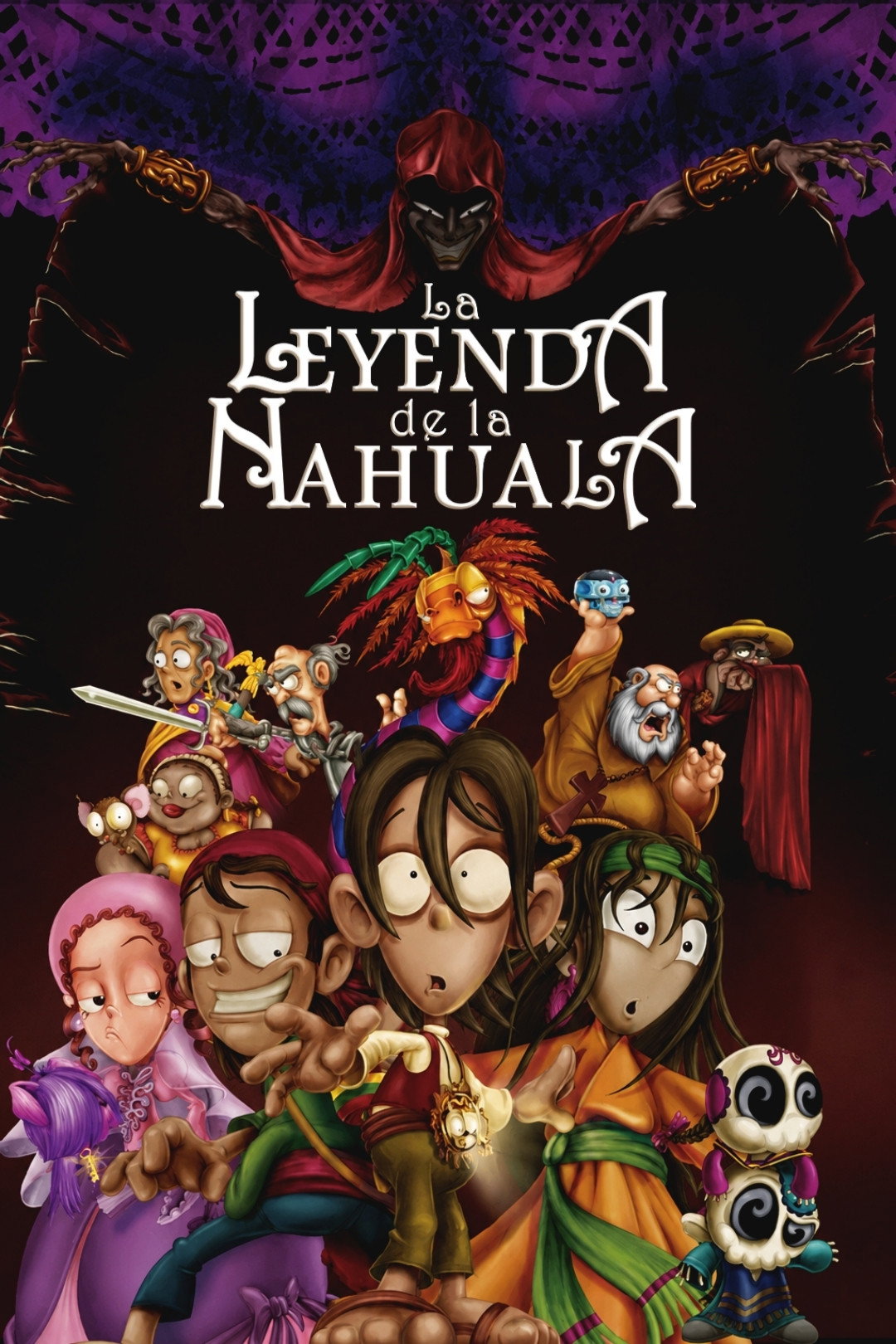
Leo San Juan, an insecure child of nine years old, lives eternally frightened by horror stories that Nando tells his older brother. Within these stories it is 'The Legend of Nahuala', according to which, an old abandoned Casona is possessed by the spirit of an evil witch known as the Nahuala.
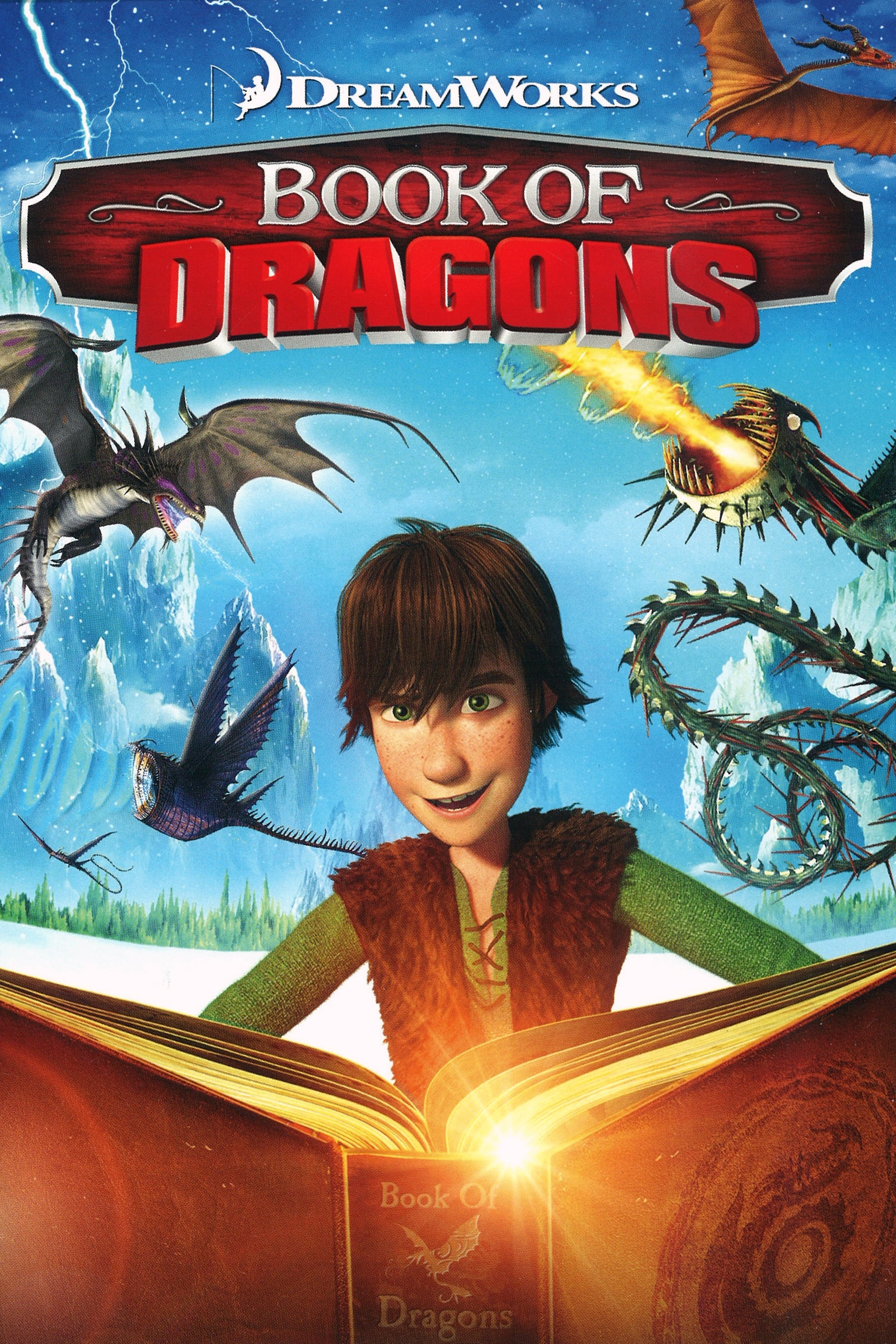
So you want to be a dragon trainer do you? Prepare yourself for adventure, excitement and training as Hiccup, Astrid, Toothless and Gobber tell the legend behind the Book of Dragons and reveal insider training secrets about new, never-before-seen dragons.
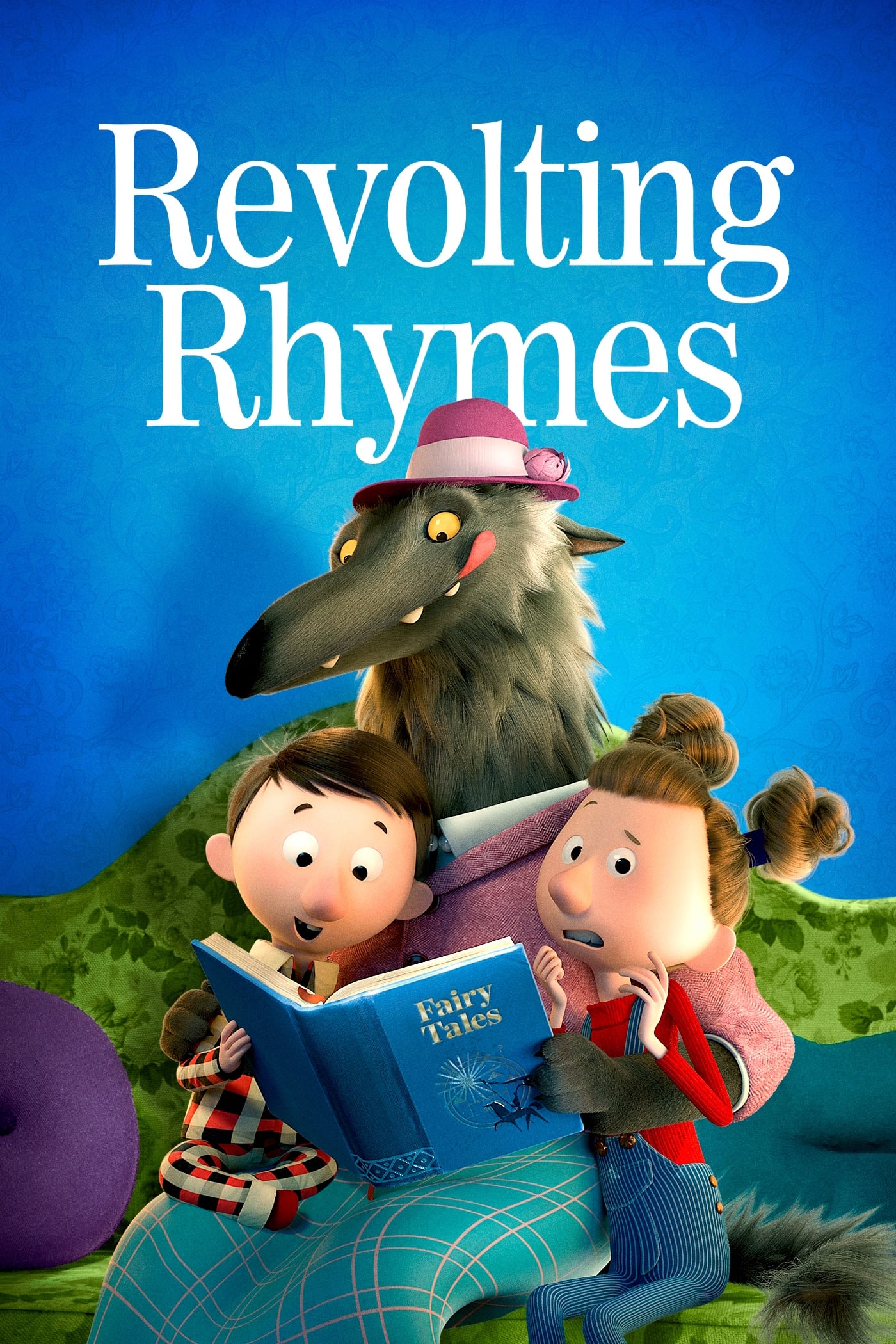
Two half-hour animated films based on the much-loved rhymes written by Roald Dahl and illustrated by Quentin Blake.
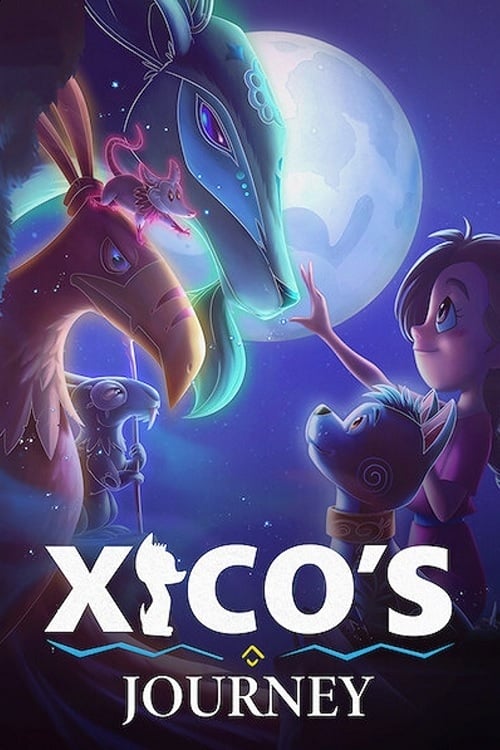
The peace of a small town is endangered when a corporation wants to destroy the mountain that protects them. A girl named Copi and her best friend Xico, a Xoloitzcuintle dog, will go into the mountains to try to save the town.
A Pixar short about a lost-and-found box and the unseen monster within.