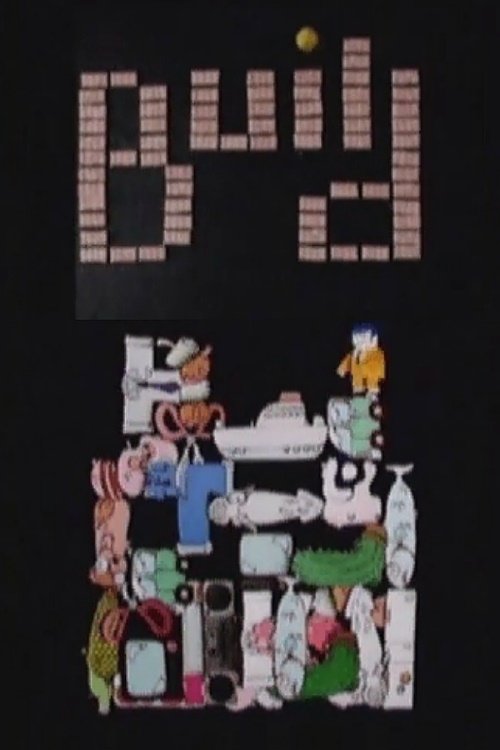
We depicting the never ending cycle of construction and demolition in the human consumption. It was exhibited at re-constructed disaster area in Kobe.
Social & External
The people behind it
In the midst of the frenzy night a man finds himself lost in the crevasse of time. It was not the grotesque beings nor the monsters, but it was he who “was here, but wasn't here”. He was the phantom. Buried under memories full of inhibition and promises that never kept – words washed up on the shore – time keeps him at a distance from the “place”. And he hears poems coming on the waves from the other side rhyming and lapping against the shore. A 360° scope video Installation commissioned by Nagano Art Museum.
Experimental animated film made for the Palazzo Zenobio at the Venice Biennale in 2003
This video installation explores the representation of Black bodies in the French cultural and media landscape. Jérémie Danon and Kiddy Smile bring together personalities from diverse backgrounds in cars, allowing them to share common reflections and personal experiences.
Through intertwined images and testimonials from union activists, protest performers and ethologist John B. Calhoun's experiments observing the collapse of rat populations under controlled "utopic" conditions, The Highest Form of Image Is Armed Struggle juxtaposes a historical revolutionary declaration with contemporary protest culture, asking how political action has come to intersect and stagnate with staging, cameras, and the structures of image production, and insisting on the role of conflict and struggle as the source of social creation.
Amidst the Israeli bombings of Lebanon in 2024 and 2026, the filmmaker examines her relationship to the homeland, as she grapples with the responsibility of being a filmmaker forced away from the city. When embodying Beirut in the form of a woman, she understands that distance creates proximity, shown through their toxic love-hate relationship that tests the filmmaker's sense of belonging and citizenship.
Taken from a live multi 16mm projector performance Sam Hamilton and I do. The Loops are from a film By Campbell Farquhar called "5 Second Exposure". This dates from about April 2006 and the performance has changed somewhat since. It uses up to five 16mm projectors, turntables, glass, and sonic and celluloidic manipulation.
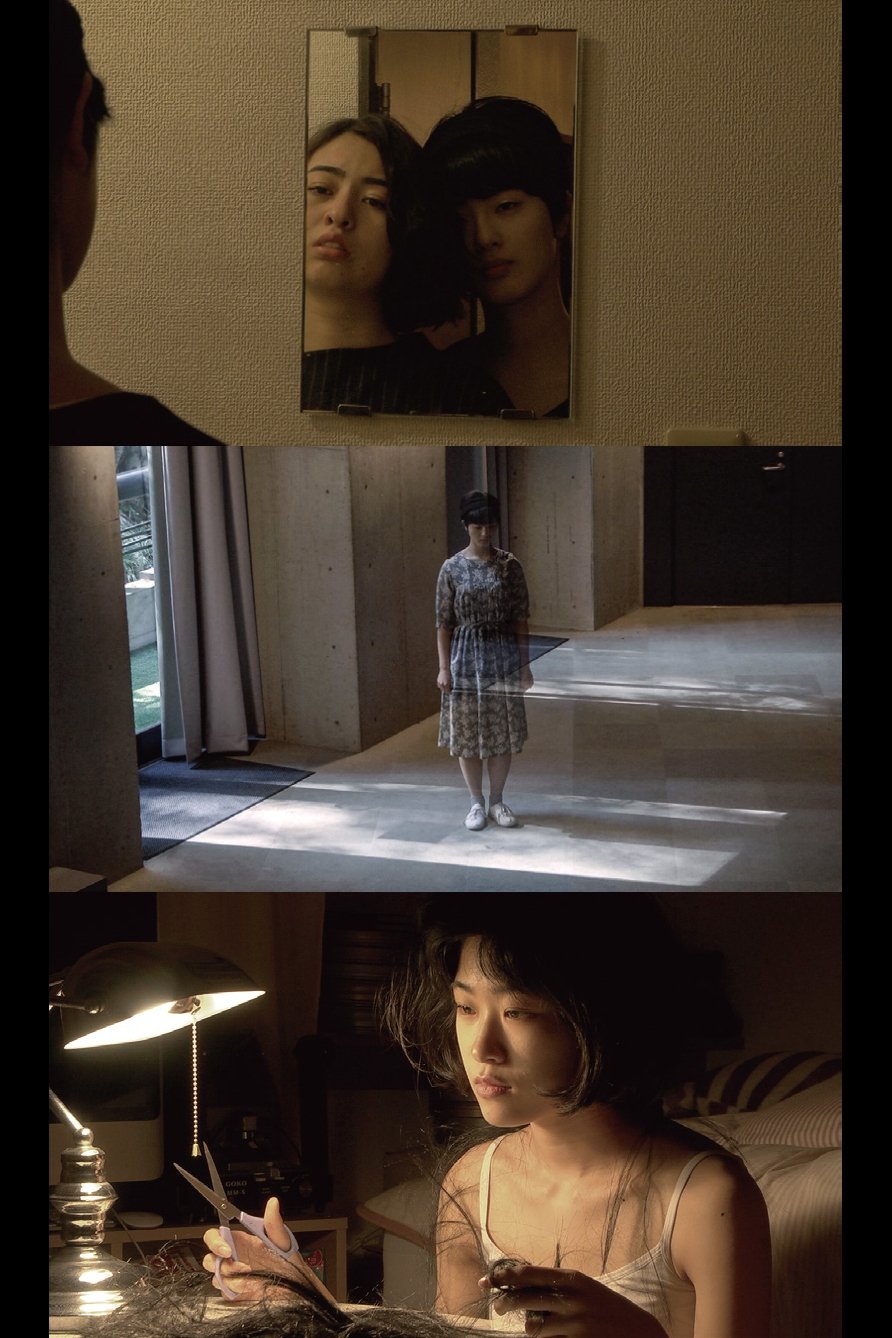
"Three Women, is an ambitious work designed to be shown on multiple screens in a movie theater. Moving a step forward from the use of multiple screens as an expansion of cinema as exemplified by Abel Gance’s Napoléon (1927), it presents what is literally a conceptual expansion of cinema in the form of a filmic work experienced in a theater in which the 15-channel, surround-sound audio constructed by Araki Masamitsu and Ito’s visuals organically intertwine."
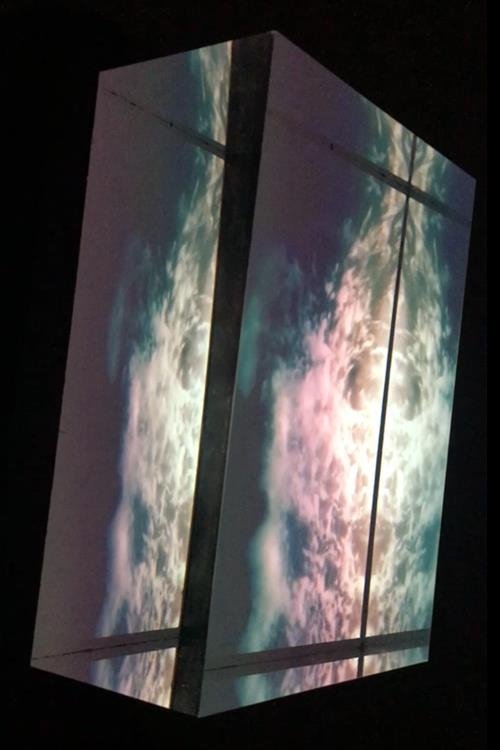
HEMISPHERE is an artificial space created by 5 high definition beamers projecting onto a suspended cupola.
In "Mitzukos Dream" you watch sleeping people, each filmed for one night with a willdlife camera that reacts to movement. So only the active parts of sleep were captured on film - the moments when we dream?
The title may evoke images of gleeful, destructive anarchism, but "smashing" here signals a relationship between people and official city statues that is friendly, jovial, even a little melancholic.
An experimental media installation of three windows exploring fragments of liminality. Three unique re-constructions of experiential instances volumising the cataclysms of thresholds. Experience the absence of definition, the absence of boundaries set and the absence of rationale. A myth is not to be understood, a myth is passed on, like a game of Chinese whispers, it takes its course and ages with time, suiting the demography and tale, it warps and distorts
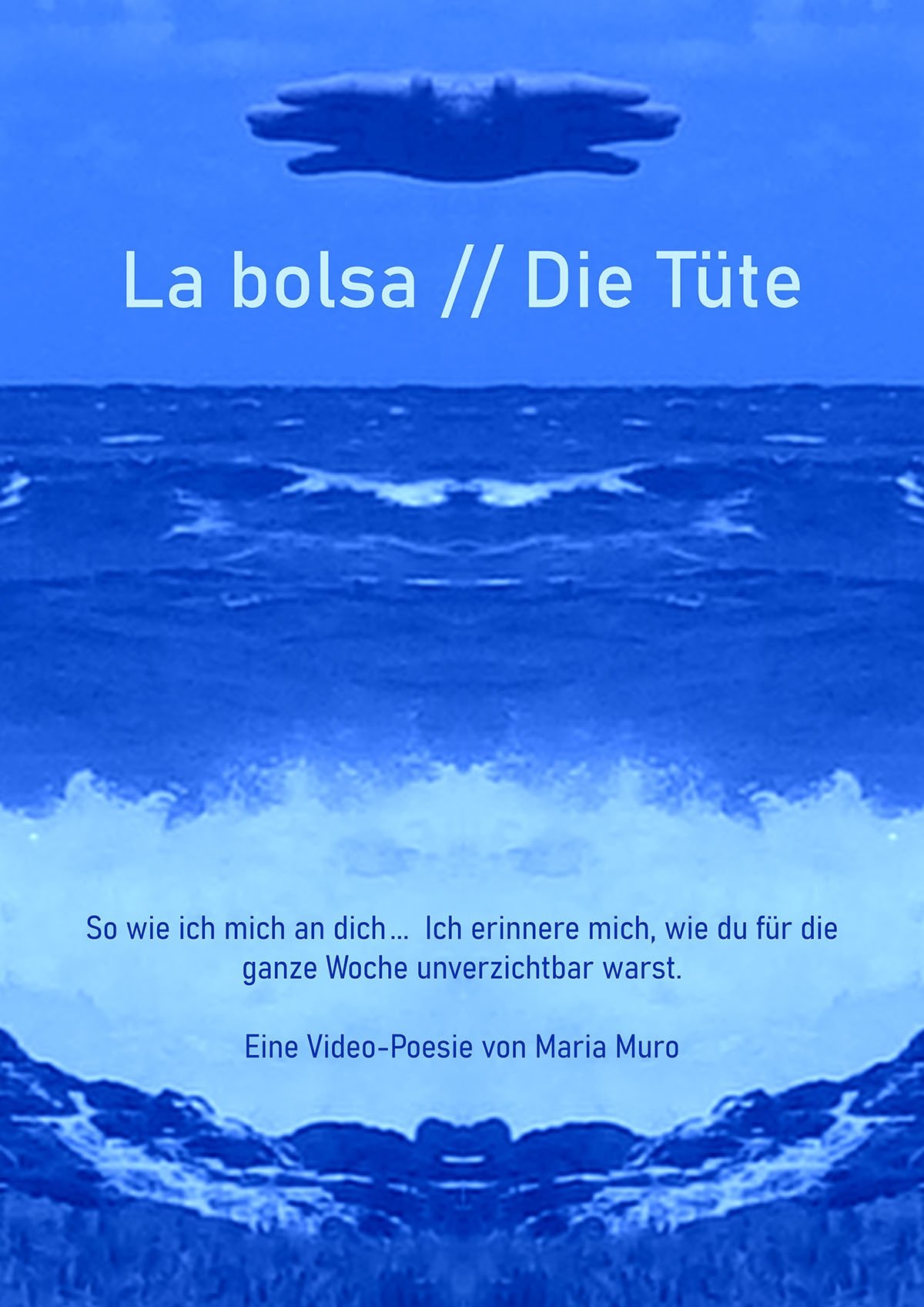
Videoinstallation with methacrylate / no sound / 2018. Underwater Images recorded in Baja California Sur (México)
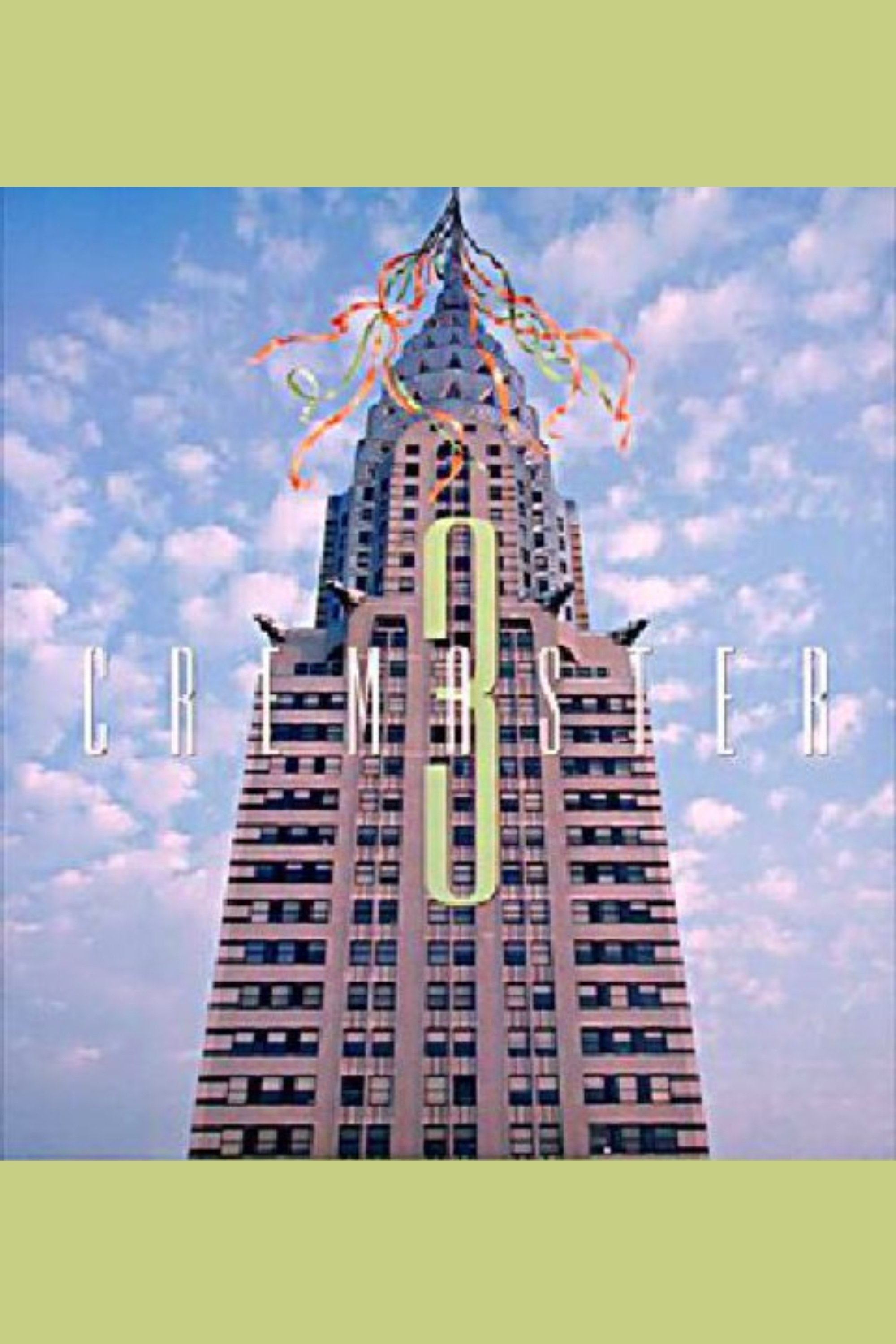
CREMASTER 3 is set in New York City and narrates the construction of the Chrysler Building, which is in itself a character - host to inner, antagonistic forces at play for access to the process of (spiritual) transcendence. These factions find form in the struggle between Hiram Abiff or the Architect...
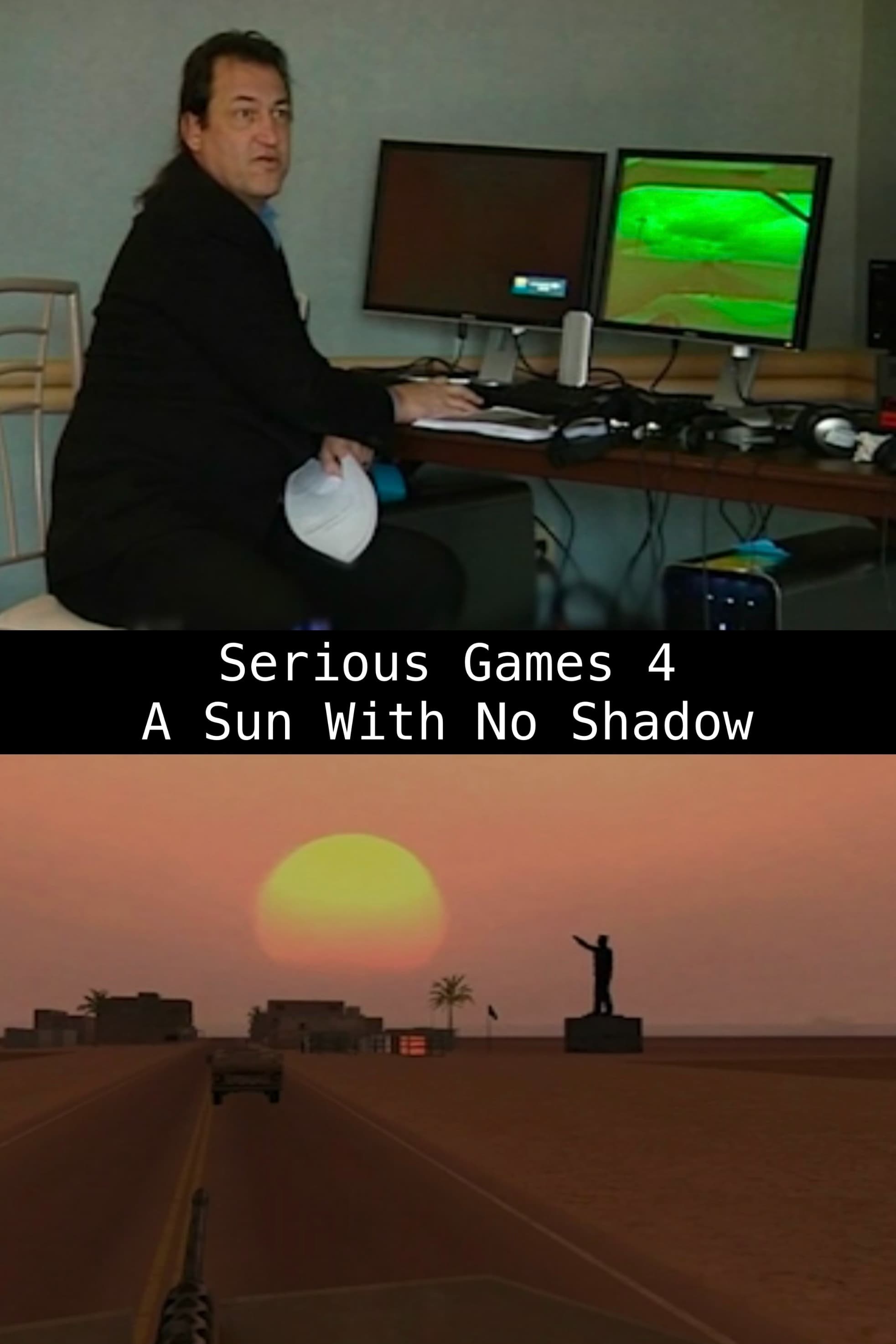
An exploration of how the U.S. military employs video game technology to train troops for war. In A Sun With No Shadow, Farocki calls attention to the subtle differences between the simulations for combat training and PTSD. With the former, the sun can be programmed to cast shadows in the virtual combat zones, while the latter, less expensive technology does not offer this feature.
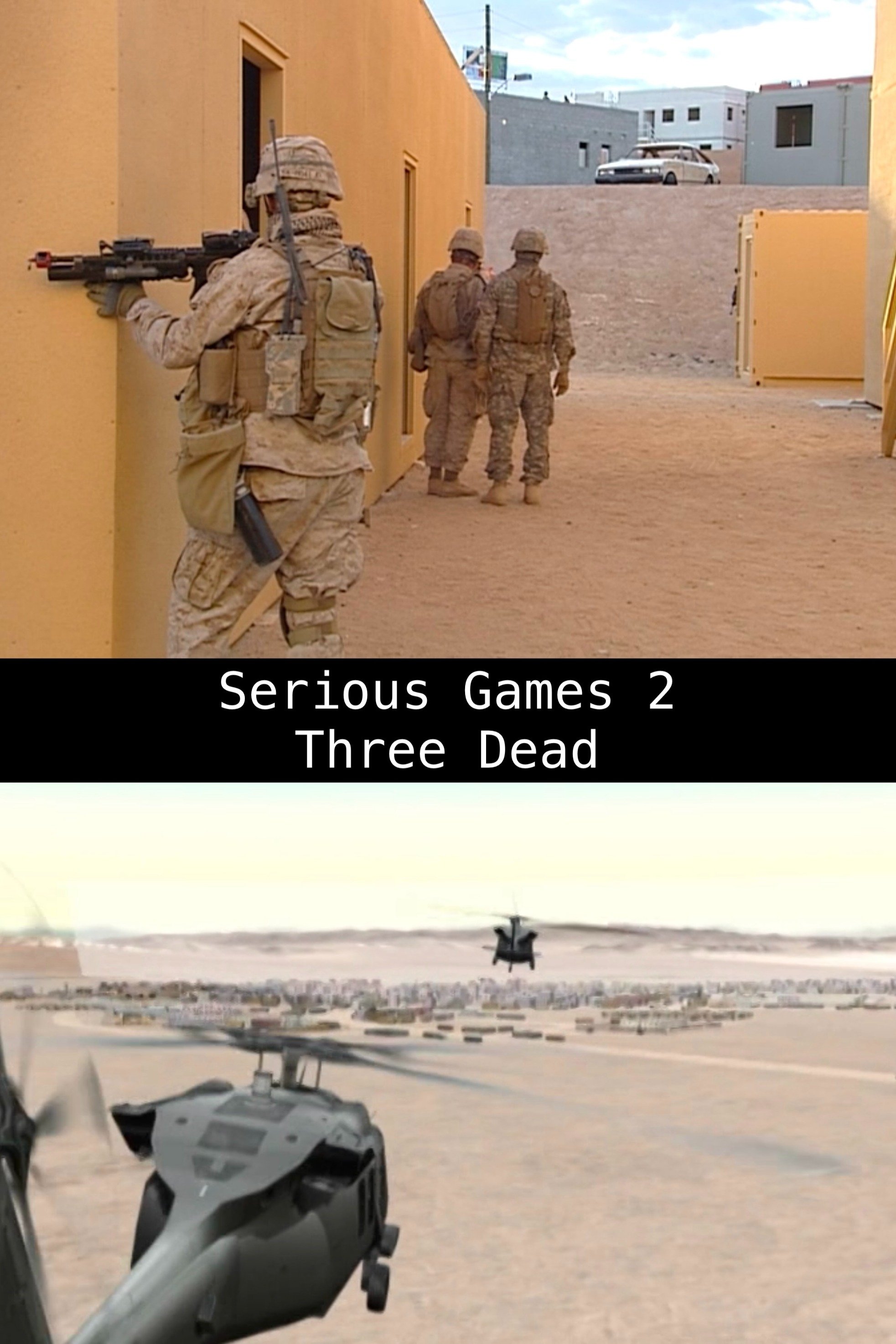
An exploration of how the U.S. military employs video game technology to train troops for war. Three Dead depicts a military exercise within a mock Iraqi town built on the outskirts of Twentynine Palms, California, blurring the line between computer simulation and reality.
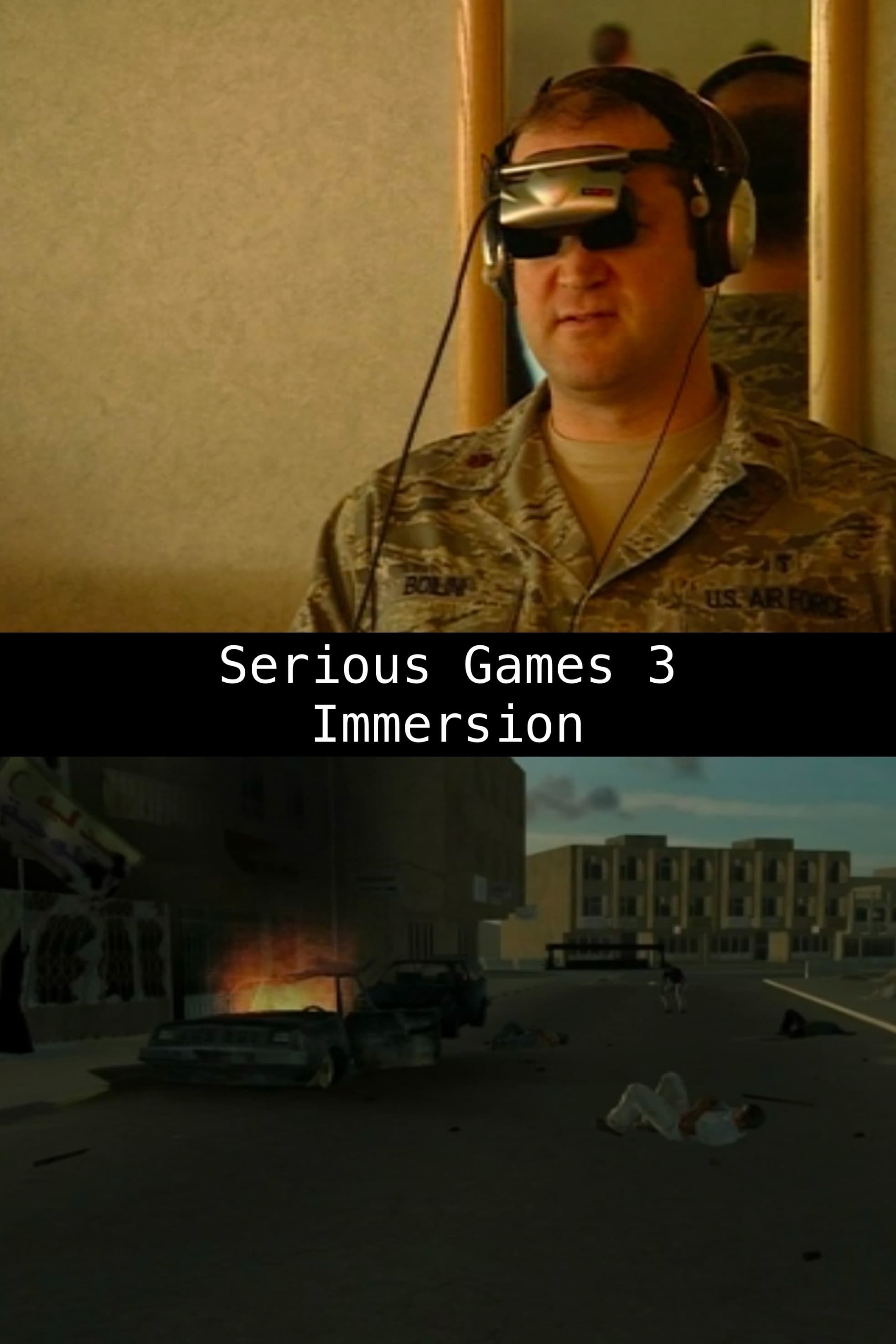
An exploration of how the U.S. military employs video game technology to train troops for war. In Immersion, Farocki presents footage of a role-playing exercise in which military psychologists demonstrate how to use the PTSD program on their colleagues, who describe traumatic wartime experiences. On a second channel, their descriptions play out as virtual renderings.
Skin Shade Night Day explores the daily routine and rituals practised by the artist’s Cambodian-Australian family, which are reperformed and documented through a process of embodied empathy. Acts of service, such as gardening and cooking, play out as echoes from the past across a sound and image installation displayed in a shadehouse. Spectres, shadows and aural textures conjure up impressions of a place that remembers how its inhabitants once lived.
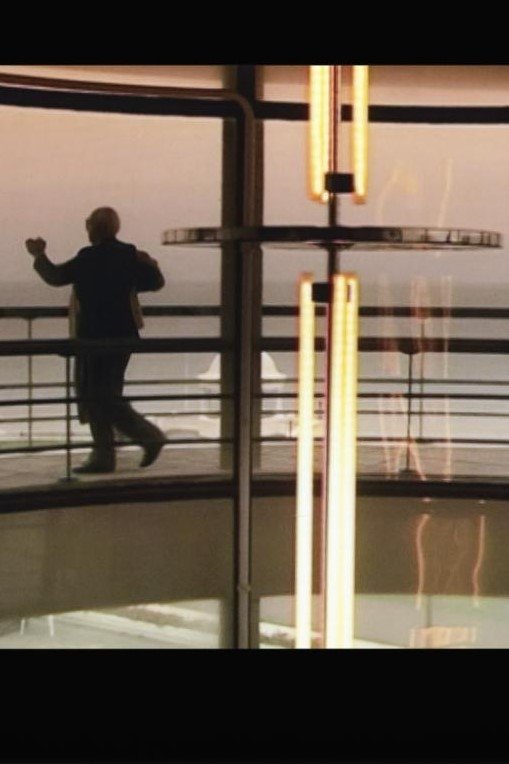
The Other Side is a double-screen video installation commissioned as part of Breakwell’s residency at the De La Warr Pavilion in Bexhill-on-Sea, East Sussex during the summer and autumn of 2000. The film was shot on the Pavilion’s upper landing, the camera positioned looking out through the curved windows of the stairwell across the exterior balcony to a view of the sea and the horizon. It comprises two alternating sequences projected onto either side of a free standing wall. Footage of elderly couples ballroom dancing on the balcony outside has been slowed down to the rhythm of the accompanying soundtrack, an extract from Franz Schubert’s Nocturne in E-flat Major (Op.148) overlaid by the sounds of breaking waves and seagulls. In the alternating scene, played to the same sound, panoramic vistas of the view out of the building towards the sea and horizon beyond are empty of human presence.
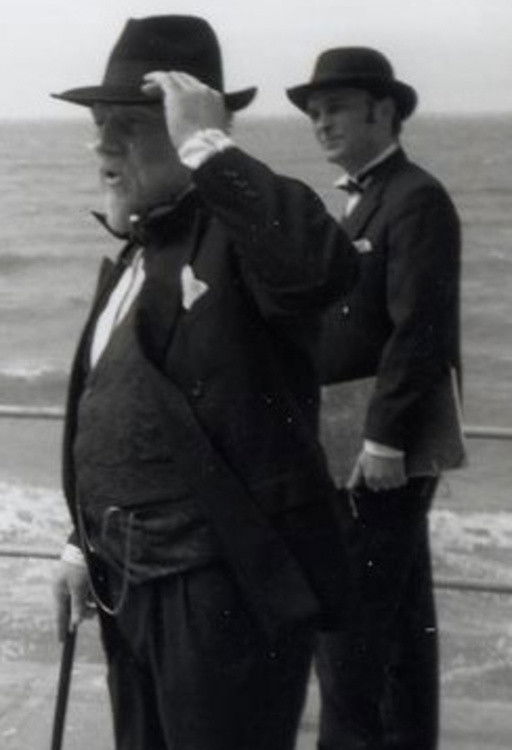
In 2000, which was ‘Ensor Year’, the installation artist Guillaume Bijl made a short fictitious found-footage film entitled ‘James Ensor in Oostende ca. 1920’, which shows the painter at this resort with his friends. We see them having a drink, strolling in the arcades of the Thermae Palace and sitting on the beach. Bijl’s meticulous choice of locations, belle époque dress (including bathing costumes) and his cinematographically perfect imitation of the rather jerky black & white images, as well as the patina and the perfectly imitated scratches on the film emulsion, all resulted in a perfect replica: an apparently forgotten roll of film from the days of silent film. Bijl himself classifies this faultless slice of life, one of his rare excursions into film and video, under ‘cultural tourism’, one of the elements of his work in which he popularizes cultural history subjects and reduces them to clichés for the general public.
Po and the Furious Five uncover the legend of three of kung fu's greatest heroes: Master Thundering Rhino, Master Storming Ox, and Master Croc.
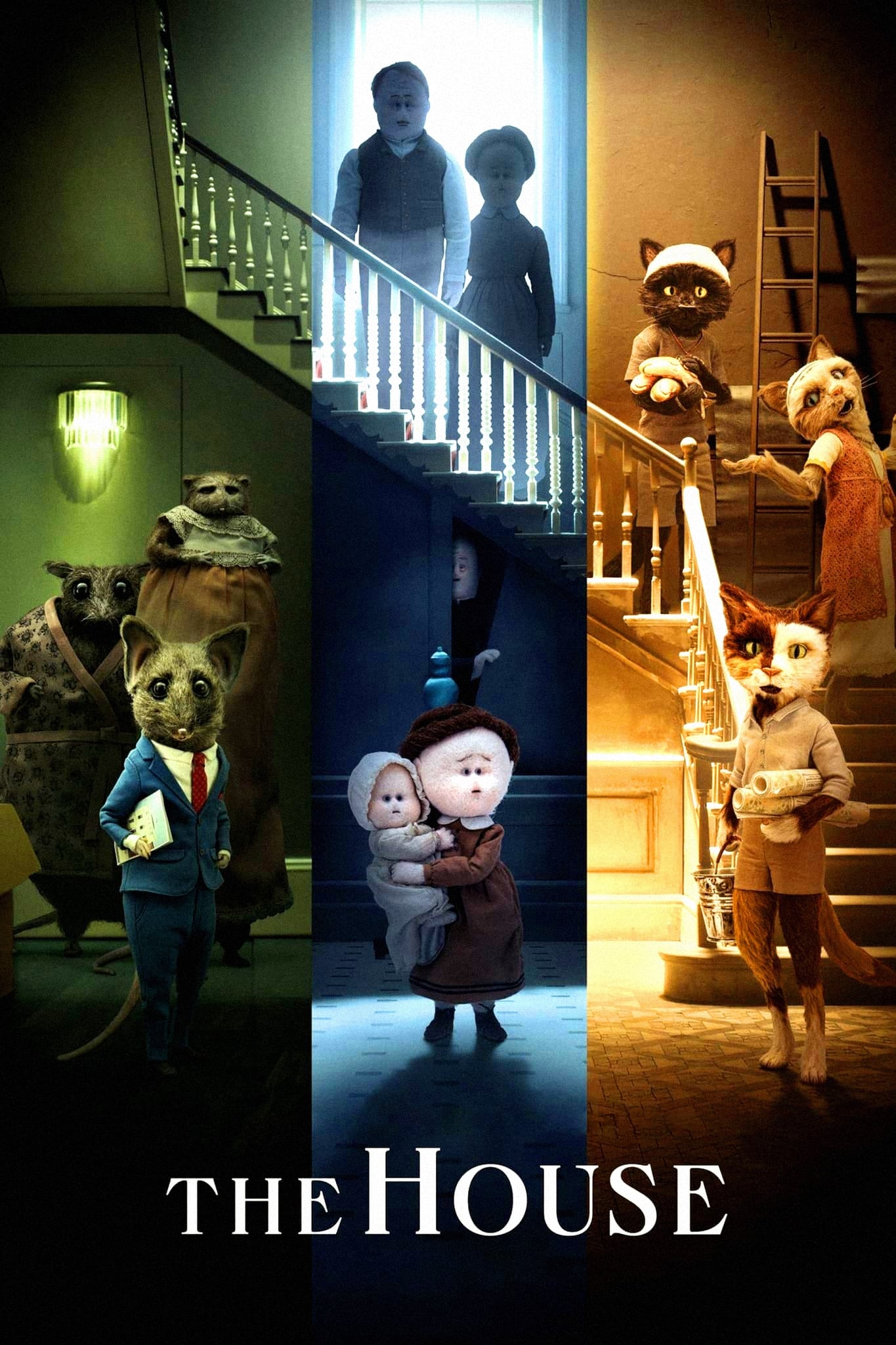
Across different eras, a poor family, an anxious developer and a fed-up landlady become tied to the same mysterious house in this animated dark comedy.
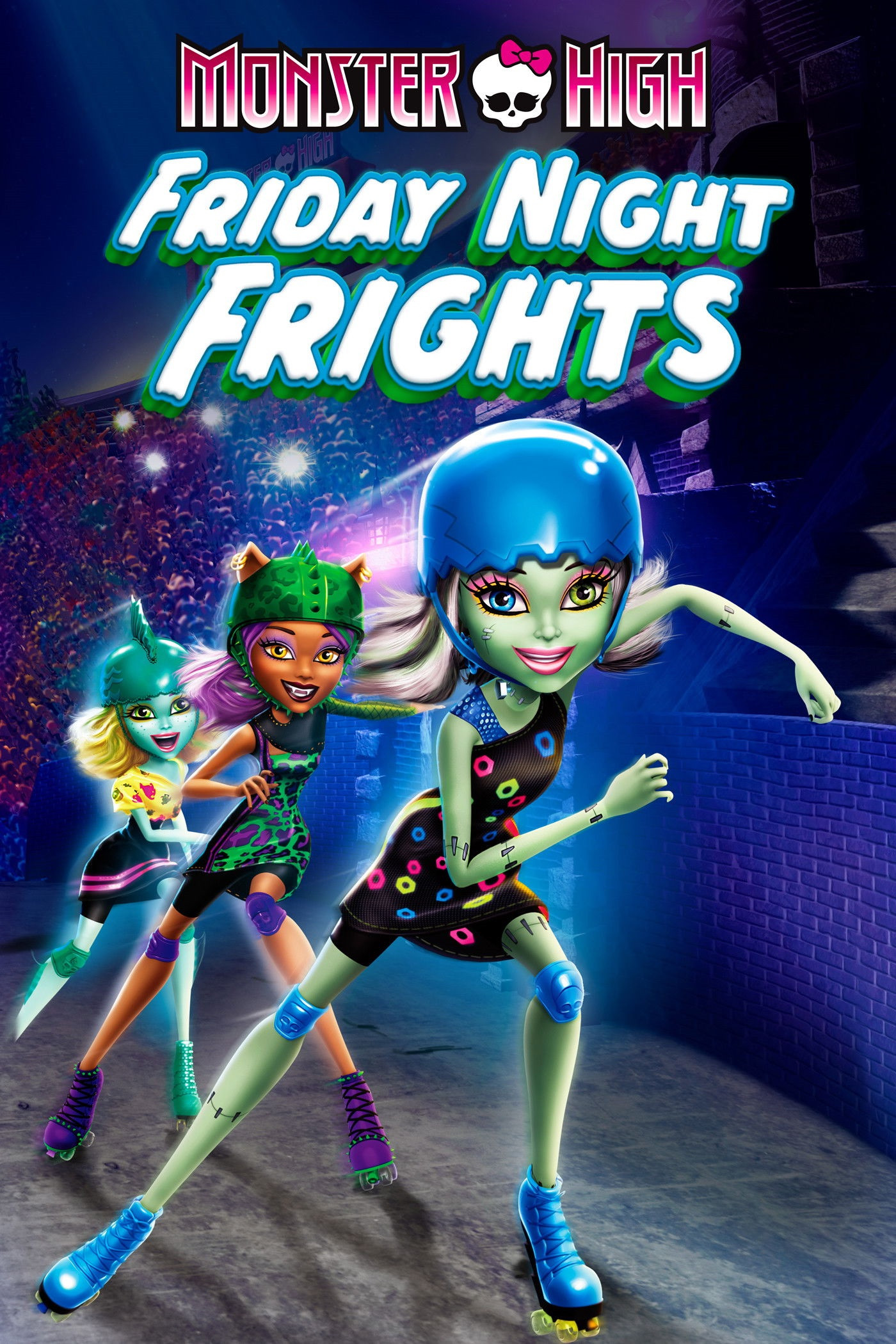
After Monster High’s roller skating team is defeated at the Skulltimate Roller Maze tournament, the ghouls team up to face an all-boys league, with the hope of winning back the school crest and restoring school spirit.
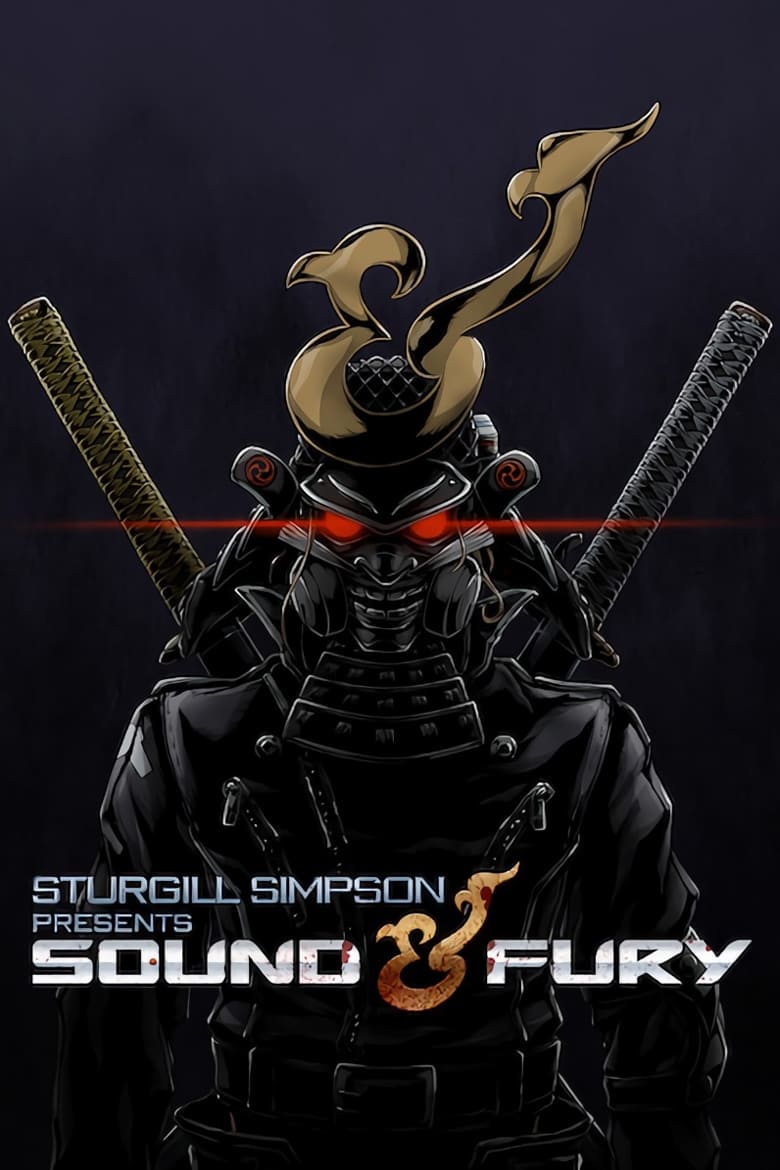
In this anime visual album, a mysterious driver heads deep into a postapocalyptic hellscape toward a ferocious showdown with two monstrous opponents.
Animals band together to save the day when the evil Otto Von Walrus hatches a sinister scheme to accelerate global warming and melt the Arctic Circle.
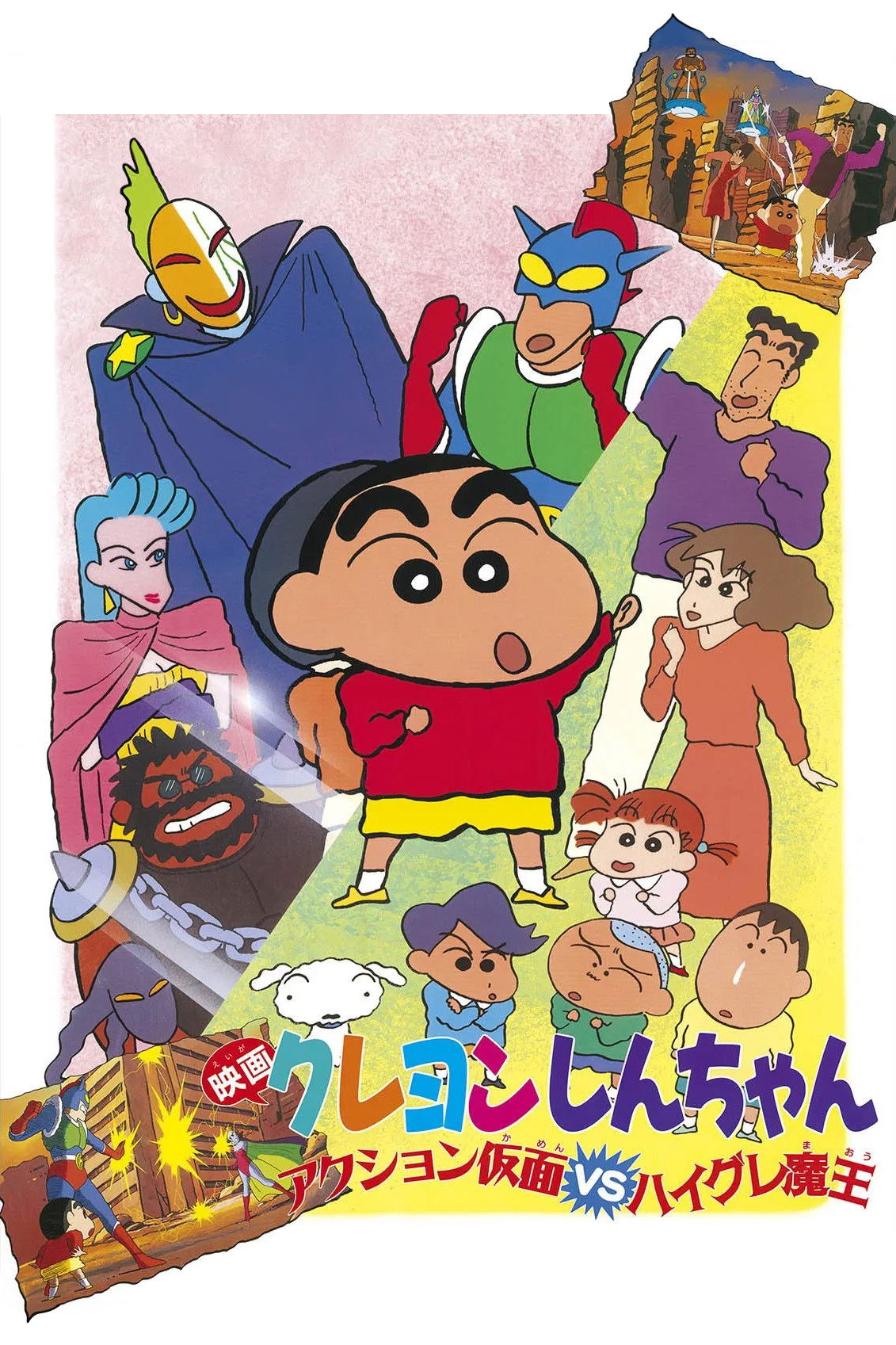
Everyone's favorite TV superhero Action Mask shows up in Kasukabe, and he's trying to get something from Shin-chan -- but what could it be?
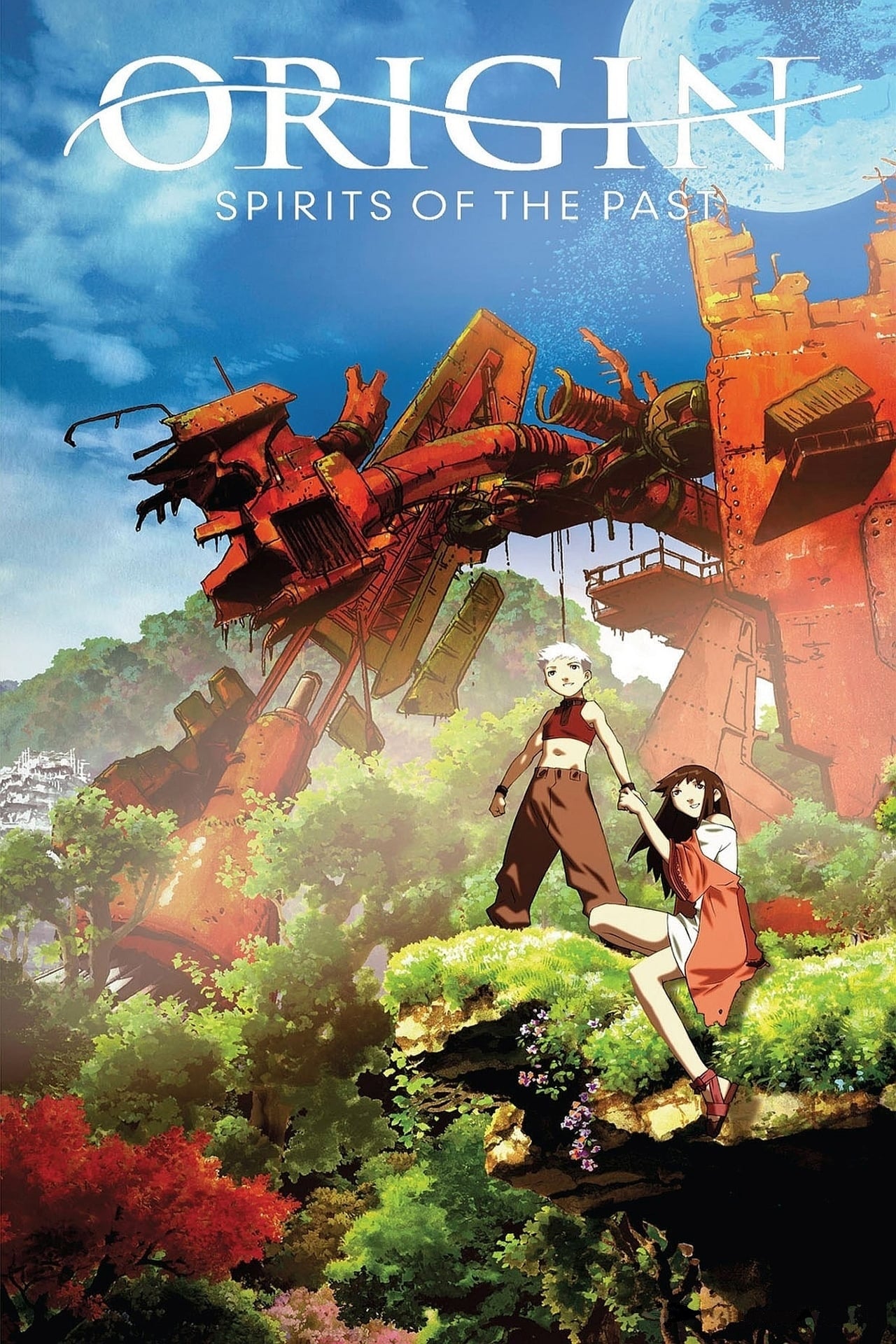
It is 300 years into the future. Earth's environment had been devastated by mankind's own foolish plans and humankind is beleaguered by the sentient forests which they have awoken. The world balance is tipped when a young boy named Agito stumbles across a machine that glowed in a strange blue hue inside a forbidden sanctuary.
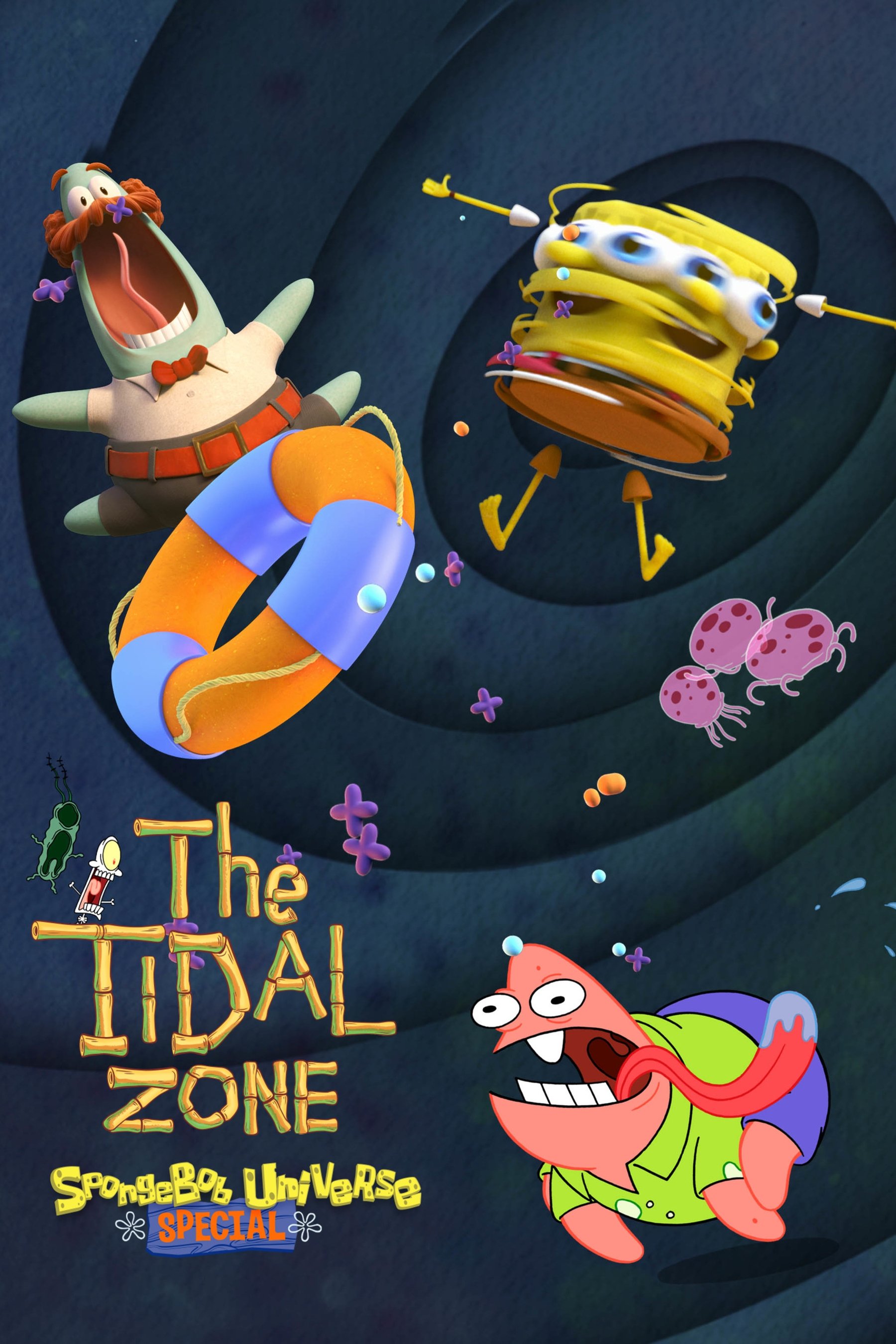
GrandPat travels through alternate dimensions and timelines to get home.
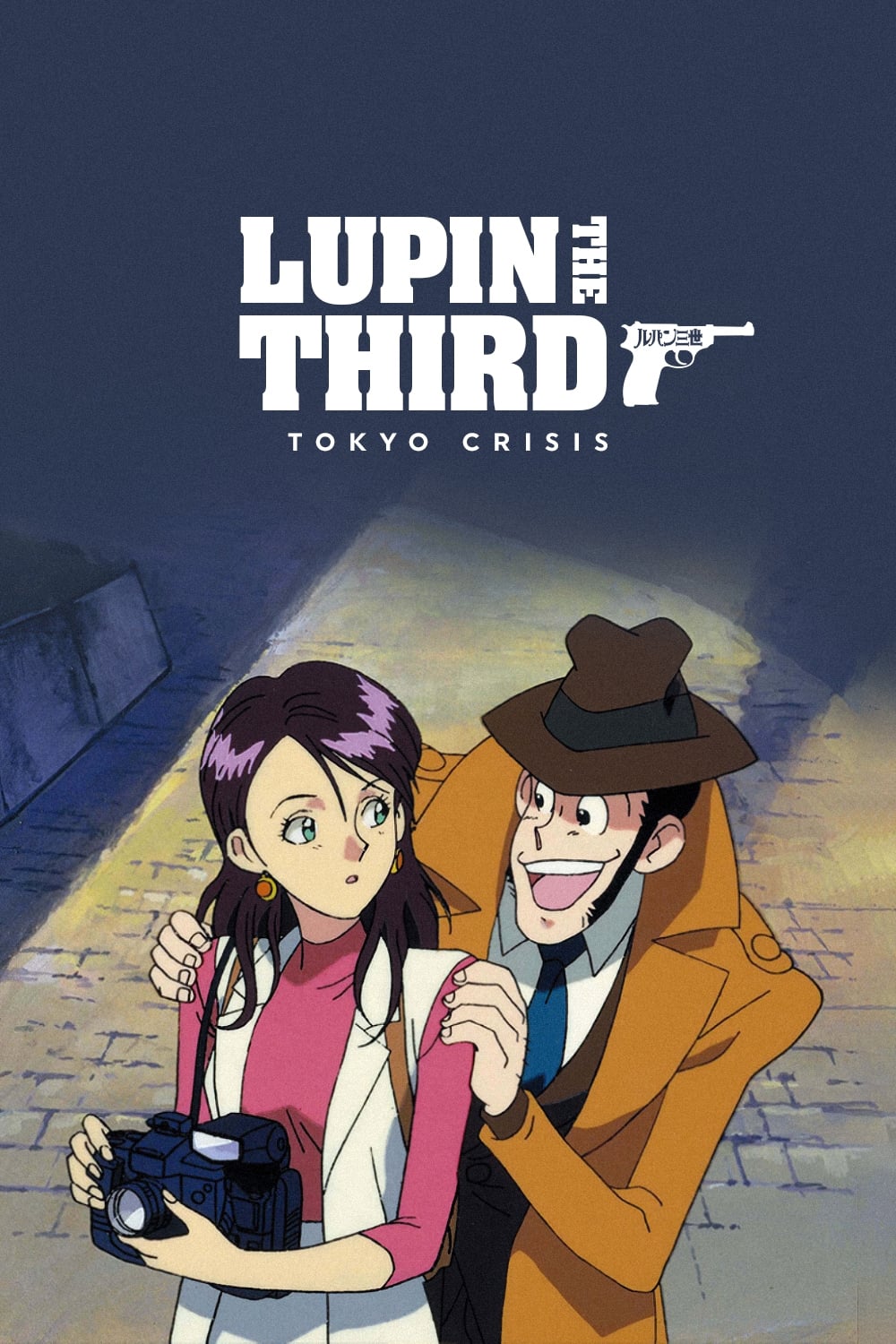
Lupin's plans to intercept two old glass photographic plates from being delivered to a mysterious art dealer named Mr. Suzuki misfires, and it doesn't help matters that Goemon and Jigen are suffering from... efficiency problems. Meanwhile, Inspector Zenigata has a new tag-along in the Lupin chase: the beautiful young reporter Maria. But what is Maria's connection to the mysterious Mr. Suzuki?
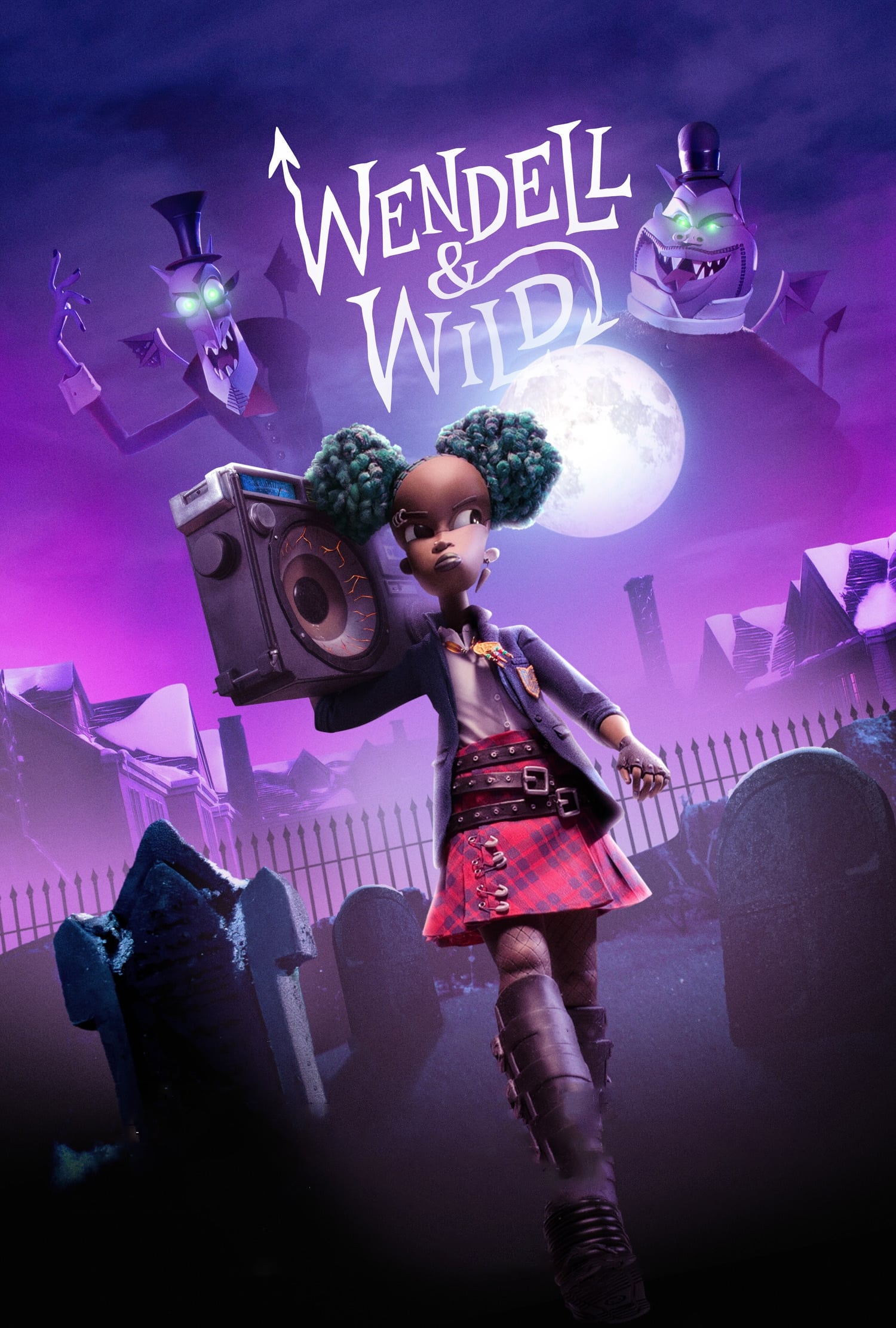
Two scheming demons strike a deal with a punk rock-loving teen so they can leave the Underworld and live out their dreams in the Land of the Living.
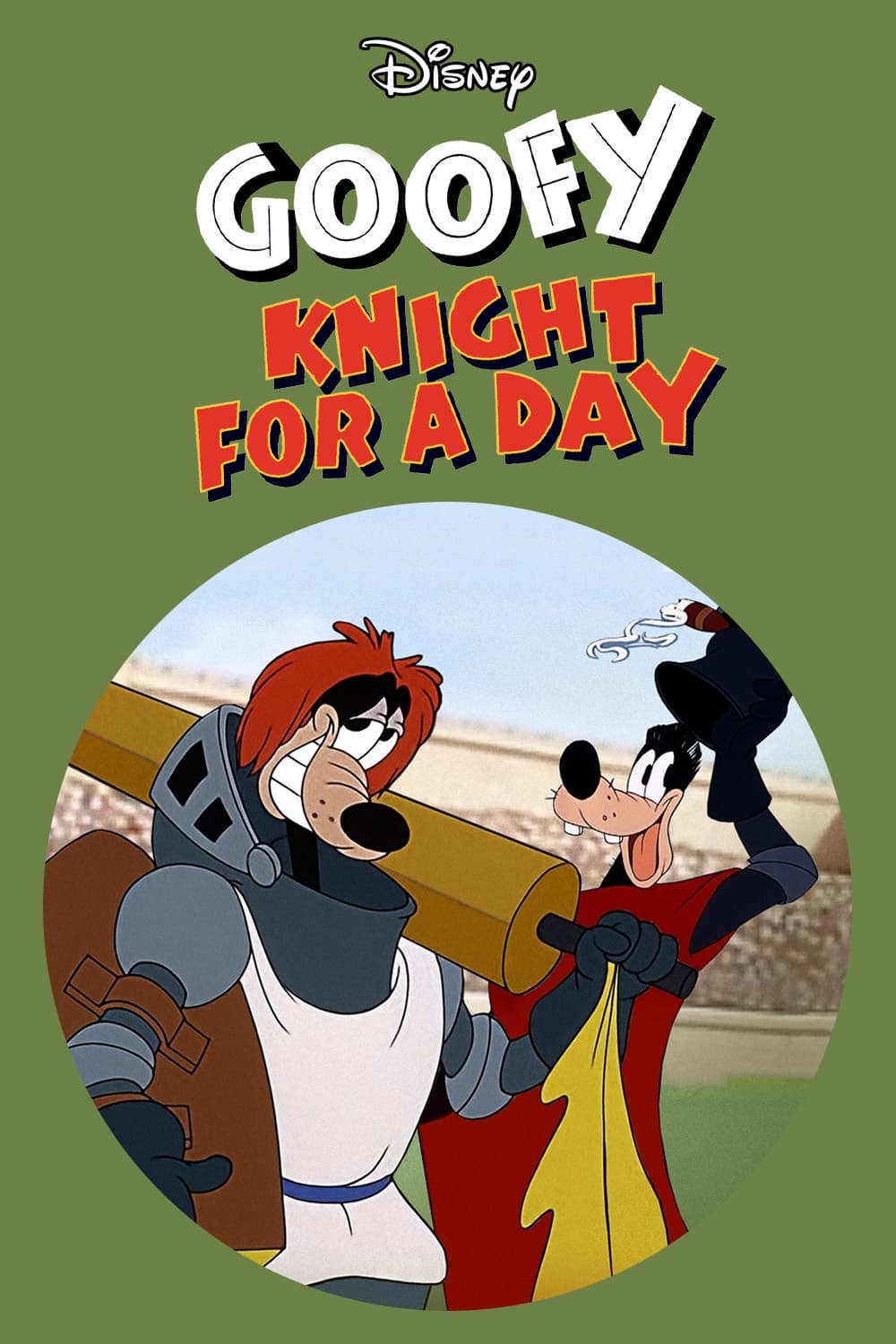
By accident, Cedric (Goofy), replaces his master, Sir Loinsteak, in the armor just before the joust with champion Sir Cumference.
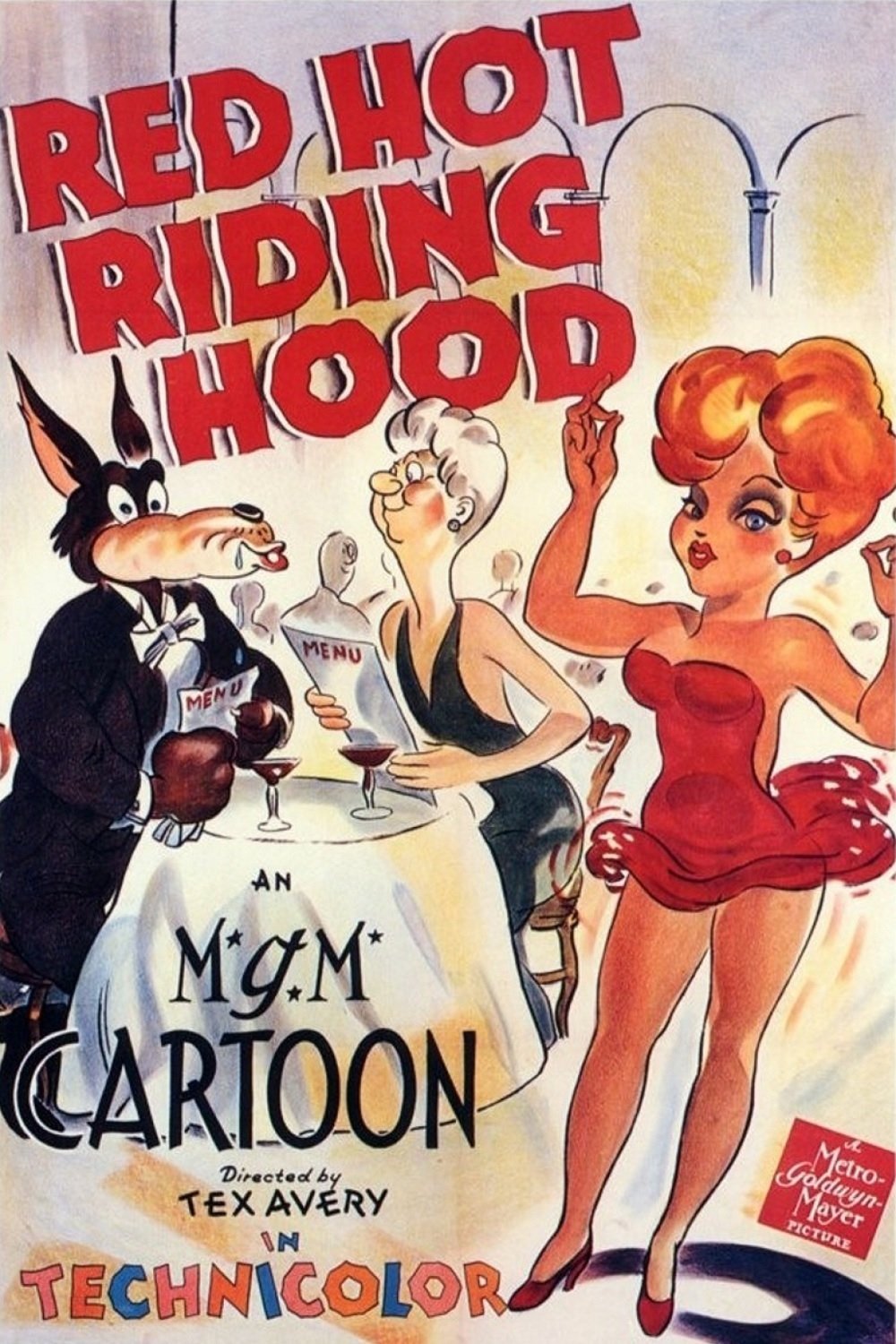
Tired of always playing the same roles, Little Red Riding Hood, her grandmother and the Wolf demand a new version of the tale. The story then plays out in a more contemporary urban environment, with Little Red Riding Hood working as a pin-up girl in a night club.
The seven short films making up GENIUS PARTY couldn’t be more diverse, linked only by a high standard of quality and inspiration. Atsuko Fukushima’s intro piece is a fantastic abstraction to soak up with the eyes. Masaaki Yuasa, of MIND GAME and CAT SOUP fame, brings his distinctive and deceptively simple graphic style and dream-state logic to the table with “Happy Machine,” his spin on a child’s earliest year. Shinji Kimura’s spookier “Deathtic 4,” meanwhile, seems to tap into the creepier corners of a child’s imagination and open up a toybox full of dark delights. Hideki Futamura’s “Limit Cycle” conjures up a vision of virtual reality, while Yuji Fukuyama’s "Doorbell" and "Baby Blue" by Shinichiro Watanabe use understated realism for very surreal purposes. And Shoji Kawamori, with “Shanghai Dragon,” takes the tropes and conventions of traditional anime out for very fun joyride.
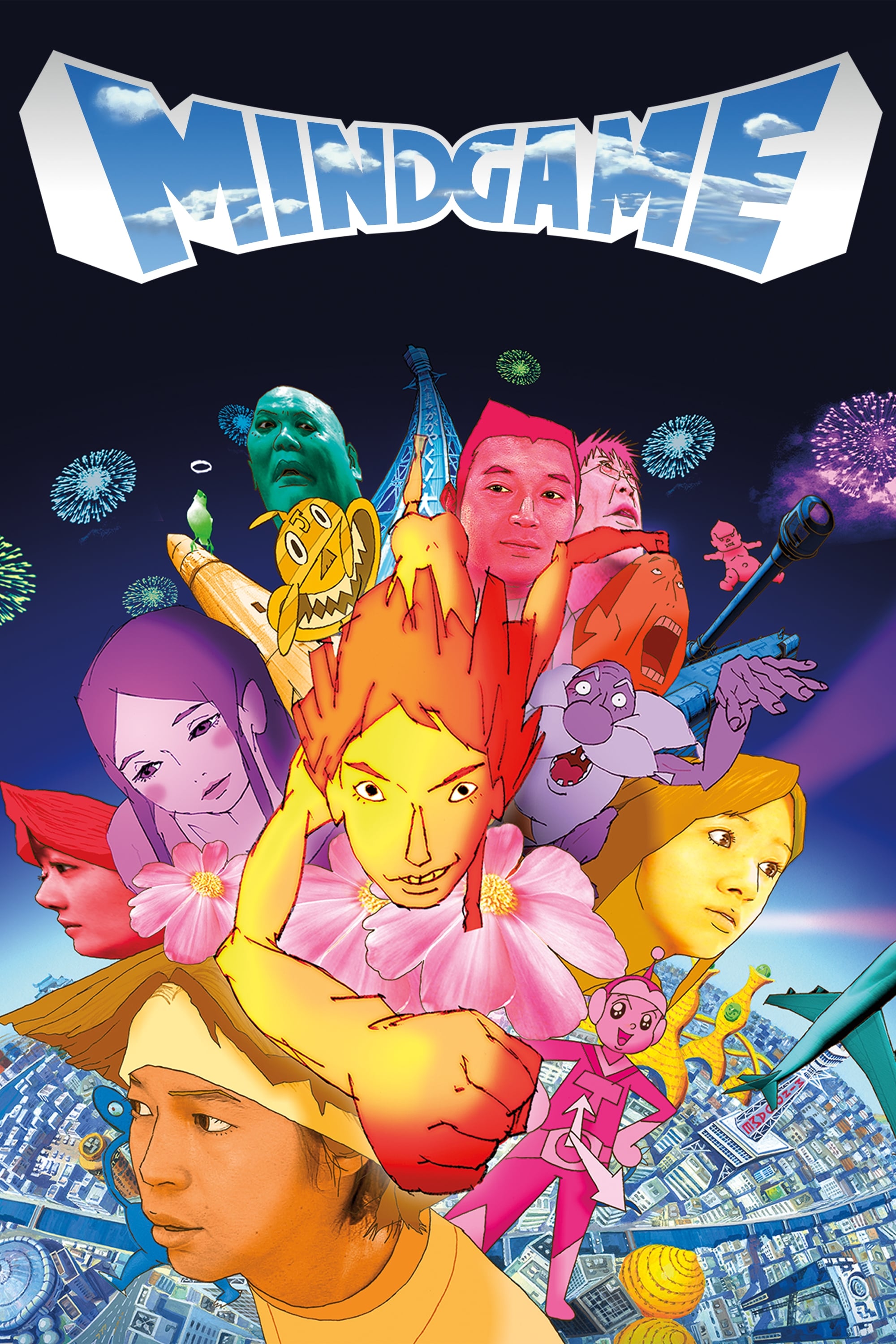
Nishi is a loser who has a crush on his childhood girlfriend. After an encounter with the Japanese mafia, he journeys to heaven and back, and ends up trapped in an even more unlikely place.
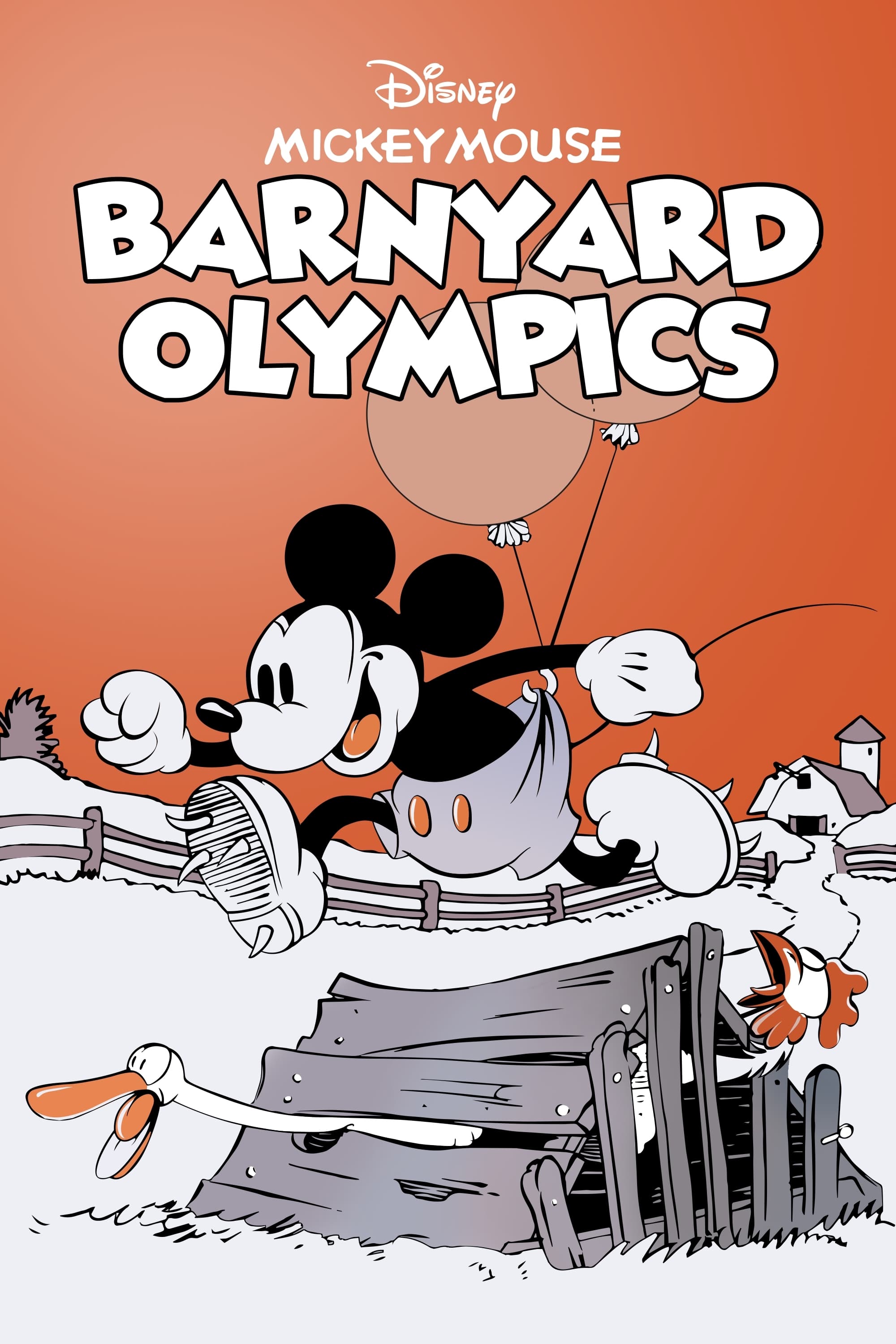
Mickey and his friends are staging a sort of olympics in a makeshift stadium on his farm. The main event is a sort of quadrathlon, with running, pole vaulting, rowing, and cycling. Mickey gets a late start due to some foul play by Pete, and that's not the only foul play.
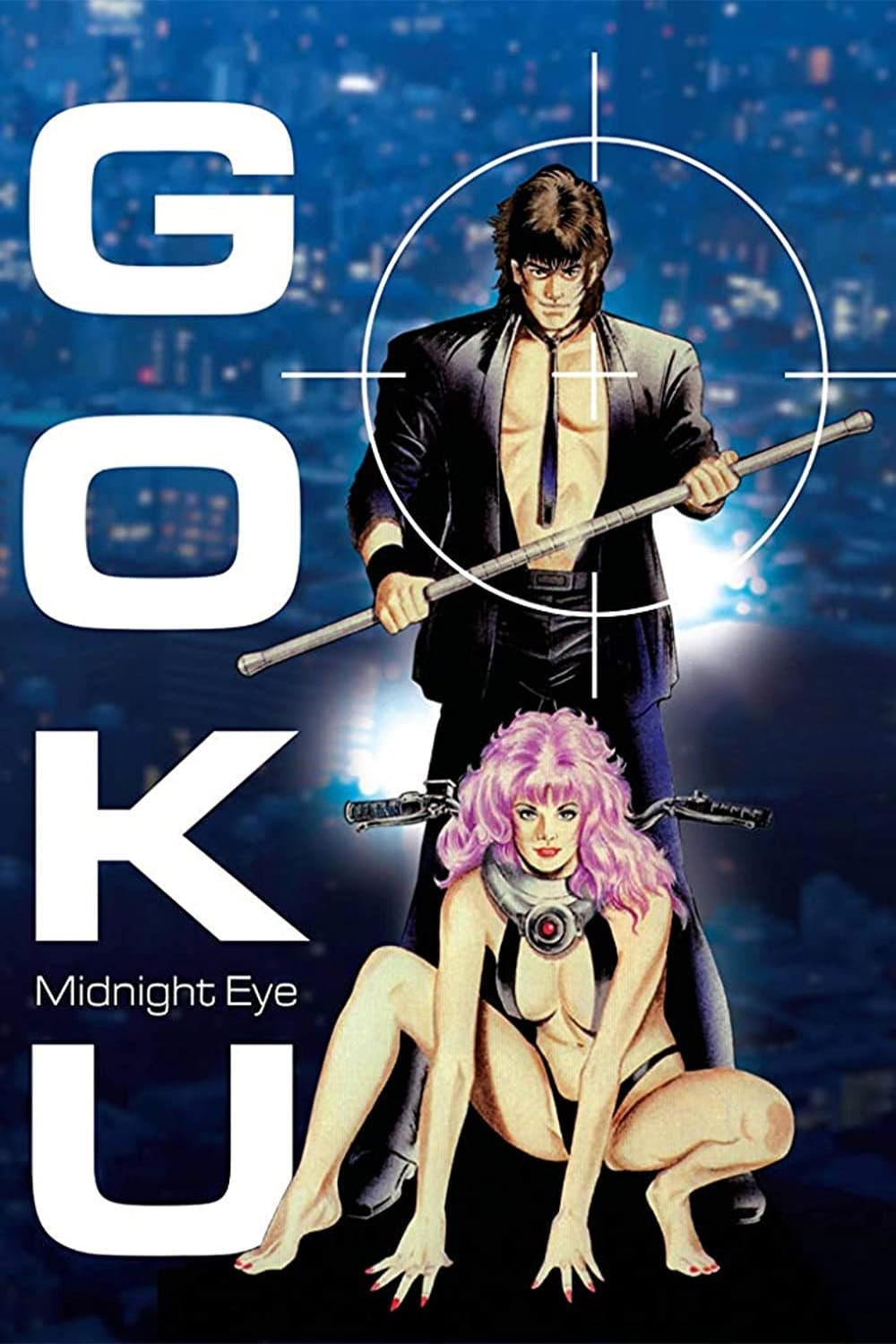
Tokyo, 2014: a city balancing on the razor's edge between financial prosperity and seismic destruction. It is a place where the lights are bright, the stakes are high, and where the threat of imminent destruction breeds crime like a disease. But for Gokuu Furinji, ex-cop and super-powered private detective, crime is money...
Ace female test pilot Kusomoto Elle humiliates macho tank driver Lt. Kilgore in the first demonstration of the advanced personal battle tank, the MADOX. Kilgore vows revenge, and gets his chance when the army rather carelessly loses the prototype in Tokyo. The MADOX is found by engineering student Sujimoto Kouji, who doesn't take the time to completely read the manual and ends up zooming around Tokyo trapped in a machine he doesn't quite know how to operate. Guess who gets the job of stopping the now mobile missing MADOX? Poor Kouji. If he's late for his date, it's over between him and his girlfriend. His current attire redefines the term "over-dressed." And to top it all off, Kilgore wants to make him late- as in "the late Kouji!"
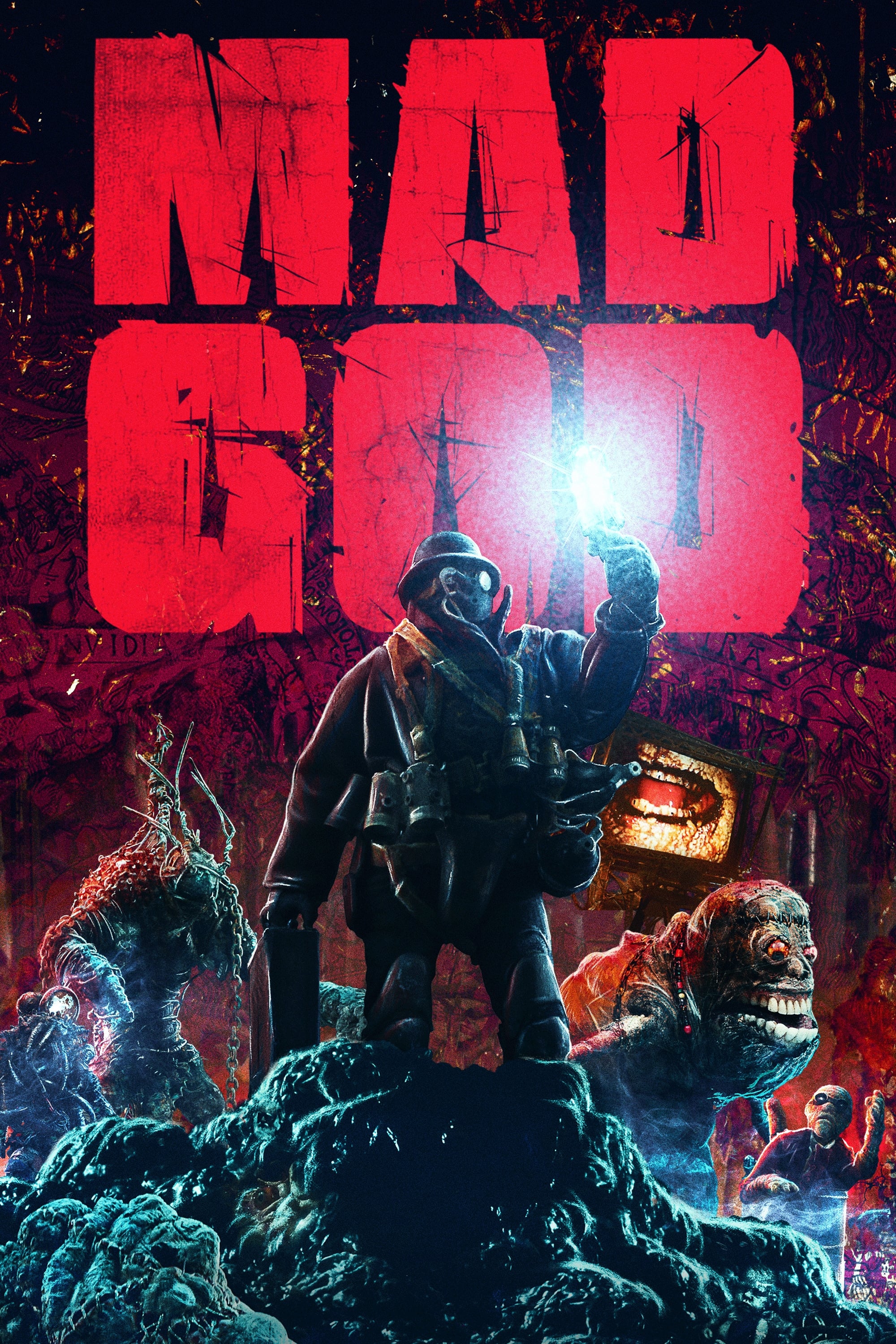
A silent figure known as The Assassin travels through a nightmare underworld of tortured souls, ruined cities and wretched monstrosities forged from the primordial horrors of the unconscious mind of Phil Tippett, the world's preeminent stop-motion animator.
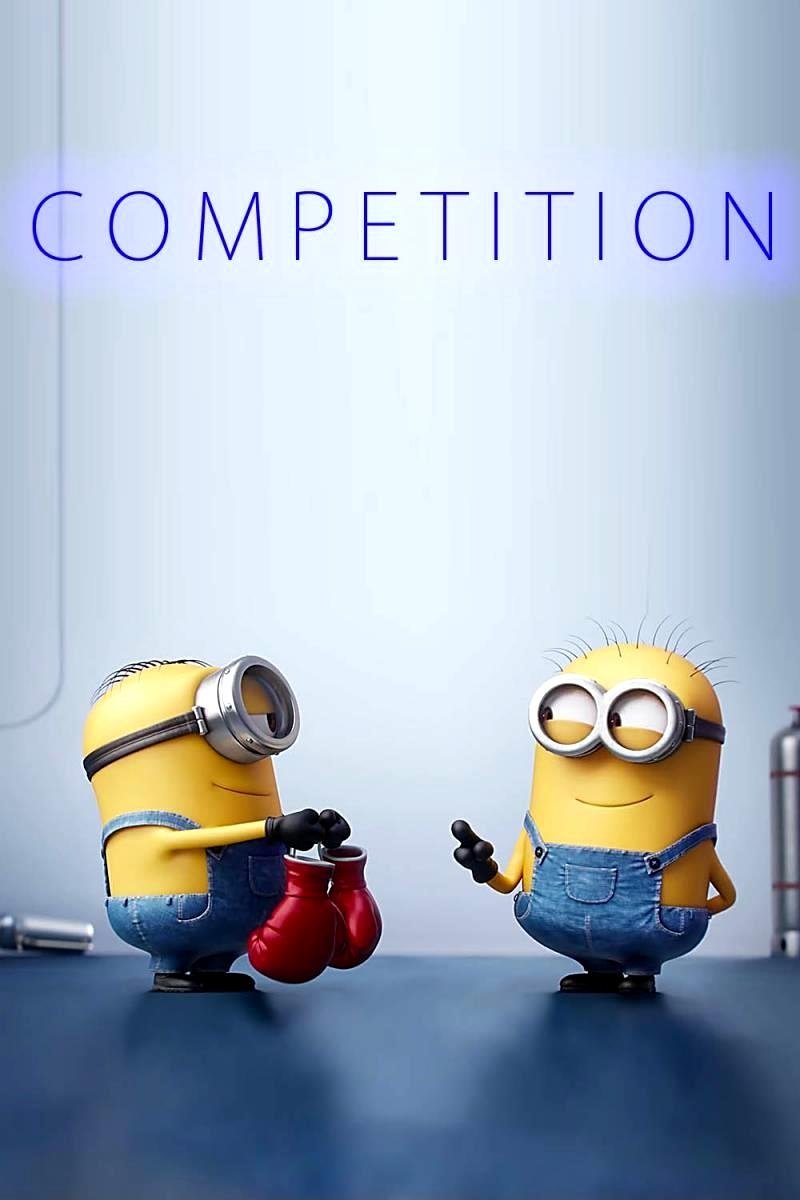
Two minions working in a bomb lab get competitive.
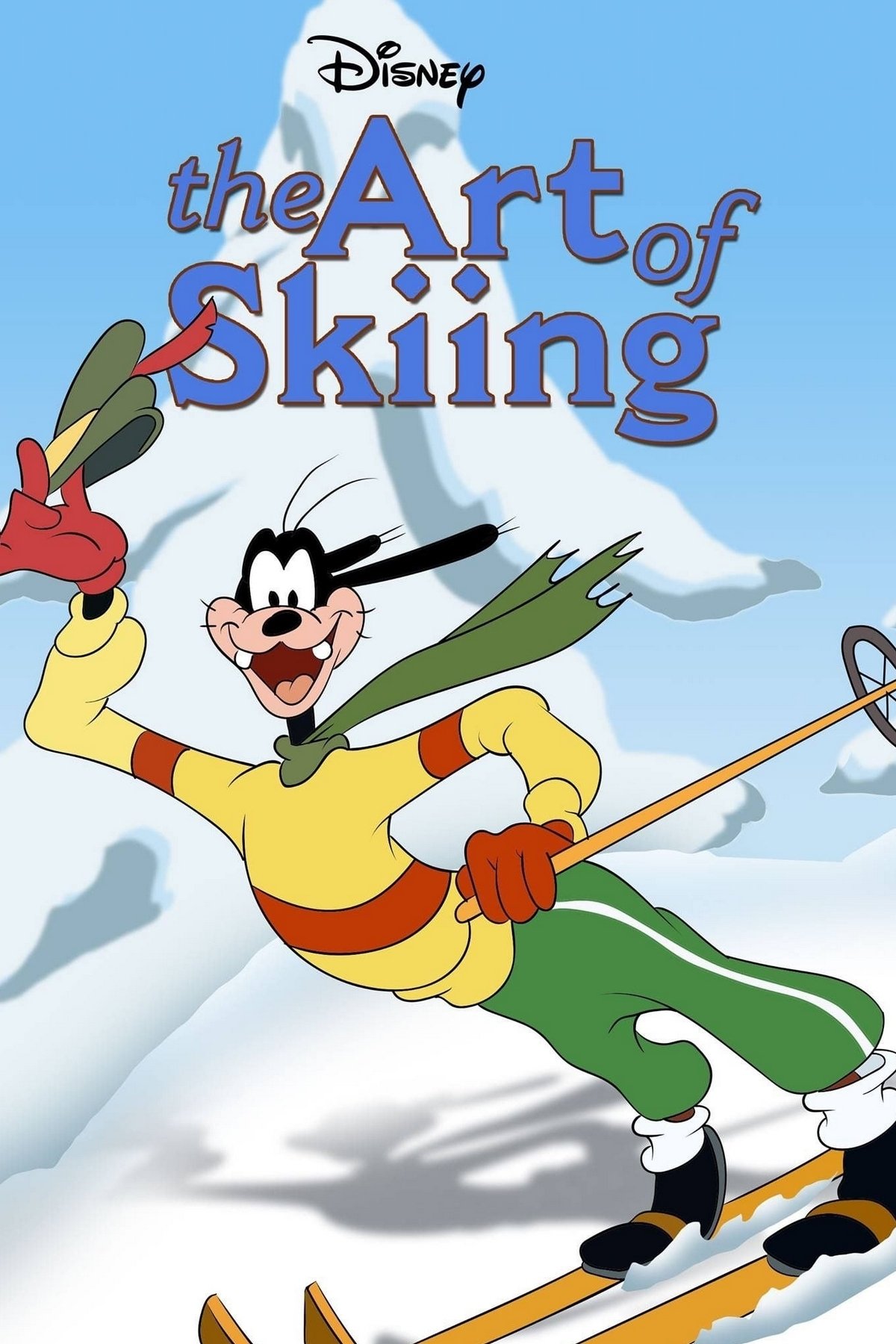
Goofy, staying at the Sugar Bowl resort, demonstrates the basics of downhill skiing, which the titles and announcer insist is pronounced "SHEEing". The equipment is, of course, of the era. As you can imagine, Goofy has much trouble keeping his skis parallel and pointing downhill. The final ski jump conveniently lands Goofy right back in bed.