Social & External
The people behind it
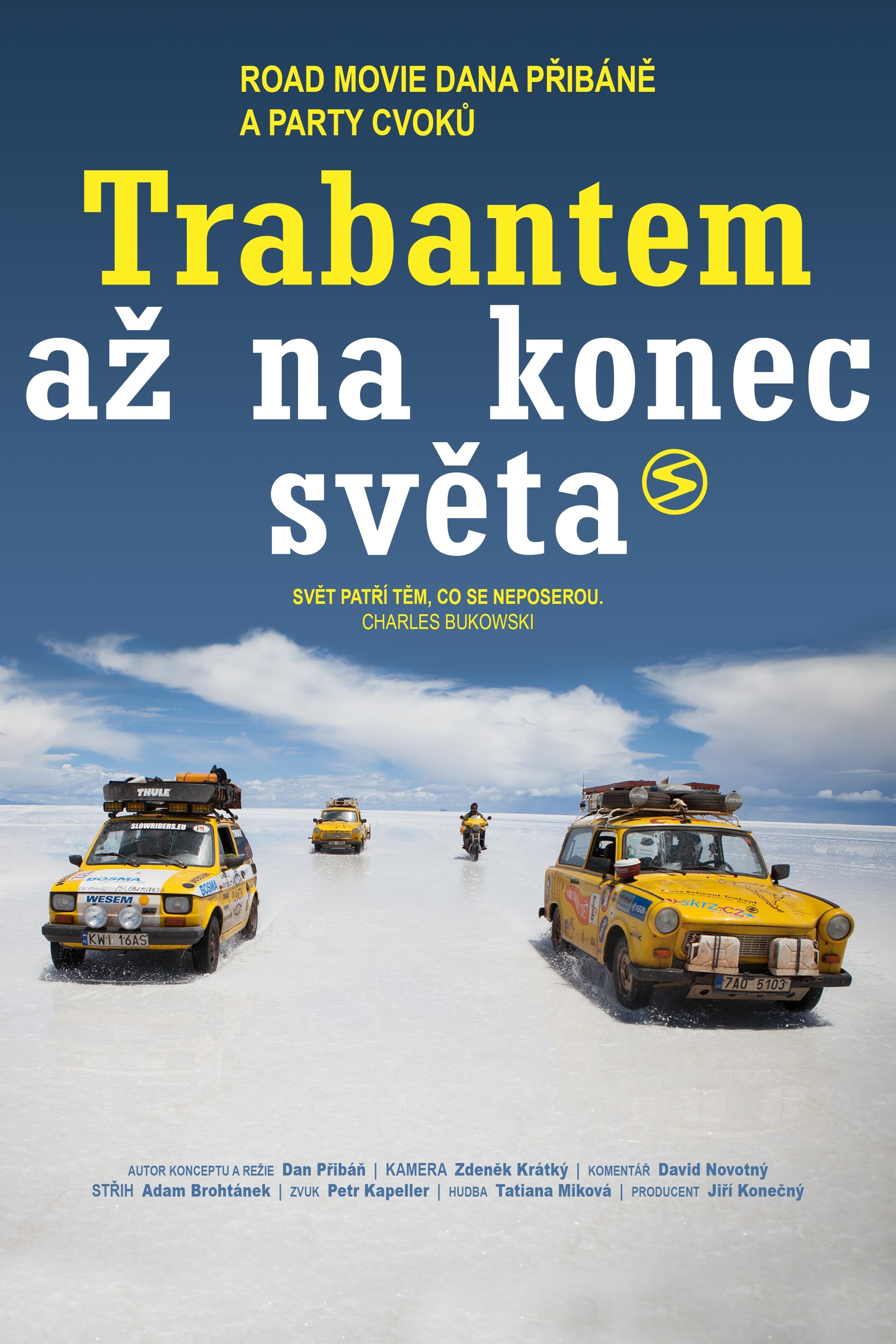
The third installment in Dan Přibáň's series of travel documentaries describes the author's journey with his friends across South America in vehicles that are often notorious but cult in their own way. The charming dynamics of the group on screen are further enhanced by the high-quality craftsmanship.
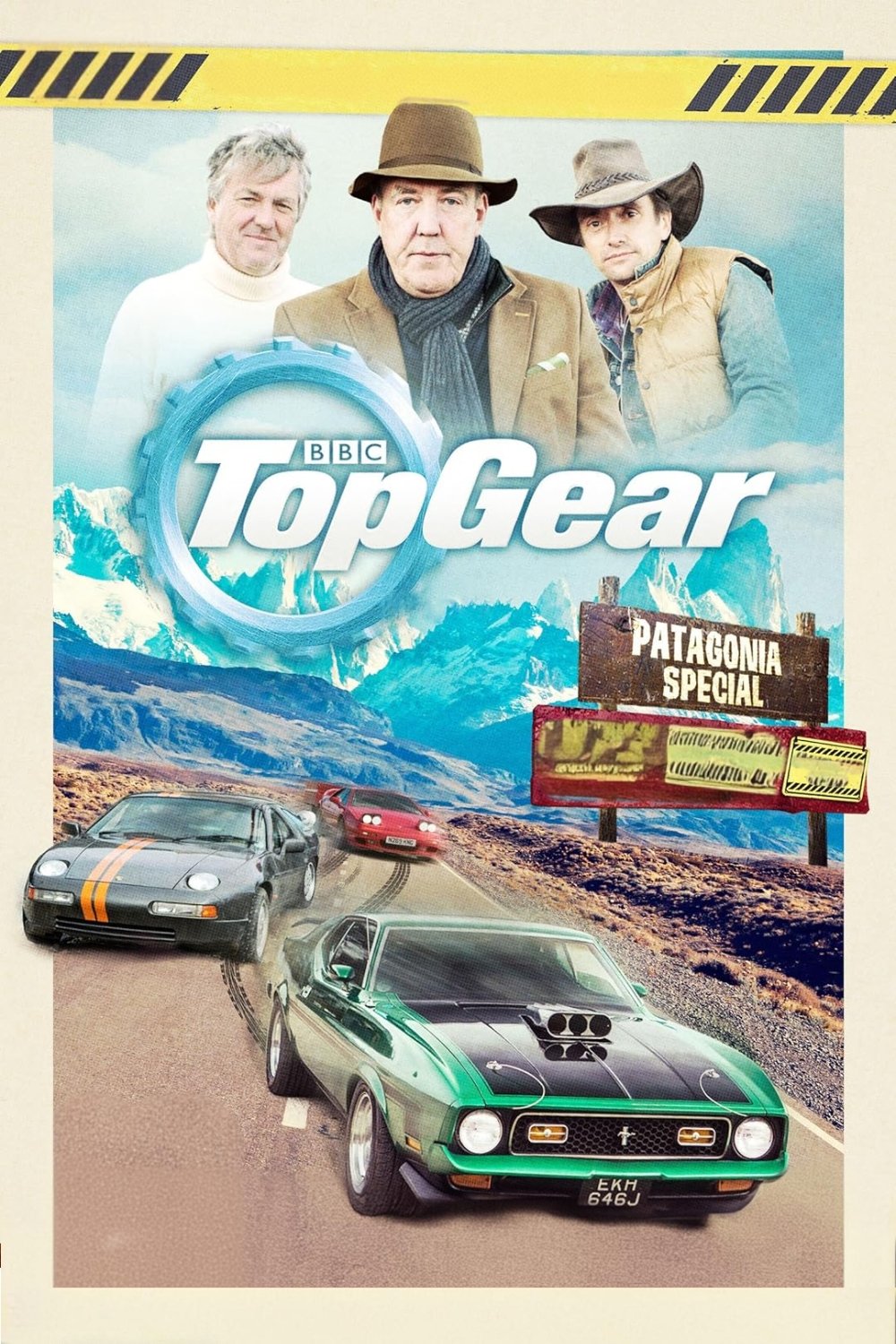
The 11th Top Gear Special is a glorious celebration of the V8 engine, or at least, it was supposed to be. In it, Jeremy Clarkson, Richard Hammond and James May take a trio of V8 powered sports cars for an epic and arduous 1600 mile road trip through the spectacular landscapes of Patagonia. Along the way they encounter swamps, deserts, forests, beaches and snowy mountain passes as the threesome and their often malfunctioning machines press on towards the southernmost city in the world and an impending game of car football. Unfortunately, that's not quite how things turn out...
Short documentary focused on the figure of Scaloni, the young coach of the Argentine national soccer team.
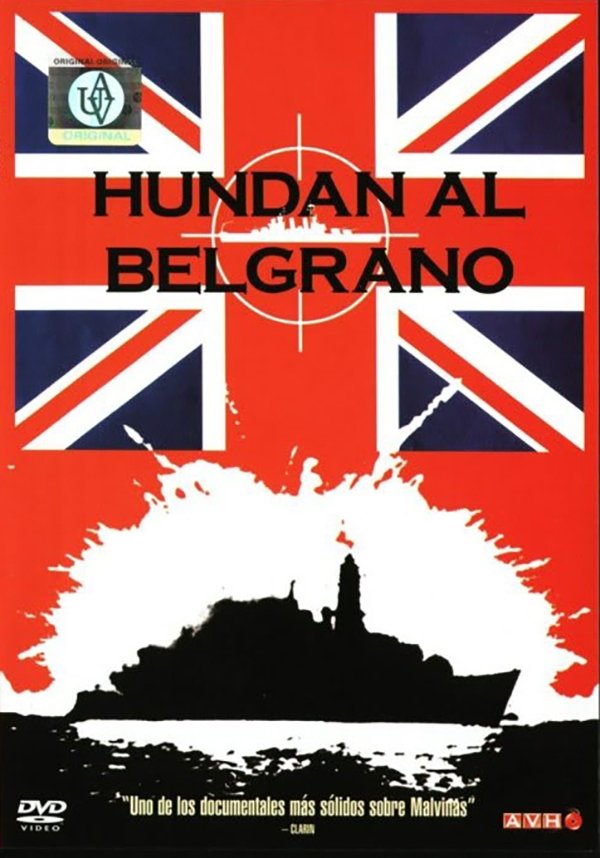
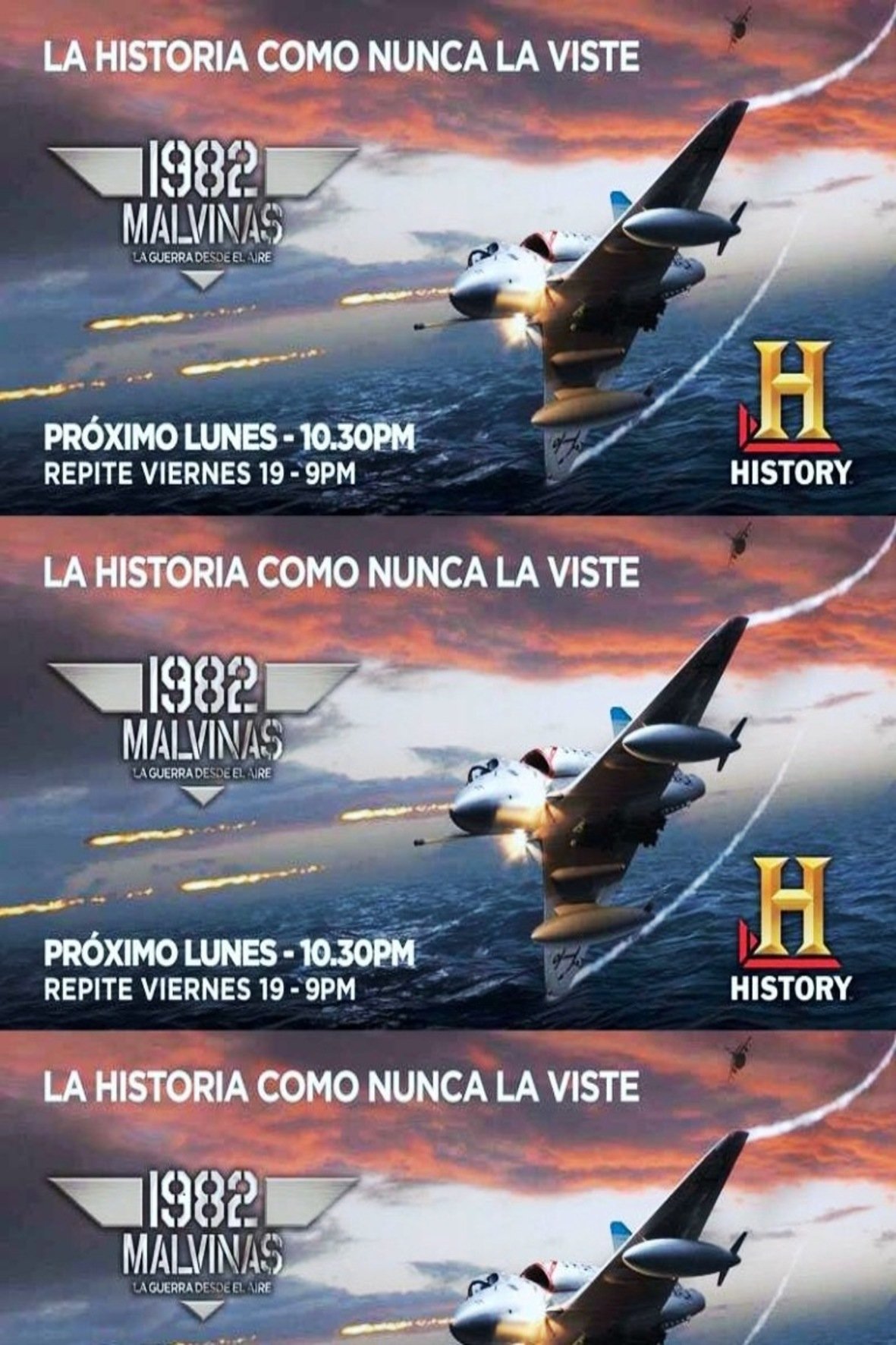
A detailed account of each of the details of the Malvinas War based on interviews, dramatic scenes, maps and other elements of historical roots without ignoring the historical antecedents from the 18th century that ended in this confrontation.
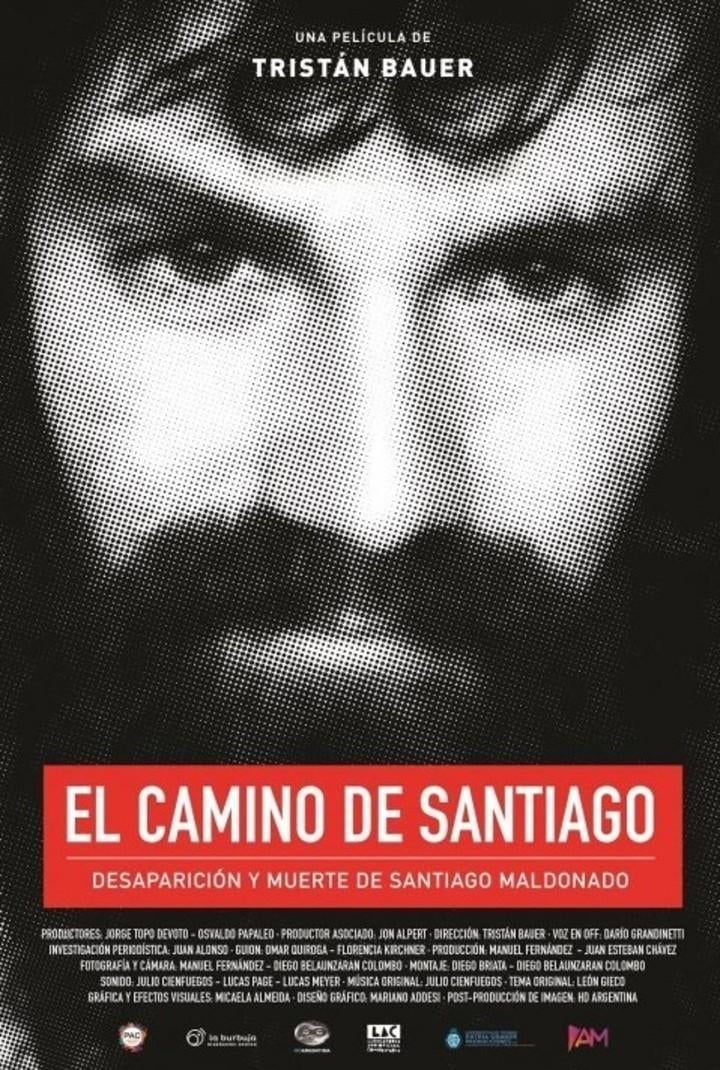
Santiago Maldonado disappeared in the midst of repression against a Mapuche community that claimed to Luciano Benetton for his land. His body was found 78 days later. The need for truth and justice continues
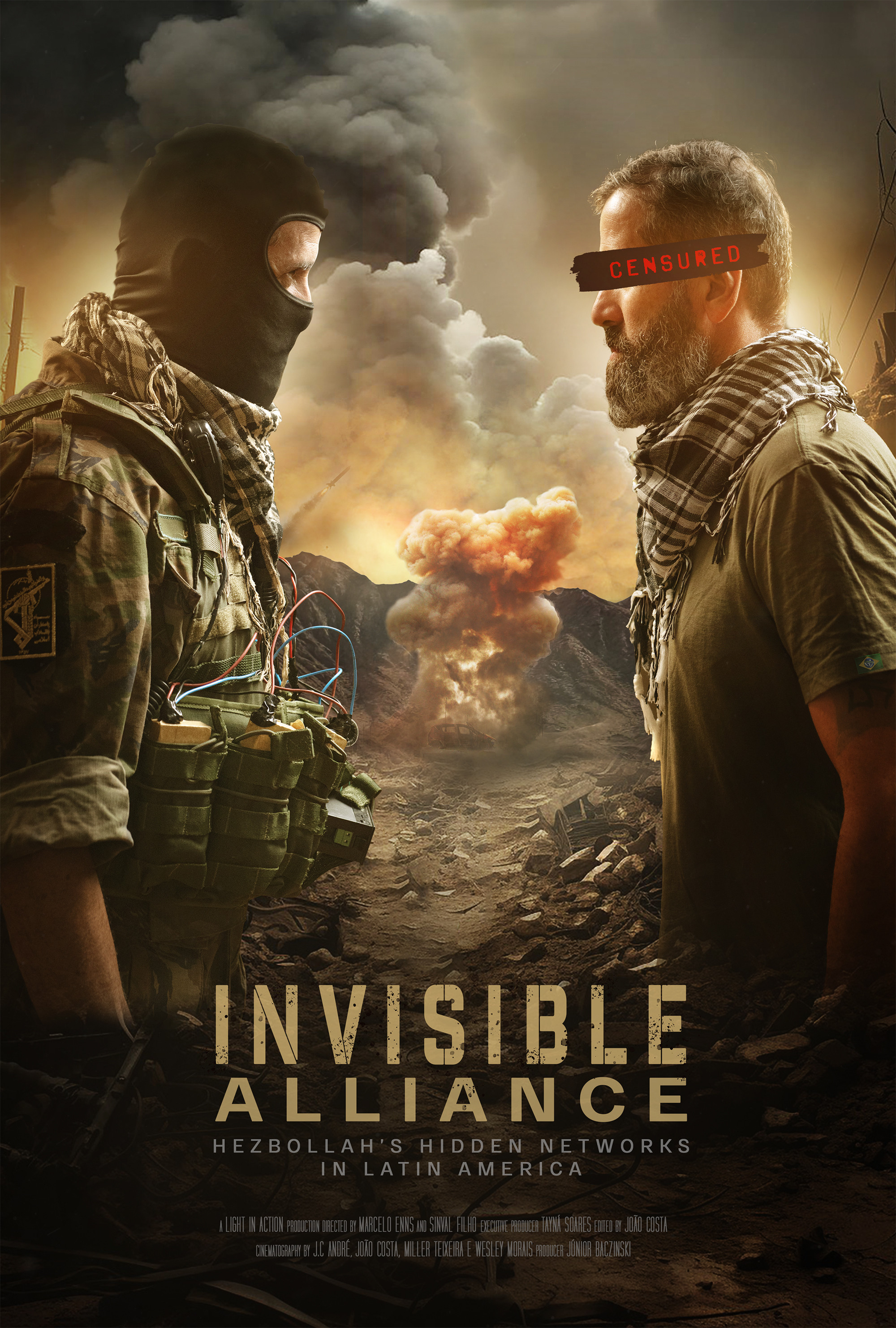
A Hezbollah suicide bomber breaks silence to reveal the inner workings of the organization and his involvement in a narcotrafficking alliance with the FARC. Discover the hidden agendas between Iran, Latin American governments and organized crime.
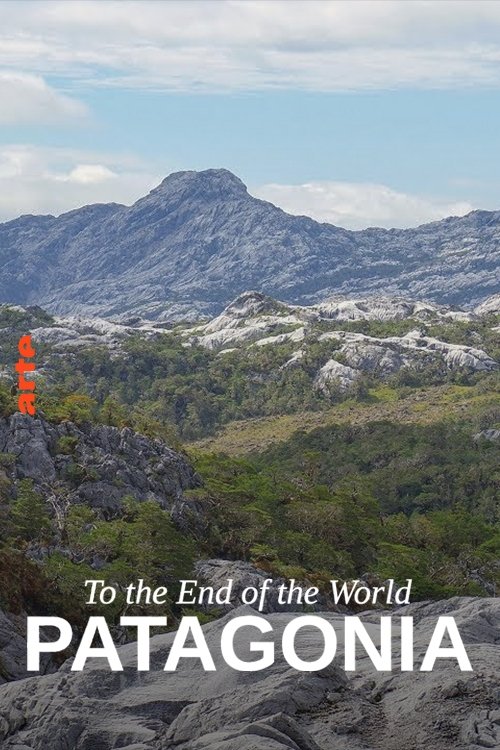
A group of Chilean and French researchers, explorers and filmmakers travels to the Patagonian island of Madre de Dios. Here they find another world, one of primeval forests, marble glaciers and an unforgiving climate.
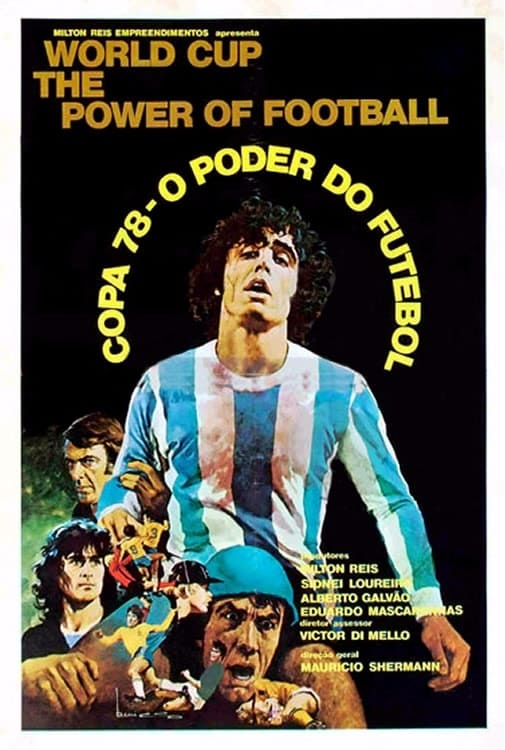
Documentary about the Football World Cup held in Argentina in 1978, focusing on the competition and behind the scenes of the most important soccer competition in the world. Two versions of the 1978 official film exist, the first "Copa 78 - O Poder do Futebol" was made by Brazilian directors Maurício Sherman and Victor di Mello in 1979 but was later withdrawn by FIFA because of its controversial content. The film includes an interview with Rodolfo Galimberti, one of the leaders of the Montoneros guerrilla group and also made accusations that the Argentinian competition organisation committee had deliberately hindered Brazilian chances of success by tampering with the pitch at Mar del Plata.
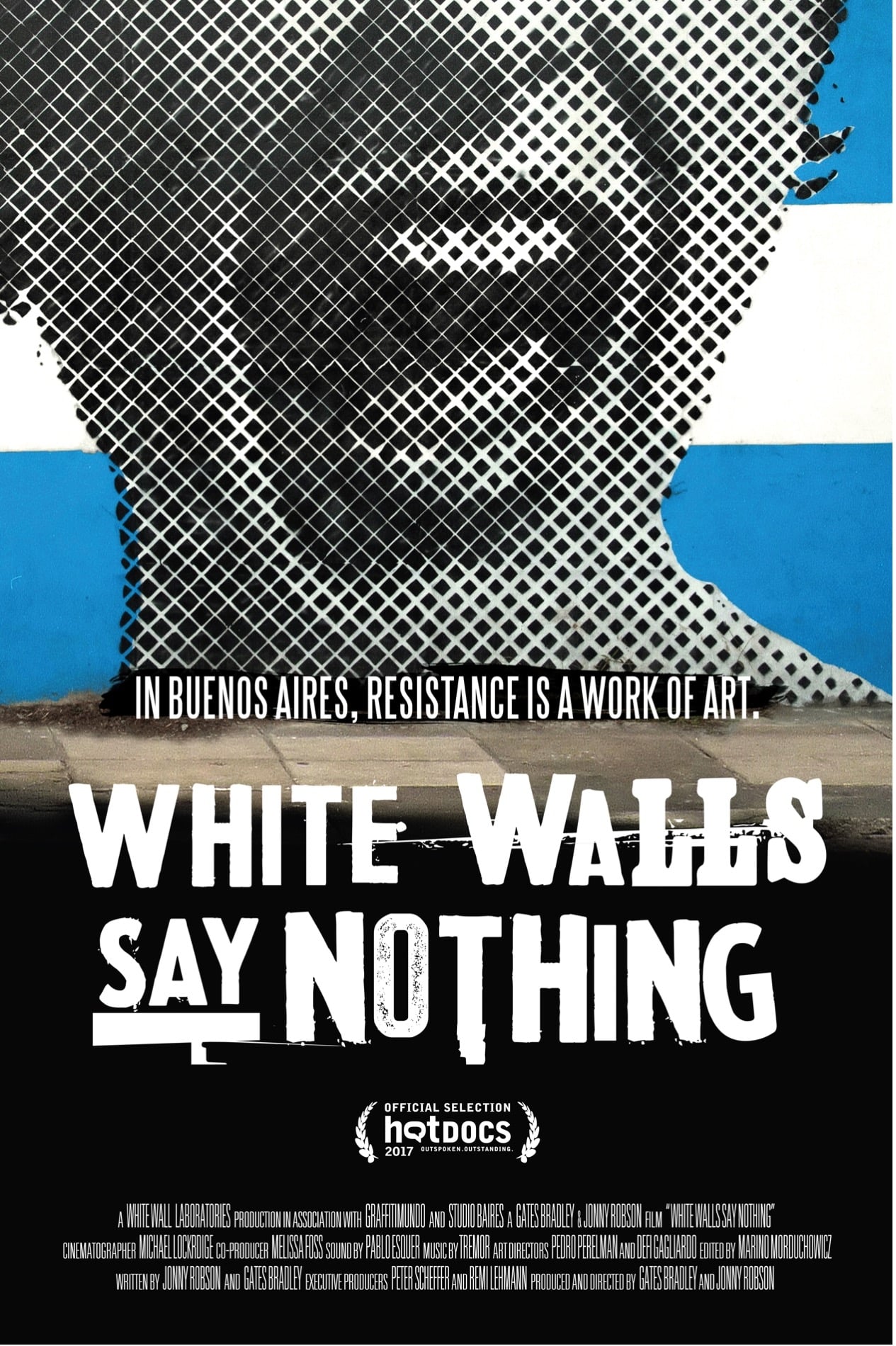
Buenos Aires is a complex, chaotic city. It has European style and a Latin American heart. It has oscillated between dictatorship and democracy for over a century, and its citizens have faced brutal oppression and economic disaster. Throughout all this, successive generations of activists and artists have taken to the streets of this city to express themselves through art. This has given the walls a powerful and symbolic role: they have become the city’s voice. This tradition of expression in public space, of art and activism interweaving, has made the streets of Buenos Aires into a riot of colour and communication, giving the world a lesson in how to make resistance beautiful.
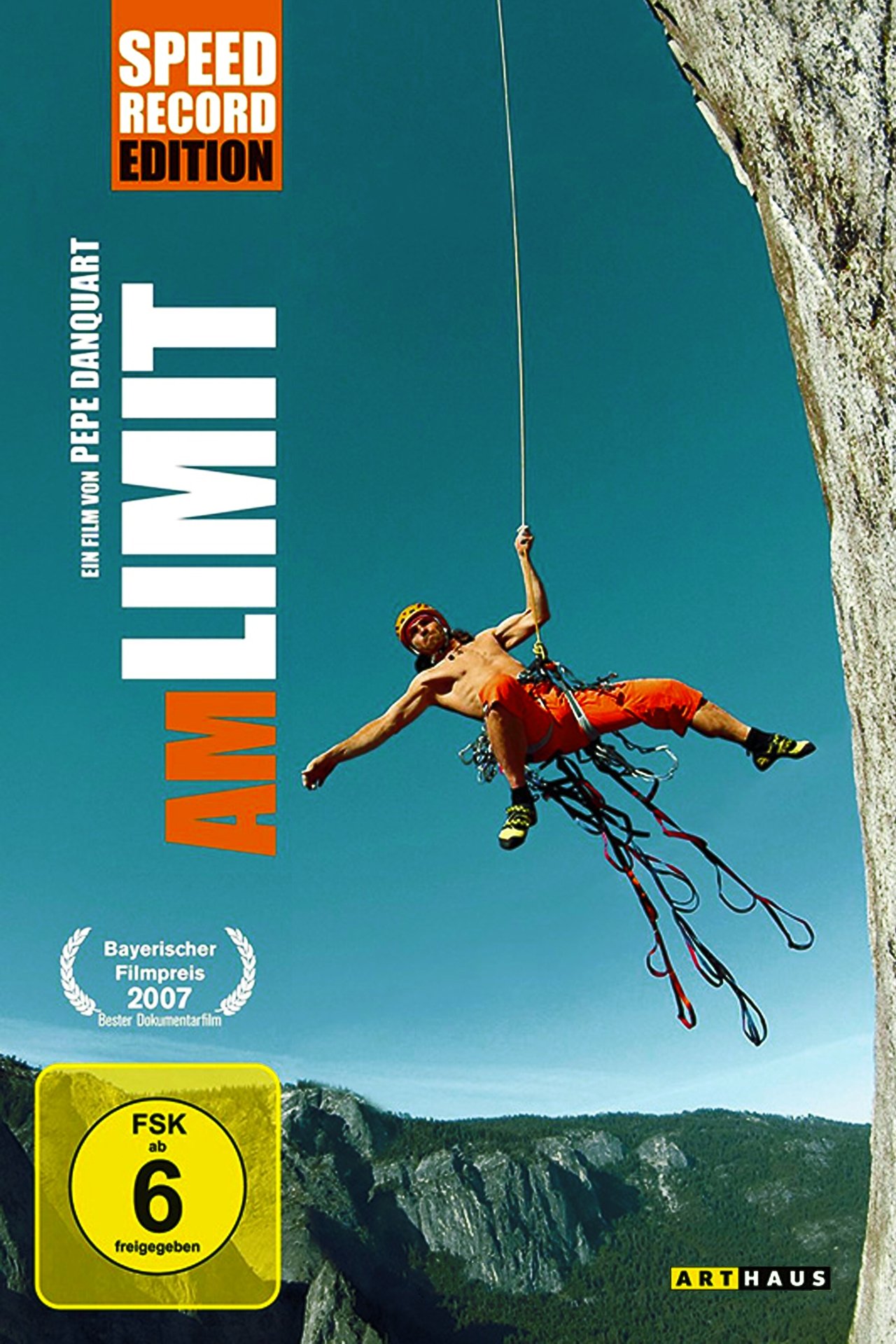
At the Limit is a documentary about extreme climbing. In this sports documentary, Pepe Danquart shows brothers Thomas and Alexander Huber climbing in Patagonia and on the granite rock "El Capitan" in Yosemite Valley (USA). A key part of the film is their attempt at a speed ascent of the 1,000-meter-high route "The Nose," in which the two athletes aim to break the then speed record of 2:48:30 hours, set by Hans Florine and Yuji Hirayama in September 2002.
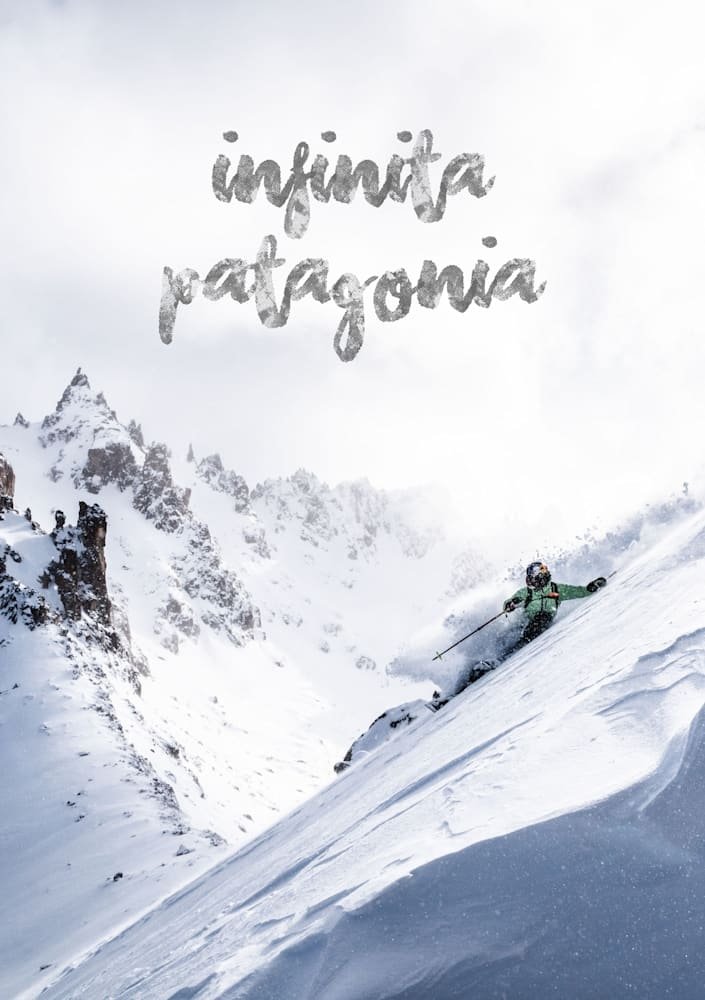
Nadine Wallner journeys to El Chaltén, Argentina, a place of granite towers, perfect for skiing adventures. Infinita describes its endless beauty and here she found her passion and tranquillity.
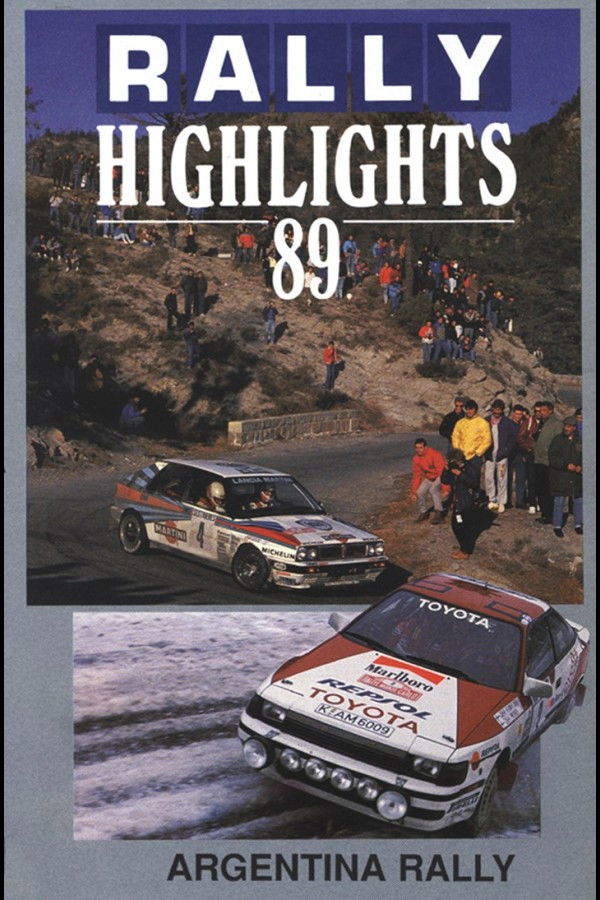
Two major events took place during 1989 in Argentina - Carlos Saul Menem was appointed new leader and the charismatic President saw off each car at the start of the Argentinian Rally at the Palermo Stadium. Local hero Recaldo with co-driver Jorge del Buono, led the field in one of the Lancia Delta Integrales but despite a flying start chose the wrong tyres. The challenge from Mikael Ericsson, Fiorio, Soto and Fischer led to some exciting duels and traumatic events which quickly whittled down the number of competitors. Only 33 crews completed the gruelling course out of the 77 starters. A memorable event faithfully recorded here for your enjoyment.
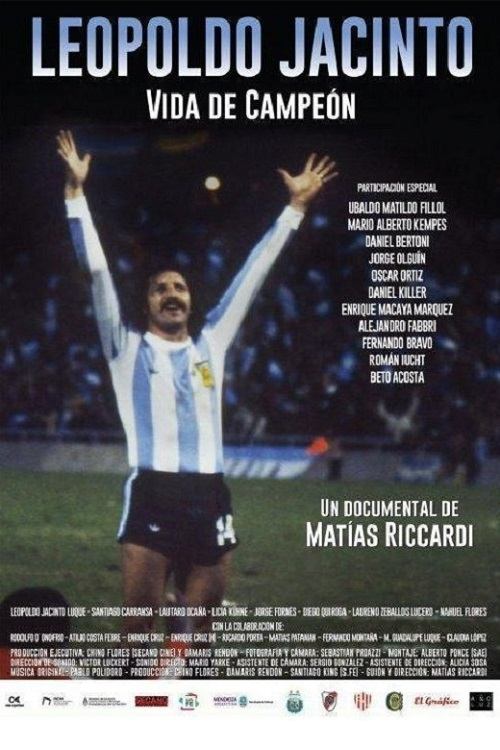
Documentary about the life story of one of Argentina's sports idols. One of the forty-three soccer players who won a World Cup, a fight. Filmed in Mendoza, Santa Fé, Rosario and Buenos Aires.
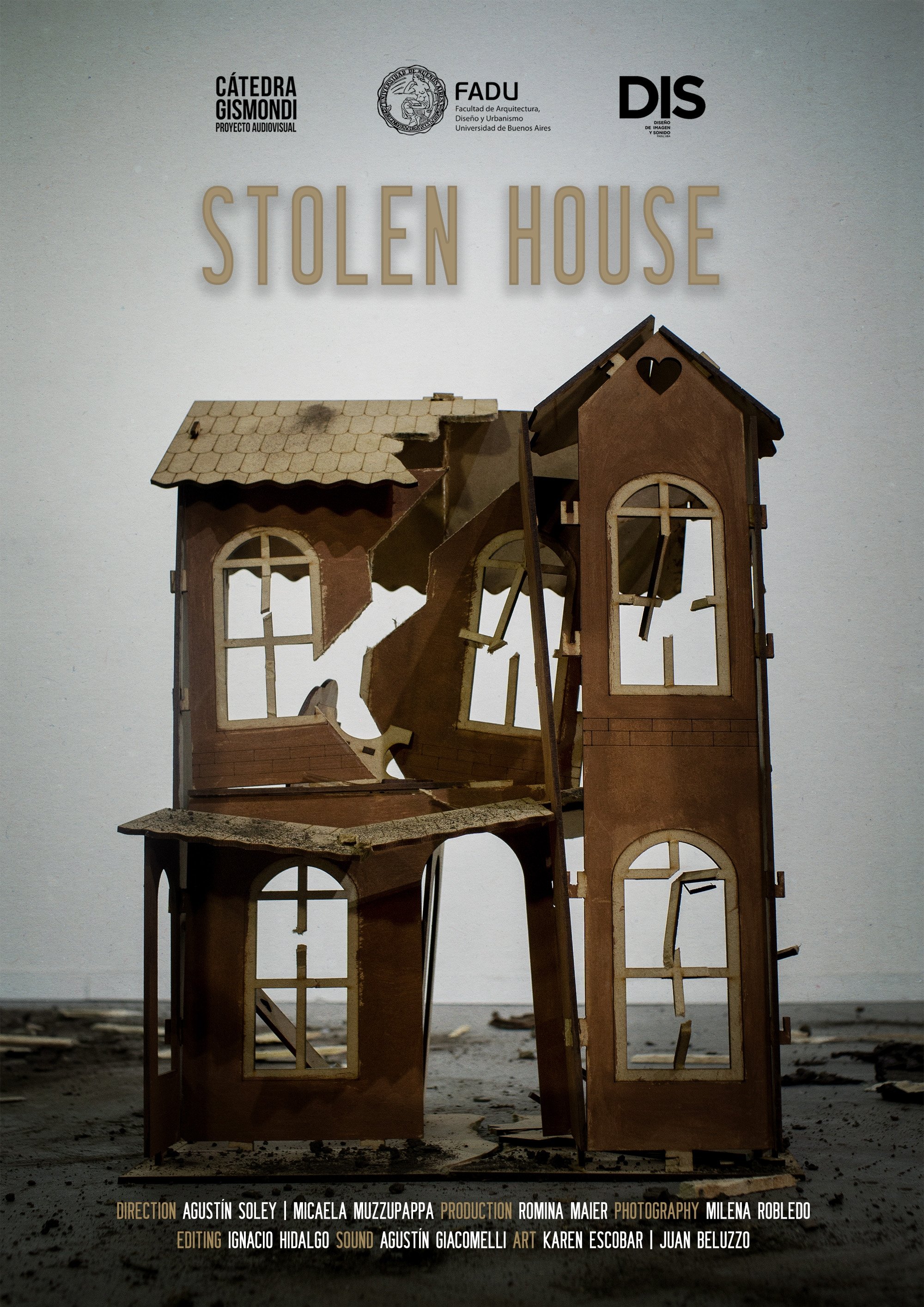
"Stolen House" is a documentary short film that follows the migration story of Mark, a Russian photographer, and Katya, a Ukrainian artist, to Argentina. Through narrations, staged scenes, and archival material, fragments of their lives, feelings, and motivations are explored.
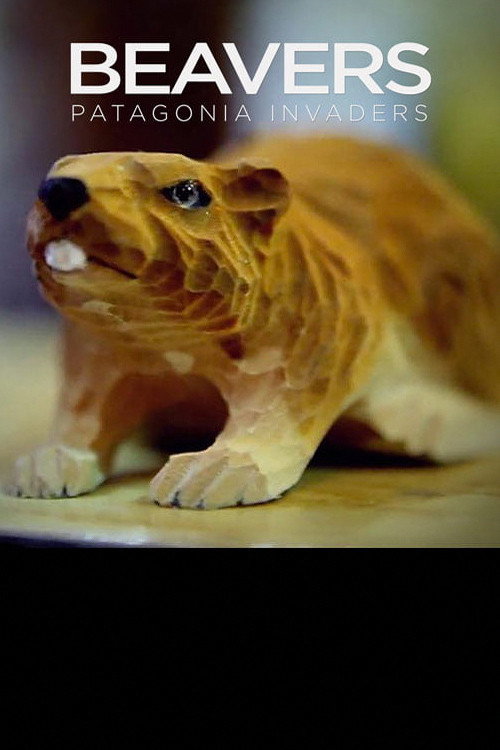
In 1940 twenty Canadian Beavers were brought to 'Tierra del Fuego' island in southern Patagonia for commercial fur production. However, beavers having no natural predators, quickly spread throughout the island, causing massive destruction of trees threatening the entire Patagonian forests rivers and species. Why wildlife conservationist are convinced that 150.000 beavers must be killed? Why some of the most recognized specialist are convinced that an eradication is not possible? Meanwhile truism is capitalizing on the situation: a man dressed as a beaver passes out flyers promoting a famous sky resort: 'Cerro Castor' - Beaver Hill. Hunters claim for subsidies, scientists are researching, rangers do what they can and restaurants tray to offer beaver meat to tourist.
Three brothers and their seven children, dive into a land unknown for them. Only able to find interesting and not so interesting landscapes, the Velis family creates a fictional character, Mariano, dedicated to document their improvised situations in order to have a good time.
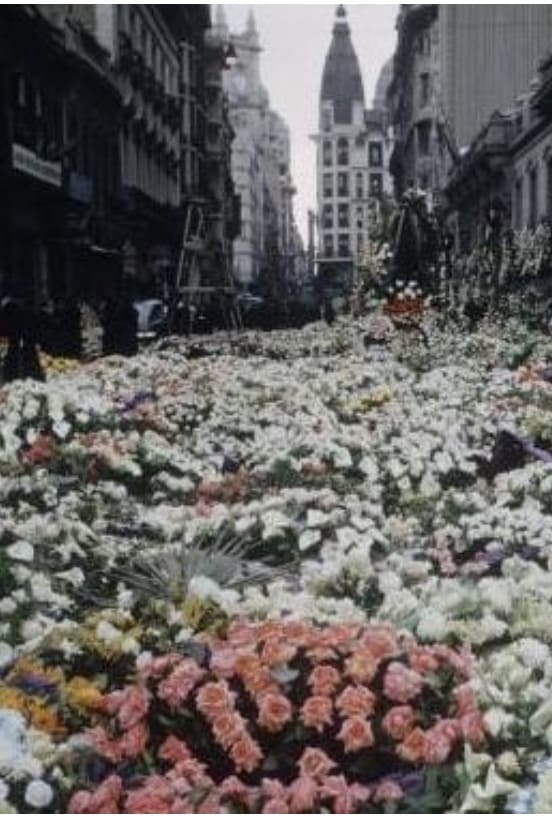
Documentary depicting the funeral of Argentinian First Lady Eva Perón in 1952.
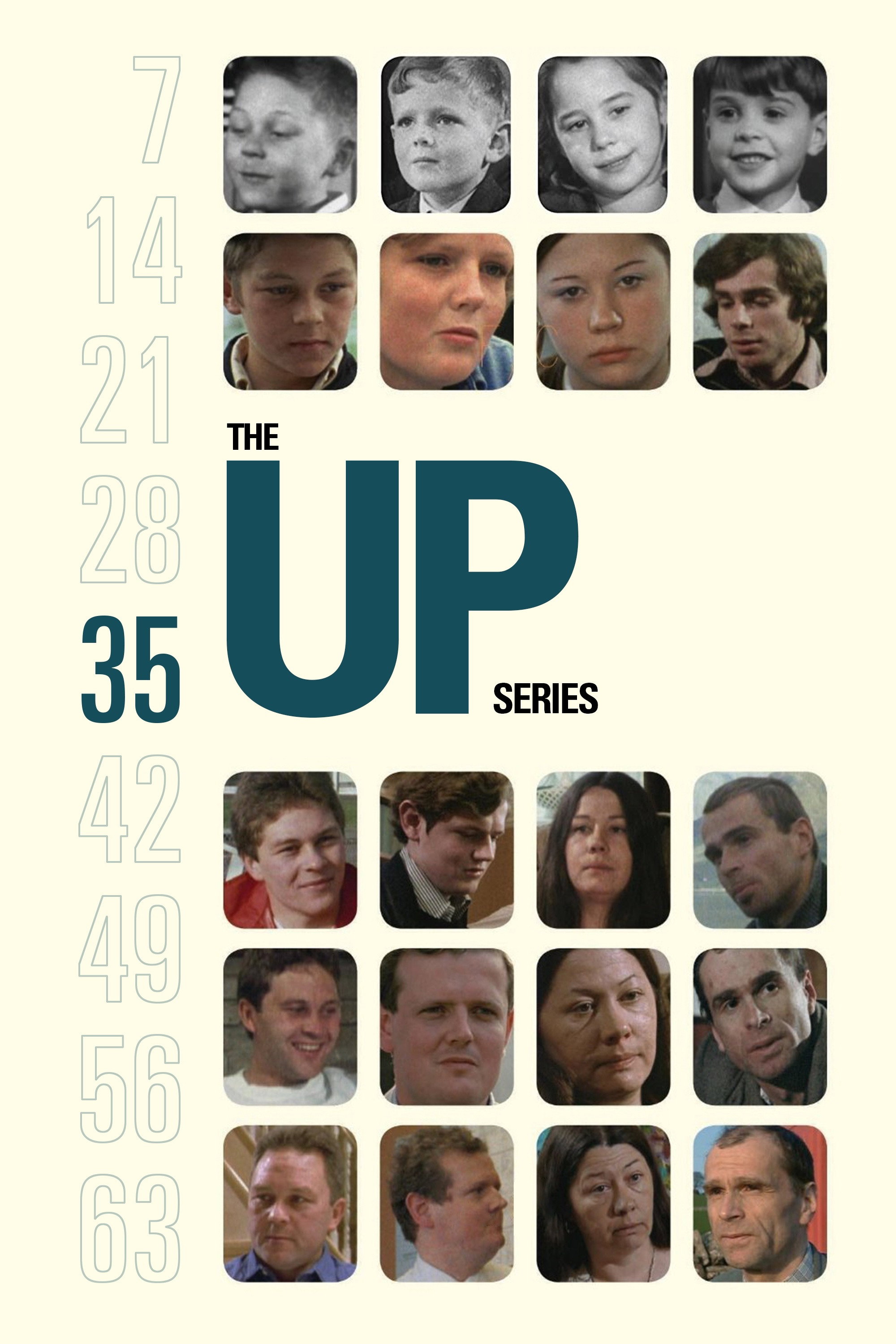
Director Michael Apted revisits the same group of British-born adults after a 7 year wait. The subjects are interviewed as to the changes that have occurred in their lives during the last seven years.
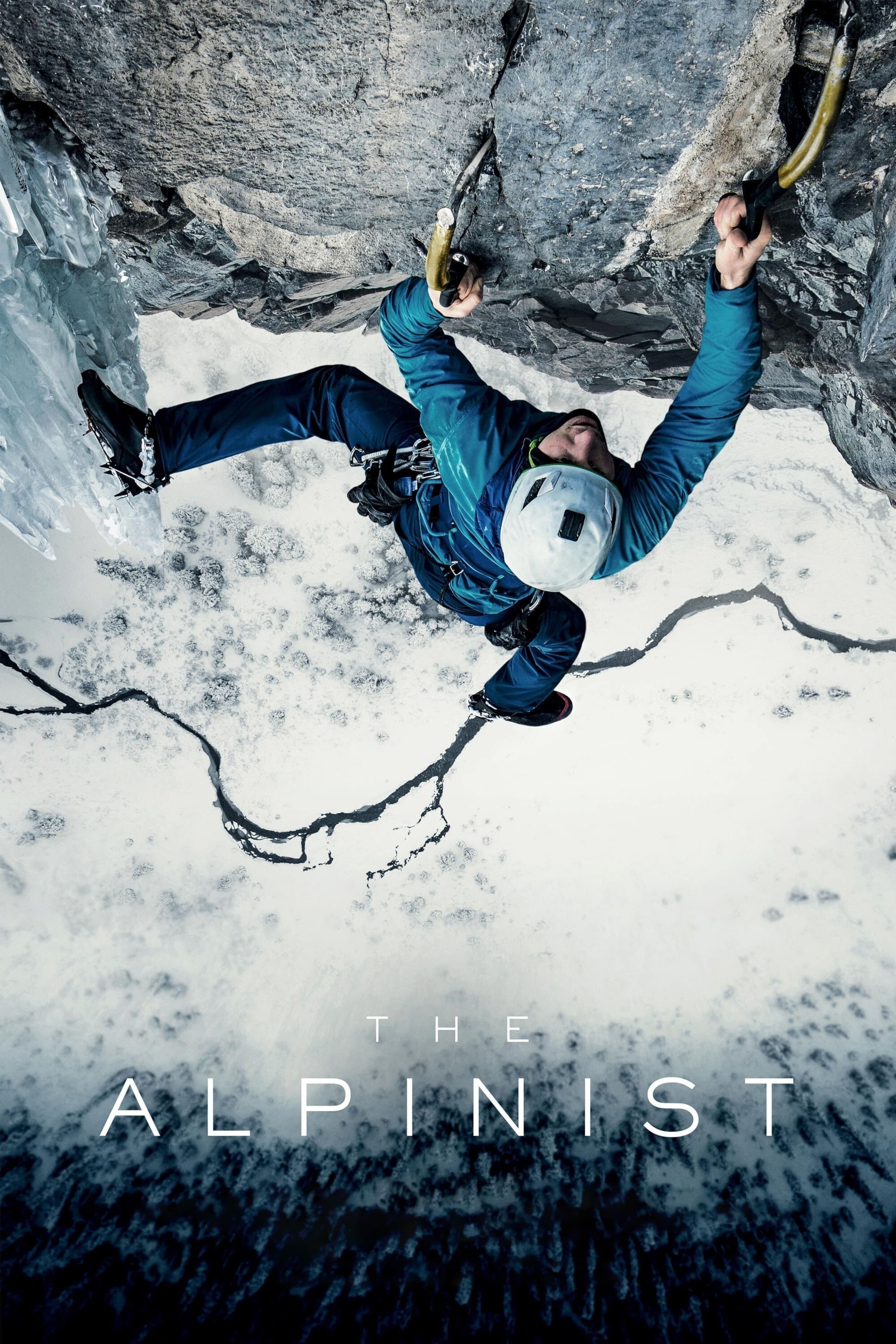
The life of Canadian mountain climber Marc-André Leclerc as he pushes the boundaries of climbing while on an expedition to Patagonia.
In an intimate and joyful story of love in the face of loss, celebrated poets Andrea Gibson and Megan Falley find strength—and unexpected hilarity—in what might be their final year together.
Amber Heard and Nicole Kidman discuss their characters Mera and Atlanna.
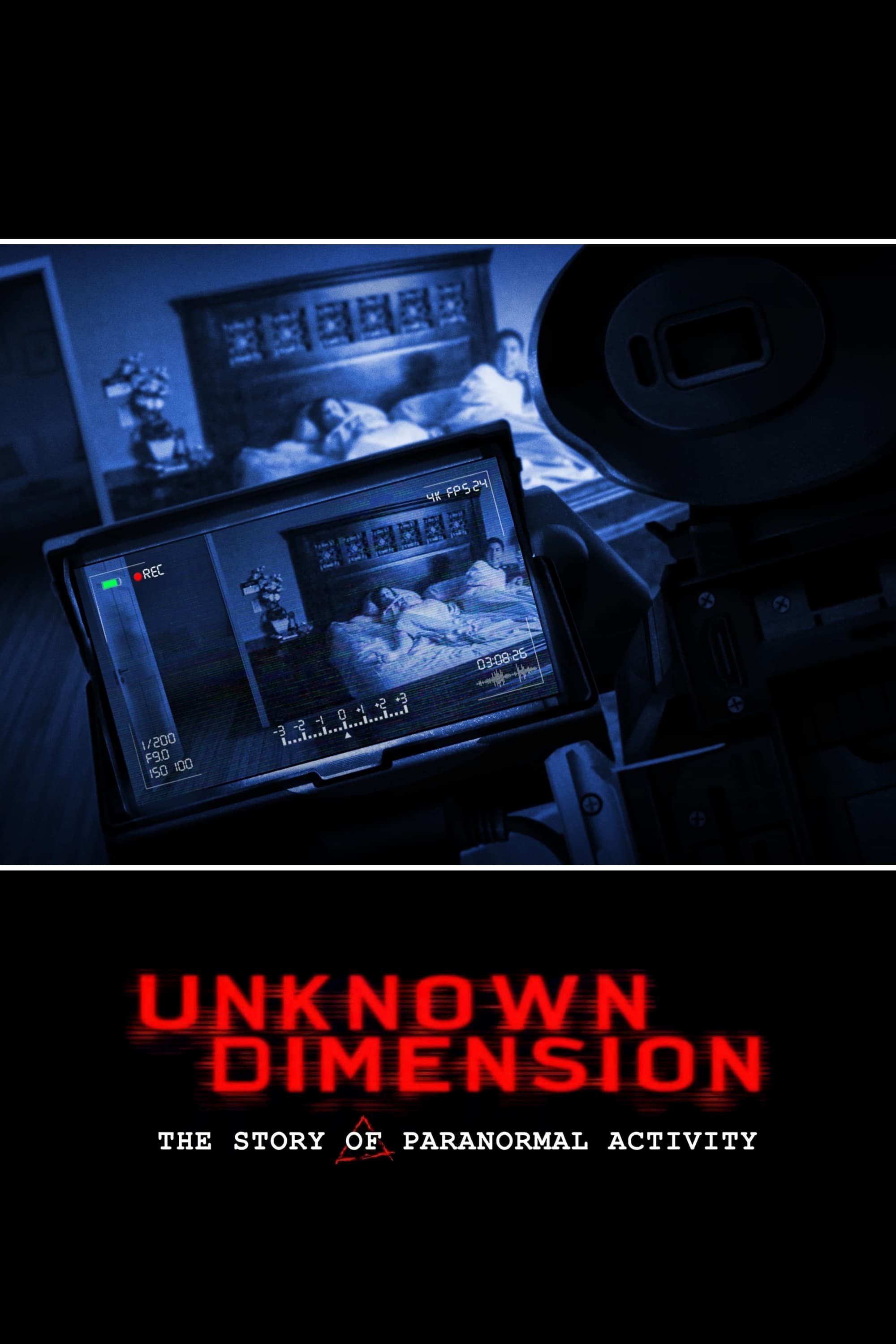
A deep dive into the making of the Paranormal Activity films with first time ever interviews with cast and crew, never-before-seen footage from the movies, and a preview of the seventh installment in the franchise.
The film follows adventurer Jeff Johnson as he retraces the epic 1968 journey of his heroes Yvon Chouinard and Doug Tompkins to Patagonia.
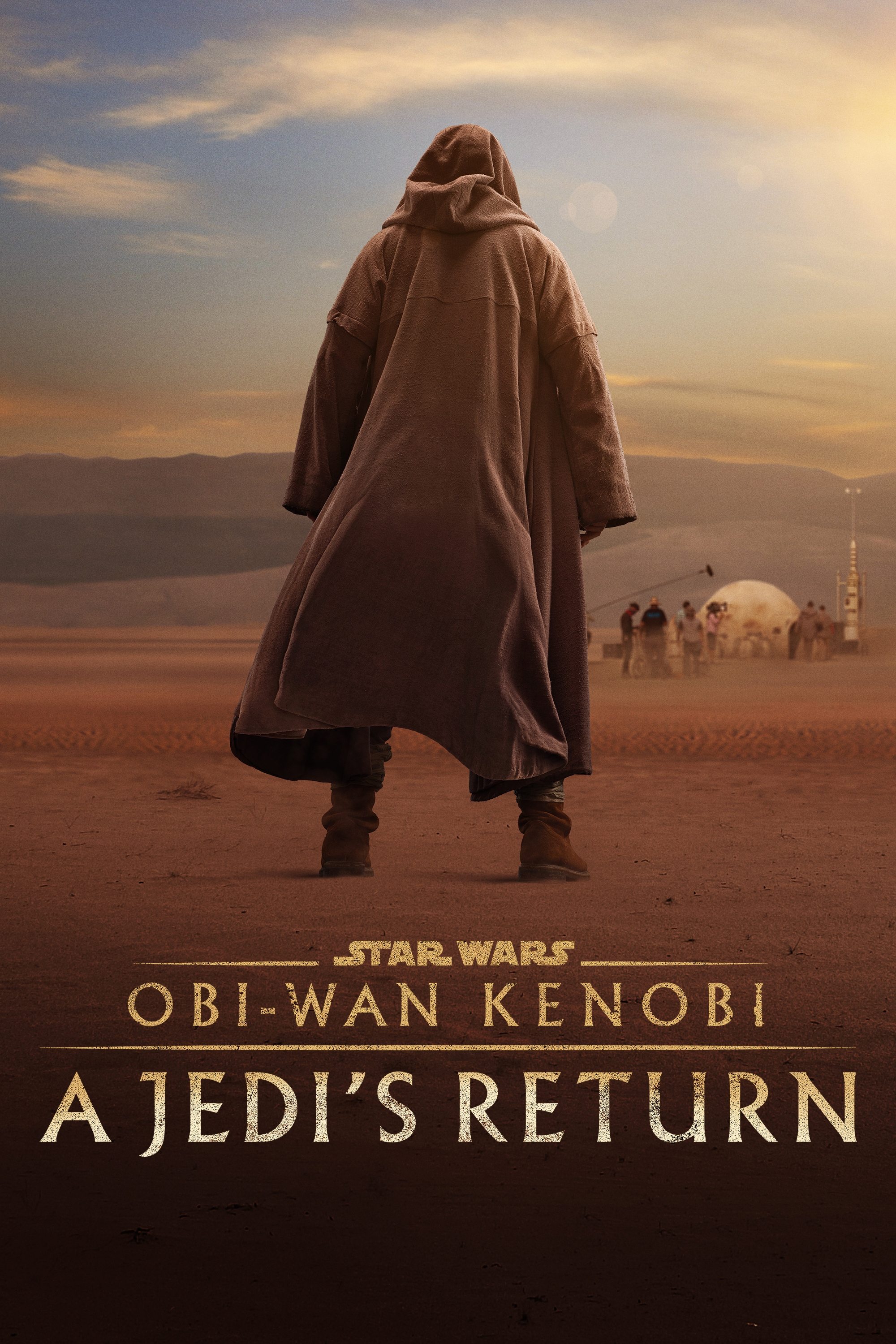
This special explores the return of Obi-Wan Kenobi and Anakin Skywalker to the screen, as well as Ewan McGregor and Hayden Christensen to their classic roles. Director Deborah Chow leads the cast and crew as they create new heroes and villains that live alongside new incarnations of beloved Star Wars characters, and an epic story that dramatically bridges the saga films.
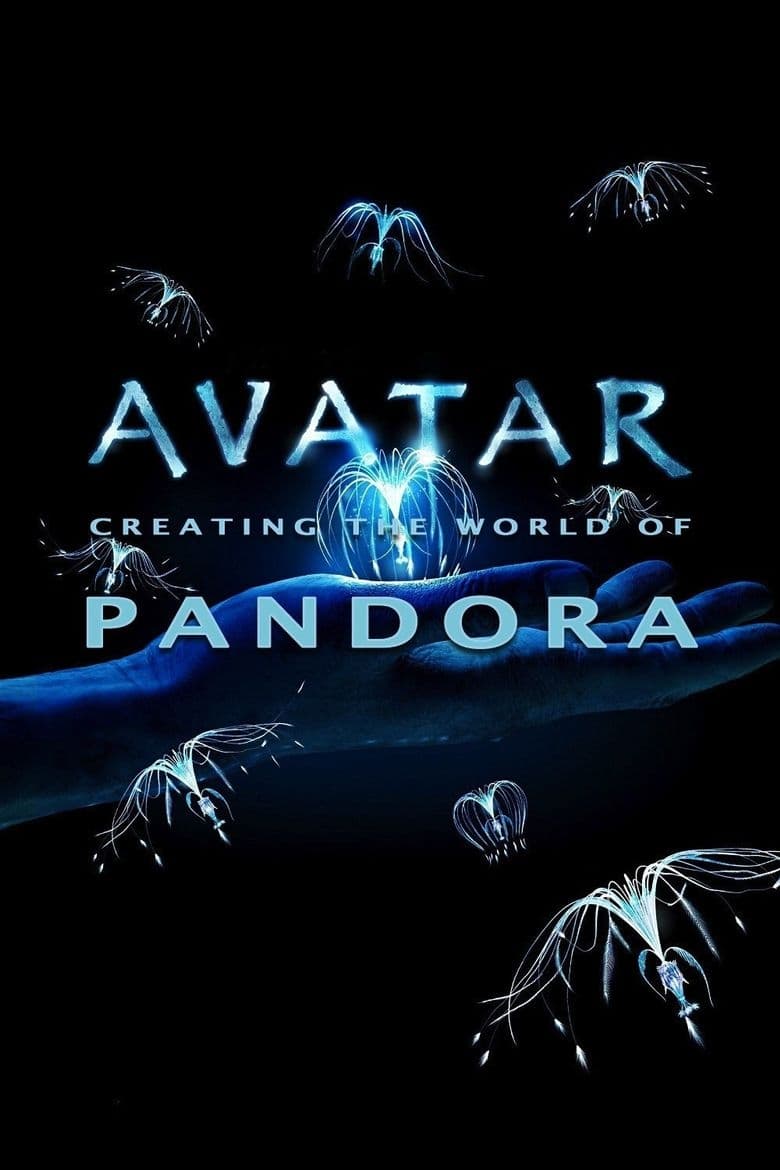
The Making-of James Cameron's Avatar. It shows interesting parts of the work on the set.
The life and career of an actor, artist, and icon. His own journey through his own camera.
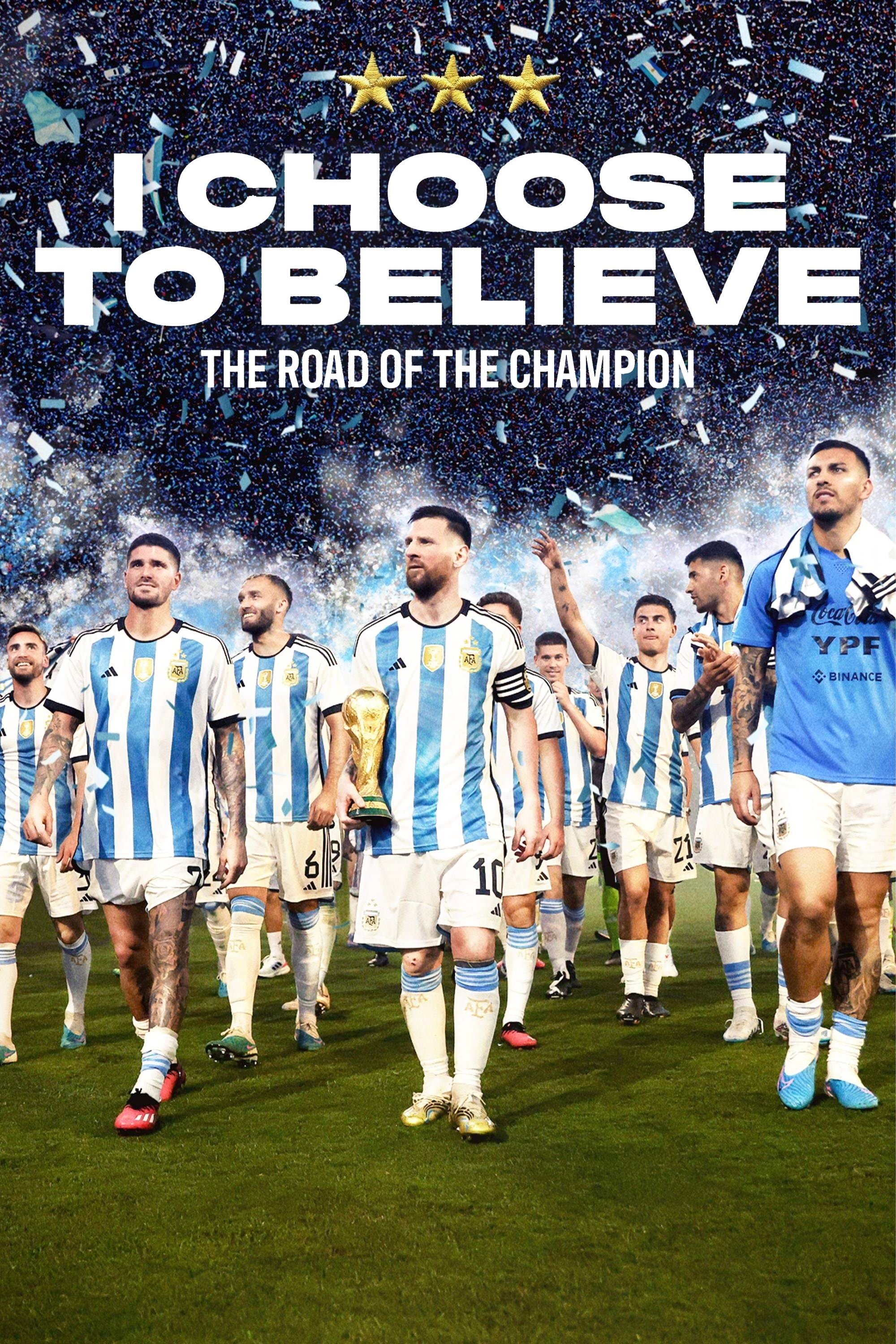
It narrates the epic title obtained by the Argentine National Team in the World Cup Qatar 2022 with testimonies of the protagonists, told from the intimacy and in first person.
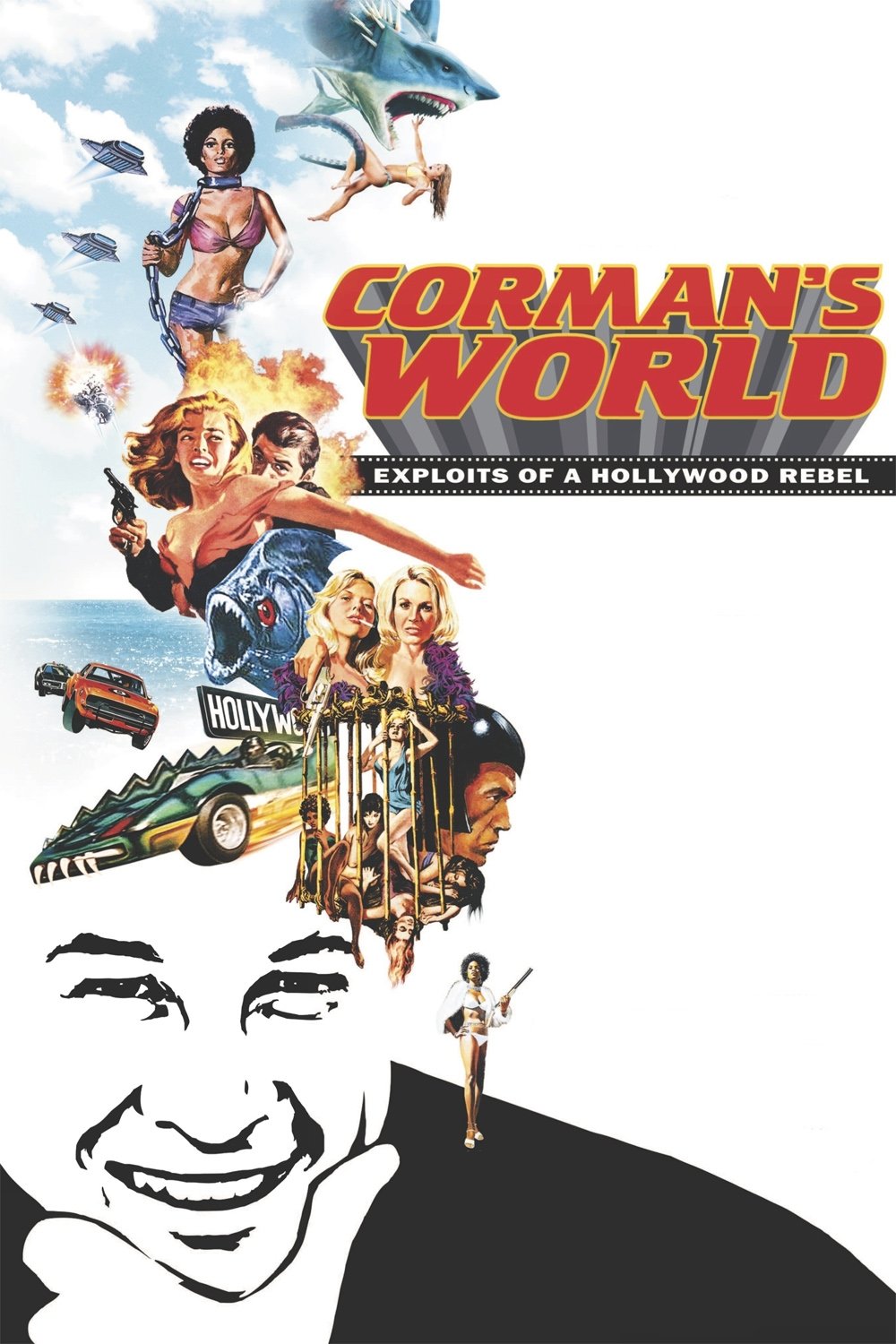
A chronicle of the long career of American filmmaker Roger Corman, the most tenacious and ingenious low-budget producer and director in the US film industry, a pioneer of independent filmmaking and discoverer of new talent.
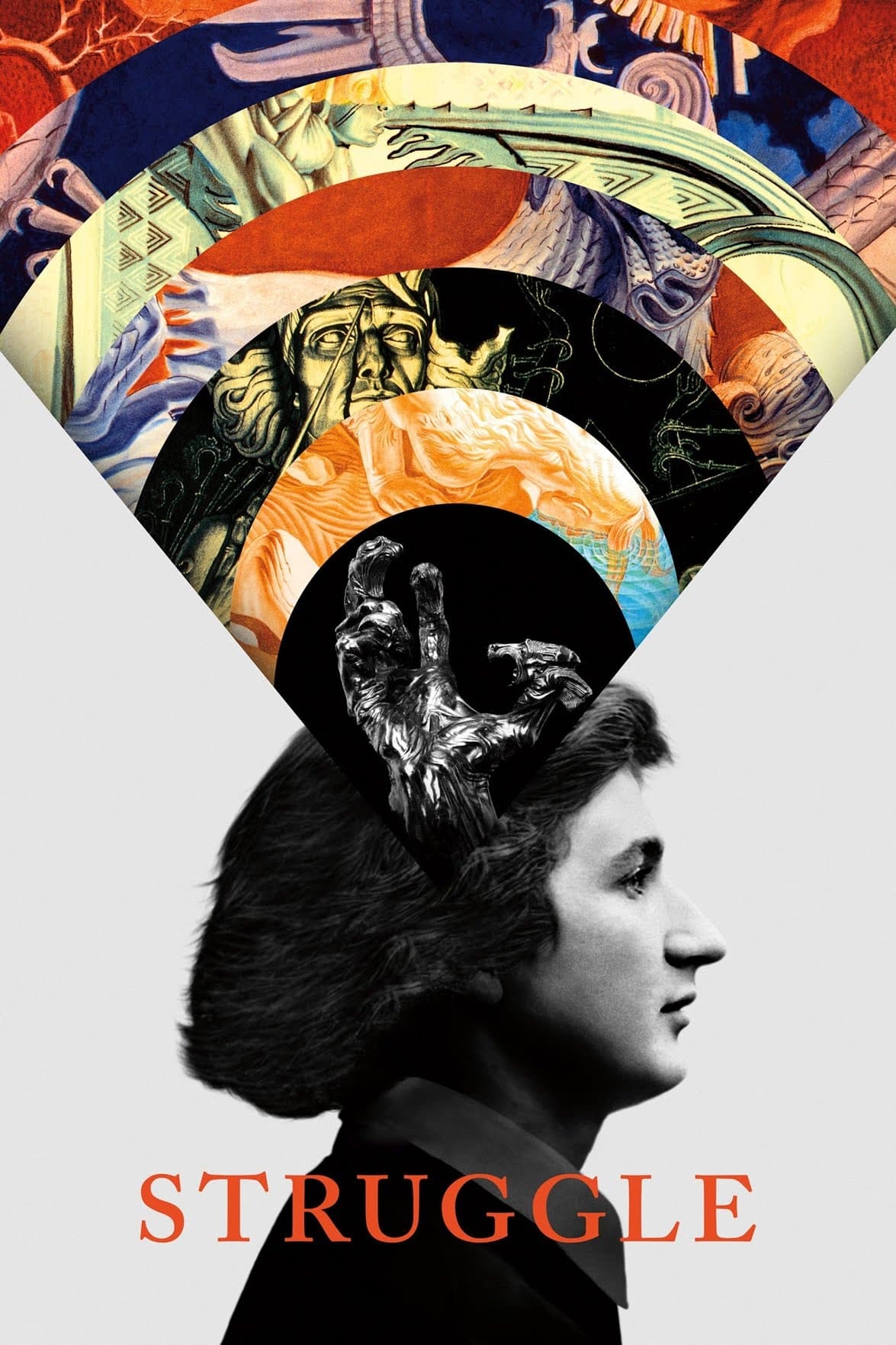
Artists in LA discover the work of forgotten Polish sculptor Stanislav Szukalski, a mad genius whose true story unfolds chapter by astounding chapter.
A documentary examining the decade of the 1970s as a turning point in American cinema. Some of today's best filmmakers interview the influential directors of that time.
An inside look at one of the most anticipated movie sequels ever with James Cameron and cast.
An interview with film director Roman Polanski conducted during his period of house arrest, discussing his life and work.
An in-depth look at the creative process behind "Society of the Snow," featuring cast, crew, director J.A. Bayona and even real-life survivors.
Stars of "The Walking Dead," Andrew Lincoln and Danai Gurira, walk down memory lane and visit iconic locations where pivotal moments between their characters, Rick and Michonne, were filmed.
A string of threatening emails escalates into a revenge plot involving a newly married US marshal and his ex-girlfriend.
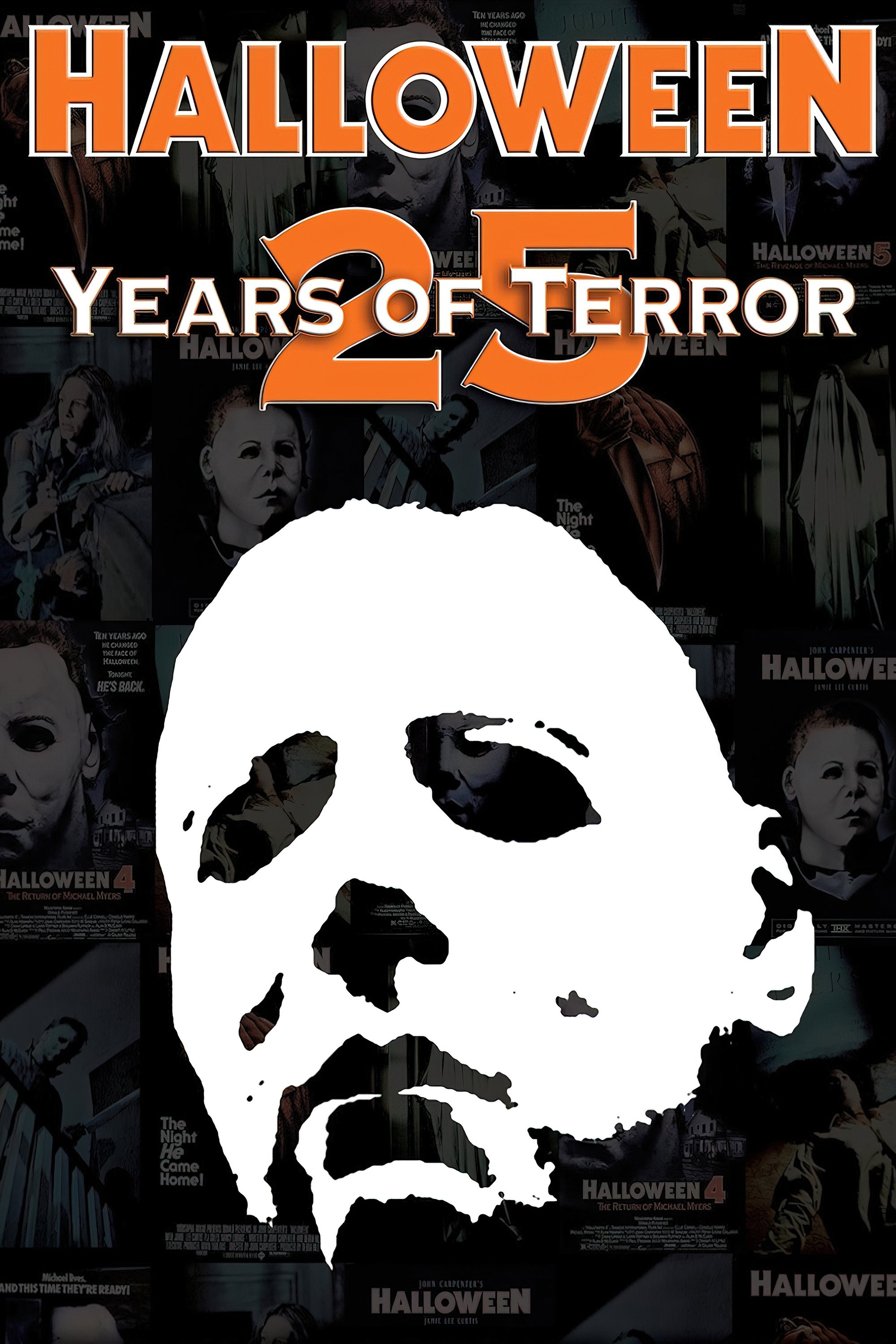
Follow the evolution of the 'Halloween' movies over the past twenty-five years. It examines why the films are so popular and revisits many of the original locations used in the films - seeing the effects on the local community. For the first time, cast, crew, critics and fans join together in the ultimate 'Halloween' retrospective.