Social & External
The people behind it
After decades of inaccessibility due to unrest and wars, teams of archaeologists from around the globe return to the greatest sites in Mesopotamia in a bid to save what can still be saved.
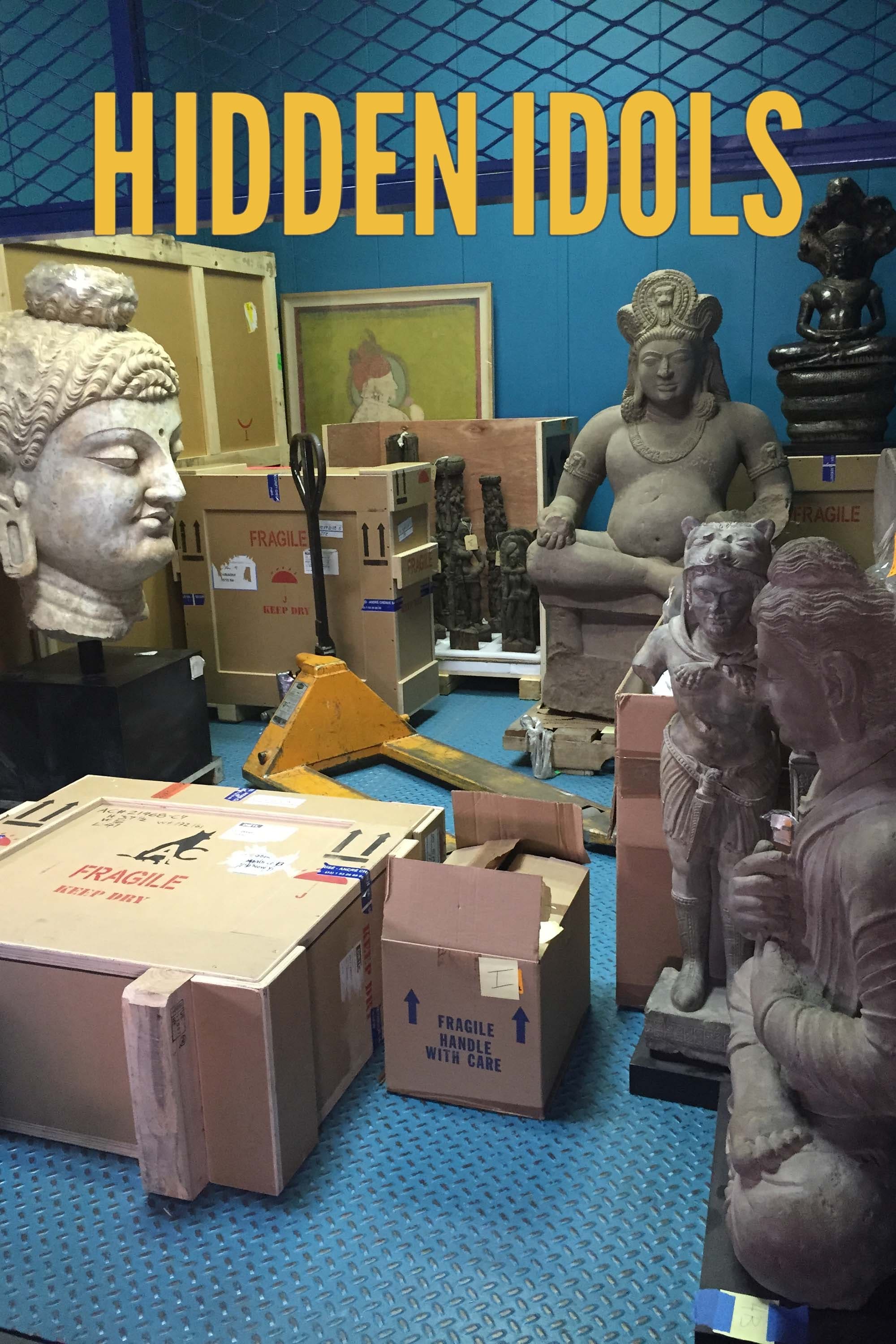
Documentary following a real-world Indiana Jones: Brent Easter. A federal agent for Homeland Security Investigations, Easter tracks the black market sale of antiquities, tracing sacred artifacts stolen from a village in India to a store on Madison Avenue.
On a remote hillside in modern-day Turkey sits Göbekli Tepe, the oldest temple on Earth. For centuries, archaeologists believed it was a religious center built by nomadic hunter-gatherers before the rise of civilization. But groundbreaking new evidence reveals that a sophisticated community of settled hunter-gatherers, not nomads, lived here year-round for centuries. This startling discovery could be the missing link in humanity's momentous transition from hunting to farming. Follow experts as they use new digs and shattered skulls to piece together a captivating story that could forever change our understanding of the roots of civilization.
Drama documentary based on the latest discovery of a 16th Century sailing shipwreck found close to Malta by an underwater research team led by maritime archaeologist Timmy Gambin.
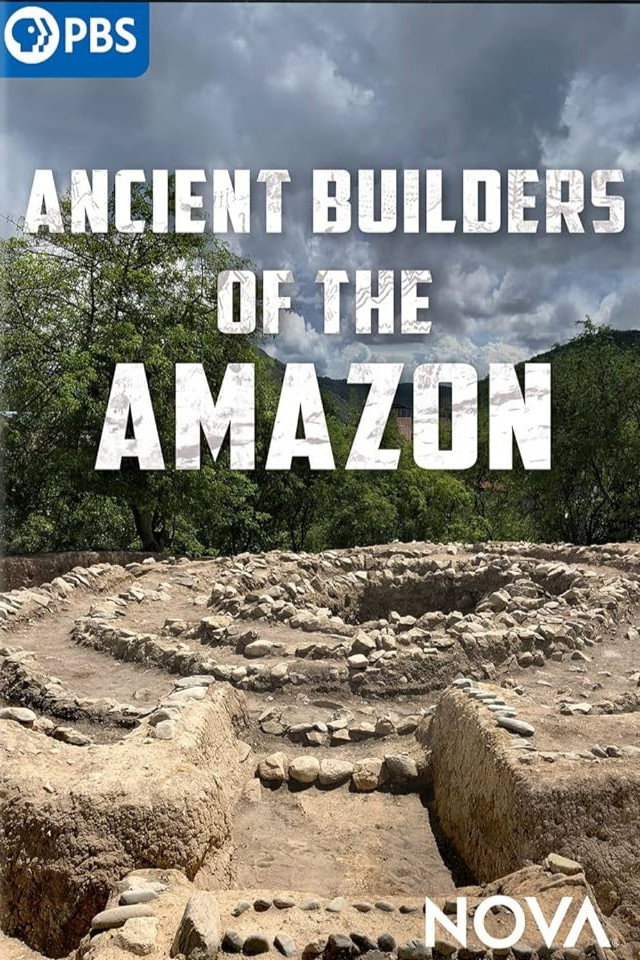
Recent discoveries in archaeology are exploding the myth of the Amazon as a primeval wilderness, revealing traces of ancient civilizations that flourished for centuries, with populations numbering in the millions.
In the heart of a metropolitan city of 15 million people and among the construction of a new billion-dollar transportation network, an archaeological sensation has been discovered: the ancient harbour of Theodosious, lost from the history books for over 1000 years.
The raising of King Henry VIII’s flagship Mary Rose in 1982 remains one of the most significant events in the history of maritime salvage. Comparable to the recovery of the 17th century Swedish warship Vasa in 1961, the climax of this complex and expensive operation was watched by around 60 million people worldwide. But 300 reels of film recently found in the archive of The Mary Rose Trust provide additional insight into the operation.
Recent discoveries by archaeologists and researchers have shed new light on the Incas, shaking up our presumptions of this fascinating pre-Colombian civilisation.
For the first time ever, scientists have plunged into the mystical waters of Lake Titicaca in Peru. This team of fifteen international scientists and underwater archaeologists believes it will uncover remarkable traces of life from pre-Columbian times.
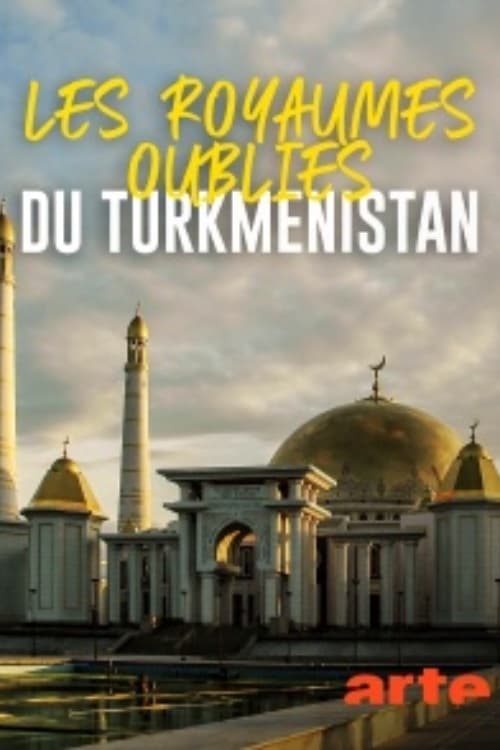
To outsiders, Turkmenistan is one of the world's least known countries. For the first time in ten years, a film crew has been free to visit spectacular excavation sites and follow international researchers into areas that have long been off-limits. Once considered the poorest part of the Soviet Union, oil and natural gas have brought new wealth to Turkmenistan today. A little known fact in the West is that 4,000 years ago, the country was home to one of the ancient world's centers of power. Although it flourished around the same time as the advanced civilizations of Mesopotamia and Egypt, the Margiana empire was later largely forgotten. Since the fall of the Soviet Union, the country has been slowly opening up to international researchers, and its astounding cultural heritage is coming to light.
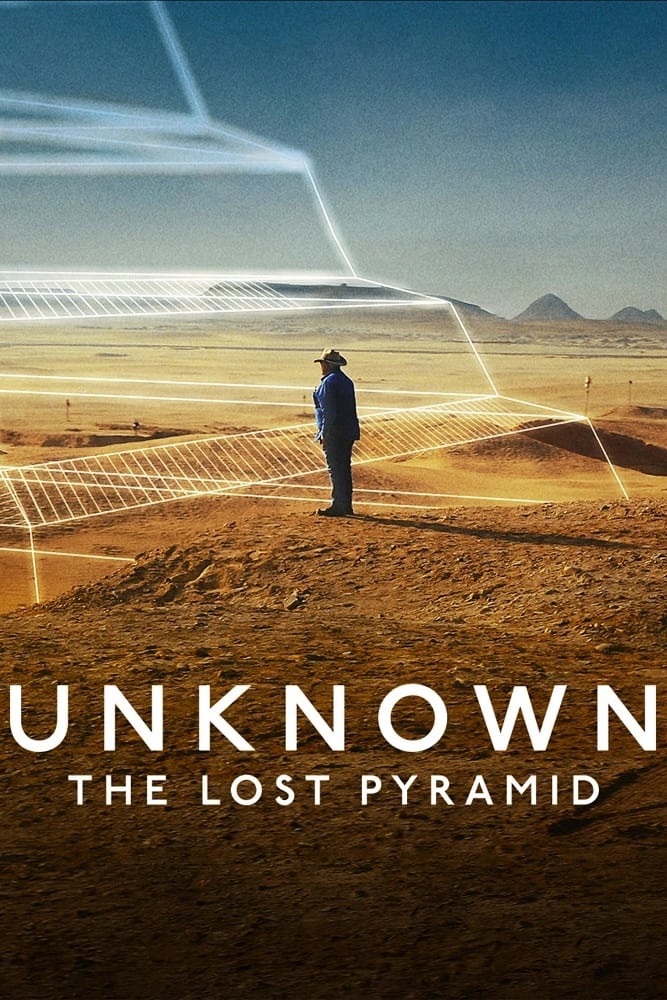
Egyptian archaeologists dig into history, discovering tombs and artifacts over 4,000 years old as they search for a buried pyramid in this documentary.
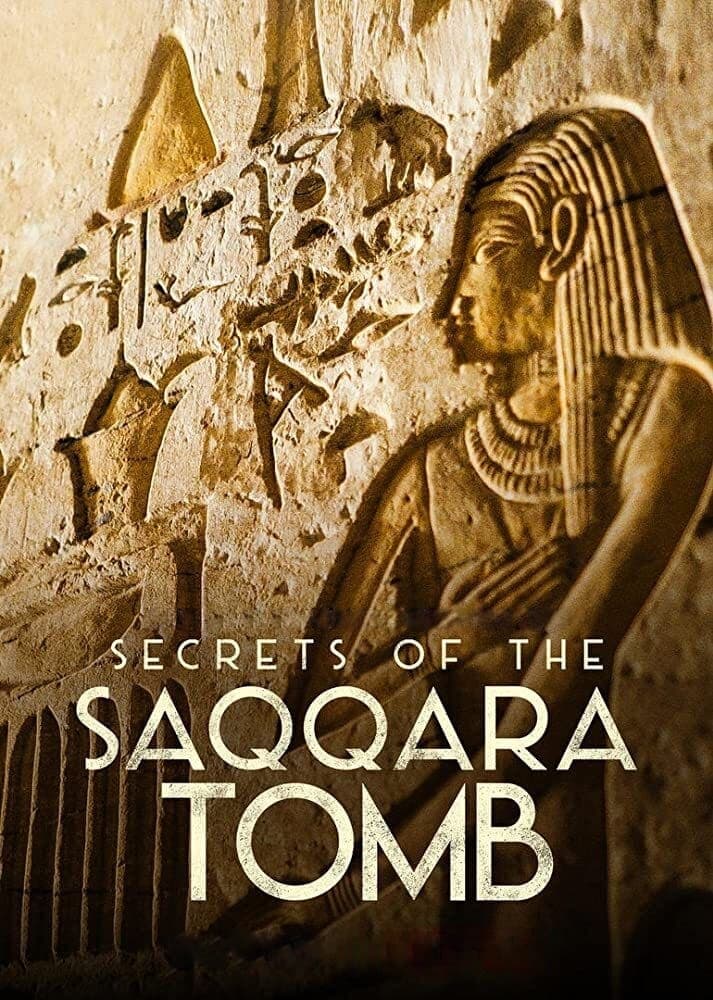
This documentary follows a team of local archaeologists excavating never before explored passageways, shafts, and tombs, piecing together the secrets of Egypt’s most significant find in almost 50 years in Saqqara.
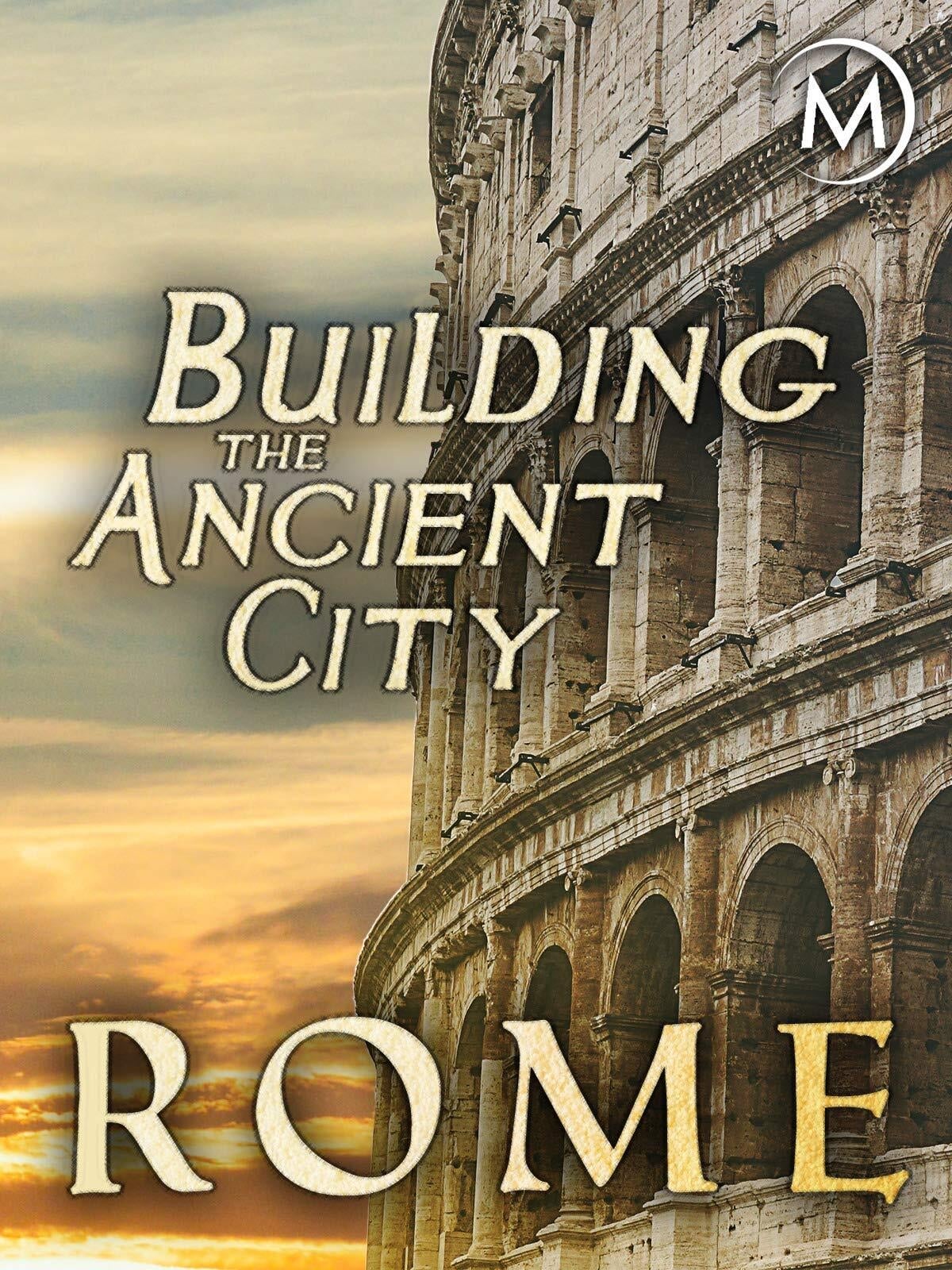
Rome, 2000 years ago was the world's first ancient megacity. In a world where few towns had more than ten thousand inhabitants, more than a million people lived in Rome. How did they manage without all the technologies of our modern cities? How did they bring in enough food to sustain the population? How did they house them? How did they maintain law and order? How did they make this city work?
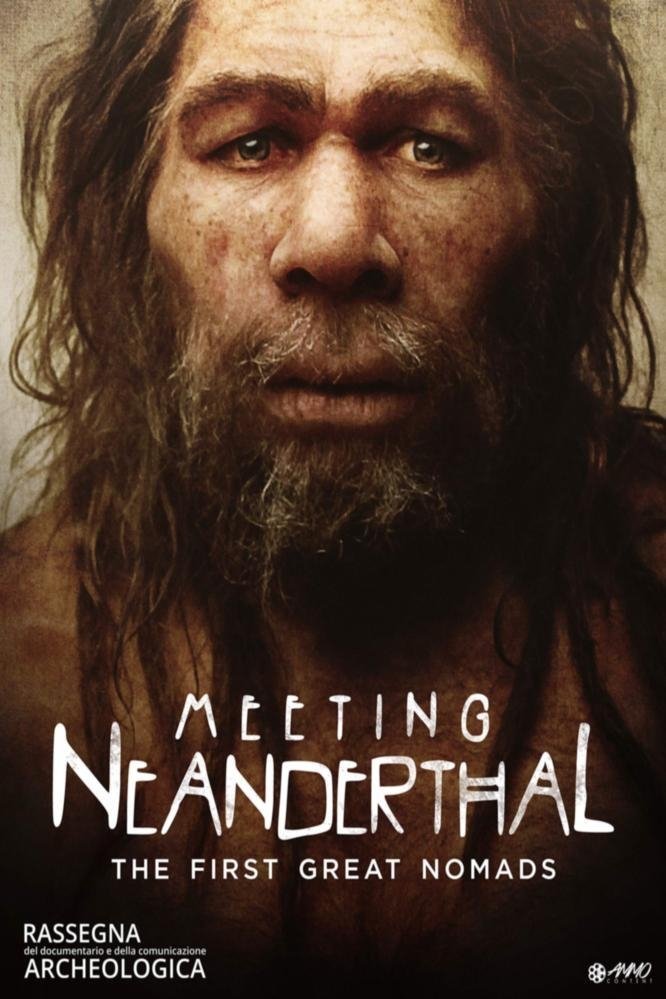
Long before the arrival of Homo Sapiens, the Neanderthals wandered the vast European plains, and regularly drowned into the Ice Ages. Several discoveries, in France and England, and especially on the island of Jersey, now allow archaeologists to understand the lifestyle of those first great nomads of Europe, that lasted 300.000 years.
This documentary delves into the mysteries surrounding the Neanderthals and what their fossil record tells us about their lives and disappearance.
Al Pacino's deeply-felt rumination on Shakespeare's significance and relevance to the modern world through interviews and an in-depth analysis of "Richard III."
Scientists examine underground clues from over 250,000 years ago that raise questions about our early relatives — and what it truly means to be human.
In an intimate and joyful story of love in the face of loss, celebrated poets Andrea Gibson and Megan Falley find strength—and unexpected hilarity—in what might be their final year together.
Documentary on psychedelic potash mines, expansive concrete seawalls, mammoth industrial machines, and other examples of humanity’s massive, destructive reengineering of the planet.
Forensic experts scan Pompeii’s victims to investigate why they didn’t escape the eruption.
Over 35 years after Bob Lazar's revelations, this documentary exposes secrets of a facility the government still denies. Featuring Lazar's testimony, recreations, and new evidence, it reopens a case that continues to spark global curiosity
Amber Heard and Nicole Kidman discuss their characters Mera and Atlanna.
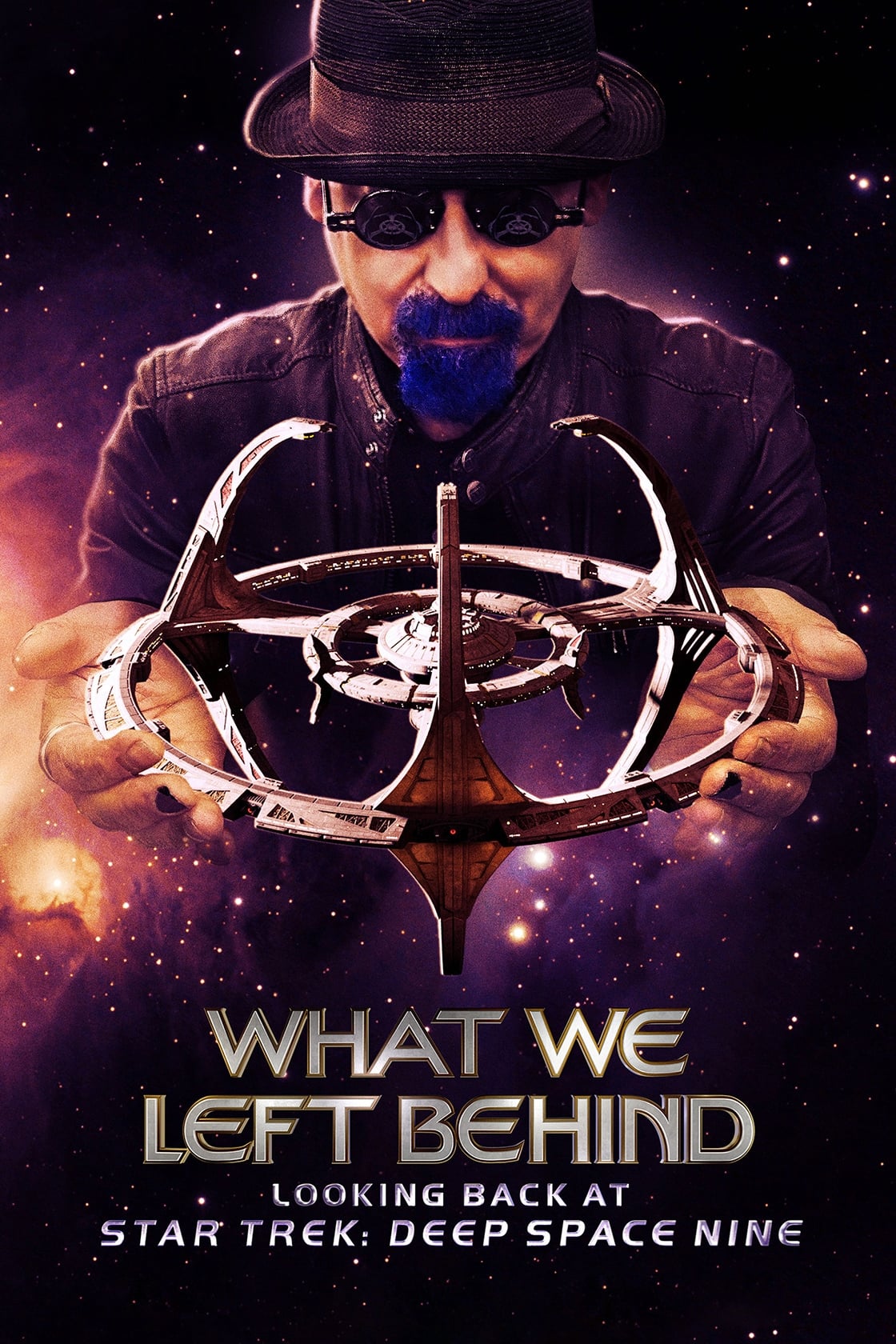
A documentary exploring the legacy of Star Trek: Deep Space Nine, the reasons it went from the black sheep of Star Trek to a beloved mainstay of the franchise, and a brainstorm with the original writers on what a theoretical eighth season of the show could look like.
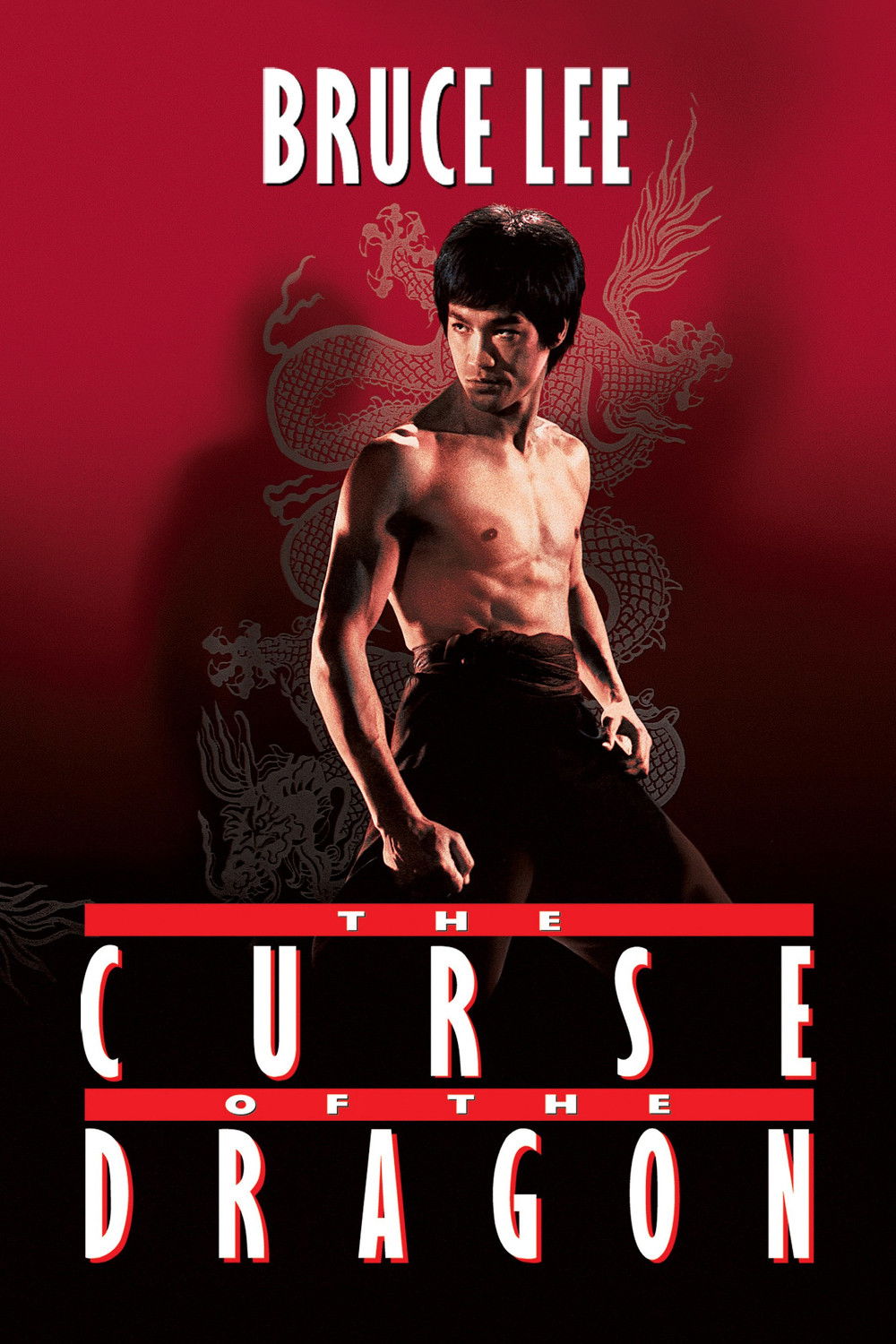
A 1993 documentary film about Bruce Lee. The film includes interviews from some of his fellow students and opponents who worked alongside him in his movies.
A look at the origins, history and conspiracies behind the "Majestic 12", a clandestine group of military and corporate figureheads charged with reverse-engineering extraterrestrial technology.
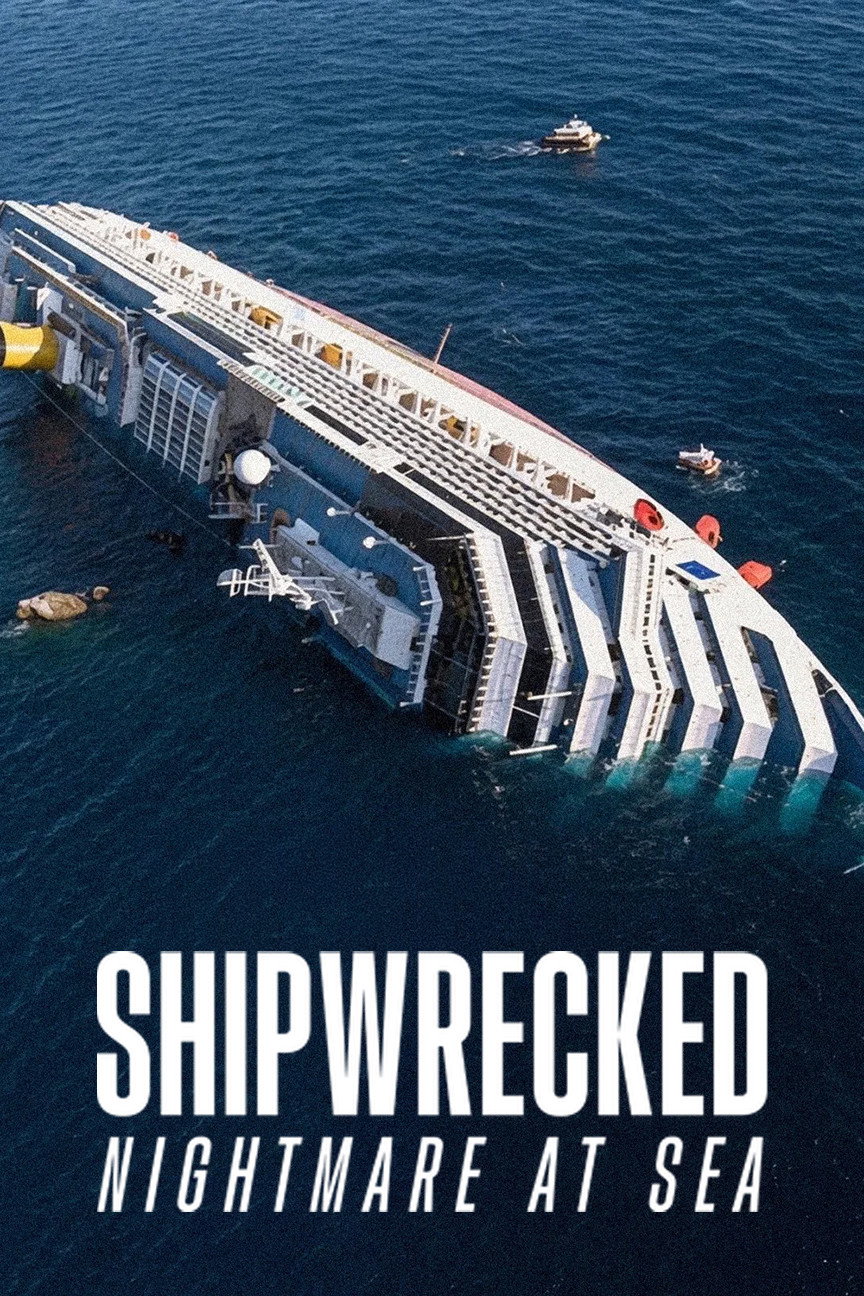
Never-before-seen footage and survivor accounts trace the 2012 shipwreck of a luxury cruise and the disaster that ensued, in this immersive documentary.
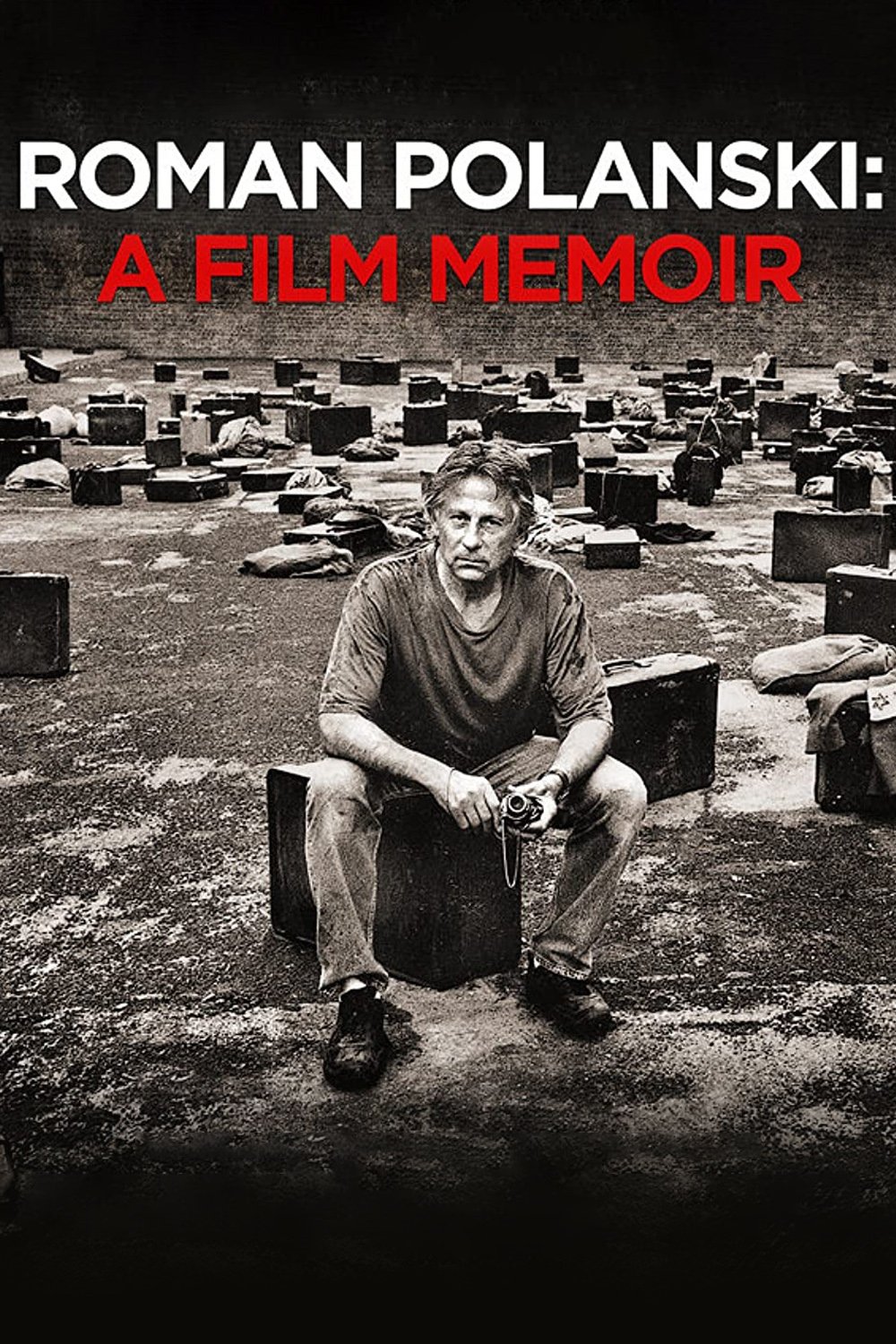
An interview with film director Roman Polanski conducted during his period of house arrest, discussing his life and work.
Brilliant, long in-the-works story of the life and art of the world's greatest comedian and the cinema's first genius, Charlie Chaplin. Produced, written and directed by renowned film critic Richard Schickel.
A documentary on the making of the three Godfather films, with interviews and recollections from the film makers and cast. This feature also includes the original screen tests of some of the actors for "The Godfather" film, and some candid moments on the set of "The Godfather: Part III."
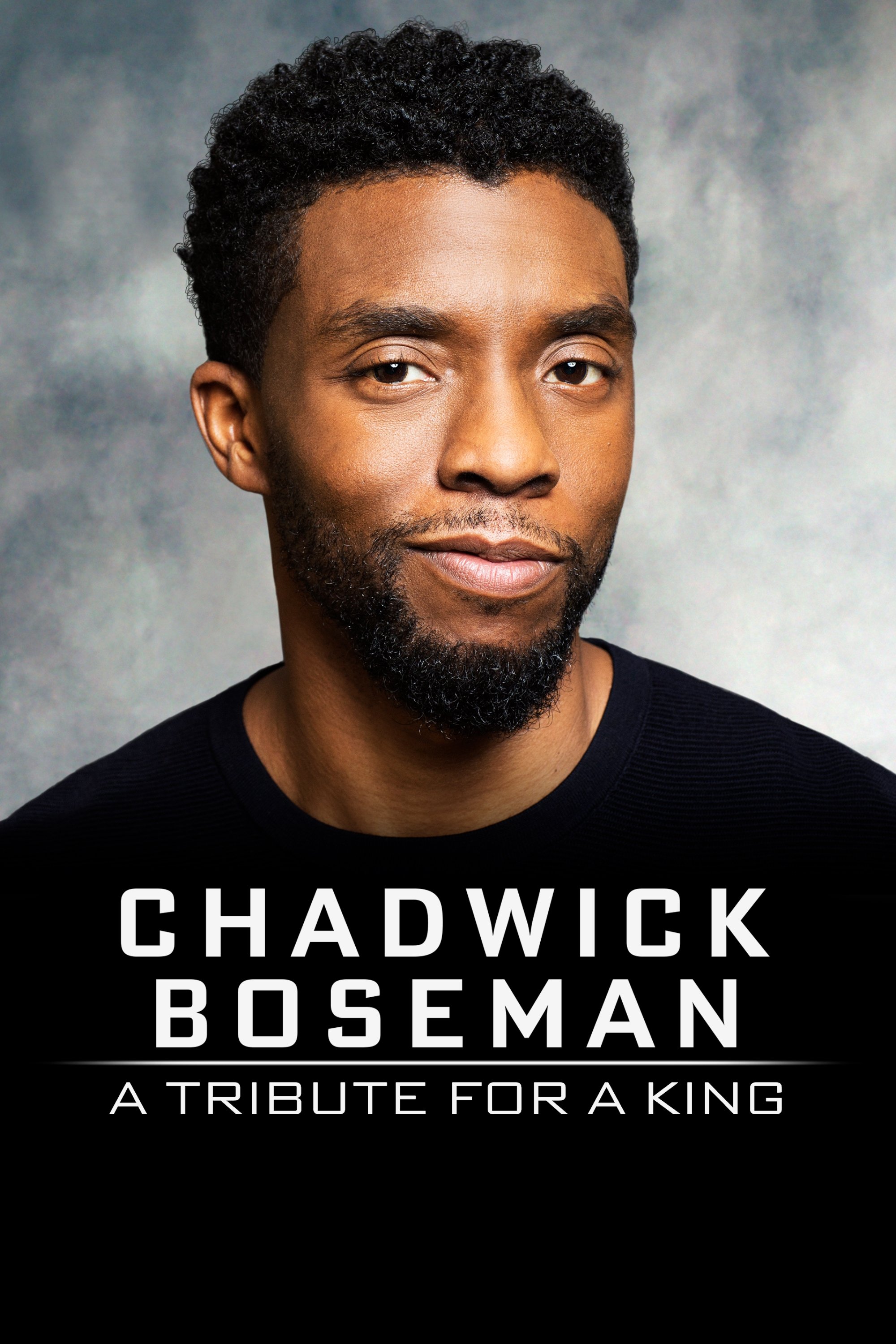
A tribute to Chadwick Boseman, celebrating his life and legacy.
The film is based on interviews with 2,000 women from 50 countries, and covers the status of women all over the world. The topics covered include forced marriages, sexual assault, female genital mutilation, acid attacks, motherhood, sexuality, menstruation, education and the professional success of women.
Vulgar, taunting texts blow up the phones of a teen and her boyfriend. Who's sending them — and why? This twisty documentary reveals the shocking answer.
As England reach the final of the Euros at last, 6,000 ticketless football fans storm Wembley stadium, leaving destruction in their wake.