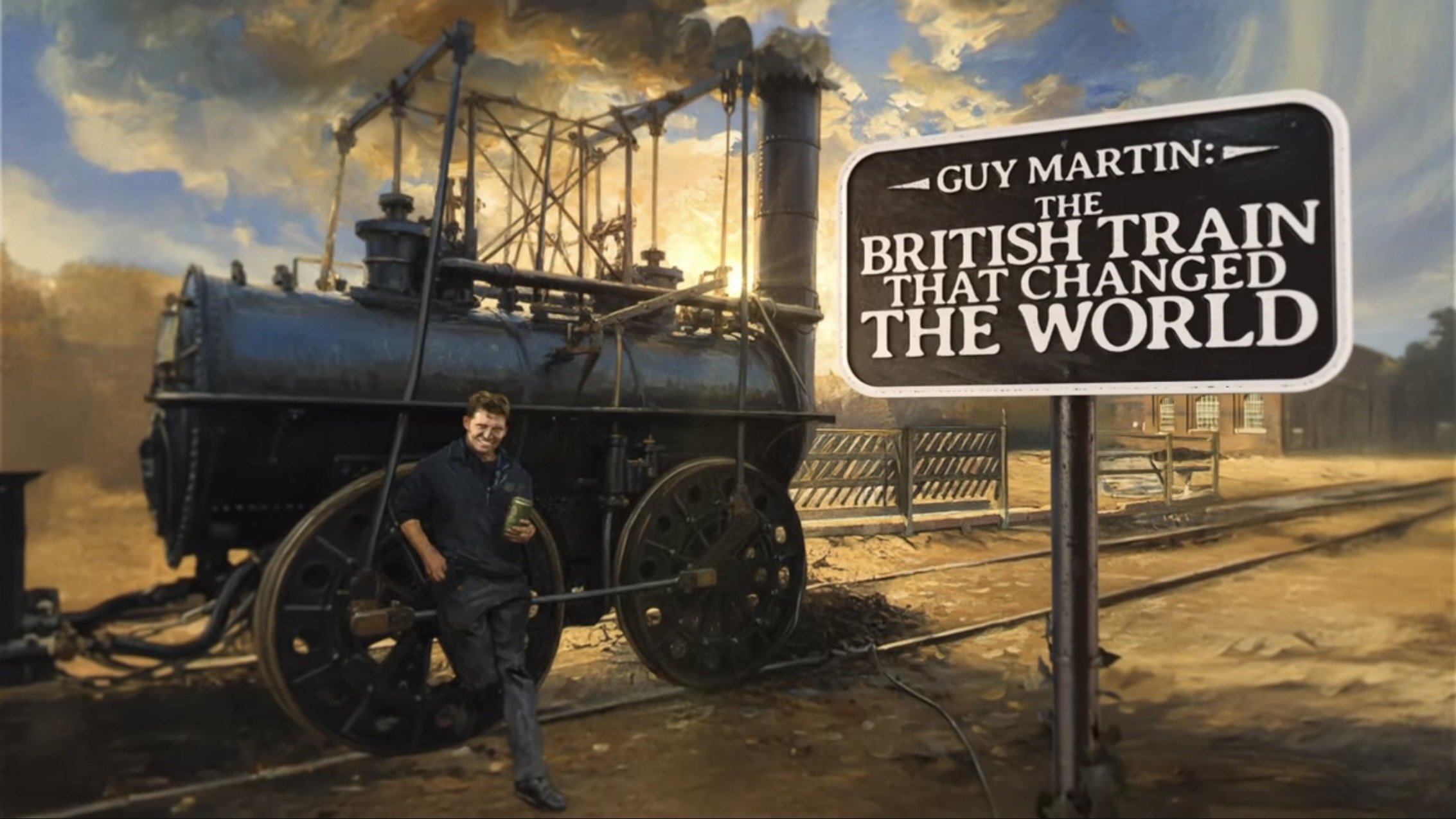
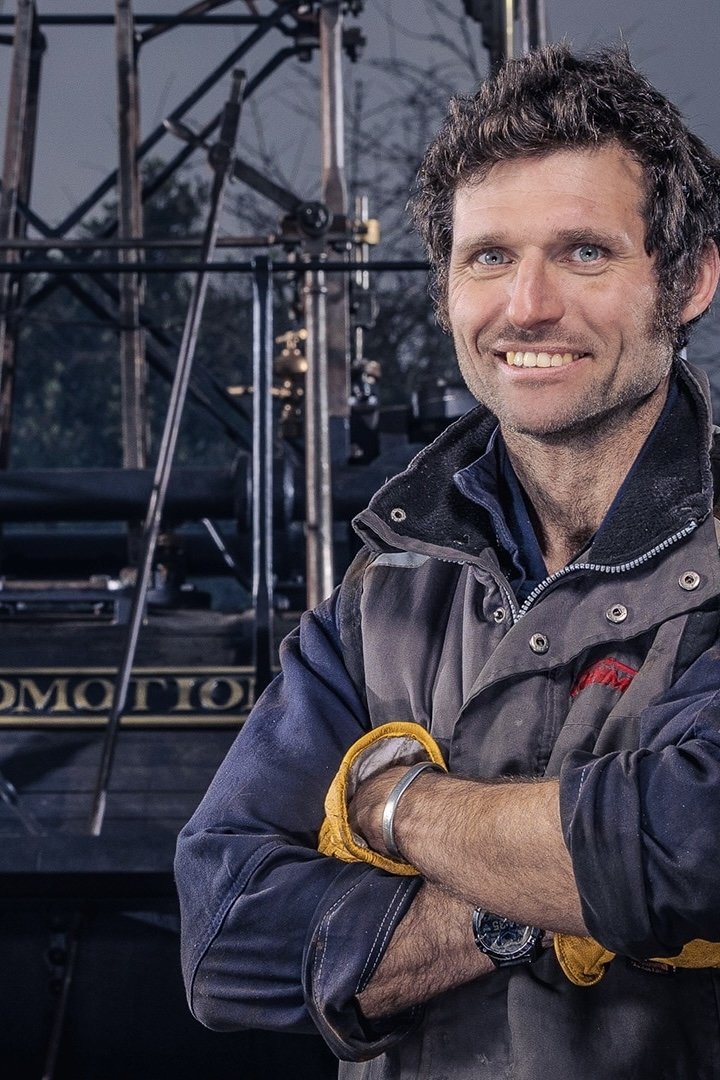
Celebrating 200 years of rail, Guy helps to rebuild, and learns to drive, the world’s most important train for a recreation of the journey that changed history: the Stockton to Darlington Railway
Social & External
The people behind it
Guy Martin
Self
Shaun Dooley
Self - Narrator (voice)
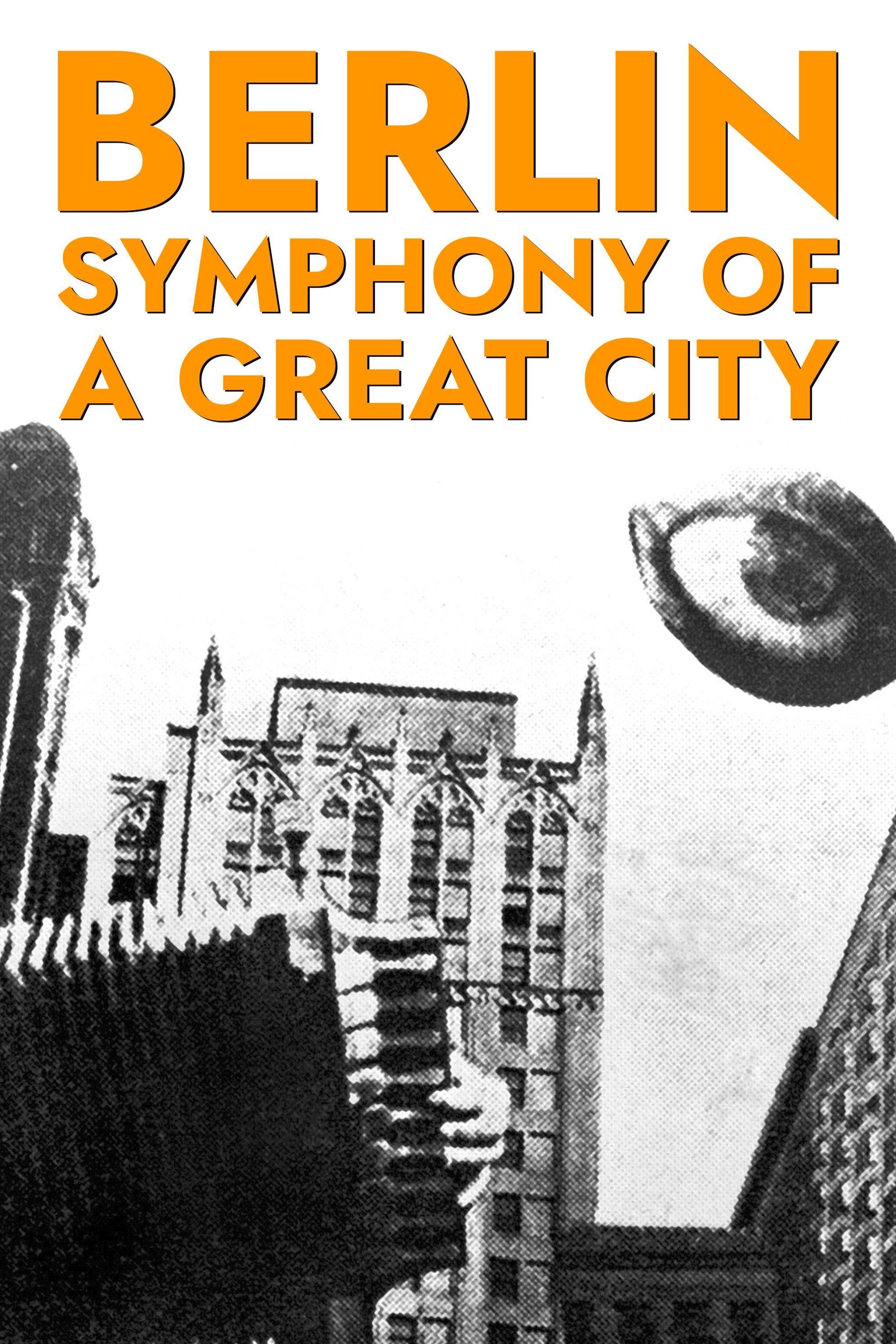
A day in the city of Berlin, which experienced an industrial boom in the 1920s, and still provides an insight into the living and working conditions at that time. Germany had just recovered a little from the worst consequences of the First World War, the great economic crisis was still a few years away and Hitler was not yet an issue at the time.
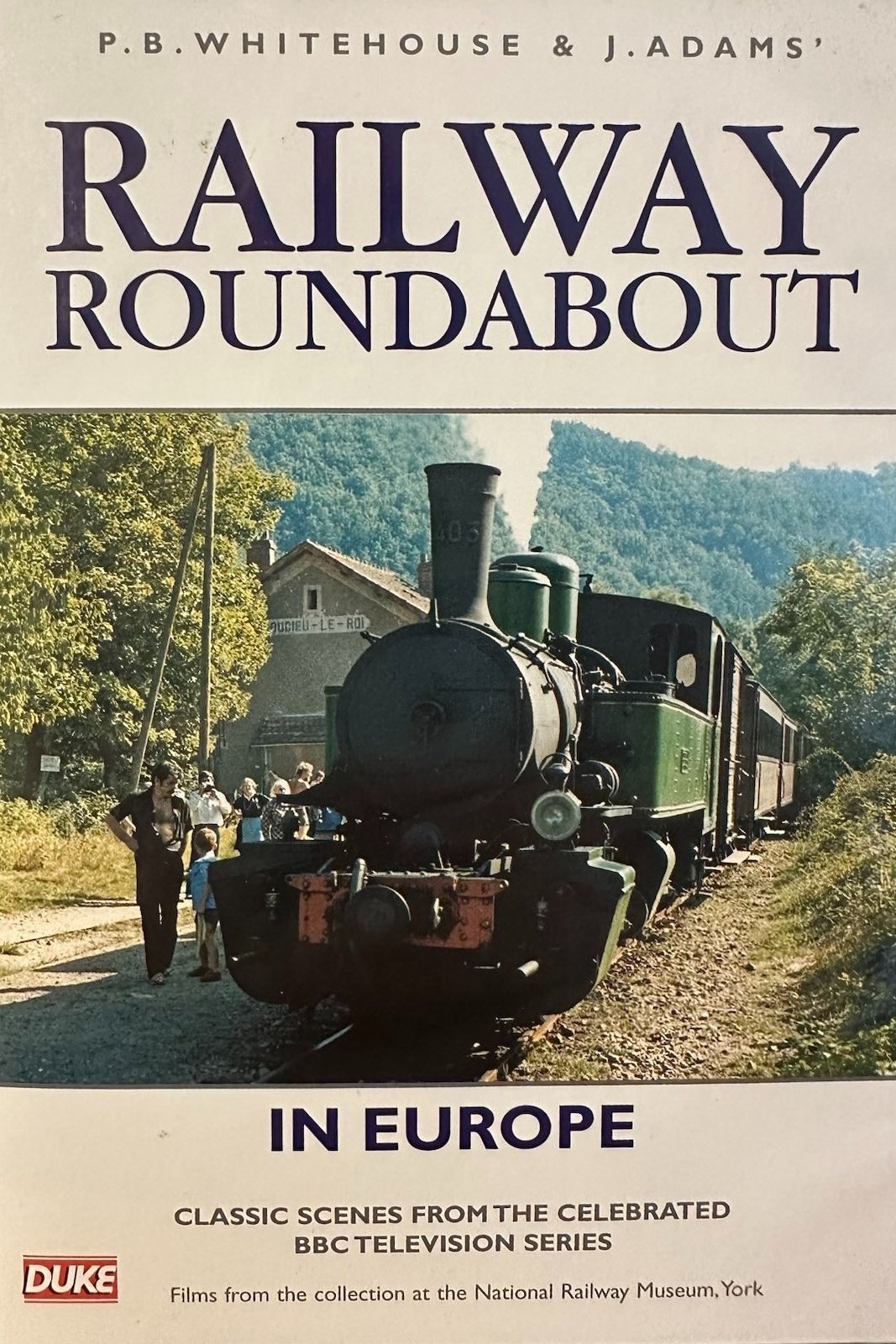
Another volume of highlights from the 1950s and 1960s television series. Here we see the best of French steam, the route from Helsinki to the Artic Circle, and the famous Orient Express from Paris to Athens.
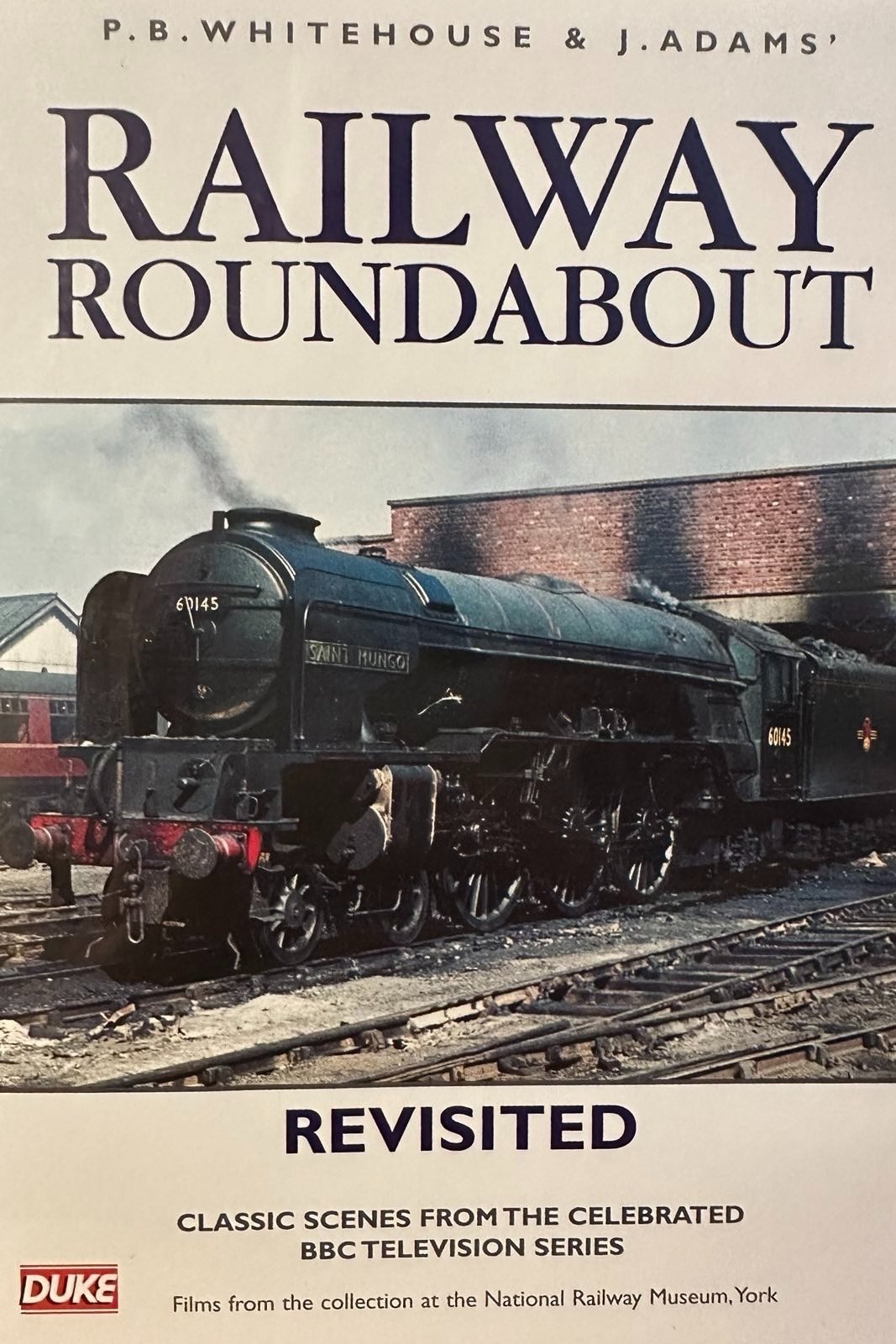
A volume of additional footage from the 1950s and 1960s series. Highlights include an insider's view of York signal box, the new 'Midland Pullman', and steam over Shap in 1963.
An experiment with three dimensions in a moment of clarity: the focus of the camera's lens towards the present, the speed of the train and the material world distorted by the movements of the train.
Between one carriage and another, passengers tell their stories over a train journey.
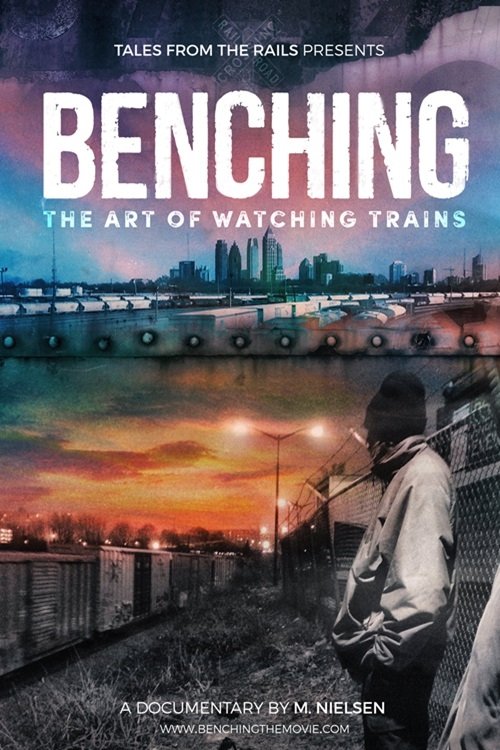
The tradition of watching graffiti on subway trains is passed down to a new generation.
An intimate insight into the servant culture and lifestyle of the Viceroy of India and family, as they visit Simla (Shimla) and Lahore.
The story of how newspapers were distributed during the Blitz, stressing the importance of an accurate and objective press on the home front.
Short film about the dangers of winter traffic on the German Federal Railways
Speed has always played a particularly important role in railroads. New, ever better technologies have been developed throughout history. Engineers have come up with many ideas to make trains faster. This short film recalls the most striking record-breaking journeys in Germany and abroad.
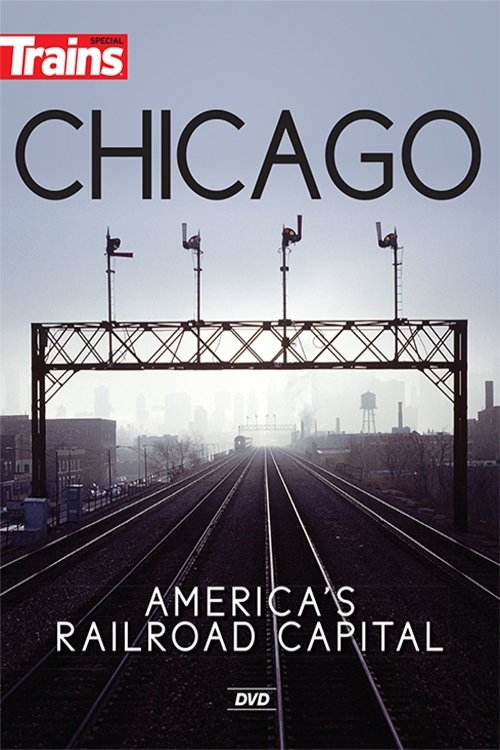
In this documentary, Chicago, America’s Railroad Capital, you’ll discover how the third largest U.S. city became the nation’s most important hub, serving six of North America’s largest railroads. Along with its robust commuter system, more rail traffic passes through Chicago than any other city in America.
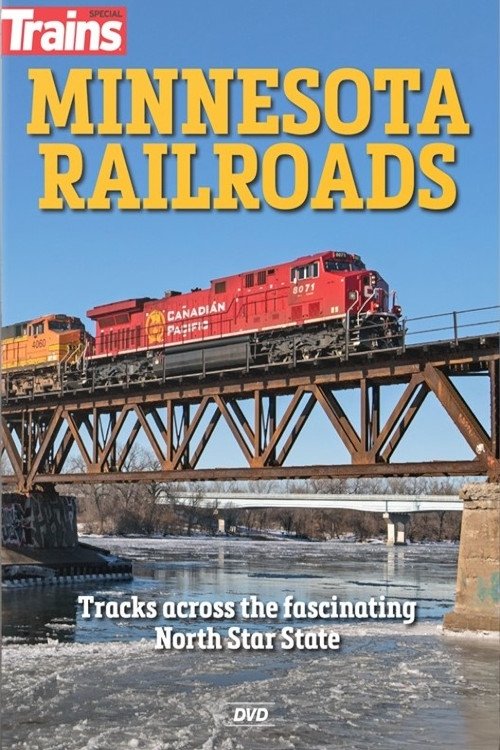
This documentary takes a look at Class I railroads – BNSF Railway, Canadian National, Canadian Pacific, and Union Pacific, short lines, Amtrak, commuter lines, and railway preservation in the “Land of 10,000 Lakes.”
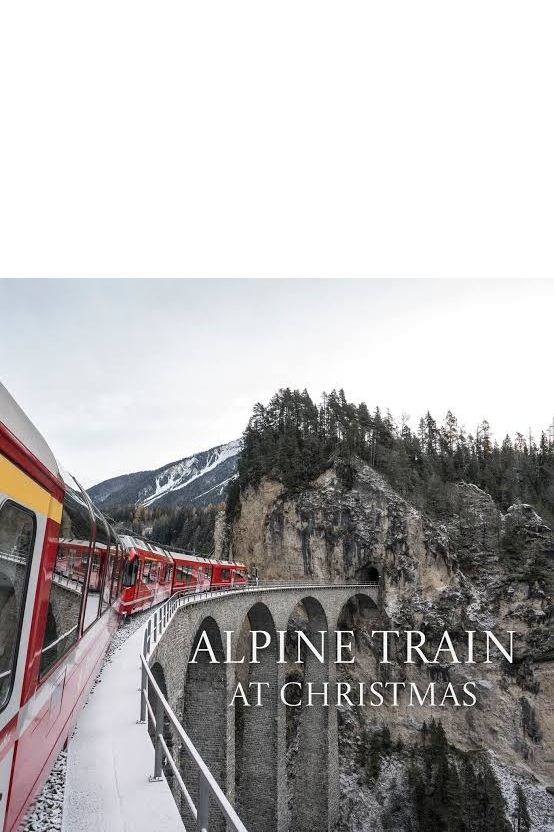
Climb aboard the illustrious Bernina Express for a festive ride through spectacular Alpine landscapes, taking in snow-covered peaks, architectural wonders, and majestic glaciers.
A train moves through winter as a superimposed image of the same route in spring gradually emerges. Both moments coexist within a single frame, revealing two seasons happening at once.
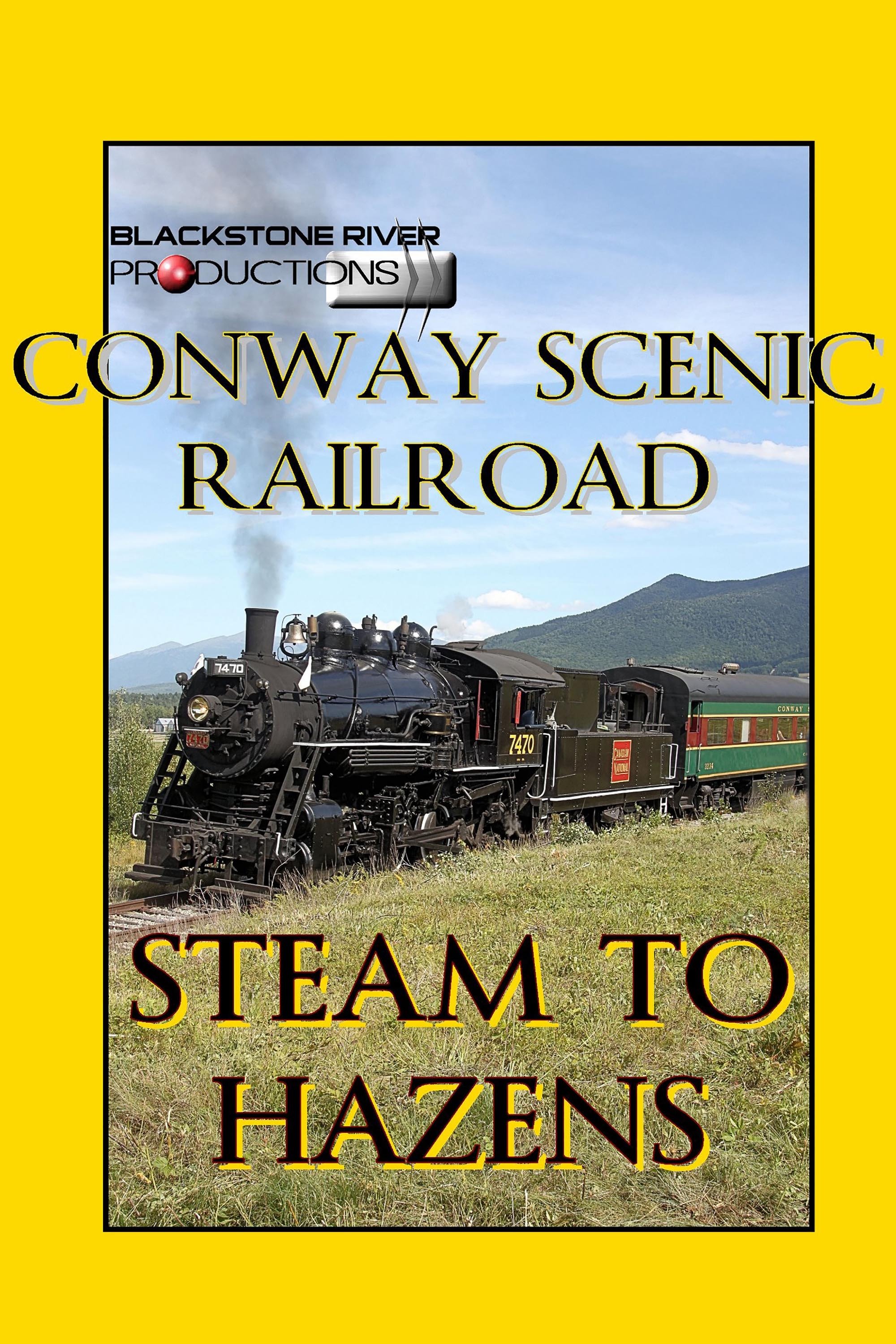
On July 31st, 2011 The Massachusetts Bay Railroad Enthusiasts chartered a special excursion on the Conway Scenic Railroad. The trip covered the CSRR Crawford Notch line (EX Maine Central "Mountain Division") from North Conway to the New Hampshire Central interchange in Hazens (Whitefield, NH). This rare mileage excursion featured track not used by the regular passenger trains by the CSRR! The star of the day was CSRR's steam locomotive #7470.
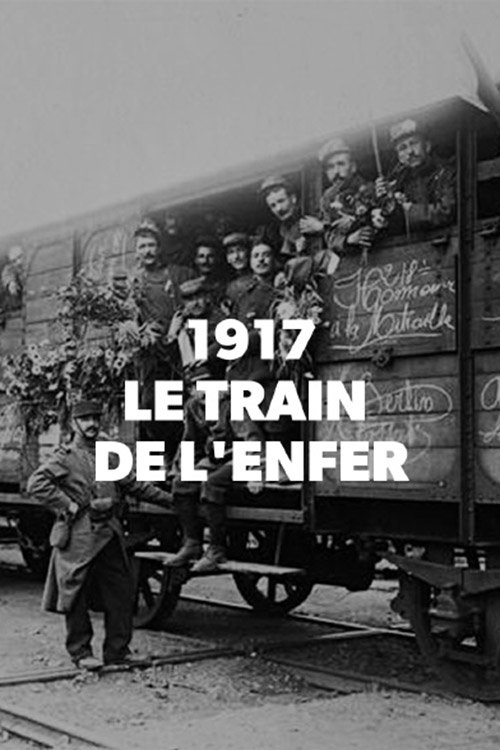
1917, The Train from Hell is an historical documentary about a train accident during WW1.
America's Railroad℠ marks 40 years of service with this exclusive look inside the company. From the making and building of Amtrak to its plans for the future, this is the definitive story.
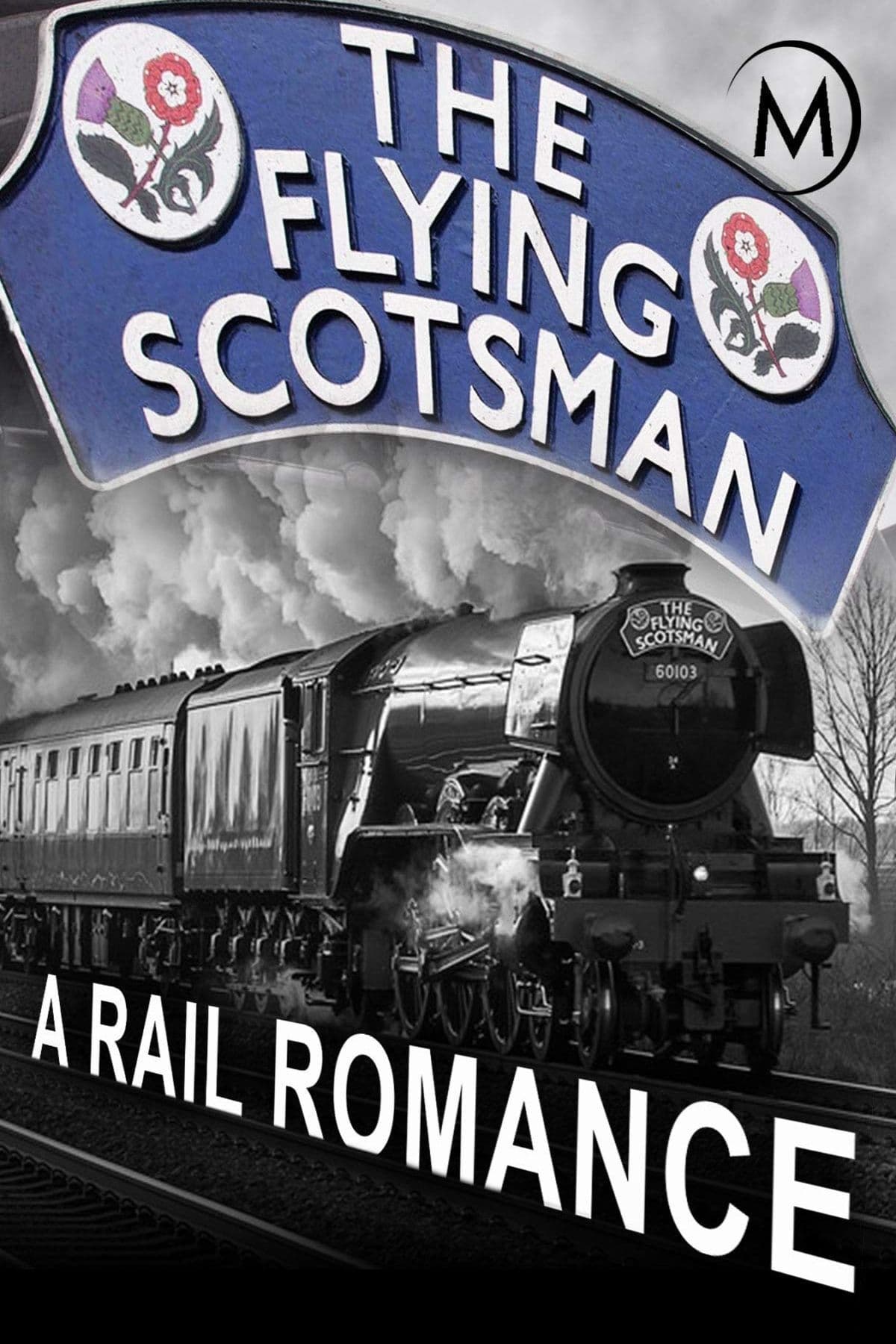
Built in 1923, the Flying Scotsman was the first steam locomotive to run at 100 miles an hour and to star in its own feature film. This is the untold story of the iconic Flying Scotsman-the very best in the engineering of its time.
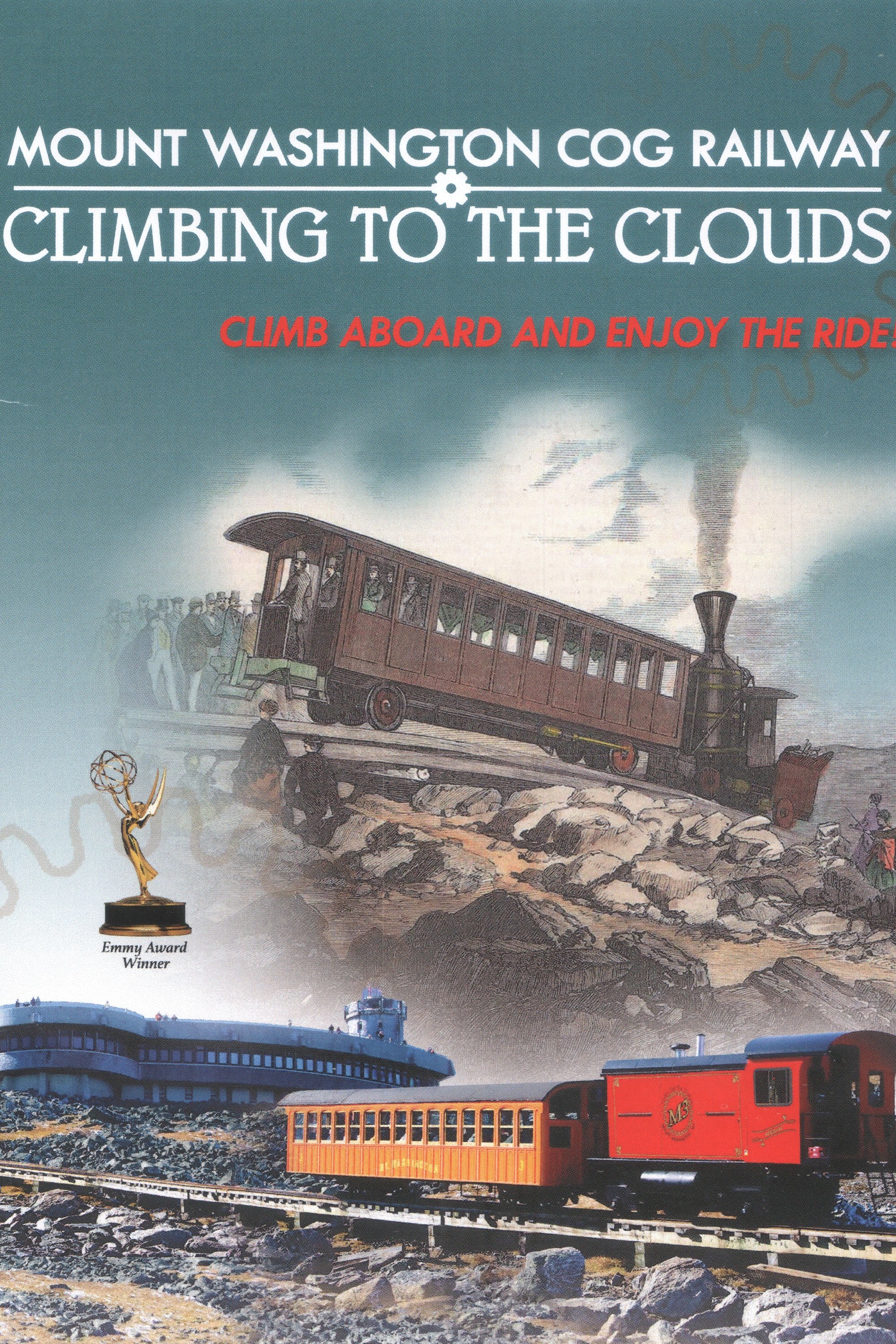
Climb aboard the historic Cog Railway for a trip up New England's highest peak on the first mountain climbing train.
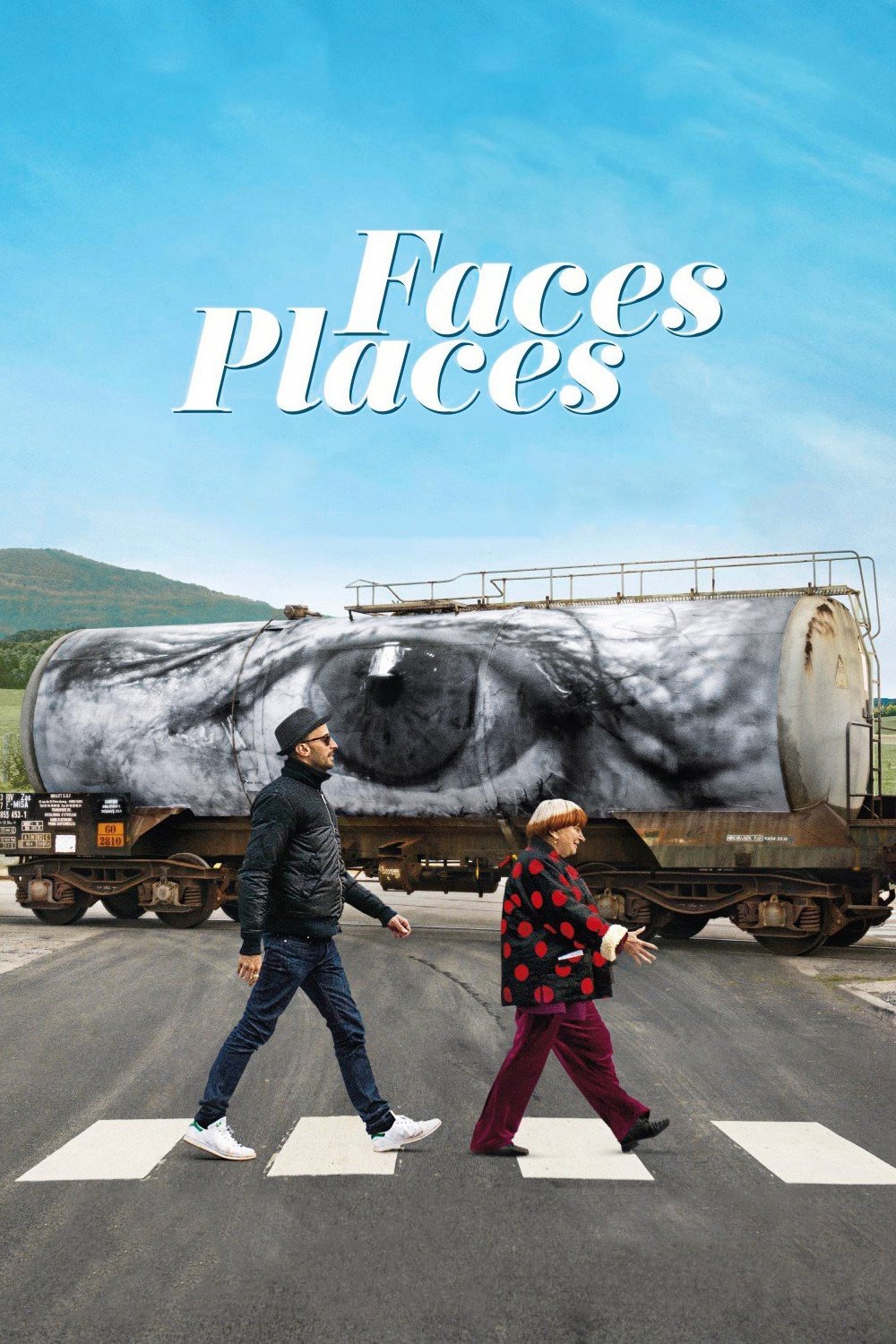
Director Agnès Varda and photographer/muralist JR journey through rural France and form an unlikely friendship.
A string of threatening emails escalates into a revenge plot involving a newly married US marshal and his ex-girlfriend.
SEDUCED AND ABANDONED combines acting legend Alec Baldwin with director James Toback as they lead us on a troublesome and often hilarious journey of raising financing for their next feature film. Moving from director to financier to star actor, the two players provide us with a unique look behind the curtain at the world's biggest and most glamourous film festival, shining a light on the bitter-sweet relationship filmmakers have with Cannes and the film business. Featuring insights from directors Martin Scorsese, 'Bernando Bertolucci' and Roman Polanski; actors Ryan Gosling and Jessica Chastain and a host of film distribution luminaries.
Through deeply personal interviews with her siblings and an examination of the photographs, letters, and belongings left behind, Mariska assembles a new portrait of her mother Jayne Mansfield, an extraordinary and complex woman.
The film follows adventurer Jeff Johnson as he retraces the epic 1968 journey of his heroes Yvon Chouinard and Doug Tompkins to Patagonia.
Those who knew iconic funnyman John Candy best share his story, in their own words, through never-before-seen archival footage, imagery, and interviews.
Behind-the-scenes documentary about how Lionel Messi succeeded in lifting the World Cup – the only trophy to have eluded him in an incredible career.
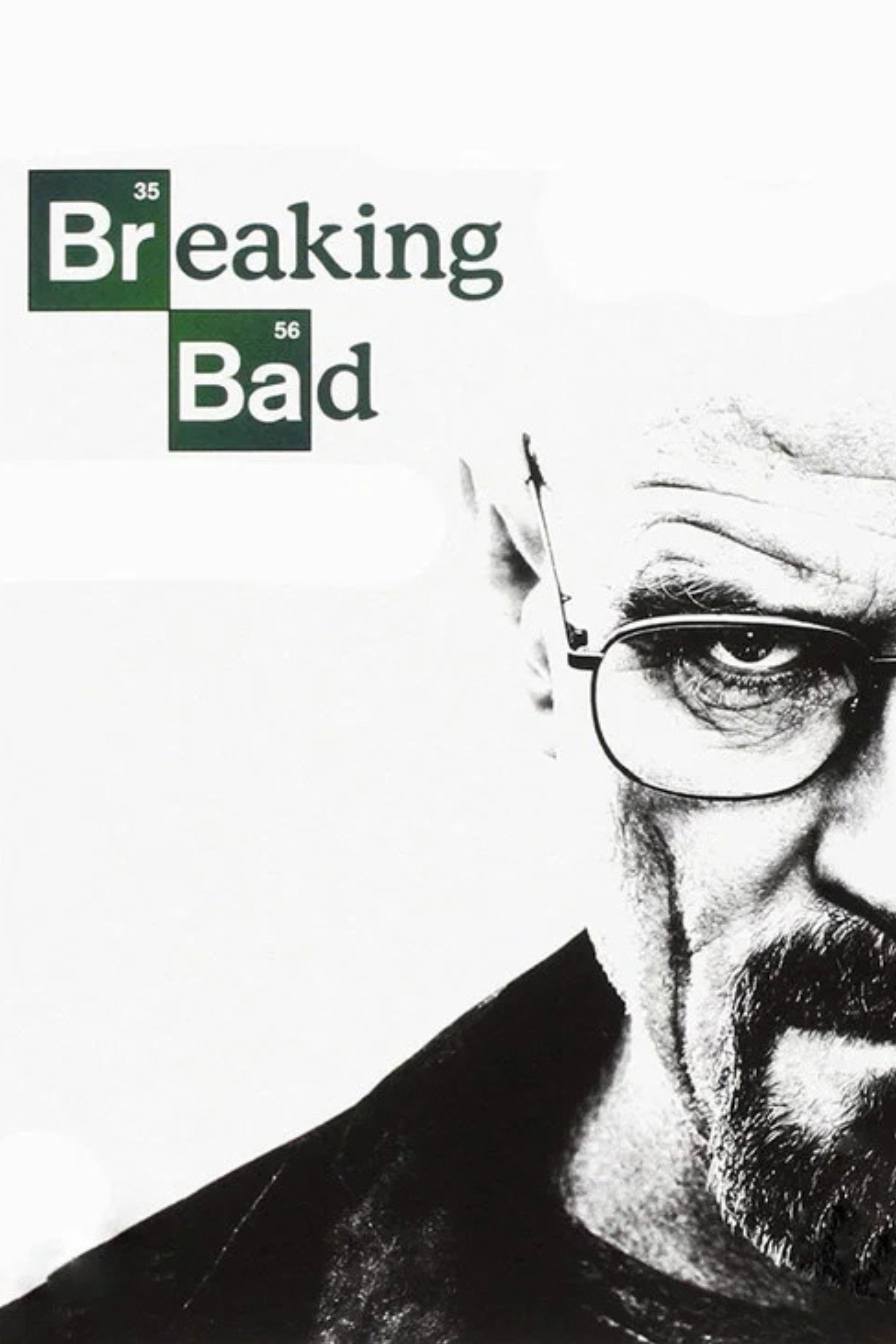
A documentary about the making of season five of the acclaimed AMC series Breaking Bad.
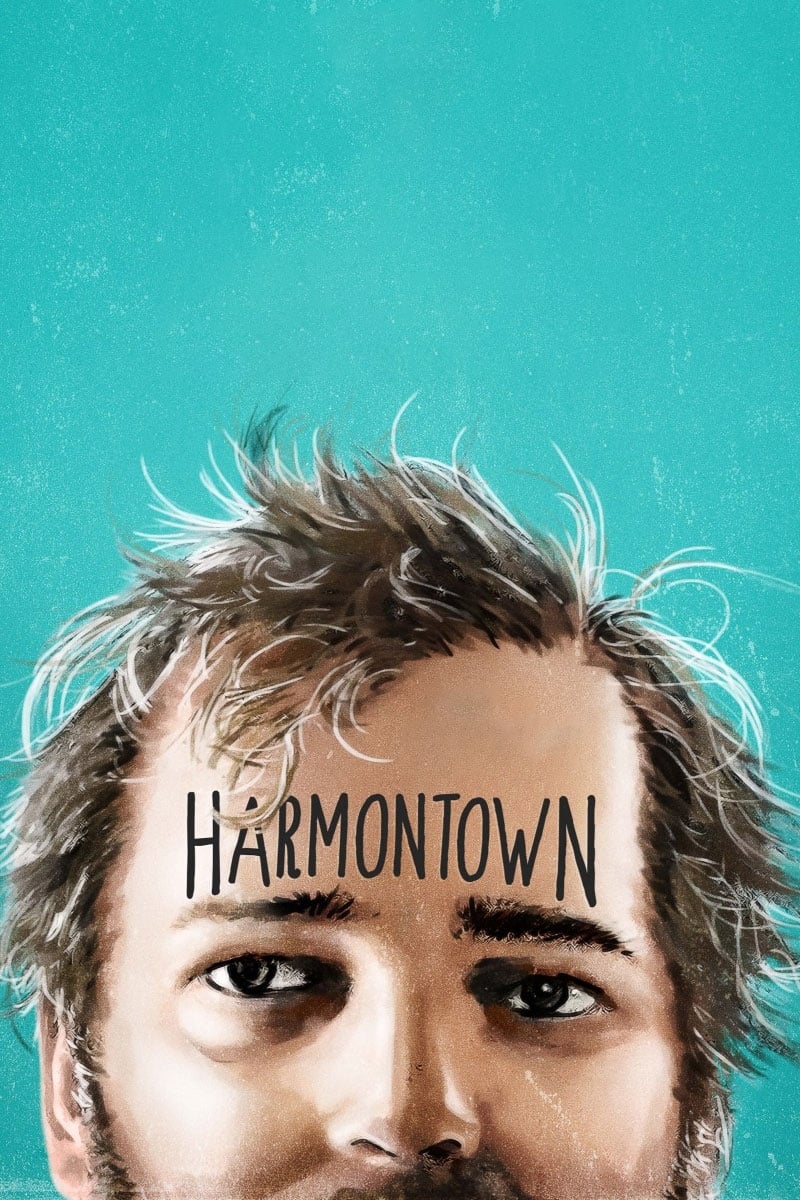
A comedic, brutally honest documentary following self-destructive TV writer Dan Harmon as he takes his live podcast on a national tour.
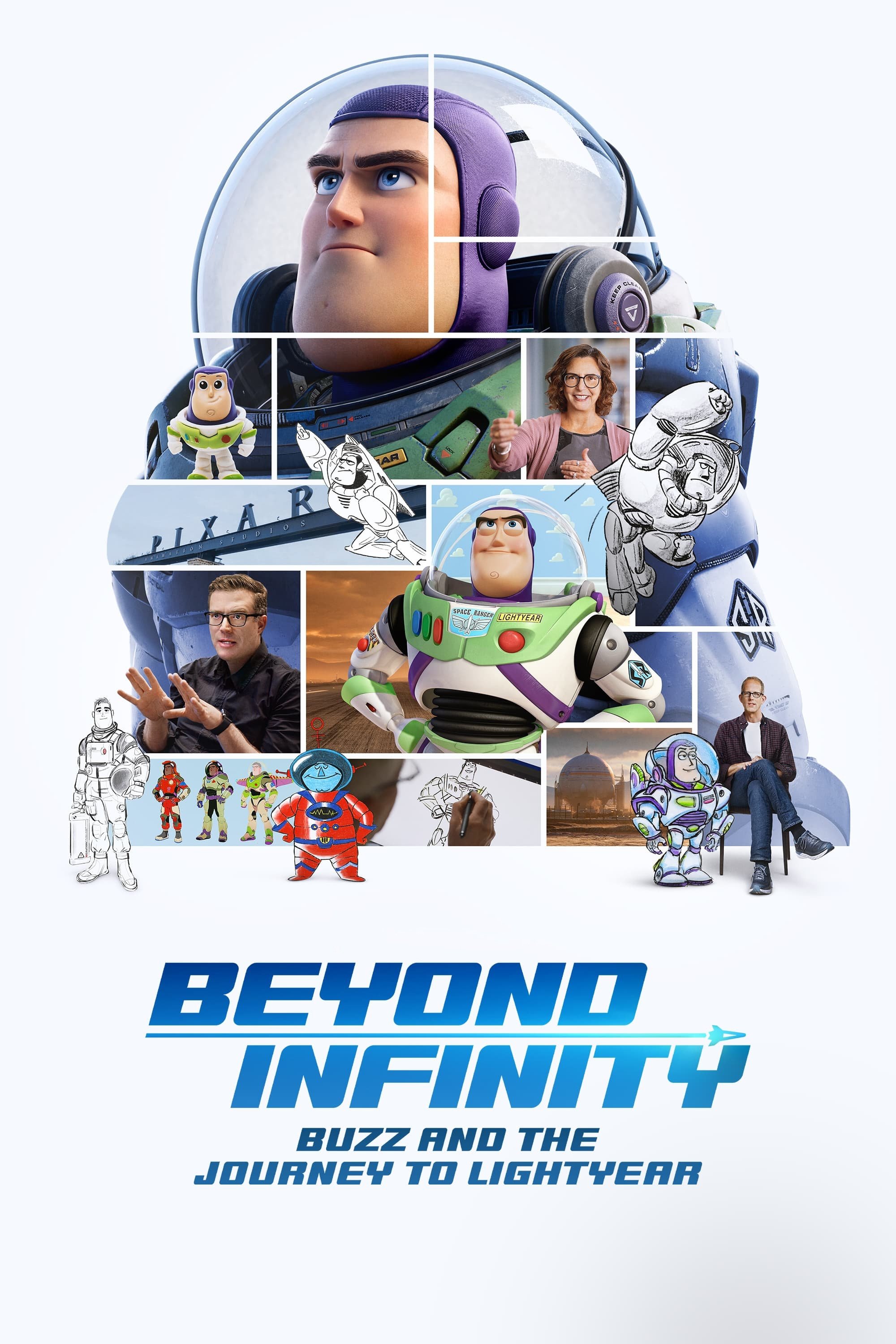
Explore the evolution of Buzz Lightyear from toy to human in the making of Pixar’s Lightyear. Dive into the origin and cultural impact of everyone’s favorite Space Ranger, the art of designing a new “human Buzz,” and the challenges faced by the Lightyear crew along the way.
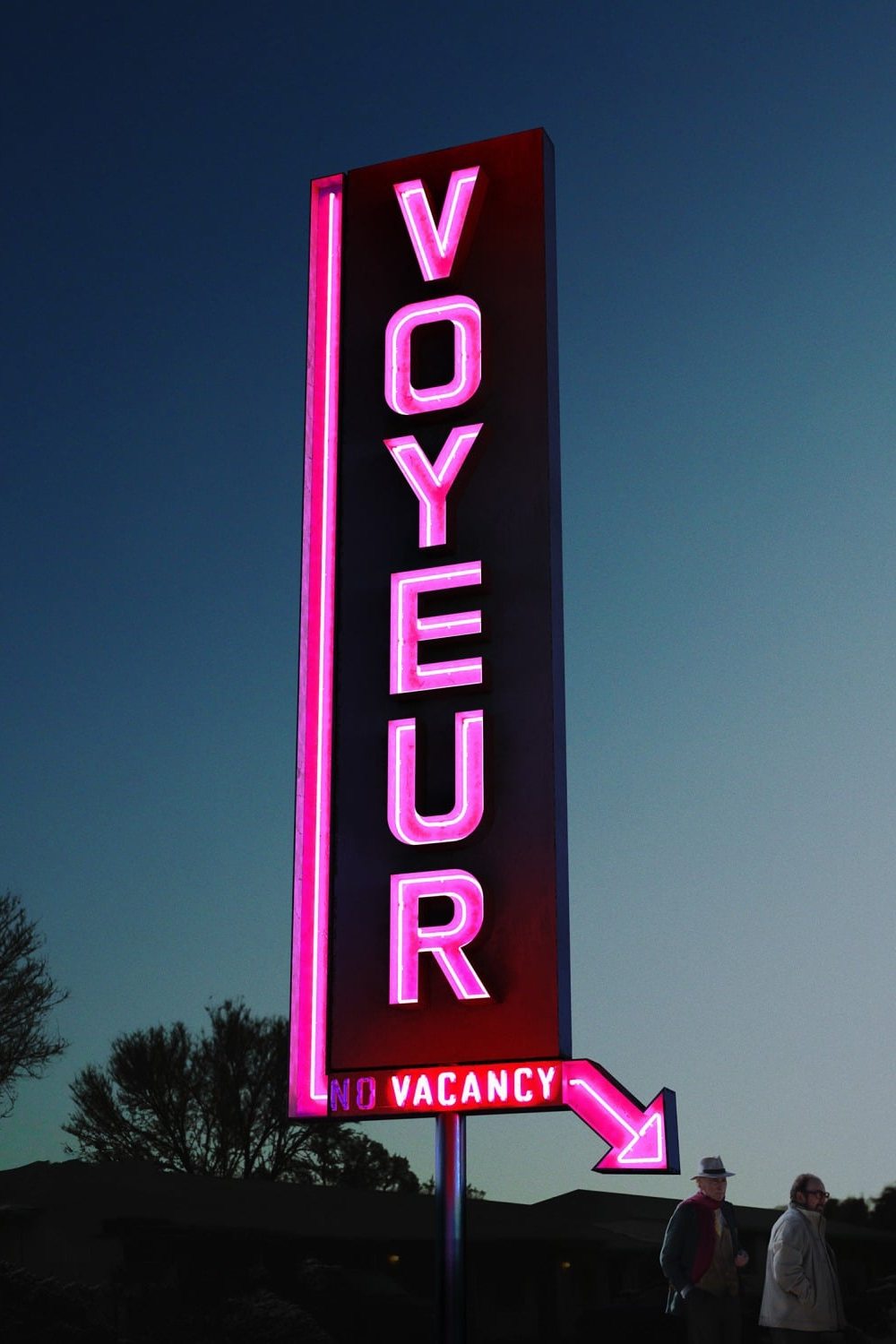
Legendary journalist Gay Talese unmasks a motel owner who spied on his guests for decades. But his bombshell story soon becomes a scandal of its own.
Al Pacino's deeply-felt rumination on Shakespeare's significance and relevance to the modern world through interviews and an in-depth analysis of "Richard III."
Daniel Craig candidly reflects on his 15 year adventure as James Bond. Including never-before-seen archival footage from Casino Royale to the upcoming 25th film No Time To Die, Craig shares his personal memories in conversation with 007 producers, Michael G Wilson and Barbara Broccoli.
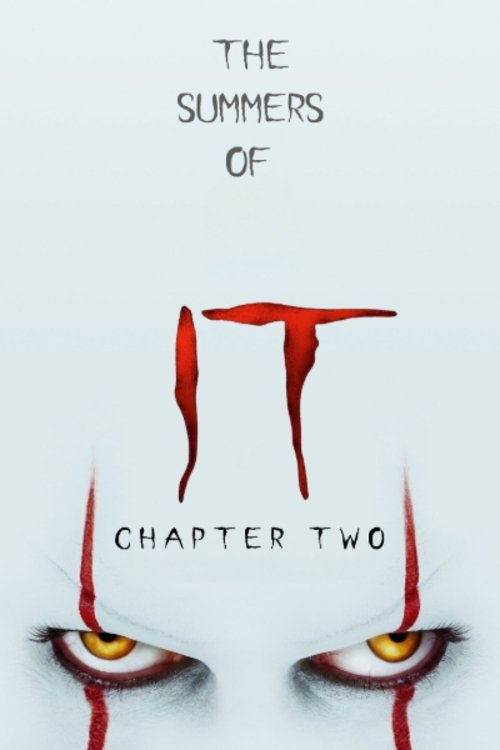
This documentary focuses on the actors and their journey over two summers to create the remake to the original IT, by Stephen King. The documentary originally released as bonus material, bundled with IT: Chapter Two.
Brilliant, long in-the-works story of the life and art of the world's greatest comedian and the cinema's first genius, Charlie Chaplin. Produced, written and directed by renowned film critic Richard Schickel.
A look at the origins, history and conspiracies behind the "Majestic 12", a clandestine group of military and corporate figureheads charged with reverse-engineering extraterrestrial technology.
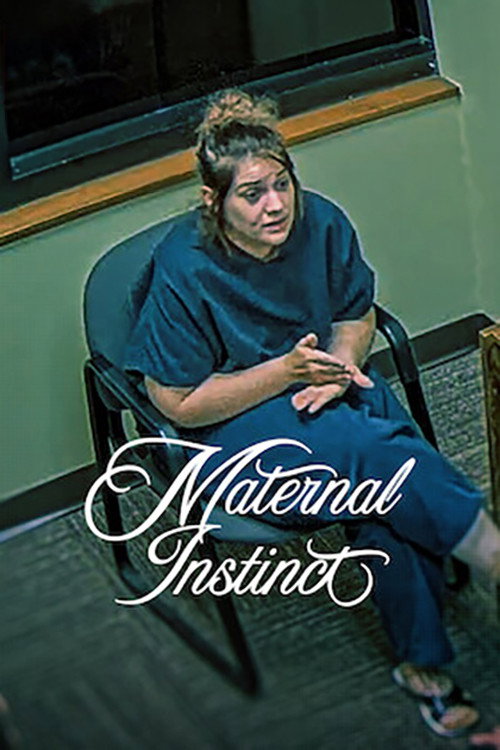
Police pull over a woman who claims she just gave birth. But the baby — and the blood — aren't hers. Twisted lies unravel in this true-crime documentary.
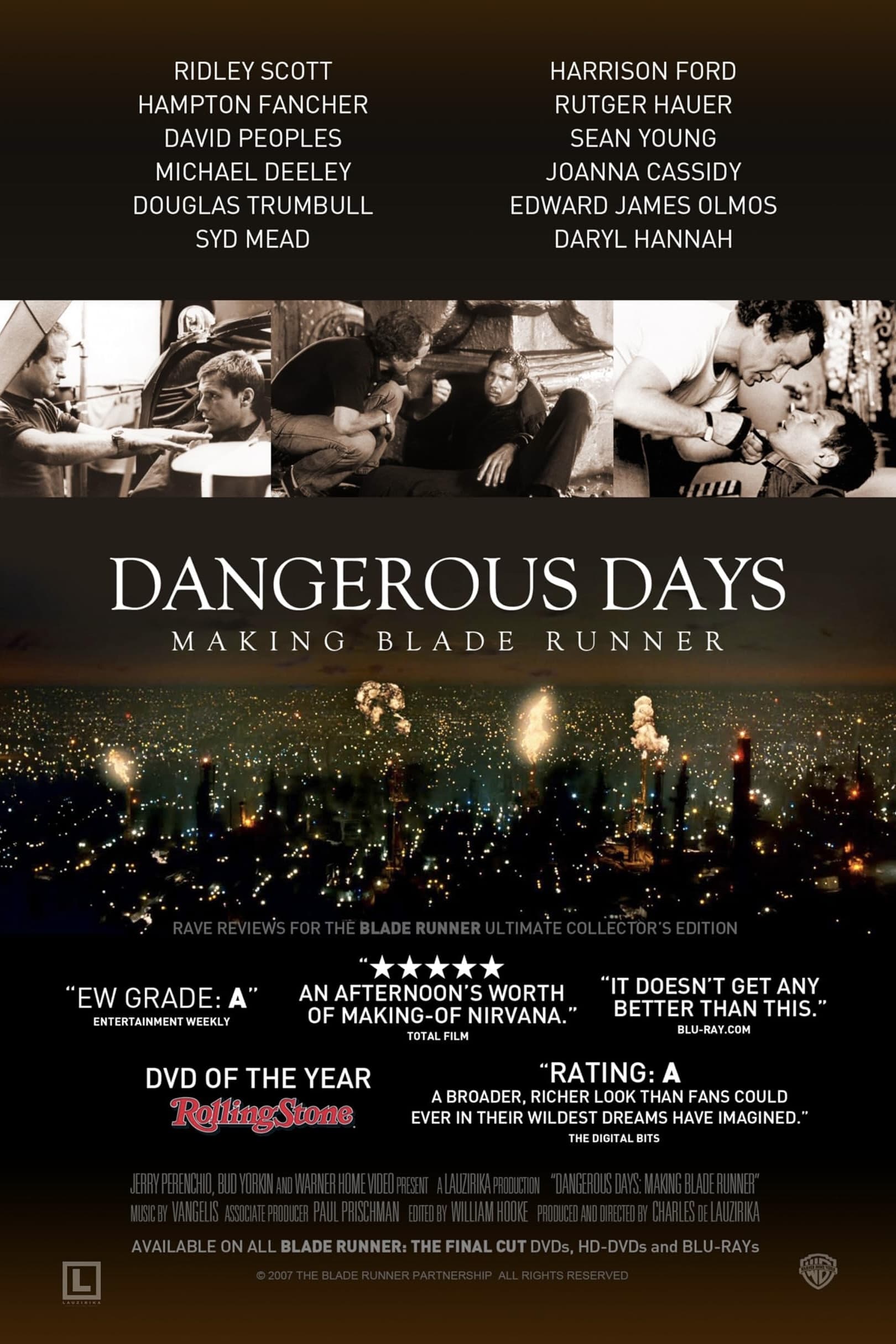
The definitive 3½-hour documentary about the troubled creation and enduring legacy of the science fiction classic 'Blade Runner', culled from 80 interviews and hours of never-before-seen outtakes and lost footage.
Alexander McQueen's rags-to-riches story is a modern-day fairy tale, laced with the gothic. Mirroring the savage beauty, boldness and vivacity of his design, this documentary is an intimate revelation of McQueen's own world, both tortured and inspired, which celebrates a radical and mesmerizing genius of profound influence.
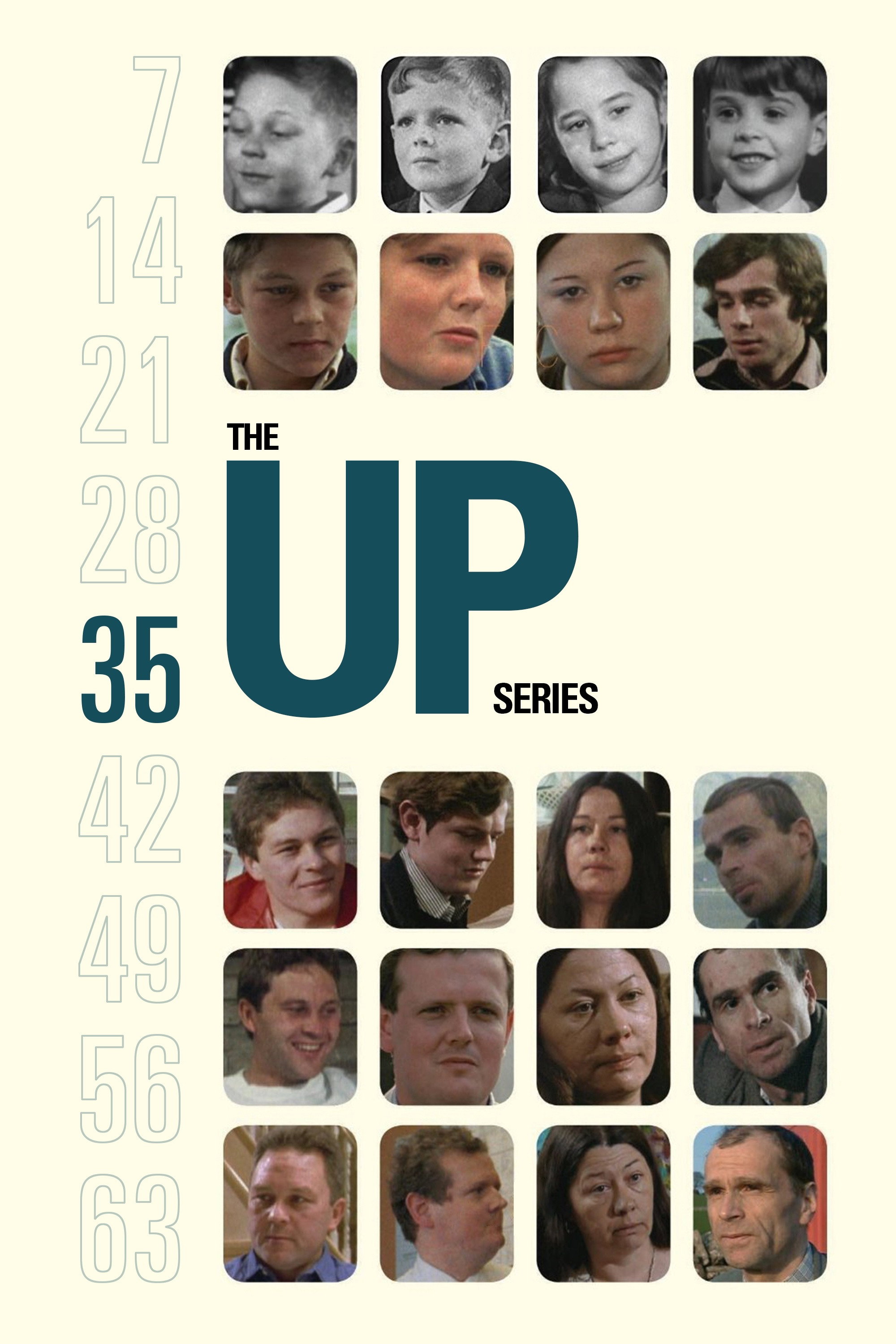
Director Michael Apted revisits the same group of British-born adults after a 7 year wait. The subjects are interviewed as to the changes that have occurred in their lives during the last seven years.
A teen slams her car into a building, killing her boyfriend and his friend. What seems like a tragic accident becomes a murder case.