Social & External
The people behind it
Lilith Cristina
Caio Guilherme
Antônio Soares
Ana Corti
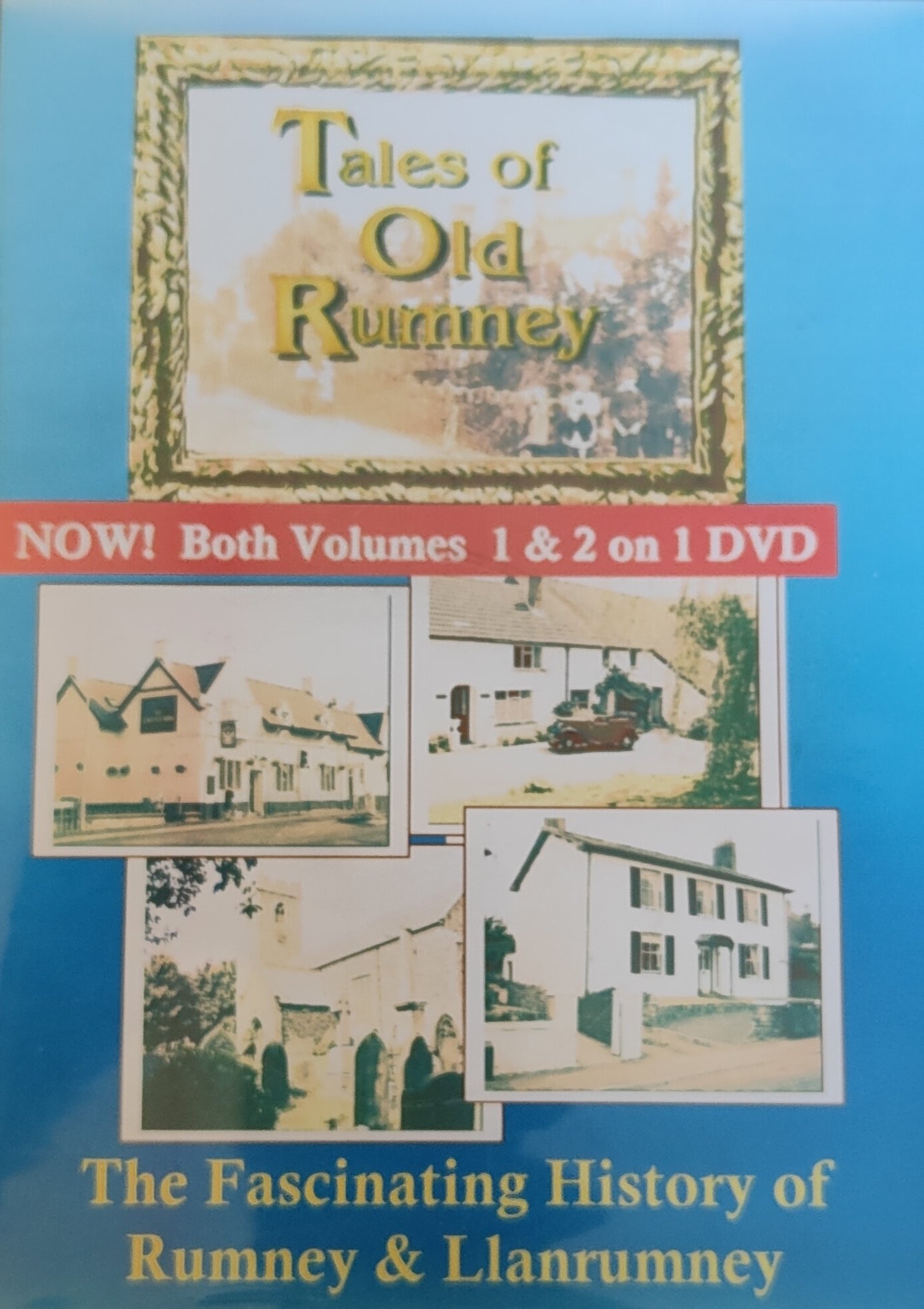
The Fascinating History of Rumney & Llanrumney. This video sets out to trace the story of Tredelerch (Rumney) and Llanrumney from around 60AD when the Romans arrived and set up camp, to the present day where it is a busy suburb of the capital city of Caerdydd (Cardiff).
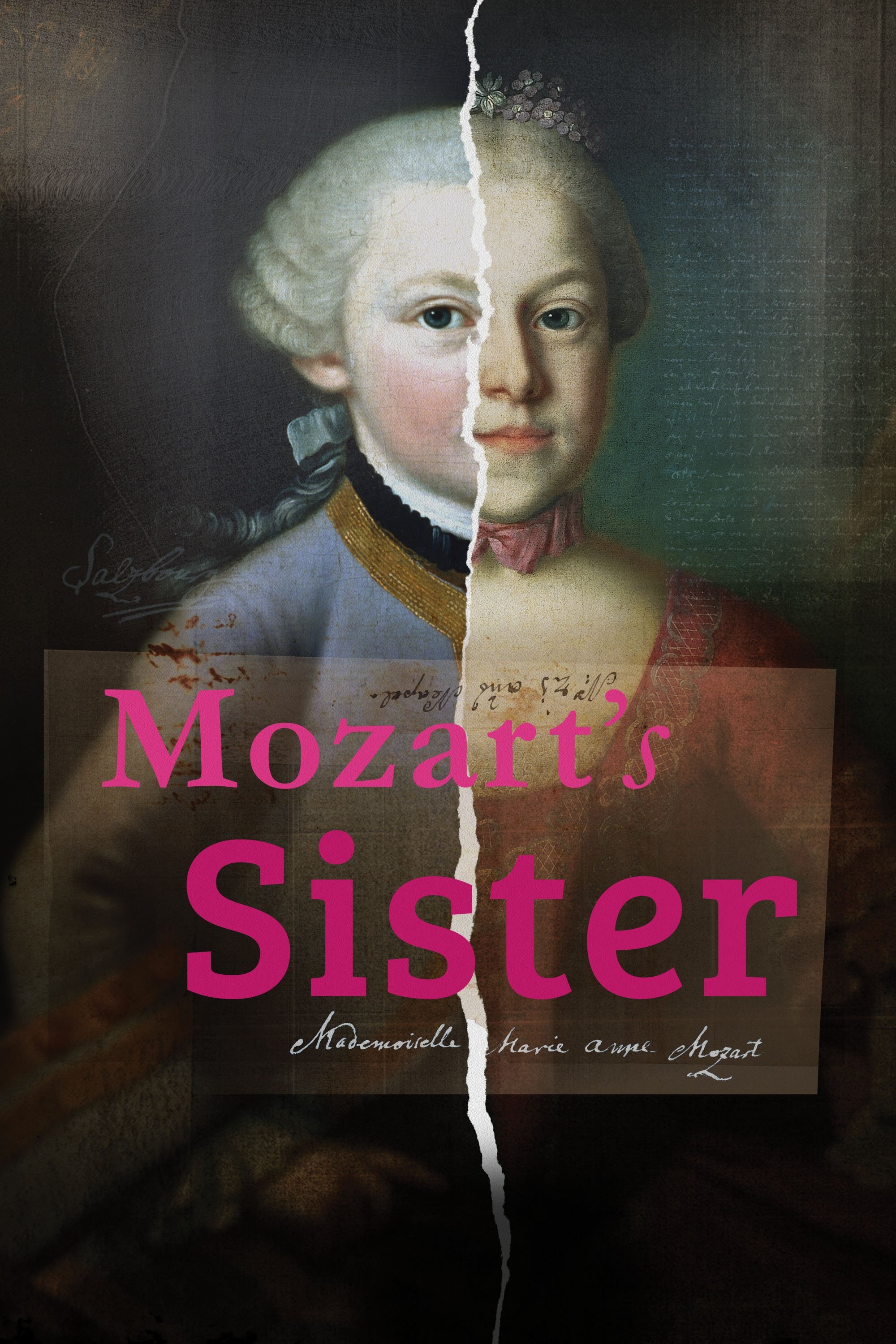
For the first 18 years of her life, Mozart’s sister shared equal billing with her brother. Musical partners and collaborators, Wolfgang Mozart and Maria-Anna Mozart played together before Kings and Queens, and were the talk of Europe. What happened to her? Forced into retirement by age 16 because she was a woman, a stunning new investigation explores why she was retired against her will and the explosive theory: did Maria-Anna Mozart continue to compose in secret?
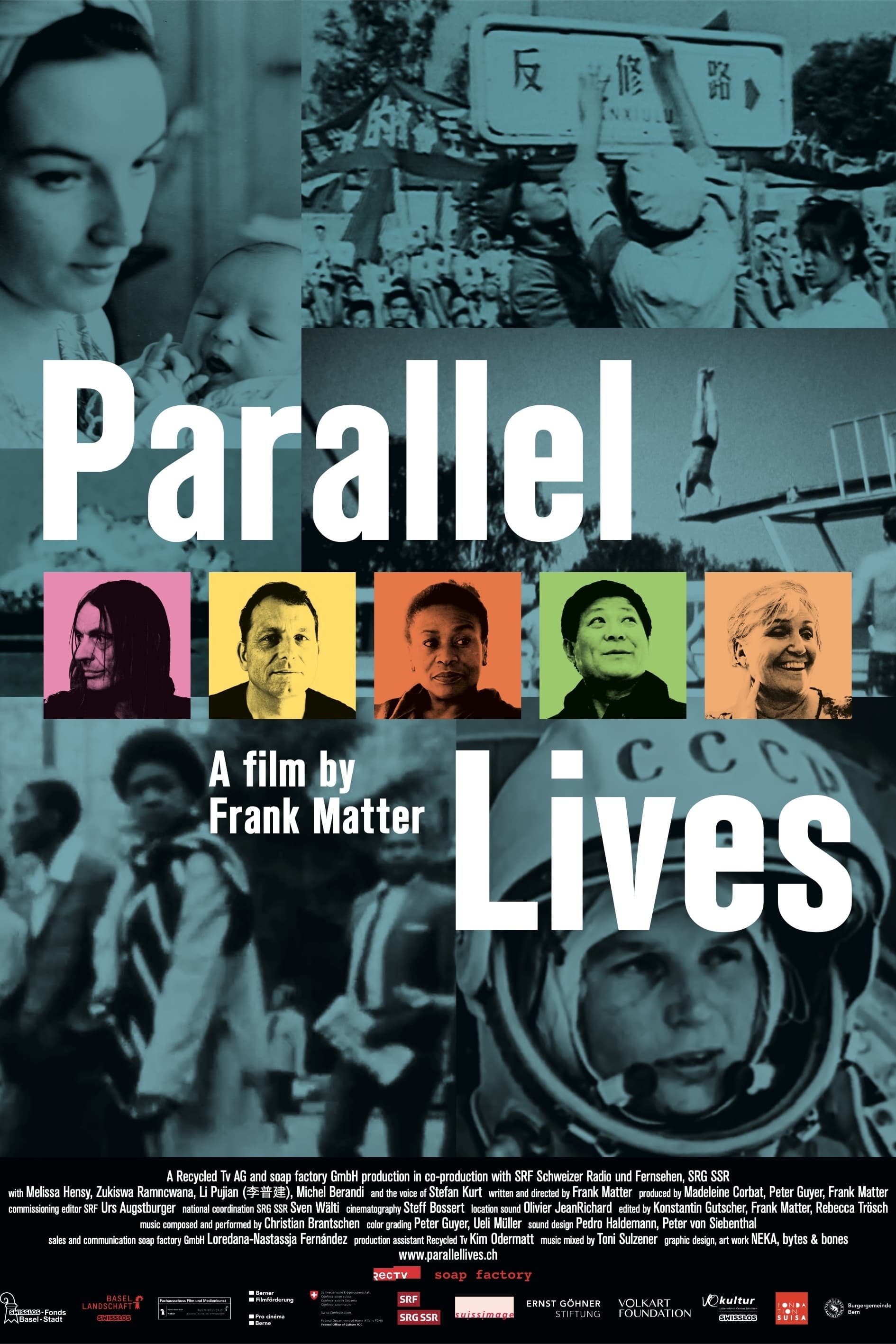
Born June 8, 1964, Frank Matter films four "twins", born the same day as him, but in other latitudes. Interweaving their life stories with rich archival material, the filmmaker links these Parallel Lives with elements from his own biography, to compose a fascinating fresco where intimate trajectories are part of the advent of the global village.
A chronicle of alleged ghosts, haunted landmarks and the otherworldly doings of Tinseltown, including a cursed script and haunted homes of the stars. A range of celebrities and parapsychologists provide interviews related to the history of Hollywood hauntings and their own experiences hosted by William Shatner.
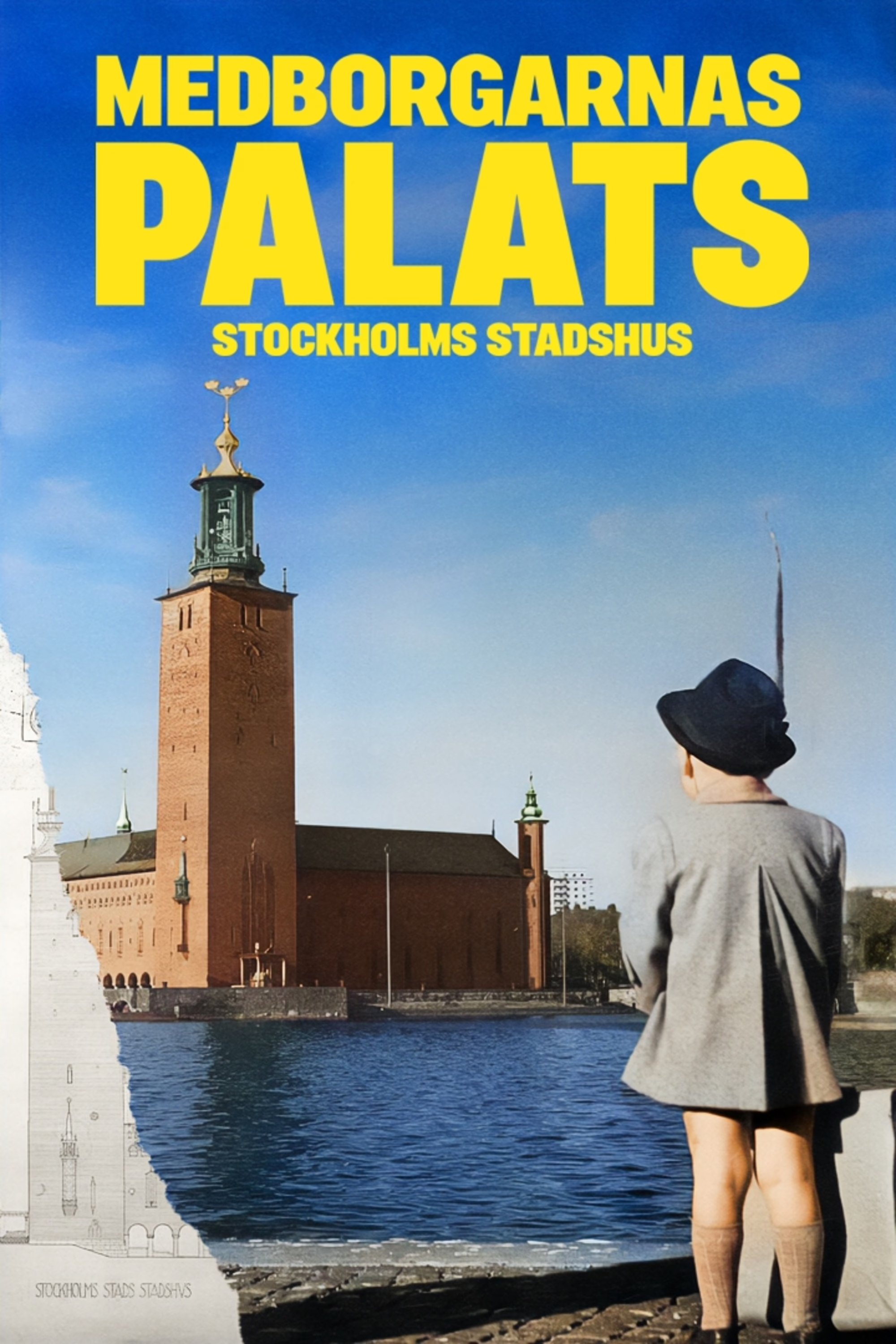
Roughly a hundred years ago Stockholm City Hall was Inagurated and since then It has become one of the cities most famous silhouettes. This documentary depicts the how architect Ragnar Östberg fights through global crises and workers strikes together with the various artisans to finish Swedens monument to Its newfound democracy
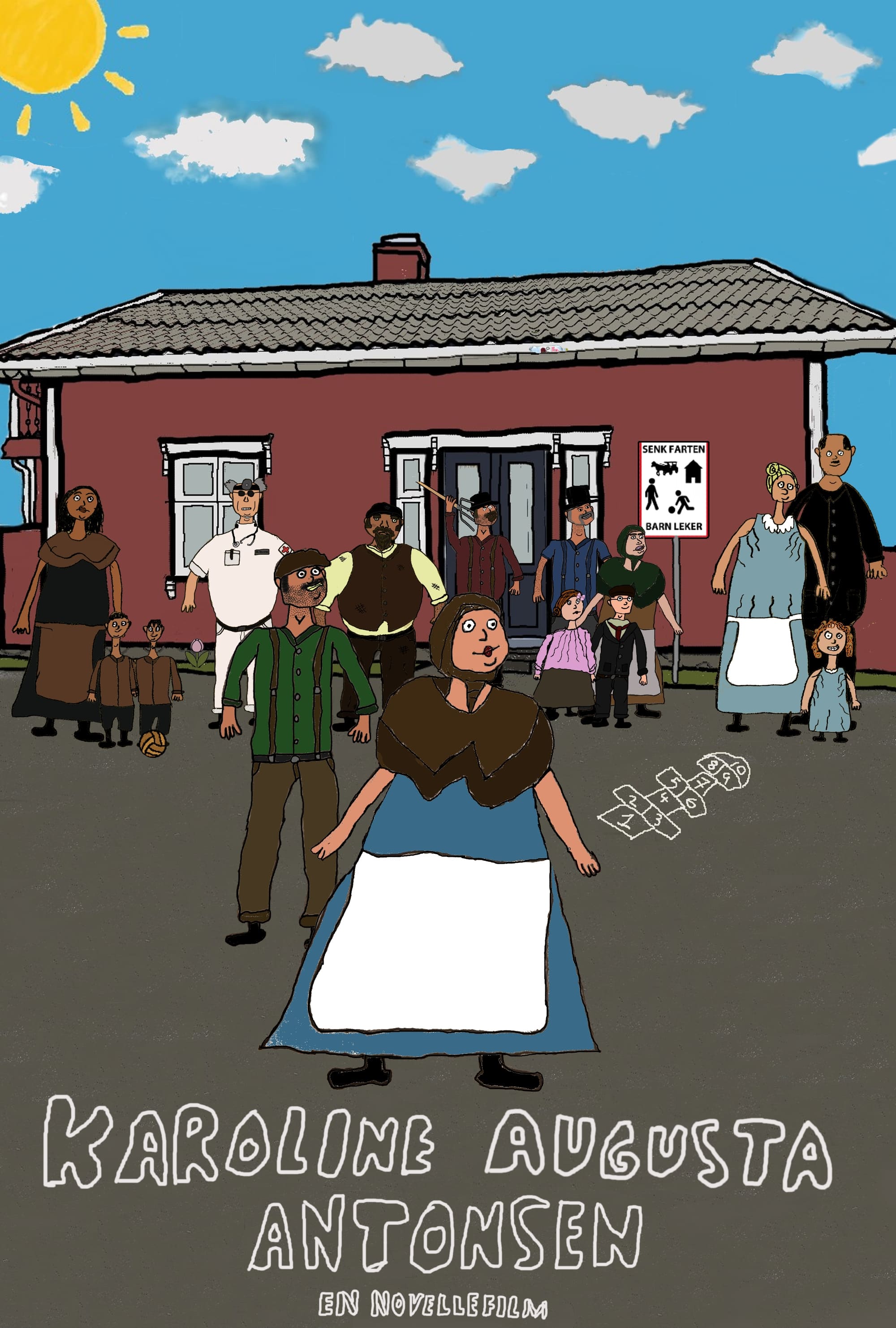
Born into a family of farmers in the mid-19th century, Karoline Augusta Antonsen moves to a nearby industrial city in her late teens, driven by the dream of building a large family and owning a big house. This short film follows her journey of hope, and her struggle to survive in a tough economy. Will she achieve her lifelong ambition or will her story end in tragedy?
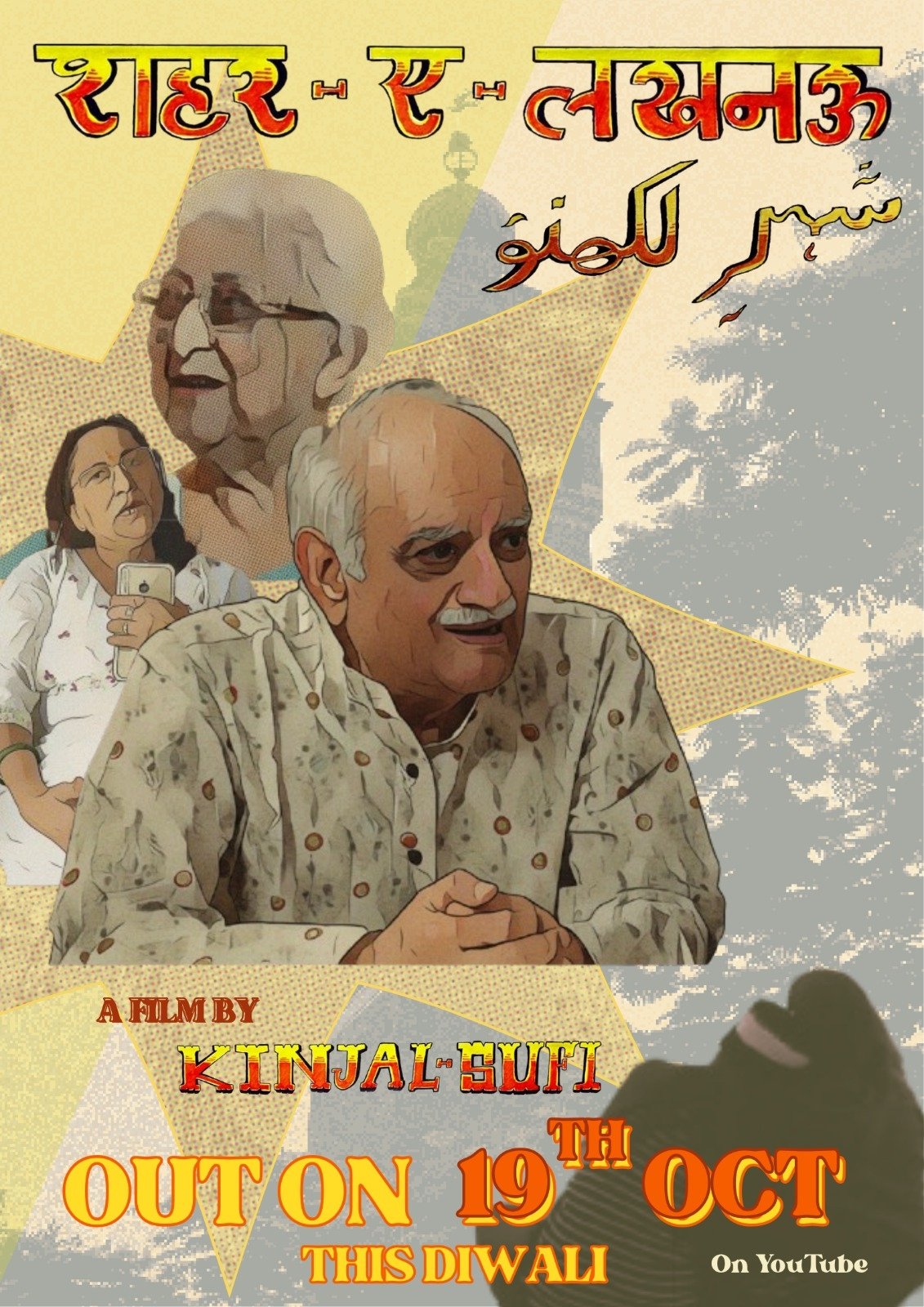
A docu-film about the city Lucknow where the creators ask their family members important questions they have always wanted answers to, while indulging in tomfoolery around town. The film showcases the differences in the way three different generations perceive Lucknow. An ode to the city, and an attempt to provide solace to the social misfits of the creators' hometown.
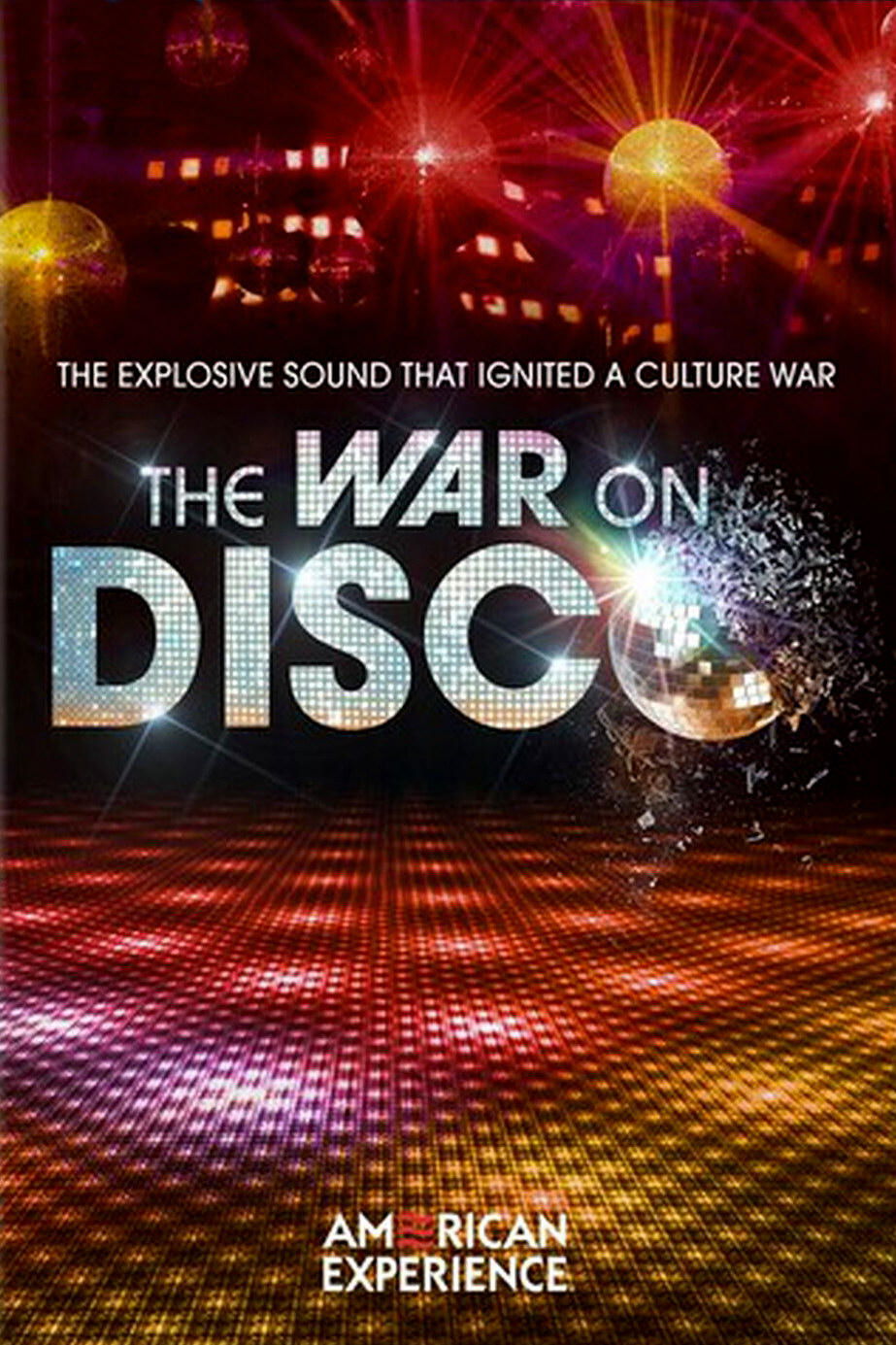
The War on Disco explores the culture war that erupted over the spectacular rise of disco music. Originating in underground Black and gay clubs, disco had unseated rock as America’s most popular music by the late 1970s. But many diehard rock fans viewed disco, with its repetitive beat and culture that emphasized pleasure, as shallow and superficial. A story that’s about much more than music, The War on Disco explores how the powerful anti-disco backlash revealed a cultural divide that to some seemed to be driven by racism and homophobia. The hostility came to a head on July 12, 1979, when a riot broke out at “Disco Demolition Night” during a baseball game in Chicago.
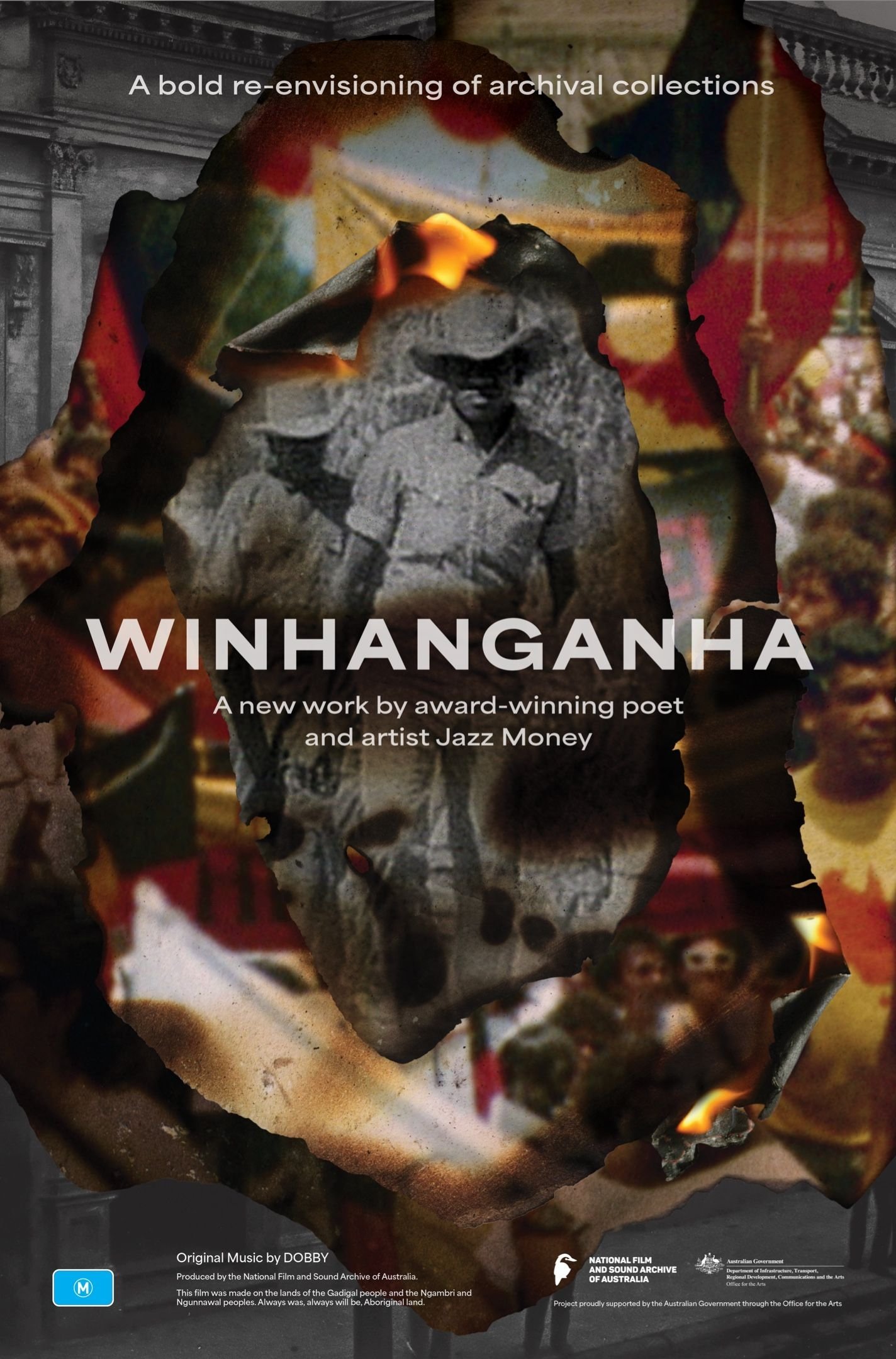
WINHANGANHA (Wiradjuri language: Remember, know, think) - is a lyrical journey of archival footage and sound, poetry and original composition. It is an examination of how archives and the legacies of collection affect First Nations people and wider Australia, told through the lens of acclaimed Wiradjuri artist, Jazz Money.
The Indians and Yankees, both in a tight race with the White Sox, met at the Polo Grounds on August 16th, 1920. In the fifth inning, Carl Mays threw one of his "submarine" pitches that hit Ray Chapman in the head. Chapman collapsed at the plate. He was rushed to the hospital and died the next day, the only Major League Baseball player ever to be killed in a game. Grief tore through Cleveland and the pivotal moment led to an explosion on and off the field. The Indians, sparked by the addition of young shortstop Joe Sewell, recovered in time to win their first World Series Title. What resulted was a rivalry that would last 100 years.
A documentary about the United States Military Academy at West Point that conveys the vibrancy, sense of fraternity and fierce loyalty that mark the West Point experience.
This darkly satirical musical reframes American history through the eyes of those who attempted – successfully or not – to kill US presidents. Structured as a surreal carnival sideshow, the piece weaponises American musical traditions – vaudeville, folk ballads, barbershop quartets, patriotic Sousa-style marches and Bacharach pop – to undercut the myth of the “American Dream,” exposing how frustration, alienation and entitlement can curdle into violence.
The Incas appear out of nowhere and within a few decades their empire develops into the largest empire in the world at that time. Until today the Inca are surrounded by an aura of mystery. How could their meteoric rise take place in such a short time? And how did a handful of Spaniards succeed in bringing down the empire?
The history of cinematic sound, told by legendary sound designers and visionary filmmakers.
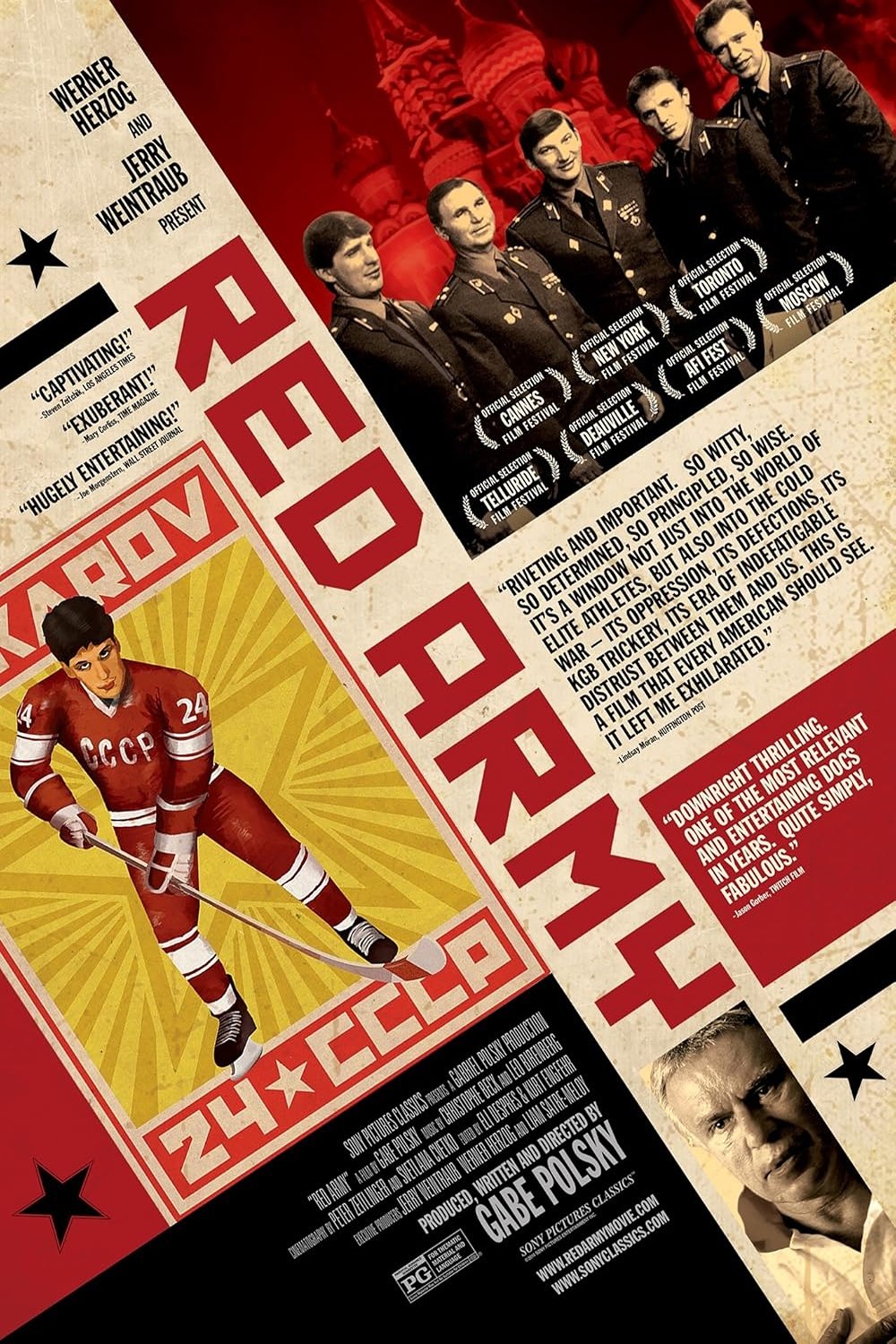
A documentary highlighting the Soviet Union's legendary and enigmatic hockey training culture and world-dominating team through the eyes of the team's Captain Slava Fetisov, following his shift from hockey star and celebrated national hero to political enemy.
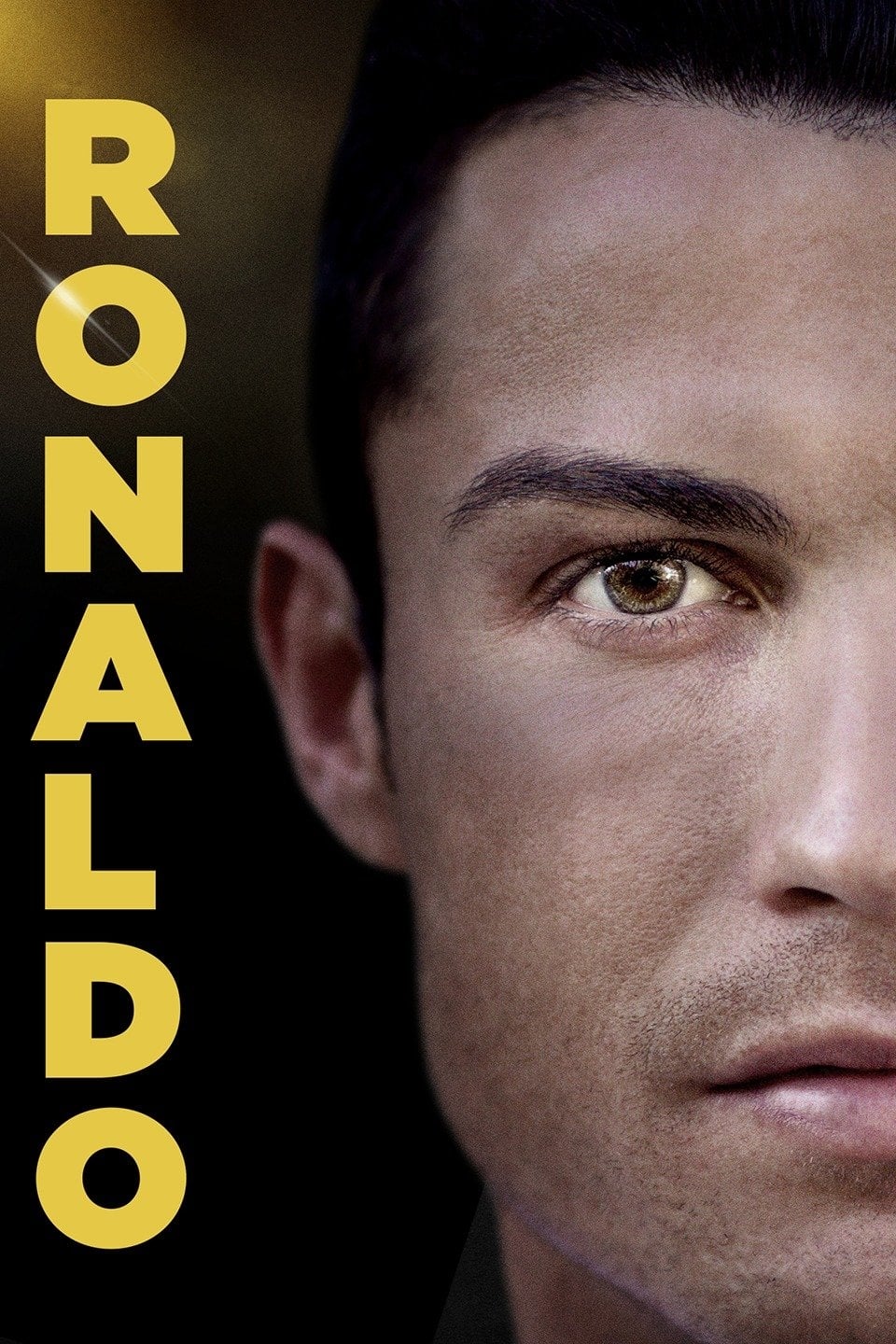
Filmed over 14 months with unprecedented access into the inner circle of the man and the sport, this is the first official and fully authorised film of one of the most celebrated figures in football. For the first time ever, the world gets vividly candid and un-paralleled, behind-closed-doors access to the footballer, father, family-man and friend in this moving & fascinating documentary. Through in-depth conversations, state of the art football footage and never before seen archival footage, the film gives an astonishing insight into the sporting and personal life of triple Ballon D'Or winner Cristiano Ronaldo at the peak of his career. From the makers of ‘Senna’ and ‘Amy’, Ronaldo takes audiences on an intimate and revealing journey of what it’s like to live as an iconic athlete in the eye of the storm.
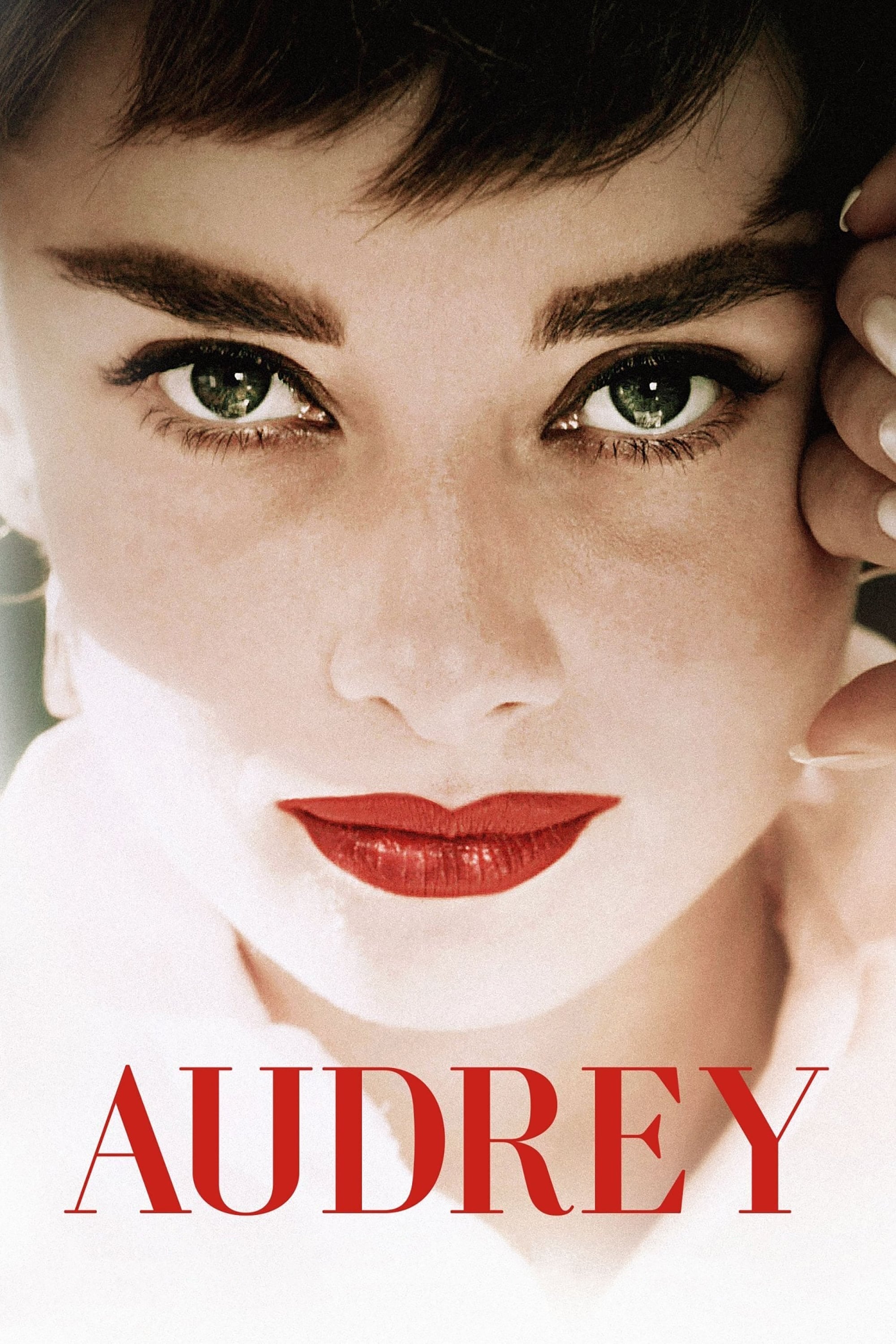
An unprecedented and intimate look at the life, work and enduring legacy of British actress Audrey Hepburn (1929-1993).
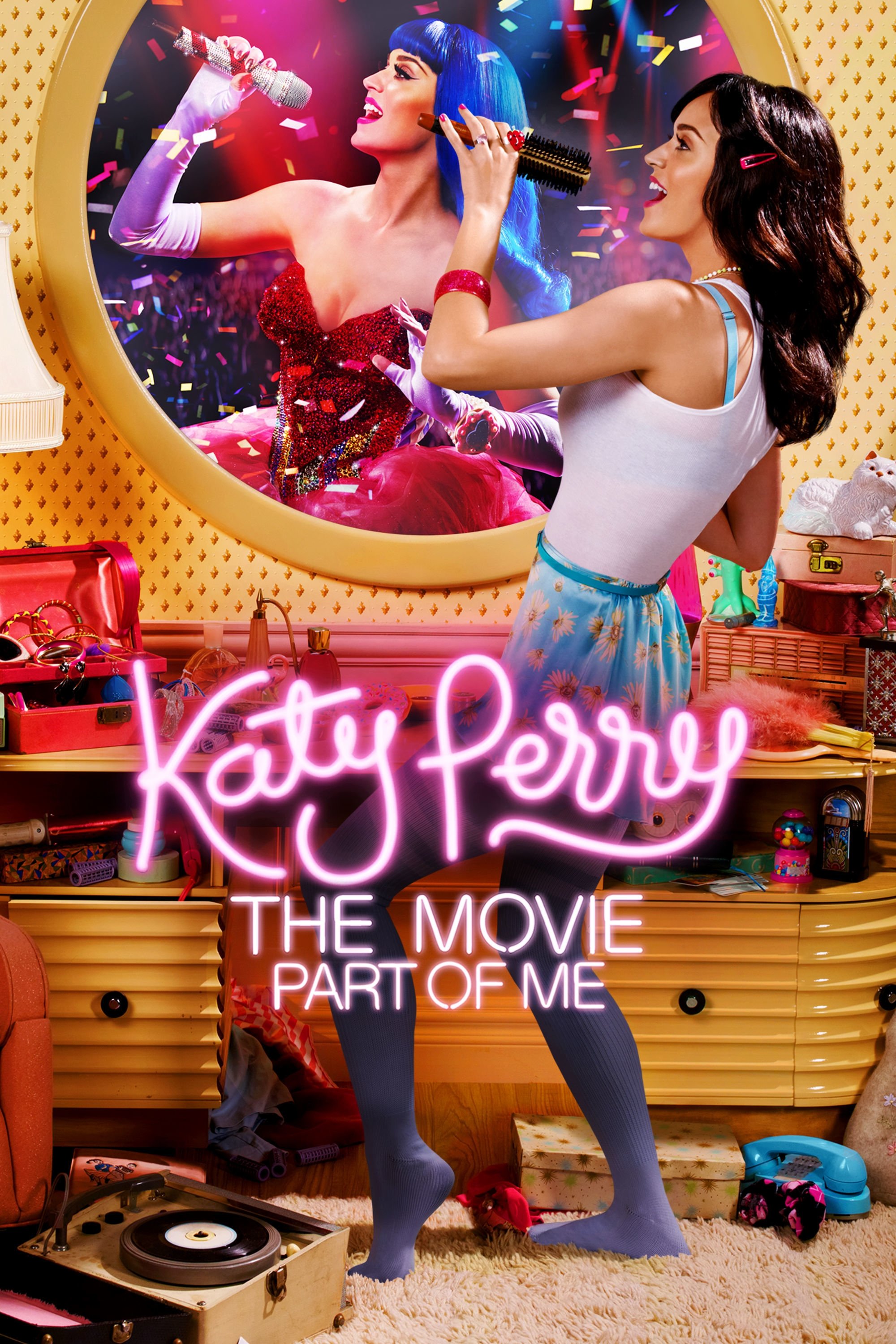
Giving fans unprecedented access to the real life of the music sensation, Katy Perry: Part of Me exposes the hard work, dedication and phenomenal talent of a girl who remained true to herself and her vision in order to achieve her dreams. Featuring rare behind-the-scenes interviews, personal moments between Katy and her friends, and all-access footage of rehearsals, choreography, Katy’s signature style and more, Katy Perry: Part of Me reveals the singer’s unwavering belief that if you can be yourself, then you can be anything.
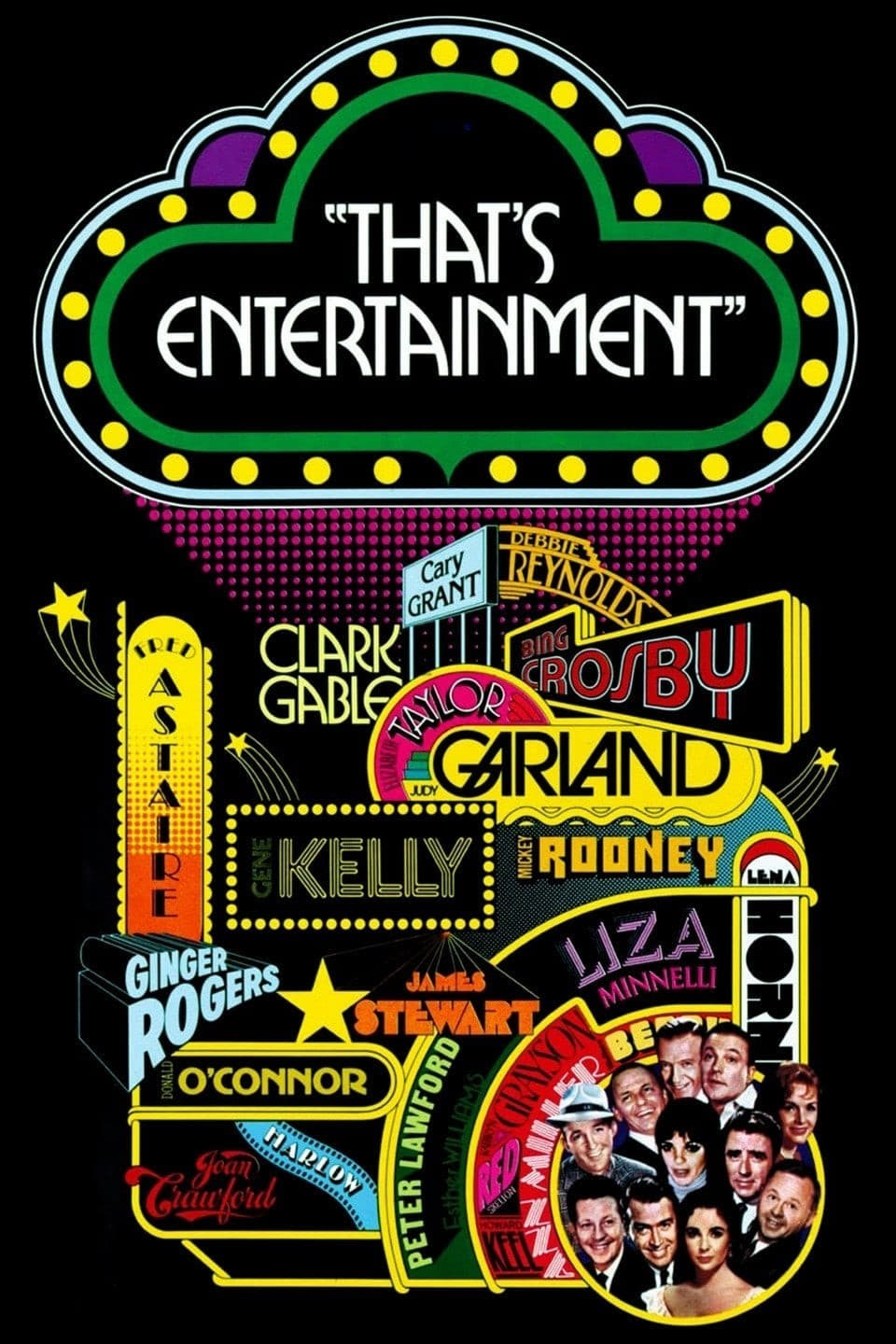
Various MGM stars from yesterday present their favorite musical moments from the studio's 50 year history.
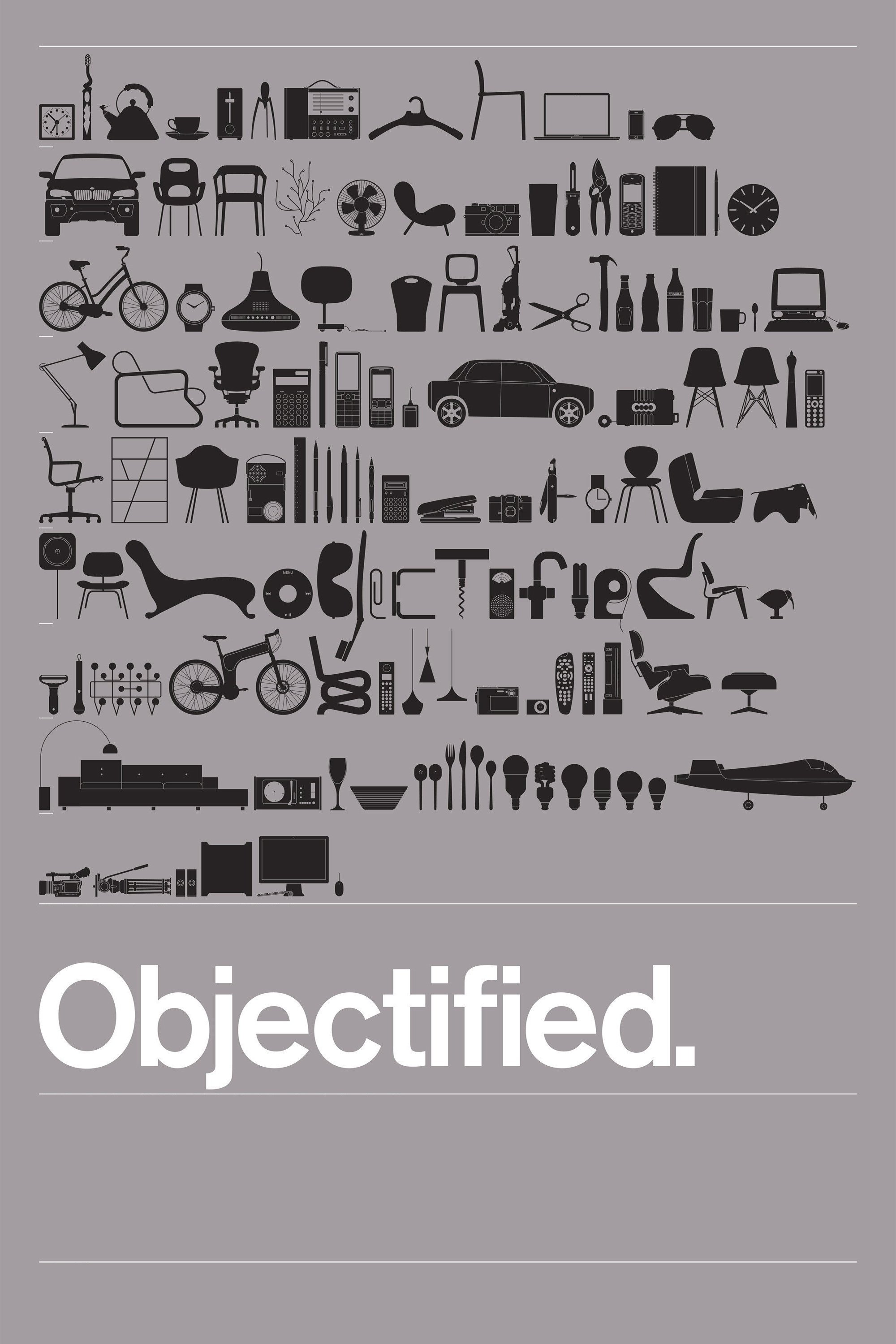
A feature-length documentary about our complex relationship with manufactured objects and, by extension, the people who design them.
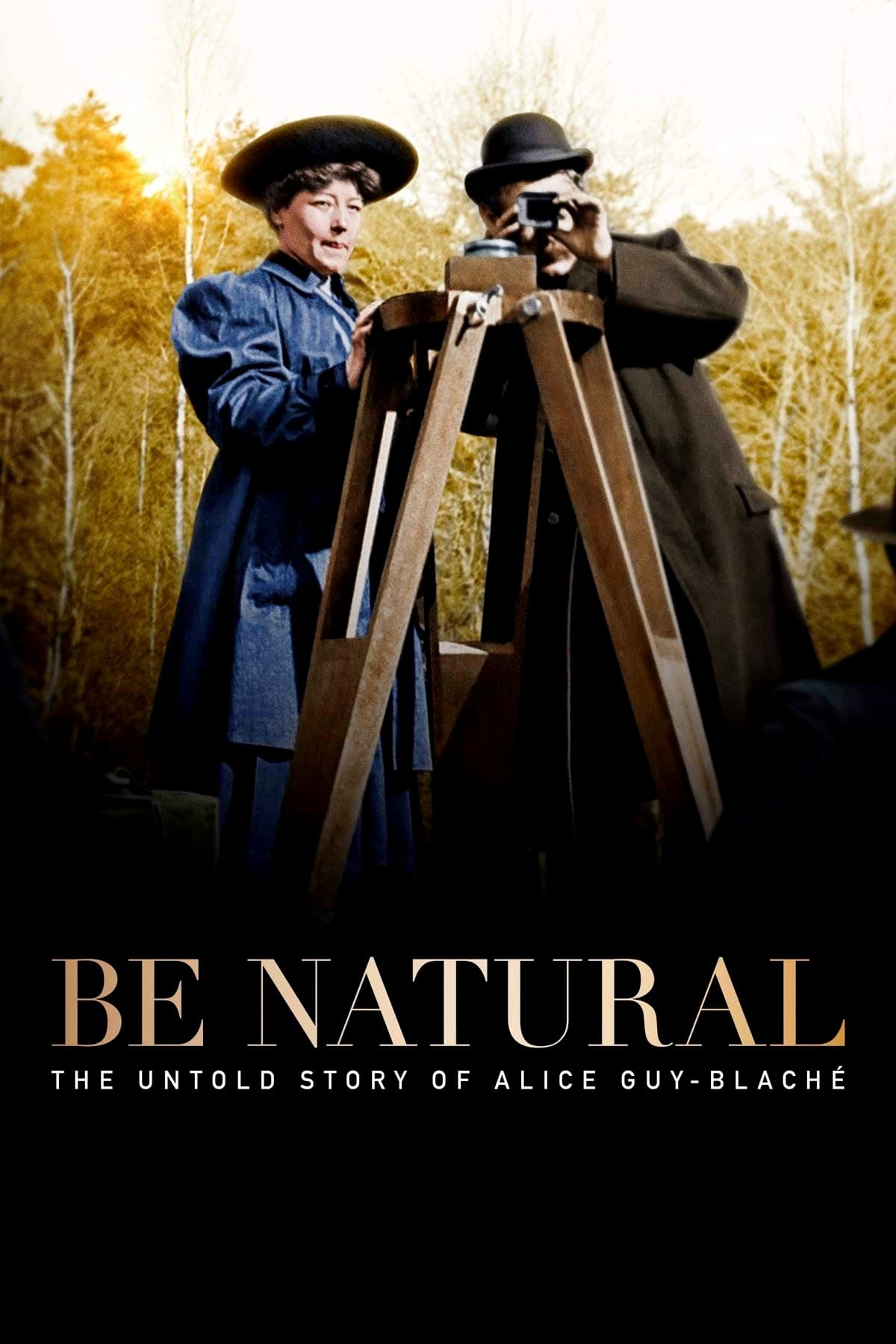
The epic life story of Alice Guy-Blaché (1873–1968), a French screenwriter, director and producer, true pioneer of cinema, the first person who made a narrative fiction film; author of hundreds of movies, but banished from history books. Ignored and forgotten. At last remembered.
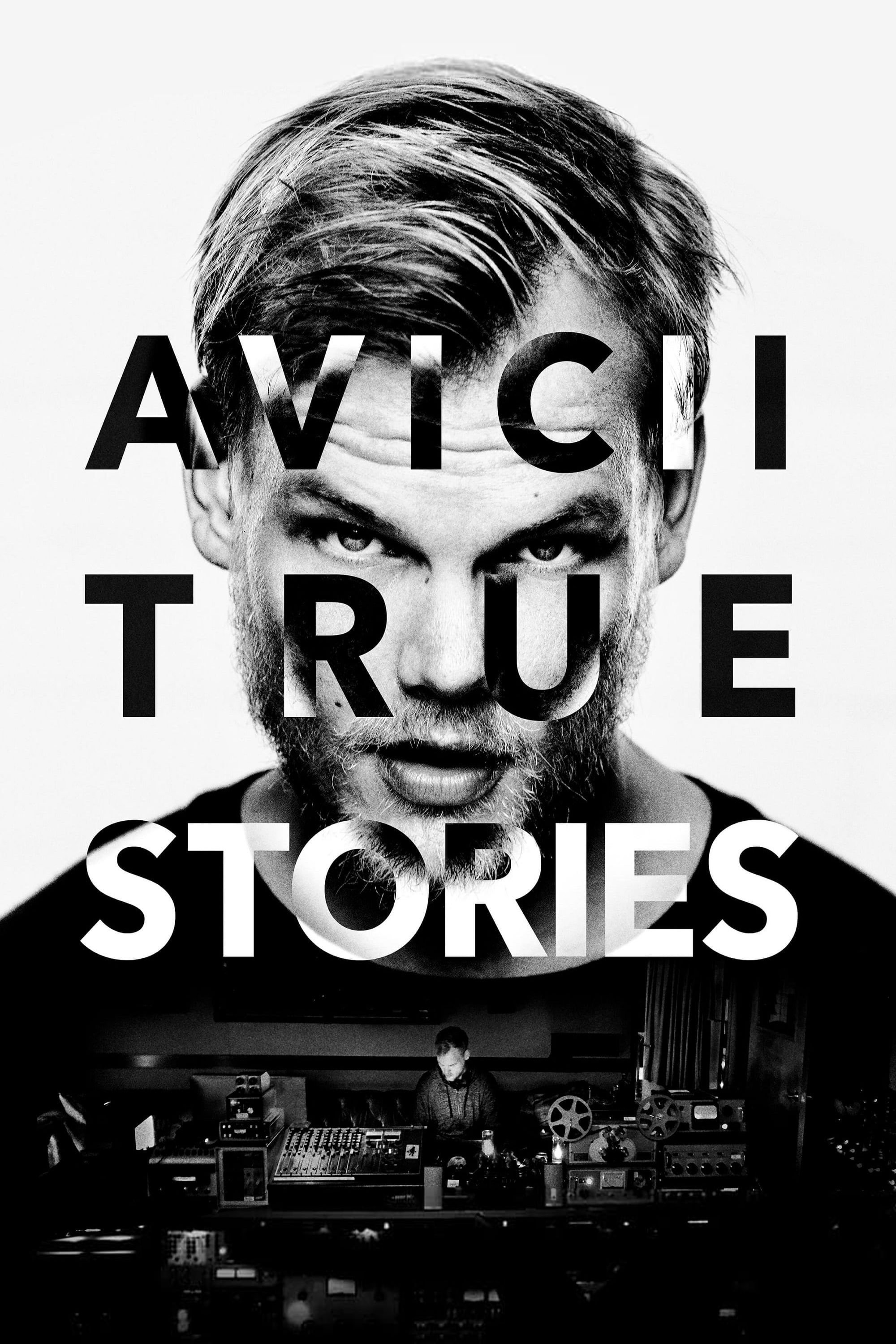
Documentary about the arena-packing Swedish DJ, chronicling his explosive rise to fame and surprising decision to retire from live performances in 2016.
In this concert film, 'Hannah Montana' star Miley Cyrus performs a slew of hit songs, including 'Just Like You' and 'Life's What You Make It.'
A visual montage portrait of our contemporary world dominated by globalized technology and violence.
The film follows adventurer Jeff Johnson as he retraces the epic 1968 journey of his heroes Yvon Chouinard and Doug Tompkins to Patagonia.
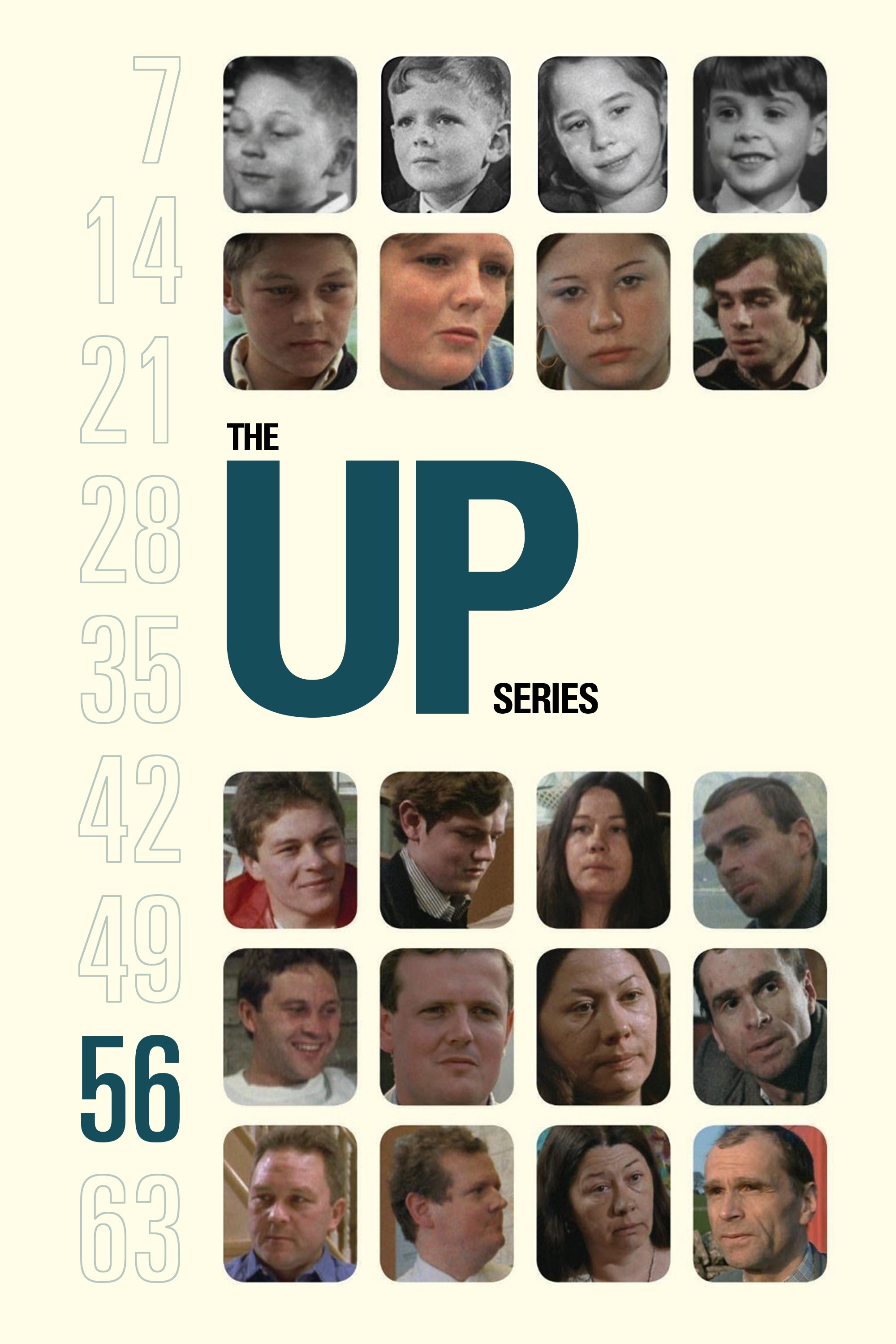
When a cross-section of seven-year-olds were interviewed for 7 Up in 1964 it was immediately evident that their social backgrounds influenced their attitudes towards life. While the upper class children were confident and self-assured, those from middle and working class backgrounds were resigned to a challenging life of hard work. This premise was put to the test every seven years when the same group were interviewed about the progression of their lives. 49 years in the making, the changes that occurred to the original 14 make for fascinating television and are in many ways the stories of all our lives. From success and disappointment, marriage and childbirth, to poverty and illness, nearly every facet of life has been captured on film. Now, at the age of 56, the group are once more brought together and, with the benefit of hindsight, assess whether their lives have been ruled by circumstance or self-determination.
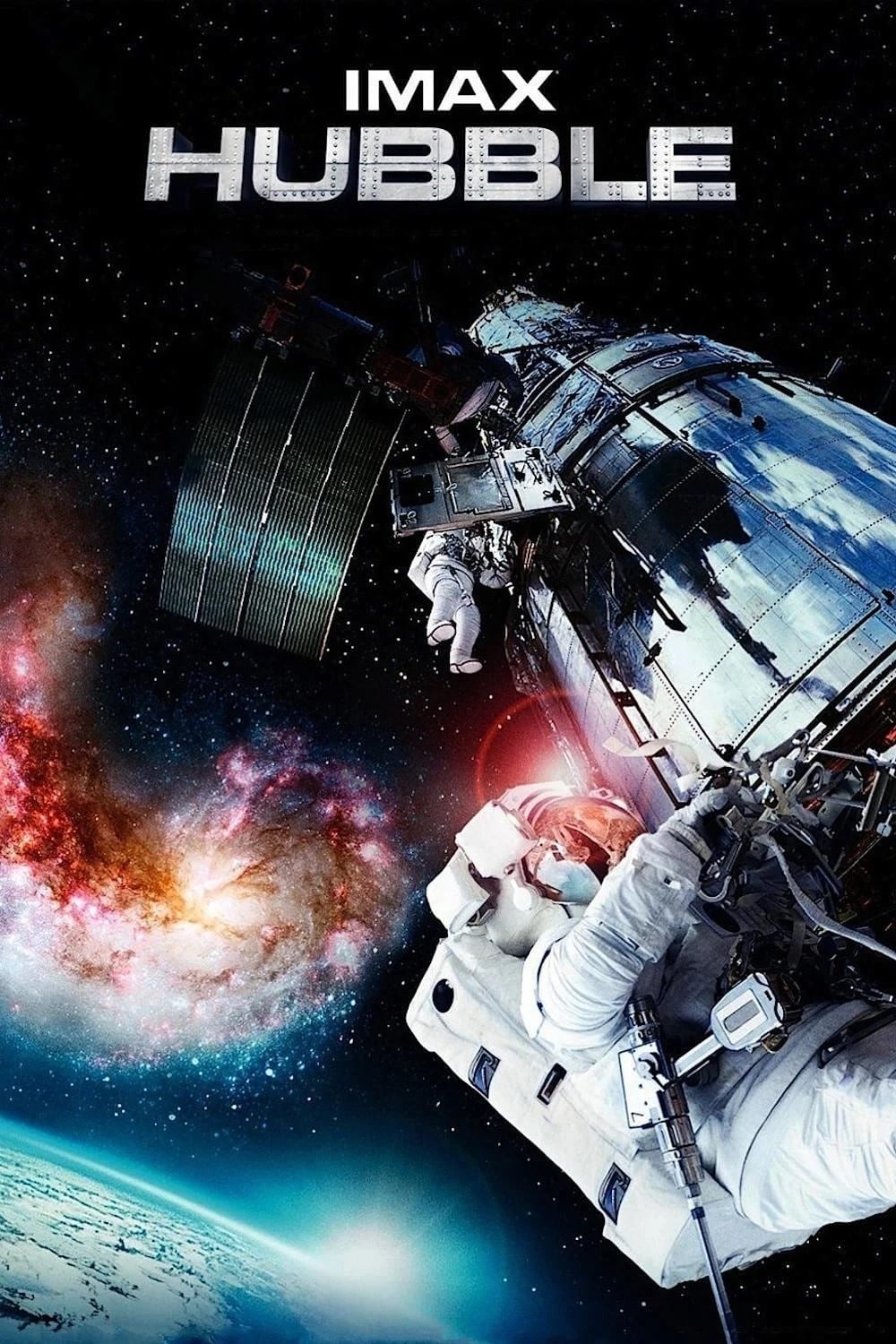
An IMAX 3D camera chronicles the effort of 7 astronauts aboard the Space Shuttle Atlantis to repair the Hubble Space Telescope.
National Geographic's riveting effort recounts all 12 crewed missions using only archival footage, photos and audio.
Live Aid was held on 13 July 1985, simultaneously in Wembley Stadium in London, England, and the John F. Kennedy Stadium in Philadelphia, United States. It was one of the largest scale satellite link-ups and television broadcasts of all time: watched live by an estimated global audience of 1.9 billion, across 150 nations. "It's twelve noon in London, seven AM in Philadelphia, and around the world it's time for Live Aid...!"
As a visually radical memoir, CAMERAPERSON draws on the remarkable footage that filmmaker Kirsten Johnson has shot and reframes it in ways that illuminate moments and situations that have personally affected her. What emerges is an elegant meditation on the relationship between truth and the camera frame, as Johnson transforms scenes that have been presented on Festival screens as one kind of truth into another kind of story—one about personal journey, craft, and direct human connection.
A look at the origins, history and conspiracies behind the "Majestic 12", a clandestine group of military and corporate figureheads charged with reverse-engineering extraterrestrial technology.
Daniel Craig candidly reflects on his 15 year adventure as James Bond. Including never-before-seen archival footage from Casino Royale to the upcoming 25th film No Time To Die, Craig shares his personal memories in conversation with 007 producers, Michael G Wilson and Barbara Broccoli.
Through deeply personal interviews with her siblings and an examination of the photographs, letters, and belongings left behind, Mariska assembles a new portrait of her mother Jayne Mansfield, an extraordinary and complex woman.