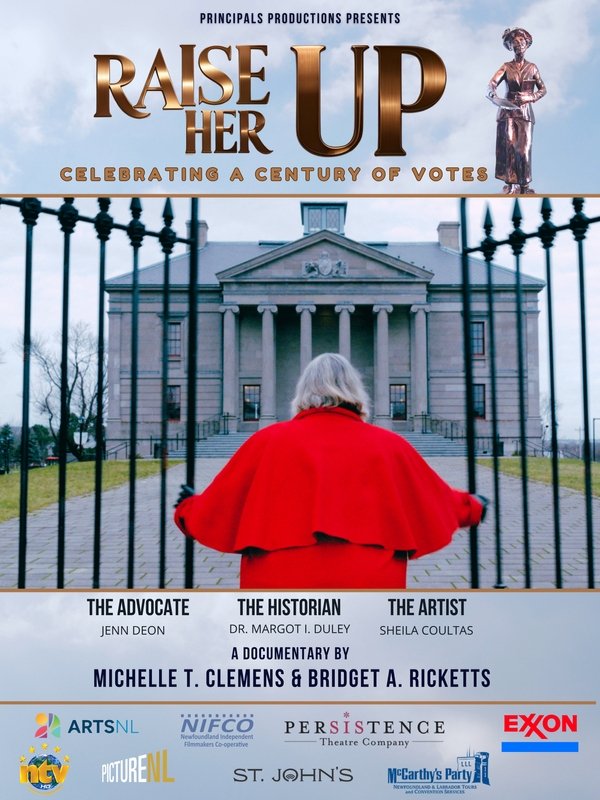
Raise Her Up follows the historian, advocate, and artist creating a statue of Armine Gosling, marking 100 years of womens suffrage in Newfoundland.

Social & External
Self
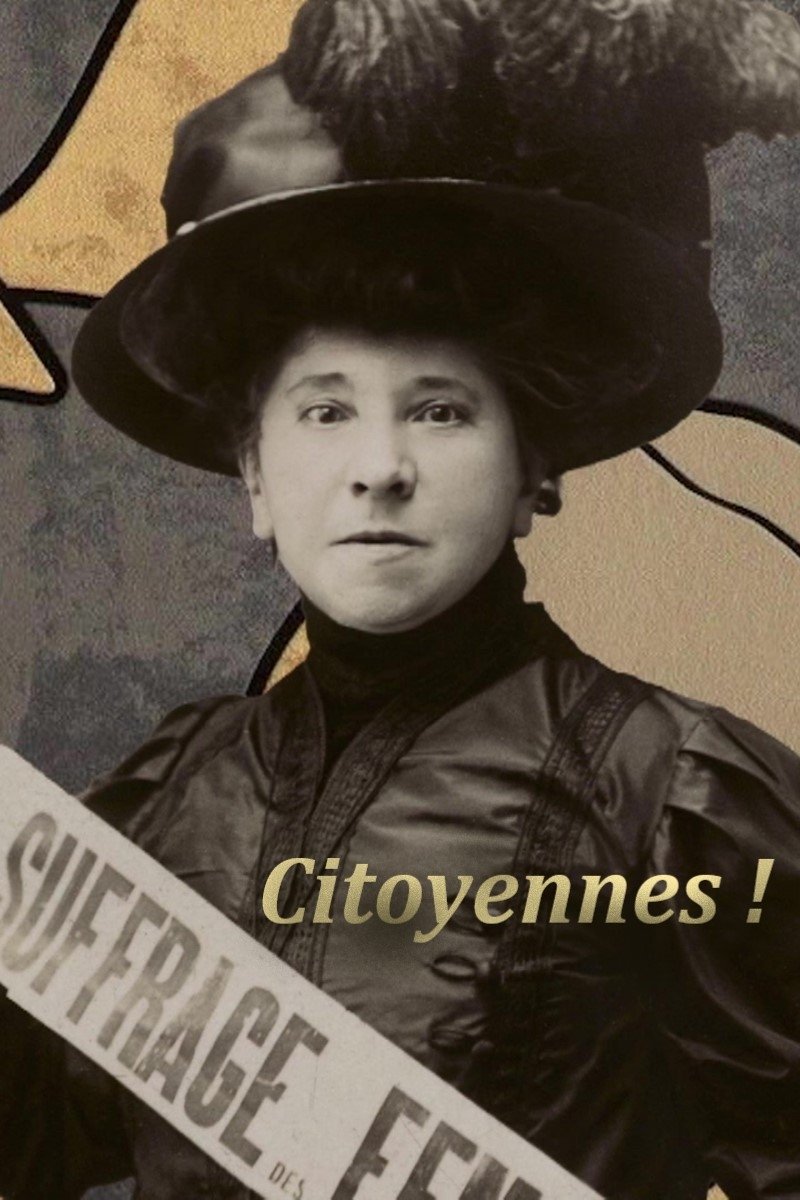
The campaign for women's suffrage steps up as Emmeline Pankhurst is arrested at the gates of Buckingham Palace.
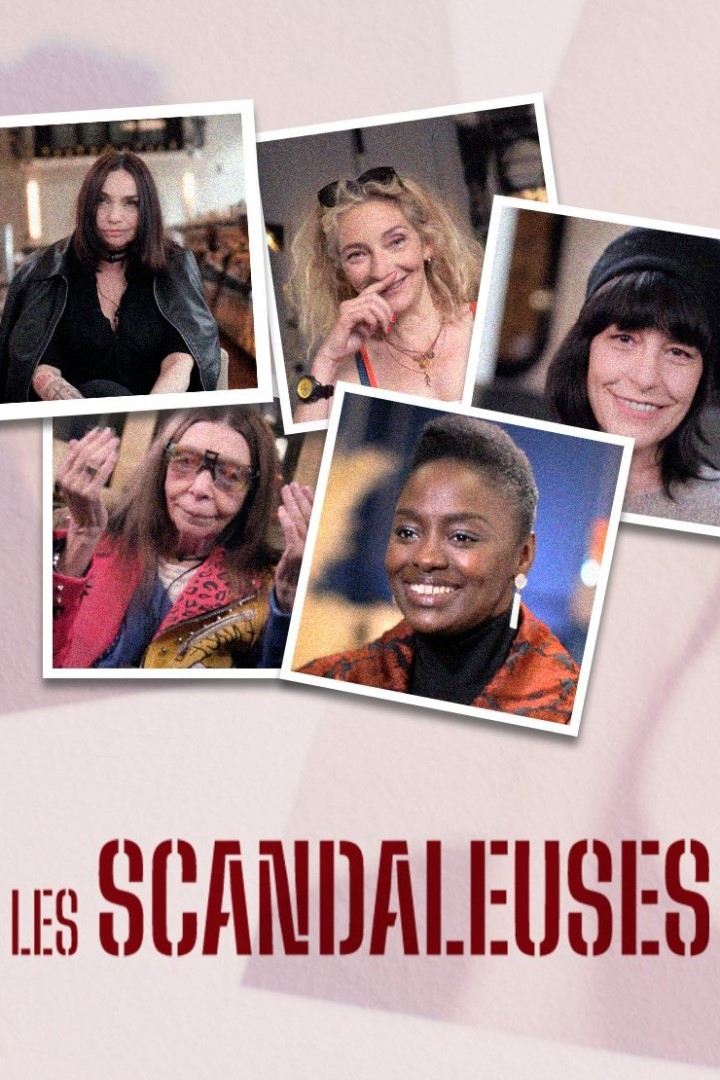
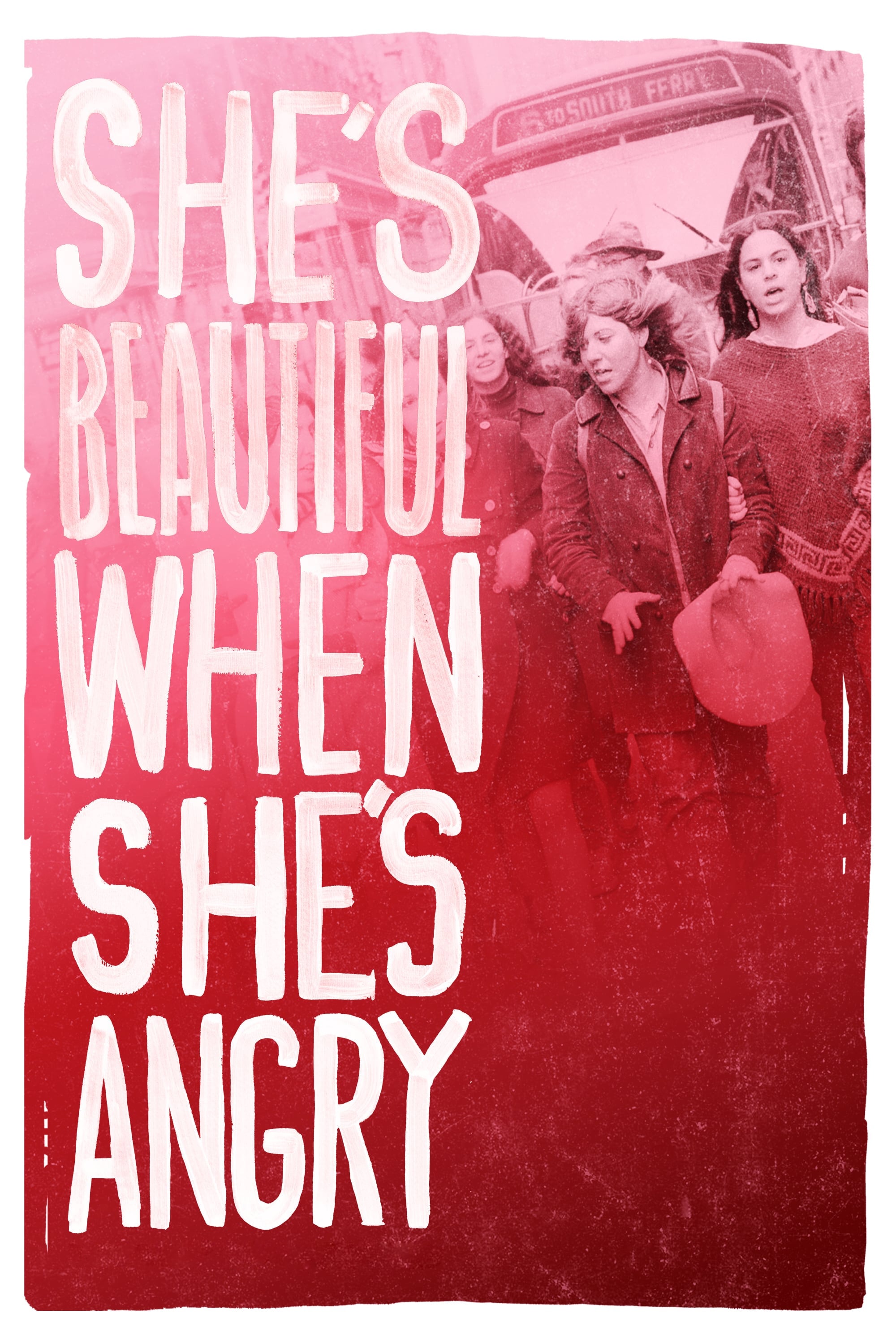
A documentary that resurrects the buried history of the outrageous, often brilliant women who founded the modern women's movement from 1966 to 1971.
In 1972, 16-year-old Marie-Claire Chevalier was raped and became pregnant. Helped by her mother to have a clandestine abortion, she was finally denounced and arrested. Both faced imprisonment. Gisèle Halimi, their lawyer, transformed their trial into a historic battle. By denouncing an unjust law, they mobilized public opinion and paved the way for the Veil law, legalizing abortion in France. This forgotten struggle resurfaced almost half a century later, in 2019, when schoolchildren proposed that Marie-Claire be made a Chevalier de la Légion d'Honneur, transforming what had long been her shame into a source of pride and a symbol for future generations.
A documentary about three teenage girls--Barbara Rodbell, Shulamit Lack, and Faye Schulman--and their efforts to survive the Jewish Holocaust in different European countries.
Dadi manages an extended family in Haryana, Northern India, where daughters-in-law face loneliness and unrealistic expectations. The film delves into family dynamics, highlighting Dadi's firm control amidst tensions. Social and economic shifts challenge traditional values, exemplified by Dadi's son marrying outside the village. Despite clinging to tradition, Dadi adapts to her children's modern aspirations. This narrative reflects the clash between generations and gender roles in 1980s rural India, offering insight into the evolving concept of family.
A closer look at the underestimated role of women in the current Whisky industry in Scotland
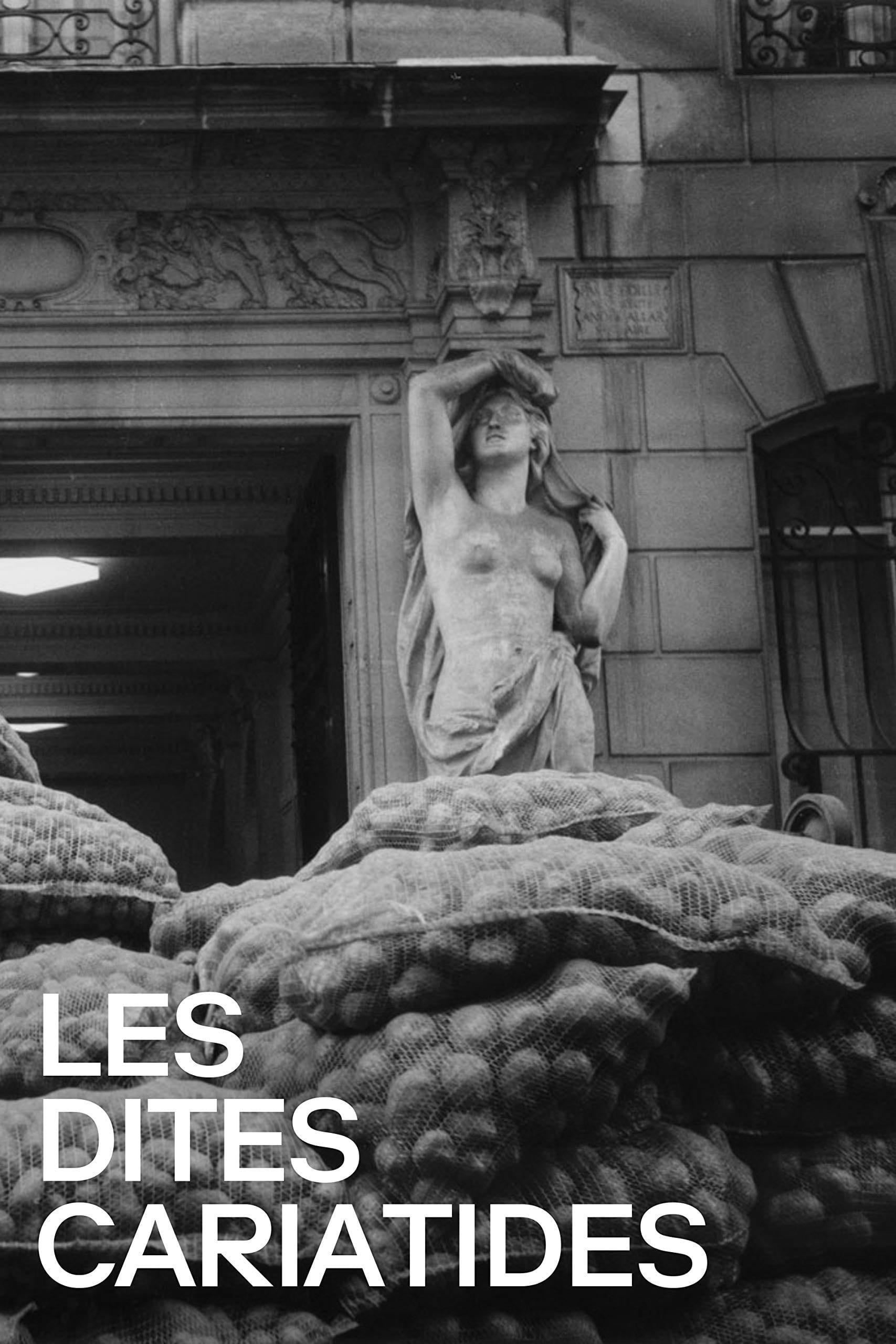
Filmed in 2003 while staying in a Brooklyn Heights apartment, the work centers on a small Greek statue revealed in shifting morning and afternoon light. Beavers weaves these images with views of the East River and Manhattan Bridge, later completing the film in 2010 as a meditative elegy for his friend Jacques Dehornois.
Tells a story about a blurry photo of a woman who works in the media industry in Indonesia. This movie has several perspectives. One point of view is of a woman who works in a media and the other is about the sexual minority, people who aren’t allowed to appear on television due to their sexuality.
The daughters of Title IX discover that pervasive gender-based stereotypes and discrimination persist within the high stakes professional world of surgery - a workplace designed for and and still controlled by men. Since 2003, half of medical students in the US have been women. Women remain in the minority in most surgical fields but their proportion is increasing. Leadership and culture in surgery remain disproportionately and persistently male despite ample evidence that women are just as good (and possibly better) at delivering care. Systemic barriers to success for women surgeons must be confronted and addressed for the surgical workforce to stay healthy and for patients to stay safe. We’ve interviewed dozens of surgeons who are women about their experiences, hopes, dreams and careers. This is a group of extraordinarily dedicated physicians who work every day to improve the health and lives of others despite untold challenges.
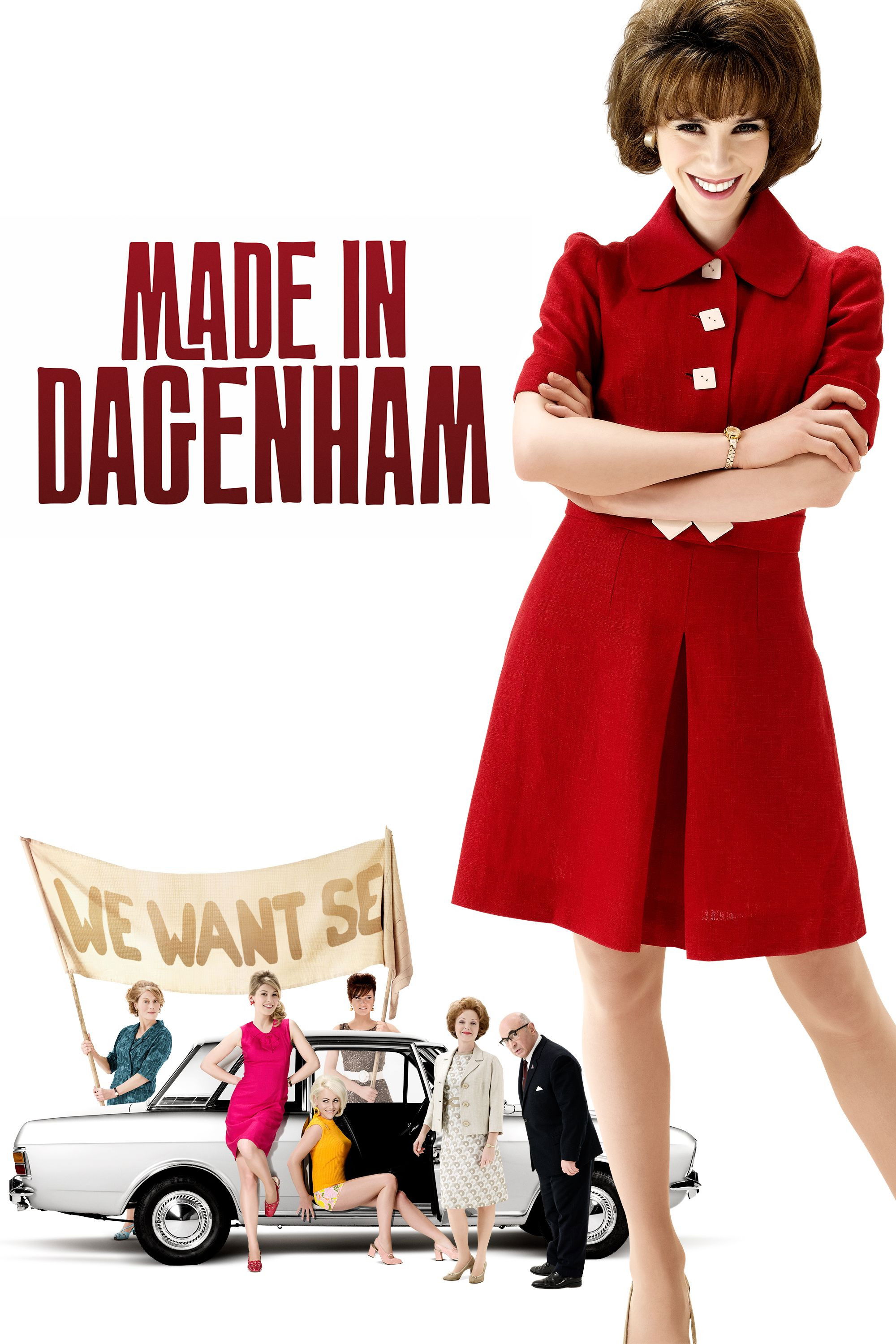
In their own words, this is the story of six women from the South Wales valleys and how they helped sustain the bitter year-long miners' strike, changing their lives forever.
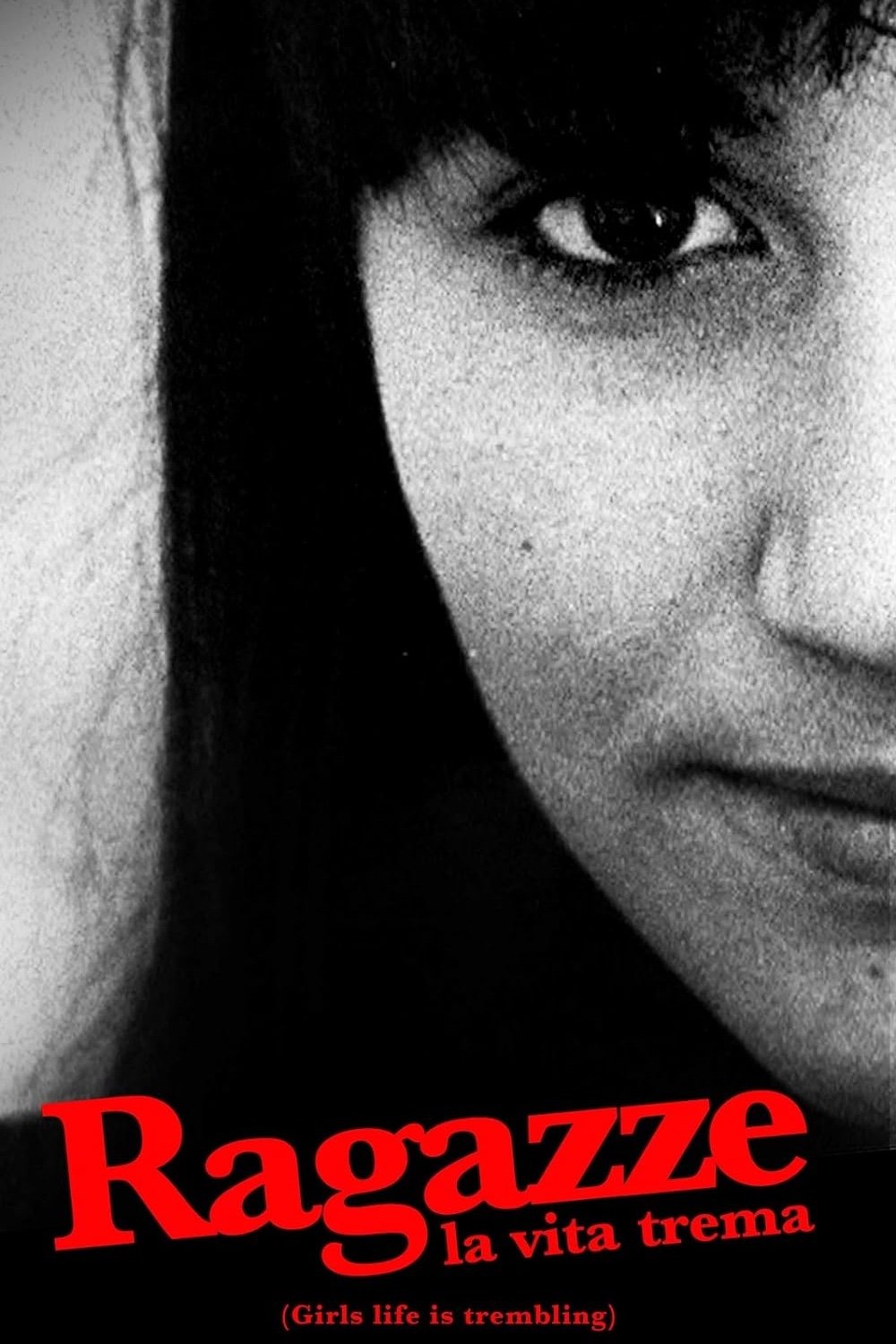
In this feature-length documentary, six teenage girls, aged 14 to 16, agree to open up and have their private worlds invaded by the camera. They have to face problems that they intend to take on "to the end": early experience of sexuality, belonging to a gang, relationships with parents, social tolerance, friendship... They live tender and pure lives in their own way.
Departing from peripheral details of some paintings of the Bilbao Fine Arts Museum, a female narrator unravels several stories related to the economic, social and psychological conditions of past and current artists.
How the Monuments Came Down is a timely and searing look at the history of white supremacy and Black resistance in Richmond. The feature-length film-brought to life by history-makers, descendants, scholars, and activists-reveals how monuments to Confederate leaders stood for more than a century, and why they fell.
Documentary following the 1955–1956 Norwegian Archaeological Expedition's investigations of Polynesian history and culture at Easter Island.
An exploration of the early public debate surrounding birth control, the media's involvement, and the unstoppable Margaret Sanger, in a style mimicking the films of the period.

After four years away, Huiju returns home to South Korea. Exchanges with her loved ones are awkward and clumsy. Huiju turns once again to her familiar rituals: pruning the trees, preparing a sauce, tying a braid.