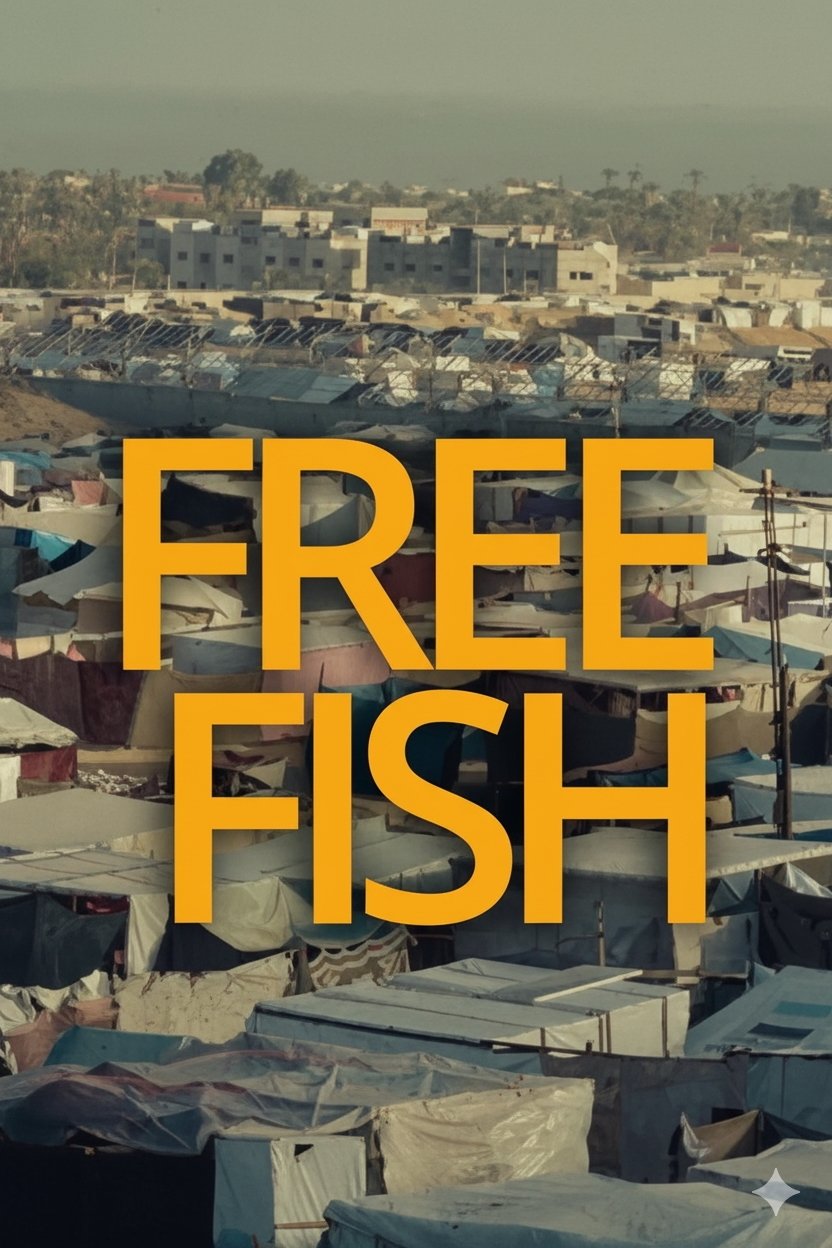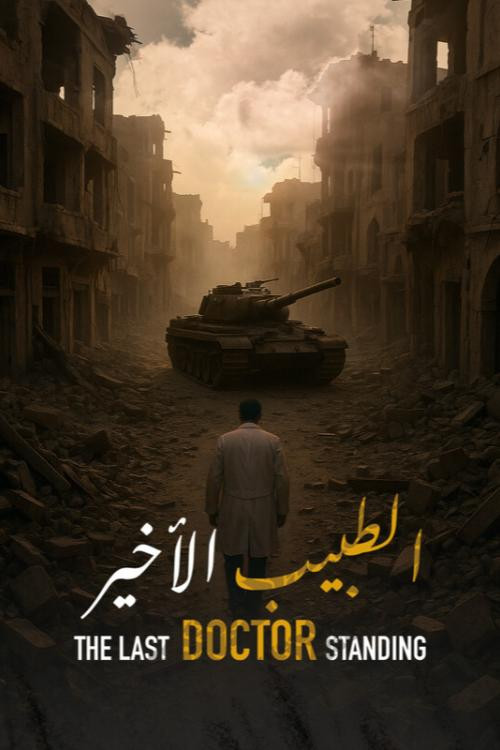
Following the extraordinary resilience of Dr Abu Safiya and his medical team, who endured over 16 months of relentless pressure, including repeated Israeli military attempts to evacuate and destroy the hospital.
Social & External
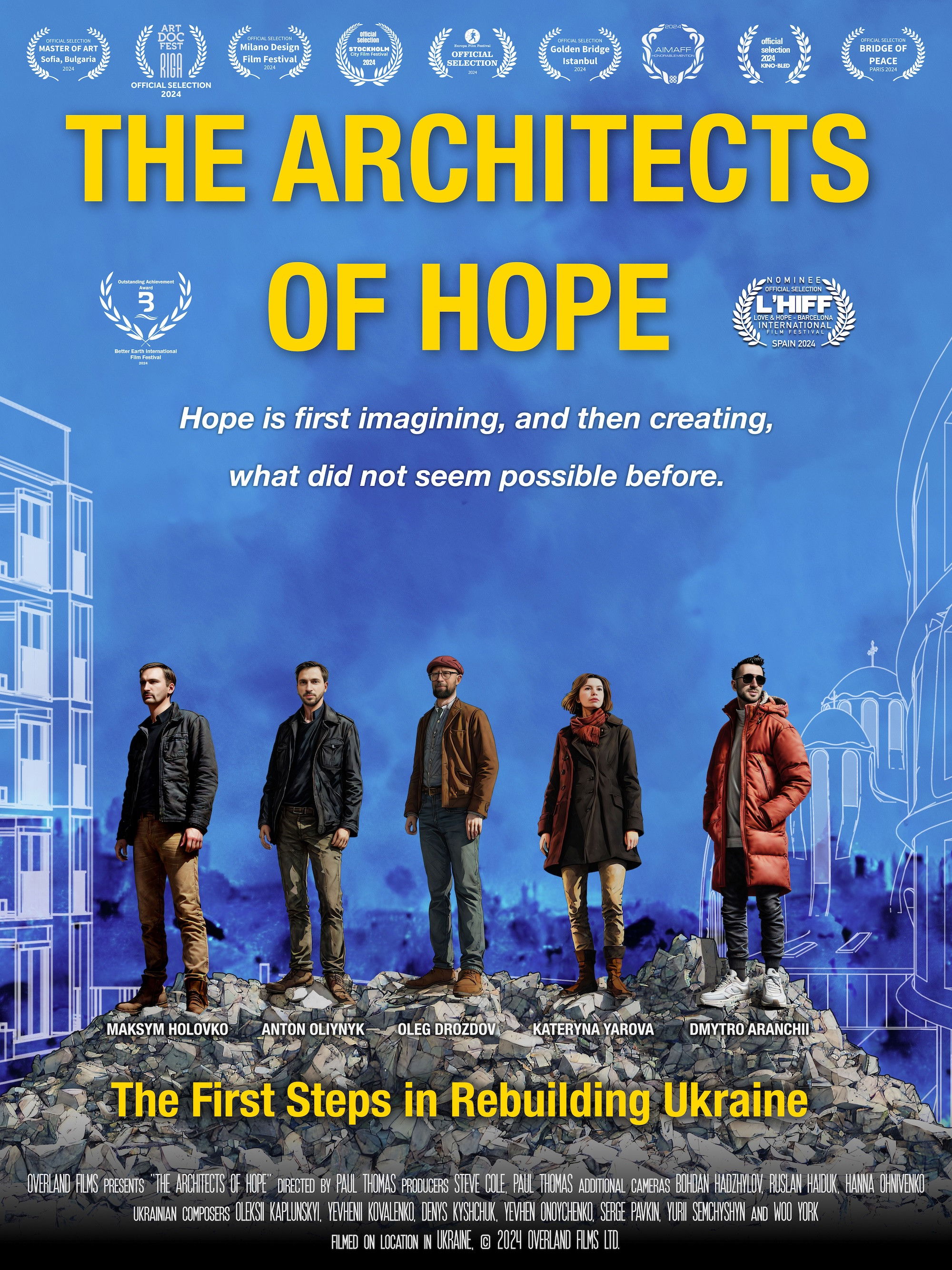
The residents of Bucha, Ukraine, are rebuilding their city from the rubble after surviving the horrors of Russian occupation. A newly married couple, a schoolgirl, a city official, and an elderly housewife have all endured the painful experiences of war, yet they manage to hold onto hope and solidarity. But how do you rebuild in the wake of growing trauma, especially with war still raging in your country? As time hopes for a peaceful life fade, they must grapple with mounting tensions within their communities. Shot over a three-year period, the film is a follow-up to When Spring Came To Bucha, as five protagonists navigate the complex terrain of inner conflicts, trauma, and a longing for justice, posing questions about the future of a society at war.
Voices in Wartime is a 2004 documentary that explores the human experience of war through poetry. Combining interviews with soldiers, journalists, and historians, it reveals how war affects individuals and societies across time and place. The film features poets from around the world – from Homer and Wilfred Owen to Shoda Shinoe and modern writers in Iraq and Nigeria – showing how poetry expresses the pain, trauma, and truth of conflict. By linking verse with real-life accounts, Voices in Wartime highlights how poetry helps us understand the emotional and moral impact of war.
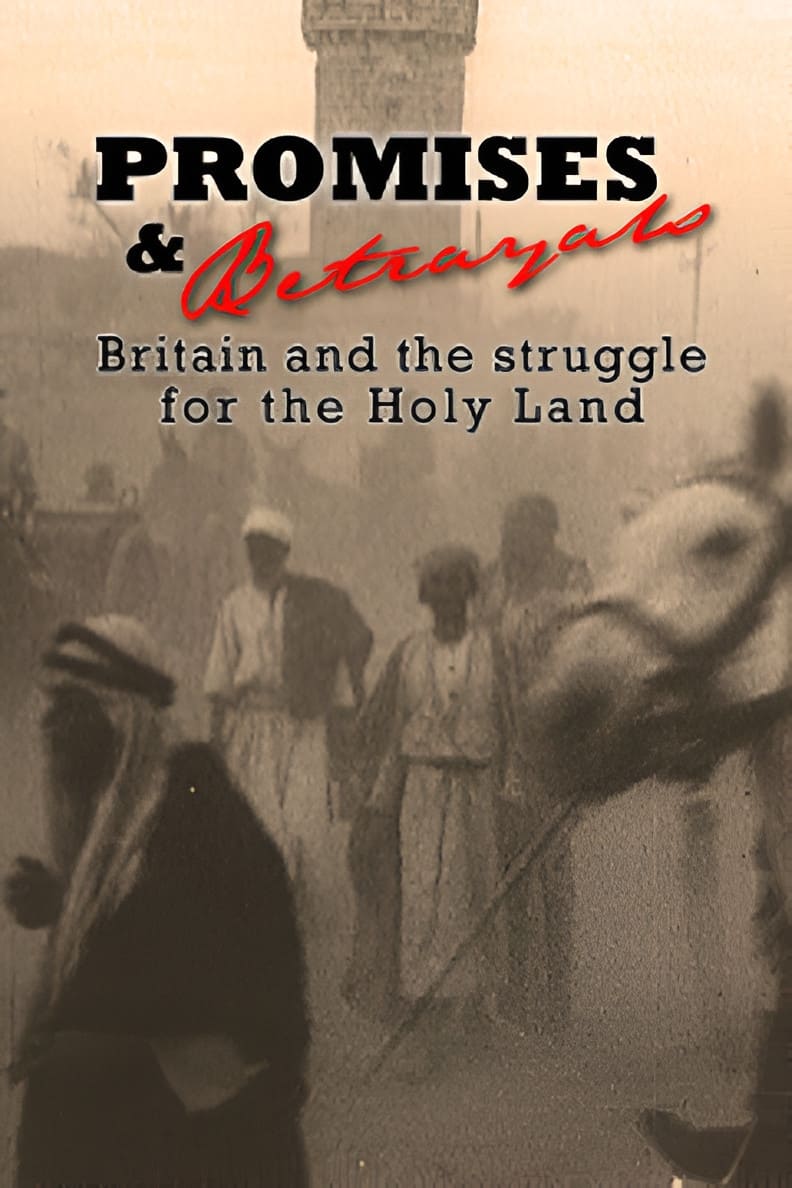
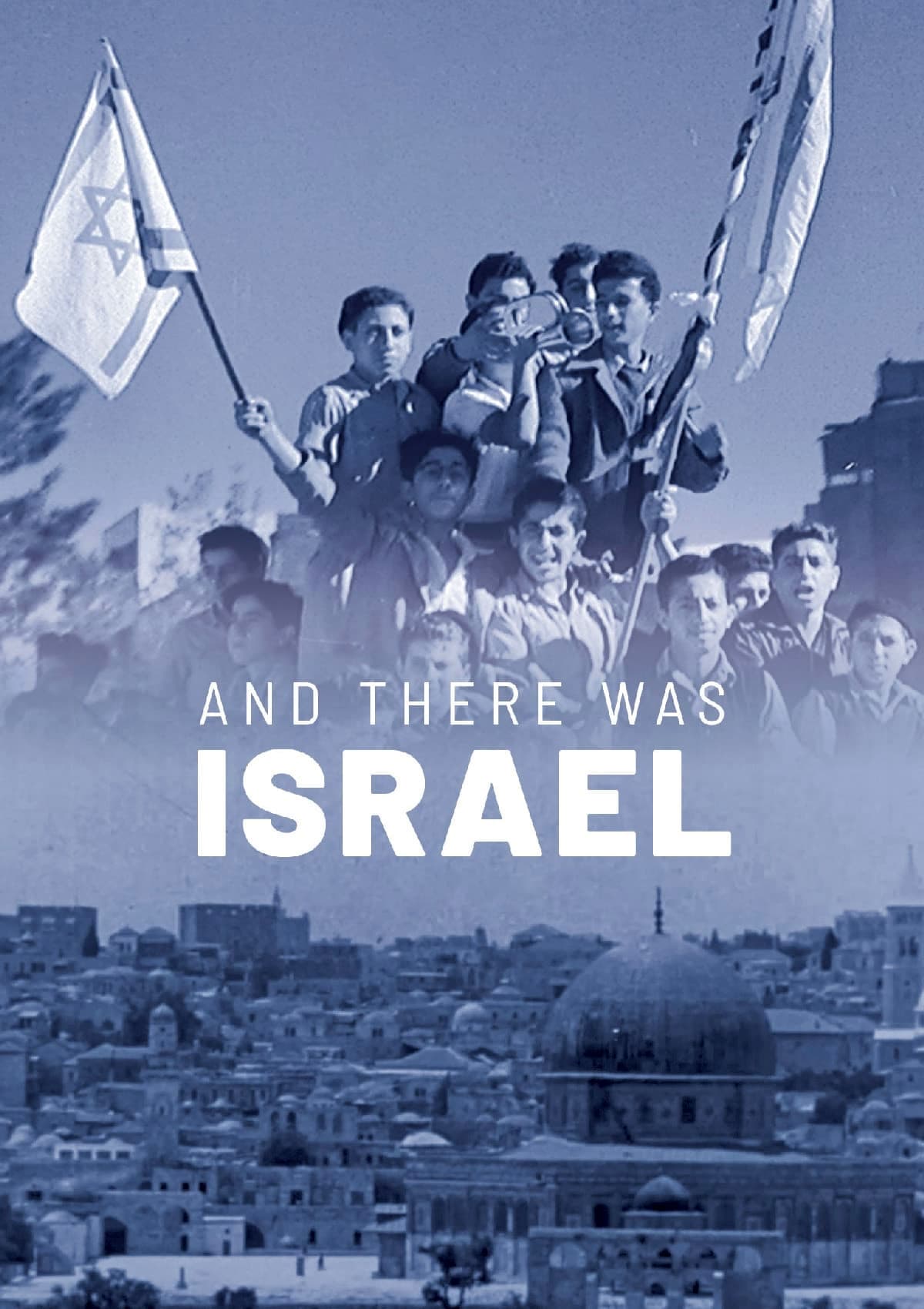
Explore an overlooked moment in pre-WWI Palestine when people's identities overlapped, and Jewish, Muslim, and Christian communities intermingled freely. Few could contemplate the conflict that would engulf their region for the next century.
Easy Company, the 2nd Battalion of the 506th Parachute Infantry Regiment of the 101st Airborne Division, fought their way through Europe, liberated concentration camps, and drank a victory toast in April 1945 at Hitler's hideout. Veterans from Easy Company, along with the families of three deceased others, recount their horrors and victories, bonds they made and the friends they lost.
An Israeli film director interviews fellow veterans of the 1982 invasion of Lebanon to reconstruct his own memories of his term of service in that conflict.
The protagonists of the film are the Zainichi Korean women living in Kawasaki. They were tossed about by the war, and after many trips to and fro across the sea in search of a place to live, they finally arrived in Kawasaki, where they have lived modestly and vigorously.
The Israeli filmmaker Shai Corneli Polak records the building of the 'security wall' through Palestinian territory at the village of Bil'in. The villagers protest mostly peacefully, while the Israeli army doesn't react peacefully. By now the Israeli High Court has ruled that the building of the wall was illegal.
A thought-provoking documentary on the current and historical causes of the Israeli-Palestinian conflict and U.S. political involvement.
The smallest of sparks can lead to the largest of explosions. Such is the case of the Atomic Bomb and the minds who have conceived of the deadliest force the world has ever known. This new documentary Atomic: The History of the A-Bomb follows this weapon of mass destruction from inception to detonation.
A documentary, using dramatization of fact, that examines the Battle of Verrières Ridge, where on July 25, 1944 and not long after D-Day, an inexperienced battalion of the Canadian Black Watch Regiment launched a doomed attack and was defeated with heavy casualties by veteran German SS troops. Part of "The Valour and the Horror" mini series.
We are taken behind the scenes of a play in-the-making: The play is Samuel Beckett’s WAITING FOR GODOT—starring a group of young 48-Palestinians. One by one, we are introduced to a variety of characters: the play’s director, actors, and other ordinary people. As we delve further into each of their lives, the film reveals the startling parallels between the themes of the play and their own. Everyone is waiting for something: a permit to build a house, better work conditions, a starring role in a film. Much like Waiting for Godot, our heroes are awaiting Faraj Allah… something that may or may not come.
In 2014, the war begins. Immediately, a system of evacuation of the wounded and killed is being built, the outpost of which is the Dnieper - it is here that the first will be delivered, it is here that they are still received. Tatiana Guba has been coordinating the evacuation for 5 years. She is called "Mom Tanya". Thousands of people are grateful to her for her life. Serhiy Kryvorotchenko, director of the Dnipro Airport, has deployed a helicopter evacuation system since the beginning of the war. Eugene Titarenko, the film's director, in 2014-2015 was part of a volunteer medical battalion, communicates with the heroes of the film about the evacuation system. The viewer will see the whole way of saving lives, will be directly in the vortex of events and will understand how many people are involved in the process of saving one person.
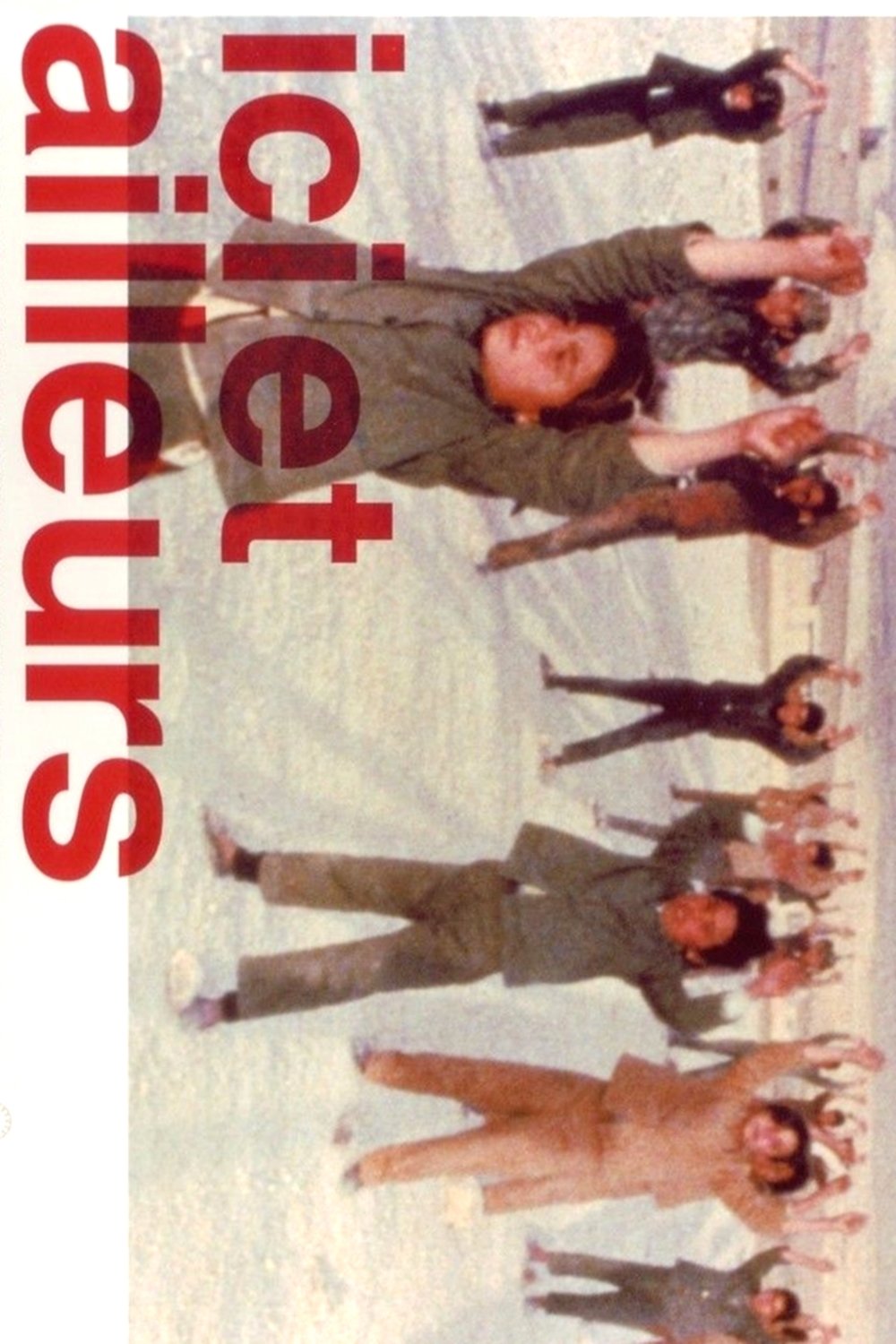
Here and Elsewhere takes its name from the contrasting footage it shows of the fedayeen and of a French family watching television at home. Originally shot by the Dziga Vertov Group as a film on Palestinian freedom fighters, Godard later reworked the material alongside Anne-Marie Miéville.
2010 documentary film on the Armenian Genocide by the Young Turk government of the Ottoman Empire during World War I. It is based on eyewitness reports by European and American personnel stationed in the Near East at the time, Armenian survivors and other contemporary witnesses which are recited by modern German actors.
Angela Su’s fictional artist Rosie Leavers is the last remaining person to upload her consciousness to a video game. Contemplating during a pandemic year which also saw people’s resistance movements in many parts of the world, the work pinpoints the uncanny affinities between gaming and warfare strategies. They have mutually informed the infrastructure of both worlds since time immemorial when diplomatic conflicts played out on the battlefield of the 64 squares of a chess board to flight simulation technologies which were adapted to shape gaming experiences as we know it now. When the conflict is between the state and its people, she speculates that gaming strategies empower civilians in resistance movements to counter imperialism through its own operative logic. But once we upload our consciousness, are we able to return to the sensibilities and political motivation that inspired the revolution to begin with?
Documentary looking back at a Britain during the darkest days of WWII using stunning new archived footage and interviews with people who lived through it.
On February 24, 2022, Yevhen, together with his friends, volunteered to join the first aid squad on the front line. They provided life-saving support and evacuation of the wounded. This film reveals the experiences of these young men for six months full of drama, despair, fear, hatred, bitterness, love, and, most importantly, faith in victory.
A look inside the work of Breaking the Silence, an organization of former IDF combat soldiers who collect and publish testimonies of soldiers who served in the occupied territories. For six months, director Silvina Landsmann, camera in hand, accompanied the staff of the organization. The many hours of footage have been refined into a film that dives into the heart of Breaking the Silence’s work: guided tours of Hebron and the surrounding area, public lectures and house meetings, internal staff meetings and media strategy. All the while the organization is forced to justify its very existence, both internally and to the broader public, and to justify its place in the political debate. The Good Soldier raises questions about Israel’s dynamic mainstream and the challenges of confronting it.