Social & External
The people behind it
Lazarus Lake
Lui-même
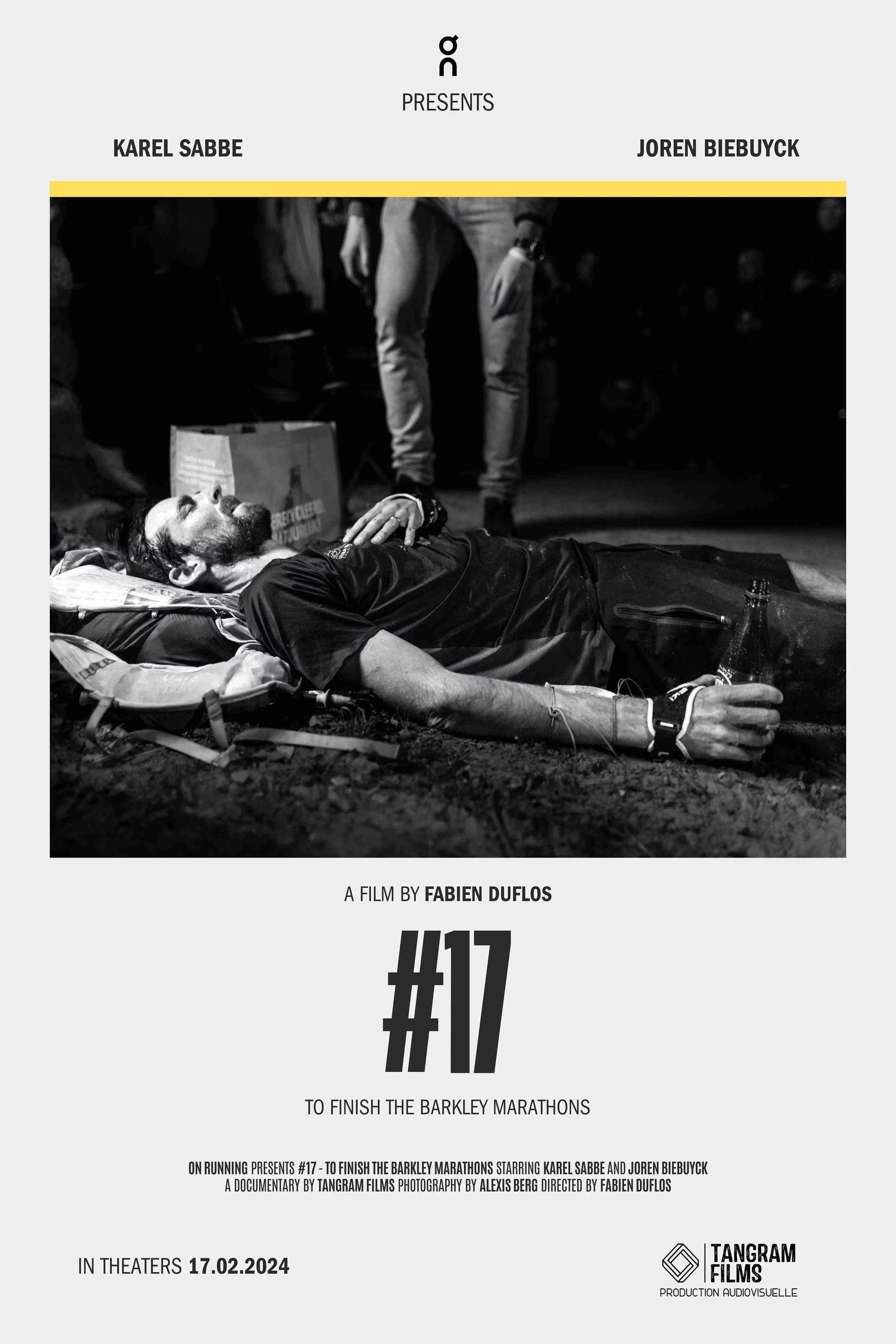
An unprecedented look into the psyche of Karel Sabbe in his attempt to finish the legendary Barkley Marathons. As the first documentary focusing on a finisher, it unveils Sabbe's mental fortitude and physical resilience in tackling the brutal course. Through intimate interviews and captivating footage, viewers gain invaluable insights into the mindset required to endure the grueling challenges of the Barkley.
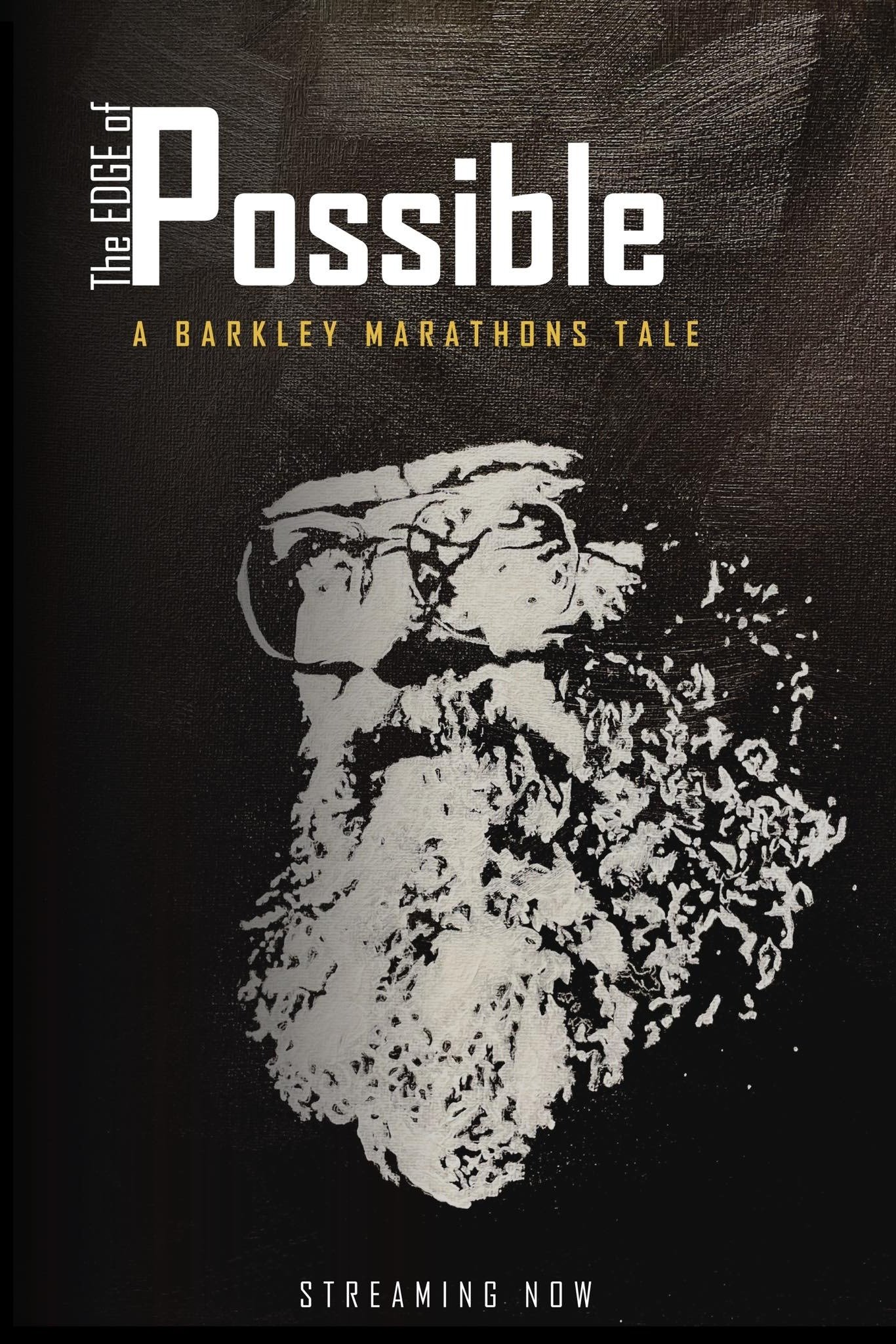
The Edge of Possible: A Barkley Marathon Tale takes you deep inside the legendary Barkley Marathons, the world’s most elusive and punishing ultramarathon. Set in the unforgiving terrain of Frozen Head State Park, this film follows elite ultrarunner Harvey Lewis as he battles the course, his limits, and time itself. Halfway through, we meet Jasmin Paris, whose grit and endurance add another layer to this epic test of human resilience. With insights from race founder Lazarus Lake, past Barkley finisher John Kelly, Gary Robbins and others, this documentary is an unprecedented look at the fine line between ambition and impossibility.
129 ordinary people dare to achieve the extraordinary on a 314-mile journey across the state of Tennessee, relying solely on local Volunteer State communities for aid.
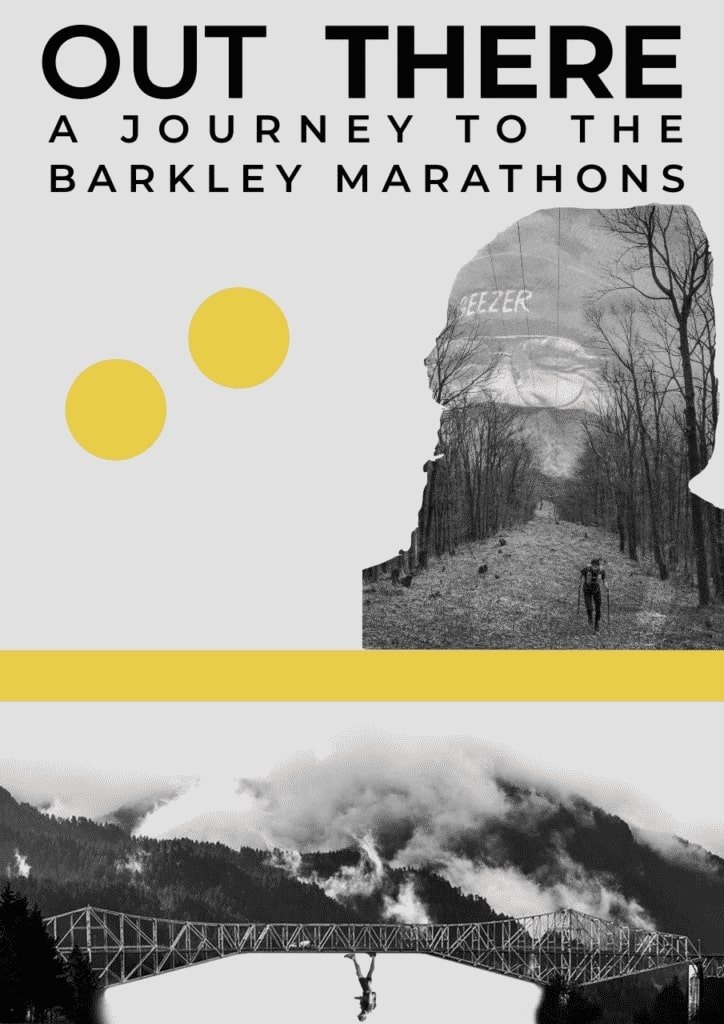
Out There is the story of Belgian ultrarunner Karel Sabbe, who holds the world records on two of the most epic trails in the world: the 4279km long Pacific Crest Trail and the 3500km long Appalachian Trail. How did setting these world records prepare Karel for a race as brutal as The Barkley Marathons? How did these adventures help Karel to find the necessary mindset to do well at this Spartan challenge?
In its first 25 years only 10 people have finished The Barkley Marathons. Based on a historic prison escape, this cult like race tempts people from around the world to test their limits of physical and mental endurance in this documentary that contemplates the value of pain.
In 2024, Jasmin Paris made history by becoming the first woman to finish the Barkley Marathons, widely known as one of the hardest races in the world and a defining test in ultrarunning and trail running. With over 100 miles of brutal terrain, cryptic course markings, and a near-impossible success rate, the Barkley has long been considered the ultimate challenge in endurance sports. This film chronicles Jasmin’s extraordinary three-year journey (2022–2024) to achieve this groundbreaking feat and features exclusive interviews with legendary race director Lazarus Lake, ultrarunning icons Courtney Dauwalter, Amelia Boone, and Jared Campbell, as well as rare insights from Jasmin herself. Through never-before-seen footage from her home mountains in Scotland, in-depth analysis of her Barkley race strategy, and a deep dive into her endurance athlete mindset, this documentary reveals the resilience and determination behind one of the greatest achievements in ultrarunning history.
A documentary about the illegal distribution and screenings of Western films and about people who dubbed them in 1980s Estonia.
The film begins from a camera position over the heads of spectators standing on the sidewalk in union square, New York city, watching a fire drill. Three pieces of equipment can be seen from the first camera position. The next scene, from another camera position, shows the equipment at the station, and water can be seen coming out of the nozzles held by firemen. Beyond them, spectators can be seen on the other side of the square.
Hearse bearing the remains of President McKinley on the way to the church, Canton, Ohio. Special Guard of honor.
Panoramic view of the McKinley homestead, Canton, O., on the morning of the funeral, showing large crowds passing the house, which was under military guard.
Essay on Eva Nil, the first star of Brazilian cinema.
Photographed from a single camera position above the heads of the crowds watching a parade, the film shows several different chapters of the international order of eagles. Some wear civilian attire, other costumes signifying a subdivision of their order.
The Goodyear blimp has been an aerial ambassador for the Goodyear tire and rubber company for over 90 years. Join the Spirit of America, one of the last GZ-20 airships of the world. Follow the crew who care for her as she makes the final flights into the history books of aviation and marks the end of Goodyears history of designing and manufacturing their own airships.
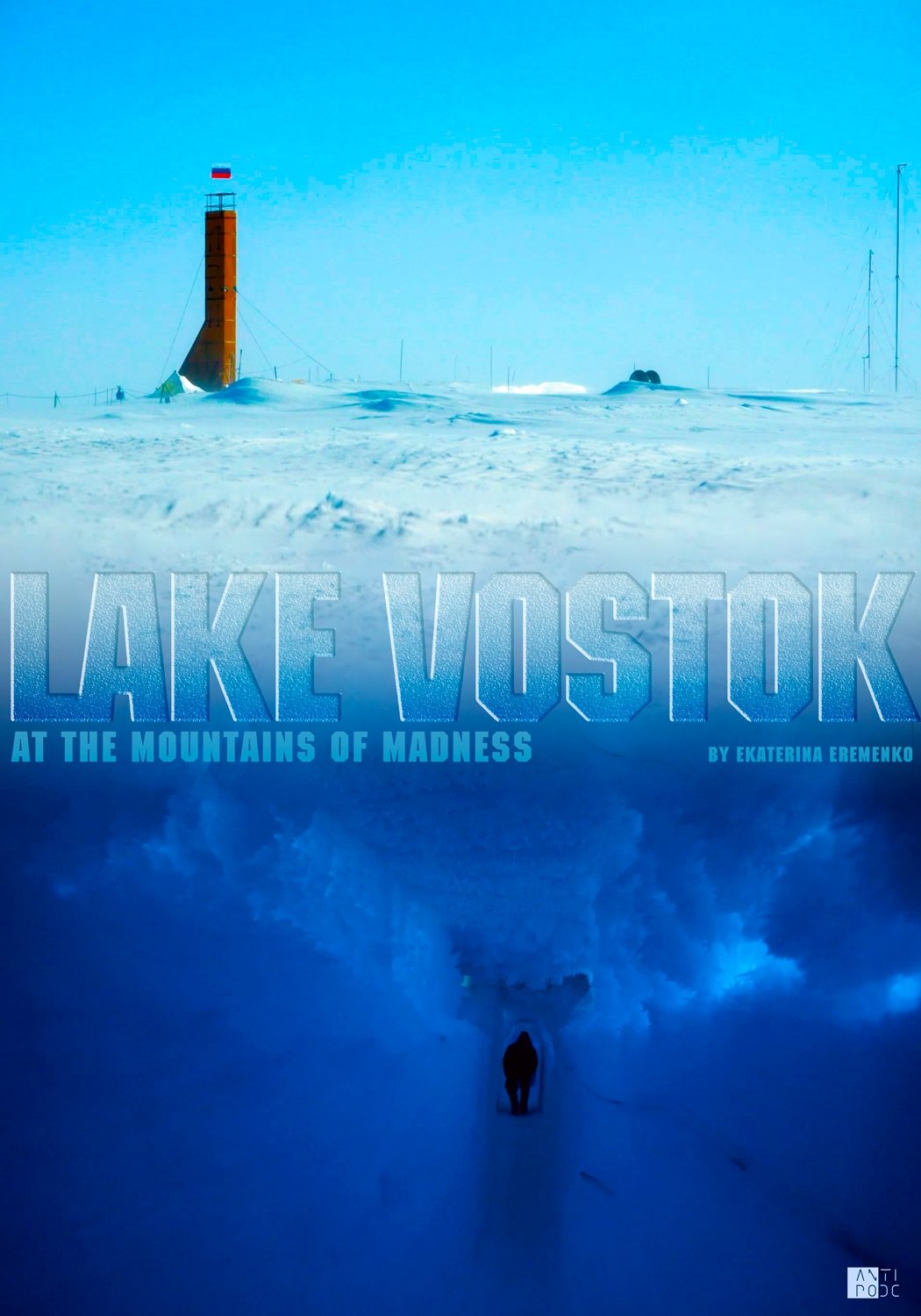
More than 100 years ago, explorers raced to discover the South Pole. Now scientists are racing to discover the secret subterranean world of rivers and lakes buried miles beneath it. In 1974, scientists made a sensational discovery: a vast lake underneath the icy desert of Antarctica, untouched for 400.000 years, Lake Vostok. In spring 2012, after 40 years of drilling, Russian scientist broke through the ice. In two different narrative strands the film tells the story of the evolution of life and climate, the story of four decades of exploration in the coldest place on Earth, and it accompanies the scientists on their final trip to the camp. The film also explores the mythologies and legends surrounding Antarctica – from H.P. Lovecraft to James Cameron: the ‘Mountains of Madness’ have lured many into their realm – not many left unscathed.
A chronicle of the personal life and public career of the celebrated artist and filmmaker Julian Schnabel.
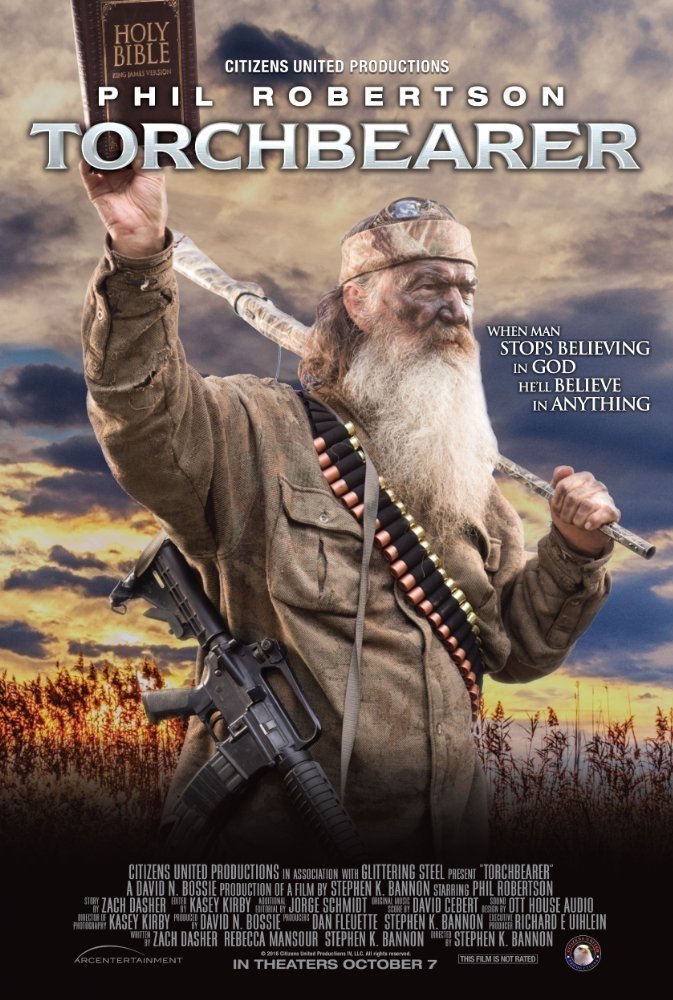
"The Duck Commander" Phil Robertson, makes a compelling argument on the absurdity of life without God.
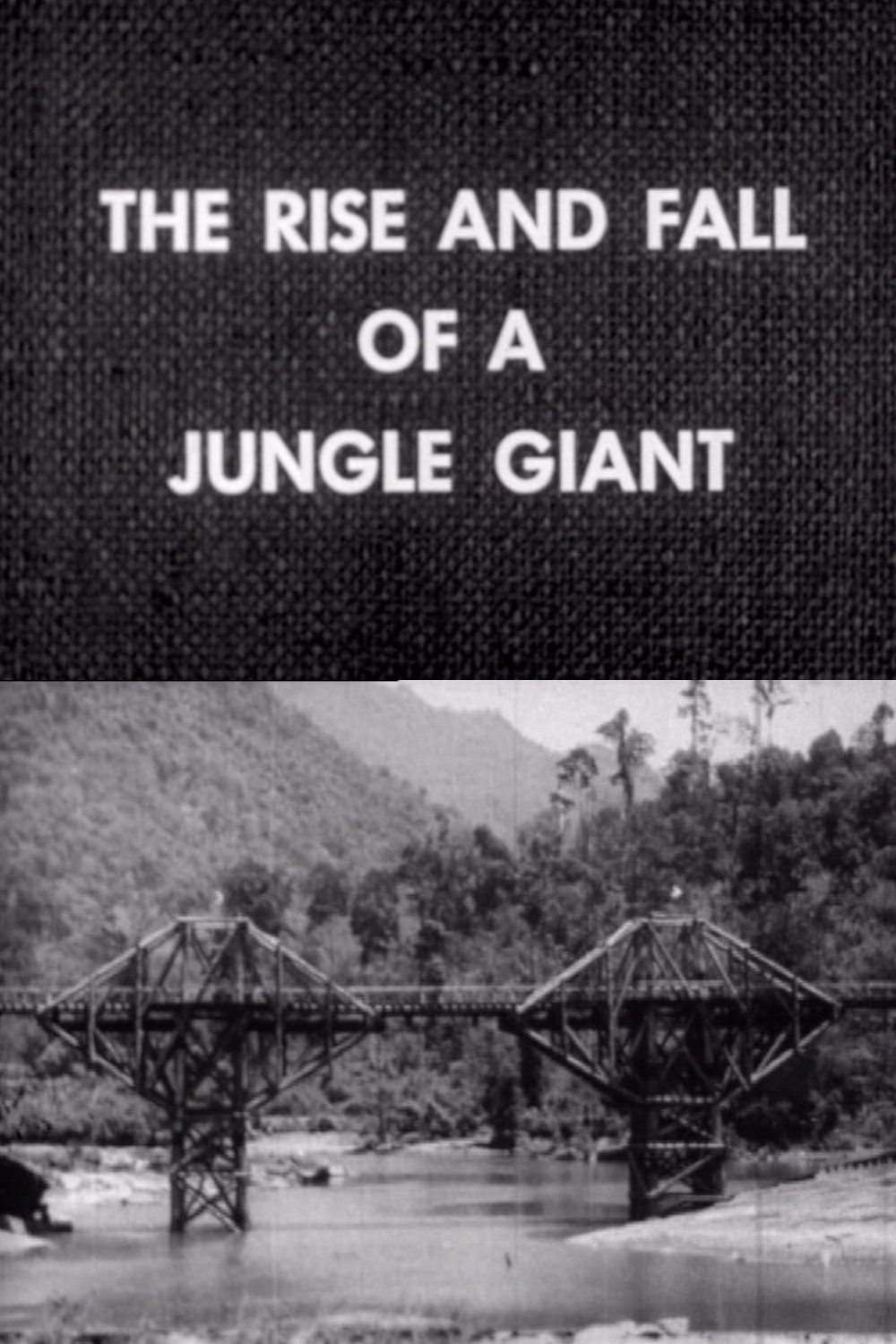
A behind-the-scenes look at the building of the bridge in the film The Bridge on the River Kwai (1957) and the preparations for its destruction.
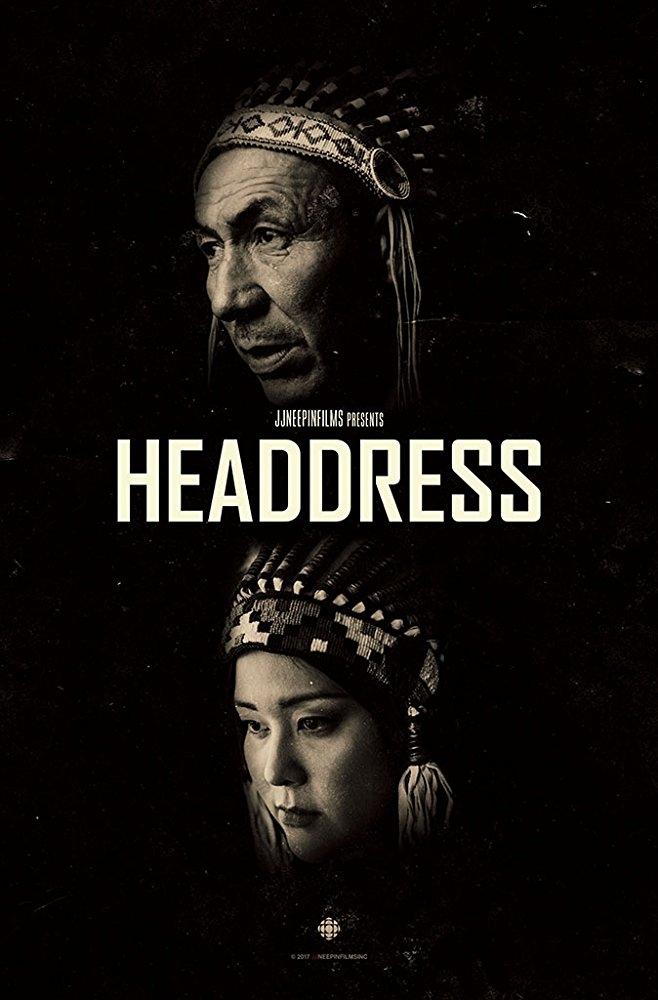
For First Nations communities, the headdress bears significant meaning. It's a powerful symbol of hard-earned leadership and responsibility. As filmmaker JJ Neepin prepares to wear her grandfather's headdress for a photo shoot she reflects on lessons learned and the thoughtless ways in which the tradition has been misappropriated.
The author Carl-Göran Ekerwald has written more than 50 books. At the age of 87, a new chapter in his life begins when he meets the journalist and author Sigrid Kahle. Ekerwald is a man of eductation and lust.
In an intimate and joyful story of love in the face of loss, celebrated poets Andrea Gibson and Megan Falley find strength—and unexpected hilarity—in what might be their final year together.
A string of threatening emails escalates into a revenge plot involving a newly married US marshal and his ex-girlfriend.
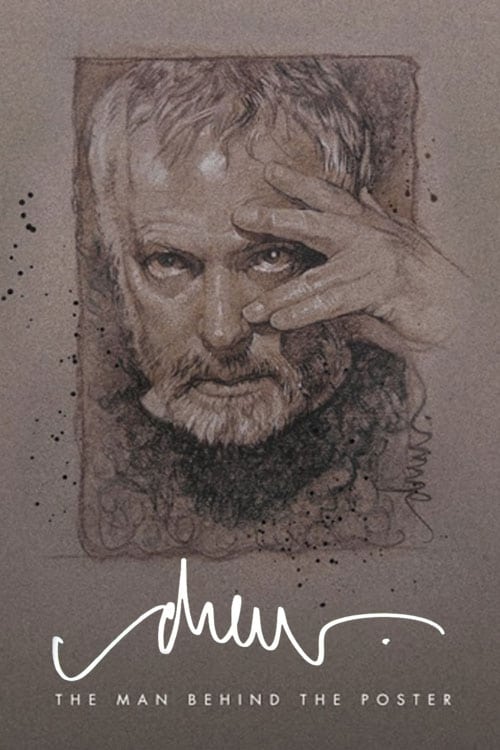
A documentary on legendary movie-poster artist Drew Struzan.
A visual montage portrait of our contemporary world dominated by globalized technology and violence.
From the heights of her modeling fame to her tragic death, this documentary reveals Anna Nicole Smith through the eyes of the people closest to her.
Through deeply personal interviews with her siblings and an examination of the photographs, letters, and belongings left behind, Mariska assembles a new portrait of her mother Jayne Mansfield, an extraordinary and complex woman.
A non-narrated documentary following the lovesome lives of four infants from birth to their first birthday. The babies featured are two from rural areas: Ponijao from Opuwo, Namibia, and Bayar from Bayanchandmani, Mongolia, as well as two from urban areas: Mari from Tokyo, Japan, and Hattie from San Francisco, USA.
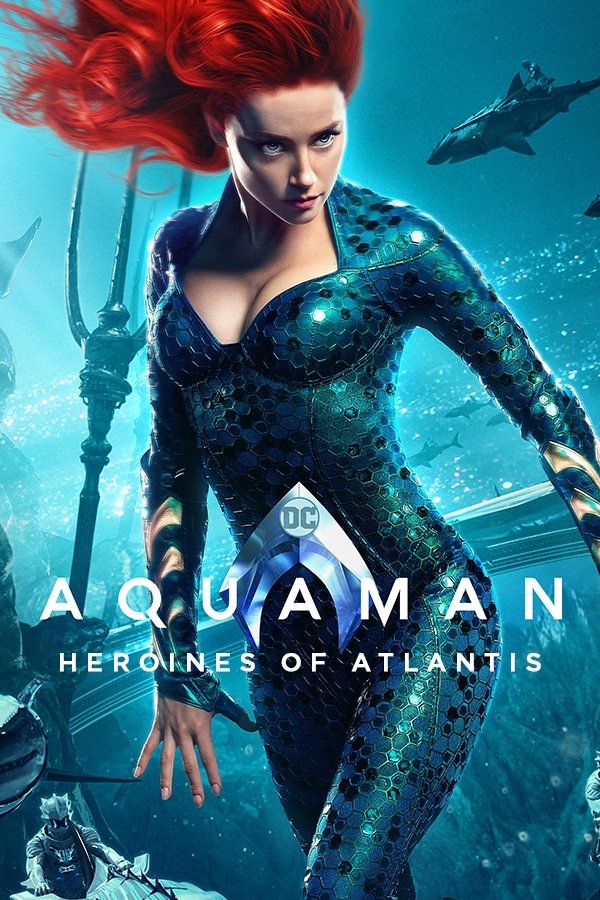
Amber Heard and Nicole Kidman discuss their characters Mera and Atlanna.
Alexander McQueen's rags-to-riches story is a modern-day fairy tale, laced with the gothic. Mirroring the savage beauty, boldness and vivacity of his design, this documentary is an intimate revelation of McQueen's own world, both tortured and inspired, which celebrates a radical and mesmerizing genius of profound influence.
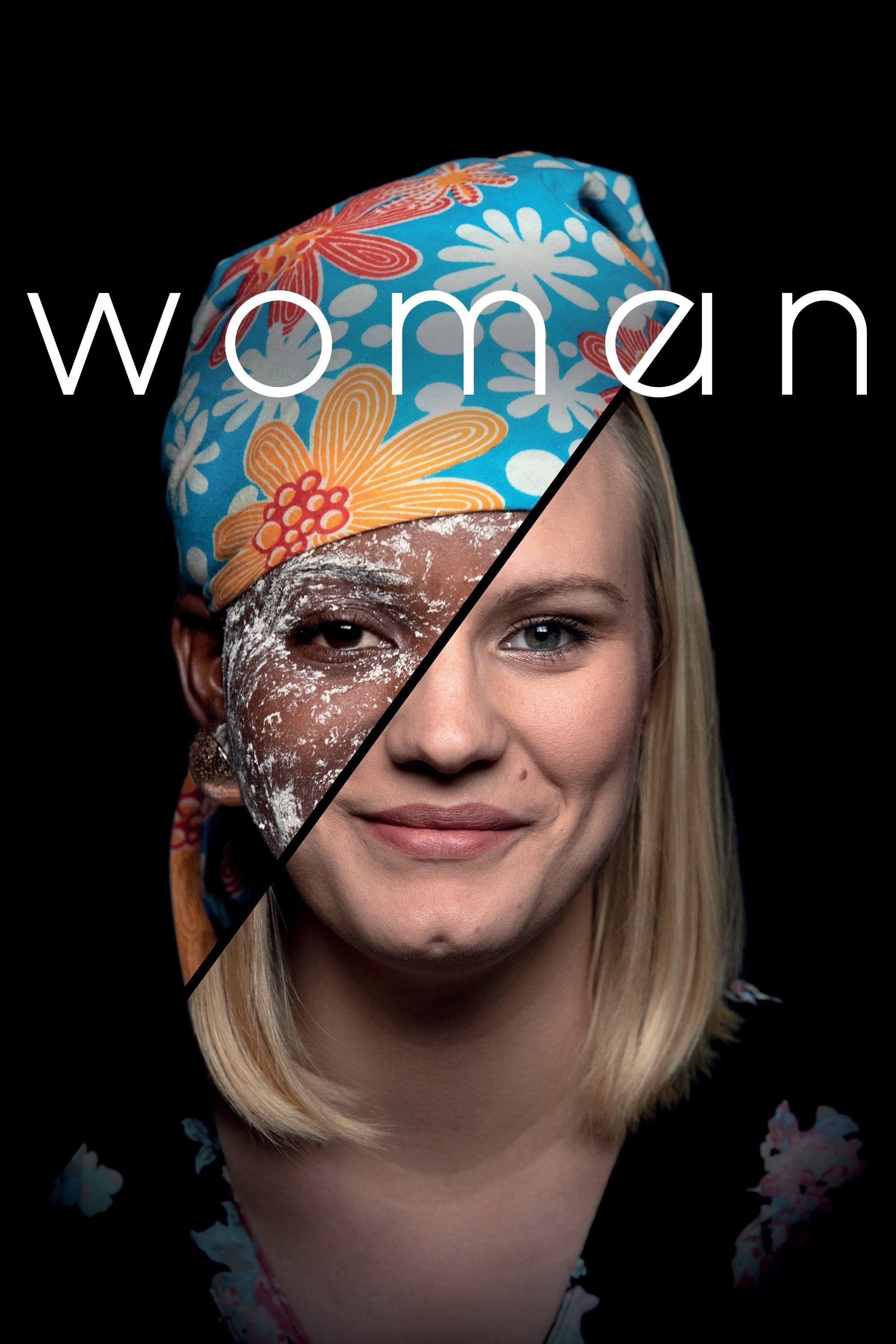
The film is based on interviews with 2,000 women from 50 countries, and covers the status of women all over the world. The topics covered include forced marriages, sexual assault, female genital mutilation, acid attacks, motherhood, sexuality, menstruation, education and the professional success of women.
Ranjit, a farmer in India, takes on the fight of his life when he demands justice for his 13-year-old daughter, the victim of a brutal gang rape. His decision to support his daughter is virtually unheard of, and his journey unprecedented.
The Savage X Fenty Show gives a look into Rihanna's creative process for her latest lingerie collection. Modeled by incredible, diverse talent, celebrating all genders and sizes, and featuring performances by the hottest music artists.
A documentary about the life and films of director John Ford.
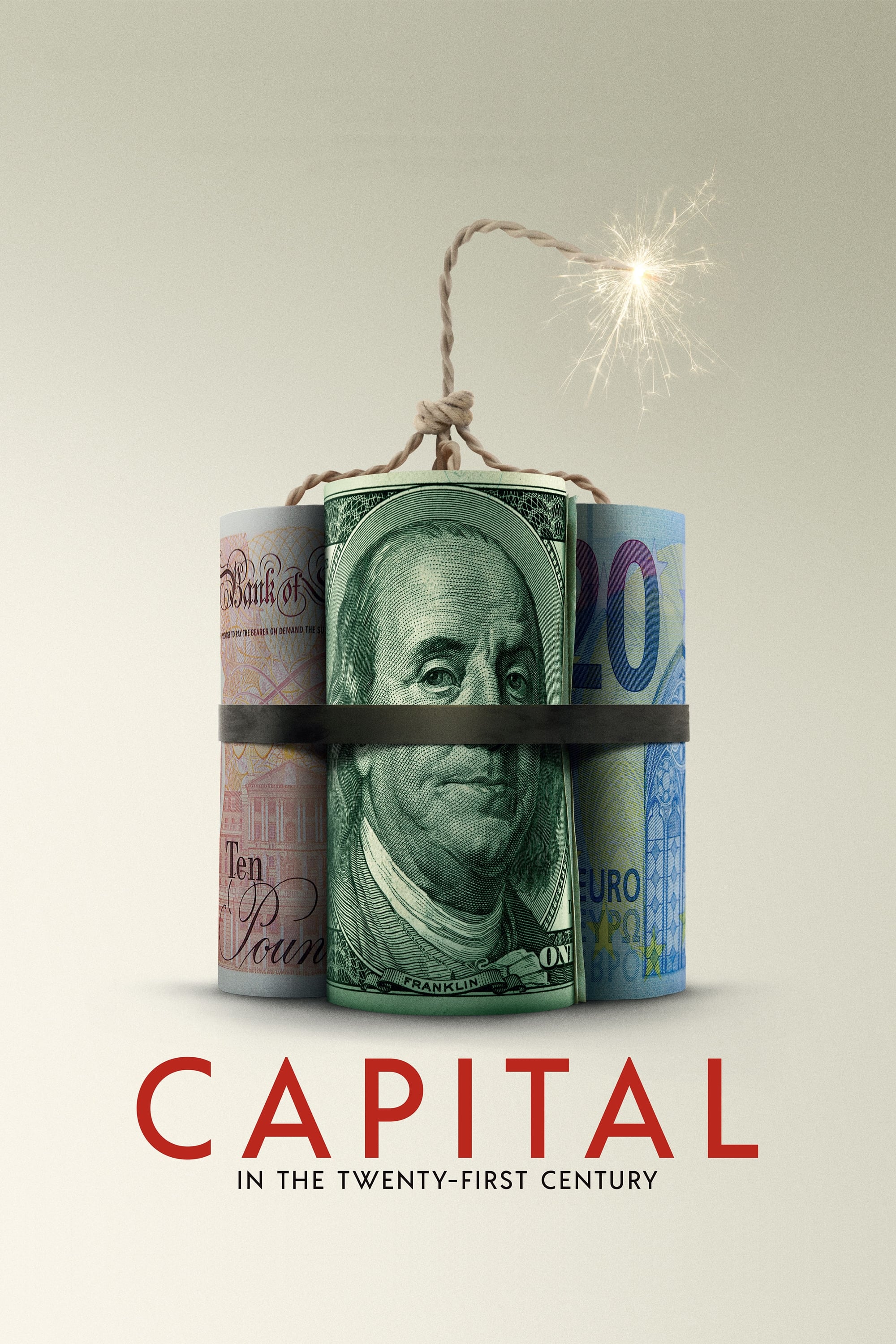
Film adaptation of French economist Thomas Piketty's ground-breaking global bestseller of the same name: an eye-opening journey through wealth and power.
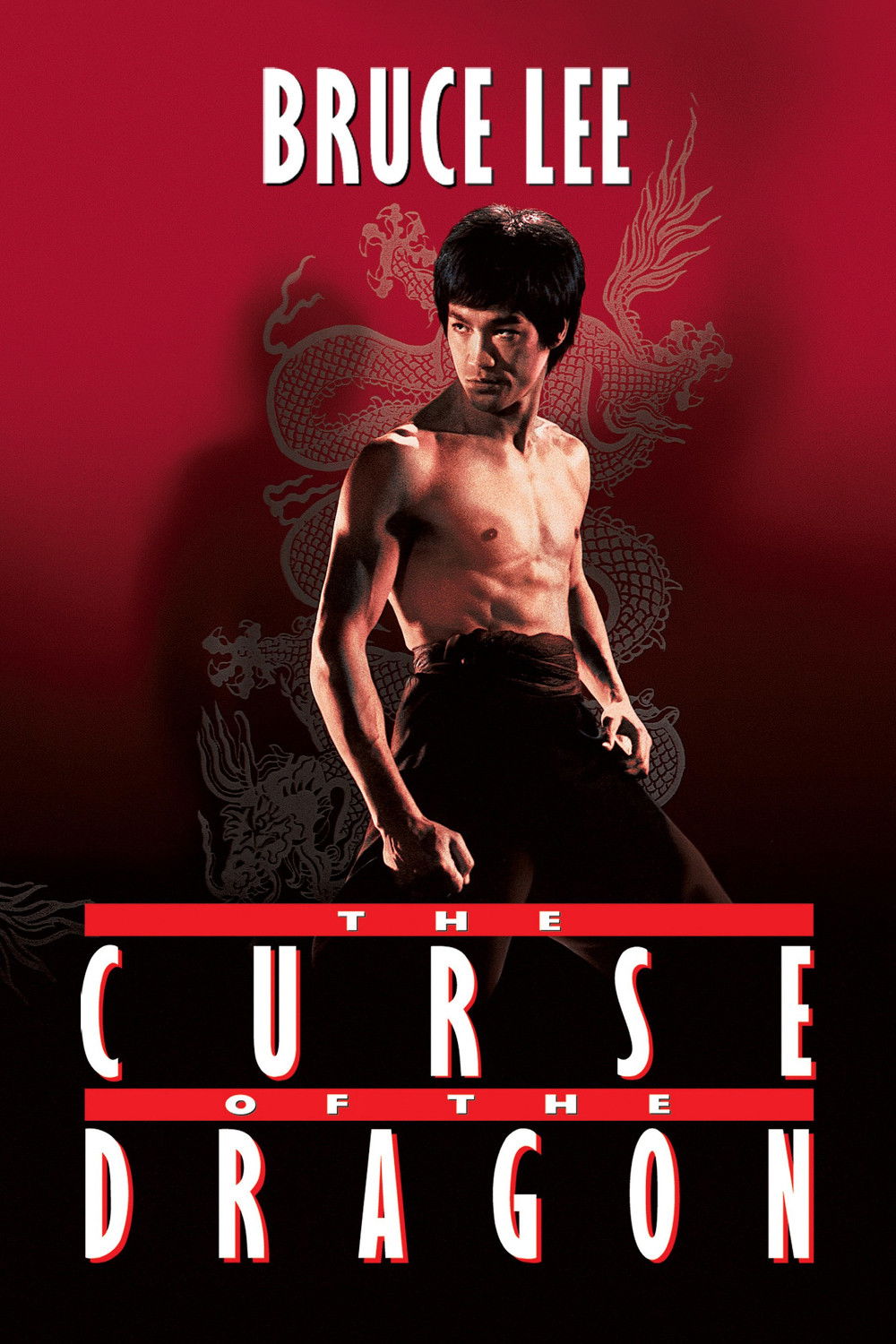
A 1993 documentary film about Bruce Lee. The film includes interviews from some of his fellow students and opponents who worked alongside him in his movies.
A documentary about how a dominant cultural and demographic institution both sustains their traditional activities and adapts to the digital revolution.
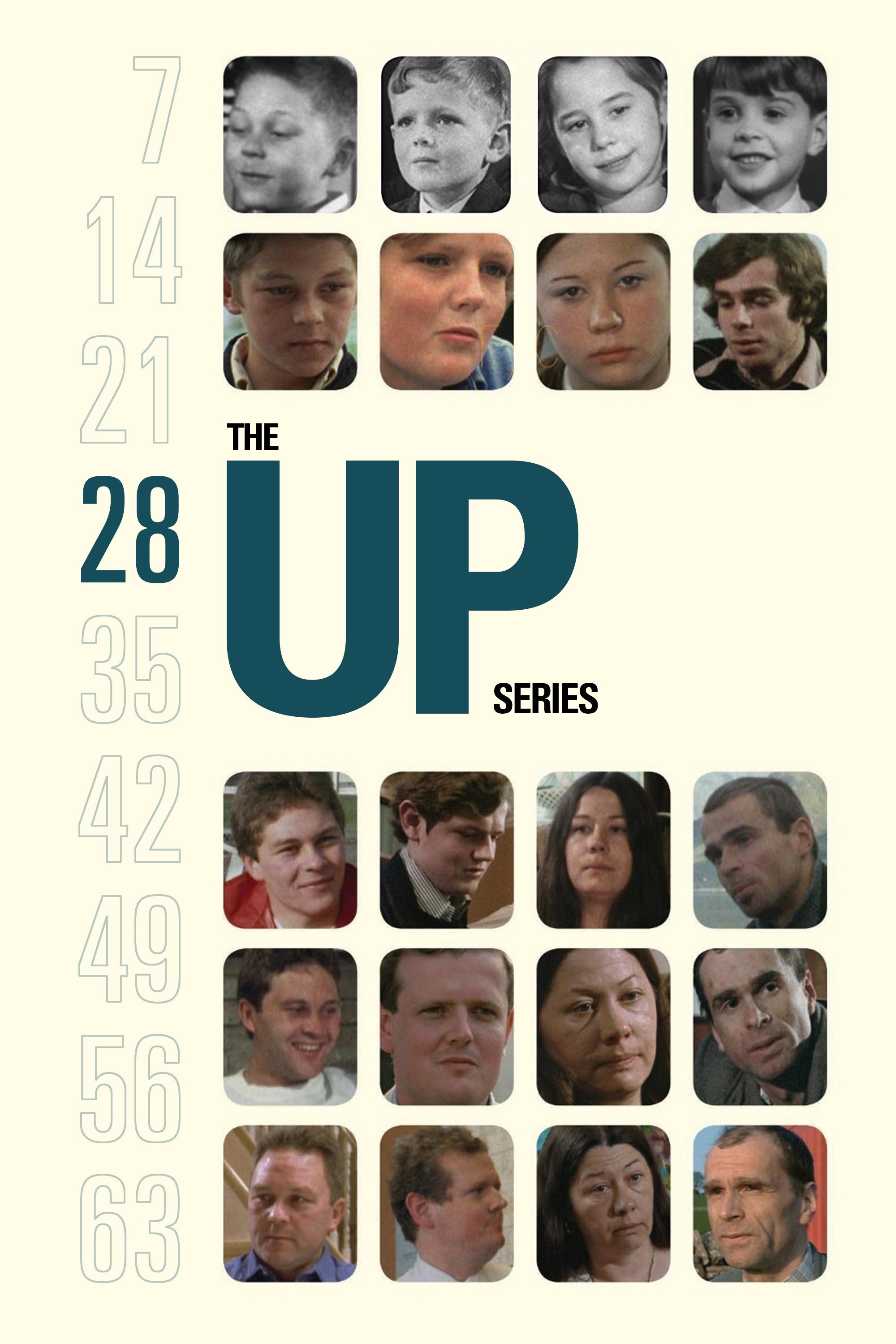
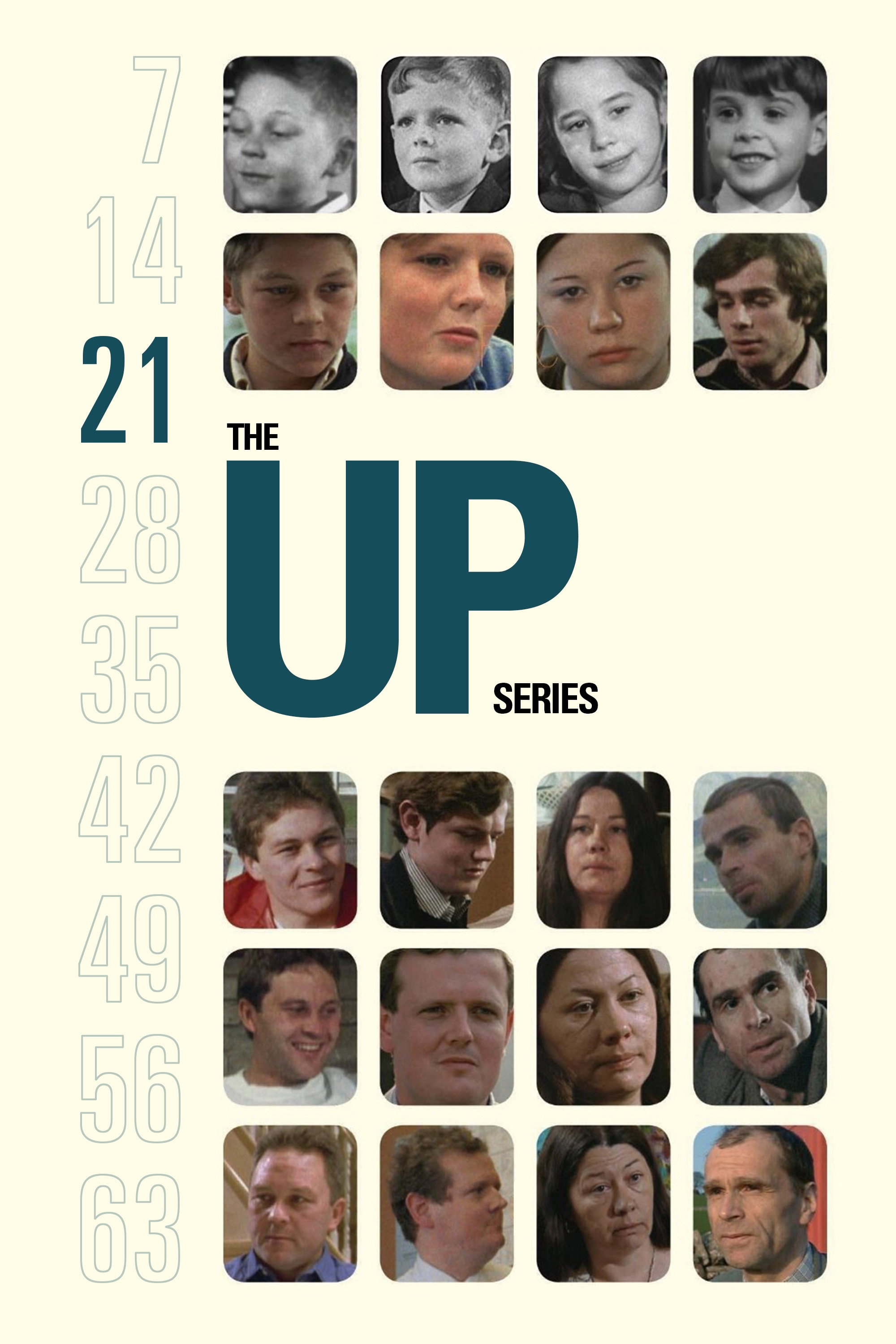
Just two years away from turning 30, participants in Michael Apted's documentary series are facing serious questions of identity and purpose, wondering whether they've found their place in the world.
An inside look at one of the most anticipated movie sequels ever with James Cameron and cast.
Follow the evolution of the 'Halloween' movies over the past twenty-five years. It examines why the films are so popular and revisits many of the original locations used in the films - seeing the effects on the local community. For the first time, cast, crew, critics and fans join together in the ultimate 'Halloween' retrospective.
After another 7 year wait, director Michael Apted revisits the same group of British-born children from Seven Up! and 7 Plus Seven. The subjects are interviewed as to the changes that have occurred in their lives during the last seven years.