Social & External
The people behind it
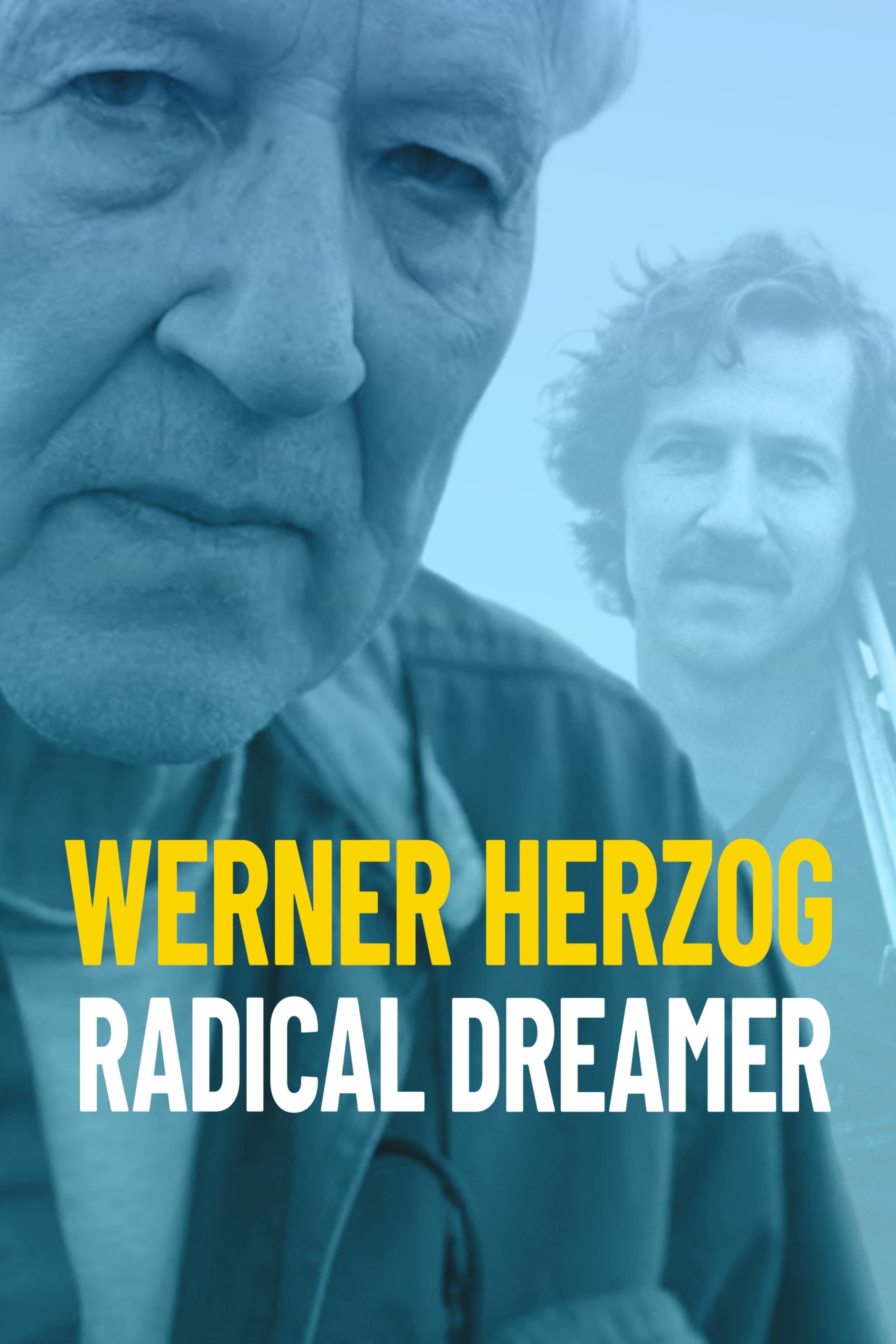
With exclusive behind-the-scenes access into Herzog’s everyday life, rare archive material and in-depth interviews with celebrated collaborators – including Christian Bale, Nicole Kidman, and Robert Pattinson, we are given an exciting glimpse into the work and personal life of the iconic artist.
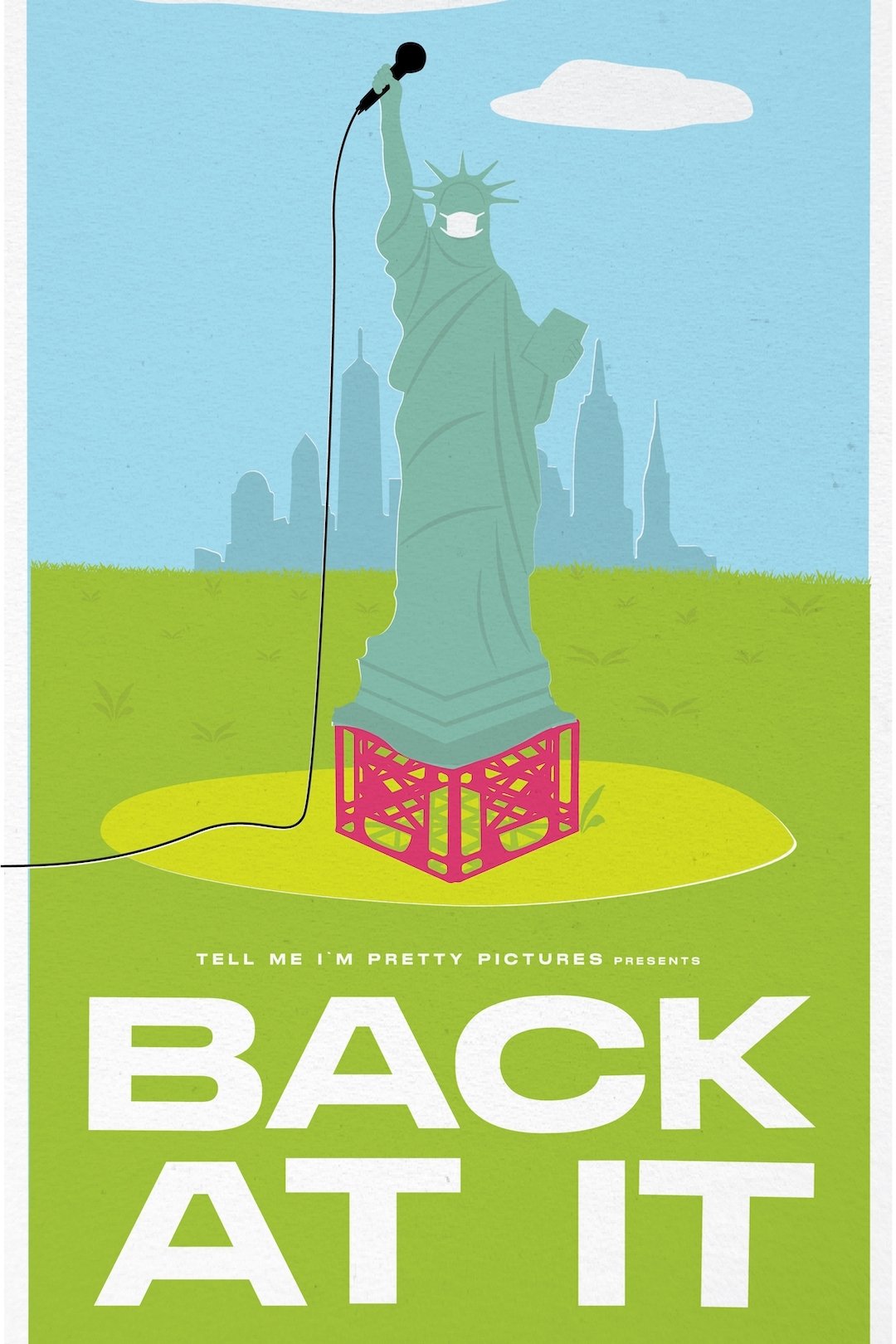
There are thousands of comedians in New York City, performing every night, working hard for laughs from the world's toughest audience. What happens to them when the city that never sleeps grinds to a halt? When the comedy clubs close and no one is laughing? "Back At It" is a chronicle of the tumultuous summer of 2020 in New York, through the eyes of a diverse group of comedians who hustle to keep their comedy alive and to stand out from the throng. It follows them as they take to the streets, rooftops, and parks to entertain a city ravaged by the Covid-19 pandemic. It asks how the art of standup changes when the traditional systems and established hierarchy no longer exist? Who will evolve and raise their voice?
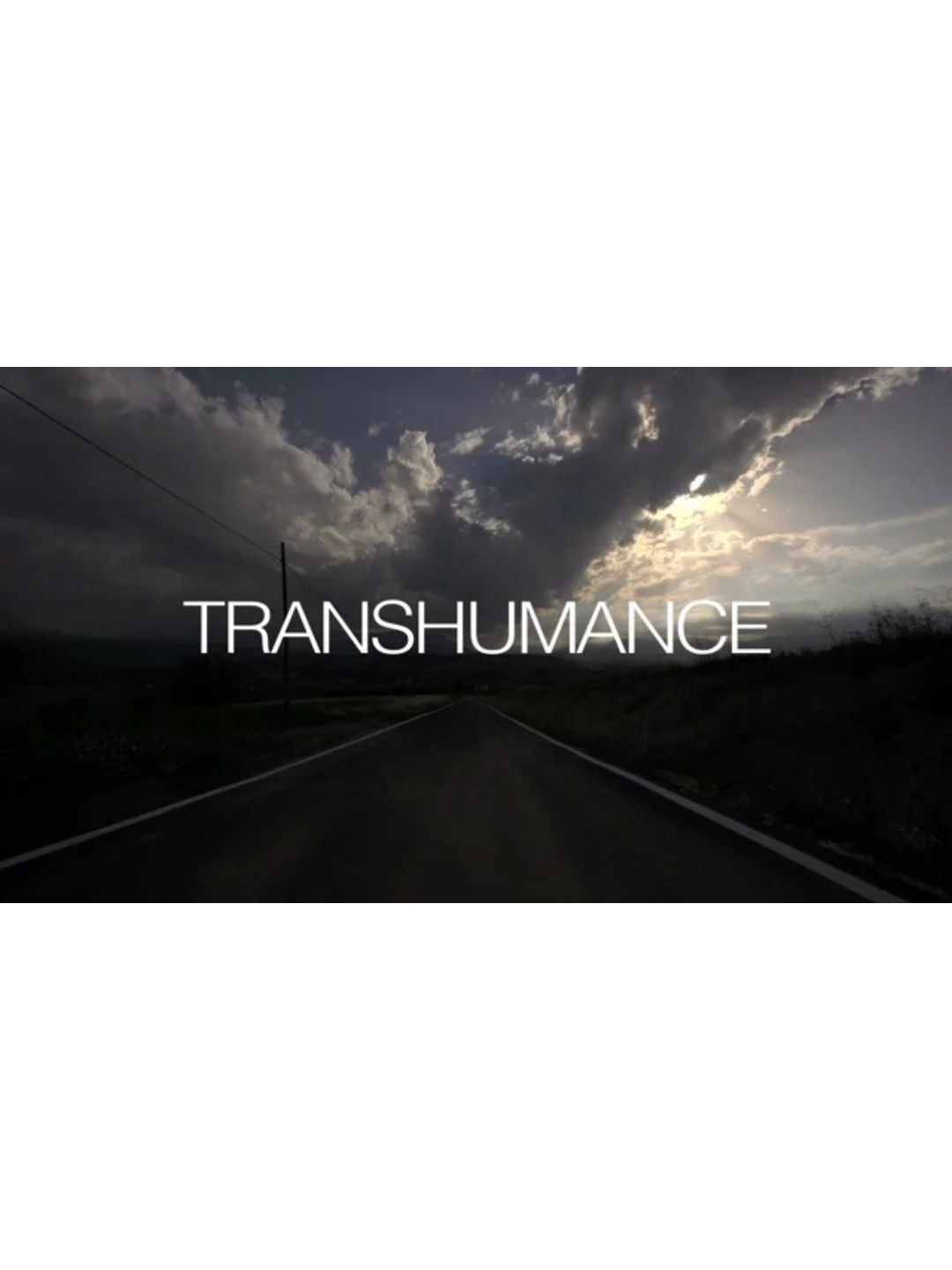
A study of observations around the ancient monument of the temple of Augustus and Livia and to cities of Vienne, Chonas-l'Amballan and Saint-Prim. Firstly proposed as a sort of ghost hunting, the project seems to focus on a world of figures, the whispers of the roads, diegetic/non-diegetic sounds and a camera that tries to investigate under fragments of logic and articulating cuts.
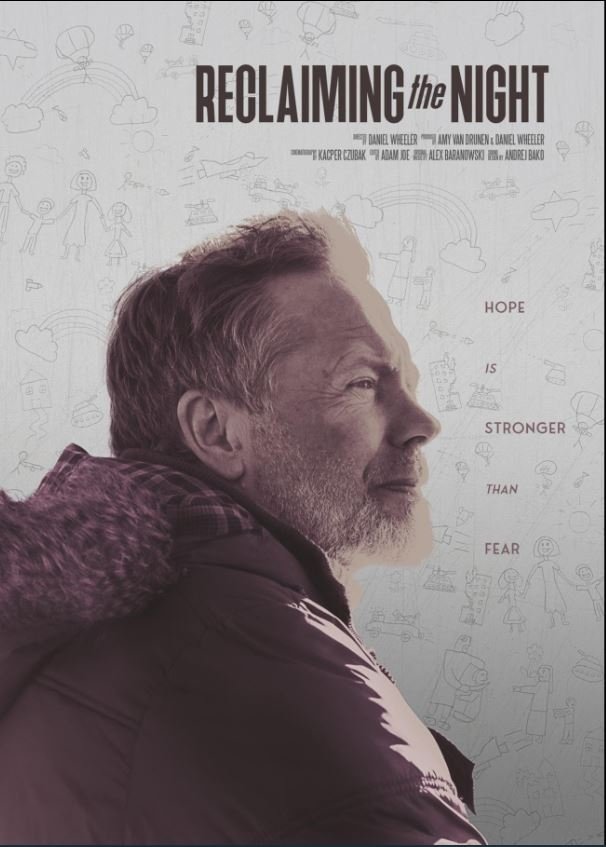
In the aftermath of war, an extraordinary professor brings hope to children haunted by trauma-induced nightmares.
A study of the Group Theatre, a company that changed the face of American drama. The Group was founded in 1931 by Cheryl Crawford, Harold Clurman and Lee Strasberg, who were strongly influenced by the naturalistic acting of Konstantin Stanislavski’s Moscow Art Theatre.
Animals shock us with the most bizarre appearances - some even look like they've been dressing up. But the weird and wonderful shapes and colours of nature are vital to the animals' lives. Sometimes they're disguised to help blend in, other times they are designed to stand out and show off. But whether it's a monkey in make-up or a salamander's toxic stripes.
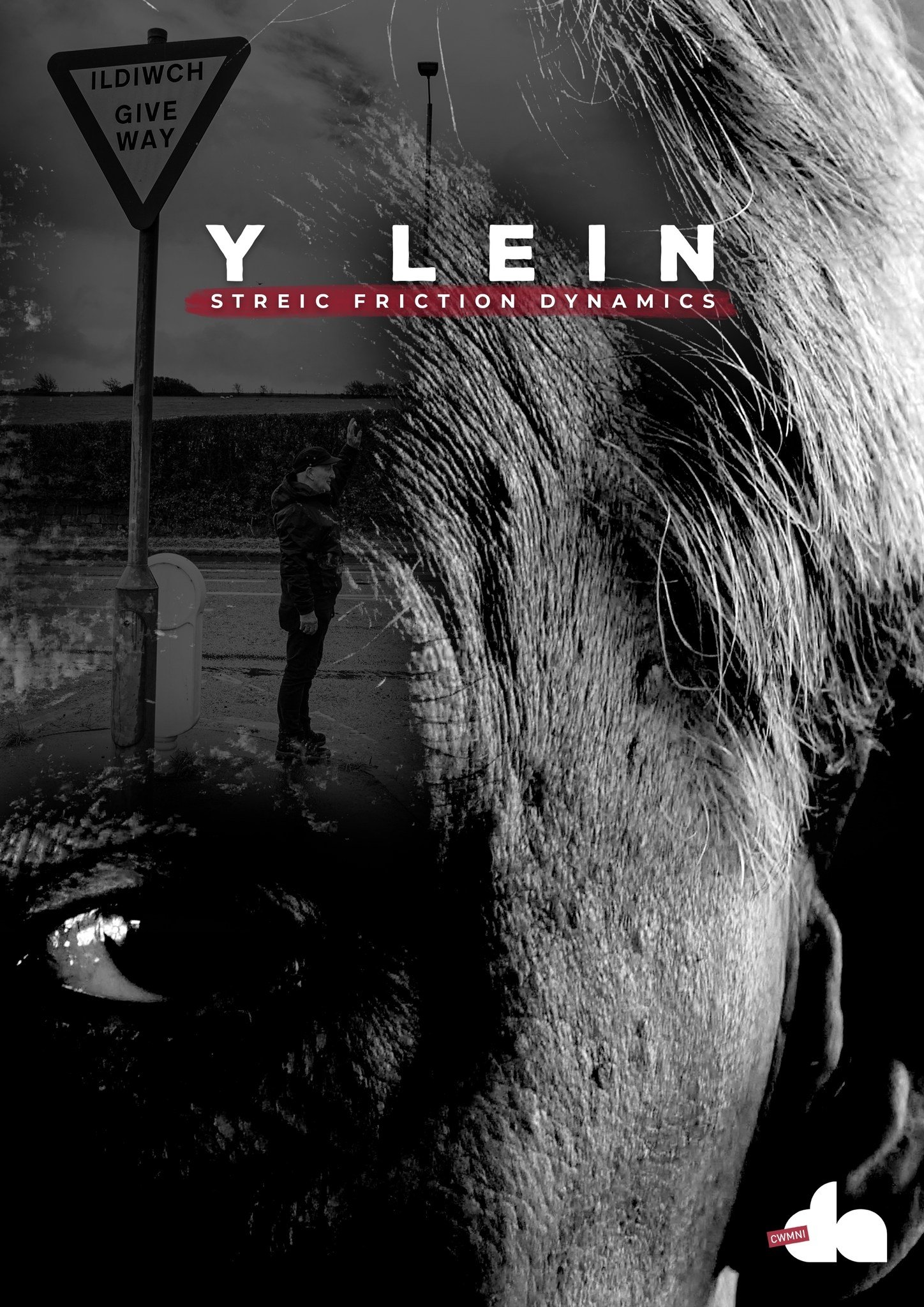
A Cwmni Da produced documentary focused on the Friction Dynamics strike back in 2003.
Dive back into the heart of the Olympic adventure of Thierry Henry’s "Fous". The behind the scenes with 100% exclusive footage—team talks, locker room moments, and glimpses of life off the pitch—and experience the French football team’s silver-medal-winning Olympic Games from the inside.
In an intimate and joyful story of love in the face of loss, celebrated poets Andrea Gibson and Megan Falley find strength—and unexpected hilarity—in what might be their final year together.
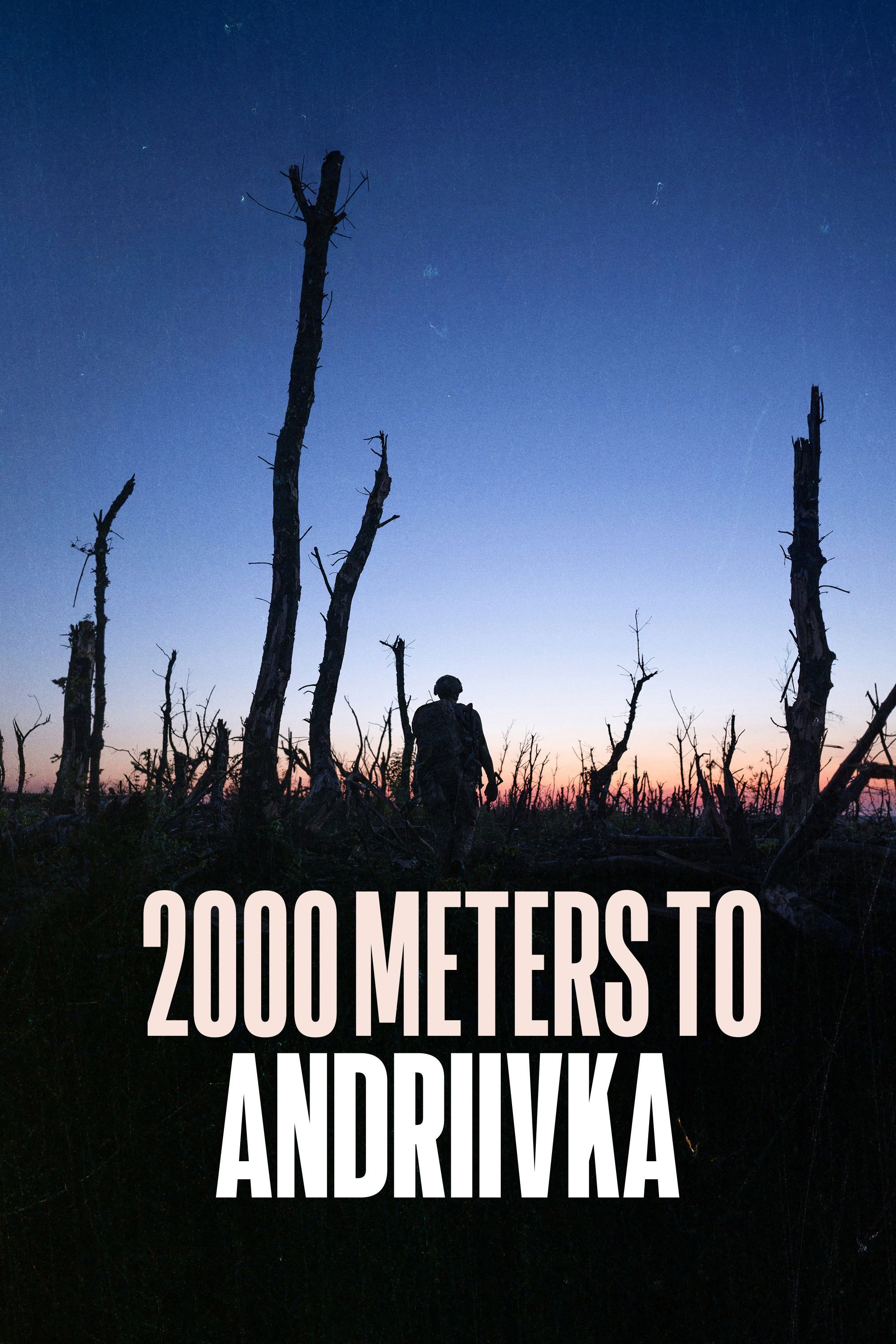
Amid the failing counteroffensive, a journalist follows a Ukrainian platoon on their mission to traverse one mile of heavily fortified forest and liberate a strategic village from Russian occupation. But the farther they advance through their destroyed homeland, the more they realize that this war may never end.
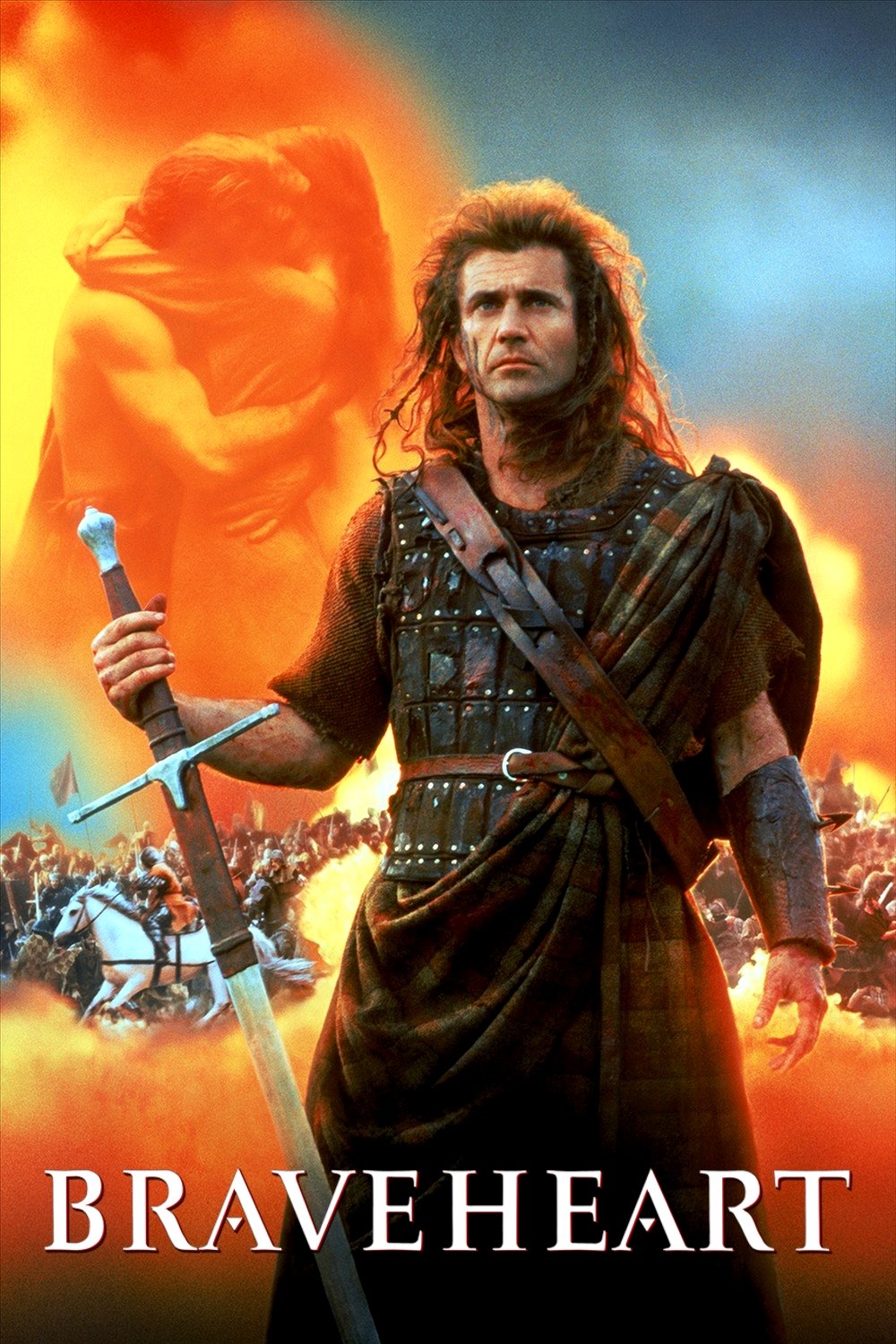
Enraged at the slaughter of Murron, his new bride and childhood love, Scottish warrior William Wallace slays a platoon of the local English lord's soldiers. This leads the village to revolt and, eventually, the entire country to rise up against English rule.
The story of Nisar Ahmed Khan, told through his children and the people he served, a spiritual guide whose followers still visit his tomb on his birth and death anniversaries. And alongside how his family spends a few days at the village keeping his traditions alive.
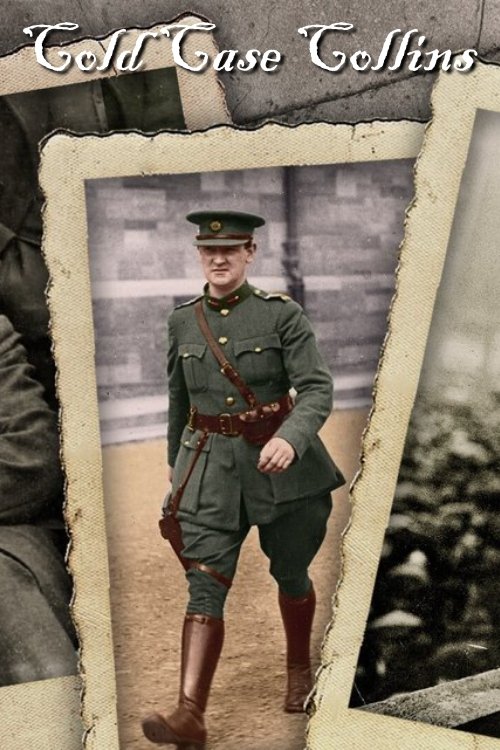
Former State Pathologist, Dr. Marie Cassidy leads a brand new investigation into the killing of revolutionary, soldier and politician Michael Collins in August 1922, an event that ignited acrimonious arguments that have endured ever since.
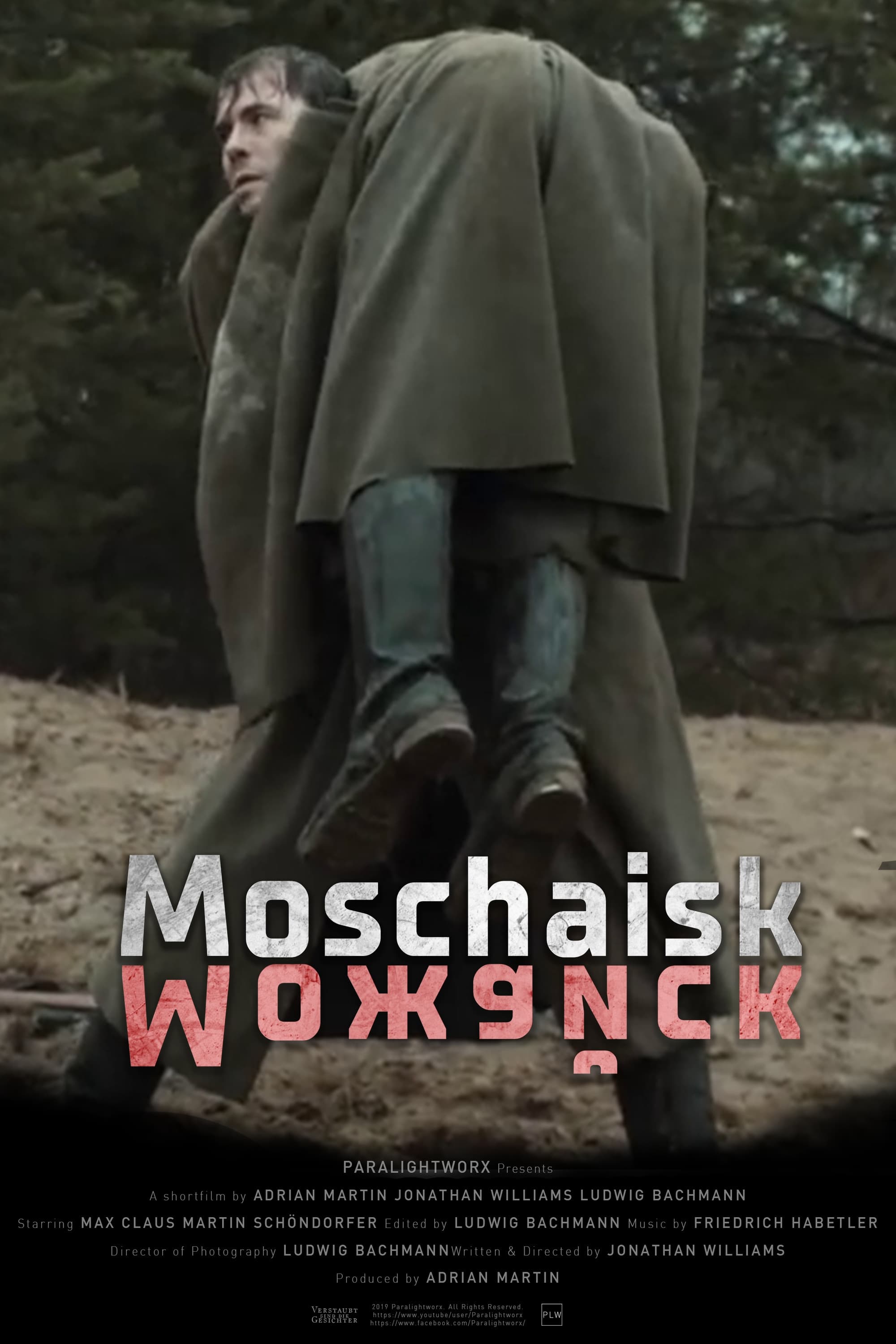
In 1939, a group of Finnish soldiers defend the border from Russian invaders.
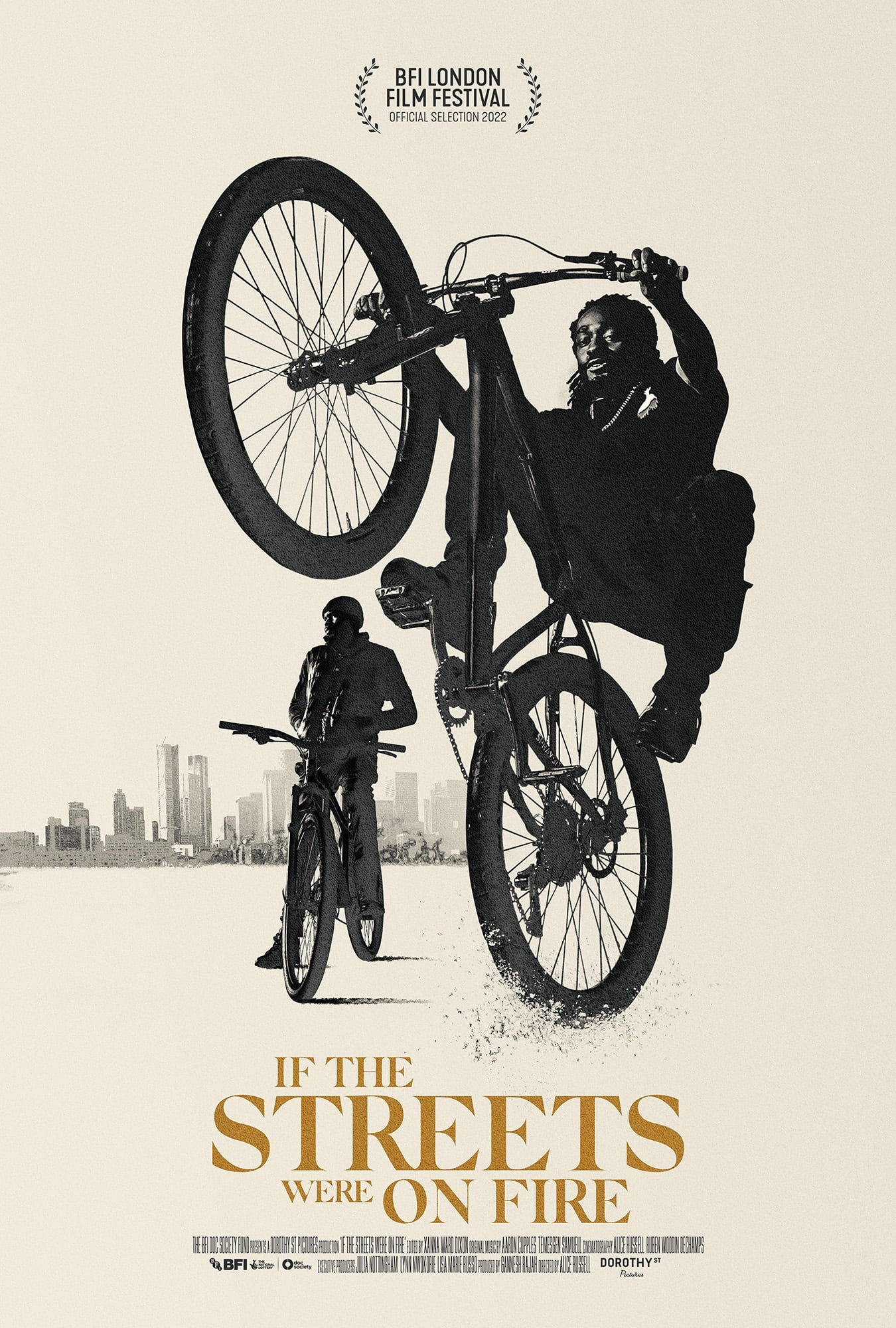
As youth violence rises, a wild and rebellious movement of young people tear up the city’s streets as they try to escape the harsh realities of street life through the brotherhood of biking.
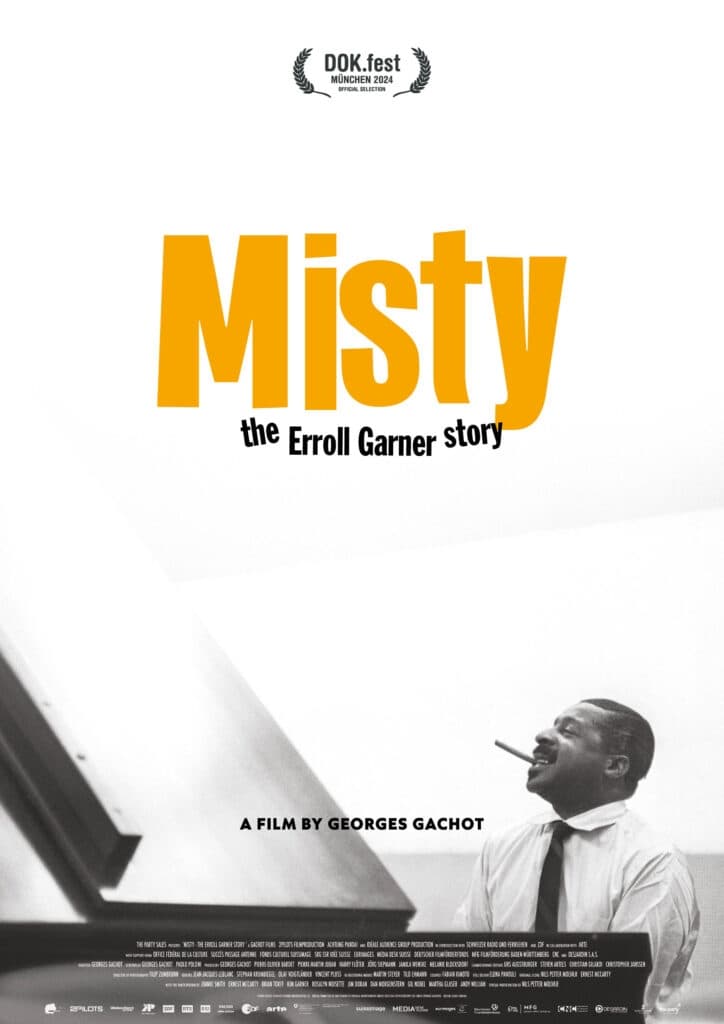
The brilliant self-taught pianist Erroll Garner left his mark on jazz forever. His song Misty, which he allegedly composed between two concerts on an aeroplane, immediately became one of the great jazz standards and is still one of the most covered ballads in the world today. Who was the man behind the ever-friendly smile from the ghettos of Pittsburgh, whose talent brought him to the biggest international stages?
Haitian history is presented through an explosion of colour, dance and music, as the country prepares for its legendary carnival.
“The Soviet Story” is a story of an Allied power, which helped the Nazis to fight Jews and which slaughtered its own people on an industrial scale. Assisted by the West, this power triumphed on May 9th, 1945. Its crimes were made taboo, and the complete story of Europe’s most murderous regime has never been told. Until now...
Prelude to War was the first film of Frank Capra's Why We Fight propaganda film series, commissioned by the Pentagon and George C. Marshall. It was made to convince American troops of the necessity of combating the Axis Powers during World War II. This film examines the differences between democratic and fascist states.
A documentary about World War I with never-before-seen footage to commemorate the centennial of Armistice Day, and the end of the war.
This documentary movie is about the battle of San Pietro, a small village in Italy. Over 1,100 US soldiers were killed while trying to take this location, that blocked the way for the Allied forces from the Germans. Preserved by the Academy Film Archive in 2005.
"Trinity and Beyond" is an unsettling yet visually fascinating documentary presenting the history of nuclear weapons development and testing between 1945-1963. Narrated by William Shatner and featuring an original score performed by the Moscow Symphony Orchestra, this award-winning documentary reveals previously unreleased and classified government footage from several countries.
A love letter from a young mother to her daughter, the film tells the story of Waad al-Kateab’s life through five years of the uprising in Aleppo, Syria as she falls in love, gets married and gives birth to Sama, all while cataclysmic conflict rises around her. Her camera captures incredible stories of loss, laughter and survival as Waad wrestles with an impossible choice– whether or not to flee the city to protect her daughter’s life, when leaving means abandoning the struggle for freedom for which she has already sacrificed so much.
When Sgt. First Class Brian Eisch is critically wounded in Afghanistan, it sets him and his sons on a journey of love, loss, redemption and legacy.
The history of cinematic sound, told by legendary sound designers and visionary filmmakers.
Meet the real-life airmen who inspired Masters of the Air as they share the harrowing and transformative events of the 100th Bomb Group.
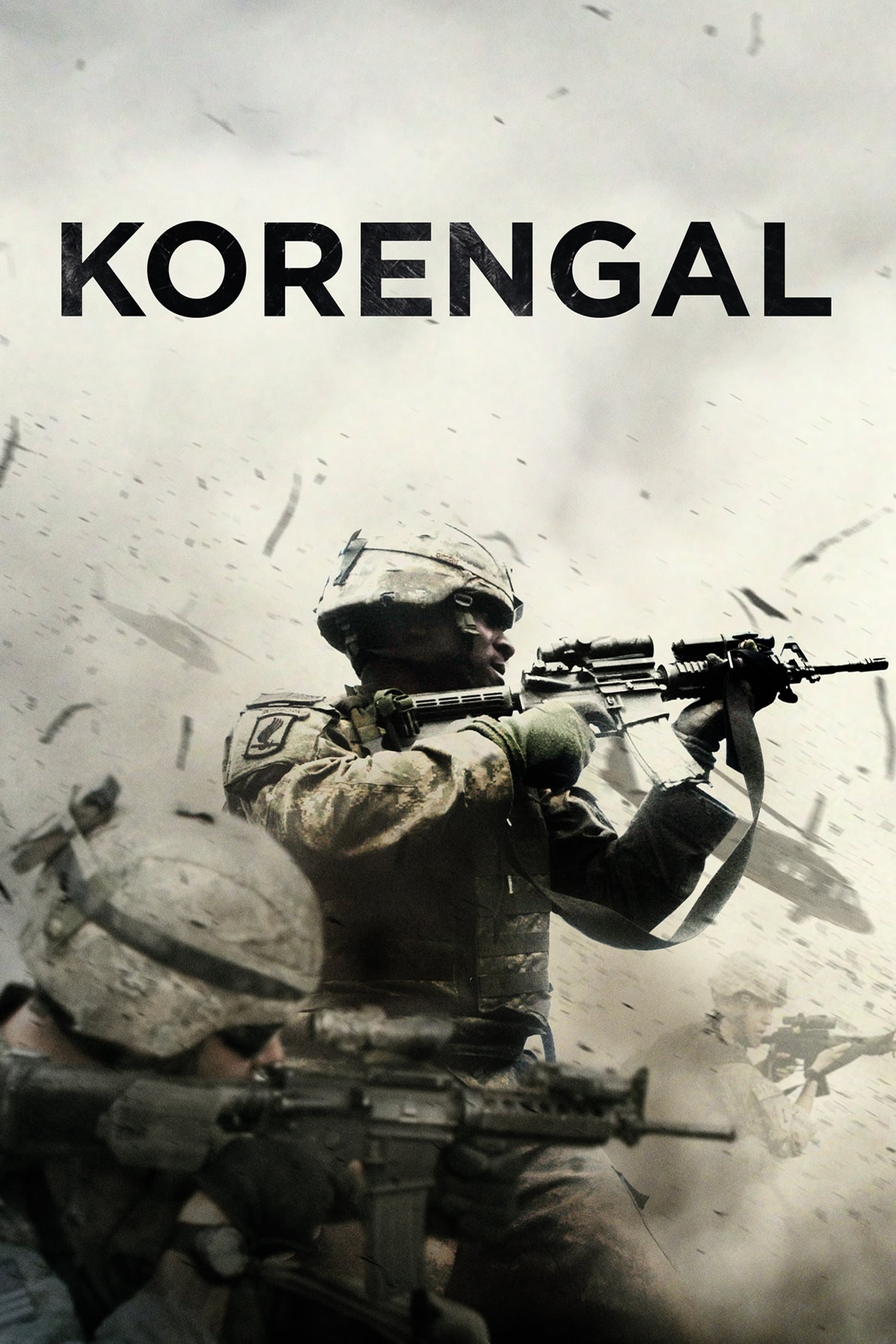
Korengal picks up where Restrepo left off; the same men, the same valley, the same commanders, but a very different look at the experience of war.
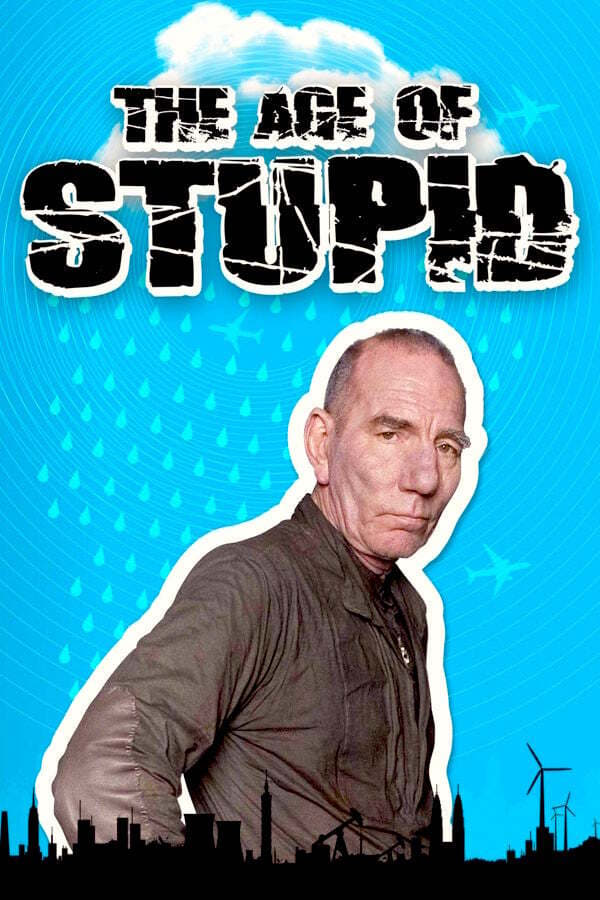
Pete Postlethwaite stars as a man living alone in the devastated future world of 2055, looking at old footage from 2008 and asking: why didn’t we stop climate change when we had the chance?
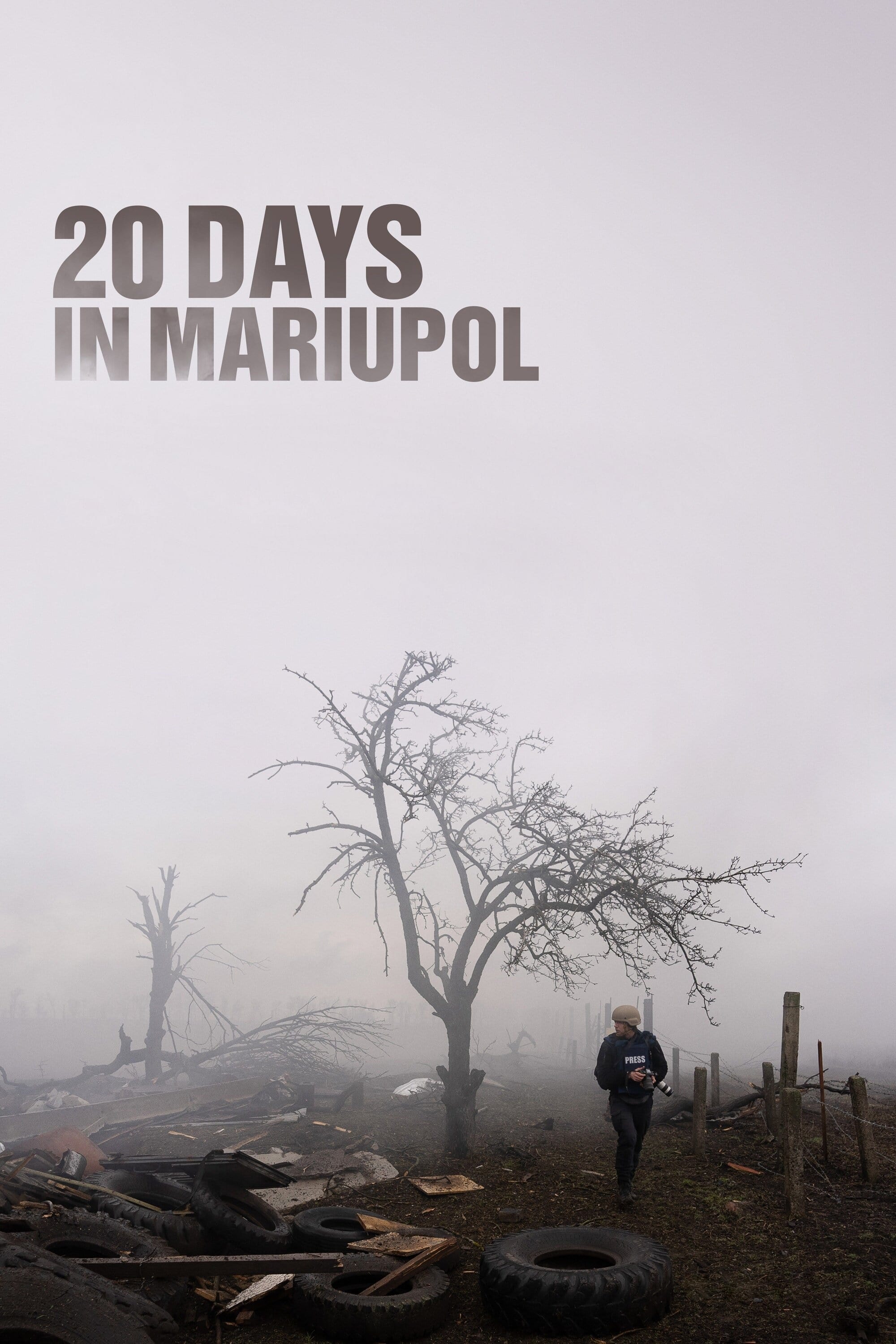
As the Russian invasion begins, a team of Ukrainian journalists trapped in the besieged city of Mariupol struggle to continue their work documenting the war's atrocities.
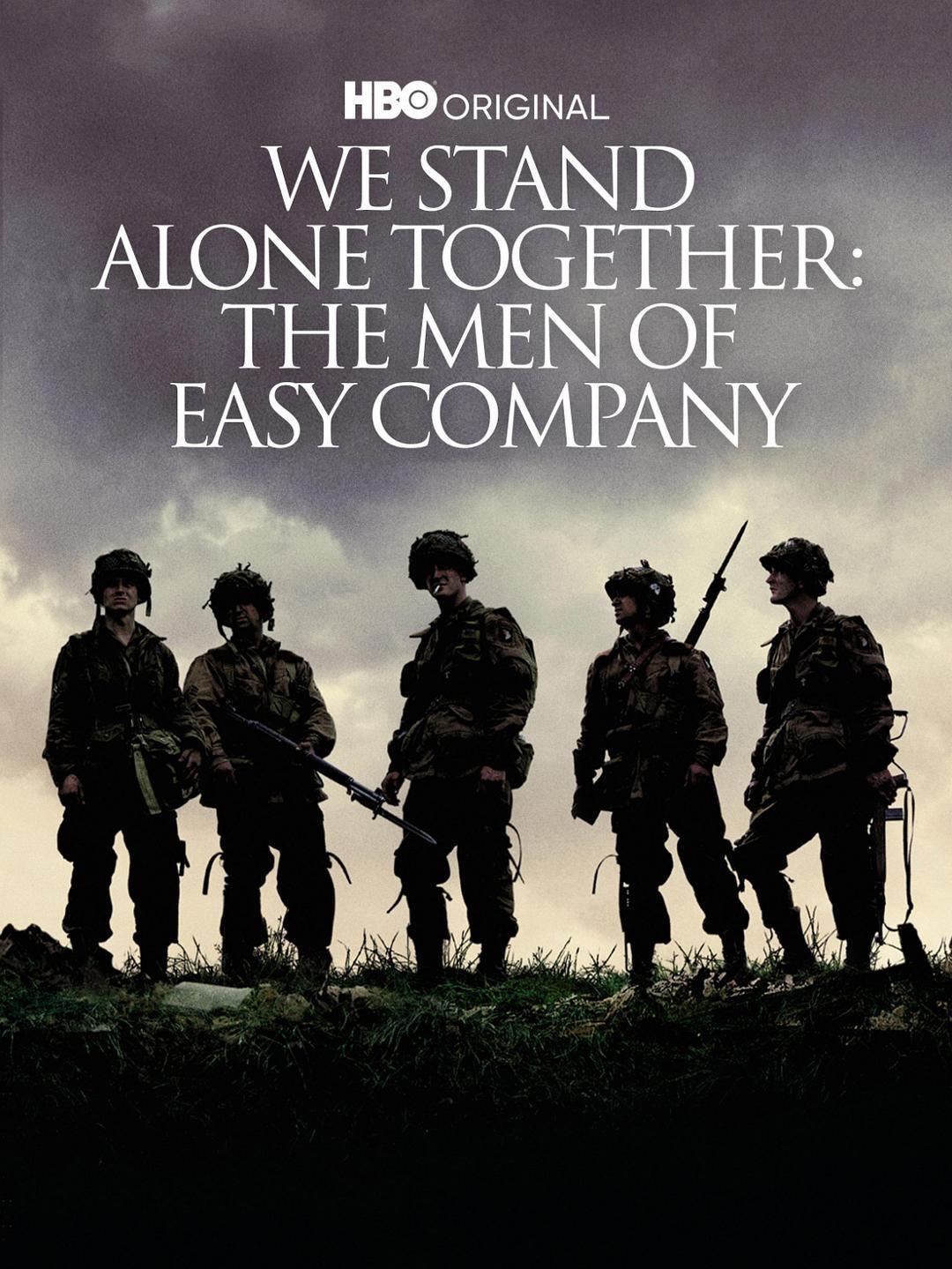
Over a period of two years, Mark Cowen and his crew travelled to thirty U.S. states and ten European cities, to interview the veterans of Easy Company. The stories told by the veterans themselves, create a history of the Second World War from the point of view of this heroic company of men, made famous in the mini-series Band of Brothers.
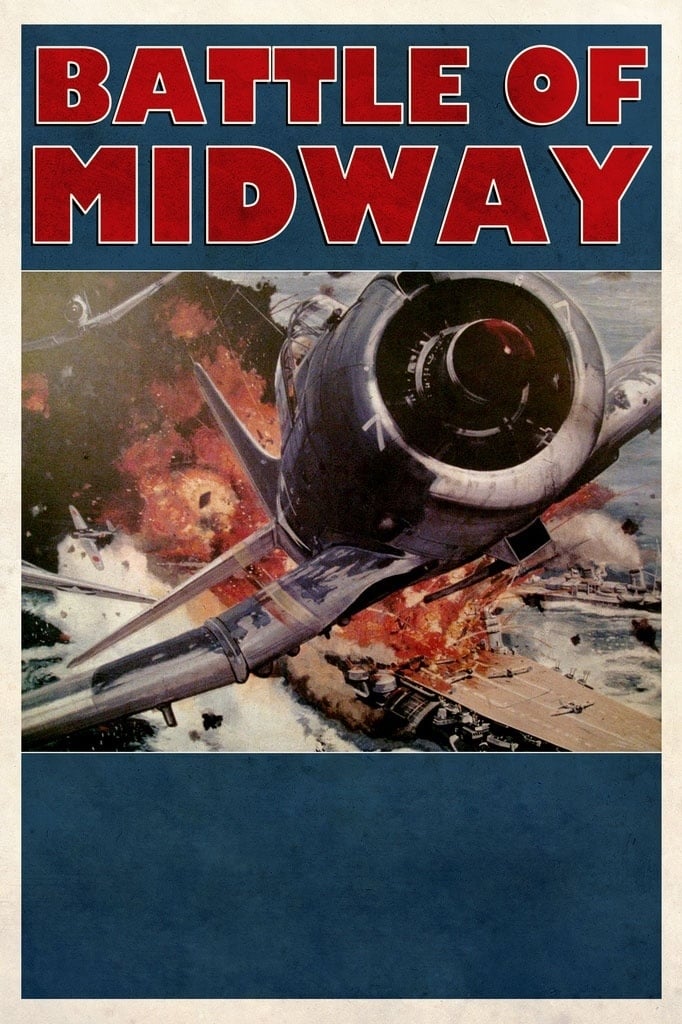
The Japanese attack on Midway in June 1942, filmed as it happened. Preserved by the Academy Film Archive, in partnership with Twentieth Century Fox Film Corporation, in 2006.
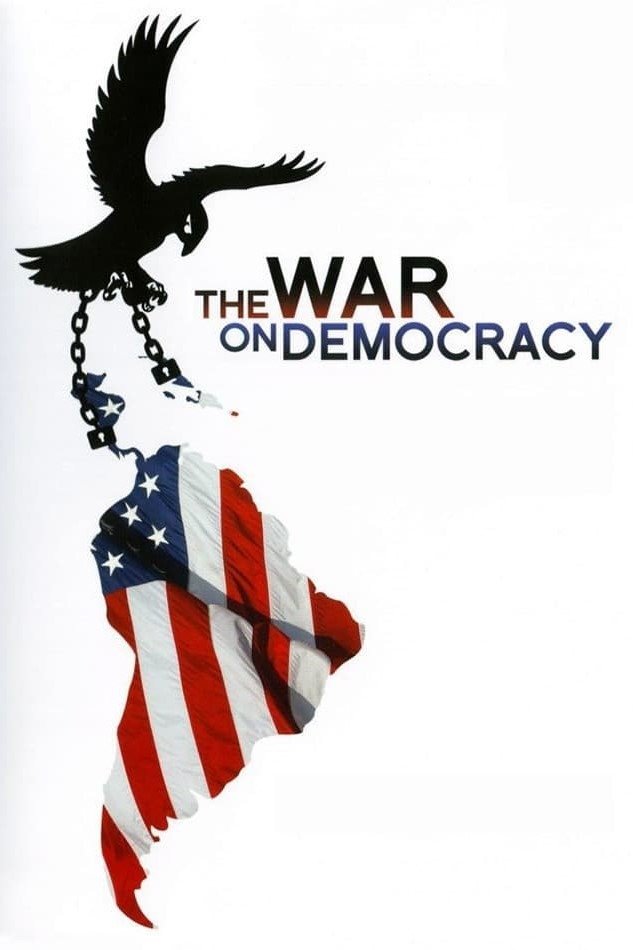
Set both in Latin America and the United States, the film explores the historic and current relationship of Washington with countries such as Venezuela, Bolivia and Chile. Pilger says that the film "...tells a universal story... analysing and revealing, through vivid testimony, the story of great power behind its venerable myths. It allows us to understand the true nature of the so-called "war on terror". According to Pilger, the film’s message is that the greed and power of empire is not invincible and that people power is always the "seed beneath the snow".
With unprecedented access, this documentary follows the extraordinary journey of “Raqqa is Being Slaughtered Silently”—a group of anonymous citizen journalists who banded together after their homeland was overtaken by ISIS—as they risk their lives to stand up against one of the greatest evils in the world today.
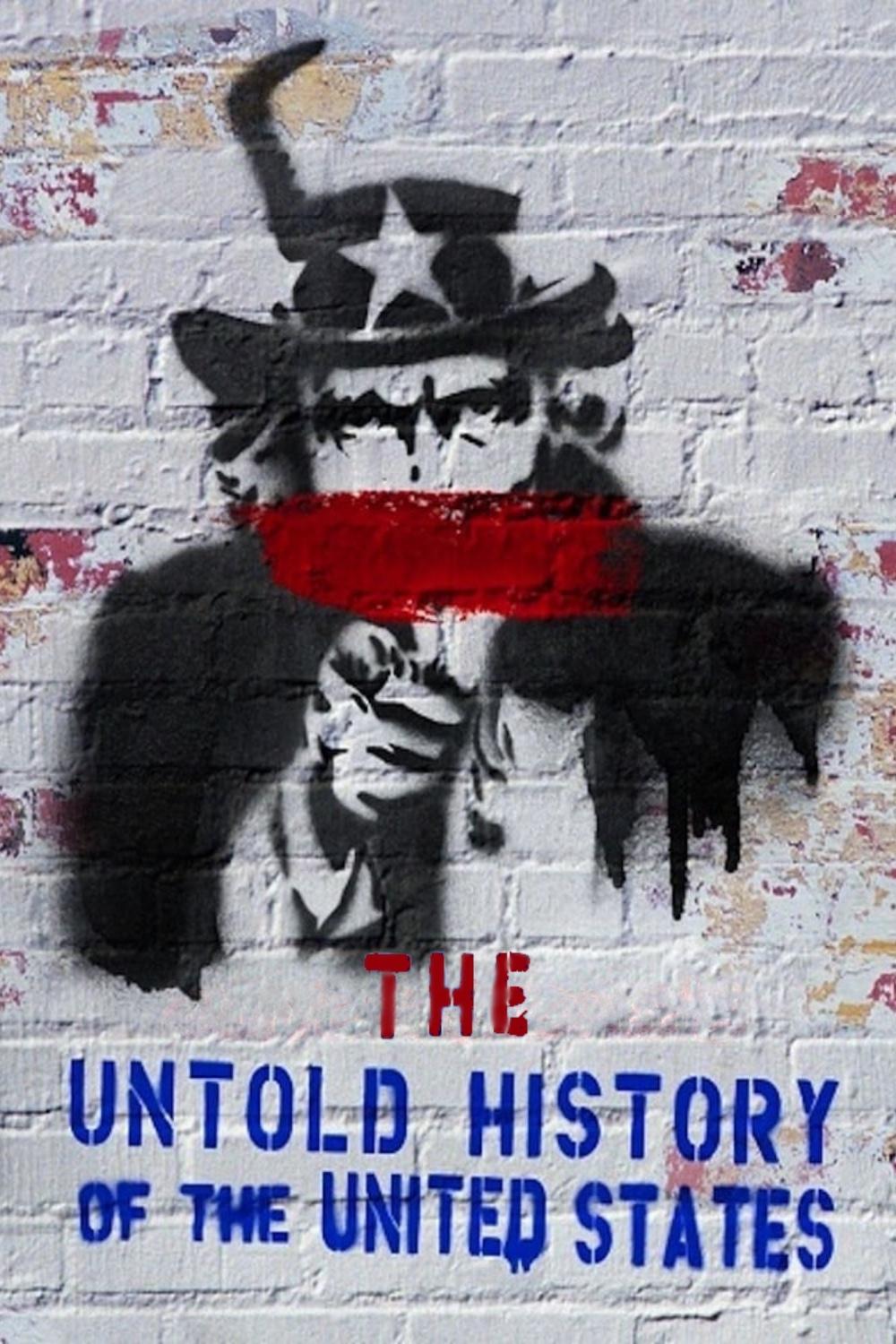
Oliver Stone charts the history of the United States from the Second World War to the present.
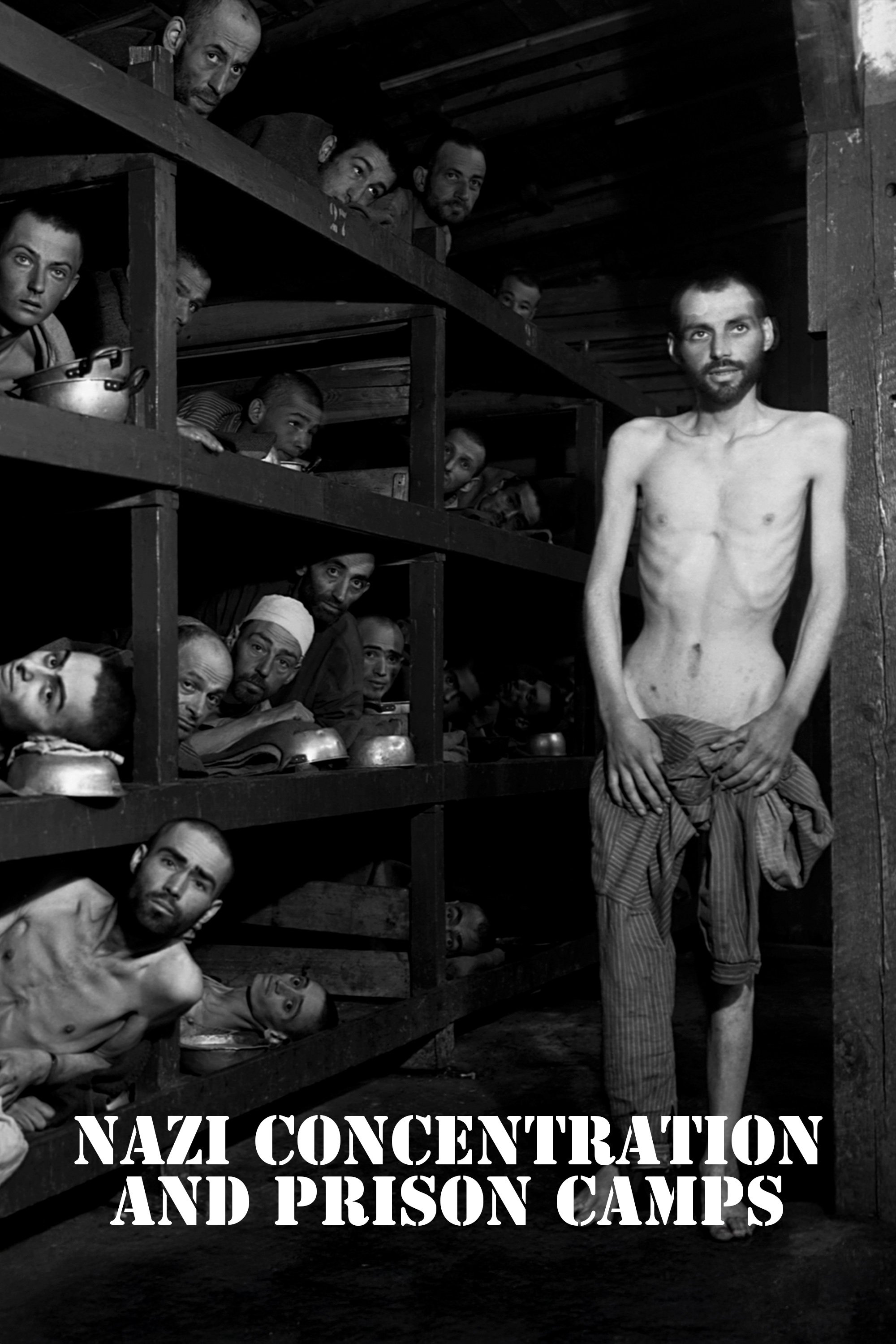
Produced and presented as evidence at the Nuremberg war crimes trial of Hermann Göring and twenty other Nazi leaders, this film consists primarily of dead and surviving prisoners and of facilities used to kill and torture during the World War II.
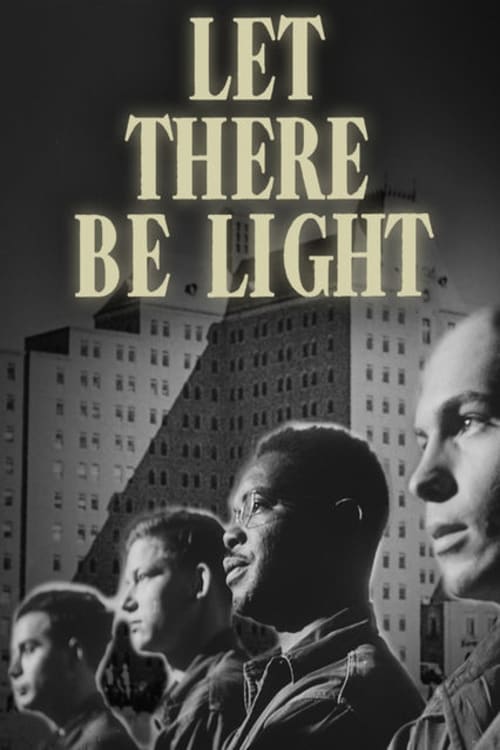
The final entry in a trilogy of films produced for the U.S. government by John Huston. Some returning combat veterans suffer scars that are more psychological than physical. This film follows patients and staff during their treatment. It deals with what would now be called PTSD, but at the time was categorised as psychoneurosis or shell-shock. Government officials deemed this 1946 film counterproductive to postwar efforts; it was not shown publicly until 1981.