Social & External
The people behind it
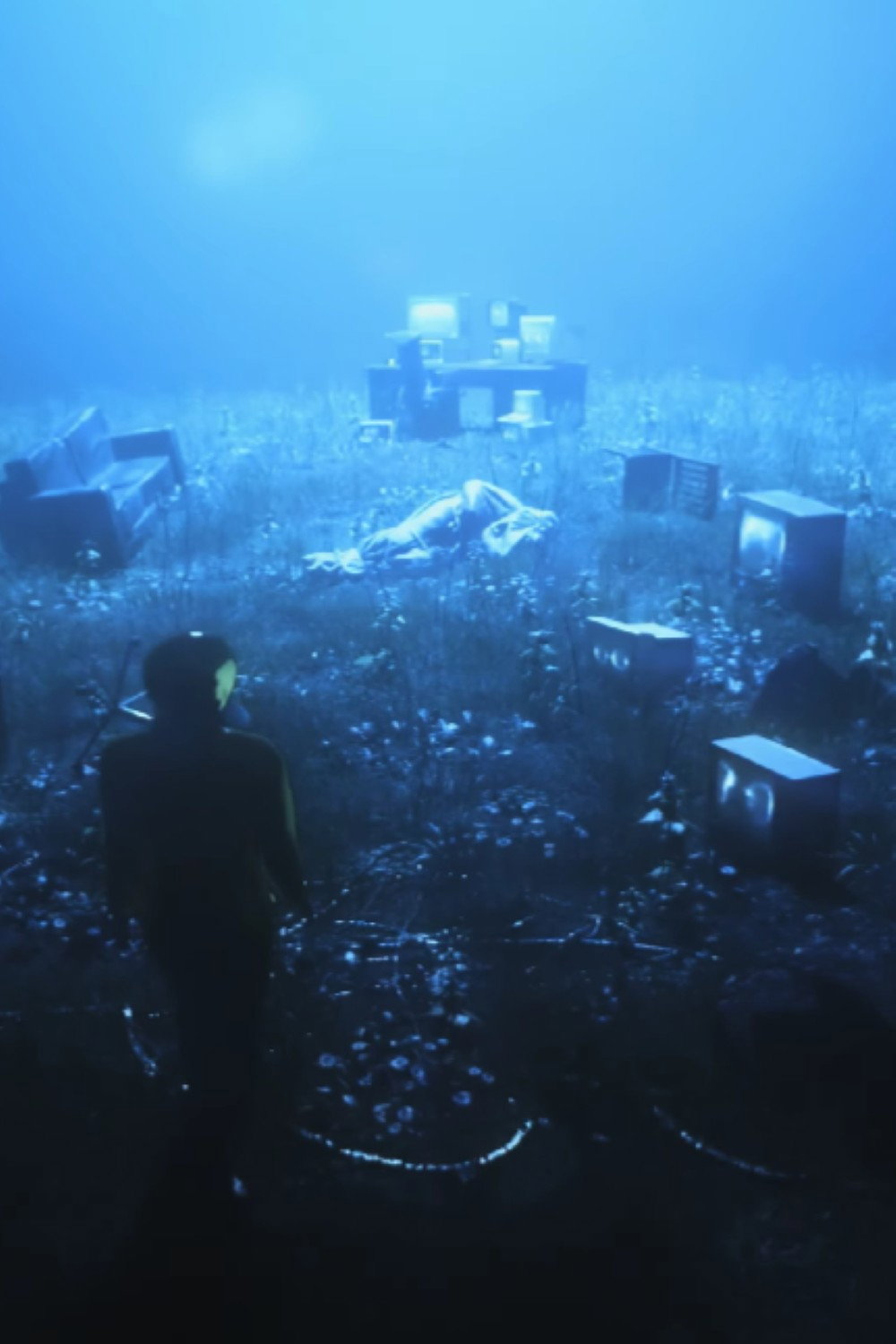
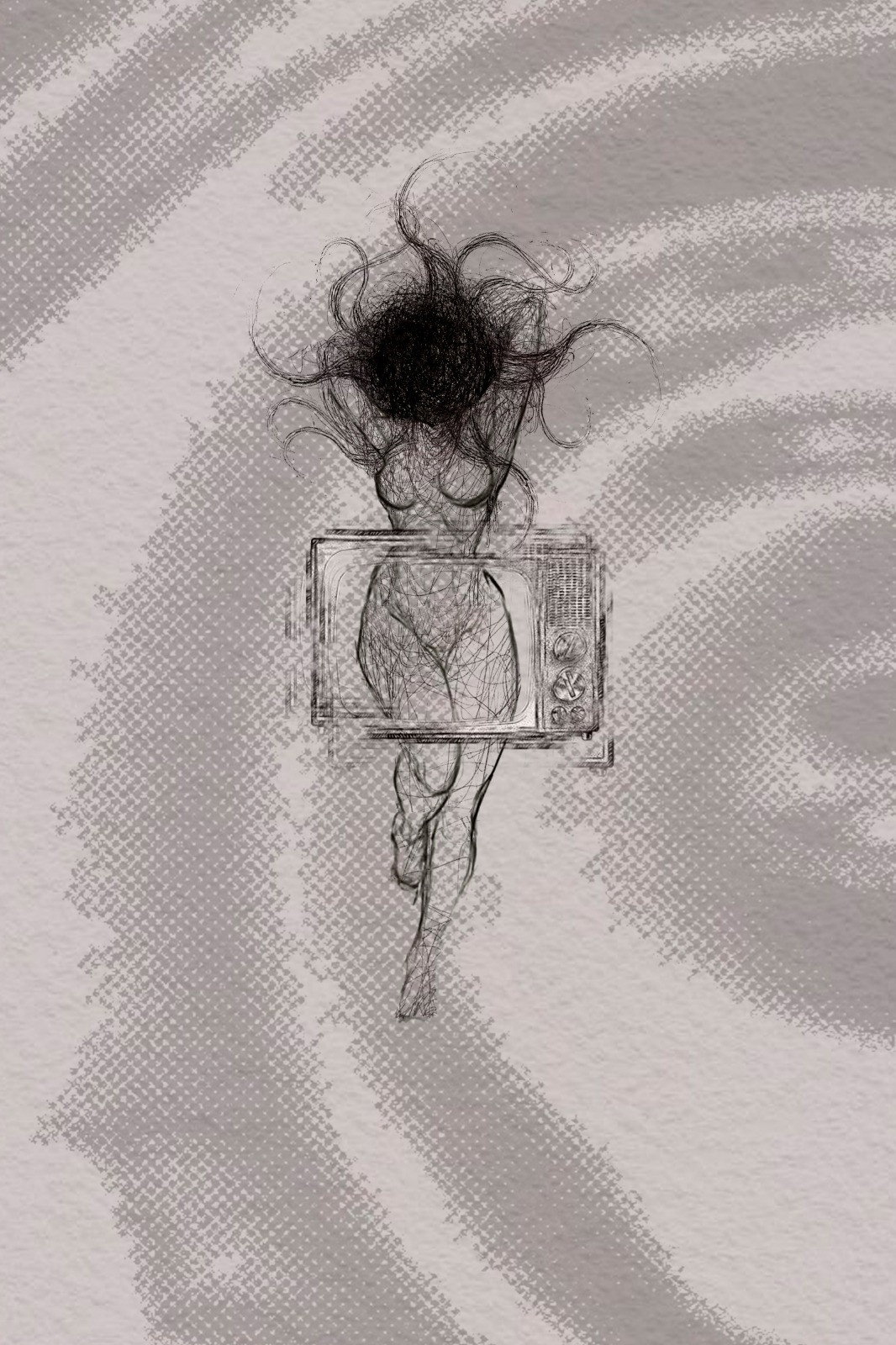
Surrounded by reflections of color, an ephemeral being explores the ethereal, sweet, and dangerous nature of sexual affection for another. It yearns to desire, but also to be desired.
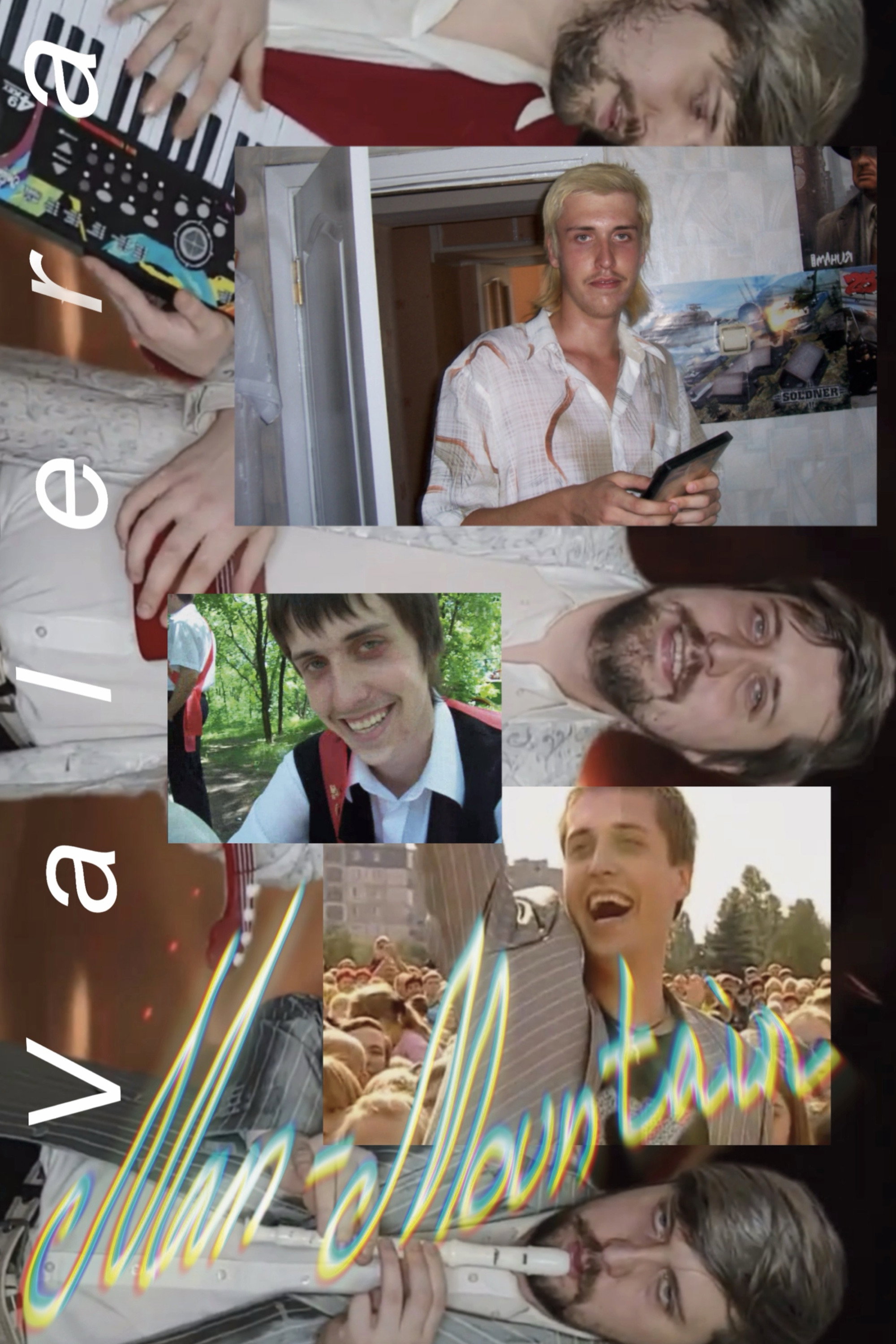
An experimental short assembled from YouTube videos of the director’s former classmate, TV fragments, and a 2006 graduation interview recorded in Alchevsk. What starts as an ironic play with early-2000s home-video aesthetics slowly falls apart. Through montage of personal and online material, Chepelev tries to reconnect with a man he once loved – a man whom war and time have made almost unrecognisable. Laughter loses its protective function and gives way to the impossible wish to return to a place that no longer exists.
Through an exercise in fragmentation and personal memory, Autogazō examines the construction of self-identity projected across the six classical artistic disciplines. Navigating domestic archive footage, physical staging in darkness, and fractured reflections, the piece converges toward the seventh art: a threshold where cinema ceases to be a mere recording medium to embody the filmmaker himself.
Non-human animals have always been around us, shaping and being shaped by our shared worlds. Yet in the modern city, their presence is increasingly cast as a problem, and their ways of living as disruptions. By following their traces, this film essay points toward a different picture that questions the narratives we take for granted. Through more-than-human encounters filmed locally in Romania, and a critical detour from the official discourse, other ways of living begin to surface. Perhaps there’s more we can do to unmake the anthropocentric landscape. What would it take to coexist more justly with urban animals? This film strays with this question and its possible answers.
There are two Bergmans. One speaks English, the other Italian. They fall in love and set off impulsively to live together. But reality is far from easy. As the rift between their emotions deepens, what choice will they make? And what kind of ending awaits them?
In a world bedazzled by intractable images, do we need the essay film now more than ever? Kevin B. Lee weighs up this distinctively self-aware, searching form of cinema through both video and text.
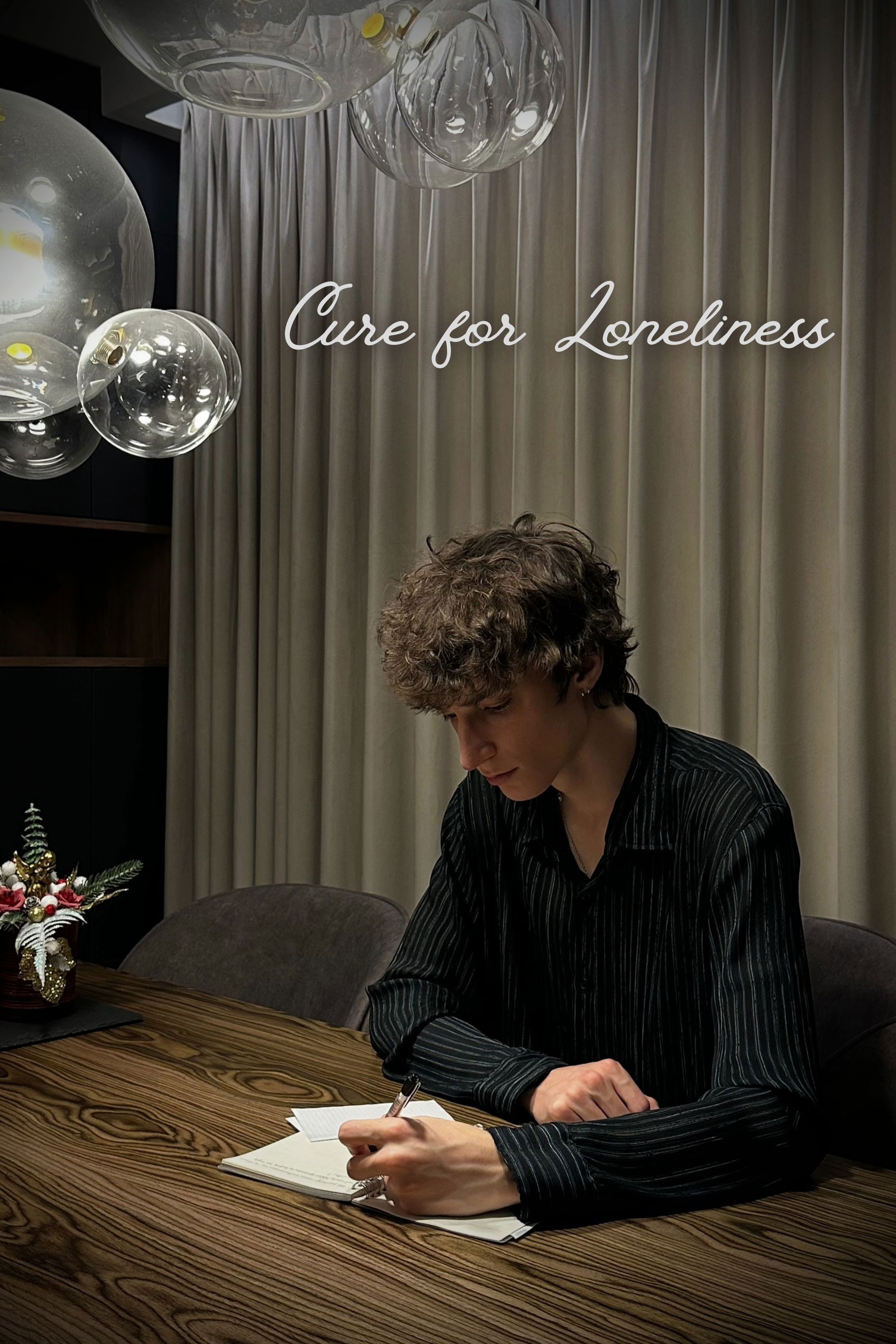
A love letter to cinema and a personal reflection on loneliness. Segment from Fringe Hippo's anthology film "Elegy Apokalypto".
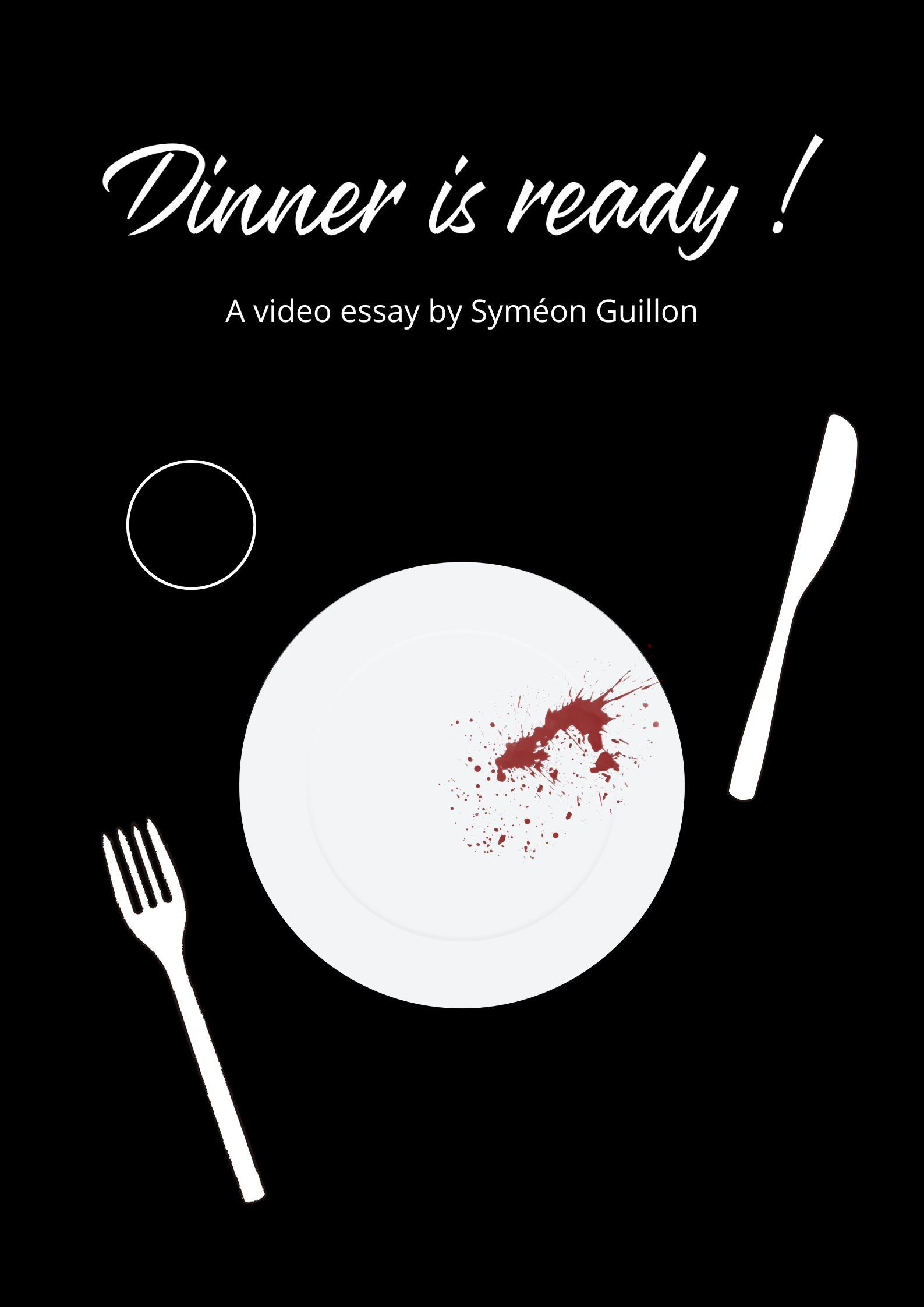
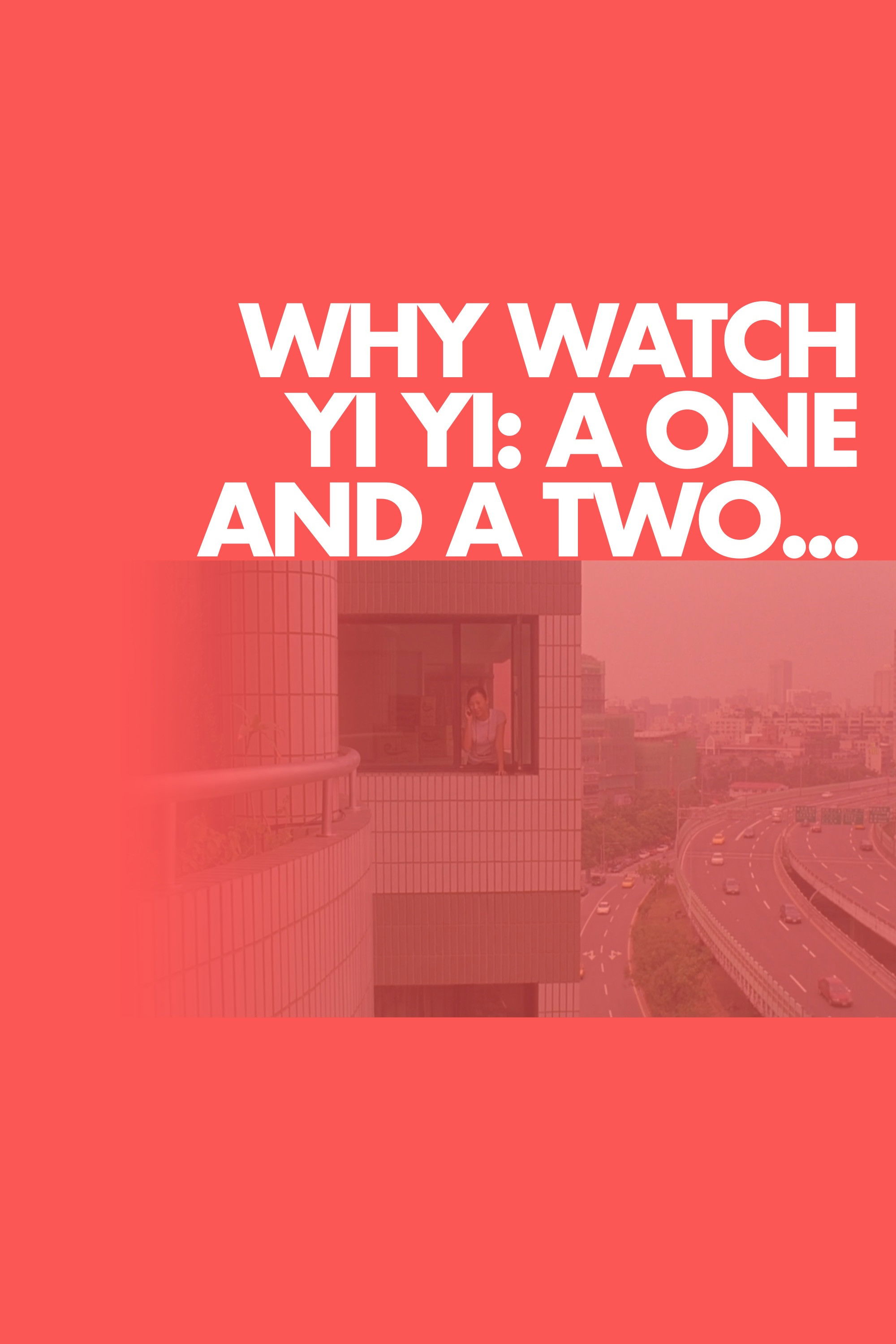
A video essay on Edward Yang's 2000 film "Yi Yi: A One and a Two..."
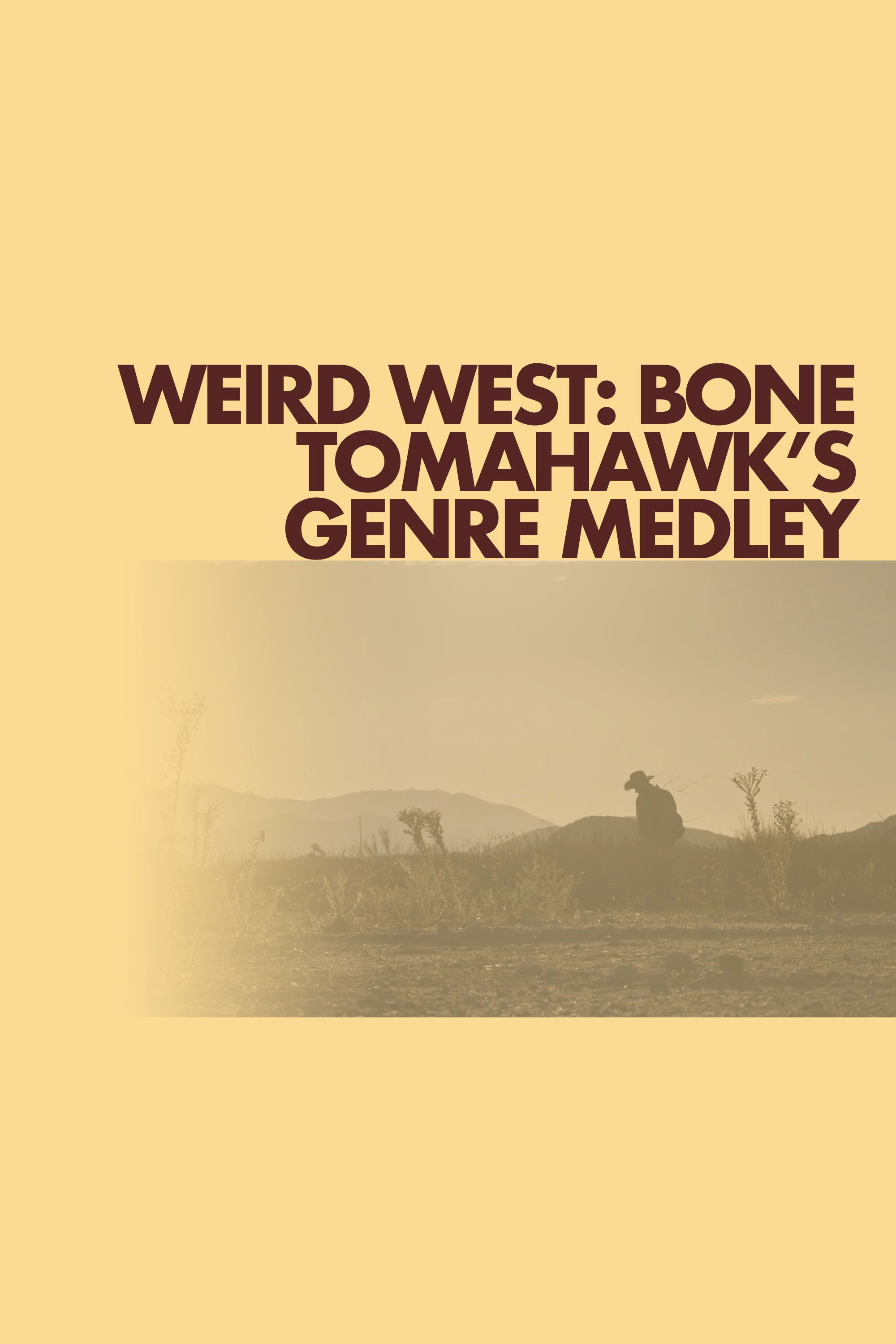
A video essay made on S. Craig Zahler's 2015 film "Bone Tomahawk".
The New York of News from Home was filmed in 1976, while the one of Taxi Driver was filmed in the summer of 1975. Both works reflect the same decadent city. Two visions that shift from the everyday to the existential complement each other. A resignification of Akerman's images through the voice-over of Scorsese's work.
The film, grounded in the photo series titled "Right to be Flawed"—published on a-part.online, the official publishing platform of the Kadıköy-based aesthetic-modernist art collective apart Art Association—is a short videographic essay that aims, through a practice-based experiment, to test French thinker-sociologist Jean Baudrillard’s theory of simulation, the imperfection–perfection dichotomy within that theory, and the implications of this dichotomy in the context of art and image regimes.
A video essay by filmmaker Kogonada exploring the use of doors in the 13 feature films of Robert Bresson
A video essay on the history and morality of the Robin Hood legend.
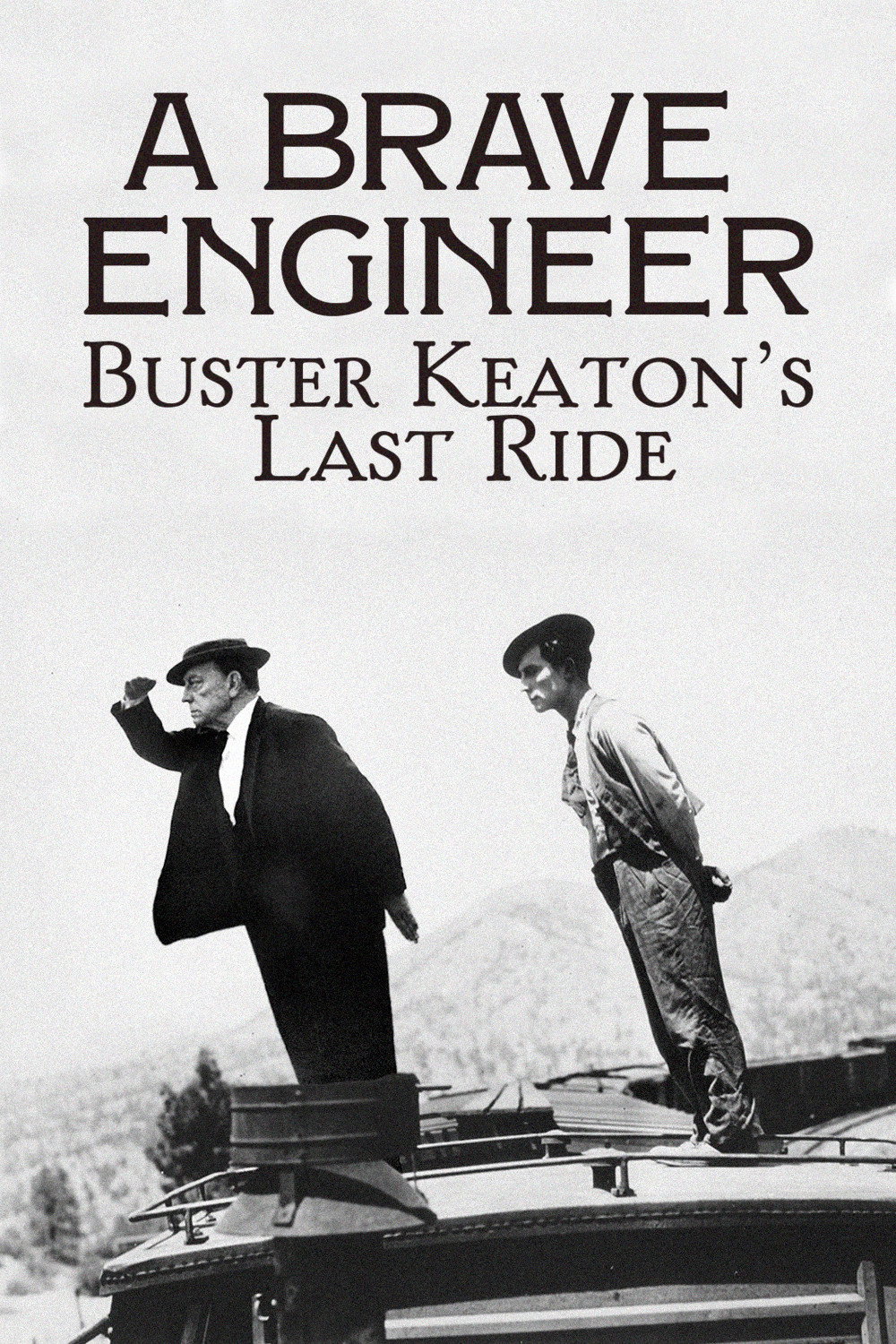
From 1920 to 1965, the great Buster Keaton made spectacular use of locomotives in his films. This video essay charts the course of his iconic cinematic career across the many tracks he rode along on screen: as a young man in the surge of his silent movie ascent in Our Hospitality, while making his masterpiece The General, and traversing the width of Canada on a railway speeder car as an old man in The Railrodder.
After the making of my previous film (PLAY DEAD!), some unfinished business remained on my desktop. Home movies and various body horror films from my childhood cluttered my computer screen. Part medical treatise, part self-anamnesis, and a mashup tinged with nostalgia, this video essay returns the images emanating from my computer screen to the everyday gaze of a diabetic.
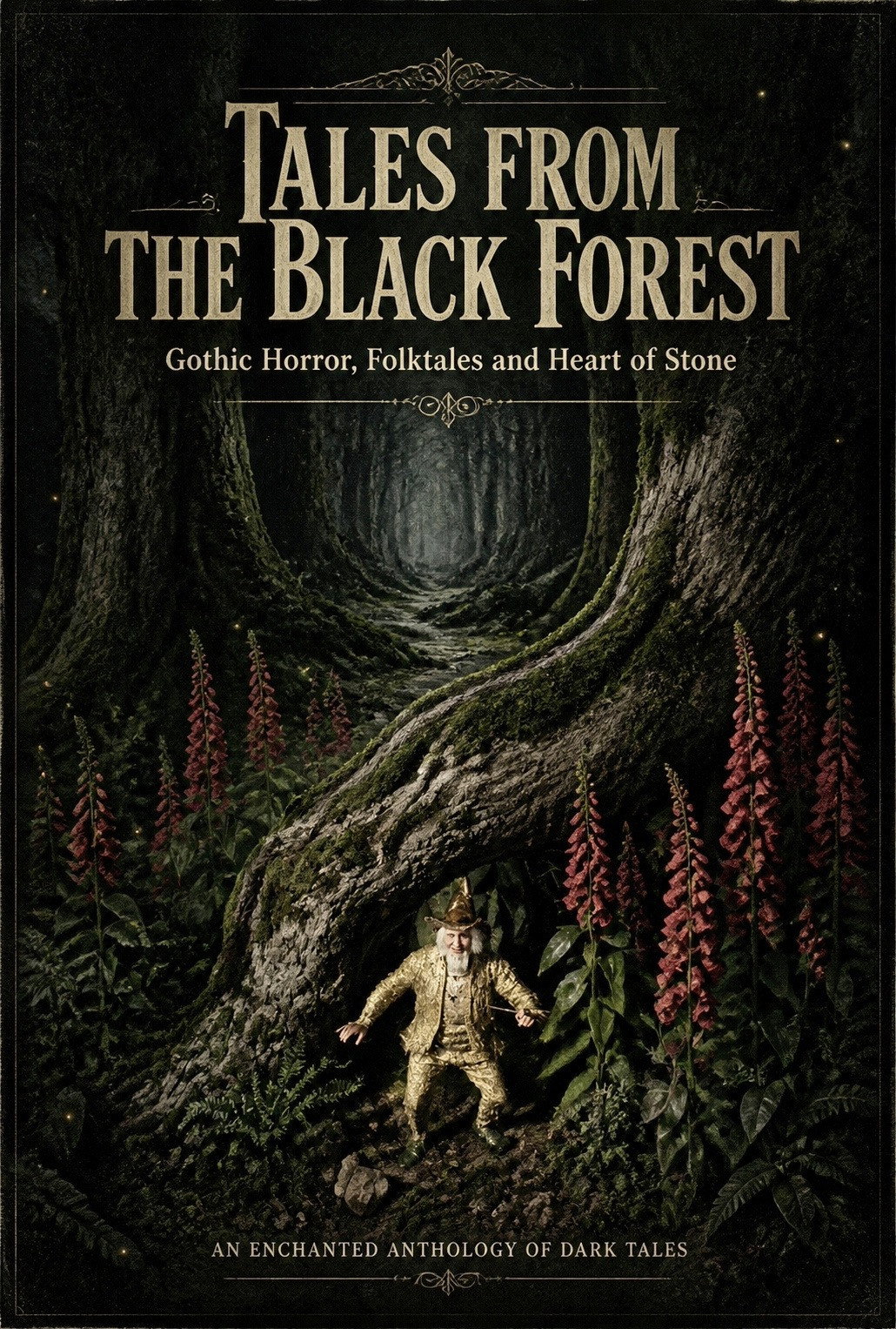
Video essay on Heart of Stone, folktales and gothic horror by film and literature scholar Mary Going. Included on the Eureka! Entertainment release of of the 1950 DEFA film "Heart of Stone," or "Das Kalte Herz", the original German title.
A video poem about a house. The home, or at least its foundations, are what evoke memories of that childhood, now lost in time.
The story of Prince Hal who sets out to avenge his dead father against the city's rivals, the Zeriths, little knowing it was his wicked uncle Nezo who is the real killer, with his own designs on the throne.
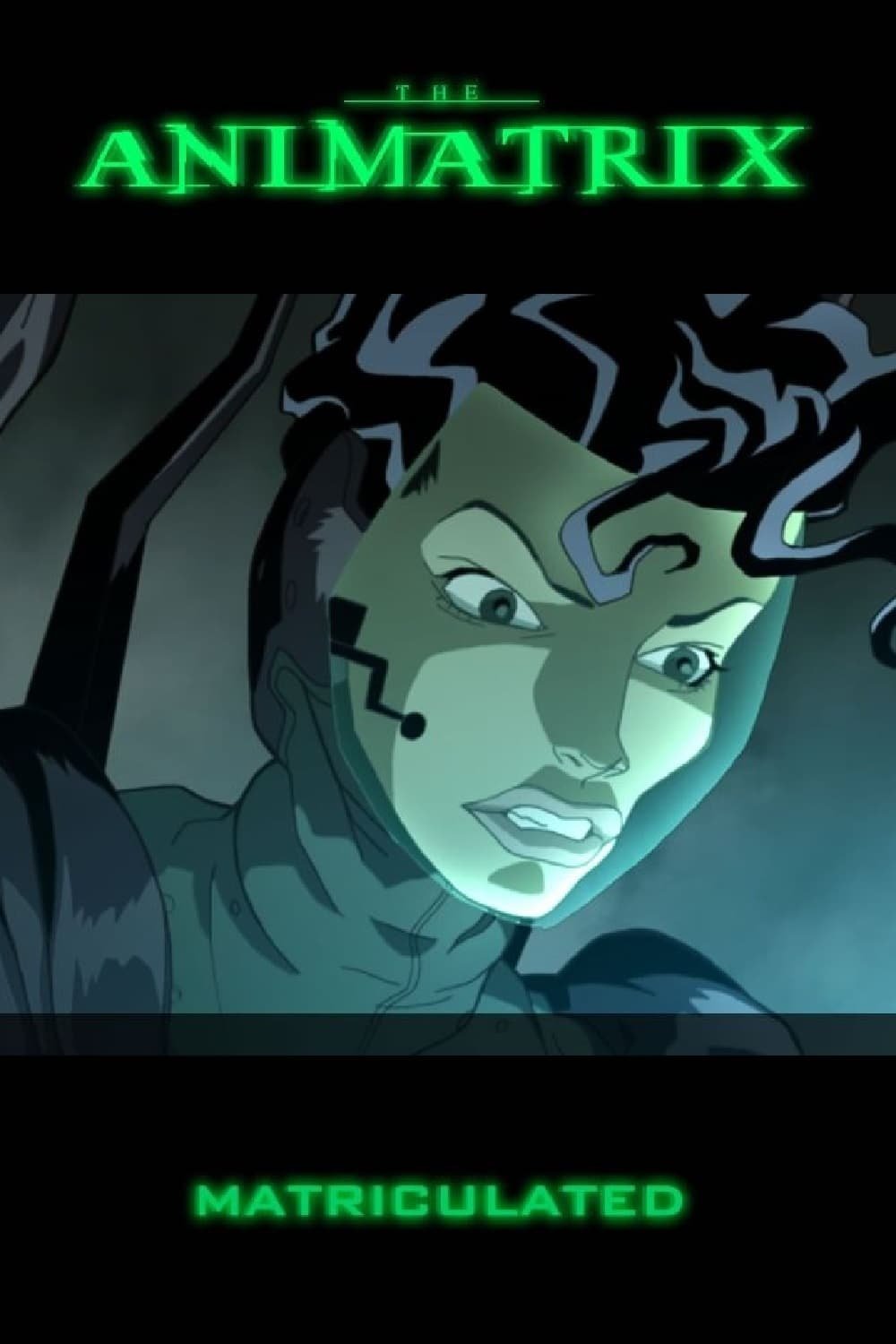
The human resistance works to convert a sentinel to their side. Part of the Animatrix collection of animated shorts set in the Matrix universe.
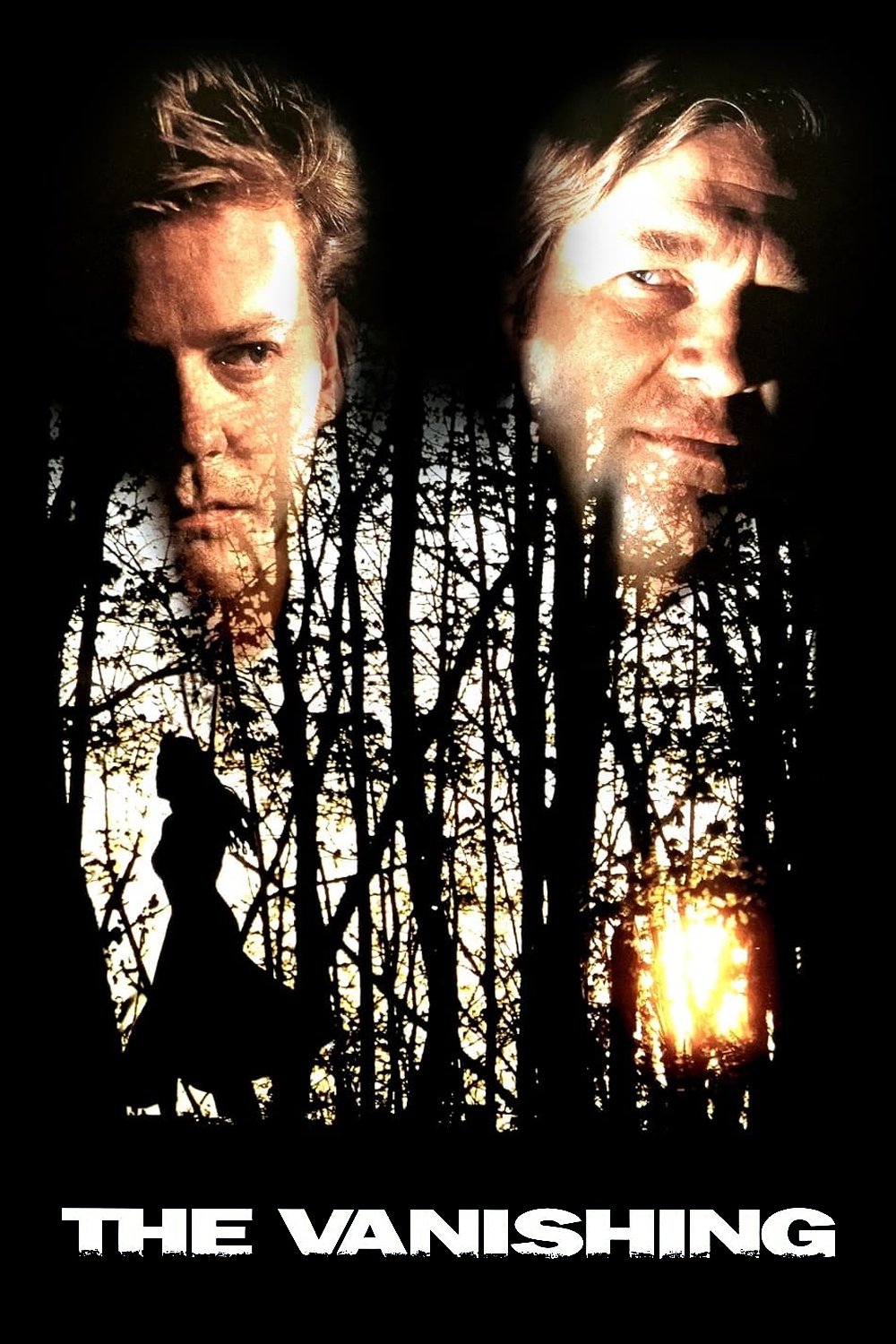
The boyfriend of an abducted woman never gives up the search as the abductor looks on.
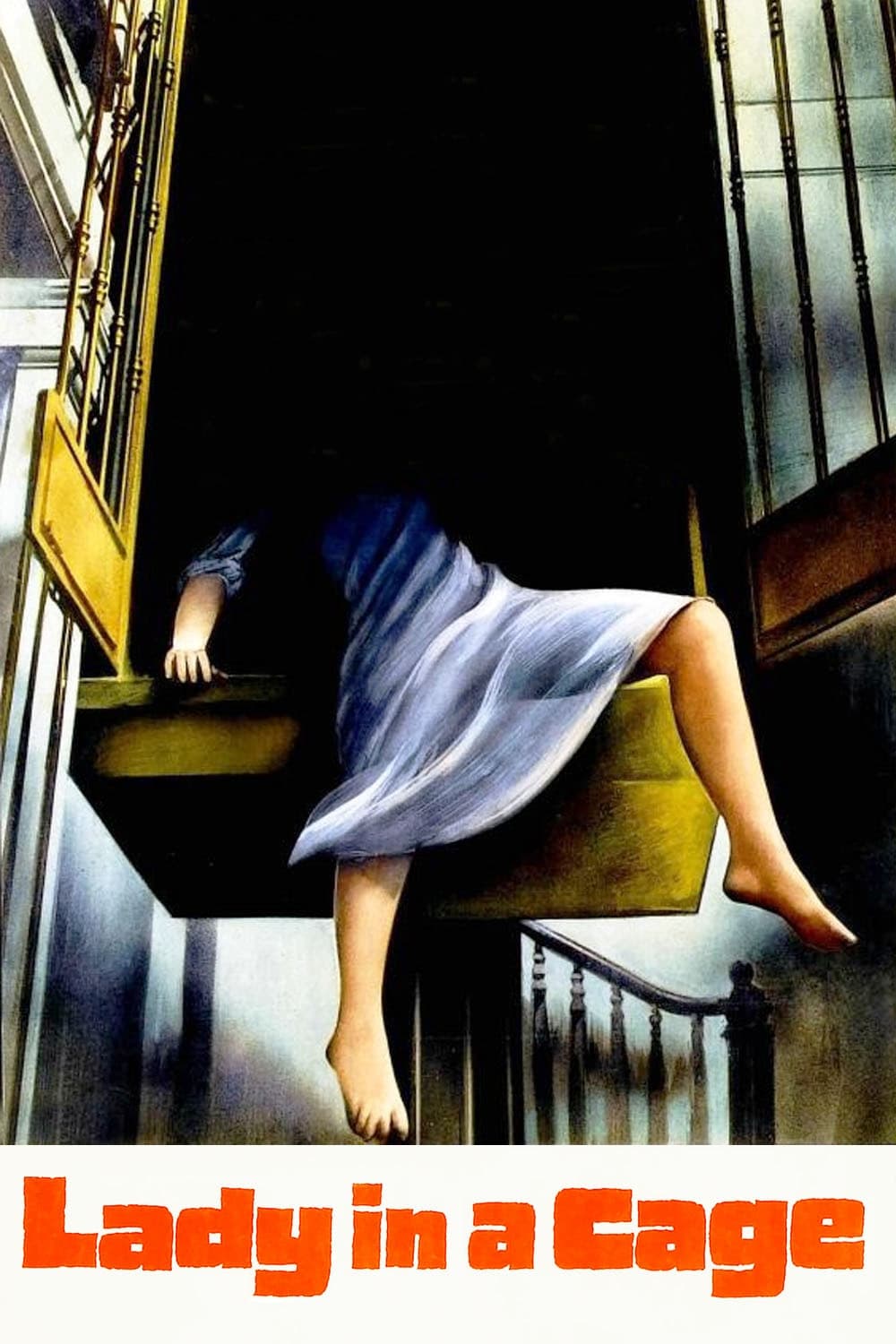
A woman trapped in a home elevator is terrorized by a group of vicious hoodlums.
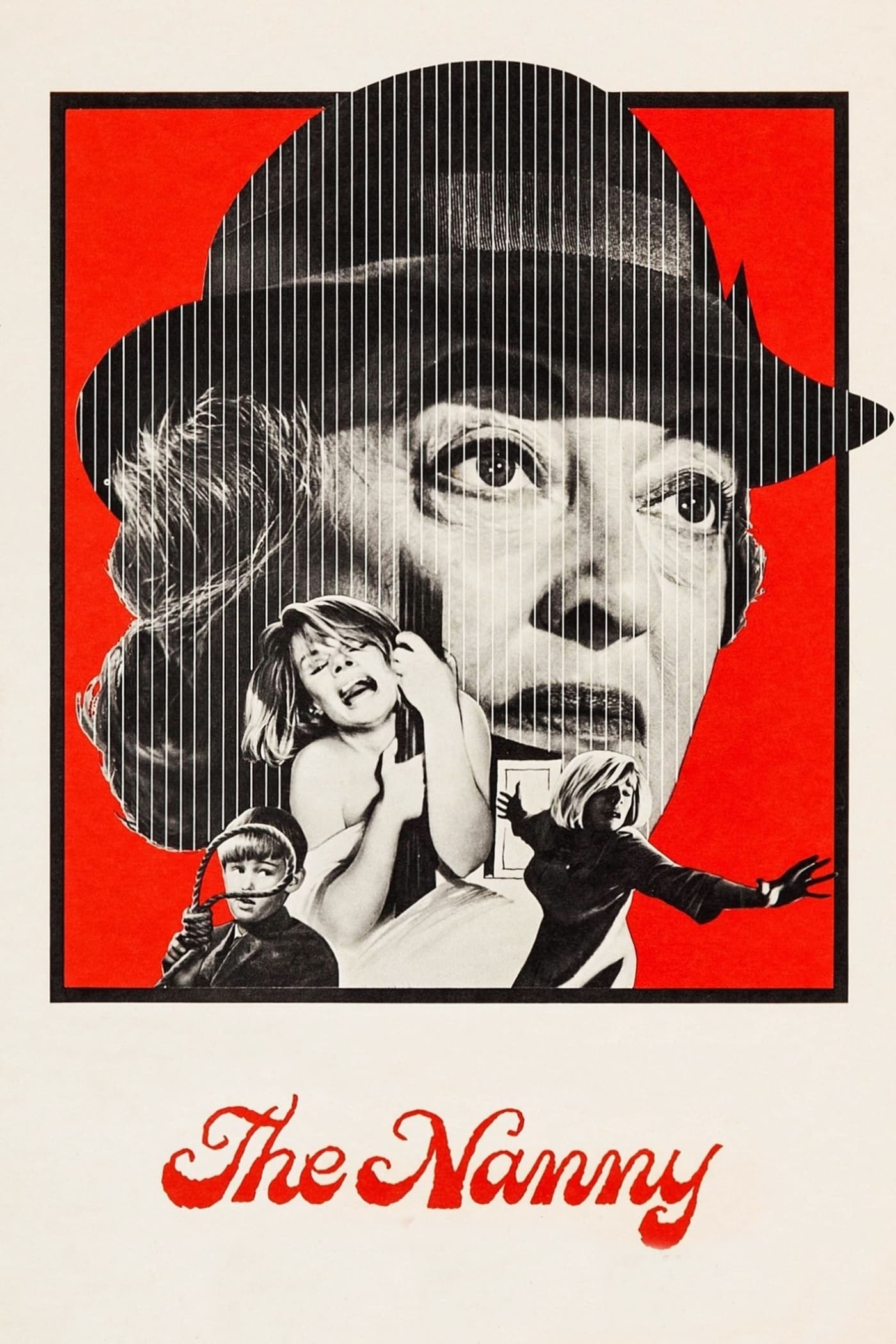
Nanny, a London family's live-in maid, brings morbid 10-year-old Joey back from the psychiatric ward he's been in for two years, since the death of his younger sister. Joey refuses to eat any food Nanny's prepared or take a bath with her in the room. He also demands to sleep in a room with a lock. Joey's parents -- workaholic Bill and neurotic Virgie -- are sure Joey is disturbed, but he may have good reason to be terrified of Nanny.
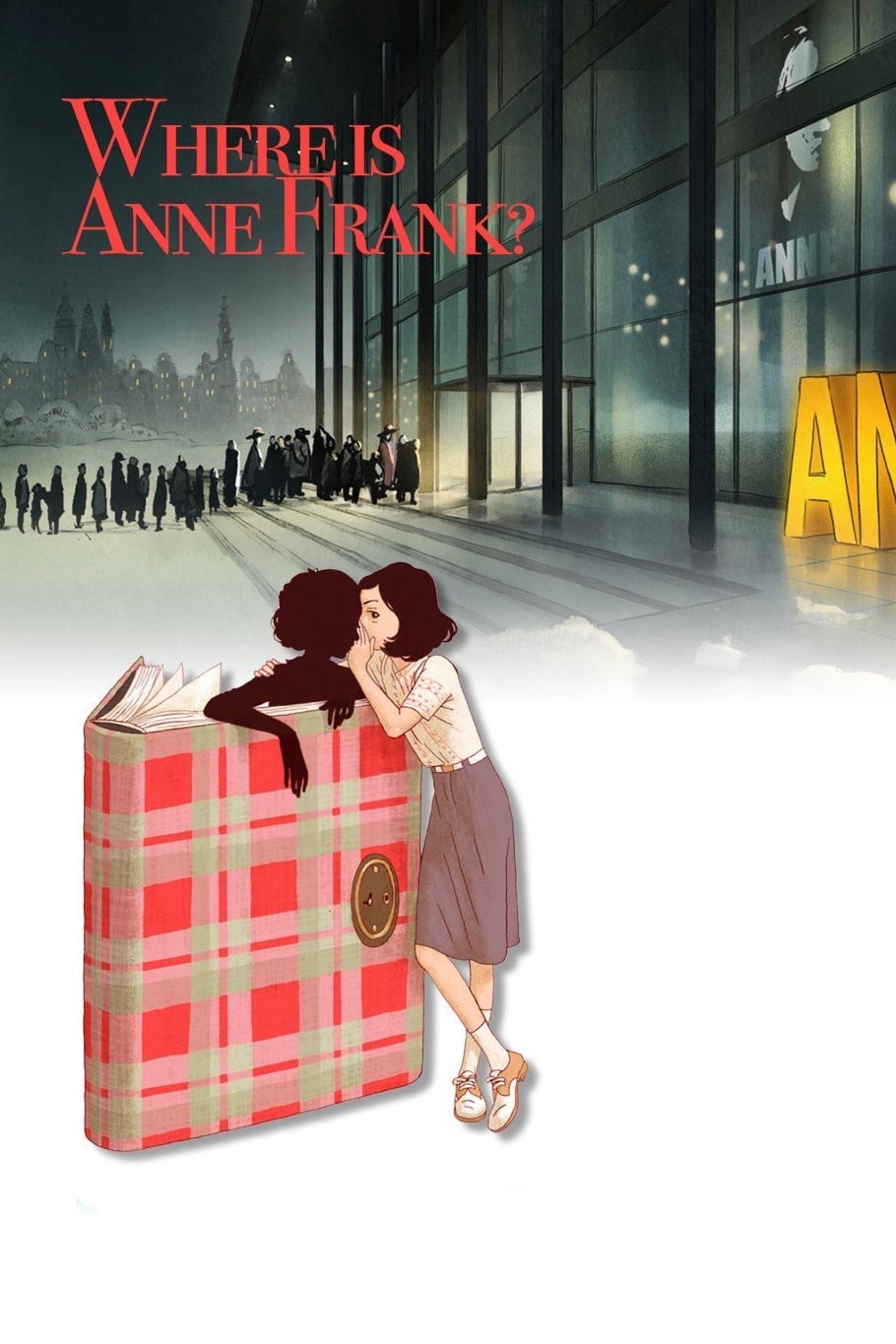
The film follows the journey of Kitty, the imaginary friend to whom Anne Frank dedicated her diary. A fiery teenager, Kitty wakes up in the near future in Anne Frank's house in Amsterdam and embarks on a journey to find Anne, who she believes is still alive, in today's Europe. While the young girl is shocked by the modern world, she also comes across Anne's legacy.
In the near future, oil reserves are nearly depleted and Europe is connected by series of underground tunnels. While navigating these tunnels, Roger hears voices, one in particular. Seeking a way to rid himself of the voice only leads Roger deeper into a bizarre conspiracy of control - mind and body.
When Hellboy, Liz Sherman, and Abe Sapien are assigned to investigate the ghost-infested mansion of a publicity-hound billionaire, they uncover a plot to resurrect a beautiful yet monstrous vampire from Professor Bruttenholm’s past. But before they can stop her bloodbath, Hellboy will have to battle harpies, hellhounds, a giant werewolf, and even the ferocious goddess Hecate herself.
With Caine gone and the circus dark, the cast are left with only the mistakes and traumas of their pasts to keep them company. As the prospect of eternity closes in around them, they discover the truth about the Digital Circus and its history. Will they come to terms with what they uncover, or will they make... the other choice? Also, presumably at some point someone says something funny, because this ending can’t be THAT depressing, can it? A theatrical screening of episode 8 and the all new, hour-long episode 9.
From the moment she was born, Vaysha was a very special girl. With her left eye she can only see into the past, and with her right she can only see the future. The past is familiar and safe, the future is sinister and threatening. The present is a blind spot. In captivating parabolic imagery, the award-winning animation artist Theodore Ushev illustrates the world through Vaysha’s eyes.
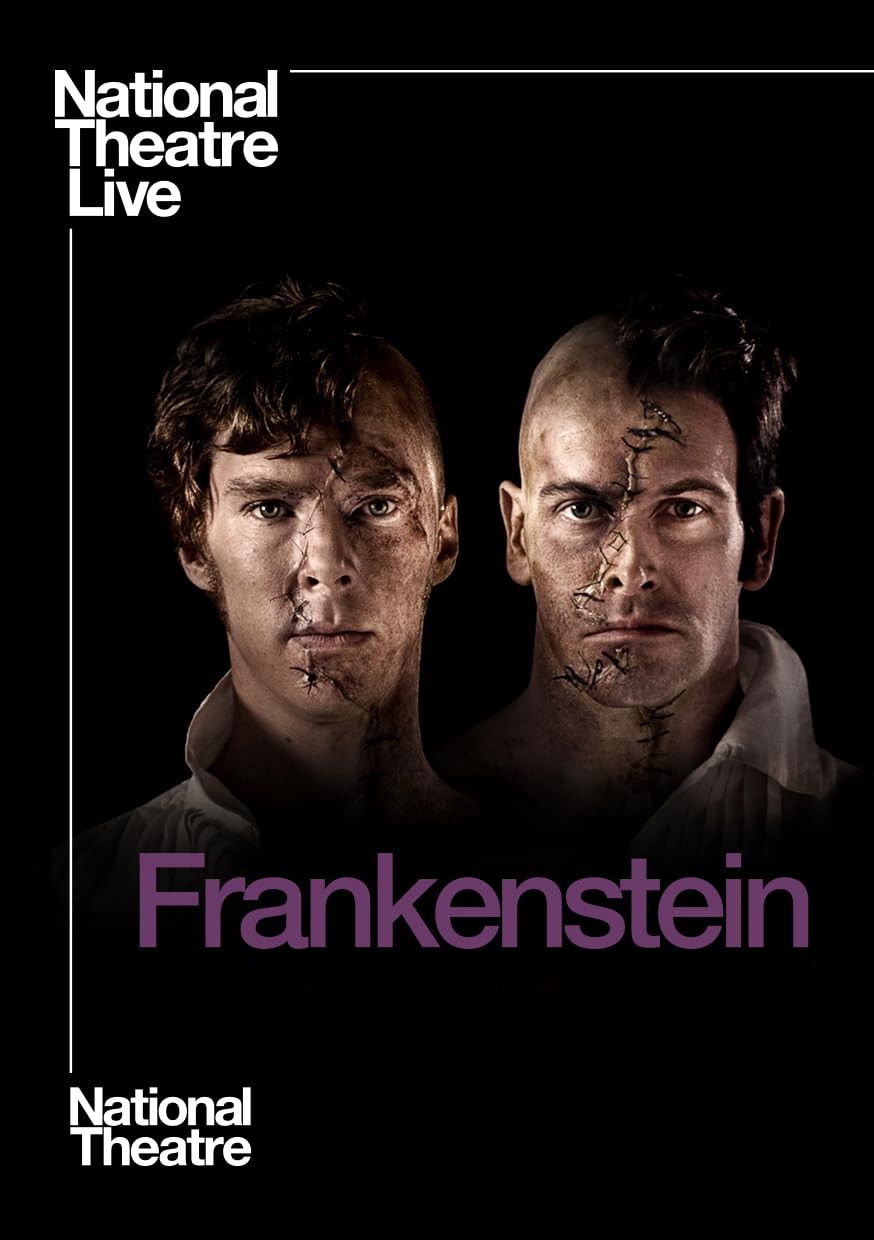
Childlike in his innocence but grotesque in form, Frankenstein’s bewildered creature is cast out into a hostile universe by his horror-struck maker. Meeting with cruelty wherever he goes, the friendless Creature, increasingly desperate and vengeful, determines to track down his creator and strike a terrifying deal. Urgent concerns of scientific responsibility, parental neglect, cognitive development and the nature of good and evil are embedded within this thrilling and deeply disturbing tale.
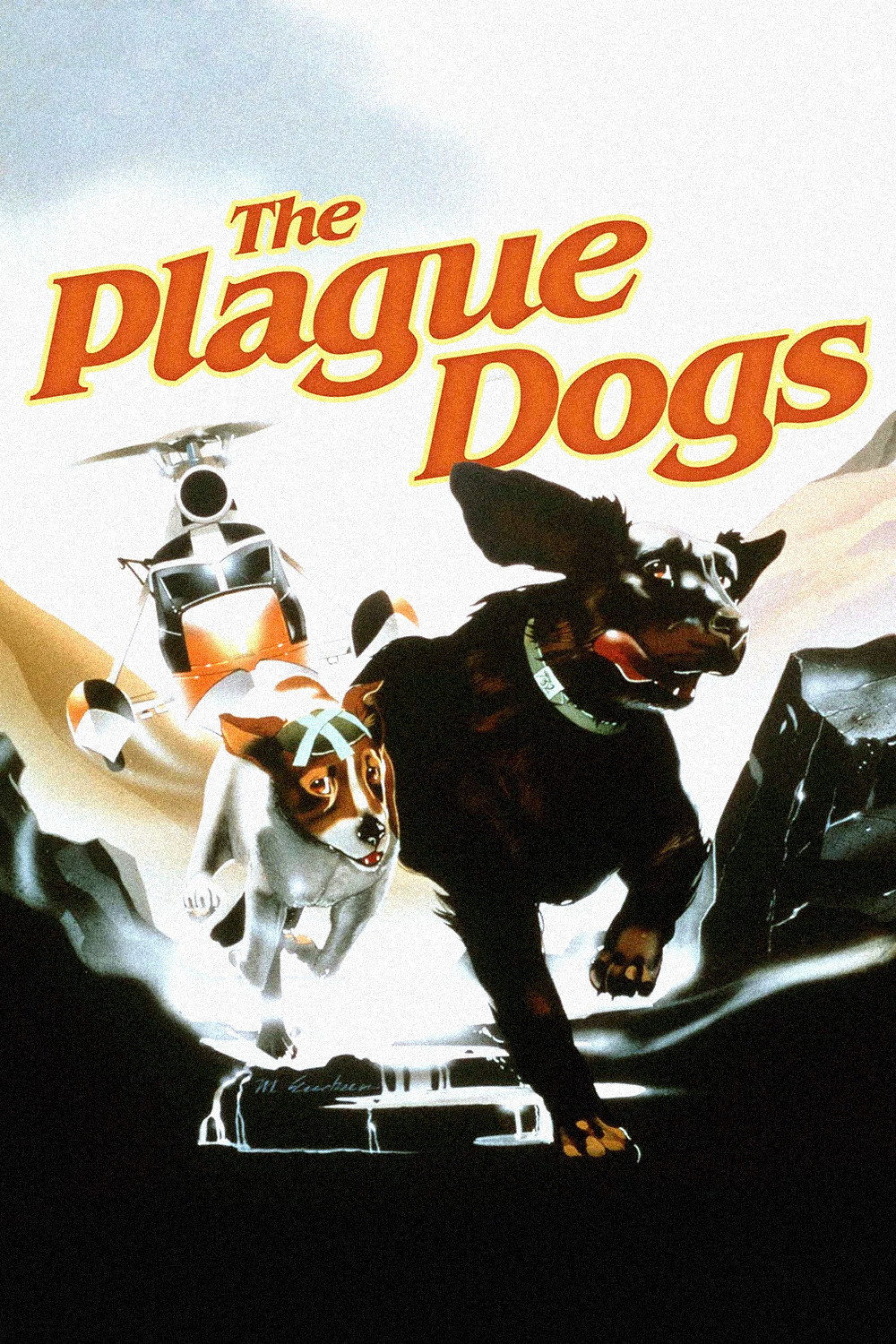
Two dogs, Rowf and Snitter, struggle to survive in the countryside after escaping from an animal research laboratory. They're pursued by search parties and then the military after rumours spread that they could be carrying the bubonic plague.
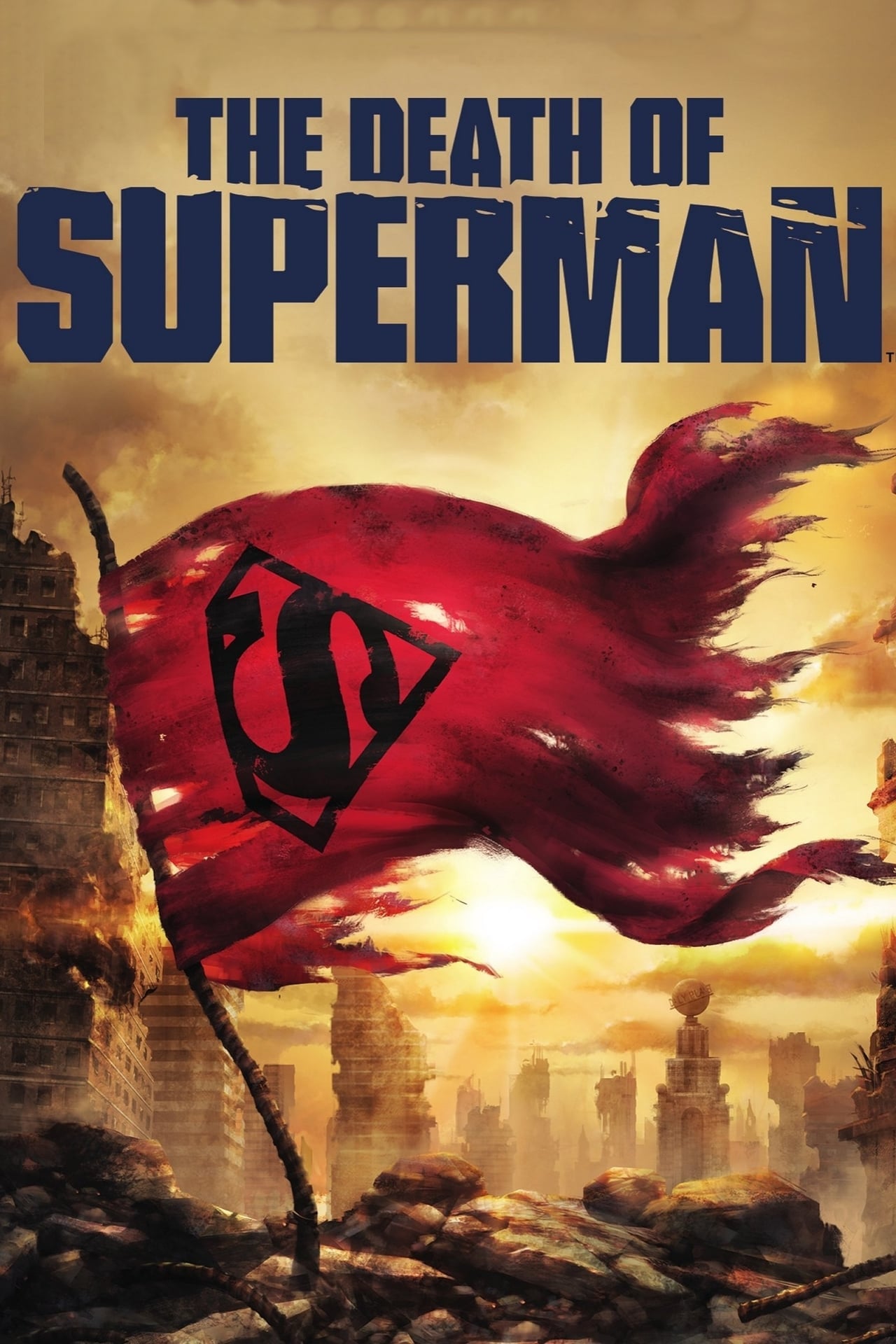
When a hulking monster arrives on Earth and begins a mindless rampage, the Justice League is quickly called in to stop it. But it soon becomes apparent that only Superman can stand against the monstrosity.
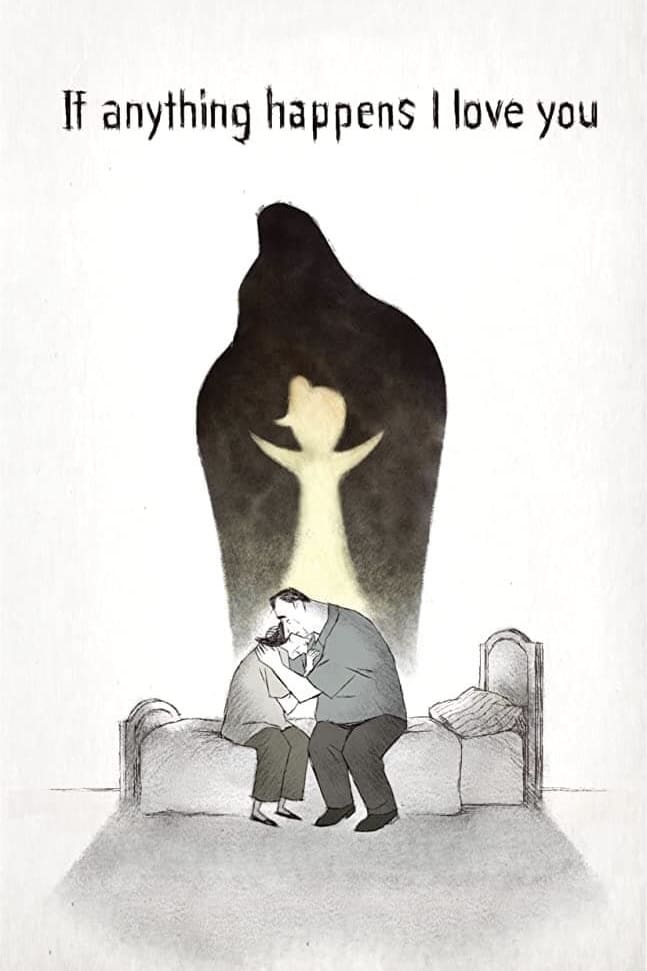
Grieving parents journey through an emotional void as they mourn the loss of a child after a tragic school shooting.
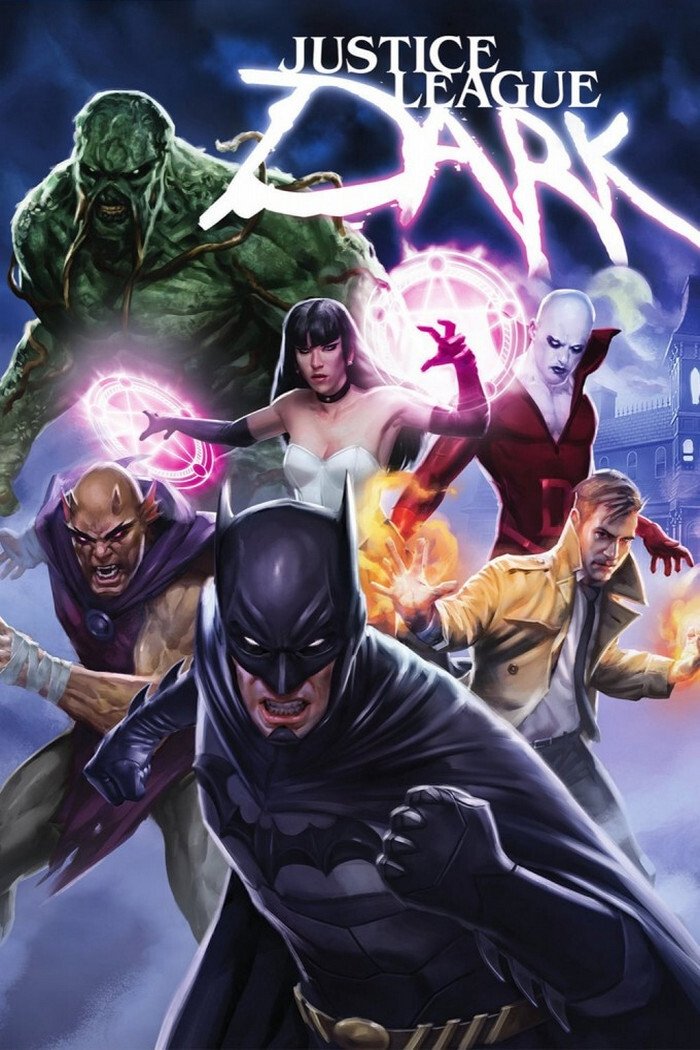
When innocent civilians begin committing unthinkable crimes across Metropolis, Gotham City and beyond, Batman must call upon mystical counterparts to eradicate this demonic threat to the planet; enter Justice League Dark. This team of Dark Arts specialists must unravel the mystery of Earth's supernatural plague and contend with the rising, powerful villainous forces behind the siege—before it's too late for all of mankind.
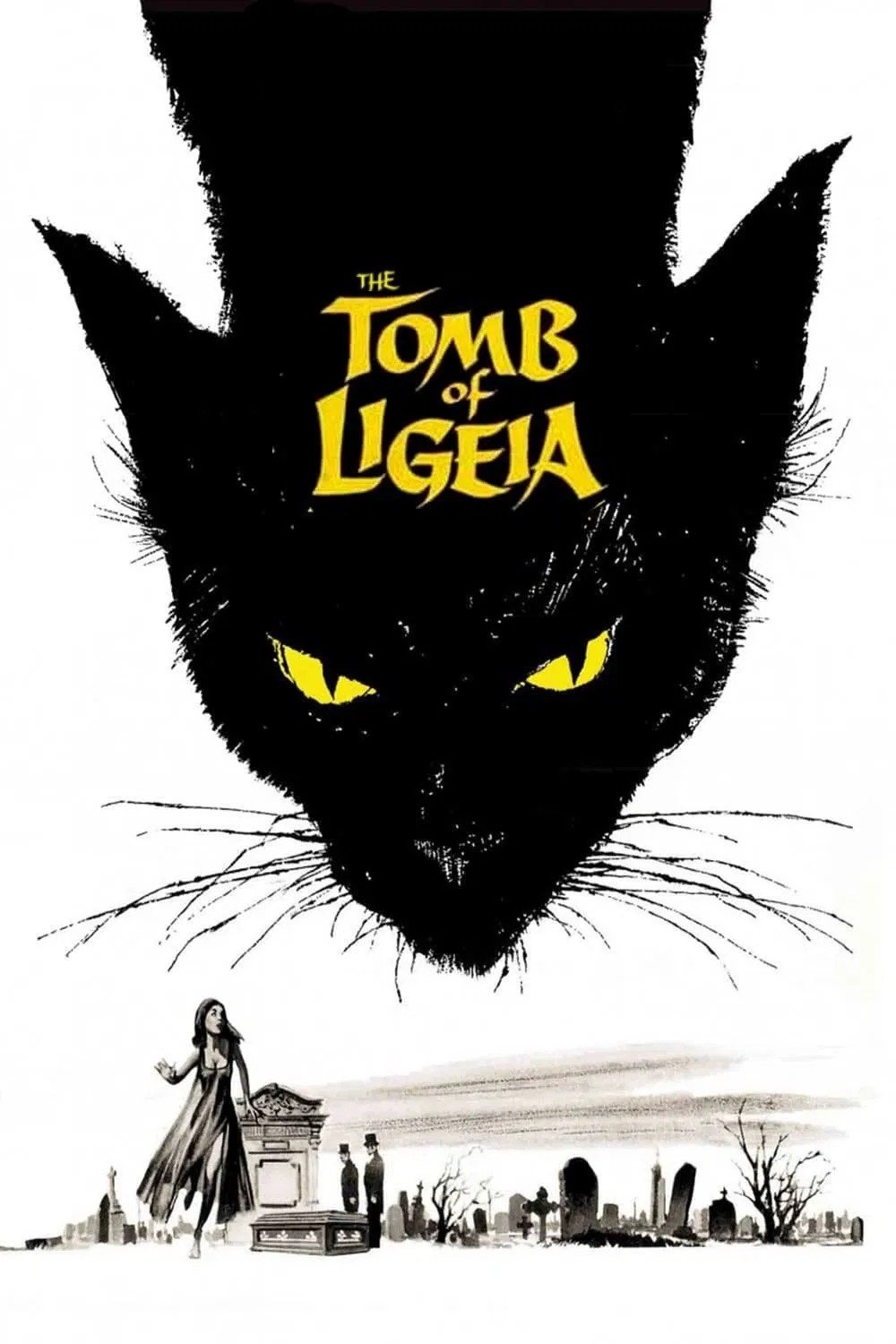
Verden Fell is shattered after the death of his lovely wife. But, after an unexpected encounter with Lady Rowena Trevanion, Fell soon finds himself married again. Nevertheless, his late wife's spirit seems to hang over the dilapidated abbey that Fell shares with his new bride. Lady Rowena senses that something is amiss and, when she investigates, makes a horrifying discovery -- learning that Fell's dead wife is closer than she ever imagined possible.
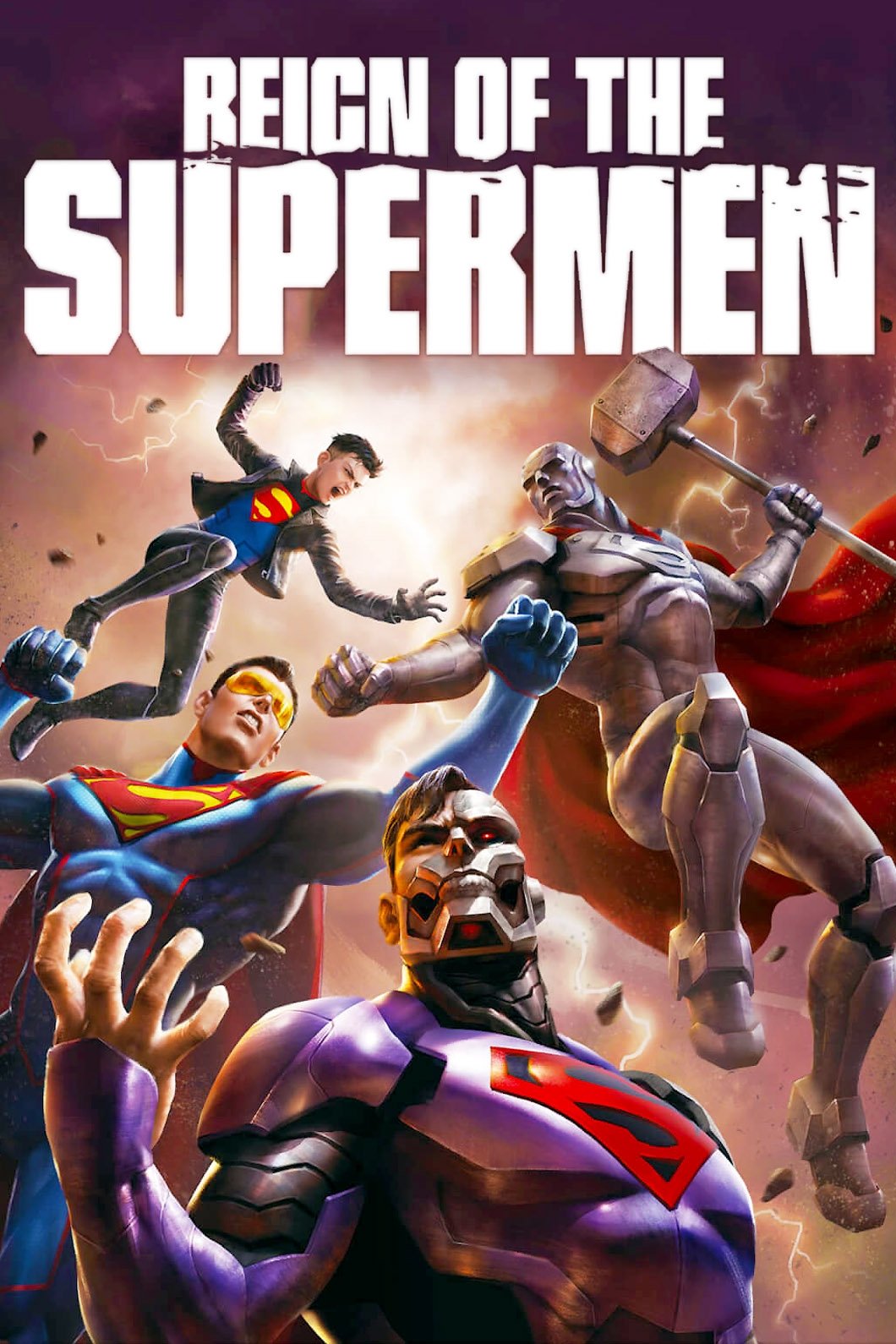
In the wake of The Death of Superman, the world is still mourning the loss of the Man of Steel following his fatal battle with the monster Doomsday. However, no sooner as his body been laid to rest than do four new bearers of the Superman shield come forward to take on the mantle. The Last Son of Krypton, Superboy, Steel, and the Cyborg Superman all attempt to fill the vacuum left by the world's greatest champion. Meanwhile, Superman's death has also signaled to the universe that Earth is vulnerable. Can these new Supermen and the rest of the heroes prove them wrong?
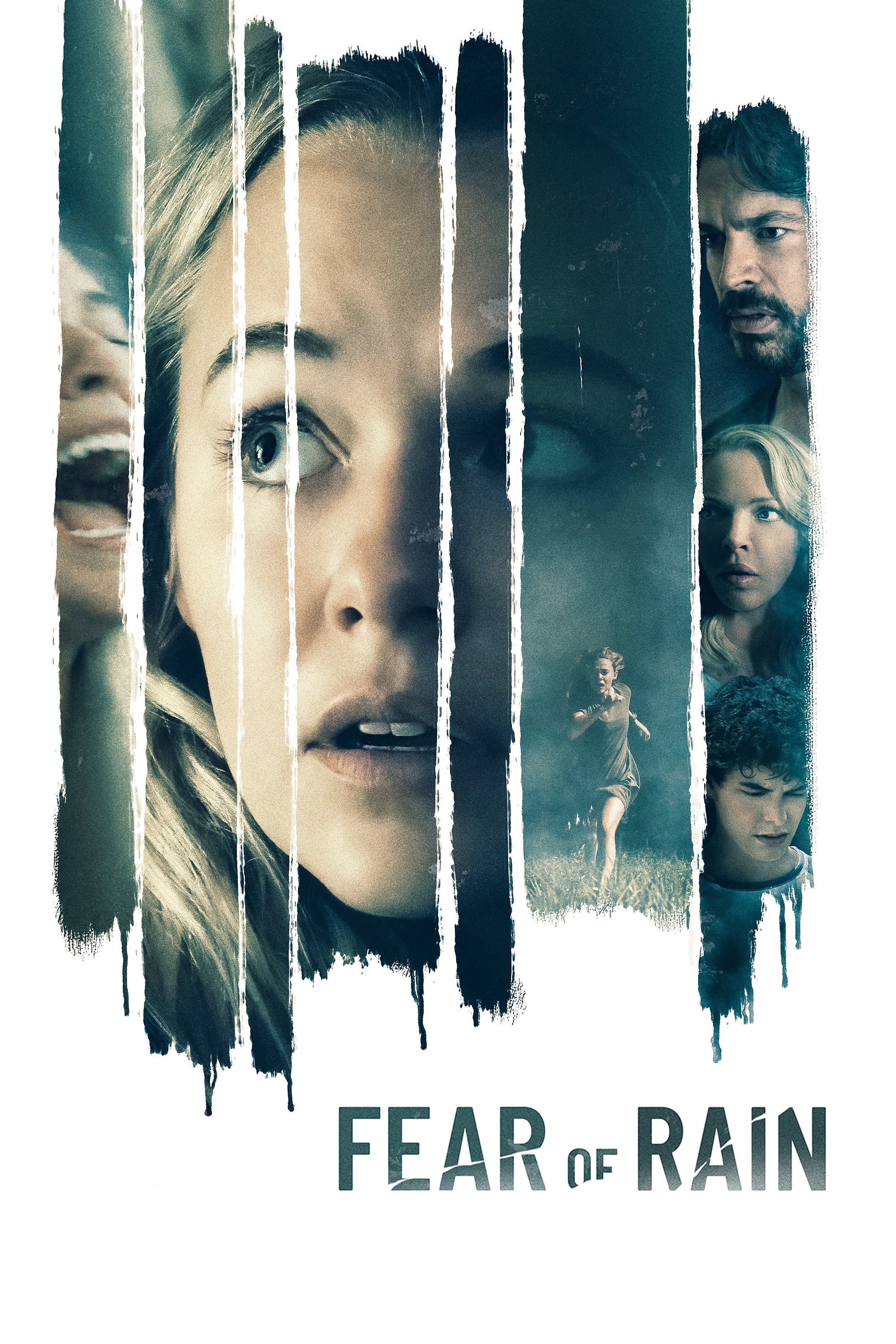
A teenage girl living with schizophrenia begins to suspect her neighbor has kidnapped a child. Her parents try desperately to help her live a normal life, without exposing their own tragic secrets, and the only person who believes her is Caleb – a boy she isn’t even sure exists.
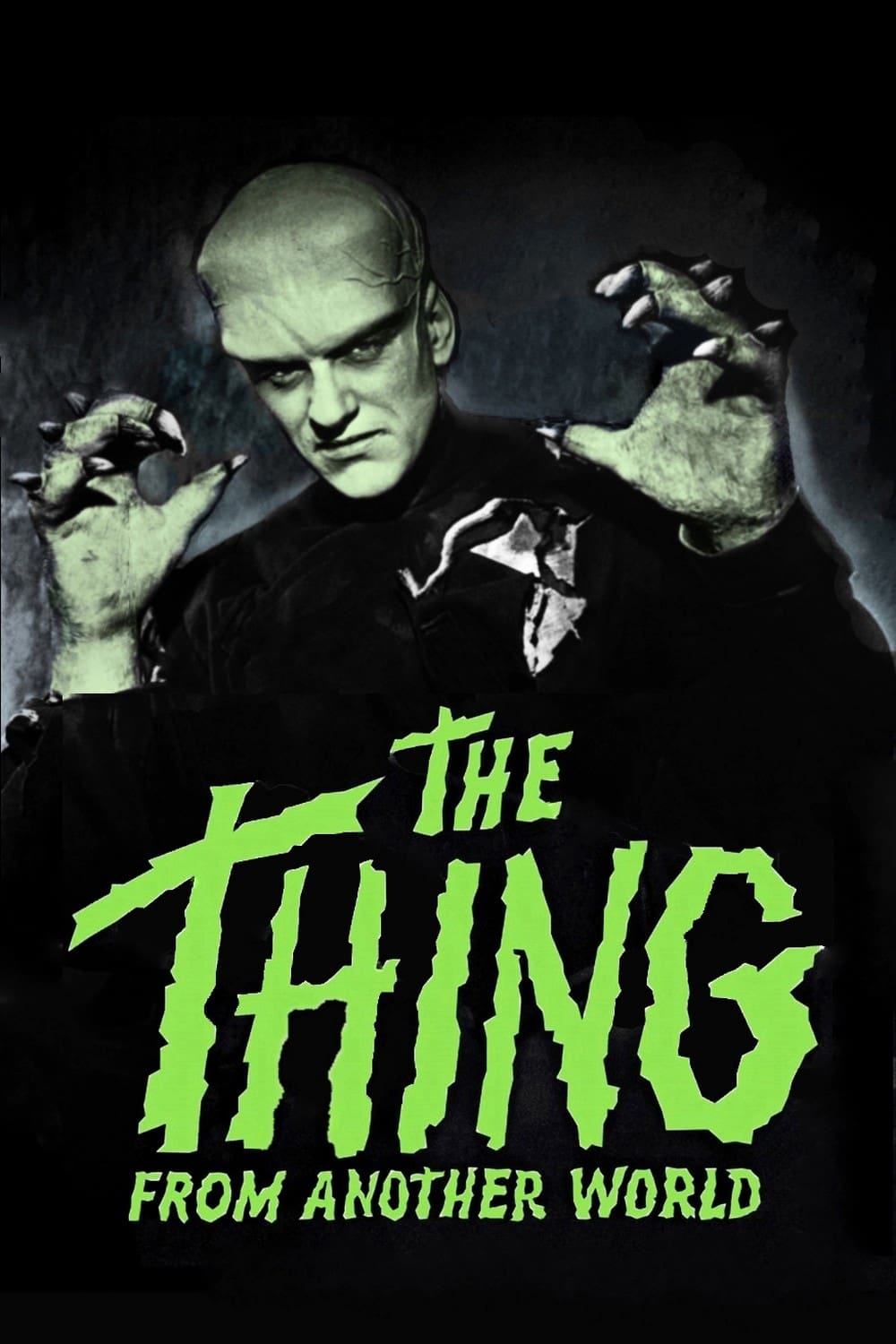
Scientists and US Air Force officials fend off a blood-thirsty alien organism while investigating at a remote arctic outpost.
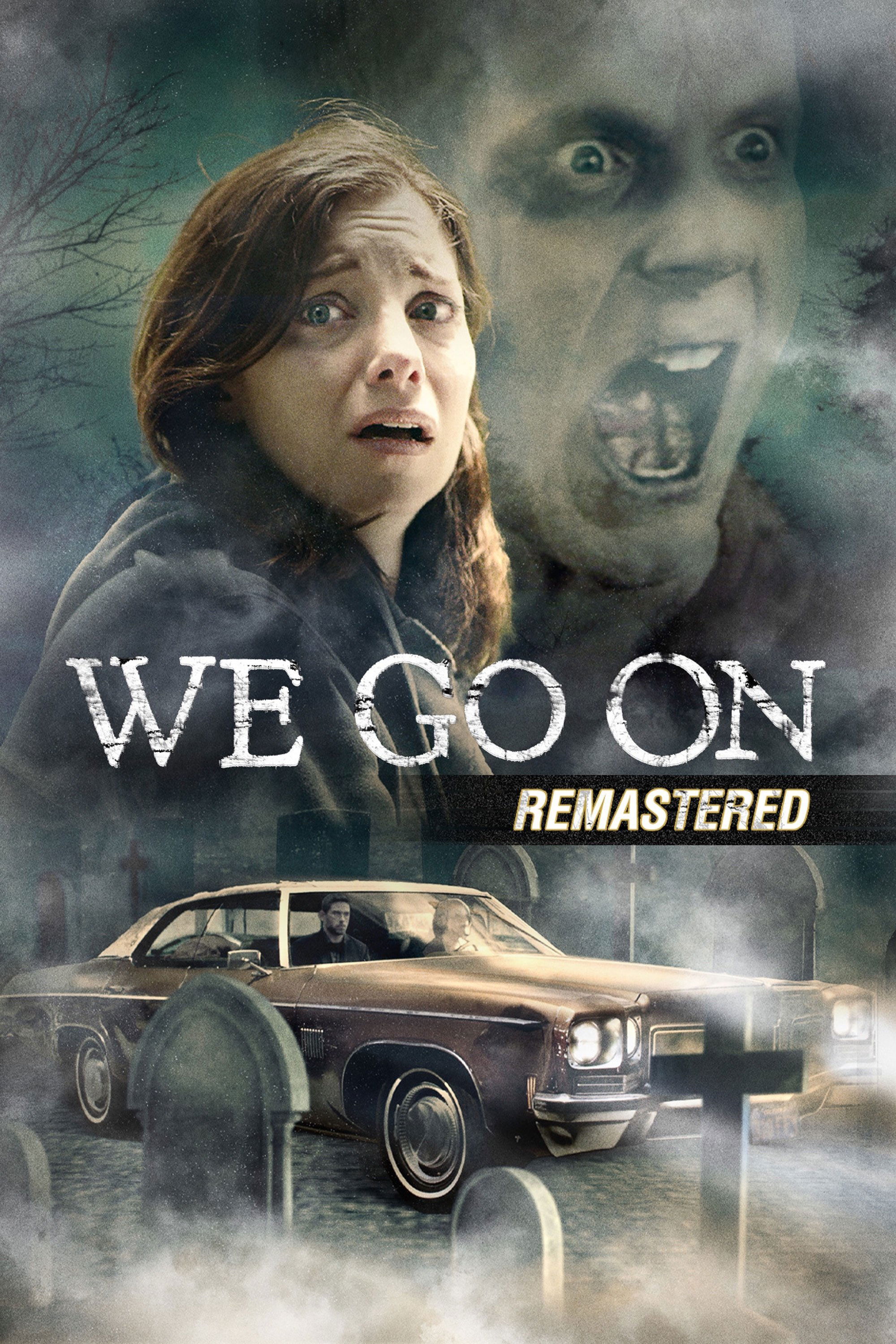
Paralyzed by his fear of dying, Miles Grissom takes out an advert offering $30,000 in reward money to the first person who can show him evidence of an angel, a demon, or prove that ghosts exist - anything to prove to him that we go on after our deaths. He narrows the responses down to three viable candidates - a scientist, a medium, and a worldly entrepreneur. Along with his protective mother, he embarks on an adventure through Los Angeles that will spiral into an unthinkable nightmare.